By Jim Andrew, Executive Vice President, Chief Sustainability Officer for PepsiCo via Yahoo Finance • Reposted: March 22, 2023
Water is a fundamental human right. It is indispensable to every community, ecosystem, and economy around the world. Yet water insecurity has become one of the world’s greatest crises–and one that is overlooked, or even worse, ignored entirely.
Globally, more than 2 billion people lack access to safe drinking water and 4 billion people experience severe water scarcity at least one month a year–and many far more frequently than that.
Climate change and other factors are harming water supply and quality, and ecosystems are being degraded as a result. It’s projected that at current rates of consumption, there will be a 56% gap between global water supply and demand by 2030.
And while the private sector and other stakeholders have made progress in addressing the causes of this water stress, the truth is it’s not nearly enough.
We are at an inflection point, which makes the upcoming UN Water Conference–being held for the first time in nearly five decades–a critical moment to drive action. It represents a transformative opportunity to ignite unprecedented collaboration among governments, NGOs, and the private sector to address this growing global crisis.
At PepsiCo, as the second-largest food and beverage company in the world, we know the critical role that water plays in the food system. When it comes to addressing water issues, we use a watershed management approach that encompasses our entire value chain, including on farms, in manufacturing facilities, along our value chain and in local communities. Through PepsiCo Positive–a strategic, end-to-end transformation of our business–we have developed robust goals to support our ambition of being “net water positive” by 2030. The aim is that our presence and action should improve the local water resources where we operate.
For example, we have implemented new technologies and processes in three of our largest food plants in Latin America that have taken us off the water grid, enabling us to make popular snacks like Lay’s, Doritos, and Cheetos without drawing anyfreshwater from local watersheds.
At our Vallejo facility in Mexico City, we source water from our manufacturing processes and other food companies in the area, purify it in house, and reuse the water in our operations. In Funza, Colombia, we treat and reuse our own processed water and capture rainwater for use in our facility. Both sites have operated using zero freshwater, with no burden on local municipalities, for approximately 250 days and counting since 2022, while our plant in Itu, Brazil, has yielded more than 100 days of using zero freshwater through similar approaches.
While operational efficiency is important for our business and water stewardship, it alone does not solve the larger problem. It’s critical that companies like PepsiCo continue to expand efforts beyond the walls of our facilities to protect and restore watersheds, while also ensuring that communities around the world have reliable access to safe, clean water.
In 2021 alone, our projects helped restore 6.1 billion liters of water back into local watersheds through replenishment partnerships with conservation organizations such as The Nature Conservancy and the World Wildlife Fund. And, over the last 15 years, PepsiCo and the PepsiCo Foundation have helped more than 80 million people access safe water. We’re aiming to reach 100 million people by 2030.
Fortunately, many companies have set ambitious water goals and are taking action. There are thousands of individual projects around the globe working to tackle water stress, but presently there are few opportunities for the private sector, NGOs, and governments to work together and pool the necessary resources to address this crisis at scale. We’re proud to be part of the CEO Water Mandate, for example, but such coalitions are few and far between.
We believe the only way to address the global water crisis is to get all stakeholders engaged and, through collective action, work towards a common goal of dramatically and urgently improving water conservation and governance, while ensuring that all people have access to safe, clean water. We need more open-source sharing of ideas and best practices. We need technological innovations and to rethink how we approach partnerships. We need collaboration among all stakeholders in impacted watersheds, advocating for solutions that drive fairness and address the specific needs of that locality. Only then will we drive the investment and scale that results in the level of change we need.
We are actively participating in the UN Water Conference and related events to share what we’ve learned and to learn from others, and to help inspire bolder collective action.
Half of the global population could face water scarcity challenges by 2025, according to UNICEF. We don’t have the luxury of time.
Jim Andrew is Executive Vice President, Chief Sustainability Officer for PepsiCo.
A trailblazing approach to marine conservation piloted in Seychelles finds new success in Belize.
By Julian Smith, Freelance Writer from the Nature Conservatory • Reposted: February 1, 2023
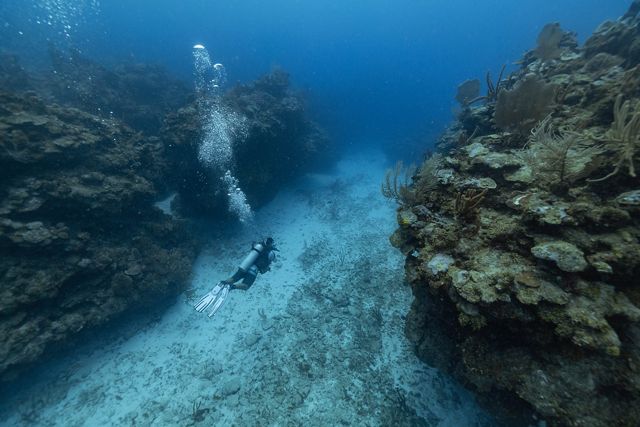
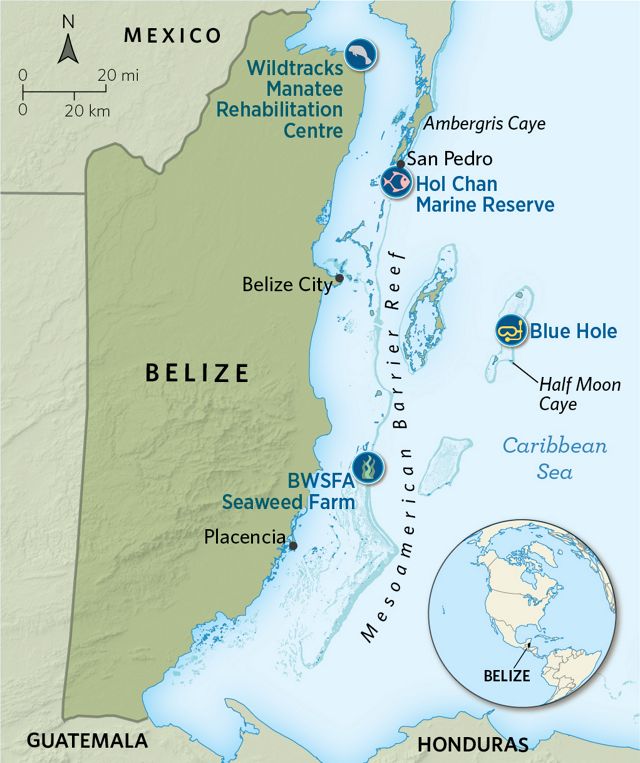
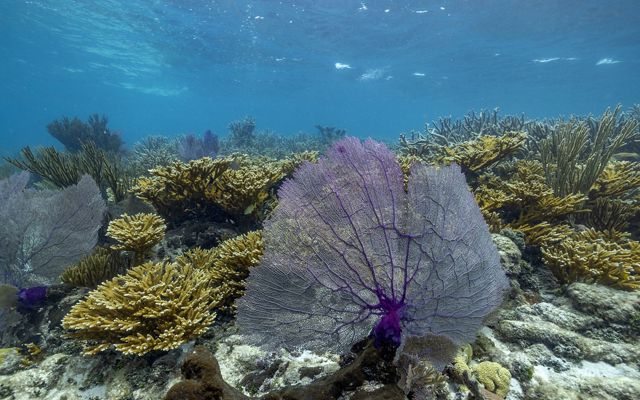
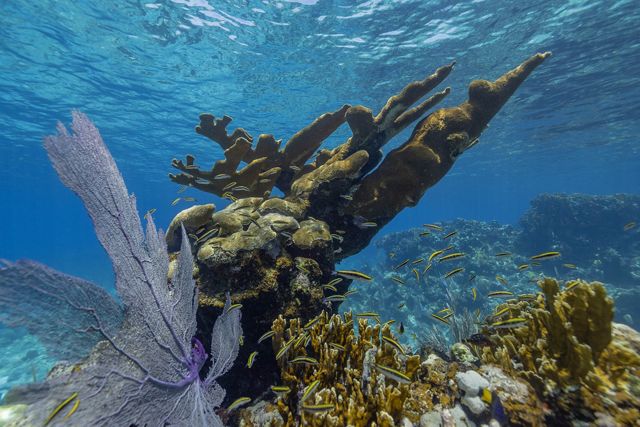
Scuba-diving the kaleidoscopic reefs of the Hol Chan Marine Reserve, just a 15-minute plane hop from Belize City, is like swimming into an Oscar-worthy underwater nature documentary. Sea turtles and spotted eagle rays soar past silently, while rainbow parrotfish munch algae off branches of healthy coral. A 3-foot nurse shark circles close by, while at the bottom of a small canyon—Hol Chan means “little channel” in Mayan—two male coral crabs face off like gladiators.
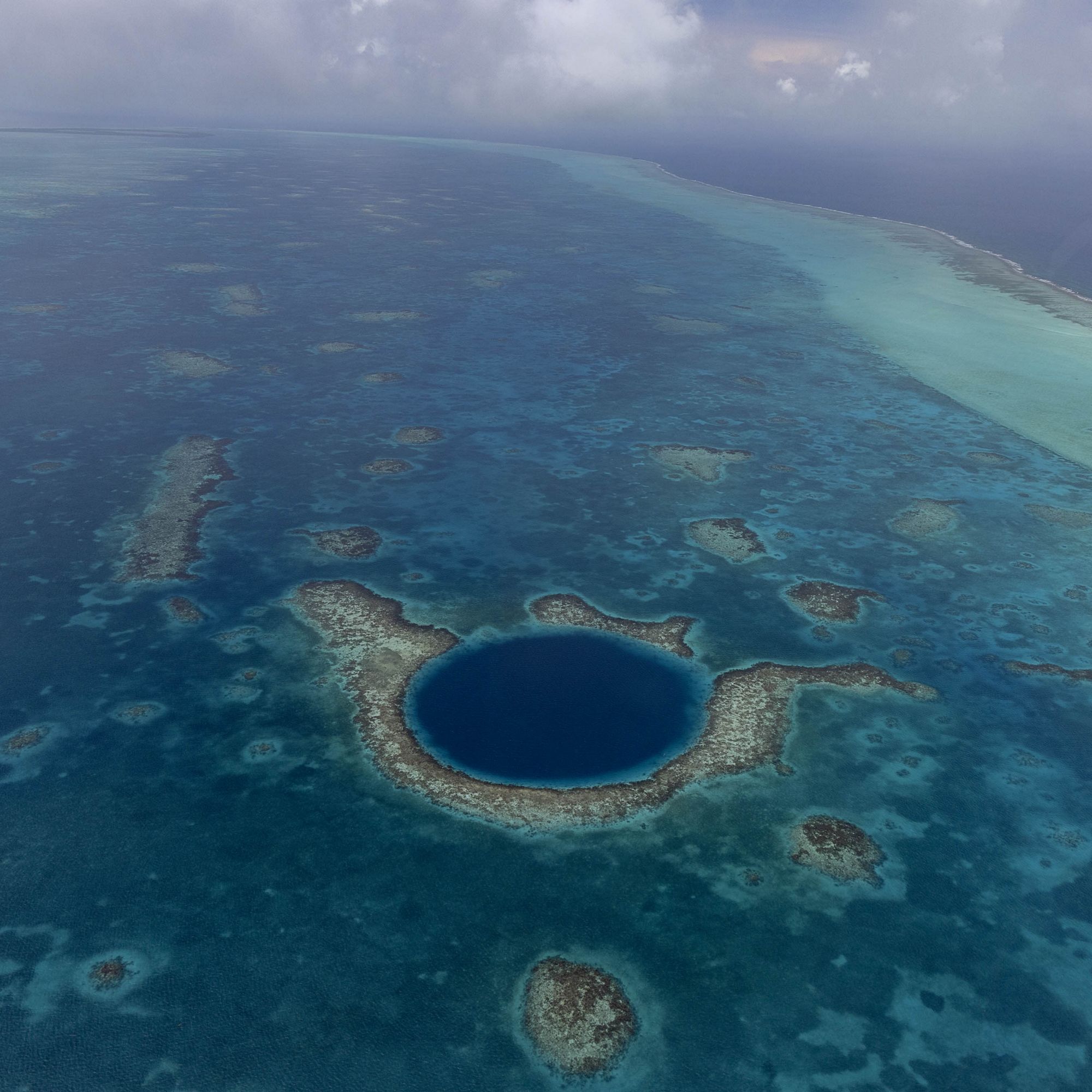
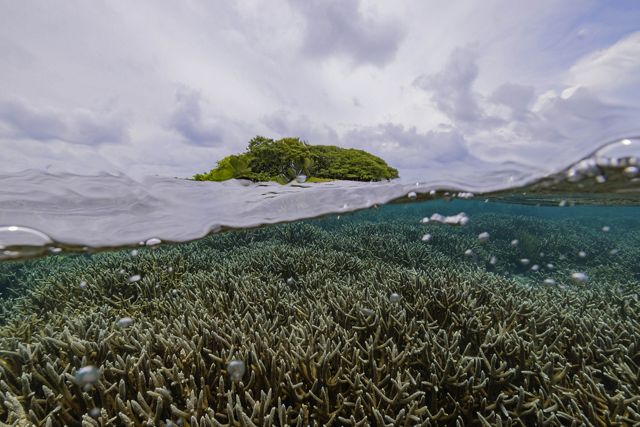
Hol Chan is the shining star of Belize’s myriad marine wonders and one of its busiest tourism destinations, but it’s just a small part of the longest barrier reef in the Western Hemisphere. Studded with hundreds of offshore atolls and cayes, Belize’s 240-mile coastline is home to more than 500 kinds of fish and three species of threatened sea turtle. Along the shore, mangrove forests, lagoons and estuaries shelter West Indian manatees and American crocodiles.
Although a portion of the barrier reef was designated a UNESCO World Heritage Site in 1996, the entire reef is vulnerable to the effects of climate change, and most of it is also under increased pressure from overfishing and nearby development. By 2020, Belize’s public debt had reached $1.5 billion—larger than the country’s GDP—making it difficult to set aside money for environmental protection.
COVID-19 only made things worse. Visitation to Hol Chan has dropped drastically since 2019. Since entry fees cover most of the parks’ operations, the ranger staff is down from 15 to 11 (at one point last year there were only five). Before the pandemic, the park’s marine treasures were guarded around the clock; now, rangers are available only from 5 a.m. to 8 p.m.
Belize needed a solution that would preserve its natural capital and jump-start the industries that depend on it. The government looked to a financial transaction piloted by The Nature Conservancy in the Indian Ocean just a few years before. If that revolutionary model of marine conservation could find purchase on Belize’s Caribbean shores, it would restructure the country’s debt, freeing up tens of millions of dollars to protect its coastal and offshore resources—a transformative prospect for a country where nearly 50% of the population relies on the ocean for food and jobs.
The Nature Conservancy closed its first debt-for-ocean transaction in 2016 with the Republic of Seychelles, a far-flung island nation 1,000 miles off the east coast of Africa. The Conservancy created a financial mechanism, which would later become the underpinning of its Blue Bonds for Ocean Conservation program, to help Seychelles secure long-term funding for marine conservation. The Conservancy worked with the country and its creditors to help lower the financing rate for part of the nation’s debt, and helped find international grants to further support the transaction.
In exchange, the country committed to protect at least 30% of its marine territory and devotes part of its annual debt-payment savings toward conservation management. It’s like a bank agreeing to refinance a home if the owner promises to put the savings toward improvements—just on a country-sized scale.
In the Seychelles, the program has been a resounding success. The $22 million debt restructuring has generated up to $430,000 per year for marine conservation and climate change adaptation. In less than five years, the country has been able to manage and protect more than 150,000 square miles of ocean, an area larger than Germany. The country has applied a wide scale of restrictions to these waters, including new marine preserves, dive-only sites, no-fishing zones and areas that are only open to community-level fishing.
Belize was a natural choice for the next Blue Bond, says Julie Robinson, program director for TNC in Belize, who spent much of her childhood in the town of San Pedro on Ambergris Caye, the gateway to Hol Chan. “As far back as I can remember, I was in the water exploring the seagrass beds, reefs and mangroves,” she says. “I was 6 years old when I decided I wanted to dedicate my life to protecting marine life.”
Such feelings are common among citizens of Belize. “We have a very strong connection to nature,” says Robinson. “We are proud of our country; everyone calls it ‘The Jewel.’”
Innovating strategies to conserve its dazzling terrestrial and aquatic biodiversity is nothing new for Belize. It was the first country in Central America to designate a Marine Protected Area, with the creation of Half Moon Caye Natural Monument in 1982. It was also the first to sign a subsidized “debt-for-nature” swap, an agreement finalized in 2001 that canceled $8.5 million in outstanding loans and protected 23,000 acres of its tropical rainforests.
Taking Belize’s ocean conservation to scale was the next step, says Robinson. Nearly half of the country’s population lives in coastal communities, which rely on marine ecosystems for income, food and flood protection. Tourism accounts for 40% of the country’s economy, and a quarter of that is estimated to depend on coral reefs alone. Yet the annual budget to enforce environmental laws and expand protected areas has been less than $1 million.
To bolster the national economy and address that funding gap at the same time, the Belize government began initial discussions with TNC around a debt restructure for marine conservation in 2010. The road wasn’t easy, negotiations stalled, and the model was taken to the Seychelles instead, but a decade later, with Robinson at the helm, talks resumed in earnest. Finally, in November 2021, the Conservancy, along with global investment bank Credit Suisse and the U.S. International Development Finance Corporation, helped restructure $553 million of the country’s debt—ultimately reducing the principal by $250 million in the process. Over the next 20 years, as Belize pays down its new, more favorably termed loan, the savings are expected to generate $180 million to support in-country marine conservation. An endowment established through the transaction is designed to finance marine protection after the loan is repaid.
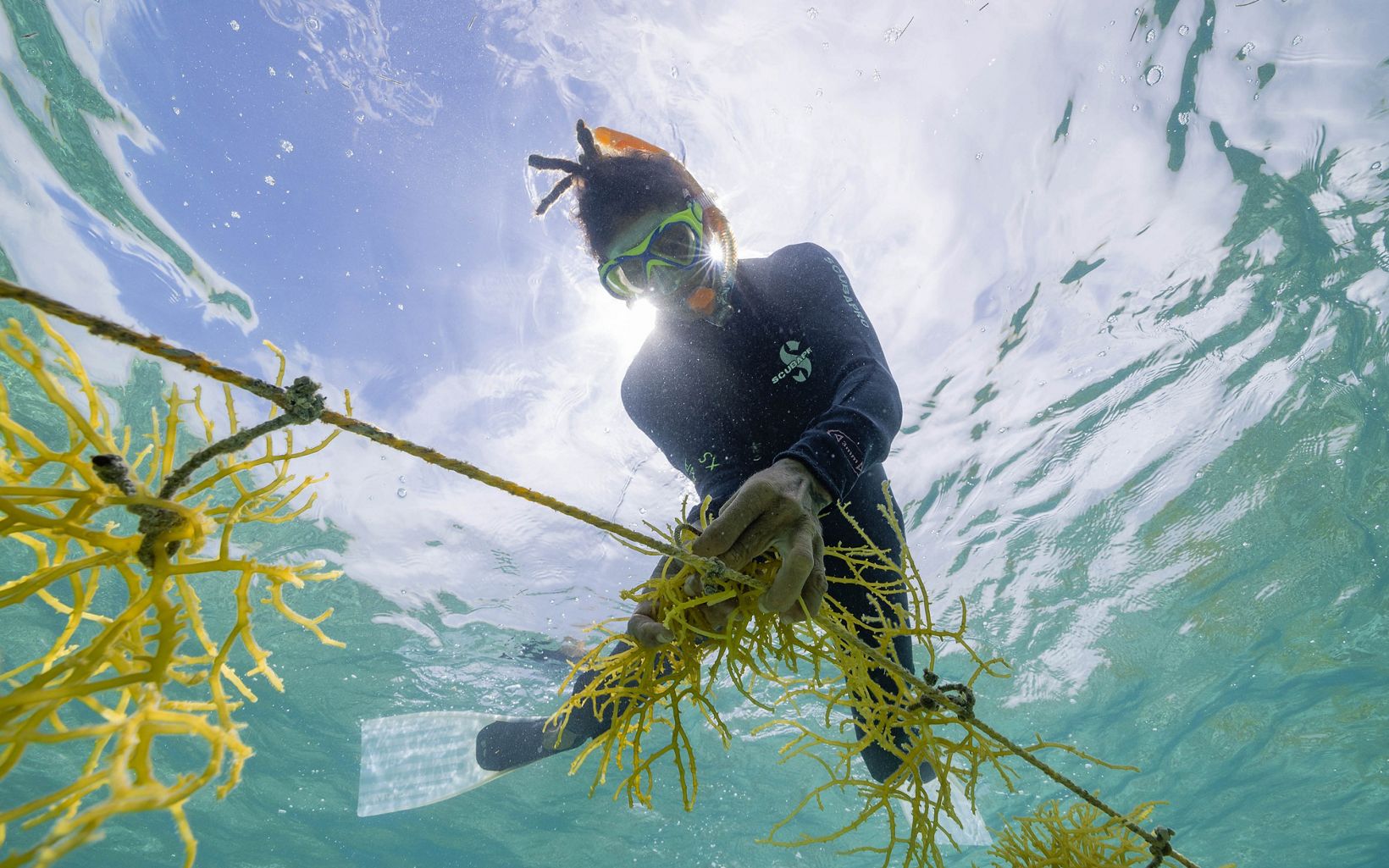
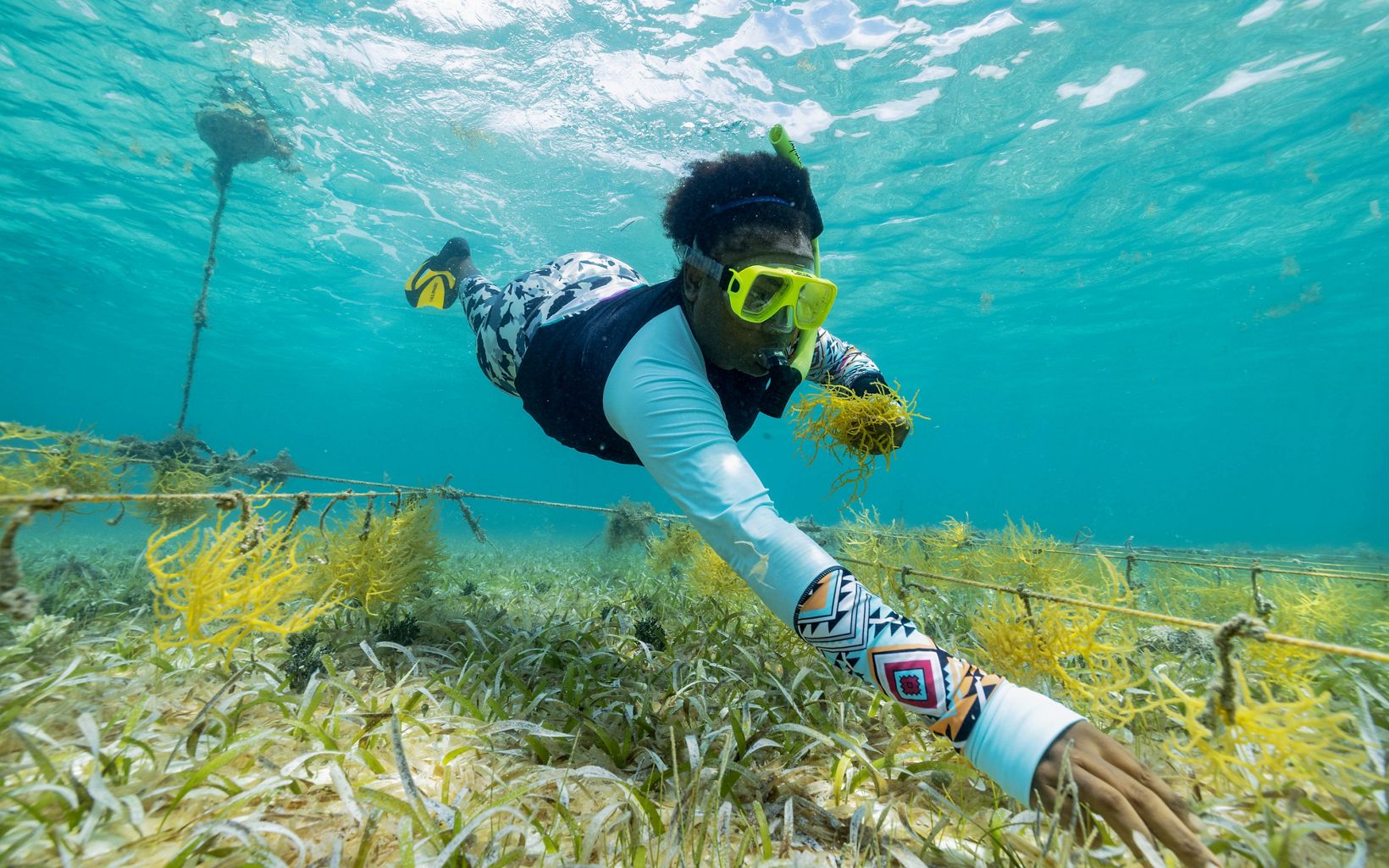
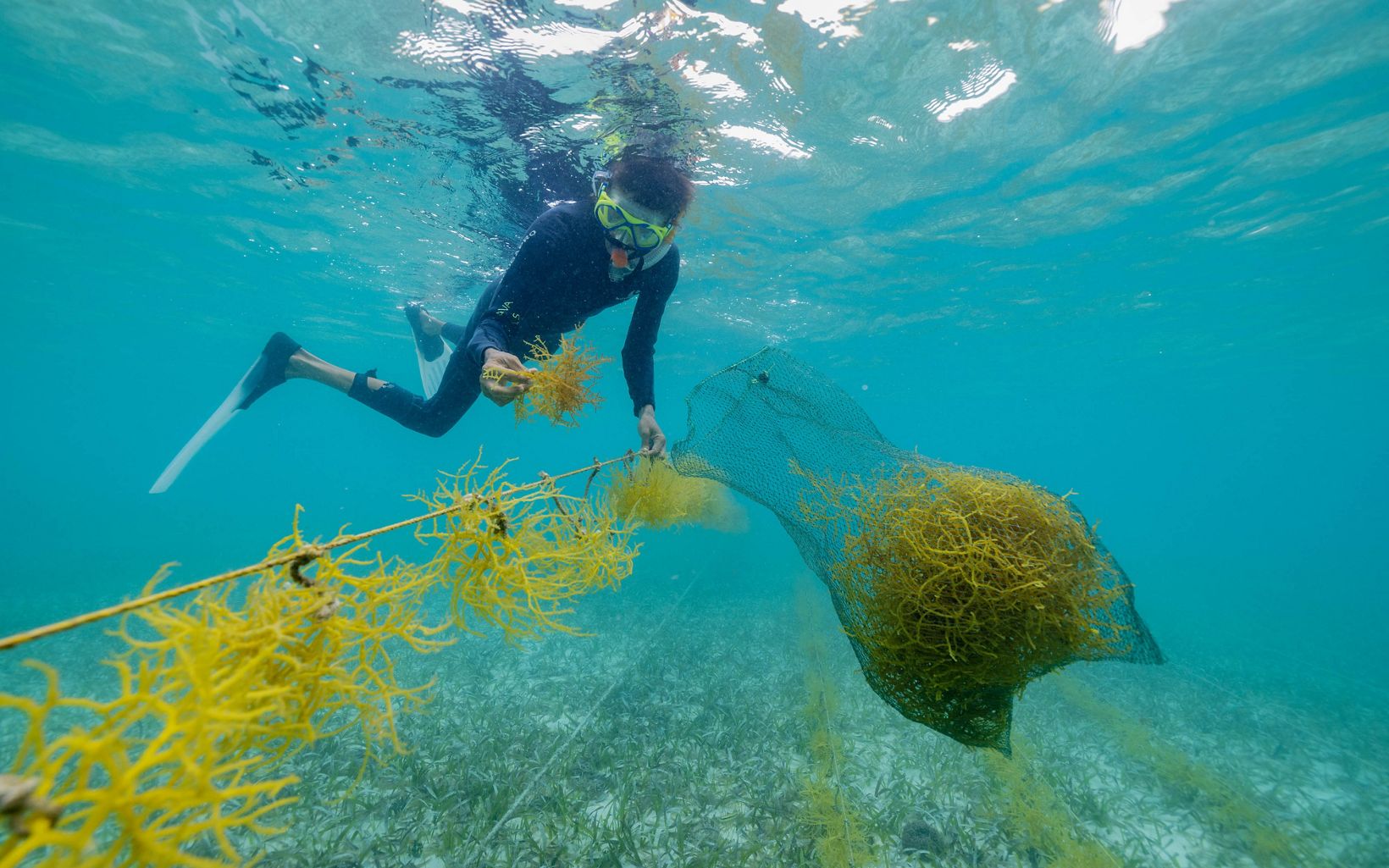
Along with the large-scale policy changes, the Blue Bond will also make more money available on the ground to support community ventures that promote Belize’s marine economy. One model for what these projects might look like floats just under the surface of the water, 18 miles offshore from the beach town of Placencia. Seven square wooden frames, 50 feet on a side, are attached by cables to the shallow sandy bottom. Long cords strung across the frames are lined with tangles of Eucheuma isiforme, a type of seaweed Belizeans use in cooking and as an ingredient in punches and smoothies. This sustainable seaweed farm is run by the Belize Women’s Seaweed Farmers Association (BWSFA), a nonprofit founded in 2019.
“We were looking for supplementary livelihoods because we can’t depend on fisheries or tourism anymore, because of climate change and depleted fish stocks,” BWSFA President Mariko Wallen says. “We decided to find a way to empower ourselves.”
The Conservancy helped the group set up a seaweed farming course and used satellite imagery to determine the best places for the farms, which also provide habitat for ecologically important and commercially valuable species like snapper, spiny lobsters and conch.
Wallen hopes the BWSFA can benefit directly from the Blue Bond by accessing funding to expand the farms, open a business arm for marketing and develop products like lotions, conditioners, soaps and cosmetics that could one day be sold abroad.
We are proud of our country; everyone calls it ‘The Jewel.’
Some citizens, like Wallen, will see the Blue Bond as a boon for their ocean-based livelihood, but 18 months of confidentiality around the deal—to avoid driving up the price of the Blue Bond before an agreement was struck—mean that there is some public relations work to be done to convince others. “We need to be able to show people how they directly benefit from it,” says Robinson. To address possible concerns that the deal will make more of the ocean off-limits to Belizeans, TNC is getting the word out by holding information sessions, producing educational videos and hiring new staff dedicated to engaging with stakeholders.
Community input is a large part of how the government will determine the types of protections that will be put into place. The goal is not to cut communities off from marine resources that they need for food or tourism, but to ensure enough areas are protected to make the entire system more sustainable.
The Blue Bond shows that it’s possible to balance economic development and conservation in a way that benefits everyone, Briceño says. “We have a responsibility to the planet and future generations to try to conserve as much as we can. That’s why this is so exciting: we can show that conservation is good business and that it can have a direct impact on the people most affected by climate change.”

 Eric Block On Responsible Branding
You must be logged in to post a comment.