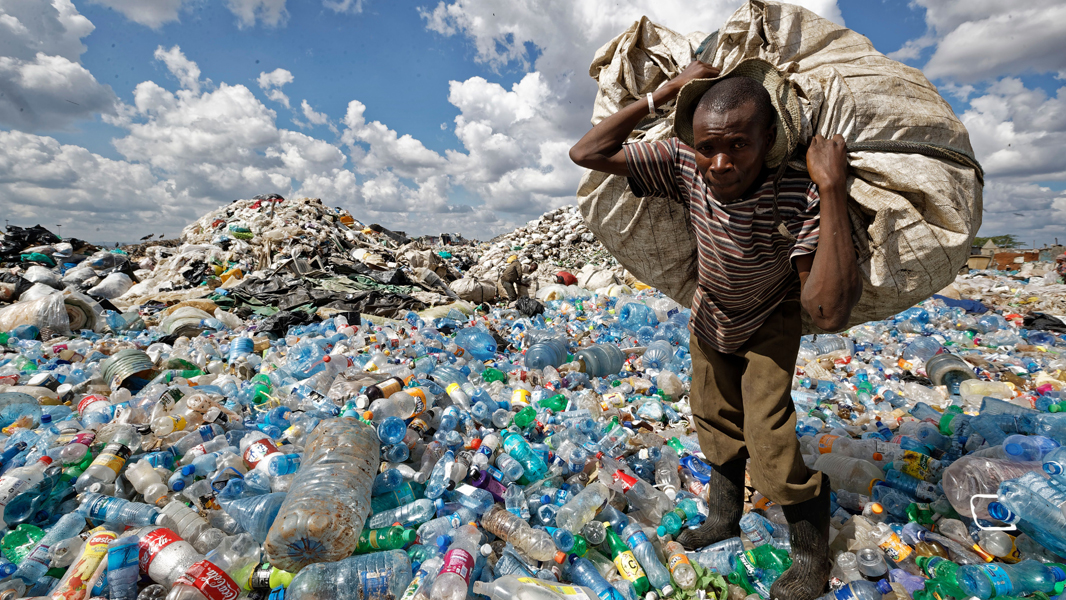
Photo Credit: Ben Curtis/AP/Shutterstock
A guest blog on creating ethical and socially responsible supply chains by Emy Kane, managing director of Lonely Whale, and Michael Sadowski, executive director of The Circulate Initiative via Economidst Impact • Reposted:July 1, 2023
An estimated 140m tonnes of plastic have accumulated in the world’s oceans and rivers, with an additional 8m tonnes added each year. Without intervention, this figure is projected to more than triple by 2040, reaching 29m tonnes annually. We are at a critical juncture, and while the challenge ahead may seem daunting, there is enormous potential for corporate decision-makers to seize this global opportunity.
Companies have recognised the severity of plastic pollution and realise that more than 70% of their youngest customer demographic are willing to pay extra for sustainable products. What is now urgently needed to address this problem is collaboration across companies and sectors—to develop ocean-bound-plastic (OBP) supply chains, material-usage scenarios, product designs and socially responsible sourcing practices that help to mitigate pollution and secure the livelihoods of people throughout the value chain.
Embracing the spirit of radical collaboration
Collaboration is vital in developing commercially viable and socially responsible OBP supply chains, as demonstrated by the success of NextWave Plastics. Co-founded by Lonely Whale and Dell Technologies in 2017, NextWave created the first global network of OBP supply chains. At first, rapid impact was hindered by limited access to OBP material and fragmented industry understanding. Thanks in part to the consortium’s leadership, there is now a thriving market for OBP, and brands can readily find OBP material to use in their packaging and products. While there is much more to be done, knowledge-sharing within NextWave will help increase the use of OBP across global supply chains.
Sharing insights is critical to ensuring the long-term sustainability of projects launched today and placing the human element at the centre of business decisions. As we celebrate five years of collaborative work with NextWave, we are increasing our impact under the new leadership of The Circulate Initiative. Together we will expand the diversity of insight around supply-chain maturation and hard-to-recycle plastics that collectively improves the lives of those across the OBP value chain. This global crisis is not just about plastic, but also people.
Building a socially responsible supply chain
Plastic waste management and recycling rely heavily on the informal sector, with informal workers accounting for nearly 60% of plastic recycling globally. They often work in unsafe environments and are at risk of injury and illnesses. Improving the livelihoods of these individuals is essential to developing a robust recycling supply chain. The conditions that lead people to become waste workers can be complex and entwined with structural and systemic issues, especially poverty and gender inequality. Although working conditions can be hazardous, informal waste workers almost never benefit from regulatory protections or other employment-related benefits. As brands and companies make commitments to sustainability and the market for recycled plastic commodities continues to grow, informal waste workers must have a seat at the table.
Understanding these complexities, NextWave members compiled their shared knowledge to create the Framework for Socially Responsible Ocean-Bound Plastic Supply Chains. This comprehensive framework, vetted by external advisors and partner organisations, defined a vital road map for brands and manufacturers to create circular supply chains that provide protections for all workers. Implementation of the framework aims to create supply chains that have both the infrastructure and support necessary to meet demand as well as align with globally approved social and environmental standards.
Securing a future with accountable practices
Today, corporate leadership is leading the way for the future of business and our planet by securing social and environmental benefits for multiple stakeholders, including waste collectors, local communities and recyclers. However, sustained success requires collective action across sectors and competitors. As the United Nations and 175 member states deliberate on an internationally binding treaty on plastic pollution, there is no better time for companies to collaborate with other industry leaders to co-design a future that combats plastic pollution.
To see the original post, follow this link: https://impact.economist.com/ocean/sustainable-ocean-economy/can-we-ethically-reduce-the-amount-of-plastic-in-our-ocean-by-keeping-it-in

 Eric Block On Responsible Branding
You must be logged in to post a comment.