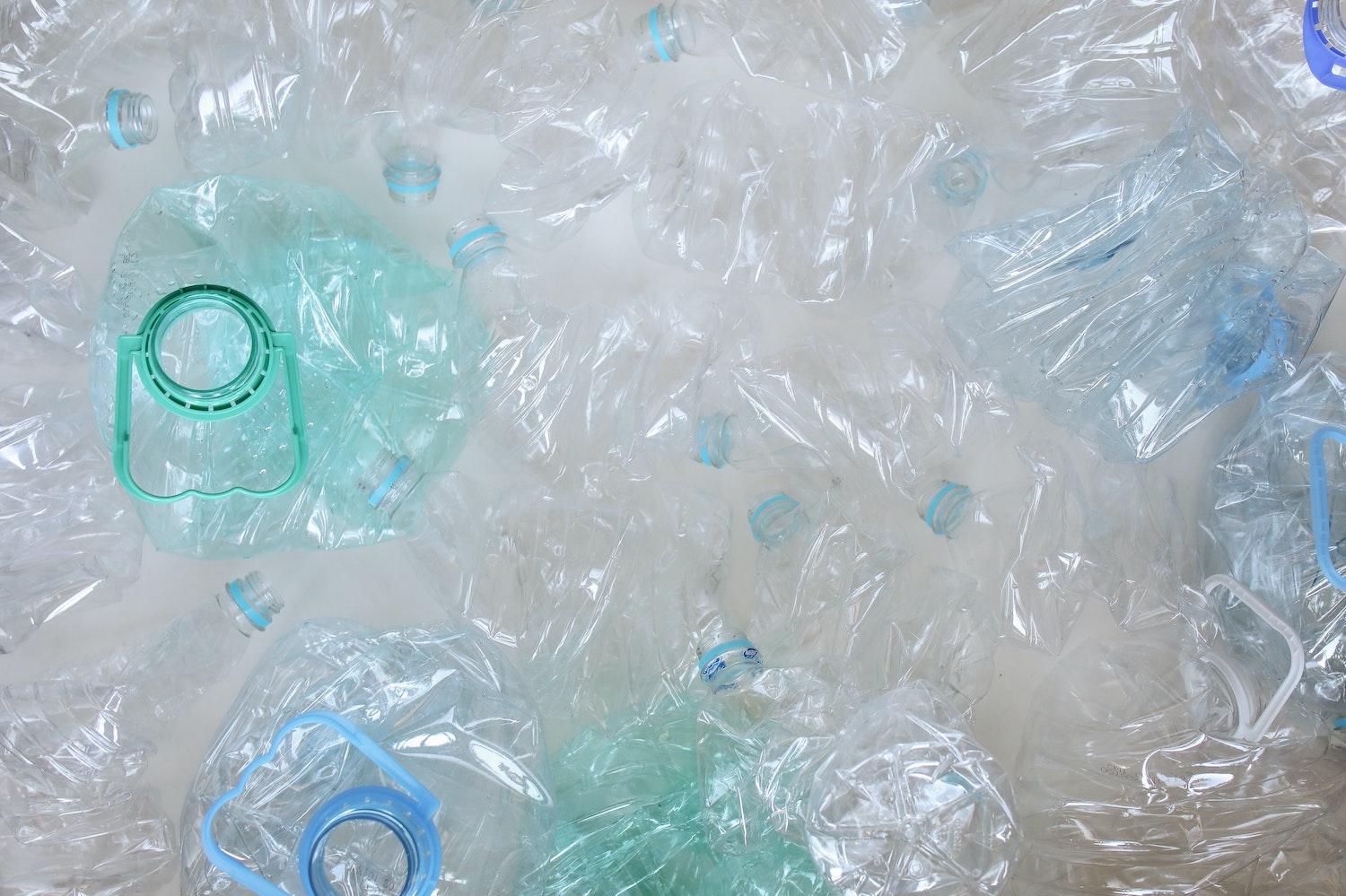
Image credit: Polina Tankilevitch/Pexels
By Roya Sabri from Triple Pundit • Reposted: June 23, 2023
For the companies developing consumer products, making the needed progress can seem unattainable in an age when plastic has become a reliable and affordable go-to for packaging. It might even feel like a distraction from other priorities. So, how can consumer goods companies contribute to global goals around reducing plastic waste and pollution?
While many consumer goods companies have made ambitious targets for 2025 and beyond, success on some fronts has proven to be elusive. Progress toward the New Plastics Economy Global Commitment, signed by over 500 organizations, for example, has been a mixed bag. In 2022, the Ellen MacArthur Foundation reported that the use of recycled materials has been improving, but signatories are still using too much virgin plastic and not enough reusable plastic. The overall use of virgin plastic was reported as comparable to 2018 levels when the Commitment was first signed.
Meanwhile, regulatory pressure and consumer demand for change have only increased. More than 60 countries have enacted some form of ban or levy on plastic packaging, according to the U.N. Principles for Responsible Investment initiative. When it comes to purchasing patterns, consumers are also conscious of the packaging they buy. In a 28-country Ipsos survey, 82 percent of respondents said they prefer buying products that have as little plastic packaging as possible.
Research shows the need is urgent: If we don’t reduce waste production, we will more than exceed the boundaries of our planet by 2060. Consumer industries have a major part to play. They represent $35.2 trillion in the global economy, and reducing plastic waste is a crucial focus.
Escaping “pilot purgatory” to reduce plastic waste
Given this business case, Accenture and SAP have built expertise in the circular economy, helping clients reduce waste in product lifecycles. Drawing on this experience, extensive market research and testing, the companies have published a new report, “The Future of Packaging in the Circular Economy: 5 Actions for Long-Term Success,” that gives consumer goods companies insights and tools to build momentum for packaging circularity and achieve long-term success, escaping what the authors call “pilot purgatory.”
Research from the report shows that 66 percent of pledges to go greener on plastic have failed due to companies breaking their own commitments and targets.
Accenture and SAP reviewed corporate communications on 50 circular pilot programs between 2017 and 2023. Of those, only two programs followed up with impact measurement and consistent progress updates. “In short, the overwhelming majority of pilots have not shown progress beyond the initial announcement, with no acknowledgement of cancelled pilots or shared learnings from those projects,” the report reads.
In contrast to the culture of launching pilots that lack the infrastructure to support them to scale, the following five actions help nurture a circular system where initiatives can thrive.
Embrace authenticity and transparency
In business, it’s tough to know how far transparency should go. The important thing is to build a system of data collection and disclosure that expresses credibility to customers and builds trust among stakeholders. This starts with a comprehensive baseline of product packaging and continues by building out tools like digital twins — or virtual models that, in this case, would illustrate what’s happening in the supply chain, as well as how initiatives are progressing.
The public-private Platform for Accelerating the Circular Economy (PACE) established the Circular Economy Indicators Coalition to make disclosure of this information more feasible. By bringing standardization to circular economy metrics, the coalition aims to catalyze more robust and meaningful disclosures that push collective understanding and action forward.
Re-imagine packaging R&D
In calling for innovation, Accenture and SAP recommend first getting down to the basics. A few simple questions about the purpose of the packaging and the product help prune unnecessary elements that would get in the way of circularity.
Then comes design. Changing up materials doesn’t necessarily happen automatically, and it must be done with care. Not every material is truly scalable in an environmentally-friendly and business-sensitive way throughout a package’s lifecycle. Advanced technologies like machine learning can speed up the prototyping and testing process so that it’s easier to find solutions that achieve circular goals while also meeting business needs.
The Consumer Goods Forum, an industry group representing more than 400 companies globally, released its Golden Design Rules for packaging in 2021 to provide further guidance to the sector. The rules range from choosing the proper color to ensure plastic bottles are more easily recyclable, to reducing the use of plastic overwrap, to removing hard-to-recycle plastic resins from packaging. Though the standards are voluntary, companies within the Forum’s Coalition of Action on Plastic Waste have committed to align with them in their packaging design.
Still, packaging that’s more sustainable isn’t necessarily simpler. With “smart” elements like QR codes and digital tags that enable two-way communication, packaging can enhance engagement with customers. And if a circular design sacrifices the glam of shiny and vibrant single-use plastic, tech solutions like augmented reality experiences can expand marketing into new (cost-saving) directions.
Invest in infrastructure and communities
The beauty and complexity of circular economy goals is that they don’t end with production. A circular company has the responsibility to ensure its packaging is properly collected and repurposed at end-of-life. If this involves recycling, for example, there are various stakeholders and community features to engage and support.
The report calls out Danone as one positive example of a multinational company stepping beyond its walls to fulfill circular packaging aspirations. For example, the company helped establish the largest and most advanced PET plastic recycling facility in Indonesia and has invested significantly in recycling technology and infrastructure in North America. These initiatives have been in supplement to the company’s basic efforts at changing its packaging for the better. Today, almost three-quarters of Danone’s plastic packaging is reusable, recyclable or compostable, compared with a baseline of almost two-thirds in 2018.
Grow, reuse and explore circular business models
Here’s another roadblock to overcome. What if a company puts time, effort and money into a circular solution, but consumers don’t buy it? Or maybe the market jumps in an unexpected direction. We’ve already noted the solid and intensifying business case to pursuing circularity, but aligning properly (and securely) with these trends takes intentional efforts.
Accenture and SAP outline steps including user research, testing and learning instead of putting all your eggs in one pilot. Collaborating with other actors along the value chain also allays risks.
Further, reusable packaging offers a uniquely secure opportunity not only for resource efficiency, but also for brand loyalty. As widely reported across news outlets including Time Magazine, success in reuse requires demonstrating proper customer buy-in and low environmental impact over the course of the packaging’s lifecycle.
Collaborate to scale
It’s no accident that we find collaboration at the end of the report. Breaking down silos between companies and organizations is a big ask. Yet the authors write, “Collaboration is one of the critical and necessary components for circular packaging to gain traction.” Consumer goods companies should seek to collaborate with each other before getting to the stage of competition in the market, SAP and Accenture recommend.
Some opportunities include creating “communities of practice” that prioritize forthright communication, where companies can openly share triumphs and challenges in the march toward circularity. It’s through collaboration that companies might also find reusable packaging a more feasible option: They can work together to coordinate investments and establish the necessary relationships and infrastructure.
The bottom line
The most important element to each of these recommendations is work. That’s why Accenture and SAP called them “actions.” They aren’t targets to be made and set aside after a few months. Actually working through the outlined steps takes dedication.
The innovation and honesty required might not be comfortable, but working together can help make the path smoother. “Given the scale of the challenge, time is too short for each consumer goods company to learn the same lessons individually,” the authors write.
In the end, finding solutions to wasteful plastic packaging will make companies more compliant to regulations and appealing to customers. Consumer goods companies are uniquely positioned to lead the way.
This article series is sponsored by SAP and Accenture and produced by the TriplePundit editorial team.
To see the original post, follow this link: https://www.triplepundit.com/story/2023/consumer-goods-companies-plastic-waste/777296

 Eric Block On Responsible Branding
You must be logged in to post a comment.