Renewable Energy Investing Gathers Steam as Anti-ESG Movement Falters

29 06 2023

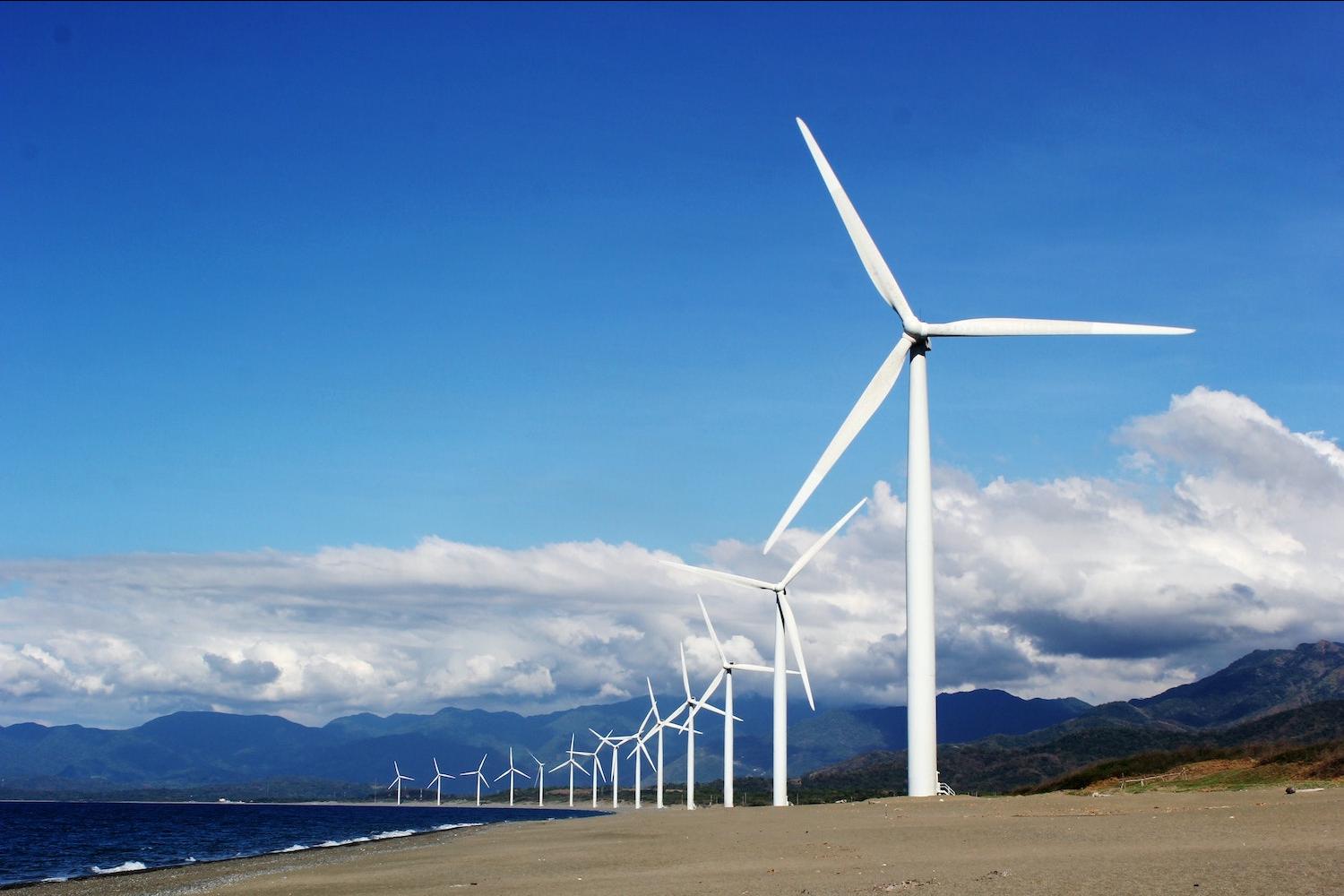
Image credit: Kervin Edward Lara/Pexels

By Tina Casey from Triple Pundit • Reposted: June 29, 2023

The renewable energy trend crossed partisan boundaries decades ago when red and blue states alike partook in the hydropower boom of the mid-20th century. More recently, some state officials have tried to push the clean power genie back in the bottle by ginning up action against ESG (environmental, social and governance) investing. They have achieved some success, but investors just can’t resist the opportunities offered by new clean technologies.

The anti-ESG movement is mostly hot air

In a new report, the consulting firm Pleiades Strategy tracked 165 bills introduced by Republican lawmakers across 37 states, all aimed at steering government pension fund managers and contracting agencies away from ESG principles. Since the “E” in ESG leans heavily on renewable energy, the main thrust of the legislation is to protect fossil energy stakeholders.

Last week, Pleiades reported that the legislative push has met with significant pushback. “This coordinated legislative effort, commonly referred to as the anti-ESG movement, generated massive backlash from the business community, labor leaders, retirees, and even Republican politicians,” a new report from the firm reads.

Among the 165 bills it identified, only 21 became law. Many were substantively amended to satisfy objections. “Broad escape clauses were added to limit the most draconian prohibitions, which experts have warned legally contravene the basic tenets of fiduciary duty, creating a ‘liability trap,’” the report reads. 

Renewable energy is not a new “woke” craze

The Republican-dominated state of South Dakota provides a living example of the extent to which anti-ESG office holders are out of step with business leaders.

Anti-ESG rhetoric is larded with scary talk that warns of a new “woke” threat taking over the country. But there is nothing new about renewable energy in the U.S., and South Dakota is a case in point.

In March, South Dakota Gov. Kristi Noem signed an open letter with 18 other Republican governors, warning that the “proliferation of ESG throughout America is a direct threat” that puts “investment decisions in the hands of the woke mob.”

Nevertheless, South Dakota continues to benefit from the 20th-century hydroelectric program. The U.S. Energy Information Agency (EIA) notes that 3 of the 4 biggest power plants in South Dakota are hydropower facilities that were built more than 60 years ago.

South Dakota’s agriculture industry has also benefited from longstanding federal policies going back to the Energy Policy Act of 1978. South Dakota is currently the fifth-largest producer of bio-ethanol among the 50 states, all from corn.

In addition, South Dakota grabbed onto the wind energy coattails fashioned by Iowa and Texas legislators in the 1990s and early 2000s. Wind contributed more than 50 percent to South Dakota’s grid in 2021, with hydropower coming in second, according to the EIA. Coal and natural gas each contributed less than a tenth. 

More wind power for South Dakota

Activity in the South Dakota solar industry has also begun to stir. But much attention remains focused on wind resources, including tribal lands. “Four of the nation’s top five reservations with the greatest wind-powered electricity generation potential are in South Dakota,” the EIA observes.

Transmission bottlenecks have been a roadblock to wind development in South Dakota, as in other states. Back in 2012, several South Dakota Sioux tribes organized to overcome the obstacles by forming the Oceti Sakowin Power Authority — which holds an estimated 60 gigawatts of potential wind capacity on tribal lands. Pending resolution of the transmission bottleneck, an initial tranche of projects is in the planning stages.

Diversification in the renewable energy field

New clean power technologies are also popping up in South Dakota. Much of that activity is focused on renewable natural gas (RNG), sourced from the state’s copious production of livestock manure.

At the start of the year, the Pennsylvania-based holding company UGI Corp. announced an investment of $150 million for two new RNG clusters in South Dakota, drawing from multiple dairy farms. The two projects add to a third cluster previously announced, with an investment of $70 million.

The Michigan company DTE Vantage also opened a massive RNG facility in South Dakota last summer. Another RNG company with a hand in the state is the global firm Biogest — which claims “RNG is the only renewable energy source that can be carbon-negative, as it significantly reduces methane emissions from agricultural operations.”

ESG or not, new green fuel industries are growing

Sustainable aviation fuel is another new industry establishing a footprint in South Dakota. In 2021, the biofuel firm Gevo began laying plans for an aviation biofuel plant that leverages the state’s corn growers as well as its wind industry.

The Gevo facility broke ground last fall. It includes a green hydrogen system, representing still another potential new industry. With an ample supply of both renewable energy and water, South Dakota has all the basic ingredients for a green hydrogen industry that could lead to follow-on opportunities in green ammonia and e-fuels production.

South Dakota businesses want renewable energy

The Joe Biden administration issued a fact sheet last March that drew attention to supportive relationships between renewable energy producers and other businesses in South Dakota. The White House took note of the meat producer Kingsbury and Associates, which is investing in a new $1.1 billion processing facility in Rapid City. Kingsbury says the new plant will rely on renewable energy, including captured biomethane, to achieve bottom-line results in a competitive environment.

Another indicator comes from the solar developer GenPro Energy Solutions. In May, the company received equity growth funding from the in-state financial firm South Dakota Equity Partners and an established South Dakota investor. The partners launched a new GenPro branch that aims to “open doors to South Dakota and other regional energy providers desiring to develop utility-scale solar projects while embracing South Dakota values,” according to GenPro.

Against this backdrop, last week the Washington Post took notice when an unnamed lobbyist for the Greater Sioux Falls Chamber of Commerce “scolded the supporters of anti-ESG legislation.”

Speaking of “woke,” all of this should be a wake-up call for anti-ESG candidates. It may be too late to make a course correction in time for the all-important 2024 election cycle, but 2028 is right around the corner.     

To see the original post, follow this link: https://www.triplepundit.com/story/2023/renewable-energy-south-dakota-anti-esg/777691



Renewables May Be Booming; But Shifting from Fossil Fuels Is Being Hindered By …

26 06 2023

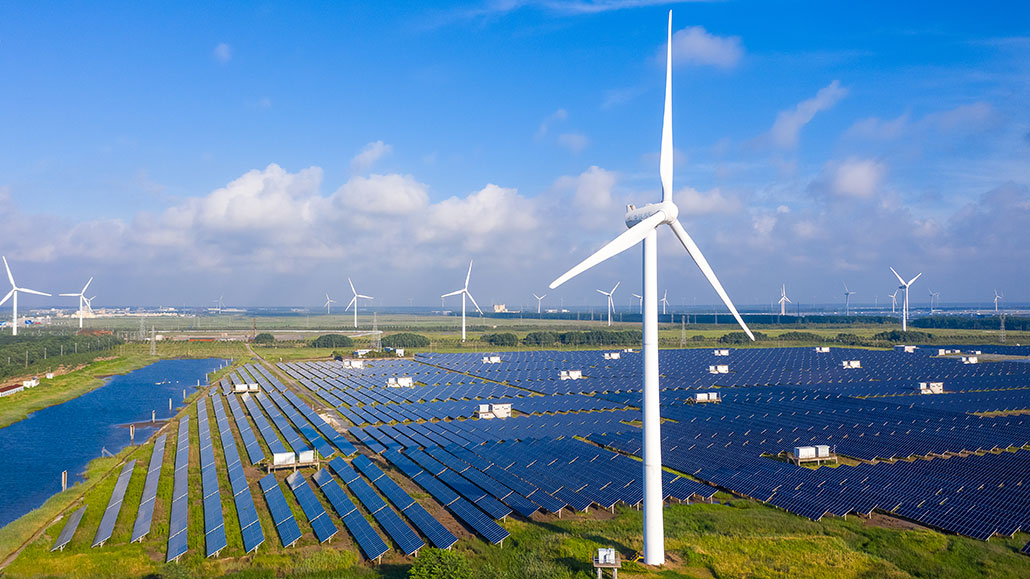
Wind turbines and solar panels produce energy using free and green sources of power — the sun and wind.  Photo: JIA YU/MOMENT/GETTY IMAGES PLUS

Projects that could generate more than 1TW of renewable energy are still waiting to be constructed and connected to the grid in all parts of the world, due to delays in permitting and a lack of investment in grid infrastructure. By Tom Idle from Sustainable Brands • Reposted: June 26, 2023

First, the good news: The amount of clean energy being generated worldwide is at record levels. Capacity increased by almost 10 percent in the last 12 months; and an impressive 83 percent of all new power that came on stream was produced by renewable-energy systems such as wind and solar. While the International Renewable Energy Agency (IRENA) warns that the sector must grow to three times its current level by 2030 if we are to stay on a 1.5° Celsius pathway, the consistent growth shows “the resilience of renewable energy amidst the lingering energy crisis,” says IRENA Director-General Francesco La Camera.

However, new data show that while clean-energy installation continues to soar, a number of barriers remain that are making it hard for many economies to shift fully away from fossil fuels.

REN21’s latest Renewables in Energy Supply module, launched as part of its annual Renewables 2023 Global Status Report, suggests a lack of attention has been paid to energy technologies and carriers beyond wind and solar power. Deficient policies, permit bottlenecks and uneven investment are exacerbating the problem, according to the think tank.

The group has examined the way final energy is distributed among heat, fuel and electricity; geographies and technologies — including bioenergy, geothermal power and heat, heat pumps, hydrogen, hydropower, solar PV, concentrated solar power, solar thermal heat, ocean power and wind power. Right now, the global energy supply base is split between providing heat (49 percent) and fuel (29 percent), with electricity having the lowest share (22 percent). In 2022, the share of renewables across the entire power sector reached 30 percent, largely thanks to favourable long-term policies that have helped to drive down costs. ‘But across all sectors, renewables cover just 12.7 percent of the total energy system — which is a relatively low share in the larger scheme of things,” REN21 Executive Director Rana Adib told Sustainable Brands®.

An exploration of the other energy carriers — fuels and heat, which provide most of the world’s energy — reveals what Adib claims to be “dismal” renewable energy shares of just 3.6 percent and 9.2 percent, respectively.

“It shows that efforts are narrowly focused on transitioning the power supply. Such a limited focus is ultimately slowing the shift to a renewables-based system, delaying efforts to reach the Sustainable Development Goals and maintaining the status quo of energy insecurity,” she adds.

Both the International Energy Agency (IEAnet-zero scenario and IRENA’s 1.5° Celsius scenario suggest that electricity will supply just 50 percent of our total energy by the middle of the century. That’s why it’s crucial more attention is paid to renewable heat and fuels, as well as diversifying renewable-energy technologies, Adib says.

“We cannot continue to neglect the other carriers — renewable heat and fuels — if we are serious about cutting emissions and addressing the climate, energy and poverty crises. It took time, investment and policy attention to expand to 30 percent renewable power. We now need to award heat and fuels similar policy attention to achieve the critical shift we need.”

So, what does that look like? Are there some quick wins from a policy point of view that might help to shift the renewables market? One very quick win would be to address the permitting issues that continue to cause delays, Adib says: “If there’s political will, it can happen. But governments need to stop sending mixed signals on fossil fuels. They continue to subsidize fossil fuels when clearly renewables are the least-cost option; but they are not operating in a level playing field.”

Currently, projects that could generate more than 1 terawatt of renewable energy are still waiting to be constructed and connected to the grid in all parts of the world, due to delays in permitting and a lack of investment in grid infrastructure. “It’s like, you manufacture cars and wait for roads. When we built cars, we did it with confidence that roads will accompany the process. The same thought and action process must apply to renewables,” she asserts.

What role can the business community play on the demand side? After all, companies are not passive bystanders in this debate; demand will fuel supply, so to speak. Adib wants businesses to continue being strong allies for renewables by investing in their own clean-energy capacitiesmoving to renewable electricitychanging vehicle fleets to electric, and showing a willingness to participate in the energy and heat transition.

Proving to governments that there is absolutely the demand for clean energy is crucial — especially at a time when the pro-fossil fuel movement is as strong as ever and getting more difficult to identify, due to the prevalence of greenwashing.

“Right now, there’s a real push for hydrogen. But the reality is that, globally, just 1 percent of the hydrogen produced is produced from renewable energy — all the rest is fossil-fuel-based,” Adib says. “So, this already requires quite of a technical understanding of what is happening. That’s a big risk.

“The energy crisis has shown the importance of security of supply. To shield us from new crises, policymakers must immediately ramp up efforts in all renewable-energy technologies — including hydropower, geothermal, oceanCSP and bioenergy. If we don’t quickly evolve these alongside solar PV and wind, we will still need to depend on coal, oil and gas, and nuclear for our energy supply well into the future.”

To see the original post, follow this link: https://sustainablebrands.com/read/cleantech/renewables-booming-shifting-fossil-fuels-hindered


Smart tech can boost business sustainability in 6 key areas

2 05 2023

Photo: Getty Images

Graham Rihn, Founder & CEO of RoadRunner Recycling, discusses how smart technology can boost a business’s sustainability credentials in six key areas. By Graham Rihn from Sustainability Magazine • Reposted: May 2, 2023

More and more, business leaders are identifying that sustainability initiatives are not only beneficial for climate change, but can also have positive impacts on a company’s bottom line, when executed effectively. 

Resultantly, companies are investing in smart technology like AI, machine learning, and blockchain to help accelerate and streamline sustainability efforts, operate more efficiently and drive shareholder value.

While businesses, especially those with large national or global footprints, often face the challenge of scalability when it comes to implementing sustainability action plans across a variety of locations, a recent PriceWaterhouseCooper study found that more than 70% of sustainable goals could be accelerated through technology adoption.

New technologies can step into this arena to help businesses overcome these challenges among others. Here are six areas of sustainability businesses can improve with the help of tools such as AI, machine learning, and blockchain development. 

Energy Efficiency

Businesses can optimise energy efficiency through data analysis, and, in turn, identify opportunities for reduced energy consumption and potentially lower bills. For example, connected sensor technology can adjust lighting and air conditioning to occupancy levels. Fewer people in the office can equate to less energy usage. Industrial manufacturing company, Siemens, uses machine learning to optimise data center energy consumption. In the process, the company cut energy costs by 10% and carbon emissions by 16%. 

Renewable Energy

A major challenge for businesses involving climate change is sourcing energy that does not come from burning fossil fuels. In 2019, burning fossil fuels accounted for 74% of U.S. greenhouse gas emissions. 

Businesses that choose renewable energy sources can use AI to increase efficiency and reduce their carbon footprint. Google installed a 1.6 MW solar array at its company headquarters as part of its plan to wholly utilise carbon-free energy by 2030. They use AI to maximise the use of that clean energy across data centers, shifting energy-intensive processes to the times of day when the most electricity is available. 

Investing in renewables, committing to optimising green energy production, and employing technology to optimise usage can yield dividends in terms of climate change.

Sustainable Supply Chain

Supply chain transparency is essential for building a sustainable business and negating climate change, but tracing a product’s journey is no easy task. Blockchain technology can step in to help a business ensure sustainable sourcing methods are utilised for raw materials. Walmart recently partnered with IBM to implement a blockchain based supply chain tracking system to follow products and materials.

Before applying technology to the supply chain, it took a team more than six days to find the source of a package of mangoes being sold at a store location. Working with IBM, that team could eventually trace each package in less than three seconds. Sustainable sourcing can help businesses reduce emissions, better manage climate risks, and even streamline operations.

Sustainable Product Design

Analysing product performance data can be accomplished through AI algorithms that optimise product design for energy efficiency and recyclability. 

As of 2010, Nike employed AI and machine learning to design a sustainable running shoe made with recyclable materials that maintained their standards of durability and athletic performance. The carbon footprint of the product was reduced by 30%

Applying technology to product design can mean reductions in energy usage and carbon emissions for businesses.

Waste and Recycling Management

Sustainability measures are not only important at a product’s creation, but also when it reaches the end of its usable life. Waste accounts for an estimated 20% of methane emissions across the world. 

Today, new technologies can analyse waste generation to identify areas in which organisations can reduce waste output. Waste metering technology is able to monitor the types and volumes of waste being generated to optimise service. It can also identify areas for increased recycling or waste elimination. 

One example, the city of Amsterdam implemented an AI-based application in 2021 that can detect garbage and recycling on the street. It automatically maps the area and once the material is identified by the AI in real time, the information is shared with the city’s waste management department to clean up. The application is able to quickly solve waste disposal issues in Amsterdam at scale.

ESG Reporting

Embracing technologies that aid in implementing sustainable changes to businesses can also enable better, more accurate ESG reporting. Disclosing this type of information could soon become a requirement with potential new SEC Scope 3 emissions reporting rules coming in 2023 and technology adoption can help businesses be well-prepared.

Many businesses find that with the use of AI and sensor technology that data quality is improved, reporting processes can be automated, the technology can identify risks and opportunities, and they are better able to forecast future trends. 

Microsoft uses AI-based carbon management software and Internet of Things for its AI for Earth programme. It can measure, manage, and find ways to reduce an organisation’s carbon footprint. That can be an attractive metric to investors measuring a company by its ESG score. Cutting emissions usually means a reduction in energy use which often translates to lower costs. Using AI for data collection and predictive analytics can provide a powerful avenue to find new methods of driving sustainability solutions. 

Why apply technology to sustainability

Implementing these tools as part of a holistic sustainability program allows companies to find solutions that fit their needs and sets your business up for success in both the short- and long-term. 

Smart technologies can help us accelerate the road to a more sustainable future, and the time to start is now. Implementing this technology now prepares your business for a future in which sustainability will have a bigger impact on the bottom line. 

In fact, more than 74% of institutional investors said they would divest from companies with a poor environmental track record. 

AI, machine learning, and blockchain technology can push businesses to achieve goals such as Zero Waste and carbon neutrality, while preparing you for the expectations of tomorrow, today. 

To see the original post, follow this link: https://sustainabilitymag.com/articles/smart-tech-boosts-business-sustainability-in-6-key-areas


Carbon Markets Are Far From Perfect, But Businesses Say They’re Essential

28 01 2023

Image credit: aiokr chen/Unsplash

By Mary Riddle from Triple Pundit • Reposted: January 28, 2023

Over 90 percent of business leaders are prioritizing long-term decarbonization — and 89 percent believe carbon markets will play a key role, according to a recent survey of 500 sustainability managers conducted by Conservation International and the We Mean Business Coalition. 

A third of the business leaders surveyed are already investing in a voluntary carbon market, while over half are considering carbon credits as an option for the future.

Carbon markets come under criticism…

Carbon markets allow carbon-emitting companies and individuals to offset their greenhouse gas emissions through the purchase of carbon credits. These credits are meant to be tied to certified emissions reductions from projects designed to reduce, or in some cases remove, greenhouse gases from the atmosphere. Credits are often from renewable energy projects, such as wind and solar installations, and nature-based solutions like reforestation and land restoration.

Carbon markets and credits have come under intense scrutiny in recent years due to lack of oversight and regulation. Companies and governments have been accused of greenwashing, as certain entities created fraudulent carbon credit programs that accepted payment, but never implemented carbon reduction projects. Other critics maintain that the carbon market allows companies to continue emitting greenhouse gases instead of finding methods to avoid emissions in the first place. 

recent investigation from the Guardian, Die Zeit and SourceMaterial found that more than 90 percent of rainforest carbon offset credits from a leading provider are likely to be “phantom credits” that do not represent actual greenhouse gas reductions, adding more fuel to the skepticism.

… But business leaders seem to still believe 

Net-zero targets represent more than 90 percent of global GDP, and the vast majority of business leaders believe that carbon credits are a critical piece in the global decarbonization puzzle.

Over 80 percent of the business leaders surveyed by Conservation International and We Mean Business say they would like to accelerate their decarbonization plans beyond credits or offsets. They claimed to face barriers such as budgetary constraints, technological limitations, lack of collaboration, concerns about greenwashing, lack of transparency and regulation in the carbon market, and the quality of carbon credits available, which held them back.

To overcome some of the roadblocks and confusion around carbon credits, businesses are increasingly relying on carbon credit ratings agencies such as the Integrity Council for the Voluntary Carbon Market and the Voluntary Carbon Market Initiative. Carbon ratings agencies help ensure the integrity of the carbon market through robust oversight, as well as stewarding a consistent taxonomy for businesses making carbon reduction claims.

“Without a transparent, high-integrity voluntary carbon market that functions at scale, we won’t stay within 1.5 degrees [Celsius],” Annette Nazareth, chair of the Integrity Council for the Voluntary Carbon Market, said in a statement. “Companies’ priority must be to decarbonize their own value chains. High-integrity carbon credits allow them to go further, accelerating climate mitigation beyond their value chain by providing finance to critical climate mitigation activities that do not otherwise meet the risk and return expectations of investors. We need to find a way to make it easy for investors to recognize and price a high-integrity carbon credit no matter which program issued it, what kind of credit it is, whether it is based on a removal or reduction, a nature-based solution, or an emerging technology.”

Tackling challenges in the carbon market is urgent to the activation of climate finance. Another recent report from the We Mean Business Coalition found that if the world’s top 1,700 emitting companies purchased carbon credits for just 10 percent of their emissions, more than $1 trillion would be activated for climate finance by 2030.

“Climate change is the greatest test of collective action in human history, and a crisis of that scale demands an all-hands-on-deck, all-of-the- above strategy,” Dr. M. Sanjayan, CEO of Conservation International, added in a statement. “Carbon credits are [a] proven tool for immediately reducing emissions, while also pursuing longer-term decarbonization ambitions. And though it isn’t always reflected in the headlines, this study affirms that private-sector buyers are indeed gravitating toward high-quality credits, placing a premium on transparency and accountability.”

The challenges to decarbonization are myriad, and the carbon marketplace is not yet ideal. However, many business leaders still feel a functional, scalable carbon credit system could accelerate the reduction of carbon emissions, perhaps just in time. 

To see the original post, follow this link: https://www.triplepundit.com/story/2023/carbon-markets-authenticity-trust/764921


Deep seabed mining plans pit renewable energy demand against ocean life in a largely unexplored frontier

23 01 2023

Brightly colored sea cucumbers and many other unusual deep sea creatures live among the nodules in the Clarion-Clipperton Zone. ROV KIEL 6000/GEOMAR

By Scott Shackelford, Professor of Business Law and Ethics, Indiana University, Christiana Ochoa, Professor of Law, Indiana University, David Bosco, Associate Professor of International Studies, Indiana University and Kerry Krutilla, Professor of Environmental and Energy Policy, Indiana University from The Conversation – Reposted: January 23, 2023

As companies race to expand renewable energy and the batteries to store it, finding sufficient amounts of rare earth metals to build the technology is no easy feat. That’s leading mining companies to take a closer look at a largely unexplored frontier – the deep ocean seabed. 

A wealth of these metals can be found in manganese nodules that look like cobblestones scattered across wide areas of deep ocean seabed. But the fragile ecosystems deep in the oceans are little understood, and the mining codes to sustainably mine these areas are in their infancy.

A fierce debate is now playing out as a Canadian company makes plans to launch the first commercial deep sea mining operation in the Pacific Ocean. 

The Metals Company completed an exploratory project in the Pacific Ocean in fall 2022. Under a treaty governing the deep sea floor, the international agency overseeing these areas could be forced to approve provisional mining there as soon as spring 2023, but several countries and companies are urging a delay until more research can be done. France and New Zealand have called for a ban on deep sea mining. 

As scholars who have long focused on the economicpolitical and legal challengesposed by deep seabed mining, we have each studied and written on this economic frontier with concern for the regulatory and ecological challenges it poses.

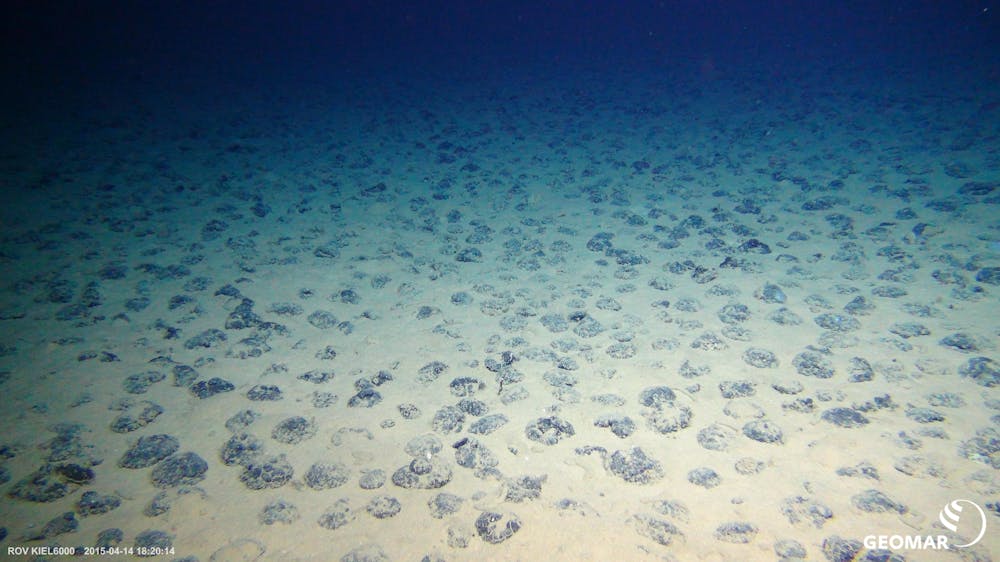
A view looking across a sea floor with nodules looking like cobblestones on a street.
Manganese nodules on the seafloor in the Clarion-Clipperton Zone, between Hawaii and Mexico, captured on camera by a remote vehicle in 2015. Photo: ROV KIEL 6000, GEOMARCC BY

What’s down there, and why should we care?

A curious journey began in the summer of 1974. Sailing from Long Beach, California, a revolutionary ship funded by eccentric billionaire Howard Hughes set course for the Pacific to open a new frontier — deep seabed mining

Widespread media coverage of the expedition helped to focus the attention of businesses and policymakers on the promise of deep seabed mining, which is notable given that the expedition was actually an elaborate cover for a CIA operation.

The real target was a Soviet ballistic missile submarine that had sunk in 1968 with all hands and what was believed to be a treasure trove of Soviet state secrets and tech onboard.

The expedition, called Project Azorian by the CIArecovered at least part of the submarine – and it also brought up several manganese nodules from the seafloor.

Manganese nodules are roughly the size of potatoes and can be found across vast areas of seafloor in parts of the Pacific and Indian oceans and deep abyssal plains in the Atlantic. They are valuable because they are exceptionally rich in 37 metals, including nickel, cobalt and copper, which are essential for most large batteries and several renewable energy technologies.

A person holds two halves of a split nodule, showing concentric rings
Manganese nodules form as metals accumulate around a shell or part of another nodule. Thomas Walter/GEOMAR

These nodules form over millennia as metals nucleate around shells or broken nodules. The Clarion-Clipperton Zone, between Mexico and Hawaii in the Pacific Ocean, where the mining test took place, has been estimated to have over 21 billion metric tons of nodules that could provide twice as much nickel and three times more cobalt than all the reserves on land.

Mining in the Clarion-Clipperton Zone could be some 10 times richer than comparable mineral deposits on land. All told, estimates place the value of this new industry at some US$30 billion annually by 2030. It could be instrumental in feeding the surging global demand for cobalt that lies at the heart of lithium-ion batteries.

Yet, as several scientists have noted, we still know more about the surface of the moon than what lies at the bottom of the deep seabed.

Deep seabed ecology

Less than 10% of the deep seabed has been mapped thoroughly enough to understand even the basic features of the structure and contents of the ocean floor, let alone the life and ecosystems therein.

Even the most thoroughly studied region, the Clarion-Clipperton Zone, is still best characterized by the persistent novelty of what is found there.

Between 70% and 90% of living things collected in the Clarion-Clipperton Zone have never been seen before, leaving scientists to speculate about what percentage of all living species in the region has never been seen or collected. Exploratory expeditions regularly return with images or samples of creatures that would richly animate science fiction stories, like a 6-foot-long bioluminescent shark.

Also unknown is the impact that deep sea mining would have on these creatures.

An experiment in 2021 in water about 3 miles (5 kilometers) deep off Mexico found that seabed mining equipment created sediment plumes of up to about 6.5 feet (2 meters) high. But the project authors stressed that they didn’t study the ecological impact. A similar earlier experiment was conducted off Peru in 1989. When scientists returned to that site in 2015, they found some species still hadn’t fully recovered.Video from MIT shows the sediment plume created by a nodule-collecting machine during an experiment.

Environmentalists have questioned whether seafloor creatures could be smothered by sediment plumes and whether the sediment in the water column could effect island communities that rely on healthy oceanic ecosystems. The Metals Company has argued that its impact is less than terrestrial mining.

Given humanity’s lack of knowledge of the ocean, it is not currently possible to set environmental baselines for oceanic health that could be used to weigh the economic benefits against the environmental harms of seabed mining.

Scarcity and the economic case for mining

The economic case for deep seabed mining reflects both possibility and uncertainty.

On the positive side, it could displace some highly destructive terrestrial mining and augment the global supply of minerals used in clean energy sources such as wind turbines, photovoltaic cells and electric vehicles. 

Terrestrial mining imposes significant environmental damage and costs to human health of both the miners themselves and the surrounding communities. Additionally, mines are sometimes located in politically unstable regions. The Democratic Republic of Congo produces 60% of the global supply of cobalt, for example, and China owns or finances 80% of industrial mines in that country. China also accounts for 60% of the global supply of rare earth element production and much of its processing. Having one nation able to exert such control over a critical resource has raised concerns.The Metals Company shared video of its first collection mission.

Deep seabed mining comes with significant uncertainties, however, particularly given the technology’s relatively early state.

First are the risks associated with commercializing a new technology. Until deep sea mining technology is demonstrated, discoveries cannot be listed as “reserves” in firms’ asset valuations. Without that value defined, it can be difficult to line up the significant financing needed to build mining infrastructure, which lessens the first-mover advantage and incentivizes firms to wait for someone else to take the lead. 

Commodity prices are also difficult to predict. Technology innovation can reduce or even eliminate the projected demand for a mineral. New mineral deposits on land can also boost supply: Sweden announced in January 2023 that it had just discovered the largest deposit of rare earth oxides in Europe.

In all, embarking on deep seabed mining involves sinking significant costs into new technology for uncertain returns, while posing risks to a natural environment that is likely to rise in value.

Who gets to decide the future of seafloor mining?

The United Nations Convention on the Law of the Sea, which came into force in the early 1990s, provides the basic rules for ocean resources.

It allows countries to control economic activities, including any mining, within 200 miles of their coastlines, accounting for approximately 35% of the ocean. Beyond national waters, countries around the world established the International Seabed Authority, or ISA, based in Jamaica, to regulate deep seabed mining.

Critically, the ISA framework calls for some of the profits derived from commercial mining to be shared with the international community. In this way, even countries that did not have the resources to mine the deep seabed could share in its benefits. This part of the ISA’s mandate was controversial, and it was one reason that the United States did not join the Convention on the Law of the Sea.

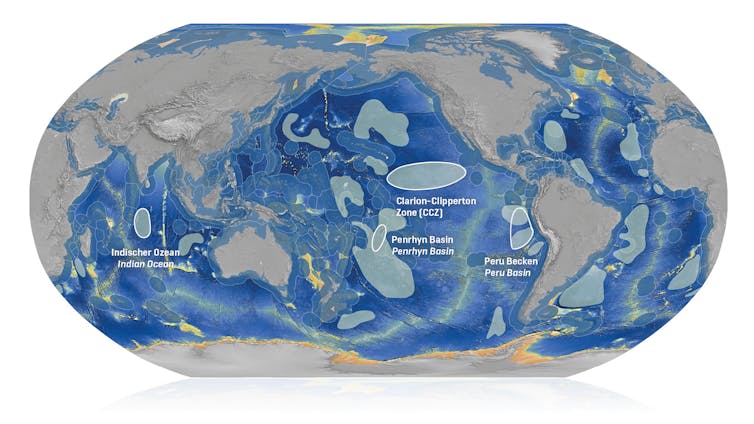
Map showing concentrations of nodules in the Pacific and Indian Ocean in particular
A map shows the distribution of manganese nodules, with areas of the greatest concentrations circled. Sven Petersen/GEOMAR

With little public attention, the ISA worked slowly for several decades to develop regulations for exploration of undersea minerals, and those rules still aren’t completed. More than a dozen companies and countries have received exploration contracts, including The Metals Company’s work under the sponsorship of the island nation of Nauru.

ISA’s work has started to draw criticism as companies have sought to initiate commercial mining. A recent New York Times investigation of internal ISA documents suggested the agency’s leadership has downplayed environmental concerns and shared confidential information with some of the companies that would be involved in seabed mining. The ISA hasn’t finalized environmental rules for mining.

Much of the coverage of deep seabed mining has been framed to highlight the climate benefits. But this overlooks the dangers this activity could pose for the Earth’s largest pristine ecology – the deep sea. We believe it would be wise to better understand this existing, fragile ecosystem better before rushing to mine it.

To see the original post, follow this link. https://theconversation.com/deep-seabed-mining-plans-pit-renewable-energy-demand-against-ocean-life-in-a-largely-unexplored-frontier-193273