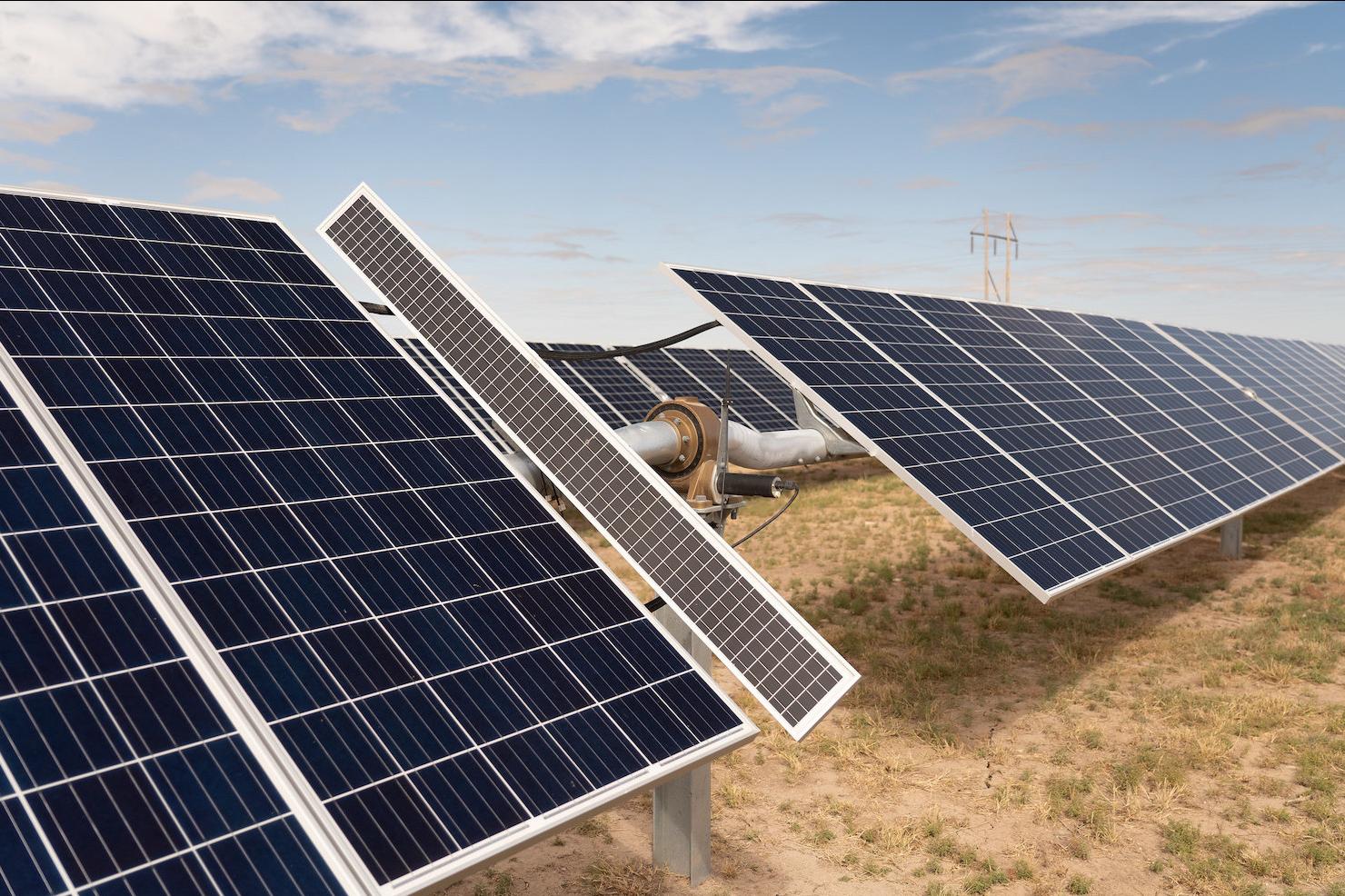
A one-megawatt solar installation in western Texas. Image: Jonathan Cutrer/Flickr
By Tina Casey from Triple Pundit • Reposted: July 5, 2023
Fossil energy stakeholders continue to insist on the need for new gas power plants, but evidence is emerging that wind and solar power can buffer the electricity grid from heat waves and other extreme weather events. That provides more support for corporations to continue lobbying for more clean energy, both as a means of climate action and a simple bottom-line matter of keeping the lights on.
Clean energy comes through in Texas
Both wind and solar power were lauded as workhorses during an extended heat wave that descended on Texas last month.
“Experts credit the state’s diversity of energy sources for keeping the lights on. The significant increase in solar power generation in recent years has helped meet the growing demand for electricity in Texas, which operates its grid largely independently of the rest of the country,” the Texas Tribune reported on June 28.
“The Texas power grid comfortably met record demand during this week’s heat wave with abundant power supply from wind and solar plants, data from the grid operator showed,” Reuters reported on June 30, noting that the Texas grid added more than 6,300 megawatts of wind and solar along with more than 1,300 megawatts of grid-stabilizing energy storage, just in the past year.
Wind speeds tend to slow during heat waves, and solar panels function less efficiently in hot weather. However, the additional clean energy and storage capacity helped to counterbalance heat-related slowdowns in output.
Grids are vulnerable to extreme weather
The growth of clean energy in Texas made a marked difference in grid stability compared to years past. In February of 2021, for example, a severe winter storm propelled a lethal, widespread blackout In the state. At the time, Texas Gov. Greg Abbott quickly blamed the failure on wind turbines and solar panels. However, a body of follow-up reports identified the chief culprit as frozen conditions among the state’s large roster of unweatherized gas power plants.
The problem was exacerbated when the supply of gas to power plants was disrupted by inadvertent electricity cut-offs when utilities tried to prevent further grid damage.
“At one point during February’s storm, more than half of the state’s natural gas supply was shut down due to power outages, frozen equipment and weather conditions,” the Texas Tribune reported last year.
Though wind and solar did lose some capacity in the storm of 2021, as did all other forms of power generation, that was far outweighed by gas outages. On average, gas power plants supply 42 percent of the state’s electricity, meaning that any system-wide impact on the gas sector will have an outsized effect on the grid.
The problems in Texas were further amplified by its unique grid, which lacks the interconnections that could have enabled it to call upon resources in other states.
Texas leads on clean energy
The case for clean energy was difficult at the beginning of the 21st century when the technology was relatively new and costs were high compared to conventional resources.
Nevertheless, the Texas wind industry was already racing to lead the nation. It was fueled by a major new transmission system that began operating in 2013, as part of the state’s Competitive Renewable Energy Zones (CREZ) initiative. The new CREZ system brought wind power from the sparsely populated western part of the state to high-demand regions in the east.
The new transmission system did not just pop up out of nowhere. It was a joint venture between two corporate giants, comprised of a subsidiary of the Ohio-based energy firm American Electric Power and MidAmerican Energy Holdings, a subsidiary of the Nebraska-based firm Berkshire Hathaway.
New transmission lines are notoriously difficult to build, but the CREZ system progressed relatively quickly after first proposed in 2005. In a 2020 study of the project, Rice University attributed its success to the “influence of wind power inventors and developers on specific legislators and the governor.”
Rice also cited the state’s strong history in energy entrepreneurship, as well as public support for clean energy and lobbying by environmental groups. Similar factors have also propelled growth in the state’s solar industry. Texas is now second only to California in solar capacity.
Texas businesses support clean energy
The power of corporate energy buyers has been on full display across the U.S. since 2015 when business leaders organized in support of former President Barack Obama’s Clean Power Plan during the runup to the 2015 Paris Agreement on climate change.
The Clean Power Plan never took effect, and former President Donald Trump pulled the U.S. out of the Paris Agreement. But U.S. corporations have continued to push the renewable envelope by leveraging their own buying power — including in Texas.
Still, despite growth of wind and solar in Texas, the state’s legislature has turned against clean energy in recent years. A new law intended to thwart ESG (environmental, social and governance) investing took effect in 2021, for example. But hundreds of Texas businesses continue to lobby in support of clean energy.
One group, the Texas Energy Buyers Alliance (TEBA), counts almost 400 companies on its rolls, including some of the largest employers and electricity users in the state. When state lawmakers introduced two burdensome new bills earlier this year, TEBA lobbied against them.
“The Legislature should strengthen our open energy market without discriminating against vital clean energy resources — and without picking winners and losers among the range of technologies Texas needs to power its future,” TEBA advised in a sponsored article posted on the Texas Tribune website.
To see the original post, follow this link: https://www.triplepundit.com/story/2023/clean-energy-grid-stability-texas/778141

 Eric Block On Responsible Branding
You must be logged in to post a comment.