A survey of 1,000 Brits has found that most don’t understand environmental terms frequently used in business communications, such as ‘carbon offsetting’, ‘circular economy’ and ‘biodiversity’. Image: Edie. net
From Edie.net • Reposted: January 27. 2024
Nine in ten of those polled said it is important for businesses to talk to the general public about their environmental sustainability work. But the survey, conducted by Fleet Street and Trajectory Partnership, found a disconnect between the language used by businesses and that used by customers.
While three-quarters of survey respondents had heard the term ‘sustainability’ or ‘sustainable’ in relation to businesses, only a quarter felt they could confidently offer up a definition.
Most also said they did not thoroughly understand what a brand meant when it described itself, or a product, as ‘green’. ‘Eco’ and ‘conscious’ were found to have even lower levels of confidence in understanding.
An awareness-understanding gap was also found in relation to more specific terms about carbon emissions. Six in ten had seen businesses use the term ‘net-zero’, rising to almost seven in ten for ‘carbon-neutral’. Yet only 11% felt confident in their understanding of carbon offsetting, which most brands and businesses will need to use to some extent to achieve net-zero or carbon neutrality.
Among those who had seen businesses use ‘net-zero’ or ‘carbon-offsetting’, the perception of the term was only slightly positive.
Levels of awareness and understanding were even lower around the terms ‘biodiversity’, ‘traceability and ‘the circular economy’.
Fleet Street co-founder Mark Stretton said: “The lack of understanding around what many businesses would probably consider to be standard terms, such as net-zero and environmentally friendly, is striking, and indicates a level of disconnect between brands and consumers.
“Many businesses are investing very heavily in sustainability, setting ambitious objectives in the process, but there is a big piece missing; there’s massive work to be done on the language used, and the more consumers understand, the more likely they are to positively engage with, and respond to what is clearly an enormous issue.”
The circular economy conundrum
‘The circular economy’ was found to be the least well-known or meaningfully understood claim assessed in the survey. Less than one-fifth of respondents had ever seen the term used in the private sector, and only 4% felt certain of what it means.
This was despite the fact that ‘recyclable’ was the most widely recognised term, with eight in ten respondents seeing it used regularly and the majority able to offer a robust definition. Awareness and understanding was similarly high for ‘single-use plastic’.
These terms were evenly recognised and understood by those with different levels of education and income, whereas most other terms assessed were less understood by those on lower incomes and/or without a university education.
Across all demographics, people said they would feel more positively about a business communicating recyclability and a reduction in single-use plastics.
It bears noting that recycling and the circular economy are not synonyms. A truly circular economy prioritises reuse of materials in their highest possible value above recycling and, in the Ellen MacArthur Foundation’s definition, also includes the restoration of nature.
On nature, half of those polled had never seen a business use the term ‘biodiversity’, and almost nine in ten were uncertain of its definition.
It’s time for more collaboration, more excellence, and a reframing of what conscious consumerism can mean. By Heath Shackleford vcvic Fast Company • Reposted: January 14, 2024
If you are a longtime supporter of the conscious consumerism movement, this may be the moment you’ve been waiting for. Despite growing pessimism about the state of the world, Americans are engaging socially responsible brands at an unprecedented level. It seems we are approaching critical mass, and we are on the precipice of a tipping point for “good” business.
These assertions are based on findings from the 11th annual Conscious Consumer Spending Index (#CCSIndex), a benchmarking study our agency fields each year to gauge momentum for conscious consumerism, charitable giving, and earth-friendly practices. Using a proprietary algorithm, we generate the Index score based on the importance consumers place on purchasing from socially responsible brands, the actions they’ve taken to support such brands, and whether they plan to buy more from good brands in the future. Specific questions that influence the Index score include:
How important is it for you to support socially responsible products and services?
Have you purchased products or services from socially responsible brands in the past year?
Do you plan to increase the amount you spend with socially responsible brands in the coming year?
In light of the economic, political, environmental, societal, and humanitarian crises we face as a world, it should not come as a surprise that Americans continue to feel worse about our collective future. In this year’s study, almost half (48%) of respondents said the world is getting worse. The first year we asked this question was in 2019. Only 38% had a pessimistic view at that point. (Read about last year’s results here.)
Yet in the face of this declining outlook, the ideology of supporting brands who promise to make the world better is clicking at a quickening rate. The latest #CCSIndex score is 57, up from 48 the previous year. In the inaugural year of the Index (which was 2013), the score was 45. The index is based on a 100-point scale and is fine-tuned so that even a 1-point shift indicates real movement. With that context in mind, seeing a 17% increase year over year is significant.
Here are a few things to consider for companies that are looking to capitalize on this moment:
COLLABORATION OVER COMPETITION
We’ve reached an opportunity for scale within the community of B Corporations as well as other organizations such as Conscious Capitalism and the Social Enterprise Alliance. We need to collaborate more consistently and effectively within the social responsibility space and resist the capitalistic temptation to compete with one another. Now is the time to fuel the consumer fire. We need to do that together.
COMMIT TO EXCELLENCE
We must continue to live up to our promises and deliver exceptional experiences for our customers. It should always feel different when someone engages with a socially responsible brand. Every interaction, every experience—without exception. This goes for product quality, customer service, and every point along a customer’s journey. In our data, individuals have consistently shown us that purpose alone is not enough. Brands have to first meet their needs as consumers. What if we set the expectation that the definition of a purposeful brand extends not only to the company’s mission but also to its commitment to excellence and doing all the right things for customers along the way? That’s how we build long-term loyalty with consumers and keep this train moving.
ENCOURAGE THE INTRAPRENEURS
We need to continuously apply more pressure to big brands to be part of the solution. We can do that by making conscious organizations more and more attractive for talent and for customers. We can also do that through intrapreneurs. Too often, we determine the only two paths that lead to a purposeful career are either working for a socially responsible organization or starting a new social enterprise.
There is a third, and very important, path though. We need mission-minded people climbing ladders within major corporations as well. Some big brands may eventually crumble if they don’t respond to the conscious consumer movement, but many will continue to operate, and they will always have an outsize impact on society and the environment. It is important to have changemakers embedded in these companies to help steer them toward a better future.
DEFINE THE JOURNEY
We have to position social responsibility as a journey, not a destination. This would be beneficial on a few different levels. For one, it would help consumers who are new to this to not be overwhelmed. We can reinforce that every step counts, and that every little bit helps. Not everyone is going to transform the entirety of their consumer behavior overnight. We should create a safe space where we positively reinforce progress. At the same time, positioning this as a journey also helps prevent more experienced conscious consumers from becoming complacent and feeling like they’ve reached the peak of social responsibility.
After all, being socially responsible is not just about buying the right product. It’s also about supporting nonprofits. About reducing consumption. About protecting the environment. About being an advocate for the do-good movement and recruiting others to join.
As conscious consumerism has ascended over the past decade, we’ve seen a decline in the number of Americans who are financially supporting charities. We also have seen a reduction in the percentage of individuals who are committed to earth-friendly practices such as recycling and reducing consumption. We need to continue to educate consumers and nudge them to delve deeper into this journey. There is always another step every consumer can take.
By Tina Casey from Triple Pundit • Reposted: January 24. 2024
Critics have raised plenty of fire and brimstone in their opposition to investments made through the lens of environmental, social and governance (ESG) principles, but most of that energy has gone to waste. The ESG movement continues to gain momentum globally, and research shows that anti-ESG laws passed in the U.S. had a limited impact. In fact, the only clear losers appear to be the very people that anti-ESG legislation ostensibly aims to protect.
ESG investing gains global momentum while facing headwinds in the U.S. in 2023
The firm Russell Investment has surveyed how the investment management industry integrates ESG principles for the past nine years. Its 2023 survey, released in October, observed “the United States remains mired in a contentious debate” over ESG. That presents a sharp contrast with global jurisdictions that have strengthened their ESG reporting mandates, most notably Canada, Europe and Australia.
The contrast is also reflected in the adoption of the Net-Zero Investment Framework, a set of guidelines to help investors align their holdings with the global push to cap temperature rise at 1.5 degrees Celsius this century. Russell found that 80 percent of the managers surveyed in Europe had already signed on, with the U.S. lagging far behind at just 20 percent.
Others including the sustainable investing asset manager Robeco also noted a growing “ESG backlash in the U.S.” in 2023.
The big question is how financial firms are handling the oppositional environment in the U.S. Some have simply decided not to use the acronym “ESG,” without actually changing how they use ESG principles. Those taking this approach include the world’s largest asset manger, BlackRock, CEO Larry Fink said at the Aspen Ideas Festival in June.
Marjella Lecourt-Alma, CEO and co-founder of the ESG and risk management platform Datamaran, has noticed a similar shift in the way clients talk about ESG. “Some of them say we watch our words a little bit. They are bringing back things like ‘corporate sustainability,’” she told TriplePundit in December.
Kris Tomasovic Nelson, senior director and head of ESG investment management for Russell Investments, agreed. “ESG factors are increasingly driving investment decisions,” he told Pensions & Investments reporter Hazel Bradford earlier this month, but “the door is open to using different terminology.”
He hastened to note that strategies at many U.S. financial firms still include ESG principles, even if companies are more careful in talking about them, and said he doesn’t see the U.S. situation impacting the global landscape. “Outside of the U.S., I don’t see any slowing of momentum,” he added.
Taking the anti-ESG bull by the horns heading into 2024
As of last year, 22 U.S. states adopted some form of “anti-ESG” legislation that seeks to limit how ESG principles can be used in investment decision-making or minimize investment in specific funds and firms, according to the law firm K&L Gates. Republican legislators in 12 different states enacted such legislation in 2023 alone, according to an S&P Global analysis. Many were “revised and weakened as they moved through the legislative process,” S&P reported, though they still have had a “chilling effect.”
In another strategy for navigating this complex landscape, some U.S. investors are taking advantage of vague language in these laws to forge ahead.
Earlier this week, for example, Financial Times reporter Will Schmitt highlighted the case of the Texas Permanent School Fund, which deployed an opening in the state’s strict anti-ESG law to put $300 million into an energy transition fund under the Macquarie Green Investment Group. The investment occurred in 2022, shortly after the Texas state comptroller published a “blacklist” of forbidden firms that included Macquarie’s energy transition solutions fund.
“The investment highlights how fiduciaries are finding ways to navigate gaps in rules designed by conservative officials to keep environmental, social and governance considerations out of public investment portfolios,” Schmitt observed.
In other states, fiduciaries are taking matters even further into their own hands. The Oklahoma Public Employees Retirement System, for example, avoided a potential loss of $10 million when its board voted to retain BlackRock and State Street as investment advisors, even though the two firms were on an anti-ESG blacklist compiled by the state treasurer, S&P reporter Karin Rives observed in an analysis published last week.
“If we thought that we could have abided by the law without hurting the pension fund, we would have done that in a heartbeat. But we have a fiduciary responsibility,” Oklahoma’s insurance commissioner, Glen Mulready, told Rives.
Some U.S. firms have also lobbied their representatives in state government for changes to proposed legislation, in hopes of preventing the worst damage.
U.S. public funds face outsized risk under anti-ESG legislation, new analyses show
Despite these workarounds, anti-ESG legislation is impacting public funds, and not in a good way. The supporters of anti-ESG legislation claim the laws are needed to protect the financial interests of pensioners and other members of the general public. However, they neglect to mention that financial firms can simply pack up and take their business out of state.
One such example occurred in Texas, where legislators passed an anti-ESG law in 2021. The new law immediately reduced competition in the municipal bond market, costing the small city of Anna an estimated $277,334 on its bond sale.
That’s just the tip of the iceberg. Texas cities could pay up to $532 million in additional intereston their bonds in less than a year under the legislation, according to an analysis from the University of Pennsylvania and the Federal Reserve Bank of Chicago.
“In Indiana, a bill to limit ESG investing could cut state pension returns by $6.7 billion over the next 10 years,” former Maryland Attorney General Brian Frosh and former Maryland State Treasurer Nancy Kopp wrote in Bloomberg last year, while the Arkansas Public Employees Retirement System risks losing $30 million to $40 million annually.
Karin Rives of S&P Global also cited an analysis by Econsult Solutions Inc., which estimates that six U.S. states could be hit with $708 million in higher borrowing costs due to anti-ESG laws impacting municipal bonds.
In the face of these swift and damaging results, it is fair to ask how legislators and other public servants could miscalculate the impact of anti-ESG laws so badly, especially when they were warned of the risk. They’re poised to lose more ground in 2024, as analysts including Thompson Reuters predict ESG will have a transformational impact on business models as more companies focus on reducing their Scope 3 supply chain emissions.
And investors will follow the money, as they always have.
Tina Casey writes frequently for TriplePundit and other websites, with a focus on military, government and corporate sustainability, clean tech research and emerging energy technologies. To see the original post, follow this link: https://www.triplepundit.com/story/2024/esg-investing-good-year/793256
By Kristen Tetrick via Sustainable Brands • Reposted: January 23, 2024
Building a culture of sustainable living can only be achieved when brands and consumers align their efforts and take action together on the most impactful behaviors.
As we discuss often here at Sustainable Brands® (SB), brands are uniquely equipped to align business and society on the path to a flourishing future. With the rising popularity of sustainable living, demand for innovative sustainable products and services continues to increase. This reality provides brands with the opportunity to explore new business avenues and boost growth while playing an active role in shaping the future of society and our planet. By developing brand-led solutions that encourage sustainable shifts, brands can not only gain a competitive edge but also enhance their relevance, strengthen brand trust, and generate increased consumer engagement and brand love. This approach positions them at the forefront of harnessing the power of brand influence for positive change.
SB Socio-Cultural Trends Research™ shows that sustainability has become mainstream: Three years of data consistently show that 96 percent of US citizens try to behave in ways that protect the planet, its people, and its resources. This research, conducted in partnership with Ipsos, focuses on the changing drivers and behaviors of mainstream consumers at the intersection of brands and sustainable living. Consumer actions and intentions are analyzed through a selection of previously researched, defined sustainable behaviors — as well as the persistent intention-action gap. To spark brand-led cultural shifts in consumer behavior, brands must bridge the gap between what customers are already doing and brand-purpose initiatives. This means aligning their efforts more explicitly with existing intentions.
To better understand where brands can have the most impact on driving consumer behavior change, qualitative and quantitative research was conducted to consider the behaviors that brands could influence — and consumers could meaningfully act upon — to have the strongest impact on people, planet and society; these actions became the basis for the SB Nine Sustainable Behaviors™ framework. The behaviors are written to be as consumer-friendly, approachable and accessible as possible, grouped within three broad categories. They are applicable to any brand, in any industry along with any consumer, in any segment. All brands can align their sustainability and marketing strategies with at least one of these behaviors.
By demonstrating leadership around the SB Nine Sustainable Behaviors, brands can set themselves on a path that not only deepens their relevance and recognition, but also begins to transform the cultural stories shaping our shared future. Those who do it well will shine and win in the marketplace. SB research shows that US citizens view climate change as the second most critical issue to address — with 8 in 10 saying they want to take action to reduce their carbon footprint. Moreover, they want brands to support their efforts — with 85 percent saying they are loyal to brands that help them achieve a better and more balanced life. However, when it comes to measuring brand trust, consumers say that brands acting to benefit society and the planet is a stronger driver than a brand helping consumersto make environmentally conscious or socially responsible choices — they want to see companies taking responsibility: 78 percent say they support companies that act sustainably by purchasing their products or services.
The most successful brand leaders in this space understand that brand action and consumer action are two sides of the same coin. Consumers are looking to brands for sustainable solutions; and brands have the ability to lead society toward a reality where sustainable products and services are the norm in the marketplace. Building a culture of sustainable living can only be achieved when brands and consumers align their efforts and take action together on the most impactful behaviors.
Learn more with industry peers and leaders
Dive further into this nuanced topic while discovering more insights on how today’s brands can enlist consumers in building a better tomorrow at the SB Brand-led Culture Change conference — May 8-10, 2024 in Minneapolis. Unpack consumer trends; understand strategies and tactics that drive behavior change; and craft culture-changing communications through live sessions, workshops and industry forums presented by the leading brand marketers and experts from around the world.
Integrating a sustainability strategy throughout the company can put your ESG goals on the fast track. By Shannon Houde from Greenbiz.com • Reposted: January 23, 2024
We all know that it’s not enough for sustainability teams to act in a silo. To achieve real change, an organization must embed ESG commitments across all products and teams, and draw on the efforts and engagement of everyone from the CEO to frontline staff.
As Niki King, vice president and head of sustainability at The Clorox Co., and formerly head of sustainability at Unilever North America, points out, “To embed sustainability there are no trade-offs, there’s not a separate stand-alone sustainability strategy. It’s all-encompassing. There has to be accountability at all levels of the organization. There need to be incentives tied to sustainability performance and all of your employees need to understand how they can play a part in helping to achieve the goals.”
In short, there are no half measures. So, for those currently working to better embed sustainability into their organizations, make sure you put the following four building blocks in place first.
1. Employee buy-in
This starts at the board level. Without buy-in from at the highest level of an organization, any effort to embed sustainability elsewhere will almost certainly fall flat, and sustainability leaders will find themselves spinning their wheels. Ultimately though, a sense of ownership over a sustainability strategy needs to come from all levels of an organization, with each employee made to feel empowered by leadership to share their ideas, provide feedback and get involved in sustainability programs. This may be achieved by way of financial incentives tied to either teams or individuals achieving ESG targets, says King.
According to research by Harvard Business Review, this sense of ownership is the most important element in embedding sustainability. It found that organizations that transformed employees from bystanders into active participants in achieving ESG goals not only ensured their teams felt empowered but also stood a far better chance of integrating those commitments successfully. At financial services company Old Mutual, for example, the sustainability chief organized a workshop for midlevel managers to demonstrate their direct impact on customers. Participants noted that they felt empowered to do far more than crunch numbers after attending, laying the foundations for wider discussions about ESG.
2. Governance
Next, ensure the right governance structures are in place to integrate accountability at all levels of the organization. At larger organizations, creating this framework may be one of the primary roles of the board, working in collaboration with a chief sustainability officer (CSO). At small and medium enterprises, ensuring the right questions are being asked regarding the management of ESG programs may fall under the remit of a sustainability leader. If so, it’s a critical part of the role. Without the right scrutiny in place, it’s too easy for sustainability strategies to fall through the cracks.
3. Strong leadership
CEOs can’t simply add sustainability to their long list of responsibilities and expect ESG programs to look after themselves. In fact, although 98 percent of CEOs say sustainability is core to their role, just 2 percent of the same organizations say their sustainability strategies succeed. That’s because CEOs need to be highly engaged with policies but also — need to delegate primary responsibility to a CSO who has the right combination of skills. These include resilience, both technical and business skills and — perhaps most important — the soft skills needed to inspire and encourage others to join them in making transformative change. Or as King puts it, leaders that know “building relationships has to be your superpower.”
4. Awareness of local context
Finally, ensure that sustainability strategies are developed with an appreciation for the local context. Often a sustainability strategy is developed by a small sustainability team at global headquarters without seeking input from the local markets. Then when the global team tries to tell the local market to adopt the strategy that it came up with, it doesn’t always resonate. Instead, organizations need to be as inclusive as possible, seeking input from local markets to ensure there’s buy-in at every level. At international consumer goods company Danone, for example, the team included country-specific roadmaps in its Climate Transition Plan, each one adapted to local market features.
The path to embedding sustainability across an organization isn’t always a straightforward one. It takes time, patience and, most likely, frustrating pushbacks. But it’s a critical component of achieving scalable change on ESG issues and — by implementing these four elements — the practitioner will see progress faster and with more support.
From Sustainable Brands Media • Reposted: January 20, 2024
We caught up with TrusTrace co-founder and CEO Shameek Ghosh to discuss companies’ tendency to ‘greenhush’ to avoid scrutiny around sustainability and his advice for overwhelmed retailers.
With the constant noise of brands claiming to pursue carbon neutrality and other sustainability goals, many well-meaning retailers are left scrambling to define their own goals. Hearing such broad statements can leave brands feeling overwhelmed and frankly, inferior — and has fueled a new form of corporate miscommunication.
According to Shameek Ghosh, co-founder and CEO of supply chain traceability platform TrusTrace, “greenhushing” — disguising or downplaying sustainability efforts, in an attempt to draw attention away from a company’s sustainability failures — has become an increasingly common response to this overwhelming scenario; attempting to overhaul an entire company’s sustainability strategy all at once can lead to executives believing that it might be easier to simply not have a strategy at all.
We caught up with Ghosh to learn more about the tendency to ‘greenhush’ and his advice for overwhelmed retailers.
Can you briefly describe what ‘greenhushing’ is? How is it different from greenwashing?
Shameek Ghosh: When organizations deliberately do not talk about their ESG credentials and the things they’re doing to drive positive change, that is called “greenhushing.” Greenwashing, on the other hand, is when organizations intentionally exaggerate their ESG credentials to give an impression of having better environmental policies and impact than what is actually the case.
Why are companies and retailers turning to this strategy?
SG: In the wake of governments cracking down on greenwashing, and facing the reputational risk involved, organizations are becoming more cautious. To avoid risks of greenwashing under increased scrutiny, it is necessary to be able to back up your claims with evidence — and as this can be difficult without the right data and tracking in place, it becomes easier and safer to communicate less.
How can retailers begin defining their ESG goals?
SG: Most major retailers already have quite well-defined ESG goals, so the focus is more on ensuring that you have the data and insights to be able to deliver or — even better — overdeliver on these sustainability and responsibility promises. However, for those that have not yet started, a good place to begin is to look at the parts of the business and portfolio that have the biggest presumed impact — e.g. due to size and the social and environmental risk tied to geographies, materials, processes, etc. Once you understand size and assumed impact, it becomes easier to prioritize data collection and target setting.
What are some of the first steps that retailers can take to implement sustainable business practices once they’ve defined their goals?
SG: In order to successfully implement defined goals for sustainable business practices, retailers must first validate the assumptions that follow the goals they’ve set — this can be done by leveraging primary data. From there, they must next determine what kind of data is necessary in order to meaningfully track and improve progress. It’s crucial for both internal and external stakeholders to understand the targets they’re setting inside in order to deliver upon them. Finally, stakeholders need to have the necessary tools to empower them to deliver on targets — which can include data, tools, insights, budget and internal alignment.
What makes supply chain visibility a tangible and realistic solution for retailers?
SG: As regulations continue to make it mandatory for retailers to have detailed information about how, where, under which conditions, and with what environmental impact (i.e carbon footprint) products have been made, supply chain visibility becomes an increasingly important and realistic solution for retailers to remain compliant with mounting government mandates.
Supply chain traceability will only become more simple, tangible and impactful as more brands adopt the solution — including this as a regular business practice strengthens relationships with suppliers as well, creating an adept network across the industry. Knowledge is power, and you can’t change what you cannot measure — so, a solution that provides insights and evidence into supply chain practices is a must-have. Having granular data on what’s happening within their brand’s supply chain at your fingertips has the potential to help retailers make informed decisions about their business from all angles — not only in regards to regulatory compliance.
What should retailers know about the journey to implementing sustainable business practices?
SG: Retailers must remember that carrying out sustainable business practices is a transformational journey from start to finish. It’s going to take time and resources — and most importantly, true commitment to change. With this in mind, it’s critical that there is endorsement and prioritization from the executive level — ensuring organizational alignment, commitment and resource allocation.
When sustainable practices are properly implemented, the benefits are well worth the effort. Not only are these practices good for business and profits, but they are motivating for employees. Traceability is becoming so ubiquitous in businesses and essential sustainability efforts that people are beginning to choose roles based on whether or not the organization has a traceability program in place. Traceability is no longer a nice-to-have — it’s a must-have.
From ManpowerGroup via PR Newswire Reposted: January 20, 2024
The accelerating pace of the global green transition is intensifying the competition for talent, according to new research from ManpowerGroup (NYSE: MAN). “Building Competitive Advantage with A People-First Green Business Transformation,” reveals demand for green skills significantly outstripping supply as employers work to recruit and retain qualified talent critical to achieving ambitious sustainability targets.
Based on surveys of nearly 39,000 employers and over 5,000 workers worldwide, the findings spotlight an unprecedented convergence of talent scarcity, climate urgency, and technological disruption hindering sustainability progress. With 2023 now the hottest year ever recorded, this report underscores the urgency for organizations to deliver on their environmental goals and commitments.
“As companies accelerate their sustainability efforts, it’s critical we bring people along on the journey,” said Riccardo Barberis, President, ManpowerGroup Northern Europe Region. “Investments in green technology will only get us halfway if employers fail to properly skill and reskill workers to operate in a greener future. Prioritizing workforce development must be a core pillar of net-zero strategies.”
Key findings:
Unprecedented Demand: 70% of employers are urgently recruiting or planning to recruit green talent and people with sustainability skills, with the highest demand in renewable energy, manufacturing, operations, and IT.
Widening Global Skills Gap: Despite demand, only 1 in 8 workers currently have more than one green skill, sparking an exponential shortage as companies compete for limited talent.
High Industry Demand: Energy & Utilities (81%), Information Technology (77%), Financials & Real Estate (75%), Industrials & Materials (74%), and Transport, Logistics & Automotive (73%) top the leaderboard with the highest intentions to hire green talent to meet sustainability targets.
Roadblocks Slowing Progress: Talent leaders cited finding qualified candidates (44%), creating effective reskilling programs (39%), and identifying transferable skills (36%) as the top barriers to execute green transitions.
Workforce Skepticism: While 70% of white-collar workers say they are ready to embrace the green transition, only 57% of their blue-collar peers say the same.
Gen Z Calls for Accountability: Three-quarters (75%) of Gen Z candidates research a prospective employer’s green reputation and nearly half (46%) say it will impact their likelihood of choosing a particular employer.
Generational Divide: 66% of Gen Z and 64% of Millennials believe sustainability efforts will enhance their work, compared to just 44% of Baby Boomers.
Given these results, creating a roadmap for workers to transition into high-demand green roles remains a pressing priority.
For more details on the green jobs landscape, workforce readiness perceptions, and recommendations for planning for the greening world of work, download the complete report here.
By Amy Brown from Triple Pundit • Reposted: January 17, 2024
Global sustainability reporting is finally on the brink of unifying around a set of disclosure requirements for climate and other environmental, social and governance (ESG) issues. This is great news for business leaders who are choking on the alphabet soup of sustainability reporting standards. Yet being prepared to meet the harmonized reporting standards around the corner remains a challenge. Companies are well served to start preparing now rather than later.
More than 600 ESG reporting frameworks and standards are used around the world today. Among the most widely known and adopted are those from the Global Reporting Initiative (GRI), the Sustainability Accounting Standards Board (SASB) and the Task Force on Climate-Related Financial Disclosures (TCFD).
The proliferation of standards has led to confusion as well as a significant amount of time, effort, and resources to gather the information and data that is shared in annual sustainability and financial reports. On top of that, individual investors often send out their own ESG data questionnaires to companies.
Preparing for regulatory disclosures
To add to the pressure, ESG reporting that has been largely voluntary will now be mandatory in many jurisdictions. The U.S., Canada, the European Union, Australia, Brazil, India, and others have either passed or indicated they will soon enact ESG-specific disclosure requirements for companies.
That includes the European Union’s Corporate Sustainability Reporting Directive (CSRD) which entered into force in January 2023 and requires all large companies and listed companies to disclose information on risks and opportunities arising from ESG issues. The final rules from the U.S. Securities and Exchange Commission (SEC) requiring companies to include certain climate-related disclosures in their reporting are now expected in spring of 2024.
Confusion and reporting for reporting’s sake
“The biggest downside of this situation has been the confusion,” Ted Dhillon, co-founder of the ESG reporting platform FigBytes, told TriplePundit. “The second biggest downside is: How do you standardize your reporting when you have so many different reporting requirements?”
Critically, time spent collecting data for reporting is time not spent on making actual progress toward sustainability goals. The reporting burden has become so overwhelming that the usually small sustainability teams at organizations spend most of their time gathering data, Dhillon said.
“I call sustainability officers ‘nag, bag and drag officers,’ because that’s essentially what I’ve seen them do over the years: Pick up the phone and try to get the data, and that takes up most of the year,” he said. “It is becoming a reporting exercise for reporting’s sake and not for making true improvements. In the larger scheme of things, this makes us lose focus on the bigger challenge: We have to get to net zero.”
A welcome move toward harmonized sustainability reporting
Against this backdrop, many welcomed the finalized disclosure standards released by the International Sustainability Standards Board last year, a major step toward a standardized global framework for sustainability reporting. The ISSB Standards, effective from January 1, 2024, provide a comprehensive global baseline of sustainability disclosures that can be mandated and combined with other legislative requirements. The ISSB is part of the IFRS Foundation, which is responsible for writing global financial accounting rules.
Notably, the ISSB supports both regulatory and voluntary adoption, and it has ensured that there will be interoperability between SASB, GRI and the European CSRD. The ISSB Standards have also incorporated the recommendations of the TCFD, and the ISSB will take over monitoring the progress on companies’ climate-related disclosures from the TCFD from 2024.
This harmonization is welcome and needed, Dhillon said. “I think it’s critical to have consistency and comparability. Otherwise, organizations will report on what suits them best and hide information that shows them in a negative light. While too many competing frameworks lead to confusion, I think standards and disclosure requirements are absolutely critical for setting a global baseline of sustainability performance.”
From this vantage point, Dhillon applauded the ISSB’s effort to align the various standards and reduce complexity. “The ISSB was clearly the way to go in setting a uniform level playing field for reporting. But I think it will probably take another iteration or two before the ISSB Standards clearly get set as the overarching global standard.”
Preparation is the best prescription
Now, with reporting season upon them, many organizations are trying to understand the implications of the different sustainability reporting developments. They need to figure out if their current reporting strategy is sufficient or whether additional steps are needed to comply with regulatory standards and to meet the expectations of investors and other stakeholders.
Dhillon said the first step should be to consult guidance provided by the standard-setting organizations themselves. The ISSB website offers a wealth of information including answers to frequently asked questions. It is the same for the websites of the other frameworks that companies may be using.
“Companies who have been using other standards like GRI or SASB, or following the recommendations of the TCFD, won’t have such a heavy lift. They will have already started tracking their emissions across the different scopes of 1, 2 and 3 [categories of direct and indirect greenhouse gas emissions],” Dhillon said. “But in light of the new reporting developments, they will need to take a step back and say, ‘Do we do another materiality exercise or at least a scoping exercise to figure out what we missed?’”
You have to start somewhere
For companies that have not yet made much progress on sustainability reporting, Dhillon advised that the global disclosure system CDP is a good place to start, as well as the Greenhouse Gas (GHG) Protocol which offers tools that help with systematic collection of data.
Over time, legislative and mandatory ESG requirements will likely take center stage and “voluntary reporting will just fade away,” Dhillon predicted. “I think the future will be companies reporting probably once, or maybe twice in Europe,” he said. “When organizations file a report to meet the CSRD requirements, for example, they won’t need to report again to any other framework. There will no longer be a need for multiple reports, and I think that’s the ideal situation for any company globally. Once you’ve filed to meet the CSRD or SEC requirements, you’re done and you can focus on your sustainability work.”
This should be welcomed by most companies, and Dhillon believes it will be — “aside from some organizations that don’t want to put their information out there, but they are outliers.”
Taking the alphabet soup of competing frameworks off the menu means companies can focus on the main course: making improvements to their ESG performance overall, he added. And he advised companies not to show up late for that meal.
“The time is now to learn as much as you can, put the systems in place and get started. There’s never going to be a perfect situation,” Dhillon said. “Even if it’s just a scoping exercise at the bare minimum, you’ll be in a far better position. At the end of the day, you want to create a mindset shift, because this is a change management issue for organizations. If organizations get started today understanding where their gaps are, they will be ready to meet whatever comes.”
This article series is sponsored by FigBytes and produced by the TriplePundit editorial team.
By Mia Garcia of Industry Leaders Magazine • Reposted: January 16, 2024
The role of CEOs in overall success of the organization, leading the development and execution of long-term strategies with the goal of increasing shareholder value is inevitable. At the same time, corporate sustainability topics are ubiquitous.
In the current global business landscape, the paramount significance of environmental, social, and governance matters is evident, a recognition that is reverberating among CEOs and corporate leaders on a global scale. From the existential threat of climate change to growing socioeconomic disparities, businesses worldwide face immense pressure to adopt sustainable strategies.
The role of CEOs in this transformative charge have evolved from profit maximization proponents to sustainability trailblazers. This evolution of CEOs role is not merely altruistic; it reflects the understanding that long-term corporate success is intricately tied to a healthier planet and more equitable society.
The CEO’s Sustainability Mandate
Increasingly, stakeholders demand companies contribute positively to the world. Dr. Rebecca Henderson, a professor at Harvard Business School, states, “Businesses cannot succeed in societies that fail.” CEOs of today, must pivot from traditional business practices to ones acknowledging their operations’ broader societal and corporate sustainability.
WHY DOES THE CEO NEED TO LEAD ON SUSTAINABILITY?
The CEO is the leader, the top of the business and in many cases, the face of the company. When people research the brand, they are likely to look at who the CEO is, what they are doing, and what they have been saying.
Having a CEO who encapsulates the brand message and values, and who creates value for the business by accelerating it and giving it credibility, commitment, and trustworthy respect, is essential.
Organization who lack this approach are likely to find themselves losing market share, see their brand’s marketing power diminish, lose talented potential employees to other businesses and will lose out on investment opportunities.
CEOs need to take the lead on Environmental, Social, and Governance (ESG) issues, especially as regulations and requirements are becoming stricter – when it comes to Climate Change, 77% of Executives reported regulatory pressures to act.
CEOS ROLE IN CORPORATE SUSTAINABILITY AND HOW TO ACHIEVE IT?
The CEOs role is to lead by example, and show stakeholders and customers, that the visions of the business, and the values, aren’t just lip-service – they’re a core component, which they take seriously, and are personally invested in. Here are some of the ways a CEO can attain corporate sustainability.
Integrating sustainability as company’s mission
Embed ESG goals into the company’s mission and vision, ensuring they align with operational strategies and business models.
Sustainability in supply chains
Enforce sustainable practices among suppliers, including reduced emissions, fair labor practices, and responsible sourcing.
Green investment
Redirect investments from non-renewable to renewable sources, supporting sustainable initiatives.
Adopt eco-friendly resources
Adopt production methods minimizing environmental impact through waste reduction, energy efficiency, and sustainable resources.
Employee training on sustainability
Foster a sustainability-centric mindset among employees through training, open dialogue, and inclusive decision-making.
Transparent sustainability reporting
Practice transparent and comprehensive ESG reporting, following frameworks like the Global Reporting Initiative or Sustainability Accounting Standards Board.
Stakeholder Engagement
Engage stakeholders (communities, NGOs, governments) in creating shared value through strategic partnerships and dialogues.
Resilience Building
Develop strategies for business continuity and resilience with an emphasis on mitigating ESG risks.
THE SUSTAINABLE CEO’S JOURNEY
CEOs’ roles have transcended maximizing shareholder value, evolving to account for wider societal impacts. Sustainability is no longer a sideline activity but a core component in strategy development, influencing every business aspect from supply chains to internal culture. The sustainable CEO’s journey is filled with continuous learning, stakeholder engagement, and an unwavering commitment to a greener and more equitable world.
The companies and leaders mentioned above illustrate that integrating sustainability does not compromise profitability; rather, it future proofs the business. In the words of Andrew Winston, a renowned sustainability consultant, “The hallmark of a resilient, forward-thinking company is its ability to thrive where others won’t, by embracing what others don’t.”
CEOs today have an unprecedented opportunity to reframe their success by the legacy they leave for the world and future generations.
Strategic decisions, careful evaluation of action, and open, honest, transparent communication with employees, stakeholders, and consumers must be a the heart of a sustainable strategy, so the CEO can speak with authority and a level of trust.
As businesses navigate the complex terrain of a rapidly changing world, user insights will lead the charge toward a climate-positive future. Photo: GETTY
By Malini Leveque, Global Vice President User Research & Product Insights at SAP via Forbes • Reposted: January 16, 2024
We are in the midst of the era of Sustainable Business, a transformative period where the decisions we make today are shaping the future of our planet. Our times are marked by a heightened focus on environmental responsibility, with consumers, investors, and regulators demanding authentic commitment over mere green credentials. To truly stand out today, businesses must make choices that align with sustainable practices and responsible and ethical choices that resonate with their stakeholders.
In the corporate boardroom, we see that sustainability is no longer a buzzword; it is a strategic imperative. Products like SAP Analytics Cloud not only showcase financial performance, but also highlight the environmental impact of each business decision. Carbon footprints, resource consumption, and eco-friendly alternatives are becoming key metrics to create personalized experiences that go beyond transactional relationships, to enable businesses to build genuine customer loyalty through shared values for a greener future.
Navigating this complex landscape requires more than good intentions. It demands a deep understanding of what stakeholders truly value; how their needs align with environmental responsibility, and how to translate those insights into tangible action. The translation of these insights into actionable strategies becomes the key differentiator in achieving sustainable success.
This is where the often-overlooked realm of user insights comes into play.
In the past, user research might have been relegated to tweaking product features or refining marketing campaigns. Today, it is the hidden weapon in the fight for a sustainable future. User insights reveal the unspoken concerns, and evolving priorities of consumers when it comes to sustainability.
Understanding these nuances allows companies to design products and services that resonate deeply, while simultaneously minimizing environmental impact. By harnessing the power of user data and leveraging the analytical might of AI, product teams can unlock a treasure trove of information to drive informed decision-making, foster innovation, and build genuine customer loyalty.
Gone are the days of opaque calculations and guesswork. AI-powered algorithms, trained on real-world data and user feedback, deliver transparent and reliable insights, empowering businesses to identify areas for improvement and make data-driven decisions that shrink their environmental footprint.
But it is not just about technology. The true magic lies in the collaborative spirit behind it. User insights should not be confined to white papers and dashboards, but rather serve to fuel product development through cross-functional teams, where designers, engineers, and sustainability experts work side-by-side.
A case in point is reimagining the SAP SuccessFactors HXM Suite. User feedback, meticulously gathered and analyzed, revealed common themes around individualization, talent sourcing, and confident decision making. This translated into a user-centric redesign that not only enhanced usability, but also instilled a sense of personal ownership and empowerment, aligning seamlessly with modern values and sustainability goals.
This collaborative approach – informed by a constant influx of user insights – is not just about optimizing products or increasing profitability. It is about building trust, fostering genuine engagement, and driving organizational change. When employees feel their voices are heard and their concerns addressed, they become champions of sustainability within the company, propagating environmentally conscious practices throughout the value chain.
The journey from user feedback to sustainable action is not always smooth. It requires commitment, flexibility, and a willingness to embrace change. But the rewards are undeniable. Companies that successfully harness the power of user insights to inform their sustainability initiatives will not only secure a competitive edge in this decade of choice, but also contribute to building a more just and sustainable future for generations to come.
As businesses navigate the complex terrain of a rapidly changing world, user insights will lead the charge toward a climate-positive future. The shift from feedback to foresight is not just a technological evolution; it is a commitment to responsible and sustainable business practices.
To learn more about how design is helping to solve the problems that matter, visit www.sap.com/design.
By Evangelos Seretis, Lecturer in accounting, University of Glasgow, Fanis Tsoligkas, Associate professor in management, accounting, finance & law, University of Bath, Ioannis Tsalavoutas,Professor in accounting and finance, University of Glasgow and Richard Slack, Professor of accounting, Durham University from The Conversation • Reposted: January 11, 2024
Companies and the carbon emissions that they generate are one of the key drivers of anthropogenic climate change. Because of this, however, they also hold precious potential of curbing its severity. The 2021 Glasgow Pact stated that rigorous sustainability reporting standards that will push companies to disclose information about their impact on the environment as well as climate change’s impact on their operations are essential. For this reason, it supported the creation of the International Sustainability Standards Board (ISSB), a new branch of the International Financial Reporting Standards (IFRS) Foundation, which aims to develop a robust set of financial-related sustainability-reporting criteria.
In June 2023, the ISSB issued its first two standards, IFRS S1, General Requirements for Disclosure of Sustainability-Related Financial Information and IFRS S2, Climate-Related Disclosures. The second focuses solely on climate change-related issues, requiring companies to disclose information around four aspects of their activities: governance, strategy, risk management, and metrics and targets. The standard requires information about the company’s governance body responsible for oversight of climate-related risks and opportunities, as well as quantitative disclosures (in particular, greenhouse-gas emissions).
The standards have gained support from many global bodies, including the G7, the G20, the International Organization of Securities Commissions, and the Financial Stability Board. Although no country has yet adopted them, many are expected to endorse or require them in the near future. Countries such as the UK and Brazil are moving toward this direction. Also, the European Commission confirmed that climate-related disclosures of the European Sustainability Reporting Standards exhibit a high degree of alignment with second IFRS standard, and EU-based companies will have to adopt them in 2024.
Are companies ready for this transition?
At the end of March 2022, the ISSB issued drafts of the two standards. Our study explored the ex ante level of firms’ adherence with climate-related disclosures by capturing disclosure levels against those proposed as to be required by the draft IFRS S2 (known as ED IFRS S2). Our year of analysis was the financial year 2021, i.e., the year immediately prior to the publication of the draft. We purposely focused on 100 large international companies in sectors with high carbon emissions, comprising 50 from the chemicals and 50 from the construction materials sectors.
Due to their size, such companies are under increasing pressure from consumers, shareholders, regulators and NGOs to report on their climate-related risks and opportunities. To carry out our analysis, we built a research instrument based on the ED IFRS S2 and scored the firms’ publicly available reports, ranging from annual, sustainability to integrated reports.
Variations in reporting
Our findings indicate that, on average, the companies analysed disclose around 39% of the items they would be required to reveal under the ED IFRS S2. When we zoom into the four categories of the ED IFRS S2 “core content”, we find that companies engage much more with climate-related disclosures about their governance processes (around 60%) but much less with strategy and risk management disclosures (around 36% and 35%, respectively).
For metrics and targets, companies disclosed more of their climate-related targets than reporting their metrics (i.e., outcomes) with average levels around 67% and 35%, respectively. In other words, companies are found to be more vocal about their future plans (i.e., their future targets) than they are about their actual achievements so far (i.e., metrics). The moderate overall level of companies’ forecasted adherence with the draft standard does not allow us to draw a direct conclusion. Nevertheless, a closer look to the findings reveals some additional insights with important implications about the application of IFRS S2:
It draws heavily from the Financial Stability Board’s Task Force on Climate-Related Financial Disclosures (TCFD) recommendations. When we focus specifically on the “new” items (those not included in the 2017 TCFD recommendations), we find that the related average disclosure score drops to about 25%.
Many “new” items relate to the effects of climate-related risks and opportunities on financial statements. Our evidence indicates that climate-related disclosures appear disconnected from the financial statements. This is consistent with our previous studies on companies from the extractives sector that report very low levels of engagement with climate-related financial disclosures in their financial statements. For example, whether climate change affects companies’ accounting policies, their financial performance, and their cash flows.
Companies use various locations to disclose their climate-related information with limited cross-referencing between their various reports. On average, 50% of the items disclosed are found in the annual reports, about 25% are found in sustainability reports only, and around 15% in other reports only (e.g., CDP response). The absence of cross-referencing potentially hinders the connectivity (and hence the usefulness) of the disclosures scattered among different reports.
About 50% of the companies have, at least, some parts of their climate-related disclosures assured by a third party. The assurance refers primarily to the metrics disclosed and to a much lower extent to the narratives.
More challenges ahead
This fast-changing corporate reporting landscape brings new challenges for companies, regulators, standard setters, and users:
Having contrasted the suggested requirements in the ED IFRS S2 and in the final version of IFRS S2, we note few differences that, however, do not alter the requirements in substance. If anything, IFRS S2 is more prescriptive and thus more “demanding” for companies.
Future disclosure. Based on forecasted disclosure levels, companies face considerable changes to their reporting when the two standards are adopted, or made mandatory, at a country level.
New standards on the horizon. The ISSB is considering a number of other sustainability-related topics such as biodiversity, ecosystems and ecosystem services; human capital; and human rights for its future standards. There is still a long way ahead for the ISSB to cover such a multidimensional topic satisfactorily. At the same time, companies may find it particularly challenging to collect all the necessary information for adequately disclosing their sustainability-related activities/impact when the full set of IFRS sustainability standards is completed.
Materiality. According to IFRS S1, companies shall disclose sustainability disclosures that have financial implications for them and their financial capital providers. Nevertheless, the magnitude of various climate-related risks (especially the physical ones) companies, potentially, face inherently cannot easily be reliably measured. Hence, the reliability of these disclosures may be questioned.
Audit and assurance. Neither IFRS S1 nor S2 requires assurance of disclosures, although they recommend verification for some items (such as the volume of direct and indirect greenhouse gas emissions). Nevertheless, companies are required to disclose material sustainability-related financial information which is likely to be subject to the audit process. It is unclear how the audit of this extra financially material information will be performed.
Integrated reporting. The intention of ISSB is to integrate financial and sustainability reporting, following the Integrated Reporting Framework. However, very few companies engage with disclosures directly connected to their financial statements. Without change in reporting, the ISSB’s purpose to provide integrated sustainability-related financial reporting standards may be undermined.
Standards competition. Although the ISSB has received support from many jurisdictions, other countries (namely the EU block and the US) are working on separate projects (e.g., European Sustainability Reporting Standards). While the current “polyphony” helps to improve the quality of sustainability reporting standards, companies may find themselves being subject to multiple reporting requirements. Moreover, users may find it difficult to compare companies’ performance that report against different Standards. Without global comparability, sustainability reporting may fail its very purpose.
From Tetra Pak via CSR Newswire ª Reposted: January 11, 2023
Consumers are now actively considering the environment alongside their individual health when buying food, according to the latest Tetra Pak Index. The study, developed in collaboration with global market research firm IPSOS, also reveals that only 17% are willing to sacrifice food and drinks with health benefits in the current economic climate.
Report Highlights
54% consider the future of the planet when making food choices.
70% say that healthy products shouldn’t harm the environment.
Consumers are now actively considering the environment alongside their individual health when buying food, according to the latest Tetra Pak Index. These environmentally conscious consumers labelled ‘Climatarians’ are willing to alter their eating habits to protect the planet.
The market for healthy foods is already well established, as consumers actively seek products that will have a positive impact on their physical wellbeing. But a significant majority now take a more holistic view: 70% say that healthy products should not harm the environment, while another 54% are willing to take responsibility for the planet and change their diet to contribute to a better world.
This dual focus is reflected in the rising number of consumers consciously reducing the amount of meat they eat, known as “flexitarians”, with nearly half of all consumers saying they are reducing meat intake or excluding meat altogether. The Tetra Pak Index, based on a survey conducted in ten countries around the world by global market research firm IPSOS, found that this trend towards meat reduction is a global phenomenon. 56% of respondents cite health reasons for adopting a flexitarian, pescatarian, vegetarian or vegan diet, but over a third (36%) specifically cite the environment as their primary motivator.
The research also reveals that convenience is no longer king. In a marked shift in long-prevailing attitudes, 70% would sacrifice convenience for healthier products. The drive for health is also unaffected by the cost-of-living crisis, with only 17% willing to sacrifice food and drinks with health benefits in the current economic climate.
A rising trend
The climatarian trend is expected to grow, as the effects of climate change are felt more widely; with consumers expecting food manufacturers to deliver products that are both healthy and sustainable.
Adolfo Orive, President and CEO at Tetra Pak, comments: “The findings of this year’s Index are reflective of the direction we have taken in the last few years, to decarbonise the food industry and make food systems more resilient and sustainable. In many parts of the world, people rely on products such as milk and juices for their daily nutrition, so it is critical to optimise their value chain with innovations in sourcing, packaging, processing and distribution, which is where we have been playing an active role together with our customers and suppliers.
In addition, considering that the world will need 60% more food by 2050, we are complementing these efforts through technologies that can help explore new sources of nutrition – ranging from new plant-based sources to alternative proteins produced with biomass and precision fermentation. Both these areas are critical to contribute towards food system sustainability.”
The potential of new food
Breakthrough new food innovations can play a strong supporting role in delivering products that are not only tasty, but also resource efficient. The good news is that consumers are ready to embrace innovations that improve how we live and eat, with 62% believing that technology has a role to play in a more sustainable future. At the same time, some consumers are concerned that such innovations may not be as natural as fresh, unprocessed food – so finding the right balance will be key.
“This area is developing quite rapidly, and it is difficult to predict when and to what extent it will succeed; but it is only through continued efforts and leveraging collaboration to explore every potential opportunity, that we will find solutions to the current food system challenges” says Adolfo.
By Susan McPherson from Fast Company • Reposted: January 7, 2023
The landscape of corporate responsibility today looks substantially different than 10 years ago. As the industry continues to evolve, face political backlash, and deal with more complex business and societal issues, we’re beginning to see an increased focus on companies’ most valuable asset, their employees and workers. According to JUST Capital’s 2023 rankings of America’s most “just” companies, the top three companies share a clear commitment to addressing worker issues and investing in employees.
Businesses are catching on and turning their attention to how they can better support their people—including contingent employees such as freelancers, contractors, consultants, and vendors—as well as investors, customers, and communities at large.
We’re seeing more initiatives than ever being created to guarantee that not only products and services but also policies and procedures are adopted to better ensure that workers can thrive in all aspects of their lives. For example, many companies have prioritized offeringbenefits that address specific midlife health and lifestyle concerns, while research suggests that benefits tailored to employees’ needs can have an impact on retention and performance. This shift has most certainly been informed and accelerated by changing quality of life dynamics and quickly evolving technology, the likes of which have made AI a reality across sectors.
The current political climate also influences how businesses have (and have yet to) shown up for people. Globally, we’re witnessing several active conflicts unfold, while 2024 will be the largest election year in history, with more than 40 countries going to the polls. That’s more than 40% of the world’s population. As we look ahead, the state of democracy will also play a key role in what’s next for business.
I asked several experts in the field to gather insights on how sustainability will continue to grow and evolve in 2024. Here’s what they had to say:
IT’S TIME TO FOCUS ON THE “S” IN ESG
This year, experts believe that people will take center stage with businesses making greater commitments to prioritize, measure, and improve quality of life. According to Jennifer Fisher, human sustainability leader at Deloitte: “The “S” in “ESG” has been living in the shadow of “E.” However, leaders and organizations are increasingly realizing that our biggest societal and environmental challenges can’t be solved if people aren’t thriving.
In the next few years, I think the “S” will become a bigger focus on the C-suite agenda and leaders will be investing more in human sustainability, which refers to the degree to which an organization creates value for people as human beings. It considers all people in contact with the organization: not just current workers, but also future workers, extended (contingent, gig, or external supply chain) workers, customers, investors, communities where the organization operates, and society broadly.
I predict that leaders and organizations will not only reflect, but also act on the role they play as stewards of human thriving, making greater commitments to prioritize, measure, and improve human outcomes within their spheres of influence.”
Alison Taylor, executive, NYU Stern School of Business associate professor, and author of the forthcoming book,Higher Ground, added the importance of worker voice as it relates to ongoing conflict: “The focus on worker rights and voice will continue to escalate. Hopefully, we will have a more realistic and sober conversation about how and when corporations seek to advocate for or represent their employees, especially given the ongoing conflict in the Middle East.”
BUSINESS HAS A ROLE TO PLAY IN PROTECTING DEMOCRACY
This year will be a pivotal one in global politics. Taylor believes that corporate political spending and influence will face more scrutiny than ever this year: “I’d say there will be two big themes for 2024. The most obvious one is corporate political responsibility, both domestic and international.
With a fraught and turbulent election year, we can expect renewed scrutiny over political spending and influence and the revival of questions on what corporations should and shouldn’t be doing to protect democracy.” Organizations such as Leadership Now Projectand Business for America are actively engaging with private sector leaders to ensure the United States has both a strong democracy and economy. Each organization regularly shares insightful research and educational materials that business leaders can turn to throughout the year.
PRIORITIZE COLLABORATION OVER COMPETITION TO REACH SHARED GOALS
As corporate responsibility continues to mature in 2024, businesses are moving away from operating in silos towards a more collaborative, mutually beneficial environment. Jeannette Ferran Astorga, executive vice president of corporate affairs, communications, and chief sustainability officer at Zoetis, shared: “In 2024, we expect to see more collaboration versus competitiveness, as companies seek to achieve common goals such as emissions reductions across the value chain. As an example, agriculture, food, and livestock received significant interest at COP28, and improved animal health emerged as a clear climate solution.”
ENSURE THAT SUSTAINABILITY-RELATED SKILLS ARE INTEGRATED INTO VARIOUS ROLES ACROSS THE BUSINESS
When thinking about the workforce that will support business collaboration, Dave Stangis, partner and chief sustainability officer at Apollo, believes sustainability skills will become even more important to various roles within a company. He added: “Despite a fluid global geopolitical landscape, I see sustainability taking a more interconnected higher ground in 2024. With increased global attention, I think we will see greater focus on value creation—both for businesses and society. We’ll see growing attention to adaptation and resilience as more people see the connection between our oceans and severe weather around the world. The sustainability profession has grown immensely over the past decade. This year will continue the expansion and integration of sustainability skills into other corporate roles—especially finance, legal, and strategy.”
ACCESS TO COMPREHENSIVE ESG DATA AND RIGOROUS REPORTING CAPABILITIES WILL BE ESSENTIAL
Comprehensive financial data and reporting have long been available. According to Pamela Gill-Alabaster, global head of ESG & sustainability at Kenvue, ESG data and reporting should be based on the same rigor and assurance. “I believe among the greatest challenges, beyond decarbonizing everything we do, will be addressing the mounting global regulatory requirements for enhanced disclosure of ESG-related impacts, risks, and opportunities. It will become increasingly important to have access to upstream and downstream value chain primary data and the ability to report that data with the same rigor and assurance used for financial reporting. These pressures will likely foster greater collaboration between the ESG function and the financial comptroller’s office and drive demand for better tools for data collection, governance, measurement, auditability, and reporting.”
DOUBLE DOWN ON COMMITMENTS TO MOVE FROM FOSSIL FUELS TO RENEWABLE ENERGY
Although December’s COP28 didn’t explicitly endorse a “phase out” of coal, oil, and gas as many hoped, it did address the concept of “transitioning away” from fossil fuels in power systems. According toAnisa Kamadoli Costa, chief sustainability officer at Rivian, this year will be critical in the continued transition to renewable energy: “I can’t help but see 2024 as a critical year in the transformation of our transportation and energy system from internal combustion engines powered by fossil fuels to electric vehicles powered increasingly by renewable energy. Critical because the pace of this shift needs to accelerate significantly across three levers simultaneously, as laid out in The Pathway Report, which we commissioned together with Polestar: faster electrification; more renewable energy for charging; and decarbonizing our supply chains. We need to move further faster in transitioning away from fossil fuels and I hope that 2024 will be a year of action on this front—it needs to be.”
BE PREPARED TO SHIFT CORPORATE RESPONSIBILITY STRATEGIES QUICKLY, AND IN REAL-TIME
Kristen Titus, founder and CEO of Titus Group, believes that corporate responsibility strategies will continue to evolve in 2024, often shifting in real time given the various issues businesses navigate daily. She shared: “The next 12 months promise to challenge the standards and norms that have guided corporate responsibility efforts over the past decade. Corporations and executives are facing consequential decisions as they navigate economic uncertainties, global conflict, and the impacts of AI on society—all this in a year in which two billion people across more than 40 countries will be headed to the polls. We’re seeing strategies shift in real time, with the public’s trust in executives waning. Expect renewed calls for commitments to economic mobility, responsible AI, education and workforce investments, and time off to vote. Perhaps most notably, AI will be top of mind—for executives, policymakers, for voters and consumers alike.”
In closing, expect much more change ahead. Navigating 2024 will require transparency in addition to swift and adaptive corporate responsibility strategies. By putting employees and workers first, companies can not only navigate the evolving landscape but also lead in making a positive impact across community well-being, climate change, democracy, and much more that we all need during these challenging times.
By Yug Bhatia from financial express.com • Reposted: January 7, 2023
As consumers become more aware of environmental and social issues, sustainability has become more than just a buzzword. It has evolved into a crucial component in defining the essence of a successful brand.
While many companies may view sustainability as a mere marketing gimmick, it is essential to recognise that a genuine commitment to sustainable practices can substantially impact a brand’s identity, consumer perception, long-term profitability and societal contribution.
By prioritizing sustainable strategies that align with their values, companies can build a reputation as responsible leaders and gain the trust of consumers who share these values. Sustainability is crucial for all businesses, especially those involved in renewed products.
Renewed products, such as refurbished electronics and appliances, offer consumers a more sustainable option compared to purchasing new products. The businesses involved in this segment aid in reducing waste, conserving resources and reducing the environmental impact of consumerism by extending the lifespan of existing products.
The growth of the used and refurbished smartphone market is a clear example of the evolution of sustainability from a mere marketing gimmick to a necessity. According to research firm Mordor Intelligence, the market size is expected to increase from $56.61 billion in 2023 to $71.91 billion by 2028, with a CAGR of 4.90% during the forecast period. GSMA predicts an even more significant growth, with the refurbished smartphone market alone expected to grow by $140 billion by 2030.
These numbers reflect a substantial change in consumer behaviour and industry focus towards sustainability.
To succeed in this flourishing market, brands must make sustainability their core principle and integrate it into every aspect of their operations. This includes responsibly sourcing materials, adopting eco-friendly manufacturing processes and providing top-notch customer service.
By embracing sustainability, renewed product brands can reap several benefits, including:
Enhanced brand reputation: With sustainability becoming increasingly significant to consumers, brands prioritising it can garner a distinct advantage in the market. By demonstrating a commitment to eco-friendly practices and values, these brands can improve their reputation and attract a growing segment of environmentally conscious consumers.
Reduced costs: Implementing sustainable practices can result in cost savings by reducing energy consumption and waste production. This, in turn, can lead to enhanced profitability for brands that adopt these practices.
Unique competitive advantage: Integrating sustainable practices can also furnish a significant competitive edge over other brands that do not prioritise sustainability. With this, businesses can attract a new segment of customers who value green operations, which can help them gain a larger market share.
It is also essential to understand that contrary to the misconception that sustainability compromises profitability, it future-proofs businesses against evolving regulatory frameworks and consumer preferences.
Today, employees are more inclined towards organisations that are driven by purpose. Businesses with strong sustainability initiatives appeal to top talents who seek to contribute to a more significant cause. Furthermore, apart from hiring, a commitment to sustainability instills a sense of satisfaction and involvement among the workforce.
When employees feel they share the same values as their organisation, they function as brand advocates, leading to enhanced innovation and productivity.
Moreover, sustainability is not just about the environment but also about social responsibility. Brands that actively promote sustainability often support community development, marginalised sections and diversity and inclusion.
By embracing a comprehensive approach to corporate social responsibility, these businesses improve their reputation and foster goodwill among stakeholders, positively impacting society. Furthermore, zeroing in on sustainability will also allow businesses to comply with stringent environmental regulations and meet the growing expectations of new-age consumers.
In the ever-changing business landscape, sustainability is no longer just an advantage but a crucial factor that shapes a brand’s image and prosperity.
By Kate Birch via Sustainability Magazine Reposted: January 7, 2023
Forward-thinking companies are schooling their workforce in climate action, building corporate sustainability champions committed to being agents of change
Employees with strong environmental awareness and knowledge play a pivotal role in accelerating corporate sustainability. That’s according to recent Deloitte research, which reveals that companies who educate, engage and empower employees in sustainability will not only bolster worker satisfaction – but accelerate impact and catalyse deep organizational change. And employees want to learn.
According to Salesforce research on the Sustainability Talent Gap, over 8 in 10 global workers want to help their company operate sustainably, with 3 in 5 employees eager to incorporate sustainability into their current role.
“Leading companies today are not only setting science-based targets to slash emissions and drive progress through their supply chains. They’re also engaging their customers and employees to make smarter choices and build momentum for broader societal progress,” says Carter Roberts, CEO of the World Wildlife Fund.
One step many companies are taking is investing in employee training – 50% of leaders surveyed by Deloitte say they are already educating employees about sustainability and climate change, while another 41% plan to launch such a programme within the next two years.
It is also likely fuelled by the upcoming SEC climate risk disclosure ruling in the US.
Employee training on climate action is no longer a nice-to-have, but increasingly necessary if companies are to reach ambitious net-zero goals.
In an interview with Reuters a year ago, Microsoft President Brad Smith warned that thousands of businesses would likely fail to meet pledges to combat climate change unless they start training employees on sustainability.
“We have to move very quickly to start to bring our emissions down, and the ultimate bottleneck is the supply of skilled people,” he said.
And recent research from LinkedIn’s 2023 Global Green Skills report released at the end of 2023 backs this up – showing that demand for green talent is outpacing the growth of green skills.
To address climate change, we need to understand it
Climate literacy extends beyond a basic awareness or knowledge of climate change and represents a deeper level of understanding, where individuals possess the necessary knowledge, skills, and attitudes to effectively engage in conversations and take informed action regarding climate-related issues.
IKEA for example has trained its 20,000 food workers in technology that has cut the Swedish furniture giant’s food waste by 50%. While drinks multinational Diageo is working with the University of Oxford to equip its executives with ESG skills to ensure a truly sustainable business.
And consultancies like Deloitte and Bain are investing millions in upskilling their consultants in ESG to ensure they have the skills to help clients transform – good for the planet and good for business.
In the words of Deloitte Global CEO Emeritus Punit Renjen: “To address climate change, we need to understand it.”
Under Renjen’s watch, as Global CEO, Deloitte was among the first big companies to roll out a climate learning programme for employees.
As well as building awareness about AXA’s climate strategy and increasing understanding of the impacts of climate change to the business, the training encourages change in employee behaviour and attitude and develops the ability to think critically about climate topics.
To achieve its targets, AXA must act as “an investor, as insurer and as an exemplary company by integrating climate issues in every job of the company”, the company says.
As well as training AXA employees, the Climate Academy is now working with more than 130 organisations worldwide – including organisations such as Microsoft, Unilever and Heineken – to integrate the Climate School, making it accessible to 4 million people worldwide.
Due to increased demand, AXA Climate School has more recently rolled out a new 10-syllabus curriculum called Net Zero School to help knowledge workers across professional services companies to fully understand the decarbonisation challenges of some of the most CO2 intensive sectors, to help their clients decarbonise.
Make employees your biggest sustainability champions
One company that has partnered with AXA Climate School to build sustainability champions among its employees is IT major HCLTech.
Committed to achieving net-zero by 2040 and recently recognised as an ‘industry mover’ in the coveted S&P Global Sustainability Yearbook, the India-headquartered tech giant is taking its 220,000-strong workforce across 54 countries on the climate journey with it.
In 2022, in partnership with AXA, HCLTech launched its Sustainability School and is delivering a comprehensive climate literacy learning series.
The climate literacy course covers topics such as the impending threats to biodiversity, the exploitation of natural resources, and the impact on livelihoods across geographical regions. It also delivers actionable insights, looking at the innovative ways to reduce carbon emissions within HCLTech and with clients – as well as helping employees understand how to reduce their own carbon footprint.
“Our people can be our biggest champions on sustainability and this learning series will provide them with practical tools so they can be agents of change within the company and their own communities,” says Santhosh Jayaram, Global Head of Sustainability at HCLTech.
French fashion conglomerate LVMH takes a similar stance, believing that “each employee can be an actor of change”, Helene Valade, LVMH’s Environmental Development Director said during the Change Now environmental summit that took place in Paris.
Key to this, according to Valade, is the provision of “expert training” and LVMH has committed to environmental education for all 200,000 employees by 2026.
From Vallée de la Millière, a 75-acre wetland located about an hour outside of Paris and home to more than 350 plant and animal species, the luxury goods giant will provide biodiversity awareness and training for employees with programmes tailored around specific employee functions – from a procurement specialist evaluating suppliers of raw materials, a sales associate responding to customer enquiries about a product’s eco credentials or a logistics specialist navigating the most eco-friendly modes of product transport.
Building the ESG expertise and skills of employees is a no-brainer, given sustainability is one of the defining issues of the time.
This is especially true for consultancies, financial institutions and tech companies for whom ESG is increasingly central to business success, as they work with clients to improve their ESG performance.
Supporting the client transition – green skills
Take Nordea. As the largest financial services group in the Nordics, Nordea has an opportunity to support and strengthen clients through climate change – and is tapping this with the launch of a new modular sustainability training programme that allows its more than 30,000 employees to tailor the curriculum to suit their specific needs and roles.
According to Anne Schult Ulriksen, Head of ESG at Nordea’s Large Corporates & Institutions unit, the aim of the programme is to “help ensure that we remain relevant, competent and compliant on sustainability topics, and that we continue to support our clients’ transition towards a more sustainable net-zero future.”
Developed in-house to bring out the Nordea perspective (the bank’s own goals and policies and the challenges its clients typically face) the curriculum ensures all staff understand Nordea’s positions on sustainability issues and equips them with the skills to support client shifts to sustainable business practices.
Categorised into 10 core modules, the training covers topics ranging from Nordea’s sustainability strategy and the current reporting and regulatory environment to sustainable products and services, engagement and stewardship, and ESG ratings and research.
In developing its ESG curriculum, consulting giant Bain & Company realised the need for bespoke content and has tapped some of the world’s leading universities.
Long considered a sustainability frontrunner in the industry, achieving carbon neutral status for the past 10 years in a row, Bain is not just committed to tackling its own footprint but that of its clients – and this requires a deep understanding of ESG matters.
“To become the leading consulting firm in ESG, we needed to ensure all our employees have mastered these topics,” says Brussels-based Bain Associate Partner Alexandre Gueulette.
So, its Sustainability & Responsibility practice set about developing a programme to cater to employees with different baseline understandings – unveiling a global initiative with local implementation.
Each region partnered with a major university (12 world-class universities are involved) and developed its own curriculum to equip Bain professionals (Bainies) with the ESG skillsets they need, from carbon transition to circularity and food systems, tailoring each to the relevant demands of the thousands of consultants across 40 countries.
While the Italy team developed four modules with Bocconi University, Bain’s Australian offices partnered with the Melbourne Business School to create three modules and two masterclasses with training covering climate science and policy, planetary boundaries, doughnut economics, climate risks, and more.
In the Americas, the team partnered with MIT Sloan to develop the ‘Sustainability in Action’ training programme and 1,100 Bainies opted in to learn how to make the business case for sustainability and explore sustainable business strategies.
The training was rolled out to all Bain consultants digitally throughout 2023.
Bain’s ESG training programme was rolled out to all Bain consultants digitally throughout 2023
Take a Sustainability Masters at EY
Taking sustainability education to even greater heights, Big Four firm EY offers its global employees the opportunity to undertake a Master’ Degree – without charge.
Launched in collaboration with Hult International Business School in 2022, the EY Masters in Sustainability aims to significantly expand sustainability and climate literacy among EY’s staff, helping them transfer their skills into sustainability services for clients around the globe.
Delivered entirely online and available to all EY’s 312,000 global employees, the customised curriculum looks to efficiently upskill students in high growth areas for client work.
“EY people are passionate about tackling global challenges and this qualification will help both the EY organisation and EY clients become true leaders in building a more sustainable world,” say Carmine Di Sibio, EY Global Chairman and CEO.
Whatever the approach, educating and empowering employees in the fight against climate change is a no-brainer.
By Noah Keteyian via Sustainable Brands • Reposted: January 3, 2023
People everywhere are feeling the effects of climate change and want to be part of the solution. Business leaders who engage their employees in sustainability initiatives will help them feel more connected and create new opportunities to shape the future.
Extreme weather events, global carbon emissions and biodiversity concerns are rapidly accelerating the need for corporate sustainability action. For years, the private sector has been investing significant resources into achieving time-bound goals; and now, these investments — together with advancements in climate technology — are reshaping our economy and creating new opportunities in the workforce.
Recent WE Communications research, Winning the Battle Against Green Fatigue, finds that even as employees are overwhelmingly eager to get involved in their companies’ sustainability activity, few are actually participating. A targeted internal-communications strategy can help bridge that divide and mobilize employees.
Here are four places to focus:
1. Make connections, so employees see the impact of their work.
The bad news: Two-thirds of employees say they have little to no involvement in their companies’ sustainability efforts. The good news: 78 percent say they want to take part.
How do employers bridge this gap? Empowering employees can change the face of your commitments. Rally every employee to the cause, regardless of role, and tightly connect sustainability to your organization’s mission and purpose. Ask employees for their ideas. Upskill them as, for example, new AI-supported tools come online to rapidly embed sustainability throughout supply chains.
People want to feel like they are part of something greater; and the right communications can show employees how their role contributes to the bigger picture. As your organization makes real progress toward 2030 or 2040 goals, every employee becomes part of that success.
2. Embrace transparency along the way.
2030 sustainability goals aren’t just about back-of-house reporting anymore. Increasing occurrences of extreme weather — such as wildfires, flooding and droughts — have emphasized the immediate impact climate change has on people’s personal lives and communities. Because employers are integral members of the communities where they operate, people want to know what their organization is doing to help.
Other recent WE research, It’s Personal: The New Rules of Corporate Reputation, found that 75 percent of people say organizations should be transparent in communicating what they do in response to issues in society. This need for transparency is particularly important when companies fall short of sustainability goals. While only one-third of C-suite executives surveyed in Winning the Battle Against Green Fatigue agreed that transparent communication is a must in this situation, nearly half the broader workforce said it’s necessary. By embracing transparency, leaders show how they’re listening to employees and have a shared understanding of what’s important.
Transparent communication means you don’t have to wait until you have great results — keep your employees in the loop with sustainability reporting and milestones, whether you’re succeeding or falling short. Employees want to be part of the process; so, involve them early by sharing steps along the way and they’ll become more invested.
3. Rethink sustainability metrics
In the face of technological advances and workforce changes, integrate sustainability considerations right up through business planning and tools deployment. Embedding sustainability throughout organizational processes creates multiple points to connect with employees and will help address skepticism: Winning the Battle Against Green Fatigue also found nearly half of employees (45 percent) suspect their company of greenwashing at some level.
To prove your organization is in for the long haul, share sustainability metrics on a par with other business reporting. When employees hear the CEO talk about sustainability efforts in the same breath as earnings — and with follow-up from their managers on how they tie to team goals — it demonstrates a central connection to the business.
Steady clarity of communication gives organizations a way to provide a plan to get back on track when targets are missed. Our research shows that most employees will forgive setbacks to sustainability goals if there is also clear information about the path forward.
4. Create sustainability spotlights.
Facing the climate crisis can feel overwhelming; for the individual, it can seem like a lost battle. Help employees feel the strength in the organization’s numbers by encouraging sustainable or efficient behavior through rewards and recognition programs. Highlight benefits that work for people and planet — such as public-transportation vouchers, volunteer hours to restore a local wetland, or gift cards for local or sustainable businesses for those who find innovative ways to conserve company resources. How about a leaderboard that keeps a running tally of how much carbon employees are keeping out of the atmosphere by taking advantage of sponsored programs?
These shout-outs can help build momentum throughout the organization and show people how their direct actions, their colleagues’ efforts, and business innovations create meaningful outcomes.
People everywhere are feeling the effects of climate change and want to be part of the solution. Business leaders who engage their employees in sustainability initiatives will help them feel more connected and create new opportunities to shape the future.
By Tom Idle from Sustainable Brands • Reposted: January 3, 2023
Ad-tech platform Good-Loop is helping advertisers connect with the public and overcome people’s desire to block ads by combining consumer engagement with charitable brand donations.
2023 saw a further wave of brands get behind the anti-Black Friday movement buoyed by a growing group of people concerned about the environmental implications of consumerism. Joining the likes of REI and Patagonia in boycotting the traditional day of discounted sales were beauty brand Lush, sustainable shoemaker Veja and UK electrical retailer Curry’s — which, instead of selling as many TVs and stereo systems as possible, used Black Friday to offer deals on home appliances that reduce energy usage.
Yes, people are becoming more worried about what overconsumption means for the planet — but also about the impact of flash sales and marketing on people’s mental health. As the Money and Mental Health Policy Institute points out, events such as Black Friday can “place great stress on people’s shopping experience. Periods of poor mental health can in some cases be accompanied by more impulsive decision making, or anxiety and worry about the future.” In selling us stuff we don’t really need, reinforcing a fear of missing out and, in some cases, using aggressive tactics to boost sales, the advertising industry has rightly come under scrutiny.
There have been pockets of progress in making sure that the advertising we do see is at least not fuelling sales of the most environmentally damaging industries. In France, for example, legislation has been introduced banning the advertising of energy products related to fossil fuels; and Sydney, Australia has banned fossil fuel-related advertising across its properties and events.
And then there’s the environmental impact of online advertising, in particular. According to Purpose Disruptors, it is responsible for around 28 percent of the average consumer’s carbon footprint. Another study finds that online advertising “consumes vast amounts of energy” — contributing up to 20 percent of the total internet infrastructure’s consumption.
But what if advertising could be good? After all, the industry is one of the most influential drivers in changing the way we buy, use and dispose of everything.
Well, Amy Williams believes she has hit on an idea that will transform how we consume adverts online. She is co-founder of Good-Loop — an ethical ad agency that “exists to make advertising a positive force in the world,” says Williams, who describes herself as an “accidental sustainability nerd” whose previous career was the “antithesis of sustainability.”
“I had a moment where I reflected on what I was doing, and it didn’t feel important enough,” she tells Sustainable Brands®. “Selling more fabric conditioner is not important enough. I remember thinking, ‘I either quit and retrain to become a lawyer or a doctor, or I can stay where I am and use this industry to do good and turn the tanker in the right direction.’”
Excited by what the ad industry is capable of (“Thanks to its one-pack-one-vaccine programwith UNICEF, Pampers has wiped out neonatal tetanus in multiple countries”), she chose the latter: “I don’t think big corporates are going to save the world; they’re going to make money and they’re going to do it any way they can. But it’s my job to show them how they can make money by doing good.”
Clicks, eyeballs and impressions
The idea for Good-Loop was born out of a frustration with ad-blocking (“the biggest boycott in human history”). A third of all internet users block ads from their user experience — and that’s bad news for brands. They don’t want to annoy online consumers; but they do want to be seen and heard, to build trust and foster connection. “Everything is so focused on clicks and eyeballs, and achieving the lowest possible price for the highest number of impressions. All of the incentives are misaligned to create a really unpleasant advertising experience,” Williams says.
Brands that use Good-Loop as their agency can combine getting those eyeballs and engagement with making a charitable donation. If online users choose to engage with a brand, they unlock a free donation funded by the brand. To give an example: Healthy snack giant Nature Valley’s purpose is all about getting people out into nature; and it has a big platform focused on on protecting and preserving national parks. The company worked with Good-Loop to create a bespoke ad experience whereby users who don’t press the ‘skip ad’ button on the video ad help to fund the brand’s national park preservation efforts.
“Last year, the brand planted over 66,000 trees in US National parks using the money that’s generated every time someone doesn’t skip the ad,” Williams explains. “It’s a little value exchange — which says, ‘if you give some attention to this ad, we’ll give a donation.’”
The company also makes sure brand ads are as sustainable as possible (by compressing font files or reducing animation libraries, for example, so they use as little energy as possible) before distributing them across the web and social platforms. It also offers a service to measure the carbon impact of digital campaigns, with the option to buy offsets and take action to reduce it.
“We also work with our customers to fund climate journalism — because wherever your ads appear, you are funding that journalism. That’s a big part of the responsibility of advertisers.”
Beach ideas
Good-Loop was also born out of Williams’ experience working with brands that were increasingly investing in social purpose. Among her clients, Unilever brand Dove’s “Real Beauty” campaign was gaining traction with customers, and yet it was completely disconnected from the media landscape. She could see an opportunity, but it would take a few more years for Williams to realise the potential of her idea.
She quit her job in Ad Agency Land, and enrolled herself on a female-only entrepreneurship course in South America. It was there, on the beaches of Val Paso, Chile, that her ideas for Good-Loop started to formulate. On her return home to the UK, she met Daniel Appel — a Scot who was in the process of building a white-label advertising technology — in an online forum; and they decided to build their new business idea together.
“That was in October. By Christmas, we had investment and I pitched the idea for Good-Loop to my old client at Unilever; and we were put into their brilliant little incubator, called the Unilever Foundry,” Williams says. “As soon as we got Unilever, I went straight to The Drum — we got front-page coverage, the wheels started rolling and we gained momentum really quickly.”
Williams puts her success down to leveraging the storytelling and the inspiring aspect of using big brands to do good. Seven years after launch, Good-Loop has raised more than £8 million for charities around the world and measured and offset the carbon emissions from over two billion ads: “We’ve worked with 80 percent of the world’s top 100 brands; and I’m proud to say we’re the first ad-tech company in the world to be B Corp-certified.”
As she ponders what she has achieved so far, Williams admits she never imagined Good-Loop having this much impact.
“It’s not recognizable to the business I planned on those beaches in Chile; but the fundamental idea of harnessing the power, scope and influence of the world’s biggest brands hasn’t changed.”
Other than “eating an elephant in chunks and never looking too far ahead,” does she have any advice for people starting up purpose-led businesses?
“Don’t be embarrassed about making good profit margins. I think for a lot of social businesses, there’s an expectation that they survive on crumbs because the mission is so big and worthy that all the money should go there. But running a business on tiny margins is unsustainable; and if you really want to make change, you have to build a sustainable business first and then worry about sustainability.”
Technician on his high post repairing an electrical pole at the Burgos Wind and Solar Farm, Ilocos Norte, Philippines. (Image: Asian Development Bank/Flickr)
By Tina Casey from Triple Pundit • Reposted: December 27, 2023
The American Council on Renewable Energy (ACORE) is among the U.S. organizations recognizing that a diverse workforce is a valuable asset in today’s economy. Encouraging diversity hiring among clean energy employers is just one avenue for progress, though. ACORE has gone to the next level by launching an outreach effort aimed at including more women- and minority-owned firms in its powerful network. The results are already successful, and somewhat surprising, too.
The clean energy sector has a diversity problem
There is ample statistical evidence of the bottom-line benefits of a diverse workforce. “Companies in the top quartile for racial diversity are 36 percent more likely to financially outperform those in the bottom quartile,” according to an analysis from the consulting firm McKinsey and Company.
In terms of diversity in the U.S. energy sector overall, a significant decline in the male-dominated coal industry has had the ripple effect of improving the profile of other energy sectors in recent years, according to the U.S. Department of Energy’s latest annual report on energy employment.
Energy analysts also observed that the oil, gas and coal industries are losing workers to new clean energy companies, which attract a younger — and presumably more diverse — hiring pool. Nevertheless, the U.S. energy industry overall continues to resist diversification, and the clean energy sector is no exception.
Drawing from statistics compiled by the Energy Department, in September of 2021 the clean energy organization E2 observed that clean energy employment is still “dominated by white men.”
“Black and Hispanic/Latino workers are more poorly represented in clean energy than they are across the rest of the economy, with Black people composing 8 percent of the clean energy workforce (compared with 13 percent economy-wide) and Hispanic/Latinos making up 16.5 percent (versus 18 percent economy-wide),” according to E2. “Women represent less than 30 percent of all workers in the sector despite accounting for nearly half (48 percent) of the U.S. labor force as a whole.”
Diversity in the energy industry is more than a workforce issue. As underscored by the environmental justice policies of President Joe Biden, when communities lack influence they are all the more likely to be saddled with the negative environmental, economic and public health impacts of industrial development.
Those impacts are also evident in the low rate of clean technology of adoption among low- and middle-income households, including rooftop solar panels, heat pumps and electric vehicles.
Supporting the energy transition with diversity programming
ACORE was founded in 2001 to unite leading U.S. energy stakeholders in supporting the transition into a more sustainable energy profile. The organization is a financial powerhouse, with membership collectively holding more than $22 trillion in assets. “In 2022, more than 90 percent of the booming utility-scale U.S. renewable growth was financed, developed, owned or contracted for by ACORE members,” according to the organization.
In 2020, ACORE launched its new Accelerate Membership Program to expand beyond this utility-centered approach and address disparities in clean technology adoption. The initiative grew out of a desire among members to accomplish meaningful progress on diversity and equity rather than simply signing onto new pledges.
Launched in 2021 with an initial cohort of 10 diverse companies, it provides access to ACORE’s network and resources, for women- and minority-owned businesses that are dedicated to solving problems within their communities.
The program supports businesses that seized opportunities to satisfy the unmet demand for new technologies within their communities, Constance Thompson, the senior vice president of diversity, equity, inclusion, and justice at ACORE, told TriplePundit. These business leaders represent the diverse races, ethnicities, genders and countries of origin of their communities, but their work is unrecognized by larger stakeholders.
“They are innovating at the ground level while those who have been established in the space are like ‘Who are you?’” Thompson explained.
That is beginning to change as new state and federal policies provide more support for renewable energy projects that reach low- and middle-income households. Thompson also credits the Inflation Reduction Act (IRA) with jolting the big stakeholders into an awareness that they can, and should, learn from diverse stakeholders who work on the community level.
“When you talk about implementing the IRA, those benefits are aimed at smaller companies,” she said. “The bigger companies are having to look at them and learn from them.”
“Many of these large developers and technology innovator companies are having to learn about sharing power, how to respect the technology but also understand that the small business person knows finance, knows how to do deals,” Thompson added.
Doing business from the inside out, together
Since 2021, the Accelerate Membership Program has enrolled 31 members in three cohorts. The companies represent a cross-section of mainstream clean energy activities ranging from carbon offsets, renewable energy credits, and environment, social and governance (ESG) consulting services to energy efficiency upgrades, electric vehicle charging, and community solar projects.
Over and above supporting community-level clean energy enterprises, the program also yielded at least one important new insight for ACORE members. Smaller clean energy companies are collaborating with each other — under the radar — on supply chain development, financing and other key elements of business.
“They are working with one another … in their communities and the larger market,” Thompson told 3p. “They are redefining economic and restorative justice.”
All hands on deck for clean energy
ACORE partners with other organizations to help accelerate diversification in the clean energy workforce. One example is a workforce program run by the Black Owners of Solar Services in North Carolina, Thompson said.
“It’s becoming an amazing example of leveraging all hands on deck for solar … These are farmers, people of color, women who inherited this land,” she said. “It’s allowing individuals to become part of this renewable energy transition process.”
In addition, Thompson emphasizes the need for an all-hands-on-deck effort to grow the clean energy workforce. That includes working with utilities and streamlining the skills transfer pathway from fossil fuel energy to the clean energy sector, as well as engaging immigrants, re-entry individuals and other underrepresented populations.
“We’re all on this little rock together, and it will go away if we don’t do the right thing,” she said. “I really want to stress that from an equity and inclusion standpoint, it’s going to take all of us. We have to work to eliminate the barriers of fear and purposeful exclusion.”
The politically fraught movement against ESG still poses a barrier, but as demonstrated by the ACORE Accelerate Membership Program, grassroots pressure — from business as well as environmental advocates — continues to push the energy transition forward.
“Consumers, investors, activists, journalists and others are skeptical, even hostile,” according to the GreenBiz 23 Comms Summit Report. “Messages fall flat, real successes are disbelieved and communicators mute themselves — an all-too-common practice known as greenhushing.”
In an attempt to rectify this, GreenBiz brought together nearly 200 communications, legal and sustainability professionals from large companies as well as outside experts on sustainability and ESG communications.
Their goal was to devise a way of communicating company climate results to the public.
Communicating effective messages
One panel focused on promoting effective, accurate, and compelling communications that included company Legal, Communications, and Corporate Sustainability departments. They derived three main suggestions.
First, bring major company players together early and often.
They gave this example: Imagine reaching the end of a cross-functional, collaborative working group with external stakeholder input. After reviewing, the legal department decides that it wants to frame the message differently. A sustainability expert says the language is imprecise. Communications is now at a loss as to how to tell a compelling story.
This might have been averted by bringing all the essential internal groups together on day one of the project.
Second, integrate the expertise from each department and speak their language.
This necessitates being transparent. Also truly understanding the subject matter and pain points of other stakeholders. The GreenBiz panel suggests that, long before soliciting signoff from a subject matter expert, double-check the accuracy of a communication. Have resources and questions ready on an ongoing basis; don’t just “spring a problem” on someone during a meeting.
Finally, have playbooks, guides, and protocols ready.
To disseminate an effective message, the panelists suggest having all of the analysis and facts in order and be ready to stand behind them if there is a challenge. Companies need to prepare messaging playbooks, guides, and protocols for teammates to help them understand the whole picture involved in a messaging challenge.
Youth and influencers
An out-of-box way to improve sustainability communications and credibility is to engage young people and influencers in a two-way relationship, listening to their concerns and potential solutions. Producing and gearing shorter, more concise content to their needs.
Influencers are a wonderful way to reach younger audiences as members of Gen Z easily spend half their time online and are seriously concerned with the climate crisis.
According to GreenBiz, a major social media platform recently organized a training to help digital content creators, representing one billion combined daily followers, find their climate voices. Influencers are seeking partnerships with businesses and brands. But many are worried about greenwashing. Influencers have to be careful of what they post and who they post about so that they can maintain their credibility.
Their audience, with restricted attention to content, enjoy bite-size, engaging messages. Therefore, influencers often talk about work in progress, rather than overarching goals. Companies should take this into consideration when putting out press releases and communications.
Watch out for greenwashing
One of the challenges to trust has been the practice of making exaggerated or unverifiable claims about environmental benefits —greenwashing.
Regulatory challenges related to greenwashing have risen over the past several years. These include actions by the Federal Trade Commission (FTC) and U.S. state attorneys general, private litigation, and challenges by the Better Business Bureau.
There is no simple definition for the practice.
The FTC considers greenwashing through the eyes of the “reasonable consumer,” which leaves lots of room for interpretation.
According to GreenBiz, accusations of greenwashing tend to focus on one of two things: either the types of words or even the colors used to describe a product or brand, such as lawsuits charging that Keurig falsely called its coffee pods as recyclable — or the tactics used to achieve a goal, such as Bloomberg calling out companies for using renewable energy credits (RECs) toward their net zero targets.
Watchdog groups may target an industry leader, for example, that fumbles in efforts to decarbonize its supply chain, yet they leave alone competitors who haven’t even announced a similar initiative.
Because of the lack of clarity, greenwashing has largely been a result of misstatements by companies trying to address today’s need for sustainability communications without proper direction. Actual cases of misleading information are few and far between.
The Summit Report suggested several solutions:
First, one needs to know their audience. Ask, who are you targeting — consumer, investors, activists, or business partners? Each needs different information presented in a manner meaningful to them. Here, due diligence is required.
Second, provide substance and science. GreenBiz says, “Make sure to have the substance, the data and the context that matters to back up sustainability claims. Be able to explain them in basic terms, but also have the deeper details on hand. Focus on programs that are credible and grounded in science, and then remain accountable for transparency and reporting against progress. Set targeted benchmarks, then follow up.”
Finally, pressure-test externally. Before sharing any sustainability communication, one should explore third-party perspectives. The report suggests that a company should secure science-based validation to pressure-test for an array of audiences.
“Partner with communications, marketing, and engagement channels to ensure that storytelling and technical data sharing is meaningful for them. If you determine that a ‘reasonable consumer’ may have a number of different interpretations about a claim, only some of which are substantiated, then qualify or amend that claim,” the report says.
Greenhushing can be just as bad, if not worse. A company shouldn’t be afraid to speak out about credible advances and sustainability efforts. Just don’t exaggerate. Hire a sustainability communicator to help, if in doubt.
A few other pointers when trying to communicate sustainability goals and practices: Keep in mind that the crisis is affecting people today. The timeframe one’s story needs to be told is the present, not some distant time period for future generations. Be honest about not being able to deliver a perfect goal now, and share the tale of the journey toward reaching a target.
Expand the narrative beyond your organization. Broaden the messaging to bring in other groups and industries. Offer more positives than negatives. Be frank about the challenge. But also present the action or opportunity that will help improve the situation.
Together, companies can regain trust and motivate stakeholders, investors, and customers to not only believe sustainability communications, but also act upon them.
From Sustainable Brands • Reposted: December 13, 2023
Climate groups and world leaders decry draft agreement as falling fatally short of the clarity and ambition the climate and economy demand — including a phase-out of fossil fuels.
As the deadline to publish a final COP28 agreement passes and the summit enters overtime, hundreds of world leaders and global organizations are pleading with negotiators in Dubai to drastically improve the agreement to meet the urgency of the moment. One of these,Ceres, said that the draft text published yesterday falls fatally short of what the global climate and economy demand: a phase-out of unabated fossil fuels.
Ceres CEO and President Mindy Lubber said “the draft agreement published yesterday does not reflect the level of urgency and ambition demanded by the global climate crisis. Instead of requiring a phase-out of fossil fuels, it provides countries with a much weaker option to cut emissions and reduce both the consumption and production of fossil fuels. It fails to call for the phase-out of fossil fuels, which hundreds of private sector leaders have called for in the final agreement. The agreement also lacks specificity regarding interim targets, disclosure and transparency for reducing emissions from fossil fuels. This lack of specific direction leaves open the potential for countries and industries to not act aggressively on combatting the climate crisis.”
The draft text avoids the highly contentious calls for a “phase-out” or “phase-down” of fossil fuels, which have been the focus of deep disagreement among the more than 190 countries meeting in Dubai. Instead, it frames such reductions as optional — by calling on countries to “take actions that could include” reducing fossil fuels.
“That one word ‘could’ just kills everything,” said Ireland’s environment minister, Eamon Ryan — adding that the EU could walk out of the talks if the text did not improve. “We can’t accept this text — it’s not anywhere near ambitious enough. It’s not broad enough. It’s not what parties have been calling for … we have to stitch climate justice into every part of this text, and we are not anywhere near that yet.”
As Al Gore said in a tweet: “COP28 is now on the verge of complete failure. The world desperately needs to phase-out fossil fuels as quickly as possible; but this obsequious draft reads as if OPEC dictated it word for word. It is even worse than many had feared. It is ‘Of the Petrostates, By the Petrostates and For the Petrostates.’ It is deeply offensive to all who have taken this process seriously.
“In order to prevent COP28 from being the most embarrassing and dismal failure in 28 years of international climate negotiations, the final text must include clear language on phasing out fossil fuels. Anything else is a massive step backwards from where the world needs to be to truly address the climate crisis and make sure the 1.5°C goal doesn’t die in Dubai.”
According to Al Jazeera, COP28 director general for the United Arab Emirates, Majid Al Suwaidi, said at a news conference on Tuesday that the aim of the draft text was to “spark conversations:” “When we released it, we knew opinions were polarized; but what we didn’t know was where each country’s red lines were.”
It seems those red lines have since been made clear.
Climate groups — as well as the leaders of an umbrella group of countries including Australia, Canada, Japan, Norway, the UK and the US; and the Alliance of Small Island States — widely critiqued the text as being “grossly insufficient,” and said it reflected the world’s reluctance to emphatically close the door on new coal, oil and gas production. John Silk, Head of the Republic of Marshall Islands delegation, said his country won’t accept an outcome all but ensures its devastation.
“The Republic of the Marshall Islands did not come here to sign our death warrant. We came here to fight for 1.5 and for the only way to achieve that: a fossil fuel phase-out. What we have seen today is unacceptable. We will not go silently to our watery graves. We will not accept an outcome that will lead to devastation for our country, and for millions if not billions of the most vulnerable people and communities.”
It’s the latest in a string of ever-more-tepid agreements to come out of recent COP events: COP27’s agreement largely echoed what was officially stated at COP26 — aside from a dialing-back of the proposed “phase-out of fossil fuels” to the much weaker “phase-down” in the final hours of negotiation.
According to Reuters, as of early morning Wednesday, Dubai time, new deal text is due later in the day.
By SAP Insights via Forbes.com • Reposted: December 13, 2023
Is your business resolute?
Considering the insane challenges facing businesses these days, the answer is undoubtedly yes.
But what about when it comes to sustainability? Ah okay, a lot fewer hands go up.
Indeed, an SAP Insights survey finds that just 12% of respondents are resolute in their pursuit of sustainability. The rest? They are reactive: In these businesses, sustainability is driven more by external forces than internal strategy.
But “The Resolutes,” as we call them, don’t just have a strong internal strategy for sustainability, they also think sustainability is directly tied to business competitiveness. They are more likely than everyone else to expect a quick return on their sustainability investments. They also report higher revenue growth than other respondents in the survey and say they are more profitable.
How do they do it?
The Resolutes approach sustainability with more rigor and discipline than their peers: They are 13.8% more likely to expect payback within the next one to three years – the same heated-up period that drives other strategic investments.
They are more than twice as likely to say that sustainability contributes to positive business outcomes, such as increased revenue, profitability, and growth. Sustainability also helps them improve the quality of their products and services, make their processes more efficient, and cut costs.
How does a company gain rigor and discipline over any investment and achieve positive business outcomes? With data. The Resolutes are more likely than other respondents to report that they are completely satisfied with their data.
They are measuring seven of nine common sustainability areas – including energy consumption and emissions, air pollution, and resource availability – more often than everyone else. They are also more likely to be collecting their data using direct measurement rather than assumptions and estimates.
Does it take more than resolve and data to integrate sustainability with business strategy and have it pay off in better performance? Of course it does. Read the report, To Profit from Sustainability, Be Resolute, to get the full picture.
By Amy Romero from Sustainable Brands • Reposted: December 12, 2023
We ranked 1K companies on transparency, leadership and connectivity in conveying their sustainability narrative. Here are 4 insights into how global companies are successfully communicating their ESG efforts.
What does the discrepancy mean? That US consumers will reward sustainable brands — but brands must first earn their trust. And in order to do that, businesses need a better playbook.
First off, let’s state the obvious: Sustainability is not a buzzword — it’s a vital issue intertwined with the future of the planet; and US consumers are willing to buy from, work for and invest in sustainable businesses. By far, most younger US adults say they’d switch jobs to work at an organization that has a greater positive impact on the world. But for too long, businesses have taken a check-the-box mentality when reporting their own sustainability commitment. To build trust, companies need to embrace a more rigorous and thoughtful approach from the top-down.
As part of our Sustainability 100 Connect.IQ Special Report, IDX analyzed 1,000 corporate and Investor Relations websites and ranked companies based on their transparency, leadership and connectivity in conveying their sustainability narrative. By examining the 100 top-scoring companies, we were able to compile insights as to how global companies are successfully communicating their ESG efforts and found that:
Transparency and materiality are essential.
Transparency means communicating meaningfully and consistently — not just with an annual summary but throughout the year. It involves addressing the most material issues your business faces, your plans to tackle them and your performance against set targets.
For instance, we found that companies including Landsec and AT&T demonstrate their sustainability strategy and materiality assessments effectively. They provide clear, easy-to-understand explanations of their commitments and performance — aligning their sustainability actions with their business goals.
C-suite engagement is paramount.
Your company’s leaders must champion sustainability initiatives, both within and outside the organization. By leveraging the voices of your C-suite and senior executives, you can add credibility to your sustainability narrative.
Intel CEO Patrick P. Gelsinger and SAP Chief Sustainability Officer Daniel Schmid are excellent examples of leaders who actively promote their commitment to sustainability through video messages and blog posts. Their personal narratives help connect the company’s vision to its leaders’ commitment.
Bridging internal and external efforts is key.
Connectivity is all about integrating sustainability into every aspect of your business — from internal operations to external partnerships. The UN Sustainable Development Goals provide a framework that many companies align with; but it’s crucial to make these goals relevant to your specific business activities.
Companies including HSBC, Nestlé and Vodafone connect their sustainability goals with their overarching strategies — ensuring that their purpose guides both corporate and sustainability efforts. By clearly demonstrating your initiatives internally and externally, you can showcase your commitment to holistic sustainability.
Amplifying your sustainability story must be a priority.
Your website is your home base for sharing your sustainability narrative, but social media allows your brand to take its sustainability story to your audience in real time. Companies including Bayer, Microsoft and Unilever effectively utilize social media to expand their reach, respond to ESG issues, and tailor their messaging to different global audiences.
But remember, you must:
Be consistent. Make sustainability a regular part of your content schedule.
Be authentic. Showcase your genuine commitment to sustainability.
Use visuals. Visual content engages audiences more effectively.
Use relevant hashtags. Enhance your content’s discoverability.
Be patient. Building trust and credibility takes time.
And lastly, embrace sustainability as a fundamental part of your corporate culture, strategy and communication efforts — that’s how you can best demonstrate your unwavering dedication to a more sustainable, equitable and ethical future.
By Nitesh Mehrotra, EY India Partner Sustainability & ESG from ey.com • Reposted: December 6, 2023
The drive toward clean technology and a fair transition is set to define a transformative era of economic growth, reshaping the job landscape in the process. The pursuit of green and sustainable business model actions is expected to yield enduring positive effects on global growth, as forward-thinking enterprises fulfill their commitments. Currently, more than 11,000 companies globally have now made “net zero” or similar commitments, and over 6,000 companies are aligning themselves with or committing to science-based targets set by the Science Based Targets initiative (SBTi). This trajectory is expected to result in a net increase in total employment.
To navigate this shift successfully, enterprises must strategically invest, prepare for a novel employment ecosystem, and actively contribute to capacity building and enhanced collaboration through comprehensive training initiatives. This approach, known as value-led sustainability, entails protecting and creating new sources of value for business, people, society, and the world. Some pertinent questions as we navigate the complex and interdependent sustainability challenges are:
How can we turn climate crisis and social inequity to create opportunities for sustainable growth ?
Can we create competitive advantage from energy and nature transformation- one of the biggest global transformation of our generation?
How do we navigate complex Geo-political environment for India’s just transition? Is Geopolitics the new ‘G’ in ESG ?
If sustainability is a team sport, how do we play with both head and heart ? How can our values create value?
It is important to recognize that working in silos will not solve sustainability challenges. People will different skill sets need to work together to unpuzzle sustainability challenges. Hence, collaboration becomes paramount.
Recent EY interviews and analysis indicate that CSO collaboration with both CEOs and CFOs is crucial, but closer coordination with other C-suite leaders is required. The greatest need for improved collaboration is with Chief Human Resources Officers, where 45% respondents indicate a need for moderate or significant improvements, followed by Chief Risk Officers at 38%, and Chief Technology or Information Officers at 36%. EY 2023 Sustainable Value Study shows that progress on sustainability is falling short of what is needed to keep pace with global targets. Turmoil may well be the new normal for business. However, the study also identified important levers that can be used to help accelerate change and adopt an organization-wide, value-led sustainability agenda. They are:
Value creation
The main objective should be to concentrate on creating value. External factors may create pressures to pull back on long-term priorities to meet short-term goals. A focus on the broad range of value that sustainability investments provide, beyond pure financials (e.g., employee, customer, societal, planetary value), can help companies stay the course during turbulent times.
Sustainable transformation
Sustainability needs transformation approach and People with strong skill sets in leadership, organizational change, and stakeholder engagement, to have access to top leadership. Collaboration with C-suite and business unit peers, who will own the implementation of this agenda is key.
Leveraging regulatory and reporting requirements
Use new reporting obligations as a catalyst for internal review and change. Strive for the same rigor in sustainability data and disclosures as for financial disclosures. Beyond meeting obligations, this can enhance decision-making and strategy development.
Commit to collaboration
Constructively engage value chain partners, peers within your sector and across other sectors. Daunting sustainability challenges, such as scope 3, cannot be solved by one company or one sector working in isolation.
Amplify data and technology
Use data and technology to accelerate progress. Deploy technology to improve value chain efficiency, visibility, and traceability, and to increase confidence in corporate reporting. Leverage data gathered for enhanced sustainability reporting to inform leaders’ decision-making and strategy development, and to support innovation.
The words “The World Needs You” are projected on a screen at the opening ceremony of the World Climate Action Summit during COP28 in Dubai on Dec.1. Photo: Chris Jackson/Getty Images
By Sheri Hickok via Fortune.com • Reposted: December 5, 2023
The Global Stocktake is set to deliver a sobering truth–current efforts to reduce emissions are not enough to meet our goal of keeping global warming below 1.5 degrees Celsius. It is clear government commitments will not drive sufficient action–and the private sector is increasingly under pressure to close the growing emissions gap.
The corporate climate landscape is evolving quickly and is more complex today than even a year ago. New standards and guidelines, as well as regulations and reporting requirements, are raising questions about corporate integrity and ambition. The antidote to this is a chief sustainability officer–a leader who can set strategies to embed climate priorities within business goals, align purpose and profit, and navigate the plethora of new regulations and standards putting climate actions and claims under a microscope.
However, our research found that chief sustainability officers (CSOs)–or equivalent roles–do not exist at more than half of the world’s largest companies. Research from Climate Impact Partners examining the climate commitments of the Fortune Global 500 showed that companies without a CSO saw emissions increase 3% in the past year, while those with the position saw a modest decrease. This key role, despite being still relatively new, is expected to increasingly deliver a greater impact. It turns out that caring about climate change is also good for business. Among the world’s largest companies, those that reduced reported emissions from 2021 to 2022 earned on average nearly $1 billion more in profit than their peers.
CSOs must balance ambition with pragmatism. They need to set climate goals that support business growth. Fortune Global 500 companies with a CSO set carbon neutral and net zero targets seven and three years sooner respectively, compared to those without a CSO. Among those same companies, those with a 2030 or sooner target reduced operational emissions by 7% from 2021 to 2022, whereas companies without a 2030 target saw a 3% increase in emissions. This is why targets are table stakes– and the CSO is essential in setting the right ambition and path forward for the company.
The onset of standards and guidance around claims, such as the EU’s Green Claims Directive and Voluntary Carbon Markets Integrity Initiative (VCMI), is putting companies on edge as they try to avoid accusations of greenwashing. The VCMI’s latest rulebook, which provides guidance on the credible use of high-quality carbon credits and claims, is working to build integrity, end-to-end, from supply (provision of carbon credits) to demand (purchase of carbon credits). The guidance, which will be expanded later this year, will help address a critical solution that enables companies to finance emissions reductions around the world.
The tsunami of regulations is overwhelming. Starting next year, California will require companies to report on their engagement with the voluntary carbon market. Soon after, the EU will follow with their disclosure regulations, along with the U.S. Securities and Exchange Commission with their highly anticipated ESG rule.
All of this is forcing CSOs to focus more on accounting and compliance rather than strategizing to deliver reductions. Regulation can provide structure, direction, clarity, and credibility, but corporate sustainability teams need to be prepared to find the crosswalks between the different rules and disclosure requirements.
Everyone is going to walk out of COP28 with heavy responsibilities–corporations need a strong chief sustainability officer to succeed while taking bold climate action. But in order to reap the benefits, companies must first make the hire.
The initial building blocks in creating an embedded strategy are establishing material ESG factors and stakeholders and developing a materiality matrix. By Tensie Whelan & Chisara Ehiemere from GreenBiz.com * Reposted: December 3, 2023
This article begins to lay out the key elements of developing an embedded sustainability strategy. We start with the approach that sustainability must be incorporated into corporate strategy, and not be a stand-alone strategy. That means approaching the sustainability landscape in the same way you approach your business planning — first understand the relevant sustainability trends and associated risks and opportunities. In other words, use the sustainability lens to explore: What are the material ESG issues for our sector/business? What is the competition doing? What behavior and attributes will delight and engage customers? How do we recruit and retain the best employees? Where is regulation going? What type of technologies might help? With whom might we collaborate to meet our goals?
This article will cover the first building blocks in developing an embedded sustainability strategy: mapping your material ESG issues and stakeholders and developing a materiality matrix. You can learn more by reviewing the “Practitioners’ Guide to Embedding Sustainability,” developed by the NYU Stern Center for Sustainable Business (CSB).
Identify material ESG factors for the company
The first step is to assess and prioritize the material ESG issues for your company. Material means financially material in the short- and long-term for your company and for other stakeholders such as workers and society. In addition, materiality includes issues that your company significantly impacts and issues that have or could have an impact on your company. For example, an oil and gas company has a material impact on climate change, but climate change will also have a material impact on the company as governments legislate a low-carbon economy and citizens sue energy companies. This happened in the successful class action suit filed in the Netherlands, ruling in 2021 that Shell was “obliged” to reduce (Dutch) the carbon dioxide emissions of its activities by 45 percent at the end of 2030 over 2019 levels.
A seminal study of stock market performance by 2,300 companies over a 20-year period based on their performance on material and immaterial ESG issues found those that performed well on material ESG issues outperformed the others by 6 percent, those that performed well on both material and immaterial issues outperformed by close to 2 percent, those that performed well solely on immaterial issues performed slightly better at .06 percent, and those companies that did not manage for ESG underperformed at minus-2.9 percent. The interesting implication of this research is that managing for all ESG factors results in the company being spread too thin and not performing as well as when it focuses on the material issues. That said, the underperformance of companies that chose to ignore ESG issues, material or otherwise, also provides a cautionary tale.
Reviewing what those multi-stakeholder standards have identified as material for your industry sector will provide a helpful preliminary screen. However, this will be the beginning of your work on materiality, not the end.
The first step is to assess and prioritize the material ESG issues for your company. Material means financially material in the short- and long-term for your company and for other stakeholders such as workers and society.
First, the standards are necessarily broad and your business may differ in some part from their analysis. SASB, for example, focuses on areas of interest to investors. The GRI is developed by and for a broader group of stakeholders and includes topics of interest to employees, nongovernmental organizations (NGOs), suppliers and so on. Both standards are developed through consensus, which makes the standards more meaningful, but also means they might not include something you have independently determined is material. As such, you should align your materiality analysis with a standard, but be prepared to adjust for the uniqueness of your company.
Second, you will need to prioritize your focus and investments based on your unique business model. Your pathway to diversity and inclusion, for example, will vary based on what your current employee diversity is, what kind of culture you have, the types of positions you have available, and so on.
Third, you will need to reach out to internal and external stakeholders to incorporate their feedback on what is material. Otherwise, you may miss something that an external stakeholder will suggest you should elevate or deprioritize something that your employees, for example, believe should be top priority. Companies may be less comfortable with engaging with external stakeholders, but those stakeholders may have real insight into emerging issues that you would not otherwise take into account.
Fourth, keep in mind that standards are reporting standards, not management standards, so they are process- and output- based, not performance- and outcome/impact-based. The reporting standards combine a view on what is material in the industry (developed through a multi-stakeholder process) with reporting criteria that any one company can report on. Because there is no baseline or benchmarking possible for diverse industries, the standard can identify that chemicals management is important for an apparel company, with criteria confined to tracking chemical use and a policy related to reducing use, but not require a specific chemical reduction or substitution of new technologies. So, a company that has a policy for chemicals management will be treated the same as a company that has developed an innovative manufacturing process that eliminates chemicals, waste disposal costs, and regulatory risks and creates competitive advantage with customers. Obviously, the latter will create value for the company and its stakeholders; the former may not.
Map and engage stakeholders
Understanding stakeholder sentiment is critical for companies today. As companies compete for talent, struggle with community opposition, are targeted by NGOs, and aim to attract long-term investors, stakeholder views on material ESG issues for the company must be considered and incorporated into the analysis. While no company can or should aim to make all stakeholders happy all the time, identifying their material ESG concerns will help manage risk as well as identify potential collaboration partners. Many companies are partnering with NGOs today, for example, in order to improve environmental and social conditions in their supply chains. Their views should also be reflected in the company’s materiality matrix, described below.
Create a materiality matrix
A materiality matrix is the foundation for the company’s embedded sustainability strategy. It combines the company’s internal analysis of material ESG issues for the company with stakeholder perceptions and feedback. It maps the issues onto a matrix with the vertical axis aligned with stakeholder perception of the importance of a given ESG issue and the perpendicular axis aligned with the internal perception of the issue’s importance to business success. The matrix helps prioritize company investment, with the top-right corner being the most important to both the company and stakeholders and an area where the company should focus on excelling. That said, any ESG issue that is mapped anywhere on the matrix is important and should be monitored and managed, although the level of effort may vary. For example, issues in the top-left corner, which are most important to stakeholders but are less important to the company, should be monitored as they may well become more critical over time.
A materiality matrix is the foundation for the company’s embedded sustainability strategy. It combines the company’s internal analysis of material ESG issues for the company with stakeholder perceptions and feedback.
Clearly, stakeholders are not a monolith — they most likely will rate different ESG issues differently. This can be addressed through the weighting done under stakeholder mapping, or more informally by the company’s own best assessment. Creating a materiality matrix is a data-driven art, not a science, and the results will vary significantly even for similar companies within the same sector. CSB’s Sustainability Materiality Matrices Explained provides more insight into the topic. To get an understanding of how similar businesses may have different analyses of materiality, take a look at the Unilever 2020 materiality matrix presented below in Figure 1 and that of Nestle (Figure 2), a similar business. Note the similarities and differences in both the issues and their placement. For example, Unilever has fewer issues listed. Both companies focus on climate change and packaging as significant risks. Nestle rates nutrition slightly higher in importance to the business than Unilever, while Unilever rates water slightly higher. They both rate animal welfare and biodiversity as important, but more important to stakeholders than to their businesses.
Figure 1
Source: Unilever Materiality Matrix 2019/2020
Figure 2
Source: Nestle, Creating Shared Value and Sustainability Report 2020 Appendix
The materiality matrix should not just be a picture of current challenges but should capture material trends. It will need to be adjusted every two years, if not annually, in order to keep up with fast-moving developments in sustainability. Its function is to provide the building blocks for the company’s sustainability strategy by facilitating a process for prioritizing what is most material for the company and stakeholders.
It’s worth reading Unilever’s summary of how it uses its materiality assessment, which begins, “An issue is material to Unilever if it meets two conditions. Firstly, it impacts our business significantly in terms of growth, cost or risk. And secondly, it is important to our stakeholders — such as investors, society (citizens, NGOs, governments), consumers, customers (retailers), suppliers and our employees — and they expect us to take action on the issue. In determining if an issue is material, we consider our impacts across the value chain.”
In conclusion, identifying and mapping material ESG issues for a business are the first building blocks in embedding sustainability core to business strategy, with the goal of ensuring positive impact and financial returns. Engaging and listening to stakeholders is a critical element in designing that matrix and strategy. Our next GreenBiz installment will detail how to map and engage stakeholders.
From Mars via Sustainable Brands • Reposted: December 1, 2023
The campaign is aimed at raising consumer awareness by ‘reusing’ old, iconic adverts and showcasing creative ways to leave a lighter environmental footprint in advertising.
This week, Mars, Incorporated launched a first-of-its-kind digital and out-of-home campaign that ‘reuses’ fan-favorite advertisements — giving them a second life with new messages of hope and progress around climate while reducing the impact of its advertising.
The campaign, titled “Healthy Planet Productions,” will run ‘reused’ ads in the US, UK and Mexico across Meta platforms and YouTube, and will include out-of-home activations in select markets. In the US, the campaign will highlight advertisements for M&Ms®, TWIX® and Ben’s Original™; the UK will feature Bounty®, M&Ms® and TWIX®; and Mexico will include M&Ms®.
Andrew Clarke, Global President of Mars Wrigley, said consumers want to connect with brands on critical issues: “They share our urgency in tackling climate change; but it’s not always clear what companies are doing to deliver real change. That is why we decided to use our iconic brands in the adverts consumers know and love, and deliver a message of hope and optimism on climate change. We are taking action now to reduce carbon emissions — from working with farmers to protect forests to sourcing renewable electricity. We want consumers to know we’re working on having tangible impact now.”
The “Healthy Planet Productions” campaign follows the recent publication of the Mars Net-Zero Roadmap to accelerate action towards achieving net-zero emissions by 2050 — which includes a new Science Based Target Initiative (SBTi)-approved target to cut carbon emissions in half by 2030 across its full value chain.
The campaign comes as the advertising industry is being called upon to meaningfully address the substantial, previously overlooked, carbon footprint of the creative process by accurately measuring, tracking, comparing and reporting the energy used and emissions created during the production, filming, displaying and running of adverts. By reusing ads, Mars reduced emissions by removing the need for travel; reduced energy used in filming and set production by repurposing content; and minimized remaining emissions by prioritizing carbon avoidance as a key consideration in decision-making and creative development, including forgoing emission-intensive animation techniques for more sustainable methods. Mars also partnered with organizations committed to sustainability and that hold industry designations, such as certified “green” energy offices and studios.
“When we launched our Net-Zero Roadmap back in September, we talked about delivering real impact and the need to inspire and involve everyone in the challenge,” said Barry Parkin, Mars’ Chief Procurement and Sustainability Officer. “With this campaign, Mars is taking the work we are doing across our value chain to reduce carbon emissions and making it easy for consumers to engage and feel good about the products and brands they know and love.”
Plummeting costs for solar and wind power. Historic government investments in clean energy and climate priorities. A rising tide of corporate leaders eager to help advance solutions and even calling for the phase-out of fossil fuels. These are just a few of the promising signs of progress as representatives begin to arrive in Dubai for COP28, the latest round of global climate negotiations.
And yet, while fresh reasons for optimism abound, we’re still not implementing solutions at the requisite scale or speed to prevent ecological and human catastrophes. The world just endured the hottest summer in 120,000 years, marked by unprecedented wildfires in such far-flung places as Canada and Maui. More recently, the popular tourist destination of Acapulco, Mexico, was devastated by a surprise Category 5 hurricane that spun up in less than 24 hours over unusually warm waters. This is the underlying reality the U.N. reaffirmed when it unveiled the first Global Stocktake report, an essential tool for measuring the world’s collective efforts — or lack thereof — against the goals of the Paris Agreement ahead of COP28.
With the stakes continuing to grow and our window of opportunity to avoid the worst effects continuing to shrink, many business leaders want a better understanding of where we stand now, why we continue to fall short of where we need to be, and what we can do to close the gap. In response, I offer two fundamental truths, from which everything else flows.
First, the climate crisis and the nature crisis are inextricably linked and mutually reinforcing. Our warming planet is unraveling ecosystems that sustain all life and undergird all economic activity. And as we lose more of the natural world, we lose critical allies in the fight against climate change. I’m talking about our forests, grasslands and peatlands, and other natural systems that slow warming by absorbing vast amounts of carbon, while also providing key resources that help us adapt to the challenges that a century of human-induced warming has already baked in for life on Earth.
The good news is that companies are waking up to the reality of these twin ecological crises. More than 6,500 companies — including 2,000 small-to-medium enterprises — are setting near-term (e.g. 2030) emissions reduction targets through the Science Based Targets Initiative. Hundreds of others are now setting even more ambitious net-zero targets for 2040 or 2050. And a growing number are taking steps to remove deforestation and other harmful impacts from their product supply chains and even going beyond that to invest in the large-scale conservation and restoration of critical terrestrial, freshwater and marine ecosystems.
Innovation bolsters their efforts. Advances in technology have made wind and solar — which helped the world avert a whopping 600 million tons of carbon emissions in 2022 alone — both affordable and scalable over the last decade, to the point where these so-called “alternative” energy sources are cheaper than gas and coal. Furthermore, research shows that investment in renewables generates three times more jobs than the same investment in the fossil fuel industry. The Clean Energy Buyers’ Alliance, which WWF helped found, reports that more than 70 gigawatts of renewable energy have been contracted by corporations since 2014.
Despite these successes, challenges loom large ahead of COP28. Our current pace in ramping up renewable capacity still lags. We need a two- to three-fold acceleration to achieve our decarbonization goals in time to avoid the worst impacts of climate change. Likewise, nature continues to retreat in the face of expansion for agriculture and development, taking with it the myriad social, economic and cultural benefits that it provides to humanity free of charge.
This brings me to my second truth: The private sector can’t do it alone. We need government action to help create the enabling conditions for change and provide ample financing to support it. Last year’s passage of the Inflation Reduction Act in the United States represented much-needed progress on both of these points. The legislation will direct nearly $369 billion into clean energy and climate-centric initiatives, with the aim of cutting U.S. GHG emissions by 40 percent by 2030.
Business leaders should encourage more government action like this, in the U.S. and on the world stage. The recent and relatively rapid progress toward a global plastics treaty is proof that companies can leverage their collective clout to drive concerted action among the governments of the world. At COP28, and in the months and years that follow it, companies will have another opportunity to push for similar coordination around our global goals for climate and nature.
The Global Stocktake at COP28 once again underscores the need for nations to ramp up their ambitions and match their words with concrete action. It also serves as a reminder that the corporate world has both a stake in and a significant role to play in mitigating climate change and nature loss.
Companies possess the tools, insights and means to drive change. It’s about weaving sustainability into the corporate DNA — benefiting the bottom line, uplifting communities, and ensuring a clean, safe and stable future for our planet. The onus now lies with corporate leaders to amplify their efforts, collaborate efficiently and push for a world where sustainable business is simply business as usual.
Socially responsible spending is on the rise in a big way, based on the latest results from the Conscious Consumer Spending Index (#CCSIndex). At the same time, charitable contributions and earth-friendly practices are both regaining momentum after declines in recent years.
Conducted annually each fall since 2013, the #CCSIndex is an ongoing benchmarking study. Good.Must.Grow., a socially responsible marketing consultancy, administers the Index to gauge momentum for conscious consumerism, charitable giving and earth-friendly practices.
The Index score is calculated by evaluating the importance consumers place on purchasing from socially responsible companies, actions taken to support such products and services, and future intent to increase the amount they spend with responsible organizations. Based on the design of the Index’s algorithm, even a one-point change in overall score indicates meaningful movement of consumer sentiment.
The Index has seen major fluctuations recently. After reporting a record-low of 39 in 2020, the Index made a dramatic recovery in 2021 by posting a record-high of 51. Last year, it saw a slight decline to 48. This year, the Index raged ahead to shatter its previous peak with a score of 57. Amidst this volatility, the last three-years have resulted in a major step forward for the do good economy compared to the first three years of the Index.
“We’ve been waiting for a breakthrough, or more aptly a tipping point, with conscious consumerism, and we may be on the precipice of it with this year’s results,” said Heath Shackleford, founder of Good.Must.Grow. “This movement seems to be clicking with consumers at a quickening pace. As always, there is more work to do, but our latest findings are very encouraging, particularly in light of the economic, political, environmental, societal and humanitarian crises we continue to face as a world.”
One helpful factor spurring growth in conscious consumerism is that Americans are gaining more familiarity with key terms that describe do good brands. More than a quarter of respondents said they were familiar with the term B Corp (26%), which describes companies who aspire to a higher purpose than profit and voluntarily subject themselves to higher standards via a rigorous certification process.
This is up from 22% in 2022 and significantly improved from 2013 when only 7% of Americans were familiar with the term. Additionally, 32% recognize benefit corporation as a term, up from 25% in 2022 and 17% in 2013. Social enterprise rings a bell for almost half the country (42%), up from 34% last year and 30% in 2013. Conscious consumerism was recognized by 39% of individuals this year, compared to 34% in 2022 and 33% in 2013.
Plenty of Good News for Good Deeds in 2023
In this year’s findings, 71% of Americans felt it was important to support socially responsible brands, while 66% confirmed they had purchased do good products or services in the past year. Additionally, 42% said they planned to spend more with socially responsible companies in 2024. Not only are all of these results better than 2022, they are all record highs.
Meanwhile, other do good behaviors are on the rebound as well. The percentage of Americans who reported being green was up to 86% from 81% a year ago, while 71% of reduced consumption this year, compared to 66% in 2022. Support for charities was up across the board as well. Consumers were more likely to volunteer their time and donate goods to nonprofits this year. They also were more likely to contribute financially to charities, as 55% of survey respondents did so in 2023, compared to 52% in 2022.
THIS YEAR’S INDEX SHOWS UNPRECEDENTED GROWTH IN CONSCIOUS CONSUMERISM.
Is Socially Responsible Spending Partially Cannibalizing Nonprofit Giving?
While this year’s Index shows an uptick in both socially responsible spending and charitable donations, the broader view illustrates a slightly troubling trend for the nonprofit space. The percentage of Americans who have bought goods and services from a socially responsible company have risen from 62% in 2013 to 66% this year, yet the number of individuals confirming financial donations to charities has dropped from 64% in 2013 to 55% in 2023.
In the latest results, more than half of Americans (55%) said they prefer to give back either by purchasing socially responsible products and services (25%) or through a combination of socially responsible spending and charitable donations (31%). More than 50% of individuals who prefer to give back through purchases cited convenience as the reason for their preference.
Historically, increases in the #CCSIndex score have corresponded with bumps in charitable giving as well. But in total, it seems socially responsible spending is elevating, while charitable donations are still clawing their way out of a hole. This aligns with findings from Giving USA, which reported that individual giving as a percentage of disposable income fell to a 30-year low in 2022.
“One of the dynamics we’ve watched closely since the inception of this Index is whether increases in conscious consumerism result in a positive or negative impact on financial donations to nonprofits,” said Shackleford. “It does appear that consumers view socially responsible spending as a form of giving back, and that might be influencing, to some extent, their approach to charitable contributions.”
CONSUMERS REPORTED RECORD HIGHS ACROSS MULTIPLE CATEGORIES THIS YEAR.
Conscious Consumers Commit to Personal Research of Socially Responsible Brands
Americans were more likely this year to leverage a range of tactics to support them in determining which products and services are socially responsible. Celebrities and personal research fueled higher Index scores among respondents, however many more individuals turned to personal research (40%) versus following the lead of celebrities (10%). People who said they read product packaging or took cues from social media, advertising, news media or friends and family produced lower Index scores.
EARTH FRIENDLY PRACTICES ARE ON THE RISE, BUT THEY HAVEN’T FULLY REBOUNDED FROM PREVIOUS LOWS.
The World Keeps Getting Worse, and That Negatively Impacts Index Scores
For the fifth straight year, more Americans said the world is getting worse. In 2023, almost half (48 percent) of respondents thought so, compared to 45 percent in 2022, 44 percent of respondents in 2021, 42 percent in 2020 and 36 percent in 2019.
Pessimism about the state of the world comes with consequences for do good behaviors. According to this year’s findings, those who said the world was getting better had an index score of 73, while those saying it was getting worse posted an Index score of 48.
CHARITABLE CONTRIBUTIONS ARE TRENDING UP, BUT INDIVIDUALS ARE SUPPORTING NONPROFITS LESS THAN A DECADE AGO.
Top 20 Good Company Poll
This year marked the #CCSIndex’s ninth annual top 20 “Good Company” poll, compiled by responses to the question, “What company or organization do you think of first when you think of socially responsible companies/organizations?” Based on unaided recall, organizations were ranked by how frequently they were named.
For the fifth straight year, Amazon tops the list and does so with a dominant showing. Social enterprise Bombas almost cracked the top-10 in its first appearance on the list, while TOMS returned after missing the cut in 2022. Facebook, Tesla and Johnson & Johnson find themselves excluded from the poll this year after strong performances the previous two years.
This year’s top 20 are as follows:
1. Amazon
2. Walmart
3. Goodwill
4. Salvation Army
5. Google
6. American Red Cross
7. Microsoft
8. Patagonia
9. Starbucks
10. Apple
11. Bombas
12. Target
13. Nike
14. St Jude
T- 15 Ben & Jerry’s
T-15. Habitat for Humanity
17. TOMS
18 Chick-fil-A
19. UNICEF
20. Coca Cola
About the Study
Conducted annually each fall since 2013, the #CCSIndex is an ongoing benchmarking study that gauges momentum for conscious consumerism and charitable giving. In total, 1,021 Americans were surveyed (margin of error is +/- 3%). Sampling was provided by Dynata. For more information on the Conscious Consumer Spending Index, please visit www.goodmustgrow.com/ccsindex.
By Kate Birch from Sustainability Magazine • Reposted: November 25, 2023
State of Climate Action report from World Economic Forum (WEF) and Boston Consulting Group (BCG) says companies need to do much more to meet climate goals.
With COP28 on the horizon, the latest report from the World Economic Forum makes for sobering reading – with fingers being pointed at corporations failing to properly address climate change targets.
Produced in conjunction with Boston Consulting Group (BCG), The State of Climate Action says that a major course correction needs to take place to retain any chance of meeting the 1.5°C target agreed in Paris in 2015.
According to the report, humanity is still far from solving its biggest challenge, following years of insufficient action. It says that global emissions must decrease by 7% per year until 2030 to have any hope of achieving the original goal.
“To better understand what that entails, this paper brings a complementary perspective to the global stocktake initiated by the UN – adding a comprehensive view across nations, corporates, technologies and financing,” says WEF.
“It offers an honest assessment of where climate action is falling short – and what is required to succeed.”
To stay below 1.5C, emissions need to come down by 7% per year, but they are increasing by 1.5%
The report points to four major dimensions where progress is insufficient.
Countries
Although progress has been made, key countries still stretch their ambitions for too long, commit to slow progress this decade, or struggle to implement the plans they have set out.
Only a third of global emissions are covered by a net-zero target for 2050 and only 20% are committed to action this decade.
Technologies
We cannot over-rely on technology for a solution. Technologies currently viable or on the horizon will still only achieve half of the emissions reductions required.
Financing
More than half of climate funding needs are still not being met, with critical gaps in early technologies and infrastructure. The climate funding gap is twice as large in developing economies as developed ones.
Companies
While the number of companies committing to science-based targets has grown considerably, many large corporations – especially those outside Western countries – have not set targets.
If they have, then they are woefully inadequate.
The report says less than 20% of the world’s top 1,000 companies have targets aligned with a 1.5°C pathway – and almost 40% had no net-zero commitment. Based on the Net Zero Tracker, fewer than 10% have comprehensive public transition plans.
Fewer than 20% of the top 1000 companies have set 1.5C science-based targets
In conclusion, WEF says that if the decarbonisation trajectory does not change, adaptation will not be enough to cope. Whether 1.5°C remains an achievable goal or not, every tenth of a degree matters. There is therefore no choice but to dramatically increase mitigation efforts.
From the corporate perspective, management teams and board members have a responsibility, says WEF, to ensure sufficient focus on climate impacts and action. WEF says more companies need to invest in harder solutions that require more financial trade-offs and investments.
From rolling rivers to honeybees, the ecosystem services nature provides are crucial to business success, but many businesses fail to account for them. By doing business with planetary boundaries in mind, companies can fortify their economic resilience and outpace their peers. Image: Dmitry Grigoriev/Unsplash
By Marcial Vargas-Gonzalez via Triple Pundit • Reposted: November 24, 2023
Standard business practices have stretched far beyond planetary boundaries — placing Earth’s climate biodiversity and ecosystem services on the brink of collapse. Companies must reduce environmental impacts. It isn’t only a moral imperative — it’s essential to business survival.
Planetary boundaries are nine critical thresholds that delineate the limits of Earth’s essential functions. When the world operates within these limits, the planet functions like a well-oiled machine, benefiting businesses and the general well-being of all species. When the world operates outside those limits, there are devastating consequences — such as extreme weather events, mass extinctions, land degradation, droughts and pollution.
But it’s not all sacrifice. Bringing business operations back within planetary boundaries will unlock competitive benefits, such as increased economic resilience, reduced operational risk and an edge against competitors.
A matter of business survival, not just success
An analysis of financial disclosures found that over 200 of the world’s biggest corporations will face $1 trillion in climate change-related costs in the decades ahead. These companies also estimated $250 billion in assets may need to be written off or retired early due to high-risk location and government regulation. Other studies go even further, estimating up to $24.2 trillion in costs to the global financial sector.
While markets have not yet collapsed, there are many examples of significant business challenges related to droughts, biodiversity loss and extreme weather.
Droughts: Back in 2015, drought conditions in California contributed to a 28 percent decline in Campbell’s carrot business profit and forced Starbucks to move its water bottling operations to Pennsylvania. And last year, heatwaves and droughts in Europe resulted in steep drops in corn, sunflower and soybean yields.
As the planet warms, scientists predict droughts will become more frequent and severe. Local and federal governments will make tough decisions on who can use limited water resources, prioritizing essential services and citizens. Businesses producing non-essential goods and services will be at risk.
Extreme weather: In 2019, PG&E filed for bankruptcy due to $30 billion in liabilities from wildfires potentially caused by its power lines. Hurricanes have repeatedly devastated the tourism industry in Puerto Rico, causing hundreds of billions in damages. Due to record-high precipitation, floods in the U.S. Northeast are estimated to result in $5 billion in losses from New Jersey to Vermont this year. Businesses large and small can expect devastating liabilities, service disruptions, and loss of revenue as workforce continuity takes a hit.
Biodiversity loss: More than half of the world’s gross domestic product depends on ecosystem services, and their functional decline already costs the global economy $5 trillion a year. Food businesses are particularly strained by biodiversity loss. More than 75 percent of global food crops rely on pollinators, which are dying at rapid rates. Marine species loss from climate change and overfishing has resulted in insurmountable challenges for fisherman and the rapid decline of cod, crab and shrimp in the U.S. In Europe, Baltic fisheries are even forced to shutter operations due to regulatory pressure or just a lack of fish to catch.
Less biodiverse ecosystems are also sensitive to invasive species. Roughly 20 percent of Earth’s land and water are currently at risk, and scientists estimate the effects of invasive species have already taken a $1.3 trillion financial toll in just 40 years.
The benefits of heeding planetary boundaries
Despite the risks, many corporate leaders cite “high investment, low return” and industry competition as excuses to maintain or even increase environmental impact. But by bringing operations within planetary boundaries, companies can fortify their economic resilience and even outpace peers.
Improve economic resilience: The organic agriculture market is a great example of how alignment with planetary boundaries can increase economic resilience. Most nitrogen-based fertilizers are derived from the ammonia manufactured through natural gas. When the Russia-Ukraine war began, international sanctions on Russia caused natural gas prices to skyrocket. But due to industry standards that forbid the use of nitrogen-based fertilizers, organic producers kept costs stable while the rest of the market struggled.
As the world works to reduce the consumption of fossil-based materials, companies that are less dependent on fossil-based resources are shielded from risks posed by regulatory and inflationary challenges.
Outpace competitors: Contrary to popular belief, global studies show that the most sustainable companies are usually also the most profitable. Take Patagonia, for example: It’s one of the world’s largest and best-known outdoor apparel brands, approaching $1 billion a year in profits. Yet its “slow fashion” model helps the company align with planetary boundaries. Patagonia makes over 80 percent of its products from recycled materials, and the company’s free repair services and Worn Wear program extend the lifecycle of damaged and secondhand products.
See also the industry rise of sustainable native companies such as Veja, Native, Who Gives a Crap and Beyond Meat. These startups have embraced sustainable operations from the start and have flourished in the market both from a consumer brand perception and financial perspective, forcing traditional competitors to adapt.
Taking the first step
Humanity has an unconscious belief that it has separated itself from nature. The reality is that we are more dependent on the planet than ever before.
Discussing planetary boundaries in the boardroom starts with understanding operational dependency on nature. Start with these questions:
Which commodities or sourcing areas is the business model most dependent on?
How will climate change, biodiversity loss, and water scarcity impact key commodities or sourcing areas?
What ecosystem services (such as pollination, water purification or soil moisture) are critical to business operations?
If these ecosystem services ceased their function, how much would it affect the bottom line?
Is the company currently replacing an ecosystem service (such as diverting water to a drought-stricken area, or transporting bees to pollinate plants)? If so, how much does it cost each year?
Every company is dependent on nature in some way, but many will quickly realize they don’t have answers to these simple questions. Nature dependencies are often missing from risk evaluations.
Once identified, leaders can develop a holistic plan to address environmental impact on all operational levels. While there is no silver bullet, companies must stop working against nature and begin working within planetary boundaries. The cost of inaction far exceeds action, and nature is coming to collect.
By Dan Lambe, Forbes Councils Member via Forbes • Reposted: November 24, 2023
In the digital age, the importance of public perception cannot be undervalued. Opinions form fast and travel even faster. Specifically in the corporate sustainability space, consumers can be skeptical of companies that boast their environmental initiatives. Some of this scrutiny likely stems from highly publicized cases of “greenwashing”—in which some brands and businesses were proven to have exaggerated the impact of their sustainability efforts.
On one hand, many private sector leaders are now, thankfully, taking a more responsible and thorough approach to setting their ESG and sustainability goals. But the progress has sometimes gone unseen by the public because of the phenomenon known as “green hushing.” Brands and businesses are choosing to keep quiet about their environmental achievements for fear of a negative spin in the public sphere. What few seem to realize is that the insistence on silence may be doing more harm than good, both for a business’s bottom line and the climate.
New survey data we commissioned from The Harris Poll indicates that 71% of U.S. adults say they’re more loyal to companies that take an active role in protecting the environment. Younger consumers take it a step further, with 68% of people between the ages of 18 and 34 saying they’re willing to pay more money for products from companies that have a strong stance on sustainability and climate change.
Nurturing and safeguarding the environment has only become more important as the effects of climate change become more severe, and clearly, consumers have taken notice. The survey also found that 79% of Americans believe corporations have an obligation to address climate change, and about four in five adults (82%) think companies have a responsibility to reduce and offset their carbon emissions.
This is not the time to downplay the great sustainability work your company may be involved in. It’s time to open a dialogue with your C-suite and make the case to publicly celebrate your environmental achievements. Because here’s the thing: You aren’t alone in your effort to improve the planet. According to a recent report from Climate Impact Partners, about two-thirds (66%) of all Fortune Global 500 companies have significant and clearly defined climate goals. They’re just not talking about it.
If companies involved in sustainability efforts were to talk more openly about the impact they’re helping create, they could influence other corporate leaders to take their engagement to the next level. We need all hands on deck amid this urgent fight against climate change. We can’t afford to have any business, brand, company or leader sidelined because they don’t have visible examples of success. The data shows consumers want to support vocal, conservation-conscious companies—and frankly, the climate needs it.
Of course, some private sector leaders might be hesitant to immediately go out and shout their sustainability efforts from the rooftops. One of the ways you can connect your climate goals with your audience is by bringing consumers along for the ride. When you communicate about your projects, remember it’s not just the final goal people are interested in. They want to know how you plan to get there, what resources you anticipate using and which experts you’ve consulted. Once you begin to make progress in your project, share those updates with your audience. People desire an understanding of the beginning, middle and end. Transparency in your process makes it easier to authentically establish trust with consumers. Sure, they might ask hard questions. They might demand more of you. But isn’t that a good thing? Ultimately, it’s going to take all of us to create a healthier home for future generations.
It’s also important to remember consumers aren’t your sole audience. Sustainability initiatives offer the opportunity to engage your current and prospective employees. Involve your team members in your sustainability efforts. By engaging them in the process, they can feel a sense of ownership in the initiative. They can feel part of a larger goal that is tangible and attainable.
The Harris Poll data also shows that 73% of Americans believe companies that talk about sustainability efforts are seen as leaders in their field. Participating in tree planting, reforestation and other forms of climate action could boost your brand perception and elevate your reputation. It could reap financial rewards for your business as you attract droves of climate-conscious consumers. And it could mean more attention and resources devoted to critical environmental initiatives. It’s a win-win for corporations and this planet we all share.
Marketers are ready and willing to take on the challenge of driving sustainability. Photo: Shutterstock
By Ingrid Kajzer Mitchell, Associate Professor, School of Business, Royal Roads University and Karly Nygaard-Petersen, Doctoral Candidate, School of Business, Royal Roads University via The Conversation • Reposted: November 24, 2023
Because of their unique skill sets, marketing professionals are ideally positioned to do this. But as they have begun to embrace this responsibility, they have found themselves caught between traditional marketing practices focused on profit, planned obsolescence and overconsumption, and newer approaches centred on sustainability and social impact.
As a result of these conflicting interests, marketers are experiencing a professional identity crisis. To delve deeper into this issue, we have been conducting interviews with marketing professionals as part of an ongoing research study.
The marketers we interviewed often found themselves in ethical dilemmas, grappling with a clash between traditional profit-driven marketing methods and newer, sustainability-focused approaches.
Many felt a sense of guilt and frustration, questioning whether they were truly making the right decisions. One marketer said: “Am I really doing enough? Am I taking the easiest route, or is this actually a good decision?”
Many interviewees experienced guilt and frustration as their evolving professional ideals clashed with traditional methods of marketing. (Shutterstock)
Despite the ethical challenges, some marketers saw this morally ambiguous territory as transformative — a chance for a kind of rebirth. It allowed them to embrace the idea of choosing the next best option when the ideal was unattainable.
One marketer said this approach was less about whether a decision or action was good or bad from a sustainability perspective, and more about whether it was something they could personally “live with.”
Even if consumers did not radically change their behaviour, small, genuine successes were viewed as valuable. The key was not letting the pursuit of perfection get in the way of recognizing that small, incremental changes add up over time —a sentiment one participant said was “a good step forward.”
Breaking up and breaking out
Unsurprisingly, some marketers felt the old marketing practices — especially the ones that emphasized over-consumption from consumers — violated their personal values. When these practices became too incongruent with their new desired professional self, and the progress toward sustainability felt too slow, some parted ways with their employers.
One marketer, for instance, left to start their own business after feeling powerless to implement more sustainable practices. “I just knew there had to be a better way,” they said. Others left high-profile jobs with well-known multinational brands in an attempt to break free and reinvent themselves professionally.
While leaving the job was a noticeable trend, not everyone was able to do so due to financial or personal constraints. Those who remained in their roles sought alternative ways to make positive impacts. Some took leaves of absence to volunteer for social causes, while others embarked on sustainability-related educational programs.
Many of the marketers interviewed felt their personal values were being violated as a result of old marketing practices driving hyper-consumption. Photo: Shutterstock
Those that were unable to leave their positions looked for ways to find greater meaning in their work by taking on sustainability-related projects in their spare time. Tapping into peer support through professional sustainability related communities, like Sustainable Brands, became a vital lifeline.
As one marketer said: “Seeing what everyone is doing, being a part of others making change is very inspiring.” By joining like-minded communities outside their respective organizations, these marketers were able to recharge, get support and find allies in pursuit of new professional identities.
Regardless of whether participants moved on from their positions or found fulfilment on the side, one thing was clear: marketers felt there was a need to break up with the old to embrace new relationships and ways of doing.
A seat at the table
While there was a clear propensity among the marketers in our study to leave jobs or opportunities that were no longer beneficial, they often viewed complex or controversial situations as creative opportunities.
Their optimism was rooted in what respondents called having “a seat at the table.” There was widespread agreement that having a seat at the corporate table allowed them to drive and influence change. The personal agency derived from actively contributing to solutions, even during tough times or when dealing with ethically challenging situations, was meaningful in and of itself.
As one young marketer said: “It is my job to figure out how to do good in the world.” A senior marketer shared a similar sense of personal agency and hope: “We can combine our professional aspirations with something that we also believe in.” Another senior marketer added that “using my powers for good instead of evil, being part of the solution, feels good.”
Despite feelings like not enough was being done in the short term, the marketers remained optimistic about the role of sustainability — even in the most ethically complex industries such as oil and gas, tobacco and gaming. As one respondent said, “in the long run, [your actions] will bring you positive change.”
Even while facing monumental challenges, the marketers in our study exhibited grit and determination as they worked to carve out a place in the business world dedicated to those committed to doing good.
Young people repair clothes at a pop-up event on the sidelines of Climate Week in September. Image: The Climate Group/Flickr
By Amy Brown via Triple Pundit • Reposted: November 22, 2023
limate action and climate justice movements don’t always feel like spaces that recognize or welcome folks from diverse and underrepresented backgrounds. Effective storytelling can create a sense of belonging and inspire real action on the ground. Yet too often the power of storytelling is underestimated.
A rising chorus of young and diverse storytellers want to change that narrative, building on a growing body of evidence that demonstrates storytelling can change human behavior. Connecting personal narratives to the challenge of climate change sparks emotional responses that ease anxiety and promote a sense of agency rather than helplessness, according to a 2023 analysis published in Psychology Today.
That is the experience of a group of young climate activists who distilled their approach to effective storytelling in a panel discussion on storytelling for climate action and climate justice at the Nest Climate Campus event during Climate Week this fall.
As they shared their personal histories and experiences, six distinct themes emerged as the throughlines of an effective narrative to win not just the minds, but also the hearts of those who might feel disenfranchised or disaffected by the climate movement. Done well, storytelling around the climate crisis will:
Invite a sense of belonging
Create an emotional connection
Acknowledge the importance of culture
Actively engage the listener
Embrace each person’s unique identity
Offer solutions and action, not gloom and doom
Nelson ZêPequéno, a Los-Angeles-based artist and founder of the viral Instagram page @BlackMenWithGardens, at a gardening workshop earlier this year. Image: Nelson ZêPequéno/Instagram
Invite a sense of belonging
When he became interested in plants more than a decade ago, Nelson ZêPequéno said he was looked down on for working with flowers as a Black male.
“In our culture, it wasn’t encouraged for us to be in nature,” said ZêPequéno, a Los-Angeles-based artist and founder of the viral Instagram page @BlackMenWithGardens. “There is the traumatic history of our forced tutelage in the fields and a lack of access to these natural spaces. As a result, a lot of our culture is based on other things. It was more likely for me growing up to think that I could be an NBA player than a climate justice warrior.”
He began to see more and more people in his community interested in gardening at home and farming, but he saw few visual references to that growing movement. To bring these stories to light he started @BlackMenWithGardens, which today has more than 152,000 followers. @BlackMenWithGardens features reposted stories of Black men and boys connecting with nature and chronicles ZêPequéno’s own journey in the garden — creating a shared online space that allows people traditionally left out of this community feel included in it. Storytellers can do the same by being open about their own stories of entering a space that wasn’t always inclusive and sharing their platforms with others who are navigating similar challenges, helping audiences to see they are not alone.
As ZêPequéno felt more connected to the environment and part of nature through plants, he brings the stories of “other men, boys, fathers, sons, uncles reconnecting with nature and, by doing so, encouraging them to take more stewardship for it,” he said.
Sustainable fashion blogger, photojournalist and labor rights activist Aditi Mayer at the Vogue Business Fashion Environment Summit earlier this year. Image: Aditi Mayer /Instagram
Create an emotional connection
Sustainable fashion blogger, photojournalist and labor rights activist Aditi Mayer was inspired to make fashion her storytelling platform when she learned about the collapse of the Rana Plaza factory building in Bangladesh in 2013 — the garment industry’s worst industrial incident in history in which 1,110 lives were lost and over 2,000 people were injured.
“It got me thinking about the politics of labor in the fashion industry and to look at the ills of our dominant fashion model from a social and environmental perspective,” Mayer said. “As time went on, I got interested in the solutions part of the space. What does the alternative look like? From there, storytelling became a really critical tool.”
Today she is a self-described “multi-hyphenate,” using film, photography, and journalism to examine the fashion industry through a lens of decolonization and sustainability, including as a storytelling fellow for National Geographic. From her immigrant family, she learned the value of “using fewer resources, mending clothes and passing things down,” she said.
“Today I use my platform to challenge the Instagram influencer who never wears the same outfit twice to instead champion that sustainability is a lifestyle you embody,” she said. “I work from an emotional, heart-centered space, which I think is critical because if this work was about shocking statistics to make us act, we would have acted a long time ago.”
A key learning for Mayer as a storyteller was understanding the broader historical and cultural context of the issue she wanted to spotlight: environmental and social harm in the fashion industry. As she learned, an effective story isn’t about having all the answers but in asking the right questions of the right people, like the woman artisans of rural India whose stories and knowledge were often overlooked in the modern fashion industry.
Kiana Kazemi, co-founder and programs director for the climate justice collective Intersectional Environmentalist. Image: Kiana Kazemi/Instagram
Acknowledge the importance of culture
As a young girl spending her earliest years in her native Iran, Kiana Kazemi, co-founder and programs director for the climate justice collective Intersectional Environmentalist, recalled how her grandparents took her traveling all over the rich and varied landscape of the country, wanting to pass along a connection to the land. Those impressions stayed with her, and part of that legacy is a sense of optimism, she said.
“It was the first time I learned that my relationship to nature was deeply connected to nature, language, spirituality,” Kazemi said. “When I moved to the U.S. when I was 16 and heard about climate justice, all these ideas clicked for me — all these frameworks could exist together and make us better environmentalists and have a deeper impact on this earth.”
Kazemi works with her team at Intersectional Environmentalist to highlight diverse voices by offering training and consulting, creating resources and activations, and deepening awareness about environmental justice and solutions.
Climate storytelling often becomes more persuasive when people can connect on a deeper and more personal level. That could be how family heritage is intimately linked to nature and landscape, as in Kazemi’s case, or, for example, by acknowledging that connection to nature is also about language, spirituality or some other cultural touchstone.
Clara Kitongo of Tree Pittsburg on stage at Climate Week 2023. Image: Nelson ZêPequéno/Instagram
Actively engage the listener
It was the story of Kenyan activist and Nobel Prize winner Wangarĩ Muta Maathai, who founded the tree-planting Green Belt movement, that inspired Clara Kitongo on her path.
Through her work as the tree equity manager of Tree Pittsburgh, Kitongo brings her Ghanaian roots of responsibility for the land to engage communities in creating healthy urban forests, she said. She finds that their active engagement makes all the difference.
While meeting with a group of elderly women about tree planting, Kitongo was struck by how the women’s memories of the trees they enjoyed in childhood “brought the entire project to life for them. I have learned not to assume I have all the solutions but to listen,” she said. It is the same experience when she meets with children and young adults. When she listens to their stories, they are more likely to engage.
Indeed, “the most important predictor of young people talking about their climate feeling was whether they felt listened to,” according to a recent survey of young people’s experience talking about the emotional impacts of climate change.
Similarly, when ZêPequéno gardens with Black men and boys, he encourages them to “get their hands in the dirt,” he said. “I want them to learn organically. With disaffected communities, that is the main way they will learn. Storytelling is a great way to indirectly teach someone something. It becomes a core value received through a narrative.”
Storytelling as an indirect teaching tool is powerful, as these activists found. Bombarding people with frightening facts and big numbers that don’t seem to have bearing on their own lives or communities can make people despondent or cynical. Stories, on the other hand, bring data to life and place it into a context, creating relevance about why it matters.
For Jothsna Harris, founder of Change Narrative, her work to build capacity for the climate justice movement by using the power of diverse voices came after understanding the threads of her complex past. Her grandmother was a farmer in rural India, and her father immigrated to the United States in 1969 to create new opportunities for his family.
“I was raised knowing my worth and my value, but also that we should assimilate to be successful,” said Harris, who has farmed for the past eight years, following in her grandmother’s footsteps. “It has taken me years to unpack that and really understand we need to stand in our own unique identity.”
Her work today is dedicated to “shifting the narrative to include the perspectives and stories that are typically missing” and “the emotions and identities and vulnerability, as this is what connects us as human,” she said.
Storytelling that invites a sense of belonging for all people, no matter their background, is a vital tool for creating a narrative around climate action and justice that is more democratic and inclusive.
The group of young leaders strikes a pose at the new rooftop garden atop the Javits Center, where the Nest Climate Campus was hosted at Climate Week 2023. Image: Kiana Kazemi/LinkedIn
Offer solutions and action, not gloom and doom
Studies show that eco-anxiety — a chronic fear of environmental catastrophe as a result of the impacts of climate change — is on the rise. Sixty-nine percent of Gen Z respondents feel anxious after consuming content about climate change, according to a Pew Research Center study.
Storytelling can help assuage that anxiety. Young people “have been confronted with gloom-and-doom stories on media, of cities being demolished by climate disasters, and that is heartbreaking,” Kazemi said. “But it is important that we talk about the solutions and the frontline communities that are really doing the action-oriented solutions work.”
Harris agreed. “Any culture movement I can think of has always included the power of narrative as the underbelly. When I think of social movements, I think about the stories,” she said.
The key in shifting to a more positive narrative is to tap into every human being’s connection to nature, which will almost always create the space for a deeper understanding of how climate change is threatening that connection.
A party on the sidelines of Climate Week 2023 shows there’s more than one way to get people excited about protecting the environment. Image: The Climate Group/Flickr
Great storytelling passes the mic to climate heroes
Matt Scott, director of storytelling and engagement at the climate solutions nonprofit Project Drawdown, knows the power of story through his role as the producer of “Drawdown’s Neighborhood,” a documentary series that highlights unheralded climate heroes.
“For a long time, I did not connect with the culture of the environment and the stories being told. When you don’t see yourself represented, you don’t enter those spaces,” Scott said. “Today my role is to pass the mic to climate heroes whose stories aren’t heard as often and to elevate climate action in the process.”
Bringing underrepresented groups into the story circle is a critical element in climate justice, Harris said. “These are the people experiencing not only a disproportionate amount of the impacts but who have proximity to and perspective on the issues. Their stories are the essential testimonies needed to understand how to incorporate justice into the solutions we’re seeking.”
Busy enterprise life – board of management board brainstorming. Photo: iStock
In today’s rapidly evolving business landscape, the pursuit of profit is no longer the sole factor in determining success, writes Sheryl Moore, Global Director of Sustainability, Converge Technology Solutions Corp. via Circular UK • Reposted: November 22, 2023
Today, customers are more conscious of social, economic, and environmental issues. Leaders are now tasked with ensuring their business delivers value – not only to customers and the economy – but to society as a whole.
According to research by Sprout Social, 66% of consumers who want brands to take a stand on social issues believe brands and businesses can make real and lasting change. And we’re seeing this trend increasingly infiltrate the B2B space too. According to Amazon Business’ State Of Business Procurement report, 89% of B2B buyers would be more likely to make purchases from sellers that can be easily identified as sustainably certified.
When it comes to sustainability, we sometimes only ever hear about environmental sustainability – our ongoing responsibility to reduce our carbon emissions or ambition as a country to achieve net zero. With the UK government now hoping to achieve net zero by 2050, many organisations have shifted their focus solely towards the likes of sustainable procurement, carbon offsetting, and waste reduction.
However, in reality, sustainability is about so much more than just environmental initiatives. Today, sustainable development and practises fall under the three pillars commonly referred to as ESG (Environmental, Social and Governance).
In reality, sustainability is about so much more than just environmental initiatives.
The social side of sustainability is by no means a new concept. The idea of social sustainability began to build momentum in 2012 through the UK government’s introduction of the Public Service (Social Value) Act. Since then, it has become a critical component of any successful ESG strategy, and something organisations are investing more time and resources into.
Essentially, social sustainability is about looking and planning for business changes to help cement its future. Alongside a commitment to being environmentally conscious, social sustainability involves the development of ethical supply chains, supporting the local community, and the retention and development of colleagues – as well as providing learning opportunities and equality for all.
There is a human cost to doing business, and if a business is socially sustainable, it can unlock the door to new markets, better employee engagement, new business partners and much more. Of course, the drive to achieve net zero is still an important objective for organisations across the globe. However, there needs to be an equal amount of focus on creating resilient communities, too.
According to the UN Global Compact, social sustainability should form part of an organisation’s overarching strategy, due to its direct impact on the quality of relationships with stakeholders such as shareholders, customers, and suppliers.
The first steps towards establishing social sustainability
The first step any business can take to embrace social sustainability and embed it into its ethos is to focus on its workforce. Recent years have seen buzzwords such as “quiet quitting” and “the great resignation” circulate like wildfire, so if a business wants to be seen as a force for good, it must first cultivate a culture where employee wellbeing is a core pillar of its philosophy.
This can be achieved through a variety of initiatives, such as partnering with educational institutions to deliver training and development or provide work experience and enterprise schemes to help nurture future generations.
Additionally, improving the sustainability of the supply chain can make a significant social impact by upholding high standards when it comes to issues such as fair-trade suppliers and social equity. Now more than ever, businesses must ensure their procurement is ethically sound. Investing in measures to achieve this, can bring improved supplier relations and quality for customers.
Socially responsible companies can benefit from a positive reputation in the market as a result, leading to increased business and higher demand.
Tracking and maximising impact
It’s important that businesses can monitor and track the impact of their social sustainability efforts to establish what is working and what areas need further investment.
Unlike profits or reducing CO2 emissions, tracking the impact of social sustainability initiatives can be difficult as they often consider a range of issues and metrics. Social value calculators, which capture and measure social value, can be massively beneficial here.
For example, the metrics could focus on the number of hours employees spent on environmental training or how many work experience and apprenticeship programmes were deployed to education institutions.
Through these social value calculator tools, business leaders can effectively see the monetary value of every social sustainability activity – ensuring that they are aligned with the objectives and budgets they set out for the year.
We all have a role to play in making the future more sustainable and businesses have a collective responsibility to lead by example. To be truly sustainable, organisations cannot solely focus on environmentally conscious decisions and they must also ensure they are focused on social sustainability.
By doing so, they not only help create a more sustainable world, but also future-proof their organisation for the challenges ahead, creating a workplace that the talent pool of the future can be proud to work in.
Native Americans Harvey Goodsky Jr. and his wife Morningstar harvest wild rice during a perfectly calm day on Rice Lake in north central Minnesota. The Rice Lake National Wildlife Refuge in Aitkin County, in north central Minnesota is home to pristine a 4500 acre body of water that provides the wild rice harvest that the Ojibwe have depended on for countless generations. The harvest is done in the fall when the rice can be easily knocked off the plant using a couple sticks called knockers. (Photo by Richard Tsong-Taatarii/Star Tribune via Getty Images)
By Karina Atkins from Inside Climate News • Reposted: November 21, 2023
More than 250 years ago, the Ojibwe people, one of the largest Indigenous populations in North America, received a prophecy to migrate westward until they reached the land where food grows on water.
When the Mille Lacs Band of Ojibwe encountered wild rice in north-central Minnesota, they knew they found their new home. Rice harvesting has been a cornerstone of Ojibwe culture ever since.
Today, mining exploration company Talon Metals, also has its sights set on Minnesota. Some of the world’s richest high-grade nickel and copper deposits are thousands of feet below the state colloquially known as “the land of 10,000 lakes.”
Talon seeks to construct a mine in the rural town of Tamarack, which it says will be integral to building the nation’s domestic supply of materials necessary for a clean energy transition.
Nickel and copper are key components of rechargeable lithium ion batteries that are widely used for low-emission technologies like electric vehicles (EVs). The company already has an agreement to supply Tesla with nickel from its proposed mine, potentially bringing hundreds of unionized mining jobs to this rural area.
The proposed mine, which Talon is exploring in a joint venture with multinational British-Australian mining company Rio Tinto, would be located near streams and wetlands where sacred wild rice—traditionally called manoomin—thrives. It has been a dietary staple, traditional medicine and spiritual offering for the Ojibwe for centuries.
“It’s a tie to spirituality and culture. It’s our identity: the season of ricing. If that were to be impacted, it could be one of the greatest cultural erasers of mankind in North America. And that’s not something we will allow to happen,” said Applegate.
Unlike iron, which has traditionally been mined in Minnesota, nickel and copper are bonded to sulfide ores. When exposed to air and water, a chemical reaction occurs that releases sulfuric acid and toxic metals like lead, mercury and arsenic that can contaminate water bodies via groundwater and runoff.
Lakes, streams, and wetlands with high concentrations of these byproducts, known as acid mine drainage, are extremely unlikely to host wild rice, according to a 2017 University of Minnesota study.
In an archival photo from 1900, an Ojibwa wild rice harvester thrashes grain heads with a stick so grain will fall in his boat. Photo by Corbis via Getty Images
Since Tamarack is at the headwaters of the Kettle River and Mississippi River watershed, the acid mine drainage has the potential to contaminate local water supplies and ecosystems, including some of the region’s most fertile manoomin beds.
“The area where this mine is sited could not be worse. The area is so wet,” warned Applegate.
To date, no sulfide mine has been able to operate without causing pollution to the surrounding environment, according to Kathryn Hoffman, an environmental lawyer and the CEO of the Minnesota Center for Environmental Advocacy.
Mining companies often point to Flambeau Mine, a copper-sulfide mine that operated in Wisconsin from 1993 to 1997, as a success story. But, water samples collected on site by the Wisconsin Department of Natural Resources since operations ceased show copper and zinc levels that exceed state toxicity standards. In 2012, a court found that the mine violated the Clean Water Act—a ruling that was later overturned due to a permitting technicality.
Aware of the negative perception many have of sulfide mining, Talon has committed to using new techniques to limit environmental disturbances, according to the company’s chief external affairs officer and head of climate strategy, Todd Malan.
The planned surface disturbance of the mine has been reduced to approximately 60 acres, the majority of which are drier uplands. For comparison, Flambeau, which was considered a small mine, disturbed 181 acres.
Talon says it will achieve this by surgically removing orebodies found two- to three-thousand feet underground using a tunnel boring machine. The machine will lay a self-sealing cement tunnel as it penetrates through the most water-rich layers of earth found 150 feet below the surface to minimize interaction with groundwater.
Talon has also agreed to build its processing and waste management facility at a dry industrial site in North Dakota instead of the fertile land near the mine. The nickel and copper ore will be transported there via sealed containers from a rail spur at the base of the Tamarack mine.
“This is costing us money. It’s not the normal way that mines get developed. But we’re trying to listen to our community and to the concerns of the tribes and take some risk off the table in Minnesota,” said Malan.
An aerial photo of the Tamarack Project area. Photo courtesy Talon Metals
The Tamarack Project is currently undergoing a preliminary environmental review by the Minnesota Department of Natural Resources, which the Minnesota Center for Environmental Advocacy and Mille Lacs Band are watching closely. Bold commitments are often part of a mining company’s playbook to gain early supporters, according to both.
“What Talon is doing at this point is very common for mining companies, which is they are making a lot of promises. Early on, they have ideas for what their project might look like, and some of those are pretty lofty. The typical path of a mining company is that they drop those quietly as time goes on,” said Hoffman.
This is what happened with PolyMet, another mining company that proposed a nickel-copper mine in northeastern Minnesota. In an attempt to gain local support, it pledged to build a finishing plant at the mouth of the mine instead of shipping orebodies overseas for processing. This would have created local jobs and strengthened domestic supply chains. But, those plans were silently abandoned by the time PolyMet was awarded an operating permit in 2018.
PolyMet was positioned to be the first sulfide mine in Minnesota, but its permit was revoked earlier this year before any operations began. The federal government determined that the company’s plans did not comply with the water quality standards of a sovereign tribe downstream.
Transforming Tamarack?
Now, Talon is poised to become the first sulfide mine in Minnesota and has already laid deep roots in north-central Minnesota.
About 80 percent of its employees live in the state, and it is one of the largest employers in Tamarack. Talon says the proposed mine will directly create 300 to 500 new jobs in the town, which currently has a population of fewer than 100 residents.
This comes as opportunities for miners across the state and country are increasingly scarce.
Minnesota has a long, cherished history of mining. The state carried the U.S. through World War II, supplying over 70 percent of the iron ore used in the war effort, and it continues to be the nation’s largest iron producer. But, the supply is dwindling.
As iron mines are depleted and the clean energy transition closes coal mines in Appalachia, United Steelworkers is optimistic that mines like Tamarack can provide much-needed jobs to career miners.
The union has entered partnership with Talon to provide workforce development, and eventually unionized jobs.
“The last mine that opened in northern Minnesota was in the late ‘70s. And, with the direction that this country is headed towards a greener future, Talon is going to create jobs…. People who lost their mine or lost their job, come on up to northern Minnesota,” said John Arbogast, a United Steelworkers Minnesota staff representative and former iron miner.
Arbogast predicts that the Tarmack Mine will trigger a widespread economic boost for Aitkin County, which is one of Minnesota’s poorest. The influx of new miners will spark demand for new homes and local businesses and encourage locals to stay.
“A kid that graduated from McGregor High School, now could probably walk into a very lucrative middle wage income here. They don’t have to move to the Twin Cities or something like that,” he said.
Brian Goldner, head of exploration at Talon Metals, assesses the metals in a sample taken at the Tamarack plant on August 5, 2022 in Tamarack, Minnesota. Photo: Evan Halper/The Washington Post via Getty Images
Scarlett Korpela, 19, has done exactly that. She grew up in the nearby town of Cromwell and began working for Talon Metals right after high school as a field technician after hearing about the company from a family friend.
“This position has opened up so many opportunities for me…Talon will give the community plenty of opportunities to grow together and bring more people here,” she said.
Korpela already works with a handful of her former classmates, and Talon continues to attend job fairs at local high schools.
Scarlett Korpela, 19, (left) assesses groundwater outside near the proposed mining site. She began working for Talon Metals as a field technician shortly after graduating high school. Photo courtesy Talon Metals
However, some residents like Tom Anderson, who lives just three and a half miles from the proposed mine site on land that his great-grandfather homesteaded in 1896, fear that Talon’s economic promises for Tamarack are a farce.
Anderson, 70, watches with concern as his neighbors buy stock in Talon, which is publicly traded on the Toronto Stock Exchange and the U.S. over-the-counter market, giddy about potential new jobs.
Talon has boldly stated that Tamarack will be at the cusp of a prosperous clean energy economy without being forthcoming about how the mine could pollute the local water supply, according to Anderson. Any influx of mining jobs is also years away since the project must still undergo a lengthy approval process before extracting any ores.
“You don’t want to see local people getting taken advantage of like this,” said Anderson, who created the Tamarack Water Alliance with his wife and other concerned residents to educate his community about the harms of sulfide mining.
Strengthening the Domestic Supply Chain
Talon and its investors are taking their cue from the federal government, which allotted $7.9 billion in the 2021 Bipartisan Infrastructure Law to strengthen the domestic supply chain of critical minerals and battery manufacturing.
The company was one of the first recipients of this money, receiving a $114.85 million grant for the construction and execution of the processing facility in North Dakota.
The U.S. is currently the world’s third-largest importer of raw nickel, primarily getting its supplies from Canada, Norway and South Africa.
Indonesia, however, is the world’s largest nickel producer, accounting for over half of the world’s production in 2021, according to the U.S. Geological Survey. China has invested heavily in the Indonesian supply chain, putting U.S. policymakers on high alert as the rival nations race to have an edge on clean energy technology.
Last month, Minnesota Senators Tina Smith and Amy Klobuchar co-signed a letter opposing a potential trade agreement between the U.S. and Indonesia for critical minerals.
In addition to substantial Chinese influence, they cite concern with Indonesian mines’ weak labor protections and lack of environmental regulations. Recent reports suggest that at least 76,301 hectares of tropical forest—an area almost the size of New York City—have been cleared for nickel mining. About 30 percent of this deforestation has occurred since 2019, as the EV market has proliferated.
Indonesia is on track to deplete its high-grade iron ore within the next six years, forcing it to increasingly turn to low-grade ore. Producing EV-grade nickel from these low-grade ores, however, is a more laborious process that releases two to six times more carbon dioxide emissions than high-grade nickel, like that found in Minnesota.
“For those people that are advocates for the energy transition, who are just kind of catching up to the fact that clean energy systems require a lot of minerals…the fact that we can (mine) at high standards in the U.S. or Australia or Canada, is one thing to keep in mind,” said Malan.
Expanding to Michigan
Even before Talon has broken ground in Minnesota, it already has its sights set on expansion.
The company plans to use the $20.1 million matching grant from the Defense Department to scout Michigan’s Upper Peninsula, and already has an application pending with the state’s National Resources Department for a lease on 23,000 acres near Keweenaw Bay and Lake Superior.
The Upper Peninsula currently has the country’s only operating nickel-sulfide mine, Eagle Mine. It began production in 2014 and is scheduled to close in 2026, creating an opportune window for Talon to enter the market.
Eagle Mine was met with resistance from the Keweenaw Bay Indian Community, a local Ojibwe band that also harvests water-dependent wild rice. The band sued to block construction of the mine, but a Michigan federal appeals court ultimately ruled in favor of the mine.
In an archival photo from 1940, an Ojibwa woman checks winnowed rice for any remaining chaff that needs to be removed. Photo by Corbis via Getty Images
Today, Eagle Mine conducts its own groundwater and surface water monitoring, which is verified by the Superior Watershed Partnership in conjunction with the Keweenaw Bay Indian Community. Available reporting shows that downstream water has exceeded EPA drinking water guidelines. The full extent of mining contamination, however, is often not apparent until years after a mine closes. Groundwater moves slower than surface water, so toxins in groundwater often remain undetected for long periods of time.
At a public hearing on the application in early October, Michiganians raised the same concerns about water pollution being voiced in Minnesota.
Nickel’s Role in Clean Energy
As Talon awaits approval to mine in Minnesota and explore in Michigan, battery technology is evolving rapidly.
The EV industry is moving away from nickel-dependent lithium-ion batteries toward lithium iron phosphate batteries, or LFPs. These batteries have no nickel and instead use iron and phosphates, which are less expensive and more abundant. LFPs also have a lower energy density, longer lifecycle and less risk of overheating, making them extremely desirable.
The trailblazing EV company Tesla reported that nearly half of their vehicles produced in the first quarter of 2022 were equipped with LFPs.
Talon’s purchase agreement with Tesla could be void if Talon does not begin mining in Tamarack by 2026, which Malon says is a “very aspirational” and “very ambitious” timeline. However, he insists that LFP batteries are not a threat to Talon.
“It’s really horses for courses. We need both battery chemistries to do what President Biden wants to do, which is to have half the U.S. fleet be EVs by 2035. We need LFP batteries for city cars that only go short distances and are not high performance. And we need nickel-based batteries that have longer range or high performance needs,” he said.
Projections still forecast that nickel demand will increase in the coming years, but Talon’s stock has dropped more than 50 percent in 2023.
Given rapid and often unpredictable advancements in battery technology, Hoffman cautions that the nation should proceed judiciously.
“What are the investments we want to make now in order to both prepare for the possibility of higher demand but also not make destructive choices for a hypothetical scenario?” she said.
Hoffman proposes prioritizing reclaiming and recycling nickel currently in circulation to meet the gap between supply and demand. Nickel is infinitely recyclable and the process produces 90 percent fewer greenhouse gasses than mining; however, there are currently few structures in place to optimize recycling.
“Mining companies know how to make money and they know how to build a mine and extract the resources in such a way that they make a profit. We have not done a good job putting the resources into ensuring that the recycling and reuse strategies are just as profitable,” said Hoffman.
Policy options include offering tax incentives for recycling or mandating producers to have recycling infrastructure in place before conducting business.
“Mining should be a last resort. It should be well regulated, and it should be rare,” she said.
The cost of innovations in so-called “green technology” is laid bare in Tamarack, where securing a resource deemed critical for the clean energy transition brings promise of new jobs but also threatens local water quality and indigenous culture.
Applegate, the Mille Lacs natural resource commissioner, also champions recycling and views the Tamarack Project as another event in a long history of resource plundering from Native Americans.
“They took our timber. Our lands were taken from us. Our waterways were manipulated. All of the decisions on infrastructure, it all impacted the band,” he said. “And now here we are again, and really what we’re being asked to do is trade one form of pollution to solve another.”
From the Food Waste Coalition of Action • Reposted: November 21, 2023
The Consumer Goods Forum (CGF)’s Food Waste Coalition of Action has today released its first baseline report, presenting operational food surplus and waste aggregated data from sixteen of its retailer and manufacturer members. Based on 2021 data (submitted in mid-2023), compiled by WRAP (Waste & Resources Action Programme), and commissioned by the Coalition, the report marks the next significant step in the industry’s journey to effective reporting and greater transparency on progress.
Marking a clear starting point for reporting progress in coming years, the baseline is part of the Coalition’s ambition to halve food waste in their business by 2030, in alignment with Sustainable Development Goal 12.3 seeking to ensure sustainable consumption and production patterns, by halving per capita food waste at the retail and consumer levels and reducing food losses along production and supply chains. At the launch of the Coalition in 2020, members chose to focus on publicly reporting food waste and loss, aligned with guidance from Champions 12.3. Public reporting increases transparency and accountability, builds consumer trust and sets an example for the wider industry.
The report gathers quantitative data, including the total tonnes of food waste arising in both retailer and manufacturer cohorts, treatment and disposal routes for food waste, and the amount of food redistributed to people or animal feed. Total food waste across the cohort was 2.12 million tonnes, which was made up of nearly 929,000 tonnes of retailer food waste and 1.19 million tonnes coming from the manufacturer side. This data forms the baseline from which to track progress in future years.
Currently, around one-third of all the food produced globally doesn’t get eaten each year – equating to 1.3 billion tonnes. Members of the CGF’s Food Waste Coalition are accelerating efforts to tackle this enormous environmental and social problem – but know that more is needed at every level.
Understanding progress and being transparent is a critical way to reduce food loss and waste. The Food Waste Coalition, led by 21 of the world’s major food companies, is already working to reduce waste by focusing on three priority actions, including measurement and public reporting of food loss data, and collaboration with key stakeholders. Key projects include:
The 10x20x30 Initiative – which targets at least 10 of the world’s largest food retailers and providers to follow the “Target-Measure-Act” approach and engage 20 of their priority suppliers to do the same, thereby halving their food loss and waste by 2030.
Engagement on upstream losses – to address food loss at the post-harvest level, by engaging with their suppliers on collaborative, innovative and effective food loss prevention strategies.
#TooGoodToWaste consumer engagement campaign – launched in September 2023, it is supporting food industry members to raise awareness, inform and educate, and help consumers reduce household food waste.
The report also looks at qualitative data, presenting a summary of the action that businesses are taking to set a food waste reduction target, work with their suppliers, and support their customers to reduce food waste. All data has been collected via the Global Food Loss and Waste Data Capture Sheet, built by WRAP UK and the World Resources Institute (WRI) and in support of the Food Loss and Waste Standard.
“The scale of the problem of food loss and waste to our society, economy and planet can be difficult to comprehend. Having this new Coalition baseline by which to measure our progress on food loss and waste each year will not only help us understand just how much work remains to be done, but will help set a clear pathway forwards for action. Since the creation of our Coalition in 2020, we have learned how to target, measure, and act, and we now feel able to help other manufacturers and retailers across the industry do the same.” said Max Koeune, President and CEO, McCain Foods
“Our Coalition is working hard to create solutions to the food waste and loss challenges in our own operations, and our supply chains both upstream and downstream. We welcome the findings of this report, as it represents our commitment to transparency going forwards. We now want to see solid progression along our pathway towards halving food waste, and with a baseline we can now track our collective achievements. We encourage other companies to lean into the challenges, and join us on our journey.” said Ken Murphy, Group Chief Executive, Tesco
“It is now well known that addressing food loss and waste can have a huge impact, not just in reducing hunger but also in mitigating the effects of climate change.” said Sharon Bligh, Director of Health and Sustainability. “Public reporting on food loss and waste is widely recognised as a trigger for rapid and effective action. This baseline report represents a line in the sand for our Coalition, and we are confident that it will help guide our 2030 roadmap to ensure we fully understand the challenges and opportunities to end food waste.”
“We will not tackle climate change if we don’t fix our broken food system, and not least food waste. Were it a country, food waste would be the third largest emitter of greenhouse gases after China and the USA. So it’s incredibly important that the Food Waste Coalition of Action has set a baseline for the businesses involved, and critical that these major food companies work collaboratively towards its goals. Together we can halve the amount that goes to waste each year and make our food systems a more equitable model that feeds people, not bins.” said Harriet Lamb, CEO WRAP
Moreover, most of these substances prove to be toxic through interaction or degradation, as is the case with azo dyes that are ubiquitous and persistent in the environment.
Through my research in sustainable textile design, I explore how design can contribute to making the textile industry more environmentally friendly, focusing on raising ecological awareness among designers, decision-makers, and the general public.
Dyes made from agri-food waste and inspired by Pantone. (Vanessa Mardirossian), Fourni par l’auteur
Then in the 1990s, green chemistry facilitated collaboration between design and biology to develop ecological textiles. Aligned with The Hannover Principles, these textiles aimed to enhance waste management and preserve water purity. Intending to harmonize the interdependence between human activity and the natural world by eliminating toxic inputs at their source, these principles also gave rise to the “Cradle to Cradle” ecodesign philosophy that popularized the concept of circular design in the early 2000s.
An inspired approach from nature
Humanity has always drawn inspiration from nature to create.
However, in the late 20th century, biologist Janine Benyusinvited us to observe the operating mechanisms of living organisms, encouraging a reevaluation of manufacturing processes through biomimicry — a concept that draws inspiration from nature’s designs and processes to create more sustainable technologies.
Could we, for example, produce dyes at room temperature and without toxic molecules? This approach leads to a shared reflection between design, science and engineering. This multidisciplinary vision of design, where ecology, medicine, and politics play a role in the design process to better meet the needs of society, was already advocated by Papanek in 1969.
Concept of ‘minimal design,’ by Victor Papanek. (Diagram taken from the work of Victor Papanek)
Developing ecological literacy
In 1990, educator David Orr introduced the concept of ecoliteracy to address a major gap in traditional education, centered on humans and ignoring their interconnectedness with nature. He advocated for environmental education to develop a sense of belonging to one’s living environment and establish production models that promote the resilience of ecosystems. This concept helps to understand the intricate connections between human activities and ecological systems, to foster a sense of responsibility and informed decision-making.
In the 2000s, fashion design researcher Kate Fletcher supported the development of this ecological literacy to help stakeholders in the industry (designers, consumers and manufacturers) understand the implicit interconnection of industrial and living systems, showing that fashion maintains a vital relationship with nature.
Then, in 2018, the sustainable design researcher Joanna Boehnert emphasized that ecological literacy not only promotes the development of new, more sustainable ways of producing, but also broadens our social, political, and economic vision to systemically address transdisciplinary sustainability challenges.
This is also supported by biologist Emmanuel Delannoy who offers a permaeconomy model, blending permaculture and economics to establish a symbiotic relationship between economic systems and the natural environment, fostering resilience and prompting a reevaluation of our connection with living organisms
A colourful heritage to rediscover
My research-creation proposes a critical reflection on textile dyeing.
This field of investigation leads me to explore colouring beyond its aesthetic to raise ecological, economic and pedagogical questions.
While the glamourous aspect of fashion obscures the health and socio-environmental issues of the textile industry, I direct my thinking toward a more global understanding of dyeing, including its origins, manufacturing methods and interactions with living organisms.
I explore the development of non-toxic dyes by studying, on one hand, literature on natural dyes since prehistory, and, on the other hand, by meeting experts in the field such as scientific historian Dominique Cardon or ecoliterate artisan Rebecca Burgess, founder of the Fibershed concept, which aims to produce biodegradable clothing in a limited geographical space.
I also study field practices, including those of the Textile Laboratory of Atelier Luma, which works at the intersection of ecology, textiles and regional economic development.
And, I keep an eye on design education programs that offer an art-science approach where deep ecology is integrated into the design process.
Symbiosis between nature and the textile industry
Additionally, in the research laboratory where I work, I experiment with the intersection of traditional and prospective dyeing recipes.
Thus, tannins from various waste materials can be used in dye recipes.
Fabric dyed from waste and bacteria. (Vanessa Mardirossian), Fourni par l’auteur
But colouring a textile is only the visible part of the iceberg, as fibre preparation takes place upstream to ensure the colour’s resistance to light and washing, known as “mordanting.” Whether the fibre is animal or vegetable, different mordants will be used.
This expertise acquired iteratively between theory, prototyping, and results analysis contributes to gaining “textile ecoliteracy.” Coupled with a knowledge of biology, this allows for understanding the deleterious interactions between the material and living worlds.
Ultimately, the synthesis of ecoliteracy and biomimicry concepts has led me to reflect on a macro-vision of the fashion industry ecosystem, and to consider the concept of “textile ecoliteracy” as a means to deploy a network of intersectoral collaborations between design, health, education, and industry.
In conclusion, the textile industry’s environmental and health impacts necessitate urgent attention and innovative solutions. This article has delved into the historical context, explored interdisciplinary approaches, and proposed the concept of “textile ecoliteracy” as a collaborative means to address these challenges.
By focusing on sustainable design, education, and the utilization of innovative practices, designers can play a pivotal role in reshaping the industry. The synthesis of ecological awareness and biomimicry principles highlights the potential for a harmonious coexistence between textile materiality and natural ecosystems.
As we move forward, fostering a symbiotic relationship between the textile industry and the environment is not just a choice but a collective responsibility — one that promises a healthier future for both people and the planet.
Artist Luke Jerram’s new ‘Floating Earth’ debuts on Nov. 18, 2021 in Wigan, England. Photo by Christopher Furlong/Getty Images
David Rouch and Jake Reynolds of Freshfields Bruckhaus Deringer explain how the legal duties of investors and company directors should encourage them to tackle climate change and other sustainability challenges. From Bloomberg Law • Reposted: November 17, 2023
Companies have been responding to numerous disclosure standards with greater frequency, most recently those launched by the Task Force for Nature-Related Financial Disclosures, a market-led and science-based initiative supported by governments, businesses, and financial institutions.
Yet the push for transparency could obscure a deeper transformation that’s underway in company-investor relations.
Systemic threats to the economy such as climate change have important implications for how we understand the legal duties of those running companies, and the institutions invested in them—for example, under company or pension plan legislation.
Integrating Risk
The integration of material environmental, social, and governance factors into business strategies has become commonplace in companies during the past decade. Similarly, investors routinely consider ESG factors in their investment processes.
Yet neither is turning the needle on global challenges. One reason is that ESG investments principally concern how an investor selects assets, filtering down the investment universe into what it hopes will be a low-risk, high-return portfolio.
This falls short of addressing the root causes of systemic risks facing those investments. Tackling these challenges requires a toolbox that recognizes the complexities of long-term financial value, economic resilience, societal well-being, and environmental health.
This more holistic mindset demands a reappraisal of the way legal duties apply. For example, investors have come to rely on modern portfolio theory to manage idiosyncratic risks by diversifying their portfolios.
MPT is a valuable tool, but portfolio growth is highly dependent on the underlying health of whole economies. And that’s precisely what global sustainability challenges threaten.
MPT treats systemic risks of this sort as immutable, overlooking the fact that investors and portfolio companies are themselves actors in the system. The result? Market failures where capital is allocated to activities that undermine future economic success, and hence the ability of companies and investors to reach their legally determined goals.
Tackling Risk
Companies can help address this by moving to sustainable business models that contribute to their long-term success and investors’ returns. Investors, in turn, can encourage companies to adopt sustainable practices.
Addressing root causes of systemic risks requires longer-term strategies, however, that redefine the way companies create value. This could mean accepting lower returns from some companies in the short term to achieve longer-term gains in portfolio value.
For example, promoting regenerative agricultural practices among commodity producers might help address soil degradation and biodiversity loss, benefiting other sectors of the economy and hence the value of a diversified portfolio as a whole.
These types of interdependencies between companies in the same portfolio bear on the legal question for directors of how, broadly, they pursue corporate success in the interests of shareholders.
The most successful companies create value over both short and long-term horizons without contributing to societal and environmental failures that damage other industries. They strike a balance between short-term returns and a longer-term, environmentally conscious outlook, factoring in the interests of present and future shareholders.
A reorientation of this sort requires coordination among companies, investors, governments, civil society organizations, and citizens, as competition regulators increasingly recognize. Critically, systemic risks are a collective challenge that demand a system-wide response: No single entity can resolve risks of this magnitude alone and legal duties must be seen in that context.
Collective action mitigates the risk of first-mover disadvantage. It pools wisdom and experience, increases impact, and spreads the costs of action. It can take various forms, including alliances between companies, investors, and industry sectors, as well as engagement with stakeholders and policymakers. It can support progress towards shared goals relevant to outcomes targeted by directors’ and investors’ legal duties.
Companies and investors can encourage policymakers to introduce sustainability-oriented policies, rather than lobby against them, and deliver positive outcomes through their allocation of capital. Investors can initiate corporate engagement that supports and leads sustainability issues.
Effective engagement challenges existing practices and encourages companies to adopt strategies that support long-term value creation, and it respects the political and social headwinds faced by companies that can impact their scope for action.
Headlines sometimes suggest conflicts between companies and investors over sustainability. Yet to a large extent these actors share a common interest in addressing core sustainability risks and building a prosperous economy. Legal duties emphasize the importance of doing so.
This article does not necessarily reflect the opinion of Bloomberg Industry Group, Inc., the publisher of Bloomberg Law and Bloomberg Tax, or its owners.
A woman looks at the destruction in Haulover, a community 41 km south of Bilwi, in the Northern Caribbean Autonomous Region, Nicaragua, on November 28, 2020. The World Meteorological Organization tallied nearly 12,000 extreme weather, climate and water-related events over the past half-century that caused economic damage of $4.3 trillion. Photo by Inti OCON / AFP
Bain & Company finds more than 60% of businesses are off track to meet their sustainability goals, an increasingly conscious base of consumers and employees may be able to help. From Bain & Company via PR Newswire • Reposted: November 14, 2023
As extreme weather prompts growing environmental concern across the globe, new research from Bain & Company shows more than 60% of businesses are off track to meet their current sustainability goals. Progress will require a combination of technology, policy, and behavior change. An increasingly conscious base of consumers and employees may prove helpful.
Bain & Company published today a major new study exploring the top sustainability concerns for business leaders, their customers, and their employees.
“We have spoken to thousands of executives about their sustainability ambitions and the associated trade-offs,” said François Faelli, partner and head of the global Sustainability practice at Bain & Company. “They know they have a key role to play in the energy and resources transition. Many view this as their legacy, but they are worried about the growing gap between their progress and public commitments. While it will not be easy, there are three levers CEOs must prioritize: policy, technology, and behavior. Bain’s new research offers some promising news for businesses—their customers and employees are adaptable and eager to contribute along the path to progress.”
To get a broad sense of environmental concerns around the world, Bain surveyed 23,000 consumers. The results underscore the growing urgency of sustainability topics. Some 64% of people reported high levels of concern about sustainability. Most said their worries have intensified over the past two years and that their concern was first prompted by extreme weather.
Surprising truths about consumers
Bain’s research reveals several surprising truths about consumers, dispelling some common misperceptions. Among them, the ideas that consumers won’t pay more for sustainable products and that consumer behavior is fixed.
Baby boomers are often just as concerned as Gen Z. Many companies have long viewed younger consumers as more focused on sustainability than their older counterparts, but the reality is not as clear-cut. For example, 72% of Gen Z consumers and 68% of boomers globally are very or extremely concerned about the environment, but in countries as diverse as India, France, and Japan, boomers are more concerned.
Both liberals and conservatives are concerned about the environment. In the US, 96% of consumers agree that the climate is changing. Among those concerned about the environment in the US, 85% of self-described liberal voters are very or extremely concerned about climate change, compared with 39% of conservative voters. Yet conservatives say they worry more about specific issues such as water, biodiversity loss, and air pollution.
Consumers are willing to pay a premium for sustainable products, 12% on average, but they are still priced too high. As concerns grow, consumers are looking to make environmentally sound choices and are willing to pay more for sustainable products. Yet, they often run into barriers. For example, consumers in the US are willing to pay an average premium of 11% for products with a minimized environmental impact. However, 28% is the average premium for products marketed as sustainable in the US. Consumers in fast growing markets, where Bain found environmental concerns to be highest—such as India, Indonesia, Brazil, and China—are willing to pay an even greater premium, between 15 and 20%. Consumers in the UK, Italy, Germany, and France, on the other hand, are only willing to pay between 8 and 10% extra.
Consumer behavior can change more quickly than many companies anticipate, with external factors such as government regulation heavily influencing the market. Chinabegan offering financial incentives on electric vehicles in 2009; now 19% of Chinese consumers report driving an electric car, compared with 8% of consumers globally. In England, the use of single-use supermarket plastic bags has fallen 98% since the government began requiring retailers to charge for them in 2015.
There is a disconnect between what consumers want and what most companies sell. Worldwide, 48% of consumers consider how products are used when thinking about sustainability. These consumers are more concerned about how a product can be reused, its durability, and how it will minimize waste. In contrast, most companies sell sustainable goods based on factors such as how they are made, their natural ingredients, and the farming practices deployed. These factors cause many consumers to conflate “sustainable” with “premium.” One result of this disconnect: Nearly half of all developed-market consumers believe that living sustainably is too expensive. By comparison, roughly 35% of consumers in fast-growing markets believe this.
Consumers struggle to identify sustainable products and don’t trust corporations to make them. In Bain’s survey, 50% of consumers said sustainability is one of their top four key purchase criteria when shopping. Yet they may be making decisions based on misconceptions. When asked to determine which of two given products generated higher carbon emissions, consumers were wrong or didn’t know about 75% of the time. Consumers say they rely most on labels and certifications to identify sustainable products, yet most were unable to accurately describe the meaning behind common sustainability logos, such as organic production or Fairtrade. A lack of trust in corporations compounds the issue. Bain found only 28% of consumers trust large corporations to create genuinely sustainable products, compared to 45% who trust small, independent businesses.
Four critical areas of focus for companies
The momentum behind sustainability and dynamic shifts in consumer behavior have profound implications for any company. Bain sees four critical areas of focus.
Devise a future-proof and flexible strategy. Few companies plan beyond the typical 3-year strategic planning window, and even those that do look out 5 to 10 years tend to focus on expectations for technology adoption. These plans fail to fully consider two other factors that move just as rapidly and with as big an impact: regulations and consumer behavior.
Acknowledge a fragmented consumer base. Companies need to deaverage consumers and innovate products and design propositions that appeal to different segments— local markets, consumers with different definitions of sustainability, and consumers with a range of purchasing motivations.
Test and learn to determine what works—and repeat. In such a fluid environment, companies can lean aggressively on marketing experimentation, using digital tools to quickly test the sustainability messages that resonate with different segments and adapt accordingly. It’s a way to help consumers gain enough clarity to make decisions that are consistent with their values.
Get out in front of regulations. As we’ve seen throughout the world, government policy inevitably becomes a huge contributor to changing consumer behavior. Across all industries, companies need to be at the forefront of helping to shape the regulations affecting their business. A company’s ability to anticipate policy shifts and build future-proof portfolios will help determine whether it can outpace competitors.
Upskilling employees to rise to the challenge
Bain found 75% of business leaders believe they have not embedded sustainability well into their business. The instinct of many CEOs is to prioritize external hiring to address all skill gaps, including in sustainability. Bain advocates for addressing sustainability’s challenges through a combination of smart upskilling and cultivating a learning mindset.
A new Bain survey of 4,700 people found 63% felt different skills and behaviors would be required for their company to execute on its ESG ambition or strategy. Yet only 45% of nonmanagers said their employer offers the reskilling and upskilling opportunities that would enable internal mobility.
Despite almost every CEO saying they have a talent problem, few companies have defined what it means to be a great employer. In Bain’s recent survey, 44% of respondents said it is easier to find a better opportunity outside of their company than within it.
Bain is leading by example on this cause. The firm has committed to cultivating a growth mindset in its team, partnering with 12 world-class universities—including MIT, HEC Paris, and Melbourne Business School—to upskill its employees on ESG. To date, its consultants have completed over 17,000 hours of ESG training through the program.
By Chartwells Higher Education via Sustainable Brands • Reposted: November 6, 2023
Results from first year of Chartwells Higher Education’s exclusive partnership with HowGood show positive correlations between climate labels on menus and sustainable choices.
Last year, millions of US students started seeing the social and environmental impacts of the food they ate through an exclusive climate labeling partnership between Chartwells Higher Education — foodservice provider to over 300 colleges and universities across the US — and sustainability intelligence company HowGood, which has the world’s largest database on ingredient and product sustainability. Today, the companies shared initial results from their partnership — revealing a significant increase in student demand for lower-impact meals after HowGood’s climate labels were introduced.
In May 2022, Chartwells partnered with HowGood to measure the overall sustainability of its menu items based on eight core social and environmental impact metrics: greenhouse gas (GHG) emissions, processing, water usage, soil health, land use, working conditions, biodiversity and animal welfare. After Chartwells added climate-impact labels to dining hall menus, student demand for low-impact recipes increased — with Chartwells recording a 37 percent rise in the production of recipes that received positive ratings from HowGood. Furthermore, in Fall 2022, less than a third of Chartwells’ recipes menus nationwide received positive HowGood scores. One year later, nearly half (44 percent) of recipes on Chartwells’ partner school menus nationwide received a positive rating. Chartwells plans to increase this number moving forward by integrating GHG emissions-reducing potential as a criterion in recipe development and innovation along with nutrition, taste and cost.
Image credit: Chartwells
“We were thrilled to be the first and only foodservice provider to introduce holistic climate labels to university dining halls,” said Monalisa Prasad, Director of Sustainability at Chartwells Higher Education. “The feedback so far from students and campus partners has been overwhelmingly positive. We’re continuing to improve the program by offering a broader range of low-impact menu options and making positive impacts easier to understand through measures like simplified iconography.”
Conscientious eaters are increasingly cognizant of the climate impact of food items — recent research suggests that consumers are willing to pay more for food products that exhibit a lower carbon footprint; and in restaurants, carefully reframing menu language can successfully nudge diners toward more climate-friendly food options. Forward-thinking foodies have embraced carbon-labeled food items from brands including Oatly, Quorn and Strong Roots; and on menus at Chipotle,Just Salad and Hilton hotels.
Chartwells’ culinary team is using Latis, HowGood’s proprietary digital platform, to continually improve recipes based on their GHG emissions-reducing potential. The platform allows Chartwells to test and innovate menu items with comprehensive, ingredient-level insights across all eight impact metrics for over 33,000 ingredients. These measures will help Chartwells and its partner campuses advance their sustainability goals by increasing the inclusion of more sustainable meals and helping guests make more informed choices.
“When Chartwells brought us the idea of adding climate labels to the dining halls, we were immediately sold; it was the exact kind of innovative and sustainably focused thinking we’ve come to expect from Chartwells,” said Julie Bannister, Assistant Vice Chancellor of Auxiliary Services at The University of Pittsburgh. “Our university’s goal is to be carbon neutral by 2037, and we’re thankful to have a food service partner that not only helps us achieve that goal but empowers our students to make their own decisions that are better for the planet.”
“We have been continually inspired by our partnership with Chartwells,” said Christina Lampert, Director of Growth and Innovation at HowGood — a leader in helping brands carbon-label their products. “Their commitment to sustainability can be seen not only in their transparent communications with students, but also in their carbon reduction- focused recipe development work. It has been a joy to enable them with the tools they need to do both, and we are so pleased to see such clear results one year into our partnership.”


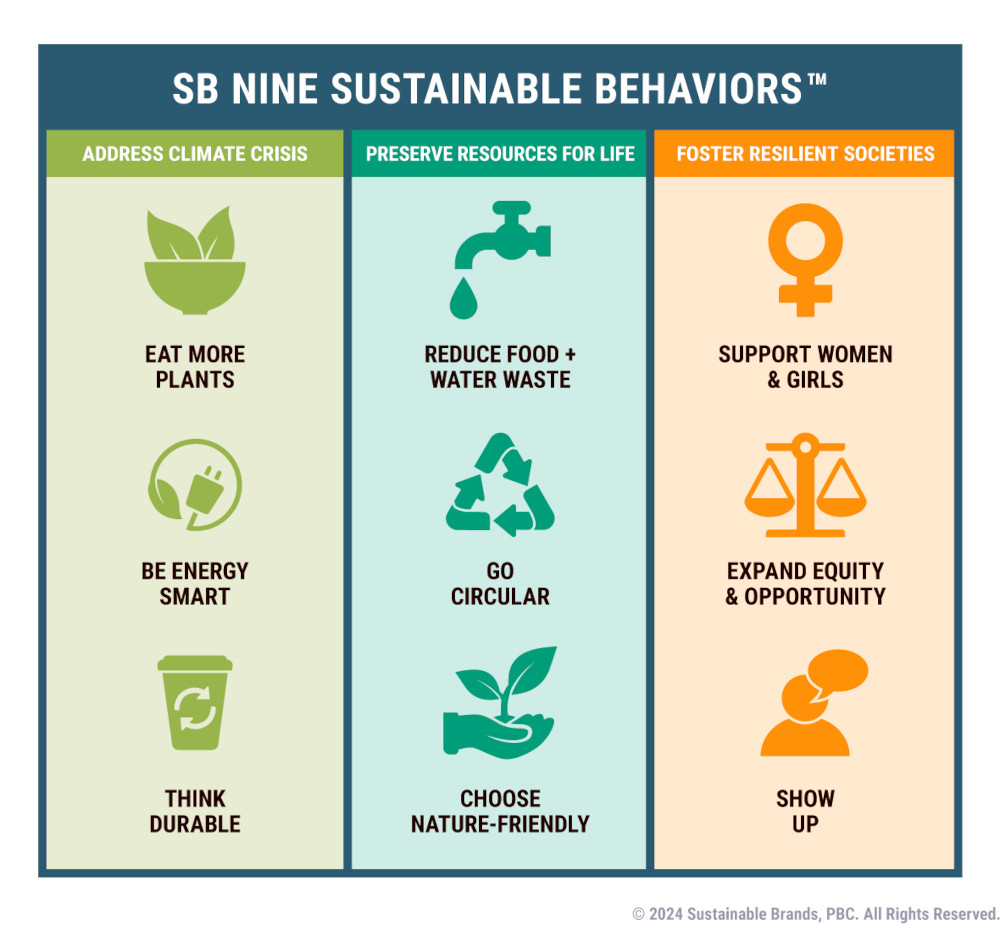
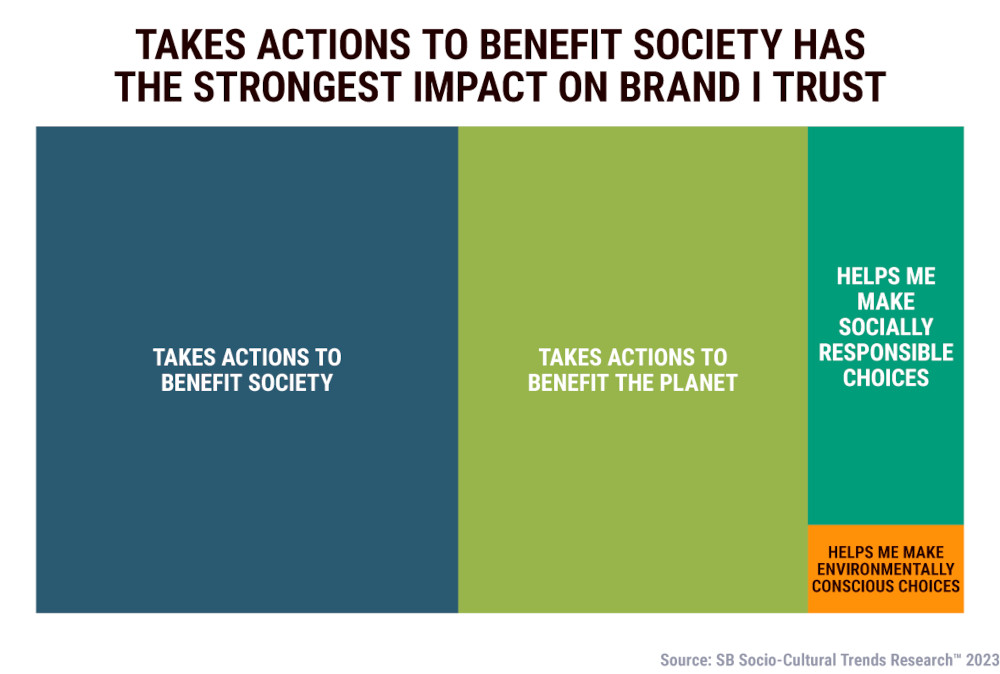


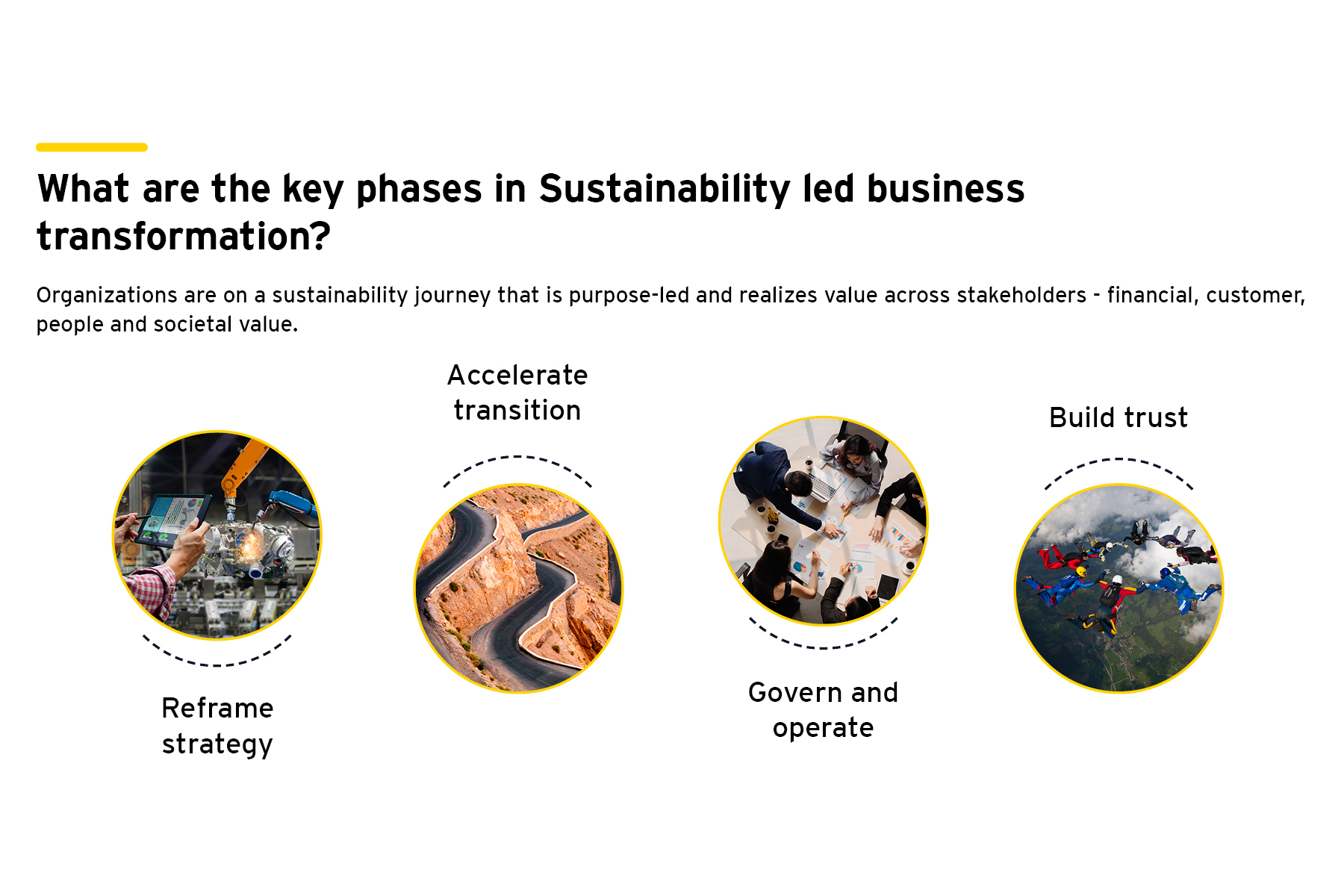





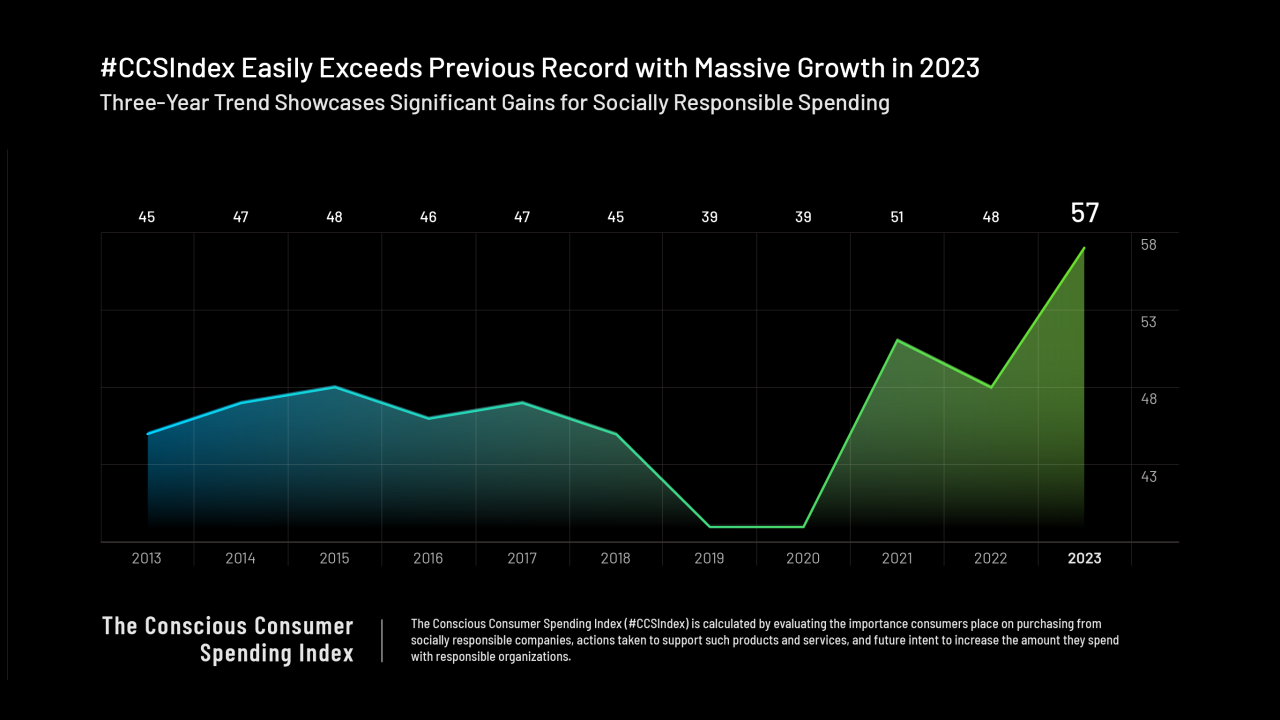
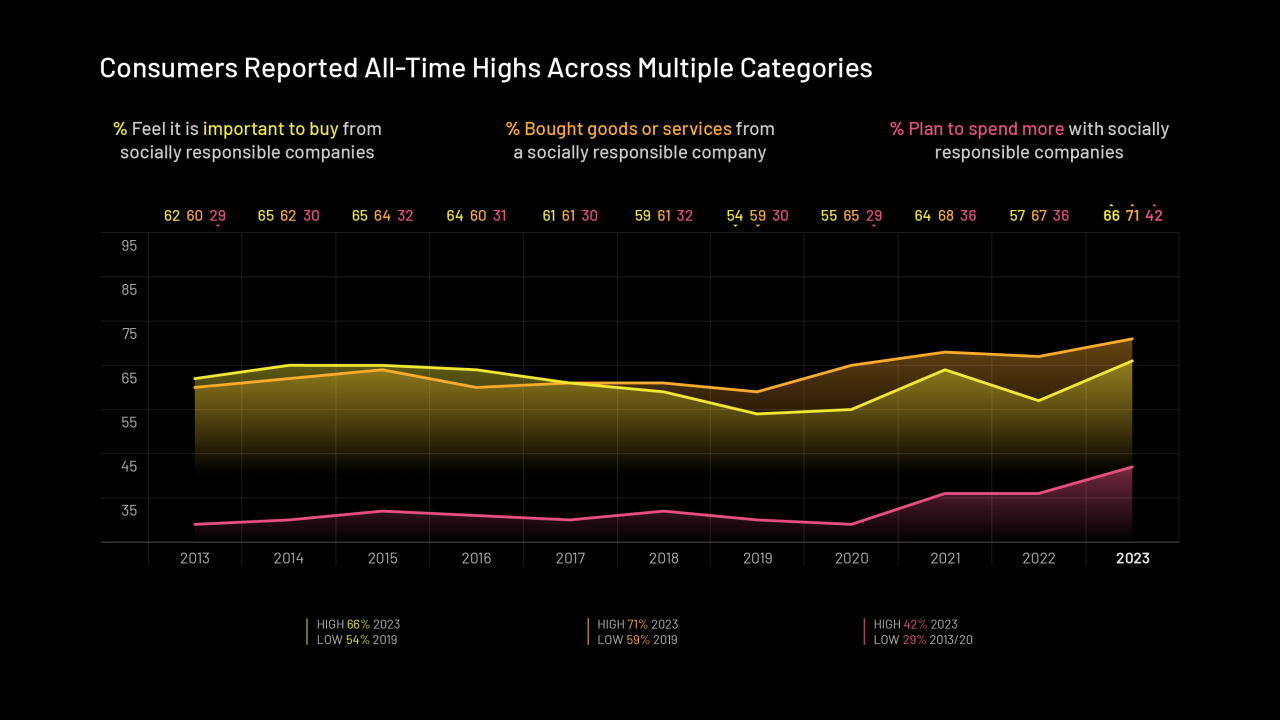
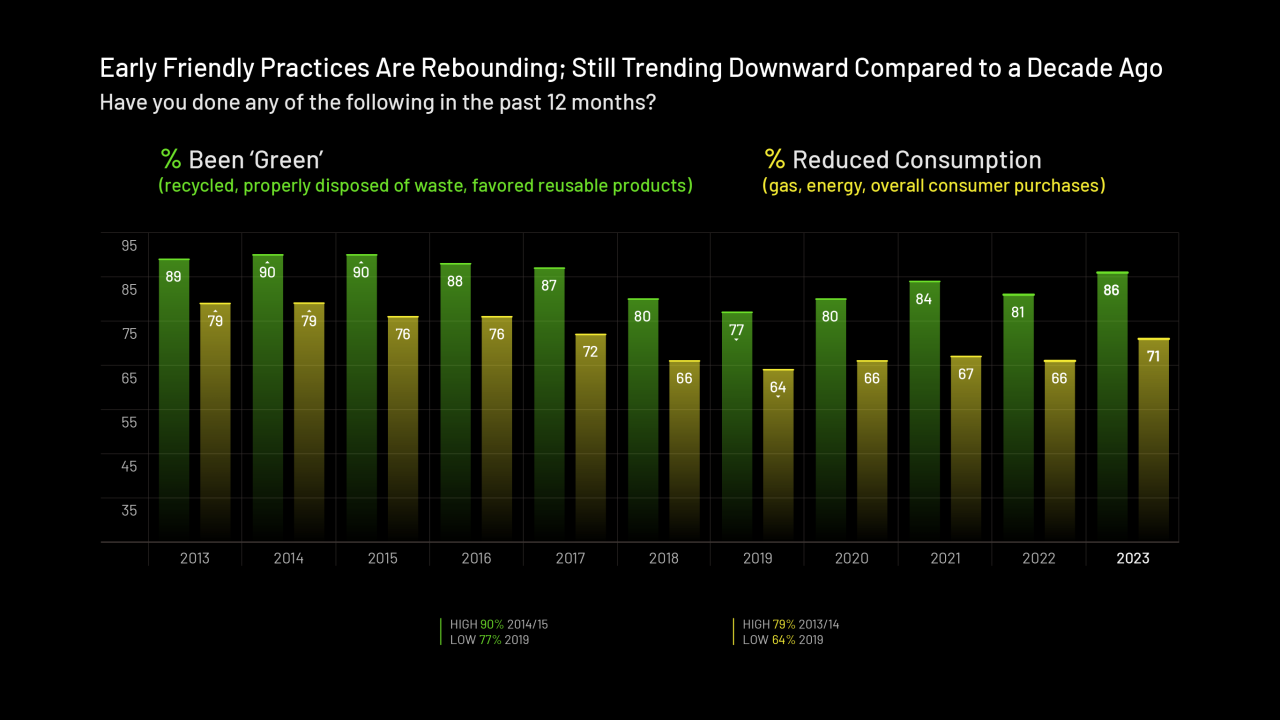
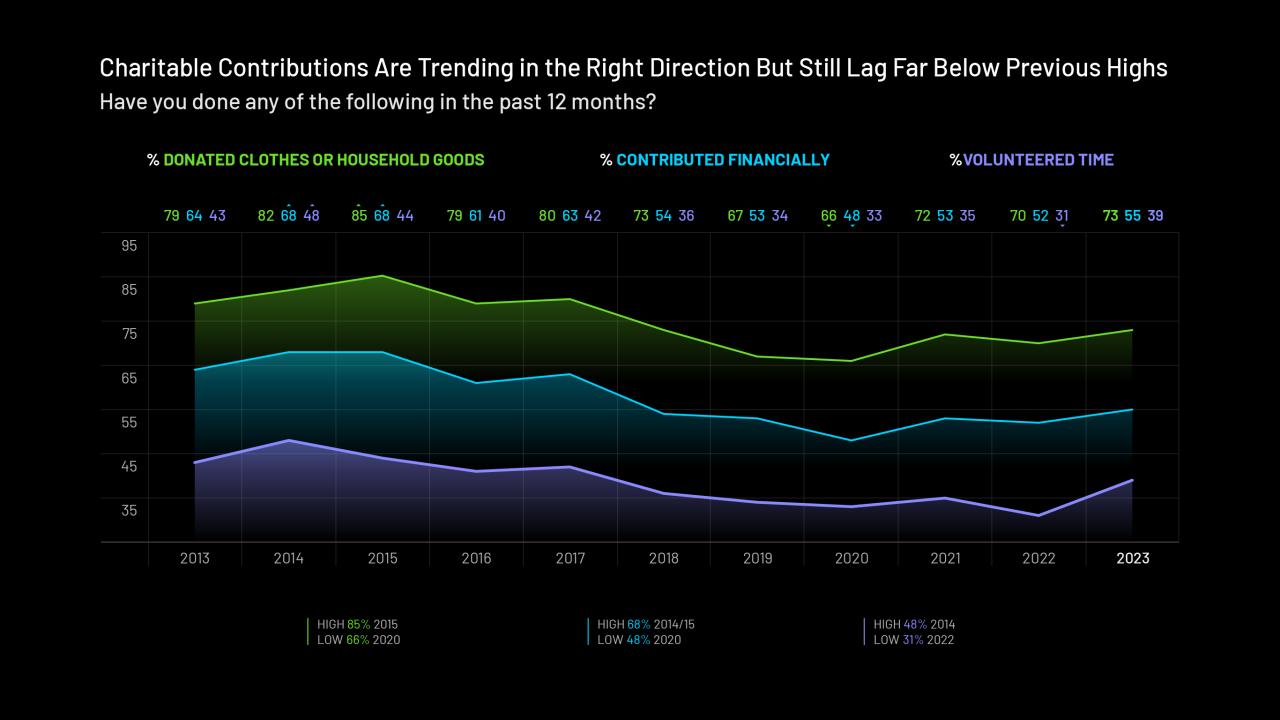
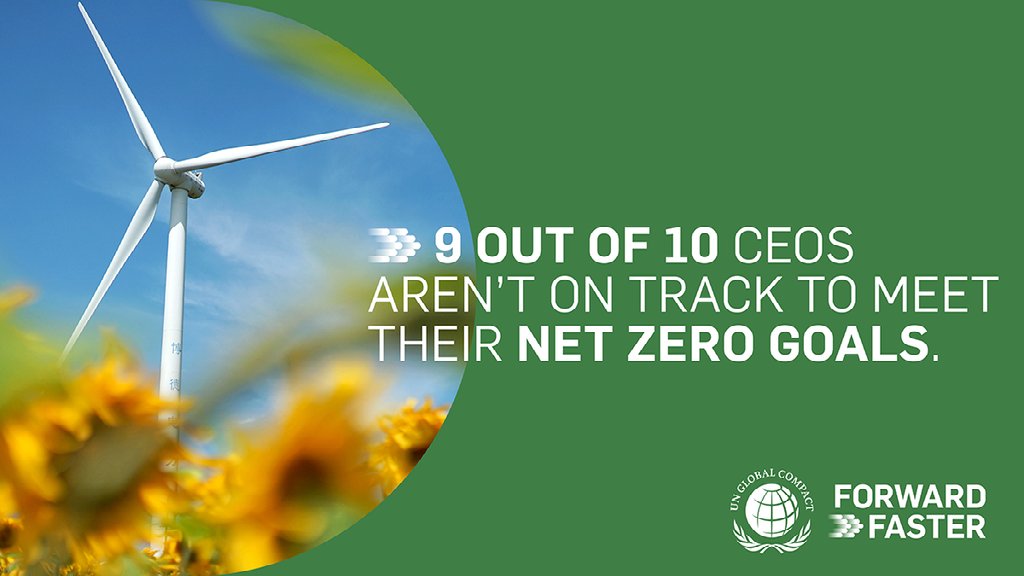

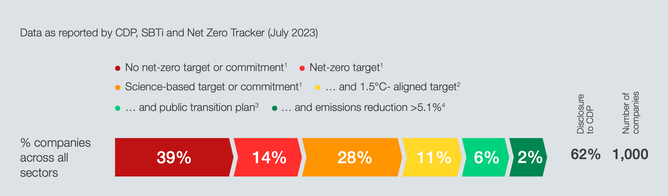

















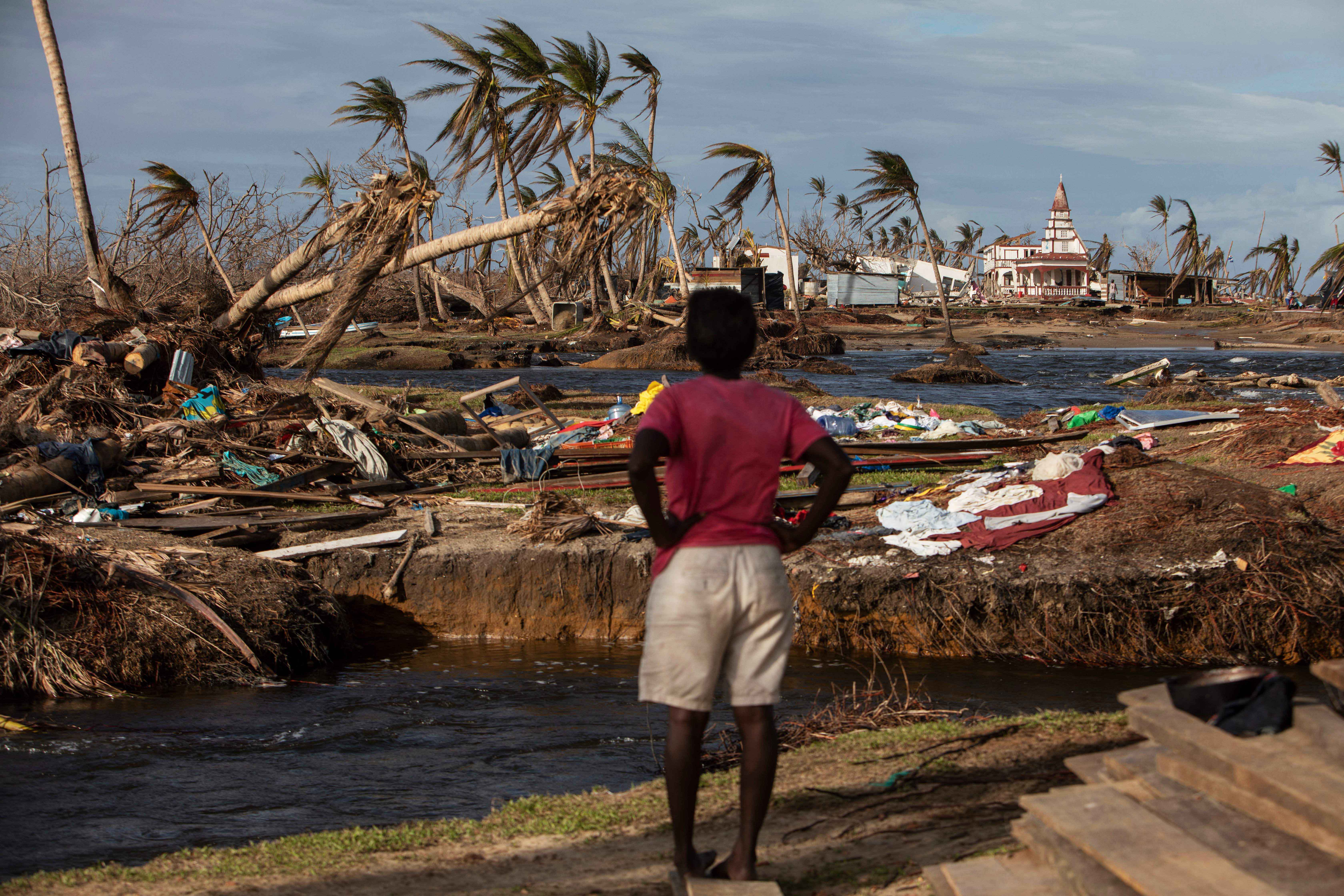

 Image credit: Chartwells
 Eric Block On Responsible Branding
You must be logged in to post a comment.