Photo (L to R) – Garrett Bond (Senior Director of Analytics, Ringer Sciences), Dr Lucy Walton (CEO, Connected Impact) and Taylor Schott (Senior Manager – Analytics, Ringer Sciences), who conducted the report research. Photo: Business Wire
From Business Wire • Reposted: July 11, 2024
New research suggests that almost six in ten (58%) of the top 100 largest public and private US companies are responding to greenwashing concerns by keeping quiet on genuine ESG progress.
With global ESG assets surpassing $30 trillion in 2022 and 85% of investors reporting that ESG assets lead to better returns1, companies that remain quiet may be missing out on potential investment opportunities and consumer demand2.
The Transparency Index 2024 report, published by data insights company Connected Impact, and data science consultancy Ringer Sciences, reviewed over 600,000 corporate communications from 200 companies to identify the “transparency gaps” between what businesses communicate on social media about ESG topics, and what they factually disclose about their targets and performance in annual reports, websites and other corporate documents.
The findings reveal only 2% of US companies “over promoted” their ESG progress, with 58% “under promoting” and disclosing more factual data on ESG than promoted. In a climate of stringent regulatory scrutiny, where mistakes can result in fines and reputational damage, companies may be hesitant to promote their legitimate ESG credentials due to fears of greenwashing accusations. This puts them at risk of “greenhushing” – where organizations choose not to publicize details of their climate targets, or their plan to reach their targets, to avoid scrutiny and allegations of greenwashing.
Dr. Lucy Walton, CEO of Connected Impact, said: “Businesses are under increasing pressure to avoid greenwashing – with increasing regulations and potential fines for those who misrepresent their legitimate ESG efforts.
“But businesses must also take action to avoid ‘greenhushing’. Our data reveals that businesses are more likely to under-promote than over-promote their ESG initiatives. This cautious approach can deter investment and undermine credibility.”
Only four in ten (40%) of companies offered a “balanced” picture, with a minimal transparency gap. The report argues that businesses with a small gap are more trustworthy than their peers. The report examined emissions, ethics, diversity and inclusion topics to represent E, S and G criteria. Emission disclosures had the largest gap, with 67% of companies disclosing more on emissions than they communicated. While governance had the smallest gap, with 40% of companies having a gap between their ethics discloses and communications.
Dr. Walton added, “ESG transparency is currently a missed opportunity for the top 200 businesses in the UK and US. We know most consumers favor responsible brands and transparent businesses. We know a well-governed transparent business attracts more investment and top talent3. This report equips businesses to identify – and close – transparency gaps so we can all make better decisions about where to invest our money, time and attention.”
By The Forbes Business Council from Forbes • Reposted: June 14, 2024
In recent years, sustainability has become a key topic amongst individuals and businesses. As the public becomes increasingly aware of climate change and their role in reducing unnecessary waste, more and more people are choosing to support organizations that espouse sustainability and business practices that minimize environmental impact. In addition to the reputational benefits, implementing sustainable initiatives has far-reaching advantages.
As experts, the members of Forbes Business Council have experience navigating a more sustainability-minded business landscape. Below, 18 of them share reasons why focusing on sustainability can be a strategic business advantage and the benefits of taking an eco-friendly stance.
1. It Can Set Your Business Apart
Focusing on sustainability can differentiate a business by appealing to environmentally conscious consumers and investors. One major advantage is the potential for cost savings through efficient resource use and waste reduction, which also minimizes environmental impact. This eco-friendly approach can enhance brand reputation, customer loyalty and long-term profitability. – Deyman Doolittle, ShipSigma
2. It Indicates Long-Term Viability
Sustainability is a core tenant of future-forward businesses—not only is it important to customers and employees but stakeholders and shareholders recognize sustainability as an indicator of a business’s long-term viability. As we look ahead toward an uncertain future, sustainability is one of the key ways a business can maintain resilience in the marketplace. – Jamie Houston, Aurora Sustainable Lands
3. It Enables Proactive Responses To Industry Changes
Adopting sustainability in the long term helps enterprises move ahead of the market shifts and laws while also offering a way to become more innovative and efficient. It also improves the brand image by attracting consumers, talent and investors. A major advantage of the exercise is developing a culture of long-term sustainability and sector leadership by embracing uncertainty and setting standards. – Chris Kille, EO Staff
4. It Provides A Competitive Edge
In government contracting, focusing on sustainability can provide a competitive edge, as it aligns with increasing federal mandates for eco-friendly practices. A significant pro is enhanced reputation; businesses that prioritize sustainability often gain favor with the public and governmental organizations, potentially leading to more opportunities and partnerships. – Dr. Malcolm Adams, Avid Solutions Intl
5. It Expands The Target Audience
The focus on sustainability expands the company’s target audience, including people looking for companies that support sustainability. Focusing on sustainability also gives employees a purpose and the opportunity to do good in the world, uniting people around a cause. – Gaidar Magdanurov, Acronis
6. It Can Narrow The Divide Between Large And Small Businesses
While sustainability to some advocates is our moral compass and strategic beacon, given the increasing strengthening of high-quality carbon projects, it has also provided a new context of monetizing with carbon credits gained. Sustainable financing syndicating with blended government grants will now narrow the financial chasm between large and smaller enterprises. – Victor Tay, Global Catalyst Advisory
7. It Enables The Surrounding Ecosystem To Thrive
If the surrounding environment and society aren’t flourishing along with a company’s growth, such imbalances can eventually tower over your business sustainability in multiple ways, even threatening operational existence. Businesses thrive when the surrounding ecosystem feeds their growth and creates a positive loop of cause and effect, opening up new opportunities and synergies. – Sabeer Nelliparamban, Tyler Petroleum Inc / ZilBank
8. It Brings The Business In Alignment With Clients’ Values
We’re seeing a lot of clients asking us to meet sustainability standards that fit within their value system. Additionally, we have a lot of job candidates asking about them. Internal sustainability standards not only help the environment but they can be used to show potential clients or employees that your company stands for more than just the product you create or the service you provide; it shows your values. – Scott Wassmer, Appnovation
9. It Demonstrates Care For More Than Profits
It’s encouraging to see more businesses incorporate sustainability in various ways—from making building systems and operations more efficient to reducing corporate travel requirements. Sustainability as a core business value saves on costs and supports employee growth and retention. It shows you care about more than just profits and are creating a lasting, positive legacy. – Jeff Sprau, Legence
10. It Enhances Business Efficiency
One major benefit is that it can help companies reduce costs and waste by finding more efficient ways to operate. For example, businesses can implement circular economy practices like renting or repairing products instead of throwing them away. This can lead to significant cost savings over time. – Allison Ballard, CORT Furniture Rental
11. It Can Facilitate Cost Savings
There’s a marketing advantage but it will not apply to every customer. However, if you concentrate on the cost savings, such as energy costs, that’s a real advantage. Sustainability practices can cut down your electricity and fuel costs significantly. That kind of efficient thinking can also be applied to making your operations simpler and more logical. – Zain Jaffer, Zain Ventures
12. It Enhances Brand Reputation
Focusing on sustainability enhances brand reputation, attracting loyal customers and like-minded employees, as well as creating compelling PR content. It also opens the door to press contacts and articles, which can promote the brand effectively. A major pro is cost efficiency through resource management and positioning your company as a sustainability leader, which will appeal to investors and strategic partners. – Kolja Brand, Aurum Future
13. It Provides Long-Term Financial Benefits
Embracing sustainability isn’t just good ethics—it’s smart economics. Businesses that prioritize eco-friendly practices often see enhanced brand loyalty and attract eco-conscious consumers and investors alike. One major pro is the long-term cost savings; sustainable operations reduce waste and energy usage, leading to significant financial benefits over time. Green is the new gold standard. – Aleesha Webb, Pioneer Bank
14. It Can Drive Operational Efficiency
At AstraZeneca, sustainability is a core part of our strategy that gives us an edge by driving operational efficiency, allowing us to minimize our environmental impact while achieving cost savings. It also helps us mitigate risks to ensure the resilience and longevity of our business by aligning with the values of our stakeholders who prefer companies with strong environmental credentials. – Mohit Manrao, AstraZeneca
15. It Enables Risk Mitigation
Focusing on sustainability can be a strategic advantage because it aligns with increasing consumer demand for ethical practices, potentially boosting brand loyalty and market share. A major pro is risk mitigation—sustainable businesses often pre-empt and adapt to regulations, reducing long-term operational costs and protecting against the volatility of resource scarcity. – Mohammad Bahareth, MBI
16. It Centers Future Buyers
A 2022 Deloitte study found that 89% of Gen Z believe the world is at a tipping point in responding to climate change, which remains their top concern. Gen Z is our future generation of buyers. Brands like Levi’s and Patagonia understand this market segment well and are already capitalizing on that insight with their practices. Sustainability is also backed by the genuine ethos of what’s good for people is good for business. – Josh Jebathilak, Fruition
17. It Grants Access To Innovative Tech
Focusing on sustainability in business can be a strategic advantage, especially as technology evolves towards green solutions. One pro of adopting an eco-friendly stance is access to innovative sustainable technologies. Early adoption can position a company as a leader in harnessing these advancements to improve efficiency and offer cutting-edge solutions to customers. – Ran Ronen, Equally AI
18. It Strengthens The Company’s Reputation
Sustainability boosts brand image, cuts costs via efficiency, attracts eco-conscious consumers and ensures resource availability. This appeals to investors, employees and customers who prioritize ethics. Eco-friendly firms meet society’s expectations for a cleaner planet. Sustainability strengthens reputation and stakeholder support through forward-thinking approaches. – Vikrant Shaurya, Authors On Mission
New survey of Gen Zs in the US and Canada suggest a growing distrust of influencers; and while sustainability is still a consideration when purchasing, budget, price and brand authenticity are paramount.
AI-powered conversational-research firm Rival Technologies and market-research consultancy Reach3 Insights have released a new report revealing Gen Z’s shifting attitudes on social media, influencer marketing, online shopping, sustainability and brand loyalty.
Based on a mobile-first, conversational survey of 750 Gen Zs (aged 18-27) in the US and Canada in April 2024, the 2024 Gen Z Marketing & Engagement Report found that social media’s role in purchase discovery is increasing — but it is only one step in a long and complex buying journey. Among Gen Z consumers who shop online, only 18.4 percent complete the purchase directly through social channels. In contrast, 88.2 percent buy via online marketplaces (Amazon, Etsy, etc) and 74.6 percent through brand websites.
When asked which social media platforms they use to discover new brands, Gen Zs highlight Instagram (70.3 percent), TikTok (34.3 percent), and YouTube (33.1 percent) as top channels.
The research also suggests that the buzz around influencer marketing may be fizzling out: Contrary to studies even from last year, in which a majority of younger consumers credited influencers with having a major impact on their sustainable purchasing and lifestyle habits, 47.5 percent of Gen Zs now say they are “not very likely” or “not likely at all” to buy something recommended by influencers. Many respondents described paid influencer partnerships as “very insincere” or “annoying,” with some respondents asserting a preference instead for “normal people with normal incomes and lives” to be the voices promoting the products. The report points out that influencer marketing can still work; but authenticity is key, as these shoppers are showing a new preference for substance over style — emphasizing the importance of ensuring that any influencer used is a good fit for the product and can create relatable content.
“Influencer marketing is at risk of facing a serious reckoning,” says Paula Catoira, Chief Marketing Officer at Rival Group — parent company of Rival Tech and Reach3. “To ensure ROI from influencer partnerships, brand marketers need to understand their Gen Z customers and align their marketing strategy with the need of this audience.”
Gen Z attitudes on sustainability itself also seem to be shifting. The report found that 42.9 percent of Gen Zs prefer sustainable products when available, but it’s not the only consideration. Budget and price are big factors in buying decisions. This helps explain why fast fashion, for example, continues to grow despite its impact on the environment — a phenomenon that was recently parodied in the season finale of “Saturday Night Live.”
And as always, authenticity is key — as Gen Zs are one of several consumer segments that are increasingly savvy about identifying greenwashing. Influencers themselves are well aware of this; and a 2023 study found more and more content creators are steering clear of sustainability-related content due to a lack of insight and clarity around company and product sustainability claims.
The report points out that for many brands that cater to Gen Zs, sustainability can still be a huge competitive advantage as long as product prices remains competitive. And being transparent about brand claims is paramount: The research suggests that brand websites (59.9 percent) and packaging (43.5 percent) play a key role in communicating details about brand sustainability efforts; when it comes to this, Gen Zs say they are much more likely to believe third-party websites (42 percent) than influencers (12 percent).
“Our research highlights how the attitudes and behaviors of Gen Zs can shift significantly as they go through different life stages and as socio-economic factors evolve,” said Andrew Reid, CEO and founder of Rival Technologies. “To get accurate and nuanced insights on Gen Zs and win their loyalty, brands need to engage with these young consumers on an ongoing basis and do it in a way that’s aligned with their expectations and behaviors.”
One of the study’s key takeaways for marketers is that Gen Zs want to feel they can build an authentic and personal connection with brands; and while they still prioritize sustainability, socio-economic factors such as inflation have very real impact on how this group views and prioritizes sustainability-related issues.
As Jennifer Reid, Co-CEO and Chief Methodologist at Rival Group, points out: “Among a generation fueled by skepticism, trust is paramount for both engagement and loyalty. And since authenticity, honesty and transparency are critical in building that trust, they should be the goals of every marketer with young consumers in their sightlines.”
By Mark Segal from ESGtoday.com • Reposted: May 23, 2024
The vast majority of companies view sustainability as a value creation opportunity, with more than three quarters anticipating potential benefits ranging from higher revenues and profitability to lower cost of capital, although many also expect increased sustainability-related costs and a need for significant investment, according to a new survey released by Morgan Stanley.
For the study, “Sustainable Signals: Understanding Corporates’ Sustainability Priorities and Challenges,” Morgan Stanley surveyed more than 300 public and private companies with revenues greater than $100 million, across North America, Europe and Asia Pacific, and representing a broad range of industries.
The survey indicated that nearly all companies now recognize the impact of sustainability on their long-term corporate strategies, with 85% of respondents reporting that they see sustainability as a value creation opportunity, including 53% who view it primarily as value creation and 32% as both value creation and risk management, while 15% view sustainability primarily as risk management. Only 1% responded that sustainability is not material to long-term corporate strategy.
Sustainability as a value creation opportunity topped the list of “very significant” reasons reported by companies for pursuing sustainability strategies, cited by 50% of respondents, followed closely by compliance with government regulation at 48%, and a moral obligation at 47%.
According to the survey, more than 80% of companies see potential financial opportunities from their sustainability strategies over the next five years, including 81% who see sustainability as somewhat (41%) or very (40%) likely to drive higher profitability, 79% to drive higher revenue (35% very likely, 44% somewhat likely), and 82% to improve cash generation capabilities (38% and 44%). Another key benefit highlighted by the study was improved access to capital, with 77% of respondents reporting that sustainability could drive lower costs of equity or debt over the next five years.
While respondents saw opportunities to benefit from sustainability, the survey found that companies are also aware of the potential challenges and costs associated with their sustainability strategies, including 69% anticipating very (28%) or somewhat likely (41%) costs from changing processes, 72% seeing higher costs or legal risks from sustainability regulation, and 73% seeing higher costs or scarcity of raw materials over the next five years. The most cited challenge reported by respondents was restructuring supply chains to meet human rights obligations, viewed as somewhat or very likely by 74% of companies.
Accordingly, respondents reported the high level of investment required as a very significant barrier to delivering or establishing a sustainability strategy, cited by 31% of companies, in addition to 28% citing conflicts with the financial goals of the company, while 22% said that it is hard to justify the near term negative financial impact, even with the long-term benefits.
The study also found nearly all companies, 92% expect climate change to impact their business models by 2050, while 23% report that it is already a risk to their business model today, similar to risks including technological change (25%), competitor actions (25%) and supply chain instability (23%).
The survey also highlighted a perceived need by the companies for sustainability expertise at the board level, with 57% of respondents reporting that board members could benefit from more knowledge regarding sustainability regulations, 43% in sustainability-labelled financial instruments, and 40% in sustainability disclosure. Overall, only 37% of respondents agreed that their company’s board has sustainability expertise.
Jessica Alsford, Chief Sustainability Officer at Morgan Stanley and CEO of the Institute for Sustainable Investing, said: “Sustainability strategies and core business strategies are converging, with companies increasingly seeing sustainability factors as integral to the company’s long-term value creation. There may yet be challenges in developing expertise and financing models, but corporate leaders view sustainable business practices as fueling the creation of value as well as the mitigation of risk.”
By Nick Leighton, Forbes Councils Member via Forbes • Reposted: May 10, 2024
There’s no doubt that we live in an extremely competitive economic environment. With the costs of living rapidly increasing, consumers are more hesitant to let go of their hard-earned money. This shift is forcing marketing and public relations (PR) professionals to rethink the way they are promoting their brands, products and services. The unfortunate consequence of added pressure is the temptation to implement marketing strategies that can be deceptive, unethical and sometimes illegal. These unethical practices can include exaggerating the consumers’ expected results, using tricky terminology or designing intentionally confusing terms and conditions.
Marketing and PR professionals who engage in these activities and behaviors risk destroying their brand’s reputation in the marketplace. The reality is that consumers are becoming more aware of these unethical practices. In fact, “one study by the American Association of Advertising Agencies found that 96% of people believe advertising and marketing professionals don’t practice integrity.” This is important to note since over 70% of consumers believe trust is essential when making purchasing decisions. For this reason, it’s critical that marketing and PR professionals carefully balance implementing new and innovative ways of marketing without crossing ethical boundaries.
Equip your team with an ethics toolbox.
Marketing and PR is typically a team sport since there are usually a handful of individuals or departments that are involved in crafting the consumer’s experience and messaging. Since the actions of each group or individual are direct reflections of the brand, firms should start by establishing clear, ethical guidelines for the team to follow.
These guidelines should outline expected ethical behavior, actions that are not acceptable, compliance with any government regulations and a commitment to keep communication honest and transparent. This guide should also provide the team with instructions on how to report unethical behavior to management.
In addition to policy documents, the company should also prioritize continuous education on ethical standards by offering regular training sessions, workshops and other resources. This can help the team better spot unethical trends and conflicts of interest and avoid any legal implications.
Embrace transparent and open communication.
Transparency is the key to building trust with consumers. Marketing and PR firms can embrace transparency by being open about their practices, disclosing potential conflicts of interest and clarifying product outcomes. No brand is perfect. Mistakes can and will happen. However, you can still maintain transparency by quickly acknowledging any mistakes publicly and letting the consumer know how you are correcting the situation.
By adopting transparent communication strategies, consumers will quickly recognize your brand as a trusted source of information. This is a win-win. For the consumer, this removes barriers of skepticism and provides confidence that they are getting the service or product they want. Brands benefit by differentiating themselves from competitors in the marketplace and ultimately don’t have to work as hard to convince consumers to trust them.
Adopt responsible technology practices.
Technology is quickly changing the way brands create and market products and services. This can create a slippery slope when it comes to ethical practices. Incorporating responsible technology practices is essential for marketing and PR firms leveraging consumer data and artificial intelligence (AI) to shape strategies. Brands can foster responsible technology practices by having processes in place to protect consumer privacy, disclose the use of AI-generated products and content and provide a level of human oversight to maintain authenticity.
Conduct thorough research.
All it takes is one half-truth or incorrect statement to destroy a marketing firm’s reputation and credibility with consumers. It’s critical that marketing and PR professionals take the time to carefully conduct proper research and due diligence to avoid inadvertently spreading misinformation or using misleading statistics and instead ensure accurate representation of their brand. By investing time and resources in robust research practices, firms can uphold ethical standards and maintain their credibility.
Form ethical partnerships.
Marketing and PR firms can strengthen their ethical initiatives by collaborating with like-minded organizations and engaging in cause-focused marketing. Partnering with industry associations and advocacy groups amplifies ethical advocacy and the sharing of best practices. Cause-focused marketing initiatives demonstrate commitment to social responsibility by appealing to socially conscious consumers.
This mindset can also extend to scrutinizing the clients you choose to work with by carefully evaluating any potential clients, as associating your brand with an unethical partner can indirectly influence the reputation of your firm.
Track and monitor consumer feedback and sentiment.
Understanding consumer sentiment is crucial for marketing and PR professionals to avoid potential ethical concerns in their campaigns. By regularly tracking sentiment indicators and soliciting feedback, firms can work to adjust and align their practices with ethical standards. This can help maintain trust and credibility with the audience while fostering transparency and accountability.
As businesses adapt to the changing landscape of marketing and PR, embracing ethics is crucial for building trust and success in a socially conscious marketplace. Having a business coach in your corner can provide invaluable guidance in establishing ethical practices, navigating evolving expectations and holding your brand accountable. By leveraging the expertise of a business coach, firms can drive long-term success while making a positive impact on society.
By Emma Lewis from Sustainable Brands • Reposted: April 10, 2024
s we work to find a balance between greenwashing and greenhushing sustainability claims, here are several tips for brands to keep authentically guiding consumers toward better purchases.
Easter. A time for fun and family time, or a case of excessive consumerism? It’s no secret that Easter candies, chocolates and gifts often come in plastic, non-recyclable or multi-material packaging. Consumers can find themselves caving to the pressure of the yearly egg- and treat-buying ritual, and in an ethical conundrum where the build-up of waste is almost inevitable. But are brands doing enough to encourage sustainable behaviour in the frenzy?
Only last year, the UK Advertising Standards Authority (ASA) began stamping down ongreenwashing — introducing new guidelines and issued a record-breaking 29 formal rulings on sustainability issues, notably banning adverts by airlines including Air France, Lufthansaand Etihad for portraying a misleading picture of their environmental impacts. This year, the ASA is focusing on the food and beverage industry and has introduced new AI tools to help identify and evaluate claims from brands making sustainability assertions.
Yet, these greenwashing countermeasures may have inadvertently swung the pendulum towards ‘greenhushing‘ — with some companies not actively promoting their sustainability progress to avoid criticism. This may create the unintended knock-on effect of limiting sustainability action and instituting a vicious cycle where such activities are deprioritised.
Sustainability and shopping — a dichotomy?
Shopping sustainably should be a seamless and stress-free experience. But complexity can burden shoppers with a myriad of products, promotions and promises — particularly during holiday seasons. Confusing consumers around the meanings of terms including ‘carbon neutral’, ‘compostable’ or ‘recyclable’; or by over-egging their sustainable offer and listing an overwhelming number of sustainable practices intensify the complexity.
By applying a philosophy of simplicity when integrating sustainable claims, brands can make it intuitive and easy to engage with. This is a win for the consumer — which, in turn, is a win for the brand; and ultimately, a win for the planet.
Simplifying your sustainability claims
Brands ought to consider how to authentically embed sustainability credentials into their business strategy, product offering, portfolio approach and manufacturing in a way that is simple and standardised. They should then communicate these successes clearly — when they have the power to influence other brands as well as the sustainability footprint of millions of consumers, getting it right matters. Take IKEA — its ‘People & Planet Positive’ sustainability strategy is embedded into all of its business practices; and the brand clearly outlines itsambitions and commitments.
The below considerations should be key for any brand looking to become a beacon for sustainable business and attract like-minded partners and consumers.
Design
On-pack sustainability credentials should be direct, provable and to the point. Don’t bombard the pack with too much information, as this will only increase shopping stress. Streamline product packaging and eliminate unnecessary layers and components that will contribute to waste. In terms of the actual product, consider using minimal, eco-friendly packaging materials and durable, high-quality items. There are alternative materials out there which are both sustainable and innovative — think seaweed plastic or shrimp-shell polystyrene!
Digital transparency
Incorporating QR codes into packaging and marketing materials provides easy access to more detailed information about sustainability terms, sustainable practices and the supply chain. Link these codes to a dedicated webpage or digital platform to enable customers to learn about environmental initiatives, product lifecycle, and tips for reducing waste.
Local & domestic sources
Domestically or locally source products and materials to secure and simplify your supply chain, reduce your carbon footprint and support the community. This enables companies to build an authentic story into the brand — after all, people don’t buy products; they buy stories.Patagonia is a key example of a brand built around locally sourced materials and fair labour practices, working directly with farmers wherever possible.
Forge partnerships
The above point also rings true when developing brand partnerships. Actively participate in initiatives that contribute to reforestation, renewable-energy projects, or other sustainable practices.
By simplifying your brand offer, consumers are less likely to be overwhelmed by decision paralysis and be more thoughtful about purchases. Instead, consideration is made towards important sustainability factors — such as the supply chain, manufacturing processes, materials used and impact on local communities.
Empower consumers
While brands should make every effort to embed sustainability initiatives, consumers should also be making a conscious effort to join up with brands — the brand sets the target and consumers finish the race.
For example, if a brand communicates its involvement in a closed-loop recycling system, it should also provide recommendations for how consumers can do their own due diligence and participate. This could be through recycling collection programs, reusing or repurposing packaging materials, or supporting brand take-back programs that accept products back for recycling or refurbishment.
Brands, this Easter and throughout the year … while it’s tempting to cave to pressures to enhance your sustainability credentials, you must consider the authentic reasons you are evolving for the future. Take meaningful steps to tangibly simplify the customer experience and your own practices at the same time.
By Ross Meyercord, CEO of Propel Software via Forbes • Reposted: March 30, 2024
In an era where political divisions often seem insurmountable, there’s an underlying consensus among American consumers that transcends party lines: the importance of sustainability.
As the CEO of a company at the forefront of product value management (PVM) SaaS solutions, I’ve observed firsthand how sustainability has moved from a niche concern to a driving factor influencing consumer purchase decisions. In the 2024 election year, we will witness polarization among the two sides, but as consumers cast their votes—with dollars rather than ballots—a clear message of unity around brands that support environmental causes is being sent.
Customers Prioritize Sustainability
Propel recently conducted a consumer sentiment survey with OnePoll to determine what influences purchasing behaviors for sustainable products and brands. The survey was designed to offer businesses a window into consumer purchase behaviors and to help companies identify how closely they should be tracking and publicizing their sustainability efforts for the products they develop. The data compiled from a study of 2,000 U.S. consumers revealed compelling insights on how Americans prioritize eco-friendly purchasing decisions and how political affiliations impact those purchasing decisions.
The data shows consumers, regardless of political affiliation, are putting their hard-earned money towards brands and products that elevate environmental causes. And those brands that accurately communicate their environmental practices to consumers are being rewarded by consumers with increased revenue and greater loyalty.
Propel’s survey confirms a trend that Americans are severing ties with companies that aren’t focused on sustainability. In fact, the New York University Stern Center for Sustainable Business discovered in a survey that sustainability-marketed products are not only growing twice as fast as conventionally marketed products, but they are going at premium prices.
Likewise, Propel’s survey uncovered that more than 50% of consumers from both major political parties stated they’d be willing to spend extra on brands that champion environmental causes. And, contrary to traditional thinking about party ideology, more Republicans (66%) than Democrats (55%) cited they’d pay a 10% to 30% premium for eco-friendly brands. This data dismantles the myth of sustainability as a partisan issue, highlighting the shared commitment consumers have that bridges the political divide.
Why Businesses Must Rethink Their Sustainability Strategy
Many of the statistics we uncovered about consumer behavior challenge us to rethink our strategies to align business processes with the value of sustainability and environmental stewardship. As business leaders, CIOs, tech innovators and C-suite executives, we all need to sit up and pay attention.
As the architects of products and services that define our daily lives, we have a responsibility to embed sustainability into the fabric of our business practices. It’s up to us to reimagine how we design, manufacture and dispose of products, ensuring that every step of the lifecycle minimizes its environmental impact and promotes a circular economy.
The findings send a clear message to brands about how consumers view their products and how those brand messages influence purchase behavior. In particular, many consumers are actively looking for environmental claims when making purchases (66%), with a significant portion (58%) willing to alter their brand loyalty if a company fails to demonstrate eco-friendly practices. This is a powerful reminder that sustainability is not just a moral imperative, but a competitive advantage.
These findings further back up a 2021 PwC survey that found environmental, social and governance (ESG) has become a “make or break” consideration for investors globally, with nearly half willing to divest from companies that aren’t taking sufficient action on ESG. In a marketplace where consumers and investors are increasingly discerning, brands that fail to prioritize environmental considerations risk not just alienation but obsolescence.
Despite the tumultuous political climate of the past decade, there’s common ground to be found in the values we share as consumers and citizens. And, the message we as business leaders should be taking from it is: Aligning with sustainable practices is not just about catering to a niche market but resonating with a broad, bipartisan consumer base.
We are in a unique position to drive this change. By leveraging advanced analytics, AI and collaborative tools, we can optimize resource use, reduce waste and ensure products are designed with their entire lifecycle in mind.
Businesses that are unsure where to start must first turn their attention inward. One important variable is your current supply chain. With a direct line of sight into the development and creation of your products, you can easily track sustainable business processes. If you don’t include your supply chain practices currently, it’s time to make that change. It’s only when companies can see every aspect of their internal and external processes that they can have a complete understanding of their practices to meet consumer expectations as they relate to sustainability.
Conclusion
The consumer mandate is clear: Sustainability is not a partisan issue but a universal value that guides purchasing decisions. As we navigate this election year, let us remember that the most powerful votes are often cast outside of the ballot box through the choices we make as consumers and the products we develop, market and sell as business innovators.
It’s time for us all to respond to this call to action by embedding sustainability into our DNA and, in doing so, securing our place in a future where environmental stewardship and economic success are inextricably linked.
By Gregory C. Unruh from the Harvard Business Reviews • Reposted: March 16, 2024
When I became the sustainability guest editor for the MIT Sloan Management Review a decade ago, I joined a research project sponsored by the Boston Consulting Group to track the evolution of corporate sustainability management. Over the course of nine years, our annual global surveys reached more than 60,000 respondents in 118 countries.
While there were many insights, a persistent managerial challenge was how to account for the intangible value generated from sustainability initiatives. Executives recognize the impacts these efforts engender with key stakeholders. Socially minded millennial employees, for example, want to work for responsible companies, and our surveys have shown that they’ll reward their employers with loyalty, lower absenteeism, and engagement. Similarly, customers want to feel good about their purchases, so they give their business to companies that care for communities and the environment. Comparable arguments can be made for other stakeholders, such as investors, partners, politicians, and the like. The challenge is that these important stakeholder impacts are difficult to see or measure.
Think of it like this: I can show you two eggs and tell you one is sustainable — but you can’t tell which by looking at them. The egg’s sustainability depends on things like how the chickens were raised, what they were fed, how the farmers were treated and compensated and so on. Holding an egg in the grocery store aisle, you can’t see any of that. It’s an intangible attribute for the typical buyer.
How do you overcome this? One option is to “tangibilize,” that is make the intangible benefits more clear, for stakeholders.
At one end of the spectrum is marketing. An egg crate can be plastered with logos, pictures of happy hens, and statements like “organic,” “cage free,” “no antibiotics,” “free range,” and so on. Of course, the customer can’t confirm any of this. They have to take the company’s word for it. Any perceived sustainability value is contingent on the customer trusting the brand’s claims.
Another option is to make claims more tangible is through third-party certifications. Labels like “Certified Humane” or “Fair Trade” are more tangible than marketing because they’re backed by verifiable standards. It’s analogous to having a company’s financial statements audited and certified by accountants.
These approaches work when there is a tangible product and process in place that can be evaluated for its sustainability performance. But what if the product or process is not yet available, but business success depends upon stakeholders believing that there will be tangible benefits in the future?
“Tangibilizing” an Uncertain Future
For highly intangible sustainability impacts, the communication challenge increases. Take sustainable agriculture, for example. Advocates claim the practice can engender resilient food systems, conserve cultural heritage, and mitigate climate change, and more. These benefits are not only intangible to consumers, some will only materialize in the future. Is there a way to demonstrate these intangible benefits in ways that can influence consumers shopping for eggs today?
Over the last few years, I’ve been studying how Intel has dealt with this intangibility challenge. In the late 2010s, the company was positioning itself in the rapidly growing artificial intelligence business, investing billions in optimized AI chip capabilities and integrated AI applications.
Realizing value from these investments depended on business leaders, government officials, and the general public embracing the AI revolution. However, this was years before ChatGPT demonstrated the potential of artificial intelligence to the world. At the time, the only impressions people had of AI came from science-fiction movies and pundits.
As they surveyed stakeholders, Intel’s public affairs team detected competing narratives arising about AI. On the negative side were anxieties about AI’s potential to eliminate jobs, exacerbating global economic inequality. The positive AI story was about human-machine collaboration to solve problems, where people do the creative work that AI can’t, leaving the rote work to machines. The competing narratives were based on an imagined future that was unmanifest, thus intangible, to the public.
The intangible narratives began having tangible implications in 2016 when several countries began developing national AI strategy plans. If the negative narrative took hold, risk-averse government policy could slow the technology’s uptake. What was needed was to demonstrate the sustainability benefits of AI — and in doing so, to tangibilize a positive AI future.
To help manifest this future, Intel launched AI4Y, a cross-sectoral collaboration with governments and national school systems to deliver AI training for K-12 students in an array of global markets. Students learned the technical aspects of AI applications, and were also trained in a humanistic approach that emphasized ethical deployment of AI to solve real-world sustainability problems in their communities. The goal was to demystify AI for policy makers and the public while democratizing AI and get it in the hands of users around the world.
By 2019, tens of thousands of students across nine countries had engaged in AI4Y programs. As part of the program design, pupils applied what they’d learn to solve real challenges in their communities, creating AI applications to address social and environmental issues such as bullying, computer energy use, and depression screening. In one case, a group of students at Busan Computer Science High School, in South Korea, used their AI skills to predict prices of kimchi, the Korean staple food made from fermented cabbage. Called Project VEGITA (derived from “vegetable” and “data”), they confronted the problem of cabbage price fluctuations that were hurting kimchi preparation and consumption. The team used machine learning to analyze 3,000 temperature and precipitation data points collected by the Korea Meteorological Administration and Ministry of Agriculture and then built a predictive analytics interface that could estimate cabbage prices based on seasonal forecasts. The results could then be used by producers to help them time the buying of cabbage for kimchi production.
AI4Y provided a powerful response to the concerns in the negative narrative about the future of artificial intelligence. If AI could be used by children to solve real sustainability problems in their schools and communities, how else could it be applied for good?
As of July 2021, AI4Y was available in more than 15 countries and Intel is planning to roll it out to 30 countries. It’s one of Intel’s five “digital readiness programs,” each targeting a different stakeholder group, from citizens to leaders. These programs make many of the potential benefits of AI real and tangible to students, workers, and decision makers around the world. By partnering with governments, Intel’s programs help prepare the country’s workforce to participate in and create a positive AI future.
Tangible Value Capture
For sustainability to be sustained it must be profitable for a company. If it is not profitable, it’s a subsidy and, almost by definition, subsidies are temporary. If markets shift, leadership changes, or economies collapse, subsidies can disappear. But if profitable, meaning that it creates value in excess of cost, it will be sustained because it’s just good business. By tangibilizing sustainability value for stakeholders, companies position themselves to capture more business value and help ensure that their sustainability efforts will be sustained.
Consumers are purchasing more ethical products because they align with a set of values they believe in, including social causes, human and animal welfare, fair trade, and health awareness. With companies being held to a higher level of accountability regarding their position on social issues, failing to take proactive measures puts brands at risk of being boycotted, given the rising activism and consumer-facing messaging, says GlobalData, a leading data and analytics company.
Meenakshi Haran, Lead Consumer Analyst at GlobalData, comments: “Consumers are increasingly making decisions based on responsibility towards ethical and social issues, driving the need for companies and brands to continually set measures to create and develop genuinely responsible products and services. As many as 31% of Middle East & African^ consumers and 29% of Asian consumers admitted that they find it essential for products to be ethical or support social causes*.”
The Israel–Palestine conflict, for instance, has led to leading global brands facing blowback, especially from Muslim-majority nations in Southeast Asia as well as across West Asia. According to UNRWA, the United Nations agency for Palestinian refugees, the conflict has displaced over 1.9 million Palestinian civilians following Hamas’ attack on Israel in October 2023. While Unilever acknowledged its fourth-quarter sales declined by 15% in Indonesia, McDonald’s admitted that the backlash was stronger in the Middle East with the company putting off any expansion plans.
Isha Varma, Middle East Business Development Manager at GlobalData, adds: “By being heavily influenced to buy a product and its attributes, consumers are sending a clear message to manufacturers and producers about what they are looking for and what their priorities look like.”
Haran continues: “The Middle East with its high spending ability and Asia with its surging population offer formidable growth potential for food & beverage companies. As such, brands operating in this market need to send a clear and transparent message about their commitment to ethical and social responsibility to mitigate any loss of reputation and revenues.”
Varma concludes: “Amid the evolving geopolitical landscape, brands are faced with tough market conditions, especially around nuanced social and economic issues, which threaten their ability to do business if left unaddressed.”
^GlobalData 2023 Q4 Consumer Survey – Middle East and Africa, published in December 2023, 2000, respondents
*GlobalData 2023 Q4 Consumer Survey – Asia & Australasia, published in December 2023, 6,000 respondents
By Tom Idle from Sustainablebrands.com • Reposted: March 13, 2024
While the new mandate was scaled back from what was originally proposed, US companies must now prepare to join many markets around the world in the climate-risk disclosure game.
Finally, we have a decision from the US Securities and Exchange Commission (SEC) on mandatory climate-risk disclosure for businesses — described in many quarters as a “landmark decision.”
The final ruling means that all public companies will have to include information in their annual reports setting out the climate-related risks to their business, and what they are doing to manage those risks — including material climate targets and goals and governance processes. The mandatory rules kick in for all annual report issued for the year ending next Decembers.
The final SEC decision — which the organization’s Chair Gary Genslersaid would give investors “consistent, comparable, decision-useful information” — has been scaled back from what was originally proposed after receiving “record levels” of feedback. The biggest shift is the fact that companies will not be forced to disclose their difficult-to-assess Scope 3 greenhouse gas (GHG) emissions at all.
Companies are also being given a bit more time to get themselves prepared and organized for compliance. Large companies have almost two years to provide most disclosures, three years to organise their GHG emissions information, and six years to obtain assurance over their GHGs.
So, what does all of this mean to brands? Well, there are lots of complex components to the requirements that company executives will need to read up on, understand and prepare for when it comes to disclosing certain information. Much of the information being asked for will be familiar to large businesses (separately reporting Scope 1 and Scope 2 GHGs, for instance), and some of it will be new. For example, firms will need to understand how severe weather might impact their income — providing details of investments being made to protect facilities and assets against, for example, hurricanes, sea level rises and flooding; and what sort of losses might be incurred should the company be negatively impacted. Companies will also need to show how their Board of directors and management team is structured and able to oversee the management of climate-related risks.
According to Deloitte, 97 percent of Fortune 500 companies mentioned climate change in their latest annual report. So, firms are much more aware of their relation to the climate crisis — but, by and large, current reporting focuses solely on risk factors such as increased regulation and reputational risk. The new SEC rule will demand much more expansive reporting and many companies will need to up their game and invest in their reporting teams and capabilities.
Of course, new reporting demands are good news for investors. In a statement, the Interfaith Center on Corporate Responsibility (ICCR), which represents 300 investors with more than $4 trillion under management, celebrated the SEC ruling. It also applauded the “sustained commitment” of the Commission, which has spent two years bringing “standardization of climate reporting to financial filings,” as CEO Josh Zinner put it.
Elsewhere, others lamented a missed opportunity for companies to start addressing their Scope 3 emissions — which account for the vast majority of a firm’s carbon footprint. Including supply chain emissions reporting in the rule would have increased data availability and highlighted the importance of tackling Scope 3, said William Theisen, CEO of EcoAct North America — a consultancy that helps brands with their GHG reporting: “Scope 3 emissions are a pivotal aspect of understanding a company’s environmental impact. Despite concerns about the consistency of Scope 3, this would have led to accelerated improvement in greenhouse has accounting.”
The move to drop Scope 3 reporting requirements was “not ideal; but not surprising, given the politically charged atmosphere at the moment,” according to Scope 3 collaboration guru Oliver Hurrey. But there are plenty of ways companies can begin to tackle Scope 3, regardless, he says: “There has been a big push emerging in the last few weeks by business and procurement leaders to co-develop a methodology for adding carbon pricing into the commercial evaluation criteria for tenders and supplier selection. This will create a significant competitive-advantage incentive for suppliers to baseline and decarbonize.”
As with many new pieces of regulation, the business world must brace itself for potential legal challenges to the final rule. As with most ESG-related policy, the SEC decision has become something of a political hot potato across the US — with some arguing it is simply another example of progressive politics interfering with business.
However, many commentators have said that this new rule is not significant at all, considering policy development in other parts of the world.
US companies operating overseas (or in the state of California) will be familiar with the numerous voluntary and mandatory climate and ESG disclosure schemes that have come about in the last two years. The IFRS Sustainability Disclosure Standards, and the EU’s Corporate Sustainability Reporting Directive (CSRD) and related European Sustainability Reporting Standards have had the most airtime. The SEC’s final rule has taken much of what already exists in disclosure frameworks such as the GHG Protocol and the Task Force on Climate-Related Financial Disclosures (TCFD) as its foundation. Having said that, the SEC’s requirements only relate to climate-related reporting, as opposed to wider ESG issues.
“The ruling, more or less, is pointless — because, regardless, disclosure is coming,” says Ed Gabbitas, founder of ESG consultancy EVORA Global. “Regardless of the SEC’s ruling, firms shouldn’t hesitate to draw up an action plan around sustainability reporting — especially amid growing global mandates from the EU and Asia. More and more investors are expecting to see climate disclosures; and the US rule will now raise the bar for entry.”
So, it’s time to prepare for enhanced climate-risk disclosure in the US — something that, Gabbitas adds, will require a “multi-fold strategy that may take months of preparation to establish.”
Farmers protest outside the European Parliament in Strasbourg on Feb. 6. A wave of farmer protest has erupted across Europe, demanding an easing of the EU’s environmental policies. Photo: FREDERICK FLORIN – AFP – GETTY IMAGES
By Camille Fumard from Fortune • Republished: February 24, 2024
A wave of discontent over sustainability policies is sweeping across the Atlantic, making green growth harder and putting the leaders and financiers who are fighting to implement environmental, social, and governance (ESG) policies under pressure. And the upcoming U.S. election will not make life any easier for the companies that are navigating the powerful currents of anti-ESG lobbies.
In Europe, the ardor for ESG regulations has somewhat cooled. The strong polarization around ESG criteria has not waited for the result of the U.S. election. It is lurking in the undertones of financial and standardization talks. The dynamism of U.S. President Joe Biden’s Inflation Reduction Act is still having ripple effects and unforeseen consequences as the IRA compels Brussels to adapt. This trend can be seen in the significant changes in July to the last draft of the new European Sustainability Reporting Standards (ESRS). One of the major changes made by the EU Commission to the European Financial Reporting Advisory Group’s (EFRAG) proposals was to align the ESRS standards with the International Financial Reporting Standards (IFRS) to ensure international interoperability. The die is close to being cast in the European battle over accounting standards–in favor of the ISSB’s softer financial philosophy.
The prospect that truly sustainable finance may be unable to preserve itself looms large over 2024. The idea of a comprehensive fair transition of the economy seems to be morphing into a niche approach to sustainable finance.
Poorly devised communications around ESG investing have contributed to weakening the movement toward a responsible and forward-looking economy. Faced with angry farmer protests, the EU has given up on its goal of halving pesticide use by 2040. Financially illiterate environmental activism is also having a chilling effect on companies. For example, a parliamentary inquiry in France is scrutinizing the environmental commitments of energy giant TotalEnergies. With accusations of “greenhushing,” “greenwashing,” and “woke capitalism,” the three letters “ESG” have become synonymous with backlash.
The rhetoric is simple if one wishes to undermine economic decisions that encourage ethical behavior as a primary concern. It plays upon the fears of Western democratic public opinion amidst growing disquiet in the face of deepening inequality and the fragmentation of the world. Essentially, this rhetoric benefits from the misfortunes of the population. For example, in France and Germany, the far right is cynically capitalizing on the anger of the farmers who have to contend with European Green Deal policies as well as the increase in energy prices. All of this is happening because farmers are being caught up in the middle of the geopolitical reality of an exporting industry with a short-term high exposure to the green transition.
In the long term, however, Europe’s companies, economy, and people will be the ones paying a high price for the policies of cynicism that have no set agendas or tangible projects for the future.
Nevertheless, the green breeze is still blowing gently across Europe. At Davos, French President Emmanuel Macron used his trump card: “at the same time.” It’s a reference to the Paris Agreement formula, “for people and planet,” and the IRA’s philosophy. Indeed, a united Europe can achieve growth and decarbonization “at the same time.” By providing renewed hope for the middle classes and with the help of a sustainability agenda that encourages investments in Europe, Brussels can bolster its mandate.
As the hustle and bustle of the upcoming U.S. elections continues to captivate and sway the opinions of European political leaders, companies in Europe that have always remained neutral in the past, following the customs of the Old Continent, might have to change their way of doing business. They must be more vocal–or 2024 may be the year in which they find themselves trapped by the politics of cynicism.
Sad unhappy girl. Depression, apathy and bad mood concept. Dark clouds and rain above the woman head. Vector illustration, cartoon flat style. Image: Getty
By Robert G. Eccles, Contributor, Tenured Harvard Business School Professor, Now At Oxford University via Forbes • Reposted: February 12, 2024
Our article was based on interviews with 29 leading CSOs and 31 investors. We noted that “Historically CSOs have acted like stealth PR executives—their primary task was to tell an appealing story about corporate sustainability initiatives to the company’s many stakeholders, and their implicit goal was to deflect reputational risk.” In the companies we studied this was changing rapidly over the past two to three years. Interestingly enough, this was especially apparent for companies in challenged industries such as athletic wear (e.g., Nike), food and consumer goods (e.g., Unilever), electric utilities (e.g., AEP), mining (e.g., Vale) oil and gas (e.g., ConocoPhillips), packaging (e.g., Greif), retailing (e.g., Groupe Casino), and tobacco (e.g., Philip Morris International).
In the best companies when it comes to really integrating material environmental, social, and governance (ESG) issues into strategy and capital allocation the CSO has a much more strategic role and is closely integrated with other functions, such as finance, operations, product development, and technology. Sustainability professionals no longer simply reside in the function itself but throughout the organization. CSOs are joining meetings with investor meetings, and with both the ESG/stewardship teams and portfolio managers. At the same time, investors are seeing more integration between these two roles. People in the CSO role have also changed. Instead of coming up through the sustainability function (still called corporate social responsibility in some companies), CSOs are coming from functions more core to the company such as finance, investor relations, operations, product development, and research and development.
Alison and I were well aware of the fact that we had chosen a selected sample of companies since we were looking to find the leading edge of practice. This obviously begged the question of what’s going on in the more general population of CSOs. Towards that end we teamed up with GlobeScan, where the team was led by CEO Chris Coulter, and Salesforce, whose team was led by Brian Komar, Vice President Global Sustainability Solutions. In November and December of 2023 we conducted a global survey that resulted in 234 responses (mostly from the sustainability function but also others, such as finance and technology) in a wide range of industries. The results showed that the rest are a long way from being the best. Here is the full report, “Sustainable Value Creation: Closing the gap between commitments and operational realities.” You can also watch a webinar hosted by GreenBizand moderated by Grant Harrison, Director Sustainable Finance & ESG, where Chris, Suzanne DiBianca, EVP & Chief Impact Officer at Salesforce, Alison, and I discuss the results of the survey.
The hope and good intention are there. Ninety-three percent of respondents felt that sustainability was very important or fairly important to commercial success. From there it unravels, showing a serious lack of real commitment which demonstrates the sorry state of sustainability for many, if not most, companies today. Only 37% of respondents saw sustainability as very integrated into the core of the business. Only half of senior management teams (SMTs) are focused on sustainability risks, opportunities, and impacts. Only quarter of companies are devoting sufficient capital to sustainability initiatives. One result of this is that the lack of high quality data on sustainability performance is enormous. While 95% believe that high quality data is very or fairly important only 29% report having it. One reason is that lack of integration with the finance and technology functions, although that is improving.
The consequences of these gaps between intent and execution are telling but not surprising. The areas where sustainability is perceived as having the highest value are the usual hard to quantify ones—enhancing brand and reputation, stronger stakeholder and community relations, employee attraction and retention, and facilitating partnerships and collaborations. This is not to belittle their role in shareholder value creation. But ranked much lower are more well-defined economic benefits such as growing sales, attracting more investment, and increasing efficiencies to reduce costs. It is one thing to issue the mantra “Sustainability is key to value creation!” It is quite another to show it. The respondents don’t see it themselves and there is a lack of data to help make the case.
Perhaps even worse is the low levels of belief of what kinds of sustainability actions can unlock more value. The one with the highest score, at only 42%, is with R&D and product innovation. It goes downhill from there. About one-third cite engagement with customers and employees and defining clear goals and targets for sustainability. Imagine if only one-third of CFOs thought clear financial goals and targets would unlock more value.
It gets worse. In dramatic comparison to the best, only 29% cite improved sustainability metrics (so I guess the data gap isn’t all that important), 24% cite identifying which topics are most material to the business (no wonder there is a lack of integration with the core business), 20% cite engagement with investors (one of the most defining features of the best), and 16% percent cite improving the reporting process (how can you effectively engage with investors if you’re not reporting high quality data on sustainability performance and showing its impact on financial performance?).
Actions for Delivering More Value from Sustainability GLOBESCAN AND SALESFORCE
Given that the EU is seen as being more receptive to sustainability than polarized America around all things ESG, it’s fair to ask if things are better there. Not really. For the most part, the results are the same. European companies have a slight edge on SMT focus on sustainability risks (65% vs. 40%)—although no difference on opportunities and impact—and attribute more importance to managing climate risk (70% vs. 46%). And that’s it. These results aren’t surprising. Both can be explained by the “EuropeanGreenDeal,” the “EU taxonomy for sustainable activities,” and various regulations such as the Corporate Sustainability Reporting Directive (CSRD) and the Sustainable Finance Disclosure Regulation (SFDR).
The most recent proposed regulation is the Corporate Sustainability Due Diligence Directive (CSDDD) “which aims to enhance the protection of the environment and human rights in the EU and globally. The due diligence directive will set obligations for large companies regarding actual and potential adverse impacts on human rights and the environment, with respect to their own operations, those of their subsidiaries, and those carried out by their business partners.” The CSDDD has proven to be very controversial with pushback from both the business community and some countries. As I write, its fate sits on a knife’s edge, likely to be decided by a final vote in a week or so. Although I appreciate the good intent of this directive I have also written about some of my concerns about it.
Here’s another one. Our survey raises the question of whether companies have the necessary capabilities and resources in place to effectively implement this directive should it be passed. And explain to their investors how it is value enhancing for shareholders, as many of its supporter claim it to be. I’m not saying it can’t be. I’m just saying that this needs to shown, not asserted. Most companies seem poorly equipped to do so.
Putting the CSDDD aside, advocates for sustainability (and I include myself among them) have a lot of work to do to make reality match the rhetoric. Adoption of the standards of the International Sustainability Standards Board can be helpful in showing the link to value creation because they are focused on financial materiality. Standards developed by the European Financial Advisory Group’s Sustainability Reporting Board and the Global Reporting Initiative can be helpful in showing impact materiality. While reporting standards are very useful, they are not a silver bullet. Alone they do not ensure good performance. Our survey provides some suggestions for what else must be done. Doing this hard work will finally make sustainability a key contribution to value creation.
By David Placek via Sustainable Brands • Reposted: February 6, 2024
The names that resonate with consumers and shop optimism in an industry hoping to fix a host of complicated, global problems will help form a foundation for many years of success.
Over the last decade, the renewable-energy and sustainability industries have experienced huge growth and demand. Environmental concerns regarding fossil fuels, urbanization, and responsible, equitable economic growth have contributed to the rise — coupled with increased legislation and consumer demand for brands committed to making positive social and environment impacts. As this demand continues, we will continue to see an influx of new brands starting out and securing venture capital that are focused on sustainability and clean energy.
New brands in this space should take the time to develop one of their most important brand assets — their name. After all, nothing will be used longer or more often than your brand or product name. Brand names must capture your audience’s attention, communicate your brand story, reflect your values, and transcend global boundaries. Not only that — it must also be able to clear the necessary legal hurdles, which are more difficult now than ever, to get a trademarked name. Sustainability-focused brands are also in the unique position of not only highlighting what they currently do but also conveying a future promise of a sustainable world ahead. The brand name needs to convey optimism and longevity — and most importantly, help build trust with potentially skeptical consumers.
Many brands in this space have launched or branded themselves to include nature-centric names or include terms such as “eco” or “green” in their identity. While you can easily imply sustainability by putting “eco” or “carbon” next to a name, that will be tired and outdated within the next year and does little to differentiate or become memorable.
Think of the name as a vessel that can carry your brand story into the marketplace. Truly iconic brand names are those that stick in our head and make you think. This is why we counsel brands to think of their naming process as more of a strategic exercise coupled with creativity and rooted in linguistics.
DECODING EFFECTIVE METHODS OF DRIVING CONSUMER BEHAVIOR CHANGE
Join us for a transformational experience at SB Brand-Led Culture Change — May 8-10 in Minneapolis. This event brings together hundreds of brand leaders eager to delve into radical lifestyle shifts and sustainable consumer behavior change at scale. The trends driving cultural acceleration are already underway, and you can be at the forefront of this transformative movement.
Sometimes, the result is a name that has some risk and challenges you. For example, take Impossible Foods: The company, initially called Maraxi, had the goal of producing great-tasting, vegan alternatives to meat products. It needed a name that spoke to this lofty goal, caught your attention and had an element of surprise. Impossible Foods checked all these boxes — it’s patently false, since the product proves that it is in fact possible; and it acknowledges that the consumer will be skeptical (“this can’t possibly taste like meat!”). With this novel approach, the name has generated unsurpassed interest in a disruptive category in sustainable food.
Another approach is to find a name that allows your audience to think and imagine what the company stands for. While it’s helpful to flat out describe what a company does, give your audience space to come to their own conclusion and allow them to be curious. Enverus is an energy data and analytics company. Initially named DrillingInfo, it needed a new name and identity that spoke to its goal of collaboration in the energy space. The name Enverus was developed through the combination of three word parts that together captured the company’s past, present, future and mission: ‘En’ signaled the energy industry, while ‘ver’ connoted clarity and truth, and ‘us’ communicated their partnership and collaboration with both its customers and partners across the entirety of the energy sector.
Lastly, be original but approachable. Sustainability has many facets and nuances that can be considered high tech or complicated to understand. Instead of going with a high-tech, jargony name, keep it simple but relatable. Luxury electric carmaker Lucid is an example of an original idea in the EV space. “Lucid” is a real English word that conveys intelligence and awareness, so the name’s sound indirectly conveys efficiency and the quiet sanctuary of the driver’s experience. Another example is Lunar Energy — a renewable-energy startup with the mission to make it easy for every home in the world to be powered by the sun with an integrated solar energy system. The brand needed to convey reliability and power, while also maintaining a degree of optimism and positivity. The company landed on Lunar Energy — an unexpected name that takes inspiration from the way that the moon captures the sun’s light to illuminate itself. The use of lunar instead of solar was a surprising yet memorable word for the startup brand.
For startups in the sustainability space or for brands looking to reinvent themselves, look for a name that stands out, and is surprising and aspirational. The names that resonate with consumers and shop optimism in an industry hoping to fix a host of complicated, global problems will help form a foundation for many years of success. Regardless, companies should make a commitment to sustainability branding as a strategic brand-building opportunity.
By Noel Asmar, Forbes Councils Member via Forbes • Reposted: February 2, 2024
Noel Asmar is the Founder and Creative Director of Noel Asmar Group of Companies, which services spa, healthcare, hospitality & equestrian.
The last decade has brought a seismic shift in public awareness around the climate crisis we face. Consumers are increasingly demanding businesses become more accountable, but often, the path to building a sustainable business is far from convenient. If I’ve learned one thing working in busy industries like spa, hospitality and healthcare, it’s for meaningful change to happen, solutions have to be simplified.
As we enter 2024, here are three steps any leader can take to lessen their company’s environmental footprint, regardless of their organization’s size or resources:
Gather data on your operations.
When it comes to measuring your environmental impact as a business, the simplest way to get started is to collect data on your operations. Start by taking stock of what your business purchases and disposes of both in quantity and nature, then assess what end-of-life options you have.
Often when businesses make purchasing decisions, we’re focused on aesthetic or performance—while those qualities are important, considering whether or not a product can be easily upcycled, recycled or degraded in the landfill is one of the most effective ways to lessen your environmental impact.
For example, in our business certain polyester fabrics can be used to make insulation for homes. By talking to your manufacturers and suppliers, you can become more educated on the circularity of your products.
The average small business spends $40K annually and product costs are largely a business’s greatest expense. Fortune 500s, on the other hand, can easily exceed $100 billion in annual spending. When we start to gather concrete data and calculate our environmental impact into our purchasing decisions, we can create a ripple effect that benefits all stakeholders.
Invest in quality upfront.
What set our company apart from competitors when we first entered the market in 2002 was our unwavering focus on quality. For our uniforms, we intentionally selected commercial-grade fabrics that withstood heavy washing, were fade-resistant and repelled materials like oil, which practitioners came into regular contact with. This decision was controversial because it set our price point higher than the industry norm.
Investing in high-quality products may throw off the balance sheet for businesses initially, but the long-term economic benefits often outweigh the short-term strain on budgets.
For example during the economic downturn between ’09 and ’11, many hotel properties were forced to cut spending. During this time, I recall getting a call from the spa director of a major resort in Scottsdale, Arizona. He mentioned how grateful he was that the property had invested in our uniforms; while their competitors were struggling to replace faded and damaged uniforms monthly, their staff was still well clad in uniforms that had maintained their color and condition.
Investing in quality upfront, isn’t just an economic play, it also greatly reduces the amount of waste businesses contribute to the landfill. According to the UN, consumers purchase 60% more clothing now than we did 15 years ago, and each item is kept only half as long.
This “throw away” mentality is the reason 134 million tonnes of textiles are expected to be discarded annually by 2030. Considering nearly 85% of all textiles thrown away in the U.S. end up in the landfill or burned, reducing how often your business has to replace goods is a win for the environment and your bottom line.
Find like-minded partners.
One of the greatest challenges businesses face when it comes to responsibly disposing of their waste is navigating logistics. Becoming a sustainable business is highly interdependent on the systems around us. Often recycling requirements are complex and businesses don’t have the resources to fulfill them. For this reason, establishing cross-beneficial partnerships can make a big difference.
A few years ago, my company started a sustainability initiative in an effort to break down the barriers spas and hotels were facing in responsibly disposing of their textiles. In doing so, it became clear recycling stations wanted products to be perfectly segregated down to the yarn, and the big ones had minimum volume requirements. These specific requirements weren’t realistic for spas and hotels because they disrupted the flow of operations, acting as a barrier to doing the right thing.
So we started to explore partnerships in the areas we serviced. We teamed up with a like-minded waste management company and carved out a solution that allowed us to utilize their recycling factories for our spa and hotel partners in the U.S., regardless of their volume.
When you use sustainability as a lens to filter partnerships, you’d be surprised at what becomes possible. For us, it’s even resulted in working with fabric mills to create products from recycled water bottles that naturally degrade if our uniforms do end up in the landfill.
The journey toward sustainability is not without challenge, but it doesn’t have to be overwhelming. By getting a clear picture of your company’s footprint, considering end-of-life strategies and partnering with like-minded suppliers, it is possible to implement practical solutions that are both accessible and scalable. Real change takes time, but there’s never a better time to start than right now.
Sustainable CX transformation: both possible and essential, says Raymond Manookian of Zone / Image: Melanfolia via Unsplash
Raymond Manookian of agency Zone says that technological advancement and sustainability can go hand-in-hand, and brands can build meaningful relationships with consumers while building a better future.By Raymond Manookian | Design Director, Zone via The Drum • Reposted: January 31, 2024
The 28th Conference of the Parties to the United Nations Framework Convention on Climate Change, better known as Cop28, finished last month. It was a melting pot of ideas. Among them were unique insights and inspirations from the intersection of innovation and sustainability, which are particularly pertinent to those of us in the customer experience (CX) and digital transformation sectors.
It was clear at this meeting of global minds and ideas that environmental sustainability must be central to our future digital transformation endeavors. The conference crystallized the role of (and responsibilities within) the CX industry, providing fresh clarity on how we can move forward responsibly and sustainably.
Stakeholder and partner engagement are imperative in driving any such transformation. Inspiring a fundamental shift in mindset, where ecological sustainability is seen as just as crucial as economic growth, is critical.
Cop28 underscored that sustainability strategies must be implemented in context-specific ways, taking into consideration local cultural and environmental specifics. Companies need to adopt a flexible, adaptable approach, recognizing that solutions that work in one region may not be effective in another. To successfully navigate this variability, they should seek out diverse perspectives, engage local stakeholders, and strive to create inclusive, equitable solutions. By embracing a dynamic and context-sensitive approach, companies can develop compelling, relatable sustainability initiatives that are effective across global contexts.
Patagonia, a company renowned for its commitment to sustainability, is a prime example of how integrating sustainability into a brand can enhance its value and deepen customer loyalty. Patagonia and its peers have shown how embracing sustainability can enhance brand value and deepen customer loyalty, but this move towards sustainability is about more than just meeting consumer demand. It’s also about creating a more environmentally responsible and resilient future for all stakeholders – and a better world for future generations.
Technological advancements that benefit the environment
Better data analytics and insights have a crucial role to play in helping us to understand consumer behavior and to measure the impact of sustainability initiatives. Data is the foundation on which companies can build strategies to balance profitability with positive environmental impact. By using data to inform decision-making, companies can align their business objectives with environmental goals, creating a win-win situation for both the planet and their bottom line.
Artificial Intelligence is transitioning, too – from a mere business efficiency tool to an aid for sustainable development. While there may be concerns about the environmental costs of running AI, it’s also important to recognize its potential benefits to the environment. For example, IBM’s AI-driven weather technology assists farmers in making environmentally conscious decisions, while AI broadly has vast potential for resource management and environmental care. By leveraging AI’s capabilities responsibly and sustainably, we can harness its power to create a better future for businesses and the planet.
Building better business and a brighter future
The shift toward sustainability presents companies with an opportunity to drive positive change with CX. By embracing sustainable practices and integrating them into customer engagement strategies, companies can differentiate themselves in the marketplace and cultivate loyalty that extends beyond traditional marketing approaches.
Consumers increasingly seek brands that reflect their values. Sustainability can play a crucial role here. By demonstrating a commitment to sustainability and actively engaging customers in this journey, companies can build trust, foster a community of like-minded people, and drive long-term loyalty.
In CX and digital transformation, we’re continually evolving to reflect a deeper purpose. We’re not just creating and implementing digital solutions; we have an integral role to play in making sure technology and sustainability can harmoniously coexist. Each strategy we develop and every experience we design provides an opportunity to blend technical expertise with environmental commitment.
The insights from Cop28 underscore the importance of integrating sustainability into the foundations of our industry. We must incorporate sustainable solutions into existing practices while building a future where business success and environmental responsibility are inseparable. This requires a delicate balance between strategic foresight and practical action, with the decisions and innovations we make today laying the groundwork for a harmonious and sustainable future.
By treating sustainability as a value rather than a trend, and incorporating it into our decision-making processes and actions, the industry can demonstrate our commitment to responsible and forward-looking practices. However, the need for sustainable transformation is urgent, and the window of opportunity is narrowing. Businesses must embrace sustainability as a core value and work with stakeholders and partners to drive positive change. The time is now.
It’s time for more collaboration, more excellence, and a reframing of what conscious consumerism can mean. By Heath Shackleford vcvic Fast Company • Reposted: January 14, 2024
If you are a longtime supporter of the conscious consumerism movement, this may be the moment you’ve been waiting for. Despite growing pessimism about the state of the world, Americans are engaging socially responsible brands at an unprecedented level. It seems we are approaching critical mass, and we are on the precipice of a tipping point for “good” business.
These assertions are based on findings from the 11th annual Conscious Consumer Spending Index (#CCSIndex), a benchmarking study our agency fields each year to gauge momentum for conscious consumerism, charitable giving, and earth-friendly practices. Using a proprietary algorithm, we generate the Index score based on the importance consumers place on purchasing from socially responsible brands, the actions they’ve taken to support such brands, and whether they plan to buy more from good brands in the future. Specific questions that influence the Index score include:
How important is it for you to support socially responsible products and services?
Have you purchased products or services from socially responsible brands in the past year?
Do you plan to increase the amount you spend with socially responsible brands in the coming year?
In light of the economic, political, environmental, societal, and humanitarian crises we face as a world, it should not come as a surprise that Americans continue to feel worse about our collective future. In this year’s study, almost half (48%) of respondents said the world is getting worse. The first year we asked this question was in 2019. Only 38% had a pessimistic view at that point. (Read about last year’s results here.)
Yet in the face of this declining outlook, the ideology of supporting brands who promise to make the world better is clicking at a quickening rate. The latest #CCSIndex score is 57, up from 48 the previous year. In the inaugural year of the Index (which was 2013), the score was 45. The index is based on a 100-point scale and is fine-tuned so that even a 1-point shift indicates real movement. With that context in mind, seeing a 17% increase year over year is significant.
Here are a few things to consider for companies that are looking to capitalize on this moment:
COLLABORATION OVER COMPETITION
We’ve reached an opportunity for scale within the community of B Corporations as well as other organizations such as Conscious Capitalism and the Social Enterprise Alliance. We need to collaborate more consistently and effectively within the social responsibility space and resist the capitalistic temptation to compete with one another. Now is the time to fuel the consumer fire. We need to do that together.
COMMIT TO EXCELLENCE
We must continue to live up to our promises and deliver exceptional experiences for our customers. It should always feel different when someone engages with a socially responsible brand. Every interaction, every experience—without exception. This goes for product quality, customer service, and every point along a customer’s journey. In our data, individuals have consistently shown us that purpose alone is not enough. Brands have to first meet their needs as consumers. What if we set the expectation that the definition of a purposeful brand extends not only to the company’s mission but also to its commitment to excellence and doing all the right things for customers along the way? That’s how we build long-term loyalty with consumers and keep this train moving.
ENCOURAGE THE INTRAPRENEURS
We need to continuously apply more pressure to big brands to be part of the solution. We can do that by making conscious organizations more and more attractive for talent and for customers. We can also do that through intrapreneurs. Too often, we determine the only two paths that lead to a purposeful career are either working for a socially responsible organization or starting a new social enterprise.
There is a third, and very important, path though. We need mission-minded people climbing ladders within major corporations as well. Some big brands may eventually crumble if they don’t respond to the conscious consumer movement, but many will continue to operate, and they will always have an outsize impact on society and the environment. It is important to have changemakers embedded in these companies to help steer them toward a better future.
DEFINE THE JOURNEY
We have to position social responsibility as a journey, not a destination. This would be beneficial on a few different levels. For one, it would help consumers who are new to this to not be overwhelmed. We can reinforce that every step counts, and that every little bit helps. Not everyone is going to transform the entirety of their consumer behavior overnight. We should create a safe space where we positively reinforce progress. At the same time, positioning this as a journey also helps prevent more experienced conscious consumers from becoming complacent and feeling like they’ve reached the peak of social responsibility.
After all, being socially responsible is not just about buying the right product. It’s also about supporting nonprofits. About reducing consumption. About protecting the environment. About being an advocate for the do-good movement and recruiting others to join.
As conscious consumerism has ascended over the past decade, we’ve seen a decline in the number of Americans who are financially supporting charities. We also have seen a reduction in the percentage of individuals who are committed to earth-friendly practices such as recycling and reducing consumption. We need to continue to educate consumers and nudge them to delve deeper into this journey. There is always another step every consumer can take.
By Tina Casey from Triple Pundit • Reposted: January 24. 2024
Critics have raised plenty of fire and brimstone in their opposition to investments made through the lens of environmental, social and governance (ESG) principles, but most of that energy has gone to waste. The ESG movement continues to gain momentum globally, and research shows that anti-ESG laws passed in the U.S. had a limited impact. In fact, the only clear losers appear to be the very people that anti-ESG legislation ostensibly aims to protect.
ESG investing gains global momentum while facing headwinds in the U.S. in 2023
The firm Russell Investment has surveyed how the investment management industry integrates ESG principles for the past nine years. Its 2023 survey, released in October, observed “the United States remains mired in a contentious debate” over ESG. That presents a sharp contrast with global jurisdictions that have strengthened their ESG reporting mandates, most notably Canada, Europe and Australia.
The contrast is also reflected in the adoption of the Net-Zero Investment Framework, a set of guidelines to help investors align their holdings with the global push to cap temperature rise at 1.5 degrees Celsius this century. Russell found that 80 percent of the managers surveyed in Europe had already signed on, with the U.S. lagging far behind at just 20 percent.
Others including the sustainable investing asset manager Robeco also noted a growing “ESG backlash in the U.S.” in 2023.
The big question is how financial firms are handling the oppositional environment in the U.S. Some have simply decided not to use the acronym “ESG,” without actually changing how they use ESG principles. Those taking this approach include the world’s largest asset manger, BlackRock, CEO Larry Fink said at the Aspen Ideas Festival in June.
Marjella Lecourt-Alma, CEO and co-founder of the ESG and risk management platform Datamaran, has noticed a similar shift in the way clients talk about ESG. “Some of them say we watch our words a little bit. They are bringing back things like ‘corporate sustainability,’” she told TriplePundit in December.
Kris Tomasovic Nelson, senior director and head of ESG investment management for Russell Investments, agreed. “ESG factors are increasingly driving investment decisions,” he told Pensions & Investments reporter Hazel Bradford earlier this month, but “the door is open to using different terminology.”
He hastened to note that strategies at many U.S. financial firms still include ESG principles, even if companies are more careful in talking about them, and said he doesn’t see the U.S. situation impacting the global landscape. “Outside of the U.S., I don’t see any slowing of momentum,” he added.
Taking the anti-ESG bull by the horns heading into 2024
As of last year, 22 U.S. states adopted some form of “anti-ESG” legislation that seeks to limit how ESG principles can be used in investment decision-making or minimize investment in specific funds and firms, according to the law firm K&L Gates. Republican legislators in 12 different states enacted such legislation in 2023 alone, according to an S&P Global analysis. Many were “revised and weakened as they moved through the legislative process,” S&P reported, though they still have had a “chilling effect.”
In another strategy for navigating this complex landscape, some U.S. investors are taking advantage of vague language in these laws to forge ahead.
Earlier this week, for example, Financial Times reporter Will Schmitt highlighted the case of the Texas Permanent School Fund, which deployed an opening in the state’s strict anti-ESG law to put $300 million into an energy transition fund under the Macquarie Green Investment Group. The investment occurred in 2022, shortly after the Texas state comptroller published a “blacklist” of forbidden firms that included Macquarie’s energy transition solutions fund.
“The investment highlights how fiduciaries are finding ways to navigate gaps in rules designed by conservative officials to keep environmental, social and governance considerations out of public investment portfolios,” Schmitt observed.
In other states, fiduciaries are taking matters even further into their own hands. The Oklahoma Public Employees Retirement System, for example, avoided a potential loss of $10 million when its board voted to retain BlackRock and State Street as investment advisors, even though the two firms were on an anti-ESG blacklist compiled by the state treasurer, S&P reporter Karin Rives observed in an analysis published last week.
“If we thought that we could have abided by the law without hurting the pension fund, we would have done that in a heartbeat. But we have a fiduciary responsibility,” Oklahoma’s insurance commissioner, Glen Mulready, told Rives.
Some U.S. firms have also lobbied their representatives in state government for changes to proposed legislation, in hopes of preventing the worst damage.
U.S. public funds face outsized risk under anti-ESG legislation, new analyses show
Despite these workarounds, anti-ESG legislation is impacting public funds, and not in a good way. The supporters of anti-ESG legislation claim the laws are needed to protect the financial interests of pensioners and other members of the general public. However, they neglect to mention that financial firms can simply pack up and take their business out of state.
One such example occurred in Texas, where legislators passed an anti-ESG law in 2021. The new law immediately reduced competition in the municipal bond market, costing the small city of Anna an estimated $277,334 on its bond sale.
That’s just the tip of the iceberg. Texas cities could pay up to $532 million in additional intereston their bonds in less than a year under the legislation, according to an analysis from the University of Pennsylvania and the Federal Reserve Bank of Chicago.
“In Indiana, a bill to limit ESG investing could cut state pension returns by $6.7 billion over the next 10 years,” former Maryland Attorney General Brian Frosh and former Maryland State Treasurer Nancy Kopp wrote in Bloomberg last year, while the Arkansas Public Employees Retirement System risks losing $30 million to $40 million annually.
Karin Rives of S&P Global also cited an analysis by Econsult Solutions Inc., which estimates that six U.S. states could be hit with $708 million in higher borrowing costs due to anti-ESG laws impacting municipal bonds.
In the face of these swift and damaging results, it is fair to ask how legislators and other public servants could miscalculate the impact of anti-ESG laws so badly, especially when they were warned of the risk. They’re poised to lose more ground in 2024, as analysts including Thompson Reuters predict ESG will have a transformational impact on business models as more companies focus on reducing their Scope 3 supply chain emissions.
And investors will follow the money, as they always have.
Tina Casey writes frequently for TriplePundit and other websites, with a focus on military, government and corporate sustainability, clean tech research and emerging energy technologies. To see the original post, follow this link: https://www.triplepundit.com/story/2024/esg-investing-good-year/793256
By Kristen Tetrick via Sustainable Brands • Reposted: January 23, 2024
Building a culture of sustainable living can only be achieved when brands and consumers align their efforts and take action together on the most impactful behaviors.
As we discuss often here at Sustainable Brands® (SB), brands are uniquely equipped to align business and society on the path to a flourishing future. With the rising popularity of sustainable living, demand for innovative sustainable products and services continues to increase. This reality provides brands with the opportunity to explore new business avenues and boost growth while playing an active role in shaping the future of society and our planet. By developing brand-led solutions that encourage sustainable shifts, brands can not only gain a competitive edge but also enhance their relevance, strengthen brand trust, and generate increased consumer engagement and brand love. This approach positions them at the forefront of harnessing the power of brand influence for positive change.
SB Socio-Cultural Trends Research™ shows that sustainability has become mainstream: Three years of data consistently show that 96 percent of US citizens try to behave in ways that protect the planet, its people, and its resources. This research, conducted in partnership with Ipsos, focuses on the changing drivers and behaviors of mainstream consumers at the intersection of brands and sustainable living. Consumer actions and intentions are analyzed through a selection of previously researched, defined sustainable behaviors — as well as the persistent intention-action gap. To spark brand-led cultural shifts in consumer behavior, brands must bridge the gap between what customers are already doing and brand-purpose initiatives. This means aligning their efforts more explicitly with existing intentions.
To better understand where brands can have the most impact on driving consumer behavior change, qualitative and quantitative research was conducted to consider the behaviors that brands could influence — and consumers could meaningfully act upon — to have the strongest impact on people, planet and society; these actions became the basis for the SB Nine Sustainable Behaviors™ framework. The behaviors are written to be as consumer-friendly, approachable and accessible as possible, grouped within three broad categories. They are applicable to any brand, in any industry along with any consumer, in any segment. All brands can align their sustainability and marketing strategies with at least one of these behaviors.
By demonstrating leadership around the SB Nine Sustainable Behaviors, brands can set themselves on a path that not only deepens their relevance and recognition, but also begins to transform the cultural stories shaping our shared future. Those who do it well will shine and win in the marketplace. SB research shows that US citizens view climate change as the second most critical issue to address — with 8 in 10 saying they want to take action to reduce their carbon footprint. Moreover, they want brands to support their efforts — with 85 percent saying they are loyal to brands that help them achieve a better and more balanced life. However, when it comes to measuring brand trust, consumers say that brands acting to benefit society and the planet is a stronger driver than a brand helping consumersto make environmentally conscious or socially responsible choices — they want to see companies taking responsibility: 78 percent say they support companies that act sustainably by purchasing their products or services.
The most successful brand leaders in this space understand that brand action and consumer action are two sides of the same coin. Consumers are looking to brands for sustainable solutions; and brands have the ability to lead society toward a reality where sustainable products and services are the norm in the marketplace. Building a culture of sustainable living can only be achieved when brands and consumers align their efforts and take action together on the most impactful behaviors.
Learn more with industry peers and leaders
Dive further into this nuanced topic while discovering more insights on how today’s brands can enlist consumers in building a better tomorrow at the SB Brand-led Culture Change conference — May 8-10, 2024 in Minneapolis. Unpack consumer trends; understand strategies and tactics that drive behavior change; and craft culture-changing communications through live sessions, workshops and industry forums presented by the leading brand marketers and experts from around the world.
From Sustainable Brands Media • Reposted: January 20, 2024
We caught up with TrusTrace co-founder and CEO Shameek Ghosh to discuss companies’ tendency to ‘greenhush’ to avoid scrutiny around sustainability and his advice for overwhelmed retailers.
With the constant noise of brands claiming to pursue carbon neutrality and other sustainability goals, many well-meaning retailers are left scrambling to define their own goals. Hearing such broad statements can leave brands feeling overwhelmed and frankly, inferior — and has fueled a new form of corporate miscommunication.
According to Shameek Ghosh, co-founder and CEO of supply chain traceability platform TrusTrace, “greenhushing” — disguising or downplaying sustainability efforts, in an attempt to draw attention away from a company’s sustainability failures — has become an increasingly common response to this overwhelming scenario; attempting to overhaul an entire company’s sustainability strategy all at once can lead to executives believing that it might be easier to simply not have a strategy at all.
We caught up with Ghosh to learn more about the tendency to ‘greenhush’ and his advice for overwhelmed retailers.
Can you briefly describe what ‘greenhushing’ is? How is it different from greenwashing?
Shameek Ghosh: When organizations deliberately do not talk about their ESG credentials and the things they’re doing to drive positive change, that is called “greenhushing.” Greenwashing, on the other hand, is when organizations intentionally exaggerate their ESG credentials to give an impression of having better environmental policies and impact than what is actually the case.
Why are companies and retailers turning to this strategy?
SG: In the wake of governments cracking down on greenwashing, and facing the reputational risk involved, organizations are becoming more cautious. To avoid risks of greenwashing under increased scrutiny, it is necessary to be able to back up your claims with evidence — and as this can be difficult without the right data and tracking in place, it becomes easier and safer to communicate less.
How can retailers begin defining their ESG goals?
SG: Most major retailers already have quite well-defined ESG goals, so the focus is more on ensuring that you have the data and insights to be able to deliver or — even better — overdeliver on these sustainability and responsibility promises. However, for those that have not yet started, a good place to begin is to look at the parts of the business and portfolio that have the biggest presumed impact — e.g. due to size and the social and environmental risk tied to geographies, materials, processes, etc. Once you understand size and assumed impact, it becomes easier to prioritize data collection and target setting.
What are some of the first steps that retailers can take to implement sustainable business practices once they’ve defined their goals?
SG: In order to successfully implement defined goals for sustainable business practices, retailers must first validate the assumptions that follow the goals they’ve set — this can be done by leveraging primary data. From there, they must next determine what kind of data is necessary in order to meaningfully track and improve progress. It’s crucial for both internal and external stakeholders to understand the targets they’re setting inside in order to deliver upon them. Finally, stakeholders need to have the necessary tools to empower them to deliver on targets — which can include data, tools, insights, budget and internal alignment.
What makes supply chain visibility a tangible and realistic solution for retailers?
SG: As regulations continue to make it mandatory for retailers to have detailed information about how, where, under which conditions, and with what environmental impact (i.e carbon footprint) products have been made, supply chain visibility becomes an increasingly important and realistic solution for retailers to remain compliant with mounting government mandates.
Supply chain traceability will only become more simple, tangible and impactful as more brands adopt the solution — including this as a regular business practice strengthens relationships with suppliers as well, creating an adept network across the industry. Knowledge is power, and you can’t change what you cannot measure — so, a solution that provides insights and evidence into supply chain practices is a must-have. Having granular data on what’s happening within their brand’s supply chain at your fingertips has the potential to help retailers make informed decisions about their business from all angles — not only in regards to regulatory compliance.
What should retailers know about the journey to implementing sustainable business practices?
SG: Retailers must remember that carrying out sustainable business practices is a transformational journey from start to finish. It’s going to take time and resources — and most importantly, true commitment to change. With this in mind, it’s critical that there is endorsement and prioritization from the executive level — ensuring organizational alignment, commitment and resource allocation.
When sustainable practices are properly implemented, the benefits are well worth the effort. Not only are these practices good for business and profits, but they are motivating for employees. Traceability is becoming so ubiquitous in businesses and essential sustainability efforts that people are beginning to choose roles based on whether or not the organization has a traceability program in place. Traceability is no longer a nice-to-have — it’s a must-have.
By Steve Haskew via betanews.com • Reposted: January 20, 2024
A sense of urgency to address climate change has led many businesses to commit to carbon neutrality or net-zero emissions by 2030, and many more by 2050, yet just 5 percent of the UK’s biggest companies have said how they plan to get there.
This disconnect between ambition and action is something my firm is out to solve through IT infrastructure. These are five of the biggest sustainability trends I believe businesses must pay attention to in 2024.
Trend 1: Stress-testing Sustainability Plans Sustainability was high on the corporate agenda in 2023, but with heightened consumer and social pressure, new reporting standards, government regulation, and better measurement, CEOs are under immense pressure to turn their sustainability pledges into action. EY analysis recently found that while 78 percent of the UK’s largest firms have published partially developed net zero plans, just 5 percent have disclosed sufficiently detailed transition plans to become net zero. This year, businesses will need to answer key questions on strategy and execution, translating long term-thinking on sustainability into action that begins to move the dial today. That requires more robust net-zero plans, but also increasing pressure on all parts of the business to sniff out efficiencies and take risks on innovations that could have meaningful impact.
Trend 2: Embracing the Circular Economy In a circular economy, products and materials are kept in circulation through processes like maintenance, reuse, refurbishment, remanufacture, recycling, and composting. Two-thirds of companies were employing at least one circular economy principle in 2023, and that number is expected to grow significantly this year as companies face up to the reality of their climate pledges. There are many ways a business might choose to introduce circular principles, and these will vary greatly between sectors, but IT infrastructure, and remanufacturing in particular, is one area that almost every business in the UK should be thinking about in 2024. Remanufacturing is an industrial process that converts a computer to a like-new quality in both appearance and performance by testing and replacing individual components through a rigorous process. When accredited by a third party, it provides technical certainty that the device will perform as well (if not better) than a new machine. The environmental benefits of taking this circular route are overwhelming. Lifecycle analysis of Circular Computing laptops conducted by Cranfield University found that remanufactured laptops produce over 15 times less CO2 compared to the average new laptop. In fact, every one of its laptops entering active use, be that in the public or private sector, prevents approximately 316kg (700lb) of CO2 emissions from entering the atmosphere, 1,200kg of the Earth’s resources from being mined, and saves over 50,000 gallons of water from the industrial processes involved in making a new laptop. Sustainability is often seen as a zero-sum game by executives, but this is one area where the benefits are seen in both cost and climate, with no impact on performance.
Trend 3: Supply Chain Management and Transparency Companies are used to facing criticism if they are seen to exploit people or natural resources, but now with greater focus on Scope 3 emissions, they are finding they need to pay just as much attention to where, and from whom, they source their products and services. Scope 3 emissions refer to any greenhouse gasses that an organisation is indirectly responsible for, up and down its value chain, such as in products it buys from suppliers, or those released by customers when using products or services. As awareness of this web of interrelated climate accounting grows, scrutiny on supply chains is growing too. From media and investors to whistle-blowers and activists, calls for transparency in supply chains is encouraging businesses to be more discerning when choosing business partners, and more selective when running tenders.
Trend 4: AI for sustainability AI may have been the tech buzzword for 2023, but its impact on the world is plain to see, especially in the sustainability space where it holds a huge amount of promise. From improving efficiencies in energy use and supply chains, to refining the way we collect and analyse sustainability data, this is an area where we expect to see a huge amount of innovation in 2024. Some of the best examples for businesses include helping to develop materials that are lighter and stronger, so aircraft, delivery vans, and wind turbines consume less energy. AI is also making agriculture more sustainable by predicting weather patterns, or analysing images of crops for signs of pest, disease, or nutrition problems. Google is even using AI to make its data centres more energy efficient by predicting how small changes in process impact energy consumption in its data centres on a grand scale. But for all the promise, there are still hurdles for AI to overcome before it is seen as a net positive for our planet. A recent study found that OpenAI’s GPT-3 produced 500 metric tons of carbon dioxide during training, and Sam Altman himself has inferred that a single request in ChatGPT can consume 100 times more energy than one Google search.
Trend 5: Green skills training We’ve witnessed a boom in the number of job adverts for sustainability-related roles as business leaders come to terms with the climate crisis and look for ways to be part of the solution. This trend will continue in 2024, with an increased focus on upskilling staff across a wide range of job functions. While this is great to see, only 17 percent of companies currently offer training for green skills, and almost a third of employers admit that their staff have asked for more training. It should come as no surprise to see a new generation, marked by heightened environmental awareness, urge employers to adopt more robust and responsible sustainability practices. Businesses are far more likely to achieve their net-zero goals if the ambition comes from the top down, but the desire for change must be understood and acted on by the whole workforce to truly succeed. Image credit: Olivier26/depositphotos.com
As businesses navigate the complex terrain of a rapidly changing world, user insights will lead the charge toward a climate-positive future. Photo: GETTY
By Malini Leveque, Global Vice President User Research & Product Insights at SAP via Forbes • Reposted: January 16, 2024
We are in the midst of the era of Sustainable Business, a transformative period where the decisions we make today are shaping the future of our planet. Our times are marked by a heightened focus on environmental responsibility, with consumers, investors, and regulators demanding authentic commitment over mere green credentials. To truly stand out today, businesses must make choices that align with sustainable practices and responsible and ethical choices that resonate with their stakeholders.
In the corporate boardroom, we see that sustainability is no longer a buzzword; it is a strategic imperative. Products like SAP Analytics Cloud not only showcase financial performance, but also highlight the environmental impact of each business decision. Carbon footprints, resource consumption, and eco-friendly alternatives are becoming key metrics to create personalized experiences that go beyond transactional relationships, to enable businesses to build genuine customer loyalty through shared values for a greener future.
Navigating this complex landscape requires more than good intentions. It demands a deep understanding of what stakeholders truly value; how their needs align with environmental responsibility, and how to translate those insights into tangible action. The translation of these insights into actionable strategies becomes the key differentiator in achieving sustainable success.
This is where the often-overlooked realm of user insights comes into play.
In the past, user research might have been relegated to tweaking product features or refining marketing campaigns. Today, it is the hidden weapon in the fight for a sustainable future. User insights reveal the unspoken concerns, and evolving priorities of consumers when it comes to sustainability.
Understanding these nuances allows companies to design products and services that resonate deeply, while simultaneously minimizing environmental impact. By harnessing the power of user data and leveraging the analytical might of AI, product teams can unlock a treasure trove of information to drive informed decision-making, foster innovation, and build genuine customer loyalty.
Gone are the days of opaque calculations and guesswork. AI-powered algorithms, trained on real-world data and user feedback, deliver transparent and reliable insights, empowering businesses to identify areas for improvement and make data-driven decisions that shrink their environmental footprint.
But it is not just about technology. The true magic lies in the collaborative spirit behind it. User insights should not be confined to white papers and dashboards, but rather serve to fuel product development through cross-functional teams, where designers, engineers, and sustainability experts work side-by-side.
A case in point is reimagining the SAP SuccessFactors HXM Suite. User feedback, meticulously gathered and analyzed, revealed common themes around individualization, talent sourcing, and confident decision making. This translated into a user-centric redesign that not only enhanced usability, but also instilled a sense of personal ownership and empowerment, aligning seamlessly with modern values and sustainability goals.
This collaborative approach – informed by a constant influx of user insights – is not just about optimizing products or increasing profitability. It is about building trust, fostering genuine engagement, and driving organizational change. When employees feel their voices are heard and their concerns addressed, they become champions of sustainability within the company, propagating environmentally conscious practices throughout the value chain.
The journey from user feedback to sustainable action is not always smooth. It requires commitment, flexibility, and a willingness to embrace change. But the rewards are undeniable. Companies that successfully harness the power of user insights to inform their sustainability initiatives will not only secure a competitive edge in this decade of choice, but also contribute to building a more just and sustainable future for generations to come.
As businesses navigate the complex terrain of a rapidly changing world, user insights will lead the charge toward a climate-positive future. The shift from feedback to foresight is not just a technological evolution; it is a commitment to responsible and sustainable business practices.
To learn more about how design is helping to solve the problems that matter, visit www.sap.com/design.
By Noah Keteyian via Sustainable Brands • Reposted: January 3, 2023
People everywhere are feeling the effects of climate change and want to be part of the solution. Business leaders who engage their employees in sustainability initiatives will help them feel more connected and create new opportunities to shape the future.
Extreme weather events, global carbon emissions and biodiversity concerns are rapidly accelerating the need for corporate sustainability action. For years, the private sector has been investing significant resources into achieving time-bound goals; and now, these investments — together with advancements in climate technology — are reshaping our economy and creating new opportunities in the workforce.
Recent WE Communications research, Winning the Battle Against Green Fatigue, finds that even as employees are overwhelmingly eager to get involved in their companies’ sustainability activity, few are actually participating. A targeted internal-communications strategy can help bridge that divide and mobilize employees.
Here are four places to focus:
1. Make connections, so employees see the impact of their work.
The bad news: Two-thirds of employees say they have little to no involvement in their companies’ sustainability efforts. The good news: 78 percent say they want to take part.
How do employers bridge this gap? Empowering employees can change the face of your commitments. Rally every employee to the cause, regardless of role, and tightly connect sustainability to your organization’s mission and purpose. Ask employees for their ideas. Upskill them as, for example, new AI-supported tools come online to rapidly embed sustainability throughout supply chains.
People want to feel like they are part of something greater; and the right communications can show employees how their role contributes to the bigger picture. As your organization makes real progress toward 2030 or 2040 goals, every employee becomes part of that success.
2. Embrace transparency along the way.
2030 sustainability goals aren’t just about back-of-house reporting anymore. Increasing occurrences of extreme weather — such as wildfires, flooding and droughts — have emphasized the immediate impact climate change has on people’s personal lives and communities. Because employers are integral members of the communities where they operate, people want to know what their organization is doing to help.
Other recent WE research, It’s Personal: The New Rules of Corporate Reputation, found that 75 percent of people say organizations should be transparent in communicating what they do in response to issues in society. This need for transparency is particularly important when companies fall short of sustainability goals. While only one-third of C-suite executives surveyed in Winning the Battle Against Green Fatigue agreed that transparent communication is a must in this situation, nearly half the broader workforce said it’s necessary. By embracing transparency, leaders show how they’re listening to employees and have a shared understanding of what’s important.
Transparent communication means you don’t have to wait until you have great results — keep your employees in the loop with sustainability reporting and milestones, whether you’re succeeding or falling short. Employees want to be part of the process; so, involve them early by sharing steps along the way and they’ll become more invested.
3. Rethink sustainability metrics
In the face of technological advances and workforce changes, integrate sustainability considerations right up through business planning and tools deployment. Embedding sustainability throughout organizational processes creates multiple points to connect with employees and will help address skepticism: Winning the Battle Against Green Fatigue also found nearly half of employees (45 percent) suspect their company of greenwashing at some level.
To prove your organization is in for the long haul, share sustainability metrics on a par with other business reporting. When employees hear the CEO talk about sustainability efforts in the same breath as earnings — and with follow-up from their managers on how they tie to team goals — it demonstrates a central connection to the business.
Steady clarity of communication gives organizations a way to provide a plan to get back on track when targets are missed. Our research shows that most employees will forgive setbacks to sustainability goals if there is also clear information about the path forward.
4. Create sustainability spotlights.
Facing the climate crisis can feel overwhelming; for the individual, it can seem like a lost battle. Help employees feel the strength in the organization’s numbers by encouraging sustainable or efficient behavior through rewards and recognition programs. Highlight benefits that work for people and planet — such as public-transportation vouchers, volunteer hours to restore a local wetland, or gift cards for local or sustainable businesses for those who find innovative ways to conserve company resources. How about a leaderboard that keeps a running tally of how much carbon employees are keeping out of the atmosphere by taking advantage of sponsored programs?
These shout-outs can help build momentum throughout the organization and show people how their direct actions, their colleagues’ efforts, and business innovations create meaningful outcomes.
People everywhere are feeling the effects of climate change and want to be part of the solution. Business leaders who engage their employees in sustainability initiatives will help them feel more connected and create new opportunities to shape the future.
“Consumers, investors, activists, journalists and others are skeptical, even hostile,” according to the GreenBiz 23 Comms Summit Report. “Messages fall flat, real successes are disbelieved and communicators mute themselves — an all-too-common practice known as greenhushing.”
In an attempt to rectify this, GreenBiz brought together nearly 200 communications, legal and sustainability professionals from large companies as well as outside experts on sustainability and ESG communications.
Their goal was to devise a way of communicating company climate results to the public.
Communicating effective messages
One panel focused on promoting effective, accurate, and compelling communications that included company Legal, Communications, and Corporate Sustainability departments. They derived three main suggestions.
First, bring major company players together early and often.
They gave this example: Imagine reaching the end of a cross-functional, collaborative working group with external stakeholder input. After reviewing, the legal department decides that it wants to frame the message differently. A sustainability expert says the language is imprecise. Communications is now at a loss as to how to tell a compelling story.
This might have been averted by bringing all the essential internal groups together on day one of the project.
Second, integrate the expertise from each department and speak their language.
This necessitates being transparent. Also truly understanding the subject matter and pain points of other stakeholders. The GreenBiz panel suggests that, long before soliciting signoff from a subject matter expert, double-check the accuracy of a communication. Have resources and questions ready on an ongoing basis; don’t just “spring a problem” on someone during a meeting.
Finally, have playbooks, guides, and protocols ready.
To disseminate an effective message, the panelists suggest having all of the analysis and facts in order and be ready to stand behind them if there is a challenge. Companies need to prepare messaging playbooks, guides, and protocols for teammates to help them understand the whole picture involved in a messaging challenge.
Youth and influencers
An out-of-box way to improve sustainability communications and credibility is to engage young people and influencers in a two-way relationship, listening to their concerns and potential solutions. Producing and gearing shorter, more concise content to their needs.
Influencers are a wonderful way to reach younger audiences as members of Gen Z easily spend half their time online and are seriously concerned with the climate crisis.
According to GreenBiz, a major social media platform recently organized a training to help digital content creators, representing one billion combined daily followers, find their climate voices. Influencers are seeking partnerships with businesses and brands. But many are worried about greenwashing. Influencers have to be careful of what they post and who they post about so that they can maintain their credibility.
Their audience, with restricted attention to content, enjoy bite-size, engaging messages. Therefore, influencers often talk about work in progress, rather than overarching goals. Companies should take this into consideration when putting out press releases and communications.
Watch out for greenwashing
One of the challenges to trust has been the practice of making exaggerated or unverifiable claims about environmental benefits —greenwashing.
Regulatory challenges related to greenwashing have risen over the past several years. These include actions by the Federal Trade Commission (FTC) and U.S. state attorneys general, private litigation, and challenges by the Better Business Bureau.
There is no simple definition for the practice.
The FTC considers greenwashing through the eyes of the “reasonable consumer,” which leaves lots of room for interpretation.
According to GreenBiz, accusations of greenwashing tend to focus on one of two things: either the types of words or even the colors used to describe a product or brand, such as lawsuits charging that Keurig falsely called its coffee pods as recyclable — or the tactics used to achieve a goal, such as Bloomberg calling out companies for using renewable energy credits (RECs) toward their net zero targets.
Watchdog groups may target an industry leader, for example, that fumbles in efforts to decarbonize its supply chain, yet they leave alone competitors who haven’t even announced a similar initiative.
Because of the lack of clarity, greenwashing has largely been a result of misstatements by companies trying to address today’s need for sustainability communications without proper direction. Actual cases of misleading information are few and far between.
The Summit Report suggested several solutions:
First, one needs to know their audience. Ask, who are you targeting — consumer, investors, activists, or business partners? Each needs different information presented in a manner meaningful to them. Here, due diligence is required.
Second, provide substance and science. GreenBiz says, “Make sure to have the substance, the data and the context that matters to back up sustainability claims. Be able to explain them in basic terms, but also have the deeper details on hand. Focus on programs that are credible and grounded in science, and then remain accountable for transparency and reporting against progress. Set targeted benchmarks, then follow up.”
Finally, pressure-test externally. Before sharing any sustainability communication, one should explore third-party perspectives. The report suggests that a company should secure science-based validation to pressure-test for an array of audiences.
“Partner with communications, marketing, and engagement channels to ensure that storytelling and technical data sharing is meaningful for them. If you determine that a ‘reasonable consumer’ may have a number of different interpretations about a claim, only some of which are substantiated, then qualify or amend that claim,” the report says.
Greenhushing can be just as bad, if not worse. A company shouldn’t be afraid to speak out about credible advances and sustainability efforts. Just don’t exaggerate. Hire a sustainability communicator to help, if in doubt.
A few other pointers when trying to communicate sustainability goals and practices: Keep in mind that the crisis is affecting people today. The timeframe one’s story needs to be told is the present, not some distant time period for future generations. Be honest about not being able to deliver a perfect goal now, and share the tale of the journey toward reaching a target.
Expand the narrative beyond your organization. Broaden the messaging to bring in other groups and industries. Offer more positives than negatives. Be frank about the challenge. But also present the action or opportunity that will help improve the situation.
Together, companies can regain trust and motivate stakeholders, investors, and customers to not only believe sustainability communications, but also act upon them.
By John Broadway via Sustainable Brands • Reposted: November 3, 2023
Excess is inevitable; and we should re-evaluate our understanding of what businesses do with it accordingly. Instead of thinking of excesses as the end of a story, recognize the potential of wastes as the start of something new.
Waste management is a big challenge. From recycling to upcycling, circular economies toLCAs, figuring out what to do with excess material is a familiar problem for any sustainability practitioner. Many of our most pressing environmental challenges, from climate change to plastic pollution, stem from difficulties managing the extra, unproductive stuff — from CO2to particulate pollution — our economy generates.
Waste is everywhere — particularly, in the food business. Livestock operations are infamous for theirs, which has been known to spectacularly erupt on occasion. Food operations of all stripes have waste-generating inputs, produce yet more waste during production, then ship outputs in plastic and cardboard — creating yet more waste.
Some products generate waste systemically. Coffee is a particularly egregious example: After processing, it is estimated that only 6 percent of the coffee cherry makes it to the cup. The rest, including an edible and nutritious fruit called cascara, is often left to rot — producing the potent greenhouse gas methane, and polluting local water supplies. Sale of cascara for consumption was even illegal in the EU from 1997-2022, further complicating efforts to use it in more productive ways.
From a cradle-to-grave perspective, what many companies — in many industries, not just food — accomplish is the filling of landfills, with a brief period of use somewhere between manufacture and permanent disposal. Suffice to say, this carelessness about waste creation will not do. We’re exhausting Earth’s resources; and the real costs of producing so much waste are increasingly disastrous.
There are plenty of new ideas about reuse and recycling, but the philosophy of waste is worth a look. French writer Georges Bataille understood excess to be an integral part of all systems. In his controversial, often radical writing, all things produce excesses: Human societies produce excess energy, which gets accounted for productively in the arts or destructively in wars. The Earth produces excess energy, which gets released explosively in earthquakes and volcanoes. Even life itself, for Bataille, is a kind of excess — a manifestation of surplus energy from the sun. In the first volume of The Accursed Share, he summarizes:
“The living organism … ordinarily receives more energy than is necessary for maintaining life … If the system can no longer grow, or if the excess cannot be completely absorbed in its growth, it must necessarily be lost without profit; it must be spent, willingly or not, gloriously or catastrophically.”
In other words, every system will produce an excess; but what happens to that extra stuff has consequences. A look at our current environmental crises, brought on by unaccounted-for material, demonstrates the need for a paradigm shift. Ignoring it, or sending it out of sight, is not a solution — it’s only the delay of an inevitable reckoning.
So, how to change the paradigm? First, recognize that excesses are an integral part of daily operations that need to be accounted for. Businesses must abandon two-dimensional, linear thinking — where there’s only a straight line between upstream and downstream, with neat endpoints on either side. Instead, realize that production occurs in three dimensions — so the inevitable excess can be productively folded back into the supply chain instead of senselessly jettisoned. Waste never simply disappears; however, good we get at hiding it. Instead, it is a part of production that can and should be utilized, like any other input or output. That shift in thinking is the difference between burying our problems and opening new spaces for creativity — or, in Bataille’s terms, the difference between glory and catastrophe.
For us at Yogi, we’re forever finding ways to recontextualize the excesses in our supply chain. In Sri Lanka, farmers were struggling with a governmental ban on imported fertilizer. The solution was in the garbage: Aided by our funding, one of our cinnamon suppliers began using processed cinnamon bark — previously discarded during the production of cinnamon oil — as a source of organic fertilizer. On September 7, the first dispersal of this renewable, restorative fertilizer went out to farmers; and the program is set to create 15 tons every month — all from what used to be trash.
Novel approaches to excess materials have even found their way into our products. Cacao shells, delicious and overlooked byproducts of chocolate production, add richness and depth to our Choice Organics Cocoa Mint Puerh tea.
The bottom line, following Bataille, is that excess is inevitable — and we should re-evaluate our understanding of what businesses do with it accordingly. Instead of thinking of excesses as the end of a story, recognize the potential of wastes as the start of something new. As I’veargued, the words we use and the stories we tell matter. Thinking of excesses as trash, something only to be discarded, precludes the idea that they could be useful. What waste offers is opportunity — from helping farmers to building patios, flavoring teas to making new beverages, distilling spirits to even getting value from surplus atmospheric carbon. Trash is always treasure — the difference is only in how we look at it.
Members of an employee resource group (ERG) at the intelligent power management company Eaton strike a pose while volunteering in their communities. ERGs are just one way for companies to create intentional spaces for diversity and inclusion. (Image: Eaton)
By Amy Brown from Triple Pundit • Reposted: October 24, 2023
For all the strategies, frameworks, and tools that companies adopt to improve diversity, equity and inclusion (DEI) in their workplaces, success often comes down to conversation. The employers doing DEI the best are those creating intentional spaces that allow people to share their authentic selves safely and openly.
That something this simple should be so powerful — people of diverse backgrounds sitting around a discussion circle, or members of a group with similar backgrounds finding support in shared experiences — can be surprising. Yet making the time for DEI within the regular workday is one of the most effective solutions to truly change company culture.
Corporate culture, after all, is essentially the way employees interact with each other, the spaces they feel empowered to occupy at work, and the way they feel they’re given permission to spend their time and energy. Conversations among colleagues, especially around what makes us different and what connects us, are a way to enhance belonging, and to attract and retain talent.
People are less likely to stick around if they don’t feel welcomed and included or worry a situation is stacked against them based on some aspect of their identity or background. In fact, a 2022 study published in the MIT Sloan Management Review found that a toxic corporate culture is by far the strongest predictor of industry-adjusted attrition and is 10 times more important than compensation in predicting turnover.
Confronting bias in a comfortable setting
Research bears out that it is the day-to-day interactions among colleagues that spur greater feelings of inclusion, especially when the organization creates dedicated time and space for people to come together under the lens of DEI. In a 2021 survey of 1,115 North American organizational leaders conducted by the Society for Human Resources Management (SHRM), 82 percent of respondents from leader companies facilitated the shift to a more equitable and inclusive culture by encouraging and supporting open conversations about DEI among employees, compared with 47 percent of laggards.
Research also shows that allyship — or support from people outside a marginalized group — is key to creating inclusive workplaces. Poornima Luthra, diversity expert, associate professor at the Copenhagen Business School and author of “The Art of Active Allyship,” championed allyship in corporate culture in a 2022 article for the Harvard Business Review. In particular, she recommended companies host “bias compass circles” that bring together trusted colleagues who are equally committed to inclusion to be vulnerable with one another about checking their biases.
“What we need to make our workplaces truly inclusive is a clear set of practical behaviors that we can embed into our day-to-day working lives,” she wrote. “Allyship is active, not passive. It’s about lifting others and creating platforms for them so that their voices are heard.”
DEI discussion circles foster belonging
The intelligent power management company Eaton is among those embracing allyship groups. In the company’s Ally Advocacy Circles, groups of about 10 people get together to talk about bias, how it shows up in the workplace and what to do about it. The conversations take place over about a month, held twice a year.
“We support these spaces by providing talking points and scenarios, but most importantly, it allows people to have a common language around diversity and inclusion, to see where they may have had a blind spot,” said Nicole Crews, director of global inclusion and diversity at Eaton.
“We are not afraid to ask the question: ‘What about our culture is getting in the way of everyone feeling like they belong?’ It is then up to us as an organization to listen to the answers, and to do the work to implement the practices to achieve a more inclusive workplace.”
One example is Women Adding Value at Eaton (WAVE), which takes the form of small, gender-balanced conversations intended to raise awareness about the most common types of bias against women, moderated by a woman and a man. At the end of the sessions, which last only an hour, a moderator will ask, “What commitment will you make to mitigate bias?” WAVE has held more than 300 such sessions involving over 2,000 colleagues, Eaton shared in the Profiles in Diversity Journal earlier this year.
“Through Ally Advocacy Circles, we’ve seen men and women discuss concrete ways they can support and advocate for each other in the workplace,” Crews said. “Participation keeps growing as we continue to provide more equitable access to these experiences.”
One piece sign that the approach may be working are the results of the company’s employee inclusion index score. Eaton is committed to achieve a score of 80 percent or higher in the biannual survey. The company conducted a pulse survey in 2022, an in-between year, and over half of the approximately 85,000 global workforce participated. The score rose from 74.8 percent to 75.6 percent in 2022, and 84 percent of employees said they’re proud to work at Eaton.
Shared spaces as a springboard for impact
Along with the power of allyship and advocacy, affinity groups designed as shared spaces for colleagues from marginalized communities can create opportunities for connection where none existed before.
For consulting and investing firm Evolution, this takes the form of Gay Men’s Leadership Circles, a peer group of directors, managers, and C-suite leaders who meet to support one other and share ideas about how to make their organizations more inclusive, TriplePundit reported earlier this year.
“We find it feels safer and more comfortable for members of these circles to have these conversations among people with whom they share a common identity,” said Peter Gandolfo, partner at Evolution and one of the co-creators of the Gay Men’s Leadership Circles. “What’s really powerful is to see that when they get to access their own inner strength — and in particular, get to bring more of themselves to work — it then helps that experience they’re having springboard into all these other things they’re getting to do to support diversity, equity and inclusion throughout their organizations.”
Many organizations also host employee resource groups (ERGs), voluntary, employee-led groups dedicated to fostering a diverse and inclusive workplace.
Establishing groups and activities such as ERGs also help to create space for DEI within organizations, as the groups implicitly give employees permission to spend working hours participating in activities tied to DEI — with the understanding that the company values these activities just as much as they do productivity goals and other aspects of operating a business.
In particular, ERGs can “create a sense of community that helps people feel less alone,” said Stuart McCalla, an Evolution managing partner. “People are then better able to focus on their work and on building relationships. Organizations who do this well see a significant reduction in regrettable attrition,” which is when people leave by choice rather than being fired or laid off.
The key is in how one defines “doing it well.” When there’s a gap between what ERGs deliver and what employees actually want, people can feel less included at work, according to research by McKinsey. When employees feel well served by these groups, they experience greater feelings of inclusion, McKinsey’s data showed.
Another limitation to the effectiveness of intentional spaces like ERGs is when it falls on marginalized groups to lead them, which can be seen as the company pressuring people to do work for free just because they fall into a particular group such as a person of color or someone who is LGBTQ, as 3p has reported.
An invitation, not a mandate
When companies are aware of the possible missteps and continually check in on the effectiveness of these small spaces, it can foster a sense of community that no single corporate policy, workshop or training can do on its own.
“Imagine going to work each day to a place where each part of you is welcome. I think it’s really powerful for a lot of folks,” said McCalla of Evolution.
With an invitation to show up authentically as oneself, courageous conversations can follow, allowing for greater empathy, compassion and understanding. That in itself can become the strongest foundation for an approach to diversity, equity and inclusion that goes beyond the surface and becomes the living expression of a healthy corporate culture.
Unlike greenwashing, a quieter phenomenon raises concerns about transparency and authenticity. By Patricia Costinhas from impakter.com • Reposted: September 24, 2023
In the world of corporate sustainability, it’s not always about what companies proudly proclaim; sometimes, it’s the hushed secrets they keep that reveal their true shades of green. You’ve probably heard of greenwashing before, but now there is a subtler player lurking in the shadows: greenhushing.
While greenwashing wears its false eco-badges loud and proud, greenhushing prefers to stay in the background, quietly concealing its true colors. But make no mistake; silence can speak volumes. It raises questions about companies’ transparency, accountability, and their true sustainability efforts.
What is Greenhushing?
Though not a term that rolls off the tongue as easily as greenwashing, greenhushing has been growing in popularity. In essence, it revolves around companies deliberately opting to keep their environmental and social credentials discreet, almost as if they are hushing their sustainability efforts. Greenhushing involves downplaying or conveniently omitting mention of a company’s environmental initiatives.
Now, you might wonder, isn’t modesty a virtue? Indeed, in the realm of corporate sustainability, there is merit in humility. However, the practice of greenhushing raises a cause for concern when it comes to sustainability communication. Companies that embrace greenhushing may aim to convey that they are committed to sustainability without making a fuss about it. Yet, by choosing to remain vague and ambiguous, they can inadvertently give the impression that their environmental efforts are more substantial than they truly are.
his subtle approach to sustainability communication has its drawbacks, as it can obscure the reality of a company’s emissions and sustainability initiatives. Furthermore, it opens the door to sophisticated greenwashing tactics, which exploit this hushed narrative to create a façade of environmental responsibility.
Measuring Sustainability
Assessing a company’s commitment to sustainability in today’s corporate world can be a tough task. While financial metrics enjoy well-established and standardized criteria, the same cannot be said for sustainability metrics, which are often kept hidden.
Numerous organizations, frameworks, and industry groups within the business landscape have their own sets of reporting guidelines. This diversity of standards results in a fragmented sustainability landscape, making it challenging to compare how businesses fare in terms of sustainability targets and environmental credentials.
Then there’s the commonly designated ESG reporting field, a trio encompassing Environmental, Social, and Governance aspects. This reporting framework seeks to gauge a company’s commitment to sustainability, social well-being, and upholding ethical standards. However, it now finds itself in middle of growing scrutiny and criticism within the corporate world.
ESG Metrics and Growing Criticism
Quantifying social impact and ethical governance is no easy feat, and the absence of robust regulatory oversight has raised concerns about the relevance of ESG reporting. Many companies grapple with how to measure their environmental impact and fulfill their sustainability targets, adding to the complexity of the situation.
Last year, Tesla CEO Elon Musk made headlines by publicly denouncing ESG, going as far as labeling it a “scam.” This declaration came after Tesla’s removal from the S&P 500 ESG Index, a move that prompted Musk to voice his discontent on Twitter. He suggested that the integrity of the index provider had been compromised, pointing out the irony of oil giant Exxon Mobil retaining its top-10 position while his electric car company was removed from the list altogether.
Then there is the case of rampant greenwashing. Without clear-cut or standard sustainability reporting metrics, what we find is a breeding ground for corporations to exaggerate or falsify their initiatives.
The new EU CSRD Directive will make ESG reporting mandatory from January 2025. This means companies should start to collect their data from January 2024. Starting from larger companies and then later SMEs everyone will have to report on their sustainability efforts.
Motivations Behind Greenhushing
To truly grasp why organizations choose the path of greenhushing, we must first understand the driving forces behind it.
Resource Constraints
One significant factor in the greenhushing equation is resource constraints. Imagine a smaller company with limited manpower and budget resources. When they start trumpeting their sustainability achievements, they can quickly find themselves overwhelmed with demands for more data, additional proof, and numerous reports. These resource limitations can swiftly transform the green spotlight into a glaring interrogation lamp. Consequently, some organizations choose to maintain discretion as a shield.
Regulatory Costs
Navigating the labyrinth of regulations can be expensive, particularly for companies seeking to solidify their green credentials. The fear of incurring regulatory fines due to inadvertent missteps acts as a potent deterrent. Therefore, some organizations opt to remain under the radar until they are absolutely certain they can meet all regulatory requirements. Some companies prefer quiet, prolonged testing of their green initiatives before making grand announcements. This approach helps them avoid both the financial and administrative costs associated with compliance.
Shielding from Scrutiny
By selectively revealing their sustainability efforts, organizations can avoid intense scrutiny and accusations of greenwashing. Companies making exaggerated or false green claims not only risk reputational damage but also potential legal consequences. Thus, through greenhushing, firms can remain unnoticed by watchful eyes. An example is the recent accusation against global banking giant HSBC. They faced allegations of greenhushing when they downgraded funds exclusively invested in sustainable assets to those including environmental or social factors, without necessarily targeting a sustainable outcome. While the company claimed compliance with EU regulations, critics viewed it as an attempt to evade investor scrutiny.
Taking a critical stance on these motivations for greenhushing is vital. While resource constraints and regulatory costs are valid concerns, they should not excuse a lack of transparency. In an era where consumers and stakeholders demand responsible investment decisions, underreporting sustainability efforts can backfire. Some may inadvertently damage trust and credibility in their attempt to shield themselves from scrutiny.
The Sustainability Imperative
All things considered, sustainability rests on transparency and accountability. It goes beyond marketing or shielding from criticism. Despite ESG criticism, customers now focus on product carbon footprints, integral to their choices. This awareness drives firms to adjust emissions goals and prioritize strong sustainability credentials in their climate strategies.
Ultimately, the path towards sustainability is far from silent. By wholeheartedly embracing transparency and accountability, organizations can not only avert allegations of greenwashing but also make substantive contributions to the collective mission of combatting climate change and addressing environmental challenges.
Strong storms often lead to bluff erosion on the shores of Lake Superior. Credit: Juli Beth Hinds
Even when the funding is lined up for green restoration efforts in northern Wisconsin, a lack of affordable housing makes it hard to attract workers and get started. By Lydia Larsen from Inside Climate News • Reposted: September 24, 2023
Northern Wisconsin’s landscape is defined as much by the stunning shores of Lake Superior or the Bad River as the region’s seemingly endless winters. But as climate change accelerates, attention is shifting to ways of controlling a steep increase in stormwater, which means doubling down on existing management practices and turning to nature for inspiration.
Nature-based solutions involve strategies like restoring streams degraded by intense logging activity, installing rain gardens next to parking lots and buildings to absorb moisture, and bringing back wetlands to purify and protect shorelines. Such efforts not only help mitigate the effects of climate change but can also create new jobs.
Yet even when local governments, nonprofit groups and indigenous tribes can drum up the funding to take on these projects, they are stymied by a major obstacle: People who can do the work can’t find a place to live.
“Housing!” the planning expert Juli Beth Hinds yelled recently in her kitchen while watching a PBS NewsHour television segment on Living Breakwaters, a coastal resilience project in Staten Island.
The veteran NewsHour journalist Jeffery Brown had just asked Kate Orff, a renowned landscape architect, why more people weren’t putting similar nature-based solutions into practice across the United States. Orff pointed out some of the obstacles, like deciding which jurisdiction controls what, in mapping out large-scale projects that cross boundaries.
But Hinds, who works on land-use and water-resource policy, knows that housing can be an equally important piece of the puzzle. All too often, she said, planners cannot hire people for nature-based projects when affordable places to rent or buy are scarce to nonexistent.
“We have a housing crisis,” Hinds said. “But we have not unpacked this as really a critical issue in whether, and how, we’re going to begin implementing nature-based solutions at scale.” Based on her experience and conversations with colleagues, she adds, the problem is impeding projects elsewhere in the Midwest and on the East Coast as well.
In March, the statewide research and outreach group Wisconsin Sea Grant released a report on the workforce barriers to launching more nature-based solutions in northern Wisconsin, which has experienced more flooding, higher lake levels and more intense winter storms in recent years.
For the study, Hinds and her colleague Linda Reid interviewed stakeholders across four northern Wisconsin counties, from tribal representatives to county conservationists to environmental nonprofits. Housing came up in every interview, they said.
A History of Tribal Expertise
“I thought we’re gonna go up there and we’re gonna hear what kind of classes they need, or what audiences need the education,” said Reid, a consultant who works on climate resilience and water quality issues around the Great Lakes region. “And we get up there, and we find there’s a few things they need to learn, but for the most part, that is not the issue.”
Northern Wisconsin has a long history of involvement in sustainability and environmental stewardship. Reid notes that the Red Cliff Band and the Bad River Band of Lake Superior Chippewa were tending to the earth and waterways long before white settlers arrived in the 17th century and are highly invested in maintaining them. The region is also home to some of the first eco-municipalities in the United States, meaning that local governments have enshrined sustainability in their charters.
When Reid and Hinds arrived in April 2022 for four months of research, a large number of nature-based projects were already underway, like capturing or rerouting stormwater and snowmelt next to parking lots and buildings in the city of Superior and restoring streams in Iron County.
A devastating storm hit Iron County’s Saxon Harbor in 2016 leading to massive infrastructure damage and ultimately killing three people. Stream and coastline restoration in the area improves coastal resilience. Credit: Juli Beth Hinds
Excessive clear-cutting by the logging industry around the turn of the 20th century destabilized local streams by overloading them with sediment, a problem that continues to this day and creates a vast number of opportunities for stream restoration. Wetland restoration projects help draw wildlife back to their original habitats and improve water quality.
Many local governments are also working on surveying and on replacing culverts that cannot handle the increasing runoff from heavier rainfall, although such work is not considered a nature-based strategy. A robust network of nonprofit organizations are similarly involved in restoring wetlands, monitoring water quality and educating the public on remediation efforts. Northland College, an environmentally focused liberal arts college in Ashland, contributes knowledge and expertise as well.
While these projects could always benefit from more funding, local governments and nonprofit organizations can for the most part cobble together enough grants to get started. The communities are well versed in nature-based practices, and many local contractors are experienced in executing them. But to invest in more of these infrastructure changes, planners need people to fill salaried and hourly-wage jobs, with the work ranging from removing invasive plants to installing rain gardens.
“We have all of these jobs unfilled, and it’s all about housing,” Hinds said. “And then we start to peel the onion one more layer. What’s going on with housing? We’ve lost an enormous share of the rental market to Airbnb and Vrbo.”
The “Covid Effect” on Rural Rentals
After the COVID-19 pandemic took hold in the United States in the spring of 2020, prompting city dwellers to flee dense neighborhoods in search of open spaces and fresh air, the number of property owners turning dwellings into AirBnB rentals in northern Wisconsin soared, said Kelly Westlund, the housing educator for Bayfield County at the University of Wisconsin-Madison Extension.
Westlund describes the region as “a rural recreation gateway community” with abundant outdoor opportunities and beautiful scenery. Units that were once rented by locals and by people arriving after accepting jobs are now offered as vacation homes or short-term rentals.
A search of Airbnbs in Bayfield County yields options ranging from a yurt overlooking Lake Superior for $75 a night to apartments and cabins costing $200 to $300 a night. By contrast, census data shows that the county’s median monthly rent is $767. Westlund says that 44 percent of Bayfield County’s housing stock is currently considered “unoccupied,” a category that applies to seasonal vacation homes and short-term rentals that sit empty in the off season or for most of the year.
“Over the course of COVID, the Airbnb situation has just absolutely exploded,” she said. “I can’t fault individual property owners, putting their house on the market and realizing that they could really make a bundle.”
Nile Merton, who founded a local environmental consulting firm in 2016 after graduating from Northland College, contends with the housing shortage on a regular basis. His two full-time and two part-time seasonal staff members work on a variety of environmental restoration projects throughout the region, including stormwater management, controlling the spread of invasive plants, and designing and installing rain gardens to soak up the runoff from major storms.
While it’s been difficult for his employees to find a place to live in the area, they are managing.
“Whether it’s a room in a house, studio, apartment, two-bedroom, one-bedroom, they’re just not really available,” Merton said. “My employees kind of lucked out.”
Merton said that one of his employees has to drive 45 minutes to get to work. Another rents a room, he added, but it’s expensive, at $500 a month, and he barely found it in time to start work. Although Merton found a good candidate to replace a full-time worker who just left, he added, that person is still looking for a place to live.
Merton’s company, Bay Area Environmental Consulting in Washburn, is still able to take on all the restoration work he wants to accept, he said, but when it is short-staffed, he has to put off pressing management tasks for muscular work in the field.
Westlund said the housing challenges in northern Wisconsin are mirrored elsewhere in the country, with not enough homes being built and the cost of construction materials soaring in recent years.
Even when it’s available, much of the housing in northern Wisconsin is old and in need of renovation and weatherization. Given the local income statistics—the four northern counties combined have a median household income of $59,253—and the low population density, developers aren’t keen on investing in the area.
Waiting, and Waiting, to Hire a City Engineer
Because of the housing challenges, a variety of jobs that involve environmental restoration and stewardship sit open for years at a time. The report noted that the Bad River Tribal Government in Ashland offered a job to a qualified attorney who was eager to move back to the area but then backed out after she failed to find housing.
Sara Hudson has lived in Ashland for 20 years and works as its parks and recreation director. Part of her role involves managing the city’s four public beaches, which have frequently been shut down because of high levels of E. coli from bird droppings and, occasionally, human sewage. That led her to investigate and champion green infrastructure that helps protect water quality.
For the past three years, the city has been trying to hire an engineer. Every time it finds a promising candidate, “they look at how much a house costs and they’re like, ‘Oh my, really?’” Hudson said.
As of last month, the median price for a home in Ashland County was $152,000. But the Sea Grant report said that houses often require extensive renovation to meet “basic contemporary standards.”
For three years, Ashland’s public works director, John Butler, therefore doubled as a city engineer. “You don’t have time for everything,” Butler said, “and some things have to drop.” Among those things were maintaining and improving Ashland’s stormwater infrastructure.
Finally the city found a candidate to take the job, and because he knew a family member who was moving out of the area, he was able to secure housing.
Alex Faber, executive director of the Superior Rivers Watershed Association, an environmental nonprofit, said she has watched colleagues from partner organizations struggle with staffing as a result of the housing crunch. The region has talented people who know how to plan nature-based restoration projects, but not enough workers to execute them. While this has not affected her organization, Faber said, it tempers how she deals with various partner groups.
“A lot of my time is spent navigating, like, ‘Can I call up this person and ask them for help?’,” before realizing, “‘Oh, no, they’re probably pretty overwhelmed right now because they’re trying to fill three different jobs.’” she said. “They still haven’t filled that job that’s been open for a year because nobody can move here because there’s nowhere to move to.”
For Those Denied, a Paradox
Hinds said she had run into housing shortages in projects she has worked on in Vermont as well as in Wisconsin and Michigan. She encourages environmental organizers to embrace the notion that housing, and even broader development, are necessary for promoting climate resilience in communities.
And Reid, who consults on climate and sustainability efforts in Ireland as well as in the U.S., emphasized that the housing problem is global.
In the United States, she suggests, the people most affected by the housing crisis could profit the most from green infrastructure—either by being hired to work on such projects or by benefiting from climate remediation in their long-neglected neighborhoods.
“That lower socioeconomic and middle socioeconomic group that could, and should, be capable of making the improvements,” Reid said, “is probably going to be most likely to be harshly affected if the improvements aren’t made.”
An estimated 7.6 million young people have taken part in Fridays for Future protests in support of climate action, like this 2019 demonstration in Zürich, Switzerland. But protesting isn’t the only way for people to make their voices heard. Photo: Tom Seger – Upsplash
By Mary Mazzoni from Triple Pundit • Reposted: August 4, 2023
The anti-ESG movement, led primarily by a small set of right-wing politicians and pundits, continues to target the use of environmental, social and governance factors in investing. The pushback against ESG and “woke capitalism” is set to be central in the next U.S. presidential election cycle, with critics ramping up the discourse in advance.
Still, the public appears uninspired by the far-right’s latest bogeyman, with only about 35 percent of U.S. voters viewing “woke ideologies as a ‘major threat’ or a ‘very important’ issue when thinking about their 2024 vote,” according to July polling from Morning Consult.
Those growing tired of the anti-ESG discourse don’t have to resign to simply tuning it out. We spoke with Andrew Behar, CEO of As You Sow, a nonprofit foundation that promotes shareholder advocacy, about powerful ways everyday people can voice what they really think about ESG and the shift toward more sustainable and socially responsible ways of doing business.
Take action: Counter anti-ESG narratives by learning and sharing
The much ado about anti-ESG may not have the effect critics intended. While the majority of the public remains ambivalent, anti-ESG criticism has also sparked new conversations where there were none before. “The good news is there are tens of millions of people who’d never heard of ESG who now have heard of it. They’d never heard of sustainable investing — they didn’t know you could invest sustainably,” Behar said. “Now they’re aware their investing has an impact. And actually a lot more people are coming to ESG investing because of it. I think it’s really backfiring.”
Still, anti-ESG narratives can create confusion about what ESG criteria are actually meant to do. Last year, As You Sow launched the AmplifyESG content library to counter the misinformation about ESG online. It’s curated by an editorial review board that includes representatives from business and both U.S. political parties, Behar said.
Hosted on Hootsuite, the library is updated at least a few times a week with articles, quotes, videos and other resources about ESG, which users can easily share across their social media platforms as they choose. Shares from AmplifyESG have reached nearly 3 million people over the past year, and anyone can get involved in driving more evidence-based conversations about ESG in business.
Take action: Leverage your right to vote
No, we don’t mean at the ballot box. Of course that’s important, too, but in this case we’re talking about the proxy voting rights afforded to everyone who owns shares in a publicly-traded company. “If you’re an individual who has bought shares on E-Trade or Schwab or Robinhood or whatever, you have the right to vote — even if you own just one share,” Behar said. “And that vote is very, very important.”
An estimated 25 percent of all shareholders do not exercise their proxy votes, he explained. “If those 25 percent decided to get off the bleachers and get on the playing field, that makes a big difference. That makes the difference between a majority vote or one that’s just under the majority line.”
But exercising the right to vote by proxy is traditionally not a user-friendly process for individual shareholders. “It’s always been difficult,” Behar said. “Generally you get an email that says, ‘Time to vote.’ But when you look at the ballot, there’s 20 or 30 decisions to make. Who’s on the board? How much do the executives get paid? Who’s the auditor? What about all these shareholder resolutions? It’s very complex.”
As You Sow has published annual proxy guidelines for decades, outlining votes they deem to be aligned with ESG principles. Three years ago, it automated the process by embedding its guidelines into Broadridge Financial Solutions’ ProxyEdge platform for institutional investors. The paid service allows institutions like asset managers, endowments and foundations to vote in an ESG-aligned way in only a few clicks. They can also customize their votes from As You Sow’s defaults as they choose.
This year, As You Sow went a step further with a free service for individual investors at AsYouVote.org. “You can now redirect that email so we will automatically fill in the ballot,” Behar said. “It’ll all be filled out in an ESG-aligned way, and you can make adjustments.”
This simple shift allows individual shareholders to move from being overwhelmed by proxy voting emails to automating the process of voting with their values, with the option to customize if they’d like. “I think a lot of people feel guilty. They see all these proxy statements piling up in their inbox and they think, ‘I just can’t deal with it.’ What you’ll get instead is, ‘Thanks for voting.’ You’ll feel great about yourself, and it takes literally two minutes to set up.”
Take action: How mutual fund and 401(k) investors can make their voices heard
Traditionally, people who invest in funds rather than individual stocks have a much harder time making their voices heard come proxy season, but this is beginning to change thanks to new technology.
“If you own shares in a mutual fund, you have the right to vote. Right now, you have abdicated that right to Vanguard or BlackRock or State Street or whoever, and they’re voting on your behalf. They’re probably not voting the way you like,” Behar said. “You might want to vote for a livable planet. You can demand that. You can say, ‘I want that vote,’ and they will give it to you. It’s very new. The technology is just unfolding.”
Technology advancements mean that individual mutual fund investors can vote their own proxies, with the fund manager voting in alignment with the aggregated results at a company’s annual shareholders meeting. This is known as pass-through voting.
In April, As You Sow linked up with the cloud management company Iconik to make this option available to investors in an S&P 500 mutual fund. Hundreds of investors have already taken advantage of it, Behar said, with more funds on the horizon. “We’re now in conversations with every other proxy voting service,” he said. Broadridge Financial Solutions, a major tech provider for institutional investors, is among those working with fund managers to make this option available to their customers. Get in touch with your fund manager to see what options you have.
Similarly, those who invest in 401(k) plans through their employers also have the right to vote by proxy, but they need to reclaim it from the fund managers associated with their plans. “If you’re in a 401(k) plan — where you probably own a target date fund, which is a fund of funds — you’re going to need to go to your plan administrator and say, ‘I want to vote.'”
If employees band together to ask for their vote, the employer can decide to work with the fund manager to make the option available. As You Sow is in talks with employee-organized groups at companies including Google and Microsoft, who want to leverage the voting power associated with their 401(k)s.
The bottom line: You have more power than you think
Counter to the anti-ESG narrative, most people want to see business operate sustainably, with 99 percent of millennial investors, 82 percent of women and 72 percent of people overall saying they would choose to vote their proxies with sustainability in mind, according to polling from As You Sow.
“We know we’ve got this vast majority of folks who actually want to vote to get corporations to provide a livable planet,” Behar said. “It’s a matter now of just getting people to talk about it and say, ‘Okay, I’ll do that. I’ll click that.'”
Where market forces are already driving business closer to ESG principles, everyday people realizing and claiming the power they hold could open the floodgates.
“People abdicate their power. The way people give away their private personal information to Facebook, they abdicate the power of their money to Vanguard, State Street and BlackRock. It’s amazing. People give away all their power and all their information for nothing,” Behar said. “We have a culture where people look at things like climate change and think, ‘There’s nothing I can do.’ No. You have so much power. You just choose not to use it.”
Two-thirds of US adults surveyed want companies to continue environmental, social, governance action; more than half have positive view of the term. From Sustainable Brands • Reposted: May 24, 2023
New research released today from the Allison+Partners/Headstand Purpose Center of Excellence reveals more than half of US adults surveyed (56 percent) have positive views of the term “ESG” (environmental, social, governance); and nearly two-thirds (65 percent) want companies to continue their environmental, social and governance action. This mandate rings especially true for US Millennials, among whom 71 percent have positive viewpoints on ESG and 75 percent want companies to continue making progress.
Reconciling ESG: Rhetoric vs. Reality examines US sentiment toward ESG as the term and its application continue to come under fire. The study confirms that US consumers overwhelmingly want companies to continue working to create positive impacts around environmental, social and governance topics; and found that companies that authentically do so can expect myriad business and brand benefits.
Allison+Partners surveyed 1,001 US consumers aged 18 or older in April 2023. Further proving the consumer mandate, when respondents were asked if companies should continue progress against environmental, social and governance initiatives — and whether they wanted to hear what companies were doing in these areas — they were resolved in their response: An overwhelming majority of those surveyed want companies to communicate their action related to the environment (86 percent), society (85 percent) and governance (87 percent).
“In the many years I have been leading research and reporting on environmental, social and governance topics, the mandate from US stakeholders to address these areas has only grown,” says Whitney Dailey, EVP and co-lead of the Purpose Center of Excellence at Allison+Partners, who unveiled the research on Monday at Sustainable Brands®‘ Brand-Led Culture Change event. “While some may want to continue the debate to advance certain agendas, it’s clear that consumers want to continue seeing authentic action to protect their planet and communities.”
An Reconciling ESG: Rhetoric vs. Reality has emerged in response to what political conservatives perceive as anti-business and anti-growth ideas, as well as ‘woke’ policies and ideas that they find troubling from a societal standpoint; but the Biden Administration is taking a longer-term view in these areas and has vetoed proposed ‘anti-ESG’ legislation.
“The term ‘ESG’ has been intentionally conflated in certain conversations with all brand action related to minimizing negative impacts on society and the planet,” said Aaron Pickering, EVP and co-lead of the Purpose Center of Excellence at Headstand. “ESG has traditionally been used as a framework for investors to understand the financial risks associated with action or inaction on material business issues. The term was never intended to be a catch-all for corporate action and therefore, we need to do a better job as communicators.”
Despite respondents’ positive sentiment and conviction around ESG, the research points to continued confusion around the use and definition itself (which is also true of critics): Only 13 percent of respondents felt “extremely confident” they could define the term. Yet, confusing acronyms aside — when asked the specific issues they wanted to address, they prioritized the following top three issues: clean and safe drinking water (61 percent), reducing pollution/creating clean air (54 percent) and addressing human rights (52 percent).
Among US adults who believe companies should address these issues, when asked how important they think it is for companies to act in certain areas, they were near-unanimous:
99 percent — Clean and safe drinking water
98 percent — Reducing pollution/creating clean air
98 percent — Supporting communities
98 percent — Human rights
98 percent — Running an ethical company
97 percent — Anti-corruption
Further, many respondents believe companies should be steadfast in their commitments, even in the face of potential backlash (which companies including Bud Light and Disney are currently experiencing): More than half (53 percent) of US adults said they would stop buying from a brand if it stopped ESG action due to political pressure.
Clear and compelling communications even more critical in the face of greenwashing
The public mandate for companies to continue addressing these areas aligns with consumer considerations and shopping behaviors, as well. Around environment, 58 percent of US adults say they are more concerned about company’s environmental impact than they were in the past; and only a quarter (24 percent) said they do not actively look for information on a company’s sustainability initiatives when making a purchase.
Companies should be aware that this growing segment of US consumers is also increasingly skeptical of unsubstantiated environmental claims. In fact, only a quarter (25 percent) of respondents say they have not spotted greenwashing in their everyday shopping; and even more US consumers are likely to say the influx of greenwashing has made them question environmental claims (56 percent).
“The rise in greenwashing and confusion around terms and messages means thatcompanies must be more specific and exacting in their communications,” Pickering says. “Companies should tailor messages about their environmental and social impact efforts to individual stakeholder audiences — and when possible, talk about what has been changed in the short term as opposed to your plans far into the future.”
Understanding brand benefits and pitfalls
Strong ESG communications continue to be paramount — and the benefits (and pitfalls of not pursuing it) are clear: Two-thirds (66 percent) of US consumers feel better about companies that are addressing social and environmental issues; while on the flipside, nearly half (46 percent) said if they learned of a company addressing sustainability topics but not talking about it publicly, they would question that company’s authenticity.
“Smart communications around how environmental, social and governance topics help enhance the bottom line while benefiting stakeholders is how companies will ultimately win the anti-ESG debate,” Dailey asserts. “There is absolute certainty about growing stakeholder demands and the fact companies must continue protecting, rather than harming, people and the planet. We recommend avoiding distractions and staying laser-focused on the critical role companies play in building a sustainable future.”
Lucy Usher of Oliver looks into research that suggests that few people really trust brands to follow through on their sustainability promises – and recommends how to bridge that gap.
No one likes making promises they can’t keep, least of all businesses in the public eye. Yet, right now, as the world heads deeper into financial instability, some fear that brands and businesses won’t be able to keep their sustainability promises.
Achieving net zero is, wrongly, seen as expensive, difficult and only for the fortunate few. But by slowing down on sustainable and net zero goals, businesses put themselves behind the transformation needed to succeed in a net zero world that continues to sprint ahead.
Promises matter now more than ever (just look at the state of politics). Delivering on the commitments we’ve made will not only deliver better brands and companies for this and future generations; it’ll also deliver trust, responsibility and accountability within boardrooms.
Here are the ways brands and businesses can become uncompromisable on their sustainability promises in 2023 (arguably one of the most challenging years for the climate on record).
The far-reaching financial benefits of being a trusted brand
As a measurable framework for advertising emissions emerges, brands will no longer be able to ignore the tension between growth targets and net zero investment.
Alongside reputational benefits, there are clear financial benefits to being a trusted sustainable brand. Brands with a strong sustainability DNA outperform competitors by 21%, in both profitability and environmental and social impact. Businesses’ bottom lines and the planet can both benefit from effective and economical sustainability plans that cater to all, not just ‘ethical consumers’.
Bridging the sustainability-trust gap
According to data from market research company GWI, 62% of consumers are only a little trusting that brands will stick to their environmental claims or pledges. 22% don’t trust brands at all. With a significant rise in greenwashing, it’s no surprise that shoppers are skeptical.
How can brands bridge this sustainability-trust gap? Here are four considerations.
1. Start
Sustainability isn’t a destination. It’s a journey. Brands must enter this journey with a spirit of inquiry and a can-do attitude.
Define what you want your business to stand for and what you want its sustainability purpose to be. Then, talk to customers. Use feedback to prioritize areas of the business where people would most like change, whether that’s packaging, manufacturing processes, distribution methods, or recycling. This will open the conversation in the long run.
2. Collaborate
With evolving technologies and breakthroughs happening all the time, brands don’t have to reinvent the wheel when it comes to adopting sustainable ways of working. But nor do we have time to all work in silos on the same problems. Instead, we must collaborate on reaching common goals rapidly.
There’s a wealth of existing credible sustainability frameworks to choose from that offer help with structural, operational, and cultural change. From the Conscious Advertising Network and Purpose Disruptors’ Advertised Emissions Framework to the Change The Brief Alliance, there are many resources to tap into.
3. Upskill
Education and training are key to embedding sustainability into the core values and practices of any business. It is important that sustainability considerations become business-as-usual: from creative ideas to operational deliverables. This means providing staff (at all levels) with training and aligning them to the brand’s commitments.
The opposite of this is a workforce ignorant of the rapidly changing landscape. They will be forced to focus on risk avoidance only (like adhering to the Green Claims Code), rather than seizing the opportunities awaiting upskilled businesses who are able to act on the ‘system upgrades’ that sustainable thinking brings.
Small changes add up. In terms of building trust with customers, an upskilled workforce is the biggest advocate for your brand.
4. Shout
Tell everyone about your commitments – but only if you mean it. It should stem from a genuine desire to be a better brand, not just to win brownie points.
When goals are communicated and measured, they stand a better chance of being delivered. As a key trust-builder for customers (with their growing cynicism around authentic commitments to change), brands need to share transparent, data-backed sustainability progress.
Be, do, tell
Putting it even more simply, brands need to apply the ‘be, do, tell’methodology. Brands tend to shout about sustainability pledges before putting the work in, which leads to distrust when targets aren’t met.
Instead, they should be sustainable, do the things that make them authentically sustainable businesses, then tell consumers about it. Even more simply: be better, do better, then tell customers how you’ve made better.
Sustainability investments aren’t just about reaching net zero targets. They’re heavily focused on improving overall performance. It’s up to everyone to drive change, and those at the top will benefit faster in the future by keeping their promises now.
Be, do, tell – and enjoy being one of the few that actually deliver.
This content is produced by The Drum Network, a paid-for membership club for CEOs and their agencies who want to share their expertise and grow their business. Find out more
The poll found that 83% of Americans, including 61% of Republicans and 86% of independents, say that if nothing is done to reduce emissions, global warming will be a very or somewhat serious problem in the future.
An overwhelming majority of the American public, including nearly half of Republicans, support government action to curb global warming, according to a poll conducted by The New York Times,Stanford University and the nonpartisan environmental research group Resources for the Future.
Among Republicans, 48 percent said they are more likely to vote for a candidate who supports fighting climate change, a result that Jon A. Krosnick, a professor of political science at Stanford University and an author of the survey, called “the most powerful finding” in the poll. Many Republican candidates either question the science of climate change or do not publicly address the issue.
Although the poll found that climate change was not a top issue in determining a person’s vote, a candidate’s position on climate change influences how a person will vote. For example, 67 percent of respondents, including 48 percent of Republicans and 72 percent of independents, said they were less likely to vote for a candidate who said that human-caused climate change is a hoax.
Over all, the number of Americans who believe that climate change is caused by human activity is growing. In a 2011 Stanford University poll, 72 percent of people thought climate change was caused at least in part by human activities. That grew to 81 percent in the latest poll. By party, 88 percent of Democrats, 83 percent of independents and 71 percent of Republicans said that climate change was caused at least in part by human activities.
Although the poll found that climate change was not a top issue in determining a person’s vote, a candidate’s position on climate change influences how a person will vote. For example, 67 percent of respondents, including 48 percent of Republicans and 72 percent of independents, said they were less likely to vote for a candidate who said that human-caused climate change is a hoax.
Jason Becker, a self-identified independent and stay-at-home father in Ocoee, Fla., said that although climate change was not his top concern, a candidate who questioned global warming would seem out of touch.
“If someone feels it’s a hoax they are denying the evidence out there. Many arguments can be made on both sides of the fence. But to just ignore it completely indicates a close-minded individual, and I don’t want a close-minded individual in a seat of political power.”
In a recent survey of more than 1,800 adults in the United Kingdom, The Carbon Trust Fund found that 68% of people were unable to name a company that is taking sustainability seriously.
In addition, just 5% of respondents see businesses as being most effective in helping the environment. Despite the significant efforts many companies across the world are making to turn their business operations to more responsible and sustainable entities, the UK study underscores how poorly those companies are communicating their actions.
According to Tom Delay, the chief executive of Carbon Trust:
“While it’s clear that consumers still care about the environmental future, their perspective on where the responsibility falls is skewed. It cannot be solely down to environmental groups to shoulder the weight of protecting our planet’s natural resources. Businesses have an enormous role to play here and need to be seen to be doing their part. As businesses look for more ways to grow, sustainability should become a golden opportunity for investment, allowing them to become more resilient to future environmental resource shocks and to cut their costs and grow their revenues. The smart companies will invest now and put sustainability inside their businesses.”
The same survey of UK adults did have some encouraging signs regarding concern for the environment. The demand for green products appears to be increasing with only 6% saying they are less likely to buy a sustainable product and/or service than five years ago while almost three in ten (27%) said they are more likely. Increased concern about the personal impact of what they buy on the environment was the most important reason for this (45%) and 43% of the public surveyed said they lead a more sustainable life than five years ago.
Adidas is rolling out an initial production run of 50,000 DryDye t-shirts – demonstrating their leadership in the production of apparel with less use of water.
The sportswear company has released a line of T-shirts made of fabric dyed with compressed carbon dioxide (CO2) rather than water.
Adidas says the DryDye technology – developed over the last five years with Thailand’s Yeh Group – uses zero water for dyeing, compared to 25 liters for a typical shirt. In addition, the process reduces chemical use by 50 percent, the company said. In a commercial, Adidas claims the apparel industry uses the equivalent of the amount of water in the Mediterranean Sea each year.
For the summer season, Adidas has produced 50,000 DryDye tees with designs promoting the innovation. Using a traditional dyeing process would have required roughly 1,200,000 liters of water.
Adidas said it will begin using the DryDye process for more apparel pieces over the next few seasons.
Besides saving water, DryDye also uses 50 percent less energy and 50 percent fewer chemicals, according to DyeCoo, the Netherlands-based company that built the first commercial waterless textile-dyeing machine. Adidas expects to save 1.2 million liters of water by using DryDye technology over conventional methods.
Together with Thailand’s Yeh Group, one of the first textile mills to implement the technology, Adidas will be rolling out 50,000 DryDye T-shirts over the summer. Because a single tee can require up to 25 liters of water during the dyeing stage, Adidas expects to save an estimated 1.2 million liters of agua over the usual route.
This is only the beginning, according to Adidas. The manufacturer expects to use the DryDye process with more apparel pieces over the next few seasons.
In their 2012 Gibbs & Soell Sense & Sustainability study, the research demonstrates that public doubt that corporations are making a sincere commitment to going green continues to run high.
Despite their skepticism, the majority (71 percent) of consumers wants to know more about what companies are doing to become sustainable and green, and 75% feel the media are more likely to report on green business when the news is bad rather than good.
Read the summary report and news release announcing the results of 2012 Gibbs & Soell Sense & Sustainability Study at these links.
Key Findings:
The general public and business leaders remain skeptical of corporate America’s commitment to sustainability. Only 21 percent of U.S. adults and 25 percent of executives believe that a majority of businesses (“most,” “almost all,” or “all”) are committed to “going green” – defined as “improving the health of the environment by implementing more sustainable business practices and/or offering environmentally-friendly products or services.”
While one-third of executives report having no green steward, up from years past, there is a trend toward dedicated teams for those who do. This year’s results show that 34 percent of executives indicate there is no one at their company who is responsible for sustainability or “going green” initiatives, up from 25 percent in 2011. More than one out of five (21 percent) corporate leaders report there is a team of individuals whose jobs are specifically and solely dedicated to sustainability, up from 17 percent in 2011 and 13 percent in 2010.
Most consumers and business executives also believe corporate sustainability activities are more likely to be covered by the media when the news is bad than good.The number is comparatively higher among consumers who are confident in corporate America’s commitment to “going green.” Three-quarters (75 percent) of U.S. adults and 69 percent of executives feel the media are more likely to report on “bad news” than “good news” when covering how companies are addressing efforts to “go green.” Specifically among the 21 percent of consumers who believe “most,” “almost all,” or “all” companies are committed to “going green,” 83 percent feel there is a bias for bad news in the media.
Said Ron Loch, senior vice president and managing director, sustainability consulting, Gibbs & Soell. “The results reveal growing efforts by business communicators in relating their corporate responsibility stories, but also underscore a deficit in general understanding and trust. It’s clear much more needs to be achieved in terms of relevant engagement with consumers and the media around corporate sustainability.”
A major new research report was issued this week from marketing agency Ogilvy Earth studying the barriers to mainstream consumers acceptance of sustainability behaviors and enlightened brands.
The focus of the study was both in the United States and in China, two of the most populated and carbon intensive countries in the world. In the chart below, the report shows that the majority of people surveyed recognize the importance of living a sustainable lifestyle, a gap exists between knowledge of its importance and actual behavior. The gap is 14% in China, and more than double that – 30% – in the United States.
In analysis of the research, Ogilvy Earth observed what this blogger has believed for 3+ years:
“The marketing communications industry knows how to do this. We popularize things; that’s what we do best. But we need to embrace the simple fact that if we want green behaviors to be widespread, then we need to treat them as mass ideas with mass communications, not elite ideas with niche communications.”
In their analysis, the researchers found that “82% of Americans have good green intentions, but of those 82%, only 16% are dedicated to fulfilling those intentions, putting 66% firmly in this middle ground.” As indicated in the chart about.
In their conclusions, the report’s authors identify 12 key ways they believe the Green Gap can be bridged. They conclude:
1. Make it normal.
2. Make it personal.
3. Create better defaults.
4. Eliminate the sustainability tax.
5. Bribe shamelessly.
6. Punish wisely.
7. Don’t stop innovating. Make better stuff.
8. Lose the crunch.
9. Turn eco-friendly into male ego-friendly.
10. Make it tangible.
11. Make it easy to navigate.
12. Tap into hedonism over altruism.
For more detail and explanation on these intriguing and provocative gap bridging strategies, read the entire research report here.
In a massive report, KPMG’s study, Expect the Unexpected: Building Business Value in a Changing World, identifies 10 “megaforces” that will significantly affect corporate growth globally over the next two decades. It explores issues such as climate change, energy and fuel volatility, water availability and cost and resource availability, as well as population growth spawning new urban centers. The analysis examines how these global forces may impact business and industry, and calculates the environmental costs to business.
Michael Andrew, Chairman of KPMG International, said: “We are living in a resource-constrained world. The rapid growth of developing markets, climate change, and issues of energy and water security are among the forces that will exert tremendous pressure on both business and society.”
“We know that governments alone cannot address these challenges. Business must take a leadership role in the development of solutions that will help to create a more sustainable future. By leveraging its ability to enhance processes, create efficiencies, manage risk, and drive innovation, business will contribute to society and long-term economic growth.”
The study also highlights that up to one third of the world’s population now live in persistent deprivation. With 72% of the world’s poor now residing in middle income countries. The report declares that “persistent inequality is not only wrong, it’s bad for business – it prevents huge swathes of the population from being workers and customers and it increases the risks to business from the type of instability seen in the Middle East and North Africa in 2011.”
Yvo de Boer, KPMG’s Special Global Adviser on Climate Change and Sustainability, said global sustainability megaforces will significantly increase the complexity of the business environment. “Without action and strategic planning, risks will multiply and opportunities will be lost. Corporations are recognizing that there is value and opportunity in responsibility beyond the next quarter’s results; that what is good for people and the planet can also be good for the long term bottom line and shareholder value,” De Boer said.
The report was released last week during KPMG’s business leader summit in New York City in cooperation with the UN Global Compact (UNGC), the World Business Council for Sustainable Development (WBCSD) and the United Nations Environment Programme (UNEP).
The Environmental Protection Agency will deliver water to four families in Dimock, Pennsylvania, where residents say their water has been contaminated during hydraulic fracturing by Cabot Oil & Gas Corp. (COG)
The EPA will also test water at 60 homes to assess whether any residents are being exposed to hazardous substances, the agency said in a statement.
“EPA is working diligently to understand the situation in Dimock and address residents’ concerns,” EPA Regional Administrator Shawn M. Garvin said in a statement. “Conducting our own sampling will help us fill information gaps.”
Residents and activists protested outside a venue where EPA Administrator Lisa Jackson was speaking in Philadelphia last week, urging her to force Houston-based Cabot to clean up wells they say were contaminated after drilling started nearby. The company is using hydraulic fracturing, or fracking, a process that injects water and chemicals to free gas in rock.
Cabot has no data that indicates natural gas operations are the cause of the concerns identified by the EPA, George Stark, a company spokesman, said. He said the agency is conducting an “unwarranted investigation.”
“Cabot looks forward to helping educate the U.S. EPA on the ground water and geological features of Susquehanna County,” where Dimock is located, Stark said in an e-mail.
The agency offered water to the families earlier this month and then reversed the decision the next day. The EPA now has agreed to start water delivery tomorrow, Michael Kulik, an agency spokesman, said in an e-mail.
Court Case Pending
Dimock residents say their water went bad more than three years ago. In an agreement with state environmental regulators, Cabot pledged to install methane-removal equipment on wells and set aside $4.1 million to pay residents who say they were harmed. The company didn’t admit fault.
Some residents settled. Others went to court and their lawsuit is pending. EPA officials visited residents at the end of last year, and told some not to drink their well water.
In Pennsylvania, the economic losses from possible environmental damage could be high. Drilling in the state’s portion of the gas-rich Marcellus Shale formation could generate $20 billion for the state’s economy by 2020, up from $13 billion last year, according to an industry-funded study published by researchers from Pennsylvania State University.
Separately, the U.S. House Oversight Committee led by California Republican Darrell Issa today asked the Energy Department for transcripts of interviews regarding fracking.
In an e-mailed statement, Issa said the committee also asked Jackson to explain documents obtained by the panel that “appear to indicate” that the EPA “is planning for a future where new supplies of natural gas are limited because of the agency’s concern about the environmental impacts” of the process.
To contact the reporter on this story: Mark Drajem in Washington at +1-
24/7 Wall Street’s analysis was based on a rigorous study of two dimensions. One is public research about consumer satisfaction, customer care, pricing of products and services, and brand impressions. Wall St. research takes into account another set of factors, which include present earnings, profit forecasts, product development and quality, and brand valuations.
Here is how they did their research.
“We examined each company based on several criteria. We considered total return to shareholders in comparison to the broader market and other companies in the same sector during the last year. We reviewed financial analyst opinions on those companies that are public. We analyzed data from a broad array of sources, including Consumer Reports, JD Power, the MSN/Zogby Poll, ForeSee and the University of Michigan American Customer Satisfaction Index. We also considered negative press based on 24/7 Wall St.’s analysis of media coverage and the Flame Index, which uses a proprietary algorithm to review more than 12,000 websites and ranks companies based on the frequency of negative words. Finally, we considered the views of taxpayers, Congress and the White House — where applicable.”
Kudos once again to our friend John Gerzema and his team at BrandAsset® Valuator for another compelling report on the key trends related to trust, brands, and the rise of the what they deem “The Citizen Marketplace”.
The headlines from their analysis and research demonstrate two inter-related factors as it relates to trust and brands:
That trust is the true, new brand differentiator.
25% of people surveyed trusted brands in 2009, down from 49% at the beginning of the decade.
45% cite trust as key to future potential or brand strength, up from 29% in 2001.
Other key findings in the research is the rise in social media as social contract with trust of social media outlets outpacing that of traditional media (and Twitter leading the trust game among social media outlets).
John and his BAV team conclude the following branding imperatives in the era of the Citizen Marketplace.
Trust is the new differentiator
There are numerous pathways to trust for companies and brands to pursue based on category requirements and their purpose and values
As communications evolve into conversations, social media is moving past social currency to social contract
Companies must not think social media, but ‘social as business model’.
93% of CEOs believe sustainability issues will be key to business success in the future. The concept of creating shared value vs. shareholder value is beginning to penetrate the consciousness of many corporate boardrooms. This new report from FSG – the nonprofit consulting firm – gives best in class examples of social engagement strategies where corporate and social issues are aligned.
According to FSG, “the most advanced companies have begun to look at social engagement through a different lens entirely. Rather than seeing business and society in opposition, they recognize the enormous potential of business to contribute to social progress. At the same time, they understand that firms depend on healthy and well-functioning societies to thrive. Such companies seek to create “shared value” – incorporating social issues into their core business strategies to benefit both society and their own long-term competitiveness.”
Says Harvard Business School professor Michael E. Porter, “What’s happening now is really a redefinition of the boundaries of capitalism. Creating shared value is the next stage of evolution in the sophistication of the capitalist model.”
The report was sponsored by HP and features examples from global business leaders committed to creating shared value, including Alcoa, GE, Cisco, and Nestle among others.




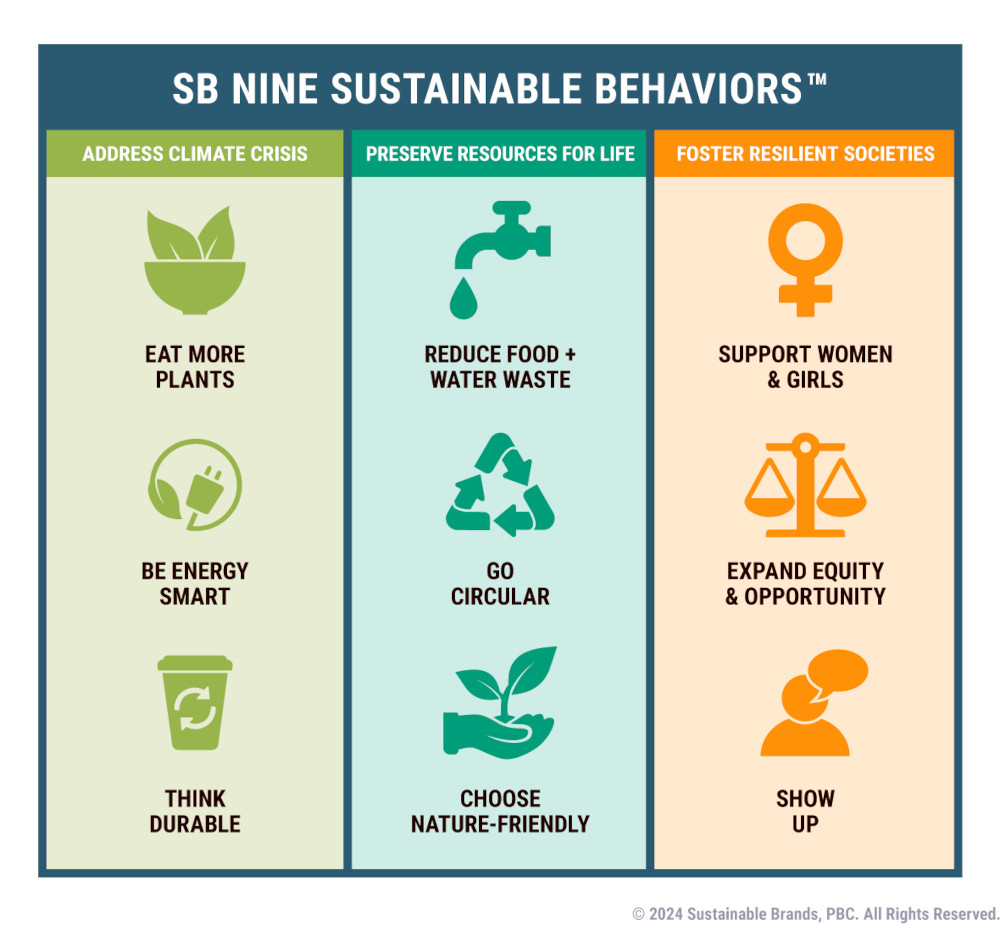
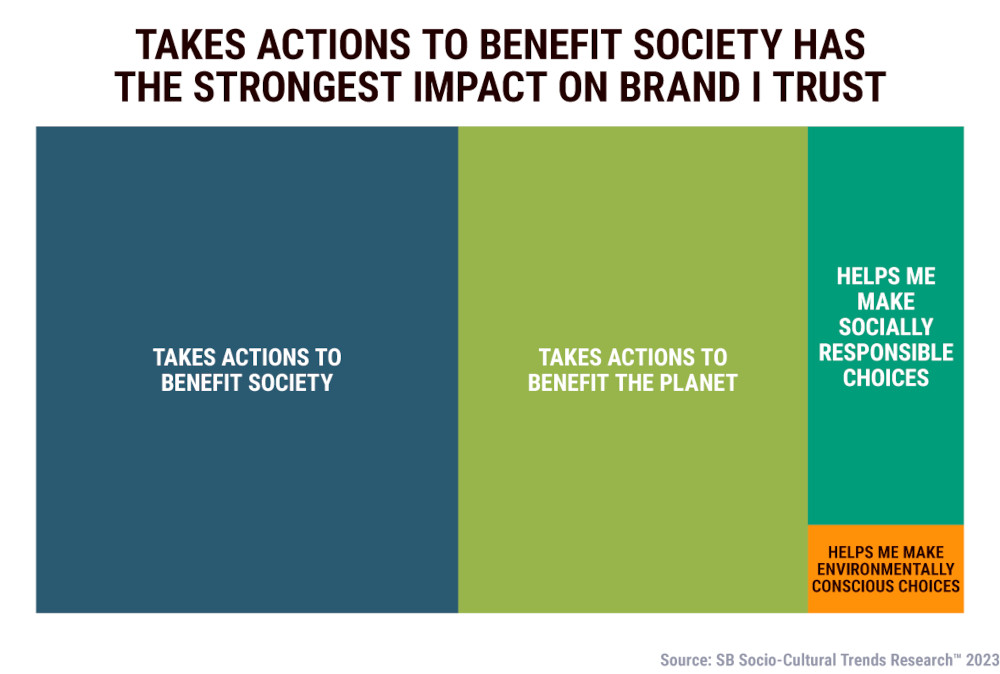














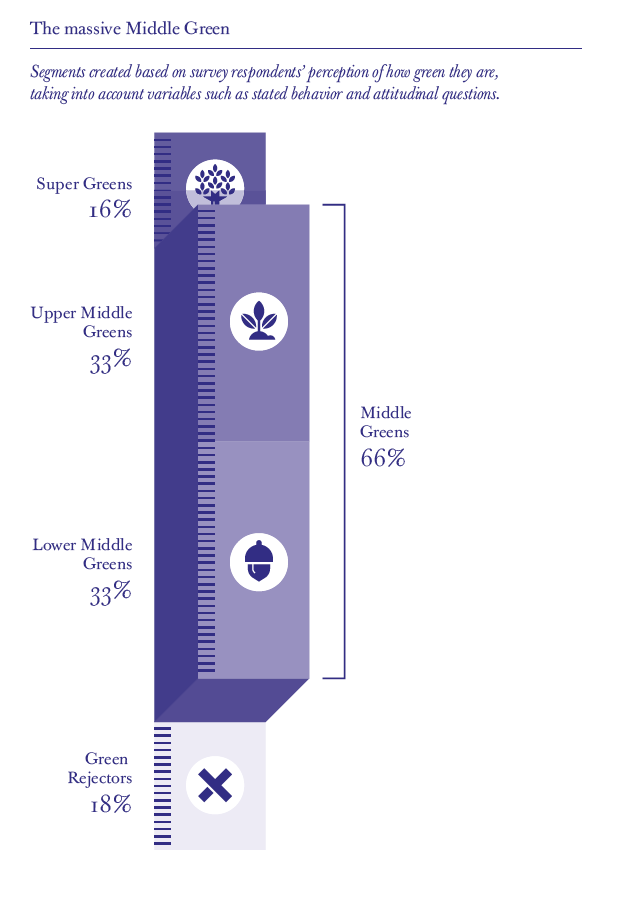


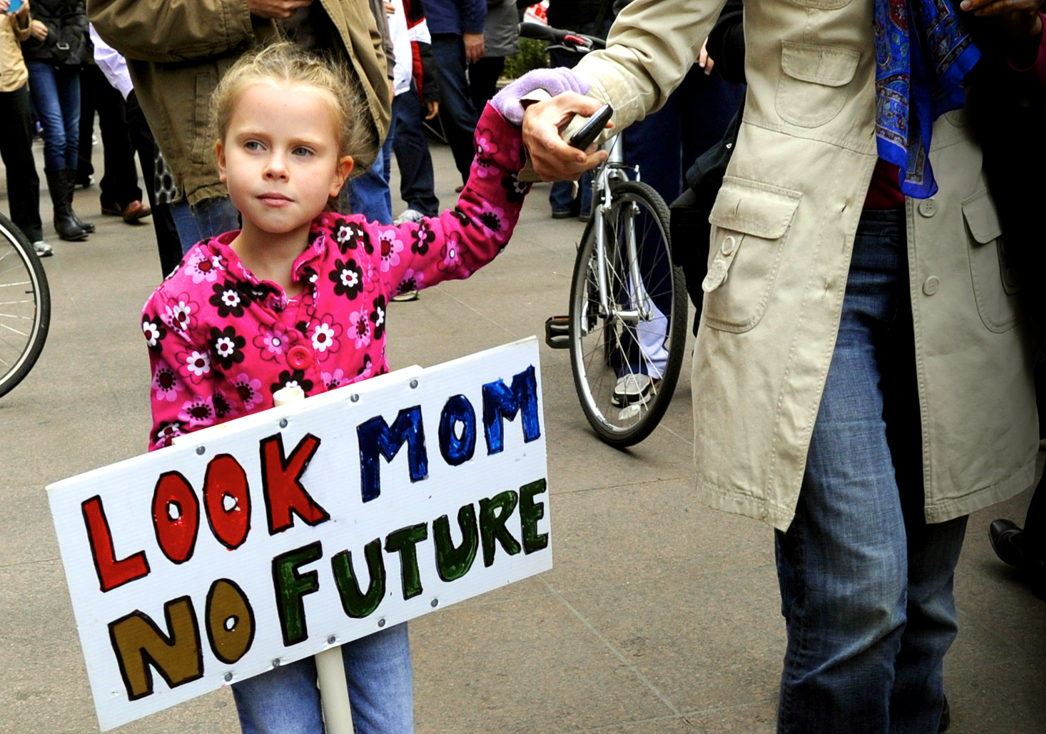
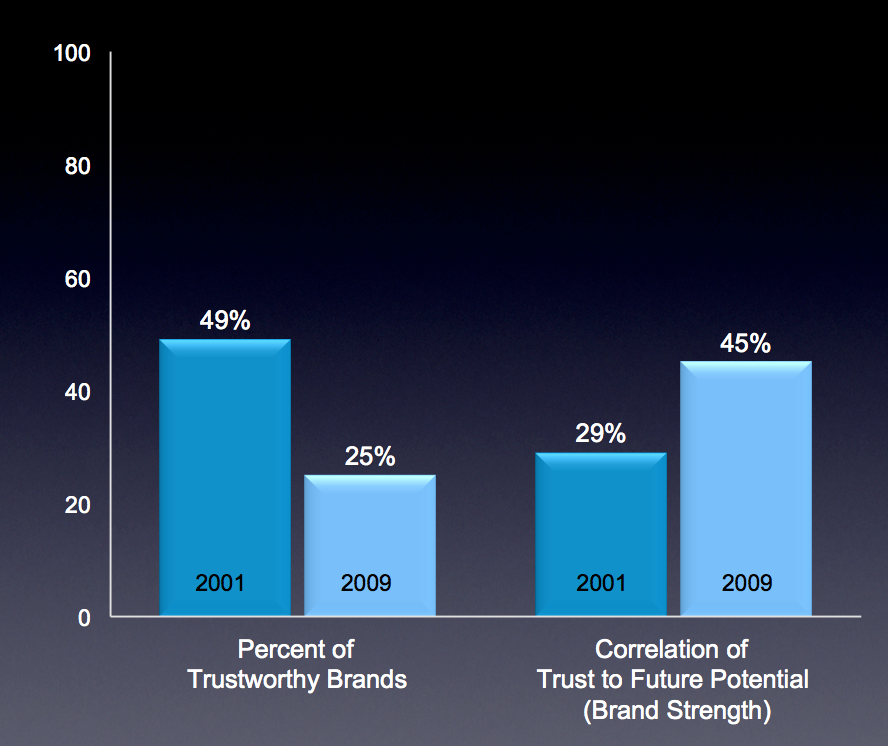

 Eric Block On Responsible Branding
You must be logged in to post a comment.