Marketers are ready and willing to take on the challenge of driving sustainability. Photo: Shutterstock
By Ingrid Kajzer Mitchell, Associate Professor, School of Business, Royal Roads University and Karly Nygaard-Petersen, Doctoral Candidate, School of Business, Royal Roads University via The Conversation • Reposted: November 24, 2023
Because of their unique skill sets, marketing professionals are ideally positioned to do this. But as they have begun to embrace this responsibility, they have found themselves caught between traditional marketing practices focused on profit, planned obsolescence and overconsumption, and newer approaches centred on sustainability and social impact.
As a result of these conflicting interests, marketers are experiencing a professional identity crisis. To delve deeper into this issue, we have been conducting interviews with marketing professionals as part of an ongoing research study.
The marketers we interviewed often found themselves in ethical dilemmas, grappling with a clash between traditional profit-driven marketing methods and newer, sustainability-focused approaches.
Many felt a sense of guilt and frustration, questioning whether they were truly making the right decisions. One marketer said: “Am I really doing enough? Am I taking the easiest route, or is this actually a good decision?”
Many interviewees experienced guilt and frustration as their evolving professional ideals clashed with traditional methods of marketing. (Shutterstock)
Despite the ethical challenges, some marketers saw this morally ambiguous territory as transformative — a chance for a kind of rebirth. It allowed them to embrace the idea of choosing the next best option when the ideal was unattainable.
One marketer said this approach was less about whether a decision or action was good or bad from a sustainability perspective, and more about whether it was something they could personally “live with.”
Even if consumers did not radically change their behaviour, small, genuine successes were viewed as valuable. The key was not letting the pursuit of perfection get in the way of recognizing that small, incremental changes add up over time —a sentiment one participant said was “a good step forward.”
Breaking up and breaking out
Unsurprisingly, some marketers felt the old marketing practices — especially the ones that emphasized over-consumption from consumers — violated their personal values. When these practices became too incongruent with their new desired professional self, and the progress toward sustainability felt too slow, some parted ways with their employers.
One marketer, for instance, left to start their own business after feeling powerless to implement more sustainable practices. “I just knew there had to be a better way,” they said. Others left high-profile jobs with well-known multinational brands in an attempt to break free and reinvent themselves professionally.
While leaving the job was a noticeable trend, not everyone was able to do so due to financial or personal constraints. Those who remained in their roles sought alternative ways to make positive impacts. Some took leaves of absence to volunteer for social causes, while others embarked on sustainability-related educational programs.
Many of the marketers interviewed felt their personal values were being violated as a result of old marketing practices driving hyper-consumption. Photo: Shutterstock
Those that were unable to leave their positions looked for ways to find greater meaning in their work by taking on sustainability-related projects in their spare time. Tapping into peer support through professional sustainability related communities, like Sustainable Brands, became a vital lifeline.
As one marketer said: “Seeing what everyone is doing, being a part of others making change is very inspiring.” By joining like-minded communities outside their respective organizations, these marketers were able to recharge, get support and find allies in pursuit of new professional identities.
Regardless of whether participants moved on from their positions or found fulfilment on the side, one thing was clear: marketers felt there was a need to break up with the old to embrace new relationships and ways of doing.
A seat at the table
While there was a clear propensity among the marketers in our study to leave jobs or opportunities that were no longer beneficial, they often viewed complex or controversial situations as creative opportunities.
Their optimism was rooted in what respondents called having “a seat at the table.” There was widespread agreement that having a seat at the corporate table allowed them to drive and influence change. The personal agency derived from actively contributing to solutions, even during tough times or when dealing with ethically challenging situations, was meaningful in and of itself.
As one young marketer said: “It is my job to figure out how to do good in the world.” A senior marketer shared a similar sense of personal agency and hope: “We can combine our professional aspirations with something that we also believe in.” Another senior marketer added that “using my powers for good instead of evil, being part of the solution, feels good.”
Despite feelings like not enough was being done in the short term, the marketers remained optimistic about the role of sustainability — even in the most ethically complex industries such as oil and gas, tobacco and gaming. As one respondent said, “in the long run, [your actions] will bring you positive change.”
Even while facing monumental challenges, the marketers in our study exhibited grit and determination as they worked to carve out a place in the business world dedicated to those committed to doing good.
Young people repair clothes at a pop-up event on the sidelines of Climate Week in September. Image: The Climate Group/Flickr
By Amy Brown via Triple Pundit • Reposted: November 22, 2023
limate action and climate justice movements don’t always feel like spaces that recognize or welcome folks from diverse and underrepresented backgrounds. Effective storytelling can create a sense of belonging and inspire real action on the ground. Yet too often the power of storytelling is underestimated.
A rising chorus of young and diverse storytellers want to change that narrative, building on a growing body of evidence that demonstrates storytelling can change human behavior. Connecting personal narratives to the challenge of climate change sparks emotional responses that ease anxiety and promote a sense of agency rather than helplessness, according to a 2023 analysis published in Psychology Today.
That is the experience of a group of young climate activists who distilled their approach to effective storytelling in a panel discussion on storytelling for climate action and climate justice at the Nest Climate Campus event during Climate Week this fall.
As they shared their personal histories and experiences, six distinct themes emerged as the throughlines of an effective narrative to win not just the minds, but also the hearts of those who might feel disenfranchised or disaffected by the climate movement. Done well, storytelling around the climate crisis will:
Invite a sense of belonging
Create an emotional connection
Acknowledge the importance of culture
Actively engage the listener
Embrace each person’s unique identity
Offer solutions and action, not gloom and doom
Nelson ZêPequéno, a Los-Angeles-based artist and founder of the viral Instagram page @BlackMenWithGardens, at a gardening workshop earlier this year. Image: Nelson ZêPequéno/Instagram
Invite a sense of belonging
When he became interested in plants more than a decade ago, Nelson ZêPequéno said he was looked down on for working with flowers as a Black male.
“In our culture, it wasn’t encouraged for us to be in nature,” said ZêPequéno, a Los-Angeles-based artist and founder of the viral Instagram page @BlackMenWithGardens. “There is the traumatic history of our forced tutelage in the fields and a lack of access to these natural spaces. As a result, a lot of our culture is based on other things. It was more likely for me growing up to think that I could be an NBA player than a climate justice warrior.”
He began to see more and more people in his community interested in gardening at home and farming, but he saw few visual references to that growing movement. To bring these stories to light he started @BlackMenWithGardens, which today has more than 152,000 followers. @BlackMenWithGardens features reposted stories of Black men and boys connecting with nature and chronicles ZêPequéno’s own journey in the garden — creating a shared online space that allows people traditionally left out of this community feel included in it. Storytellers can do the same by being open about their own stories of entering a space that wasn’t always inclusive and sharing their platforms with others who are navigating similar challenges, helping audiences to see they are not alone.
As ZêPequéno felt more connected to the environment and part of nature through plants, he brings the stories of “other men, boys, fathers, sons, uncles reconnecting with nature and, by doing so, encouraging them to take more stewardship for it,” he said.
Sustainable fashion blogger, photojournalist and labor rights activist Aditi Mayer at the Vogue Business Fashion Environment Summit earlier this year. Image: Aditi Mayer /Instagram
Create an emotional connection
Sustainable fashion blogger, photojournalist and labor rights activist Aditi Mayer was inspired to make fashion her storytelling platform when she learned about the collapse of the Rana Plaza factory building in Bangladesh in 2013 — the garment industry’s worst industrial incident in history in which 1,110 lives were lost and over 2,000 people were injured.
“It got me thinking about the politics of labor in the fashion industry and to look at the ills of our dominant fashion model from a social and environmental perspective,” Mayer said. “As time went on, I got interested in the solutions part of the space. What does the alternative look like? From there, storytelling became a really critical tool.”
Today she is a self-described “multi-hyphenate,” using film, photography, and journalism to examine the fashion industry through a lens of decolonization and sustainability, including as a storytelling fellow for National Geographic. From her immigrant family, she learned the value of “using fewer resources, mending clothes and passing things down,” she said.
“Today I use my platform to challenge the Instagram influencer who never wears the same outfit twice to instead champion that sustainability is a lifestyle you embody,” she said. “I work from an emotional, heart-centered space, which I think is critical because if this work was about shocking statistics to make us act, we would have acted a long time ago.”
A key learning for Mayer as a storyteller was understanding the broader historical and cultural context of the issue she wanted to spotlight: environmental and social harm in the fashion industry. As she learned, an effective story isn’t about having all the answers but in asking the right questions of the right people, like the woman artisans of rural India whose stories and knowledge were often overlooked in the modern fashion industry.
Kiana Kazemi, co-founder and programs director for the climate justice collective Intersectional Environmentalist. Image: Kiana Kazemi/Instagram
Acknowledge the importance of culture
As a young girl spending her earliest years in her native Iran, Kiana Kazemi, co-founder and programs director for the climate justice collective Intersectional Environmentalist, recalled how her grandparents took her traveling all over the rich and varied landscape of the country, wanting to pass along a connection to the land. Those impressions stayed with her, and part of that legacy is a sense of optimism, she said.
“It was the first time I learned that my relationship to nature was deeply connected to nature, language, spirituality,” Kazemi said. “When I moved to the U.S. when I was 16 and heard about climate justice, all these ideas clicked for me — all these frameworks could exist together and make us better environmentalists and have a deeper impact on this earth.”
Kazemi works with her team at Intersectional Environmentalist to highlight diverse voices by offering training and consulting, creating resources and activations, and deepening awareness about environmental justice and solutions.
Climate storytelling often becomes more persuasive when people can connect on a deeper and more personal level. That could be how family heritage is intimately linked to nature and landscape, as in Kazemi’s case, or, for example, by acknowledging that connection to nature is also about language, spirituality or some other cultural touchstone.
Clara Kitongo of Tree Pittsburg on stage at Climate Week 2023. Image: Nelson ZêPequéno/Instagram
Actively engage the listener
It was the story of Kenyan activist and Nobel Prize winner Wangarĩ Muta Maathai, who founded the tree-planting Green Belt movement, that inspired Clara Kitongo on her path.
Through her work as the tree equity manager of Tree Pittsburgh, Kitongo brings her Ghanaian roots of responsibility for the land to engage communities in creating healthy urban forests, she said. She finds that their active engagement makes all the difference.
While meeting with a group of elderly women about tree planting, Kitongo was struck by how the women’s memories of the trees they enjoyed in childhood “brought the entire project to life for them. I have learned not to assume I have all the solutions but to listen,” she said. It is the same experience when she meets with children and young adults. When she listens to their stories, they are more likely to engage.
Indeed, “the most important predictor of young people talking about their climate feeling was whether they felt listened to,” according to a recent survey of young people’s experience talking about the emotional impacts of climate change.
Similarly, when ZêPequéno gardens with Black men and boys, he encourages them to “get their hands in the dirt,” he said. “I want them to learn organically. With disaffected communities, that is the main way they will learn. Storytelling is a great way to indirectly teach someone something. It becomes a core value received through a narrative.”
Storytelling as an indirect teaching tool is powerful, as these activists found. Bombarding people with frightening facts and big numbers that don’t seem to have bearing on their own lives or communities can make people despondent or cynical. Stories, on the other hand, bring data to life and place it into a context, creating relevance about why it matters.
For Jothsna Harris, founder of Change Narrative, her work to build capacity for the climate justice movement by using the power of diverse voices came after understanding the threads of her complex past. Her grandmother was a farmer in rural India, and her father immigrated to the United States in 1969 to create new opportunities for his family.
“I was raised knowing my worth and my value, but also that we should assimilate to be successful,” said Harris, who has farmed for the past eight years, following in her grandmother’s footsteps. “It has taken me years to unpack that and really understand we need to stand in our own unique identity.”
Her work today is dedicated to “shifting the narrative to include the perspectives and stories that are typically missing” and “the emotions and identities and vulnerability, as this is what connects us as human,” she said.
Storytelling that invites a sense of belonging for all people, no matter their background, is a vital tool for creating a narrative around climate action and justice that is more democratic and inclusive.
The group of young leaders strikes a pose at the new rooftop garden atop the Javits Center, where the Nest Climate Campus was hosted at Climate Week 2023. Image: Kiana Kazemi/LinkedIn
Offer solutions and action, not gloom and doom
Studies show that eco-anxiety — a chronic fear of environmental catastrophe as a result of the impacts of climate change — is on the rise. Sixty-nine percent of Gen Z respondents feel anxious after consuming content about climate change, according to a Pew Research Center study.
Storytelling can help assuage that anxiety. Young people “have been confronted with gloom-and-doom stories on media, of cities being demolished by climate disasters, and that is heartbreaking,” Kazemi said. “But it is important that we talk about the solutions and the frontline communities that are really doing the action-oriented solutions work.”
Harris agreed. “Any culture movement I can think of has always included the power of narrative as the underbelly. When I think of social movements, I think about the stories,” she said.
The key in shifting to a more positive narrative is to tap into every human being’s connection to nature, which will almost always create the space for a deeper understanding of how climate change is threatening that connection.
A party on the sidelines of Climate Week 2023 shows there’s more than one way to get people excited about protecting the environment. Image: The Climate Group/Flickr
Great storytelling passes the mic to climate heroes
Matt Scott, director of storytelling and engagement at the climate solutions nonprofit Project Drawdown, knows the power of story through his role as the producer of “Drawdown’s Neighborhood,” a documentary series that highlights unheralded climate heroes.
“For a long time, I did not connect with the culture of the environment and the stories being told. When you don’t see yourself represented, you don’t enter those spaces,” Scott said. “Today my role is to pass the mic to climate heroes whose stories aren’t heard as often and to elevate climate action in the process.”
Bringing underrepresented groups into the story circle is a critical element in climate justice, Harris said. “These are the people experiencing not only a disproportionate amount of the impacts but who have proximity to and perspective on the issues. Their stories are the essential testimonies needed to understand how to incorporate justice into the solutions we’re seeking.”
Busy enterprise life – board of management board brainstorming. Photo: iStock
In today’s rapidly evolving business landscape, the pursuit of profit is no longer the sole factor in determining success, writes Sheryl Moore, Global Director of Sustainability, Converge Technology Solutions Corp. via Circular UK • Reposted: November 22, 2023
Today, customers are more conscious of social, economic, and environmental issues. Leaders are now tasked with ensuring their business delivers value – not only to customers and the economy – but to society as a whole.
According to research by Sprout Social, 66% of consumers who want brands to take a stand on social issues believe brands and businesses can make real and lasting change. And we’re seeing this trend increasingly infiltrate the B2B space too. According to Amazon Business’ State Of Business Procurement report, 89% of B2B buyers would be more likely to make purchases from sellers that can be easily identified as sustainably certified.
When it comes to sustainability, we sometimes only ever hear about environmental sustainability – our ongoing responsibility to reduce our carbon emissions or ambition as a country to achieve net zero. With the UK government now hoping to achieve net zero by 2050, many organisations have shifted their focus solely towards the likes of sustainable procurement, carbon offsetting, and waste reduction.
However, in reality, sustainability is about so much more than just environmental initiatives. Today, sustainable development and practises fall under the three pillars commonly referred to as ESG (Environmental, Social and Governance).
In reality, sustainability is about so much more than just environmental initiatives.
The social side of sustainability is by no means a new concept. The idea of social sustainability began to build momentum in 2012 through the UK government’s introduction of the Public Service (Social Value) Act. Since then, it has become a critical component of any successful ESG strategy, and something organisations are investing more time and resources into.
Essentially, social sustainability is about looking and planning for business changes to help cement its future. Alongside a commitment to being environmentally conscious, social sustainability involves the development of ethical supply chains, supporting the local community, and the retention and development of colleagues – as well as providing learning opportunities and equality for all.
There is a human cost to doing business, and if a business is socially sustainable, it can unlock the door to new markets, better employee engagement, new business partners and much more. Of course, the drive to achieve net zero is still an important objective for organisations across the globe. However, there needs to be an equal amount of focus on creating resilient communities, too.
According to the UN Global Compact, social sustainability should form part of an organisation’s overarching strategy, due to its direct impact on the quality of relationships with stakeholders such as shareholders, customers, and suppliers.
The first steps towards establishing social sustainability
The first step any business can take to embrace social sustainability and embed it into its ethos is to focus on its workforce. Recent years have seen buzzwords such as “quiet quitting” and “the great resignation” circulate like wildfire, so if a business wants to be seen as a force for good, it must first cultivate a culture where employee wellbeing is a core pillar of its philosophy.
This can be achieved through a variety of initiatives, such as partnering with educational institutions to deliver training and development or provide work experience and enterprise schemes to help nurture future generations.
Additionally, improving the sustainability of the supply chain can make a significant social impact by upholding high standards when it comes to issues such as fair-trade suppliers and social equity. Now more than ever, businesses must ensure their procurement is ethically sound. Investing in measures to achieve this, can bring improved supplier relations and quality for customers.
Socially responsible companies can benefit from a positive reputation in the market as a result, leading to increased business and higher demand.
Tracking and maximising impact
It’s important that businesses can monitor and track the impact of their social sustainability efforts to establish what is working and what areas need further investment.
Unlike profits or reducing CO2 emissions, tracking the impact of social sustainability initiatives can be difficult as they often consider a range of issues and metrics. Social value calculators, which capture and measure social value, can be massively beneficial here.
For example, the metrics could focus on the number of hours employees spent on environmental training or how many work experience and apprenticeship programmes were deployed to education institutions.
Through these social value calculator tools, business leaders can effectively see the monetary value of every social sustainability activity – ensuring that they are aligned with the objectives and budgets they set out for the year.
We all have a role to play in making the future more sustainable and businesses have a collective responsibility to lead by example. To be truly sustainable, organisations cannot solely focus on environmentally conscious decisions and they must also ensure they are focused on social sustainability.
By doing so, they not only help create a more sustainable world, but also future-proof their organisation for the challenges ahead, creating a workplace that the talent pool of the future can be proud to work in.
By Sonia Seung-Eun Kim via Sustainable Life Media • Reposted: November 17, 2023
As culture wars continue to heat up, companies are having second thoughts about choosing sides in divisive social issues — according to recent reporting by the Wall Street Journal. But new research suggests brands have a third option to consider.
Following the emergence of the #MeToo movement, the death of George Floyd, and the COVIDpandemic, progressives turned up the heat on companies to support marginalized communities. Since then, many brands have spoken out on everything from racial equity and LGBTQ+ rights to abortion rights, immigration and other hot-button topics. (Some companies took even more heat after putting out messages that were judged to be exploitative or tone deaf.)
Now, it seems, the pendulum has swung. The rise of conservative, anti-woke and anti-ESGsentiment means some companies fear losing customers or employees regardless of what they choose to say or do. As a result, executives are working to further mature their decision-making processes for when to weigh in on divisive issues and when to stay quiet, according to WSJ. But the article doesn’t mention another option for which brands are uniquely suited — convening discussions that help heal social division.
Testing brand influence on person-to-person interactions
Research has shown that people perceive brand preferences, like other preferences, as reflections of personal values. The assumption of shared values is likely one reason that brand communities are often considered friendly, welcoming spaces. Yet, unlike many other preferences for hobbies or activities, brands actually attract people with widely diverse demographic and psychographic characteristics.
It’s not uncommon for two people to love the same brand but disagree on social issues, which is why Columbia Business School(CBS) professor Gita Johar and I studied how brand preferences affect people’s willingness to engage in conversations about divisive issues.
In a series of tests supported by the Bernstein Center for Leadership and Ethics at CBS, we first confirmed that people do in fact assume others who share their brand preferences also share similar personal values — such as an interest in healthy living or environmentalism — even when the brands involved are not inherently activist or political. Then, we tested whether people were more likely to discuss a divisive topic if they were told their discussion partners shared their preferences for particular brands. Specifically, we found that people were more willing to discuss the pros and cons of raising the minimum wage when they were told they would be discussing it with someone who shared their preference in car brands.
This finding builds on earlier research that identified one of the biggest barriers to initiating controversial discussions is a person’s anticipation of disagreement. In other words, when people think someone is likely to disagree with them, they are generally less willing to have a conversation. Therefore, it makes sense that people who assume shared values with a fellow brand loyalist would feel more at ease discussing a potentially divisive topic with that person.
Surprisingly, though, we found this effect to be stronger than the effect of demographic similarity — even though demographic similarity (unlike brand preference) actually doescorrelate with shared social ideas; and people are generally more willing to discuss divisive topics with people of their own demographic groups.
Next, we tested whether brand-facilitated conversations could decrease the polarization of opinions — and our findings indicate they can. We asked strangers to discuss the issue of phasing out gasoline-powered cars and found that generally these conversations helped decrease differences in opinions. What is fascinating, however, is that for those who believed their conversation partners shared a brand preference (in this instance, fast food), the differences in opinions decreased even more than when they had no information about brand preferences.
Brands as bridge builders
At a time when social divisions seem deeper than ever, our research suggests brands could play an influential role in bridging the divides. Brand loyalty has the potential to overcome differences in demographic backgrounds and experiences that often keep people separated from one another.
“Many executives say quietly they are tired of being pulled into divisive topics and would prefer to avoid them,” the WSJ article states. “But many said it is unrealistic for a company to say it will never comment on a social or political matter.” It does seem unrealistic that brands can avoid engaging in today’s heated social and political landscapes, but engagement — like many social and political issues — might not be an all or nothing choice. A third option could be to create welcoming spaces that draw people out of their usual media bubbles or echo chambers to meet and gain new perspectives.
Heineken’s Worlds Apart campaign was a proof of concept for brands in this role of social bridge builders. The beer maker was praised in 2017 for showing how strangers with opposing views on climate change, transgender rights and feminism could find common ground over drinks. Now imagine what could happen if brand marketers scaled that concept with purpose among their brand communities.
The Bernstein Center for Leadership and Ethics recently published a two-page brief about the new research for interested brand practitioners.
Artist Luke Jerram’s new ‘Floating Earth’ debuts on Nov. 18, 2021 in Wigan, England. Photo by Christopher Furlong/Getty Images
David Rouch and Jake Reynolds of Freshfields Bruckhaus Deringer explain how the legal duties of investors and company directors should encourage them to tackle climate change and other sustainability challenges. From Bloomberg Law • Reposted: November 17, 2023
Companies have been responding to numerous disclosure standards with greater frequency, most recently those launched by the Task Force for Nature-Related Financial Disclosures, a market-led and science-based initiative supported by governments, businesses, and financial institutions.
Yet the push for transparency could obscure a deeper transformation that’s underway in company-investor relations.
Systemic threats to the economy such as climate change have important implications for how we understand the legal duties of those running companies, and the institutions invested in them—for example, under company or pension plan legislation.
Integrating Risk
The integration of material environmental, social, and governance factors into business strategies has become commonplace in companies during the past decade. Similarly, investors routinely consider ESG factors in their investment processes.
Yet neither is turning the needle on global challenges. One reason is that ESG investments principally concern how an investor selects assets, filtering down the investment universe into what it hopes will be a low-risk, high-return portfolio.
This falls short of addressing the root causes of systemic risks facing those investments. Tackling these challenges requires a toolbox that recognizes the complexities of long-term financial value, economic resilience, societal well-being, and environmental health.
This more holistic mindset demands a reappraisal of the way legal duties apply. For example, investors have come to rely on modern portfolio theory to manage idiosyncratic risks by diversifying their portfolios.
MPT is a valuable tool, but portfolio growth is highly dependent on the underlying health of whole economies. And that’s precisely what global sustainability challenges threaten.
MPT treats systemic risks of this sort as immutable, overlooking the fact that investors and portfolio companies are themselves actors in the system. The result? Market failures where capital is allocated to activities that undermine future economic success, and hence the ability of companies and investors to reach their legally determined goals.
Tackling Risk
Companies can help address this by moving to sustainable business models that contribute to their long-term success and investors’ returns. Investors, in turn, can encourage companies to adopt sustainable practices.
Addressing root causes of systemic risks requires longer-term strategies, however, that redefine the way companies create value. This could mean accepting lower returns from some companies in the short term to achieve longer-term gains in portfolio value.
For example, promoting regenerative agricultural practices among commodity producers might help address soil degradation and biodiversity loss, benefiting other sectors of the economy and hence the value of a diversified portfolio as a whole.
These types of interdependencies between companies in the same portfolio bear on the legal question for directors of how, broadly, they pursue corporate success in the interests of shareholders.
The most successful companies create value over both short and long-term horizons without contributing to societal and environmental failures that damage other industries. They strike a balance between short-term returns and a longer-term, environmentally conscious outlook, factoring in the interests of present and future shareholders.
A reorientation of this sort requires coordination among companies, investors, governments, civil society organizations, and citizens, as competition regulators increasingly recognize. Critically, systemic risks are a collective challenge that demand a system-wide response: No single entity can resolve risks of this magnitude alone and legal duties must be seen in that context.
Collective action mitigates the risk of first-mover disadvantage. It pools wisdom and experience, increases impact, and spreads the costs of action. It can take various forms, including alliances between companies, investors, and industry sectors, as well as engagement with stakeholders and policymakers. It can support progress towards shared goals relevant to outcomes targeted by directors’ and investors’ legal duties.
Companies and investors can encourage policymakers to introduce sustainability-oriented policies, rather than lobby against them, and deliver positive outcomes through their allocation of capital. Investors can initiate corporate engagement that supports and leads sustainability issues.
Effective engagement challenges existing practices and encourages companies to adopt strategies that support long-term value creation, and it respects the political and social headwinds faced by companies that can impact their scope for action.
Headlines sometimes suggest conflicts between companies and investors over sustainability. Yet to a large extent these actors share a common interest in addressing core sustainability risks and building a prosperous economy. Legal duties emphasize the importance of doing so.
This article does not necessarily reflect the opinion of Bloomberg Industry Group, Inc., the publisher of Bloomberg Law and Bloomberg Tax, or its owners.
People hold signs at a demonstration in 2020. This form of public protest has largely given way to a wave of quiet employee activism in support of diversity, equity and inclusion (DEI) policies across U.S. workplaces. Image: Amy Elting/Unsplash
By Tina Casey from Triple Pundit • Reposted: November 14, 2023
Advocates for corporate diversity, equity and inclusion (DEI) policies are finding support from a new wave of employee activism, in which workers deploy quiet strategies to press for progress from the bottom up. Business leaders who value a diverse workforce can learn from these creative organizers and improve their ability to attract and retain top talent from all walks of life.
The importance of institutionalizing diversity and inclusion
Diversity hiring has acquired a strong track record for delivering financial results. The well-known human resources expert Josh Bersin recently summarized the state of affairs in a 2021 white paper titled, “Elevating Equity: The Real Story of Diversity and Inclusion.”
“In fact, we won’t even debate the fact: More than 200 studies show how diversity in business leads to greater levels of innovation, customer service, employee engagement, and long-term growth,” Bersin wrote.
However, achieving and maintaining a diverse workforce is a complex task. There are no shortcuts. Bersin, for example, underscored the importance of following up diversity hiring with ongoing programs that support inclusion and employee satisfaction.
The case for managerial responsibility
Despite the informed views of Bersin and other experts, though, DEI shortcuts have become commonplace. Businesses routinely call upon vendors to conduct one-off employee training sessions, rather than making DEI programs a permanent fixture within the organization.
Although they’re popular, DEI shortcuts are known to be ineffective. For example, a widely cited 2006 study found that sporadic DEI training sessions mostly fail to change behavior or improve diversity hiring. The authors advocated for ongoing policies that are institutionalized within the company.
In particular, the team of 21 academic researchers from Harvard, MIT and other institutions emphasized that managers must be made responsible for diversity hiring. Members of the same team made a similar case in a 2018 article, in which they advocated for DEI programs that focus on managerial engagement rather than legalistic mandates.
“The antidiscrimination measures that work best are those that engage decision-makers in solving the problem themselves,” they wrote.
DEI is on the ropes, but employees still care
As Bersin noted in 2021, many businesses did hire dedicated DEI staff and increase their commitment to DEI programs after the murder of George Floyd in 2020. However, much has changed since then. One big change this year is a wave of layoffs targeting corporate DEI staff, especially within the tech sector.
Sustained, multi-level attacks on corporate ESG (environmental, social and governance) principles have also muted the willingness of companies to discuss ESG goals and related social issues.
In addition, the dramatic, attention-getting street protests that characterized employee activism during the Donald Trump administration have largely faded from the media spotlight. That has eased the pressure on corporate leaders to respond to social issues.
However, pullback on DEI policies at the top of the corporate ladder does not necessarily reflect employee sentiment. Studies show that employees continue to value DEI programs at work.
A Pew survey last spring, for example, found that 56 percent of employed adults say that DEI programs at work are mainly “a good thing. Pro-DEI sentiment is stronger among women, at 61 percent, as well as younger workers ages 18 to 29 (68 percent), and those identifying themselves as Democratic (78 percent), Black (78 percent), Asian (72 percent), or Hispanic (65 percent), the study found.
These numbers provide support for companies to continue deploying DEI policies that attract employees beyond the traditional hiring pool, and to reach out to an increasingly diverse and socially aware workforce.
DEI from the grassroots up
The Pew findings also indicate that business leaders who drop the ball on DEI may encounter pushback from their own employees. Researchers who study employee activism have in fact noticed that employees are institutionalizing DEI goals among themselves.
The authors, Columbia University professor Peter T. Coleman and University of San Francisco assistant professor Allegra Chen-Carrel, both work as DEI consultants for large employers.
In the article, they describe an emerging trend in which employees are driving the DEI conversation. “Internal activism is on the rise, with four in 10 of all employees and half of millennials reporting that they had spoken out about controversial issues at work,” they reported.
They observed employees taking lowkey pathways to foster change, such as building support networks among themselves, while managers are choosing to practice diversity hiring in the absence of strong corporate leadership.
Keeping up with the fast pace of lowkey employee activism
In their article for Greater Good, Coleman and Chen-Carrel provide employees with a toolkit for lowkey activism while urging employers to become more alert to employee issues and concerns.
Creating an opportunity for mediation is one key piece of guidance. “This can involve something as simple as offering opportunities for coworkers and managers to share their concerns by simply taking time to listen, ask questions, and acknowledge problems,” Coleman and Chen-Carrel advise.
They also take note of employee-driven, self-care strategies that could be incorporated into a company’s wellness programs, such as relaxation exercises and time for self-education on broader social issues.
For employers, affirmative action plans, diversity committees, employee surveys and other data collection methods, and annual reporting are listed among the action steps.
Further, DEI leadership requires companies to identify and change harmful corporate practices, provide more support for effective practices, adapt to change, and respond proactively to tense situations, Coleman and Chen-Carrel argue.
“When destabilizing events occur, such as scandals, mergers, leadership changes, or even wider social movements such as Black Lives Matter or #MeToo, there can be energy and momentum for organizational change,” they write.
All of this involves an investment of corporate resources. Nevertheless, the long-term payoff can be significant in terms of avoiding costly lawsuits as well as attracting top talent and building a positive brand profile.
Filling the gaps
To be clear, progress on diversity within corporate walls can only go so far. In his 2021 white paper, Bersin took note of a sharp backslide on civic governance in the U.S. since the 1970s. He cited a weakening of equal access to housing, voting rights and business opportunities among the evidence. Equal access to education and health care can also be added to the list, in light of recent decisions by the U.S. Supreme Court.
To the extent that these attacks on human and civil rights impact employees, the pressure for change in the workplace will continue to rise. Companies with active, institutionalized DEI policies are in a good position to turn that tension in a positive direction. As for companies that have pulled back on DEI, they may need to rethink their position before the tension boils over.
By Kate Bishop from diginomica.com • Reposted: November 11, 2023
It is undeniable that employees are increasingly expressing their opinions about their organizations’ sustainability efforts, or lack thereof. These expectations are only projected to increase, particularly in terms of job seekers’ decisions to work for a particular employer. Numerous surveys testify just how critical the sustainability of a business is in attracting new talent. For example, IBM’s Institute for Business Value (IBV) study, which polled over 16,000 people from 10 countries, found that 67% of respondents were more willing to apply for – and 68% more willing to accept – jobs from environmentally sustainable businesses.
Yet, employees, don’t just want to work for sustainable businesses, they also want those organizations to involve them in the process from the outset and empower them to help drive both their own sustainability and that of the business. In a study by Adobe, about a third of employees polled (35%) think that instituting sustainability practices at work would boost productivity rates, position their company as a leader (31%), and open more opportunities for innovation (37%). 43% think it would improve workplace culture.
Organizations increasingly understand this need also. A growing number appreciate that the key to building a successful sustainable business is in getting every employee personally involved in sustainability efforts: from the highest C-level executive through to the most junior member of staff. In line with this, in EY’s Long-Term Value and Corporate Governance Survey, more than a quarter (28%) of business leaders said attracting and retaining environmentally and socially-conscious talent and engaging employees is one of the main benefits of incorporating ESG factors into corporate strategy.
Organizations also increasingly understand that developing stronger environmental, social and governance (ESG) credentials will make it easier for them to attract external finance. Firms with poor corporate sustainability disclosures are increasingly seen as risky investment propositions. Three in five private investors (60%) consider ESG when investing, according to the Association of Investment Companies (AIC). And it seems that the proportion who do so will grow significantly over time. Morningstar Inc. finds that money held in sustainable mutual funds and ESG-focused exchange-traded funds rose globally by 53% last year to $2.7 trillion, with a net $596 billion flowing into the strategy.
Businesses increasingly understand and are motivated by the mantra ”move the money, change the world.”
Delivering sustainable operations is key to attracting the levels of ESG-related investment that ultimately drives real change but getting the buy-in and involvement of employees in the whole approach is equally critical to success.
Enabling the workforce to play a key role
It is far from a given that businesses will be able to do this effectively, however. They will need to be proactive in their approach.
One way that businesses can look to drive employee involvement in sustainability is by introducing frameworks to trigger workers’ mindsets and to guide the engagement process.
There are multiple approaches that organizations can then adopt to drive more active employee engagement in sustainability projects. First, they can build trust with employees by increasing their awareness of customers who have successfully implemented sustainability initiatives. Such stories effectively act as proof of the business’s ESG credentials and therefore help to strengthen the bond between the organization and its individual workers. For example, IFS’s Sustainability Report offers a comprehensive overview of our approach, priorities, targets, and initiatives related to environmental, social, and governance (ESG) topics. The report provides an account of our progress towards achieving excellence in our business, supporting our customers, and making a wider impact. It is aimed at both our employees and stakeholders and highlights our efforts to promote sustainability across all areas of our operations.
Moreover, organizations can introduce award programs designed to recognize sustainability excellence across its community of customers and provide an opportunity to celebrate those who act sustainably and make a genuine difference through the work they do. The IFS Change For Good Awards is now in its third year and recognizes excellence in sustainability within our customer community, both at the business and individual level. The awards celebrate those who make a difference, raise the bar, and act sustainably. Over the past two years, we have seen companies such as Volvo Group Circular Operations and Solutions, Cape Air, Rolls-Royce, and Nature’s Path demonstrate what is possible across industries to make a global and sustainable impact.
Another way organizations can further drive engagement, is through anything from tried-and-tested schemes like cycle-to-work initiatives, or ‘days to give’, for example, right through to enabling employees to invest in more sustainable pension or other finance plans. At IFS, we believe in promoting social responsibility and community engagement among our employees. As part of our efforts, we offer each employee the opportunity to participate in a CSR (Corporate Social Responsibility) day every year. During this day, employees can contribute to various local community projects and initiatives, making a positive impact in their surroundings and promoting a sense of purpose and fulfillment.
Simply involving employees in such schemes, however, is no longer enough in itself. If it can then demonstrate to employees the benefit of these activities and they can see the rewards involved, the business can then add an emotional tie-in. Engagement is closely related to emotion here.
Buying a bicycle is not necessarily emotional, in itself, but getting fit and healthy is. Taking part in a ‘giving day’ is not necessarily emotional until the participant sees the reward from it – a painted soup kitchen, or a garden makeover, for example.
Ultimately, it is advertising and promoting this kind of approach through the business that will engage others and help to get them more involved in future sustainability initiatives.
Helping to create a sustainability-focused culture
Businesses that successfully link sustainability and employee satisfaction through the kinds of initiatives outlined above will kick start a symbiotic relationship between the two that will increase their ESG performance levels over time.
Employers with higher ESG scores than their competitors tend to have the highest employee satisfaction rates and vice versaa study by Mercer suggests. According to Mercer: “This finding suggests that ESG performance can help companies both improve employee satisfaction and attract prospective employees.” This is likely to be because emerging generations of workers, in particular, place great importance on environmental and social issues and concerns.
Employers that mirror the values of these generations are, therefore, more likely to both attract these employees in the first place, and win their loyalty over time. Mercer also argues:
This [link between ESG and employee satisfaction] is significant because prior research shows that satisfied employees work harder, stay longer with their employers, and seek to produce better results for the organization.
How technology can support employee focused ESG initiatives
Technology tools are available that help with sustainability by enabling employees to collect ESG information and report on it.
Knowledge gathered and shared in this way is effectively creating engagement, providing another example of how technology solutions can enable employees to help drive business sustainability. The data generated by these technological processes also help businesses to track and measure the engagement levels, enabling organizations to prove their approach is working effectively.
The role of technology in delivering these kinds of metrics for businesses is key. Employees want evidence that their employer is delivering on its promise to be sustainable. Simply seeing that recycling bins or cycle to work schemes are in place is not enough in itself. They need to know precisely by how much the company has reduced its emissions, for example, or how much it has recycled.
This kind of evidence helps employees to believe in the vision and be proud to work for the business. Having a vision is no longer sufficient, companies need the proof that sits around the goals to truly engage employees. Businesses could go beyond this also and link business goals around sustainability with team and employee goals to further drive engagement.
Plotting a way forward
As we look to the future, organizations increasingly understand the importance of sustainability and are focused on bringing in more sustainable ways of working. They see getting staff involved in the process as key to their success in driving ESG initiatives and enhancing sustainability across the business in general but also in helping to build employee engagement.
As such, businesses are bringing in new initiatives to guide employee involvement in sustainability and ESG plans and empower them to take positive action to promote more sustainable approaches. Increasingly too, as we have seen, organizations are using technology to capture, share and ultimately promote the value of these methods. Businesses that deliver on the above objectives will reap the rewards in terms of both enhanced sustainability and the development of an engaged workforce and attract socially conscious talent.
By Hannah Monds, Forbes Councils Member via Forbes * Reposted: November 8, 2023
With the influencer marketing industry expected to grow to more than $21 billion this year, it’s clear that it has secured a foothold in marketing. But while it’s proven its worth, businesses and influencers alike are still navigating some of the ins and outs of industry specifics, especially when it comes to upholding a brand.
Unlike working with ad and creative agencies, working with influencers involves more of a partnership than a contractor relationship. Brands don’t maintain complete control of the creative—at least they shouldn’t—as part of the allure of influencer marketing is bringing in an outside perspective or style. This can be a little daunting for larger companies and, frankly, outside of their comfort zones.
To ease your fears and maintain brand stewardship, you must understand your brand’s role in setting influencers up for success. You are responsible for setting clear campaign expectations, goals and guidelines. Laying sufficient groundwork and providing the tools an influencer needs to do their job not only helps ensure high-quality content, but it also sets the stage for a successful long-term relationship. Here are seven things you can do to set an influencer up for success after you select them for a partnership.
1. Provide Brand Standards
Any time your brand works with outside parties, you likely provide brand standards. Influencers shouldn’t be an exception. While influencers deal more in hashtags than logo placement, brand standards relay the heart of your brand, not just its look. Knowing a brand’s key messaging, mission and values helps inform the influencer’s content and provides insights into how their brand resonates well with yours.
Keep things simple by creating an influencer-specific branding deck or one-sheeter that covers everything they need to know, including talking points, brand messaging and hashtags.
2. Understand The Influencer’s Brand
In return, you should also try to understand the influencer’s brand. Research is an important part of the influencer selection, but consider going beyond the typical audience demographics and performance data. Provide examples of posts that caught your eye and explain why—was it the format, their expertise, their energy? Articulating specific reasons for selection can go a long way toward building a long-term partnership.
3. Develop A Content Brief
Separate from the brand standards, provide influencers with a detailed content brief about deliverables. Here is where you tell them what you’re looking for and what they can provide. Include any inspiration from their previous posts, competitors or other creators, along with specific details about what resonates—format, graphics, music, etc. The brief should also include any examples of content you do not want to see—for instance, if there are competitors you want to distance your brand from, if your brand doesn’t participate in viral trends, etc.
Another essential part of the content brief is explaining the campaign’s purpose. What is the overall goal of the campaign? What role does this content play in achieving it? What is the influencer trying to get the audience to do? While influencers don’t usually need a detailed campaign overview, they at least need to know their role in it and what you want them to do if you’re going to experience their best work.
4. Include Industry Specifics
Don’t forget to include any industry-specific issues they must be aware of, such as healthcare regulations. You don’t have to provide all the legal speak and contract language; a list of basic rules will do. Not only are these important for your influencers to know, but they can also affect their confidence in their ability to deliver the content. For example, an influencer known for posting satire might not feel comfortable posting healthcare content due to strict regulations around what can and can’t be said.
5. Provide Direction Vs. Instruction
Unlike traditional marketing channels, where brands control all the assets, influencer marketing is a collaborative tactic similar to business partnerships. In fact, the whole point of hiring an influencer is that you want them to apply their take on your brand. This means giving up some creative control. The audience can spot manufactured, hypercurated content a mile away, and authenticity is king in the world of influencing.
Striking this balance between creativity and brand stewardship is a huge obstacle in the industry. Still, you can make this balance easier by providing influencers with more direction and less instruction. Directions are more general, with room for interpretation, while instructions are very detailed. A direction-based approach can give influencers the creative freedom they need to create great content while allowing you to set some guardrails around your brand’s image.
6. Move Communications To A Dedicated Channel
Communication is a vital part of any relationship, but things can get a little spread out on multiple channels in the digital space. It’s common to approach influencers through direct messages on a social platform or through their provided contact information. Once you’ve established contact, move all communications to a dedicated channel, such as email, and communicate this to the influencer. The benefit of consolidated communication is that everything is in one place; this includes important documents like contracts and requests. Spreading things out between texts, direct messages and multiple email accounts can lead to miscommunication and contract disputes later.
7. Make Time To Meet
We’ve all experienced meetings that could have been emails, but when it comes to influencers, setting aside some dedicated time to meet and talk can go a long way. Every influencer relationship will be different, and every brand an influencer works with will be a bit different, too. Talking through expectations at the start of a partnership can save you a lot of time further down the line, and it ensures that everyone is on the same page regarding the deadlines, deliverables and the contract.
Successful influencer marketing relies on clear communication and collaboration. This includes efforts to maintain your brand. An influencer cannot meet or exceed expectations if those expectations aren’t clear in the first place. Make sure you do your part to provide the necessary information and guidance while leaving space for creativity and discussion.
By Chartwells Higher Education via Sustainable Brands • Reposted: November 6, 2023
Results from first year of Chartwells Higher Education’s exclusive partnership with HowGood show positive correlations between climate labels on menus and sustainable choices.
Last year, millions of US students started seeing the social and environmental impacts of the food they ate through an exclusive climate labeling partnership between Chartwells Higher Education — foodservice provider to over 300 colleges and universities across the US — and sustainability intelligence company HowGood, which has the world’s largest database on ingredient and product sustainability. Today, the companies shared initial results from their partnership — revealing a significant increase in student demand for lower-impact meals after HowGood’s climate labels were introduced.
In May 2022, Chartwells partnered with HowGood to measure the overall sustainability of its menu items based on eight core social and environmental impact metrics: greenhouse gas (GHG) emissions, processing, water usage, soil health, land use, working conditions, biodiversity and animal welfare. After Chartwells added climate-impact labels to dining hall menus, student demand for low-impact recipes increased — with Chartwells recording a 37 percent rise in the production of recipes that received positive ratings from HowGood. Furthermore, in Fall 2022, less than a third of Chartwells’ recipes menus nationwide received positive HowGood scores. One year later, nearly half (44 percent) of recipes on Chartwells’ partner school menus nationwide received a positive rating. Chartwells plans to increase this number moving forward by integrating GHG emissions-reducing potential as a criterion in recipe development and innovation along with nutrition, taste and cost.
Image credit: Chartwells
“We were thrilled to be the first and only foodservice provider to introduce holistic climate labels to university dining halls,” said Monalisa Prasad, Director of Sustainability at Chartwells Higher Education. “The feedback so far from students and campus partners has been overwhelmingly positive. We’re continuing to improve the program by offering a broader range of low-impact menu options and making positive impacts easier to understand through measures like simplified iconography.”
Conscientious eaters are increasingly cognizant of the climate impact of food items — recent research suggests that consumers are willing to pay more for food products that exhibit a lower carbon footprint; and in restaurants, carefully reframing menu language can successfully nudge diners toward more climate-friendly food options. Forward-thinking foodies have embraced carbon-labeled food items from brands including Oatly, Quorn and Strong Roots; and on menus at Chipotle,Just Salad and Hilton hotels.
Chartwells’ culinary team is using Latis, HowGood’s proprietary digital platform, to continually improve recipes based on their GHG emissions-reducing potential. The platform allows Chartwells to test and innovate menu items with comprehensive, ingredient-level insights across all eight impact metrics for over 33,000 ingredients. These measures will help Chartwells and its partner campuses advance their sustainability goals by increasing the inclusion of more sustainable meals and helping guests make more informed choices.
“When Chartwells brought us the idea of adding climate labels to the dining halls, we were immediately sold; it was the exact kind of innovative and sustainably focused thinking we’ve come to expect from Chartwells,” said Julie Bannister, Assistant Vice Chancellor of Auxiliary Services at The University of Pittsburgh. “Our university’s goal is to be carbon neutral by 2037, and we’re thankful to have a food service partner that not only helps us achieve that goal but empowers our students to make their own decisions that are better for the planet.”
“We have been continually inspired by our partnership with Chartwells,” said Christina Lampert, Director of Growth and Innovation at HowGood — a leader in helping brands carbon-label their products. “Their commitment to sustainability can be seen not only in their transparent communications with students, but also in their carbon reduction- focused recipe development work. It has been a joy to enable them with the tools they need to do both, and we are so pleased to see such clear results one year into our partnership.”
By Jill Jaracz from Flowcode • Reposted: November 4, 2023
Sustainability has become an important metric for many, with half of consumers in a 2021 IBM/National Retail Federation survey saying they’d pay more for sustainable products that benefit the environment and the people creating them.
Companies also say they’re on board with sustainability. Nearly all profitable companies agree that becoming environmentally sustainable is a priority and part of their overall business goals, a 2023 Deloitte survey shows.
But while consumers and companies talk a good game, the reality can differ vastly. Flowcode compiled industry research and news reports to analyze environmental sustainability as a priority for consumers and businesses alike.
Fewer than 1 in 3 consumers say that sustainable products made up more than half of their last purchase, the IBM/NRF survey found. Companies are also lagging. The European Commission reported in 2021 that more than 40% of online claims about sustainability amounted to “greenwashing,” calling them “exaggerated, false, or deceptive.”
Searching for a sustainable solution?
Many brands are turning to QR codes because they rapidly connect people with digital destinations, and can save paper that would have been used to create hangtags, sourcing information, and care instructions. Create one for free using this Free QR code generator.
The effects of COVID-19 and climate change
Consumer views of sustainable products have shifted more due to COVID-19 pandemic-related supply chain disruptions and climate change. A May 2021 IBM report found that more than 9 in 10 global consumers say COVID-19 affected their views on sustainability.
As manufacturers and retailers redesign their supply chains to prevent future catastrophic disruptions, some integrate sustainability into everyday practices, including responding to consumer demands for more recyclable packaging.
Companies such as Procter & Gamble have revamped package design on Swiffer dusters and Mr. Clean Magic Erasers to eliminate plastic packaging. P&G estimates its efforts have reduced the company’s plastic usage by 655 tons per year, according to Waste360. Other efforts focus on making traditionally unrecyclable items recyclable. In May 2023, the company received a patent for a fully recyclable pump dispenser.
Other industry changes include swapping plastic packaging for compostable material, which is often made from certain paper or bioplastics, and replacing unnecessary paper inserts and printing with QR codes that can provide ingredient lists and product directions. Small changes like these could have a massive impact. The consumer products industry produces over 33% of all greenhouse gases, according to an Accenture report released in November 2022.
The combination of pandemic- and climate-related disruption has led to a heightened focus on sustainability. IBM research shows that today’s consumers try to incorporate environmental sustainability into their everyday lives. Nearly 3 in 4 carry reusable shopping bags, and 3 in 5 want their values to align with their shopping habits, with 62% willing to change how and what they buy to improve environmental sustainability. More than 60% of consumers said they would pay more for a sustainably packaged product, a February 2023 McKinsey survey shows.
In 2023, the economy may be a more significant factor for people not buying sustainably. Inflation and rising interest rates are affecting consumers’ purchasing power, and over half of consumers think sustainable products cost too much compared to nongreen options, according to GfK.
Throughout the consumer products sector, sales growth for sustainable products has outpaced non-sustainable products, making up almost half of all retail sales in consumer product categories. McKinsey found that between 2018 and 2022, sales grew 6.4%, nearly 2 percentage points more than nonsustainable products.
People stand beneath fall foliage and before high-rise buildings of the Manhattan city skyline. Image [+]AFP VIA GETTY IMAGES
By Mary Foley, Contributor via Forbes • Reposted: November 4, 2023
Remember when “sustainable” investment funds were the belle of the ball? It was not that long ago. As recently as the first quarter of 2021, Morningstar reported that global sustainable mutual funds and ETFs attracted a record $185.3 billion in new money as investors of every type clamored to get a piece of the green revolution. Today, things have changed.
Businesses are facing a growing anti-ESG backlash, whereby investor groups, lawmakers and media figures have begun speaking out against corporate ESG initiatives, suggesting they run counter to fiduciary responsibility. This weaponization of ESG has gotten so intense that a recent Conference Board survey of 100 large U.S. companies noted that nearly half have already experienced an ESG backlash and 61% expect it to persist or get worse over the next two years. Moreover, investors have already filed 68 anti-ESG proposals this year, according to the Sustainable Investments Institute, a 76% increase from last year.
Separating Facts from Hype
But how much of this anti-ESG sentiment is driven by sound, unbiased analysis of corporate strategy and risk exposure, and how much is driven by rhetoric, sound bites and overly reductive hot takes that ignore the key issues when it comes to a multifaceted issue like sustainability?
At the base level, few would argue the merits of companies increasingly addressing their impacts on the environment, their employees and members of their communities and the effectiveness of their internal processes and controls. However, the problem is that many are doing so without enough specificity and rigor in their reporting to make a clear connection between these environmental, social and governance-related issues and material risks to the business. In short, companies need to take the subjectivity and feelings out of ESG and sustainability reporting by treating it more like financial reporting.
Getting to the Root of Sustainability
They can do that by clearly defining the sustainability and ESG issues that matter most to their business and their stakeholders and developing detailed reports that illustrate what they are doing to address those issues and chart how they are progressing on that journey. Detailed transition plans are the key here. These clear-cut, time-bound action plans clearly outline how an organization will make systematic changes to its operations in order to meet defined sustainability goals and keep stakeholders involved at all stages. They also provide a useful mechanism to keep the message at the forefront of their minds and up near the top of their board agendas.
In fact, that’s the specific guidance on sustainability reporting that’s been issued by the European Financial Reporting Advisory Group (EFRAG), the body tasked by the European Union (EU) with developing the European Sustainability Reporting Standards (ESRS). A similar approach can also be found in the recent International Sustainability Standards Board (ISSB) reporting standards that will guide the way companies report sustainability information in their financial reports.
While these standardized approaches to sustainability reporting are not as simple as a single score or letter-grade, they also cannot be spun by a marketing department or polished up in promotional materials, without the evidence to back them up. They are quantitative facts about sustainability-related risks and opportunities that could influence an entity’s cash flows, access to finance or cost of capital over the short-, medium-, or long-term.
Financial Reporting Grade Data vs. Armchair Stats
Accordingly, this accounting-style approach to sustainability reporting will not easily lend itself to headline catching promotional top-ten lists of companies most likely to hit net zero emissions targets or allow for scorekeepers to track which companies have the best ESG stats. That’s a good thing. In our collective quest to better understand sustainability and ESG, many of us have inadvertently fallen for the temptation of treating it like a fantasy football draft or a contest to crown the greenest, most diverse or most ethical companies. It should come as little surprise, then, when battle lines are drawn pitting the green team against the red team or the free marketeers against the “woke capitalists.” The fact that these categories even exist should serve as evidence enough that the current state of ESG reporting has gotten away from its original intent.
Oversimplifying ESG and sustainability does a terrible disservice to those many companies, investors and stakeholders who have been doing the hard work of implementing strategies and reporting their efforts to align values with value.
Sustainability is an exceedingly complex concept. It is not going to be magically achieved with a press release or derailed by a proxy vote. The companies at the center of the issue—and the investors and other stakeholders who care about the sustained viability of those companies—are already taking a closer look at the fundamentals. It is the rest of us who need to stop getting distracted by the noise.
A new house under construction outside the Duffins Rouge Agricultural Preserve, Ont. Image: THE CANADIAN PRESS/Chris Young
By Andréanne Doyon, Assistant professor, School of Resource and Environmental Management, Simon Fraser University and Trivess Moore, Senior Lecturer, School of Property, Construction and Project Management, RMIT University via The Conversation • Reposted: November 3, 2023
It’s hard not to wonder if we’re prepared for what comes nextwith climate change. This includes our housing, which has a critical role to play in a sustainable, liveable, and resilient future.
Sustainable housing provides significantly improved environmental performance compared to (most) current housing achieving zero, or near zero, carbon outcomes. However, it is more than just improving energy and water performance.
The good news is we can deliver this type of housing right now. There are many examples of innovative new sustainable housing, and retrofits of existing housing. We explore these in our new book and outline some examples below.
Fossil-free housing
Several jurisdictions have banned fossil fuel-based heating in homes. Bans are taking place at the national level across the European Union, at the provincial level in Québec, and at the local level in Dublin, New York City and Vancouver.
These bans are in response to the Paris Agreement’s 2050 targets and the United Nation’s Sustainable Development Goals, which include moving away from polluting fuels for health reasons and the need to decarbonize our energy networks.
Natural gas fuel is polluting and increasingly banned in many jurisdictions around the world. Image: AP Photo/Steven Senne
Other jurisdictions are banning the use of gas completely and requiring a shift to all-electric housing. Electrification is about reducing environmental impact and delivering a more affordable healthier home.
In Australia, bottom-up support for the all-electric home has grown significantly (as exemplified by the My Electric Home Facebook group which has over 100,000 members) and is putting pressure on governments.
Sustainable housing is also about the location and scale of dwellings. Some jurisdictions are increasing the density of lots to accommodate more housing in existing neighbourhoods and where existing infrastructure and amenities already exists. An example of upzoning is the Oregon’s House Bill 2001, which essentially eliminated single-family zoning in most cities.
Oregon is also famous for its urban growth boundaries, which is a statewide effort to accommodate population and employment growth within urban boundaries to protect agriculture, forests and open space.
Single-family homes, such as this one in Vancouver, are wasteful in terms of space and materials, and are increasingly being zoned out of major urban areas. Image: THE CANADIAN PRESS/Darryl Dyck
House size is also important. Larger houses consume more land, materials and resources, and require more energy for heating and cooling. Cities like Vancouver and Toronto have changed zoning legislation to support accessory dwelling units, such as laneway houses, and legalize secondary suites.
There are also social movements devoted to living small. From tiny houses to apartments and self-contained units, these dwellings range in size from approximately 300 to 1,000 square feet. Popular social media accounts include Living Big in a Tiny House, 600sqft and a baby and Never Too Small which offer instruction and resources — and a community — for those wanting to live with a lighter footprint.
Such housing can reduce environmental impacts through smaller dwellings and buildings, shared spaces and facilities, and opportunities for grey water filtration systems or community-scale energy projects. Co-housing is a model of intentional community living, which includes self-contained units with shared facilities and amenities that deliver a range of wider social benefits. Channels like ‘Living Big in a Tiny House’ champion the small homes movements while providing community for those looking to downsize their footprint.
In Germany, Baugruppen (German for building group) refers to a practice of self-initiated, community-oriented living where residents share the responsibility of the building. Baugruppen is an approach, not a rule book, where financing, individuals and their needs inform the development.
In Australia, Nightingale Housing is a non-profit organization working to provide sustainable and higher density housing. While the developments go significantly beyond minimum construction code performance requirements, it is the provision of shared and community spaces that is challenging business-as-usual designs. These include communal laundries, productive gardens and outdoor cooking areas designed to encourage interaction with neighbours.
There is no doubt that our housing will play a critical role in delivering a sustainable, affordable and resilient future for households and communities. There are examples all around the world showing us the type of housing we should (and can) be delivering right now. We don’t need to reinvent the wheel.
Given the climate emergency and other critical issues with our housing, we need policymakers, the construction industry and households to demand more of our housing.
By John Broadway via Sustainable Brands • Reposted: November 3, 2023
Excess is inevitable; and we should re-evaluate our understanding of what businesses do with it accordingly. Instead of thinking of excesses as the end of a story, recognize the potential of wastes as the start of something new.
Waste management is a big challenge. From recycling to upcycling, circular economies toLCAs, figuring out what to do with excess material is a familiar problem for any sustainability practitioner. Many of our most pressing environmental challenges, from climate change to plastic pollution, stem from difficulties managing the extra, unproductive stuff — from CO2to particulate pollution — our economy generates.
Waste is everywhere — particularly, in the food business. Livestock operations are infamous for theirs, which has been known to spectacularly erupt on occasion. Food operations of all stripes have waste-generating inputs, produce yet more waste during production, then ship outputs in plastic and cardboard — creating yet more waste.
Some products generate waste systemically. Coffee is a particularly egregious example: After processing, it is estimated that only 6 percent of the coffee cherry makes it to the cup. The rest, including an edible and nutritious fruit called cascara, is often left to rot — producing the potent greenhouse gas methane, and polluting local water supplies. Sale of cascara for consumption was even illegal in the EU from 1997-2022, further complicating efforts to use it in more productive ways.
From a cradle-to-grave perspective, what many companies — in many industries, not just food — accomplish is the filling of landfills, with a brief period of use somewhere between manufacture and permanent disposal. Suffice to say, this carelessness about waste creation will not do. We’re exhausting Earth’s resources; and the real costs of producing so much waste are increasingly disastrous.
There are plenty of new ideas about reuse and recycling, but the philosophy of waste is worth a look. French writer Georges Bataille understood excess to be an integral part of all systems. In his controversial, often radical writing, all things produce excesses: Human societies produce excess energy, which gets accounted for productively in the arts or destructively in wars. The Earth produces excess energy, which gets released explosively in earthquakes and volcanoes. Even life itself, for Bataille, is a kind of excess — a manifestation of surplus energy from the sun. In the first volume of The Accursed Share, he summarizes:
“The living organism … ordinarily receives more energy than is necessary for maintaining life … If the system can no longer grow, or if the excess cannot be completely absorbed in its growth, it must necessarily be lost without profit; it must be spent, willingly or not, gloriously or catastrophically.”
In other words, every system will produce an excess; but what happens to that extra stuff has consequences. A look at our current environmental crises, brought on by unaccounted-for material, demonstrates the need for a paradigm shift. Ignoring it, or sending it out of sight, is not a solution — it’s only the delay of an inevitable reckoning.
So, how to change the paradigm? First, recognize that excesses are an integral part of daily operations that need to be accounted for. Businesses must abandon two-dimensional, linear thinking — where there’s only a straight line between upstream and downstream, with neat endpoints on either side. Instead, realize that production occurs in three dimensions — so the inevitable excess can be productively folded back into the supply chain instead of senselessly jettisoned. Waste never simply disappears; however, good we get at hiding it. Instead, it is a part of production that can and should be utilized, like any other input or output. That shift in thinking is the difference between burying our problems and opening new spaces for creativity — or, in Bataille’s terms, the difference between glory and catastrophe.
For us at Yogi, we’re forever finding ways to recontextualize the excesses in our supply chain. In Sri Lanka, farmers were struggling with a governmental ban on imported fertilizer. The solution was in the garbage: Aided by our funding, one of our cinnamon suppliers began using processed cinnamon bark — previously discarded during the production of cinnamon oil — as a source of organic fertilizer. On September 7, the first dispersal of this renewable, restorative fertilizer went out to farmers; and the program is set to create 15 tons every month — all from what used to be trash.
Novel approaches to excess materials have even found their way into our products. Cacao shells, delicious and overlooked byproducts of chocolate production, add richness and depth to our Choice Organics Cocoa Mint Puerh tea.
The bottom line, following Bataille, is that excess is inevitable — and we should re-evaluate our understanding of what businesses do with it accordingly. Instead of thinking of excesses as the end of a story, recognize the potential of wastes as the start of something new. As I’veargued, the words we use and the stories we tell matter. Thinking of excesses as trash, something only to be discarded, precludes the idea that they could be useful. What waste offers is opportunity — from helping farmers to building patios, flavoring teas to making new beverages, distilling spirits to even getting value from surplus atmospheric carbon. Trash is always treasure — the difference is only in how we look at it.
By Max Winograd, VP, Digital Solutions, Avery Dennison from Sustainable Brands • Reposted: October 27, 2023
With engagement levels still low, SmartLabels are something of a sleeping giant. So, where’s the tipping point to awaken their full potential? How do we really drive that desire to engage?
The billions of US products equipped with the Consumer Brands Association’s (CBA) SmartLabel represent a huge opportunity for brands. With customers caring increasingly about the stories behind their purchases, many should be eager to scan a QR code (or search the web) to learn about them.
But consumer involvement, while encouraging, still has a way to go. With engagement levels still low, SmartLabels are something of a sleeping giant. So, where’s the tipping point to awaken their full potential? How do we really drive that desire to engage?
Bridging the engagement gap
SmartLabels have always had the potential to change the way customers interact with products. We know there’s a demand for transparency, and they inhabit valuable real estate on packaging. So, it seems that the answer to making this more attractive lies in the consumer experience.
At the core of the issue is the static nature of interacting with SmartLabels. Scan a product today, and you’ll mostly see basic information such as nutrition facts and ingredients. You won’t necessarily get the opportunity to actually engage with the brand to understand things such as the history of the product or the origin story of the company.
There’s a lack of connected data that tells the story of how a product came to be — from the original materials to the manufacturing plant, and the journey to the retail shelf.
A new partnership with SmartLabel
With over 100,000 product lines across the US adorned with its technology, SmartLabel has now partnered with Avery Dennison’s atma.io connected product cloud — making it only one of three platforms that are part of CBA’s preferred partner network (PPN). The consumer experience with SmartLabels now has the potential to be turbocharged.
atma.io aims to turn SmartLabels into compelling consumer experiences, adding a host of exciting use cases. Brands can upload their product information onto the atma.io platform, choose from a gallery of SmartLabel templates, and even set rules for dynamic consumer experiences based on unique QR codes.
Instead of viewing a product line’s basic information, customers can see the individual story of the exact, unique item they’re holding. They’ll be able to connect with loyalty programs, automatically reorder, see related items, and check out gifting options — unlocking endless possibilities for brand and product interactions. Two customer questions can then be answered: “What’s the story behind this product?” and “What’s in it for me?”
Writing the story, not reporting it
The atma.io platform is also looking upstream to increase supply chain transparency. The digital triggers themselves can be scanned, read and interacted with; and then that will create a new tracking event in the supply chain. This not only contributes to a detailed sustainability story but also enhances inventory accuracy, reducing chargebacks between retailers and brands.
Rather than just a storytelling device, the SmartLabel becomes a part of the supply chain itself; brands can utilize it as an enabler for sustainable practices. Imagine first scanning a product to find out how it was made, then scanning it again later on to see information on end-of-life recycling and how you can pass it on responsibly.
The atma.io platform also surfaces extremely useful primary data that brands would normally miss out on — including valuable information on how customers interact with products, across geographies and product categories.
Image credit: Avery Dennison
A smart way to comply
While the immediate advantages are in broadening engagement, the partnership also sets the stage for future compliance opportunities. With upcoming regulations such as Europe’s Packaging and Packaging Waste Directive, SmartLabels could evolve to become an even more useful tool for compliance and sustainability.
As similar regulations make their way across the Atlantic, brands will find themselves under increasing pressure to adhere to new compliance standards. The SmartLabel, once a mere window into basic product information, could become a critical asset in this process. Through integrating connected supply chain data with tracking and reporting, brands can proactively address compliance issues, from waste reduction to ethical sourcing — positioning them ahead of the regulatory curve and enhancing their reputation for transparency and responsibility.
“The partnership between atma.io by Avery Dennison and SmartLabel is more than just a technological collaboration; it’s a vision for the future of consumer engagement, compliance and personalization. Once you get the QR code on the product, you can then turn that into an infinite number of possibilities for brands to unlock additional use cases through connected packaging,” says Rishi Banerjee, Senior Director of SmartLabel at Consumer Brands Association.
By Myles Peacock from Sustainable Brands • Reposted: October 26, 2023
It’s all about increasing the efficiency of your assets — rather than just adding more stuff to a stack to feel like you are keeping pace. When it comes to both effectiveness and sustainability, less is more.
Sustainability in marketing is, almost ironically, an evergreen topic. Every brand, agency and marketer should be thinking about the environment and how our industry is impacting it.
Recent Kantar research shows that 90 percent of marketers believe sustainability agendas must be more ambitious, with a further 94 percent saying marketers have to act more bravely and experiment to drive transformative change.
But thinking is one thing. Doing is another thing entirely.
Roughly 40 percent of marketers are still taking their first steps towards developing more sustainable marketing practices. And you can understand why — these are challenging times; it’s easy for sustainability to slip down the priority list.
The media landscape has fragmented — audiences now exist across its many glimmering shards, dynamically shifting from channel to channel throughout the day. Having more channels means there are more chances to deliver your message, but it also increases the risk of your message completely missing its intended target
But the reality remains that marketers wholeheartedly want to be as effective as possible. They want to achieve zero-waste budgets. But zero waste must refer to environmental waste as much as financial waste.
The bottom line
When ads fail to land, they don’t just waste the budget. Unnoticed digital ads saturate the landscape — consuming valuable resources, draining server capacity and increasing the size of a business’s carbon footprint.
The CO2 emissions from online advertising alone account for a whopping 10 percent of the internet’s total infrastructure emissions. Multiply that waste by factoring in all the communications a typical business creates beyond advertising, and it’s clear that a major problem exists.
But the effects of the media landscape’s growing complexity are twofold. First, you have a proliferation of channels; then, you have the explosion of marketing tools and solutions that help brands reach consumers across the rapidly evolving ecosystem.
Now, brand marketers are grappling with the challenge of navigating an array of disparate systems. On average, they juggle six different platforms — most of which lack integration and compatibility. This fragmentation not only impedes efficiency but also hampers effective waste-management strategies. And as more platforms emerge, levels of waste are only set to increase.
More complexity. More competition. More pressure. More emissions. More wastage.
So, how can brands effectively become more sustainable while keeping pace with an evolving media landscape?
Out of sight, but not out of mind
Every year, the digital waste of unseen ads emit as much carbon as the global aviation industry. This huge number shows how important it is to fix the damage that digital advertising is doing to the environment. With this knowledge, brands and marketers have a responsibility to tackle this problem head on.
But to close the gap, our industry needs to proactively work together.
Tech is changing fast; and concurrently, environmental concerns are growing. Developing collective, sustainable advertising practices is the only way to significantly curtail the impact of digital advertising on the environment.
Businesses have multiple partners, stakeholders, agencies, markets, departments. They can evolve or be acquired. The list goes on and on. And consequently, many organizations are over-encumbered with systems and processes that are essentially duplicates.
It’s all about increasing the efficiency of the assets you have — rather than just adding more stuff to a stack to feel like you are keeping pace. When it comes to both effectiveness and sustainability, less is more.
In fact, our recent commissioned study conducted by Forrester Consulting revealed that effective implementation of this approach within a company’s marketing ecosystem leads to positive outcomes. When tools are used to their maximum efficiency, 59 percent of respondents reported increased company revenue; and 48 percent reported a more efficient use of their time.
Brands should focus on holistic strategies that bring together content, ads and audiences seamlessly. Establishing connections between these elements serves to minimize wastage and enhance overall campaign effectiveness. This strategic approach not only benefits the environment but also streamlines efforts and amplifies returns on investment for marketers.
Sustainability may feel like an evergreen topic. But we are up against the clock. The planet depends on the choices businesses make together — which is why brands must ensure their technology makes marketing work for them, their consumers and the environment.
By Barak Bar-Cohen, Founder and CEO of Sojo Industries via Food Industry Executive • Reposted: October 25, 2023
What are key motivators behind Gen Z’s support for more sustainable food and beverage products?
Gen Z is facing challenges that generations before them did not.
As Gen Z consumers enter the workforce, they’re encountering very different circumstances than their parents and grandparents. For example, they grew up seeing the impact of climate change and a global pandemic firsthand, and for many, this led to sustainability becoming a greater priority. In 2023, Gen Z consumers face new challenges such as inflation, higher costs of living, and the impact of social media, all of which are driving this generation to make value-driven spending decisions.
It’s not surprising then that Gen Z is using their newfound purchasing power in an environmentally and financially responsible fashion. With the world they’re growing up in, every purchase counts towards preserving the planet and saving dollars toward the basic living necessities.
And what’s even better: brands and manufacturers are paying attention. Today, there are more options for Gen Z consumers to “shop their values” and ways for consumers to call out brands that are not prioritizing sustainability. This can further motivate Gen Z to demand food and beverage companies to adopt more climate-responsible practices in their supply chains.
How do food and beverage manufacturing processes impact the environment?
The manufacturing stage of the food and beverage supply chain can have profound impacts on the environment. For example, the reliance on nonrenewable energy sources to power heating, cooling, refrigeration, and other energy-intensive activities can increase carbon emissions.
Likewise, this step of the process often generates a significant amount of waste from packaging materials to processing byproducts. Excessive packaging, especially with non-recyclable or non-biodegradable materials, can further exacerbate this issue, leading to increased waste generation and pollution.
Without adequate disposal, food and beverage manufacturers may turn to landfilling or incineration — processes with harmful environmental effects. In fact, landfills often produce a natural byproduct that is composed of methane and carbon dioxide, both potent greenhouse gasses (GHG) that accelerate the climate crisis.
Considering the ways manufacturing impacts the environment, it’s important that food and beverage brands make climate-responsible decisions to reduce their environmental footprint.
What are some potential barriers that food and beverage companies face to achieve sustainability?
Large food and beverage companies mostly control their own supply chains, from ingredient sourcing to manufacturing to warehousing to distribution. However, most of the emerging brands do not.
This makes it difficult for the majority of newer brands to influence something they do not control. For example, if manufacturers rely on fossil fuels to power their warehouses, this will contribute to a product’s overall carbon footprint, and brands have little say in these decisions. So, they’ll face challenges in adopting sustainable practices throughout the supply chain.
On the other hand, for larger brands that manage their own supply chains, sustainable practices are still not widely accepted due to legacy systems and financial return models that value a healthy ROI during challenging economic times, regardless of the environmental costs. But if brands fail to invest in the future, they’ll miss out on impressing a growing customer base: Gen Z and Gen Alpha customers who expect brands to offer sustainable food and beverage products.
A part of the challenges for both newer and legacy brands is the fact that food and beverage supply chains are highly fragmented. Brands work with multiple suppliers, manufacturers, and distributors from production to retail. This makes it difficult to track and trace the environmental impact of products while assessing for quality control and food safety. Often, food and beverage products travel significant distances, making it even more challenging for brands to lower their environmental footprint.
What strategies can food and beverage manufacturers employ to increase sustainable practices in their operations?
More than a strategy, companies must make an actionable commitment to climate-responsible decisions in every aspect of their business.
When the choice is between non-recyclable plastic or packaging made from 100% recycled materials, businesses can choose to walk the talk by utilizing eco-friendly materials and finding savings elsewhere to justify the decision. Companies can also choose to work with vendors that are actively prioritizing sustainability in their operations, which can help the company reduce its carbon footprint. For food and beverage companies across manufacturing and the supply chain, sustainability must be put into practice across all processes, from ingredient sourcing to packaging to distribution, if companies truly want to be seen as green brands.
Company leaders can also put this into practice by showcasing their own sustainable choices and supporting employees to choose more sustainable options in their everyday lives. For example, companies could encourage employees to practice green lifestyles by installing free charging stations at the office for electric vehicles or providing recycling bins and a pickup program. People often view these as extra steps or more expensive options, but it can make a big difference when everyone does their part.
How can technology assist in improving sustainability efforts in food and beverage manufacturing?
Technology is one of the most prominent drivers for businesses that want to improve their sustainability efforts. In many scenarios, automation and robotics reduce the reliance on people, which can save energy, but also significant resources and waste produced by humans. Software platforms can help businesses be more sustainable by optimizing routes and analyzing weather patterns to better plan and implement more efficient manufacturing practices, which reduces wasted resources.
Real-time, data-driven insights produced by artificial intelligence are also redefining sustainability efforts for food and beverage decision-makers. This valuable data is not only helping businesses improve their own operations but also benefiting consumers by enabling businesses to forecast projections and meet the environmental expectations of buyers.
How could the changing preferences of Gen Z impact future practices and innovations within the food and beverage industry?
The preferences of younger generations, including Gen Z, are permeating the food and beverage industry. With their increased focus on healthy options, products accommodating probiotic, plant-based, and organic preferences have already made their way into food and drink innovations.
Drink categories, including non-alcoholic beverages, have emerged as major areas of growth in 2023 driven by Gen Z being the most sober generation.
Younger generations are certainly influencing the market, but as a result, we even see older consumers changing their buying habits – and sustainability is one of these areas. While Gen Z is adopting sustainable behaviors more than any other age group, their actions are driving other age groups like Millennials to make more sustainable decisions. Whether it is a decision rooted in health, sustainability, price, or quality, consumers are influencing food and beverage brands to make innovative changes. By accommodating these preferences, companies can not only gain the trust of younger generations but continue to improve their bottom lines in close alignment with the market.
By Heather Landy from QZ.com • Reposted: October 25, 2023
Corporate sustainability work used to be a lonely profession. The goals seemed far off, and often it was difficult getting the rest of the organization to join the journey. But suddenly, a host of interested parties—governments, customers, shareholders, and competitors—are pulling companies down the path of responsible business practices.
In other words, do not give the political blowback against sustainability goals any more weight than it deserves. Global companies are pushing ahead with their sustainability agendas.
That was one of our main conclusions from a recent roundtable of corporate sustainability leaders, hosted by Quartz in London and sponsored by EY Parthenon. The event was conducted under the Chatham House rule, which means we cannot publicly reveal the speakers’ identities or affiliations. What we learned, however, is fair game. Here are our takeaways.
Will the path to corporate sustainability be purpose- or compliance-led? Yes.
That was the uncomplicated answer to the question we asked at the outset. The participants, from global companies spanning telecom, real estate, finance, consumer packaged goods, and the industrial sector, were in complete agreement that it would take both regulation and corporate initiative to meet the goals of the 2016 Paris climate agreement, among other sustainability targets.
The slightly more complicated answer? Companies will need to do a top-to-bottom overhaul of how they make and sell products, while governments will need to create rules that not only require corporate box-ticking but actually shape markets to generate the desired outcomes.
When companies announce ambitious goals like reaching net-zero emissions by 2030, whether they hit the target or not, it focuses the organization and forces a change in mindset. (If that sounds fluffy, consider the mindset change that Microsoft CEO Satya Nadella credits for the software giant’s resurgence in recent years. Mindsets make a difference.)
A participant from a global industrial concern said that since its announcement of net-zero goals for Scope 1 and Scope 2 emissions, the company’s board quickly seemed to understand it could no longer wait for technologies that are still on the horizon—it needed to start making changes immediately.
A sustainability chief from the telecom industry noted that in 2017, getting approval for measures that would bring her company in line with principles for a maximum 1.5 degree global temperature rise required three trips to the board. Today, the approvals come much faster. What changed, she said, was customer pressure: When prospective clients send out a request for proposal (RFP), often 30% of it involves queries about the company’s sustainability credentials.
The relative returns on sustainability are real
In real estate, for example, buildings that switch from gas to heat pumps typically cost less to run while offering greater security and resilience. And increasingly, those are the only kinds of buildings that quality tenants want. At the other end of real estate spectrum, it’s mainly a race to the bottom now on cost as well as quality, which in the long term is a recipe for an influx of stranded assets.
Geopolitics matter
What’s feasible for companies from a sustainability standpoint can change very quickly. Conflicts between countries can easily choke off supply chains, for example, so plans must be flexible.
Iconic projects can change the market
When Cambridge University decided to stop mowing the famous lawn outside King’s College in order to turn it into a wildflower meadow, it marked the first time since 1772 that the plot of land went unmanicured. Perhaps that helped encourage the university two years later to cover its iconicchapel in scaffolding and lay plans for an installation of solar panels.
In the corporate world, prepare for similar first-mover sustainability measures to hit the market and potentially push competitors to match those actions. For example, redundant packaging for high-end spirits—in which a bottle might sit inside a gift box—may soon be on its way out.
Sustainable alternatives are not without their drawbacks
EV batteries rely on heavy metals mined in ways that can be problematic for the environment or human rights (and the cars do nothing to solve for the pollution that comes from automobile tires). Solar panels can reduce carbon emissions but their manufacture, concentrated heavily in China, raises human rights issues as well.
In other words, corporate sustainability work has a long future ahead of it.
A group of staff and students weave baskets as part of the University of Waterloo’s Land Skills for Wellness and Sustainability initiative. Photo: James T. Jones), Author provided (no reuse)
By James T Jones, PhD Candidate, Faculty of Environment, University of Waterloo and Steffanie Scott, Professor of Geography & Environmental Management, University of Waterloo via The Conversation • Reposted: October 24, 2023
Could carving a wooden spoon by a lake be the answer to the mental health crisis in Canadian universities and also global sustainability?
Clearly, no.
However, our research has shown that shifts in our attention using Nature-based crafts and skills may just be the key to addressing the developing crises of mental health on campus as our world struggles with sustainability.
The University of Waterloo is often known for its science, engineering and tech expertise, but this initiative aims at supporting well-being and fostering discussions around sustainable behaviour through the re-connection of participants to land and nature. Workshops led by local craft practitioners focus on spoon carving, basket weaving, nature weaving, herbal tea preparation, nature connection walks and scything.
The emphasis with each of these activities is sensory connection, relationship building with natural “materials” and the power of crafting with hands and simple tools, engaging in skills that have connected humans to land and place, sometimes for thousands of years. Participants formed new relationships with maple and willow wood, birch bark, tulsi and chamomile herbs, a Canada goose skull or a field of milky oats.
The workshops focus on the role that connecting with nature and practising skills play in widening and shifting our attention, perception and relationship with the natural world.
“the kind of attention we bring to bear on the world changes the nature of the world we attend to…”
As we participate with the world, we create stories that tell us how the world is, creates strategies for action, and moral and ethical standards to live by. The Philosopher Alasdair Macintyre acknowledges the importance of the question “What am I to do?” But first, he argues, we must consider: What story or stories do I find myself a part of?
Our work aims to re-centre the planet and our environmental community within our collective stories.
Burnaby, B.C. Spending time in within the environment and our natural communities can have huge benefits for mental health and perceptions of sustainability. Image: THE CANADIAN PRESS/Darryl Dyck
We acknowledge that teaching land skills on the stolen Indigenous land of the Neutral, Anishinaabeg and Haudenosaunee peoples is complicated. The loss of life-ways, crafts and skills of peoples from Turtle Island (North America) and elsewhere through centuries of colonialism needs to be addressed and we aim to ensure that efforts to connect to the land do not perpetuate harm.
Our initiative has been designed as a “safe to fail” experiment to explore possibilities for change in academic culture and to support the well-being of all those present on campus. With over 61 participants engaged so far planning is underway to continue the workshops as part of a formal research program. We hope that in time these practices can become standard across universities and Canada as a whole as part of wider efforts to address dual mental health and sustainability crises.
Members of an employee resource group (ERG) at the intelligent power management company Eaton strike a pose while volunteering in their communities. ERGs are just one way for companies to create intentional spaces for diversity and inclusion. (Image: Eaton)
By Amy Brown from Triple Pundit • Reposted: October 24, 2023
For all the strategies, frameworks, and tools that companies adopt to improve diversity, equity and inclusion (DEI) in their workplaces, success often comes down to conversation. The employers doing DEI the best are those creating intentional spaces that allow people to share their authentic selves safely and openly.
That something this simple should be so powerful — people of diverse backgrounds sitting around a discussion circle, or members of a group with similar backgrounds finding support in shared experiences — can be surprising. Yet making the time for DEI within the regular workday is one of the most effective solutions to truly change company culture.
Corporate culture, after all, is essentially the way employees interact with each other, the spaces they feel empowered to occupy at work, and the way they feel they’re given permission to spend their time and energy. Conversations among colleagues, especially around what makes us different and what connects us, are a way to enhance belonging, and to attract and retain talent.
People are less likely to stick around if they don’t feel welcomed and included or worry a situation is stacked against them based on some aspect of their identity or background. In fact, a 2022 study published in the MIT Sloan Management Review found that a toxic corporate culture is by far the strongest predictor of industry-adjusted attrition and is 10 times more important than compensation in predicting turnover.
Confronting bias in a comfortable setting
Research bears out that it is the day-to-day interactions among colleagues that spur greater feelings of inclusion, especially when the organization creates dedicated time and space for people to come together under the lens of DEI. In a 2021 survey of 1,115 North American organizational leaders conducted by the Society for Human Resources Management (SHRM), 82 percent of respondents from leader companies facilitated the shift to a more equitable and inclusive culture by encouraging and supporting open conversations about DEI among employees, compared with 47 percent of laggards.
Research also shows that allyship — or support from people outside a marginalized group — is key to creating inclusive workplaces. Poornima Luthra, diversity expert, associate professor at the Copenhagen Business School and author of “The Art of Active Allyship,” championed allyship in corporate culture in a 2022 article for the Harvard Business Review. In particular, she recommended companies host “bias compass circles” that bring together trusted colleagues who are equally committed to inclusion to be vulnerable with one another about checking their biases.
“What we need to make our workplaces truly inclusive is a clear set of practical behaviors that we can embed into our day-to-day working lives,” she wrote. “Allyship is active, not passive. It’s about lifting others and creating platforms for them so that their voices are heard.”
DEI discussion circles foster belonging
The intelligent power management company Eaton is among those embracing allyship groups. In the company’s Ally Advocacy Circles, groups of about 10 people get together to talk about bias, how it shows up in the workplace and what to do about it. The conversations take place over about a month, held twice a year.
“We support these spaces by providing talking points and scenarios, but most importantly, it allows people to have a common language around diversity and inclusion, to see where they may have had a blind spot,” said Nicole Crews, director of global inclusion and diversity at Eaton.
“We are not afraid to ask the question: ‘What about our culture is getting in the way of everyone feeling like they belong?’ It is then up to us as an organization to listen to the answers, and to do the work to implement the practices to achieve a more inclusive workplace.”
One example is Women Adding Value at Eaton (WAVE), which takes the form of small, gender-balanced conversations intended to raise awareness about the most common types of bias against women, moderated by a woman and a man. At the end of the sessions, which last only an hour, a moderator will ask, “What commitment will you make to mitigate bias?” WAVE has held more than 300 such sessions involving over 2,000 colleagues, Eaton shared in the Profiles in Diversity Journal earlier this year.
“Through Ally Advocacy Circles, we’ve seen men and women discuss concrete ways they can support and advocate for each other in the workplace,” Crews said. “Participation keeps growing as we continue to provide more equitable access to these experiences.”
One piece sign that the approach may be working are the results of the company’s employee inclusion index score. Eaton is committed to achieve a score of 80 percent or higher in the biannual survey. The company conducted a pulse survey in 2022, an in-between year, and over half of the approximately 85,000 global workforce participated. The score rose from 74.8 percent to 75.6 percent in 2022, and 84 percent of employees said they’re proud to work at Eaton.
Shared spaces as a springboard for impact
Along with the power of allyship and advocacy, affinity groups designed as shared spaces for colleagues from marginalized communities can create opportunities for connection where none existed before.
For consulting and investing firm Evolution, this takes the form of Gay Men’s Leadership Circles, a peer group of directors, managers, and C-suite leaders who meet to support one other and share ideas about how to make their organizations more inclusive, TriplePundit reported earlier this year.
“We find it feels safer and more comfortable for members of these circles to have these conversations among people with whom they share a common identity,” said Peter Gandolfo, partner at Evolution and one of the co-creators of the Gay Men’s Leadership Circles. “What’s really powerful is to see that when they get to access their own inner strength — and in particular, get to bring more of themselves to work — it then helps that experience they’re having springboard into all these other things they’re getting to do to support diversity, equity and inclusion throughout their organizations.”
Many organizations also host employee resource groups (ERGs), voluntary, employee-led groups dedicated to fostering a diverse and inclusive workplace.
Establishing groups and activities such as ERGs also help to create space for DEI within organizations, as the groups implicitly give employees permission to spend working hours participating in activities tied to DEI — with the understanding that the company values these activities just as much as they do productivity goals and other aspects of operating a business.
In particular, ERGs can “create a sense of community that helps people feel less alone,” said Stuart McCalla, an Evolution managing partner. “People are then better able to focus on their work and on building relationships. Organizations who do this well see a significant reduction in regrettable attrition,” which is when people leave by choice rather than being fired or laid off.
The key is in how one defines “doing it well.” When there’s a gap between what ERGs deliver and what employees actually want, people can feel less included at work, according to research by McKinsey. When employees feel well served by these groups, they experience greater feelings of inclusion, McKinsey’s data showed.
Another limitation to the effectiveness of intentional spaces like ERGs is when it falls on marginalized groups to lead them, which can be seen as the company pressuring people to do work for free just because they fall into a particular group such as a person of color or someone who is LGBTQ, as 3p has reported.
An invitation, not a mandate
When companies are aware of the possible missteps and continually check in on the effectiveness of these small spaces, it can foster a sense of community that no single corporate policy, workshop or training can do on its own.
“Imagine going to work each day to a place where each part of you is welcome. I think it’s really powerful for a lot of folks,” said McCalla of Evolution.
With an invitation to show up authentically as oneself, courageous conversations can follow, allowing for greater empathy, compassion and understanding. That in itself can become the strongest foundation for an approach to diversity, equity and inclusion that goes beyond the surface and becomes the living expression of a healthy corporate culture.
By Shane Price, Forbes Councils Member via Forbes • Reposted: October 20, 2023
It’s great to have goals—they’re the first step in the journey to accomplishment. However, as sustainability targets become a more and more prevalent business imperative, some are struggling to move beyond goals to carve an actionable path forward. Are you up for the challenge?
Let’s start with the good news: The business world has its sights on going green. According to a 2020 NAVEX survey, over 80% of companies globally have an environmental, social and governance (ESG) program in place, and an Accenture report found that more than a third (34%) of the world’s largest companies are committed to becoming net zero.
The bad news? The desire to help the planet doesn’t always translate into results. Accenture also found that 93% of companies that pledged to reach net zero will fail to achieve that standard by 2030 unless they drastically change their approach.
What’s standing in the way of those trying to push sustainability forward? Why are so many businesses seemingly set up to fail to deliver on their goals? It can be overwhelming, for big and small companies alike, to chart the course for a greener future. Even with a solid foundation of support and a clear plan to follow, there are some common stumbling blocks to avoid.
A 2023 survey of ESG executives conducted by Zurich Insurance Group found that three factors rose to the top of the list of impediments to headway. Across sectors and across the globe, cost and capital expenditure were the most significant barriers, followed closely by a lack of feasible solutions and difficulties in measuring and monitoring impact.
It’s a complex issue with some formidable challenges, but it’s imperative to forge ahead. Greenhouse gas emissions have reached an all-time high and will continue to rise without intervention, but now’s the time for action rather than despair. Here are some ways you can overcome common obstacles and help turn your net zero pledge into progress.
• Level set. If you’re starting from square one, begin with a full once-over of how your business operates. Look at everything from your energy consumption and efficiency, to your waste expenditure, to your partnerships. Setting a benchmark early can help you measure success as your environmentalism evolves.
• Quantify goals. A goal like “carbon neutral” or “net zero” sounds good, but exactly how many steps do you need to take to achieve it? How many years will it take to reach it? What will success look like? Having a sense of the numbers can bring goals into clearer focus. By tying your goals to your organization’s overall strategy, sustainability can actually help boost your bottom line.
• Start small. It can be tempting to tackle sustainability all at once, but try instead to build momentum with some key, strategic areas of focus. Amp up your recycling program. Identify a new, greener vendor. Take a look at your supply chain for areas of improvement. Little wins can add up to a big impact.
• Join forces. At the heart of every successful business is a suite of specific expertise. Focus on what you’re good at, and find a partner who specializes in environmentally friendly practices that can help you take strategic steps forward. Though partnerships often come with an upfront cost, they’re often a much more economical solution than trying to build it from scratch.
• Communicate consistently. What you do is important. How you share it may be equally so. If you reach a goal, share it broadly. If you have encouraging metrics, be loud and proud about them. If you fall short, share that also—along with a pledge to keep moving forward.
I know these strategies work because I’ve seen them play out firsthand. As the founder of Green Circle Salons, a sustainable salon solution dedicated to fighting beauty waste and climate change, when we set out to change the world, I set my sights on a big number: 10 million pounds of beauty waste recovered.
In 2023, we reached that goal—not because it was simple but because we were able to solve it together. The key to change is to champion solutions that are designed to overcome the barriers people face (cost, efficacy and impact monitoring) and place them directly in the hands of professionals who want to do good.
Our lofty, audacious target was reached thanks to the millions of small but meaningful daily actions our community of waste warriors has taken. The journey of 10 million pounds saved was paved with the actions of many—one haircut, one balayage, one box and one pound at a time.
No matter what industry you’re in, the path to true sustainability isn’t always easy. However, a verified partner, clear goals and a commitment to action can make sure it’s effective.
By Sam Darwish via Forbes • Reposted: October 20, 2022
Did you know that the mobile industry became one of the first sectors in the world to commit to the UN Sustainable Development Goals in 2016, according to GSMA? These 17 goals call for significant action to reduce carbon emissions and promote developments within the renewable energy sector.
Since then, the industry has demonstrated its commitment, as data traffic increases of 31% in 2022 were met with associated electricity increases of just 5% and carbon emissions increases of 2%.
To help keep emissions at bay, in October 2022, my company, IHS Towers, announced our Carbon Reduction Roadmap with the aim to reduce the scope 1 and scope 2 kilowatt-hour (kWh) emissions intensity of our tower portfolio. Our Project Green is the next significant step in that roadmap. It focuses on how we are increasing renewable energy sources on our African sites between now and the end of 2024. Our aim is dual—to reduce our reliance on diesel and generate long-term cost savings.
Here’s what I’ve learned from doing this work so far.
1. Start by setting a target.
If companies are to deliver on their commitments to reduce emissions, they must embrace renewable energy and the sector’s technological developments, and do so with a target in mind. That’s why we set ourselves the aim of reducing emissions by approximately 50% by 2030, and in the immediate term are integrating solar panel and battery storage solutions at off-grid locations, and where possible, connecting to the grid.
Setting targets is a powerful way of holding a business to account. It helps ensure they act on climate change and demonstrate their commitment to implementing strategies that mitigate its effects. That said, while having a target sends a strong, motivating message, it exposes your business to more scrutiny.
So before setting a target, every business leader should ask themselves why? Why are you creating another standard, a benchmark that holds you to account?
Firstly, there are the obvious stakeholder considerations—investors, customers, government programs and even employees. Secondly, carbon reduction can offer long-term capital expenditure savings and new growth opportunities.
Once you have determined that setting a target is the right course of action, you need to refine it against the macro setting. What are the national laws and global requirements applicable to your business? What are your peers doing and how do you benchmark?
My advice is to first consider the why, second the what and third the how. How are you going to set a target that meets your business needs and delivers progress? For the latter, third-party support is essential.
2. Lean on the experts.
Regardless of the sector you operate in, setting an emissions reduction target is always going to be complex. It’s likely going to take longer than anticipated, be more data intensive than expected and require the support of external specialists.
For example, on our emissions journey, we engaged an external environmental consultant to determine the specific level of carbon emissions reduction that was feasible for our business, and the markets in which we operate. We operate in a fast-moving, high-growth sector, and because of our organic growth, this third party helped us determine that an intensity-based target was more appropriate than an absolute emissions target.
Targets need to be realistic. They must both consider business growth and demonstrate a real commitment to carbon reduction.
Working with a climate consultant or other specialist is key; they provide the critical skills to help you navigate the balance between ambition and delivery.
3. Don’t underestimate the importance of internal stakeholders.
In setting our own target, the task’s enormity became quickly clear. Obtaining accurate data is essential. It’s a huge undertaking for any business, particularly large companies that operate across many markets, like mine. It also depends on the data available, e.g., GHG emissions, its quality, and having the right resources. Central to this is buy-in from your leadership team.
Your leadership team needs to be engaged from the get-go—the point at which you start quantifying emissions. Work with your external partner to help educate your leadership team on climate change, the risks and opportunities and principles of effective carbon management. Help them recognize both the environmental and business benefits and champion it as a pillar of your business and culture.
Achieving carbon reduction will require ongoing investment and so their support is critical. Reducing your carbon footprint is a journey that all leaders need to be carried along on. So, in addition to gaining their initial buy-in, communicating progress (however incremental) is vital.
At my company, we are communicating that progress to internal and external stakeholders; for example, we report on things like solar power solutions, generator run-times and decarbonizing our footprint. Yet simultaneously, we have been transparent in the capital expenditure required to hit our goals. By gaining support from our leadership team at the start of our carbon reduction journey, and communicating our progress so far, that additional capex becomes a recognized essential.
In terms of our financials, we expect significant annual savings by 2025 as a direct result of capex deployed. So, while setting this target was a complex, operationally intensive task, the benefits are clear.
4. Remember, climate action enables innovation.
With the roll out of artificial intelligence, virtual reality, IoT and blockchain, there is likely to be more seamless connectivity and the emergence of new business models that transform multiple sectors. By operating responsibly and fostering collaboration, businesses can help shape a more sustainably connected and prosperous future for all.
Reducing our environmental footprints, through a comprehensive carbon reduction strategy, is central to innovation.
By Fatima Fasih from Sustainable Brands • Reposted: October 18, 2023
Senior Advisor of Corporate Social Impact Erin Ceynar shares how the philanthropic partner and nonprofit accelerator helps its clients craft and stand by authentic social-impact efforts, even in the face of headwinds.
Globally, the corporate social-impact ecosystem is at an inflection point. There has been a more significant push for transparency for businesses by stakeholders — specifically on issues relating to human rights. There has also been a shift from the traditional model of shareholder capitalism — where companies prioritize shareholder returns above all else; towards stakeholder capitalism, where businesses are also accountable to all stakeholders — including employees, consumers, communities and the environment. However, against a backdrop of wars in Europe and the Middle East, global inflation, energy markets in turmoil, and ongoing political uncertainty and climate-fueled disasters, corporate social impact/responsibility is under a watchful eye — and being criticized for not being productive for businesses or the communities they aim to benefit.
To understand the current corporate social-impact landscape and the barriers it faces, Sustainable Brands® sat down with Erin Ceynar, Senior Advisor of Corporate Social Impact at Tides — a philanthropic partner and nonprofit accelerator that collaborates with donors, foundations, businesses and other social enterprises to promote and facilitate change in various societal areas. At Tides, Ceynar helps clients build strategic-investment programs from the ground up — including consumer activation and smaller impact efforts such as employee engagement. Her work includes designing and facilitating a participatory grantmaking process that encourages companies to shift from a transactional approach to a trust-based one.
We asked how her nearly 20 years’ experience in philanthropy and social impact helps her organization and its clients navigate such volatile times.
How do you and your team at Tides engage with companies on corporate social-impact projects?
Erin Ceynar: Tides is a nonprofit and philanthropic organization committed to advancing social justice. We’re about shifting power and centering equity in everything we do. We have deep connections with not only donors — including companies — but also doers. Since 1976, we’ve partnered with companies open and willing to begin investing in programs that center justice and equity to create meaningful social outcomes. My portfolio includes companies at all stages of their corporate social-impact journey. But the thread that runs through all of them is a willingness to use their resources and influence to invest in a just and equitable society. Tides takes companies through the entire process of developing their corporate social-impact goals — from building a concrete vision and point of view through strategy implementation to best practices, protocols and integral operations. We can be an extension of a company’s social-impact team — supporting all facets of the work, ensuring that every dollar is used effectively and efficiently, and that impact is measured through their theory of change and ESG.
During times of economic stress, what are some ways that companies can keep their social-impact programs on track?
EC: Undoubtedly, the corporate social-impact ecosystem is enduring growth and retraction. Some days, the pendulum is swinging forward; and some days, I feel whiplash. Companies are being challenged by their stakeholders, both customers and employees, to make meaningful social investments. And they don’t want words; they want action.
At the same time, corporate social-impact programs are being asked to do more with less. There have been cuts to staff and budgets; but with so many critical social-justice issues at stake — the climate crisisand fundamental human rights like access to voting, health and education — companies must, at a minimum, stay the course on their social-impact goals. Better yet, they must double down and commit to deepening their impact. For most companies we work with, staying steady in their social-impact programs through turbulence means exploring new ways of connecting social-impact work to core business efforts. Setting up a sustainable, integrated, corporate social-impact approach means it’s more likely to resonate with employees and customers; they see themselves reflected in the company’s purpose. Time and time again, these programs weather all kinds of uncertainty — be it economic, leadership change, a pandemic, etc. These companies must remember that they aren’t just investing in community outcomes; they’re building their brand and reputation.
Younger employees expect to work for companies that take a stand on social issues and reflect their values. How can corporate social-impact programs play a role in engaging employees?
EC: My work as a Senior Advisor in corporate social impact means I interact with many different companies. Throughout the year, companies run the gamut about engaging employees or having a pulse on employees’ expectations. Many toe a fine line — especially on the heels of layoffs and reorganizations. Engaging employees has to be meaningful; it has to be authentic. If it isn’t, employees will read right through it. Some companies do this well. Some not.
Employee engagement can be everything from volunteer events to highly specific, skills-based volunteering. The outcomes for both may vary. Single-experience employee volunteering is often low impact for the nonprofit but high impact for employees. When we help our partners think about engaging employees, we’re focused on aligning those engagement programs with the employees’ desires, the company’s goals and its bottom line.
Importantly, it’s no longer okay for companies to stay agnostic on social issues. Younger employees are pushing for brands to take a stand from within; and younger customers are also making their expectations known by where they spend their money. Social-impact programs are a critical component of attracting and retaining top talent. These programs reflect the values of the company and many of the employees who work there. They motivate, inspire and give power to their employees — who may become more likely to stay with these companies for the long haul.
Tides is focused on shifting power to changemakers and communities that have historically faced systemic barriers to opportunities. How do you see corporate social giving reflecting that commitment?
EC: Sometimes, it’s not so much what companies are doing, but how they are doing it. Could their corporate philanthropy be more nonprofit-centric? Could their volunteer programs focus on impact rather than outputs? Could their disaster-relief efforts center on communities often left behind by national or global efforts? Could they be using their real estate for social good? Could they be activating their customers to be better citizens of the world by using their communication channels? Could they shine more light on historically marginalized communities in their corporate philanthropy? Every company has the opportunity to use its positional power for good: A recent poll by Benevity found that “80 percent of US employees believe it is the responsibility of company leaders to take action in addressing racial justice and equity issues.” Don’t stay on the sidelines.
As an advisor, it is my ethical responsibility to amplify the work of historically marginalized communities. I want to sit at the table when corporations build their corporate social-impact programs. If invited, I provide a viewpoint often not heard within business circles. Investing in organizations with leaders who share the identity, lived experience, and/or geography of the community they serve is a highly effective way to drive impact and improve relationships with the communities a company seeks to support. Communities and their leaders know what they need to thrive; and there is growing evidence that nonprofits led by and for people closest to a community or issue are more innovative and better problem-solvers. However, only 4 percent of US philanthropic dollars go to organizations led by people of color most impacted by systemic inequity. For companies, this means that there is an opportunity and an obligation to stand out by supporting under-resourced and highly effective grassroots organizations.
A growing list of brands and investors are experiencing backlash for their ESG/social-impact initiatives. How does Tides advise its corporate partners to stay the course in such a charged climate?
EC: Companies need to take a hard look at their purpose. What are they solving for? How are they showing up in the world? Are you doing more harm than good? And if the company is doing some damage, how might they mitigate that with authenticity and integrity?
Backlash is noise and often doesn’t matter much. What does matter is a corporate regulatory environment that will only see more, not less, mandatory reporting in the future — despite backlash coming primarily from vocal fringes, media and sometimes employees. Take, for instance, the recent chilling effect we’re witnessing with corporate DEI on the heels of the Supreme Court‘s affirmative-action decision regarding college admissions. The shifting legal landscape doesn’t mean it’s time to step back on DEI efforts. Companies can’t afford to. By 2045, this country is on track to have mostly people of color. Aside from the moral and ethical imperative to advance equity and social justice, business has no choice but to prioritize DEI to serve customers, attract the best talent, and reach new markets. The Supreme Court’s ruling doesn’t change these facts.
I do advise businesses to ask their legal counsel to partner with them in protecting companywide DEI efforts; this isn’t about rolling back DEI programs but about protecting them. Lastly, ensure you socialize how core DEI is to your company’s success. Gaining internal alignment will dispel internal misconceptions.
How do you see the corporate social impact landscape changing over the next five years?
EC: Full disclosure: I have a graduate degree in Sociology. That said, I find the ‘S’ in ESGvery important. I encourage companies to start reporting more consistently on S data. These standards start from the ground up. Irrespective of rating agencies, companies have their own fiduciary duty to measure and disclose material S information to shareholders. Companies are beginning to see that they can’t wait for the world to agree on corporate performance standards on racial and social justice. We’re seeing early-adopter corporations stepping up with S impact data. And honestly, more ESG investor funds require it. There is no doubt that S impact data is complex; it cannot be simply captured in a survey. It requires specialized taxonomies, questionnaires and independent verification.
In the next five years, we’ll see S impact data informing a company’s growth potential, competitive employee advantage, new market potential and more. At Tides, we know that focusing solely on the environment only gets you so far. People live on this planet; and we need to measure their improvement. Creating better S data gives the market something to price. That said, we will see practitioners of corporate social impact buying “outcomes” in social marketplaces, similar to how one accepts carbon or environmental credits now. The ‘E’ in ESG has led innovation in this area. Organizations like Impact Genome andOutcomesX are changing this narrative; they’re building a market where nonprofits can sell their measurable and verified socially positive outcomes.
Climate Week attendees strike a pose at the SDG Pavilion in front of the United Nations Headquarters in New York City on September 21, 2023. Image credit: U.N. Partnerships/Pier Paolo Cito via Flickr
By Mary Riddle from Triple Pundit • Reposted: October 14, 2023
As the Sustainable Development Goals (SDGs) reach their midpoint, the world is “woefully off-track” in meeting the targets by the 2030 deadline, the United Nations warned this summer. Only 15 percent of the SGDs are on track, according to the U.N. Global Compact. Progress on 37 percent of the targets has either stagnated or reversed, while efforts on the remaining half are considered weak or insufficient. With seven years left to meet the Global Goals, the U.N. is calling on the private sector to help accelerate implementation.
While business leaders remain confident about the vision for the future underscored in the SDGs, their confidence in meeting the targets by 2030 dwindled from 92 percent in 2022 to 51 percent this year, according to a new report.
Last month, Accenture partnered with the U.N. Global Compact to publish the Global Private-Sector Stocktake, a first-of-its-kind look at private-sector impact on the SDGs, with tangible action items and resources that companies can consider to drive progress on the road to 2030. The report outlined 10 key pathways for corporations — which include putting existing markets to work for social equity by way of a living wage and addressing gender pay gaps, as well as more transformative moves to integrate the SDGs into corporate finance and promote sustainability leadership in the private sector.
Sustainable corporate finance
“There is a lot of momentum around impact accounting, which ensures companies are taking into full account both tangible outcomes like revenues and returns for shareholders, but also the intangible outcomes like indirect carbon emissions,” said Vik Viniak, senior managing director and North America sustainability lead at Accenture.
“For example, Mastercard links incentives for executives and employees to their ESG [environmental, social and governance] objectives, which include gender equity and emissions reductions,” he said. “With Google and Amazon, if you look at their tech businesses like Google Cloud and [Amazon Web Services], they are using green principles to create more energy-efficient computing systems, and that ties into their executive remuneration. In most public companies, your compensation is tied to shareholder value, but it is important to remember that ESG is also directly tied to shareholder value.”
Sustainable corporate finance just makes good business sense. Impact accounting helps corporations establish better decision-making frameworks and can give companies leverage in discussions with their supply chain partners.
“If you are looking at two suppliers in your supply chain and everything else is equal, but one supplier has a better record on emissions, suddenly the decision becomes much easier,” Viniak said. Impact accounting should also be part of a company’s public reports, he said.
However, he emphasized that sustainable finance is an evolving space. The U.N. Global Compact launched the CFO Coalition last month to put clear definitions and guidelines in place to help companies integrate the SDGs into their corporate financing. Viniak is optimistic about the coalition’s work. “The current state of confusion is causing companies to not take action,” he said. “There is a paralysis. This clarity can help get blood flowing so it can function.”
Strengthening sustainability leadership for the SDGs
“True sustainability leadership is about holding senior leaders accountable,” Viniak said. “Empower everyone in the organization to take action, but make sure leaders are talking the talk and walking the walk. We need humility and self-realization in organizations. Management can lead by being humble and knowing that they can do more.”
There are clear benefits to corporate support for the SDGs, but it is important for companies to be able to substantiate their claims, show their metrics, and transparently report on their goals, reasoning and progress. “The market has gotten smarter,” Viniak said. “Investors and consumers can identify SDG-washing in companies that can’t support their claims.”
When leaders embrace the SDGs, it can serve to engage the entire workforce, Viniak said. “For leaders, one of the most important incentives for working toward the SDGs is that people are going to get excited,” he told us. “At Accenture, we have a huge, young workforce, and this workforce is asking Accenture what we are doing for the SDGs. Our CEO always says that we need to be our best credential. We have rallied our workforce around the mission of sustainability, and in our global workforce, in every community we are in, our people are making an impact. You can rally your whole organization around the SDGs and give them the tools to measure their impacts, and we can all hold each other accountable.”
The SDG Stocktake is a clarion call for all corporations
For companies that have yet to examine their impact on the SDGs, Viniak emphasized that it is not too late. “I encourage every company to start the process of understanding specific ESG impacts based on their industry and sector,” he said. “The biggest positive and negative impacts need to inform strategy.”
Once a corporation clearly understands their ESG impacts, they can evaluate how those impacts could help meet the targets of the SDGs and embed that into their decision-making frameworks.
“You can’t improve what you can’t measure,” Viniak said. “Companies must reflect on their impact on the SDGs. Then, they must set goals, identify how they can continue to accelerate the areas in which they lead, and how they can double down to improve those areas where they might be behind.”
Scaling up new incentive systems is also key to move progress forward. In the Global Private-Sector Stocktake report, business leaders clearly identified the support they need. “There is a huge lack of clarity in terms of goals and measurements,” Viniak explained. “Eighty percent of business leaders claim there are insufficient policy incentives to incorporate ESG considerations, and 84 percent are uncertain about measurements and calculations.”
Fortunately, the private sector is rapidly innovating to address leadership concerns, with new data management companies and softwares regularly coming to market that address these challenges. “There are now data providers that are helping companies define specific impacts on the SDGs,” Viniak said. “This kind of data could help companies understand their own impact in a measurable way for the first time.”
But for these services to make a difference, companies have to use them. “Companies need to see the value of this and pay for it,” Viniak said. “This data could revolutionize incentives if tied to accounting and taxation in the future. We may be able to crack the data measurement problem soon. While companies are currently not being held accountable in consistent ways, with emerging data tools, they can be and should be.”
Viniak recognizes that the private sector is off track, but he remains optimistic. “Games are won in the second half, not the first,” he said. “Yes, we are trailing. We are behind, but we can win. The private sector is a key player to achieve the SDGs. It is time to step up in the second half to win this game.”
Mary Riddle is a writer and sustainability consultant based in Florence, Italy. As a former farmer and farm educator, she is passionate about regenerative agriculture and sustainable food systems. to See the original post, follow this link: https://www.triplepundit.com/story/2023/ways-business-support-sdgs/785016
By Richard Howells, VP, ERP and Digital Supply Chain at SAP via ERP Today • Reposted: October 14, 2023
With a world caught up in climate difficulties, sustainability needs to take the priority, along with ensuring ethical practices.
Consumers want to buy sustainable products from ethical companies, and they’re willing to put their money where their mouth is. In fact, recent studies show that eight out of ten consumers said they would pay up to 5 percent more for sustainably produced goods.
Yet it can be challenging for consumers to identify which products are truly sustainable. While regulators establish minimum standards for everything from drinking water to vehicle emissions, individual retailers are beginning to adopt expanded measures that go considerably further as a way to address consumer concerns and advance their own sustainability goals. In June, for example, Walmart and Sam’s Club announced an initiative to raise supplier standards around tuna fishing. Their new policy aims to address issues such as accidental catching of species other than tuna, illegal fishing and abandonment of fishing gear. All of these factors pose a threat to ocean ecosystems.
To ensure suppliers are complying with these standards, Walmart and Sam’s Club will need increased visibility across the tuna supply chain, and they’re not alone in this need. Whether companies are seeking to comply with regulatory standards or track progress against their internal policies, they need transparency in every tier of their complex supply chains.
Efficient, effective technology can help businesses acquire and manage the data and information they need to measure compliance, minimize risk and boost sustainability. IoT devices, embedded in fishing vessels and storage facilities, can collect data on fishing practices, temperatures and handling conditions, contributing to effective oversight and management of sustainability practices. This kind of data will also be of great interest to retailers.
Gain access to relevant data
Accessing accurate data is the first step for businesses to gather the sustainability information they need. Walmart and Sam’s Club are focused on their oversight of transshipment – the practice of transferring fish products from one fishing vessel to another at sea or in port – which offers opportunities for bad actors to hide illegal or unregulated fishing activities. By 2027, Walmart and Sam’s Club will only source from fisheries that offer 100% monitoring of transshipment activity – a process that will produce massive amounts of data.
One solution is to implement a technology layer that can gather data, measure KPIs and benchmark against other companies in the same industry. The ability to track and trace the movement of products from one location or company to another lets businesses create an unbroken chain of ownership from raw materials to finished goods. Or in this instance, from sea to plate.
Rely on collaboration tools to share data
With accurate data in hand, companies need collaboration tools that ensure the data’s integrity and authenticity from end to end. As a decentralized and unchangeable ledger, blockchain technology can ensure data is uncompromized as it moves from one company to another, or otherwise changes ownership.
This data must be housed in a system that allows companies to determine exactly which end products their raw materials went into, as well as every step they underwent along the way. This type of system enhances the ability of companies like Walmart and Sam’s Club to monitor reports from transshipment observers and other inputs. It can also be helpful in the event of a product recall or other product safety concerns.
Showcase sustainability to customers
Companies can now focus on the customer experience, implementing tech-enabled features that allow end consumers to access the information they’ve gathered about their supply chain. This type of transparency builds trust and strengthens brand reputation. That’s especially true for Gen Z consumers, who are particularly conscious of sustainability.
Stay on top of regulatory and compliance issues
Regulatory oversight of supply chain issues is increasing around the world. Several European countries and the United States have recently passed legislation mandating due diligence in supply chains, while the European Union and Canada have proposals under consideration. Technology solutions can help businesses track their compliance with constantly changing regulations to back up their sustainability claims.
What companies need to learn about supply chain visibility
The tuna fishing policy serves as a powerful case study for other companies looking to embrace sustainability as a core business principle. Like SAP, companies in our industry are committing to zero emissions, zero waste and zero inequality. Stakeholders aren’t settling for less, even amid growing anti-ESG backlash.
In this environment, a holistic approach to sustainability is key. Businesses must examine their value chains comprehensively, from sourcing raw materials to understanding the end product’s lifecycle.
By adopting technology-driven solutions like blockchain and IoT, companies can ensure that their sustainability efforts extend beyond the surface level to every aspect of their operations. Regulations and rules will only continue to grow in number, but with the right technology, companies can achieve greater supply chain visibility and meet their sustainability targets.
By Torod B. Neptune via Triple Pundit • Reposted: October 13., 2023
Businesses face rapidly growing, and often contradictory, expectations regarding their role in society. Alongside calls to do more to address deeply rooted societal issues are opposing voices telling companies to “stay in their lane.” Without clear values as a guide, brands find themselves at an impasse, unsure if they should stay the course or take the next exit.
We can debate if these expectations are fair. In most cases, I’d argue they are. Business wields indisputable power to improve circumstances for people and our planet while making a fair profit. At Medtronic, we talk about these responsibilities openly, from our Mission written 60 years ago, to our sustainability report published today. (You can read highlights here.)
Expectations won’t diminish any time soon, and it’s not just external stakeholders applying pressure. A Glassdoor study of job-seekers found 86 percent “would not consider working for a company with bad social standing.” An Edelman survey of more than 200 chief communications officers across the Fortune 500 and Forbes Global 1,000 revealed employees are “putting the most pressure on companies to act on social issues” (61 percent), ahead of regulators, investors and NGOs.
Navigating these divergent expectations is no small challenge. Executives are faced with a tremendous obligation — to employees, communities and shareholders — and an unparalleled opportunity. How can leaders chart a path forward? Transparency, accountability and commitment — what I’d argue are the three non-negotiables of responsible business.
Transparency
The era where any company can simply call itself responsible is behind us — today, business must prove it. Unfortunately, economic anxiety, disinformation, and increased polarization have eroded trust in institutions, and left people feeling vulnerable. As a result, brands are facing increased scrutiny, and the need to build trust is more urgent. Per a special report from Edelman, 71 percent of consumers say, “It is more important to trust the brands I buy or use today than in the past.”
At its core, transparency is about building trust. It’s being open and honest, telling people what they can expect, and how your business is upholding its promises. Transparency is easy when the news is good, but even more important when a business falls short. In those honest moments, businesses can build trust and even attract new partners and allies who understand that the goals most worthy of our time and effort are often the hardest to accomplish.
This is one reason Medtronic publishes an annual sustainability report and annual inclusion, diversity, and equity report. Through these reports and other channels, we and other companies can share stories, document our progress, and acknowledge where we need to do more.
Accountability
Transparency means more when tied to clear goals. Perhaps you’ve heard “measure what matters” or read John Doerr’s book of the same title. Setting clear targets sends a signal about what matters to a company and provides a framework to publiclyhold businesses accountable.
This is simply good business. Research shows consumers are more likely to buy from brands that commit to taking actions like improving access to healthcare (seven times more likely), addressing climate change (five times more likely) and ending racism (4.5 times more likely). But consumers also want action.
Aligning with leading reporting frameworks and standards, including the Global Reporting Initiative (GRI) and Science Based Targets initiative (SBTi) helps companies demonstrate accountability for our impact and share it with our stakeholders. Medtronic also ties our business operations to the United Nation’s Sustainable Development Goals, recognizing the collective power of the private and public sectors to address the world’s greatest challenges.
Commitment
In recent years, business has faced criticism for talking too much and not doing enough, on societal issues ranging from racial justice to climate change and income inequality. These are deeply rooted, systemic issues that have been compounding for centuries. Meaningful progress will take years and is possible only through collective action.
This doesn’t excuse business from inaction. I can’t think of a single brand that can’t have a positive impact by being conscious of how it conducts its day-to-day business. A responsible business recognizes its power and influence — and uses both accordingly. Medtronic has built our commitments into how we operate, including work in hiring and diverse suppliers. We also leverage our expertise in healthcare technology to improve healthcare access for underserved communities around the world, including significant investments in Medtronic LABS.
Change is constant, and expectations of companies continue to evolve. That’s a good thing — for our brands and all our of stakeholders. There will likely be rough waters as business continues to navigate its role, but staying focused on transparency, accountability and commitment will help all of us chart a path forward.
By Timothy Smith, Interfaith Center on Corporate Responsibility via Harvard Law School Forum • Reposted: October 13, 2023
Attacks on ESG Investing and “Woke Capitalism“ are also attacks on company endorsements of and support for Sustainability.
In the last year there has been a mounting wave of attacks against “ Woke Capitalism” and ESG Investing . These attacks are seen in state legislatures and the Congress, by Presidential candidates and conservative nonprofits. These attacks are mostly part of the American landscape while in Europe support for ESG Investing and company sustainability are widely supported. Interestingly these public attacks on “woke capitalism” include Wal-Mart as much as BlackRock.
Literally thousands of major companies publish annual sustainability or Corporate Responsibility reports where they discuss their values, the business case for acting as responsible corporate citizens and detail their goals and work on the environment , social issues and governance. Others work along other companies in their industry to promote leadership on issues like methane reduction, human rights in the supply chain, reduction of the use of plastic, or use of minority owned vendors.
And The Business Roundtable’s 2019 Statement on the Purpose of a Corporation, endorsed by 181 CEOs, correctly acknowledged that the modern corporation had to be accountable to all its stakeholders including its workers, customers, and the communities where it operates. Sustainability for business includes scores of corporate responsibility issues.
The point is not whether every company endorsing sustainability would receive a A+ Grade for delivering on each of these issues. Rather that these companies understand the compelling business case for sustainability, the long term positive impact on shareholder value and the need to endorse it. They endorse this direction not because they are following a “left wing agenda” as alleged, or were compelled to do so by outside pressure groups, but because they understand this is a sensible and prudent way to do business. This is a growing trend in the global business community and is not one that companies are likely to retreat from.
It is important to highlight examples of corporate commitment to sustainability to drive this point home. We include a series of quotes from companies making the case for sustainability in their business. The quotes are just the tip of a very large iceberg!
In summary, the attacks on ESG and “woke capitalism” are attacks on the views and sustainability work of thousands of companies who invest capital, make products and hire employees in the very states that are leading the attacks against ESG.
Accenture CEO, Julie Sweet: “I’m a CEO who understands what brings value… Sustainability matters to our employees from a recruiting standpoint, it matters to our clients, it’s part of our regulatory landscape, it matters to consumers. That’s not changing because of what politicians want to call it (in reference to Gov. DeSantis). ESG has been fantastic for recruits, brings it to life for our clients, and we are embedding it in our work.”
Alphabet CFO, Ruth Porat: “Operating our business in an environmentally and socially responsible way has been a core value since our founding in 1998. Google has been carbon neutral since 2007 and we’ve matched our entire electricity consumption with renewables for the past three years. We continue to make major investments in afford- able housing and have made a number of significant commitments to promote racial equity.”
Alphabet Chief Sustainability Officer, Kate Brandt: “Climate change affects all aspects of society, from food pro- duction and human health to infrastructure and the economy. These impacts are interconnected and can have a cascading effect on people and the planet. The response calls for systemic, global action to reduce emissions, improve watershed health, maximize the reuse of finite resources, and protect biodiversity.
Since Google was founded, our efforts to mitigate climate change have started with our own operations, and we’ve worked hard to lead by example with the ultimate goal of driving larger systemic change. In our third decade of climate action, we’ll continue to take a science-based approach to our efforts, while sharing our own lessons and progress with others.
I joined Google eight years ago to lead our sustainability efforts and have witnessed our sense of urgency and ambition firsthand. We’re empowering individuals, governments, businesses, and other organizations to make decisions that can drive positive action for people and our planet.
We expect this new era of technological innovation to open up even greater opportunities to accelerate system level change. It’s a big part of the reason we’re optimistic about what’s possible in the years ahead. If we move forward collectively and decisively, there’s no limit to what we can achieve.”
Amazon CEO, Andy Jassy: “By joining the First Movers Coalition, we are sending a clear signal that companies like Amazon are seeking long-term low-carbon fuel solutions to help us achieve net-zero carbon by 2040. We welcome the Biden administration and the World Economic Forum’s decision to launch the First Movers Coalition, which will help further accelerate our efforts to decarbonize our operations through real business change and innovation.”
Apple CEO, Tim Cook: “The choice between the bottom line and the future of our planet is a false one, and each new green innovation offers the proof. This is no time for changes at the margins. Together, we can transition to a car-bon-neutral economy and usher in a new era of inclusive opportunity.”
Bank of America CEO, Brian Moynihan: “How can we rely on and help the innovation and energy of capitalism to address the priorities of our communities and society AND benefit our shareholders? Capitalism provides the money, the creativity, and the expertise to solve the needs of society.
Our goal continues to be a company where people want to work today and build a career. The reward for our share- holders is lower turnover costs.
We continue to recruit, develop, and retain a diverse and inclusive workplace. We know that when our workforce reflects the communities we serve, we can better serve our clients while also creating an environment where people want to perform their best.
We continue to help drive sustainability through our work with clients to help them transition to a secure, low-car- bon economy. We are committed to helping facilitate that just energy transition, with clean energy that is affordable, sustainable and secure.
At the same time, we are helping catalyze efforts globally by playing a lead role in multiple global organizations to give private companies from all sectors the opportunity to exchange ideas and consider transactions and investments that can help accelerate the transition.
What we show in the metrics in this report is the progress we are making as well as the alignment to what society wants from capitalism—to produce profits and purpose. That perpetual motion machine of capitalism can continuously invest in progress on the goals described below. Charity is wonderful, but it doesn’t provide enough money. Governments are large spenders, but they are short on cash and run huge deficits, so they really don’t have the money to drive sustained progress. Government policies shift and therefore long-term change is hard to achieve. Companies around the world, when aligned to the tasks generate activity that dwarfs the efforts of other sectors. It is sustained by the profits, which draw more capital.”
Charter Communications CEO, Christopher L. Winfrey: “Our ESG efforts continue to be structured in a comprehensive three-pillar framework to reflect how our business drives sustained value in a virtuous cycle. By investing in a highly skilled workforce, we are able to deliver a superior network that connects communities. The services we deliver are vital to our customers and the communities we serve, which is why we established the following goals to help create long-term value through sustainable connectivity.”
Chevron General Manager, Lisa Epifani: “Sustainability is not a new concept for Chevron. The goals of sustainability are reflected in the values of The Chevron Way and are key to our objective to deliver higher returns, lower carbon. Through our company history, we have worked on areas related to environmental stewardship, social issues and good governance — even if they were not yet called ESG or sustainability.”
Citi CEO, Jane Fraser: “We are living through a period defined by unprecedented change. Every company I know is continually assessing its strategies, because it is abundantly clear that the geopolitical, social, environmental and technological developments of the next decade will have impacts for generations to come.
At Citi, helping our clients navigate the challenges and embrace the opportunities of our rapidly changing world is fundamental to our mission of enabling growth and economic progress. Importantly, it’s also vital to our own business and central to how we deliver for our clients and help them sustain their businesses for the future.
Simply put, the energy transition, energy security and economic growth are not mutually exclusive and must be tackled simultaneously.
Within our own walls, we are committed to creating a company that reflects the diverse communities we serve. This ensures that we have a multitude of perspectives to truly understand our clients’ challenges and opportunities and help them prosper. It also gives us a competitive edge in the talent market and helps us attract and retain the best talent from all backgrounds.
Whether it’s the drive to net zero, expanding financial inclusion, or investments in local infrastructure, we are backing up our commitments with action and measurable results and positioning Citi for a new era of success.
Coca-Cola CEO, James Quincey: “If ESG becomes toxic as a phrase… It doesn’t matter to me. I’m just gonna stop saying ‘ESG’. But the idea that for my basic product, I want to be water positive, I want to have a circular economy on my packaging and I want to grow our business with less sugar– you can call it anything you like but no one with common sense says those are bad ideas. My business strategy is constant and clear and centered around the business and the things that consumers care about and that fix societal problems. If people want to attach labels to it, that’s their issue. I’m saying that business will be great if I fix these problems, and it will be good for shareholders and be good for society.”
“Our strategy is clear. It’s centered around people – our consumers and employees – and driving sustainable solutions that build resilience into our business to respond to current and future challenges, while creating positive change for the planet.
Our water, packaging and climate goals are interconnected. For example, by creating a circular economy for packaging, we can lower our carbon footprint. By approaching water stewardship from a basin perspective, we participate in initiatives that increase communities’ resilience to extreme weather events, alongside our partners. Our approach to climate is rooted in science, and we’ve set a science-based target to reduce absolute greenhouse gas emissions by 25% by 2030, against a 2015 baseline. As of 2022, we have reduced our emissions by 7% against this baseline.
We’re committed to creating a culture of inclusion and belonging and to driving meaningful change in our communities. By 2030, we aspire to be 50% led by women globally. Today, 39% of our senior leaders are women.”
Con Edison CEO, Tim Cawley: “Sustainability means many things to Con Edison, but above all, it means meeting the needs of the 10 million people who rely on us for energy in New York City, Westchester, Orange and Rockland Counties in a way that’s consistent with the fight against climate change. That will require us to decarbonize our own facilities, deliver climate-neutral energy to our customers, and harden our infrastructure so it can withstand the impacts of climate change.
Con Edison’s workers are tasked with achieving these ambitions, while maintaining safe and reliable service, and keeping customer affordability in mind. Project by project, street by street, we are building a grid that will deliver carbon-free energy by 2040.
In the years ahead, demand for electricity will rise sharply while demand for natural gas falls, as our customers shift to electric vehicles and keep warm with electric heat pumps. Meeting that electric demand growth requires transformative investments in the grid today.
Sustainability means fostering a vibrant workforce that’s passionate about the job at hand, equipped to meet the challenges ahead, and reflective of the communities we serve. More than simply a great place to work, we want our employees to know they are making a lasting impact on society. As our workplace becomes more diverse, equitable and inclusive, the company becomes stronger, more resilient, and more intertwined with New York’s communities.”
ConocoPhillips CEO, Ryan Lance: “Throughout 2021, a year of challenge and transformation, our sustainable development (SD) priorities remained a foundational element of our long-term value proposition. Environmental, social and governance (ESG) performance, including climate risk management, remained a strong focus of our ongoing engagements with a wide range of external stakeholders including the financial sector, policymakers, and residents in the areas in which we operate.”
Exxon CEO, Darren Woods: “I don’t think any company’s been around—particularly one that has the exposure that we do with regards to the impact on the environments and communities that we operate in—I don’t think you can survive for 140 years and not have ESG elements, or the focus of ESG, embedded in your organization. It’s a really critical component of our success.”
Ford Executive Chair, Bill Ford and CEO, Jim Farley: “Today, our industry and our world are going through a period of immense change. We believe it gives us the opportunity to create the most value for the company and our customers since Henry Ford scaled the Model T.
Climate change, for example, is among the biggest challenges of our generation. We all share the responsibility to address the threat it poses to our economy, our health, and our way of life. Just like the Model T revolutionized mobility, we believe electrification can do the same for reducing carbon emissions. So, we have been transforming our business to lead the electric revolution at scale, creating distinct but complementary businesses – Ford Model e, Ford Blue and Ford Pro – that will help us compete and win in the new era of electric and connected vehicles.
Our aspiration is to achieve a business model that goes beyond net-zero and becomes a net positive for both the environment and the economy.
Investing in electric vehicles is the right thing to do for our children and grandchildren. It is also the right thing to do for our business. We are proving that you can drive prosperity and protect the planet at the same time, and investors are taking notice.
At Ford, we have always strived to take the long view on the environment, even when it was unpopular. We were one of the first industrial companies to publish our progress towards sustainability, one of the first automakers to support the Paris Agreement, and the only full-line American automaker to partner with California on more stringent emissions standards. Now, we intend to lead the industry in another respect by putting a spotlight on human rights.
Ford is publishing a Human Rights Report – a first for the company and for our industry. It will examine how our materials are sourced, where our products are manufactured, and how our labor standards measure up. Countries around the world are defining access to clean air and water as fundamental human rights. We at Ford agree – and are setting clear targets for reducing the global emissions of our entire supply chain. Whenever the world faces disruption and uncertainty, Ford has stepped up to shape it for the better. We are at our best when we are creating something larger than ourselves. In this time of profound change, we will answer the call to lead our industry towards a more sustainable future, while giving our customers the very best of Ford.”
General Mills CEO, Jeffery Harmening: “Today, we are more committed than ever to ensure the G in General Mills stands for Good – for the people we serve and the planet we depend on.
This past year we have made progress against our ongoing commitment to diversity in leadership and talent acquisition, including an increase in the percentage of people of color in leadership roles across General Mills, and an increase in the percentage of women on our Board of Directors.
Our focus on standing for people extends across our business – from the farmers who grow our ingredients to all workers in our supply chains. We are accelerating action to respect human rights to positively impact all the people we depend on – and who depend on us.
Our business is inherently dependent on the Earth. We know that a healthy planet is critical for our company to continue making food the world loves, yet the negative impacts of climate change are widespread and severe. We recognize that we must regenerate the world’s resources, strengthen ecosystems, and build community resilience.”
General Motors General: “Our vision is of a world with zero crashes, zero emissions and zero congestion.
We aspire to be the world’s most inclusive company and to conduct ourselves with fairness and transparency. These are the values and behaviors by which we measure ourselves.”
GM CEO, Mary Barra: “When General Motors began the journey to an electric and autonomous future, our mission was to help create a better and safer future for all, guided by our vision of zero crashes, zero emissions and zero congestion.
We remain committed to eliminating tailpipe emissions from new U.S. light-duty vehicles by 2035. Last year, we went even further, securing enough renewable energy to power our U.S. facilities by 2025—25 years earlier than we originally shared. It’s a huge step toward making our business carbon neutral by 2040.”
Honeywell CEO, Darius Adamczykl: “Honeywell has a century-long track record of innovating to make the world a better place. Today, making the world a better place means solving the world’s most daunting Environmental, Social and Governance (ESG) challenges and Honeywell will continue to face them head-on as we have for the past 100+ years.”
Intel CEO, Pat Gelsinger: “We remain committed to the highest ethical standards and use our resources and ingenuity to solve the world’s greatest challenges. Our dedication to environmental, social and corporate governance is key to our success as a business.”
Intel CEO, Pat Gelsinger: “2022 was a challenging year for Intel. We continue to operate in a tough market, while simultaneously pursuing our multiyear transformation. To overcome these challenges, we remain committed to the highest ethical standards and use our resources and ingenuity to solve the world’s greatest challenges. Our dedication to environmental, social, and corporate governance is key to our success as a business.
We’re committed to deepening our collaborations to build on our current successes. Together, we can further drive tech as a force for good—ensuring the scale of our work with others to create a more responsible, inclusive, and sustainable world, enabled through technology and the expertise and passion of our employees.
We are all part of a globally interconnected evolution. As we continue to transform human progress, we must continue to create world-changing technology that improves the life of every person on the planet. Intel remains fully commit- ted to executing our strategy to deliver leadership products anchored on open and secure platforms, powered by at- scale manufacturing, and supercharged by our people. Our company and our people will continue to have a profound influence driving business and society forward by creating radical innovation that revolutionizes the way we live.”
JPMorgan Chase CEO, Jamie Dimon: “Shareholder value can be built only if you maintain a healthy and vibrant company, which means doing a good job of taking care of your customers, employees, and communities. Conversely, how can you have a healthy company if you neglect any of these stakeholders? As we have learned over the past few years, there are myriad ways an institution can demonstrate its compassion for its employees and its communities while still upholding shareholder value.”
JPMorgan Chase CEO, Jamie Dimon: “This year’s ESG Report explains how we leverage our business and expertise to help address economic and societal challenges, primarily by supporting our clients and providing targeted capital to contribute to an inclusive, sustainable economy. We pursue these initiatives because we truly believe it is right for our customer and communities, not to chase the latest fads or trends.
In a time of ongoing war, global sanctions and economic uncertainty we strive to help support energy security around the globe, while also accelerating the development and transition to affordable, reliable and lower-carbon energy solutions. We recognize the significant economic and societal opportunities associated with a successful transition to a low-carbon economy.
Our business is stronger when our economy is more inclusive. We are striving to advance economic inclusion around the world, including our efforts to help close the racial wealth gap among Black, Hispanic and Latino communities in the U.S. through the Firm’s $30 billion Racial Equity Commitment. Our commitment to advancing racial equity in the
U.S. is a long term journey for the Firm, and we are already thinking of what comes after the five-year mark. Our people drive our success, and it is through their ingenuity, excellence and integrity that we seek to build a prosperous business.”
Kimberly-Clark CEO, Mike Hsu: “Our purpose brings together our heritage of innovation and our commitment to providing care with our intention to be even better in the areas that deliver value to our stakeholders: providing better products, contributing to a better planet, creating a better workplace, and fostering a better society.
For Kimberly-Clark, providing better products means driving innovation that helps deliver enhanced consumer benefits while striving to both use less material and increase our use of sustainable materials.
We are actively working to do our part to help limit the rise of global temperatures and help restore the planet’s natural ecosystems.
We are building a purpose-led, performance driven culture underpinned by our values and commitment to inclusion, equity, diversity, wellbeing, and human rights.”
Kroger CEO, Rodney McMullen: “Introduced in 2021, Kroger’s ESG strategy, Thriving Together, is our roadmap for driving positive changes for people, our planet, and natural systems by 2030 and beyond. Leaders are focused on integrating this strategy across our business to accelerate progress toward long-term commitments. For example, retail leaders continue to operationalize Zero Hunger | Zero Waste performance objectives into company-, division- and store-level plans and training… We see incredible opportunities to reach more customers through our seamless ecosystem and expanding Delivery platform. Our shared-value strategy will bring affordable fresh, planet-forward options to even more homes, giving customers easy ways to live a healthier and more sustainable lifestyle—no matter where they live…We recognize our dual responsibilities when managing climate impact: reducing the adverse impacts of our operations on a changing climate and mitigating the potential impacts of a changing climate on our business. Kroger’s current target is to reduce greenhouse gas (GHG) emissions by 30% by 2030, from a 2018 baseline. In 2022, we committed to strengthen our Scope 1 and 2 target and set a new Scope 3 target for supply chain emissions reduction with the Science Based Targets initiative.”
McDonald’s CEO, Chris Kempczinski: “As communities around the world experience the impacts of climate change, we believe we need to be part of the solution. That’s why, in 2021, we set an ambition to achieve net zero emissions by 2050. We’re prioritizing action on the largest elements of our carbon footprint – from restaurant energy use to packaging and waste, and the sourcing of key ingredients for our menu… Meaningful change also requires us to find alternative and sustainable solutions to help protect the world’s natural resources and the communities that rely on them. This is the future of our business. We are committed to partnering with our suppliers around the world to scale innovative practices, from responsible sourcing and regenerative agriculture to widespread reuse and recycling pro- grams… The actions we continue to take today across people, communities and our planet will ensure we’re building a better business and a more trusted brand for generations to come.”
Meta CEO, Mark Zuckerberg: “The possibilities our technology will unlock for people only matter if we have a safe and thriving planet.”
Microsoft CEO, Satya Nadella: “Our actions must be aligned with addressing the world’s problems, not creating new ones. At our core, we need to deliver innovation that helps drive broad economic growth.
As a company, we will do well when the world around us does well. That’s why we remain steadfast in our commitments to:
• Support inclusive economic growth
• Protect fundamental rights
• Create a sustainable future
• Earn trust
As we look back on our progress this year, we should all be proud. But it’s easy to talk about what we’re doing well. As we look ahead, we’ll continue to reflect on where the world needs us to do better.”
Microsoft Chief Sustainability Officer, Melanie Nakagawa and President, Brad Smith: “Meaningful climate action requires an enduring commitment from both government and business, with the private sector playing an increasingly important role in the transition from pledges to progress. As we reflect on the seriousness of the climate crisis, we have expanded our ambition to meet this urgent climate need by investing in a broad range of initiatives, technologies and approaches that support a net zero future.
In 2020, we made a bold set of commitments: to be a carbon negative, water positive, zero waste company that protects ecosystems—all by 2030. Three years into this journey, we remain steadfast in our commitment. 2022 was a reminder that to mitigate the most severe impacts of climate change, our commitments need to extend beyond our four walls, and we must continue to accelerate investments that will enable progress for decades to come.
We believe that Microsoft has an important role to play in developing and advancing new climate solutions, but also recognize that the climate crisis can’t be solved by any single company, organization, or government. The global community needs partnerships, new innovations, policies, and global commitment to ensure a healthy future for all.
Microsoft is deeply committed to using our voice to influence sustainability policies around the world. We support public policy initiatives to accelerate carbon reporting, reduction and removal, the transition to clean energy, water access and stress reduction, and the ability to measure, manage, and protect ecosystems. In 2022, we further com- mitted to shaping public policy by releasing policy briefs on carbon and electricity.
To move from pledges to progress, we cannot be deterred by near-term challenges, and must remain focused on developing innovative new solutions and in many cases, accelerating our actions. At Microsoft, we’re deeply committed to sustainability as a company, as a technology provider, and as citizens of planet Earth.”
Novartis CEO, Visant Narasimhan: “In the end, I think for all of us, we have to be super clear on the purpose and mission of our individual enterprises. Be super clear that when we deliver that purpose and mission, we actually do the biggest thing for ESG, forgetting all of the ESG rating stuff. Doesn’t matter, right? If we actually deliver on our missions in a sustainable way, that’s supposed to be why our corporations exist.”
P&G CEO, Jon R. Moeller: “We have been talking about the importance of balance for some time in the context of needing to deliver balanced growth and value creation. While that will always be an imperative, the world needs more from P&G now. It is not just top- and bottom-line growth that must be delivered and balanced. We must also endeavor to deliver against the needs of an increasing number of constituents — consumers, retail customers, employees, society and our shareowners. The needs of each of these constituents must be met.
People increasingly rely on us to deliver superior solutions that are sustainable. Our world requires that we do our part in this regard. This challenge is also an opportunity to extend our margin of superiority, further grow categories, and create more value. We are working across climate, waste, water and nature to improve our own environmental impact, enable consumers to reduce their footprint, and help society solve some of the most pressing global challenges.
We are committed to an equal, diverse and inclusive organization and culture; one which brings forth the best ideas and innovations needed to win with consumers and customers and for each other. We do this best when we have a pipeline of outstanding and diverse talent at every level and an environment that supports each of us in being our full and authentic selves. Externally, we support equality and inclusion efforts with our business partners and in our
communities because it is not only the right thing to do, but because it also can improve income and wealth equity for more people, creating more purchasing power, which drives market growth.”
Pepsi CEO, Ramon Laguarta: “When we launched pep+ in 2021, we knew we needed to do two things extremely well. First, we had to execute an end-to-end transformation of our business, with a focus on building a more sustainable future for people, the planet and our business. This meant rethinking the way we grow our ingredients, how we make, move and sell our iconic portfolio of products, and what choices to offer consumers.
Second, we had to perform whilst we transform. This meant having to grow and deliver value, even as we also reduce our use of natural resources.
A year and a half into this journey, we have put pep+ at the center of virtually everything we do. This focus has driven us to prioritize decisions around regenerative agriculture, reduce added sugars, increase recycled content in our packaging, create circular water systems, advance Diversity, Equity and Inclusion (DE&I) and invest in our communities.
I am pleased to report that in 2022 we delivered our best business performance in a decade, whilst continuing to transform the company.”
Pepsi CFO, Hugh Johnston: “The strategic investments we’re making in pep+ will fuel our business to thrive in the long term and will help us build resilience across our global supply chain, while driving positive action for the planet and people.”
Pfizer CEO, Albert Bourla: “Pfizer’s vision is to be a best-in-class organization built on a strong foundation of ESG principles.”
Southern Company President, James Y. Kerr II: “In 2022, we expanded our environmental leadership and drove change to reduce our environmental footprint. We also continued to build on decades of efforts to modernize our infrastructure and deploy new technologies that enable us to better detect and repair methane leaks. We pursued renewable gas opportunities and conducted industry-leading research and development projects that empower our consumers to think and act more sustainably. Our commitment to sustainability extends to our communities as we implement initiatives to fuel an equitable future and advance environmental stewardship through our corporate responsibility programs and employee volunteer efforts.
At Southern Company Gas, we set high expectations for ourselves and are taking concrete steps to achieve our goal of net-zero greenhouse gas emissions in our operations by 2050, in full support of Southern Company’s net-zero goal.”
UPS CEO, Carol B. Tomé: “ESG makes good business sense. We’ve seen how climate change and other socioeconomic challenges intersect, which is why we’re leading global conversations and delivering innovative solutions that will create a more sustainable, equitable, and inclusive world.”
Verizon CEO, Hans Vestberg: “Critical to these efforts is prioritizing the ESG issues and impacts that matter most to our stakeholders and driving consideration of these issues into the DNA of our company. At Verizon, ESG is integrated into the core of our business and everything we do. Citizen Verizon, our responsible business plan, keeps us laser-focused on areas where we can have the greatest impact and demonstrate responsible business practices.”
Walmart CEO, Doug McMillon: “At Walmart, we’re doing more than simply managing risks in these areas. Managing risk isn’t enough. We have to think differently, and we have to do more. We have adopted a mindset that prioritizes outcomes for business and society — and a regenerative ambition. I’m proud of the ways our team is bringing these principles to life across our business.”
Wells Fargo CEO, Charles W. Scharf: “In the pages that follow, you’ll find an overview of the environmental, social, and governance (ESG) work underway at Wells Fargo. This includes the work we are doing to build a sustainable, inclusive future in the communities we serve. These efforts span housing affordability, small business growth, financial inclusion, addressing climate change, and other initiatives. We consider this work a sustained, long-term commitment. We know that there is much work to do, and Wells Fargo is well-positioned to make a difference.”
By Ron Soonieus from INSEAD • Reposted: October 13, 2023
Amid regulatory and societal pressures to meet sustainability standards, strong personal leadership in the boardroom is needed to ensure competitive advantage and corporate longevity.
Driven by geopolitical uncertainty, trade risks and new technologies such as generative AI, the most profound business transformation in 50 years is underway. Alongside these factors, pressures from regulators and stakeholders are mounting around the reporting, transparency and accountability of companies’ social and environmental impacts.
The effects of regulatory requirements such as the European Sustainability Reporting Standards, which cover a full range of sustainability issues, including climate change, biodiversity and human rights, have a profound impact on organisations and their boards, according to recent global research I’ve done under the remit of the INSEAD Corporate Governance Centre, together with colleagues from BCG and Heidrick & Struggles.
In this year’s survey, regulations stood out as a big driver for sustainability efforts at the board level. Specifically, 51 percent of global board directors surveyed said they are acting on sustainability because of legislative requirements. Also, 69 percent of respondents indicated that sustainability-related concerns will take up more of board directors’ time.
Good news? Yes, to a certain extent. It means that boards are starting to pay serious attention to sustainability – a positive change from earlier research. However, while the rules and regulations serve a clear purpose, compliance alone does not guarantee the long-term success of a company.
That’s where the shoe pinches. Boards continue to wrestle with integrating sustainability fully into company strategy. In our report titled “The Role of the Board in the Sustainability Era”, 66 percent of global directors said that sustainability considerations should be fully integrated into business strategy. However, only 38 percent said that this is currently the case in the organisations they oversee.
Governance for sustainability
Board governance of sustainability involves three distinct areas. The most basic area is sustainability hygiene, which involves attention to sustainability-related matters including reporting, sustainability initiatives, data and stakeholder engagement. The next area of governance is controls and practices, which covers oversight of how the company is adopting controls and best practices to ensure the integrity of its sustainability journey. Finally, strategic reflection and implications is where boards should be focusing most of their time.
The strategic reflection area involves understanding how the world is changing, deciding what role the organisation should play in this changing world, and what that means to things such as the business and product portfolio. In this exercise, it’s not sufficient to look at sustainably issues in isolation; they should be viewed in relation to trends such as generative AI, inflation and geopolitical shifts. The views and strategy arising from these reflections should then drive sustainability hygiene, controls and practices – not the other way around.
It is important to focus on all three areas because focusing only on compliance might lead companies to believe that by complying with sustainability regulations, sustainability is “done”. As such, they may only work on incremental or operational improvements, or worse, become risk-averse and defensive.
Taking a strategic long-term perspective
In the evolving societal and business realities, sustainability can become a source of lasting competitive advantage and value creation. Boards have a key role to play in looking beyond the immediate horizon and ensuring sufficient weight is placed on making sustainability an integral part of strategy. In fact, the board provides the most value when it reflects and questions the status quo, presses management to reimagine the business, and stress-tests strategies for sustainable growth and new value creation.
Moving from the first two areas to strategic reflection demands critical thinking as well as taking tough and sometimes risky decisions – something that might not be straightforward for everyone. Venturing into an uncomfortable space requires a long-term view and personal leadership.
In addition to changing societal expectations, businesses ranging from producers to financial institutions are confronted with unconventional risks – such as water scarcity, flood and drought risks and crop failures – that are material to their business. Directors need new mechanisms in this increasingly complex world to pick up weak signals and identify emerging challenges. That is how they can tackle them effectively and turn them into competitive advantage.
When asked what is preventing board members from spending meaningful time on strategic thinking about sustainability, more than 72 percent of directors cited the need to devote time to other unrelated high-priority topics. Thirty-two percent said short-term sustainability matters take priority, while 35 percent don’t know enough about the long-term strategic implications of sustainability to have a meaningful discussion.
Fortunately, there are directors and organisations that have become very good at long-term planning. For instance, at the director roundtables we organised, we saw that companies that are asset-heavy and with long business cycles are naturally more accustomed to long-term thinking.
Modelling personal leadership
In practice, sustainability challenges such as balancing climate risks and energy needs, defining the role of business in regard to societal issues and responding to stakeholder capitalism are complex and often laden with contradictions.Moreover, in today’s dynamic environment, directors increasingly must bridge the divide between a wide range of competing interests and demands and provide clear guidance on the tough choices faced by management.
In a case study on Barry Callebaut – currently the world’s largest business-to-business (B2B) cocoa and chocolate company – my colleagues N. Craig Smith, Lisa Simone Duke and I detailed how its chairman, Andreas Jacobs, turned his dream for cocoa sustainability in West Africa into action. Driven by his desire to protect the livelihood of cocoa farmers, as well as safeguard the future of the company, he advocated a supply chain transformation towards more sustainable cocoa. Although his initial endeavour didn’t seem to work, he did not give up. Eventually, he won the support of the board and the company introduced sustainability as its fourth strategic pillar.
Strong personal leadership not only by management, but also in the boardroom, is more important than ever. It firstly involves building confidence among stakeholders in the strategy of the board and its ability to make hard choices with the longer term in mind. Directors can enhance confidence through greater transparency, such as by explaining the rationale of their decisions to stakeholders. Second, it requires directors to bridge divisions that might emerge among stakeholders and society at large. To ensure a broad perspective in decision-making, the board needs to constantly listen to and engage with groups with a variety of viewpoints on critical issues.
Making a moral stand
Indeed, expectations of the role of business in society are shifting. Expectations to “do good” have been added to boards’ traditional responsibilities of overseeing finances, managing risk and selecting leadership. But regulatory and societal pressures aside, there is a moral dimension to doing good.
Encouragingly, while 51 percent of global board directors said they are acting on sustainability because of legislative requirements and 41 percent said they are doing so due to expectations from investors, insurers and lenders, 52 percent said it was the “right thing to do”.
But what is the right thing to do? In a recent case study on nutrition, health and bioscience company DSM, my colleagues N. Craig Smith, Lisa Simone Duke and I describe an example of doing the right thing and creating shareholder value at the same time.
In August 2017, Helen Mets joined DSM as president of their Resins and Functional Materials (DRF) business, a long-standing chemicals division of the group. Although DSM was transitioning to a 100 percent nutrition and bioscience-based company that focussed on nutritional products that are good for people, Mets found that DRF sold legacy products that contained potentially harmful chemicals.
When Mets proposed to phase out these chemicals, the board’s first question was, “Is this a business we want to stay in?” Mets responded, “If not us, then who? There’s nobody better positioned to address the issues. If we’re a company that says we use our unique capabilities to address the big issues in the world, then this is one of our proof points. We are not moving the problem elsewhere, that’s not why I joined DSM.” The board signed off. It was a courageous plan, but the board agreed that to be a purpose-driven company, DSM needs to make difficult choices.
Path to sustainability
There is a clear path towards full integration of sustainability in the boardroom, as challenging as it may seem. First, governance can be sharpened by reevaluating board composition, using long-term perspectives to guide decision-making and increasing transparency on issues such as director selection and evaluation. Second, boards need to examine how sustainability will impact the business – from supply chain issues such as the scarcity of critical resources to exploring new business ecosystems for opportunities. Third, beyond governing, directors need to demonstrate strong leadership.
Transitioning a business to a fully sustainable model is complex and affects every aspect of the organisation. In an increasingly volatile business environment, there are tough, consequential decisions to be made and priorities to be set. To push through the transformation successfully, directors need to model personal leadership and courage as well as take a moral stand in providing clear guidance amid the complexity. As the DSM case clearly shows, it is possible to do good and do well at the same time.
By Sohaib Ahmed from Total Retail • Reposted: October 12, 2023
In the last few decades, the market has witnessed a gradual power shift between brands and consumers. Previously, brands would work on their ideas and develop a product or service that they believed would help customers. Now, brands are taking notes and working on innovating and devising products and services that customers believe in. By conscientiously creating offerings to make consumers feel valued and needed, brands foster greater customer centricity.
Today’s Era Requires a Customer-Centric Approach
Prioritizing the customer above everything is no longer a fresh concept in terms of marketing, but it remains the most crucial of all. Being customer-centric allows brands to develop trust and a sense of reliability in the eyes of their customers.
Many companies that boasted being customer-centric in the pre-COVID era failed to deliver on their promises once the situation turned grave. Customers all over the globe realized that most brands didn’t have a plan B or plan C to ensure the convenience of purchase and a thorough customer service experience in case of a natural calamity such as COVID-19. How could they though? It was an unprecedented situation that completely shook the world. Whether it was helping customers virtually or providing them with detailed information on the product/service pre- and post-sale, most B2C and B2B brands struggled to ensure quality assistance in remote setups.
Consequently, brands faced revenue loss and an unfortunate erosion in reputation even though the quality of products/services was up to the mark.
Customer-centricity attracts brand loyalty, and in return, the frequency of purchases increases and so does positive word-of-mouth marketing. The positive consequences help the brand earn respect and a good reputation in the eyes of consumers.
Helping Brands Excel in Customer-Centricity
A brand or business is termed customer-centric when it puts forth the customer’s requirements above everything. All the strategies and important decisions are centered around the customer’s convenience and need.
The following 10 important factors can help a brand excel in the department of customer-centricity:
Anticipate customers’ needs beforehand. Many companies spend a lot of time and money hiring analysts who can help understand a typical consumer’s mindset. Brands that can predict a trend have a business advantage over their counterparts. Innovating in areas that can guarantee convenience for the end user surely makes it to the top of a consumer’s purchase preference. Many companies are turning to artificial intelligence-backed tools to gauge and understand future market dependencies.
Express empathy and concern. A brand that wishes to ensure a good reputation should invest in building a customer service team that’s trained to handle clients in emotional distress. Listening and being empathetic to a customer’s predicament instills trust in the customer’s mind. This, followed by an effective solution to the issue, creates a positive customer experience and thereby leads to brand loyalty. Commerce with compassion is a key step to achieving customer-centricity.
Deliver exemplary customer service. Customer service, at times, is single-handedly responsible for classifying a brand as customer-centric or the contrary. Brands that emphasize a pleasant customer experience during the sale and strive to retain the same kind of vibrations and impressions post-sale are truly valued. Outstanding customer service is a mélange of flexible and empathetic interactions at all touchpoints, effective solutions, fast response time, and customization.
Stay flexible. Today’s consumers like short and simple interactions. Brands that can provide frictionless customer-agent interactions at all touchpoints will earn themselves a favorable reputation. Flexibility also involves being present on multiple channels for easy and interruption-free conversations. According to Comm100, millennials prefer live chat for fast and convenient customer service, so it’s no wonder that many organizations have implemented a live chat experience.
Offer personalized experiences. Personalized experiences are essential to achieve customer-centricity. If a brand fails to create an experience that suits the customer’s time and convenience, the brand is most likely to lose its customer to one of its competitors. Also, personalization isn’t restricted to experiences. A customer-centric brand imbibes personalization through its promotional content, products and services. For instance, skincare giant Clinique came up with a moisturizing lotion that can be customized to suit the specific skin requirements of the user. One can add up to five booster cartridges of their choice.
Ensure ethical leadership. Ethical leadership is one of the most difficult goals to achieve for a brand aiming at customer-centricity. Conducting business in compliance with the resident country’s laws and regulations isn’t an obstacle-free path. When a company still chooses to do it, it becomes customer-centric and earns brand loyalty for life.
Maintain transparency and honesty. Customer-centric brands practice honesty and transparency while listing product/service features on their website or chosen platform of communication. They also encourage communication which sheds light on hidden charges, and prices inclusive of taxes and shipping.
Enlist affordable and user-friendly products/services. Purchase price and user friendliness are two important decision-making aspects for consumers. Today’s consumers are smart and quick to understand when a product or service is priced unjustly — or even justly for that matter. When a product/service is reasonably priced, the brand attracts affinity from a large group of consumers. In addition to this, the complexity level of operating a certain product also proves to be crucial if a customer has purchased it to save time.
Provide omnichannel support. If a brand wants to stay ahead of its customers, it must ensure an omnichannel support system. Modern customer engagement tools can mobilize and personalize customer journeys across multiple channels. For example, live chats, social media, offline and online messaging systems, calls, and emails. According to Microsoft, most customers continue to use three to five channels to get their issues resolved, so it doesn’t look like the omnichannel experience is going away anytime soon.
Respect your consumer’s privacy. There’s a fine line between approaching customers about their preferences and harassing them to leverage their data for business gains. When a brand makes a conscious choice to respect the customer’s privacy and actively protects sensitive or classified data, it becomes customer-centric.
Acknowledge Customer Expectations
Today’s consumers are more informed and more selective than their predecessors. This indicates that companies should step up their game and meet these ever-evolving expectations — or risk losing out to their competitors.
Furthermore, customer expectations are often based on past experiences. A true customer-centric brand will work meticulously to rise to the occasion by diminishing past biases, meeting new expectations, and even exceeding them in some cases.
Two-thirds of companies in Europe and the United Kingdom now include environmental criteria as part of their executive incentive schemes. Image: Shutterstock
By Leanne Keddie, Assistant Professor, Sprott School of Business, Carleton University and Michel Magnan, Professeur et Titulaire de la Chaire de Gouvernance S.A. Jarislowsky, Concordia University via The Conversation • Reposted: October 11, 2023
An increasing number of companies are paying bonuses to executives in the pursuit of sustainability. Driven by an ever-growing focus on global issues, more than three-quarters of large, publicly traded companies in Europe and North America now use environmental, social and corporate governance (ESG) metrics when determining executive bonuses.
In addition, nearly two-thirds of companies in Europe and the United Kingdom now include environmental criteria as part of their executive incentive schemes.
While such incentives can enhance a firm’s ESG performance, they also present an opportunity for executives to obtain bigger bonuses under the illusion of “doing good.” There is always a risk of executives manipulating performance metrics to gain bonuses.
Examining ESG incentives
We first noticed that a significant number of executives were being paid bonuses for achieving ESG goals in 2015. By 2020, more than 43 per cent of executives from the largest 500 publicly traded U.S. firms had ESG incentives.
Since the use of ESG incentives is relatively new, we suspected they might be susceptible to abuse and decided to investigate. Our recent study examines how ESG incentives impact yearly bonuses for top executives.
Since these large companies are required to disclose information on how they pay their top executives, we used novel artificial intelligence to examine these companies’ documents.
In our analysis, we took into account how much money we expected executives to make, how much power they had over their firm’s board of directors, whether they used ESG incentives or not and whether a variety of corporate governance mechanisms (like sustainability committees) were in place.
The good news and the bad news
Our study found that overall, executives do not appear to be leveraging their power to get higher compensation through ESG incentives. That’s the good news.
The bad news, however, is that not all executives are wielding their power for good. Some executives seem to use their power to obtain higher bonuses from ESG incentives. This seems to happen particularly in environmentally sensitive industries (mining or oil and gas, for example) or in firms that have other corporate governance mechanisms in place, like sustainability committees.
It’s possible that tighter oversight is needed in certain industries or even that some corporate governance mechanisms may be more for show than for governance. For instance, board members should ensure they have the requisite knowledge to engage in meaningful conversations about the use of ESG incentives in compensation plans.
They may also need to put additional checks and balances in place to better monitor, control and advise management on the use of these incentives, especially with respect to the selection of ESG performance metrics.
Why does this matter?
Key stakeholders like the Canadian Coalition for Good Governance, standard setters like the International Sustainability Standards Board and rating agencies such as MSCI advise organizations to include ESG goals in executives’ compensation plans. The objective, presumably, is twofold: to measure what matters and provide executives with incentives to move their organizations toward sustainability.
However, the connection between ESG incentives and sustainability is not so clear-cut. We still need to learn more about the use of ESG incentives to be able to apply them properly. Moreover, firms often equate their ESG focus with sustainability, but the two are not the same.
A focus on ESG is a focus on how environmental, social and governance factors affect the financial performance of the firm while a focus on sustainability is a focus on how the firm affects society and the environment. Think of it as the difference between a selfie and a landscape photo — one looks inward (ESG) and the other outward (sustainability).
There is limited evidence that awarding bonuses based on ESG criteria automatically translates into improved sustainability for a company. While there is some evidence they might, it’s still too early for a definite answer.
ESG factors focus on risks and opportunities that affect financial performance, not necessarily those that are connected to planetary sustainability. In fact, there is no work to date that we are aware of that connects a firm’s ESG performance to planetary sustainability at all.
While ESG incentives may help a firm mitigate the risk of investors’ or regulators’ intervention, they don’t necessarily translate into sustainability performance. We cannot reiterate this enough: a focus on ESG is a focus on risk and opportunity management, not sustainability.
Our research is a reminder, to boards of directors, executives, regulators and standard-setters, that one-size-fits-all is rarely appropriate and without looking closely at what is happening, these incentives can be abused.
Tactfully share your opinions and information without verbally attacking your customers. By Stephen P. Ashkin, President of The Ashkin Group via cmmonline.com• Reposted: October 10, 2023
These days, many people have an opinion to share about sustainability—sometimes loudly and passionately. As business professionals, our goal is to serve our prospective and current customers, ultimately generating the best profitability for those who employ us. Thus, it is critical to become knowledgeable on important issues such as sustainability and to be able to appropriately articulate the value of these issues, especially with those who might have a different view.
Fortunately, it is possible to share your knowledge without alienating your clients. Consider the following seven tips before you begin a conversation about sustainability with your current and potential customers.
1. Avoid judgment
Understanding that everyone’s views are shaped by their experiences, knowledge, and biases is crucial. When speaking to someone who objects to actions regarding sustainability; climate change; environmental, social, and corporate governanceissues (ESG); etc., approach them with respect and empathy. A dismissive or confrontational tone will likely close the door to any meaningful exchange.
2. Find common ground
While some clients might deny the human influence on climate change, it’s likely that they care about certain aspects of sustainability. Do they enjoy outdoor activities? Are they interested in or concerned about green cleaning, pollution, clean water, or the cost of energy? Finding shared interests can help the discussion without directly addressing the contentious issues.
3. Use tangible, local examples
Make use of relatable, local examples to demonstrate the challenges we are confronting. For example, you can mention changes to the local environment, such as increased flooding or extreme temperatures which affect facility heating and cooling costs. Relating sustainability to real-world examples can often help to make the abstract concepts more concrete.
4. Focus on benefits
Emphasize the positive aspects of sustainability. For instance, a more fuel-efficient delivery fleet, such as electric or hybrid vehicles, is not only cleaner but can also reduce fuel costs and increase profitability. Sustainable practices often have multiple benefits that might appeal to your customers, irrespective of their views on climate change.
5. Don’t argue about science
Instead of explaining the science behind sustainability benefits, explain the market drivers, such as supply chain reporting or the proliferation of LEED Certified buildings. As some of your prospects and customers are likely committed to these issues, your goal is to be knowledgeable enough to compete for their business. Always remember, the goal is not to “win” the argument but to win business and collectively work toward a sustainable future.
6. Practice patience
Changing deeply held beliefs often takes time. Don’t expect a single conversation to completely reverse someone’s views. Instead, view it as planting a seed that might take time to grow. Avoid angry, unproductive discussions that could permanently poison the relationship.
7. Develop your expertise
Invest time into learning about the science behind climate change, sustainability, and other related issues, so you are better prepared for these conversations. Consider joining ISSA’s Sustainability Committee. Not only will your participation with the committee enable you to learn more about environmental issues, it will also help move the global cleaning industry forward and enable it to better care for the 100 million workers worldwide that it supports. Visit www.surveymonkey.com/r/5C735D9 to complete an ISSA Sustainability Committee application.
Climate Week attendees strike a pose at the SDG Pavilion in front of the United Nations Headquarters in New York City on September 21, 2023. (Image credit: U.N. Partnerships/Pier Paolo Cito via Flickr)
By Mary Riddle from Triple Pundit • Reposted: October 9, 2023
As the Sustainable Development Goals (SDGs) reach their midpoint, the world is “woefully off-track” in meeting the targets by the 2030 deadline, the United Nations warned this summer. Only 15 percent of the SGDs are on track, according to the U.N. Global Compact. Progress on 37 percent of the targets has either stagnated or reversed, while efforts on the remaining half are considered weak or insufficient. With seven years left to meet the Global Goals, the U.N. is calling on the private sector to help accelerate implementation.
While business leaders remain confident about the vision for the future underscored in the SDGs, their confidence in meeting the targets by 2030 dwindled from 92 percent in 2022 to 51 percent this year, according to a new report.
Last month, Accenture partnered with the U.N. Global Compact to publish the Global Private-Sector Stocktake, a first-of-its-kind look at private-sector impact on the SDGs, with tangible action items and resources that companies can consider to drive progress on the road to 2030. The report outlined 10 key pathways for corporations — which include putting existing markets to work for social equity by way of a living wage and addressing gender pay gaps, as well as more transformative moves to integrate the SDGs into corporate finance and promote sustainability leadership in the private sector.
Sustainable corporate finance
“There is a lot of momentum around impact accounting, which ensures companies are taking into full account both tangible outcomes like revenues and returns for shareholders, but also the intangible outcomes like indirect carbon emissions,” said Vik Viniak, senior managing director and North America sustainability lead at Accenture.
“For example, Mastercard links incentives for executives and employees to their ESG [environmental, social and governance] objectives, which include gender equity and emissions reductions,” he said. “With Google and Amazon, if you look at their tech businesses like Google Cloud and [Amazon Web Services], they are using green principles to create more energy-efficient computing systems, and that ties into their executive remuneration. In most public companies, your compensation is tied to shareholder value, but it is important to remember that ESG is also directly tied to shareholder value.”
Sustainable corporate finance just makes good business sense. Impact accounting helps corporations establish better decision-making frameworks and can give companies leverage in discussions with their supply chain partners.
“If you are looking at two suppliers in your supply chain and everything else is equal, but one supplier has a better record on emissions, suddenly the decision becomes much easier,” Viniak said. Impact accounting should also be part of a company’s public reports, he said.
However, he emphasized that sustainable finance is an evolving space. The U.N. Global Compact launched the CFO Coalition last month to put clear definitions and guidelines in place to help companies integrate the SDGs into their corporate financing. Viniak is optimistic about the coalition’s work. “The current state of confusion is causing companies to not take action,” he said. “There is a paralysis. This clarity can help get blood flowing so it can function.”
Strengthening sustainability leadership for the SDGs
“True sustainability leadership is about holding senior leaders accountable,” Viniak said. “Empower everyone in the organization to take action, but make sure leaders are talking the talk and walking the walk. We need humility and self-realization in organizations. Management can lead by being humble and knowing that they can do more.”
There are clear benefits to corporate support for the SDGs, but it is important for companies to be able to substantiate their claims, show their metrics, and transparently report on their goals, reasoning and progress. “The market has gotten smarter,” Viniak said. “Investors and consumers can identify SDG-washing in companies that can’t support their claims.”
When leaders embrace the SDGs, it can serve to engage the entire workforce, Viniak said. “For leaders, one of the most important incentives for working toward the SDGs is that people are going to get excited,” he told us. “At Accenture, we have a huge, young workforce, and this workforce is asking Accenture what we are doing for the SDGs. Our CEO always says that we need to be our best credential. We have rallied our workforce around the mission of sustainability, and in our global workforce, in every community we are in, our people are making an impact. You can rally your whole organization around the SDGs and give them the tools to measure their impacts, and we can all hold each other accountable.”
The SDG Stocktake is a clarion call for all corporations
For companies that have yet to examine their impact on the SDGs, Viniak emphasized that it is not too late. “I encourage every company to start the process of understanding specific ESG impacts based on their industry and sector,” he said. “The biggest positive and negative impacts need to inform strategy.”
Once a corporation clearly understands their ESG impacts, they can evaluate how those impacts could help meet the targets of the SDGs and embed that into their decision-making frameworks.
“You can’t improve what you can’t measure,” Viniak said. “Companies must reflect on their impact on the SDGs. Then, they must set goals, identify how they can continue to accelerate the areas in which they lead, and how they can double down to improve those areas where they might be behind.”
Scaling up new incentive systems is also key to move progress forward. In the Global Private-Sector Stocktake report, business leaders clearly identified the support they need. “There is a huge lack of clarity in terms of goals and measurements,” Viniak explained. “Eighty percent of business leaders claim there are insufficient policy incentives to incorporate ESG considerations, and 84 percent are uncertain about measurements and calculations.”
Fortunately, the private sector is rapidly innovating to address leadership concerns, with new data management companies and softwares regularly coming to market that address these challenges. “There are now data providers that are helping companies define specific impacts on the SDGs,” Viniak said. “This kind of data could help companies understand their own impact in a measurable way for the first time.”
But for these services to make a difference, companies have to use them. “Companies need to see the value of this and pay for it,” Viniak said. “This data could revolutionize incentives if tied to accounting and taxation in the future. We may be able to crack the data measurement problem soon. While companies are currently not being held accountable in consistent ways, with emerging data tools, they can be and should be.”
Viniak recognizes that the private sector is off track, but he remains optimistic. “Games are won in the second half, not the first,” he said. “Yes, we are trailing. We are behind, but we can win. The private sector is a key player to achieve the SDGs. It is time to step up in the second half to win this game.”
Legos are designed to last for decades. That posed a challenge when the toymaker tried to switch to recycled plastics. AP Photo/Shizuo Kambayashi
By Tinglong Dai, Professor of Operations Management & Business Analytics, Carey Business School, Johns Hopkins University, Christopher S. Tang, Professor of Supply Chain Management, University of California, Los Angeles and Hau L. Lee, Professor of Operations, Information & Technology, Stanford University via The Conversation • Reposted: October 7, 2023
This commitment isn’t just for show. Lego sees its core customers as children and their parents, and sustainability is fundamentally about ensuring that future generations inherit a planet as hospitable as the one we enjoy today.
So it was surprising when the Financial Times reported on Sept. 25, 2023, that Lego had pulled out of its widely publicized “Bottles to Bricks” initiative.
This ambitious project aimed to replace traditional Lego plastic with a new material made from recycled plastic bottles. However, when Lego assessed the project’s environmental impact throughout its supply chain, it found that producing bricks with the recycled plastic would require extra materials and energy to make them durable enough. Because this conversion process would result in higher carbon emissions, the company decided to stick with its current fossil fuel-based materials while continuing to search for more sustainable alternatives.
Business leaders are increasingly integrating environmental, social and governance factors, commonly known as ESG, into their operational and strategic frameworks. But the pursuit of sustainability requires attention to the entire life cycle of a product, from its materials and manufacturing processes to its use and ultimate disposal.
The results can lead to counterintuitive outcomes, as Lego discovered.
Understanding a company’s entire carbon footprint requires looking at three types of emissions: Scope 1 emissions are generated directly by a company’s internal operations. Scope 2 emissions are caused by generating the electricity, steam, heat or cooling a company consumes. And scope 3 emissions are generated by a company’s supply chain, from upstream suppliers to downstream distributors and end customers.
Currently, fewer than 30% of companies report meaningful scope 3 emissions, in part because these emissions are difficult to track. Yet, companies’ scope 3 emissions are on average 11.4 times greater than their scope 1 emissions, data from corporate disclosures reported to the nonprofit CDP show.
Lego is a case study of this lopsided distribution and the importance of tracking scope 3 emissions. A staggering 98% of Lego’s carbon emissions are categorized as scope 3.
From 2020 to 2021, the company’s total emissions increased by 30%, amid surging demand for Lego sets during the COVID-19 lockdowns – even though the company’s scope 2 emissions related to purchased energy such as electricity decreased by 40%. The increase was almost entirely in its scope 3 emissions.
As more companies follow in Lego’s footsteps and begin reporting scope 3 emissions, they will likely find themselves in the same position, realizing that efforts to reduce carbon emissions often boil down to supply chain and consumer-use emissions. And the results may force them to make some tough choices.
Policy and disclosure: The next frontier
New regulations in the European Union and pending in California are designed to increase corporate emissions transparency by including supply chain emissions.
The EU in June 2023 adopted the first set of European Sustainability Reporting Standards, which will require publicly traded companies in the EU to disclose their scope 3 emissions, starting in their reports for fiscal year 2024.
California’s legislature passed similar legislation requiring companies with revenues of more than $1 billion to disclose their scope 3 emissions. California’s governor has until Oct. 14, 2023, to consider the bill and is expected to sign it.
At the federal level, the U.S. Securities and Exchange Commission released a proposal in March 2022 that, if finalized, would require all public companies to report climate-related risk and emissions data, including scope 3 emissions. After receiving significant pushback, the SEC began reconsidering the scope 3 reporting rule. But SEC Chairman Gary Gensler suggested during a congressional hearing in late September 2023 that California’s move could influence federal regulators’ decision.
This increased focus on disclosure of scope 3 emissions will undoubtedly increase pressure on companies.
Because scope 3 emissions are significant, yet often not measured or reported, consumers are rightly concerned that companies that claim to have low emissions may be greenwashing without taking action to reduce emissions in their supply chains to combat climate change.
At the same time, we suspect that as more investors support sustainable investing, they may prefer to invest in companies that are transparent in disclosing all areas of emissions. Ultimately, we believe consumers, investors and governments will demand more than lip service from companies. Instead, they’ll expect companies to take actionable steps to reduce the most significant part of a company’s carbon footprint – scope 3 emissions.
A journey, not a destination
The Lego example serves as a cautionary tale in the complex ESG landscape for which most companies are not well prepared. As more companies come under scrutiny for their entire carbon footprint, we may see more instances where well-intentioned sustainability efforts run into uncomfortable truths.
This calls for a nuanced understanding of sustainability, not as a checklist of good deeds, but as a complex, ongoing process that requires vigilance, transparency and, above all, a commitment to the benefit of future generations.
From Sustainable Brands • Reposted: October 7, 2023
A new study by Magna, Teads and Project Drawdown confirms consumers are relying on brands to create a clear, tangible and compelling vision — backed by substantive action — to guide them toward more sustainable lifestyles.
Today, MAGNA — the investment and intelligence arm of IPG Mediabrands — released a study conducted in partnership with Project Drawdown and cloud-based, omnichannel advertising platform Teads to better understand consumer perspectives on sustainability, especially as it relates to the continued barriers that prevent more sustainable lifestyles.
MAGNA surveyed 9,112 people in the United States, the United Kingdom and Australia, and held five focus groups in the US. Along with echoing recent research from Sustainable Brands® and Deloitte on the most common, ongoing barriers to consumer adoption of more sustainable habits and lifestyles (expense and lack of access), the study found that despite these barriers, people remain motivated to ensure a better future — with 99 percent of people agreeing that they can be motivated to take sustainable action.
“The climate crisis is, in part, a communication crisis,” said Jonathan Foley, Ph.D., Executive Director of Project Drawdown. “We already have the solutions we need to turn things around; but we are still paralyzed by misinformation, fear and the lack of will to act. We need a clear and compelling vision to move forward — a vision of a better future, where we come together to stop climate change, and build a better world for all. That could change the world.”
Additional key findings confirm the imperative for brands to be part of the conversation: 77 percent of respondents said they wanted brands to take a stance on sustainability. Furthermore, 75 percent somewhat or strongly agreed that if brands took meaningful action on sustainability, it would have a tremendous impact on the environment; and 35 percent would be motivated to act, if they see brands have, too.
A brand that offers tangible, relevant data in advertising — such as a statistic on how much water was saved in manufacturing — scores better than ambiguous messaging. Defining sustainability itself, a broad term that can vary by product category, makes a difference in helping consumers align around a company’s actions.
The study also ranked which channels consumers favor more when receiving sustainability messaging. Advertising, at 66 percent, was the optimal channel; followed by social media (62 percent), newsletters (57 percent), and influencers and other brand representatives (52 percent).
But advertising itself is also in the hot seat, thanks to its until-recently-unchecked carbon footprint — initiatives such as Scope3 and Ad Net Zero have emerged to help ensure the climate impacts of the messengers no longer undermine their sustainability messaging.
“Sustainability practices are good for business, with innovation, transparency, and information key for brands to strengthen their customer relationships long term,” added Neala Brown, SVP of Strategy & Insights at Teads. “While brands should ease customer hesitations toward adopting a sustainable lifestyle and given advertising as an optimal channel for that messaging, we are simultaneously working with our brand partners to reduce their own digital carbon footprint with supply chain and media optimization via direct publisher relationships.”
Authenticity and credibility — with heightened awareness and scrutiny of sustainability claims and sensitivity to greenwashing, brands must ensure both their communications teams and the content creators they partner with are versed and confident in the validity of the claims they espouse.
Sustainability education needs to be a collective effort. Image: Photo by Kenny Eliason on Unsplash
By Julie Linn Teigland, Area Managing Partner, Europe, Middle East, India and Africa, from the World Economic Forum • Reposted: October 5, 2023
The world is grappling with the pressing issue of climate change and our younger generations will bear the brunt of its consequences.
The first step towards meaningful change in anything – including sustainability – is education and a collective effort is required from corporations, governments, NGOs and educators alike.
Today’s younger generations undoubtedly hold the key to a more sustainable future, but channelling their enthusiasm into lasting change poses a significant global challenge for us all.
The global EY organization, in collaboration with JA Worldwide, recently published a report to find out ‘How can we empower the next generations to build a more sustainable future?‘. One of the report’s main findings is that the responsibility for delivering effective sustainability education lies not solely with educational institutions but with a collaborative effort from a coalition of organizations working hand-in-hand with educators around the world.
How can business leaders and corporations play their part in delivering truly effective sustainability education, both inside and outside the classroom? Here are five strategies to consider.
1. Host expanded learning opportunities
Our report found that hands-on learning experiences were critical in delivering truly engaging and effective sustainability education. There are many opportunities for companies and NGOs to get involved and collaborate with educators here by sponsoring workshops and activities, for example, that better engage students.
The Sustainability and Environmental Education organization’s ‘Young Changemakers’ course is an excellent example of this approach in action. The course inspires young school-age people by offering creative events and workshops that involve local businesses, charities and community organizations to bring sustainability challenges to life.
2. Provide educators with the tools to share additional context
Our report found that while social media plays a significant role in educating younger generations about sustainability, they trust teachers and schools more for this education. More than a quarter of Gen Z and Gen Alpha list schools and teachers as the top sources from which they would like to receive more information about sustainability.
With this in mind, corporations and NGOs should collaborate with schools to equip them with the tools to provide vital context to the raft of social media information younger generations are exposed to.
To give a practical example, the EY Future Skills Workshops, collaborating with EY, Code.org and Microsoft, have been established to help educate young people on sustainability topics not commonly taught in schools, utilizing innovative approaches and new technology. Programmes like these help empower educators and bridge the gap between traditional learning and digital-age awareness, ensuring that students can critically evaluate and apply the information they encounter on social media.
3. Strengthen ties with groups in local communities
Governments are seen as those primarily responsible for building a more sustainable world, but the reality is that real change happens with all of us at an individual level.
Corporations can make an impact here by collaborating directly with local community groups. The global programme EY Ripples is an example of this, fostering corporate responsibility by empowering individuals to use their skills for positive change. Through the programme, nearly 500 projects have been completed to date, each dedicated to scaling small businesses that contribute to one or more of the UN Sustainable Development Goals, with the ultimate goal of positively impacting one billion lives in our communities by 2030.
Initiatives like these support individuals to create meaningful change within their communities, helping to make sure that sustainability is not just a global goal, but a local reality.
4. Provide information to help consumers make better decisions to reduce their carbon footprint
A recent IBM survey found that 41% of consumers would buy more sustainable products if they had a better understanding of how their purchase made an impact. And yet, according to Euromonitor, only 10% of global companies believe their sustainability communication to general consumers in 2023 is highly effective.
Truly proactive corporations are not only redesigning their products to make them more sustainable, but they are also engaging consumers through transparent communication. By demonstrating the environmental benefits of sustainable choices, companies can empower consumers worldwide to make informed decisions that reduce their carbon footprint.
The reality is that Gen Z expects the companies they join to have such programmes in place and companies should be prepared to get ahead of the curve if they want to attract the best talent.
5. Work with local and national governments to promote sustainability education and environmental action
Policymakers can improve sustainability education through better communication of existing sustainability programmes, the creation of new initiatives and by better aligning priorities and actions.
UNESCO’s Education for Sustainable Development (ESD) for 2030 programme does great work to this effect. It is also encouraging to see the EU include skills development as a key pillar of its Green Deal Industrial Plan, with proposals for Net-Zero Industry Academies that will help roll out up-skilling and re-skilling programmes in strategic industries. Programmes like these not only prepare the workforce for sustainable careers, they also reinforce the importance of sustainability in education and professional development.
To conclude, it is the shared responsibility of corporations, governments, NGOs, and educators to empower younger generations with the knowledge and tools necessary to build a sustainable future, ensuring that they inherit a planet capable of sustaining life as we know it.
By expanding learning opportunities, equipping educators, engaging with local communities, providing information for informed consumer choices and collaborating with governments, we can work together to pave the way for a brighter and more sustainable future for all.
By Carolyn Berkowitz, Forbes Councils Member via Forbes • Reposted: October 5, 2023
In recent months, efforts to stop the enactment of environmental, social and governance initiatives and reporting by promoting false narratives have reached a fevered pitch. As a rule, executive business decisions should be driven by data and facts. And the data shows that ESG policies and practices are not only good for society but also good for business.
1. ESG practices result in bottom-line advantages.
Key data points supporting this conclusion include:
• Three-fourths of Americans believe companies need to positively impact society, the 2021 Porter Novelli Purpose Premium Index reported.
• Large U.S. corporations that best meet stakeholder needs “had a 4.5% higher profit margin, 2.3% higher return on equity and paid five times more in dividends,” according to research by JUST Capital and CNBC.
A KPMG survey found that 70% of U.S. CEOs said their ESG programs improved their companies’ financial performance.
2. Purpose helps companies win the ‘talent war.’
Long-term business success depends on attracting and retaining top talent. Even as the talent market fluctuates, there is growing evidence that the best employees join companies that are purpose-driven and remain loyal when their values align with the organization and they are contributing to the corporate purpose. The data cited below shows the correlation between purpose-driven initiatives and employee engagement, satisfaction and motivation.
• About 70% of potential employees are more likely to apply for and accept an offer from a socially responsible organization, according to a 2021 IBM survey.
• More than 40% of employees are “reconsidering their current job because their company is not doing enough to address social justice issues externally,” research by Porter Novelli found.
• A report by Citi (download required) said millennials are willing to forgo around 14.4% of their compensation to work at companies that are socially responsible.
3. ESG can help organizations mitigate risk.
Risk mitigation is a key component of corporate compliance requirements, performance measures and, ultimately, valuation. The impact of climate change is of growing concern for business continuity, and adhering to ESG reporting mandates in the European Union is required to compete globally.
• In 2020, a special report by Edelman said 92% of U.S. investors agree “a company with strong ESG performance deserves a premium valuation to its share price.”
• Volatility is higher for those with a poor ESG score when compared to those with high ESG scores.
• The European Union adopted a corporate sustainability reporting directive in 2022, with full compliance from global companies required by 2024.
Building a positive reputation with key stakeholders is essential for a company’s growth. It enhances trust, customer loyalty and brand preference, which, in turn, leads to increased sales and profitability. A strong reputation also helps companies withstand crises and earn the trust of communities.
• A low ESG score can result in only a 10% willingness to buy, but a high ESG score can result in a 67% willingness to buy, according to a report by RepTrak (registration required), which analyzed data from its corporate reputation database.
• Research commissioned by Dotdash Meredith and Omnicom Media Group analyzed “the future majority,” a group defined in the study as “Black, Latina, AAPI women and LGBTQIA individuals 40 and under.” Nearly 90% of respondents said they will prioritize taking the time to “research brands, including their values and how they support the communities I care about.”
• Nearly 65% of consumers expect companies to talk about their behavior and impact on the world, research by FleishmanHillard found.
Getting Started With ESG
Despite the data-driven business case for ESG and CSR and its increasing importance to stakeholders, corporate executives are not sufficiently resourcing this function. Recent data from the 4th Annual CSR Insights Survey by the Association of Corporate Citizenship Professionals, where I’m CEO, offers insight. The data, from CSR and ESG professionals at nearly 149 leading companies, showed real-world consequences of constricting ESG resources in the current business environment: 86% of respondents said their responsibilities had increased over the past year, which led to longer hours for 61% of those surveyed, burnout for 50% and mental health concerns for 19%.
Amid a turbulent backdrop, businesses must keep sight of the inherent value of ESG and resource it appropriately. To get started:
1. Determine your CSR and ESG strategy.
One key step toward developing an effective strategy is to conduct a materiality assessment, or, for those who have already done so, revisit it with fresh eyes. These assessments identify and prioritize social and environmental issues critical to a company’s success and are aligned with stakeholder input. While traditionally associated with larger corporations, organizations of all sizes should routinely evaluate areas impacting their business significantly. Although not mandatory, a materiality assessment serves as a road map for prioritizing CSR and ESG initiatives.
2. Communicate in the language of your business.
In today’s landscape, it’s important to communicate about these efforts in ways that align with the company’s core language and values. Focus messages on the business’s unique expertise on the issue and the concrete positive impacts of the effort, e.g., how and why a communications company is providing broadband access in underserved communities and the impact of the results on education and economic opportunity.
3. Resource the strategy and programs for results.
Starving CSR and ESG efforts of the resources required to achieve intended outcomes is an invitation for risk. If initiatives aren’t adequately staffed or funded, the outcome leads to the potential for community criticism, employee ill will and political fodder to those who are intent on dismantling ESG. CSR and ESG are inexpensive functions. When resources are cut, impact diminishes because reporting and compliance take priority over strategy and effective execution.
To secure a more prosperous future for both business and society, businesses can use the data available to them and resource the functions within their organizations that are steering the strategies that center around sustainability and corporate responsibility.
When we think of sustainability, of doing what we can in business and society to preserve and protect the environment, it’s easy to want to think of quick fixes; things we can do right now to solve the problem. We think in terms of products that we can buy to help, and products to avoid; processes to implement, and those to abandon. We want to solve the problem and move on to something else.
But sustainability is not a trend. It will not fade away or be replaced by a new trend. As such, our collective responsibility cannot fade. Operating sustainably is the new way of doing business. We must operate thoughtfully with an eye on how our decisions may impact those that come after us, down the road and into the future.
The concept is not new. I’ve always been fond of the adage, the world is not given by his fathers, but borrowed from his children.
As I wrote last November, despite the well-intentioned efforts of governments and international bodies, like the United Nations’ Climate Change Conference, industry need not wait for regulation to act on emissions, energy, and waste. We can, and many organizations have, act now to reduce and eliminate our carbon emissions, to increase our use of renewables, and to insist that our supply chains are aligned with our missions.
For our part at Hitachi, we are aggressively implementing initiatives to improve our environmental footprint, from our energy usage and emissions, all the way to the products and solutions we develop that are more eco-friendly than previous iterations. We are also expanding this work to involve our extensive partner ecosystem to ensure that everyone with whom we work is on the same sustainability page as we are. Our corporate goals are well documented, to be carbon neutral as a global company by 2030, and to be carbon neutral across our entire value chain by 2050. And while there is tremendous work being done, there’s much more to come.
Like many, I was heartened by the recent Global Electricity Report 2023 from the global energy think tank, Ember, that reported electricity generation was its “cleanest ever” in 2022, falling to a record low of 436 gCO2/kWh, due to dramatic growth in wind and solar generation around the globe. In fact, the report noted that more than 60 countries “now generate more than 10% of their electricity from wind and solar.”
The Future is Not Ours
As we spend Earth Day speaking of policies, programs, and targets to be more environmentally responsible, I encourage you to think of the potential value of all your programs on the future. When we ingrain sustainability into everything we do, with a view of the impact of our decisions on the next generation, it sets in motion actions for the next generation to replicate; momentum is generated and perpetuated, ad infinitum.
A little more than 100 years ago, Theodore Roosevelt said, “I recognize the right and duty of this generation to develop and use the natural resources of our land; but I do not recognize the right to waste them, or to rob, by wasteful use, the generations that come after us.”
The future is not ours, but it is our responsibility. And unless you haven’t been paying attention, our children, the next generation, are in many ways taking a more proactive leadership role in this area than we are. They are demanding action, and it is time for us to step up and meet the challenge.
Let us demonstrate to them, through decisive action, that we are listening and that we are committed to creating a better world for them. It is time to set aside short-term thinking and embrace a long-term approach that considers the implications of our actions on future generations.
Indeed, let us be inspired by the leadership of our children and work together to create a greener future. By doing so, we can ensure that we leave behind a legacy we can be proud of – a world that is healthy and sustainable.
For more on Hitachi Vantara’s eco-first approach to data centers, view here.
New free e-learning platform empowers the future of a responsible tourism industry
The ‘Sustainability Expert’ initiative was launched during the ANTOR Media Awards Gala Dinner in London.
The new free-to-use e-Learning platform provides a “convenient and easily accessible” resource for responsible tourism education and training worldwide.
It serves as a singular hub for the global travel industry, highlighting organisations, destinations and travel brands committed to environmental stewardship, cultural responsibility, and eco-conscious practices.
The hub, curated by Equator Global, enables individuals to attain the Sustainability Expert certification by successfully completing a minimum of four courses from the 28 free courses featured.
It is endorsed by leading travel and tourism players and underscores the collective responsibility of the worldwide travel industry in working together towards shared goals, in building a sustainable future.
Courses cover a wide spectrum of topics, including Costa Rica’s Pura Vida eco-tourism pledge, Switzerland’s Swisstainable programme and Finland’s Sustainable Travel objectives.
Participants will also be able to delve into Alaska’s conservation endeavours and explore the preservation investments made by AlUla, Thailand and Egypt to protect their timeless cultural treasures, among other topics.
Ian Dockreay, CEO of Equator Global and Travel Uni, said: “For the first time, travel and tourism professionals worldwide can gain recognition as advocates for this crucial initiative for free.
“By just investing their time in learning about the eco efforts of destinations and travel-related companies, they will be better equipped to advise and guide consumers in their holiday choices.
“With travellers increasingly prioritising sustainability in their travel decisions, it is imperative that those arranging their trips can provide informed and confident guidance.”
By Karthik Balakrishnan from Supply and Demand Chain Executive • Reposted: October 3, 2023
Ultimately, sustainability-linked investments result in reduced liabilities, reduced risk of stranded assets, and reduced risk of regulatory backlash, and improved unit economics and supply chain resilience.
In recent years, corporate sustainability efforts have focused on measurement and reporting. We’ve heard the phrase “what gets measured gets managed” countless times and taken it to heart. The result has been a robust carbon accounting and reporting universe filled with tools that can estimate the emissions for every industry, and an alphabet soup of reporting standards. This result, however, hasn’t been particularly promising. Even companies with the most ambitious climate goals and robust measurement and accounting programs have had trouble cutting their emissions. It turns out that simply measuring something doesn’t mean it’s going to be managed. Measurement is an important first step for an organization to understand and prioritize sustainability efforts. However, sustainability is about the real-world impact that can only be achieved with real-world investments, not an endless cycle of measurement and reporting. Put another way, what gets measured might get managed if you can show that the upfront costs of sustainability are truly investments in a classical business sense, with benefits including ROI, customer retention and risk mitigation.
When your organization is part of a complex supply chain, achieving sustainability targets is made difficult because the investments needed to meet your sustainability goals often involve assets outside of your organization. In these cases, a business justification is especially important, since achieving your targets will only come from partnering with other organizations and showing them the benefits of either investing in their facilities on your behalf, or accepting direct investments for actions and equipment that they might not otherwise purchase.
The first step is to map the key outcomes that apply to your business that can be enhanced by sustainability- and ESG-linked investments. For example, a product’s unit economics can each be improved by changing designs to use less raw material, adjusting production dies and molds to waste less material, and switching to equipment which uses less fuel and is easier to maintain. An existing factory or distribution center can benefit from lower insurance costs by investing in solutions for climate resilience. Meanwhile, a brand-new factory can benefit from a lower cost of capital by investing in future-proof clean technologies that reduce the risk that the facility ends up as a stranded asset due to changing market demands or regulatory conditions.
In all of the examples above, the benefits of sustainability-driven efforts actually benefited the business as a whole. Instead of a green premium, these businesses would benefit from a green return.
As sustainable technologies improve and become more mature, these returns will only improve as well. Holistically studying the impacts of sustainability and ESG investments allows supply chain leaders to build a business case for sustainability that goes beyond marginal abatement curves. Simply focusing on minimizing the cost of sustainability is not a winning strategy when the cost of capital is high. Instead, it’s critical to show how sustainability-linked investments maximize return and positively impact financial outcomes. This is especially helpful when making a case for investment to a key supplier or manufacturer, who may be reluctant to make the process, material or equipment investments standing between you and your sustainability goals.
There is, of course, the elephant in the room. Is it even worth considering ESG and sustainability given all of the controversy and political turmoil surrounding the term? After all, a modern supply chain is fine-tuned, and ultimately performs best by minimizing all sorts of risk, especially those like political risks that live outside your control. The answer, surprisingly, is yes. There are several real unassailable trends that have gained momentum in the last couple of years. In the wake of the Inflation Reduction Act (IRA), passed in August 2022, 80% of money allocated by the bill for clean energy and sustainability projects has gone towards Congressional districts represented by individuals who publicly oppose ESG messaging. Deployments of large, utility-scale solar projects follow the annual resource (how much sunlight is available in a given year) independent of political boundaries. And regardless of the political sentiment, over two-thirds of consumers consider sustainability positively when making at least some of their purchase decisions — nearly sixteen times the number that are influenced negatively by sustainability. Fundamentally, the science and economics of sustainability are sound, and while reporting frameworks and standards may change, the real-world drivers which led to the creation of ESG remain. The bottom line is that while the term “ESG” is facing backlash and the name will change as it has in the past, these principles are being “hardwired” into financial strategies in all but name at full speed. The ROI of sustainability not only shows up at the level of the individual initiative, but increasingly contributes to the overall financial position and investability of the company as a whole.
Ultimately, sustainability-linked investments result in reduced liabilities, reduced risk of stranded assets and reduced risk of regulatory backlash, and improved unit economics and supply chain resilience. Quantifying and clearly communicating these financial and performance benefits, on top of the pure ESG benefits, is critical to move beyond measurement and reporting to achieve real impact.
By Gino Sesto from Entrepreneur.com • Reposted: September 30, 2023
Key Takeaways
Socially conscious shopping is more than a trend; it’s a movement shaping the current consumer landscape.
Brands have unique opportunities to highlight their commitment to social responsibility.
In today’s dynamic retail environment, there’s a significant shift occurring in the way brands approach their customers. Historically, many industries prioritized competitive prices and discounts. However, the modern consumer is evolving, and the marketing world must follow suit. Brands are now transitioning away from emphasizing price to highlighting values, beliefs and overarching ethos. This shift from cost awareness to conscious consumerism redefines the marketing approach across sectors.
The emergence of the socially conscious consumer
Socially conscious shopping is more than a trend; it’s a movement shaping the consumer landscape. Customers increasingly make purchasing decisions based on the broader impact of their choices, whether environmental sustainability, ethical manufacturing or social justice.
Recent surveys like the Harris Poll show these changes in consumer spending habits happening in multiple industries. However, while price remains a dominant factor for many consumers, it’s not the sole consideration anymore. Although numerous shoppers still prioritize cost, a growing group is willing to pay a premium for products aligned with their values.
Take fashion as an example. Data reveals that while 22% of shoppers now consider where apparel is manufactured, 17% evaluate brands based on their sustainability initiatives. Fifteen percent examine a brand’s attitude to social issues, and 13% consider its employment practices. While these figures might appear modest, they indicate a growing inclination toward value-driven, socially conscious shopping. As modern shoppers progressively align spending habits with their values, brands that adapt to this approach will reap the benefits of a loyal and expanding customer base.
Crafting marketing strategies for diverse audiences
Successful brands are those that understand their audience’s nuances. It’s crucial to segment the audience not just by age or gender but by values, beliefs and priorities. For older generations, emphasizing cost-effectiveness and quality remains key. While baby boomers focus on price and quality, younger generations like GenZ-ers and Millennials are more inclined to consider a brand’s values and beliefs. For this generation, the key lies in the tangibles. Brands must emphasize cost-effectiveness without compromising on quality. Promotions, discounts, and loyalty programs are effective marketing tools, while Gladly’s 2022 Customer Expectations Report indicates the importance of the entire shopping experience. Convenience also makes a difference through easy returns, a seamless online shopping experience, or efficient customer service. Boomers are looking for value, but they also want ease and simplicity.
This doesn’t mean cost isn’t essential for younger consumers, but they’re more likely to pay more for products and services that align with their values. Younger audiences and people of color are even more likely to align shopping habits with their values. For these audiences, shopping isn’t just a transaction; it’s a statement. Quality, style and, most importantly, a brand’s position on social and environmental issues have all become equally significant. Brands must integrate values into the shopping experience by showcasing their efforts transparently. Clear stances on social issues and ethical employment practices are effective strategies. Collaborations with influencers who support their values, limited edition “cause” collections, or even a percentage of sales going to a social cause can also be successful
Harnessing digital channels for socially conscious marketing
In the current digital age, brands have unique opportunities to highlight their commitment to social responsibility. Digital marketing platforms allow companies to convey their values, initiatives, and beliefs transparently. Research from The Roundup shows consumers are becoming increasingly environmentally conscious, with many actively seeking out sustainable products.
This shift is supported by a 2021 study that showed 45% of consumers are willing to pay a premium for sustainable products. Additionally, 52% of the respondents emphasized the importance of purchasing from companies whose values align with theirs, marking a significant increase from 43% in 2019. Recent findings from the ninth annual Conscious Consumer Spending Index also showed a 25% surge in socially responsible spending in 2021 compared to the prior year. This data underscores the shift in consumer behavior, where decisions are influenced not just by product quality or cost but also by a brand’s ethical and societal values.
Digital platforms, especially social media, have become the epicenter for brands to showcase their alignment with social causes, sustainable manufacturing processes, and ethical sourcing. By integrating these values into their marketing strategies, brands can foster deeper connections with their audience, building a trustworthy and value-driven image. As consumer preferences continue to evolve, the significance of socially conscious marketing in nurturing brand loyalty and fostering trust becomes even more evident.
Staying nimble in a dynamic landscape
Change is the only constant in the retail world. Brands must remain adaptable as consumer preferences evolve, influenced by global events, cultural shifts, and generational differences. Success lies in understanding and catering to the modern, socially conscious consumer. Companies must balance offering cost-effective solutions and championing values, ethical practices, and social responsibility. As brands navigate this new terrain, those who genuinely connect with their audience’s values will be the ones to thrive.
By Steve Cohen from the Columbia Climate School • Reposted: September 27, 2023
To paraphrase the management icon Peter Drucker, you can’t manage something unless you measure it. Without measurement, you can’t tell if management’s actions are making things better or worse. The importance and seriousness of sustainability management requires the development of generally accepted sustainability metrics. Just as financial accounting requires agreement on terms and reporting requirements to facilitate independent auditing, sustainability requires the same level of precision. Publicly traded and owned corporations are under pressure from investors to report environmental risks, and more and more companies are disclosing environmental and social governance (ESG) measures.
A recent Wall Street Journal survey of corporate sustainability officers indicates that while more companies are disclosing sustainability metrics, there is confusion about the measures and a demand for uniform reporting requirements. According to Journal reporter David Breg:
“Public companies in the U.S. are increasingly disclosing sustainability information, but many say they find it a challenge to report fundamental climate data that many regulators around the globe likely will require under incoming mandatory reporting standards. Nearly two-thirds of respondents said their company was disclosing environmental, social and governance information, up from 56% in the prior year, according to the annual survey of sustainability officials that WSJ Pro conducted this spring.”
The reporting challenge is due to imprecise measures and a lack of experience collecting and reporting these data. That challenge will be met by sustainability professionals trained in measuring greenhouse gasses and conducting life cycle analyses. In Columbia’s MS in Sustainability Management program, we offer courses in each of those areas, and before long, hundreds of our graduates will be helping corporations meet their reporting requirements.
The U.S. Securities and Exchange Commission has been revising its proposed sustainability reporting requirements in response to a deluge of comments and has delayed issuing those requirements, once expected last spring. The political calendar of a national election next year creates extreme pressure to issue those standards this fall, and currently, they are expected in October. There will certainly be legal challenges to whatever rule is issued, but to the extent that the rules connect environmental risk to financial risk, they are well within the SEC’s enabling legislation. Additionally, the SEC is not the only body working on uniform sustainability metrics. Again, according to Breg:
“Regulators around the globe are finalizing rules that would require companies to publish standardized information after years of patchy voluntary ESG reporting based on a host of frameworks. California’s governor has said he would soon sign that state’s requirements into law. The U.S. Securities and Exchange Commission’s rules are expected later this year. European regulations are already in place and many other countries are also working on standards. The International Sustainability Standards Board hopes its climate framework, completed this past summer, becomes the global baseline.”
Assuming the SEC rules survive the ideological onslaught they will face, it is likely, just as with financial accounting, that an American rule would be highly influential and, over time, would become a global standard. If the extreme element of America’s right wing dominates the debate over disclosure and overturns the rules in the conservative Supreme Court, U.S. corporations operating globally would be subject to foreign or global reporting requirements that they would have little hope of influencing. The realpolitik of sustainability reporting requirements may convince American corporations to focus their attention on influencing rather than overturning reporting requirements. The ideological and dysfunctional side of American national politics will certainly result in court challenges to the SEC rule, but the seriousness of the effort and its impact is unknowable.
The initial SEC rule is more limited than many of the other frameworks under development and focuses narrowly on carbon disclosure. My guess is that carbon emissions from a company’s supply chain will be omitted or optional in the final disclosure rule. My view is that this initial rule is a foot in the door and, like financial accounting, will evolve over time.
A growing number of publicly traded companies and even many privately owned companies are disclosing sustainability metrics. The ideologues labeling this as “woke” management fail to understand the degree to which these measures are indicators of effective and sophisticated management. ESG measures do not drive out financial indicators, they are, in fact, correlated with financial success. The principal concerns of a private firm do not change under sustainability management. They remain profit, market share, and return on equity. But modern organizations recognize that they are operating on a more crowded, interconnected, and warming planet. These facts of organizational environments require that they manage their environmental, social, and community impacts as a part of routine organizational life.
In addition, modern organizations compete for talent, and that means that workers have influence over management behavior. Young employees care about a company’s ESG performance. The post-pandemic push for hybrid work arrangements is ample evidence that top-down management is no longer possible, and organizations must respond to employee preferences.
Corporations operate in a regulated environment. That is why they have in-house counsel and engage outside law firms on a regular basis. When employees are fired or laid-off it is not unusual for them to sue their ex-employer. An American corporation operating nationally must understand state law and even local ordinances to successfully function. Companies operating globally must understand the rules of other nations. Over 10,000 non-European companies are subject to the European Union’s new ESG reporting requirements. About a third—or over 3,000—are U.S. corporations. This regulatory environment is normal and expected and fully integrated into decision-making in modern corporations. The free market is a relative and not absolute concept. There has never been and will never be a totally free market since that is akin to anarchy. An indicator of a successful company is its ability to navigate its regulatory environment while achieving its financial goals. The widespread and growing voluntary disclosure of sustainability metrics is happening in anticipation of government regulation but also in response to investor, customer, and employee demands.
But the problem with voluntary disclosure is that the measures they use do not enable investors to compare one company’s environmental risk to another, and the disclosures are not audited. Even worse, some of the NGOs that help companies measure and report sustainability are paid by the companies they report on, so these ESG reports might be fiction, and we’d never know. Uniform disclosure metrics are urgently needed. Only the SEC, with its gatekeeper function to the public capital marketplace, has the power to develop and impose standard reporting and audit requirements.
The move to decarbonize our economy will continue to be quietly and, at times, visibly opposed by fossil fuel interests. But they are increasingly unable to counter the facts of our warming planet. They will persist and, as Mike Bloomberg’s recent initiative recognizes, will shift their emphasis from burning fossil fuels for energy to utilizing them for plastics and other petrochemicals. Bloomberg is spending $85 million to block chemical plant siting as part of his effort to reduce global warming. If petrochemical plants were required to measure and report on their air pollutants, they might well be motivated to learn how to reduce those emissions while producing what they are selling. It’s easy to see why they might oppose reporting requirements, but if the alternative is to fight siting wars with local community groups, it might be in their financial interest to measure, report, and reduce emissions.
Sustainability metrics and indeed sustainability management have finally arrived. For those of us who have been working for well over a decade to develop these practices and this profession, this is welcome but not a surprise. The climate crisis modeled and predicted in the final decade of the twentieth century is now with us. The biodiversity loss feared has also arrived. I continue to believe that we can develop a productive and growing economy without destroying our home planet. It takes brainpower, ingenuity, and technology, but most of all, our attention and concern. Carbon disclosure is a critical step in carbon management. Standardized sustainability metrics are a crucial step in realizing the vision of sustainability management.















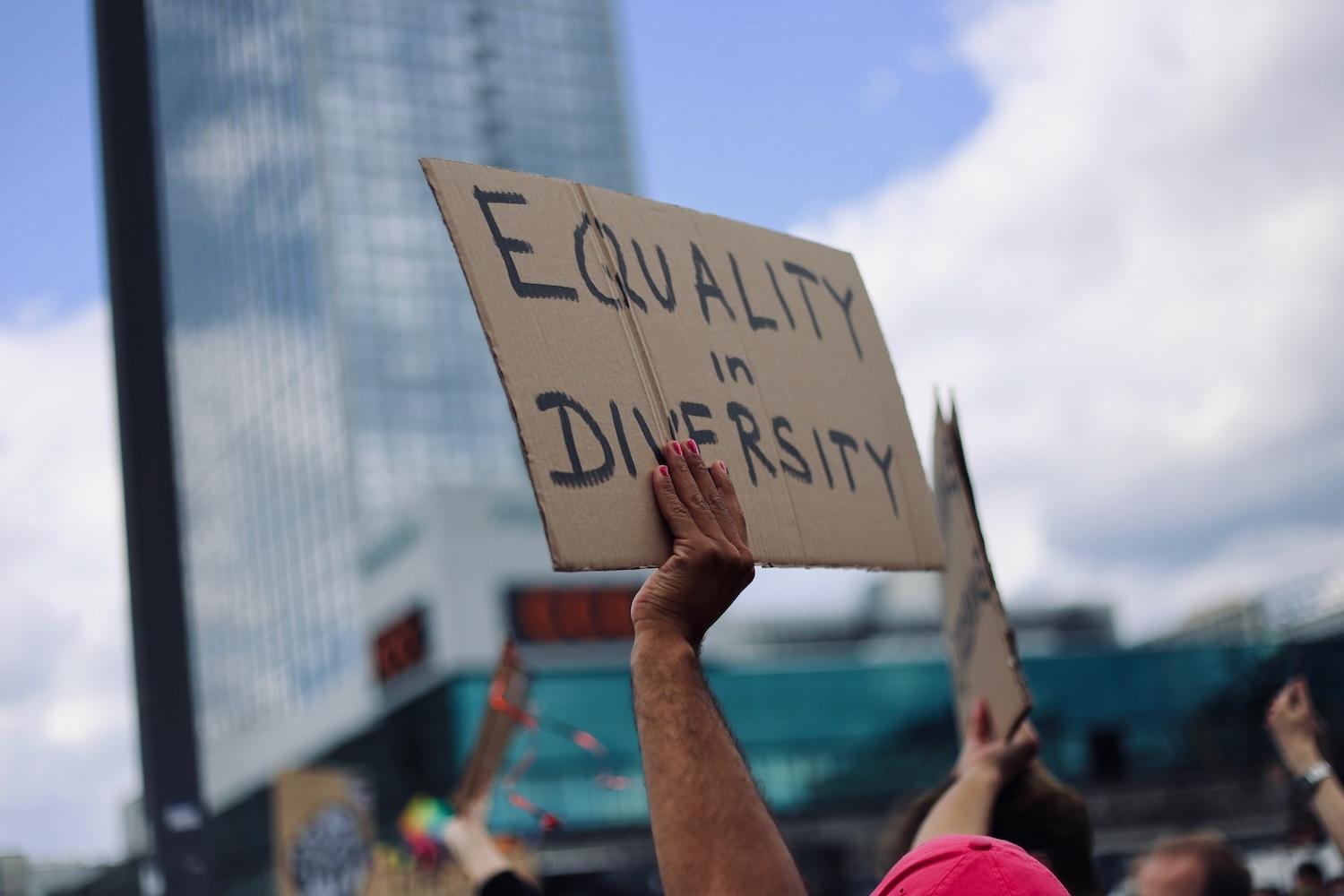



 Image credit: Chartwells






 Image credit: Avery Dennison








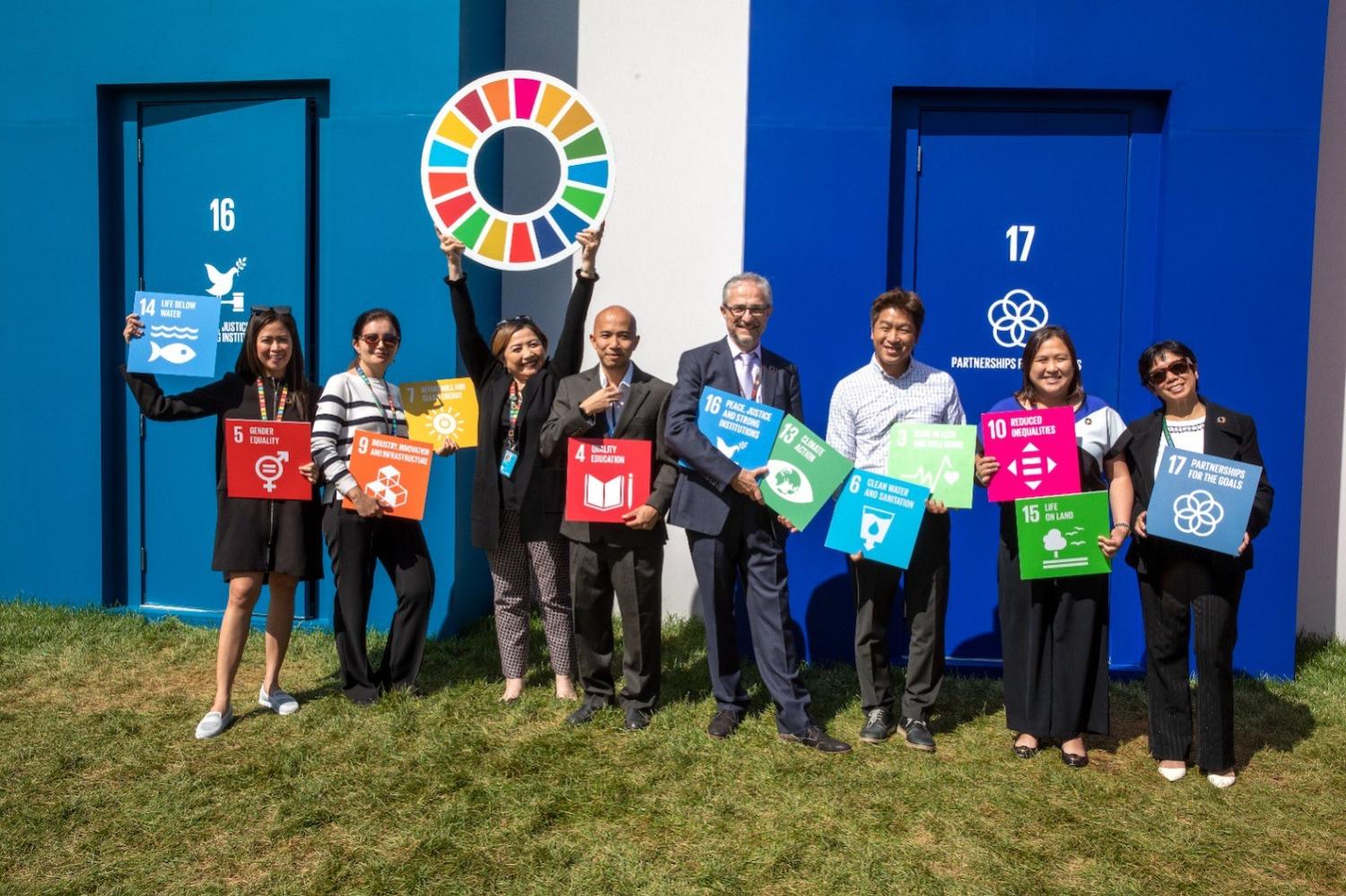









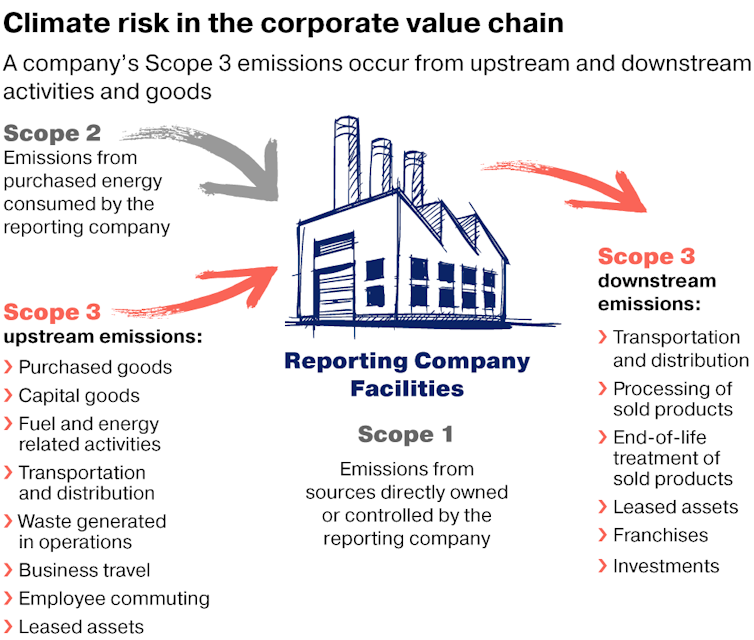







 Eric Block On Responsible Branding
You must be logged in to post a comment.