Farmers protest outside the European Parliament in Strasbourg on Feb. 6. A wave of farmer protest has erupted across Europe, demanding an easing of the EU’s environmental policies. Photo: FREDERICK FLORIN – AFP – GETTY IMAGES
By Camille Fumard from Fortune • Republished: February 24, 2024
A wave of discontent over sustainability policies is sweeping across the Atlantic, making green growth harder and putting the leaders and financiers who are fighting to implement environmental, social, and governance (ESG) policies under pressure. And the upcoming U.S. election will not make life any easier for the companies that are navigating the powerful currents of anti-ESG lobbies.
In Europe, the ardor for ESG regulations has somewhat cooled. The strong polarization around ESG criteria has not waited for the result of the U.S. election. It is lurking in the undertones of financial and standardization talks. The dynamism of U.S. President Joe Biden’s Inflation Reduction Act is still having ripple effects and unforeseen consequences as the IRA compels Brussels to adapt. This trend can be seen in the significant changes in July to the last draft of the new European Sustainability Reporting Standards (ESRS). One of the major changes made by the EU Commission to the European Financial Reporting Advisory Group’s (EFRAG) proposals was to align the ESRS standards with the International Financial Reporting Standards (IFRS) to ensure international interoperability. The die is close to being cast in the European battle over accounting standards–in favor of the ISSB’s softer financial philosophy.
The prospect that truly sustainable finance may be unable to preserve itself looms large over 2024. The idea of a comprehensive fair transition of the economy seems to be morphing into a niche approach to sustainable finance.
Poorly devised communications around ESG investing have contributed to weakening the movement toward a responsible and forward-looking economy. Faced with angry farmer protests, the EU has given up on its goal of halving pesticide use by 2040. Financially illiterate environmental activism is also having a chilling effect on companies. For example, a parliamentary inquiry in France is scrutinizing the environmental commitments of energy giant TotalEnergies. With accusations of “greenhushing,” “greenwashing,” and “woke capitalism,” the three letters “ESG” have become synonymous with backlash.
The rhetoric is simple if one wishes to undermine economic decisions that encourage ethical behavior as a primary concern. It plays upon the fears of Western democratic public opinion amidst growing disquiet in the face of deepening inequality and the fragmentation of the world. Essentially, this rhetoric benefits from the misfortunes of the population. For example, in France and Germany, the far right is cynically capitalizing on the anger of the farmers who have to contend with European Green Deal policies as well as the increase in energy prices. All of this is happening because farmers are being caught up in the middle of the geopolitical reality of an exporting industry with a short-term high exposure to the green transition.
In the long term, however, Europe’s companies, economy, and people will be the ones paying a high price for the policies of cynicism that have no set agendas or tangible projects for the future.
Nevertheless, the green breeze is still blowing gently across Europe. At Davos, French President Emmanuel Macron used his trump card: “at the same time.” It’s a reference to the Paris Agreement formula, “for people and planet,” and the IRA’s philosophy. Indeed, a united Europe can achieve growth and decarbonization “at the same time.” By providing renewed hope for the middle classes and with the help of a sustainability agenda that encourages investments in Europe, Brussels can bolster its mandate.
As the hustle and bustle of the upcoming U.S. elections continues to captivate and sway the opinions of European political leaders, companies in Europe that have always remained neutral in the past, following the customs of the Old Continent, might have to change their way of doing business. They must be more vocal–or 2024 may be the year in which they find themselves trapped by the politics of cynicism.
By Ron Johnson from Fast Company • Reposted: February 24, 2024
There are certain pairings that just seem custom-made for each other. Macaroni and cheese, fish and chips, cookies and cream, and, of course, peanut butter and jelly. There’s just something about these pairings—a sense of culinary synergy where the presence of each individual ingredient enhances the taste of the other. Or, as philosopher Aristotle would say, makes the sum of the whole greater than the sum of its parts. The same principle applies in business. Some roles just seem to complement each other—like marketing and HR.
As Dwayne Weiser, a former HR Process Consultant, notes: “Marketing and human resources are two departments in organizations with common points of interaction. The success of each organization depends on how these departments work together for a common purpose. Efficient marketing starts with investing in your employee experience. If you develop a team that’s passionate about the firm’s purpose, values, and mission, you can come up with an influential group of marketers and create a more holistic and consistent brand experience.”
This move toward branding and HR integration is driven primarily by two trends. The first trend can be summarized by what HR veteran Rajeev Bhardwaj describes as the transformation of HR “from an administrative overhead to the fountainhead of innovative solutions to cultivate and nurture talent.” The second trend involves changes in the world of branding where brand professionals are taking a more holistic, experiential approach to branding rather than relying solely on advertising—a move that requires modern marketers to look inwards towards employees to support their branding initiatives as much as they look outwards to engage customers.
As a result, marketing and HR often end up collaborating on projects that were previously “owned” by only one of these two important groups of professionals. Here are five reasons why marketing and HR go together like PB&J:
BOTH ARE RESPONSIBLE FOR BRAND POSITIONING
Modern HR professionals are joining their marketing peers in the brand positioning arena—admittedly in a slightly different way. While marketing professionals use brand positioning tools to influence the perceptions of consumers and influence them to buy their organizations’ products and services, HR professionals focus their efforts on positioning their organizations as great places to work.
However, there are times when marketing and HR work collaboratively on positioning their brands. Research carried out by i4cp, an organization focused on “next practices in human capital,” found that “a partnership between HR and marketing is 6x more likely to be in place in high-performance organizations, which are also more likely to constantly market (internally and externally) themselves as great places to work.”
MARKETING AND HR ARE BOTH RESPONSIBLE FOR ENGAGEMENT
Modern HR professionals use many of the same engagement tools that their marketing peers have used for decades, but they have repurposed these tools for a slightly different outcome. While marketers use their skill sets to engage customers, modern HR professionals use their skills to engage employees and to inspire them to become brand ambassadors who are excited about helping their organizations to achieve their branding and business goals. In order for organizations to win the battle for talent, HR professionals need to engage employees as effectively as their marketing peers engage customers.
BOTH ARE RESPONSIBLE FOR BRAND STORYTELLING
The world’s most successful marketers tell (and retell) compelling brand stories that help them to become more known, liked, and trusted by customers. But modern companies recognize that as much as they need to tell compelling stories that help customers feel connected to their brands, they also need to use strong storytelling principles to help drive employee performance, demonstrate empathy towards their team members, and build a sense of belonging throughout their organizations.
And that’s where HR comes in. At many companies, HR professionals are taking the lead in identifying inspiring stories of outstanding employee performance and remarkable customer experience from across the organization and packaging those stories for internal consumption. They are also taking the lead in using these stories to help employees feel recognized and appreciated by their organizations, and to keep them updated about major developments in their organizations. By sharing resources and by having marketers and HR professionals work together to identify, package, and distribute inspiring stories for consumption by both internal and external audiences, companies are finding that they can greatly improve the effectiveness of their storytelling efforts.PRESENTED BY STARBUCKSThe power of positivityFor Giant Spoon’s Ian Grody, gratitude is essential to unlocking creativity
MARKETING AND HR ARE RESPONSIBLE FOR BRAND LOYALTY
You’ve probably heard the saying that it is less expensive to keep an existing customer happy than it is to acquire new customers. This saying speaks directly to the importance of customer brand loyalty—the tendency for customers to keep on buying from you again and again, even if your competitors offer similar products and services. Customer brand loyalty is the holy grail that all businesses aspire to develop and hold on to—and both marketing and HR are responsible, to some degree, for helping their organizations to achieve this all-important goal.
Some may even argue that HR professionals bear more responsibility for brand loyalty than marketing professionals do. Sure, marketing may bring customers through your doors, but even the most clever marketing, advertising, or social media campaign can be completely derailed by disengaged employees delivering service. If you want to have consistently high levels of customer brand loyalty, you must first have consistently high levels of employee brand loyalty. And who better to develop and lead employee brand loyalty than your HR team—the individuals most likely to be responsible for your company culture, employee engagement, and employee experience.
BOTH CAN BETTER “SELL” THEIR IDEAS IF THEY WORK TOGETHER
David Ogilvy, considered to be the father of modern advertising, once said, “In the modern world of business, it is useless to be a creative, original thinker unless you can also sell what you create. Management cannot be expected to recognize a good idea unless it is presented to them by a good salesman.”
Marketers are certainly no strangers to having to sell what they create. Most marketing departments and agencies frequently have to “pitch” their ideas to a group of decision-makers before their final campaigns ever see the light of day. While Ogilvy’s advice about selling what you create is most often applied to the marketing industry, his sage words could easily be applied to the creative, original thinkers in the world of HR.
When HR and marketing work together to sell their ideas as a single, cohesive strategy for both internal and external implementation rather than as separate, individual ideas, both groups of professionals have a better chance of having their projects approved by their organization’s decision-makers.
Modern companies understand that brands are built from the inside, not the outside. And, if brands are built from the inside, your HR team needs a seat at your marketing table so they can support your marketing team from the inside out. If you want to build a stronger brand and a stronger business, consider combining marketing and HR in the same way that culinary enthusiasts combine peanut butter and jelly. You just might be pleasantly surprised with the powerful organizational synergies that come about when your marketing and HR teams work more closely together.
Demonstrators gather for a Black Lives Matter rally in the summer of 2020. (Image credit: Ying Ge/Unsplash)
By Harriet Gardner from Triple Pundit • Reposted: February 23, 2024
Only a few years ago, companies and organizations were scrambling to build diversity, equity and inclusion (DEI) programming, hiring new staff and implementing programs. Fast-forward to 2024 and many of these same companies are pulling their efforts back publicly. Some because of increased attacks by politicians and the U.S. Supreme Court’s ruling on affirmative action, some because they believe this is a cost center that can be cut.
Yet the work is as important as ever. As leaders, we must continue to invest in DEI and social impact efforts and reaffirm that it not only is legally sound to do so, but also imperative to combat misinformation. In fact, employees and customers expect brands to make meaningful investments in advancing social justice.
Put simply, now is not the time for companies to back down, but rather stand out by strengthening their commitment to social justice and by leveraging their time, money and influence. This may not be easy to do, but these strategies can move us forward, increase employee and customer engagement, and strengthen business practices.
Connect social impact work to core business efforts
Social impact work should not stand alone. It must be integrated into every aspect of a company’s core business. This way it is not seen as an “add-on,” but instead is a key piece of success.
For example, Google.org launched its Cybersecurity Clinics Fund in 2023 to support colleges and universities by increasing access and opportunities for hands-on, real-world training for students interested in pursuing careers in cybersecurity. Through this opportunity, Google is not only providing support through grantmaking, but it is also offering free access codes to its Google Cybersecurity Certificate courses, in-kind products, and mentorship from Google employees. This commitment addresses a need to invest in the future cybersecurity workforce and offer affordable cybersecurity services to under-resourced community organizations, while also aligning with Google’s business and technical strengths.
By closely connecting social impact strategies to their business, companies create a business case where sustained philanthropic support makes operational sense since, in addition to funding, for-profit companies may have products and expertise to directly support social impact projects.
Engage employees and customers
Social impact programs are a critical component of attracting and retaining top talent. These programs reflect the values of the company and of many of its employees. A recent poll by Benevity found that 80 percent of U.S. employees believe “it is the responsibility of company leaders to take action in addressing racial justice and equity issues.”
In this area, Sephora models what a consistent, cross-organizational commitment to progress on racial equity can look like. The beauty retailer took the 15 Percent Pledge to ensure at least 15 percent of the products on its shelves come from Black-owned brands — a move that doubled the number of Black-owned brands available at Sephora stores.
Meanwhile, the company has been building a diverse workforce that more accurately reflects its diverse consumers. Black leadership increased by 7 percent across Sephora since 2021, while Latinx leadership grew by 10 percent, according to its latest DEI report. The company also says it trains store employees to better serve diverse clients and their beauty needs.
Invest in community-led organizations
Investing in organizations with proximate leaders — that is, leaders who share the identity, lived experience, and/or geography of the community they serve — is a highly effective way to drive impact and improve relationships with the communities that a company seeks to support. Communities and their leaders know what they need to thrive, and there is growing evidence that nonprofits led by and for people closest to a community or issue are more innovative and better problem solvers.
However, only 4 percent of U.S. philanthropic dollars go to organizations led by people of color who are most impacted by systemic inequity. For companies, this means that there is an opportunity and an obligation to stand out by supporting under-resourced and highly effective grassroots organizations. Tides’ approach to supporting companies with their philanthropic strategy is rooted in the belief that this work must be connected to the lived experience of the communities they seek to benefit, as our partner Kate Spade New York demonstrates with its On Purpose Fund.
Practice trust-based approaches
Trust-based philanthropy addresses inequality by shifting power from donors to those doing the work on the ground. By reducing reporting requirements, giving unrestricted funds, and reducing barriers to resources, companies can alleviate the burden on grantees and community organizations. Simply put, trusting your grantees to deliver impact benefits both organizations and the shared impact that you seek to create.
For example, the software development company Unity engages in trust-based philanthropy by offering grants to projects and organizations that align with its mission of empowering creators. Unity’s grantmaking approach emphasizes collaboration and innovation, supporting initiatives that leverage technology and creativity for social impact. For example, the Unity for Humanitycreator program provides mentorship and community to creators using their skills for good. Unity partners closely with Tides by fostering a community-centric model that seeks to build long-term relationships with grantees and that emphasizes mutual trust and flexibility through general operating support grants.
The bottom line: Supporting social justice is good for business
Corporate giving is a powerful way for companies to demonstrate their purpose and commitment to the people who have invested in them: their employees, their customers, and the communities they serve.
By staying the course during these challenging times and supporting diverse communities, companies can join a movement to advance social justice while seeing a real impact on their own business goals. And that’s just good business.
Sad unhappy girl. Depression, apathy and bad mood concept. Dark clouds and rain above the woman head. Vector illustration, cartoon flat style. Image: Getty
By Robert G. Eccles, Contributor, Tenured Harvard Business School Professor, Now At Oxford University via Forbes • Reposted: February 12, 2024
Our article was based on interviews with 29 leading CSOs and 31 investors. We noted that “Historically CSOs have acted like stealth PR executives—their primary task was to tell an appealing story about corporate sustainability initiatives to the company’s many stakeholders, and their implicit goal was to deflect reputational risk.” In the companies we studied this was changing rapidly over the past two to three years. Interestingly enough, this was especially apparent for companies in challenged industries such as athletic wear (e.g., Nike), food and consumer goods (e.g., Unilever), electric utilities (e.g., AEP), mining (e.g., Vale) oil and gas (e.g., ConocoPhillips), packaging (e.g., Greif), retailing (e.g., Groupe Casino), and tobacco (e.g., Philip Morris International).
In the best companies when it comes to really integrating material environmental, social, and governance (ESG) issues into strategy and capital allocation the CSO has a much more strategic role and is closely integrated with other functions, such as finance, operations, product development, and technology. Sustainability professionals no longer simply reside in the function itself but throughout the organization. CSOs are joining meetings with investor meetings, and with both the ESG/stewardship teams and portfolio managers. At the same time, investors are seeing more integration between these two roles. People in the CSO role have also changed. Instead of coming up through the sustainability function (still called corporate social responsibility in some companies), CSOs are coming from functions more core to the company such as finance, investor relations, operations, product development, and research and development.
Alison and I were well aware of the fact that we had chosen a selected sample of companies since we were looking to find the leading edge of practice. This obviously begged the question of what’s going on in the more general population of CSOs. Towards that end we teamed up with GlobeScan, where the team was led by CEO Chris Coulter, and Salesforce, whose team was led by Brian Komar, Vice President Global Sustainability Solutions. In November and December of 2023 we conducted a global survey that resulted in 234 responses (mostly from the sustainability function but also others, such as finance and technology) in a wide range of industries. The results showed that the rest are a long way from being the best. Here is the full report, “Sustainable Value Creation: Closing the gap between commitments and operational realities.” You can also watch a webinar hosted by GreenBizand moderated by Grant Harrison, Director Sustainable Finance & ESG, where Chris, Suzanne DiBianca, EVP & Chief Impact Officer at Salesforce, Alison, and I discuss the results of the survey.
The hope and good intention are there. Ninety-three percent of respondents felt that sustainability was very important or fairly important to commercial success. From there it unravels, showing a serious lack of real commitment which demonstrates the sorry state of sustainability for many, if not most, companies today. Only 37% of respondents saw sustainability as very integrated into the core of the business. Only half of senior management teams (SMTs) are focused on sustainability risks, opportunities, and impacts. Only quarter of companies are devoting sufficient capital to sustainability initiatives. One result of this is that the lack of high quality data on sustainability performance is enormous. While 95% believe that high quality data is very or fairly important only 29% report having it. One reason is that lack of integration with the finance and technology functions, although that is improving.
The consequences of these gaps between intent and execution are telling but not surprising. The areas where sustainability is perceived as having the highest value are the usual hard to quantify ones—enhancing brand and reputation, stronger stakeholder and community relations, employee attraction and retention, and facilitating partnerships and collaborations. This is not to belittle their role in shareholder value creation. But ranked much lower are more well-defined economic benefits such as growing sales, attracting more investment, and increasing efficiencies to reduce costs. It is one thing to issue the mantra “Sustainability is key to value creation!” It is quite another to show it. The respondents don’t see it themselves and there is a lack of data to help make the case.
Perhaps even worse is the low levels of belief of what kinds of sustainability actions can unlock more value. The one with the highest score, at only 42%, is with R&D and product innovation. It goes downhill from there. About one-third cite engagement with customers and employees and defining clear goals and targets for sustainability. Imagine if only one-third of CFOs thought clear financial goals and targets would unlock more value.
It gets worse. In dramatic comparison to the best, only 29% cite improved sustainability metrics (so I guess the data gap isn’t all that important), 24% cite identifying which topics are most material to the business (no wonder there is a lack of integration with the core business), 20% cite engagement with investors (one of the most defining features of the best), and 16% percent cite improving the reporting process (how can you effectively engage with investors if you’re not reporting high quality data on sustainability performance and showing its impact on financial performance?).
Actions for Delivering More Value from Sustainability GLOBESCAN AND SALESFORCE
Given that the EU is seen as being more receptive to sustainability than polarized America around all things ESG, it’s fair to ask if things are better there. Not really. For the most part, the results are the same. European companies have a slight edge on SMT focus on sustainability risks (65% vs. 40%)—although no difference on opportunities and impact—and attribute more importance to managing climate risk (70% vs. 46%). And that’s it. These results aren’t surprising. Both can be explained by the “EuropeanGreenDeal,” the “EU taxonomy for sustainable activities,” and various regulations such as the Corporate Sustainability Reporting Directive (CSRD) and the Sustainable Finance Disclosure Regulation (SFDR).
The most recent proposed regulation is the Corporate Sustainability Due Diligence Directive (CSDDD) “which aims to enhance the protection of the environment and human rights in the EU and globally. The due diligence directive will set obligations for large companies regarding actual and potential adverse impacts on human rights and the environment, with respect to their own operations, those of their subsidiaries, and those carried out by their business partners.” The CSDDD has proven to be very controversial with pushback from both the business community and some countries. As I write, its fate sits on a knife’s edge, likely to be decided by a final vote in a week or so. Although I appreciate the good intent of this directive I have also written about some of my concerns about it.
Here’s another one. Our survey raises the question of whether companies have the necessary capabilities and resources in place to effectively implement this directive should it be passed. And explain to their investors how it is value enhancing for shareholders, as many of its supporter claim it to be. I’m not saying it can’t be. I’m just saying that this needs to shown, not asserted. Most companies seem poorly equipped to do so.
Putting the CSDDD aside, advocates for sustainability (and I include myself among them) have a lot of work to do to make reality match the rhetoric. Adoption of the standards of the International Sustainability Standards Board can be helpful in showing the link to value creation because they are focused on financial materiality. Standards developed by the European Financial Advisory Group’s Sustainability Reporting Board and the Global Reporting Initiative can be helpful in showing impact materiality. While reporting standards are very useful, they are not a silver bullet. Alone they do not ensure good performance. Our survey provides some suggestions for what else must be done. Doing this hard work will finally make sustainability a key contribution to value creation.
By David Placek via Sustainable Brands • Reposted: February 6, 2024
The names that resonate with consumers and shop optimism in an industry hoping to fix a host of complicated, global problems will help form a foundation for many years of success.
Over the last decade, the renewable-energy and sustainability industries have experienced huge growth and demand. Environmental concerns regarding fossil fuels, urbanization, and responsible, equitable economic growth have contributed to the rise — coupled with increased legislation and consumer demand for brands committed to making positive social and environment impacts. As this demand continues, we will continue to see an influx of new brands starting out and securing venture capital that are focused on sustainability and clean energy.
New brands in this space should take the time to develop one of their most important brand assets — their name. After all, nothing will be used longer or more often than your brand or product name. Brand names must capture your audience’s attention, communicate your brand story, reflect your values, and transcend global boundaries. Not only that — it must also be able to clear the necessary legal hurdles, which are more difficult now than ever, to get a trademarked name. Sustainability-focused brands are also in the unique position of not only highlighting what they currently do but also conveying a future promise of a sustainable world ahead. The brand name needs to convey optimism and longevity — and most importantly, help build trust with potentially skeptical consumers.
Many brands in this space have launched or branded themselves to include nature-centric names or include terms such as “eco” or “green” in their identity. While you can easily imply sustainability by putting “eco” or “carbon” next to a name, that will be tired and outdated within the next year and does little to differentiate or become memorable.
Think of the name as a vessel that can carry your brand story into the marketplace. Truly iconic brand names are those that stick in our head and make you think. This is why we counsel brands to think of their naming process as more of a strategic exercise coupled with creativity and rooted in linguistics.
DECODING EFFECTIVE METHODS OF DRIVING CONSUMER BEHAVIOR CHANGE
Join us for a transformational experience at SB Brand-Led Culture Change — May 8-10 in Minneapolis. This event brings together hundreds of brand leaders eager to delve into radical lifestyle shifts and sustainable consumer behavior change at scale. The trends driving cultural acceleration are already underway, and you can be at the forefront of this transformative movement.
Sometimes, the result is a name that has some risk and challenges you. For example, take Impossible Foods: The company, initially called Maraxi, had the goal of producing great-tasting, vegan alternatives to meat products. It needed a name that spoke to this lofty goal, caught your attention and had an element of surprise. Impossible Foods checked all these boxes — it’s patently false, since the product proves that it is in fact possible; and it acknowledges that the consumer will be skeptical (“this can’t possibly taste like meat!”). With this novel approach, the name has generated unsurpassed interest in a disruptive category in sustainable food.
Another approach is to find a name that allows your audience to think and imagine what the company stands for. While it’s helpful to flat out describe what a company does, give your audience space to come to their own conclusion and allow them to be curious. Enverus is an energy data and analytics company. Initially named DrillingInfo, it needed a new name and identity that spoke to its goal of collaboration in the energy space. The name Enverus was developed through the combination of three word parts that together captured the company’s past, present, future and mission: ‘En’ signaled the energy industry, while ‘ver’ connoted clarity and truth, and ‘us’ communicated their partnership and collaboration with both its customers and partners across the entirety of the energy sector.
Lastly, be original but approachable. Sustainability has many facets and nuances that can be considered high tech or complicated to understand. Instead of going with a high-tech, jargony name, keep it simple but relatable. Luxury electric carmaker Lucid is an example of an original idea in the EV space. “Lucid” is a real English word that conveys intelligence and awareness, so the name’s sound indirectly conveys efficiency and the quiet sanctuary of the driver’s experience. Another example is Lunar Energy — a renewable-energy startup with the mission to make it easy for every home in the world to be powered by the sun with an integrated solar energy system. The brand needed to convey reliability and power, while also maintaining a degree of optimism and positivity. The company landed on Lunar Energy — an unexpected name that takes inspiration from the way that the moon captures the sun’s light to illuminate itself. The use of lunar instead of solar was a surprising yet memorable word for the startup brand.
For startups in the sustainability space or for brands looking to reinvent themselves, look for a name that stands out, and is surprising and aspirational. The names that resonate with consumers and shop optimism in an industry hoping to fix a host of complicated, global problems will help form a foundation for many years of success. Regardless, companies should make a commitment to sustainability branding as a strategic brand-building opportunity.
By Noel Asmar, Forbes Councils Member via Forbes • Reposted: February 2, 2024
Noel Asmar is the Founder and Creative Director of Noel Asmar Group of Companies, which services spa, healthcare, hospitality & equestrian.
The last decade has brought a seismic shift in public awareness around the climate crisis we face. Consumers are increasingly demanding businesses become more accountable, but often, the path to building a sustainable business is far from convenient. If I’ve learned one thing working in busy industries like spa, hospitality and healthcare, it’s for meaningful change to happen, solutions have to be simplified.
As we enter 2024, here are three steps any leader can take to lessen their company’s environmental footprint, regardless of their organization’s size or resources:
Gather data on your operations.
When it comes to measuring your environmental impact as a business, the simplest way to get started is to collect data on your operations. Start by taking stock of what your business purchases and disposes of both in quantity and nature, then assess what end-of-life options you have.
Often when businesses make purchasing decisions, we’re focused on aesthetic or performance—while those qualities are important, considering whether or not a product can be easily upcycled, recycled or degraded in the landfill is one of the most effective ways to lessen your environmental impact.
For example, in our business certain polyester fabrics can be used to make insulation for homes. By talking to your manufacturers and suppliers, you can become more educated on the circularity of your products.
The average small business spends $40K annually and product costs are largely a business’s greatest expense. Fortune 500s, on the other hand, can easily exceed $100 billion in annual spending. When we start to gather concrete data and calculate our environmental impact into our purchasing decisions, we can create a ripple effect that benefits all stakeholders.
Invest in quality upfront.
What set our company apart from competitors when we first entered the market in 2002 was our unwavering focus on quality. For our uniforms, we intentionally selected commercial-grade fabrics that withstood heavy washing, were fade-resistant and repelled materials like oil, which practitioners came into regular contact with. This decision was controversial because it set our price point higher than the industry norm.
Investing in high-quality products may throw off the balance sheet for businesses initially, but the long-term economic benefits often outweigh the short-term strain on budgets.
For example during the economic downturn between ’09 and ’11, many hotel properties were forced to cut spending. During this time, I recall getting a call from the spa director of a major resort in Scottsdale, Arizona. He mentioned how grateful he was that the property had invested in our uniforms; while their competitors were struggling to replace faded and damaged uniforms monthly, their staff was still well clad in uniforms that had maintained their color and condition.
Investing in quality upfront, isn’t just an economic play, it also greatly reduces the amount of waste businesses contribute to the landfill. According to the UN, consumers purchase 60% more clothing now than we did 15 years ago, and each item is kept only half as long.
This “throw away” mentality is the reason 134 million tonnes of textiles are expected to be discarded annually by 2030. Considering nearly 85% of all textiles thrown away in the U.S. end up in the landfill or burned, reducing how often your business has to replace goods is a win for the environment and your bottom line.
Find like-minded partners.
One of the greatest challenges businesses face when it comes to responsibly disposing of their waste is navigating logistics. Becoming a sustainable business is highly interdependent on the systems around us. Often recycling requirements are complex and businesses don’t have the resources to fulfill them. For this reason, establishing cross-beneficial partnerships can make a big difference.
A few years ago, my company started a sustainability initiative in an effort to break down the barriers spas and hotels were facing in responsibly disposing of their textiles. In doing so, it became clear recycling stations wanted products to be perfectly segregated down to the yarn, and the big ones had minimum volume requirements. These specific requirements weren’t realistic for spas and hotels because they disrupted the flow of operations, acting as a barrier to doing the right thing.
So we started to explore partnerships in the areas we serviced. We teamed up with a like-minded waste management company and carved out a solution that allowed us to utilize their recycling factories for our spa and hotel partners in the U.S., regardless of their volume.
When you use sustainability as a lens to filter partnerships, you’d be surprised at what becomes possible. For us, it’s even resulted in working with fabric mills to create products from recycled water bottles that naturally degrade if our uniforms do end up in the landfill.
The journey toward sustainability is not without challenge, but it doesn’t have to be overwhelming. By getting a clear picture of your company’s footprint, considering end-of-life strategies and partnering with like-minded suppliers, it is possible to implement practical solutions that are both accessible and scalable. Real change takes time, but there’s never a better time to start than right now.
For decades, environmental advocates have been pushing back against “greenwashing,” when polluting companies misleadingly present themselves as environmentally friendly. Governments are finally starting to tackle the problem with stricter regulations: The European Union agreed to ban deceptive environmental ads in September, and the U.S. Fair Trade Commission is in the process of updating its guidelines around green advertising.
But as new rules go into effect, they’re contributing to a different problem: Many companies, even honest ones, are afraid to talk about their work on climate change at all.
The practice of “greenhushing” is now widespread, according to a new report released last week by South Pole, a Switzerland-based climate consultancy and carbon offset developer. Some 70 percent of sustainability-minded companies around the world are deliberately hiding their climate goals to comply with new regulations and avoid public scrutiny. That’s in contrast to just a few years ago, when headlines were full of splashy corporate promises on climate change and even oil companies were pledging to zero out their emissions. The report suggests that this newfound silence could impede genuine progress on climate change and decrease pressure on the big emitters that are already lagging behind.
South Pole found that climate-conscious companies in fashion, consumer goods, tech, oil, and even environmental services are “greenhushing.” Nearly half of sustainability representatives reported that communicating about their climate targets has become harder in just the past year. But companies aren’t giving up on going net-zero — just the opposite. Of the 1,400 companies surveyed, three-quarters said they were pouring more money than before into efforts to cut carbon emissions. They just didn’t want to talk much about it.
“We really just cannot afford to not learn from each other,” said Nadia Kähkönen, a deputy director at South Pole and the report’s lead author. Companies should be sharing the lessons they’ve learned from trying to cut their emissions, engaging one another in hard conversations about “what is working and what is not, and how we can improve it,” she said.
Greenhushing was the most common, unexpectedly, among the greenest companies. Some 88 percent of those in environmental services, a category that includes renewables and recycling, said they were decreasing their messaging about their climate targets, even though 93 percent said they were on track to meet their goals. Consumer goods companies, like those that sell food, beverages, and household goods, were the next likely to be greenhushing (86 percent), more than the oil and gas industry (72 percent).
The survey, conducted anonymously, is the first to offer insight from companies as to whythey’re keeping quiet. Environmental service companies had one of the same top reasons as oil companies: heightened scrutiny from investors, customers, and the media. Among all the companies that admitted to greenhushing, well over half listed changing regulations as a reason why they’re not talking about their climate pledges. Some companies also cited a lack of sufficient data or clear industry guidance around how to communicate their green claims.
Their hesitation has real consequences, researchers from South Pole said. For one, it cuts down on the sense of competition and pressure that can drive companies to be more ambitious with their environmental targets. “If you’re hiding what you’re doing, or not talking about it in a prominent way, it can hold back others,” said George Favaloro, South Pole’s head of climate solutions for North America. The trend also could also cut down on sharing tips and tricks for decarbonizing that could help others trim their carbon emissions.
The report found that greenhushing isn’t unfolding equally across the 12 countries surveyed. American companies aren’t as quiet — likely because the United States has less regulation around environmental claims. U.S. companies were the second least likely to be greenhushing, behind Japan. European companies were on the opposite end of the scale. France, which has laws that explicitly limit greenwashing, led the pack with 82 percent of companies staying mum.
“They’re really up against it in Europe now, and in the U.S., it’s still a bit off in the future,” Favaloro said. “It’s coming, but it’s not quite here yet.” One of the first anti-greenwashing laws in the U.S. went into effect in California earlier this month, mandating that large companies disclose their emissions to back up climate-friendly claims. Lawsuits are also a growing threat: Last year, Nike and Delta Air Lines were sued for making questionable claims about their environmental impacts.
It might be surprising that U.S. companies are unafraid of communicating their climate goals considering the conservative backlash against ESG, short for “environmental, social and governance,” a set of standards investors use to assess companies. But the ESG drama has more serious consequences for asset managers like Vanguard and BlackRock, which removed references to sustainability goals on their websites last year, than for corporations.
The 1,400 companies surveyed in the South Pole report are some of the furthest along when it comes to corporate climate action. Overall, however, most companies haven’t even started yet. Only 8 percent of a broad group of 77,000 corporations, which includes global Fortune 500 companies, have set a net-zero target, the report found. “The more that even the leaders don’t talk about what they’re doing, it’s going to provide less motivation to get that group in the game,” Favaloro said.
This article originally appeared in Grist. Grist is a nonprofit, independent media organization dedicated to telling stories of climate solutions and a just future. Learn more at Grist.org
Sustainable CX transformation: both possible and essential, says Raymond Manookian of Zone / Image: Melanfolia via Unsplash
Raymond Manookian of agency Zone says that technological advancement and sustainability can go hand-in-hand, and brands can build meaningful relationships with consumers while building a better future.By Raymond Manookian | Design Director, Zone via The Drum • Reposted: January 31, 2024
The 28th Conference of the Parties to the United Nations Framework Convention on Climate Change, better known as Cop28, finished last month. It was a melting pot of ideas. Among them were unique insights and inspirations from the intersection of innovation and sustainability, which are particularly pertinent to those of us in the customer experience (CX) and digital transformation sectors.
It was clear at this meeting of global minds and ideas that environmental sustainability must be central to our future digital transformation endeavors. The conference crystallized the role of (and responsibilities within) the CX industry, providing fresh clarity on how we can move forward responsibly and sustainably.
Stakeholder and partner engagement are imperative in driving any such transformation. Inspiring a fundamental shift in mindset, where ecological sustainability is seen as just as crucial as economic growth, is critical.
Cop28 underscored that sustainability strategies must be implemented in context-specific ways, taking into consideration local cultural and environmental specifics. Companies need to adopt a flexible, adaptable approach, recognizing that solutions that work in one region may not be effective in another. To successfully navigate this variability, they should seek out diverse perspectives, engage local stakeholders, and strive to create inclusive, equitable solutions. By embracing a dynamic and context-sensitive approach, companies can develop compelling, relatable sustainability initiatives that are effective across global contexts.
Patagonia, a company renowned for its commitment to sustainability, is a prime example of how integrating sustainability into a brand can enhance its value and deepen customer loyalty. Patagonia and its peers have shown how embracing sustainability can enhance brand value and deepen customer loyalty, but this move towards sustainability is about more than just meeting consumer demand. It’s also about creating a more environmentally responsible and resilient future for all stakeholders – and a better world for future generations.
Technological advancements that benefit the environment
Better data analytics and insights have a crucial role to play in helping us to understand consumer behavior and to measure the impact of sustainability initiatives. Data is the foundation on which companies can build strategies to balance profitability with positive environmental impact. By using data to inform decision-making, companies can align their business objectives with environmental goals, creating a win-win situation for both the planet and their bottom line.
Artificial Intelligence is transitioning, too – from a mere business efficiency tool to an aid for sustainable development. While there may be concerns about the environmental costs of running AI, it’s also important to recognize its potential benefits to the environment. For example, IBM’s AI-driven weather technology assists farmers in making environmentally conscious decisions, while AI broadly has vast potential for resource management and environmental care. By leveraging AI’s capabilities responsibly and sustainably, we can harness its power to create a better future for businesses and the planet.
Building better business and a brighter future
The shift toward sustainability presents companies with an opportunity to drive positive change with CX. By embracing sustainable practices and integrating them into customer engagement strategies, companies can differentiate themselves in the marketplace and cultivate loyalty that extends beyond traditional marketing approaches.
Consumers increasingly seek brands that reflect their values. Sustainability can play a crucial role here. By demonstrating a commitment to sustainability and actively engaging customers in this journey, companies can build trust, foster a community of like-minded people, and drive long-term loyalty.
In CX and digital transformation, we’re continually evolving to reflect a deeper purpose. We’re not just creating and implementing digital solutions; we have an integral role to play in making sure technology and sustainability can harmoniously coexist. Each strategy we develop and every experience we design provides an opportunity to blend technical expertise with environmental commitment.
The insights from Cop28 underscore the importance of integrating sustainability into the foundations of our industry. We must incorporate sustainable solutions into existing practices while building a future where business success and environmental responsibility are inseparable. This requires a delicate balance between strategic foresight and practical action, with the decisions and innovations we make today laying the groundwork for a harmonious and sustainable future.
By treating sustainability as a value rather than a trend, and incorporating it into our decision-making processes and actions, the industry can demonstrate our commitment to responsible and forward-looking practices. However, the need for sustainable transformation is urgent, and the window of opportunity is narrowing. Businesses must embrace sustainability as a core value and work with stakeholders and partners to drive positive change. The time is now.
Firms that check environmental, social and governance claims made by companies will be asked to follow a proposed new ethics code to help combat greenwashing, the chief of a global standards body told Reuters.
Trillions of dollars have flowed into investment funds touting green credentials, but these can be misleading, a practice known as greenwashing. As a result, companies are increasingly being asked to disclose more about their actions on climate change and other issues such as board diversity.
Companies in the European Union and globally from this year will have to use new, mandatory disclosures on ESG and climate-related factors in their annual reports for 2024 and onwards.
These disclosures will need checking by external auditors as a safeguard against greenwashing.
Gabriela Figueiredo Dias, chair of the International Ethics Standards Board for Accountants (IESBA), said it was proposing revisions and additions to its ethics standards for auditing sustainability information from companies.
The IESBA is an independent global body that sets ethics standards for business and other organisations.
The standards spell out best practice for verifying a company’s sustainability claims by offering detailed instructions in areas such as accounting for the impact of corporate actions on emissions, relying on outside experts, and identifying and tackling conflicts of interest.
“There is nothing more central to sustainable finance than the information that is provided to those who decide to invest or fund projects and businesses.”
Dias said the proposed standards, which will be open for public consultation until May, would complement the development of new technical assurance standards from the International Auditing and Assurance Standards Board.
“Ethics is the baseline for the whole infrastructure. If you think about… greenwashing and misinformation, (it) always has behavioural issues at its root and not technical reporting reasons.”
“It’s not because preparers and providers don’t know what they have to report and assure, it’s because there are ethical or independence issues such as conflicts of interest,” she said, for example, financial interests, pressure from client companies or their management, inducements or a lack of competence.
Global securities watchdog IOSCO has encouraged the moves by IESBA to update its standards as climate related disclosures under mandatory rules, rather than private sector guidance, are rolled out, making enforcement against greenwashing easier.
IOSCO board Chair Jean-Paul Servais said he welcomed IESBA’s action to call on issuers, investors and assurance providers to participate in the consultation.
“Trust in such disclosures will be enhanced when they receive external assurance based upon globally accepted standards regarding ethical behaviour and independence.”
IESBA said the proposed new standards could also be used by firms other than professional accountants for auditing sustainability disclosures, such as consultants, engineers or lawyers, responsible for more than half of sustainability reports.
EU rules allows non-accounting firms to audit sustainability disclosures – which will be checked to a lower standard than financial statements – to provide competition for KPMG, EY, Deloitte and PwC, dubbed the Big Four who dominate corporate auditing.
A survey of 1,000 Brits has found that most don’t understand environmental terms frequently used in business communications, such as ‘carbon offsetting’, ‘circular economy’ and ‘biodiversity’. Image: Edie. net
From Edie.net • Reposted: January 27. 2024
Nine in ten of those polled said it is important for businesses to talk to the general public about their environmental sustainability work. But the survey, conducted by Fleet Street and Trajectory Partnership, found a disconnect between the language used by businesses and that used by customers.
While three-quarters of survey respondents had heard the term ‘sustainability’ or ‘sustainable’ in relation to businesses, only a quarter felt they could confidently offer up a definition.
Most also said they did not thoroughly understand what a brand meant when it described itself, or a product, as ‘green’. ‘Eco’ and ‘conscious’ were found to have even lower levels of confidence in understanding.
An awareness-understanding gap was also found in relation to more specific terms about carbon emissions. Six in ten had seen businesses use the term ‘net-zero’, rising to almost seven in ten for ‘carbon-neutral’. Yet only 11% felt confident in their understanding of carbon offsetting, which most brands and businesses will need to use to some extent to achieve net-zero or carbon neutrality.
Among those who had seen businesses use ‘net-zero’ or ‘carbon-offsetting’, the perception of the term was only slightly positive.
Levels of awareness and understanding were even lower around the terms ‘biodiversity’, ‘traceability and ‘the circular economy’.
Fleet Street co-founder Mark Stretton said: “The lack of understanding around what many businesses would probably consider to be standard terms, such as net-zero and environmentally friendly, is striking, and indicates a level of disconnect between brands and consumers.
“Many businesses are investing very heavily in sustainability, setting ambitious objectives in the process, but there is a big piece missing; there’s massive work to be done on the language used, and the more consumers understand, the more likely they are to positively engage with, and respond to what is clearly an enormous issue.”
The circular economy conundrum
‘The circular economy’ was found to be the least well-known or meaningfully understood claim assessed in the survey. Less than one-fifth of respondents had ever seen the term used in the private sector, and only 4% felt certain of what it means.
This was despite the fact that ‘recyclable’ was the most widely recognised term, with eight in ten respondents seeing it used regularly and the majority able to offer a robust definition. Awareness and understanding was similarly high for ‘single-use plastic’.
These terms were evenly recognised and understood by those with different levels of education and income, whereas most other terms assessed were less understood by those on lower incomes and/or without a university education.
Across all demographics, people said they would feel more positively about a business communicating recyclability and a reduction in single-use plastics.
It bears noting that recycling and the circular economy are not synonyms. A truly circular economy prioritises reuse of materials in their highest possible value above recycling and, in the Ellen MacArthur Foundation’s definition, also includes the restoration of nature.
On nature, half of those polled had never seen a business use the term ‘biodiversity’, and almost nine in ten were uncertain of its definition.
It’s time for more collaboration, more excellence, and a reframing of what conscious consumerism can mean. By Heath Shackleford vcvic Fast Company • Reposted: January 14, 2024
If you are a longtime supporter of the conscious consumerism movement, this may be the moment you’ve been waiting for. Despite growing pessimism about the state of the world, Americans are engaging socially responsible brands at an unprecedented level. It seems we are approaching critical mass, and we are on the precipice of a tipping point for “good” business.
These assertions are based on findings from the 11th annual Conscious Consumer Spending Index (#CCSIndex), a benchmarking study our agency fields each year to gauge momentum for conscious consumerism, charitable giving, and earth-friendly practices. Using a proprietary algorithm, we generate the Index score based on the importance consumers place on purchasing from socially responsible brands, the actions they’ve taken to support such brands, and whether they plan to buy more from good brands in the future. Specific questions that influence the Index score include:
How important is it for you to support socially responsible products and services?
Have you purchased products or services from socially responsible brands in the past year?
Do you plan to increase the amount you spend with socially responsible brands in the coming year?
In light of the economic, political, environmental, societal, and humanitarian crises we face as a world, it should not come as a surprise that Americans continue to feel worse about our collective future. In this year’s study, almost half (48%) of respondents said the world is getting worse. The first year we asked this question was in 2019. Only 38% had a pessimistic view at that point. (Read about last year’s results here.)
Yet in the face of this declining outlook, the ideology of supporting brands who promise to make the world better is clicking at a quickening rate. The latest #CCSIndex score is 57, up from 48 the previous year. In the inaugural year of the Index (which was 2013), the score was 45. The index is based on a 100-point scale and is fine-tuned so that even a 1-point shift indicates real movement. With that context in mind, seeing a 17% increase year over year is significant.
Here are a few things to consider for companies that are looking to capitalize on this moment:
COLLABORATION OVER COMPETITION
We’ve reached an opportunity for scale within the community of B Corporations as well as other organizations such as Conscious Capitalism and the Social Enterprise Alliance. We need to collaborate more consistently and effectively within the social responsibility space and resist the capitalistic temptation to compete with one another. Now is the time to fuel the consumer fire. We need to do that together.
COMMIT TO EXCELLENCE
We must continue to live up to our promises and deliver exceptional experiences for our customers. It should always feel different when someone engages with a socially responsible brand. Every interaction, every experience—without exception. This goes for product quality, customer service, and every point along a customer’s journey. In our data, individuals have consistently shown us that purpose alone is not enough. Brands have to first meet their needs as consumers. What if we set the expectation that the definition of a purposeful brand extends not only to the company’s mission but also to its commitment to excellence and doing all the right things for customers along the way? That’s how we build long-term loyalty with consumers and keep this train moving.
ENCOURAGE THE INTRAPRENEURS
We need to continuously apply more pressure to big brands to be part of the solution. We can do that by making conscious organizations more and more attractive for talent and for customers. We can also do that through intrapreneurs. Too often, we determine the only two paths that lead to a purposeful career are either working for a socially responsible organization or starting a new social enterprise.
There is a third, and very important, path though. We need mission-minded people climbing ladders within major corporations as well. Some big brands may eventually crumble if they don’t respond to the conscious consumer movement, but many will continue to operate, and they will always have an outsize impact on society and the environment. It is important to have changemakers embedded in these companies to help steer them toward a better future.
DEFINE THE JOURNEY
We have to position social responsibility as a journey, not a destination. This would be beneficial on a few different levels. For one, it would help consumers who are new to this to not be overwhelmed. We can reinforce that every step counts, and that every little bit helps. Not everyone is going to transform the entirety of their consumer behavior overnight. We should create a safe space where we positively reinforce progress. At the same time, positioning this as a journey also helps prevent more experienced conscious consumers from becoming complacent and feeling like they’ve reached the peak of social responsibility.
After all, being socially responsible is not just about buying the right product. It’s also about supporting nonprofits. About reducing consumption. About protecting the environment. About being an advocate for the do-good movement and recruiting others to join.
As conscious consumerism has ascended over the past decade, we’ve seen a decline in the number of Americans who are financially supporting charities. We also have seen a reduction in the percentage of individuals who are committed to earth-friendly practices such as recycling and reducing consumption. We need to continue to educate consumers and nudge them to delve deeper into this journey. There is always another step every consumer can take.
By Tina Casey from Triple Pundit • Reposted: January 24. 2024
Critics have raised plenty of fire and brimstone in their opposition to investments made through the lens of environmental, social and governance (ESG) principles, but most of that energy has gone to waste. The ESG movement continues to gain momentum globally, and research shows that anti-ESG laws passed in the U.S. had a limited impact. In fact, the only clear losers appear to be the very people that anti-ESG legislation ostensibly aims to protect.
ESG investing gains global momentum while facing headwinds in the U.S. in 2023
The firm Russell Investment has surveyed how the investment management industry integrates ESG principles for the past nine years. Its 2023 survey, released in October, observed “the United States remains mired in a contentious debate” over ESG. That presents a sharp contrast with global jurisdictions that have strengthened their ESG reporting mandates, most notably Canada, Europe and Australia.
The contrast is also reflected in the adoption of the Net-Zero Investment Framework, a set of guidelines to help investors align their holdings with the global push to cap temperature rise at 1.5 degrees Celsius this century. Russell found that 80 percent of the managers surveyed in Europe had already signed on, with the U.S. lagging far behind at just 20 percent.
Others including the sustainable investing asset manager Robeco also noted a growing “ESG backlash in the U.S.” in 2023.
The big question is how financial firms are handling the oppositional environment in the U.S. Some have simply decided not to use the acronym “ESG,” without actually changing how they use ESG principles. Those taking this approach include the world’s largest asset manger, BlackRock, CEO Larry Fink said at the Aspen Ideas Festival in June.
Marjella Lecourt-Alma, CEO and co-founder of the ESG and risk management platform Datamaran, has noticed a similar shift in the way clients talk about ESG. “Some of them say we watch our words a little bit. They are bringing back things like ‘corporate sustainability,’” she told TriplePundit in December.
Kris Tomasovic Nelson, senior director and head of ESG investment management for Russell Investments, agreed. “ESG factors are increasingly driving investment decisions,” he told Pensions & Investments reporter Hazel Bradford earlier this month, but “the door is open to using different terminology.”
He hastened to note that strategies at many U.S. financial firms still include ESG principles, even if companies are more careful in talking about them, and said he doesn’t see the U.S. situation impacting the global landscape. “Outside of the U.S., I don’t see any slowing of momentum,” he added.
Taking the anti-ESG bull by the horns heading into 2024
As of last year, 22 U.S. states adopted some form of “anti-ESG” legislation that seeks to limit how ESG principles can be used in investment decision-making or minimize investment in specific funds and firms, according to the law firm K&L Gates. Republican legislators in 12 different states enacted such legislation in 2023 alone, according to an S&P Global analysis. Many were “revised and weakened as they moved through the legislative process,” S&P reported, though they still have had a “chilling effect.”
In another strategy for navigating this complex landscape, some U.S. investors are taking advantage of vague language in these laws to forge ahead.
Earlier this week, for example, Financial Times reporter Will Schmitt highlighted the case of the Texas Permanent School Fund, which deployed an opening in the state’s strict anti-ESG law to put $300 million into an energy transition fund under the Macquarie Green Investment Group. The investment occurred in 2022, shortly after the Texas state comptroller published a “blacklist” of forbidden firms that included Macquarie’s energy transition solutions fund.
“The investment highlights how fiduciaries are finding ways to navigate gaps in rules designed by conservative officials to keep environmental, social and governance considerations out of public investment portfolios,” Schmitt observed.
In other states, fiduciaries are taking matters even further into their own hands. The Oklahoma Public Employees Retirement System, for example, avoided a potential loss of $10 million when its board voted to retain BlackRock and State Street as investment advisors, even though the two firms were on an anti-ESG blacklist compiled by the state treasurer, S&P reporter Karin Rives observed in an analysis published last week.
“If we thought that we could have abided by the law without hurting the pension fund, we would have done that in a heartbeat. But we have a fiduciary responsibility,” Oklahoma’s insurance commissioner, Glen Mulready, told Rives.
Some U.S. firms have also lobbied their representatives in state government for changes to proposed legislation, in hopes of preventing the worst damage.
U.S. public funds face outsized risk under anti-ESG legislation, new analyses show
Despite these workarounds, anti-ESG legislation is impacting public funds, and not in a good way. The supporters of anti-ESG legislation claim the laws are needed to protect the financial interests of pensioners and other members of the general public. However, they neglect to mention that financial firms can simply pack up and take their business out of state.
One such example occurred in Texas, where legislators passed an anti-ESG law in 2021. The new law immediately reduced competition in the municipal bond market, costing the small city of Anna an estimated $277,334 on its bond sale.
That’s just the tip of the iceberg. Texas cities could pay up to $532 million in additional intereston their bonds in less than a year under the legislation, according to an analysis from the University of Pennsylvania and the Federal Reserve Bank of Chicago.
“In Indiana, a bill to limit ESG investing could cut state pension returns by $6.7 billion over the next 10 years,” former Maryland Attorney General Brian Frosh and former Maryland State Treasurer Nancy Kopp wrote in Bloomberg last year, while the Arkansas Public Employees Retirement System risks losing $30 million to $40 million annually.
Karin Rives of S&P Global also cited an analysis by Econsult Solutions Inc., which estimates that six U.S. states could be hit with $708 million in higher borrowing costs due to anti-ESG laws impacting municipal bonds.
In the face of these swift and damaging results, it is fair to ask how legislators and other public servants could miscalculate the impact of anti-ESG laws so badly, especially when they were warned of the risk. They’re poised to lose more ground in 2024, as analysts including Thompson Reuters predict ESG will have a transformational impact on business models as more companies focus on reducing their Scope 3 supply chain emissions.
And investors will follow the money, as they always have.
Tina Casey writes frequently for TriplePundit and other websites, with a focus on military, government and corporate sustainability, clean tech research and emerging energy technologies. To see the original post, follow this link: https://www.triplepundit.com/story/2024/esg-investing-good-year/793256
By Kristen Tetrick via Sustainable Brands • Reposted: January 23, 2024
Building a culture of sustainable living can only be achieved when brands and consumers align their efforts and take action together on the most impactful behaviors.
As we discuss often here at Sustainable Brands® (SB), brands are uniquely equipped to align business and society on the path to a flourishing future. With the rising popularity of sustainable living, demand for innovative sustainable products and services continues to increase. This reality provides brands with the opportunity to explore new business avenues and boost growth while playing an active role in shaping the future of society and our planet. By developing brand-led solutions that encourage sustainable shifts, brands can not only gain a competitive edge but also enhance their relevance, strengthen brand trust, and generate increased consumer engagement and brand love. This approach positions them at the forefront of harnessing the power of brand influence for positive change.
SB Socio-Cultural Trends Research™ shows that sustainability has become mainstream: Three years of data consistently show that 96 percent of US citizens try to behave in ways that protect the planet, its people, and its resources. This research, conducted in partnership with Ipsos, focuses on the changing drivers and behaviors of mainstream consumers at the intersection of brands and sustainable living. Consumer actions and intentions are analyzed through a selection of previously researched, defined sustainable behaviors — as well as the persistent intention-action gap. To spark brand-led cultural shifts in consumer behavior, brands must bridge the gap between what customers are already doing and brand-purpose initiatives. This means aligning their efforts more explicitly with existing intentions.
To better understand where brands can have the most impact on driving consumer behavior change, qualitative and quantitative research was conducted to consider the behaviors that brands could influence — and consumers could meaningfully act upon — to have the strongest impact on people, planet and society; these actions became the basis for the SB Nine Sustainable Behaviors™ framework. The behaviors are written to be as consumer-friendly, approachable and accessible as possible, grouped within three broad categories. They are applicable to any brand, in any industry along with any consumer, in any segment. All brands can align their sustainability and marketing strategies with at least one of these behaviors.
By demonstrating leadership around the SB Nine Sustainable Behaviors, brands can set themselves on a path that not only deepens their relevance and recognition, but also begins to transform the cultural stories shaping our shared future. Those who do it well will shine and win in the marketplace. SB research shows that US citizens view climate change as the second most critical issue to address — with 8 in 10 saying they want to take action to reduce their carbon footprint. Moreover, they want brands to support their efforts — with 85 percent saying they are loyal to brands that help them achieve a better and more balanced life. However, when it comes to measuring brand trust, consumers say that brands acting to benefit society and the planet is a stronger driver than a brand helping consumersto make environmentally conscious or socially responsible choices — they want to see companies taking responsibility: 78 percent say they support companies that act sustainably by purchasing their products or services.
The most successful brand leaders in this space understand that brand action and consumer action are two sides of the same coin. Consumers are looking to brands for sustainable solutions; and brands have the ability to lead society toward a reality where sustainable products and services are the norm in the marketplace. Building a culture of sustainable living can only be achieved when brands and consumers align their efforts and take action together on the most impactful behaviors.
Learn more with industry peers and leaders
Dive further into this nuanced topic while discovering more insights on how today’s brands can enlist consumers in building a better tomorrow at the SB Brand-led Culture Change conference — May 8-10, 2024 in Minneapolis. Unpack consumer trends; understand strategies and tactics that drive behavior change; and craft culture-changing communications through live sessions, workshops and industry forums presented by the leading brand marketers and experts from around the world.
Integrating a sustainability strategy throughout the company can put your ESG goals on the fast track. By Shannon Houde from Greenbiz.com • Reposted: January 23, 2024
We all know that it’s not enough for sustainability teams to act in a silo. To achieve real change, an organization must embed ESG commitments across all products and teams, and draw on the efforts and engagement of everyone from the CEO to frontline staff.
As Niki King, vice president and head of sustainability at The Clorox Co., and formerly head of sustainability at Unilever North America, points out, “To embed sustainability there are no trade-offs, there’s not a separate stand-alone sustainability strategy. It’s all-encompassing. There has to be accountability at all levels of the organization. There need to be incentives tied to sustainability performance and all of your employees need to understand how they can play a part in helping to achieve the goals.”
In short, there are no half measures. So, for those currently working to better embed sustainability into their organizations, make sure you put the following four building blocks in place first.
1. Employee buy-in
This starts at the board level. Without buy-in from at the highest level of an organization, any effort to embed sustainability elsewhere will almost certainly fall flat, and sustainability leaders will find themselves spinning their wheels. Ultimately though, a sense of ownership over a sustainability strategy needs to come from all levels of an organization, with each employee made to feel empowered by leadership to share their ideas, provide feedback and get involved in sustainability programs. This may be achieved by way of financial incentives tied to either teams or individuals achieving ESG targets, says King.
According to research by Harvard Business Review, this sense of ownership is the most important element in embedding sustainability. It found that organizations that transformed employees from bystanders into active participants in achieving ESG goals not only ensured their teams felt empowered but also stood a far better chance of integrating those commitments successfully. At financial services company Old Mutual, for example, the sustainability chief organized a workshop for midlevel managers to demonstrate their direct impact on customers. Participants noted that they felt empowered to do far more than crunch numbers after attending, laying the foundations for wider discussions about ESG.
2. Governance
Next, ensure the right governance structures are in place to integrate accountability at all levels of the organization. At larger organizations, creating this framework may be one of the primary roles of the board, working in collaboration with a chief sustainability officer (CSO). At small and medium enterprises, ensuring the right questions are being asked regarding the management of ESG programs may fall under the remit of a sustainability leader. If so, it’s a critical part of the role. Without the right scrutiny in place, it’s too easy for sustainability strategies to fall through the cracks.
3. Strong leadership
CEOs can’t simply add sustainability to their long list of responsibilities and expect ESG programs to look after themselves. In fact, although 98 percent of CEOs say sustainability is core to their role, just 2 percent of the same organizations say their sustainability strategies succeed. That’s because CEOs need to be highly engaged with policies but also — need to delegate primary responsibility to a CSO who has the right combination of skills. These include resilience, both technical and business skills and — perhaps most important — the soft skills needed to inspire and encourage others to join them in making transformative change. Or as King puts it, leaders that know “building relationships has to be your superpower.”
4. Awareness of local context
Finally, ensure that sustainability strategies are developed with an appreciation for the local context. Often a sustainability strategy is developed by a small sustainability team at global headquarters without seeking input from the local markets. Then when the global team tries to tell the local market to adopt the strategy that it came up with, it doesn’t always resonate. Instead, organizations need to be as inclusive as possible, seeking input from local markets to ensure there’s buy-in at every level. At international consumer goods company Danone, for example, the team included country-specific roadmaps in its Climate Transition Plan, each one adapted to local market features.
The path to embedding sustainability across an organization isn’t always a straightforward one. It takes time, patience and, most likely, frustrating pushbacks. But it’s a critical component of achieving scalable change on ESG issues and — by implementing these four elements — the practitioner will see progress faster and with more support.
From Sustainable Brands Media • Reposted: January 20, 2024
We caught up with TrusTrace co-founder and CEO Shameek Ghosh to discuss companies’ tendency to ‘greenhush’ to avoid scrutiny around sustainability and his advice for overwhelmed retailers.
With the constant noise of brands claiming to pursue carbon neutrality and other sustainability goals, many well-meaning retailers are left scrambling to define their own goals. Hearing such broad statements can leave brands feeling overwhelmed and frankly, inferior — and has fueled a new form of corporate miscommunication.
According to Shameek Ghosh, co-founder and CEO of supply chain traceability platform TrusTrace, “greenhushing” — disguising or downplaying sustainability efforts, in an attempt to draw attention away from a company’s sustainability failures — has become an increasingly common response to this overwhelming scenario; attempting to overhaul an entire company’s sustainability strategy all at once can lead to executives believing that it might be easier to simply not have a strategy at all.
We caught up with Ghosh to learn more about the tendency to ‘greenhush’ and his advice for overwhelmed retailers.
Can you briefly describe what ‘greenhushing’ is? How is it different from greenwashing?
Shameek Ghosh: When organizations deliberately do not talk about their ESG credentials and the things they’re doing to drive positive change, that is called “greenhushing.” Greenwashing, on the other hand, is when organizations intentionally exaggerate their ESG credentials to give an impression of having better environmental policies and impact than what is actually the case.
Why are companies and retailers turning to this strategy?
SG: In the wake of governments cracking down on greenwashing, and facing the reputational risk involved, organizations are becoming more cautious. To avoid risks of greenwashing under increased scrutiny, it is necessary to be able to back up your claims with evidence — and as this can be difficult without the right data and tracking in place, it becomes easier and safer to communicate less.
How can retailers begin defining their ESG goals?
SG: Most major retailers already have quite well-defined ESG goals, so the focus is more on ensuring that you have the data and insights to be able to deliver or — even better — overdeliver on these sustainability and responsibility promises. However, for those that have not yet started, a good place to begin is to look at the parts of the business and portfolio that have the biggest presumed impact — e.g. due to size and the social and environmental risk tied to geographies, materials, processes, etc. Once you understand size and assumed impact, it becomes easier to prioritize data collection and target setting.
What are some of the first steps that retailers can take to implement sustainable business practices once they’ve defined their goals?
SG: In order to successfully implement defined goals for sustainable business practices, retailers must first validate the assumptions that follow the goals they’ve set — this can be done by leveraging primary data. From there, they must next determine what kind of data is necessary in order to meaningfully track and improve progress. It’s crucial for both internal and external stakeholders to understand the targets they’re setting inside in order to deliver upon them. Finally, stakeholders need to have the necessary tools to empower them to deliver on targets — which can include data, tools, insights, budget and internal alignment.
What makes supply chain visibility a tangible and realistic solution for retailers?
SG: As regulations continue to make it mandatory for retailers to have detailed information about how, where, under which conditions, and with what environmental impact (i.e carbon footprint) products have been made, supply chain visibility becomes an increasingly important and realistic solution for retailers to remain compliant with mounting government mandates.
Supply chain traceability will only become more simple, tangible and impactful as more brands adopt the solution — including this as a regular business practice strengthens relationships with suppliers as well, creating an adept network across the industry. Knowledge is power, and you can’t change what you cannot measure — so, a solution that provides insights and evidence into supply chain practices is a must-have. Having granular data on what’s happening within their brand’s supply chain at your fingertips has the potential to help retailers make informed decisions about their business from all angles — not only in regards to regulatory compliance.
What should retailers know about the journey to implementing sustainable business practices?
SG: Retailers must remember that carrying out sustainable business practices is a transformational journey from start to finish. It’s going to take time and resources — and most importantly, true commitment to change. With this in mind, it’s critical that there is endorsement and prioritization from the executive level — ensuring organizational alignment, commitment and resource allocation.
When sustainable practices are properly implemented, the benefits are well worth the effort. Not only are these practices good for business and profits, but they are motivating for employees. Traceability is becoming so ubiquitous in businesses and essential sustainability efforts that people are beginning to choose roles based on whether or not the organization has a traceability program in place. Traceability is no longer a nice-to-have — it’s a must-have.
By Steve Haskew via betanews.com • Reposted: January 20, 2024
A sense of urgency to address climate change has led many businesses to commit to carbon neutrality or net-zero emissions by 2030, and many more by 2050, yet just 5 percent of the UK’s biggest companies have said how they plan to get there.
This disconnect between ambition and action is something my firm is out to solve through IT infrastructure. These are five of the biggest sustainability trends I believe businesses must pay attention to in 2024.
Trend 1: Stress-testing Sustainability Plans Sustainability was high on the corporate agenda in 2023, but with heightened consumer and social pressure, new reporting standards, government regulation, and better measurement, CEOs are under immense pressure to turn their sustainability pledges into action. EY analysis recently found that while 78 percent of the UK’s largest firms have published partially developed net zero plans, just 5 percent have disclosed sufficiently detailed transition plans to become net zero. This year, businesses will need to answer key questions on strategy and execution, translating long term-thinking on sustainability into action that begins to move the dial today. That requires more robust net-zero plans, but also increasing pressure on all parts of the business to sniff out efficiencies and take risks on innovations that could have meaningful impact.
Trend 2: Embracing the Circular Economy In a circular economy, products and materials are kept in circulation through processes like maintenance, reuse, refurbishment, remanufacture, recycling, and composting. Two-thirds of companies were employing at least one circular economy principle in 2023, and that number is expected to grow significantly this year as companies face up to the reality of their climate pledges. There are many ways a business might choose to introduce circular principles, and these will vary greatly between sectors, but IT infrastructure, and remanufacturing in particular, is one area that almost every business in the UK should be thinking about in 2024. Remanufacturing is an industrial process that converts a computer to a like-new quality in both appearance and performance by testing and replacing individual components through a rigorous process. When accredited by a third party, it provides technical certainty that the device will perform as well (if not better) than a new machine. The environmental benefits of taking this circular route are overwhelming. Lifecycle analysis of Circular Computing laptops conducted by Cranfield University found that remanufactured laptops produce over 15 times less CO2 compared to the average new laptop. In fact, every one of its laptops entering active use, be that in the public or private sector, prevents approximately 316kg (700lb) of CO2 emissions from entering the atmosphere, 1,200kg of the Earth’s resources from being mined, and saves over 50,000 gallons of water from the industrial processes involved in making a new laptop. Sustainability is often seen as a zero-sum game by executives, but this is one area where the benefits are seen in both cost and climate, with no impact on performance.
Trend 3: Supply Chain Management and Transparency Companies are used to facing criticism if they are seen to exploit people or natural resources, but now with greater focus on Scope 3 emissions, they are finding they need to pay just as much attention to where, and from whom, they source their products and services. Scope 3 emissions refer to any greenhouse gasses that an organisation is indirectly responsible for, up and down its value chain, such as in products it buys from suppliers, or those released by customers when using products or services. As awareness of this web of interrelated climate accounting grows, scrutiny on supply chains is growing too. From media and investors to whistle-blowers and activists, calls for transparency in supply chains is encouraging businesses to be more discerning when choosing business partners, and more selective when running tenders.
Trend 4: AI for sustainability AI may have been the tech buzzword for 2023, but its impact on the world is plain to see, especially in the sustainability space where it holds a huge amount of promise. From improving efficiencies in energy use and supply chains, to refining the way we collect and analyse sustainability data, this is an area where we expect to see a huge amount of innovation in 2024. Some of the best examples for businesses include helping to develop materials that are lighter and stronger, so aircraft, delivery vans, and wind turbines consume less energy. AI is also making agriculture more sustainable by predicting weather patterns, or analysing images of crops for signs of pest, disease, or nutrition problems. Google is even using AI to make its data centres more energy efficient by predicting how small changes in process impact energy consumption in its data centres on a grand scale. But for all the promise, there are still hurdles for AI to overcome before it is seen as a net positive for our planet. A recent study found that OpenAI’s GPT-3 produced 500 metric tons of carbon dioxide during training, and Sam Altman himself has inferred that a single request in ChatGPT can consume 100 times more energy than one Google search.
Trend 5: Green skills training We’ve witnessed a boom in the number of job adverts for sustainability-related roles as business leaders come to terms with the climate crisis and look for ways to be part of the solution. This trend will continue in 2024, with an increased focus on upskilling staff across a wide range of job functions. While this is great to see, only 17 percent of companies currently offer training for green skills, and almost a third of employers admit that their staff have asked for more training. It should come as no surprise to see a new generation, marked by heightened environmental awareness, urge employers to adopt more robust and responsible sustainability practices. Businesses are far more likely to achieve their net-zero goals if the ambition comes from the top down, but the desire for change must be understood and acted on by the whole workforce to truly succeed. Image credit: Olivier26/depositphotos.com
From ManpowerGroup via PR Newswire Reposted: January 20, 2024
The accelerating pace of the global green transition is intensifying the competition for talent, according to new research from ManpowerGroup (NYSE: MAN). “Building Competitive Advantage with A People-First Green Business Transformation,” reveals demand for green skills significantly outstripping supply as employers work to recruit and retain qualified talent critical to achieving ambitious sustainability targets.
Based on surveys of nearly 39,000 employers and over 5,000 workers worldwide, the findings spotlight an unprecedented convergence of talent scarcity, climate urgency, and technological disruption hindering sustainability progress. With 2023 now the hottest year ever recorded, this report underscores the urgency for organizations to deliver on their environmental goals and commitments.
“As companies accelerate their sustainability efforts, it’s critical we bring people along on the journey,” said Riccardo Barberis, President, ManpowerGroup Northern Europe Region. “Investments in green technology will only get us halfway if employers fail to properly skill and reskill workers to operate in a greener future. Prioritizing workforce development must be a core pillar of net-zero strategies.”
Key findings:
Unprecedented Demand: 70% of employers are urgently recruiting or planning to recruit green talent and people with sustainability skills, with the highest demand in renewable energy, manufacturing, operations, and IT.
Widening Global Skills Gap: Despite demand, only 1 in 8 workers currently have more than one green skill, sparking an exponential shortage as companies compete for limited talent.
High Industry Demand: Energy & Utilities (81%), Information Technology (77%), Financials & Real Estate (75%), Industrials & Materials (74%), and Transport, Logistics & Automotive (73%) top the leaderboard with the highest intentions to hire green talent to meet sustainability targets.
Roadblocks Slowing Progress: Talent leaders cited finding qualified candidates (44%), creating effective reskilling programs (39%), and identifying transferable skills (36%) as the top barriers to execute green transitions.
Workforce Skepticism: While 70% of white-collar workers say they are ready to embrace the green transition, only 57% of their blue-collar peers say the same.
Gen Z Calls for Accountability: Three-quarters (75%) of Gen Z candidates research a prospective employer’s green reputation and nearly half (46%) say it will impact their likelihood of choosing a particular employer.
Generational Divide: 66% of Gen Z and 64% of Millennials believe sustainability efforts will enhance their work, compared to just 44% of Baby Boomers.
Given these results, creating a roadmap for workers to transition into high-demand green roles remains a pressing priority.
For more details on the green jobs landscape, workforce readiness perceptions, and recommendations for planning for the greening world of work, download the complete report here.
By Amy Brown from Triple Pundit • Reposted: January 17, 2024
Global sustainability reporting is finally on the brink of unifying around a set of disclosure requirements for climate and other environmental, social and governance (ESG) issues. This is great news for business leaders who are choking on the alphabet soup of sustainability reporting standards. Yet being prepared to meet the harmonized reporting standards around the corner remains a challenge. Companies are well served to start preparing now rather than later.
More than 600 ESG reporting frameworks and standards are used around the world today. Among the most widely known and adopted are those from the Global Reporting Initiative (GRI), the Sustainability Accounting Standards Board (SASB) and the Task Force on Climate-Related Financial Disclosures (TCFD).
The proliferation of standards has led to confusion as well as a significant amount of time, effort, and resources to gather the information and data that is shared in annual sustainability and financial reports. On top of that, individual investors often send out their own ESG data questionnaires to companies.
Preparing for regulatory disclosures
To add to the pressure, ESG reporting that has been largely voluntary will now be mandatory in many jurisdictions. The U.S., Canada, the European Union, Australia, Brazil, India, and others have either passed or indicated they will soon enact ESG-specific disclosure requirements for companies.
That includes the European Union’s Corporate Sustainability Reporting Directive (CSRD) which entered into force in January 2023 and requires all large companies and listed companies to disclose information on risks and opportunities arising from ESG issues. The final rules from the U.S. Securities and Exchange Commission (SEC) requiring companies to include certain climate-related disclosures in their reporting are now expected in spring of 2024.
Confusion and reporting for reporting’s sake
“The biggest downside of this situation has been the confusion,” Ted Dhillon, co-founder of the ESG reporting platform FigBytes, told TriplePundit. “The second biggest downside is: How do you standardize your reporting when you have so many different reporting requirements?”
Critically, time spent collecting data for reporting is time not spent on making actual progress toward sustainability goals. The reporting burden has become so overwhelming that the usually small sustainability teams at organizations spend most of their time gathering data, Dhillon said.
“I call sustainability officers ‘nag, bag and drag officers,’ because that’s essentially what I’ve seen them do over the years: Pick up the phone and try to get the data, and that takes up most of the year,” he said. “It is becoming a reporting exercise for reporting’s sake and not for making true improvements. In the larger scheme of things, this makes us lose focus on the bigger challenge: We have to get to net zero.”
A welcome move toward harmonized sustainability reporting
Against this backdrop, many welcomed the finalized disclosure standards released by the International Sustainability Standards Board last year, a major step toward a standardized global framework for sustainability reporting. The ISSB Standards, effective from January 1, 2024, provide a comprehensive global baseline of sustainability disclosures that can be mandated and combined with other legislative requirements. The ISSB is part of the IFRS Foundation, which is responsible for writing global financial accounting rules.
Notably, the ISSB supports both regulatory and voluntary adoption, and it has ensured that there will be interoperability between SASB, GRI and the European CSRD. The ISSB Standards have also incorporated the recommendations of the TCFD, and the ISSB will take over monitoring the progress on companies’ climate-related disclosures from the TCFD from 2024.
This harmonization is welcome and needed, Dhillon said. “I think it’s critical to have consistency and comparability. Otherwise, organizations will report on what suits them best and hide information that shows them in a negative light. While too many competing frameworks lead to confusion, I think standards and disclosure requirements are absolutely critical for setting a global baseline of sustainability performance.”
From this vantage point, Dhillon applauded the ISSB’s effort to align the various standards and reduce complexity. “The ISSB was clearly the way to go in setting a uniform level playing field for reporting. But I think it will probably take another iteration or two before the ISSB Standards clearly get set as the overarching global standard.”
Preparation is the best prescription
Now, with reporting season upon them, many organizations are trying to understand the implications of the different sustainability reporting developments. They need to figure out if their current reporting strategy is sufficient or whether additional steps are needed to comply with regulatory standards and to meet the expectations of investors and other stakeholders.
Dhillon said the first step should be to consult guidance provided by the standard-setting organizations themselves. The ISSB website offers a wealth of information including answers to frequently asked questions. It is the same for the websites of the other frameworks that companies may be using.
“Companies who have been using other standards like GRI or SASB, or following the recommendations of the TCFD, won’t have such a heavy lift. They will have already started tracking their emissions across the different scopes of 1, 2 and 3 [categories of direct and indirect greenhouse gas emissions],” Dhillon said. “But in light of the new reporting developments, they will need to take a step back and say, ‘Do we do another materiality exercise or at least a scoping exercise to figure out what we missed?’”
You have to start somewhere
For companies that have not yet made much progress on sustainability reporting, Dhillon advised that the global disclosure system CDP is a good place to start, as well as the Greenhouse Gas (GHG) Protocol which offers tools that help with systematic collection of data.
Over time, legislative and mandatory ESG requirements will likely take center stage and “voluntary reporting will just fade away,” Dhillon predicted. “I think the future will be companies reporting probably once, or maybe twice in Europe,” he said. “When organizations file a report to meet the CSRD requirements, for example, they won’t need to report again to any other framework. There will no longer be a need for multiple reports, and I think that’s the ideal situation for any company globally. Once you’ve filed to meet the CSRD or SEC requirements, you’re done and you can focus on your sustainability work.”
This should be welcomed by most companies, and Dhillon believes it will be — “aside from some organizations that don’t want to put their information out there, but they are outliers.”
Taking the alphabet soup of competing frameworks off the menu means companies can focus on the main course: making improvements to their ESG performance overall, he added. And he advised companies not to show up late for that meal.
“The time is now to learn as much as you can, put the systems in place and get started. There’s never going to be a perfect situation,” Dhillon said. “Even if it’s just a scoping exercise at the bare minimum, you’ll be in a far better position. At the end of the day, you want to create a mindset shift, because this is a change management issue for organizations. If organizations get started today understanding where their gaps are, they will be ready to meet whatever comes.”
This article series is sponsored by FigBytes and produced by the TriplePundit editorial team.
By Mia Garcia of Industry Leaders Magazine • Reposted: January 16, 2024
The role of CEOs in overall success of the organization, leading the development and execution of long-term strategies with the goal of increasing shareholder value is inevitable. At the same time, corporate sustainability topics are ubiquitous.
In the current global business landscape, the paramount significance of environmental, social, and governance matters is evident, a recognition that is reverberating among CEOs and corporate leaders on a global scale. From the existential threat of climate change to growing socioeconomic disparities, businesses worldwide face immense pressure to adopt sustainable strategies.
The role of CEOs in this transformative charge have evolved from profit maximization proponents to sustainability trailblazers. This evolution of CEOs role is not merely altruistic; it reflects the understanding that long-term corporate success is intricately tied to a healthier planet and more equitable society.
The CEO’s Sustainability Mandate
Increasingly, stakeholders demand companies contribute positively to the world. Dr. Rebecca Henderson, a professor at Harvard Business School, states, “Businesses cannot succeed in societies that fail.” CEOs of today, must pivot from traditional business practices to ones acknowledging their operations’ broader societal and corporate sustainability.
WHY DOES THE CEO NEED TO LEAD ON SUSTAINABILITY?
The CEO is the leader, the top of the business and in many cases, the face of the company. When people research the brand, they are likely to look at who the CEO is, what they are doing, and what they have been saying.
Having a CEO who encapsulates the brand message and values, and who creates value for the business by accelerating it and giving it credibility, commitment, and trustworthy respect, is essential.
Organization who lack this approach are likely to find themselves losing market share, see their brand’s marketing power diminish, lose talented potential employees to other businesses and will lose out on investment opportunities.
CEOs need to take the lead on Environmental, Social, and Governance (ESG) issues, especially as regulations and requirements are becoming stricter – when it comes to Climate Change, 77% of Executives reported regulatory pressures to act.
CEOS ROLE IN CORPORATE SUSTAINABILITY AND HOW TO ACHIEVE IT?
The CEOs role is to lead by example, and show stakeholders and customers, that the visions of the business, and the values, aren’t just lip-service – they’re a core component, which they take seriously, and are personally invested in. Here are some of the ways a CEO can attain corporate sustainability.
Integrating sustainability as company’s mission
Embed ESG goals into the company’s mission and vision, ensuring they align with operational strategies and business models.
Sustainability in supply chains
Enforce sustainable practices among suppliers, including reduced emissions, fair labor practices, and responsible sourcing.
Green investment
Redirect investments from non-renewable to renewable sources, supporting sustainable initiatives.
Adopt eco-friendly resources
Adopt production methods minimizing environmental impact through waste reduction, energy efficiency, and sustainable resources.
Employee training on sustainability
Foster a sustainability-centric mindset among employees through training, open dialogue, and inclusive decision-making.
Transparent sustainability reporting
Practice transparent and comprehensive ESG reporting, following frameworks like the Global Reporting Initiative or Sustainability Accounting Standards Board.
Stakeholder Engagement
Engage stakeholders (communities, NGOs, governments) in creating shared value through strategic partnerships and dialogues.
Resilience Building
Develop strategies for business continuity and resilience with an emphasis on mitigating ESG risks.
THE SUSTAINABLE CEO’S JOURNEY
CEOs’ roles have transcended maximizing shareholder value, evolving to account for wider societal impacts. Sustainability is no longer a sideline activity but a core component in strategy development, influencing every business aspect from supply chains to internal culture. The sustainable CEO’s journey is filled with continuous learning, stakeholder engagement, and an unwavering commitment to a greener and more equitable world.
The companies and leaders mentioned above illustrate that integrating sustainability does not compromise profitability; rather, it future proofs the business. In the words of Andrew Winston, a renowned sustainability consultant, “The hallmark of a resilient, forward-thinking company is its ability to thrive where others won’t, by embracing what others don’t.”
CEOs today have an unprecedented opportunity to reframe their success by the legacy they leave for the world and future generations.
Strategic decisions, careful evaluation of action, and open, honest, transparent communication with employees, stakeholders, and consumers must be a the heart of a sustainable strategy, so the CEO can speak with authority and a level of trust.
As businesses navigate the complex terrain of a rapidly changing world, user insights will lead the charge toward a climate-positive future. Photo: GETTY
By Malini Leveque, Global Vice President User Research & Product Insights at SAP via Forbes • Reposted: January 16, 2024
We are in the midst of the era of Sustainable Business, a transformative period where the decisions we make today are shaping the future of our planet. Our times are marked by a heightened focus on environmental responsibility, with consumers, investors, and regulators demanding authentic commitment over mere green credentials. To truly stand out today, businesses must make choices that align with sustainable practices and responsible and ethical choices that resonate with their stakeholders.
In the corporate boardroom, we see that sustainability is no longer a buzzword; it is a strategic imperative. Products like SAP Analytics Cloud not only showcase financial performance, but also highlight the environmental impact of each business decision. Carbon footprints, resource consumption, and eco-friendly alternatives are becoming key metrics to create personalized experiences that go beyond transactional relationships, to enable businesses to build genuine customer loyalty through shared values for a greener future.
Navigating this complex landscape requires more than good intentions. It demands a deep understanding of what stakeholders truly value; how their needs align with environmental responsibility, and how to translate those insights into tangible action. The translation of these insights into actionable strategies becomes the key differentiator in achieving sustainable success.
This is where the often-overlooked realm of user insights comes into play.
In the past, user research might have been relegated to tweaking product features or refining marketing campaigns. Today, it is the hidden weapon in the fight for a sustainable future. User insights reveal the unspoken concerns, and evolving priorities of consumers when it comes to sustainability.
Understanding these nuances allows companies to design products and services that resonate deeply, while simultaneously minimizing environmental impact. By harnessing the power of user data and leveraging the analytical might of AI, product teams can unlock a treasure trove of information to drive informed decision-making, foster innovation, and build genuine customer loyalty.
Gone are the days of opaque calculations and guesswork. AI-powered algorithms, trained on real-world data and user feedback, deliver transparent and reliable insights, empowering businesses to identify areas for improvement and make data-driven decisions that shrink their environmental footprint.
But it is not just about technology. The true magic lies in the collaborative spirit behind it. User insights should not be confined to white papers and dashboards, but rather serve to fuel product development through cross-functional teams, where designers, engineers, and sustainability experts work side-by-side.
A case in point is reimagining the SAP SuccessFactors HXM Suite. User feedback, meticulously gathered and analyzed, revealed common themes around individualization, talent sourcing, and confident decision making. This translated into a user-centric redesign that not only enhanced usability, but also instilled a sense of personal ownership and empowerment, aligning seamlessly with modern values and sustainability goals.
This collaborative approach – informed by a constant influx of user insights – is not just about optimizing products or increasing profitability. It is about building trust, fostering genuine engagement, and driving organizational change. When employees feel their voices are heard and their concerns addressed, they become champions of sustainability within the company, propagating environmentally conscious practices throughout the value chain.
The journey from user feedback to sustainable action is not always smooth. It requires commitment, flexibility, and a willingness to embrace change. But the rewards are undeniable. Companies that successfully harness the power of user insights to inform their sustainability initiatives will not only secure a competitive edge in this decade of choice, but also contribute to building a more just and sustainable future for generations to come.
As businesses navigate the complex terrain of a rapidly changing world, user insights will lead the charge toward a climate-positive future. The shift from feedback to foresight is not just a technological evolution; it is a commitment to responsible and sustainable business practices.
To learn more about how design is helping to solve the problems that matter, visit www.sap.com/design.
By Evangelos Seretis, Lecturer in accounting, University of Glasgow, Fanis Tsoligkas, Associate professor in management, accounting, finance & law, University of Bath, Ioannis Tsalavoutas,Professor in accounting and finance, University of Glasgow and Richard Slack, Professor of accounting, Durham University from The Conversation • Reposted: January 11, 2024
Companies and the carbon emissions that they generate are one of the key drivers of anthropogenic climate change. Because of this, however, they also hold precious potential of curbing its severity. The 2021 Glasgow Pact stated that rigorous sustainability reporting standards that will push companies to disclose information about their impact on the environment as well as climate change’s impact on their operations are essential. For this reason, it supported the creation of the International Sustainability Standards Board (ISSB), a new branch of the International Financial Reporting Standards (IFRS) Foundation, which aims to develop a robust set of financial-related sustainability-reporting criteria.
In June 2023, the ISSB issued its first two standards, IFRS S1, General Requirements for Disclosure of Sustainability-Related Financial Information and IFRS S2, Climate-Related Disclosures. The second focuses solely on climate change-related issues, requiring companies to disclose information around four aspects of their activities: governance, strategy, risk management, and metrics and targets. The standard requires information about the company’s governance body responsible for oversight of climate-related risks and opportunities, as well as quantitative disclosures (in particular, greenhouse-gas emissions).
The standards have gained support from many global bodies, including the G7, the G20, the International Organization of Securities Commissions, and the Financial Stability Board. Although no country has yet adopted them, many are expected to endorse or require them in the near future. Countries such as the UK and Brazil are moving toward this direction. Also, the European Commission confirmed that climate-related disclosures of the European Sustainability Reporting Standards exhibit a high degree of alignment with second IFRS standard, and EU-based companies will have to adopt them in 2024.
Are companies ready for this transition?
At the end of March 2022, the ISSB issued drafts of the two standards. Our study explored the ex ante level of firms’ adherence with climate-related disclosures by capturing disclosure levels against those proposed as to be required by the draft IFRS S2 (known as ED IFRS S2). Our year of analysis was the financial year 2021, i.e., the year immediately prior to the publication of the draft. We purposely focused on 100 large international companies in sectors with high carbon emissions, comprising 50 from the chemicals and 50 from the construction materials sectors.
Due to their size, such companies are under increasing pressure from consumers, shareholders, regulators and NGOs to report on their climate-related risks and opportunities. To carry out our analysis, we built a research instrument based on the ED IFRS S2 and scored the firms’ publicly available reports, ranging from annual, sustainability to integrated reports.
Variations in reporting
Our findings indicate that, on average, the companies analysed disclose around 39% of the items they would be required to reveal under the ED IFRS S2. When we zoom into the four categories of the ED IFRS S2 “core content”, we find that companies engage much more with climate-related disclosures about their governance processes (around 60%) but much less with strategy and risk management disclosures (around 36% and 35%, respectively).
For metrics and targets, companies disclosed more of their climate-related targets than reporting their metrics (i.e., outcomes) with average levels around 67% and 35%, respectively. In other words, companies are found to be more vocal about their future plans (i.e., their future targets) than they are about their actual achievements so far (i.e., metrics). The moderate overall level of companies’ forecasted adherence with the draft standard does not allow us to draw a direct conclusion. Nevertheless, a closer look to the findings reveals some additional insights with important implications about the application of IFRS S2:
It draws heavily from the Financial Stability Board’s Task Force on Climate-Related Financial Disclosures (TCFD) recommendations. When we focus specifically on the “new” items (those not included in the 2017 TCFD recommendations), we find that the related average disclosure score drops to about 25%.
Many “new” items relate to the effects of climate-related risks and opportunities on financial statements. Our evidence indicates that climate-related disclosures appear disconnected from the financial statements. This is consistent with our previous studies on companies from the extractives sector that report very low levels of engagement with climate-related financial disclosures in their financial statements. For example, whether climate change affects companies’ accounting policies, their financial performance, and their cash flows.
Companies use various locations to disclose their climate-related information with limited cross-referencing between their various reports. On average, 50% of the items disclosed are found in the annual reports, about 25% are found in sustainability reports only, and around 15% in other reports only (e.g., CDP response). The absence of cross-referencing potentially hinders the connectivity (and hence the usefulness) of the disclosures scattered among different reports.
About 50% of the companies have, at least, some parts of their climate-related disclosures assured by a third party. The assurance refers primarily to the metrics disclosed and to a much lower extent to the narratives.
More challenges ahead
This fast-changing corporate reporting landscape brings new challenges for companies, regulators, standard setters, and users:
Having contrasted the suggested requirements in the ED IFRS S2 and in the final version of IFRS S2, we note few differences that, however, do not alter the requirements in substance. If anything, IFRS S2 is more prescriptive and thus more “demanding” for companies.
Future disclosure. Based on forecasted disclosure levels, companies face considerable changes to their reporting when the two standards are adopted, or made mandatory, at a country level.
New standards on the horizon. The ISSB is considering a number of other sustainability-related topics such as biodiversity, ecosystems and ecosystem services; human capital; and human rights for its future standards. There is still a long way ahead for the ISSB to cover such a multidimensional topic satisfactorily. At the same time, companies may find it particularly challenging to collect all the necessary information for adequately disclosing their sustainability-related activities/impact when the full set of IFRS sustainability standards is completed.
Materiality. According to IFRS S1, companies shall disclose sustainability disclosures that have financial implications for them and their financial capital providers. Nevertheless, the magnitude of various climate-related risks (especially the physical ones) companies, potentially, face inherently cannot easily be reliably measured. Hence, the reliability of these disclosures may be questioned.
Audit and assurance. Neither IFRS S1 nor S2 requires assurance of disclosures, although they recommend verification for some items (such as the volume of direct and indirect greenhouse gas emissions). Nevertheless, companies are required to disclose material sustainability-related financial information which is likely to be subject to the audit process. It is unclear how the audit of this extra financially material information will be performed.
Integrated reporting. The intention of ISSB is to integrate financial and sustainability reporting, following the Integrated Reporting Framework. However, very few companies engage with disclosures directly connected to their financial statements. Without change in reporting, the ISSB’s purpose to provide integrated sustainability-related financial reporting standards may be undermined.
Standards competition. Although the ISSB has received support from many jurisdictions, other countries (namely the EU block and the US) are working on separate projects (e.g., European Sustainability Reporting Standards). While the current “polyphony” helps to improve the quality of sustainability reporting standards, companies may find themselves being subject to multiple reporting requirements. Moreover, users may find it difficult to compare companies’ performance that report against different Standards. Without global comparability, sustainability reporting may fail its very purpose.
From Tetra Pak via CSR Newswire ª Reposted: January 11, 2023
Consumers are now actively considering the environment alongside their individual health when buying food, according to the latest Tetra Pak Index. The study, developed in collaboration with global market research firm IPSOS, also reveals that only 17% are willing to sacrifice food and drinks with health benefits in the current economic climate.
Report Highlights
54% consider the future of the planet when making food choices.
70% say that healthy products shouldn’t harm the environment.
Consumers are now actively considering the environment alongside their individual health when buying food, according to the latest Tetra Pak Index. These environmentally conscious consumers labelled ‘Climatarians’ are willing to alter their eating habits to protect the planet.
The market for healthy foods is already well established, as consumers actively seek products that will have a positive impact on their physical wellbeing. But a significant majority now take a more holistic view: 70% say that healthy products should not harm the environment, while another 54% are willing to take responsibility for the planet and change their diet to contribute to a better world.
This dual focus is reflected in the rising number of consumers consciously reducing the amount of meat they eat, known as “flexitarians”, with nearly half of all consumers saying they are reducing meat intake or excluding meat altogether. The Tetra Pak Index, based on a survey conducted in ten countries around the world by global market research firm IPSOS, found that this trend towards meat reduction is a global phenomenon. 56% of respondents cite health reasons for adopting a flexitarian, pescatarian, vegetarian or vegan diet, but over a third (36%) specifically cite the environment as their primary motivator.
The research also reveals that convenience is no longer king. In a marked shift in long-prevailing attitudes, 70% would sacrifice convenience for healthier products. The drive for health is also unaffected by the cost-of-living crisis, with only 17% willing to sacrifice food and drinks with health benefits in the current economic climate.
A rising trend
The climatarian trend is expected to grow, as the effects of climate change are felt more widely; with consumers expecting food manufacturers to deliver products that are both healthy and sustainable.
Adolfo Orive, President and CEO at Tetra Pak, comments: “The findings of this year’s Index are reflective of the direction we have taken in the last few years, to decarbonise the food industry and make food systems more resilient and sustainable. In many parts of the world, people rely on products such as milk and juices for their daily nutrition, so it is critical to optimise their value chain with innovations in sourcing, packaging, processing and distribution, which is where we have been playing an active role together with our customers and suppliers.
In addition, considering that the world will need 60% more food by 2050, we are complementing these efforts through technologies that can help explore new sources of nutrition – ranging from new plant-based sources to alternative proteins produced with biomass and precision fermentation. Both these areas are critical to contribute towards food system sustainability.”
The potential of new food
Breakthrough new food innovations can play a strong supporting role in delivering products that are not only tasty, but also resource efficient. The good news is that consumers are ready to embrace innovations that improve how we live and eat, with 62% believing that technology has a role to play in a more sustainable future. At the same time, some consumers are concerned that such innovations may not be as natural as fresh, unprocessed food – so finding the right balance will be key.
“This area is developing quite rapidly, and it is difficult to predict when and to what extent it will succeed; but it is only through continued efforts and leveraging collaboration to explore every potential opportunity, that we will find solutions to the current food system challenges” says Adolfo.
By Susan McPherson from Fast Company • Reposted: January 7, 2023
The landscape of corporate responsibility today looks substantially different than 10 years ago. As the industry continues to evolve, face political backlash, and deal with more complex business and societal issues, we’re beginning to see an increased focus on companies’ most valuable asset, their employees and workers. According to JUST Capital’s 2023 rankings of America’s most “just” companies, the top three companies share a clear commitment to addressing worker issues and investing in employees.
Businesses are catching on and turning their attention to how they can better support their people—including contingent employees such as freelancers, contractors, consultants, and vendors—as well as investors, customers, and communities at large.
We’re seeing more initiatives than ever being created to guarantee that not only products and services but also policies and procedures are adopted to better ensure that workers can thrive in all aspects of their lives. For example, many companies have prioritized offeringbenefits that address specific midlife health and lifestyle concerns, while research suggests that benefits tailored to employees’ needs can have an impact on retention and performance. This shift has most certainly been informed and accelerated by changing quality of life dynamics and quickly evolving technology, the likes of which have made AI a reality across sectors.
The current political climate also influences how businesses have (and have yet to) shown up for people. Globally, we’re witnessing several active conflicts unfold, while 2024 will be the largest election year in history, with more than 40 countries going to the polls. That’s more than 40% of the world’s population. As we look ahead, the state of democracy will also play a key role in what’s next for business.
I asked several experts in the field to gather insights on how sustainability will continue to grow and evolve in 2024. Here’s what they had to say:
IT’S TIME TO FOCUS ON THE “S” IN ESG
This year, experts believe that people will take center stage with businesses making greater commitments to prioritize, measure, and improve quality of life. According to Jennifer Fisher, human sustainability leader at Deloitte: “The “S” in “ESG” has been living in the shadow of “E.” However, leaders and organizations are increasingly realizing that our biggest societal and environmental challenges can’t be solved if people aren’t thriving.
In the next few years, I think the “S” will become a bigger focus on the C-suite agenda and leaders will be investing more in human sustainability, which refers to the degree to which an organization creates value for people as human beings. It considers all people in contact with the organization: not just current workers, but also future workers, extended (contingent, gig, or external supply chain) workers, customers, investors, communities where the organization operates, and society broadly.
I predict that leaders and organizations will not only reflect, but also act on the role they play as stewards of human thriving, making greater commitments to prioritize, measure, and improve human outcomes within their spheres of influence.”
Alison Taylor, executive, NYU Stern School of Business associate professor, and author of the forthcoming book,Higher Ground, added the importance of worker voice as it relates to ongoing conflict: “The focus on worker rights and voice will continue to escalate. Hopefully, we will have a more realistic and sober conversation about how and when corporations seek to advocate for or represent their employees, especially given the ongoing conflict in the Middle East.”
BUSINESS HAS A ROLE TO PLAY IN PROTECTING DEMOCRACY
This year will be a pivotal one in global politics. Taylor believes that corporate political spending and influence will face more scrutiny than ever this year: “I’d say there will be two big themes for 2024. The most obvious one is corporate political responsibility, both domestic and international.
With a fraught and turbulent election year, we can expect renewed scrutiny over political spending and influence and the revival of questions on what corporations should and shouldn’t be doing to protect democracy.” Organizations such as Leadership Now Projectand Business for America are actively engaging with private sector leaders to ensure the United States has both a strong democracy and economy. Each organization regularly shares insightful research and educational materials that business leaders can turn to throughout the year.
PRIORITIZE COLLABORATION OVER COMPETITION TO REACH SHARED GOALS
As corporate responsibility continues to mature in 2024, businesses are moving away from operating in silos towards a more collaborative, mutually beneficial environment. Jeannette Ferran Astorga, executive vice president of corporate affairs, communications, and chief sustainability officer at Zoetis, shared: “In 2024, we expect to see more collaboration versus competitiveness, as companies seek to achieve common goals such as emissions reductions across the value chain. As an example, agriculture, food, and livestock received significant interest at COP28, and improved animal health emerged as a clear climate solution.”
ENSURE THAT SUSTAINABILITY-RELATED SKILLS ARE INTEGRATED INTO VARIOUS ROLES ACROSS THE BUSINESS
When thinking about the workforce that will support business collaboration, Dave Stangis, partner and chief sustainability officer at Apollo, believes sustainability skills will become even more important to various roles within a company. He added: “Despite a fluid global geopolitical landscape, I see sustainability taking a more interconnected higher ground in 2024. With increased global attention, I think we will see greater focus on value creation—both for businesses and society. We’ll see growing attention to adaptation and resilience as more people see the connection between our oceans and severe weather around the world. The sustainability profession has grown immensely over the past decade. This year will continue the expansion and integration of sustainability skills into other corporate roles—especially finance, legal, and strategy.”
ACCESS TO COMPREHENSIVE ESG DATA AND RIGOROUS REPORTING CAPABILITIES WILL BE ESSENTIAL
Comprehensive financial data and reporting have long been available. According to Pamela Gill-Alabaster, global head of ESG & sustainability at Kenvue, ESG data and reporting should be based on the same rigor and assurance. “I believe among the greatest challenges, beyond decarbonizing everything we do, will be addressing the mounting global regulatory requirements for enhanced disclosure of ESG-related impacts, risks, and opportunities. It will become increasingly important to have access to upstream and downstream value chain primary data and the ability to report that data with the same rigor and assurance used for financial reporting. These pressures will likely foster greater collaboration between the ESG function and the financial comptroller’s office and drive demand for better tools for data collection, governance, measurement, auditability, and reporting.”
DOUBLE DOWN ON COMMITMENTS TO MOVE FROM FOSSIL FUELS TO RENEWABLE ENERGY
Although December’s COP28 didn’t explicitly endorse a “phase out” of coal, oil, and gas as many hoped, it did address the concept of “transitioning away” from fossil fuels in power systems. According toAnisa Kamadoli Costa, chief sustainability officer at Rivian, this year will be critical in the continued transition to renewable energy: “I can’t help but see 2024 as a critical year in the transformation of our transportation and energy system from internal combustion engines powered by fossil fuels to electric vehicles powered increasingly by renewable energy. Critical because the pace of this shift needs to accelerate significantly across three levers simultaneously, as laid out in The Pathway Report, which we commissioned together with Polestar: faster electrification; more renewable energy for charging; and decarbonizing our supply chains. We need to move further faster in transitioning away from fossil fuels and I hope that 2024 will be a year of action on this front—it needs to be.”
BE PREPARED TO SHIFT CORPORATE RESPONSIBILITY STRATEGIES QUICKLY, AND IN REAL-TIME
Kristen Titus, founder and CEO of Titus Group, believes that corporate responsibility strategies will continue to evolve in 2024, often shifting in real time given the various issues businesses navigate daily. She shared: “The next 12 months promise to challenge the standards and norms that have guided corporate responsibility efforts over the past decade. Corporations and executives are facing consequential decisions as they navigate economic uncertainties, global conflict, and the impacts of AI on society—all this in a year in which two billion people across more than 40 countries will be headed to the polls. We’re seeing strategies shift in real time, with the public’s trust in executives waning. Expect renewed calls for commitments to economic mobility, responsible AI, education and workforce investments, and time off to vote. Perhaps most notably, AI will be top of mind—for executives, policymakers, for voters and consumers alike.”
In closing, expect much more change ahead. Navigating 2024 will require transparency in addition to swift and adaptive corporate responsibility strategies. By putting employees and workers first, companies can not only navigate the evolving landscape but also lead in making a positive impact across community well-being, climate change, democracy, and much more that we all need during these challenging times.
By Yug Bhatia from financial express.com • Reposted: January 7, 2023
As consumers become more aware of environmental and social issues, sustainability has become more than just a buzzword. It has evolved into a crucial component in defining the essence of a successful brand.
While many companies may view sustainability as a mere marketing gimmick, it is essential to recognise that a genuine commitment to sustainable practices can substantially impact a brand’s identity, consumer perception, long-term profitability and societal contribution.
By prioritizing sustainable strategies that align with their values, companies can build a reputation as responsible leaders and gain the trust of consumers who share these values. Sustainability is crucial for all businesses, especially those involved in renewed products.
Renewed products, such as refurbished electronics and appliances, offer consumers a more sustainable option compared to purchasing new products. The businesses involved in this segment aid in reducing waste, conserving resources and reducing the environmental impact of consumerism by extending the lifespan of existing products.
The growth of the used and refurbished smartphone market is a clear example of the evolution of sustainability from a mere marketing gimmick to a necessity. According to research firm Mordor Intelligence, the market size is expected to increase from $56.61 billion in 2023 to $71.91 billion by 2028, with a CAGR of 4.90% during the forecast period. GSMA predicts an even more significant growth, with the refurbished smartphone market alone expected to grow by $140 billion by 2030.
These numbers reflect a substantial change in consumer behaviour and industry focus towards sustainability.
To succeed in this flourishing market, brands must make sustainability their core principle and integrate it into every aspect of their operations. This includes responsibly sourcing materials, adopting eco-friendly manufacturing processes and providing top-notch customer service.
By embracing sustainability, renewed product brands can reap several benefits, including:
Enhanced brand reputation: With sustainability becoming increasingly significant to consumers, brands prioritising it can garner a distinct advantage in the market. By demonstrating a commitment to eco-friendly practices and values, these brands can improve their reputation and attract a growing segment of environmentally conscious consumers.
Reduced costs: Implementing sustainable practices can result in cost savings by reducing energy consumption and waste production. This, in turn, can lead to enhanced profitability for brands that adopt these practices.
Unique competitive advantage: Integrating sustainable practices can also furnish a significant competitive edge over other brands that do not prioritise sustainability. With this, businesses can attract a new segment of customers who value green operations, which can help them gain a larger market share.
It is also essential to understand that contrary to the misconception that sustainability compromises profitability, it future-proofs businesses against evolving regulatory frameworks and consumer preferences.
Today, employees are more inclined towards organisations that are driven by purpose. Businesses with strong sustainability initiatives appeal to top talents who seek to contribute to a more significant cause. Furthermore, apart from hiring, a commitment to sustainability instills a sense of satisfaction and involvement among the workforce.
When employees feel they share the same values as their organisation, they function as brand advocates, leading to enhanced innovation and productivity.
Moreover, sustainability is not just about the environment but also about social responsibility. Brands that actively promote sustainability often support community development, marginalised sections and diversity and inclusion.
By embracing a comprehensive approach to corporate social responsibility, these businesses improve their reputation and foster goodwill among stakeholders, positively impacting society. Furthermore, zeroing in on sustainability will also allow businesses to comply with stringent environmental regulations and meet the growing expectations of new-age consumers.
In the ever-changing business landscape, sustainability is no longer just an advantage but a crucial factor that shapes a brand’s image and prosperity.
By Kate Birch via Sustainability Magazine Reposted: January 7, 2023
Forward-thinking companies are schooling their workforce in climate action, building corporate sustainability champions committed to being agents of change
Employees with strong environmental awareness and knowledge play a pivotal role in accelerating corporate sustainability. That’s according to recent Deloitte research, which reveals that companies who educate, engage and empower employees in sustainability will not only bolster worker satisfaction – but accelerate impact and catalyse deep organizational change. And employees want to learn.
According to Salesforce research on the Sustainability Talent Gap, over 8 in 10 global workers want to help their company operate sustainably, with 3 in 5 employees eager to incorporate sustainability into their current role.
“Leading companies today are not only setting science-based targets to slash emissions and drive progress through their supply chains. They’re also engaging their customers and employees to make smarter choices and build momentum for broader societal progress,” says Carter Roberts, CEO of the World Wildlife Fund.
One step many companies are taking is investing in employee training – 50% of leaders surveyed by Deloitte say they are already educating employees about sustainability and climate change, while another 41% plan to launch such a programme within the next two years.
It is also likely fuelled by the upcoming SEC climate risk disclosure ruling in the US.
Employee training on climate action is no longer a nice-to-have, but increasingly necessary if companies are to reach ambitious net-zero goals.
In an interview with Reuters a year ago, Microsoft President Brad Smith warned that thousands of businesses would likely fail to meet pledges to combat climate change unless they start training employees on sustainability.
“We have to move very quickly to start to bring our emissions down, and the ultimate bottleneck is the supply of skilled people,” he said.
And recent research from LinkedIn’s 2023 Global Green Skills report released at the end of 2023 backs this up – showing that demand for green talent is outpacing the growth of green skills.
To address climate change, we need to understand it
Climate literacy extends beyond a basic awareness or knowledge of climate change and represents a deeper level of understanding, where individuals possess the necessary knowledge, skills, and attitudes to effectively engage in conversations and take informed action regarding climate-related issues.
IKEA for example has trained its 20,000 food workers in technology that has cut the Swedish furniture giant’s food waste by 50%. While drinks multinational Diageo is working with the University of Oxford to equip its executives with ESG skills to ensure a truly sustainable business.
And consultancies like Deloitte and Bain are investing millions in upskilling their consultants in ESG to ensure they have the skills to help clients transform – good for the planet and good for business.
In the words of Deloitte Global CEO Emeritus Punit Renjen: “To address climate change, we need to understand it.”
Under Renjen’s watch, as Global CEO, Deloitte was among the first big companies to roll out a climate learning programme for employees.
As well as building awareness about AXA’s climate strategy and increasing understanding of the impacts of climate change to the business, the training encourages change in employee behaviour and attitude and develops the ability to think critically about climate topics.
To achieve its targets, AXA must act as “an investor, as insurer and as an exemplary company by integrating climate issues in every job of the company”, the company says.
As well as training AXA employees, the Climate Academy is now working with more than 130 organisations worldwide – including organisations such as Microsoft, Unilever and Heineken – to integrate the Climate School, making it accessible to 4 million people worldwide.
Due to increased demand, AXA Climate School has more recently rolled out a new 10-syllabus curriculum called Net Zero School to help knowledge workers across professional services companies to fully understand the decarbonisation challenges of some of the most CO2 intensive sectors, to help their clients decarbonise.
Make employees your biggest sustainability champions
One company that has partnered with AXA Climate School to build sustainability champions among its employees is IT major HCLTech.
Committed to achieving net-zero by 2040 and recently recognised as an ‘industry mover’ in the coveted S&P Global Sustainability Yearbook, the India-headquartered tech giant is taking its 220,000-strong workforce across 54 countries on the climate journey with it.
In 2022, in partnership with AXA, HCLTech launched its Sustainability School and is delivering a comprehensive climate literacy learning series.
The climate literacy course covers topics such as the impending threats to biodiversity, the exploitation of natural resources, and the impact on livelihoods across geographical regions. It also delivers actionable insights, looking at the innovative ways to reduce carbon emissions within HCLTech and with clients – as well as helping employees understand how to reduce their own carbon footprint.
“Our people can be our biggest champions on sustainability and this learning series will provide them with practical tools so they can be agents of change within the company and their own communities,” says Santhosh Jayaram, Global Head of Sustainability at HCLTech.
French fashion conglomerate LVMH takes a similar stance, believing that “each employee can be an actor of change”, Helene Valade, LVMH’s Environmental Development Director said during the Change Now environmental summit that took place in Paris.
Key to this, according to Valade, is the provision of “expert training” and LVMH has committed to environmental education for all 200,000 employees by 2026.
From Vallée de la Millière, a 75-acre wetland located about an hour outside of Paris and home to more than 350 plant and animal species, the luxury goods giant will provide biodiversity awareness and training for employees with programmes tailored around specific employee functions – from a procurement specialist evaluating suppliers of raw materials, a sales associate responding to customer enquiries about a product’s eco credentials or a logistics specialist navigating the most eco-friendly modes of product transport.
Building the ESG expertise and skills of employees is a no-brainer, given sustainability is one of the defining issues of the time.
This is especially true for consultancies, financial institutions and tech companies for whom ESG is increasingly central to business success, as they work with clients to improve their ESG performance.
Supporting the client transition – green skills
Take Nordea. As the largest financial services group in the Nordics, Nordea has an opportunity to support and strengthen clients through climate change – and is tapping this with the launch of a new modular sustainability training programme that allows its more than 30,000 employees to tailor the curriculum to suit their specific needs and roles.
According to Anne Schult Ulriksen, Head of ESG at Nordea’s Large Corporates & Institutions unit, the aim of the programme is to “help ensure that we remain relevant, competent and compliant on sustainability topics, and that we continue to support our clients’ transition towards a more sustainable net-zero future.”
Developed in-house to bring out the Nordea perspective (the bank’s own goals and policies and the challenges its clients typically face) the curriculum ensures all staff understand Nordea’s positions on sustainability issues and equips them with the skills to support client shifts to sustainable business practices.
Categorised into 10 core modules, the training covers topics ranging from Nordea’s sustainability strategy and the current reporting and regulatory environment to sustainable products and services, engagement and stewardship, and ESG ratings and research.
In developing its ESG curriculum, consulting giant Bain & Company realised the need for bespoke content and has tapped some of the world’s leading universities.
Long considered a sustainability frontrunner in the industry, achieving carbon neutral status for the past 10 years in a row, Bain is not just committed to tackling its own footprint but that of its clients – and this requires a deep understanding of ESG matters.
“To become the leading consulting firm in ESG, we needed to ensure all our employees have mastered these topics,” says Brussels-based Bain Associate Partner Alexandre Gueulette.
So, its Sustainability & Responsibility practice set about developing a programme to cater to employees with different baseline understandings – unveiling a global initiative with local implementation.
Each region partnered with a major university (12 world-class universities are involved) and developed its own curriculum to equip Bain professionals (Bainies) with the ESG skillsets they need, from carbon transition to circularity and food systems, tailoring each to the relevant demands of the thousands of consultants across 40 countries.
While the Italy team developed four modules with Bocconi University, Bain’s Australian offices partnered with the Melbourne Business School to create three modules and two masterclasses with training covering climate science and policy, planetary boundaries, doughnut economics, climate risks, and more.
In the Americas, the team partnered with MIT Sloan to develop the ‘Sustainability in Action’ training programme and 1,100 Bainies opted in to learn how to make the business case for sustainability and explore sustainable business strategies.
The training was rolled out to all Bain consultants digitally throughout 2023.
Bain’s ESG training programme was rolled out to all Bain consultants digitally throughout 2023
Take a Sustainability Masters at EY
Taking sustainability education to even greater heights, Big Four firm EY offers its global employees the opportunity to undertake a Master’ Degree – without charge.
Launched in collaboration with Hult International Business School in 2022, the EY Masters in Sustainability aims to significantly expand sustainability and climate literacy among EY’s staff, helping them transfer their skills into sustainability services for clients around the globe.
Delivered entirely online and available to all EY’s 312,000 global employees, the customised curriculum looks to efficiently upskill students in high growth areas for client work.
“EY people are passionate about tackling global challenges and this qualification will help both the EY organisation and EY clients become true leaders in building a more sustainable world,” say Carmine Di Sibio, EY Global Chairman and CEO.
Whatever the approach, educating and empowering employees in the fight against climate change is a no-brainer.
By Noah Keteyian via Sustainable Brands • Reposted: January 3, 2023
People everywhere are feeling the effects of climate change and want to be part of the solution. Business leaders who engage their employees in sustainability initiatives will help them feel more connected and create new opportunities to shape the future.
Extreme weather events, global carbon emissions and biodiversity concerns are rapidly accelerating the need for corporate sustainability action. For years, the private sector has been investing significant resources into achieving time-bound goals; and now, these investments — together with advancements in climate technology — are reshaping our economy and creating new opportunities in the workforce.
Recent WE Communications research, Winning the Battle Against Green Fatigue, finds that even as employees are overwhelmingly eager to get involved in their companies’ sustainability activity, few are actually participating. A targeted internal-communications strategy can help bridge that divide and mobilize employees.
Here are four places to focus:
1. Make connections, so employees see the impact of their work.
The bad news: Two-thirds of employees say they have little to no involvement in their companies’ sustainability efforts. The good news: 78 percent say they want to take part.
How do employers bridge this gap? Empowering employees can change the face of your commitments. Rally every employee to the cause, regardless of role, and tightly connect sustainability to your organization’s mission and purpose. Ask employees for their ideas. Upskill them as, for example, new AI-supported tools come online to rapidly embed sustainability throughout supply chains.
People want to feel like they are part of something greater; and the right communications can show employees how their role contributes to the bigger picture. As your organization makes real progress toward 2030 or 2040 goals, every employee becomes part of that success.
2. Embrace transparency along the way.
2030 sustainability goals aren’t just about back-of-house reporting anymore. Increasing occurrences of extreme weather — such as wildfires, flooding and droughts — have emphasized the immediate impact climate change has on people’s personal lives and communities. Because employers are integral members of the communities where they operate, people want to know what their organization is doing to help.
Other recent WE research, It’s Personal: The New Rules of Corporate Reputation, found that 75 percent of people say organizations should be transparent in communicating what they do in response to issues in society. This need for transparency is particularly important when companies fall short of sustainability goals. While only one-third of C-suite executives surveyed in Winning the Battle Against Green Fatigue agreed that transparent communication is a must in this situation, nearly half the broader workforce said it’s necessary. By embracing transparency, leaders show how they’re listening to employees and have a shared understanding of what’s important.
Transparent communication means you don’t have to wait until you have great results — keep your employees in the loop with sustainability reporting and milestones, whether you’re succeeding or falling short. Employees want to be part of the process; so, involve them early by sharing steps along the way and they’ll become more invested.
3. Rethink sustainability metrics
In the face of technological advances and workforce changes, integrate sustainability considerations right up through business planning and tools deployment. Embedding sustainability throughout organizational processes creates multiple points to connect with employees and will help address skepticism: Winning the Battle Against Green Fatigue also found nearly half of employees (45 percent) suspect their company of greenwashing at some level.
To prove your organization is in for the long haul, share sustainability metrics on a par with other business reporting. When employees hear the CEO talk about sustainability efforts in the same breath as earnings — and with follow-up from their managers on how they tie to team goals — it demonstrates a central connection to the business.
Steady clarity of communication gives organizations a way to provide a plan to get back on track when targets are missed. Our research shows that most employees will forgive setbacks to sustainability goals if there is also clear information about the path forward.
4. Create sustainability spotlights.
Facing the climate crisis can feel overwhelming; for the individual, it can seem like a lost battle. Help employees feel the strength in the organization’s numbers by encouraging sustainable or efficient behavior through rewards and recognition programs. Highlight benefits that work for people and planet — such as public-transportation vouchers, volunteer hours to restore a local wetland, or gift cards for local or sustainable businesses for those who find innovative ways to conserve company resources. How about a leaderboard that keeps a running tally of how much carbon employees are keeping out of the atmosphere by taking advantage of sponsored programs?
These shout-outs can help build momentum throughout the organization and show people how their direct actions, their colleagues’ efforts, and business innovations create meaningful outcomes.
People everywhere are feeling the effects of climate change and want to be part of the solution. Business leaders who engage their employees in sustainability initiatives will help them feel more connected and create new opportunities to shape the future.
By Tom Idle from Sustainable Brands • Reposted: January 3, 2023
Ad-tech platform Good-Loop is helping advertisers connect with the public and overcome people’s desire to block ads by combining consumer engagement with charitable brand donations.
2023 saw a further wave of brands get behind the anti-Black Friday movement buoyed by a growing group of people concerned about the environmental implications of consumerism. Joining the likes of REI and Patagonia in boycotting the traditional day of discounted sales were beauty brand Lush, sustainable shoemaker Veja and UK electrical retailer Curry’s — which, instead of selling as many TVs and stereo systems as possible, used Black Friday to offer deals on home appliances that reduce energy usage.
Yes, people are becoming more worried about what overconsumption means for the planet — but also about the impact of flash sales and marketing on people’s mental health. As the Money and Mental Health Policy Institute points out, events such as Black Friday can “place great stress on people’s shopping experience. Periods of poor mental health can in some cases be accompanied by more impulsive decision making, or anxiety and worry about the future.” In selling us stuff we don’t really need, reinforcing a fear of missing out and, in some cases, using aggressive tactics to boost sales, the advertising industry has rightly come under scrutiny.
There have been pockets of progress in making sure that the advertising we do see is at least not fuelling sales of the most environmentally damaging industries. In France, for example, legislation has been introduced banning the advertising of energy products related to fossil fuels; and Sydney, Australia has banned fossil fuel-related advertising across its properties and events.
And then there’s the environmental impact of online advertising, in particular. According to Purpose Disruptors, it is responsible for around 28 percent of the average consumer’s carbon footprint. Another study finds that online advertising “consumes vast amounts of energy” — contributing up to 20 percent of the total internet infrastructure’s consumption.
But what if advertising could be good? After all, the industry is one of the most influential drivers in changing the way we buy, use and dispose of everything.
Well, Amy Williams believes she has hit on an idea that will transform how we consume adverts online. She is co-founder of Good-Loop — an ethical ad agency that “exists to make advertising a positive force in the world,” says Williams, who describes herself as an “accidental sustainability nerd” whose previous career was the “antithesis of sustainability.”
“I had a moment where I reflected on what I was doing, and it didn’t feel important enough,” she tells Sustainable Brands®. “Selling more fabric conditioner is not important enough. I remember thinking, ‘I either quit and retrain to become a lawyer or a doctor, or I can stay where I am and use this industry to do good and turn the tanker in the right direction.’”
Excited by what the ad industry is capable of (“Thanks to its one-pack-one-vaccine programwith UNICEF, Pampers has wiped out neonatal tetanus in multiple countries”), she chose the latter: “I don’t think big corporates are going to save the world; they’re going to make money and they’re going to do it any way they can. But it’s my job to show them how they can make money by doing good.”
Clicks, eyeballs and impressions
The idea for Good-Loop was born out of a frustration with ad-blocking (“the biggest boycott in human history”). A third of all internet users block ads from their user experience — and that’s bad news for brands. They don’t want to annoy online consumers; but they do want to be seen and heard, to build trust and foster connection. “Everything is so focused on clicks and eyeballs, and achieving the lowest possible price for the highest number of impressions. All of the incentives are misaligned to create a really unpleasant advertising experience,” Williams says.
Brands that use Good-Loop as their agency can combine getting those eyeballs and engagement with making a charitable donation. If online users choose to engage with a brand, they unlock a free donation funded by the brand. To give an example: Healthy snack giant Nature Valley’s purpose is all about getting people out into nature; and it has a big platform focused on on protecting and preserving national parks. The company worked with Good-Loop to create a bespoke ad experience whereby users who don’t press the ‘skip ad’ button on the video ad help to fund the brand’s national park preservation efforts.
“Last year, the brand planted over 66,000 trees in US National parks using the money that’s generated every time someone doesn’t skip the ad,” Williams explains. “It’s a little value exchange — which says, ‘if you give some attention to this ad, we’ll give a donation.’”
The company also makes sure brand ads are as sustainable as possible (by compressing font files or reducing animation libraries, for example, so they use as little energy as possible) before distributing them across the web and social platforms. It also offers a service to measure the carbon impact of digital campaigns, with the option to buy offsets and take action to reduce it.
“We also work with our customers to fund climate journalism — because wherever your ads appear, you are funding that journalism. That’s a big part of the responsibility of advertisers.”
Beach ideas
Good-Loop was also born out of Williams’ experience working with brands that were increasingly investing in social purpose. Among her clients, Unilever brand Dove’s “Real Beauty” campaign was gaining traction with customers, and yet it was completely disconnected from the media landscape. She could see an opportunity, but it would take a few more years for Williams to realise the potential of her idea.
She quit her job in Ad Agency Land, and enrolled herself on a female-only entrepreneurship course in South America. It was there, on the beaches of Val Paso, Chile, that her ideas for Good-Loop started to formulate. On her return home to the UK, she met Daniel Appel — a Scot who was in the process of building a white-label advertising technology — in an online forum; and they decided to build their new business idea together.
“That was in October. By Christmas, we had investment and I pitched the idea for Good-Loop to my old client at Unilever; and we were put into their brilliant little incubator, called the Unilever Foundry,” Williams says. “As soon as we got Unilever, I went straight to The Drum — we got front-page coverage, the wheels started rolling and we gained momentum really quickly.”
Williams puts her success down to leveraging the storytelling and the inspiring aspect of using big brands to do good. Seven years after launch, Good-Loop has raised more than £8 million for charities around the world and measured and offset the carbon emissions from over two billion ads: “We’ve worked with 80 percent of the world’s top 100 brands; and I’m proud to say we’re the first ad-tech company in the world to be B Corp-certified.”
As she ponders what she has achieved so far, Williams admits she never imagined Good-Loop having this much impact.
“It’s not recognizable to the business I planned on those beaches in Chile; but the fundamental idea of harnessing the power, scope and influence of the world’s biggest brands hasn’t changed.”
Other than “eating an elephant in chunks and never looking too far ahead,” does she have any advice for people starting up purpose-led businesses?
“Don’t be embarrassed about making good profit margins. I think for a lot of social businesses, there’s an expectation that they survive on crumbs because the mission is so big and worthy that all the money should go there. But running a business on tiny margins is unsustainable; and if you really want to make change, you have to build a sustainable business first and then worry about sustainability.”
By Mike Maynard from Sustainable Brands • Reposted: December 28, 2023
The ostrich approach to inconvenient problems is a reason why the climate crisis exists. It’s refreshing to see a brand stand up and say, ‘This is what we’re doing. It’s tough. We can’t be perfect. But we’re working hard and this is what we’ve achieved.’
“One in 5 businesses admit to greenwashing, with half saying their sustainability efforts are failing.” So screams one headline in Business Matters. And you don’t have to be a cynic to note that little word, “admit.” The number could be higher — much higher.
This tells us a few things. One is that public pressure to be (or be seen to be) climate-conscious and climate-friendly is sufficiently great to motivate companies to lie. It also tells us that many companies are falling short with respect to sustainability; they wouldn’t have to lie otherwise. And it tells us that to some extent, greenwashing is considered if not quite acceptable then forgivable. Even when anonymous, even when giving information voluntarily, companies aren’t quite worried enough to say they’ve done nothing wrong.
This is a luxury that brands in the B2B tech space don’t have. Because in B2B tech, you frequently don’t choose products — you choose a longer relationship with a vendor by reputation. Truly proprietary tech is rare in the industry; there are usually multiple alternatives to any product you might want. So — especially when dealing with hardware — you distinguish between one vendor and another on the basis of their reputation, the strength of their brand and your relationship with them.
Moreover, brands that sell to consumers — by virtue of their position — must be seen (and demonstrated) to show they care deeply about environmental, social and governance concerns. B2B tech companies are, on the whole, less engaged with ‘purpose’ as an approach to business; but this is changing rapidly. Consumer brands are hyper-aware of how the public — and the media — can freeze out brands that don’t consider people and the planet, and want to know that the companies in their ecosystem aren’t going to make them look bad. B2B brands increasingly face the same pressures.
It’s therefore critically important that B2B tech vendors don’t expose themselves to the charge of greenwashing. They can’t bank on the fact that they’re the only creators or sellers of a certain desirable product; they won’t be. Their reputation is a major part of their business. They need to take good care of it, or the outcome could be damaging — one false claim about their climate policy and they risk sending a large chunk of their customer base to their nearest rival.
Greenhushing — deliberately underreporting or downplaying environmental performance — also won’t cut it for long. Rightly or wrongly, this kind of strategic silence or deliberate ignorance — which might seem like taking a neutral position — is increasingly being seen as a sort of lying by omission. Brands know that climate performance matters to the public. By refusing to discuss it, they avoid being attacked if it doesn’t meet the mark. But the damage has been done by scandal after scandal; and as the planet heats up, public patience for this code of silence is wearing thin. Greenhushing might be tempting — especially in a product-focused space such as B2B tech, where climate comms seem peripheral. But it’s not a long-term solution.
So, here’s a radical suggestion for B2B tech brands: Don’t greenwash and don’t greenhush. Instead, be honest. Reflect on what you’re doing and its impact. Ask yourself if you could do better. And seriously consider the trade-offs that are part and parcel of what you do. Tech supply chains are complex, often global, and frequently opaque. And they’re usually responsible for the lion’s share of a brand’s emissions. Smartphone supply chains, in particular, are notoriously bad for both people and the climate; and yet everyone uses smartphones. There is an acceptance that there are good and bad sides to tech, both in its use and manufacture. B2B tech brands need to understand how the pros and cons stack up and, ultimately, find ways to talk about that.
Companies can then say what actions they’re taking and how it’s progressing. Committing to honesty will encourage your team to be creative in becoming more sustainable. (Necessity, after all, is the mother of invention.) And ideally, B2B tech would do this as a community. To a great extent, all companies are in the same boat — so, starting a conversation means one company doesn’t have to stick its proverbial head above the trenches.
Yet, at the same time, it’s important to note that individual companies don’t have to view climate action and communication as a necessary evil — B2B tech brands stand to make real gains if they go about it the right way. Amid so much distrust regarding sustainability, honesty invites respect. It strengthens bonds with customers. And thanks to its positive effect on brand reputation, it’s good for the bottom line. In B2B tech, it could be a key competitive advantage. It’s refreshing to see a brand stand up and say, ‘This is what we’re doing. It’s tough. We can’t be perfect. But we’re working hard and this is what we’ve achieved.’ Tender evaluation forms are also following this in terms of specifying clarity on environmental claims.
Arguably, the ostrich approach to inconvenient problems is a reason why the climate crisis exists, why we now live — to quote the UN’s Antonio Guterres — in the “age of global boiling.” To mix metaphors, we kicked the can down the road. The temptation in B2B tech, as in many other industries, will be to do the same: Rather than grapple with climate action and climate comms, wait it out. Hey, everyone thinks, maybe it’ll go away. But brands will only pay a bigger price further down the line. In contrast, if they act now, talk now, and try to do it together, they stand to benefit.
By Kate Birch from Sustainability Magazine • Reposted: December 28, 2023
CSOs must be given a strategic seat at the table and empowered to hold C-suite peers accountable, says EY Global Vice Chair Sustainability Amy Brachio
In recent years, the role of the Chief Sustainability Officer (CSO) has transitioned from the corporate side lines to the epicentre of business strategy.
While once, sustainability leaders were referred to as ‘stealth PR executives’, Robert Eccles and Alison Taylor wrote in a recent Harvard Business Review piece – the CSO role has evolved into one that is “finally becoming strategic” as the focus moves from “feel-good corporate social responsibility to hard-nosed sustainable value creation”.
More than mere organisational change, it is a transition that highlights the increasing significance of sustainability in business beyond regulation and compliance.
As Amy Brachio, EY’s Global Vice Chair of Sustainability explains in the 2023 EY Sustainable Value Study – “CSOs are being tasked with identifying the sustainability issues that have a significant impact on an organisation’s financial performance and risk profile”.
But even CSOs in the most sustainably committed organisations are struggling – given the slow pace of progress on climate action and lack of cross-function collaboration.
And this is driving concerning levels of CSO dissatisfaction.
EY data reveals only 17% of CSOs (and equivalents) are “highly satisfied” in their roles and 42% not say they aren’t committed to staying with their current employer.
Nearly half (42%) of CSOs say they are not committed to staying with their current employer
Challenges CSOs face today
As global economic and geopolitical headwinds gain momentum, company progress on climate action is ebbing – CSOs are receiving less spend and on top of that are being pressured by C-suite peers for short-term actions and results.
EY’s study, which surveyed 520 CSOs and corporate responsibility leaders at companies with over US$1 billion in revenue across 10 industries and 23 countries, reports an average decline in GHG of 20%, down from 30% in a study last year, along with a decrease in the average number of actions organisations are taking relating to climate change to 4, from a prior average of 10.
And looking to 2024, just 34% say their organisation plans to increase spending to address climate change in the year ahead, compared to 61% last year.
“Amidst the backdrop of unprecedented geopolitical tensions, sustainability leaders are facing clear challenges with resource allocation,” says Brachio.
Their jobs are made even more challenging given that nearly half (46%) say they don’t have the authority to hold their C-suite counterparts to account for their performance on sustainability initiatives.
EY Global Vice Chair Sustainability Amy Brachio. Image: Sustainability Magazine
Which is where the ‘transformational’ CSO comes in.
Identified by EY as agents of change, the ‘transformational CSO’ is more likely to turn climate commitments into action.
While just one in five organisations employ a transformational CSO, those who do have initiated or completed 1.4X more climate actions on average than those without, finds EY.
Companies with transformational CSOs are also more committed to climate impact reductions, with half set to spend more next year, and drive higher emissions reductions. And a transformational CSO is more satisfied and less likely to consider leaving their role.
Rise of the ‘transformational’ CSO
So what makes a CSO ‘transformational”?
EY research points to both the background of the person chosen to lead an organisation’s sustainability agenda and how they are brought into the role as influential in their ability to have a meaningful impact.
Described by EY as a leader who can “influence, negotiate, broker, and listen”, the ‘transformational CSO’ has both operational background and the influence to drive business strategy and implementation.
Put simply, transformational CSOs are experienced in leading change at scale – and play a “significant role in setting company strategy and actively engaging with shareholders, investors, and customers”, according to Pilar Cruz, Cargill’s Corporate CSO.
It’s a pivotal change to the traditional CSO role that demands professionals have a deeper background in commercial, operations, finance, and business transformation.
As Dr Lutz Hegemann, the President or Global Health & Sustainability at Novartis, puts it: “You need to have someone who has a very thorough business understanding” because “you don’t want a sustainability strategy and a business strategy – you want a sustainable business strategy”.
It’s not just about a CSO having the necessary background – but the way in which are they are empowered by the C-suite to drive the strategy.
As sustainability leaders play an “increasingly strategic role” in navigating both the internal and external challenges of moving from climate ambition to climate action, Brachio says it is essential they are “not only empowered to drive sustainability initiatives but also have the operational mandate to integrate their plans into a wider business strategy.”
These ‘transformational CSOs’ have more resources at their disposal, such as a dedicated budget and team, and exert greater influence internally.
Transformational CSOs collaborate better across the C-suite / EY
So, what actions should they take to facilitate CSOs as agents of change – as transformational?
Select (or develop) a CSO with a deep understanding of the business model. Empower them so their imperatives are understood as being core to business value
Give CSOs a strategic seat at the table (i.e., reporting to the CEO and access to the board) and the ability to drive accountability for sustainability initiatives across the entire business
Strengthen internal collaboration by creating governance structures that drive cross-functional teaming collaboration, such as business-level sustainability councils chaired by the CSO
Empower the CSO to help set sustainability strategy and goals; build the capacity of the sustainability function to collaborate with the business on executing the strategy
Have the CSO take point to ensure that the organiSation understands and is prepared to meet emerging policy changes and new reporting obligations across the domains where the organiSation operates.
Addressing the fate of returned items — and the larger issue of ‘wrap, return, repeat’ consumer culture — requires adoption of smart technologies to offset losses and improve retail’s environmental impact during the holiday season and beyond.
Tis’ the season for gift giving; and unfortunately for retailers, that means a rush of returns is just around the corner. Four in 10 consumers expect to return at least one gift to retailers during the holiday season – in fact, 31 percent plan ahead for this by buying multiple variations of the same item. It’s no surprise return volumes are projected at $627.3 billion in 2023 — shedding light on the hidden costs associated with the season of “giving back.”
Returns — encompassing wasted time, packaging and energy — pose significant challenges for retailers. The average return costs around $30, prompting 59 percent of retailers — including Amazon, Target, Walmart and Wayfair — to adopt “returnless” or “keep it” policies for items with return costs surpassing their actual value. However, the fate of such products still rests with the customer — with only 34 percent inclined to donate returnless merchandise, highlighting the barriers to environmentally responsible disposal.
To address the escalating cycle of excessive ordering and returning, retailers must adopt innovative strategies. These include leveraging consumer reviews and technology to assist shoppers in finding accurate sizes, charging for returns to discourage frivolous behavior and employing smart warehouse automation to streamline back-end logistics. Efficient inventory and return management are crucial to offsetting losses and reducing environmental impact.
Rethinking the ‘wrap, return, repeat’ status quo
Most consumers assume that returned items find their way back to store shelves, but the reality is far from guaranteed. The life and sustainability of a return varies across retailers due to differences in condition, packaging, tags and duration away from the store. This intricate process — involving shipping, inspection and sanitization — often costs retailers up to 66 percent of the product price.
As a result, many retailers opt to send perfectly usable items to destruction zones and landfills — contributing to the alarming 5.8 billion pounds of goods returned to US retailers that end up in landfills annually. Perhaps more troubling is the fact that 71 percent of consumers would alter their shopping habits if they were aware of thiswasteful reality. Some 40 percent of storeshave begun charging for returns to dissuade consumers from sending products back; but this strategy risks alienating consumers who prioritize customer experience and cost savings amid an inflationary economic climate.
Addressing the fate of returned items — and the larger issue of “wrap, return, repeat” consumer culture — requires adoption of smart technologies to offset losses and improve retail’s environmental impact this holiday season and beyond.
Improving efficiency from sleigh to shelf
Successful inventory and return management hinges on knowing exactly what is in stock and where at any given time, so retailers can ensure all returnable products make it back on the shelf and online availability accurately reflects physical inventory. This allows them to sell down to the last item, offer final-sale discounts on products that are frequently returned, and take additional steps to mitigate overstock that may take up valuable warehouse space. Technologies such as radio frequency identification (RFID) help retailers track and trace items accurately, and enable the seamless return of products to shelves. RFID also aids in combating fraud — a significant concern during the holiday season. According to the National Retail Federation, for every $100 of returned merchandise, retailers lose $10.30 to fraud; and there’s a 70 percent increase in fraudulent returns during the holidays. It often occurs in the form of wardrobing (or wearing and returning), or when consumers return empty boxes or stolen goods.
Moreover, smart warehouse automation — combining human expertise with robotic efficiency — reduces restocking charges and alleviates strain on supply chain workers. Automated systems are also highly scalable and adaptable to changing demands. As the volume of returns fluctuates during peak seasons such as the December holidays, automation can be tuned accordingly — ensuring that the supply chain remains flexible and responsive to market dynamics. The incorporation of smart warehouse automation in the context of returns and restocking not only drives efficiency and cost-effectiveness but also fosters a more balanced and sustainable work environment for supply chain workers. This collaborative approach paves the way for a future where the challenges of returns are met with streamlined processes and reduced environmental impact.
Beyond the holiday season
However, even with these advancements, it’s important to consider the fate of non-returnable items and the broader issue of retail packaging. The unfortunate reality is that online retail alone is expected to use more than 4.5 billion pounds of plastic packaging by 2025. Additional estimates show that even though nearly 90 percent of cardboard boxes are recycled, 350,000 tons of them still end up in landfills today — and that’s not even mentioning the countless other packing materials or garments consumers throw away. The EPA estimates annual landfill methane emissions as equivalent to driving 20.3 million cars for one year — a clear call to action across industries.
Beyond the current holiday season, retailers acknowledge the need for systemic change. Initiatives such as persistent identification, integrating machine-readable data into product fabrics, and the movement towards QR codes replacing traditional labels showcase the industry’s commitment to reducing, reusing and recycling. One such initiative is Sunrise 2027 — driven by the retail industry with GS1 US. The effort is focused on the migration from UPCs to 2D barcodes, commonly seen as QR codes on product packages. These codes allow brands to link to limitless information about an item — such as the garment’s fiber composition and recycling instructions, via product packaging. Retailers will have to be able to scan these codes at POS by 2027 as brands increasingly shift to 2D. This shift aims to enhance sustainability by facilitating easier and more responsible disposal of products. There is even a movement for these codes to replace traditional clothing labels and tags, which produce enough label tape to reach the moon and back 12 times each year according to theAAFA.
Yet the long-term success of these efforts requires a collective consciousness among consumers regarding their purchases and a continuous commitment from brands and retailers to innovate and implement sustainable practices. As the industry advances towards more circular processes, it is the joint responsibility of consumers and retailers to navigate the aftermath of holiday returns with an environmentally conscious approach.
The retail industry is making progress on sustainability every day; but long-term results will require consumers to be more conscious of what they purchase and where the items go at the end of their lifecycle — and for brands and retailers to continue finding new ways to reduce, reuse and recycle.
Technician on his high post repairing an electrical pole at the Burgos Wind and Solar Farm, Ilocos Norte, Philippines. (Image: Asian Development Bank/Flickr)
By Tina Casey from Triple Pundit • Reposted: December 27, 2023
The American Council on Renewable Energy (ACORE) is among the U.S. organizations recognizing that a diverse workforce is a valuable asset in today’s economy. Encouraging diversity hiring among clean energy employers is just one avenue for progress, though. ACORE has gone to the next level by launching an outreach effort aimed at including more women- and minority-owned firms in its powerful network. The results are already successful, and somewhat surprising, too.
The clean energy sector has a diversity problem
There is ample statistical evidence of the bottom-line benefits of a diverse workforce. “Companies in the top quartile for racial diversity are 36 percent more likely to financially outperform those in the bottom quartile,” according to an analysis from the consulting firm McKinsey and Company.
In terms of diversity in the U.S. energy sector overall, a significant decline in the male-dominated coal industry has had the ripple effect of improving the profile of other energy sectors in recent years, according to the U.S. Department of Energy’s latest annual report on energy employment.
Energy analysts also observed that the oil, gas and coal industries are losing workers to new clean energy companies, which attract a younger — and presumably more diverse — hiring pool. Nevertheless, the U.S. energy industry overall continues to resist diversification, and the clean energy sector is no exception.
Drawing from statistics compiled by the Energy Department, in September of 2021 the clean energy organization E2 observed that clean energy employment is still “dominated by white men.”
“Black and Hispanic/Latino workers are more poorly represented in clean energy than they are across the rest of the economy, with Black people composing 8 percent of the clean energy workforce (compared with 13 percent economy-wide) and Hispanic/Latinos making up 16.5 percent (versus 18 percent economy-wide),” according to E2. “Women represent less than 30 percent of all workers in the sector despite accounting for nearly half (48 percent) of the U.S. labor force as a whole.”
Diversity in the energy industry is more than a workforce issue. As underscored by the environmental justice policies of President Joe Biden, when communities lack influence they are all the more likely to be saddled with the negative environmental, economic and public health impacts of industrial development.
Those impacts are also evident in the low rate of clean technology of adoption among low- and middle-income households, including rooftop solar panels, heat pumps and electric vehicles.
Supporting the energy transition with diversity programming
ACORE was founded in 2001 to unite leading U.S. energy stakeholders in supporting the transition into a more sustainable energy profile. The organization is a financial powerhouse, with membership collectively holding more than $22 trillion in assets. “In 2022, more than 90 percent of the booming utility-scale U.S. renewable growth was financed, developed, owned or contracted for by ACORE members,” according to the organization.
In 2020, ACORE launched its new Accelerate Membership Program to expand beyond this utility-centered approach and address disparities in clean technology adoption. The initiative grew out of a desire among members to accomplish meaningful progress on diversity and equity rather than simply signing onto new pledges.
Launched in 2021 with an initial cohort of 10 diverse companies, it provides access to ACORE’s network and resources, for women- and minority-owned businesses that are dedicated to solving problems within their communities.
The program supports businesses that seized opportunities to satisfy the unmet demand for new technologies within their communities, Constance Thompson, the senior vice president of diversity, equity, inclusion, and justice at ACORE, told TriplePundit. These business leaders represent the diverse races, ethnicities, genders and countries of origin of their communities, but their work is unrecognized by larger stakeholders.
“They are innovating at the ground level while those who have been established in the space are like ‘Who are you?’” Thompson explained.
That is beginning to change as new state and federal policies provide more support for renewable energy projects that reach low- and middle-income households. Thompson also credits the Inflation Reduction Act (IRA) with jolting the big stakeholders into an awareness that they can, and should, learn from diverse stakeholders who work on the community level.
“When you talk about implementing the IRA, those benefits are aimed at smaller companies,” she said. “The bigger companies are having to look at them and learn from them.”
“Many of these large developers and technology innovator companies are having to learn about sharing power, how to respect the technology but also understand that the small business person knows finance, knows how to do deals,” Thompson added.
Doing business from the inside out, together
Since 2021, the Accelerate Membership Program has enrolled 31 members in three cohorts. The companies represent a cross-section of mainstream clean energy activities ranging from carbon offsets, renewable energy credits, and environment, social and governance (ESG) consulting services to energy efficiency upgrades, electric vehicle charging, and community solar projects.
Over and above supporting community-level clean energy enterprises, the program also yielded at least one important new insight for ACORE members. Smaller clean energy companies are collaborating with each other — under the radar — on supply chain development, financing and other key elements of business.
“They are working with one another … in their communities and the larger market,” Thompson told 3p. “They are redefining economic and restorative justice.”
All hands on deck for clean energy
ACORE partners with other organizations to help accelerate diversification in the clean energy workforce. One example is a workforce program run by the Black Owners of Solar Services in North Carolina, Thompson said.
“It’s becoming an amazing example of leveraging all hands on deck for solar … These are farmers, people of color, women who inherited this land,” she said. “It’s allowing individuals to become part of this renewable energy transition process.”
In addition, Thompson emphasizes the need for an all-hands-on-deck effort to grow the clean energy workforce. That includes working with utilities and streamlining the skills transfer pathway from fossil fuel energy to the clean energy sector, as well as engaging immigrants, re-entry individuals and other underrepresented populations.
“We’re all on this little rock together, and it will go away if we don’t do the right thing,” she said. “I really want to stress that from an equity and inclusion standpoint, it’s going to take all of us. We have to work to eliminate the barriers of fear and purposeful exclusion.”
The politically fraught movement against ESG still poses a barrier, but as demonstrated by the ACORE Accelerate Membership Program, grassroots pressure — from business as well as environmental advocates — continues to push the energy transition forward.
By Shannon Houde from greenbiz.com • Reposted: December 21, 2023
Gaining support from a range of stakeholders is necessary to deliver on sustainability goals and achieve scalable change.
One of the biggest challenges faced by those working in ESG is how to secure buy-in across the business for a new sustainability strategy and the policies that follow. Leading without authority is often cited as a primary obstacle for practitioners.
Gaining buy-in early and often is the most critical aspect of a sustainability leader’s core responsibilities because — no matter the level of support at the senior level — it takes cross-functional commitment to deliver real, scalable change. And those cross-functional colleagues also have to deliver on their day job, too, which will always take priority.
Those of us who are deeply embedded in this work know how ambitious sustainability goals are transformative to the way an organization operates and creates value for all of its stakeholders. But convincing every stakeholder — all the way from senior leadership to front-line staff — to add ESG deliverables to their day job is a big sticking point that requires listening skills, empathy and delicate persistence.
So, what’s the best way to achieve this cross-functional buy-in and influence without authority? Here are three critical steps to implement.
1. Find a common objective
The first step is to agree on a common vision or objective from the outset — one that adds a clear sense of value to the organization as a whole. This is especially true in roles that require engagement from external stakeholders, as Andrea Brown Smatlan, chief sustainability officer at multinational chemicals company LyondellBasell, found when consulting across sectors in her previous role as director of circular economy at the World Business Council for Sustainable Development.
“Getting that common objective at the outset is really critical,” says Smatlan. This is true whether you’re collaborating internally or across external stakeholders from the wider industry. “It can take a long time, frankly, as you’re perhaps coming up with a common objective that supports what could be 200-plus employees or 20, 30, 40 companies, each with their own business line pressures.”
Convincing every stakeholder — all the way from senior leadership to front-line staff — to add ESG deliverables to their day job is a big sticking point that requires listening skills, empathy and delicate persistence.
Another important part of this first step is to translate external ESG issues into areas of genuine business value and identify the shared opportunity for commercial benefit. Examples include working with product development and sales teams to agree on a premium for more sustainable products, or highlighting to operational teams how efficiencies can be gained through common industrywide frameworks such as the Greenhouse Gas Protocol.
2. Make the business case
The second step is to underpin this business case for progress on sustainability with robust data and analysis. This could relate to financial performance, consumer behavioral trends or policy direction. Often the most relevant types of data and insight are commitments by other companies along the value chain. This is the case with retailers or automotive companies, for example, where data shared by suppliers and manufacturers has a clear ripple effect. Other relevant areas of insight include scrutiny from investor groups and shareholder action as well as an understanding of which topics are gaining policy momentum globally, such as carbon emissions.
Marshaling external data evidence will make it far easier to encourage department heads and front-line staff across operations to deliver on ESG targets.
3. Prioritize collaboration
Finally, don’t underestimate the value of co-creation when it comes to shaping what this common business objective looks like and how it can best be executed. Doing so ensures that sustainability frameworks are viable and shared endeavors rather than policies imposed upon the rest of the business. Work across the company to figure out if a proposed business objective is achievable, how much it will cost and if it is being properly communicated through the governance structures. “Without that co-creation process, it doesn’t work in our experience,” says Smatlan.
This approach also leverages the enthusiasm of colleagues at all levels of the organization, which is often abundant if tapped into correctly. People want to feel like they’re doing the right thing, and sustainability leaders can play a critical role in making the case that there is a tangible reason, and way, to do the right thing.
Although achieving cross-functional buy-in can often feel like an uphill struggle for those working in sustainability, it is absolutely critical to delivering on the strategy. With a common vision, data to prove the business case and a collaborative co-creation process, it is more than possible to do, even without authority.
“Consumers, investors, activists, journalists and others are skeptical, even hostile,” according to the GreenBiz 23 Comms Summit Report. “Messages fall flat, real successes are disbelieved and communicators mute themselves — an all-too-common practice known as greenhushing.”
In an attempt to rectify this, GreenBiz brought together nearly 200 communications, legal and sustainability professionals from large companies as well as outside experts on sustainability and ESG communications.
Their goal was to devise a way of communicating company climate results to the public.
Communicating effective messages
One panel focused on promoting effective, accurate, and compelling communications that included company Legal, Communications, and Corporate Sustainability departments. They derived three main suggestions.
First, bring major company players together early and often.
They gave this example: Imagine reaching the end of a cross-functional, collaborative working group with external stakeholder input. After reviewing, the legal department decides that it wants to frame the message differently. A sustainability expert says the language is imprecise. Communications is now at a loss as to how to tell a compelling story.
This might have been averted by bringing all the essential internal groups together on day one of the project.
Second, integrate the expertise from each department and speak their language.
This necessitates being transparent. Also truly understanding the subject matter and pain points of other stakeholders. The GreenBiz panel suggests that, long before soliciting signoff from a subject matter expert, double-check the accuracy of a communication. Have resources and questions ready on an ongoing basis; don’t just “spring a problem” on someone during a meeting.
Finally, have playbooks, guides, and protocols ready.
To disseminate an effective message, the panelists suggest having all of the analysis and facts in order and be ready to stand behind them if there is a challenge. Companies need to prepare messaging playbooks, guides, and protocols for teammates to help them understand the whole picture involved in a messaging challenge.
Youth and influencers
An out-of-box way to improve sustainability communications and credibility is to engage young people and influencers in a two-way relationship, listening to their concerns and potential solutions. Producing and gearing shorter, more concise content to their needs.
Influencers are a wonderful way to reach younger audiences as members of Gen Z easily spend half their time online and are seriously concerned with the climate crisis.
According to GreenBiz, a major social media platform recently organized a training to help digital content creators, representing one billion combined daily followers, find their climate voices. Influencers are seeking partnerships with businesses and brands. But many are worried about greenwashing. Influencers have to be careful of what they post and who they post about so that they can maintain their credibility.
Their audience, with restricted attention to content, enjoy bite-size, engaging messages. Therefore, influencers often talk about work in progress, rather than overarching goals. Companies should take this into consideration when putting out press releases and communications.
Watch out for greenwashing
One of the challenges to trust has been the practice of making exaggerated or unverifiable claims about environmental benefits —greenwashing.
Regulatory challenges related to greenwashing have risen over the past several years. These include actions by the Federal Trade Commission (FTC) and U.S. state attorneys general, private litigation, and challenges by the Better Business Bureau.
There is no simple definition for the practice.
The FTC considers greenwashing through the eyes of the “reasonable consumer,” which leaves lots of room for interpretation.
According to GreenBiz, accusations of greenwashing tend to focus on one of two things: either the types of words or even the colors used to describe a product or brand, such as lawsuits charging that Keurig falsely called its coffee pods as recyclable — or the tactics used to achieve a goal, such as Bloomberg calling out companies for using renewable energy credits (RECs) toward their net zero targets.
Watchdog groups may target an industry leader, for example, that fumbles in efforts to decarbonize its supply chain, yet they leave alone competitors who haven’t even announced a similar initiative.
Because of the lack of clarity, greenwashing has largely been a result of misstatements by companies trying to address today’s need for sustainability communications without proper direction. Actual cases of misleading information are few and far between.
The Summit Report suggested several solutions:
First, one needs to know their audience. Ask, who are you targeting — consumer, investors, activists, or business partners? Each needs different information presented in a manner meaningful to them. Here, due diligence is required.
Second, provide substance and science. GreenBiz says, “Make sure to have the substance, the data and the context that matters to back up sustainability claims. Be able to explain them in basic terms, but also have the deeper details on hand. Focus on programs that are credible and grounded in science, and then remain accountable for transparency and reporting against progress. Set targeted benchmarks, then follow up.”
Finally, pressure-test externally. Before sharing any sustainability communication, one should explore third-party perspectives. The report suggests that a company should secure science-based validation to pressure-test for an array of audiences.
“Partner with communications, marketing, and engagement channels to ensure that storytelling and technical data sharing is meaningful for them. If you determine that a ‘reasonable consumer’ may have a number of different interpretations about a claim, only some of which are substantiated, then qualify or amend that claim,” the report says.
Greenhushing can be just as bad, if not worse. A company shouldn’t be afraid to speak out about credible advances and sustainability efforts. Just don’t exaggerate. Hire a sustainability communicator to help, if in doubt.
A few other pointers when trying to communicate sustainability goals and practices: Keep in mind that the crisis is affecting people today. The timeframe one’s story needs to be told is the present, not some distant time period for future generations. Be honest about not being able to deliver a perfect goal now, and share the tale of the journey toward reaching a target.
Expand the narrative beyond your organization. Broaden the messaging to bring in other groups and industries. Offer more positives than negatives. Be frank about the challenge. But also present the action or opportunity that will help improve the situation.
Together, companies can regain trust and motivate stakeholders, investors, and customers to not only believe sustainability communications, but also act upon them.
From Sustainable Brands • Reposted: December 13, 2023
Climate groups and world leaders decry draft agreement as falling fatally short of the clarity and ambition the climate and economy demand — including a phase-out of fossil fuels.
As the deadline to publish a final COP28 agreement passes and the summit enters overtime, hundreds of world leaders and global organizations are pleading with negotiators in Dubai to drastically improve the agreement to meet the urgency of the moment. One of these,Ceres, said that the draft text published yesterday falls fatally short of what the global climate and economy demand: a phase-out of unabated fossil fuels.
Ceres CEO and President Mindy Lubber said “the draft agreement published yesterday does not reflect the level of urgency and ambition demanded by the global climate crisis. Instead of requiring a phase-out of fossil fuels, it provides countries with a much weaker option to cut emissions and reduce both the consumption and production of fossil fuels. It fails to call for the phase-out of fossil fuels, which hundreds of private sector leaders have called for in the final agreement. The agreement also lacks specificity regarding interim targets, disclosure and transparency for reducing emissions from fossil fuels. This lack of specific direction leaves open the potential for countries and industries to not act aggressively on combatting the climate crisis.”
The draft text avoids the highly contentious calls for a “phase-out” or “phase-down” of fossil fuels, which have been the focus of deep disagreement among the more than 190 countries meeting in Dubai. Instead, it frames such reductions as optional — by calling on countries to “take actions that could include” reducing fossil fuels.
“That one word ‘could’ just kills everything,” said Ireland’s environment minister, Eamon Ryan — adding that the EU could walk out of the talks if the text did not improve. “We can’t accept this text — it’s not anywhere near ambitious enough. It’s not broad enough. It’s not what parties have been calling for … we have to stitch climate justice into every part of this text, and we are not anywhere near that yet.”
As Al Gore said in a tweet: “COP28 is now on the verge of complete failure. The world desperately needs to phase-out fossil fuels as quickly as possible; but this obsequious draft reads as if OPEC dictated it word for word. It is even worse than many had feared. It is ‘Of the Petrostates, By the Petrostates and For the Petrostates.’ It is deeply offensive to all who have taken this process seriously.
“In order to prevent COP28 from being the most embarrassing and dismal failure in 28 years of international climate negotiations, the final text must include clear language on phasing out fossil fuels. Anything else is a massive step backwards from where the world needs to be to truly address the climate crisis and make sure the 1.5°C goal doesn’t die in Dubai.”
According to Al Jazeera, COP28 director general for the United Arab Emirates, Majid Al Suwaidi, said at a news conference on Tuesday that the aim of the draft text was to “spark conversations:” “When we released it, we knew opinions were polarized; but what we didn’t know was where each country’s red lines were.”
It seems those red lines have since been made clear.
Climate groups — as well as the leaders of an umbrella group of countries including Australia, Canada, Japan, Norway, the UK and the US; and the Alliance of Small Island States — widely critiqued the text as being “grossly insufficient,” and said it reflected the world’s reluctance to emphatically close the door on new coal, oil and gas production. John Silk, Head of the Republic of Marshall Islands delegation, said his country won’t accept an outcome all but ensures its devastation.
“The Republic of the Marshall Islands did not come here to sign our death warrant. We came here to fight for 1.5 and for the only way to achieve that: a fossil fuel phase-out. What we have seen today is unacceptable. We will not go silently to our watery graves. We will not accept an outcome that will lead to devastation for our country, and for millions if not billions of the most vulnerable people and communities.”
It’s the latest in a string of ever-more-tepid agreements to come out of recent COP events: COP27’s agreement largely echoed what was officially stated at COP26 — aside from a dialing-back of the proposed “phase-out of fossil fuels” to the much weaker “phase-down” in the final hours of negotiation.
According to Reuters, as of early morning Wednesday, Dubai time, new deal text is due later in the day.
By Simon Oldham, Lecturer in Human Resource Management and Organisation Studies, Royal Holloway University of London and Laura Spence, Professor of Business Ethics, Royal Holloway University of London via The Conversation • Reposted; December 13, 2023
As you walk into a shop or go online to hunt for Christmas gifts, it can feel pretty daunting. Who needs what, how much will it cost, will they like it? But also very important: am I making a good choice in where I am shopping?
To tick that last (ethical) box, many of you will rightly be wanting to buy from local retailers this festive season. Small businesses are the cornerstones of local economies, providing essential goods and services and vital community engagement. They contribute £2.4 trillion a year to the UK economy and provide 16.7 million jobs, yet many are struggling with the cost of living crisis and particularly in need of support at the moment.
When it comes to ethical purchasing from shops – or other businesses such as local manufacturers – our study of the research literature suggests it’s wise not to make assumptions. There can be considerable variations in how shops approach issues like environmental sustainability and fair treatment of employees.
It’s not always obvious what the policies are, since these businesses can shy away from talking directly to customers about this subject. This can mean they are not rewarded for doing the right thing, so taking some time to find out their policies may have a disproportionately positive impact.
To help you buy as ethically as possible this Christmas, here are seven tips.
1. Look for clues
If you are shopping in-store, look out for posters, ethical pledges or awards which show some commitment to, for example, reducing the business’s carbon footprint or paying employees a decent wage. You can also check in-store or online whether the business has an in-built social or environmental purpose, for instance whether it is a social enterprise, B-corp or cooperative.
2. Listen to staff
Workers in small retailers often describe a relaxed and family-like experience, but there are exceptions. Take a moment to consider whether the staff seem happy in their work, and are confident and supported in what they are doing.
Also be aware that there are occasional examples of retailers using illegally employed labour, paying below the minimum wage, or exploiting workers in other ways. Tread carefully if you have suspicions – you could unintentionally make things worse for the workers by asking too many questions. The charity Unseen is a great source of advice in such situations.
3. Go eco
Look out for businesses that offer environmentally friendly options like organic, recycled and upcycled products, or that specialise in only selling eco-products. Check out a website like Ethical Revolution for recommendations.
4. Ask questions
Buzzwords like “ethical”, “sustainable”, “natural” and “locally sourced” have become commonplace, but how a retailer defines and commits to them can be very different. Take the word sustainable. For some businesses this may mean they comprehensively try and reduce their footprint across the board, while for others it may mean something much more simple like trying to recycle or reduce their energy consumption.
If you aren’t sure what a business means by a word or phrase, don’t be afraid to have a chat and clarify with them. Equally, take a moment to ask about the provenance of a particular product, item or ingredient. Even if the answer isn’t ideal, you will learn a lot if the staff are aware and interested themselves.
5. Get familiar
Many third-party labels indicate a product’s social and environmental impact. Fairtrade, Organic, Rainforest Alliance, Carbon Neutral and Forest Stewardship Council are all examples from a long list, some of which provide more assurance than others. Not all require a business to be checked or verified by an independent body before they can use the label, for instance. This list is a good guide to what these labels really mean.
Small retailers often don’t shout about the excellent work they do, such as helping the local community, going above and beyond for staff, or significantly reducing their environmental footprint. It can be just something they do as part of their identity and purpose.
So keep your eyes open locally and ask friends and colleagues if they hear good things about particular retailers. When you come across one that stands out, shout about it on social media. Also keep an eye on the local media, including social, since they have a role to play in identifying and promoting businesses which positively contribute to their community.
7. Take the long view
Just like people, no organisation is perfect. Try to be supportive and help your local businesses to improve. There may be a few unscrupulous ones making exaggerated claims, but most are just doing their best, so it’s good to encourage those taking steps in an ethical direction. Give them your repeat business where you see engagement and improvements and let them know you care.
Christmas, it must be said, can be a somewhat uncomfortable mix of goodwill and raging consumerism. Of course, there is lots we can do to avoid unnecessary purchases – such as buying second-hand or vintage, re-gifting, or donating to charity instead.
But when we do buy something new, it feels great to do so in a way which helps others. So support local, ethical stores as much as you can to help them go from strength to strength and continue contributing positively to the community.
By SAP Insights via Forbes.com • Reposted: December 13, 2023
Is your business resolute?
Considering the insane challenges facing businesses these days, the answer is undoubtedly yes.
But what about when it comes to sustainability? Ah okay, a lot fewer hands go up.
Indeed, an SAP Insights survey finds that just 12% of respondents are resolute in their pursuit of sustainability. The rest? They are reactive: In these businesses, sustainability is driven more by external forces than internal strategy.
But “The Resolutes,” as we call them, don’t just have a strong internal strategy for sustainability, they also think sustainability is directly tied to business competitiveness. They are more likely than everyone else to expect a quick return on their sustainability investments. They also report higher revenue growth than other respondents in the survey and say they are more profitable.
How do they do it?
The Resolutes approach sustainability with more rigor and discipline than their peers: They are 13.8% more likely to expect payback within the next one to three years – the same heated-up period that drives other strategic investments.
They are more than twice as likely to say that sustainability contributes to positive business outcomes, such as increased revenue, profitability, and growth. Sustainability also helps them improve the quality of their products and services, make their processes more efficient, and cut costs.
How does a company gain rigor and discipline over any investment and achieve positive business outcomes? With data. The Resolutes are more likely than other respondents to report that they are completely satisfied with their data.
They are measuring seven of nine common sustainability areas – including energy consumption and emissions, air pollution, and resource availability – more often than everyone else. They are also more likely to be collecting their data using direct measurement rather than assumptions and estimates.
Does it take more than resolve and data to integrate sustainability with business strategy and have it pay off in better performance? Of course it does. Read the report, To Profit from Sustainability, Be Resolute, to get the full picture.
By Amy Romero from Sustainable Brands • Reposted: December 12, 2023
We ranked 1K companies on transparency, leadership and connectivity in conveying their sustainability narrative. Here are 4 insights into how global companies are successfully communicating their ESG efforts.
What does the discrepancy mean? That US consumers will reward sustainable brands — but brands must first earn their trust. And in order to do that, businesses need a better playbook.
First off, let’s state the obvious: Sustainability is not a buzzword — it’s a vital issue intertwined with the future of the planet; and US consumers are willing to buy from, work for and invest in sustainable businesses. By far, most younger US adults say they’d switch jobs to work at an organization that has a greater positive impact on the world. But for too long, businesses have taken a check-the-box mentality when reporting their own sustainability commitment. To build trust, companies need to embrace a more rigorous and thoughtful approach from the top-down.
As part of our Sustainability 100 Connect.IQ Special Report, IDX analyzed 1,000 corporate and Investor Relations websites and ranked companies based on their transparency, leadership and connectivity in conveying their sustainability narrative. By examining the 100 top-scoring companies, we were able to compile insights as to how global companies are successfully communicating their ESG efforts and found that:
Transparency and materiality are essential.
Transparency means communicating meaningfully and consistently — not just with an annual summary but throughout the year. It involves addressing the most material issues your business faces, your plans to tackle them and your performance against set targets.
For instance, we found that companies including Landsec and AT&T demonstrate their sustainability strategy and materiality assessments effectively. They provide clear, easy-to-understand explanations of their commitments and performance — aligning their sustainability actions with their business goals.
C-suite engagement is paramount.
Your company’s leaders must champion sustainability initiatives, both within and outside the organization. By leveraging the voices of your C-suite and senior executives, you can add credibility to your sustainability narrative.
Intel CEO Patrick P. Gelsinger and SAP Chief Sustainability Officer Daniel Schmid are excellent examples of leaders who actively promote their commitment to sustainability through video messages and blog posts. Their personal narratives help connect the company’s vision to its leaders’ commitment.
Bridging internal and external efforts is key.
Connectivity is all about integrating sustainability into every aspect of your business — from internal operations to external partnerships. The UN Sustainable Development Goals provide a framework that many companies align with; but it’s crucial to make these goals relevant to your specific business activities.
Companies including HSBC, Nestlé and Vodafone connect their sustainability goals with their overarching strategies — ensuring that their purpose guides both corporate and sustainability efforts. By clearly demonstrating your initiatives internally and externally, you can showcase your commitment to holistic sustainability.
Amplifying your sustainability story must be a priority.
Your website is your home base for sharing your sustainability narrative, but social media allows your brand to take its sustainability story to your audience in real time. Companies including Bayer, Microsoft and Unilever effectively utilize social media to expand their reach, respond to ESG issues, and tailor their messaging to different global audiences.
But remember, you must:
Be consistent. Make sustainability a regular part of your content schedule.
Be authentic. Showcase your genuine commitment to sustainability.
Use visuals. Visual content engages audiences more effectively.
Use relevant hashtags. Enhance your content’s discoverability.
Be patient. Building trust and credibility takes time.
And lastly, embrace sustainability as a fundamental part of your corporate culture, strategy and communication efforts — that’s how you can best demonstrate your unwavering dedication to a more sustainable, equitable and ethical future.
By Gloria St. Martin-Lowry from entrepreneur.com • Reposted: December 7, 2023
The world has changed. People have changed. Why shouldn’t businesses change, too?
Fact is, they should, and they should do it wholeheartedly — and soon. Employees and consumers alike expect more. And they’re making their employment and purchasing decisions based on the values that organizations demonstrate rather than just espouse.
Gen Z is leading the pack when it comes to putting corporations’ feet to the fire. Deloitte research indicates that Gen Z is motivated by purpose and a brand’s good global citizenship reputation. This only makes sense. Growing up in an era of rapid information dissemination, Gen Z was hyper-aware of global issues like climate change, social inequality and human rights abuses.
Of course, we shouldn’t assume that only Gen Z workers care about social responsibility. People of all ages and from all generations have become skeptical about companies’ corporate social responsibility efforts. They want to make sure that their employer (or future employer) isn’t just “checking the box” but is following through on promises. For instance, more than 5,000 organizations have earned Certified B Corps designations. In the future, that designation may be not just expected but standard.
But what exactly does it mean for a business to walk the walk, not just talk the talk? For some, it means investing $100 million in the brand’s Racial Equity and Justice initiative, which is focused on addressing systemic racism through educational support. For others, it means sending 7.5% of pre-tax profits back into community organizations throughout the nation, as well as championing human rights, social and economic justice, and environmental protection. For many, it means working toward 100% carbon neutrality.
However, for every positive corporate example, the opposite exists as well. More than one brand has found trouble in the last few years due to greenwashing ventures. Or maybe it’s a viral PR disaster like a failed commercial that made light of ongoing and serious national tensions. Audiences today will hold brands accountable for missteps as much as celebrate their success.
The point is that your company can’t hide behind slogans or statements. To appeal to modern workers and customers, you have to showcase your commitment to social responsibility. If you don’t, you can be sure that your competitors will be the first to call you on the carpet.
To get started, try these methods to initiate the process of folding social change into all the fibers of your corporation’s brand and culture fabric.
1. Engage your stakeholders, not just your shareholders
There’s no doubt that you have to be conscientious about your shareholders when you’re a business leader. Shareholder value has been the primary focus for companies for decades. However, sometimes corporate social responsibility conflicts with a focus on profits. Why? The simple answer is that corporate social responsibility often requires a sizable financial investment. Not always, mind you — consumers are starting to pay more for products and services backed by socially responsible companies. Nevertheless, your job is to look beyond just your shareholders and engage your stakeholders.
When I refer to stakeholders, I refer to everyone with a stake in your organization, including team members. Remember: They have a choice as to where they’re going to work. Nearly seven out of 10 professionals planned to resign in 2023. You can’t afford that kind of attrition, so you need to collaborate with your employees to build a collective vision and commitment around social change. Be aware that your team members will have different visions and different appetites for what social change means. That’s a good thing because it elicits deeper conversations and helps you get closer toward your goals.
2. Listen to what matters to people
Instead of automatically arguing or debating social points, put yourself into a “listen and learn” mode. Find out what’s really important to others. Ask questions. Why do they feel the way they do? What’s important to them? What kind of stand would they like to see you take as their employer or preferred brand? You don’t have to do everything they want, but you’ll be in a better position to make decisions if you “get” them.
After educating yourself through active, open-minded listening, you’ll be prepared to problem-solve and lead your company and team forward. By leading the charge, you can show your authentic desire to make a positive impact based on the needs and wants of your stakeholders. In other words, you’ll have a rare opportunity to demonstrate proactive leadership, innovation and creativity to the biggest societal challenges we face today.
3. Lean into major headlines and movements
When the “don’t say gay” headlines hit the front page of every major media outlet, did you consider saying anything about it as a company? Or did you shy away from the topic? Right now, employees and buyers want to know that their favorite brands care about what’s happening. You don’t have to rush into making a statement, of course. You just shouldn’t avoid creating a space for respectful dialogue and discussion about the subjects of the day.
Can these types of conversations be awkward? Absolutely, which is why I recommend turning to resources and guides to help you navigate these conversations. By enabling everyone to speak their piece, you show that you value transparency within your workplace. And transparency begets trust, credibility, and accountability — all essential for building tighter teams where people feel psychologically safe and can bring their best selves to work.
Initiating social change requires dedication, consistency and a genuine commitment to making a positive impact. Although it takes energy and investment, it’s worth every minute and penny to transform your company into one that’s seen as unfailingly socially responsible.
By Nitesh Mehrotra, EY India Partner Sustainability & ESG from ey.com • Reposted: December 6, 2023
The drive toward clean technology and a fair transition is set to define a transformative era of economic growth, reshaping the job landscape in the process. The pursuit of green and sustainable business model actions is expected to yield enduring positive effects on global growth, as forward-thinking enterprises fulfill their commitments. Currently, more than 11,000 companies globally have now made “net zero” or similar commitments, and over 6,000 companies are aligning themselves with or committing to science-based targets set by the Science Based Targets initiative (SBTi). This trajectory is expected to result in a net increase in total employment.
To navigate this shift successfully, enterprises must strategically invest, prepare for a novel employment ecosystem, and actively contribute to capacity building and enhanced collaboration through comprehensive training initiatives. This approach, known as value-led sustainability, entails protecting and creating new sources of value for business, people, society, and the world. Some pertinent questions as we navigate the complex and interdependent sustainability challenges are:
How can we turn climate crisis and social inequity to create opportunities for sustainable growth ?
Can we create competitive advantage from energy and nature transformation- one of the biggest global transformation of our generation?
How do we navigate complex Geo-political environment for India’s just transition? Is Geopolitics the new ‘G’ in ESG ?
If sustainability is a team sport, how do we play with both head and heart ? How can our values create value?
It is important to recognize that working in silos will not solve sustainability challenges. People will different skill sets need to work together to unpuzzle sustainability challenges. Hence, collaboration becomes paramount.
Recent EY interviews and analysis indicate that CSO collaboration with both CEOs and CFOs is crucial, but closer coordination with other C-suite leaders is required. The greatest need for improved collaboration is with Chief Human Resources Officers, where 45% respondents indicate a need for moderate or significant improvements, followed by Chief Risk Officers at 38%, and Chief Technology or Information Officers at 36%. EY 2023 Sustainable Value Study shows that progress on sustainability is falling short of what is needed to keep pace with global targets. Turmoil may well be the new normal for business. However, the study also identified important levers that can be used to help accelerate change and adopt an organization-wide, value-led sustainability agenda. They are:
Value creation
The main objective should be to concentrate on creating value. External factors may create pressures to pull back on long-term priorities to meet short-term goals. A focus on the broad range of value that sustainability investments provide, beyond pure financials (e.g., employee, customer, societal, planetary value), can help companies stay the course during turbulent times.
Sustainable transformation
Sustainability needs transformation approach and People with strong skill sets in leadership, organizational change, and stakeholder engagement, to have access to top leadership. Collaboration with C-suite and business unit peers, who will own the implementation of this agenda is key.
Leveraging regulatory and reporting requirements
Use new reporting obligations as a catalyst for internal review and change. Strive for the same rigor in sustainability data and disclosures as for financial disclosures. Beyond meeting obligations, this can enhance decision-making and strategy development.
Commit to collaboration
Constructively engage value chain partners, peers within your sector and across other sectors. Daunting sustainability challenges, such as scope 3, cannot be solved by one company or one sector working in isolation.
Amplify data and technology
Use data and technology to accelerate progress. Deploy technology to improve value chain efficiency, visibility, and traceability, and to increase confidence in corporate reporting. Leverage data gathered for enhanced sustainability reporting to inform leaders’ decision-making and strategy development, and to support innovation.
The words “The World Needs You” are projected on a screen at the opening ceremony of the World Climate Action Summit during COP28 in Dubai on Dec.1. Photo: Chris Jackson/Getty Images
By Sheri Hickok via Fortune.com • Reposted: December 5, 2023
The Global Stocktake is set to deliver a sobering truth–current efforts to reduce emissions are not enough to meet our goal of keeping global warming below 1.5 degrees Celsius. It is clear government commitments will not drive sufficient action–and the private sector is increasingly under pressure to close the growing emissions gap.
The corporate climate landscape is evolving quickly and is more complex today than even a year ago. New standards and guidelines, as well as regulations and reporting requirements, are raising questions about corporate integrity and ambition. The antidote to this is a chief sustainability officer–a leader who can set strategies to embed climate priorities within business goals, align purpose and profit, and navigate the plethora of new regulations and standards putting climate actions and claims under a microscope.
However, our research found that chief sustainability officers (CSOs)–or equivalent roles–do not exist at more than half of the world’s largest companies. Research from Climate Impact Partners examining the climate commitments of the Fortune Global 500 showed that companies without a CSO saw emissions increase 3% in the past year, while those with the position saw a modest decrease. This key role, despite being still relatively new, is expected to increasingly deliver a greater impact. It turns out that caring about climate change is also good for business. Among the world’s largest companies, those that reduced reported emissions from 2021 to 2022 earned on average nearly $1 billion more in profit than their peers.
CSOs must balance ambition with pragmatism. They need to set climate goals that support business growth. Fortune Global 500 companies with a CSO set carbon neutral and net zero targets seven and three years sooner respectively, compared to those without a CSO. Among those same companies, those with a 2030 or sooner target reduced operational emissions by 7% from 2021 to 2022, whereas companies without a 2030 target saw a 3% increase in emissions. This is why targets are table stakes– and the CSO is essential in setting the right ambition and path forward for the company.
The onset of standards and guidance around claims, such as the EU’s Green Claims Directive and Voluntary Carbon Markets Integrity Initiative (VCMI), is putting companies on edge as they try to avoid accusations of greenwashing. The VCMI’s latest rulebook, which provides guidance on the credible use of high-quality carbon credits and claims, is working to build integrity, end-to-end, from supply (provision of carbon credits) to demand (purchase of carbon credits). The guidance, which will be expanded later this year, will help address a critical solution that enables companies to finance emissions reductions around the world.
The tsunami of regulations is overwhelming. Starting next year, California will require companies to report on their engagement with the voluntary carbon market. Soon after, the EU will follow with their disclosure regulations, along with the U.S. Securities and Exchange Commission with their highly anticipated ESG rule.
All of this is forcing CSOs to focus more on accounting and compliance rather than strategizing to deliver reductions. Regulation can provide structure, direction, clarity, and credibility, but corporate sustainability teams need to be prepared to find the crosswalks between the different rules and disclosure requirements.
Everyone is going to walk out of COP28 with heavy responsibilities–corporations need a strong chief sustainability officer to succeed while taking bold climate action. But in order to reap the benefits, companies must first make the hire.


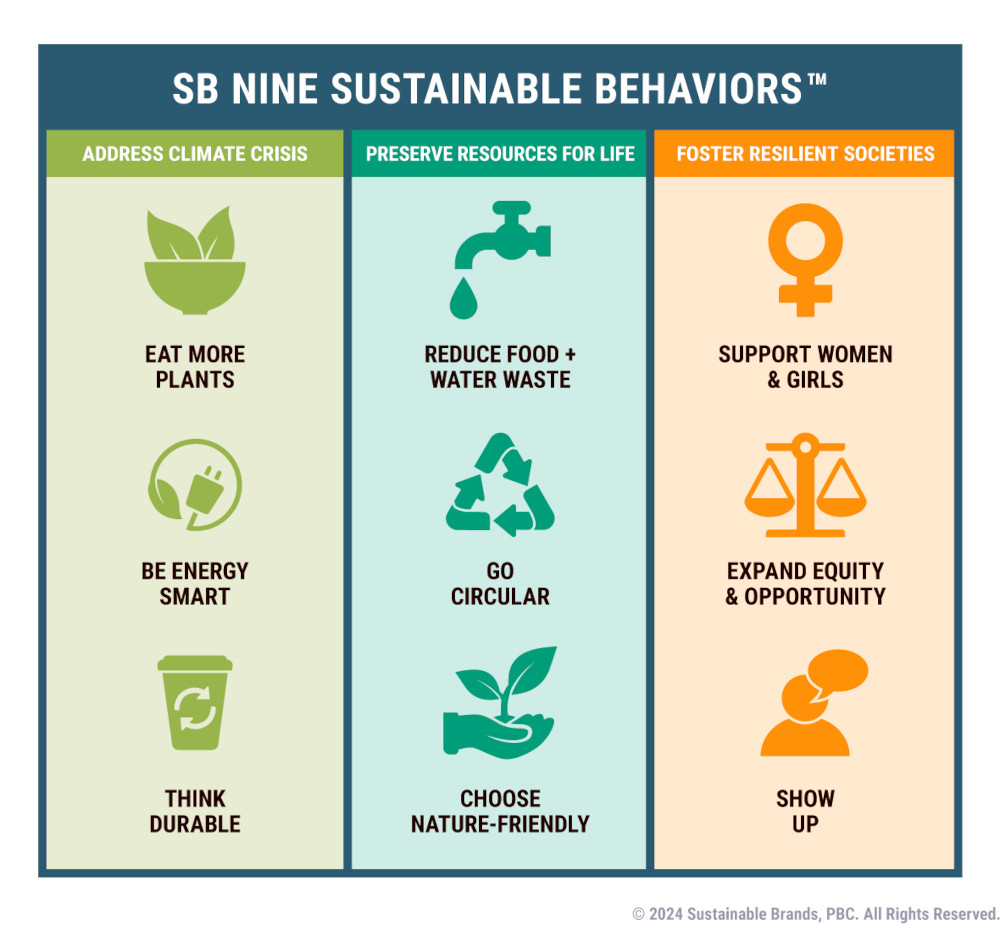
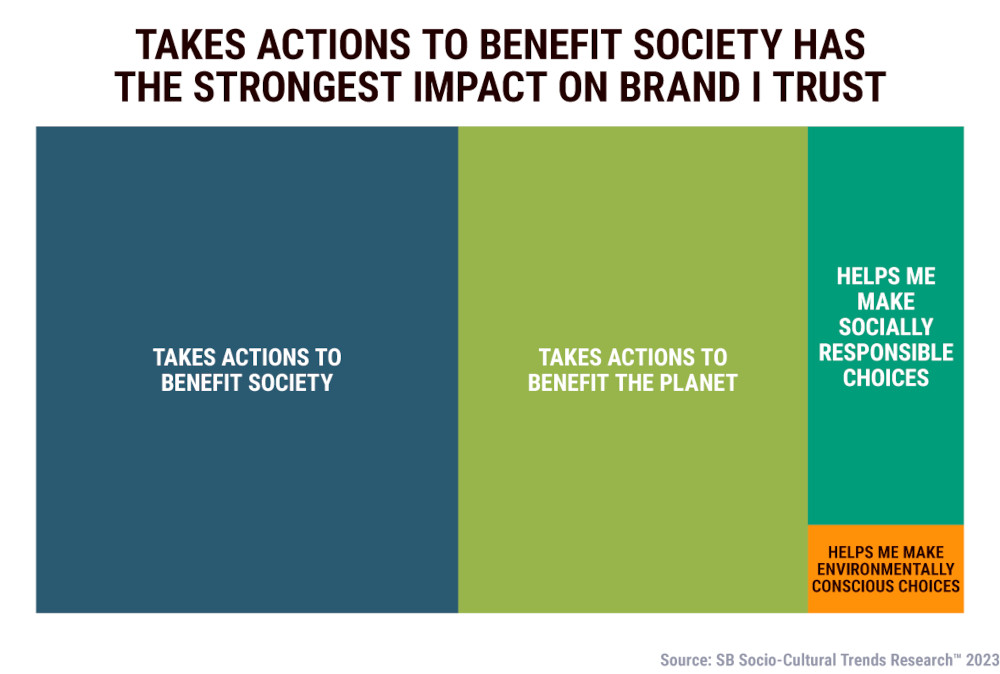


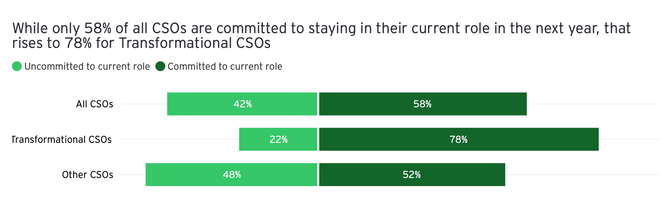


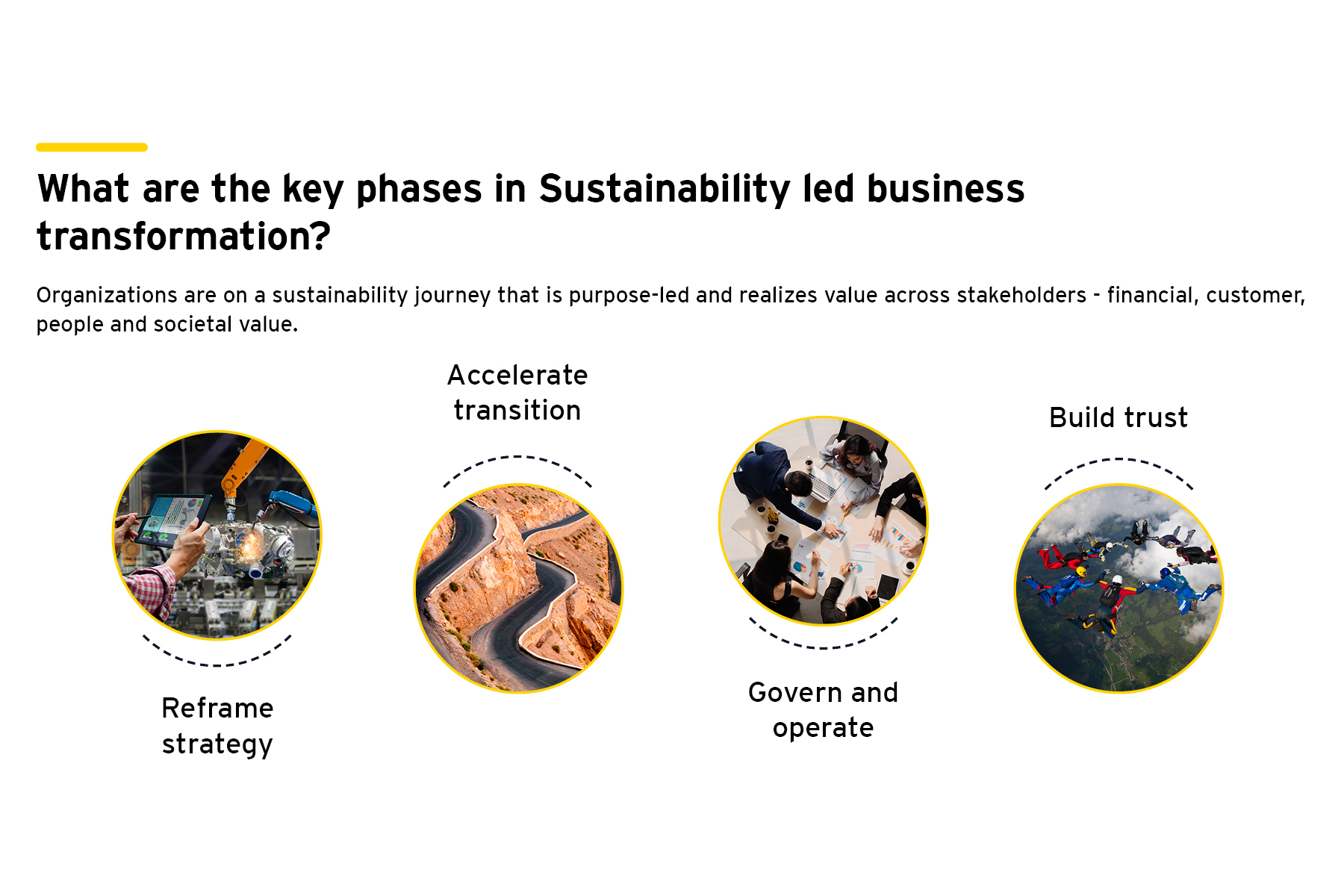

 Eric Block On Responsible Branding
You must be logged in to post a comment.