Consumers are purchasing more ethical products because they align with a set of values they believe in, including social causes, human and animal welfare, fair trade, and health awareness. With companies being held to a higher level of accountability regarding their position on social issues, failing to take proactive measures puts brands at risk of being boycotted, given the rising activism and consumer-facing messaging, says GlobalData, a leading data and analytics company.
Meenakshi Haran, Lead Consumer Analyst at GlobalData, comments: “Consumers are increasingly making decisions based on responsibility towards ethical and social issues, driving the need for companies and brands to continually set measures to create and develop genuinely responsible products and services. As many as 31% of Middle East & African^ consumers and 29% of Asian consumers admitted that they find it essential for products to be ethical or support social causes*.”
The Israel–Palestine conflict, for instance, has led to leading global brands facing blowback, especially from Muslim-majority nations in Southeast Asia as well as across West Asia. According to UNRWA, the United Nations agency for Palestinian refugees, the conflict has displaced over 1.9 million Palestinian civilians following Hamas’ attack on Israel in October 2023. While Unilever acknowledged its fourth-quarter sales declined by 15% in Indonesia, McDonald’s admitted that the backlash was stronger in the Middle East with the company putting off any expansion plans.
Isha Varma, Middle East Business Development Manager at GlobalData, adds: “By being heavily influenced to buy a product and its attributes, consumers are sending a clear message to manufacturers and producers about what they are looking for and what their priorities look like.”
Haran continues: “The Middle East with its high spending ability and Asia with its surging population offer formidable growth potential for food & beverage companies. As such, brands operating in this market need to send a clear and transparent message about their commitment to ethical and social responsibility to mitigate any loss of reputation and revenues.”
Varma concludes: “Amid the evolving geopolitical landscape, brands are faced with tough market conditions, especially around nuanced social and economic issues, which threaten their ability to do business if left unaddressed.”
^GlobalData 2023 Q4 Consumer Survey – Middle East and Africa, published in December 2023, 2000, respondents
*GlobalData 2023 Q4 Consumer Survey – Asia & Australasia, published in December 2023, 6,000 respondents
By Gloria St. Martin-Lowry from entrepreneur.com • Reposted: December 7, 2023
The world has changed. People have changed. Why shouldn’t businesses change, too?
Fact is, they should, and they should do it wholeheartedly — and soon. Employees and consumers alike expect more. And they’re making their employment and purchasing decisions based on the values that organizations demonstrate rather than just espouse.
Gen Z is leading the pack when it comes to putting corporations’ feet to the fire. Deloitte research indicates that Gen Z is motivated by purpose and a brand’s good global citizenship reputation. This only makes sense. Growing up in an era of rapid information dissemination, Gen Z was hyper-aware of global issues like climate change, social inequality and human rights abuses.
Of course, we shouldn’t assume that only Gen Z workers care about social responsibility. People of all ages and from all generations have become skeptical about companies’ corporate social responsibility efforts. They want to make sure that their employer (or future employer) isn’t just “checking the box” but is following through on promises. For instance, more than 5,000 organizations have earned Certified B Corps designations. In the future, that designation may be not just expected but standard.
But what exactly does it mean for a business to walk the walk, not just talk the talk? For some, it means investing $100 million in the brand’s Racial Equity and Justice initiative, which is focused on addressing systemic racism through educational support. For others, it means sending 7.5% of pre-tax profits back into community organizations throughout the nation, as well as championing human rights, social and economic justice, and environmental protection. For many, it means working toward 100% carbon neutrality.
However, for every positive corporate example, the opposite exists as well. More than one brand has found trouble in the last few years due to greenwashing ventures. Or maybe it’s a viral PR disaster like a failed commercial that made light of ongoing and serious national tensions. Audiences today will hold brands accountable for missteps as much as celebrate their success.
The point is that your company can’t hide behind slogans or statements. To appeal to modern workers and customers, you have to showcase your commitment to social responsibility. If you don’t, you can be sure that your competitors will be the first to call you on the carpet.
To get started, try these methods to initiate the process of folding social change into all the fibers of your corporation’s brand and culture fabric.
1. Engage your stakeholders, not just your shareholders
There’s no doubt that you have to be conscientious about your shareholders when you’re a business leader. Shareholder value has been the primary focus for companies for decades. However, sometimes corporate social responsibility conflicts with a focus on profits. Why? The simple answer is that corporate social responsibility often requires a sizable financial investment. Not always, mind you — consumers are starting to pay more for products and services backed by socially responsible companies. Nevertheless, your job is to look beyond just your shareholders and engage your stakeholders.
When I refer to stakeholders, I refer to everyone with a stake in your organization, including team members. Remember: They have a choice as to where they’re going to work. Nearly seven out of 10 professionals planned to resign in 2023. You can’t afford that kind of attrition, so you need to collaborate with your employees to build a collective vision and commitment around social change. Be aware that your team members will have different visions and different appetites for what social change means. That’s a good thing because it elicits deeper conversations and helps you get closer toward your goals.
2. Listen to what matters to people
Instead of automatically arguing or debating social points, put yourself into a “listen and learn” mode. Find out what’s really important to others. Ask questions. Why do they feel the way they do? What’s important to them? What kind of stand would they like to see you take as their employer or preferred brand? You don’t have to do everything they want, but you’ll be in a better position to make decisions if you “get” them.
After educating yourself through active, open-minded listening, you’ll be prepared to problem-solve and lead your company and team forward. By leading the charge, you can show your authentic desire to make a positive impact based on the needs and wants of your stakeholders. In other words, you’ll have a rare opportunity to demonstrate proactive leadership, innovation and creativity to the biggest societal challenges we face today.
3. Lean into major headlines and movements
When the “don’t say gay” headlines hit the front page of every major media outlet, did you consider saying anything about it as a company? Or did you shy away from the topic? Right now, employees and buyers want to know that their favorite brands care about what’s happening. You don’t have to rush into making a statement, of course. You just shouldn’t avoid creating a space for respectful dialogue and discussion about the subjects of the day.
Can these types of conversations be awkward? Absolutely, which is why I recommend turning to resources and guides to help you navigate these conversations. By enabling everyone to speak their piece, you show that you value transparency within your workplace. And transparency begets trust, credibility, and accountability — all essential for building tighter teams where people feel psychologically safe and can bring their best selves to work.
Initiating social change requires dedication, consistency and a genuine commitment to making a positive impact. Although it takes energy and investment, it’s worth every minute and penny to transform your company into one that’s seen as unfailingly socially responsible.
Artist Luke Jerram’s new ‘Floating Earth’ debuts on Nov. 18, 2021 in Wigan, England. Photo by Christopher Furlong/Getty Images
David Rouch and Jake Reynolds of Freshfields Bruckhaus Deringer explain how the legal duties of investors and company directors should encourage them to tackle climate change and other sustainability challenges. From Bloomberg Law • Reposted: November 17, 2023
Companies have been responding to numerous disclosure standards with greater frequency, most recently those launched by the Task Force for Nature-Related Financial Disclosures, a market-led and science-based initiative supported by governments, businesses, and financial institutions.
Yet the push for transparency could obscure a deeper transformation that’s underway in company-investor relations.
Systemic threats to the economy such as climate change have important implications for how we understand the legal duties of those running companies, and the institutions invested in them—for example, under company or pension plan legislation.
Integrating Risk
The integration of material environmental, social, and governance factors into business strategies has become commonplace in companies during the past decade. Similarly, investors routinely consider ESG factors in their investment processes.
Yet neither is turning the needle on global challenges. One reason is that ESG investments principally concern how an investor selects assets, filtering down the investment universe into what it hopes will be a low-risk, high-return portfolio.
This falls short of addressing the root causes of systemic risks facing those investments. Tackling these challenges requires a toolbox that recognizes the complexities of long-term financial value, economic resilience, societal well-being, and environmental health.
This more holistic mindset demands a reappraisal of the way legal duties apply. For example, investors have come to rely on modern portfolio theory to manage idiosyncratic risks by diversifying their portfolios.
MPT is a valuable tool, but portfolio growth is highly dependent on the underlying health of whole economies. And that’s precisely what global sustainability challenges threaten.
MPT treats systemic risks of this sort as immutable, overlooking the fact that investors and portfolio companies are themselves actors in the system. The result? Market failures where capital is allocated to activities that undermine future economic success, and hence the ability of companies and investors to reach their legally determined goals.
Tackling Risk
Companies can help address this by moving to sustainable business models that contribute to their long-term success and investors’ returns. Investors, in turn, can encourage companies to adopt sustainable practices.
Addressing root causes of systemic risks requires longer-term strategies, however, that redefine the way companies create value. This could mean accepting lower returns from some companies in the short term to achieve longer-term gains in portfolio value.
For example, promoting regenerative agricultural practices among commodity producers might help address soil degradation and biodiversity loss, benefiting other sectors of the economy and hence the value of a diversified portfolio as a whole.
These types of interdependencies between companies in the same portfolio bear on the legal question for directors of how, broadly, they pursue corporate success in the interests of shareholders.
The most successful companies create value over both short and long-term horizons without contributing to societal and environmental failures that damage other industries. They strike a balance between short-term returns and a longer-term, environmentally conscious outlook, factoring in the interests of present and future shareholders.
A reorientation of this sort requires coordination among companies, investors, governments, civil society organizations, and citizens, as competition regulators increasingly recognize. Critically, systemic risks are a collective challenge that demand a system-wide response: No single entity can resolve risks of this magnitude alone and legal duties must be seen in that context.
Collective action mitigates the risk of first-mover disadvantage. It pools wisdom and experience, increases impact, and spreads the costs of action. It can take various forms, including alliances between companies, investors, and industry sectors, as well as engagement with stakeholders and policymakers. It can support progress towards shared goals relevant to outcomes targeted by directors’ and investors’ legal duties.
Companies and investors can encourage policymakers to introduce sustainability-oriented policies, rather than lobby against them, and deliver positive outcomes through their allocation of capital. Investors can initiate corporate engagement that supports and leads sustainability issues.
Effective engagement challenges existing practices and encourages companies to adopt strategies that support long-term value creation, and it respects the political and social headwinds faced by companies that can impact their scope for action.
Headlines sometimes suggest conflicts between companies and investors over sustainability. Yet to a large extent these actors share a common interest in addressing core sustainability risks and building a prosperous economy. Legal duties emphasize the importance of doing so.
This article does not necessarily reflect the opinion of Bloomberg Industry Group, Inc., the publisher of Bloomberg Law and Bloomberg Tax, or its owners.
People hold signs at a demonstration in 2020. This form of public protest has largely given way to a wave of quiet employee activism in support of diversity, equity and inclusion (DEI) policies across U.S. workplaces. Image: Amy Elting/Unsplash
By Tina Casey from Triple Pundit • Reposted: November 14, 2023
Advocates for corporate diversity, equity and inclusion (DEI) policies are finding support from a new wave of employee activism, in which workers deploy quiet strategies to press for progress from the bottom up. Business leaders who value a diverse workforce can learn from these creative organizers and improve their ability to attract and retain top talent from all walks of life.
The importance of institutionalizing diversity and inclusion
Diversity hiring has acquired a strong track record for delivering financial results. The well-known human resources expert Josh Bersin recently summarized the state of affairs in a 2021 white paper titled, “Elevating Equity: The Real Story of Diversity and Inclusion.”
“In fact, we won’t even debate the fact: More than 200 studies show how diversity in business leads to greater levels of innovation, customer service, employee engagement, and long-term growth,” Bersin wrote.
However, achieving and maintaining a diverse workforce is a complex task. There are no shortcuts. Bersin, for example, underscored the importance of following up diversity hiring with ongoing programs that support inclusion and employee satisfaction.
The case for managerial responsibility
Despite the informed views of Bersin and other experts, though, DEI shortcuts have become commonplace. Businesses routinely call upon vendors to conduct one-off employee training sessions, rather than making DEI programs a permanent fixture within the organization.
Although they’re popular, DEI shortcuts are known to be ineffective. For example, a widely cited 2006 study found that sporadic DEI training sessions mostly fail to change behavior or improve diversity hiring. The authors advocated for ongoing policies that are institutionalized within the company.
In particular, the team of 21 academic researchers from Harvard, MIT and other institutions emphasized that managers must be made responsible for diversity hiring. Members of the same team made a similar case in a 2018 article, in which they advocated for DEI programs that focus on managerial engagement rather than legalistic mandates.
“The antidiscrimination measures that work best are those that engage decision-makers in solving the problem themselves,” they wrote.
DEI is on the ropes, but employees still care
As Bersin noted in 2021, many businesses did hire dedicated DEI staff and increase their commitment to DEI programs after the murder of George Floyd in 2020. However, much has changed since then. One big change this year is a wave of layoffs targeting corporate DEI staff, especially within the tech sector.
Sustained, multi-level attacks on corporate ESG (environmental, social and governance) principles have also muted the willingness of companies to discuss ESG goals and related social issues.
In addition, the dramatic, attention-getting street protests that characterized employee activism during the Donald Trump administration have largely faded from the media spotlight. That has eased the pressure on corporate leaders to respond to social issues.
However, pullback on DEI policies at the top of the corporate ladder does not necessarily reflect employee sentiment. Studies show that employees continue to value DEI programs at work.
A Pew survey last spring, for example, found that 56 percent of employed adults say that DEI programs at work are mainly “a good thing. Pro-DEI sentiment is stronger among women, at 61 percent, as well as younger workers ages 18 to 29 (68 percent), and those identifying themselves as Democratic (78 percent), Black (78 percent), Asian (72 percent), or Hispanic (65 percent), the study found.
These numbers provide support for companies to continue deploying DEI policies that attract employees beyond the traditional hiring pool, and to reach out to an increasingly diverse and socially aware workforce.
DEI from the grassroots up
The Pew findings also indicate that business leaders who drop the ball on DEI may encounter pushback from their own employees. Researchers who study employee activism have in fact noticed that employees are institutionalizing DEI goals among themselves.
The authors, Columbia University professor Peter T. Coleman and University of San Francisco assistant professor Allegra Chen-Carrel, both work as DEI consultants for large employers.
In the article, they describe an emerging trend in which employees are driving the DEI conversation. “Internal activism is on the rise, with four in 10 of all employees and half of millennials reporting that they had spoken out about controversial issues at work,” they reported.
They observed employees taking lowkey pathways to foster change, such as building support networks among themselves, while managers are choosing to practice diversity hiring in the absence of strong corporate leadership.
Keeping up with the fast pace of lowkey employee activism
In their article for Greater Good, Coleman and Chen-Carrel provide employees with a toolkit for lowkey activism while urging employers to become more alert to employee issues and concerns.
Creating an opportunity for mediation is one key piece of guidance. “This can involve something as simple as offering opportunities for coworkers and managers to share their concerns by simply taking time to listen, ask questions, and acknowledge problems,” Coleman and Chen-Carrel advise.
They also take note of employee-driven, self-care strategies that could be incorporated into a company’s wellness programs, such as relaxation exercises and time for self-education on broader social issues.
For employers, affirmative action plans, diversity committees, employee surveys and other data collection methods, and annual reporting are listed among the action steps.
Further, DEI leadership requires companies to identify and change harmful corporate practices, provide more support for effective practices, adapt to change, and respond proactively to tense situations, Coleman and Chen-Carrel argue.
“When destabilizing events occur, such as scandals, mergers, leadership changes, or even wider social movements such as Black Lives Matter or #MeToo, there can be energy and momentum for organizational change,” they write.
All of this involves an investment of corporate resources. Nevertheless, the long-term payoff can be significant in terms of avoiding costly lawsuits as well as attracting top talent and building a positive brand profile.
Filling the gaps
To be clear, progress on diversity within corporate walls can only go so far. In his 2021 white paper, Bersin took note of a sharp backslide on civic governance in the U.S. since the 1970s. He cited a weakening of equal access to housing, voting rights and business opportunities among the evidence. Equal access to education and health care can also be added to the list, in light of recent decisions by the U.S. Supreme Court.
To the extent that these attacks on human and civil rights impact employees, the pressure for change in the workplace will continue to rise. Companies with active, institutionalized DEI policies are in a good position to turn that tension in a positive direction. As for companies that have pulled back on DEI, they may need to rethink their position before the tension boils over.
Image: nanzeeba/Adobe Stock By Riya Anne Polcastro from Triple Pundit • Reposted: October 30, 2023
Toxic workplaces have the power to do a lot of harm. Employees feel the effects mentally and physically, and productivity suffers as a result. Naturally, turnover is high in toxic work environments, and employers struggle to retain top talent. But discrimination, harassment and bullying are preventable. It’s up to employers to foster healthier workplaces that truly value diversity, equity and inclusion (DEI), but employees can also find their voice to speak up and hold leaders accountable.
TriplePundit spoke with Chiquita Hall-Jackson, an attorney and expert in employment law, about what can be done to promote employee wellness and inclusion, and what employees can do if they witness discrimination or mistreatment at work.
Diversity without inclusion leads to missed opportunities
“A lot of companies have been focusing on diversifying their staff and their workforce,” Hall-Jackson said. “However, they’re not being inclusive, and that’s where a lot of opportunities have been missed.” It’s not enough to just hire a diverse staff. By ignoring inclusion, many employers miss out on the benefits that come with a diverse workforce. After all, employees have to feel included to be comfortable sharing their ideas and talents.
Employees need to feel like they have a voice in the workplace and can offer input, she said. “They also want to contribute and show that their talents are recognized by the company.”
Attorney Chiquita Hall-Jackson, who is an expert in employment law, founded the Blow the Whistle Law social justice movement that encourages workers to speak up when they witness wrongdoing in the workplace. (Image courtesy of Chiquita Hall-Jackson)
Inclusion through bonding experiences
Hall-Jackson sees bonding experiences during the workday as a simple step employers can take to foster employee wellness and connection. These group activities could include mixers, cooking lessons, exercise classes, and paint and sip classes. “Different activities that you used to do with your girlfriends or a bunch of friends, corporate is now evolving as bonding activities,” she said.
These experiences cultivate inclusion, employee happiness and a sense of belonging, she said. “A lot of people just don’t feel like they belong in the workplace, and ultimately it affects their mental health.” Offering bonding experiences can help workers who don’t feel valued or engaged to feel included.
Resources for reporting workplace issues
A strong social support system in the workplace is the backbone of inclusion and employee well-being, Hall-Jackson said. That means fostering an environment of respect and fair treatment, supporting an open-door policy for communication between workers and supervisors, and creating a human resources policy against discrimination and harassment.
When it comes to reporting discrimination, harassment and bullying, employees feel safest if there is a third-party phone number they can call instead of reporting to internal human resources personnel, she said. The option to remain anonymous can also protect them from retaliation.
Likewise, she encourages employers to use a third party to handle issues that arise while safeguarding employee privacy — for example, requests for leave related to medical issues and disabilities. She gave the example of a client whose supervisor left the mental health records she submitted for a leave request on a desk where anyone walking by could see the employee’s personal, protected health information. Utilizing a third party to process these records would have protected the employee from the embarrassment of sharing such personal information with her supervisor and exposing it to others in the office.
A budding movement rallies workers to speak up about wrongdoing
Hall-Jackson wants employees to be able to use their voices to stick up for what’s right and intervene when they witness harmful behavior like microaggressions and discrimination at work.
“They might even see their supervisors yelling and picking on a particular individual or group of individuals,” she said. “If you don’t feel comfortable speaking up in that moment, maybe immediately after — I’ll say no more than 24 hours after that particular meeting, or interaction — pull that person to the side and say, ‘Hey, I witnessed what happened. I don’t think that’s fair. I think you owe XYZ an apology. And that’s not how we do things around here.’” Letting people know you’re against this type of behavior and don’t think it’s good for the company draws a clear boundary and establishes that you won’t look the other way, she said.
Hall-Jackson founded Blow the Whistle Law to facilitate more speaking up. The “social justice and accountability movement” aims to institute workers’ rights clinics in at least 10 law schools across the U.S. to train law students to disrupt wrongdoing and prioritize diversity in the workplace, she said.
“It was sparked after being triggered by the Black Lives Matter movement back in 2020,” Hall-Jackson said. “When I, personally, had the belief that if the officers who were with Derek Chauvin had intervened that day when he had his knee on George Floyd’s neck, that his life could have been saved.”
The limits of employment law
The Blow the Whistle Law movement holds monthly webinars around workplace issues. One of the most popular is about identifying discrimination and how to navigate a hostile work environment. It’s important that employees can distinguish discrimination and harassment from workplace bullying, because perpetrators are emboldened when employees rush to file lawsuits or Equal Employment Opportunity Commission claims for bullying and, inevitably, lose those claims, she said.
“Unfortunately, there are no workplace bullying laws in place,” she said. And unless the mistreatment is related to a protected class, “what they’re describing is not discrimination. It is simply workplace bullying or some kind of petty offense that’s not covered under the law.”
This is why it’s all the more important for employers to value their employees’ well-being by proactively creating inclusive work environments and safe ways for employees to report mistreatment. Simultaneously, bonding activities can help co-workers feel more inclined to speak up for one another. Ultimately, it is up to employers to ensure their workplaces are not toxic, but employees can help protect each other by educating themselves on employment law and speaking up when they see mistreatment.
Members of an employee resource group (ERG) at the intelligent power management company Eaton strike a pose while volunteering in their communities. ERGs are just one way for companies to create intentional spaces for diversity and inclusion. (Image: Eaton)
By Amy Brown from Triple Pundit • Reposted: October 24, 2023
For all the strategies, frameworks, and tools that companies adopt to improve diversity, equity and inclusion (DEI) in their workplaces, success often comes down to conversation. The employers doing DEI the best are those creating intentional spaces that allow people to share their authentic selves safely and openly.
That something this simple should be so powerful — people of diverse backgrounds sitting around a discussion circle, or members of a group with similar backgrounds finding support in shared experiences — can be surprising. Yet making the time for DEI within the regular workday is one of the most effective solutions to truly change company culture.
Corporate culture, after all, is essentially the way employees interact with each other, the spaces they feel empowered to occupy at work, and the way they feel they’re given permission to spend their time and energy. Conversations among colleagues, especially around what makes us different and what connects us, are a way to enhance belonging, and to attract and retain talent.
People are less likely to stick around if they don’t feel welcomed and included or worry a situation is stacked against them based on some aspect of their identity or background. In fact, a 2022 study published in the MIT Sloan Management Review found that a toxic corporate culture is by far the strongest predictor of industry-adjusted attrition and is 10 times more important than compensation in predicting turnover.
Confronting bias in a comfortable setting
Research bears out that it is the day-to-day interactions among colleagues that spur greater feelings of inclusion, especially when the organization creates dedicated time and space for people to come together under the lens of DEI. In a 2021 survey of 1,115 North American organizational leaders conducted by the Society for Human Resources Management (SHRM), 82 percent of respondents from leader companies facilitated the shift to a more equitable and inclusive culture by encouraging and supporting open conversations about DEI among employees, compared with 47 percent of laggards.
Research also shows that allyship — or support from people outside a marginalized group — is key to creating inclusive workplaces. Poornima Luthra, diversity expert, associate professor at the Copenhagen Business School and author of “The Art of Active Allyship,” championed allyship in corporate culture in a 2022 article for the Harvard Business Review. In particular, she recommended companies host “bias compass circles” that bring together trusted colleagues who are equally committed to inclusion to be vulnerable with one another about checking their biases.
“What we need to make our workplaces truly inclusive is a clear set of practical behaviors that we can embed into our day-to-day working lives,” she wrote. “Allyship is active, not passive. It’s about lifting others and creating platforms for them so that their voices are heard.”
DEI discussion circles foster belonging
The intelligent power management company Eaton is among those embracing allyship groups. In the company’s Ally Advocacy Circles, groups of about 10 people get together to talk about bias, how it shows up in the workplace and what to do about it. The conversations take place over about a month, held twice a year.
“We support these spaces by providing talking points and scenarios, but most importantly, it allows people to have a common language around diversity and inclusion, to see where they may have had a blind spot,” said Nicole Crews, director of global inclusion and diversity at Eaton.
“We are not afraid to ask the question: ‘What about our culture is getting in the way of everyone feeling like they belong?’ It is then up to us as an organization to listen to the answers, and to do the work to implement the practices to achieve a more inclusive workplace.”
One example is Women Adding Value at Eaton (WAVE), which takes the form of small, gender-balanced conversations intended to raise awareness about the most common types of bias against women, moderated by a woman and a man. At the end of the sessions, which last only an hour, a moderator will ask, “What commitment will you make to mitigate bias?” WAVE has held more than 300 such sessions involving over 2,000 colleagues, Eaton shared in the Profiles in Diversity Journal earlier this year.
“Through Ally Advocacy Circles, we’ve seen men and women discuss concrete ways they can support and advocate for each other in the workplace,” Crews said. “Participation keeps growing as we continue to provide more equitable access to these experiences.”
One piece sign that the approach may be working are the results of the company’s employee inclusion index score. Eaton is committed to achieve a score of 80 percent or higher in the biannual survey. The company conducted a pulse survey in 2022, an in-between year, and over half of the approximately 85,000 global workforce participated. The score rose from 74.8 percent to 75.6 percent in 2022, and 84 percent of employees said they’re proud to work at Eaton.
Shared spaces as a springboard for impact
Along with the power of allyship and advocacy, affinity groups designed as shared spaces for colleagues from marginalized communities can create opportunities for connection where none existed before.
For consulting and investing firm Evolution, this takes the form of Gay Men’s Leadership Circles, a peer group of directors, managers, and C-suite leaders who meet to support one other and share ideas about how to make their organizations more inclusive, TriplePundit reported earlier this year.
“We find it feels safer and more comfortable for members of these circles to have these conversations among people with whom they share a common identity,” said Peter Gandolfo, partner at Evolution and one of the co-creators of the Gay Men’s Leadership Circles. “What’s really powerful is to see that when they get to access their own inner strength — and in particular, get to bring more of themselves to work — it then helps that experience they’re having springboard into all these other things they’re getting to do to support diversity, equity and inclusion throughout their organizations.”
Many organizations also host employee resource groups (ERGs), voluntary, employee-led groups dedicated to fostering a diverse and inclusive workplace.
Establishing groups and activities such as ERGs also help to create space for DEI within organizations, as the groups implicitly give employees permission to spend working hours participating in activities tied to DEI — with the understanding that the company values these activities just as much as they do productivity goals and other aspects of operating a business.
In particular, ERGs can “create a sense of community that helps people feel less alone,” said Stuart McCalla, an Evolution managing partner. “People are then better able to focus on their work and on building relationships. Organizations who do this well see a significant reduction in regrettable attrition,” which is when people leave by choice rather than being fired or laid off.
The key is in how one defines “doing it well.” When there’s a gap between what ERGs deliver and what employees actually want, people can feel less included at work, according to research by McKinsey. When employees feel well served by these groups, they experience greater feelings of inclusion, McKinsey’s data showed.
Another limitation to the effectiveness of intentional spaces like ERGs is when it falls on marginalized groups to lead them, which can be seen as the company pressuring people to do work for free just because they fall into a particular group such as a person of color or someone who is LGBTQ, as 3p has reported.
An invitation, not a mandate
When companies are aware of the possible missteps and continually check in on the effectiveness of these small spaces, it can foster a sense of community that no single corporate policy, workshop or training can do on its own.
“Imagine going to work each day to a place where each part of you is welcome. I think it’s really powerful for a lot of folks,” said McCalla of Evolution.
With an invitation to show up authentically as oneself, courageous conversations can follow, allowing for greater empathy, compassion and understanding. That in itself can become the strongest foundation for an approach to diversity, equity and inclusion that goes beyond the surface and becomes the living expression of a healthy corporate culture.
By Carolyn Berkowitz, Forbes Councils Member via Forbes • Reposted: October 5, 2023
In recent months, efforts to stop the enactment of environmental, social and governance initiatives and reporting by promoting false narratives have reached a fevered pitch. As a rule, executive business decisions should be driven by data and facts. And the data shows that ESG policies and practices are not only good for society but also good for business.
1. ESG practices result in bottom-line advantages.
Key data points supporting this conclusion include:
• Three-fourths of Americans believe companies need to positively impact society, the 2021 Porter Novelli Purpose Premium Index reported.
• Large U.S. corporations that best meet stakeholder needs “had a 4.5% higher profit margin, 2.3% higher return on equity and paid five times more in dividends,” according to research by JUST Capital and CNBC.
A KPMG survey found that 70% of U.S. CEOs said their ESG programs improved their companies’ financial performance.
2. Purpose helps companies win the ‘talent war.’
Long-term business success depends on attracting and retaining top talent. Even as the talent market fluctuates, there is growing evidence that the best employees join companies that are purpose-driven and remain loyal when their values align with the organization and they are contributing to the corporate purpose. The data cited below shows the correlation between purpose-driven initiatives and employee engagement, satisfaction and motivation.
• About 70% of potential employees are more likely to apply for and accept an offer from a socially responsible organization, according to a 2021 IBM survey.
• More than 40% of employees are “reconsidering their current job because their company is not doing enough to address social justice issues externally,” research by Porter Novelli found.
• A report by Citi (download required) said millennials are willing to forgo around 14.4% of their compensation to work at companies that are socially responsible.
3. ESG can help organizations mitigate risk.
Risk mitigation is a key component of corporate compliance requirements, performance measures and, ultimately, valuation. The impact of climate change is of growing concern for business continuity, and adhering to ESG reporting mandates in the European Union is required to compete globally.
• In 2020, a special report by Edelman said 92% of U.S. investors agree “a company with strong ESG performance deserves a premium valuation to its share price.”
• Volatility is higher for those with a poor ESG score when compared to those with high ESG scores.
• The European Union adopted a corporate sustainability reporting directive in 2022, with full compliance from global companies required by 2024.
Building a positive reputation with key stakeholders is essential for a company’s growth. It enhances trust, customer loyalty and brand preference, which, in turn, leads to increased sales and profitability. A strong reputation also helps companies withstand crises and earn the trust of communities.
• A low ESG score can result in only a 10% willingness to buy, but a high ESG score can result in a 67% willingness to buy, according to a report by RepTrak (registration required), which analyzed data from its corporate reputation database.
• Research commissioned by Dotdash Meredith and Omnicom Media Group analyzed “the future majority,” a group defined in the study as “Black, Latina, AAPI women and LGBTQIA individuals 40 and under.” Nearly 90% of respondents said they will prioritize taking the time to “research brands, including their values and how they support the communities I care about.”
• Nearly 65% of consumers expect companies to talk about their behavior and impact on the world, research by FleishmanHillard found.
Getting Started With ESG
Despite the data-driven business case for ESG and CSR and its increasing importance to stakeholders, corporate executives are not sufficiently resourcing this function. Recent data from the 4th Annual CSR Insights Survey by the Association of Corporate Citizenship Professionals, where I’m CEO, offers insight. The data, from CSR and ESG professionals at nearly 149 leading companies, showed real-world consequences of constricting ESG resources in the current business environment: 86% of respondents said their responsibilities had increased over the past year, which led to longer hours for 61% of those surveyed, burnout for 50% and mental health concerns for 19%.
Amid a turbulent backdrop, businesses must keep sight of the inherent value of ESG and resource it appropriately. To get started:
1. Determine your CSR and ESG strategy.
One key step toward developing an effective strategy is to conduct a materiality assessment, or, for those who have already done so, revisit it with fresh eyes. These assessments identify and prioritize social and environmental issues critical to a company’s success and are aligned with stakeholder input. While traditionally associated with larger corporations, organizations of all sizes should routinely evaluate areas impacting their business significantly. Although not mandatory, a materiality assessment serves as a road map for prioritizing CSR and ESG initiatives.
2. Communicate in the language of your business.
In today’s landscape, it’s important to communicate about these efforts in ways that align with the company’s core language and values. Focus messages on the business’s unique expertise on the issue and the concrete positive impacts of the effort, e.g., how and why a communications company is providing broadband access in underserved communities and the impact of the results on education and economic opportunity.
3. Resource the strategy and programs for results.
Starving CSR and ESG efforts of the resources required to achieve intended outcomes is an invitation for risk. If initiatives aren’t adequately staffed or funded, the outcome leads to the potential for community criticism, employee ill will and political fodder to those who are intent on dismantling ESG. CSR and ESG are inexpensive functions. When resources are cut, impact diminishes because reporting and compliance take priority over strategy and effective execution.
To secure a more prosperous future for both business and society, businesses can use the data available to them and resource the functions within their organizations that are steering the strategies that center around sustainability and corporate responsibility.
By Supriya Jha, Chief Diversity and Inclusion Officer, SAP via World Economic Forum • Reposted: September 20, 2023
A debate in the United States around affirmative action has placed doubt on the future of broader diversity and inclusion (D&I) policies in the workplace.
The adversity around proactive D&I can provide an opportunity to revisit internal policies and practices to strengthen them.
Here are four things organizations can do to ensure D&I goals stay on track.
Diversity and inclusion (D&I) is under fire. In the United States (US), the courts recently ruled that race could no longer be a factor in university admissions, defeating affirmative action policies. There is now a passionate and polarizing debate on whether D&I strategies in the corporate environment lead to equity or bring down meritocracies.
To make matters worse, the narrative of defunding D&I initiatives in the corporate arena can unnerve companies’ small D&I teams. As we stand in the throws of this debate, it should be clear that D&I has not been a fleeting trend and remains an imperative that shapes the fabric of organizations and society.
The US trajectory on D&I might seem uncertain but the need for it is clear, including at a global level. Today’s challenges are opportunities to refine and strengthen our strategies so workplaces and communities are genuinely inclusive.
Maintaining the path to an inclusive future
As organizations stand at a crossroads, here are four things that can keep one grounded in the D&I journey:
1. Cultivating a sense of belonging
D&I is not a checkbox exercise; a common misconception is that it targets only people of colour. The purpose of D&I is to nurture a sense of belonging regardless of individual differences. When individuals feel welcomed, valued and respected, they contribute their best.
Gone are the days when people can simply be viewed as organizational assets: employees want to be valued as individuals and creators of change. Nothing cultivates belonging more than love and care – that’s evident as we feel genuinely connected to familial units, societies and organizations that care for us.
Nurturing that belonging in the workplace requires genuine and consistent leadership, commitment and vision. When I reflect on the many actions companies took during the pandemic, the most compelling ones contributing to higher retention involved leaders being accessible and present to listen to employees.
Creating opportunities for leaders to listen to and act on the needs of their diverse employee base is a strategy that works well in many directions. From the CEO to the front-line manager, empathetic listening skills assure employees they are heard and seen.
2. Doing the groundwork for our future
Efforts in the D&I arena are not momentary but also exist for future generations.
As a mother of two girls, I have a vested interest in driving forward D&I in organizations. I want my daughters to experience a workplace where they can be themselves and their differences and uniqueness are celebrated. They should be provided with opportunities based on their skills and talent.
More importantly, the workplace should help staff optimize their potential instead of wasting time fitting into cultures made by a homogenous majority. My hope is the pandemic-induced flexible and remote work policies don’t become exceptional but are normalized across industries where feasible. Additionally, providing employees with tools to recognize and address unconscious biases via continuous education and training can help raise collective awareness and foster a more inclusive environment.
Having served in the [diversity and inclusion] space for over 16 years, I’ve learned that [it] is not a one-time action; it requires resilience and constant adaption.”— Supriya Jha, Chief Diversity and Inclusion Officer, SAP SE
3. Unleashing the power of employee resource groups
Employee resource groups are beacons of progress in a company’s journey. hese networks are voluntary, employee-led groups that unite individuals with shared backgrounds, experiences, identities or interests. More importantly, they need to be open to all – so that the “upstanders” – not bystanders – and allies can find a space to learn and grow.
Spaces for shared experiences spark conversations that lead to meaningful change for the community and business. Making employee resource groups part of the business strategy with executive involvement has been tried and tested in most organizations. Enabling these groups to contribute to partner, supplier and community interactions can further help unleash the collective’s power. What makes for great strategy within the workplace can translate to a growing movement in society and the marketplace.
4. Consistency is key
Having served in the D&I space for over 16 years, I’ve learned that it is not a one-time action; it requires resilience and constant adaption. To bring about lasting change, we must show evidence of incremental progress. But any win is worthwhile, even minor achievements.
It is essential to remember that accumulating these steady, incremental steps leads to success overall. As we navigate the complexities of implementing D&I strategies, let us recognize that it is not about a destination but the journey.
Inculcating inclusive hiring practices at all levels, fostering environments that champion the engagement of neurodivergent talent and opening doors for underrepresented businesses will all set us on a path to a more equitable future. Setting clear and measurable goals, recalibrating at every step, celebrating the diversity and uniqueness of the workforce and amplifying the achievements loudly are the factors contributing to success.
Ultimately, our quest for belonging is a tapestry woven with threads of diverse experiences, united by a shared purpose. Let us continue weaving this tapestry, creating a world where our differences are not divisions but vibrant threads that enrich the canvas of human existence.
A new Veolia North America survey of 245 large U.S. companies shows that more than half will have ambitious goals addressing net zero carbon, zero waste to landfill, zero liquid discharge, and targeted increases in water efficiency, reuse, and waste recycling by 2025, with many firms already setting specific targets.
The survey shows reductions in greenhouse gas emissions are the top sustainability priority for most firms, but it is clear that priorities to address water and waste reductions are catching up.
While the commitments being made by firms are encouraging, the data in the new Veolia survey shows that the majority of companies have yet to identify specifically what the exact steps are to achieve their most ambitious medium- and long-term commitments.
Here are some highlights of the survey, which was conducted over the past year:
60% of firms identified specific projects and initiatives to achieve their short term sustainability goals (less than five years), while 37% had not.
40% of firms reported that reducing operational costs is a very important driver for pursuing sustainability goals.
While investments included in the landmark U.S. Inflation Reduction Act have gone far in providing firms with the financial support they need to convert to sustainable practices, it will not be enough to meet all their needs. Based on an analysis by the International Energy Agency and Boston Consulting Group, the overall transition to sustainable energy across U.S. industries will require at least $18 trillion in additional capital by 2030.
“This survey provides many important insights on how firms across America are responding to the growing concern around climate change, and why they are looking to reduce their impact on carbon emissions, waste streams and water use,” said Veolia North America President and CEO Fred Van Heems. “A large number of companies are genuinely committed to achieving sustainability objectives, yet they are not sure how to begin, which is keeping many of them from moving forward. The good news is there are solutions available to get them on track and help them sustain momentum.”
The survey findings point to the need for more urgency in clearing the way for industries to adopt more sustainable practices as soon as possible, according to Charles Iceland, Director of Freshwater Initiatives for the World Resources Institute, an environmental think tank based in the U.S.
“It’s clear from this survey that for large companies that are genuinely committed to operating on a more sustainable basis, more resources and data are needed to help them determine where their greatest needs are so they can take effective action,” Iceland said.
The survey found that a majority of companies are committing to sustainability goals primarily because of reporting requirements, regulatory compliance, cost savings and brand reputation. Of the firms surveyed, roughly one-third said the environmental risks to their operations were not a very important driver.
The survey findings are being announced one year after passage of the U.S. Inflation Reduction Act, which was meant to kickstart the economy with investments in critical infrastructure, with a special focus on initiatives that will help meet sustainability goals for addressing climate change.
The survey found that many respondents are prioritizing sustainability initiatives because of the incentives and opportunities available in the IRA legislation and other factors such as regulatory requirements and investor focus on climate disclosures.
What remains a challenge, the survey showed, is that companies still lack the funding to support the transition and take the concrete steps necessary to achieve their goals. They also are struggling to achieve alignment of internal goals and responsibilities and easy access to data to understand where they are and track progress.
“Before firms can invest in reducing their impact on the environment and become more sustainable, they need information on their current baseline, such as data on their energy emissions, waste and water use,” said Patrick Schultz, President and CEO of VNA’s Sustainable Industries and Buildings division. “This will enable them to choose measures that can be immediately and easily implemented, and ones that may require a strategy to mitigate over time.”
Schultz added, “This kind of analysis is only effective if it is conducted holistically, taking into account each firm’s contributions not only to high-profile factors like greenhouse gas emissions, but also equally important considerations like reducing landfill waste and preserving water resources. This is what Veolia North America means by triple zero – achieving net zero goals for energy, waste and water.”
By Josh Bersin from Harvard Business Review • Reposted: September 18, 2023
The EU has long been committed to improving worker well-being, claiming it wants to create more transparent and predictable working conditions for all its 182 million workers. Now, it’s moving ahead with this objective on a number of fronts:
Its Work-Life Balance Directive, which came into effect in 2019, aims to set minimum standards for paternity, parental, and career leave as well as flexible work arrangements.
Its Corporate Sustainability Reporting Directive (CSRD) mandates that, starting in May 2024, any company with €40 million in net turnover, €20 million in assets, or 250 or more employees that trades in Europe publish detailed information about their efforts to address a range of sustainability challenges.
In recent years, many companies hired a chief sustainability officer and established a set of high-priority programs to reduce carbon emissions and the risk of global climate change. The enactment of these new regulations signals a new era in which it’s time to extend the concept of sustainability to include similarly critical issues with the workforce — an idea I call people sustainability.
People sustainability takes a holistic approach to corporate human capital practices, including diversity and inclusion, well-being, employee safety, and fair pay. It raises these human capital issues to the C-suite and obliges chief human resource officers to work with chief sustainability officers on these programs. It means that your employee well-being efforts are no longer delivered piecemeal, which was ineffective no matter how well-intentioned or resourced they might be.
The EU is essentially saying that all these “HR programs” are much bigger than HR: They now fall into the category of global citizenship mandates, and companies must treat and report them as such.
How to Integrate People Sustainability into Your Company
I’m talking to European and U.S. firms about how they are gearing up for the Corporate Sustainability Reporting Directive and developing people sustainability metrics. Here are examples of how a few companies are approaching this:
Heineken has developed standard measurements of human rights, fair pay, and even living conditions for all its contract workers helping it deliver beverage sales around the world.
Enterprise software leader SAP has coupled its industry-leading diversity program to new pay equity and sustainability initiatives. For example, the company now openly publishes all pay bands so employees can see where they are and the pay scales for all new jobs posted. In parallel, it provides hiring and workplace support for neurodivergent employees. After undertaking a progressive gender pay equity analysis, it inaugurated a very aggressive program of promotions of women into senior leadership — all long-term “people sustainability” strategies.
Financial services firm Liberty Mutual sees people sustainability as a factor in limiting the global risks of its customers, partners, and employees in the face of accelerating climate change. Chief sustainability officer Francis Hyatt, who previously served as executive vice president of enterprise talent practices, oversees the integration of global climate issues in the firm’s risk management approach and promotes sustainability solutions for employees, resellers, and customers. The company promotes thought-through generational and gender equality programs, and Hyatt ensures that every employee understands how their long-term safety and success is part of the company’s overall sustainability strategy. In other words, this new job function unifies all the brand’s existing HR work into the context of sustainability and helping the planet.
What links all three of these major corporations is the way each separately discovered that when you frame human capital investment in the context of sustainability, it assumes even more importance than it did before.
If you see value in this approach, where should you start at your organization? Building on the European Union’s new detailed CSRD reporting requirements, leaders will need to address issues ranging from greenhouse gas emissions to gender pay across their own operations, as well as that of their suppliers and business partners. You should try to ensure sustainability becomes a pillar of operations as early as possible, as the compliance clock is ticking.
The real action is to get your HR team to start working as soon as possible with their ESG colleagues to get people sustainability metrics and strategies into your business goals. To drive this, bring together a team including your heads of HR, DEI, and ESG, as well as representatives from your corporate finance and legal teams, to design your people sustainability program. You’ll ultimately want to see these goals reflected in your annual report and other stakeholder communications, so that these programs are seen as a core part of company strategy.
A recent survey by PwC reveals that many CEOs anticipate climate risk will affect their cost profiles and supply chains in the next year. However, despite these challenges, 60% of the surveyed CEOs do not plan to reduce headcount, and 80% do not plan to decrease compensation, as they recognize the importance of retaining talented employees.
Data like this underlines how people sustainability has become an integral strategy for corporate growth. Investors will soon begin to measure the effectiveness of a company’s well-being initiatives as a key metric of overall performance as much as its P&L.
You don’t have to be directly affected by Europe’s new sustainability laws to see that bringing together previously disconnected efforts such as DEI, purpose, or L&D under the umbrella of “long-term organizational sustainability” makes a lot of sense. You might even see it as meeting the needs of the present without compromising your future: a measure of sustainability that certainly gets my support.
Josh Bersin is founder and CEO of human capital advisory firm The Josh Bersin Company. He is a global research analyst, public speaker, and writer on the topics of corporate human resources, talent management, recruiting, leadership, technology, and the intersection between work and life. To see the original post, follow this link: https://hbr.org/2023/09/sustainability-is-about-your-workforce-too
By Maggie Ellison from myhfa.org • Reposted: September 9, 2023
Are you aware of your surroundings? In tune with movements, trends, and fads? Understanding of the dynamic shift of generational mindsets? Giving back in big ways? Sharing your commitment to good? Consumers practically demand brands to share a deep compassion for the community they serve.
In a world of increasing social awareness, today’s consumers seek more than just a product or service. They’re seeking brands that align with their values and are dedicated to positively impacting society. According to one study, 70% of consumers said it’s important for brands to take a stand on social and political issues. It’s no longer a question of whether consumers care about brands being socially conscious but how you can integrate community and caring into your business. When you demonstrate your brand’s social responsibility, it isn’t just a marketing strategy – it reflects your values and commitment to making a positive impact.
Here are five ways to demonstrate your brand’s efforts toward corporate social responsibility:
Foster Employee Engagement
A great place to start showcasing your brand’s dedication to the community and the world is by starting with your team. One study found that 60% of employees choose a workplace based on their beliefs and values. Establishing core values will help guide you and your employees and serve as a starting point for determining appropriate causes to support. Encourage your team to get involved with volunteerism and partake in discussions about company values to help them develop a connection to the cause your company is championing. A team that believes in its cause is most likely to amplify your brand’s positive impacts!
What can you keep doing or start doing to ask your employees what matters to them?
Advocate for Causes That Align with Your Company Values
Pick a social or environmental cause that resonates with your brand’s values and aligns with your audience’s interests. From climate change to social inequity, you can use your platform to raise awareness and showcase your brand’s dedication to current events. 58% of consumers will buy or advocate for a brand based on their beliefs and values. Word-of-mouth marketing like that builds trust and community around a brand that is difficult to replicate any other way. Include messaging on furniture tags highlighting the cause – did a tree get planted for every couch produced? Did a child in need receive a backpack of school supplies for every hand-crafted table made in an impoverished area? Let people know that. Signage, tags, literature, social media tagging, and marketing messaging are easy ways to translate what matters to your customers. Commit to the commitment.
How can you highlight in all marketing channels your commitment to a cause?
Partner with Charitable Organizations
Collaborating with established organizations will ensure your efforts have a lasting impact and provide tangible support to the cause you’ve chosen to promote. This is a powerful way to leverage your brand’s reach for a good cause. Allow the partner organization to host a table within your brick-and-mortar, include their messaging in banner ads on your website, provide a give-back option for your customers to round up, and provide those funds to a non-profit that aligns. Another terrific opportunity is co-branding products or services or offering a simple add-on for customers where a percentage or all proceeds benefit the cause. This plus-up can be powerful, and the impact is far-reaching. Building trust with your audience is vital to a brand’s success, and partnering with trusted organizations to make change happen will show customers that your dedication to social change is more than a marketing tactic. 40% of consumers believe the best way for brands to display social responsibility is to collaborate with a non-profit organization dedicated to that cause.
What can you do to amplify your chosen cause and provide impact?
Engage with Your Community
Engage with your community by sponsoring local events or supporting local charities to connect with your audience face-to-face. An experiential marketing campaign that directly engages with your audience about the causes your brand cares about can foster a sense of community and shared responsibility by educating attendees and encouraging them to participate in problem-solving actively. Experiential marketing campaigns can boost your brand awareness and create loyal customers. 74% of consumers said engaging with experiential activations made them more likely to buy the promoted product. Also, 98% of consumers create social content from their experiences, and 100% share the content they create. Highlighting a social issue that resonates with your brand during community events can foster a stronger connection with your audience.
What can you step up to sponsor, or what events can you showcase your brand that impacts the community?
Be Transparent and Authentic
Throughout it all, communicate with transparency and authenticity to naturally build customer trust. By clearly articulating your brand’s core values and mission, your audience will understand what you stand for and develop a deeper relationship with your brand. In 2022, 60% of consumers said that trustworthiness and transparency were the most important traits of a brand. Consumers want to know that their money is going to a trustworthy company that will use its power to improve the world. This is why it’s important to regularly showcase your company’s steps to contribute positively to society, like charitable partnerships, co-branded products, advocating for products that are making a difference, and community engagement. By continuing to promote a social cause relevant to your brand, your audience will come to trust you for what you provide and what you stand for as a company.
How is your brand speaking to the public? Is it authentic?
Integrating social responsibility into your brand identity goes beyond superficial gestures – it’s about creating a meaningful and lasting impact. Whether through sustainable practices, ethical partnerships, educational campaigns, or community engagement, every step your business takes can contribute to a better world and deeply resonate with your customers. By aligning your brand’s core values with meaningful action, you’re building a loyal fan base and driving positive change. Remember, when you demonstrate a socially responsible brand it is more than a label; It’s a catalyst for change, and consumers today demand commitment.
Is your organization ready to implement a corporate social responsibility strategy? Discover the impact of CSR on executive decision-making. By Tim Madden via Newsweek • Reposted: August 15, 2023
Here’s a reality that can’t be denied: the notion of corporate success is being radically reshaped. The financial bottom line is no longer seen as the sole measure of a company’s achievement.
In today’s connected, hyper-transparent world, there’s a growing call on CEOs and leaders to create sustainable, measurable value for shareholders and society.
This shift in mindset has led to the emergence of corporate social responsibility (CSR) as a significant factor in executive decision-making. CSR encompasses activities aimed at achieving social, environmental, and economic benefits while encouraging ethical behavior.
Executives who fail to integrate CSR into their decision-making fabric run the risk of alienating stakeholders, damaging their brands, and eroding their competitive positions.
What Is Corporate Social Responsibility?
Here’s a question: who does your company truly serve, and how?
The answer to this question is at the core of CSR — and may be a bit eye-opening when you consider your own organization. It’s no longer enough for a company to focus solely on generating profits and shareholder value; they must also consider their actions’ social, environmental, and economic impacts.
Corporate responsibility encompasses the idea that companies have a duty to their stakeholders — including shareholders, customers, suppliers, employees, and society — to operate ethically and transparently.
CSR encompasses various initiatives, each of which is anchored by four key tenants:
1. Ethical functioning: Upholding ethical standards across all business operations, ensuring stakeholder fairness, integrity, and respect.
2. Social equity: Fostering social inclusivity and development via diversity programs, support for disadvantaged communities, and human rights advocacy.
3. Environmental stewardship: Adopting sustainable practices to lessen the company’s environmental impact through waste reduction, carbon emission control, and investment in green energy.
4. Community engagement: Participating in community betterment through philanthropy, volunteering, and local event sponsorship, contributing to a company’s external social responsibility profile.
4 Reasons Why Your Leadership Must Adopt a CSR Mindset
While being viewed as a socially responsible business is an excellent growth strategy, there’s more to it than just a good PR move. Here are four reasons why every leader should emphasize corporate social responsibility within their organization:
1. Attracting and Retaining Talent
Potential employees are looking beyond attractive salaries and traditional benefits. They’re interested in their company’s values, seeking employers who share their commitment to positively impacting society.
Recent studies show that three-quarters of millennials are looking into a potential workplace’s environmental commitments when in the market for a job. And once on board, employees proud of their company’s CSR commitments tend to have higher engagement and loyalty, reducing turnover rates and boosting productivity.
2. Building a Positive Corporate Culture
CSR initiatives foster a positive corporate culture. Employees feel valued when companies commit to ethical practices, invest in their well-being, and engage in initiatives for society.
When your internal team is united and inspired by the same values, a positive company culture radiates to external stakeholders — customers, suppliers, partners, etc. This can lead to increased trust in your brand and stronger relationships with all those involved.
3. Strengthening Community Relations
Companies don’t exist in a vacuum — they’re part of broader communities. By investing in CSR initiatives, you also invest in the health, welfare, and prosperity of the community around you.
This mutually beneficial relationship with the community can build trust and goodwill between your organization and its stakeholders, inspiring a more potent connection while helping create economic opportunity in the region you serve.
4. Enhancing Investor Attraction
Here’s another reality: CSR is a growing investor concern. Demonstrating a commitment can attract more investment, improve stock performance, and increase market value. Rather than viewing CSR as an expense, it’s more effective to think of it as an investment in your organization’s future.
Practical Steps to Develop and Implement CSR Strategy From the Top
Developing and implementing a CSR strategy isn’t just a matter of well-intentioned ideas. It requires a structured approach, starting from the very top of the organization:
1. Align CSR with your company’s vision and values: Before diving into specific CSR initiatives, take a step back and look at your current values. Can you easily align your CSR strategy with your company’s vision, mission, and values to create an authentic message?
2. Conduct a stakeholder analysis: Identify and analyze the needs and expectations of your key stakeholders, including employees, customers, investors, and the community. This can help you identify the CSR areas that are most relevant to your business and stakeholders.
3. Set clear and measurable goals: Set clear, measurable goals for your CSR strategy, just like any other business initiative. Track progress, adjust, and aim for targets like environmental impact, employee diversity, or community contributions.
4. Create a CSR team: Appoint a dedicated team or CSR officer to drive your CSR strategy. They’ll coordinate activities, monitor progress, and maintain stakeholder dialogue — with the resources and authority to execute effectively.
5. Communicate and engage: Keeping communication channels open is critical to ace CSR. Keep stakeholders informed about CSR goals, initiatives, and how far you’ve come. Engage them by inviting employees to volunteer, consulting customers on sustainability, and including investors in ethical business discussions.
6. Evaluate and adjust: Assess and adjust CSR strategy by soliciting stakeholder feedback and gauging impact. Continuous improvement is key to a successful, long-term commitment.
Guide Your Company Into a CSR Future
As a leader, developing and maintaining a corporate social responsibility strategy is crucial to propel your company’s success. The more you know about the ups and downs of CSR — including the challenges and opportunities — the better equipped you are to spearhead CSR initiatives.
The goal is to make a sustainable, long-term CSR strategy that lives up to your stakeholders’ expectations and delivers measurable results, now and in the future. Don’t take any risks that could hinder your corporate success — instead, improve your initial strategy, evaluate, and remain flexible.
It’s been a bad year for diversity, equity and inclusion (DEI). Budget cuts and layoffs hit corporate and academic DEI departments hard in 2022. The trend backward comes on the heels of rapid growth in the years prior. And while cuts may be one way for companies to tighten their belts as post-pandemic sales drop, future repercussions will likely bring regret.
Short-term gains, long-term losses
Cuts to DEI may lower overhead in the short term, said Ritu Bhasin, a DEI and leadership expert and the author of “We’ve Got This,” a book about finding belonging. “The problem is that the price tag is greater in the long term.”
Companies face a number of consequences when they focus on immediate cuts to the bottom line instead of valuing diversity and creating environments that are inclusive and supportive of all people. “Creativity and innovation will suffer,” she said. “And they’ll be less able to capture market share.”
Bhasin breaks this down to a matter of talent, explaining that the companies making cuts to their DEI programs will be less able to attract and retain skilled workers. With employees feeling less psychological safety in these spaces, attrition will increase, and those that remain may be more cautious about sharing creative solutions.
Diversity’s positive effects on profitability are well-established. And yet, in addition to slashing DEI departments and programming, quite a few companies are unsurprisingly showing a reduction in new hire diversity since the middle of last year.
Bucking the trend
Fortunately, not all businesses forget the importance of recruiting people from a variety of backgrounds and aligning workplaces accordingly. In particular, consumer-facing businesses are less likely to cut DEI programming, Bhasin said, because they recognize the need to reflect the diversity of their customers.
“Banking isn’t seeing the elimination of DEI either, or it is minimal [in comparison],” she said. This also makes sense, considering that financial institutions serve consumers directly and may have a better understanding of the need to reflect their customer base.
But for industries making the biggest cuts, choosing short-term monetary profit over long-term effects “reflects an overarching underestimate of the importance of DEI,” Bhasin said. “And it demonstrates that it was a performative commitment to begin with.”
What are the solutions to widespread cuts in DEI?
So, what can be done about it? “It’s a tricky, challenging problem,” she said. “The DEI leaders who helped to grow understanding of the need are being cut. Those who raised awareness are being let go.”
DEI and leadership expert, Ritu Bhasin. Images courtesy of Ritu Bhasin
Bhasin doubts employers can be counted on to see the light. “They’re the decision-makers. Who is going to convince them?” she said, noting that perhaps the DEI team or other executives can try. Additionally, employees could choose to leave or become increasingly vocal. “But that’s deeply problematic,” Bhasin said. “It puts the responsibility for change on the community that is being affected.”
She recommends a multi-pronged approach, in which shareholders, clients and consumers hold companies accountable. Depending on the type of business, some groups may have more power than others. With companies that don’t deal directly with the public, it may be up to shareholders, clients and contractors to speak up.
For those that provide consumer products and services, “we can vote by where we spend our money,” Bhasin said. “Stop consuming.” One example of this is Twitter, which has notoriously lost both users and advertisers since billionaire Elon Musk took over at the end of October 2022.
Twitter’s DEI team was decimated upon Musk’s acquisition — reportedly shrinking from 30 positions to just two. And while that is not the only reason for the drastic drop in Twitter advertising, it certainly has a huge impact. The social media site lost nearly half of its marketing revenue as it became a bastion for brazen biases and vehement hatred.
But for all the talk of waning sales and falling profits, overall, corporations are still raking in the dough. While corporate windfalls have not continued at the rate they did in 2021, they remain astronomical when taken into long-term historical context. As such, cuts to DEI program budgets and staff are not only unnecessary, but they are also incredibly unwise. It will ultimately take all of us to set things right.
An estimated 7.6 million young people have taken part in Fridays for Future protests in support of climate action, like this 2019 demonstration in Zürich, Switzerland. But protesting isn’t the only way for people to make their voices heard. Photo: Tom Seger – Upsplash
By Mary Mazzoni from Triple Pundit • Reposted: August 4, 2023
The anti-ESG movement, led primarily by a small set of right-wing politicians and pundits, continues to target the use of environmental, social and governance factors in investing. The pushback against ESG and “woke capitalism” is set to be central in the next U.S. presidential election cycle, with critics ramping up the discourse in advance.
Still, the public appears uninspired by the far-right’s latest bogeyman, with only about 35 percent of U.S. voters viewing “woke ideologies as a ‘major threat’ or a ‘very important’ issue when thinking about their 2024 vote,” according to July polling from Morning Consult.
Those growing tired of the anti-ESG discourse don’t have to resign to simply tuning it out. We spoke with Andrew Behar, CEO of As You Sow, a nonprofit foundation that promotes shareholder advocacy, about powerful ways everyday people can voice what they really think about ESG and the shift toward more sustainable and socially responsible ways of doing business.
Take action: Counter anti-ESG narratives by learning and sharing
The much ado about anti-ESG may not have the effect critics intended. While the majority of the public remains ambivalent, anti-ESG criticism has also sparked new conversations where there were none before. “The good news is there are tens of millions of people who’d never heard of ESG who now have heard of it. They’d never heard of sustainable investing — they didn’t know you could invest sustainably,” Behar said. “Now they’re aware their investing has an impact. And actually a lot more people are coming to ESG investing because of it. I think it’s really backfiring.”
Still, anti-ESG narratives can create confusion about what ESG criteria are actually meant to do. Last year, As You Sow launched the AmplifyESG content library to counter the misinformation about ESG online. It’s curated by an editorial review board that includes representatives from business and both U.S. political parties, Behar said.
Hosted on Hootsuite, the library is updated at least a few times a week with articles, quotes, videos and other resources about ESG, which users can easily share across their social media platforms as they choose. Shares from AmplifyESG have reached nearly 3 million people over the past year, and anyone can get involved in driving more evidence-based conversations about ESG in business.
Take action: Leverage your right to vote
No, we don’t mean at the ballot box. Of course that’s important, too, but in this case we’re talking about the proxy voting rights afforded to everyone who owns shares in a publicly-traded company. “If you’re an individual who has bought shares on E-Trade or Schwab or Robinhood or whatever, you have the right to vote — even if you own just one share,” Behar said. “And that vote is very, very important.”
An estimated 25 percent of all shareholders do not exercise their proxy votes, he explained. “If those 25 percent decided to get off the bleachers and get on the playing field, that makes a big difference. That makes the difference between a majority vote or one that’s just under the majority line.”
But exercising the right to vote by proxy is traditionally not a user-friendly process for individual shareholders. “It’s always been difficult,” Behar said. “Generally you get an email that says, ‘Time to vote.’ But when you look at the ballot, there’s 20 or 30 decisions to make. Who’s on the board? How much do the executives get paid? Who’s the auditor? What about all these shareholder resolutions? It’s very complex.”
As You Sow has published annual proxy guidelines for decades, outlining votes they deem to be aligned with ESG principles. Three years ago, it automated the process by embedding its guidelines into Broadridge Financial Solutions’ ProxyEdge platform for institutional investors. The paid service allows institutions like asset managers, endowments and foundations to vote in an ESG-aligned way in only a few clicks. They can also customize their votes from As You Sow’s defaults as they choose.
This year, As You Sow went a step further with a free service for individual investors at AsYouVote.org. “You can now redirect that email so we will automatically fill in the ballot,” Behar said. “It’ll all be filled out in an ESG-aligned way, and you can make adjustments.”
This simple shift allows individual shareholders to move from being overwhelmed by proxy voting emails to automating the process of voting with their values, with the option to customize if they’d like. “I think a lot of people feel guilty. They see all these proxy statements piling up in their inbox and they think, ‘I just can’t deal with it.’ What you’ll get instead is, ‘Thanks for voting.’ You’ll feel great about yourself, and it takes literally two minutes to set up.”
Take action: How mutual fund and 401(k) investors can make their voices heard
Traditionally, people who invest in funds rather than individual stocks have a much harder time making their voices heard come proxy season, but this is beginning to change thanks to new technology.
“If you own shares in a mutual fund, you have the right to vote. Right now, you have abdicated that right to Vanguard or BlackRock or State Street or whoever, and they’re voting on your behalf. They’re probably not voting the way you like,” Behar said. “You might want to vote for a livable planet. You can demand that. You can say, ‘I want that vote,’ and they will give it to you. It’s very new. The technology is just unfolding.”
Technology advancements mean that individual mutual fund investors can vote their own proxies, with the fund manager voting in alignment with the aggregated results at a company’s annual shareholders meeting. This is known as pass-through voting.
In April, As You Sow linked up with the cloud management company Iconik to make this option available to investors in an S&P 500 mutual fund. Hundreds of investors have already taken advantage of it, Behar said, with more funds on the horizon. “We’re now in conversations with every other proxy voting service,” he said. Broadridge Financial Solutions, a major tech provider for institutional investors, is among those working with fund managers to make this option available to their customers. Get in touch with your fund manager to see what options you have.
Similarly, those who invest in 401(k) plans through their employers also have the right to vote by proxy, but they need to reclaim it from the fund managers associated with their plans. “If you’re in a 401(k) plan — where you probably own a target date fund, which is a fund of funds — you’re going to need to go to your plan administrator and say, ‘I want to vote.'”
If employees band together to ask for their vote, the employer can decide to work with the fund manager to make the option available. As You Sow is in talks with employee-organized groups at companies including Google and Microsoft, who want to leverage the voting power associated with their 401(k)s.
The bottom line: You have more power than you think
Counter to the anti-ESG narrative, most people want to see business operate sustainably, with 99 percent of millennial investors, 82 percent of women and 72 percent of people overall saying they would choose to vote their proxies with sustainability in mind, according to polling from As You Sow.
“We know we’ve got this vast majority of folks who actually want to vote to get corporations to provide a livable planet,” Behar said. “It’s a matter now of just getting people to talk about it and say, ‘Okay, I’ll do that. I’ll click that.'”
Where market forces are already driving business closer to ESG principles, everyday people realizing and claiming the power they hold could open the floodgates.
“People abdicate their power. The way people give away their private personal information to Facebook, they abdicate the power of their money to Vanguard, State Street and BlackRock. It’s amazing. People give away all their power and all their information for nothing,” Behar said. “We have a culture where people look at things like climate change and think, ‘There’s nothing I can do.’ No. You have so much power. You just choose not to use it.”
By Dylan Siegler, SVP, Sustainability via Green Buzz Weekly • Reposted: July 31, 2023
State and federal policymakers on the right were not targeting corporate sustainability programs when they began lobbing anti-ESG rhetoric and proposed laws into state and national legislatures.
But what began as a campaign against making environmental, social and governance risks and opportunities part of investment decisions predictably spread, just as high-profile battles over drag shows and critical race theory took over the news cycle. Bans against banks and financial services companies that “boycott” fossil fuels, as in Texas Government Code Chapter 809, became a pressure on companies to back away from social impact as well as environmental measures.
This spring, there were increased reports of ESG backlash from shareholders (and their partisan advisers) when they voted on investor proposals at public company annual meetings. About a third of anti-ESG shareholder proposalsfocused on pressuring companies to stand down on DEI initiatives. Climate also took a hit (although it’s important to note that the data is more complex in that area, where pro-ESG shareholder engagement is advanced). Many of these proposals failed; passing didn’t seem to be the point.
Meanwhile, anecdotal evidence indicates that more companies are “greenhushing,” or taking a quieter approach to sustainability communication. A sustainability head for a Fortune 500 red-state-based company, who spoke to me only if I didn’t identify him or his company in this newsletter, confirmed that anti-ESG rhetoric has caused his employer to communicate to the public less often and less comprehensively about sustainability efforts, and we hear similar accounts from members of our GreenBiz Executive Network, a peer learning forum for sustainability executives from large companies.
Another continuing issue potentially abetting the anti-ESG movement is that despite bold public climate goals and other commitments, many of the same companies hold back from advocating for progressive policy, and sometimes actively lobby against those interests. Specifically, some fund PACs that support political candidates who may espouse rhetoric in conflict with a company’s own ESG strategy. Even unintentional firewalls between government affairs and sustainability can cause companies to talk out of both sides of their mouths.
What to do about anti-ESG rhetoric
I asked Deborah McNamara, co-executive director of ClimateVoice, a nonprofit focused on helping climate-positive companies influence policy, what actions a sustainability professional should take to counteract the ESG backlash. In an email, she said anti-ESG rhetoric is “a new form of climate denialism” and exhorted companies with sustainability commitments to, effectively, stay the course and focus on impact. “Employees and sustainability professionals should talk about how ESG investments help them build a better and more profitable business,” she said. Companies should “remain focused on aligning all levels of business operations and advocacy with achieving meaningful climate goals, and continue to advocate forcefully and consistently for climate policy progress on all fronts.”
The Fortune 500 sustainability head who told me he sees more greenhushing gave an important and reassuring caveat: While his company may not be shouting from the rooftops about ESG, the company’s real-world actions in sustainability have not markedly changed in response to the shift in political tone.
It would be satisfying to raise a fist and advise sustainability professionals to speak out brashly against the backlash and encourage their companies to do the same in the face of political pressure. But not every company has a sustainability head with high company-wide social capital, a mature sustainability program with a proven business case or the executive support to withstand ever stronger political headwinds. Almost 70 percent of the top five earning executives in U.S. S&P 1500 firms are affiliated with the Republican party, which has made opposing ESG one of its calling cards in the current election cycle. Some professionals — and their companies — will simply need to choose between being brave and being safe.
Here are three straightforward ways you can push back against the anti-ESG campaign:
Low lift If your company is in a greenhushing phase, use it to your advantage. When you say less, my Fortune 500 source points out, it’s more straightforward to prioritize accuracy and assess any risk that might be associated with your disclosures. Less can be more — especially if you’ve historically not seen eye to eye with your comms colleagues.
Medium lift Get to know your government affairs department. Do they understand your motivations, and vice versa? What risks are they focused on? If you don’t have a dialogue, start one.
Heavy lift Sign your company on to the Ceres / We Mean Business Coalition-led initiative Freedom to Invest. The campaign mobilizes business and investor interests “around a unified message to policymakers: Protect the Freedom to Invest Responsibly.”
Big ambitions? Do all three. But whatever you do, do something.
“It can either be that all of us decide, ‘I have a lot of other work to do to sell my product or service. I don’t want to stick my head up. I don’t want to [have] what Disney has [experienced] happen to me. I’ll let somebody else fight this.’ That’s one example,” said Steven Rothstein, managing director of the Sustainable Markets Accelerator at Ceres on the main stage at last month’s GreenFin 23 event.
“The other one is that we all decide to get involved. The future of this industry is up to literally the people in this room … so I hope all of us reach out to people — Democrats, Republicans — all kinds of folks. If everyone here writes a letter to the editor, or does social media or an op-ed, or signs a petition or whatever you want to do — what GreenFin in ’25 will be like will be determined by what each of us do in the coming months.”
In today’s world, sustainability has become a pressing global issue, and organizations increasingly recognize the importance of incorporating sustainable practices into their operations. Corporate leaders are playing tug-of-warwith anti-ESG (environmental, social, and governance) warriors.
In the face of the ESG backlash, companies’ reactions vary. Some are going quiet about their initiatives and accomplishments. The Washington Post refers to this behavior as “greenhushing”.
However, others are doubling down on their commitments to sustainability. For example, hundreds of companies released a letter last spring claiming their commitments to ESG positively impacted governance and asking policymakers to respect their freedom to make responsible investments.
Most of the press covering how companies are pushing back on the anti-ESG forces focus on senior leaders. However, all employees, no matter where they sit in the organization, can play a significant role in this fight.
If you care about sustainability, you can act within your company regardless of your title or position. You can take steps to support ESG and develop a strategy for influencing and supporting the senior leaders in taking a stand.
Here are some ways to fight against the anti- ESG pressures.
Educate yourself about the organization’s ESG goals and initiatives. Stay on top of the anti-ESG messaging and look for ways to refute it with evidence and data.
Staying informed about sustainability efforts allows you to communicate effectively and address concerns raised by anti-ESG individuals.
Participate in ESG training sessions and educational programs organized by the company. Understanding the value of sustainability and its long-term benefits can help you become a more effective ESG advocate.
To influence higher-level managers to keep their commitments, gather compelling evidence on the benefits of sustainability initiatives.
Include data on cost savings, risk mitigation, enhanced brand reputation, and customer loyalty. Include how organizational sustainability contributes to a culture of engaged employees. and point out the benefits of this culture to the success of the company.
Using information strategically, you can demonstrate the tangible advantages of embracing sustainability and counteract the attacks on ESG.
Organize Advocacy for ESG
Encourage and lead open discussions about ESG initiatives and their importance within the organization. Engage with colleagues and management to promote more active support for sustainability and dispel misconceptions associated with ESG.
Leadership development specialist and coach Dr. Andre Taylor says a key to effectively advancing sustainability is to form advocacy coalitions. He suggests CEOs are more receptive to ideas and initiatives supported by a cross-section of leaders throughout the organization.
Form coalitions for collective advocacy dedicated to sustainability. A cross-functional approach allows diverse perspectives and strengthens your clout.
Identify influential allies who can provide guidance and support and act as champions for sustainability efforts. Collaborating with them can amplify the message and create a shared sense of purpose across the company.
As these partnerships and coalitions grow, sustainability will become more deeply embedded into the culture. And robust and supportive cultures make stepping away from sustainability commitments more difficult.
Communicate Positively
Use constructive communication to appeal to both heads and hearts. Tell stories of how the company’s ESG efforts support the wellbeing of stakeholders.
Through examples, you can shift the perception of sustainability from a standalone effort to a strategic imperative.
Highlight how sustainable practices align with the business’s core values and contribute to long-term profitability.
Include appeals to emotions. Sure, data can be important for swaying the opinions and actions of others. However, when you also appeal to their feelings, you are more likely to persuade them.
Crafting compelling stories that educate, showcase, and highlight how sustainable and unsustainable practices impact people can evoke emotions and inspire action.
Remember You Are a Key Stakeholder
As an employee of the company, you are among the most critical stakeholder groups. You must speak up!
Share with your colleagues and managers how you feel about the importance of the company’s sustainability pledges.
Speak passionately about how these commitments impact your engagement with the company and your loyalty to it. Talk about how you would feel if the company gave in to the anti-ESG forces.
In the battle against anti-ESG sentiment, every individual’s contribution holds significance, regardless of seniority level.
You must not remain passive and leave the responsibility for the fight solely to others. Embrace your role in the struggle for sustainability and ESG, as your efforts can substantially impact your organization, its leadership, and the world.
Recognize that the stakes are significant, and you can contribute to positive change. You can and must contribute to a more sustainable and responsible future for all by actively engaging and collaborating.
Companies have to legally comply to investments in CSR initiatives, based on annual profits. The management is accountable for this compliance and it includes all the stakeholders in the process. By Bineesh Mathew via Enterprisetalk.com • Reposted: July 29, 2023
Corporate social responsibility is an ongoing process. Companies need to be ethical about ensuring they comply to this regulation.
CSR is very important for enterprise today. It includes initiatives such as supporting diversity, inclusivity, underprivileged empowerment and rights, protection of the environment, energy initiatives and poverty eradication.
Through the corporate social responsibility, companies can contribute to:
Economic growth of the country
Enhancing the well-being of employees and their families
Development of local communities and society as a whole
Through the practices of ethical values, CSR aims to share prosperity with the society that enables their profits. CSR activities can support individuals, societies, and the environment. This may include different policies, educational efforts, and charitable activities. With these, companies can help develop or sustain communities in which they operate.
CSR is about the dedication of businesses to maintain ethical commitment to the society they work in. As CSR activities need collaboration with various stakeholders, it brings economic growth to society. It also enhances the well-being of all the stakeholders. Clearly both businesses and the communities benefit from it.
Companies are giving attention to local, national, and global CSR opportunities, today. With commitments to socially beneficial activities, they can showcase a good brand image. This will help to attract clients and shareholders. Thus, it impacts the financial performance of the companies as well.
Need for Corporate Social Responsibility
Firms need to have a more extensive customer base to recruit the best resources, and also boost profits. For this, they need an excellent public image. The best way to show commitment to social causes is by investing into a CSR commitment. This can transform the public perception of the company.
Long-Term Business Interest
CSR serve the interests of both the society and the company. A developed society will create a better atmosphere for businesses. So strong CSR enables businesses to achieve long-term business growth and profits as well.
On the other hand, an open-minded and socially responsible company will show concern for the society’s needs. So, investment into developing a better community, indirectly also helps businesses grow. Investing in social welfare programs can be a strategy to accomplish this goal.
Avoiding Government Intervention
Regulations and controls from the government bring financial and other risks for businesses. To avoid some of these interventions, companies can invest in CSR activities. This will keep them safe to an extent and also allow the leaders to take decisions favorable for the business.
If the government finds negligence in social investment, it will impose penalties and regulatory clauses on a company. To avoid these, companies need to identify projects that show the change they want to make to the society. They can select a CSR initiative that is suitable for their area. With this small investment, they can also save themselves from government intervention.
Benefits of CSR
Productivity and Quality
Since CSR is about giving back to the society, it usually encourages employee participation. employees can feel the commitment to the project and be a part of the decision-making process. Thus, it increases productivity and reduces the challenges that leaders face in running a company
Improved Financial Performance
Socially responsible businesses can improve their financial outcomes. This improvement can happen due to many factors. They can include:
Stable socio-political legal environment
An enhanced competitive advantage resulting
Superior corporate reputation and brand image
Better recruitment
Retention and motivation of employees, and
A more secure operational environment
Brand Image and Reputation
A socially responsible company can strengthen its brand reputation in the industry. It will also enhance its position in the business community. So the company can boost its capacity to attract potential customers.
Increases Employee Motivation
Companies showing interest in social responsibility improve their employee engagement. It enables companies to attract resources with a motivation to create an impact. this kind of employees boost the company’s efficiency and market growth.
A collective employee’s effort is critical to accomplish CSR initiatives. Employees working together for a cause will improve workplace morale and will lead to better productivity. Thus, CSR activities in a company increase employee engagement and motivation levels. In this manner, it will contribute to the profits of the company.
Community Support and Customer Loyalty
Social responsibility is a common ground for both companies and consumers. CSR can support the betterment of both local and global societies. thus it can be a bridge that benefits both.
Social responsibility programs should align with the core values of a firm. It opens doors to enhance customer retention and foster a sense of loyalty.
Bolstered Public Trust
After establishing a reputation for CSR, it is imperative not to become complacent. With a visible initiative, the industry watches for developments. A successful CSR initiative also helps to fight the common skepticism towards capitalist brands. Enterprise often believed to be profit-seekers, can show a different focus with a successful CSR project.
Continuous support to the project is necessary to maintain the trust gained as a responsible brand. Companies can maintain it through sustainable financial backing. They also can provide transparent evidence of equal organizational principles to achieve this.
Greater Sustainability
Environmentally friendly initiatives derive a lot of value for the enterprise.
Adopting environmental CSR practices aligns with preserving the environment. Moreover, it holds economic value for businesses.
Damaging the environment can have negative effects on business. Incorporating sustainable initiatives makes logical business sense.
Transitioning to sustainable alternatives may involve significant initial investments. These systems are more cost-effective in the long term.
The prices of fuel and other inputs are rising. So, companies that adopt less expensive technologies will gain financial benefits.
Encourage professional and personal growth
A CSR culture within companies encourages the culture of volunteering. It also encourages employees to be charitable in many other ways.
Encouraging such behavior aligns individuals with philanthropic values. Further, it fosters a commitment to improving local and global communities. So, it makes employees more productive and creative. Thus, corporate social responsibility in companies enables employees to grow personally and professionally.
Summing Up
Even a small initiative can make a significant impact on society. Smaller companies will have limitations in contributing funds or resources for CSR. But since the CSR compliance varies according to the size of the company, they can start with whatever suits their pockets.
These could include:
Organizing modest fundraising events
Fostering a culture of volunteering
Implementing a social mission and well-defined objectives
Providing educational programs for employees
Aligning with like-minded businesses to pool efforts.
Adopting corporate social responsibility (CSR) activities improves customer loyalty and retention. Moreover, it:
Boosts employee commitment
Enhances brand perception
Attracts investment prospects
Fosters recruitment of exceptional talent
Impacts financial performance
Socially responsible businesses make a good brand reputation and attract more clients. Moreover, it will help in attracting exceptional employees to the company. These are crucial factors in getting the desired results, profit, and better financial outcomes.
Hot Bread Kitchen is a New York City-based nonprofit organization that creates economic opportunity for immigrant women and people of color with training and job placement in the food industry. (Image courtesy of Hot Bread Kitchen)
When we look at what it takes to be successful in the workplace — and what makes a workplace successful — it becomes immediately apparent that workers need agency over their choices, goals and actions. It’s also clear that women and people who identify beyond the gender binary are systematically denied agency in the workplace — as in, the opportunity to make decisions, take purposeful action and pursue goals.
The COVID-19 pandemic highlighted myriad barriers to women’s agency in the workplace, attributable to outdated societal gender norms. In the first months of the pandemic in the United States, women’s employment fell precipitously in comparison to men. The reason? Women still tend to be more likely than men to leave their jobs or downsize their positions to take care of children and/or elderly family members when the need arises.
For those that remain in the workforce, factors limiting the agency of women and gender-expansive people abound. Women’s agency is hindered because they are more likely to fill service-industry jobs that tend to offer limited flexibility or benefits, and women with lower educational attainment are hit the hardest.
Transgender and gender-expansive people face workplace barriers due to being generally underrepresented in the U.S. workforce, and consistently enduring threats of violence, discrimination and stigma. Lack of guaranteed healthcare or paid leave, limited access to childcare, inflexible schedules, fewer opportunities to build knowledge and skills, and much more intersect to limit women and trans people’s freedom to pursue their professional goals.
This shift toward lower workforce participation among women and trans people — and the increased gender inequality that follows — has lasting implications for the future options and decision-making of workers, not to mention for younger generations. Further, lack of workforce diversity is both a result of, and leads to, lack of leadership diversity, further entrenching these conditions.
Mindful of lessons learned from the pandemic, and with the knowledge that women and gender-expansive people are critical to business’ success, we are more aware than ever that organizations and workers excel when they are led with wisdom and compassion. When ranked by their employees, 55 percent of women leaders were perceived to have these two critical traits, versus 27 percent of men. The point is not that women are necessarily better leaders, but rather that they tend to embrace leadership practices that foster more inclusive work environments for everyone, which in turn creates a bulwark against the trends listed above.
The existing gender gap in workplace leadership has real ramifications for the bottom line and for our culture. When various industries’ current leaders (who, generally speaking, tend to be men) continue to take a “traditional” approach to leadership and company policies — one that favors business-as-usual over humanity and equity — it further entrenches norms that exclude women and gender-nonconforming people from leadership positions, diminishes overall productivity, and has larger implications for generational wealth. And, as we saw in the early days of the pandemic, these approaches can push women out of the workforce entirely and limit agency for the longer term.
By embracing an approach focused on wisdom and compassion, employers — from major corporations to local nonprofit organizations — can play an important role in advocating for women’s and gender-expansive people’s agency and success in the workforce and beyond, ensuring all workers have the resources they need to excel at work and at home.
Hot Bread Kitchen provides immigrant women and people of color with culinary skills training and professional readiness programs, job placement, food business entrepreneurship assistance, social services support, bridge training, an extensive employer network, and more. (Image: Wini Lao for Hot Bread Kitchen)
How Hot Bread Kitchen supports empowered workers
This is where Hot Bread Kitchen comes in. Hot Bread Kitchen is a New York City-based nonprofit organization that creates economic opportunity for immigrant women and people of color using the vibrant food industry as a catalyst for personal and professional growth.
We support our program members — who are disproportionately affected by social and economic barriers to wealth generation and long-term stability — as they pursue their career ambitions. We support women and gender-expansive people by providing culinary skills training and professional readiness programs, job placement, food business entrepreneurship assistance, social services support, bridge training, an extensive employer network, and more.
In the years since our founding, it has become clear that these strategies are critical tools for advancing women’s ability to find and sustain employment, grow in their careers, make choices for their families, and achieve their goals.
This holistic approach has been an evolving aspect of Hot Bread Kitchen’s model. When our organization started in 2008, we were a bakery with a simple, but important, mission: teach women bakery skills and connect them with food industry employers to secure jobs. Many other workforce development programs still drive toward a similar goal today: get people who are looking for work in the door, give them relevant skills training, and connect them with a job.
While there’s no arguing that this is an important objective, working side-by-side with our participants over the years has evolved our understanding of what it means to ensure women’s agency, a thriving career, or a meaningful public life. At Hot Bread Kitchen, we learned that for our members to be successful in the long run, we needed to do more — to take an approach that supports the whole person, not just the worker.
Empowering women to succeed in the workplace demands a comprehensive approach to overcoming obstacles, both at work and beyond. But what exactly does this look like, and what can you do to help?
Underwater view of the ocean surface. Image via Shutterstock/Dudarev Mikhail
What’s coming next for sustainability: Mining, oceans, artificial intelligence and justice. By Dylan Siegler from Greenbiz.com • July 18, 2023
Every July, a portal into the future opens. The near future. Say, one to three years out.
During this time of year, we look into that near-future-portal — the database of more than 500 proposed speakers to our February GreenBiz conference — and patterns, distinct from prior years, emerge. We see what the corporate sustainability ecosystem will be talking more and more about next.
I don’t mean decarbonization, data or climate tech, and I don’t mean supply chain issues, nature, Scope 3 emissions or DEI. Those make up the current canon of corporate sustainability priorities, whether your company has a sophisticated sustainability strategy or is just getting started. Combined, they were mentioned more than 1,500 times throughout proposed session descriptions — I ran the write-ups through an online word-frequency counter.
Those topics will certainly be covered at GreenBiz in February, but they were likely once first glimpsed through this proposal season wrinkle-in-time trick in prior years.
Here is a look at what’s just now hitting the Top 40 charts for the first time. It’s a non-exhaustive selection of topics that represent a view to the future of rising risks and opportunities that senior sustainability executives and rising stars are starting to grapple with and want to present or talk about with peers.
What you should have on your radar
Mining and critical minerals Our applicants have tuned in to the challenges around achieving global decarbonization, particularly the energy transition, given it requires critical minerals such as cobalt, lithium, copper and other materials often mined in geopolitically iffy regions.
A sustainability head at Oracle proposes to tease out how the auto industry is achieving traceability of some critical minerals (as well as human rights, carbon and other metrics) at scale using a blockchain platform. Consultancy ERM proposes to bring together reps from mining companies with stakes in critical minerals to talk successes and failures so far in sourcing these materials in response to “customer demand and government incentives like the Inflation Reduction Act (IRA).” Others propose more potentially contentious dialogue: Positive takes on the controversial prospect of deep sea mining, and a celebration of a Nevada lithium mine project in an Endangered Species Act conflict.
Oceans The proposals we received this season were not only about protecting oceans, but using them. Multiple proposals promote seaweed as a solution. Seaweed-based yarn startup Keel Labs proposes to spotlight the “potential of the ocean to accelerate our planet’s development towards a more sustainable future,” while World Wildlife Fund proposes to “explore whether accelerating a market for seaweed could be a climate change solution.” Another swath of ideas from entrepreneurs position oceans as central to carbon removal.
A wave of ocean plastic-related proposals and other upstream-pollution-related content include a pitch from Dell and HP on “advancing commercially viable and socially-responsible ocean-bound plastics.”
Artificial intelligence The applications of AI proposed have gone from grand and theoretical to remarkably tactical. UL Solutions proposes a session on “how to write for AI and machine learning readers of ESG reports and communications, as these are the most ‘influential’ readers of ESG reports, parsing and mining company data for raters and rankers.” An SAP proposal promises to show how generative AI can help companies “achieve immediate transparency into their suppliers’ ESG profiles,” and Autocase offered to introduce an AI-assisted online decarbonization planning tool for real estate portfolios.
Justice This year social justice showed up in more intersectional, and specific, contexts than before, and from more innovators building justice into their business models. Supplements company Ritual pitched a session on identifying and tracking PFAS through the supply chain that would make “explicit intersections between sustainability, human rights, justice and traceability.”
Biomaterials startup erthos proposed to discuss how “the intersections of race, gender, social and economic status, and age influence how we view, engage, and protect our planet.” Startup GreenWealth Energy connected environmental justice and workforce development to public EV charging infrastructure funding by highlighting state and local government programs supporting under-resourced “community involvement in the electrification space.”
Is this everything you should be watching? No chance. Is there a good chance these topics will gain traction in the coming year? I’d bet on it. And if it’s something you should start to pay more attention to to help you do your job, we’ll include it in the GreenBiz 24 program. Speakers and sessions will start to be announced next month.
AccountAbility, the trusted global ESG Consulting and Standards firm with a three-decade history in guiding leaders to build better companies, is pleased to announce that CEO Sunil (Sunny) A. Misser recently engaged in an exclusive interview with Nareit, the worldwide representative voice for REITs and listed real estate companies with an interest in U.S. Real Estate and Global Capital Markets.
AccountAbility, the trusted global ESG Consulting and Standards firm with a three-decade history in guiding leaders to build better companies, is pleased to announce that CEO Sunil (Sunny) A. Misser recently engaged in an exclusive interview with Nareit, the worldwide representative voice for REITs and listed real estate companies with an interest in U.S. Real Estate and Global Capital Markets.
In the interview, Mr. Misser shared insights on the latest trends in ESG practices, and the evolving landscape of sustainability within the corporate sector. This was framed against the ESG predictions and patterns observed by Mr. Misser over the past decade. Notably, the Consolidation and Standardization of ESG Frameworks and Standards at the highest level, and the significant shift as ESG metrics sit alongside financial metrics in predicting the future health of a company.
“Standardization and Consolidation of ESG Standards, Frameworks, Reporting, and Disclosure has occurred. ESG Metrics are now entering the mainstream of business. With this, ESG metrics will not be used to just report and disclose a company’s financial health, but more importantly predict it,” comments AccountAbility CEO Sunil (Sunny) A. Misser.
Mr. Misser spoke in detail on emerging ESG Trends that are shaping the corporate agenda, including the impact of geopolitical disruption across all facets of the global economy: Disruption of Supply Chains, Cost of Capital, Managing Inflation, Access and Cost of Energy, and Clear Direction of Monetary Policy. Business will need to respond to this New “G” (Geopolitics) in ESG while maximizing resilience to macro shocks and prioritizing uninterrupted service delivery.
Corporate Boards have long played a key role in setting an organizations culture, values, and business practices. Now, the structure of Boards is changing. Mr. Misser spoke to this trend and the emergence of Boards that will be purpose built with diversity of thinking (beyond just diversity of pigmentation) sitting alongside gender, socio-economic, professional, and cultural backgrounds as central to effective, future-focused Boards.
These emerging trends, as detailed within the AccountAbility 7 Sustainability Trends 2023 Report, together with the economic factors impacting specific geographies and industries, make clear the need for companies to integrate sustainability into their core business strategies to remain competitive and resilient in today’s rapidly evolving global market.
The AccountAbility 7 Sustainability Trends 2023 – Highlights
The Net Zero Landscape: Against an unprecedented volume of net zero commitments, what are the risks for those that fail to act, and the opportunities for businesses to lead?
Stakeholder Activism Is Getting Louder: As businesses face increasing pressure to take a stance and demonstrate actionable progress on a range of ESG issues, how best can leaders balance this with the imperative to maximize shareholder value?
Geopolitics: The New “G” In ESG: In an era of increasingly globalized business operations, how can organizations address the outsized role that the new G (Geopolitics) is playing in the business landscape?
Building an Effective, Future-Focused Board: As demands and expectations shift, how best to equip future-focused Boards to meet the requirements of the evolving business environment?
Next Generation ESG Disclosure and Reporting: A shift from voluntary to mandatory ESG Disclosure is set to heighten attention on corporate sustainability disclosure practices. How will these changes impact ESG Reporting?
The Road to a Sustainable Value Chain: How can the integration of sustainability criteria into supply chains drive organizational shifts towards a more context-aware and competitive value chain?
Nature Based Assets Will Drive Valuations: As nature-based assets are increasingly recognized for their significant impact on valuations, what steps can companies take to achieve nature-based performance goals?
AccountAbility is committed to fostering knowledge sharing and collaboration and to helping advance the Global ESG agenda. By engaging in discussions with industry leaders such as Nareit, and with their 7 Sustainability Trends 2023 Report, the firm continues to advance the collective understanding of ESG trends, challenges, and opportunities that are shaping the business landscape.
The full Nareit interview with Mr. Misser can be viewed here.
Image credits: Hannah Busing/Unsplash and Krystal Hardy Allen
By Amy Brown from Triple Pundit • Reposted: July 4, 2023
Weight discrimination is a common but under-identified aspect of workplace inequity that is finally getting some attention as organizations look to embrace a wider and more holistic definition of diversity, equity and inclusion (DEI). Addressing the problem isn’t just the right thing to do, experts say — it is a fundamental aspect of social justice.
“Weight discrimination would be any form of offense, harm or oppression at the expense of one’s weight that could be detrimental to an employee’s mental, emotional or physical health,” said Krystal Hardy Allen, founder and CEO of K Allen Consulting and author of “What Goes Unspoken: How School Leaders Address DEI Beyond Race.”
Weight discrimination affects individuals across various industries and occupations. In fact, studies show the majority of employers would prefer not to hire a candidate who ais visibly overweight.
There are significant ramifications to weight discrimination in terms of lower compensation, fewer promotions, denial of health insurance and other aspects of employment. Some employees are required to meet weight requirements in order to qualify for full healthcare coverage, and studies show that overweight people earn less in their lifetimes compared their colleagues.
The mental health consequences of weight discrimination should not be overlooked as they can affect spiritual well-being and the ability to operate while working, Allen said.
“Trauma can occur in a workplace environment from peer to peer or from managers to direct reports and vice versa,” she said. “There’s a very real connection between a feeling of inadequacy or imposter syndrome and the work climate and conditions in which a manager or supervisor, for instance, may not grant you certain opportunities because they don’t feel you are ‘the right face’ for the organization or the brand.”
Weight discrimination should be on the radar of every organization’s DEI strategy as a matter of policy, practice and social justice, she advised. A native of historic Selma, Alabama, Allen grew up in a space where discussion around social justice advocacy and activism was “as normal as learning how to read a map.” For her, weight discrimination fits into that space.
“Any form of harm, injustice or oppression is an injustice,” she said. “And so, any commitment we make to bettering the world for humans is social justice work.”
Krystal Hardy Allen, founder and CEO of K Allen Consulting and author of “What Goes Unspoken: How School Leaders Address DEI Beyond Race.”
EI
While in the U.S., weight discrimination might more commonly affect those who are of a heavier weight, Allen points out that it depends a great deal on context and geography.
“Different countries present different realities for workplace climate and conditions,” she said. “In certain countries, there are body types that tend to be ‘the average’ or what one would consider to be the ‘normative’ body type or weight. It’s not just about being heavier. In some cultural contexts, being too skinny or small can be the target of discrimination, where being more voluptuous is the norm and seen as a sign of being healthy.”
Organizations need to be inclusive of weight discrimination
There are few legal protections specifically targeted at weight discrimination in the U.S. Michigan is the only state with a law making weight a protected category. And discrimination based on weight is banned in only a few cities such as San Francisco, Madison and, most recently, New York City.
Without much legal recourse, the onus is even more so on organizations to ensure this issue is acknowledged and addressed in their DEI strategies, Allen said. The first step is being aware that this type of discrimination exists and that a thoughtful approach is required to solve it.
“It takes a lot of intentionality for organizations, when they make a commitment to diversity, equity and inclusion, that they are not pigeonholing diversity and inclusion to only be about one identity and one lived experience,” she said.
Creating the conditions for change
Once weight discrimination becomes part of an organization’s awareness, it is a matter of creating the right conditions and climate for change. A helpful approach that Allen recommends is liberatory consciousness, a concept developed by thought leader Barbara J. Love.
The framework uses four elements — awareness, analysis, action and accountability/allyship — to change systems of oppression. And it is a way for an organization to be conscious of all forms of oppression before it applies any action, Allen said.
“It could include being mindful even in the process of planning events — for example, an outdoor physical team-bonding activity — and giving everyone an opportunity to raise concerns confidentially if needed, to be as accommodating and thoughtful as possible to every individual who works there,” she said.
For Allen, the bottom line is that “every organization should be open to an intersectional approach or a diverse way of thinking of identity and lived experiences.”
Along with awareness raising, the right policies and practices are critical, she adds. Capacity building and learning opportunities give people the knowledge of what an equitable policy actually is and bring to the forefront any biases they might be operating under.
“A change in practices and policies is vitally important because it pushes the organization to ask if they are being true to what they believe,” Allen said. “And it certainly gives protection to those who are on the receiving end of harmful acts and treatment because it gives them a sense of psychological and emotional safety, that they are cared for, that they do matter, and that the organization is invested in making sure that they are 100 percent part of this team.”
When organizations undertake an analysis, like auditing their practices, they can better understand the experience of their employees, Allen said. “That can be through a survey, focus groups [or] one-on-one interviews, but you have to ascertain and understand the current state before you move to action and develop a real plan to shift your policies, to shift your language and other unconscious forms of bias around weight discrimination.”
The good news is “that we’re incrementally getting better when it comes to this topic,” she said. “I invite all organizations to have more intentionality around weight discrimination as a way to evolve their DEI approach.”
This is the second article in a two-part series about brands addressing police violence — click here to read part one.
In 2020, corporations donated billions of dollars to under-served and over-policed communities hoping to correct the deep-rooted systemic injustice that breeds police violence and brutality and underscores every aspect of our country.
It didn’t work.
An estimated 1,096 people were shot and killed by U.S. police last year, according to tracking from the Washington Post. That’s the highest number since the paper began keeping track in 2015 — with a disproportionate number involving Black Americans. U.S. police have killed 436 people since the start of 2023.
Creating a cultural renaissance to reduce police violence
When it comes to a polarizing topic like police violence, brands often prefer to weigh in with solutions-based rhetoric, rather than just restating the problem. So, brands are far more interested in suggesting police reform projects and less interested in publicly condemning police violence.
“Positive action and language always has more staying power,” said Diane Primo, CEO of the Purpose Brand agency. “Gun prevention versus gun violence, think about it like that. That creates lasting impact.”
Primo recommends an approach that’s different from many advocates, calling on brands to work toward creating a cultural renaissance in police forces that have been perceived as having a bias against Black communities.
“The police’s relationship with the community has broken down. A few bad apples have tainted the reputation of the dedicated officers who are committed to serving and protecting the community,” Primo said. “Local governments and the citizens they protect rightfully hold them accountable.”
So, how can brands support police-community engagement? “Continuous retraining and re-engagement with the community continues to be paramount,” Primo said. “Therefore brands should consider supporting and funding training and community engagement programs. Brands should ask police leadership what they need to accelerate their own transformation. I don’t think there’s a police force in this country that isn’t grappling with these issues while facing budgetary constraints.”
Police reform requires additional funding for police departments. If pro-reform Americans don’t want this additional funding to come out of local budgets, then they ought to embrace the concept of brands funding police department reform projects, Primo said.
Still, she understands the skepticism from critics wary of increased investments in police departments, the majority of which already boast hefty budgets. Though public safety across the nation has become inextricably linked to malpractice, corruption and the avoidance of accountability, Primo observed that similar issues are also prevalent in other sectors like healthcare, where a solutions-oriented approach has been effective.
“No one has a problem leaning in and saying, ‘Let me figure out ways to help ensure there is equitable health care,’” Primo said. “We know there are plenty of organizations with the ability to tactically provide solutions — what I’m proposing is not radically different.”
To achieve the police reforms advocates seek, it may be necessary to fund, rather than defund, police departments — just not directly. Diversity, equity and inclusion (DEI) goals, community outreach, de-escalation seminars, and interventions with problematic perspectives are all initiatives that brands can finance for police departments.
“It’s not necessarily pledging money to the police department open-ended. It’s providing restricted funds to accelerate their own internal transformation and engagement with the community,” Primo said. “These funds should be dedicated to rebuilding processes that embrace diversity when hiring, promoting and engaging with the community. This ensures institutional change. This is equivalent to the same internal diversity challenges that corporations and brands face. I would argue that it is brutality of a different sort.”
Cops can take a page out of corporate America’s DEI playbook
Police departments increasingly find themselves tasked with addressing the symptoms of larger societal crises that complicate a police officer’s normal duties. Black-and-white laws cannot accommodate the gray space created by systemic issues like poverty, socioeconomic inequality and community disinvestment.
“The issue of policing is far more complex than many understand, meaning they are really at the center of things that are socially and economically so out of hand. This creates its own set of unique problems,” Primo said. “When you have a community that is not healthy because they can’t get jobs. They don’t have a living wage to support their families. There’s a transportation issue in their community. There’s a healthcare issue in their community. When you’re talking about crossing the ZIP code and having mortality change. That’s going to create a special set of problems.”
These same communities, though, hold the key to unlocking a better model of policing. In communities that harbor strong distrust, fear and skepticism of law enforcement, there lies the potential for a new generation of police officers who are better equipped to navigate the challenges of enforcing the law in an underserved and over-policed community.
Yet in areas where police departments have acted downright antagonistic toward civilians, how are these same departments to recruit from a group of people who have only ever had negative experiences with cops?
Once again, companies have the potential to bridge this gap, Primo said. If brands really want to commit to police reform, they will need to invest in reforming both police personnel, as well as the communities they serve and protect.
“What dollar amount can brands give to support education? What dollar amount can brands give to create a better relationship between the community and the police, and actually fund more positive policing in the community?” Primo asked. “Helping the police figure out how to attract more prospects of color into the police force so they, too, achieve diversity.”
American police officers lost the trust of the people they are supposed to protect. For many young people, trust in police is not eroded — it is non-existent. To win it back, police need to plant the seeds of community engagement. And corporations can help connect these seemingly incompatible camps. This young generation recognizes the power of corporations to enact change and has leveraged brands to act on various topics in the past, including police violence. So, it is not a stretch to suggest activists could again pressure corporations to fund police reform.
“Sticking power really is about how to create positive change — you don’t approach that negatively. And that’s why during the George Floyd protests, people talked positively about, ‘What can I do? What does this mean?’” Primo said. “From a brand perspective, think about the transparency that was created in your own organization with the acceleration of DEI reporting, DEI officers and DEI hiring. The question remains: Will it continue, and what will the impact actually be today and over time?”
For this to work, though, police must commit to reforming their own procedures and perspectives. Brands must commit to putting their money where their mouth is and continue their reform work after the media stops covering it. Activists must acknowledge that abolishing and significantly defunding the police are unrealistic goals — the pursuit of which fails to address, and even exacerbates, the present policing problems.
“We know that whenever there’s a crisis, positive change can come out of it,” Primo said, “There is potential here for positive change, for brands to support the police in very positive ways.”
By Mary Riddle from Triple Pundit • Reposted: May 18, 2023
The global economic turndown is top-of-mind for business leaders. In the U.S., 59 percent of CEOs anticipate needing to pause or scale back their environmental, social and governance (ESG) efforts as a result, according to a recent survey by KPMG.
However, walking away from ESG right now could be disastrous for business, argues Geetanjli Dhanjal, senior director of business transformation for the consulting firm Yantra.
Scaling back environmental commitments would not only be detrimental to the planet, but it could also hurt the bottom line. “Companies should be committed to ESG and diversity, equity and inclusion (DEI) now more than ever,” Dhanjal told TriplePundit. Pausing these programs to bolster the budget could backfire by eroding consumer perceptions and damaging trust among employees, she warned.
Case in point: The retail sector proves ESG still matters
While certain sectors are more vulnerable to recession than others, retail is one of the highest-risk industries during economic downturns. Still, Dhanjal noted that many of her clients in retail, fashion and apparel are not turning away from ESG to save money. Rather, they are doubling down on their initiatives, from sourcing sustainable materials to ensuring fair pay for workers in their supply chains.
“These clients know that when in an economic downturn, one doesn’t just stop investing in ESG,” Dhanjal said. “ESG is a long-term strategy and roadmap. During economic downturns, businesses can invest in low-cost sustainability initiatives in order to maintain brand value and give back to the community.”
Further, many sustainability programs come with a cost savings. “When we enable green shipping methods, we reduce our costs, reduce our carbon footprint, and the customer benefits by paying less for shipping,” Dhanjal noted as an example.
Investor trust is in jeopardy: Stronger ESG programs and reporting can help
While robust ESG programs can help grow consumer affinity and employee engagement, businesses now face a new problem: waning investor trust.
In KPMG’s survey, 3 out of 4 institutional investors said they do not trust companies to meet their ESG and DEI commitments. Dhanjal believes their concerns are valid: Indeed, many companies are not meeting their commitments. But the trust gap also presents investment and growth opportunities for companies that are serious about implementing ESG, she said.
“There are many reasons for distrust,” Dhanjal told us. “There are no consistent reporting frameworks. Enterprises may have more standardized reporting methods than small businesses, but they need to report transparently with the proof that they’re doing what they’re saying.”
Businesses and international agencies have also recognized the need for companies to demonstrate proof of their progress through standardized frameworks for sustainability reporting. At the COP26 climate talks in 2021, the United Nations and participating governments established the International Sustainability Standards Board (ISSB) in order to create a standard, global framework.
An evolving regulatory landscape calls for more ESG investment, not less
Dhanjal sees more changes on the horizon for corporate ESG programs. Regulatory changes will make compliance more challenging for companies that do not proactively measure, monitor and report on their sustainability efforts. Time is critical.
“Companies must invest in the tools they can use and the systems to provide them with the data they need to create their long-term strategy,” Dhanjal said. “Companies also need the right consultants and partners to guide their programs and initiatives. Your specific company doesn’t need to be experts in ESG, but you can invest in the consultants and tools to guide you.”
Investment in tools to measure sustainability data is increasingly critical for companies that hope to to stay ahead of ESG regulations. The United States and European Union are moving toward making sustainability reporting mandatory for large businesses. That includes climate risk reporting in the near term, with mandatory disclosure of nature-related risk not far off.
The U.S. Securities and Exchange Commission (SEC) in particular is expected to release its long-awaited climate reporting rules this fall. But many businesses are not waiting for the final verdict. In fact, 70 percent of business leaders said they’ve already begun to disclose their climate-related data in alignment with expected changes from the SEC, according to 2023 polling from PwC and Workiva. Still, 85 percent of those respondents worry their teams don’t have the right technology to accurately track and report their sustainability data.
Keeping up with the times requires consistent investment, and pulling back could mean falling behind. “It is not easy to implement systems, transform supply chains and invest in proper tools,” Dhanjal said. “Things are changing rapidly while everyone is learning about sustainability at the same time, and that can be a challenge. Making sure we have appropriate tools and clear guidelines is a major challenge for ESG, but this is also our work [as ESG professionals]: to educate.”
By Mary Mazzoni from Triplepundit.com • Reposted: March 23 2023
As companies make bolder commitments to advance diversity, equity and inclusion (DEI), stakeholders are looking for more information to back up their claims. Shareholder resolutions related to racial equity more than doubled at U.S. companies last year, many focused specifically on convincing companies to publicly disclose diversity data about their workforces.
Likewise, the vast majority of the American public — 92 percent, according to 2022 polling from Just Capital — feel it’s important for companies to promote racial equity in the workplace. And they recognize data is an important tool to do it, with 76 percent of respondents to Just Capital’s survey agreeing that disclosing demographic data is an important step toward advancing racial equity.
While some corporate commitments related to racial equity have failed to fully materialize, the area of diversity disclosures in particular is one where companies are stepping up in a big way, with record levels of best-practice disclosure across the world’s largest public firms.
The state of corporate diversity disclosures
What’s often missed in conversations about diversity disclosures is that most large companies already track this information because they’re legally obligated to do so. All U.S. public companies with more than 100 employees are required to submit annual reports to the U.S. Equal Employment Opportunity Commission and Department of Labor that detail workforce data, including breakdowns by race and ethnicity, sex, and job categories.
These reports, known as EEO-1 reports, are kept confidential by government agencies unless companies choose to voluntarily disclose them — and more companies are going just that.
Nearly 75 percent of Russell 1,000 companies disclose some form of workforce diversity data, compared to 55 percent in 2021, according to tracking from Just Capital. Within that group, 34 percent of companies publicly disclosed their EEO-1 reports or similar intersectional data last year — a more than threefold increase from 11 percent a year earlier.
“Over the past year, companies across the Russell 1,000 have made great strides toward improving disclosure of racial and ethnic workforce demographic data,” Just Capital’s director of research insights, Matthew Nestler, and his team wrote in the report.
When Just Capital last gathered disclosure data in September 2021, nearly half of all Russell 1,000 companies made no diversity disclosures at all. By September of last year, that number had fallen to 28 percent, as more than 150 companies opted to newly disclose their diversity data.
Importantly, many of these companies are skipping over the less granular disclosures, such as data about overall “non-white” or “minority” employees without racial and ethnic categories or job title breakdowns, and going right for publication of their EEO-1 reports.
Given increased stakeholder interest, it’s no surprise that companies taking the lead on diversity disclosures are reaping the benefits: Companies that published their EEO-1 or similar intersectional data outperformed those that didn’t by 7.9 percent over the trailing one-year period ending in 2022, according to a companion analysis from Just Capital.
“Publicly disclosing demographic data represents a critical initial step for companies looking to build more diverse workforces, as well as stronger returns,” Nestler and his team wrote in the report. “It holds corporate leaders to account on their DEI goals and signals commitment to advancing racial equity.”
“The story the report tells may not be a perfect one, but disclosure is a crucial first step in holding companies accountable to change,” Nestler and his team concluded. “From there, to ensure lasting progress on DEI, corporate leaders must ultimately go beyond demographic disclosure and measure and disclose the outcomes of their DEI efforts, including whether C-Suite compensation is tied to DEI-related progress, what resources are directed toward DEI efforts, how they drive impact in local communities, and more.”
By Mary Mazzoni from triplepundit.com • Reposted: March 17, 2021
Despite increased attention on the issue — and the rollout of piecemeal reform policies in some cities — data indicates that police violence in the U.S. is actually getting worse.
The Washington Post’s real-time database has recorded more fatal police shootings every year since it launched in 2015, with 2022 being the deadliest to date. Communities of color, particularly Black communities, continue to be disproportionately affected. Already this year, U.S. police have shot and killed 195 people, according to the database. Many, including the killings of Tyre Nichols, Keenan Anderson, Anthony Lowe Jr. and Manuel “Tortuguita” Terán, were highly publicized. Yet most of the brands that proclaimed to “stand with” Black communities following the murder of George Floyd in 2020 were largely nowhere to be seen.
So, why have brands gone silent on the issue of police violence, and how can they do better? TriplePundit connected with leaders in sustainability and diversity, equity and inclusion (DEI) to get a better understanding.
But by and large, many of these initially outspoken brands have failed to follow through. “It’s easy for everyone to jump on the bandwagon,” Emerald-Jane “EJ” Hunter, founder of the DEI-focused integrated marketing firm myWHY Agency, said of corporate stands in favor of racial equity. “But it’s hard work and often calls for financial investment for companies to actually do the work, and do it well.”
Particularly during uncertain economic times, programming that is viewed as “nice-to-have” or unrelated to the business is always at risk of being cut. And unfortunately too many brands still view their racial equity work this way.
“Many brands aren’t willing to part with the investment so take the lazy route by making a statement and claims and hope, just like many things, followers and consumers will forget over time what they said they would do,” Hunter told us. “The commitment simply isn’t there to do what it takes to make the shift and change, and therein lies the problem: Until companies make the investment and give it the time that it takes, we’ll never see change.”
The benefits of going bold: How can leaders convince their bosses it’s worth the risk?
“The issue of police violence has also become so politically charged, it’s safer for brands to not go ‘too hard’ on this stance for fear of being cancelled,” Hunter said. While brands may be more keen to back off given the “anti-woke” political climate, consumer expectations — particularly among younger demographics — are only growing.
“Remaining quiet when police brutality continues to disproportionately impact communities of color is no longer an option,” said Alix Lebec, founder and CEO of Lebec Consulting, which specializes in environmental, social and governance (ESG) issues and impact investing. “Eighty-two percent of millennial consumers expect corporations to align with their social and environmental values — and to stand up for key societal issues in real time.”
Although it may seem safer to stay silent, brands that go bold — and back it up — stand to see real benefits. “Ben & Jerry’s is one of the best examples of a company and brand that immediately spoke up after George Floyd’s murder caused by inhumane police brutality in an authentic manner,” Lebec said. “From its voice, consumer products, donations and stance on public policy, Ben & Jerry’s took action. This is a brand that leads with empathy and purpose.”
Still, what’s a leader to do if their company remains hesitant? “One thing a business leader can tell their boss when they receive pushback is to look at the generations to follow and what matters to them. If their company wants to be around for years to come, they’ll soon be challenged by Gen Z and millennials for whom why businesses exist matters more than what they do,” Hunter said. “You won’t exist for much longer without aligning with a cause or issue or a why that goes beyond dollars and cents.”
“It doesn’t have to be specifically police brutality,” she added, “but should that be the cause, then it’s worth knowing that advocacy work equals longevity for a brand. It also takes time to become the likes of Ben & Jerry’s, so start now, be intentional, and practice what you preach internally and externally.”
Ready to take action to curb police violence and promote equity? Here’s how to start
Hunter highly recommends connecting with outside experts or enlisting an agency to help you get better about acting and communicating around issues like police violence and equity more broadly.
“This isn’t the time to risk making mistakes with a DIY approach. You’re in this boat because if you had known better, you would’ve done better,” she told us. “Nothing is worse than getting it wrong. Let the experts guide you so you do it right.”
For most brands, the first step in “getting it right” will start internally, with building inclusivity in operations, hiring and promotion practices, and supply chains. “It begins at home, so ensure you’re all squared away internally before making external statements that become void of truth once you’re called out on your internal practices,” Hunter advised.
Lebec agreed. “In addition to speaking up, companies need to truly live the values they espouse,” she said. “This includes engaging in catalytic and trust-based philanthropy, impact investing and public-private partnership, supporting public policies that value equality and sustainability, and showing up for local communities.”
If brand leadership has money to invest, the way they choose to do it also makes a big difference — both in terms of maximizing impact and supporting changemakers of color who are often overlooked. “Donate and invest in local, minority-owned businesses and nonprofitsthat have a strong track record with local communities, are typically underfunded, and have the potential to create more thriving local economies,” Lebec told us.
“Corporations can also leverage their philanthropy in ways that will attract other forms of financing to the table — such as impact investment capital — and financially support organizations that are really making a difference here in the U.S. and across developing and emerging markets,” she said. “Investing directly from corporate balance sheets, for instance, could unlock billions to trillion dollars of capital for economic and social equality.”
Don’t have money? Lend your voice. “Support public policies that are leveling the playing field for underrepresented business owners and entrepreneurs and are pro-equality and sustainability,” she advised.
However they do it, brands would be wise to recognize the urgency of getting started. “In 2023, companies need to be vulnerable, action-oriented, timely, creative and authentic — or risk losing relevancy and loyalty,” Lebec said.
The Stakeholder Model of Purpose. Graphic: CONSPIRACY OF LOVE
The Stakeholder Model Of Purpose: How Cause Marketing, CSR, Sustainability, DEI And ESG Can Operate Harmoniously In This New Age Of Purpose. By Afdhel Aziz, Contributor, Co-Founder, Conspiracy Of Love, And Good Is The New Cool via Forbes. Reposted: March 16, 2023
One of the biggest questions in the global movement of business as a force for good is how the different disciplines of CSR, ESG, sustainability, cause marketing, and diversity and inclusion all fit with the idea of Purpose.
I propose this simple model to show how they can all work in harmony.
Purpose is the Next Digital
A good analogy to start with comes from the quote ‘Purpose is the next Digital’ by Max Lenderman. In the same way that businesses had to transform themselves in every aspect (from the supply chains to their marketing) with the arrival of digital technology, the same evolution is happening with the advent of Purpose.
We see the emergence of the term ‘Purpose’ – the overarching umbrella term now increasingly being used to describe the idea of business as a force for good – in much the same way as we see the term ‘Digital.’ Just as ‘Digital’ now covers a myriad of different channels and technologies (from CRM, to supply chain management, to social media), so too does Purpose now encompass a wide range of different disciplines that preceded it (like CSR, ESG, DEI, etc).
Moving from Shareholder to Stakeholder Capitalism
The evolution of business we are seeing has also often been described as a move away from purely Shareholder-driven capitalism (where only the needs of investors were taken into account) towards a more Stakeholder-driven model (where the needs of multiple stakeholders including employees, consumers, investors, communities and the planet are also considered).
As such, mapping different manifestations of Purpose against these stakeholder groups provides a simple way to understand how they can all work in harmony, towards the higher order purpose.
Purpose at the core: The higher order reason for a company’s existence that inspires action to profitably solve the problems of the world. This exists as the core organizing principle of a truly Purpose-driven company, acting as a North Star around which to align all of the following.
Diversity, Equity and Inclusivity (DEI) is an Employee-focused manifestation of Purpose, ensuring that there are systems and processes in place in order to ensure a culture of belonging and opportunity, regardless of gender, ethnicity, sexuality, disability or neurodiversity. Inclusion should be baked into every aspect of the employee experience from recruitment to retention to Governance. If done right, it can not only lead to employee motivation and engagement but also innovation that leads to inclusive growth, through identifying new opportunities that less diverse cultures cannot envision.
Of course, DEI is only one manifestation of Purpose as it pertains to employees: there are so many more avenues (from inspiring personal purpose, to volunteering, giving, innovation and more generally, building it into the talent value proposition (TVP) and activating it at every stage from recruitment to onboarding to retention and career planning.
Cause marketing (or Purpose-driven marketing) is the legacy term for the manifestation of Purpose towards Consumers. This has now blossomed into many forms beyond its original basic models of the past.
This could take the form of initiatives that engage consumers via simply buying the product (eg TOM’s famous 1 for 1 model or Product (Red) which helped raise money for HIV/AIDS prevention.
At retail, this could manifest in a portion of revenue from products going to good causes (for instance, see Chips Ahoy raising money for the Boys and Girls Clubs of America).
Or indeed in digital or physical activations (for instance, Airbnb’s Open Homes initiative which invited hosts to donate their homes to refugees and victims of natural disasters).
Corporate Social Responsibility (or CSR) is the manifestation of Purpose towards the Communities a company serves – whether they be geographically contextual (like helping communities in the cities the company is based in) or issue focused (like The North Face funding non-profits that help make the outdoors more diverse via their Explore Fund grant).
This has always been a form of corporate philanthropy that a company has practiced in a more ‘defensive’ mode to deflect criticism of them not being a good corporate citizen. But in recent years, progressive companies have seen the benefit of treating CSR in a more enlightened way. By representing the voice of community to the company, and building deep relationships with non-profits and other partners, it can become a vital force helping drive authenticity, innovation and growth.
Sustainability is the manifestation of Purpose towards the Planet, pertaining to everything from how a company utilizes resources efficiently (like reducing their carbon footprint, stripping plastic out of their supply chain or managing waste) to how it obtains the resources (eg agricultural or mineral) with an ethical supply chain that is respectful not only to the Earth but the people who help them obtain it (eg farmers)
ESG (Environmental, Social, Governance) is the manifestation of all of the above in a codified way towards Investors and Shareholders, in a transparent and measurable way, in a way that allows for comparison between companies. Despite attempts to politicize and demonize it, when done correctly it can become a useful tool to help articulate Commitments the company is making in service of environmental and social goals (people and planet) in an accountable and tangible way.
The key to success in this new world of Purpose is orchestration. When all these disparate disciplines are re-aligned around a powerful and inspiring Purpose, the effect is so much stronger than if they were focused on a myriad of different objectives and issues. They become parts of an orchestra playing a harmonious single theme rather than instruments operating on a discordant solo basis.
By Ashish Prashar from Triplepundit.com • Reposted: February 7, 2023
We in the advertising industry talk a lot about equity and inclusion. We design a lovely showroom that celebrates our apparent commitment to diversity in all its forms. Sadly, this is all superficial. Peel back the curtain and we see … nothing. We continue to ignore blatant racism and injustice and fail to take even the most basic steps that can drive real change.
For all the pledges we saw from agencies in 2020 to finally address systemic racism, over two years later we’ve seen little real action. Even while they complain of a “war for talent,” agencies aren’t doing enough to change how they recruit and promote talent and are struggling to make a meaningful cultural impact.
Racism and exclusion persist in the workplace, with higher turnover rates and lower promotion rates among people of color. For years, we’ve known there’s a clear business case for prioritizing diversity, equity and inclusion at work beyond lip service. A McKinsey study found that the most diverse companies were 36 percent more profitable in 2019 than their least diverse counterparts.
While companies may sometimes have good intentions in coming forward with commitments after a big cultural moment, the impact falls short every time. After George Floyd’s death in 2020, company after company promised to recruit and retain more diverse talent and pledged to put cash toward DEI. But there was little accountability. Companies often don’t report their demographics, and it’s even more rare that they disclose information about spending.
A number of agencies are recruiting more diverse talent, and some are willing to share their data, with varying degrees of detail and frequency, but there is a lot more work to be done — particularly when it comes to instigating change at the top. This is where agencies can move beyond anti-bias and anti-racism training to provide things like committed executive sponsorship and mentorship of young diverse talent.
It can be difficult to hold organizations accountable when it comes to all aspects of DEI, particularly when looking beyond financial commitments and assessing what data is important when considering DEI progress.
We need to think bigger If we’re going to make meaningful change. The best DEI strategies target all parts of companies, and that starts by going beyond recruiting. Recruiting a diverse workforce is one part of DEI, but it should be viewed as a first step, not a comprehensive solution. It takes holding leaders accountable for change, something agencies haven’t seemed willing to take on. This may include difficult decisions around current leadership and has to encompass taking the impact on talent and agency culture into account when filling new leadership roles. Managers who create or enable a workplace environment that makes people of color uncomfortable should never be shoo-ins for new leadership roles.
It also means asking questions about who we work with, the kind of work we want to create, and the stories we want to share with the world. Companies often make the biggest difference when they change something within their spheres of influence. In this industry, our sphere of influence is narrative.
The creative industry has served as an arbiter of ideas and a reflection of a society’s failing or burgeoning health. Creatives have had a powerful hand in building either massive propaganda machines or culture-changing art and movements. The question about which side we’ll fall in this dichotomy can be answered by choosing to be conscious of our resources and of our responsibilities.
It is our responsibility in the creative industry to question what ideas and values we are disseminating, what stereotypes or biases we are introducing, and to whom we are giving platforms through our work. But it’s not enough just to avoid making the mistakes of the past. This industry has a responsibility to create new narratives that help tear down the biases and stereotypes it has previously helped perpetuate.
If agencies really want to make a difference in connecting with people of color, they can start by working on the issues and causes that impact and shape our lives. There is no shortage of partners in need of help addressing issues like justice reform, education and healthcare equity. Find out who you can work with to make an impact, and get to work. Talent (and prospective talent) will notice.
Make 2023 the year that your agency was truly an ally in the fight for diversity.



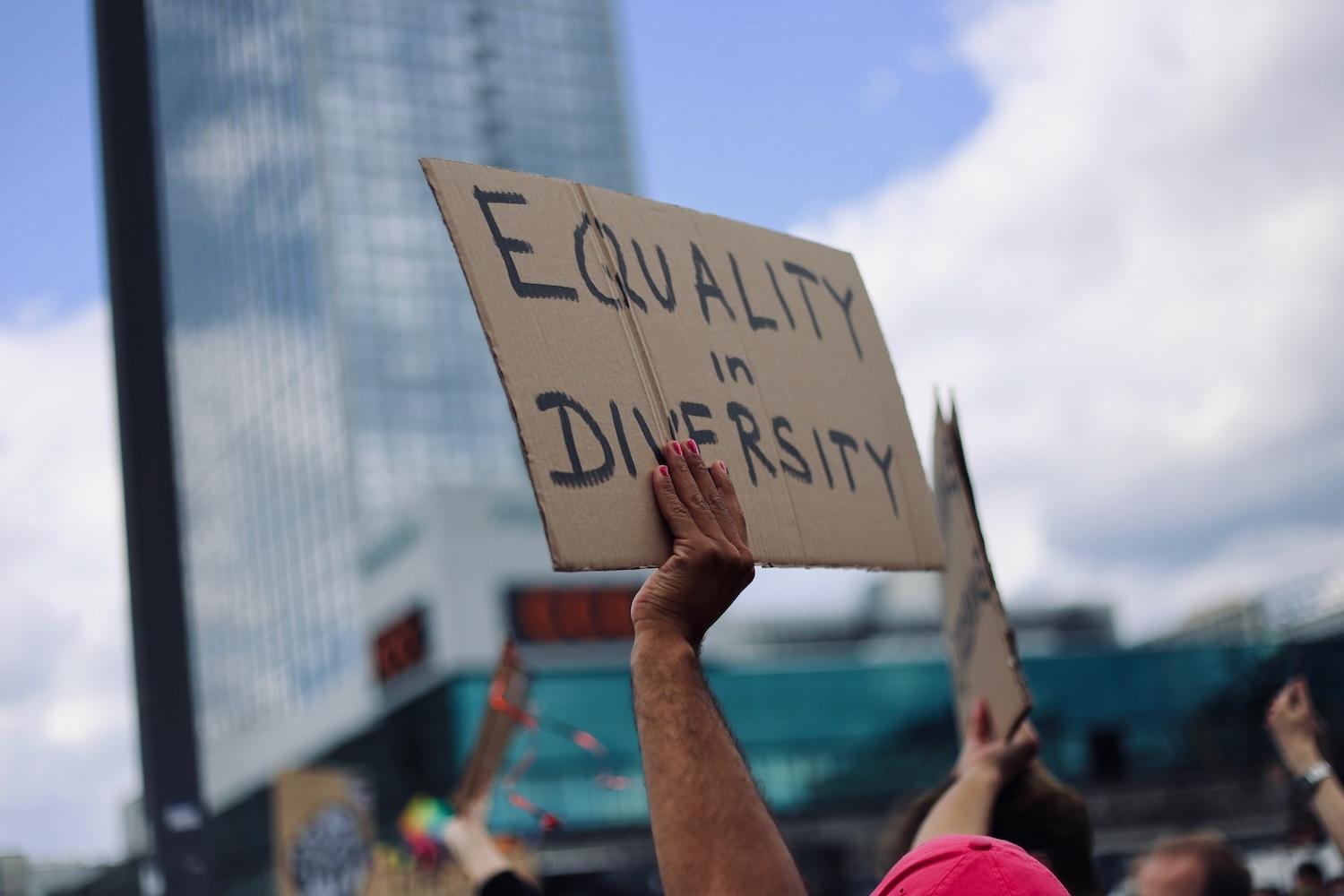






















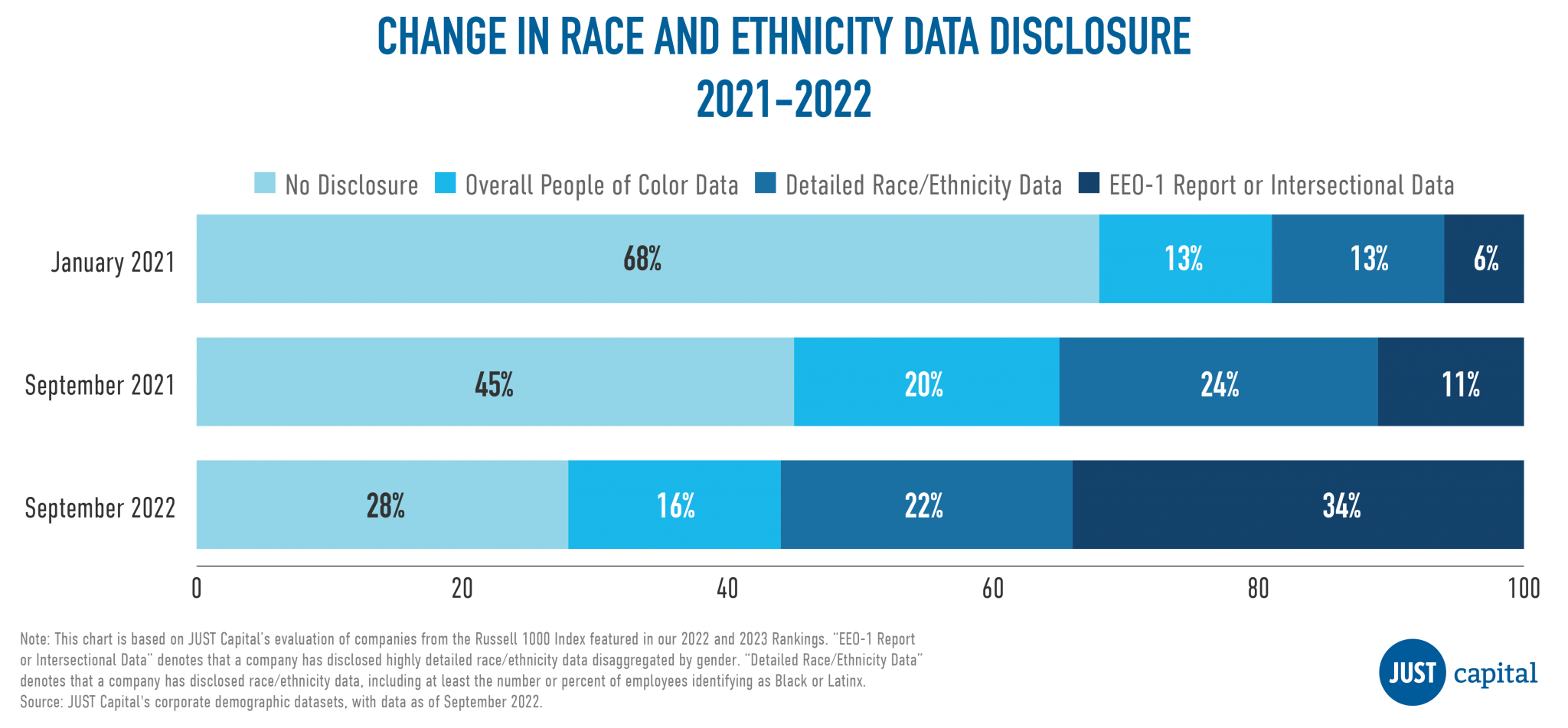


 Eric Block On Responsible Branding

You must be logged in to post a comment.