People Want Their 401(k) Plans to Align With Their Values, Survey Finds

10 04 2024

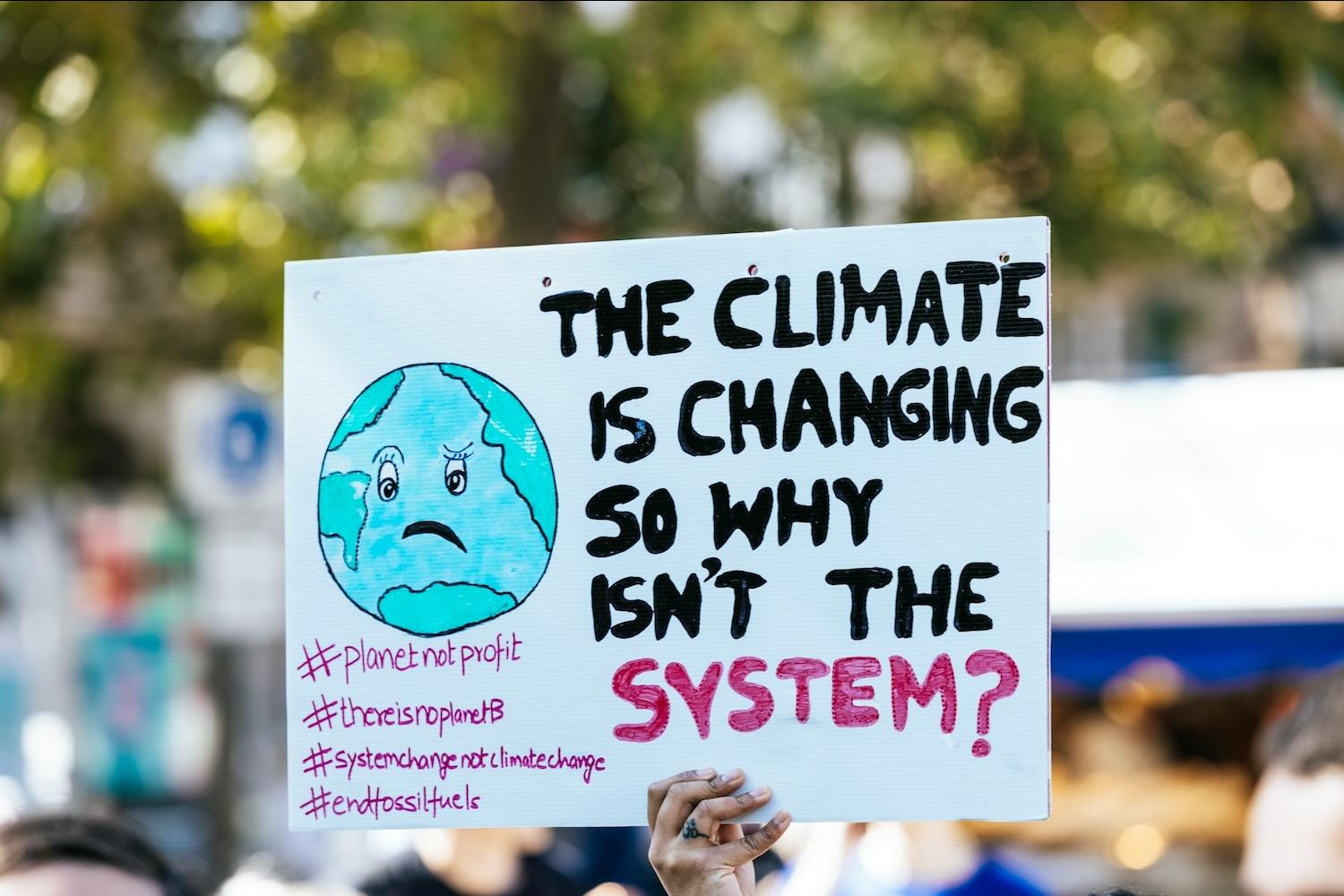
(Image credit: Markus Spiske/Unsplash)

By Mary Mazzoni from Triple Pundit • Reposted: April 10, 2024

Most financial professionals likely assume a strong return is all everyday investors are looking for as they save for their retirement. But even in a tough economy, a growing segment of global investors are equally concerned about aligning their money with their personal values, according to new research. 

The global insights consultancy GlobeScan and the climate policy think tank InfluenceMap surveyed 5,000 retail investors — in other words, regular people who participate in 401(k) retirement plans and pension schemes or who dabble in purchasing individual stocks — to understand more about their preferences. Surveyed investors represent 10 countries and territories around the world, including the United States, Canada, Australia, France, Germany, Hong Kong and Japan.

More than 8 in 10 of these investors (89 percent) either “strongly” or “somewhat” support investment funds putting money behind companies in the clean energy space, and 87 percent support funds actively encouraging the companies in their portfolios to act on climate change, according to the research. Further, over a third of surveyed investors strongly support funds excluding “companies that contribute significantly to climate change,” and another 43 percent somewhat support it.

Many of these investors are also looking for the funds they do business with to provide information about how their investments impact nature and wildlife, economic inequality, and climate change, with more than 85 percent either strongly or somewhat supporting these disclosures. 

“The financial system is all obviously predicated upon fiduciary responsibility and maximizing profits, but I don’t think the industry is very good at engaging their passive investors,” Chris Coulter, CEO of GlobeScan, told TriplePundit. “In this world of transparency and ability to reach people, we probably underestimate the innate, baseline sense of importance of sustainability issues for investment decisions among retail investors.” 
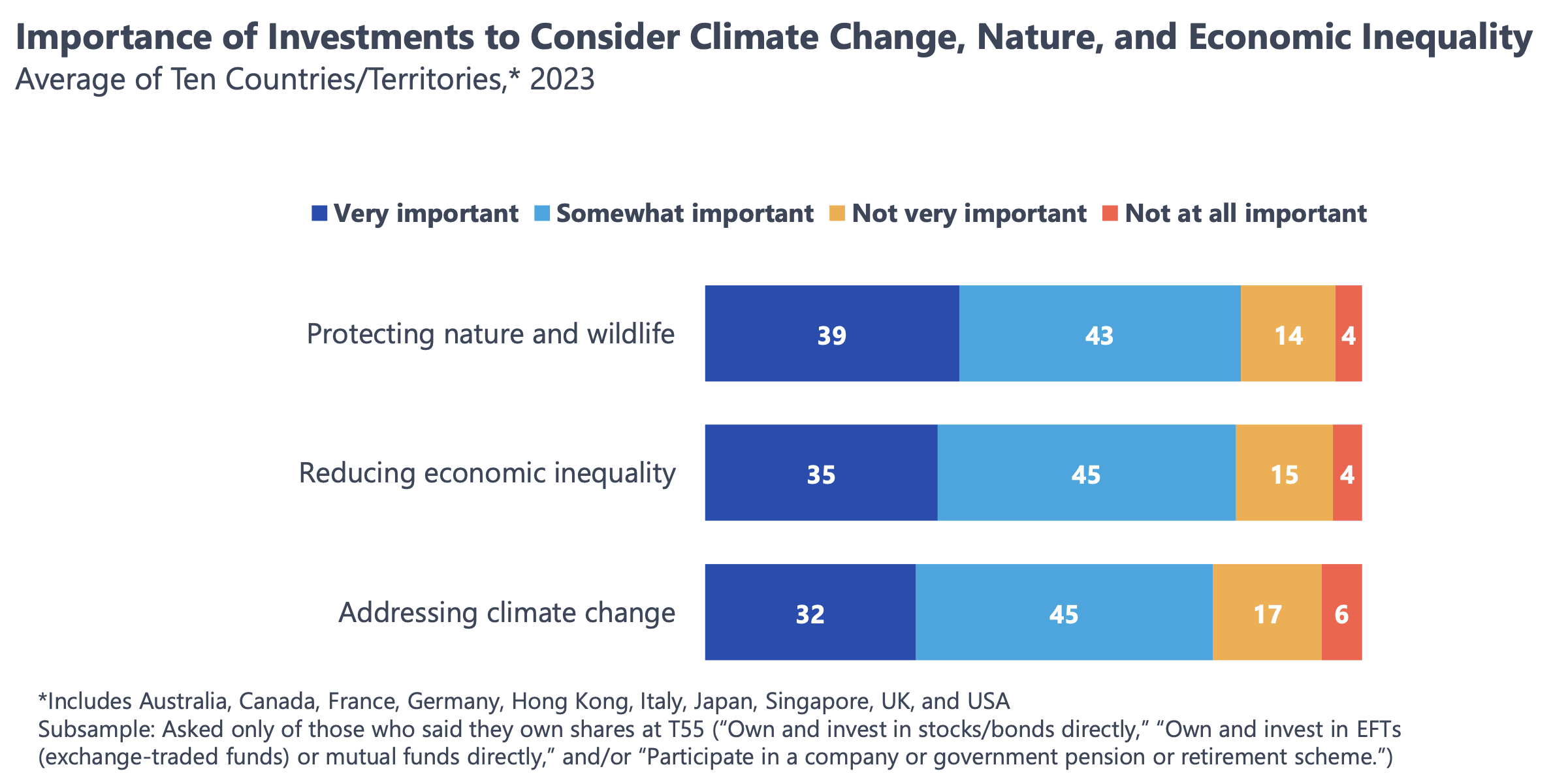
Level of importance for funds acting to support nature and climate action
Interest in sustainability issues among global investors. (Click to enlarge)
How can funds align with investor preferences?

Findings like these dovetail with recent research from TriplePundit, in which more than half of surveyed U.S. consumers agreed it is “important” or “very important” for financial service companies to act responsibly when it comes to society and the environment. Over 30 percent said they switched their retirement fund provider in 2023 for sustainability reasons, according to the study conducted in partnership with 3BL, the research technology company Glow and panel partner Cint. 

But even as sustainability becomes a more influential purchase driver for everyday investors, fund managers have been slow to respond. 

“GlobeScan’s research shows the extent of retail investors’ demand for ambitious climate action by their fund and pension managers,” Daan Van Acker, program manager at InfluenceMap, said in a statement. “This stands in stark contrast to InfluenceMap’s findings that the world’s 45 largest asset managers are investing almost three times more assets in fossil fuel companies than green ones, while the proportion of managers with ambitious investee company stewardship has almost halved since 2021.”

Given the ongoing disconnect, research like this is a powerful tool for financial professionals interested in aligning their firms’ activities more closely with consumer preference. 

“If I was in a fund and saw these metrics, I’d be intrigued, because you’re looking at 80 to 90 percent of people saying this stuff is important,” Coulter said. “There’s depth and foundational elements that even if you eroded a little bit, you still have significant majorities that are into this, so there’s an opportunity here.”
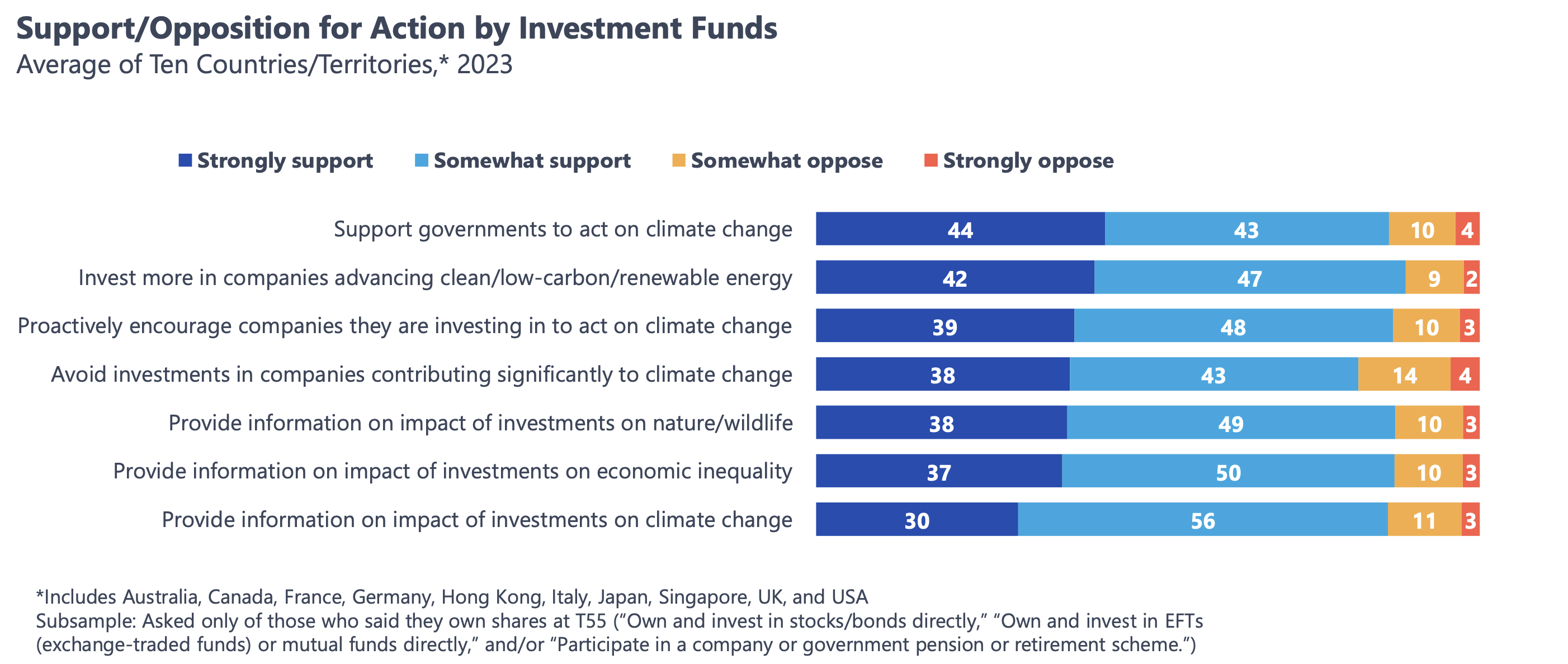
Investors support investment funds acting on climate biodiversity and inequality - survey finds
Levels of support for investment funds acting on various sustainability issues among global investors. (Click to enlarge

Still, growing political backlash against the use of environmental, social and governance (ESG) principles in investment decisions poses real risk for funds, particularly in the U.S. Among the recent examples, Texas’s Permanent School Fund pulled $8.5 billion out of BlackRock last week, arguing the asset manager’s focus on ESG hurts investors and runs counter to its fiduciary duties.

BlackRock stopped using the term ESG to describe its interactions with portfolio companies, citing increased weaponization of the term, CEO Larry Fink said last year. But the so-called “anti-ESG” backlash still cost the company an estimated $4 billion in assets in 2023.

Amidst this environment, fund managers would be wise to pay attention to the global interest in sustainability among investors, and perhaps test new offerings and policies in markets outside the U.S. first, Coulter advised.

“The context of the ESG politicization and the weaponization of these issues makes it much more challenging,” he said. “It’s only for the brave, probably, in the U.S. In most other markets, it’s much less of an issue. Testing in other markets outside the U.S., where there’s a bit of a stronger sense of interest and importance and also less risk around the anti-ESG backlash, would be a sensible thing to do.” 

Taking note of these global trends — with an eye toward a continued strong interest in the U.S., where more than 70 percent of investors say it’s important for their investments to consider climate change, nature and economic inequality — can help fund managers maintain perspective in a difficult time. 

“There’s a lot of noise out there, a lot of politicization, but the underpinning reality once this fever breaks is that there’s opportunity here to build something,” Coulter said. “Listening, understanding, getting close to people, hearing their own words, language and needs, and then finding ways to develop value propositions on the back of that, is really important.” 
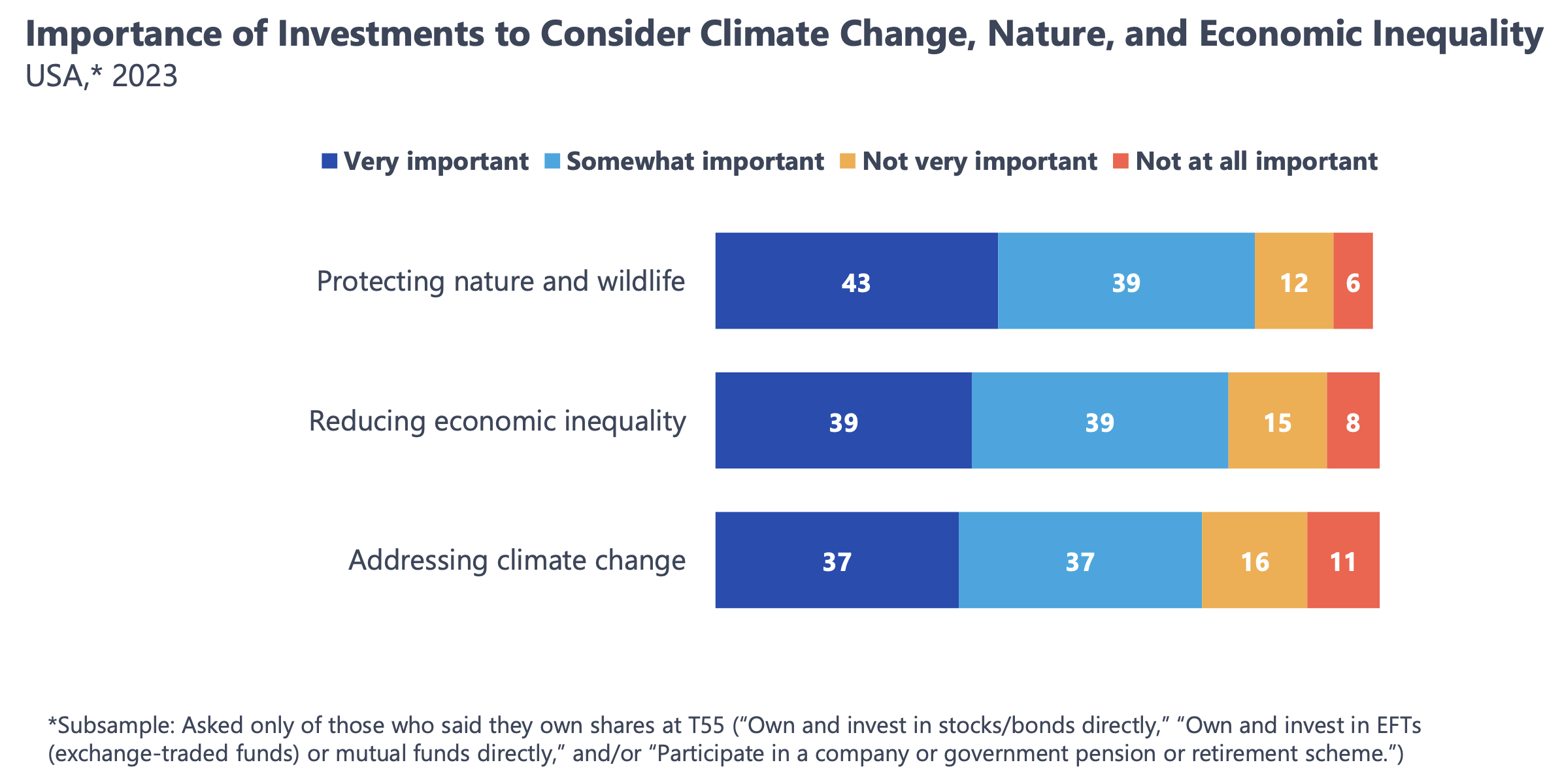
Interest in sustainability among US investors
Interest in sustainability among U.S. investors. (Click to enlarge
Messaging matters for funds, investors and the public

Even in the U.S., financial companies have an opportunity to connect with investors around issues that are less subject to political partisanship, with investments in nature, conservation and biodiversity being a clear example. Where the gravity of the climate crisis can easily overwhelm people to the point they tune out, the proactive, solutions-oriented tone of conversations around nature lend themselves to greater engagement among investors and the public, Coulter said. 

“Winning on climate change means we avoid the apocalypse and we all don’t die. That is sort of the extreme expression of success on climate change and net zero, so it’s inherently negative or inherently focused on avoiding tragedy,” he explained. “Winning or being resilient on nature is infinitely positive in consumers’, retail investors’ and other stakeholders’ minds. You can always imagine a much more positive future for nature, and that means it’s got more energy and more possibility than just the climate conversation and decarbonization.”

Leaning into these areas with universal appeal can help fund managers to meet consumer preferences while providing much-needed funding to preserve natural resources, which also helps to fight climate change and promote economic equality

Still, there is only so much that mainstream sustainable investing can do to drive progress. “With the trillions of dollars of assets under management that meet certain ESG criteria, it’s extraordinary numbers, and yet we don’t see any dramatic change in the impact that companies have on the environment or on people on the ground,” Coulter said. “There are two potential reasons for that. One is that it’s in the system now: There’s a lag in the system, while this amazing hockey stick impact curve is taking shape, and things will start to change dramatically because capital has been allocated in certain ways. Or two, the bar has not been high enough to differentiate what good looks like versus what average or status quo looks like.” 

In particular, most sustainable funds apply negative screens to exclude entire sectors, such as oil and gas, or exclude companies with especially poor social and environmental records. But fewer have built funds around companies that have an especially positive impact on people and the environment, leaving investors with little information about how this approach would really perform. “Someone has to prove that the social impact approach actually delivers much more returns, and that’s still to be done,” Coulter said.

Research like this indicates the approach could be well received. “There’s an underlying value set that people have: People love nature, they’re worried about climate, and they care about inequality. And these are generally long-term investments, so it’s not about next quarter. It does change the future discounting risk for people that in the next 30 years, this makes sense. It’s very rational and it also fits with my values.”

Graphics courtesy of GlobeScan and InfluenceMap.

To see the original post, follow this link: https://www.triplepundit.com/story/2024/investors-interest-sustainability-esg/798556




Survey Shows Weak Collaboration Around Sustainability In Companies

11 11 2013

global_sustainability-green-globe-v4019046

BSR/GlobeScan of 700+ corporate sustainability executives in companies worldwide shows decreasing levels of collaboration between sustainability functions and other core corporate functions.

Survey respondents note a lower level, and decreasing, engagement between sustainability functions and corporate functions, such as investor relations (with 37 percent of those surveyed saying they engage with investor relations, down 1 point from 2011), human resources (34 percent, down 3 points), R&D (32 percent, down 9 points), marketing (28 percent, down 14 points).  The weakest area of engagement is between corporate sustainability and finance at 16 percent, down 2 points from 2011.  Unless greater collaboration is made in this area, the business case for sustainability and its potential positive impact on financial performance will be very difficult to make.

“The trend toward weaker engagement between sustainability functions and core functions such as finance, marketing, HR, investor relations, and R&D, is concerning.” Chris Coulter, CEO at GlobeScan, noted, “Not only is engagement limited with these strategic areas, but collaboration between them and sustainability teams has declined—in some cases by a significant margin. While there is a clear need for external collaboration, there is an equally important case to be made for greater internal collaboration.”

Additional topline findings from this survey include:

  • When asked to choose which sustainability issues need collaboration the most, climate change and public policy frameworks promoting sustainability are ranked highest.
  • Only one in five companies has fully integrated sustainability into business.
  • Engagement between sustainability functions and corporate functions such as marketing, R&D, and finance remains very low.
  • Collaboration by BSR member companies focuses more often on engagement with NGOs and other businesses than it does on engagement with government.

Fewer companies collaborate often with governments (46 percent) or media (27 percent), both of which are rated as the most difficult partners for collaboration.

21 percent report that their company is close to full integration. A majority say that their company is either about halfway to integration (51 percent), or is just getting started (22 percent).

“The survey reveals both the sense of urgency to address climate change, and the sense that meaningful progress goes well beyond the steps a single company can take,” observed Aron Cramer, President and CEO of BSR.  “No one sector—not business, government, civil society, or consumers—can ‘save us’ from climate change.


State_of_Sustainable_Business_Poll_2013_Full_Report__BSR_Globescan


The Aspirational Consumer: 2.5 Billion People Redefining Responsible Consumption

8 10 2013

ecofriendly-world-travel

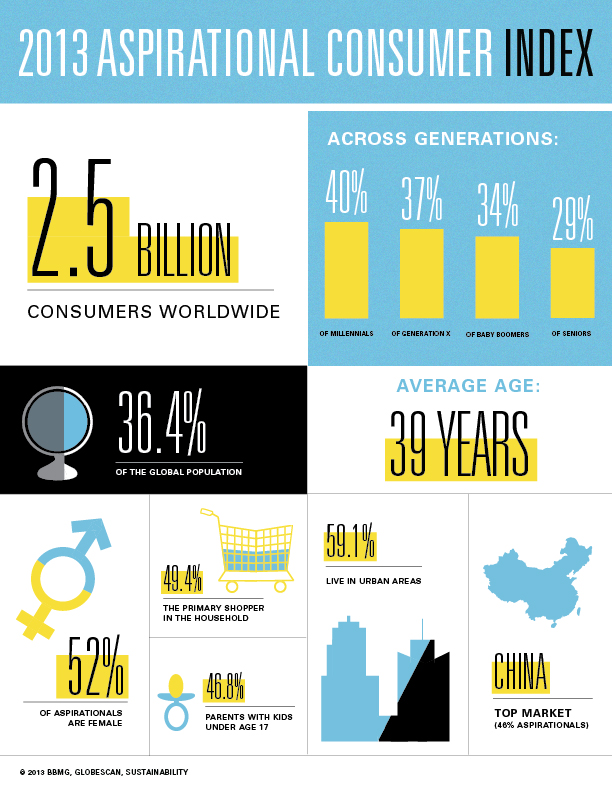
A new global consumer study confirms the rise of nearly 2.5 billion consumers globally who are uniting style, social status and sustainability values to redefine consumption.

According to the report by BBMG, GlobeScan and SustainAbility : The 2013 Aspirational Consumer Index – more than one-third of consumers globally (36.4%) identify as Aspirationals, defined by their love of shopping (78%), desire for responsible consumption (92%) and their trust in brands to act in the best interest of society (58%). The study draws from a telephone and in-person survey of more than 21,000 consumers across 21 international markets conducted in April 2013.

Asp-infographic-edited-01

According to Eric Whan, Sustainability Director at GlobeScan, “Aspirationals are materialists who define themselves in part through brands and yet they believe they have a responsibility to purchase products that are good for the environment and society.  By engaging Aspirational consumers, brands can further the shift toward more sustainable consumption and influence behavior change at scale.”

Key characteristics of Aspirational consumers include:

  • Trust in Brands: Nearly six in ten Aspirational consumers globally say they “trust global companies to act in the best interest of society” (58%), compared with 52% of all consumers;
  • Seek Style and Status: Three-fourths of Aspirational consumers say “I want to stand out by the way I look, my style” (73%), compared to 53% of all consumers;
  • Positive Influencers: Nearly nine in ten Aspirational consumers say “I encourage others to buy from socially and environmentally responsible companies” (88%), compared to 63% of all consumers;
  • Empowered Shoppers: Nearly eight in ten Aspirational consumers say “shopping for new things excites me” (78%), compared to 48% of all consumers, and believe they “can change how a company behaves based on my purchase decisions” (78%), compared with 66% of all consumers;
  • Responsible Consumers: Nine in ten Aspirational consumers say “I believe we need to consume less to preserve the environment for future generations” (92%), compared to 75% of all consumers, and that they are “willing to pay more for products produced in a socially and environmentally responsible way” (91%) compared to 64% of all consumers;
  • Young and Urban: Demographically, Aspirational consumers make up the largest percentage of Millennial (40%) and GenX (37%) generations, compared to 32% and 33% in the general population, respectively, and nearly six and ten (59%) live in cities; and
  • Strength in Emerging Markets: Countries with the largest populations of Aspirational consumers include China (46%), Nigeria (45%), Pakistan (44%), India (42%), Australia (41%), Canada (40%), Indonesia (38%), Greece (37%), France (36%), USA (36%), Turkey (35%) and the UK (34%).

“Driven by young, optimistic consumers in emerging markets and amplified by technology and social media’s influence, Aspirationals represent a powerful shift in sustainable consumption from obligation to desire,” said Raphael Bemporad, co-founder and chief strategy officer at brand innovation consultancy BBMG. “With Aspirationals, the sustainability proposition has changed from being the ‘right thing to do’ to being the ‘cool thing to do,’ and brands have a profound opportunity to harness sustainable design and societal values to inspire the next generation of commerce and create positive impact in the world.”

“For decades, green marketers have been speaking to the wrong consumers, assuming that by engaging the most committed ‘advocates’ we would create significant business growth, cultural relevance and change at scale,” Bemporad added. “What makes Aspirationals so compelling is that they combine an authentic commitment to sustainability with a love of shopping, design and social status, aligning economic, cultural and social forces to shift the way we shop.”

“With 2.5 billion consumers worldwide, Aspirationals offer an important opportunity to redefine sustainable consumption,” said Mark Lee, Executive Director at SustainAbility. “Like never before, brands can engage Aspirationals to pioneer new models and practices that can deliver economic growth while reducing negative impacts on the environment.”


Read the original press release on CSR Wire.


Aspirational Consumers: Balancing Style and Sustainability

5 02 2013

consumer_shopping

A new study by BBMG, GlobeScan and SustainAbility finds that a majority of consumers across six international markets are seeking to reconcile their desire for shopping and style with responsibility to the environment and society through their purchases. According to the report, Rethinking Consumption: Consumers and the Future of Sustainability, nearly two-thirds of consumers globally equate shopping with happiness (63%) while also feeling a sense of responsibility for society (65%). The study draws from an online survey of 6,224 consumers across Brazil, China, India, Germany, the United Kingdom and the United States conducted in September and October 2012.

In exploring the intersection of consumer values, motivations and behaviors, the study identifies four consumer segments on the sustainability spectrum: highly committed Advocates (14%); style and social status-seeking Aspirationals (37%); price and performance-minded Practicals (34%) and less engaged Indifferents (16%).

Aspirationals represent hundreds of millions of consumers globally, and are the largest consumer segment in Brazil, China and India. More than any other segment, Aspirationals care about style (65%) and social status (52%), and equate shopping with happiness (70%). Yet, they are also among the most likely to believe that we need to “consume a lot less to improve the environment for future generations” (73%), and feel “a sense of responsibility to society” (73%).

Aspirationals are looking for brands to provide solutions that both improve their lives and serve society as a whole,” said Pam Alabaster, Senior Vice President Corporate Communications, Sustainable Development & Public Affairs at L’Oréal USA, a sponsor of the study. “Understanding this dynamic tension provides the greatest opportunity for companies to create positive impact through consumers’ purchasing decisions and social actions.”

Aspirationals represent the persuadable mainstream on the path to more sustainable behavior. They love to shop, are influenced by brands, yet aspire to be sustainable in their purchases and actions,” said Raphael Bemporad, Co-Founder of brand and innovation consultancy BBMG. “This consumer segment represents a significant opportunity for forward-looking brands to unite consumerism with social and environmental values.”

“The ideals, influence and size of the Aspirationals segment — particularly in developing markets — is what makes them so compelling for sustainable brands,” said Mark Lee, Executive Director at think tank and strategic advisory firm SustainAbility. “But simply helping people to consume more products that are incrementally ‘better’ is not necessarily the answer. Leading companies will seek to meet the needs of the Aspirationals beyond just products by delivering value through services, sharing, expertise and purposeful engagement.”

Eric Whan, Sustainability Director at GlobeScan, added: “In our fifteen years of market analysis, we’ve never seen an opportunity like this. The Aspirationals will chart the future of sustainable consumption, as long as their favorite brands offer them what they want.”

Developed by BBMG, GlobeScan and SustainAbility, The Regeneration Consumer Study is an in-depth online survey of consumer attitudes, motivations and behaviors relating to sustainable consumption. The study is part of the The Regeneration Roadmap, a collaborative and multi-faceted thought leadership initiative designed to engage the private sector in advancing sustainable development by improving sustainability strategy, increasing credibility and delivering results at greater speed and scale.