
Uber’s ‘Emissions Savings’ Feature Shows Riders Benefits of Lower-Emission Transport

26 03 2024

Image: Uber

From Sustainable Brands • Reposted: March 26, 2024

Uber users will now see two ratings in the app — their ‘Emission Savings’ score, alongside their rider rating.

This week, Uber unveiled a new feature that enables riders around the world to track and learn more about the carbon impact of their rides. The company’s new Emission Savings feature gives riders data on the amount of carbon emissions avoided if they opt for electric vehicle and hybrid options, as well as how much CO2 might have been produced by the same journey in an UberX or Uber Comfort. Emissions savings will be shown for each trip and as a cumulative total.

Uber hopes that the feature will further nudge riders towards using Uber Green — a low-emission ride option that connects riders with drivers of hybrid and fully electric vehicles, as part of its broader mission to make it effortless for Uber riders to embrace a low-emissions lifestyle.

“We believe that knowledge is power. Just like we popularized rider ratings in an effort to promote respectful behavior during Uber rides, we’re excited to launch this new feature to both celebrate your impact and encourage greener choices when using Uber,” CEO Dara Khosrowshahi said in a post.

Uber’s Emission Savings feature adds to the growing arsenal of tools dedicated to helping consumers understand the environmental impacts of their lifestyle and purchasing choices — including shopping platforms such as Karma Wallet, the growing number of food and apparel companies carbon-labeling their products; and Doconomy’s growing cache of resources that gives consumers insight into the climateplastic and water impacts of their purchases.

Now, Uber’s Emission Savings feature allows riders to:

  • Tap a button, see your impact: In the Account section of the Uber app, tap “Estimated CO2 saved” to see the amount of emissions saved by taking Uber Green and Uber Comfort Electric.
  • Make sense of emissions savings: The feature includes a graphic that shows what riders’ CO2 emission savings are comparable to.
  • See how emissions are calculated: The emission savings for an Uber Green or Uber Comfort Electric trip represents the estimated amount of CO2 emissions avoided, on average, when a rider takes Uber Green instead of an UberX or when a rider takes Uber Comfort Electric instead of an Uber Comfort trip of the same distance (see here to read more on the methodology).
  • Get teens to go ‘green’: Among Gen Alpha and Gen Z, the environment is a top concern. So, Uber is also making the Emission Savings feature available for Uber teen account holders; and in select cities* throughout the US & Canada, it now offers Uber Green and Uber Comfort Electric for teen riders, providing them with a way to be part of the climate solution when they ride.

In 2020, Uber set a target of being a zero-emissions platform in the US, Canada and European cities by 2030. But hitting those goals would mean a huge decrease from current levels — and it’s only partially under the company’s control, as cars are privately owned. But Uber offers various incentives for driver EV use and charging, including a 10 percent earnings boost per trip, and has partnered with companies such as Hertz to make EVs available for its drivers across the UK and Europe.

Uber says it plans to add more dimensions to the emissions-saving feature, such as tracking the impacts of all-electric autonomous rides, using UberX Share, and e-bikes and e-scooters booked on the app.


*Availability – Uber Green for teen accounts: Austin, Boston, Calgary (Canada), Chicago, Denver, Edmonton (Canada), Montreal (Canada), Nashville, New Jersey, New York City, Orlando, Ottawa (Canada), Portland, San Antonio, Seattle, Tampa Bay, Toronto (Canada), Vancouver (Canada), Winnipeg (Canada)

Availability – Uber Comfort Electric for teen accounts: Atlanta, Austin, Dallas, Las Vegas, Minneapolis – St. Paul, Montreal (Canada), Nashville, New Jersey, New Orleans, Orlando, Philadelphia, Phoenix, Pittsburgh, Portland, Salt Lake City, San Antonio, Seattle, Tampa Bay, Toronto (Canada), Vancouver (Canada)

To see the original post, follow this link: https://sustainablebrands.com/read/marketing-and-comms/uber-emissions-savings-lower-emission-transport
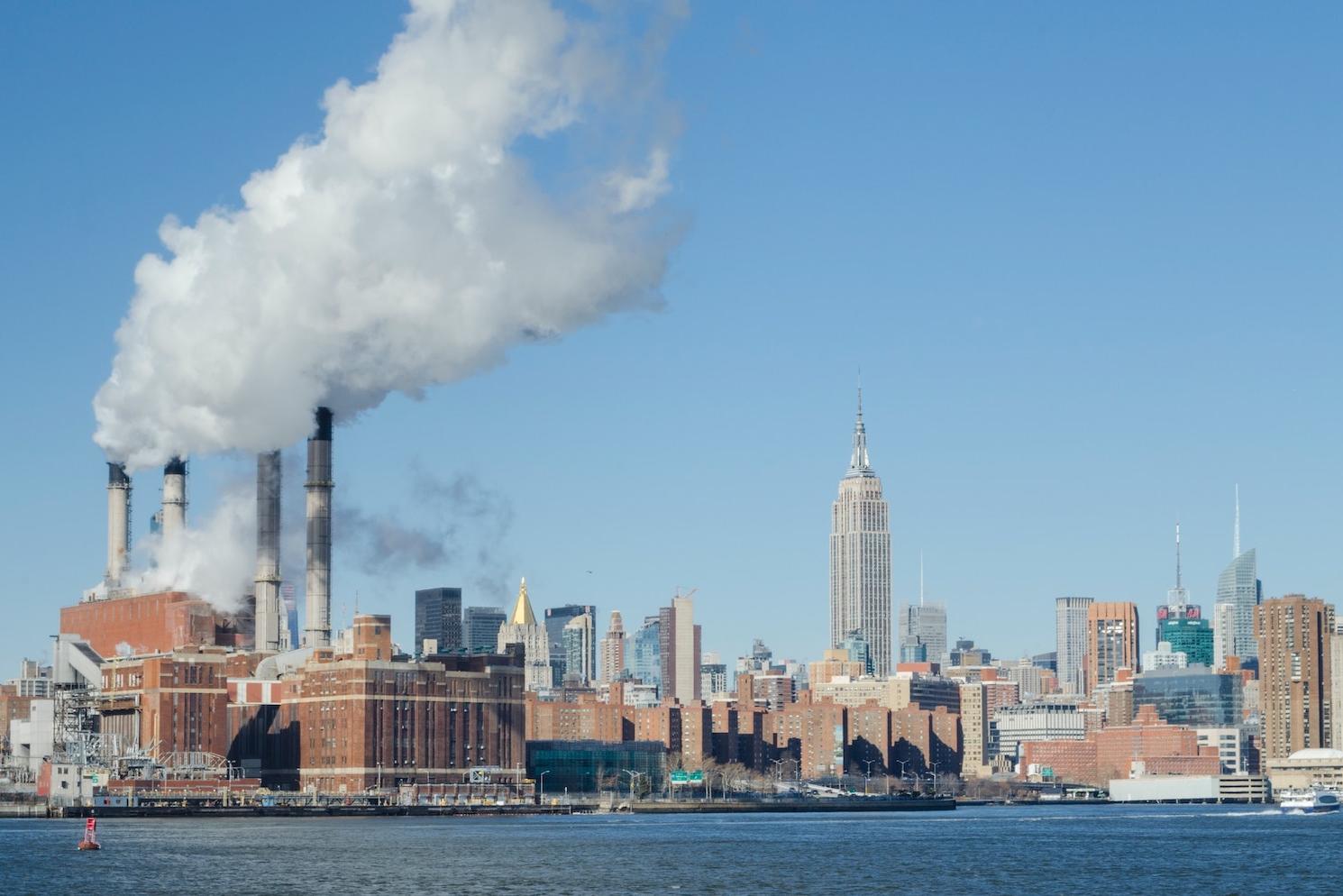


What to Expect From the SEC’s Climate Disclosure Rule

26 07 2023

Image credit: Ale Alvarez/Unsplash

By Mary Riddle from Triple Pundit • Reposted: July 26, 2023

The U.S. Securities and Exchange Commission (SEC) is expected to release its long-awaited climate disclosure rule this fall, and businesses are preparing for change. The intent is to create a framework for companies to make climate-related disclosures in a way that is standardized and allows for comparison

“I think it is helpful to frame the SEC proposal not as a climate proposal, but rather as a proposal to enhance and standardize climate-related financial disclosures,” said Emily Pierce, chief global policy officer at the carbon accounting firm Persefoni and a former SEC lawyer involved in developing the proposed rule. 

What’s different about the SEC climate disclosure rule?

The SEC’s forthcoming climate disclosure rule has been over a decade in the making. In 2010, SEC staff issued guidance stating that climate change could impact business operations as it carries material risks that affect financial performance, Pierce said. And anything that could impact financial performance should be communicated to investors.

Five years later, the investor demand for information was growing steadily. “By 2015, there was a collective concern about investor demand for sustainability information,” she said. “Investors were not getting the information they were asking for, and the marketplace was inefficient.” 

The Task Force on Climate-Related Financial Disclosures (TCFD) rose up to meet that demand shortly after the Paris climate agreement was adopted in 2015. “TCFD developed helpful disclosure frameworks for governance, strategy and risk management processes,” as well as metrics and targets to measure a company’s greenhouse gas footprint, Pierce said.

“TCFD is a market norm, but it wasn’t always complete and comprehensive, and it didn’t allow for comparison,” she explained. “The SEC was inspired by the TCFD framework that investors and companies have found useful.”

What do we know about the new rule?  

The SEC’s proposed rule covers how companies communicate their climate-related risks. Companies will be required to disclose material risks, including physical risks and transition risks, related to climate change. These may include sea-level rise, more frequent extreme weather events and wildfires, or changes in government regulation and consumer demand. 

Importantly, the rule will not initially apply to all companies, but will be phased in over time. “Phasing is an important part of the proposal, because it’s our way of managing implementation,” Pierce said. “We have to strike the balance between investor protection and creating a rule that is feasible for companies to implement. I think the most likely scenario is that, if it is finalized this year, companies will need to gather data next year for fiscal year 2025.”

The rule will also hold companies’ feet to the fire for claims made about net-zero and emissions reductions. If a company has a public target related to cutting emissions, the SEC will require additional disclosures and obligations related to that target. 

“A lot of companies calculate their greenhouse gas emissions today,” Pierce said. “But they do it in a way that does not have as much control over their data, calculations, and outputs compared to what they would have in their financial calculation reporting. When you’re making information investor-grade and compliance-ready, you should bring lessons you have learned from the financial space into the carbon accounting space.” 

Emissions created by a company’s direct operations — Scope 1 emissions — and emissions associated with the company’s purchase of energy — Scope 2 emissions — will need to be externally assured, Pierce said. But smaller companies will not need to disclose value chain emissions from assets the company does not own — Scope 3 emissions — unless they set an emissions target for Scope 3, she predicted. 

What’s next?

The climate disclosure rule should not contain any surprises compared to the SEC’s current proposal, Pierce said. But the timing of release will be later than anticipated, due to the unprecedented number of public comments and feedback. Many analysts agree it will be released this fall.

“To be ready for climate disclosure, companies need to bring discipline and processes to their broader corporate thinking about governance, strategy and risk management,” Pierce said. “Additional discipline and processes will help them communicate about what they’re doing.” 

A lot of companies are already thinking about these issues, calculating their emissions and gathering the necessary information, Pierce said. “There are market rewards to decarbonizing, and they see the value in that. We will see an increase in the market rewarding sustainable behavior, whether it is in access to capital, customer preference, more business-to-business relationships or consumer demand.”

To see the original post, follow this link: https://www.triplepundit.com/story/2023/sec-climate-disclosure-rule-explained/779646