Photo (L to R) – Garrett Bond (Senior Director of Analytics, Ringer Sciences), Dr Lucy Walton (CEO, Connected Impact) and Taylor Schott (Senior Manager – Analytics, Ringer Sciences), who conducted the report research. Photo: Business Wire
From Business Wire • Reposted: July 11, 2024
New research suggests that almost six in ten (58%) of the top 100 largest public and private US companies are responding to greenwashing concerns by keeping quiet on genuine ESG progress.
With global ESG assets surpassing $30 trillion in 2022 and 85% of investors reporting that ESG assets lead to better returns1, companies that remain quiet may be missing out on potential investment opportunities and consumer demand2.
The Transparency Index 2024 report, published by data insights company Connected Impact, and data science consultancy Ringer Sciences, reviewed over 600,000 corporate communications from 200 companies to identify the “transparency gaps” between what businesses communicate on social media about ESG topics, and what they factually disclose about their targets and performance in annual reports, websites and other corporate documents.
The findings reveal only 2% of US companies “over promoted” their ESG progress, with 58% “under promoting” and disclosing more factual data on ESG than promoted. In a climate of stringent regulatory scrutiny, where mistakes can result in fines and reputational damage, companies may be hesitant to promote their legitimate ESG credentials due to fears of greenwashing accusations. This puts them at risk of “greenhushing” – where organizations choose not to publicize details of their climate targets, or their plan to reach their targets, to avoid scrutiny and allegations of greenwashing.
Dr. Lucy Walton, CEO of Connected Impact, said: “Businesses are under increasing pressure to avoid greenwashing – with increasing regulations and potential fines for those who misrepresent their legitimate ESG efforts.
“But businesses must also take action to avoid ‘greenhushing’. Our data reveals that businesses are more likely to under-promote than over-promote their ESG initiatives. This cautious approach can deter investment and undermine credibility.”
Only four in ten (40%) of companies offered a “balanced” picture, with a minimal transparency gap. The report argues that businesses with a small gap are more trustworthy than their peers. The report examined emissions, ethics, diversity and inclusion topics to represent E, S and G criteria. Emission disclosures had the largest gap, with 67% of companies disclosing more on emissions than they communicated. While governance had the smallest gap, with 40% of companies having a gap between their ethics discloses and communications.
Dr. Walton added, “ESG transparency is currently a missed opportunity for the top 200 businesses in the UK and US. We know most consumers favor responsible brands and transparent businesses. We know a well-governed transparent business attracts more investment and top talent3. This report equips businesses to identify – and close – transparency gaps so we can all make better decisions about where to invest our money, time and attention.”
By Mike Maynard from Sustainable Brands • Reposted: December 28, 2023
The ostrich approach to inconvenient problems is a reason why the climate crisis exists. It’s refreshing to see a brand stand up and say, ‘This is what we’re doing. It’s tough. We can’t be perfect. But we’re working hard and this is what we’ve achieved.’
“One in 5 businesses admit to greenwashing, with half saying their sustainability efforts are failing.” So screams one headline in Business Matters. And you don’t have to be a cynic to note that little word, “admit.” The number could be higher — much higher.
This tells us a few things. One is that public pressure to be (or be seen to be) climate-conscious and climate-friendly is sufficiently great to motivate companies to lie. It also tells us that many companies are falling short with respect to sustainability; they wouldn’t have to lie otherwise. And it tells us that to some extent, greenwashing is considered if not quite acceptable then forgivable. Even when anonymous, even when giving information voluntarily, companies aren’t quite worried enough to say they’ve done nothing wrong.
This is a luxury that brands in the B2B tech space don’t have. Because in B2B tech, you frequently don’t choose products — you choose a longer relationship with a vendor by reputation. Truly proprietary tech is rare in the industry; there are usually multiple alternatives to any product you might want. So — especially when dealing with hardware — you distinguish between one vendor and another on the basis of their reputation, the strength of their brand and your relationship with them.
Moreover, brands that sell to consumers — by virtue of their position — must be seen (and demonstrated) to show they care deeply about environmental, social and governance concerns. B2B tech companies are, on the whole, less engaged with ‘purpose’ as an approach to business; but this is changing rapidly. Consumer brands are hyper-aware of how the public — and the media — can freeze out brands that don’t consider people and the planet, and want to know that the companies in their ecosystem aren’t going to make them look bad. B2B brands increasingly face the same pressures.
It’s therefore critically important that B2B tech vendors don’t expose themselves to the charge of greenwashing. They can’t bank on the fact that they’re the only creators or sellers of a certain desirable product; they won’t be. Their reputation is a major part of their business. They need to take good care of it, or the outcome could be damaging — one false claim about their climate policy and they risk sending a large chunk of their customer base to their nearest rival.
Greenhushing — deliberately underreporting or downplaying environmental performance — also won’t cut it for long. Rightly or wrongly, this kind of strategic silence or deliberate ignorance — which might seem like taking a neutral position — is increasingly being seen as a sort of lying by omission. Brands know that climate performance matters to the public. By refusing to discuss it, they avoid being attacked if it doesn’t meet the mark. But the damage has been done by scandal after scandal; and as the planet heats up, public patience for this code of silence is wearing thin. Greenhushing might be tempting — especially in a product-focused space such as B2B tech, where climate comms seem peripheral. But it’s not a long-term solution.
So, here’s a radical suggestion for B2B tech brands: Don’t greenwash and don’t greenhush. Instead, be honest. Reflect on what you’re doing and its impact. Ask yourself if you could do better. And seriously consider the trade-offs that are part and parcel of what you do. Tech supply chains are complex, often global, and frequently opaque. And they’re usually responsible for the lion’s share of a brand’s emissions. Smartphone supply chains, in particular, are notoriously bad for both people and the climate; and yet everyone uses smartphones. There is an acceptance that there are good and bad sides to tech, both in its use and manufacture. B2B tech brands need to understand how the pros and cons stack up and, ultimately, find ways to talk about that.
Companies can then say what actions they’re taking and how it’s progressing. Committing to honesty will encourage your team to be creative in becoming more sustainable. (Necessity, after all, is the mother of invention.) And ideally, B2B tech would do this as a community. To a great extent, all companies are in the same boat — so, starting a conversation means one company doesn’t have to stick its proverbial head above the trenches.
Yet, at the same time, it’s important to note that individual companies don’t have to view climate action and communication as a necessary evil — B2B tech brands stand to make real gains if they go about it the right way. Amid so much distrust regarding sustainability, honesty invites respect. It strengthens bonds with customers. And thanks to its positive effect on brand reputation, it’s good for the bottom line. In B2B tech, it could be a key competitive advantage. It’s refreshing to see a brand stand up and say, ‘This is what we’re doing. It’s tough. We can’t be perfect. But we’re working hard and this is what we’ve achieved.’ Tender evaluation forms are also following this in terms of specifying clarity on environmental claims.
Arguably, the ostrich approach to inconvenient problems is a reason why the climate crisis exists, why we now live — to quote the UN’s Antonio Guterres — in the “age of global boiling.” To mix metaphors, we kicked the can down the road. The temptation in B2B tech, as in many other industries, will be to do the same: Rather than grapple with climate action and climate comms, wait it out. Hey, everyone thinks, maybe it’ll go away. But brands will only pay a bigger price further down the line. In contrast, if they act now, talk now, and try to do it together, they stand to benefit.
By Gloria St. Martin-Lowry from entrepreneur.com • Reposted: December 7, 2023
The world has changed. People have changed. Why shouldn’t businesses change, too?
Fact is, they should, and they should do it wholeheartedly — and soon. Employees and consumers alike expect more. And they’re making their employment and purchasing decisions based on the values that organizations demonstrate rather than just espouse.
Gen Z is leading the pack when it comes to putting corporations’ feet to the fire. Deloitte research indicates that Gen Z is motivated by purpose and a brand’s good global citizenship reputation. This only makes sense. Growing up in an era of rapid information dissemination, Gen Z was hyper-aware of global issues like climate change, social inequality and human rights abuses.
Of course, we shouldn’t assume that only Gen Z workers care about social responsibility. People of all ages and from all generations have become skeptical about companies’ corporate social responsibility efforts. They want to make sure that their employer (or future employer) isn’t just “checking the box” but is following through on promises. For instance, more than 5,000 organizations have earned Certified B Corps designations. In the future, that designation may be not just expected but standard.
But what exactly does it mean for a business to walk the walk, not just talk the talk? For some, it means investing $100 million in the brand’s Racial Equity and Justice initiative, which is focused on addressing systemic racism through educational support. For others, it means sending 7.5% of pre-tax profits back into community organizations throughout the nation, as well as championing human rights, social and economic justice, and environmental protection. For many, it means working toward 100% carbon neutrality.
However, for every positive corporate example, the opposite exists as well. More than one brand has found trouble in the last few years due to greenwashing ventures. Or maybe it’s a viral PR disaster like a failed commercial that made light of ongoing and serious national tensions. Audiences today will hold brands accountable for missteps as much as celebrate their success.
The point is that your company can’t hide behind slogans or statements. To appeal to modern workers and customers, you have to showcase your commitment to social responsibility. If you don’t, you can be sure that your competitors will be the first to call you on the carpet.
To get started, try these methods to initiate the process of folding social change into all the fibers of your corporation’s brand and culture fabric.
1. Engage your stakeholders, not just your shareholders
There’s no doubt that you have to be conscientious about your shareholders when you’re a business leader. Shareholder value has been the primary focus for companies for decades. However, sometimes corporate social responsibility conflicts with a focus on profits. Why? The simple answer is that corporate social responsibility often requires a sizable financial investment. Not always, mind you — consumers are starting to pay more for products and services backed by socially responsible companies. Nevertheless, your job is to look beyond just your shareholders and engage your stakeholders.
When I refer to stakeholders, I refer to everyone with a stake in your organization, including team members. Remember: They have a choice as to where they’re going to work. Nearly seven out of 10 professionals planned to resign in 2023. You can’t afford that kind of attrition, so you need to collaborate with your employees to build a collective vision and commitment around social change. Be aware that your team members will have different visions and different appetites for what social change means. That’s a good thing because it elicits deeper conversations and helps you get closer toward your goals.
2. Listen to what matters to people
Instead of automatically arguing or debating social points, put yourself into a “listen and learn” mode. Find out what’s really important to others. Ask questions. Why do they feel the way they do? What’s important to them? What kind of stand would they like to see you take as their employer or preferred brand? You don’t have to do everything they want, but you’ll be in a better position to make decisions if you “get” them.
After educating yourself through active, open-minded listening, you’ll be prepared to problem-solve and lead your company and team forward. By leading the charge, you can show your authentic desire to make a positive impact based on the needs and wants of your stakeholders. In other words, you’ll have a rare opportunity to demonstrate proactive leadership, innovation and creativity to the biggest societal challenges we face today.
3. Lean into major headlines and movements
When the “don’t say gay” headlines hit the front page of every major media outlet, did you consider saying anything about it as a company? Or did you shy away from the topic? Right now, employees and buyers want to know that their favorite brands care about what’s happening. You don’t have to rush into making a statement, of course. You just shouldn’t avoid creating a space for respectful dialogue and discussion about the subjects of the day.
Can these types of conversations be awkward? Absolutely, which is why I recommend turning to resources and guides to help you navigate these conversations. By enabling everyone to speak their piece, you show that you value transparency within your workplace. And transparency begets trust, credibility, and accountability — all essential for building tighter teams where people feel psychologically safe and can bring their best selves to work.
Initiating social change requires dedication, consistency and a genuine commitment to making a positive impact. Although it takes energy and investment, it’s worth every minute and penny to transform your company into one that’s seen as unfailingly socially responsible.
Legos are designed to last for decades. That posed a challenge when the toymaker tried to switch to recycled plastics. AP Photo/Shizuo Kambayashi
By Tinglong Dai, Professor of Operations Management & Business Analytics, Carey Business School, Johns Hopkins University, Christopher S. Tang, Professor of Supply Chain Management, University of California, Los Angeles and Hau L. Lee, Professor of Operations, Information & Technology, Stanford University via The Conversation • Reposted: October 7, 2023
This commitment isn’t just for show. Lego sees its core customers as children and their parents, and sustainability is fundamentally about ensuring that future generations inherit a planet as hospitable as the one we enjoy today.
So it was surprising when the Financial Times reported on Sept. 25, 2023, that Lego had pulled out of its widely publicized “Bottles to Bricks” initiative.
This ambitious project aimed to replace traditional Lego plastic with a new material made from recycled plastic bottles. However, when Lego assessed the project’s environmental impact throughout its supply chain, it found that producing bricks with the recycled plastic would require extra materials and energy to make them durable enough. Because this conversion process would result in higher carbon emissions, the company decided to stick with its current fossil fuel-based materials while continuing to search for more sustainable alternatives.
Business leaders are increasingly integrating environmental, social and governance factors, commonly known as ESG, into their operational and strategic frameworks. But the pursuit of sustainability requires attention to the entire life cycle of a product, from its materials and manufacturing processes to its use and ultimate disposal.
The results can lead to counterintuitive outcomes, as Lego discovered.
Understanding a company’s entire carbon footprint requires looking at three types of emissions: Scope 1 emissions are generated directly by a company’s internal operations. Scope 2 emissions are caused by generating the electricity, steam, heat or cooling a company consumes. And scope 3 emissions are generated by a company’s supply chain, from upstream suppliers to downstream distributors and end customers.
Currently, fewer than 30% of companies report meaningful scope 3 emissions, in part because these emissions are difficult to track. Yet, companies’ scope 3 emissions are on average 11.4 times greater than their scope 1 emissions, data from corporate disclosures reported to the nonprofit CDP show.
Lego is a case study of this lopsided distribution and the importance of tracking scope 3 emissions. A staggering 98% of Lego’s carbon emissions are categorized as scope 3.
From 2020 to 2021, the company’s total emissions increased by 30%, amid surging demand for Lego sets during the COVID-19 lockdowns – even though the company’s scope 2 emissions related to purchased energy such as electricity decreased by 40%. The increase was almost entirely in its scope 3 emissions.
As more companies follow in Lego’s footsteps and begin reporting scope 3 emissions, they will likely find themselves in the same position, realizing that efforts to reduce carbon emissions often boil down to supply chain and consumer-use emissions. And the results may force them to make some tough choices.
Policy and disclosure: The next frontier
New regulations in the European Union and pending in California are designed to increase corporate emissions transparency by including supply chain emissions.
The EU in June 2023 adopted the first set of European Sustainability Reporting Standards, which will require publicly traded companies in the EU to disclose their scope 3 emissions, starting in their reports for fiscal year 2024.
California’s legislature passed similar legislation requiring companies with revenues of more than $1 billion to disclose their scope 3 emissions. California’s governor has until Oct. 14, 2023, to consider the bill and is expected to sign it.
At the federal level, the U.S. Securities and Exchange Commission released a proposal in March 2022 that, if finalized, would require all public companies to report climate-related risk and emissions data, including scope 3 emissions. After receiving significant pushback, the SEC began reconsidering the scope 3 reporting rule. But SEC Chairman Gary Gensler suggested during a congressional hearing in late September 2023 that California’s move could influence federal regulators’ decision.
This increased focus on disclosure of scope 3 emissions will undoubtedly increase pressure on companies.
Because scope 3 emissions are significant, yet often not measured or reported, consumers are rightly concerned that companies that claim to have low emissions may be greenwashing without taking action to reduce emissions in their supply chains to combat climate change.
At the same time, we suspect that as more investors support sustainable investing, they may prefer to invest in companies that are transparent in disclosing all areas of emissions. Ultimately, we believe consumers, investors and governments will demand more than lip service from companies. Instead, they’ll expect companies to take actionable steps to reduce the most significant part of a company’s carbon footprint – scope 3 emissions.
A journey, not a destination
The Lego example serves as a cautionary tale in the complex ESG landscape for which most companies are not well prepared. As more companies come under scrutiny for their entire carbon footprint, we may see more instances where well-intentioned sustainability efforts run into uncomfortable truths.
This calls for a nuanced understanding of sustainability, not as a checklist of good deeds, but as a complex, ongoing process that requires vigilance, transparency and, above all, a commitment to the benefit of future generations.
From Sustainable Brands • Reposted: October 7, 2023
A new study by Magna, Teads and Project Drawdown confirms consumers are relying on brands to create a clear, tangible and compelling vision — backed by substantive action — to guide them toward more sustainable lifestyles.
Today, MAGNA — the investment and intelligence arm of IPG Mediabrands — released a study conducted in partnership with Project Drawdown and cloud-based, omnichannel advertising platform Teads to better understand consumer perspectives on sustainability, especially as it relates to the continued barriers that prevent more sustainable lifestyles.
MAGNA surveyed 9,112 people in the United States, the United Kingdom and Australia, and held five focus groups in the US. Along with echoing recent research from Sustainable Brands® and Deloitte on the most common, ongoing barriers to consumer adoption of more sustainable habits and lifestyles (expense and lack of access), the study found that despite these barriers, people remain motivated to ensure a better future — with 99 percent of people agreeing that they can be motivated to take sustainable action.
“The climate crisis is, in part, a communication crisis,” said Jonathan Foley, Ph.D., Executive Director of Project Drawdown. “We already have the solutions we need to turn things around; but we are still paralyzed by misinformation, fear and the lack of will to act. We need a clear and compelling vision to move forward — a vision of a better future, where we come together to stop climate change, and build a better world for all. That could change the world.”
Additional key findings confirm the imperative for brands to be part of the conversation: 77 percent of respondents said they wanted brands to take a stance on sustainability. Furthermore, 75 percent somewhat or strongly agreed that if brands took meaningful action on sustainability, it would have a tremendous impact on the environment; and 35 percent would be motivated to act, if they see brands have, too.
A brand that offers tangible, relevant data in advertising — such as a statistic on how much water was saved in manufacturing — scores better than ambiguous messaging. Defining sustainability itself, a broad term that can vary by product category, makes a difference in helping consumers align around a company’s actions.
The study also ranked which channels consumers favor more when receiving sustainability messaging. Advertising, at 66 percent, was the optimal channel; followed by social media (62 percent), newsletters (57 percent), and influencers and other brand representatives (52 percent).
But advertising itself is also in the hot seat, thanks to its until-recently-unchecked carbon footprint — initiatives such as Scope3 and Ad Net Zero have emerged to help ensure the climate impacts of the messengers no longer undermine their sustainability messaging.
“Sustainability practices are good for business, with innovation, transparency, and information key for brands to strengthen their customer relationships long term,” added Neala Brown, SVP of Strategy & Insights at Teads. “While brands should ease customer hesitations toward adopting a sustainable lifestyle and given advertising as an optimal channel for that messaging, we are simultaneously working with our brand partners to reduce their own digital carbon footprint with supply chain and media optimization via direct publisher relationships.”
Authenticity and credibility — with heightened awareness and scrutiny of sustainability claims and sensitivity to greenwashing, brands must ensure both their communications teams and the content creators they partner with are versed and confident in the validity of the claims they espouse.
Unlike greenwashing, a quieter phenomenon raises concerns about transparency and authenticity. By Patricia Costinhas from impakter.com • Reposted: September 24, 2023
In the world of corporate sustainability, it’s not always about what companies proudly proclaim; sometimes, it’s the hushed secrets they keep that reveal their true shades of green. You’ve probably heard of greenwashing before, but now there is a subtler player lurking in the shadows: greenhushing.
While greenwashing wears its false eco-badges loud and proud, greenhushing prefers to stay in the background, quietly concealing its true colors. But make no mistake; silence can speak volumes. It raises questions about companies’ transparency, accountability, and their true sustainability efforts.
What is Greenhushing?
Though not a term that rolls off the tongue as easily as greenwashing, greenhushing has been growing in popularity. In essence, it revolves around companies deliberately opting to keep their environmental and social credentials discreet, almost as if they are hushing their sustainability efforts. Greenhushing involves downplaying or conveniently omitting mention of a company’s environmental initiatives.
Now, you might wonder, isn’t modesty a virtue? Indeed, in the realm of corporate sustainability, there is merit in humility. However, the practice of greenhushing raises a cause for concern when it comes to sustainability communication. Companies that embrace greenhushing may aim to convey that they are committed to sustainability without making a fuss about it. Yet, by choosing to remain vague and ambiguous, they can inadvertently give the impression that their environmental efforts are more substantial than they truly are.
his subtle approach to sustainability communication has its drawbacks, as it can obscure the reality of a company’s emissions and sustainability initiatives. Furthermore, it opens the door to sophisticated greenwashing tactics, which exploit this hushed narrative to create a façade of environmental responsibility.
Measuring Sustainability
Assessing a company’s commitment to sustainability in today’s corporate world can be a tough task. While financial metrics enjoy well-established and standardized criteria, the same cannot be said for sustainability metrics, which are often kept hidden.
Numerous organizations, frameworks, and industry groups within the business landscape have their own sets of reporting guidelines. This diversity of standards results in a fragmented sustainability landscape, making it challenging to compare how businesses fare in terms of sustainability targets and environmental credentials.
Then there’s the commonly designated ESG reporting field, a trio encompassing Environmental, Social, and Governance aspects. This reporting framework seeks to gauge a company’s commitment to sustainability, social well-being, and upholding ethical standards. However, it now finds itself in middle of growing scrutiny and criticism within the corporate world.
ESG Metrics and Growing Criticism
Quantifying social impact and ethical governance is no easy feat, and the absence of robust regulatory oversight has raised concerns about the relevance of ESG reporting. Many companies grapple with how to measure their environmental impact and fulfill their sustainability targets, adding to the complexity of the situation.
Last year, Tesla CEO Elon Musk made headlines by publicly denouncing ESG, going as far as labeling it a “scam.” This declaration came after Tesla’s removal from the S&P 500 ESG Index, a move that prompted Musk to voice his discontent on Twitter. He suggested that the integrity of the index provider had been compromised, pointing out the irony of oil giant Exxon Mobil retaining its top-10 position while his electric car company was removed from the list altogether.
Then there is the case of rampant greenwashing. Without clear-cut or standard sustainability reporting metrics, what we find is a breeding ground for corporations to exaggerate or falsify their initiatives.
The new EU CSRD Directive will make ESG reporting mandatory from January 2025. This means companies should start to collect their data from January 2024. Starting from larger companies and then later SMEs everyone will have to report on their sustainability efforts.
Motivations Behind Greenhushing
To truly grasp why organizations choose the path of greenhushing, we must first understand the driving forces behind it.
Resource Constraints
One significant factor in the greenhushing equation is resource constraints. Imagine a smaller company with limited manpower and budget resources. When they start trumpeting their sustainability achievements, they can quickly find themselves overwhelmed with demands for more data, additional proof, and numerous reports. These resource limitations can swiftly transform the green spotlight into a glaring interrogation lamp. Consequently, some organizations choose to maintain discretion as a shield.
Regulatory Costs
Navigating the labyrinth of regulations can be expensive, particularly for companies seeking to solidify their green credentials. The fear of incurring regulatory fines due to inadvertent missteps acts as a potent deterrent. Therefore, some organizations opt to remain under the radar until they are absolutely certain they can meet all regulatory requirements. Some companies prefer quiet, prolonged testing of their green initiatives before making grand announcements. This approach helps them avoid both the financial and administrative costs associated with compliance.
Shielding from Scrutiny
By selectively revealing their sustainability efforts, organizations can avoid intense scrutiny and accusations of greenwashing. Companies making exaggerated or false green claims not only risk reputational damage but also potential legal consequences. Thus, through greenhushing, firms can remain unnoticed by watchful eyes. An example is the recent accusation against global banking giant HSBC. They faced allegations of greenhushing when they downgraded funds exclusively invested in sustainable assets to those including environmental or social factors, without necessarily targeting a sustainable outcome. While the company claimed compliance with EU regulations, critics viewed it as an attempt to evade investor scrutiny.
Taking a critical stance on these motivations for greenhushing is vital. While resource constraints and regulatory costs are valid concerns, they should not excuse a lack of transparency. In an era where consumers and stakeholders demand responsible investment decisions, underreporting sustainability efforts can backfire. Some may inadvertently damage trust and credibility in their attempt to shield themselves from scrutiny.
The Sustainability Imperative
All things considered, sustainability rests on transparency and accountability. It goes beyond marketing or shielding from criticism. Despite ESG criticism, customers now focus on product carbon footprints, integral to their choices. This awareness drives firms to adjust emissions goals and prioritize strong sustainability credentials in their climate strategies.
Ultimately, the path towards sustainability is far from silent. By wholeheartedly embracing transparency and accountability, organizations can not only avert allegations of greenwashing but also make substantive contributions to the collective mission of combatting climate change and addressing environmental challenges.
By Daniel Tsai, Lecturer in Business and Law, University of Toronto and Peer Zumbansen, Professor of Business Law, McGill University via The Conversation • Reposted: September 23, 2023
In addition, the lack of government leadership and the fragmentation of the ESG landscape has created uncertainty about its future. Many firms don’t know if they should lead by example or wait to follow the pack.
The public debate around ESG, stakeholder governance, sustainability and responsible investment continues to gain momentum in the midst of all this.
In response, McGill University’s CIBC Office of Sustainable Finance hosted academics and experts from 11 countries to confront the issues of ESG, climate change governance and democratic politics. The resulting impact paper proposes several policy recommendations for governments and corporations to work together to transform ESG standards into practice.
A fully transparent and publicly available ESG and sustainability index for financial institutions and corporations would improve transparency, accountability and address the demand for ESG.
If large public corporations were required to report universal ESG metrics, it would lead to healthy competition among corporations to go above and beyond the minimum index requirements. This would allow investors and consumers to see how companies are actually implementing ESG policies, leading to increased transparency.
Meaningful disclosure will ultimately lead to a transformation of a company’s buying, production, selling and investing practices.
The BlackRock investment company in the Hudson Yards neighbourhood of New York City on March 14, 2023. AP Photo/Ted Shaffrey
Increased transparency would also help prevent companies from greenwashing by boosting their ESG ratings before quarterly or semiannual public disclosures.
This forward momentum can lead to the integration of sustainability officers, who play a key role in ensuring effective ESG implementation, into businesses and organizations.
But these tax credits need to go further. For example, the government could provide tax credits to the oil, gas and mining sectors for investing in renewable energies. The government could also allow investors to deduct related corporate losses against their personal income.
That will help spur economic growth, investment and development in beneficial industries and technologies, as we have seen with the rise of the electric vehicle industry.
The West Pubnico Point Wind Farm is seen in Lower West Pubnico, N.S. in August 2021. Image: THE CANADIAN PRESS/Andrew Vaughan
The goal should be to encourage corporations to better integrate sustainable practices within their business models and create targeted investment that favours socially responsible investment. That way, governments can use their tax systems to support technologies and business models that address climate change.
Governments can also help make the financial sector sustainable by providing favourable loans and financing for greener investment portfolios.
Governments, central banks and banking regulators can create regulations that require financial institutions to implement sustainability into their underwriting policies. This would involve placing higher interest costs on loans with poor ESG outcomes to encourage industries to invest in better ESG.
By setting transparent standards for ESG accountability, requiring corporations to participate in sustainability indexes and standards and offering economic incentives through tax reform, governments can have a transformative effect on businesses through ESG. But it requires effective leadership.
By Mary K. Pratt from Techtarget.com • Reposted: July 28, 2023
Just as with any journey, a sustainability journey requires understanding some keys to success.
Many organizations are struggling to build sustainability programs and implement more environmentally friendly practices. Furthermore, some companies have exaggerated their sustainability records, a practice known as greenwashing.
“Sustainability maturity ranges quite a bit,” said Michelle Benavides, executive director of the International Society of Sustainability Professionals, a professional association of sustainability practitioners. “There are leaders who have been working on this for a long time. But many others are in the early stages of setting commitments and trying to figure out how to hit those commitments.”
More companies are starting on their journey toward environmental sustainability as top leadership prioritizes the issue.
Environmental sustainability ranked as the number eighth strategic issues for CEOs heading into 2023, according to the “2022 Gartner CEO and Senior Business Executive Survey.”
In addition, consumers have become more interested in the environmental records of those they buy from and engage with. Employees are seeking more action from their employers on this front. Many governments around the world have added environmental regulations and reporting requirements.
Organizations looking to meet those demands can consider 10 actions to help enable sustainability success.
1. Understand the environmental impact
Cutting greenhouse gas emissions to limit further global warming is at the core of ensuring a livable world, and business leaders can have major impact.
Working to understand the direct and indirect carbon footprint is key, both in terms of direct and indirect emissions.
The Greenhouse Gas Protocol, a widely used classification system for emissions reporting, has laid out three scopes of direct and indirect emissions:
Scope 1 includes direct greenhouse emissions.
Scope 2 includes indirect greenhouse gas emissions from energy a company purchases.
Scope 3 includes a wide range of indirect greenhouse emissions across the value chain, from sourcing through disposal.
Carbon emissions are not the only environmental impact a company has. Leaders should also understand their effect in other areas, from the physical waste they produce to their organization’s use of natural resources, and how their company’s actions affect water, air and land quality.
Moreover, sustainability includes environmental impacts besides climate change as well as broader social and business issues.
“The sustainability journey is so much more than taking emissions out of the business,” said Vinay Shandal, managing director and senior partner at Boston Consulting Group.
2. Create a sustainability roadmap
Once company leaders understand how and where the organization affects the environment, they can start to analyze and measure those impacts as well as benchmark themselves against other organizations — determining if they’re laggards or leaders in sustainability work.
That information helps each organization create a strategy for improving their sustainability, Benavides said. “It’s always critical to understand your baseline so you understand where you can go and can break down how to get there.”
Executives can start with areas that they can directly control — such as creating more energy efficient buildings and operations — and then focus on how to improve sustainability in other areas such as their supply chains, Benavides said.
Looking to the biggest potential wins can also be fruitful.
Executives should identify areas where changes could yield the biggest improvements in sustainability and prioritize those, Shandal said.
3. Go after easy sustainability wins
Some organizations have yet to implement the fundamentals of an environmental sustainability journey. In these cases, leaders can look to what can be achieved with little effort, Benavides said.
Lower energy consumption by powering down lights, devices and other electronics when not in use.
Install smart fixtures that automatically shut off and energy-efficient equipment, such as LED lighting.
Create sustainability awareness programs that encourage a reduce-reuse-recycle mentality in the workplace and support it through corporate actions by, for example, replacing bottled water vending machines with water dispensers designed to fill reusable water bottles.
Digitalizing business processes to reduce environmental impacts such as paper waste, excess business travel and commutes to the office.
Switching to renewable energy sources, where possible.
Executives should aim to encourage, empower and train their teams to do their part, Benavides said.
“This truly is a mission and commitment that everyone has to get involved in, so build foundational knowledge across the entirety of your staff,” she said. “You want to make sure staff across the board can deeply understand the commitments being made by the sustainability managers, why it’s so critical, how they fit into the puzzle and how they can act to meet those goals.” Communication about sustainability is key. “Make sure everyone is equipped and then go forward from there with a solid action plan.”
5. Get top-level buy-in
As with any important initiative, support from the top is key.
Creating a more sustainable organization requires support from senior leaders and the board, Benavides said. To build sustainability into the fabric of the company, top-level buy-in is necessary. When that buy-in is absent, the results are unlikely to be successful.
“[Sustainability] becomes a more siloed effort and it becomes harder to reach any sustainability commitments the company might have set,” she said.
6. Bring sustainability to the supply chain
Most organizations are part of complex networks. This means business and IT leaders need to consider the sustainability of their supply chain, their suppliers and their business partners. The criteria for evaluating these varies by industry as well as by each organization’s own objectives.
Many organizations consider the carbon footprints of those with whom they do business, said Abhijit Sunil, an analyst at Forrester Research whose research focuses on environmental reporting and sustainability strategies.
As part of that carbon footprint evaluation and as part of other sustainability considerations, organizations also may consider what materials their suppliers use, how they source those materials, how they produce their materials or products, and how they ship their products, he said.
Some organizations also consider their suppliers’ product designs and packaging and whether materials and products can be repaired, recycled or reused. These are key principles for reducing environmental impacts and cutting back on waste and encouraging a more environmentally friendly circular economy.
7. Measure and track
A slew of companies, nonprofit entities and government agencies have been announcing their plans to become carbon-neutral and less environmentally impactful. But many may lack the ability to measure their existing environmental impact, track progress toward their stated goals and accurately report their sustainability metrics.
Think about where value is shifting and, ‘How do I position my business to play and win in this new economy?’Vinay ShandalManaging director and senior partner, Boston Consulting Group
To address that, sustainability chiefs should work with their executive colleagues to create processes for quantifying their environmental impacts and tracking their improvements in those areas, Sunil said. Organizations also should create KPIs based on the objectives they have for their sustainability programs.
CIOs can play a leading role by helping select software for capturing, quantifying, analyzing and reporting sustainability-related metrics. For example, governance, risk and compliance software as well as environmental health and safety management software often have modules for carbon accounting, Sunil said.
CIOs could bring other technologies to bear here too, Sunil said. IoT, for example, can help companies track and analyze information and provide more visibility into their environmental impact.
8. Understand how technology impacts the environment
They should be evaluating their own department’s environmental impact as well as how and where they can bring improvements, Sunil said.
IT equipment consumes significant amounts of energy, with some technologies — such as generative AI — requiring more power than other types of digital solutions.
Data centers — whether on premise or with cloud providers — use not only large amounts of power but also use significant amounts of water for cooling and often require large tracks of land.
However, CIOs can opt to consider their technology suppliers’ sustainability records along with performance criteria when selecting vendors, Sunil said. They can also work with hardware providers to ensure they have solid take-back programs so end-of-life devices can be reused or recycled. They can promote the use of software designed for sustainability.
In the near future, CIOs may have no choice but to become more sustainability minded.
Seventy percent of leaders in the area of technology sourcing, procuring and vendor management will have performance objectives for their functions that focus on environmental sustainability, according to Gartner’s “Predicts 2023: Environmental Sustainability Is Now an IT Sourcing Imperative.”
9. Take a holistic approach
Enterprise executives should remember that environmental sustainability is one part of environmental, social and governance ESG efforts. They should consider their sustainability initiatives through the environmental lens as well as the social and governance lenses.
Leaders should think end to end, Shandal said. For example, electric vehicle makers should be considering how and where the materials to create the batteries are sourced; how they’re handled at end-of-life; the environmental and social impact of that work; and how all those pieces will be monitored and governed according to the policies, standards and objectives established by the vehicle maker.
10. Look for opportunities in a sustainability-focused economy
Going on a sustainability journey can unlock new sources of revenue.
Companies should identify what opportunities they may have as they and others increasingly embrace sustainable practices, Shandal said.
For example, as companies turn away from using chemicals that harm the environment, they’ll be looking for environmentally friendly alternatives — a shift that opens up a market opportunity for those ready to meet the changing market demands, Shandal said.
“Think about where value is shifting and, ‘How do I position my business to play and win in this new economy?'” he said.
Investors, customers and regulators have clued in to greenwashing and are stepping up enforcement. By Stephan Liozu from Industry Week • Reposted: July 21, 2023
The era of making fake and false sustainability claims is over. Consumers, NGOs, investors, and regulators are watching closely and are holding businesses accountable. Think twice before making sustainability claims. Do what you say and say what you do. The number of greenwashing lawsuits have exploded for the past five years. A 2020 report by Foley and Lardner reported a doubling of greenwashing lawsuits in the oil and gas industry in just 5 years.
Lawsuits are public and at times very costly. They touch all sectors across all geographies. Let us look at some examples.
Delta Airlines is facing a class action lawsuit over claims that it misrepresented its environmental impact by presenting itself in advertising and promotional activities as being “carbon neutral.”
Nike is being sued by a consumerbecause they “deceive consumers into believing that they are receiving products that are ‘sustainable,’ ‘made with recycled fibers,” and can reduce one’s carbon footprint in a move to “zero carbon and zero waste.
Hyundai Motor UK was fined for claiming that if 10,000 of their hydrogen-powered Nexo cars were on the road, the carbon emission reduction would be the equivalent of planting 60,000 trees
Deutsche Bank is under investigation by regulators in U.S. and Europe because the bank’s asset management arm allegedly sold investment products worth $1 trillion as more environmentally friendly and “sustainable” than they actually were.
Walmart was fined $3 million for making deceptive green claims” about some textile products.
Shell’s 11 board directors were sued for breach of their legal duties under the Companies Act when for adopting and implementing a so-called “Energy Transition Strategy” that fails to align with the Paris Agreement.
Let us start by defining what greenwashing means. It is a practice used by businesses to represent themselves as more sustainable than they truly are. It includes providing misleading information regarding a product’s sustainability or labeling an offer as “green” when it is not.
Greenwashing is not a static concept. It occurs on a spectrum, ranging from wishful thinking to outright deceit. Greenwashing can also be unintentional, as rules and regulations change over time. Finally, it now extends to broader sustainability concepts such as social good and human rights. Government enforcement actions and civil suits alleging greenwashing are on the rise through a myriad of different laws, including securities regulations, consumer protection laws, fraud and misrepresentation statutes and advertising standards. Bottom line, it is serious business!
I propose five steps to avoid greenwashing-related litigation.
1. Review the claims you are making across your business: Conduct an internal inventory of what claims are made and communicated to the market through all the formal and informal channels. That includes written and verbal claims. You might be surprised by the lack of governance and the variability of claims made at the divisional and regional level.
2. Review the exposure related to claims and the quality of the back-up data: Based on this inventory, evaluate the level of risks associated with the most definitive sustainability claims: The above-mentioned lawsuit examples provide a good illustration of how companies might potentially be exposed to greenwashing claims. One of the lessons to be taken from recent legal filings is that companies should avoid sweeping statements about their sustainability efforts. If a company can support concrete statements with concrete data, they are better able to neutralize and defend the greenwashing claims that are now flooding the litigation landscape.
3. Provide training on ESG, green marketing and the associated risks: Part of the sustainability and ESG capability building program should include training on greenwashing and about making sustainability claims in sales and marketing. Teams should be aware of the risks of making unfounded or exaggerated claims. In addition, the same teams should understand the need for solid and concrete data to support claims (including customer data, research data and technical data).
4. Establish a dynamic review of changes in the regulatory landscape and update the governance model: If you pay attention to sustainability reporting requirements, you realize the level of dynamism. Rules and regulations are changing by industry and by country. If you work across many industrial verticals, regulatory changes might happen without your realizing it. Dynamism therefore relates to the speed and complex nature of changes in your regulatory landscape. A review combines the use of the right regulatory benchmark software as well as the involvement of internal experts who scan the landscape. It is really hard to keep up. You might be compliant today but miss an important update in reporting requirements that could impact your sustainability, marketing and communication strategies.
5. If in doubt, bring in the experts. experts include suppliers, consultants, and your internal risk management teams. Do not improvise. It could be costly. Establish regular reviews of your marketing and sales materials by these experts as part of the governance process. Quickly take action if your claims are overstated or non-complaint.
If you are an industrial organization, you do not want to be on the naughty list of greenwashers. That is a given. You must have an internal discussion about the claims you are making to avoid potential risks of litigation. Remember that your customers, investors and regulators might be more sophisticated that you are, and they might reverse-engineer your claims. So, do what you say and say what you do.
Stephan Liozu is founder of Value Innoruption Advisors, a consulting boutique specializing in industrial pricing, XaaS pricing and value-based pricing. He is also the co-founder of Pricing for the Planet, which specializes in pricing for sustainability. Stephan has 30 years of experience in the industrial sector with companies like Owens Corning, Saint-Gobain, Freudenberg and Thales.
In 2018, Everlane made an environmental commitment to eliminate all virgin plastic from its supply chain. For Earth Month in 2023, the brand celebrated its progress with a limited-edition collection of “ReTrack” styles. Photo: Courtesy of Everlane
By Maura Brannigan from Fashionista via Yahoo Life • Reposted: July 18, 2023
As the fashion industry becomes more and more implicated in the climate crisis, brands and retailers are beginning to take more and more responsibility for their roles in it.
“Responsibility” takes many forms, of course: There’s true accountability and transparency, and then there’s greenwashing, in which companies of all makes and models invest more in marketing themselves as being sustainable than in tangibly tackling their environmental impact. It’s no surprise that the former is easier — and, often, more appealing — than the latter. That’s because in fashion, the climate crisis is an issue of systemic proportions. But a growing number of businesses are making key C-suite hires to rebuild those systems from the inside.
Enter the chief sustainability officer, a role tasked with addressing an organization’s approach to climate responsibility and, theoretically, minimizing the company’s environmental impact. And the job description is being written in real time.
“One of the toughest challenges in my career was creating a job for myself that hadn’t existed before,” says Reformation‘s Chief Sustainability Officer and VP of Operations Kathleen Talbot, who first joined the brand in 2014. “Sustainability was a brand-new field. When I reached out to Reformation, I had no background in fashion or business, but I was committed to learning and passionate about helping define what sustainability would look like at Reformation in the long term.”
Now a decade in, Talbot has worked to define Reformation’s environmental practices, from investing in green building infrastructure to publishing the brand’s quarterly Sustainability Report. But every retailer is venturing into this work from its own unique starting block, which makes this position a particularly challenging one.
Ahead, we spoke with folks at companies like Everlane and Depop about what a chief sustainability officer (or an equivalent title) actually does, why their job matters and how to break into the field for yourself.
How to get your big break in sustainability
Full-time roles in the intersection of fashion and sustainability are few and far between, which means that the people who currently hold them are at the top of their proverbial game — and have the experience to show for it.
While this often takes the form of a stacked resume, those in the field have an innate fascination with and appreciation of this planet, as well as knowledge of how to do better by it.
“I joke that I fulfill every stereotype you may have of a Seattleite,” says Reformation’s Talbot. “I’ve been interested in sustainability my whole life and have been aware from an early age that our future is dependent on changing our relationship with the environment.”
Talbot began her career in academia, having gotten a master’s degree in sustainability before looking to find ways to bridge the concepts she was teaching with action. Consumer products presented a new challenge: “There’s such an enormous opportunity to make things differently.”
Like Talbot, Kirsten Blackburn entered the apparel space from the outside, having previously worked in the policymaking and nonprofit sectors. While building out the advocacy program at The Conservation Alliance, which funds and partners with grassroots organizations working to protect wild places across North America, she began to explore the ways in which consumer structures, like fashion brands, can most efficiently move policy.
“When businesses pool resources and advocate for causes they care about, it makes a difference, more so than other actors in the policymaking space,” says Blackburn, director of Keen‘s environmental and social justice program, Keen Effect. “Brands — particularly privately-held, family-run brands like Keen — have a really huge opportunity to affect change.”
Justine Porterie, Depop‘s director of sustainability and DEI, entered sustainability from the corporate side, supporting large investors and fast-moving consumer-goods companies, like Unilever and PwC, with their responsible investment and sustainability strategies. After nearly a decade, Porterie joined a social incubator that investigated business opportunities to turn waste into resources.
“I stumbled upon fashion and was shocked by how wasteful the industry is,” she says. “One truckload of clothes ending up in the landfill every second — that’s mad, and what triggered the idea for my own company.”
Called Outstand, Porterie’s business specialized in curating secondhand fashion as an answer to curbing apparel’s waste crisis. She connected with Maria Raga, Depop’s former CEO, not long after, and began consulting with the peer-to-peer social e-commerce platform to help create its first sustainability strategy. Porterie officially joined the team in February 2020, and the rest, as they say, is history.
What your day-to-day might look like
At the highest level, a director of sustainability is responsible for identifying new ways to incorporate a climate focus across a brand’s operations. It’s a broad and seemingly ambitious set of obligations, but experts explain that typically, their job descriptions can be broken down into various subsets, including (but not limited to) supply chain management, political advocacy and PR and marketing.
To execute this position effectively, these folks need to touch every part of the business. At Reformation, for example, Talbot leads a team of six sustainability professionals to rally the brand’s 1,000-person employee base around a high-level vision.
“I consider us to be catalysts,” she says. “How do you actually adopt material innovations and key transitions? Identify and build relationships with strategic suppliers for decarbonization programs? Reduce transportation emissions? This work happens through daily decisions and doing ‘business per usual’ in a different way, so we’re constantly facilitating and pushing the team forward.”
The role extends beyond internal communications, of course: To functionally move the needle, those actually consuming the product need to “buy in” to the mission, too. This is where annual “sustainability reports” come in: They have different names from brand to brand, but serve a similar purpose of outlining goals and, more crucially, holding themselves — and their progress — accountable as they work toward those goals.
Everlane’s Impact Report, for example, outlines a short- and long-term strategy around its sustainability objectives by establishing three pillars: 1) Keep Earth clean, 2) Keep Earth cool and 3) Do right by people. Katina Boutis, the brand’s director of sustainability, isn’t only responsible for defining these intentions —she’s also tasked with bringing them to life.
“Our success hinges on our customers being brought along this journey with us,” says Boutis. “A really big part of what we’re doing is translating the work we do behind the scenes, not just to our own internal teams, but also to our broader community that we’re trying to foster.”
The skills you’ll want to hone
There are a number of opportunities in sustainable fashion, and Depop’s Porterie finds they all require a slightly different skillset. Working in the sustainability team at a fashion company is different than in, say, business development at a circular fashion company, or in the field at a regenerative cotton farm. But all three positions contribute to advancing the sustainability agenda in the industry. For the wider team at Depop, stakeholder management is particularly essential — after all, Porterie says, their aim is to make their agenda everyone’s agenda, so influence is critical.
“I always recommend that people keen to break into sustainable fashion start by interrogating what they’re good at and what excites them first,” she says. “Is it data, reporting, policy, technology, agriculture, marketing, design?”
Beyond individual interests, these positions also require a profound and technical understanding of sustainability and the wider fashion industry. For Kenneth Loo, co-founder and CEO of communications agency Chapter 2, this includes knowledge of the reengineering of production processes, recycling, certifications and various sustainable materials and chemicals.
“The narrative has shifted,” says Loo, whose Sustainability division at Chapter 2 supports clients in the clean-fashion spaces. “We no longer discuss mere factories, but technology platforms striving for innovation and ‘future-proofing’ that seek recognition from industry leaders.”
Finally, experts recommend a quality slightly less quantifiable, and that’s work ethic, fueled by an unrelenting growth mindset. At Keen, Blackburn describes this as a “fail-fast and fail-forward mentality,” to take the challenging, largely systemic problems you’ve been handed and come up with creative solutions to fix them.
“How can you take learnings from something that didn’t go well and celebrate it? Every day we’re uncovering something we don’t know, and that’s not unique to KEEN — that’s sustainability and climate writ large,” says Blackburn. “We’re hoping that we’re collectively doing more of the right things so that we’ll collectively make an impact in the future.”
What you’re working toward
“Sustainability is now non-negotiable in fashion, thankfully,” says Reformation’s Talbot. “Given our industry’s outsized environmental impact, there’s more customer demand to integrate sustainability into brand and product than ever. It follows that we’re seeing more career opportunities in the field open up, even compared to just five years ago.”
In short: We’re at a tipping point because people — and regulators — are no longer having it. Depop research shows that 60% of the platform’s users would rather buy from a company with environmental and social standards, and they’re not afraid to walk away or even publicly boycott those who do not meet their standards.
“Navigating increasing stakeholder expectations and changing legislative landscapes alongside business priorities is not an easy task,” says Porterie. “Until sustainability is entirely embedded in the DNA and ways of working of fashion companies, there will be space for sustainability professionals to keep on driving the agenda from within.”
These professionals have their work cut out for them, to be sure, but progress is afoot: Just last month, EU parliament voted to support a set of anti-fast-fashion recommendationsthat force the fashion industry to operate more sustainably. Then there’s New York’s Fashion Act, which aims to hold major clothing labels (i.e., those with over $100 million in global revenue) accountable for their environmental and social impacts.
“These policies are not something that I think anyone would’ve necessarily thought would be possible,” says Everlane’s Boutis. “Sustainability professionals are critical at any level in any organization, but I think there’s a special place in certain industries, like fashion, that have this ability to cut through cultural movements and spaces in that way.”
Well, it seems brands might be onto you and one of the reasons you really find yourself going for “softer colours.”
Research from Psychology and Marketing published in June suggested that colours, and their saturation (a colour’s purity and intensity), influence how eco-friendly we think a product is.
So, the less saturated – more muted – an object is, the more we unconsciously think that it’s more eco-friendly, even if it’s not.
After conducting five experimental studies, researchers suggest consumers link low colour saturation with a product which has a “gentler” impact on the environment.
They explained: “This perception of eco-friendliness, in turn, increases their trust in the product maker’s greenness.”
While the research doesn’t mention greenwashing, this explanation of how consumers perceive colour lends itself to that particular form of advertising.
Greenwashing is a practice where brands and corporations seem to advocate for good environmental policies without putting them in place.
A study from the EU in 2021 found greenwashing is particularly prevalent in online marketing, with many websites making exaggerated, false claims to reel in the eco-conscious among us.
As the research pointed out: “The results reveal that, by fostering perceptions of eco-friendliness and green trust, such colours favourably influence consumers’ behavioural intentions.”
As in, you’re more likely to buy it – and pay a “premium price” for it.
In fact, this does just happen with material possessions. Bright colours in any products are linked to other higher characteristics, like a higher amount of calories and a sharper taste in food, or a larger size or magnitude, in other objects.
Being green is in – even if only wearing it in subtle shades.
“It’s become a status [to be eco-friendly]. Being an environmentally conscious consumer adds to people’s sense of self,” Sigal Segev, associate professor of advertising at Florida international University told the BBC.
The expert said being green (or trying to be) helps alleviate shopping guilt in consumers, explaining: “The guilt is kicking in. People are thinking, ‘this is the least I can do, not only for myself, but also for future generations.’”
Sustainability consultant and author of the Ethical Business Book, Sarah Duncan, told BBC Future that being green helps our conscience.
“These claims make us feel better about our overconsumption, our consumerism. But the reality is that we should all be buying less,” she explained. So, rather than shopping for the latest muted summer palette this summer, perhaps we should all try to stick to the second-hand shops instead?
Creatives for Climate’s ‘secret agents of change’ will be prowling the festival calling on individuals, agencies and brands to tackle greenwashing at the source. From Creatives for Climate • Reposted: June 7, 2029
At this year’s Cannes Lions Festival of Creativity (19th-23rd June), NGO Creatives for Climate will launch a new tool aimed at building a collective of change agents united in its mission to tackle greenwashing at the source.
Creatives for Climate ‘secret agents’ will be roaming the festival with the organization’s Greenwash Watch toolkit — interrupting the rosé-fueled conversations and business-as-usual meetings to firmly center the conversation on climate action within advertising.
The tool in question, the Greenwash Swatch, is based on a framework created by think tank Planet Tracker that identifies an increasingly complex greenwashing landscape — including new trends such as greencrowding, greenrinsing, and greenshifting.
Formatted into a handy paint swatch booklet that fits into handbags and pockets, the toolkit is designed to be a reference for attendees to identify examples of greenwashing at any moment — providing a simple and provocative way to fuel conversations about brand accountability. For the second year in a row, the #greenwashwatch will hijack conversation at Cannes Lions and online, and create a counternarrative from ordinary people back to brands — subverting power and driving conversation far and wide.
“Creativity for good means nothing if we do not rise as an industry to tackle creativity for bad,” says Creatives for Climate Initiator and Chairwoman Lucy von Sturmer. “Standing against greenwashing is standing against tactics of delay and increasingly illegal brand behavior. Unfortunately, as more agencies and brands jump on the ‘green wagon,’ we expect to see a tonne of criminal behavior on the Croisette this year.”
During the festival, to gather momentum and recruit more agents to join, Creatives for Climate is partnering with Clean Creatives to launch the Change Agent Happy Hour — Tuesday 20th June from 19:00-20:30 — where it will be issuing an additional 100 toolkits to attendees to inspire collective action within their professional organizations and across their broader networks.
Creatives for Climate has also partnered with the Clean Creatives Climate Summit at the Embassy of Dutch Creativity and will be hosting a panel titled “Tackling the climate crisis is tackling the talent crisis” on Tuesday 20th June. This panel will feature a broad range of actors from across the industry – brand representatives, agency leaders as well as grassroots activists and entrepreneurs on the ground, exploring questions such as:
Can solving the climate crisis solve the talent crisis?
Can upskilling for climate build better agencies and brands?
This year’s action at Cannes builds on the release of the Creatives for Climate’s landmark Greenwash Watch Course, launched at Cannes in 2022. The training is a cross-industry effort created in collaboration with industry experts such as professor Gill Wilson and Patagonia Head of Studio Alex Weller to rapidly scale the industry’s ability to challenge briefs, identify greenwashing and deliver projects with real impact.
The Greenwash Watch agents will reward those that use the Greenwash Swatch tool online during Cannes Lions week with free access to the Greenwash Watch training program. The aim is to bridge the gap between advertising and action — recruiting attendees and their businesses to become greenwashing ‘secret agents of change.’
By Joel Makower, Co-founder & Chairman, Green Buzz, Reposted • May 15, 2023
Corporate communications on sustainability issues have long been a sore spot, as I’ve written about multiple times. The questions are fundamental: Talk or not talk about your company’s commitments and achievements? Speak out in an era of political pushback on environmental, social and governance issues or keep a low profile? Be accused of greenwashing or greenhushing?
That was the basis of our daylong GreenBiz Comms Summit back in February, which brought together communications, sustainability and legal professionals from inside large companies for a candid conversation about the challenges companies face when they communicate, internally or externally, about sustainability matters. Nearly 200 professionals participated in hands-on exercises, where small groups were asked to concoct messaging for several hypothetical companies, both B-to-B and B-to-C. It was, by all accounts, an engaging event.
We recently published a summary of what took place there, which I’m pleased to share, in particular the on-stage conversations as opposed to the more candid table-level work. The event was conducted under the Chatham House rule, meaning that no participants can be identified without permission.
Getting internal alignment
One session built on a column I wrote last August, about the “Bermuda Triangle” of sustainability messaging: communications, sustainability and corporate counsel. Individually, each has a slightly different interest when creating press releases and media pitches. In concert, they often undermine a company’s messaging. Among the suggestions from a panel of experts:
Bring the players together early and often. Imagine reaching the end of a cross-functional, collaborative working group with external stakeholder input — and legal wants to frame the message differently, a sustainability expert says the language is imprecise, and comms is at a loss for how to tell acompelling story. That confounding situation can be prevented by inviting key internal stakeholders to the table much earlier than may seem necessary for the project. Try day one.
Integrate the expertise from each department and speak their language. Understand the subject matter and pain points of other stakeholders, and be hyper-transparent. Long before soliciting sign-off from a subject matter expert, check and double-check the accuracy of a communication. Have resources and questions ready on an ongoing basis; don’t just spring a problem on someone during a meeting.
Have playbooks, guides and protocols ready. To disseminate an effective message, have all of your analysis and facts in order and be able to stand behind them in case there is a challenge. Prepare messaging playbooks, guides and protocols for your teammates to help them understand the whole picture involved in a messaging challenge.
Avoiding greenwash
The practice of making exaggerated or unverifiable claims about environmental benefits is widely frowned upon, butwithout a single definition for greenwashing, companies all too easily make missteps. Some takeaways:
Greenwashing charges are up. Although it’s probably impossible to quantify how much greenwashing exists, regulatory challenges related to it have risen over the past several years. These include actions by the Federal Trade Commission (FTC) and U.S. state attorneys general, private litigation and challenges by the Better Business Bureau.
Greenwashing is in the eye of the accuser. The FTC considers greenwashing through the eyes of the “reasonable consumer,” which leaves lots of room for interpretation. Accusations of greenwashing tend to focus on one of two things: either the types of words or even the colors used to describe a product or brand, such as lawsuits charging that Keurig falsely called its coffee pods recyclable, or the tactics used to achieve a goal, such asBloombergcalling out companies for using renewable energy credits toward their net-zero targets. Watchdog groups may target an industry leader, for example, that fumbles in efforts to decarbonize its supply chain, yet they leave alone competitors who haven’t even announced a similar initiative.
Greenwashing is ‘more sloppy than sinister’. Cases of a nefarious business setting out to mislead the public are relatively few and far between. More often, greenwashing charges tend to target companies fumbling their way through their sustainability communications. Maybe someone without the right expertise led a public relations or ad campaign or a communication gap arose from failing to speak to the right stakeholders or providing inadequate (or inaccurate) proof points.
Dealing with haters and critics
Of course, even the best-laid communications plan can attract criticism — sometimes more than if a company had said nothing at all. “The rise of anti-ESG rhetoric” was a top concern among Comms Summit attendees, according to a pre-event survey.
Adversaries who slur business leadership as “woke” for addressing the world’s urgent social and environmental challenges are true “haters,” but not every critic is a hater. Here are the three types of pushback and what to learn from them:
Haters. Haters are diametrically opposed to your existence. For instance, they may hate you as a corporation because they believe capitalism shouldn’t exist. In general, don’t listen to haters — although sometimes they offer important information about what you’re getting wrong.
Critics. Critics want you to be your best self, even if there’s no business case now for what they demand that you do. They won’t stop until you do what they say, but they tend to be right over time. Greenpeace, for example, has “been right” years ahead of the curve about climate change, biodiversity and plastics. Instead, consider critics your early warning system of what will go mainstream next.
Critical friends. Critical friends push you to do better, telling you what you’re doing isn’t good enough, calling you out on greenwash or on not reaching targets or claims. But don’t confuse critical friends for haters.
That’s a taste. There’s more insight and inspiration in this free, downloadable report. Feel free to share it with your internal and external comms partners.
With Earth Day approaching and stricter laws on the horizon in the EU and the UK, figures from the creative industries take stock. F
rom lbbonline.com • Reposted: April 21, 2023
Greenwashing. We’ve been talking about it for years, but still many brands are struggling to kick the habit. Whether it’s deliberately making false claims about carbon emissions, or (intentionally or unintentionally) hiding a toxic company behind a comforting cloud of fluffy, feel-good green haze, it’s a practice that lingers like pollution.
So, with the stick coming in to take the place of the carrot, how can brands and agencies skill up and clean up their act?
Rob McFaul, co-founder, Purpose Disurptors
How do we avoid greenwashing? It’s a question that comes up nearly every time we onboard a new agency to the #ChangeTheBrief Alliance, our sustainability and climate learning programme for the industry. It’s a signal that the industry is recognising they need to skill up and fast, especially as greenwashing moves up the regulatory agenda.
We all need to be sustainability professionals now. We all need to be comfortable asking the right questions of the brands we work with, and become familiar with the net zero pathway for a brand’s sector: What changes are required and when? What are the brand’s actions in response to reaching net zero? Are brands being transparent and ambitious enough in their current actions and future ambitions?
Essentially, we need to shift our perception of sustainability as just a slogan toward understanding it as a clearly defined pathway for that brand to transition to reach net zero. If we can’t find the answers to our questions…
Then take a moment to pause.
You could be greenwashing.
Greenwashing only maintains business as usual and delays the transformation we know we need to create a thriving future.
Juan Jose Posada, CCO, Grey Columbia
I think the creative industry – maybe as a reflection of the people that make it – has been, for years, pushing for more responsible, more environmentally concerned brands on all fronts: design-wise, communicationally, and with the products themselves.
However, the pace of these changes has been too slow and totally insufficient. If manufacturers, brands, communication actors and society can’t understand change needs to happen at a faster pace and in a more honest way, then regulators will have to step in. It will take everyone’s effort; we’re simply not doing enough as a society who’s self-inflicting at a faster pace than it is healing its wounds.
But also, one thing that has bothered me – having taken part in many initiatives seeking popular support – is how indifferent people can be. It is heartbreaking.
People are watching closely and judging greenwashing mercilessly, so for brands it just isn’t worth taking the risk.
Valerie Richard, Head of corporate social responsibility, BETC Paris
In France, advertising’s accountability about climate change has been heavily questioned during the last few years. The public debate ended up with reinforced regulations and new legislations introduced. Advertisements now have to include messages with an environmental argument to fight against greenwashing. In 2021, these measures lead to the signing of the Climate & Resilience law that regulates some types of advertising. For example, it is now forbidden for an advertiser to claim that a product or a service is carbon-neutral without precise proof or detailed efforts. Brands can lead themselves to financial sanctions otherwise. Also, ads for automotive brands are now regulated and have to include the environmental rating of the car shown. This rating varies from ‘A’ (low CO2 emission) to ‘G’ (high emission of CO2).
As you know, French people love to debate endlessly. And these measures have opponents and supporters. In a more objective way, a 2022 Greenflex/ADEME survey indicates that 84% of people in France need to see proof in order to believe a brand’s commitment to the environment. It constitutes a four point increase to the same 2021 survey. The survey also demonstrates that only 30% of French people generally trust large companies – a significant drop from a number that was close to 58% between 2004 and 2016. So, even though we have strict regulations in place, there is still a lot of trust to gain between brands and consumers.
Facing this enormous challenge that we have to overcome against the climate crisis, we need to go beyond regulations. As communication professionals, it is our duty to orient brands towards a type of advertising that is clearer about actual commitments. We are also blessed with a superpower: our creativity and our unique ability to make products and lifestyles appealing. Now is the time to make the need for urgent global environmental action sexy.
Ad Net Zero
Greenwashing may be unintentional, leading to accidental or even well-meaning greenwashing. No matter how it happens, there is simply no place for misleading environmental claims, given the importance of people trusting the advertising of sustainable products and services.
As the world transitions towards a net zero economy, it is vital that advertisers and brands can showcase everything they can offer. Ad Net Zero has a training qualification to help people working in the advertising and marketing services industry. This includes providing an understanding of the regulatory landscape, reviewing examples of rulings by regulators – for example, in the UK, the ASA – and providing global examples for those taking the international training. It also offers practical tips for anyone working in advertising, such as ‘greenwash checks’ for client work, how to upskill their teams in an engaging way, and how to proactively reframe existing work if needed.
Over 1,000 people from across 130 companies have taken the training to date, and we encourage everyone to sign up.
We also recommend everyone keep an eye out for rule updates. We try to make this simpler for supporters by providing updates from the ASA and in addition, the CMA, which has green claims guidance. Both these organisations also offer supportive information on their websites.
Alex Thompson, strategic planner, Ardmore
As long as sustainability is an important issue for consumers, greenwashing remains a problem to be solved for brands and agencies. Advertising performance is directly tethered to brand reputation, and marketers will always pursue avenues that benefit this metric – sustainability messaging included.
The pending EU and UK regulations may therefore be a double-edged sword. It’s great that efforts are being made to help stave off dubious eco claims, but we may see businesses hop off the sustainability train if it becomes more laborious to shout about it in their advertising. Reputation will always be a strong motivator for brands to change behaviour for the better, and sustainability is no different.
The rub is that we need a real, quantifiable proposition. You can’t market something if the claims don’t stack up, and so for marketers, this means calling out unsubstantiated statements to deliver campaigns that are both impactful and transparent. We must ensure that marketing activity is built on strong foundations of data and insights, so that greenwashing isn’t an issue.
For this to work, brands must also be honest about what they can promote, and recognise that it’s okay if the changes to their sustainability practice have been incremental. Consumers will always respect and appreciate a willingness to progress and improve.
Ardmore is on its own sustainability journey, and key to our commitment to deliver a sustainable model for advertising is acknowledging that Rome wasn’t built in a day. So, whilst it’s tempting to present your green machinations as transformative and revolutionary, just showing that you’re moving in the right direction can go a long way.
A growing number of consumers don’t trust sustainability claims, and many sustainable companies are shedding the label. How can companies be sustainable in a world full of greenwashing? Photo: GETTY
By Blake Morgan, Senior Contributor via Forbes • Reposted: April 18, 2023
For years, every industry, from beauty to tech and fashion, has raised claims of being eco-friendly.
But customers are starting to see through sustainability claims. They want to support sustainable brands and products, but confusion and deceit have caused them to question if companies are actually eco-friendly.
A large part of delivering a great customer experience is prioritizing sustainability and being honest about it.
Customers Want Sustainability but Get Greenwashing Instead
Sustainability used to be a company’s golden ticket to higher sales, with more than 60% of US consumers saying they would pay more for a product with sustainable packaging.
But customers are starting to see through many companies’ claims to realize they aren’t as eco-friendly as they say. Nearly one-quarter (23%) of US adults don’t believe companies’ sustainability claims. Research found that 42% of green claims are exaggerated, false, or deceptive. Much of that deceit is due to greenwashing when a company makes sustainability claims without notable efforts to back them up. Greenwashing comes in many forms, including vague claims and misleading labels.
Greenwashing lessens a brand’s reputation, negatively impacts a customer’s experience, and lowers their ACSI customer satisfaction scores. The bottom line is this: customers want brands to practice genuine sustainability efforts, not to put on a show or slap a label on a product without backing it up.
Honest Brands About Sustainability
Amid all the confusion, customers simply want brands to be honest about sustainability. And that often looks like quietly doing the work.
For some brands, honesty means stepping away from the sustainability label. Fashion brand Ganni has dozens of stores and wholesalers across the US and Europe. Despite its most recent collection being 97% climate responsible, the company has never claims to be a sustainable brand. The founders realize that by its very nature, fashion isn’t sustainable—it encourages consumption. So although Ganni isn’t labeled as sustainable, it is a leader in sustainable fashion.
Australian clothing brand Etiko has consistently earned an A+ sustainability rating. But the company recently said it is no longer a sustainable brand. Although the brand’s practices and values won’t change, it believes “that the word ‘sustainable’ has become tarnished by greenwashing over the years, ultimately diluting the value of the message.”
For other brands, being honest about sustainability means raising the bar on what it means to be eco-friendly. Alter Eco sells chocolate made using clean, green, responsible processes in Central and South America. Its packaging and wrappers aren’t just industrial compostable but backyard compostable, which means customers can compost the items themselves. For Alter Eco, it isn’t about sustaining the environment; it’s about rebuilding and regenerating it.
Honest About The Work Still To Do
Sustainable brands are honest about their goals and progress and the work that needs to be done.
These companies take a stand and set an example for others to follow.
Food brands, including Clif and Sambazon, have joined initiatives like the Ellen MacArthur Foundation Global Commitment to create a world where plastic never becomes waste or One Step Closer to Zero Waste, among others. These companies match their words with actions and provide transparent updates about the progress toward their sustainability goals.
Sustainability matters. The best antidote to greenwashing is accountability. Sharing transparent updates and holding a company accountable—internally and to customers—shows honest sustainability efforts. Customers don’t always expect companies to be perfect—but they expect them to try.
Brands need to walk the talk. This Earth Day, be honest about sustainability and the progress that still needs to be made.
Blake Morgan is a customer experience futurist and the author of The Customer Of The Future. Sign up for her weekly email here.
Greenwashing has become part of our modern-day lexicon. Now there’s a new term, ‘green hushing,’ for when a company is too quiet about its accomplishments. By Talib Visram from Fast Company • Reposted: March 12, 21023
Greenwashing—the term referring to businesses exaggerating their commitment to sustainability—is now firmly rooted in our modern-day lexicon. Baseless green claims draw public scrutiny and sometimes outrage, not to mention lawsuits, such as ones filed against companies including Dasani, Kroger, and Whole Foods.
Faced with the threats of tarnished reputations and legal trouble, some companies are instead choosing not to communicate their climate goals at all, leaving them unpublicized and meaning other companies can’t emulate their success. A new term has sprouted to signify the practice: green hushing.
WHAT IS GREEN HUSHING?
Green hushing refers to companies purposely keeping quiet about their sustainability goals, even if they are well-intentioned or plausible, for fear of being labeled greenwashers.
Xavier Font, professor of sustainability marketing at the University of Surrey in the U.K., defines it as: “the deliberate downplaying of your sustainability practices for fear that it will make your company look less competent, or have a negative consequence for you.”
HOW LONG HAS THIS TERM BEEN AROUND, AND HOW COMMON IS IT?
Since at least 2017. Font had seen the term only once before studying the practice more closely that year. And for something many of us may not have heard of, the practice is pretty prevalent. “Greenwashing is very visible,” Font says. “Green hushing, by definition, is not. [But] I think green hushing happens a lot more than we realize.”
It gained more widespread coverage after October 2022, when Swiss carbon finance consultancy South Pole highlighted the trend of green hushing in a report. It noted that nearly a quarter of 1,200 companies with a sustainability head are not publicizing achievements “beyond the bare minimum.” (Belgium had the highest rate, with 41% of its companies with science-based climate targets not publicizing them.) The report called the trend “concerning,” because publishing green actions has the power to inspire others, shift mindsets, and encourage collaborative approaches.
WHAT DOES IT LOOK LIKE IN PRACTICE?
In his study, Font, who focuses on the tourism industry, found that companies were not communicating environmental successes to consumers, especially odd in an industry where there are many chances to do so, such as at hotels or on websites.
The study concentrated on 31 small rural tourism businesses in England’s Peak District National Park. Font found that companies communicated only 30% of their sustainability actions.He noted that companies feared that by broadcasting their sustainability practices, customers would believe their vacation experiences would be worse.
One issue, he says, is that many companies aren’t sure when to announce achievements. A hotel he worked with that procured sustainable seafood sourcing didn’t know whether to announce it when launching, or when half of its hotels used it, or when all of them did. “If 50% of my supply chain is doing something,” he was asked, “is that a message that is credible for me to communicate to the world?”
Similarly, Font mentions pushback over supermarkets labeling bananas as fair trade, because customers then asked why more goods weren’t fair trade. “Many companies are choosing to not talk about it, simply for fear that the customers will see the glass as being half empty, not half full,” he says.
For larger companies, there are legal motivations to not report extensively. In recent years, lawsuits have been filed against Dasani for claiming its water bottles were 100% recyclable, and Kroger for claiming its sunscreen was “reef-friendly.” Cracking down on these false claims—like the ubiquitous “locally sourced wherever possible”—is a good thing, Font says. “That’s a bit like me saying, ‘I’m a good husband whenever possible,’” he says. “It has no value.”
Several states, most notably Florida, are divesting billions of dollars from BlackRock because it has developed strong ESG portfolios. “We see attacks being more irrational and so fierce,” says Peter Seele, a professor of corporate social responsibility and business ethics at Università della Svizzera Italiana in Switzerland. This has created another reason for companies to stay silent, or else also be on the receiving end of “anti-woke” tirades.
That polarization is troubling, Font says, and seeps into customers’ beliefs, which requires businesses to be culturally sensitive in the markets they operate in. “If I was a company in the U.S., serving the full range of customers, I would downplay the ‘S word,’” he says, referring to sustainability. They may want to spin a sustainable practice as one that is beneficial to customers in some other way.
“In the U.S., we’re just more litigious,” says Anant Sundaram, professor of business and climate change at Dartmouth University. “You say something in your 10K, or you put out some document, [and] immediately it becomes the basis for a lawsuit.” So American companies “tend to prefer to stay under the radar, and are a little gun-shy.”
WHAT COULD REDUCE GREEN HUSHING?
Climate reporting is now prevalent across developed nations. And the disclosures on climate risks, mitigation, and sustainable strategies that companies submit to government agencies are publicly accessible. But mostly, they are voluntary—allowing businesses to green hush.
Companies are keeping relatively quiet about most of their climate data. In the U.S., a report found that while 71% of S&P 500 companies report their greenhouse gas emissions, only 28% of smaller companies do so. And only 15% of S&P 500 companies disclose information on biodiversity and deforestation, and 12% on water risks.
But public reporting is changing soon. In the EU, climate disclosures will become mandatory in 2025, and for a wider swath of companies than previously. In the U.S., the Securities and Exchange Commission aims to roll out stricter regulations for 2024 (which will initially be for larger, publicly traded companies, with market caps of at least $700 million). This stricter enforcement may give businesses less of a choice to practice green hushing.
WHAT ARE THE CONSEQUENCES OF GREEN HUSHING?
It’s not ideal. As the Swiss report noted, companies discussing their climate actions can have positive knock-on effects and create change. But not if they’re silent.
Greenwashing crackdowns are valuable, but not if they are indiscriminate. Seele says there is a trend of attacking companies no matter how good their actions or intentions—which has brought about another phrase in the German media: “greenwashing truther,” for people who launch those kinds of accusations.
And in France, new greenwashing laws will place fines on companies for making misleading claims like being carbon neutral. While well-intended, such laws may serve to reduce greenwashing but heighten green hushing.



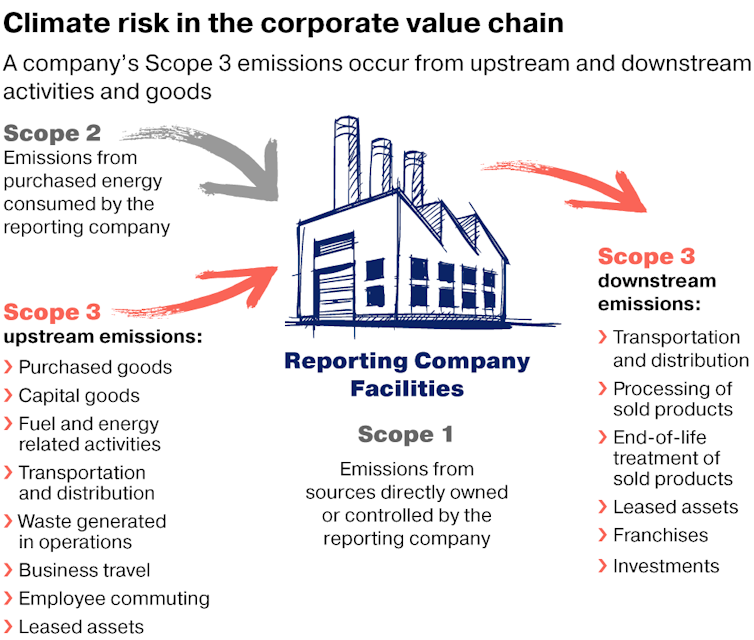



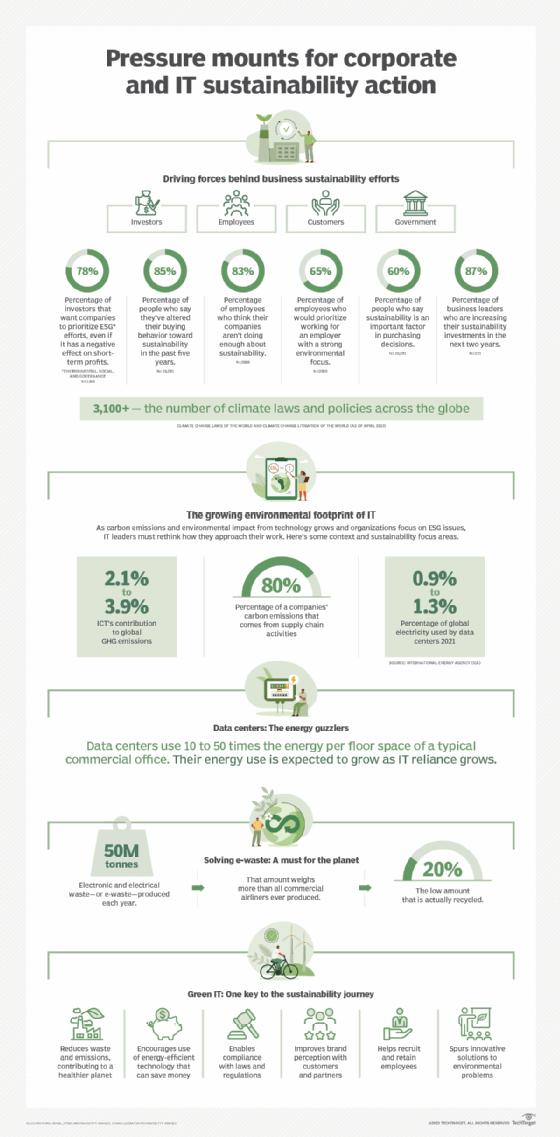


 Eric Block On Responsible Branding
You must be logged in to post a comment.