
The Incredible Connection Between Consumer Loyalty And Climate Responsibility

24 11 2023

Photo: Getty Images

By Dan Lambe, Forbes Councils Member via Forbes • Reposted: November 24, 2023

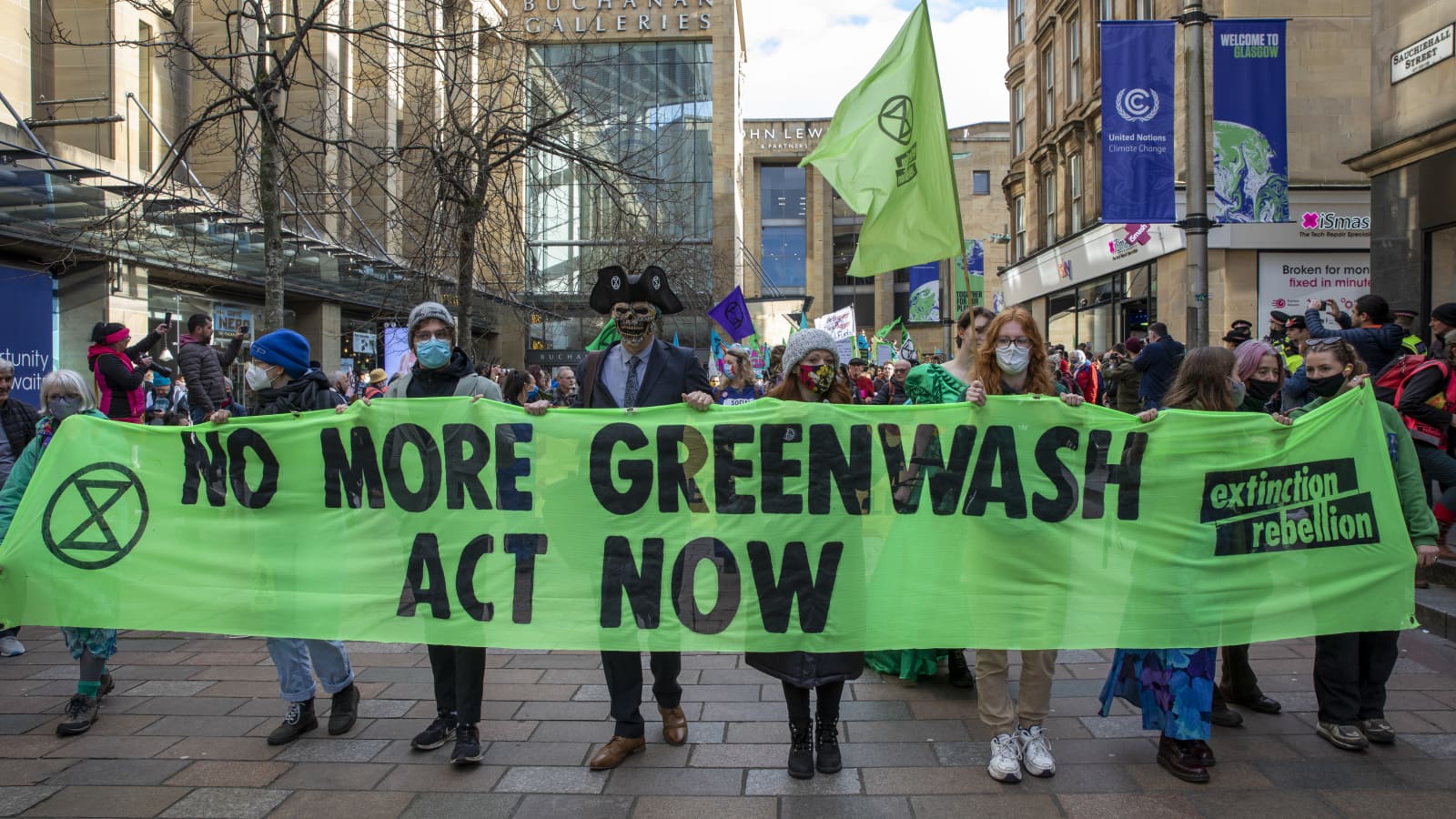
In the digital age, the importance of public perception cannot be undervalued. Opinions form fast and travel even faster. Specifically in the corporate sustainability space, consumers can be skeptical of companies that boast their environmental initiatives. Some of this scrutiny likely stems from highly publicized cases of “greenwashing”—in which some brands and businesses were proven to have exaggerated the impact of their sustainability efforts.

On one hand, many private sector leaders are now, thankfully, taking a more responsible and thorough approach to setting their ESG and sustainability goals. But the progress has sometimes gone unseen by the public because of the phenomenon known as “green hushing.” Brands and businesses are choosing to keep quiet about their environmental achievements for fear of a negative spin in the public sphere. What few seem to realize is that the insistence on silence may be doing more harm than good, both for a business’s bottom line and the climate.

New survey data we commissioned from The Harris Poll indicates that 71% of U.S. adults say they’re more loyal to companies that take an active role in protecting the environment. Younger consumers take it a step further, with 68% of people between the ages of 18 and 34 saying they’re willing to pay more money for products from companies that have a strong stance on sustainability and climate change.

Nurturing and safeguarding the environment has only become more important as the effects of climate change become more severe, and clearly, consumers have taken notice. The survey also found that 79% of Americans believe corporations have an obligation to address climate change, and about four in five adults (82%) think companies have a responsibility to reduce and offset their carbon emissions.

This is not the time to downplay the great sustainability work your company may be involved in. It’s time to open a dialogue with your C-suite and make the case to publicly celebrate your environmental achievements. Because here’s the thing: You aren’t alone in your effort to improve the planet. According to a recent report from Climate Impact Partners, about two-thirds (66%) of all Fortune Global 500 companies have significant and clearly defined climate goals. They’re just not talking about it.

If companies involved in sustainability efforts were to talk more openly about the impact they’re helping create, they could influence other corporate leaders to take their engagement to the next level. We need all hands on deck amid this urgent fight against climate change. We can’t afford to have any business, brand, company or leader sidelined because they don’t have visible examples of success. The data shows consumers want to support vocal, conservation-conscious companies—and frankly, the climate needs it.

Of course, some private sector leaders might be hesitant to immediately go out and shout their sustainability efforts from the rooftops. One of the ways you can connect your climate goals with your audience is by bringing consumers along for the ride. When you communicate about your projects, remember it’s not just the final goal people are interested in. They want to know how you plan to get there, what resources you anticipate using and which experts you’ve consulted. Once you begin to make progress in your project, share those updates with your audience. People desire an understanding of the beginning, middle and end. Transparency in your process makes it easier to authentically establish trust with consumers. Sure, they might ask hard questions. They might demand more of you. But isn’t that a good thing? Ultimately, it’s going to take all of us to create a healthier home for future generations.

It’s also important to remember consumers aren’t your sole audience. Sustainability initiatives offer the opportunity to engage your current and prospective employees. Involve your team members in your sustainability efforts. By engaging them in the process, they can feel a sense of ownership in the initiative. They can feel part of a larger goal that is tangible and attainable.

The Harris Poll data also shows that 73% of Americans believe companies that talk about sustainability efforts are seen as leaders in their field. Participating in tree planting, reforestation and other forms of climate action could boost your brand perception and elevate your reputation. It could reap financial rewards for your business as you attract droves of climate-conscious consumers. And it could mean more attention and resources devoted to critical environmental initiatives. It’s a win-win for corporations and this planet we all share.

Dan Lambe is the CEO of the Arbor Day Foundation. He can be reached at dlambe@arborday.org. To see the original post, follow this link: https://www.forbes.com/sites/forbesnonprofitcouncil/2023/11/22/the-incredible-connection-between-consumer-loyalty-and-climate-responsibility/?sh=403c2d1b25e4



How to Market to the Increasingly Socially Conscious Customer

30 09 2023

Graphic: U.S. Chamber of Commerce

By Gino Sesto from Entrepreneur.com • Reposted: September 30, 2023

Key Takeaways 
  • Socially conscious shopping is more than a trend; it’s a movement shaping the current consumer landscape.
  • Brands have unique opportunities to highlight their commitment to social responsibility. 

In today’s dynamic retail environment, there’s a significant shift occurring in the way brands approach their customers. Historically, many industries prioritized competitive prices and discounts. However, the modern consumer is evolving, and the marketing world must follow suit. Brands are now transitioning away from emphasizing price to highlighting values, beliefs and overarching ethos. This shift from cost awareness to conscious consumerism redefines the marketing approach across sectors.

The emergence of the socially conscious consumer

Socially conscious shopping is more than a trend; it’s a movement shaping the consumer landscape. Customers increasingly make purchasing decisions based on the broader impact of their choices, whether environmental sustainability, ethical manufacturing or social justice.

https://06715d8bd140d1d3ebf3e9a280cf1e69.safeframe.googlesyndication.com/safeframe/1-0-40/html/container.html

Recent surveys like the Harris Poll show these changes in consumer spending habits happening in multiple industries. However, while price remains a dominant factor for many consumers, it’s not the sole consideration anymore. Although numerous shoppers still prioritize cost, a growing group is willing to pay a premium for products aligned with their values.

Take fashion as an example. Data reveals that while 22% of shoppers now consider where apparel is manufactured, 17% evaluate brands based on their sustainability initiatives. Fifteen percent examine a brand’s attitude to social issues, and 13% consider its employment practices. While these figures might appear modest, they indicate a growing inclination toward value-driven, socially conscious shopping. As modern shoppers progressively align spending habits with their values, brands that adapt to this approach will reap the benefits of a loyal and expanding customer base.

https://06715d8bd140d1d3ebf3e9a280cf1e69.safeframe.googlesyndication.com/safeframe/1-0-40/html/container.html

Related: 10 Ways to Make Your Business More Socially Conscious

Crafting marketing strategies for diverse audiences

Successful brands are those that understand their audience’s nuances. It’s crucial to segment the audience not just by age or gender but by values, beliefs and priorities. For older generations, emphasizing cost-effectiveness and quality remains key. While baby boomers focus on price and quality, younger generations like GenZ-ers and Millennials are more inclined to consider a brand’s values and beliefs. For this generation, the key lies in the tangibles. Brands must emphasize cost-effectiveness without compromising on quality. Promotions, discounts, and loyalty programs are effective marketing tools, while Gladly’s 2022 Customer Expectations Report indicates the importance of the entire shopping experience. Convenience also makes a difference through easy returns, a seamless online shopping experience, or efficient customer service. Boomers are looking for value, but they also want ease and simplicity.

This doesn’t mean cost isn’t essential for younger consumers, but they’re more likely to pay more for products and services that align with their values. Younger audiences and people of color are even more likely to align shopping habits with their values. For these audiences, shopping isn’t just a transaction; it’s a statement. Quality, style and, most importantly, a brand’s position on social and environmental issues have all become equally significant. Brands must integrate values into the shopping experience by showcasing their efforts transparently. Clear stances on social issues and ethical employment practices are effective strategies. Collaborations with influencers who support their values, limited edition “cause” collections, or even a percentage of sales going to a social cause can also be successful

Harnessing digital channels for socially conscious marketing

In the current digital age, brands have unique opportunities to highlight their commitment to social responsibility. Digital marketing platforms allow companies to convey their values, initiatives, and beliefs transparently. Research from The Roundup shows consumers are becoming increasingly environmentally conscious, with many actively seeking out sustainable products.

This shift is supported by a 2021 study that showed 45% of consumers are willing to pay a premium for sustainable products. Additionally, 52% of the respondents emphasized the importance of purchasing from companies whose values align with theirs, marking a significant increase from 43% in 2019. Recent findings from the ninth annual Conscious Consumer Spending Index also showed a 25% surge in socially responsible spending in 2021 compared to the prior year. This data underscores the shift in consumer behavior, where decisions are influenced not just by product quality or cost but also by a brand’s ethical and societal values.

Digital platforms, especially social media, have become the epicenter for brands to showcase their alignment with social causes, sustainable manufacturing processes, and ethical sourcing. By integrating these values into their marketing strategies, brands can foster deeper connections with their audience, building a trustworthy and value-driven image. As consumer preferences continue to evolve, the significance of socially conscious marketing in nurturing brand loyalty and fostering trust becomes even more evident.

Staying nimble in a dynamic landscape

Change is the only constant in the retail world. Brands must remain adaptable as consumer preferences evolve, influenced by global events, cultural shifts, and generational differences. Success lies in understanding and catering to the modern, socially conscious consumer. Companies must balance offering cost-effective solutions and championing values, ethical practices, and social responsibility. As brands navigate this new terrain, those who genuinely connect with their audience’s values will be the ones to thrive.

To see the original post, follow this link: https://www.entrepreneur.com/growing-a-business/how-to-market-to-the-increasingly-socially-conscious/459456


50% of American companies exaggerate sustainability efforts

29 05 2023

Photo: CNBC/Getty Images

Google Cloud & Harris Poll shared that 59% of executives overstate how they approach sustainable messaging. Here’s how companies can improve their efforts. By Lucy Buchholz from Sustainability Magazine • Reposted: May 29, 2023

Sustainability has become a popular topic as you hear climate change news daily. Ocean temperatures are rising, leading to melting glaciers and migrating ocean species. Storms have become more volatile, increasing the number of floods and torrential storms worldwide. 

Research shows climate change has strengthened hurricanes and raised storm surges due to rising sea levels. In late 2022, you could see the planet’s wrath through Hurricane Ian. The Category 5 storm devastated the Southeast, especially Florida.

Tom Knutson, a senior scientist at the National Oceanic and Atmospheric Administration (NOAA), says rising sea levels exacerbate flooding from hurricanes. The problem will only worsen as rainfall rates rise this century. 

Many have experienced the devastating effects, leading to a push for more sustainability efforts. You may have found ways to lower your carbon footprint by reducing your carbon dioxide (CO2) emissions. What about the rest of the country?

Talking about sustainability efforts is easy — following through with actions is a different story. Many Americans say they incorporate sustainable practices only to impress their friends. Reality shows another picture.

A March 2023 survey finds 53% of Americans exaggerate their sustainable practices. The same poll reveals 54% will revert to unsustainable actions if they’re alone. 

Jessica Hann, senior vice president of Avocado Green’s brand marketing and sustainability, says: “When it comes to sustainability, it matters less what people think and more that we all just do the best we can.”

The detrimental impact of greenwashing

Organisations that greenwash mislead customers about the environmental impact of their products and services. They may also use climate-friendly initiatives for PR to cover their environmental malpractice.  

A 2023 survey finds more than half of companies admit to greenwashing. Google Cloud and Harris Poll asked executives how they approach sustainability messaging – 59% said they overstate or inaccurately represent sustainable practices. 

For the planet’s sake, greenwashing needs to come to an end. Better knowledge and improved technology allow you to be friends with the environment instead of an enemy. These four strategies demonstrate how employers can help themselves and their employees improve their sustainability efforts:

1. Apply for sustainability certifications

A terrific way to prove your sustainability initiatives is to achieve certification. For example, you can receive Leadership in Energy and Environmental Design (LEED) accreditation if your building complies with the requirements. Getting LEED requires passing an examination with the United States Green Building Council.  

LEED is one of the most popular accreditation programs, but many others exist. For example, there’s the Sustainable Agriculture Initiative (SAI). This program tracks organisations in the agricultural industry and scores sustainability efforts by awarding bronze, silver or gold status. Achieving SAI’s gold equivalence means your organization has high marks in biodiversity, soil management and greenhouse gas (GHG) emissions. 

2. Introduce renewable energy

Buildings have significantly contributed to current climate issues. Data from the International Energy Agency reveals they are responsible for approximately 35% of global energy use. These structures require burning fossil fuels, using steel and cement in construction, and generating electricity and heat. The current blueprint for energy use is less sustainable as demand grows with the world’s population. 

One way to reduce your employees’ carbon footprint in the office is to introduce renewable energy. The easiest way to do that is with solar panels. These systems harness the sun’s power and convert it into electricity for your building. You’ll create energy instead of relying on the electrical grid. 

Now is an excellent time to buy a solar panel for residential and commercial purposes. The federal government extended the solar tax credit through 2033. Purchasing solar panels allows you to get a 30% rebate on the panels, labour costs and various equipment required for installation.  

3. Rethink the supply chain

Today’s businesses must be conscious of their environmental impact. It matters for their carbon footprint and environmental, social and governance (ESG) scores. Your ESG rating is vital because it demonstrates your social responsibility to investors and consumers. 

One way to improve your ESG scores is to rethink your supply chain and make it more efficient. 

For example, consider your suppliers. Are they domestic or international? International partners may have low costs, but the environmental impact is more significant due to the higher demand for fossil fuels. 

You can shorten the supply chain by partnering with domestic companies – preferably in your state. These businesses shorten your lead times and reduce your business’s environmental impact. 

4. Conserve water

Water is critical in industries like agriculture, construction, fashion and more. Even if you don’t work directly with it, you still need it for bathrooms and water fountains inside the office. The world’s freshwater supply has increasingly become concerning. Cities and states in the Southwest often implement water limits to conserve the resource in the summer. 

Your office can become more sustainable by increasing water efficiency. Use low-flow faucets and toilets to minimize use and only consume what’s needed. These systems reduce water usage and lower the money spent on this utility. Nowadays, you can utilize smart technology to monitor use and see where to improve. 

Help employees help the planet

Sustainability has become a vital topic of discussion lately. The conversation is necessary as the world faces the wrath of climate change. Most people agree it’s a problem but don’t always take the required actions. 

Employees spend a large part of their day in the office, so you should help your colleagues reduce their carbon footprint at work. Incorporate renewable energy and obtain sustainability certifications. These actions demonstrate care for the environment and inspire employees to do more at home. 

To see the original post, follow this link: https://sustainabilitymag.com/articles/50-of-american-companies-exaggerate-sustainability-efforts