
Photo: Getty
By Yusuf Amdani, Forbes Books Author via Forbes.com • Reposted: August 12, 2023
While 90% of executives state that sustainability is important, not as many are acting on green policies, according to the report “Investing For a Sustainable Future” which appeared in the MIT Sloan Management Review. Only 60% of companies have sustainability strategies in place. Without a green vision at the top, operational levels run the risk of using more resources than needed in everyday practices.
It may be a question of time: the world’s population grew from 2.3 billion in 1937 to 7.8 billion in 2020, per the Green Business Bureau. With more people, the carbon in the atmosphere has increased from 280 parts per million to 415 parts per million during that same timeframe. Globally, organizations are recognizing the need and searching for a solution to become more earth conscious.
Those interested in funding businesses are just as interested in sustainable solutions, with 85% of investors considering environmental, social, and corporate governance (ESG) factors as they make decisions, according to Gartner research. Among banks, 91% monitor ESG performance of investments. These groups see that consumers are asking for green strategies and that sustainability can lead to long-term profitability and performance.
Setting the tone for both current and future generations begins with effective, ongoing efforts that coincide with the U.N.’s Sustainable Development Goals. These outline actions for all countries—both developed and developing—to carry out in a global partnership. When businesses step up and implement changes, others will take notice and be ready to join in.
Here are some of the proven sustainable practices that can generate business:
1. Opting for Renewable Energy
In developing countries, the infrastructure may not support 24/7 electricity in every town and village. For companies that depend on uninterrupted processes and timely deliveries, putting in a solar-powered system could be the answer. Drawing from the sun’s rays to produce and circulate energy, operations can continue while simultaneously lowering electricity costs. Companies that lean into renewable energy will also benefit from the opportunity to show shareholders and customers that they are actively working to reduce their carbon emissions.
2. Sourcing Recycled Materials
Switching from ready-made supplies to recycled fibers in a textile plant can have a significant impact. Waste is reduced, products are manufactured with repurposed materials, and customers can join the cause by purchasing finished items. Among Gen Z shoppers, the up-and-coming consumer demographic, 73% are willing to pay more for sustainable products, per a report from FirstInsight. Looking for ways to recycle materials within a plant can lower manufacturing expenses and enable companies to prepare for upcoming regulations.
3. Promoting Plants and Nutrients
By 2030, the Amazon rainforest is predicted to be downsized to such an extent that it will not provide enough water to support its plant life, as reported by the Green Business Bureau. While companies can certainly fund reforestation campaigns, they can also start their own—right in their backyard. Industrial parks may have spaces where they can plant new trees and house a nursery. New flowers and trees could be distributed among the community. Organizations can also look for an area to carry out composting efforts like the Bocashi method, which yields organic fertilizers that can be used on plants.
4. Measuring Sustainable Metrics
Tracking sustainability programs and efforts can help staff members see progress and allows investors to gain insight into a company’s long-term objectives. This starts with choosing metrics to measure and certifications to obtain. From LEED to ISO 14001, TRUE (Zero Waste), and Great Place to Work®, there are many paths to pursue to implement sustainable processes and systems. Issuing a report every year creates a synergy that the company can build on and helps further share ESG objectives and achievements with interested parties.
Sustainable practices that deliver results, including reduced costs, greater efficiencies, and higher levels of well-being among workers, will be the drivers of tomorrow’s companies. To be prepared for heightened awareness and regulations surrounding ESG, organizations will do well to start today. Looking at what can be done and taking small steps can lead to long-term results and a lasting presence.
To see the original post, follow this link: https://www.forbes.com/sites/forbesbooksauthors/2023/08/11/can-sustainable-practices-generate-business/?sh=33bffd205879
 Cub Foods recently opened a LEED (Leadership in Energy and Environment Design) Gold Certified grocery store in the Phalen neighborhood of St. Paul, Minnesota.

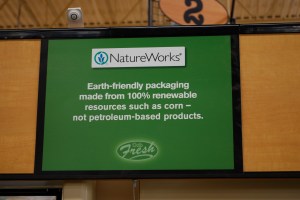
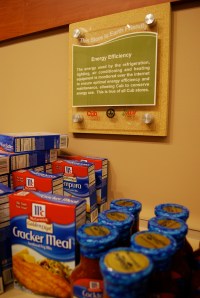 LED refrigerator case lighting to conserve energy.


 Eric Block On Responsible Branding
You must be logged in to post a comment.