Balancing luxury with the imperative of sustainability presents an ongoing dilemma. The challenge lies in finding a harmonious path that doesn’t compromise customer satisfaction. Achieving this delicate balance requires a multifaceted approach. By Manthati Sai Kiranfrom Business World • Reposted: September 25, 2023
The hospitality industry is known for its exceptional services. Luxury and facilities. The sector is now not only known for creating exceptional experiences for its guests but also for driving positive change. This sector presents unique opportunities and challenges.
Similar to many other industries, the hospitality sector is committed to advancing sustainable practices. But it has faced considerable adversities, particularly due to the impacts of the COVID-19 pandemic. As it looks ahead, sustainability cost stands as one of the challenges.
In mathematical terms, the hospitality industry contributes approximately 11 per cent of global carbon emissions and it is expected to grow by 85 per cent over the next few years. The growth comes at a cost and it involves a high environmental impact, including increased water usage and the generation of disposable and non-disposable waste. Implication – more emission of carbon footprint.
Balancing luxury with the imperative of sustainability presents an ongoing dilemma. The challenge lies in finding a harmonious path that doesn’t compromise customer satisfaction. Achieving this delicate balance requires a multifaceted approach.
In a recent panel discussion, industry leaders shared their strategies and best practices for addressing various issues, minimising food waste, sustainability initiatives, and inclusive and active engagement with local communities. These collaborative efforts demonstrate the industry’s commitment to making a positive impact while navigating the complexities of luxury and sustainability.
Gaurav Sinha, Hotel Manager, JW Marriot said “Sustainability is not just a path we aspire to explore as an industry, but a responsibility we embrace. Our guests, play a pivotal role alongside with us in giving back to society and preserving our precious natural resources. Through dedicated practices and innovative equipment, we aim to make a meaningful contribution. Tonight, as our conversation unfolds, we look forward to discussing these vital steps towards a brighter, more sustainable future”.
HC Vinayaka, VP Technical, EHS & Sustainability, ITC Hotels, shared strategies for minimizing food waste, from removing dustbins in cafeterias to implementing programs where food is measured every time it is thrown and target food wastage reduction year-by-year plans.
He strongly believes, educating management teams, and fostering a shared commitment to sustainability are the cornerstones to tackling food waste.
Manish Garg, General Manager, Hilton and Hilton Garden Inn Bengaluru Embassy Manyata Business Park, shared inclusive practices, that he led in his organisation. He has taken steps to include specially-abled individuals in the workforce, recognizing the importance of diversity and inclusivity. However, it’s not just about hiring, it’s about fostering an environment where everyone can thrive. This means equipping ourselves and our teams with the skills and understanding needed to work effectively with differently-abled colleagues. It’s about learning sign language, adapting communication methods, and ensuring safety measures are inclusive.
“In my experience, the biggest challenge lies in ongoing training, where we continuously strive to improve our communication and support for our specially-abled team members. In the hotel industry, there are diverse roles, such as operators, where physically challenged individuals can excel. It’s about creating an environment where they not only have a job but also feel valued and motivated to come to work, just like any other team member”, he added.
Unlike greenwashing, a quieter phenomenon raises concerns about transparency and authenticity. By Patricia Costinhas from impakter.com • Reposted: September 24, 2023
In the world of corporate sustainability, it’s not always about what companies proudly proclaim; sometimes, it’s the hushed secrets they keep that reveal their true shades of green. You’ve probably heard of greenwashing before, but now there is a subtler player lurking in the shadows: greenhushing.
While greenwashing wears its false eco-badges loud and proud, greenhushing prefers to stay in the background, quietly concealing its true colors. But make no mistake; silence can speak volumes. It raises questions about companies’ transparency, accountability, and their true sustainability efforts.
What is Greenhushing?
Though not a term that rolls off the tongue as easily as greenwashing, greenhushing has been growing in popularity. In essence, it revolves around companies deliberately opting to keep their environmental and social credentials discreet, almost as if they are hushing their sustainability efforts. Greenhushing involves downplaying or conveniently omitting mention of a company’s environmental initiatives.
Now, you might wonder, isn’t modesty a virtue? Indeed, in the realm of corporate sustainability, there is merit in humility. However, the practice of greenhushing raises a cause for concern when it comes to sustainability communication. Companies that embrace greenhushing may aim to convey that they are committed to sustainability without making a fuss about it. Yet, by choosing to remain vague and ambiguous, they can inadvertently give the impression that their environmental efforts are more substantial than they truly are.
his subtle approach to sustainability communication has its drawbacks, as it can obscure the reality of a company’s emissions and sustainability initiatives. Furthermore, it opens the door to sophisticated greenwashing tactics, which exploit this hushed narrative to create a façade of environmental responsibility.
Measuring Sustainability
Assessing a company’s commitment to sustainability in today’s corporate world can be a tough task. While financial metrics enjoy well-established and standardized criteria, the same cannot be said for sustainability metrics, which are often kept hidden.
Numerous organizations, frameworks, and industry groups within the business landscape have their own sets of reporting guidelines. This diversity of standards results in a fragmented sustainability landscape, making it challenging to compare how businesses fare in terms of sustainability targets and environmental credentials.
Then there’s the commonly designated ESG reporting field, a trio encompassing Environmental, Social, and Governance aspects. This reporting framework seeks to gauge a company’s commitment to sustainability, social well-being, and upholding ethical standards. However, it now finds itself in middle of growing scrutiny and criticism within the corporate world.
ESG Metrics and Growing Criticism
Quantifying social impact and ethical governance is no easy feat, and the absence of robust regulatory oversight has raised concerns about the relevance of ESG reporting. Many companies grapple with how to measure their environmental impact and fulfill their sustainability targets, adding to the complexity of the situation.
Last year, Tesla CEO Elon Musk made headlines by publicly denouncing ESG, going as far as labeling it a “scam.” This declaration came after Tesla’s removal from the S&P 500 ESG Index, a move that prompted Musk to voice his discontent on Twitter. He suggested that the integrity of the index provider had been compromised, pointing out the irony of oil giant Exxon Mobil retaining its top-10 position while his electric car company was removed from the list altogether.
Then there is the case of rampant greenwashing. Without clear-cut or standard sustainability reporting metrics, what we find is a breeding ground for corporations to exaggerate or falsify their initiatives.
The new EU CSRD Directive will make ESG reporting mandatory from January 2025. This means companies should start to collect their data from January 2024. Starting from larger companies and then later SMEs everyone will have to report on their sustainability efforts.
Motivations Behind Greenhushing
To truly grasp why organizations choose the path of greenhushing, we must first understand the driving forces behind it.
Resource Constraints
One significant factor in the greenhushing equation is resource constraints. Imagine a smaller company with limited manpower and budget resources. When they start trumpeting their sustainability achievements, they can quickly find themselves overwhelmed with demands for more data, additional proof, and numerous reports. These resource limitations can swiftly transform the green spotlight into a glaring interrogation lamp. Consequently, some organizations choose to maintain discretion as a shield.
Regulatory Costs
Navigating the labyrinth of regulations can be expensive, particularly for companies seeking to solidify their green credentials. The fear of incurring regulatory fines due to inadvertent missteps acts as a potent deterrent. Therefore, some organizations opt to remain under the radar until they are absolutely certain they can meet all regulatory requirements. Some companies prefer quiet, prolonged testing of their green initiatives before making grand announcements. This approach helps them avoid both the financial and administrative costs associated with compliance.
Shielding from Scrutiny
By selectively revealing their sustainability efforts, organizations can avoid intense scrutiny and accusations of greenwashing. Companies making exaggerated or false green claims not only risk reputational damage but also potential legal consequences. Thus, through greenhushing, firms can remain unnoticed by watchful eyes. An example is the recent accusation against global banking giant HSBC. They faced allegations of greenhushing when they downgraded funds exclusively invested in sustainable assets to those including environmental or social factors, without necessarily targeting a sustainable outcome. While the company claimed compliance with EU regulations, critics viewed it as an attempt to evade investor scrutiny.
Taking a critical stance on these motivations for greenhushing is vital. While resource constraints and regulatory costs are valid concerns, they should not excuse a lack of transparency. In an era where consumers and stakeholders demand responsible investment decisions, underreporting sustainability efforts can backfire. Some may inadvertently damage trust and credibility in their attempt to shield themselves from scrutiny.
The Sustainability Imperative
All things considered, sustainability rests on transparency and accountability. It goes beyond marketing or shielding from criticism. Despite ESG criticism, customers now focus on product carbon footprints, integral to their choices. This awareness drives firms to adjust emissions goals and prioritize strong sustainability credentials in their climate strategies.
Ultimately, the path towards sustainability is far from silent. By wholeheartedly embracing transparency and accountability, organizations can not only avert allegations of greenwashing but also make substantive contributions to the collective mission of combatting climate change and addressing environmental challenges.
By Tim Lamont, Research Fellow, Lancaster University via The Conversation • Reposted Septsmber 21, 2023
We’re witnessing first-hand an alarming decline of the world’s ecosystems, which is having a devastating impact on the people who rely on them. In many cases, it’s no longer enough to just protect what remains – degraded ecosystems must be restored.
Expanding restoration efforts at the rate required will only be possible with committed buy-in from local communities, regional and national governments, civil society and – crucially – the corporate sector.
Many businesses are starting to embrace this vision by launching ambitious restoration projects to replant trees, wetlands, coral reefs and mangroves that far exceed their legal responsibilities.
These endeavours are promising. In some cases, these projects are even delivering significant benefits. But according to a study, which was carried out by myself and several colleagues, we can’t be sure whether large corporations are making good on these environmental promises.
The hidden reality
We delved into the publicly available sustainability reports of 100 of the world’s biggest businesses. Our aim was to summarise the extent of their restoration work and its impacts.
What we found was both eye-opening and disconcerting. Two-thirds of these corporations stated that they carry out restoration activities. But the devil lay in the detail — or, in this case, the lack thereof.
Many of the corporate sustainability reports gave very little evidence to back up their claims about ecosystem restoration. They lacked rigour in defining restoration, outlining methodologies and quantifying outcomes.
They also failed to clearly distinguish between projects designed to merely align with legal responsibilities and those that would genuinely contribute to global restoration goals.
The majority (80%) of the reports failed to disclose how much money they were spending on ecosystem restoration. And 90% didn’t report any of the ecological impacts that their work had. A third of the reports didn’t even say how big their projects were.
In essence, the evidence supporting many corporate-led ecosystem restoration projects is glaringly inadequate.
The potential power of ‘Big Business’
The world’s largest businesses are powerful entities. They possess the resources, wealth, logistics expertise and influence to play a pivotal role in the mission to restore the world’s ecosystems.
Imagine a world where corporations use their vast finances, labour forces, manufacturing capabilities and social influence help rebuild forests, wetlands, savannas and coral reefs around the globe. It’s a vision of corporate responsibility that goes beyond mere compliance with environmental regulations.
But ecosystem restoration is notoriously difficult to do well. It requires careful and strategic consideration of a range of environmental and social factors.
Genuine attempts to restore ecosystems can sometimes do more harm than good. They can, for example, accidentally cause environmental damage, disempower local people and landowners or destabilise local governance. Some corporations also oversell their efforts to gain an undeserved boost to their reputation (a practice known as “greenwashing”).
Better reporting will be essential for big businesses to become genuine leaders of global ecosystem restoration. It will allow us to properly track the progress of corporate-led initiatives, hold businesses to account against the claims they make, and learn from those businesses that are leading the way.
In our paper, we suggest that the rigour of corporate reporting could be improved by implementing several key principles taken from restoration science.
For example, corporate sustainability reports could better meet the principle of “proportionality” (understanding how much restoration activity has been carried out) by providing information about the spatial extent and number of organisms planted in each individual restoration project that a company carries out. It would then be possible to evaluate the likely scale of the project’s impact.
The principle of “permanence” (committing to long-term restoration commitments) could be better evidenced by companies reporting on the number of years they’ve committed to maintain, monitor and report on projects after they’ve been started.
By reporting in ways that adhere to scientific principles like these, companies will be able to demonstrate much more convincingly that their efforts in ecosystem restoration are delivering the environmental and social benefits that they claim.
Big business is showing an increasing interest in contributing to global sustainability. As part of this movement, corporate-led ecosystem restoration could become a valuable asset in the battle to protect our planet’s vulnerable ecosystems. But it will only work if we can ensure transparency, accountability and adherence to best practice.
The idea of big business helping to rebuild the planet is an alluring rhetoric. Now it’s time to back it up with evidence.
A new Veolia North America survey of 245 large U.S. companies shows that more than half will have ambitious goals addressing net zero carbon, zero waste to landfill, zero liquid discharge, and targeted increases in water efficiency, reuse, and waste recycling by 2025, with many firms already setting specific targets.
The survey shows reductions in greenhouse gas emissions are the top sustainability priority for most firms, but it is clear that priorities to address water and waste reductions are catching up.
While the commitments being made by firms are encouraging, the data in the new Veolia survey shows that the majority of companies have yet to identify specifically what the exact steps are to achieve their most ambitious medium- and long-term commitments.
Here are some highlights of the survey, which was conducted over the past year:
60% of firms identified specific projects and initiatives to achieve their short term sustainability goals (less than five years), while 37% had not.
40% of firms reported that reducing operational costs is a very important driver for pursuing sustainability goals.
While investments included in the landmark U.S. Inflation Reduction Act have gone far in providing firms with the financial support they need to convert to sustainable practices, it will not be enough to meet all their needs. Based on an analysis by the International Energy Agency and Boston Consulting Group, the overall transition to sustainable energy across U.S. industries will require at least $18 trillion in additional capital by 2030.
“This survey provides many important insights on how firms across America are responding to the growing concern around climate change, and why they are looking to reduce their impact on carbon emissions, waste streams and water use,” said Veolia North America President and CEO Fred Van Heems. “A large number of companies are genuinely committed to achieving sustainability objectives, yet they are not sure how to begin, which is keeping many of them from moving forward. The good news is there are solutions available to get them on track and help them sustain momentum.”
The survey findings point to the need for more urgency in clearing the way for industries to adopt more sustainable practices as soon as possible, according to Charles Iceland, Director of Freshwater Initiatives for the World Resources Institute, an environmental think tank based in the U.S.
“It’s clear from this survey that for large companies that are genuinely committed to operating on a more sustainable basis, more resources and data are needed to help them determine where their greatest needs are so they can take effective action,” Iceland said.
The survey found that a majority of companies are committing to sustainability goals primarily because of reporting requirements, regulatory compliance, cost savings and brand reputation. Of the firms surveyed, roughly one-third said the environmental risks to their operations were not a very important driver.
The survey findings are being announced one year after passage of the U.S. Inflation Reduction Act, which was meant to kickstart the economy with investments in critical infrastructure, with a special focus on initiatives that will help meet sustainability goals for addressing climate change.
The survey found that many respondents are prioritizing sustainability initiatives because of the incentives and opportunities available in the IRA legislation and other factors such as regulatory requirements and investor focus on climate disclosures.
What remains a challenge, the survey showed, is that companies still lack the funding to support the transition and take the concrete steps necessary to achieve their goals. They also are struggling to achieve alignment of internal goals and responsibilities and easy access to data to understand where they are and track progress.
“Before firms can invest in reducing their impact on the environment and become more sustainable, they need information on their current baseline, such as data on their energy emissions, waste and water use,” said Patrick Schultz, President and CEO of VNA’s Sustainable Industries and Buildings division. “This will enable them to choose measures that can be immediately and easily implemented, and ones that may require a strategy to mitigate over time.”
Schultz added, “This kind of analysis is only effective if it is conducted holistically, taking into account each firm’s contributions not only to high-profile factors like greenhouse gas emissions, but also equally important considerations like reducing landfill waste and preserving water resources. This is what Veolia North America means by triple zero – achieving net zero goals for energy, waste and water.”
Unilever study uncovers barriers influencers face around creating sustainability content. The company is partnering with climate-focused nonprofits and launching a Creator Council to help address these barriers. From Unilever via Sustainable Brands • Reposted: September 18, 2023
A first-of-its-kind study by Unilever has revealed that although 60 percent of social media content creators want to make a positive impact on the environment, the majority (84 percent) are holding back from mentioning sustainability more in their content. While their content has the potential to drive more sustainable behaviors — with 78 percent of consumers claiming in an earlier study that influencers have the biggest impact on their sustainable purchasing and lifestyle habits — content creators fear greenwashing amongst other barriers.
According to the study — which polled the views of 232 content creators across YouTube, TikTok and Instagram in the UK, US, Brazil and the Philippines — almost two-thirds (63 percent) are creating more sustainability content this year compared to last year; and three-quarters (76 percent) want to create even more in the future.
But content creators say they are holding back, with the fear of greenwashing coming out as the top barrier for over a third (38 percent). Other barriers include finding it difficult to transition from the main focus of their content to sustainability; thoughts on what is or isn’t sustainable can change; and not feeling educated enough on the key sustainability issues — all receiving 21 percent. Concerns about being cancelled was cited as a problem by 18 percent of respondents.
While more than half (58 percent) of influencers say they feel confused about sustainability or environmental labels, the study also found that over 9 in 10 (91 percent) would find each of the following types of advice helpful:
direct support to ask questions on sustainability briefs;
support dealing with audience comments;
and access to training about making trustworthy statements about company and product sustainability claims.
To help address this, Unilever — alongside a coalition of partners including sustainability nonprofits and a new Creator Council — today calls on other brands, agencies and technology companies to join forces with them to help content creators authentically and accurately drive more sustainable consumer choices through social media content.
The new coalition of partners includes sustainability experts from Count Us In, United Nations Development Programme, Rare and Futerra Solutions Union; as well as an independent Creator Council — a community of social media content creators across travel, beauty and lifestyle sectors specifically brought together to advise on and shape this initiative.
“We have long known that climate action isn’t only for governments. In fact, the IPCC reports tell us that public action could quickly save 5 percent of ‘demand side’ carbon emissions,” says Count Us In co-founder Eric Levine. “There has never been a more critical moment in history to be part of a coalition that puts creators at the heart of advancing new solutions. Using credible, science-based guidelines and behavior change theory, we have the potential to influence billions of people through the collective reach of the creator economy.”
The coalition will work to co-create an industry-wide digital solution that will bring together social media content creators, nonprofits and brands to accelerate accurate and effective sustainability content built upon science and behavior change theory to encourage more sustainable behaviors. Partners are currently developing a framework and guidelines to ensure the solutions are in line with the latest climate science.
Dr Adanna Steinacker — entrepreneur, public speaker, digital influencer and member of the Creator Council — says: “As a digital content creator, I feel a responsibility to inspire my audience with solutions that are better for our environmental and planetary health. It is crucial that brands and creators unite in this mission, dissecting science-backed information into creative storytelling that resonates with the public and influences change on a global scale. With adequate brand support, we can enhance sustainability content on social media, inform our communities accurately, and collectively contribute to a better environment.”
“We know that sustainability content on social media has the potential to drive more sustainable behaviors; but it needs to be informative and meaningful content,” asserts Rebecca Marmot, Unilever’s Chief Sustainability Officer. “Climate Week NYC 2023 is the perfect opportunity to collaborate with others and empower influencers to communicate on the key issues with credibility.”
Unilever invites brands, nonprofits and social media content creators to join the coalition by contacting Count Us In at contact@countusin.com.
From Consultancy.UK • Reposted: September 14, 2023
Business strategy has predominantly focused on the ‘E’ in Environmental, Social and Governance policy; but fostering good growth requires a renewed emphasis on the importance of the ‘S’ pillar, according to Xynteo Managing Partner Jonah Grunsell. He explains how this can help to create socially consciousness, inclusive and profitable supply chains.
In today’s dynamic business landscape, the integration of social consciousness and inclusivity within supply chains is crucial. Enterprises that prioritise these principles not only contribute to a fairer and more equitable world but also gain a competitive edge through the fostering of stronger relationships with diverse stakeholders. So, what can businesses do to embed social consciousness and inclusivity within their supply chains at every step?
The 2022 Global Sustainability Study shows that 66% of consumers rank sustainability as one of the top five drivers behind a purchase decision; meaning that transparent communication in supply chain practices plays a pivotal role in establishing trust with consumers, investors, and stakeholders. Businesses must strive for openness regarding their sourcing, labour practices, and social and environmental initiatives. Research by Label Insight showed a staggering 94% of consumers are likely to remain loyal to a brand that offers complete transparency about its supply chain, underscoring the growing importance of supply chain visibility in understanding a business’s impact.
Yet, transparency in supply chains goes beyond consumers, with investors, suppliers and other stakeholders also seeking clarity and openness.PwC revealed that 83% of investors believe that non-financial disclosures, such as supply chain information, are essential when making investment decisions. Enhancing communication with consumers, NGOs, and industry partners is also a vital element in creating a positive impact through supply chain practices. According to a study by the Harvard Business Review, 65% of consumers want to buy purpose-driven brands that advocate sustainability.
In the quest for responsible supply chain practices, reporting and certification play a crucial role in demonstrating a company’s commitment to transparency and accountability. Sustainability reports provide comprehensive insights into an ESG performance, showcasing their efforts to minimise environmental impacts, promote social welfare, and ensure ethical business practices.
While, environmental management certifications, such as ISO 14001, demonstrate a company’s dedication to reducing its environmental footprint and fairtrade certification guarantees that products meet strict standards, ensuring fair wages and better working conditions for farmers and workers. According to a study by the Global Reporting Initiative (GRI), 96% of the world’s 250 largest companies now disclose their sustainability performance through these reports.
A good example from the technology world is Apple, which has taken great strides both on reporting on its sustainability efforts as well as acting on the insights generated by increased transparency and tracking. This level of transparency instils trust among consumers, investors, and partners, encouraging them to support and collaborate with socially and environmentally responsible companies.
Embracing diverse and ethical strategies
True inclusivity requires forging partnerships with a diverse supplier base, particularly those within underrepresented groups such as women, minorities, and social enterprises. Businesses can support local communities, create economic opportunities and promote social mobility by actively seeking out and collaborating with these suppliers. A study by the Harvard Business Review indicates that actively embracing a supplier diversity programme can foster innovation and increase the bottom line. A procurement strategy that prioritises inclusivity expands the range of potential suppliers and fosters healthy competition within the supply base, leading to enhanced product quality and cost reduction.
One fundamental aspect of improving supply chains is ensuring fair labour practices and ethical sourcing. Businesses can take proactive steps to verify that their suppliers adhere to responsible labour standards, treat workers fairly, and provide safe working conditions. This includes regular audits, transparent supplier relationships, and collaboration with industry initiatives promoting ethical practices. By sourcing ethically, businesses can contribute to the well-being of workers, reduce social inequalities, and enhance the reputation of their brands.
Prioritising ethical sourcing practices involves scrutinising suppliers’ labour conditions, environmental impact, and compliance with human rights standards. Partnering with suppliers who align with these values ensures that products and services are not tainted by exploitation or harm to communities.
Providing suppliers with training, resources, and support can significantly enhance their operational efficiency, product quality, and compliance with ethical and environmental standards. This not only improves the overall supply chain’s performance but also promotes sustainable practices and responsible behaviour. Businesses also can make a positive impact on communities by investing in social programmes and projects that tackle pressing challenges such as education, healthcare, and infrastructure.
Prioritising local suppliers and supporting small businesses within the community can stimulate economic growth, create job opportunities, and promote entrepreneurship. Embracing local sourcing strengthens community ties, boosts regional development, bolsters community resilience, enhances quality of life, and contributes to societal progress, generating a broader positive influence beyond the business itself. The good news is that ethical business practices make commercial sense when you consider that, for example, 70% of American consumers think either “somewhat” or “very important” for companies to make the world a better place; while a huge 93% of employees believe companies must be led by purpose.
Unilever, for example, has set ambitious social targets under its ‘Sustainable Living Plan’, including empowering 5 million women through its value chain by 2020 and enhancing economic growth in local communities. Their ‘Partner with Purpose’ strategy aims to drive mutual growth that’s consistent, competitive, profitable and responsible, and influence the people they buy from to, in turn, buy from diverse suppliers, leading to the transformation of their value chain.
Nurture responsibility
Businesses must play a pivotal role in encouraging responsible consumption by engaging consumers and raising awareness about the social and environmental impacts of their products. A study by Nielsen reveals that sustainability is more important to 69% of global consumers than it was two years ago. Providing transparent information about sourcing and ethical considerations empowers consumers to make informed choices aligned with their values. By actively involving consumers in the journey towards a more socially conscious supply chain, businesses can build trust, loyalty, and a positive brand image.
Integrating social consciousness and inclusivity into supply chains enables businesses to create positive societal impact while ensuring long-term sustainability. Ethical sourcing practices, diverse partnerships, sustainable logistics, and responsible consumption are essential steps in achieving these goals.
Xynteo encourages businesses to take a proactive stance, transforming their supply chains into vehicles for change that promote fairness, equality, and environmental stewardship. Through collective efforts, we can build a more just and inclusive world, one supply chain at a time.
From Two Side Europe • Reposted: September 14, 2023
The Trend Tracker Survey 2023, the latest consumer research from Two Sides Europe, seeks to understand changing consumer perceptions towards print and paper products, looking specifically at environmental awareness, reading habits, packaging preferences and attitudes towards tissue products.
Online Shopping – Good News For Paper Packaging The shift to online shopping has accelerated dramatically in recent years. At the touch of a screen, consumers can search for a product, order and have it delivered to their door, sometimes on the same day. As consumers have come to appreciate the safety, speed and convenience of buying products online, they also are increasingly more concerned about how those products are packaged and delivered.
European consumers are demanding that retailers do more to ensure their packaging is widely recyclable, and 49% believe that paper-based packaging is easier to recycle than other materials. Recycling data reflects this belief: 82% of paper packaging is recycled, the highest recycling rate of any packaging material. Glass has a recycling rate of 76%, metal 76% and plastic just 38% (Eurostat, 2020).
71% of European consumers prefer products ordered online to be delivered in fitting packaging to reduce waste, up from 68% in 2021. 59% prefer products to be delivered in paper packaging, and perceive sustainable benefits of paper compared to other packaging materials, including glass, metal and plastic.
Consumers Demand Retailers Do More Retailers play a crucial role in the innovation of product packaging and the use of recyclable, sustainable packaging materials. In response to increasing media and consumer pressure to perform and behave in a more sustainable way, retailers throughout Europe, particularly supermarkets, are improving and communicating their environmental credentials, commitments, and achievements. Even so, less than half of those surveyed (46%) believe that retailers are doing enough to inform consumers of their commitments and achievements related to sustainability.
The survey revealed that consumers would be willing to act if they don’t think a retailer is doing enough to become more sustainable. 41% would consider avoiding a retailer that is not actively trying to reduce their use of non-recyclable packaging, and 55% would buy more from retailers who remove plastic from their packaging.
Because consumers are concerned about the impacts that packaging waste has on our planet, they increasingly expect that governments and brands, as well as retailers, do more to ensure packaging is widely recyclable. When consumers were asked to rank who they believe has the most responsibility for reducing the use of non-recyclable single-use packaging, 39% believe that governments and local authorities are the most responsible, followed by brands, retailers and supermarkets (22%), packaging manufactures (20%) and the individual (19%).
To find out more about the Two Sides campaign, and how you can become a supporter, visit www.twosides.info
An executive summary of the Trend Tracker Survey 2023 was published in June and is available to industry stakeholders on request. Visit twosides.info/trend-tracker-2023 to register your interest in receiving this summary.
By Daniel Tsai, Lecturer in Business and Law, University of Toronto and Peer Zumbansen, Professor of Business Law, McGill University via The Conversation • Reposted: September 23, 2023
In addition, the lack of government leadership and the fragmentation of the ESG landscape has created uncertainty about its future. Many firms don’t know if they should lead by example or wait to follow the pack.
The public debate around ESG, stakeholder governance, sustainability and responsible investment continues to gain momentum in the midst of all this.
In response, McGill University’s CIBC Office of Sustainable Finance hosted academics and experts from 11 countries to confront the issues of ESG, climate change governance and democratic politics. The resulting impact paper proposes several policy recommendations for governments and corporations to work together to transform ESG standards into practice.
A fully transparent and publicly available ESG and sustainability index for financial institutions and corporations would improve transparency, accountability and address the demand for ESG.
If large public corporations were required to report universal ESG metrics, it would lead to healthy competition among corporations to go above and beyond the minimum index requirements. This would allow investors and consumers to see how companies are actually implementing ESG policies, leading to increased transparency.
Meaningful disclosure will ultimately lead to a transformation of a company’s buying, production, selling and investing practices.
The BlackRock investment company in the Hudson Yards neighbourhood of New York City on March 14, 2023. AP Photo/Ted Shaffrey
Increased transparency would also help prevent companies from greenwashing by boosting their ESG ratings before quarterly or semiannual public disclosures.
This forward momentum can lead to the integration of sustainability officers, who play a key role in ensuring effective ESG implementation, into businesses and organizations.
But these tax credits need to go further. For example, the government could provide tax credits to the oil, gas and mining sectors for investing in renewable energies. The government could also allow investors to deduct related corporate losses against their personal income.
That will help spur economic growth, investment and development in beneficial industries and technologies, as we have seen with the rise of the electric vehicle industry.
The West Pubnico Point Wind Farm is seen in Lower West Pubnico, N.S. in August 2021. Image: THE CANADIAN PRESS/Andrew Vaughan
The goal should be to encourage corporations to better integrate sustainable practices within their business models and create targeted investment that favours socially responsible investment. That way, governments can use their tax systems to support technologies and business models that address climate change.
Governments can also help make the financial sector sustainable by providing favourable loans and financing for greener investment portfolios.
Governments, central banks and banking regulators can create regulations that require financial institutions to implement sustainability into their underwriting policies. This would involve placing higher interest costs on loans with poor ESG outcomes to encourage industries to invest in better ESG.
By setting transparent standards for ESG accountability, requiring corporations to participate in sustainability indexes and standards and offering economic incentives through tax reform, governments can have a transformative effect on businesses through ESG. But it requires effective leadership.
By Luke Heilbuth via Sustainable Brands • Reposted: August 29, 2023
Climate resilience is the ‘resilience of a company’s strategy and business model to climate-related changes, developments and uncertainties.’ This language is worth reflecting on, as it brings the concept of resilience science into mainstream business thinking.
Background
In June, the International Sustainability Standards Board (ISSB) issued its inaugural standards — IFRS S1 and IFRS S2. The Standards create a common language for companies to report on how sustainability and climate-related risks and opportunities affect their prospects. They reflect what investors want, and will form the basis of mandatory climate-related reporting requirements in many advanced jurisdictions (aside from the United States).
This article explores the most interesting part of IFRS S2: the climate-resilience assessment. Building on the TCFD — which IFRS S2 has now supplanted — climate resilience is defined as the “resilience of a company’s strategy and business model to climate-related changes, developmentsanduncertainties” [emphasis added]. This language is worth reflecting on, as it brings the concept of resilience science into mainstream business thinking.
Tipping points and ignorance
Invented by Canadian ecologist C.S. “Buzz” Holling in 1973, resilience science explains how human-natural systems (the interconnected relationship between humans and the environment) do not exist in a fixed state — but are instead characterized by constant change and tipping points.
This is not how businesspeople usually think. Instead, they assume that a complex system — like an organisation — is stable, isolated, measurable and linear. Take COVID: Most of us thought things would be disrupted for a time before ‘bouncing back’ to normal. The mistake is right there in the language. Post pandemic, we didn’t go back. The way we live and work changed.
A better understanding of the world acknowledges that systems go through adaptive cycles of growth, decay, restructuring and renewal. As business leaders, we must acknowledge our lack of certainty and control. We should reimagine our actions, plans and strategies as experiments that, as in science, must be constantly re-evaluated.
As author Nassim Taleb says in Fooled by Randomness, probability is “the acceptance of the lack of certainty in our knowledge and the development of methods for dealing with our ignorance.”
That’s why IFRS S2 is not the dry reporting standard it appears at first view, but something quite visionary — it embraces uncertainty and consents to our ignorance. It asks us to see through the ‘illusion’ of the pristine, perfectly self-contained balance sheet — where the ledger is always squared, and all things are known.
Focus on the process
To explain the “changes, developments and uncertainties” that arise from the physical and transition risks and opportunities of climate change, a company is required to use scenario analysis. This is not meant to predict what might happen in the future — but to offer up ‘what if’ scenarios to help your business better think through its options and plan accordingly.
IFRS S2 says you must disclose the “inputs and key assumptions” used in your scenarios — not just the result. In other words, your explanation of the process is essential. This is because investors want to test the quality of your thinking, rather than simply reading a claim that your business is resilient.
Staying practical
The method of scenario analysis you employ is up to you, and should be “commensurate with your circumstances.” For most businesses, an expensive, quantitative-modelling exercise is not required or even the best option. The authors of IFRS S2 recognize the burden that companies face in complying with a science-based approach to climate change.
As a result, they have sought to navigate a practical approach that requires the use of “all reasonable and supportable information” (the floor of the effort required) available at the reporting date without “undue cost or effort” (the ceiling). The concept is explained by ISSB Vice Chair Sue Lloyd in this webinar. The IPCC, IEA and PRI all provide publicly available scenarios which provide the basis for a useful, cost-effective and strategic approach.
Finally, your company is not required to perform a scenario analysis as part of the reporting effort each year. The minimum requirement for updating your scenarios is whenever you review your corporate strategy as part of the strategic planning cycle. That said, each year you must revisit the assumptions that underpinned your analysis and consider whether any changes affect the assessment of your company’s climate resilience. The IFRS refers to this annual update as a “resilience assessment.”
Scenario analysis done well will ultimately help you fine-tune your overall strategy and business model — enhancing your business’s prospects and resilience against the vagaries of an uncertain future.
In recent years, investor portfolios have grown too big to avoid systemic risks such as climate change. Recognizing their vulnerability to black swans, institutional investors have pushed investee companies to prioritize resilience over short-term cost optimisation; the IFRS Standards reflect the trend. As Taleb says, the defining characteristic of change is that it cannot be predicted: “This is the central illusion in life — that randomness is a risk — that it is a bad thing.”
By Christopher Faires, Postdoctoral Researcher in Supply Chain Management, Iowa State University and Robert Overstreet,Assistant Professor of Supply Chain Management, Iowa State University via The Conversation Reposted: August 17, 2023
Back-to-school sales are underway, and people across the country will be shopping online to fill up backpacks, lockers and closets – and they’ll be taking advantage of free returns.
In 2022, retail returns added up to more than US $800 billion in lost sales. The transportation, labor, and logistics involved raised retailers’ costs even higher. Product returns also increase pollution, greenhouse gas emissions and waste in landfills, where many returned products now end up.
So how can retailers fix this problem and still provide quality customer service?
We conductresearch in reverse logistics, focusing primarily on the intersection of retail returns and customer behavior. Here are some insights that can help reduce the abuse of free returns and lower costs without losing quality.
Where a product is returned makes a difference. Items returned to the store can be restocked an average of 12 to 16 days faster than those that are mailed. Mailed returns also cost companies more: The difference between the most expensive shipped returns and least expensive in-store returns is $5 to $6 per item. That adds up quickly.
Studies show that customers may be willing to change their return behavior – with a little help.
Behavioral nudges are a technique used in decision-making to steer a person toward a specific behavior. Putting candy at eye-level at the grocery store checkout counter to encourage impulse purchases is an example, or making employee participation in a 401(k) savings program the default option. Another type of nudge involves providing more information.
If you’ve ever shopped online and seen statements like “10 out of 10 customers recommend this product” or “Only 2 items left in stock,” you have experienced the use of information to influence your decision. Nudges emphasizing sustainability may also appeal to customers and have a positive impact on return behavior.
Returning items to a store can avoid extra transportation, shipping and packaging, saving money and avoiding waste and emissions. AP Photo/Mark Lennihan
In a recent survey, 94% of merchants said customers were concerned about sustainability, according to a report from Happy Returns, a logistics firm that works with retailers.
However, a much lower percentage of customers actually make sustainable return decisions. That suggests that customers do not fully understand the environmental impact of their return choices – and it offers a way for retailers to help.
Our research found that when customers were given information about the environmental impact of the different return options, they were nearly 17 times more likely to choose an in-store return rather than returning an item by mail. Nudges like this offer a simple and inexpensive way for retailers to alter customer behavior in favor of sustainability.
Picking up returns to speed up the process
Some customers request to return an item but then wait weeks before mailing it. It’s known as customer procrastination, and it also has a cost. The longer these products remain unprocessed, the more value they can lose.
High-priced electronics, such as laptops and tablets, have short product life cycles and lose value quickly, sometimes at a rate of 1% per week. Seasonal items, such as back-to-school supplies or winter coats, become more difficult to resell if retailers get them back on shelves after demand has bottomed out. A returned item’s resale value determines its destination: It can end up back on store shelves, sold to liquidators for pennies on the dollar or sent to a landfill.
Transportation is a large expense for retail returns, for both companies and the planet. AP Photo/Mark Lennihan
A home pickup service for time-sensitive returns could reduce delays in a way that is also useful to the customer. A small number of pickup vehicles collecting returns from customers could avoid multiple shipments, reducing total miles traveledand cutting vehicle emissions, while also avoiding the need for each return to be individually packaged.
Our research found that a pickup service could help retailers collect returns faster and reduce product value loss, particularly for high-priced products and products that lose value quickly, such as consumer electronics.
How to change policies without losing customers
While several retailers have stopped offering free returns or changed their return policies over the past year, our research suggests that changes affecting all customers might not be the best choice.
Broad policy changes that affect everyone might involve limiting the number of returns per customer, charging a fee for returns or shortening the window for returns. An alternative is a targeted return policy that applies only to people who abuse the system. For example, retailers can restrict free returns for people who repeatedly buy more items than they intend to keep, knowing they can return the rest.
We conducted two studies to explore how customers would view changes to a retailer’s return policies.
In the first study, 460 participants were significantly more likely to speak negatively about the retailer – a fictitious company, in this case – when the retailer’s returns policy change applied to everyone and affected everyone equally.
Our follow-up study asked 100 online customers about their thoughts regarding generalized versus targeted policy changes. When the return policy change targeted customers who abused returns, 44% of the participants expressed positive emotions, and only 13% expressed negative emotions.
Those positive emotions included comments like, “I would feel proud of the company for taking action against people who try to cheat the system.” Such responses indicated that participants understood that cheaters were increasing the price paid by everyone.
But when the return policy change applied to everyone, 64% of the participants expressed negative emotions. Nearly half indicated they would speak negatively about the policy change to family and friends, and 42% said they would shop at another store.
Other ways to help customers make better decisions
Retailers can also change the online shopping experience before the customer makes a purchase to avoid the need for returns.
One way is to obtain detailed customer feedback on returns and use that to provide better product descriptions to customers. Another is to avoid incentivizing the wrong behavior. Well-intentioned free shipping on orders over a set dollar amountcould encourage customers to overpurchase and later return products.
Posting videos of items for sale can help buyers spot problems that photos might hide. Virtual fitting rooms that use an avatar of the customer to try on clothes virtually can help customers choose the right size the first time.
There is no doubt that managing retail returns is a difficult task. To make the process more sustainable, retailers need to help customers make choices that limit the need for a return or that minimize the impact of a return on the environment and, of course, the retailer’s bottom line.
By Jon Chorley, Contributor via FORBES • August 15, 2023
Organizations today understand the need for comprehensive environmental, social, and corporate governance (ESG) strategies, and many have set aggressive goals for the coming decades. While it’s great to see so many lofty ESG pledges, we are seeing many organizations finding the journey to reduce environmental impact more difficult than expected.
For ESG programs to be successful, there needs to be organization-wide engagement. It can’t just be driven from the top. Creating a sense of responsibility for ESG throughout the business is needed to plan, execute, and track progress effectively. This often requires deep organizational change that can be quite challenging.
With the right education, planning, communication, and technology assistance, engagement flourishes and efficiencies follow. Here are some ways to create more buy-in and a sense of shared responsibility at all levels of the business:
Top executives should create a north star for the rest of the organization to follow. This often starts by clearly articulating the company’s mission and high-level ESG goals, which can then be used to outline priorities for all employees and partners. This guidance and direction must then be operationalized by delegating responsibilities and translating goals into simple, actionable steps for everyone involved.
Proper planning is the connective tissue that enables a company to meet its sustainability goals and drive engagement. These plans start with high-level ESG goals and provide the necessary detail for teams to activate. This will provide the clarity needed for everyone to see the big picture and understand their role within it. Having well thought out and comprehensive plans will also help avoid rash decision making and potential mishaps due to a lack of strong direction.
The supply chain is also an area where lack of planning can lead to significant inefficiency and increased environmental impact. For example, if a company forecasts accurately and plans for spikes in demand, it can work with enough lead time to source from the most sustainable suppliers and use the most efficient forms of transportation. Without strong forecasting and planning, organizations spend more money and create more environmental impact scrambling to get product on air freight.
A powerful example of optimizing transportation and logistics can be found in the multi-national consumer packaged goods company, Unilever. Using intelligent transportation management, Unilever was able to reduce the distance its fleet of trucks drive by 29 million kilometers annually, and reduce carbon emissions by 9 percent.
Operationalize Technology
The right tools and technology play a significant role in executing and tracking sustainability initiatives. Supply chain management solutions and platforms powered by AI and machine learning can be valuable resources in empowering teams of all levels to contribute to ESG initiatives and holding them accountable to the goals. Automating the measurement of ESG initiatives takes tedious work off employees’ to-do lists and ensures accuracy and transparency. For example, a $40 billion insurance company is already tracking and reporting greenhouse gas (GHG) Protocol Scope 1 and 2 emissions and estimating and reporting upstream and downstream (GHG Protocol Scope 3) emissions using an integrated suite of applications that helps automate emissions reporting.
These technologies also enable real-time tracking to help guide the company in the right direction with each important decision. This allows organizations to align on financial and operational goals for ESG initiatives, gaining buy-in from leadership, employees, and business partners to work towards a common goal.
While emerging technology is a critical piece of the puzzle, it’s important to remember that the tools and new processes must be operationalized and integrated into the organization’s systems to ensure optimal efficiency. With new tools, business leaders can empower people at multiple levels throughout the supply chain, HR, finance, and customer experience to play an active role in achieving ESG goals.
While the challenge ahead of us may seem daunting, the potential upside of truly embracing ESG as a core tenant of a company’s mission is huge. Research has shown that people are more likely to buy from, work for, and invest in companies that can clearly demonstrate the progress on ESG initiatives. Helping employees to become more engaged in these initiatives can help the planet and the bottom line.
By Yusuf Amdani, Forbes Books Author via Forbes.com • Reposted: August 12, 2023
While 90% of executives state that sustainability is important, not as many are acting on green policies, according to the report “Investing For a Sustainable Future” which appeared in the MIT Sloan Management Review. Only 60% of companies have sustainability strategies in place. Without a green vision at the top, operational levels run the risk of using more resources than needed in everyday practices.
It may be a question of time: the world’s population grew from 2.3 billion in 1937 to 7.8 billion in 2020, per the Green Business Bureau. With more people, the carbon in the atmosphere has increased from 280 parts per million to 415 parts per million during that same timeframe. Globally, organizations are recognizing the need and searching for a solution to become more earth conscious.
Those interested in funding businesses are just as interested in sustainable solutions, with 85% of investors considering environmental, social, and corporate governance (ESG) factors as they make decisions, according to Gartner research. Among banks, 91% monitor ESG performance of investments. These groups see that consumers are asking for green strategies and that sustainability can lead to long-term profitability and performance.
Setting the tone for both current and future generations begins with effective, ongoing efforts that coincide with the U.N.’s Sustainable Development Goals. These outline actions for all countries—both developed and developing—to carry out in a global partnership. When businesses step up and implement changes, others will take notice and be ready to join in.
Here are some of the proven sustainable practices that can generate business:
1. Opting for Renewable Energy
In developing countries, the infrastructure may not support 24/7 electricity in every town and village. For companies that depend on uninterrupted processes and timely deliveries, putting in a solar-powered system could be the answer. Drawing from the sun’s rays to produce and circulate energy, operations can continue while simultaneously lowering electricity costs. Companies that lean into renewable energy will also benefit from the opportunity to show shareholders and customers that they are actively working to reduce their carbon emissions.
2. Sourcing Recycled Materials
Switching from ready-made supplies to recycled fibers in a textile plant can have a significant impact. Waste is reduced, products are manufactured with repurposed materials, and customers can join the cause by purchasing finished items. Among Gen Z shoppers, the up-and-coming consumer demographic, 73% are willing to pay more for sustainable products, per a report from FirstInsight. Looking for ways to recycle materials within a plant can lower manufacturing expenses and enable companies to prepare for upcoming regulations.
3. Promoting Plants and Nutrients
By 2030, the Amazon rainforest is predicted to be downsized to such an extent that it will not provide enough water to support its plant life, as reported by the Green Business Bureau. While companies can certainly fund reforestation campaigns, they can also start their own—right in their backyard. Industrial parks may have spaces where they can plant new trees and house a nursery. New flowers and trees could be distributed among the community. Organizations can also look for an area to carry out composting efforts like the Bocashi method, which yields organic fertilizers that can be used on plants.
Sustainable practices that deliver results, including reduced costs, greater efficiencies, and higher levels of well-being among workers, will be the drivers of tomorrow’s companies. To be prepared for heightened awareness and regulations surrounding ESG, organizations will do well to start today. Looking at what can be done and taking small steps can lead to long-term results and a lasting presence.
A new economic reality has arrived. It came how they often do-gradually, then all at once. Leaders who’d gone all in on rapid growth are downshifting to focus on short-term viability.
All the sudden, quarterly financial goals loom larger. Long-term projects slide to the back burner.
Unfortunately, this atmosphere puts corporate social responsibility programs (CSR) at risk. But abandoning CSR when the market gets volatile is like tossing your compass overboard when a storm blows in.
The truth is: markets might be changing, but expectations are not. All the reasons a CSR program made good business sense last year are even more valid now. Both consumers and employees have high expectations when it comes to social impact, with more than 70% of consumers interested in how brands are addressing social and environmental issues and 60% of employees choosing where they work based on their values. And they are all watching to see how brands respond to the current market.
Plus as the recent report from Deloitte highlights, environmental and ethics regulations continue to add pressure.
If anything, this is not the time to abandon your CSR mission. It’s time to double down. Because you don’t change course when the seas get rough. You get more strategic. Here’s how.
Respond to reality, not headlines
It’s true that the market is shifting for many high-growth, high-profile companies, but the headlines don’t tell the whole story. There are a whole lot of businesses still quietly growing and innovating-they’re just not on the front page right now.
As with much public storytelling, the loudest voices are the ones that make sweeping, dramatic proclamations about where things are headed. Look at the recent conversations around quiet quitting and the shift to remote work. For a while, everywhere you looked, someone was making a new exaggerated claim about the future of work. Reality tends to be more nuanced than headlines would suggest.
It’s also important to understand the long arc of social progress. Equity, diversity, justice, and sustainability are not achievable as quarterly goals. They take a sustained, coordinated effort. Candidly, if our commitment to making meaningful change wavers every time the market dips, we don’t stand much of a chance.
Strengthen the ties between CSR and business objectives
In the same way that a volatile market can expose the cracks in a business strategy, these fluctuations also provide a stress test for your CSR strategy.
If company leaders have been treating CSR programs like pet projects, that has to change now. Corporate purpose is an essential business initiative. It needs to be planned and resourced as such.
To be effective, CSR programs need to be strategically integrated with other business initiatives. If you haven’t already, now is the time to tie your CSR mission clearly to business goals.
For example, Splunk, a data company, focuses a good portion of their CSR work on bridging the data divide-the gap between those who have access to the internet, computers, and technical skills, and those who don’t. The mission is a natural extension of their business strategy and it leverages their greatest strengths as an organization.
As part of the Impact Studio Conference, Patricia Toothman, the social impact manager at Splunk, talked about linking the pillars that support business and social impact work: “Connecting all of those pillars and really working towards our overall mission of bridging the data divide, that’s our new BHAG-our Big, Hairy, Audacious Goal. And that’s our North Star as we’re evolving, iterating, and creating new programs.”
As you advocate for your programs, be sure to connect them to your own North Star. And make an effort to explicitly tie your work to broader company objectives such as:
Employee satisfaction
Brand loyalty
Retention
Professional development
Customer engagement
Strategic partnerships
Revenue
Measure the full value of your CSR programs
In times like this, it’s easy to get locked in on the black/red dichotomy of money in/money out. When it comes to measuring the true value of your social impact programs, don’t get stuck here.
Look at the full range of outcomes that your program contributes to. Alongside the internal outcomes around company culture and employee engagement, the impact of your programs extends into the community. In 2021, corporate giving accounted for over $21 billion of support for charitable causes.
In the past, the effect on communities was considered more a feel-good aspect of CSR. But recent events have reminded all of us how interconnected community and business are. Larry Fink’s letter is proof that the most successful corporate leaders are the ones who understand the full ecosystem that their business exists within. In reality, when the community thrives, businesses do too.
CSR and ESG initiatives also help your business future proof. Rather than reacting to new social and environmental regulations as they happen, you’ll be proactively planning for them. In the long run, a gradual, intentional approach to these changes is good for everyone. Even investors are prioritizing ESG compliance.
Kari Niedfeldt-Thomas, managing director of corporate insights & engagement for CECP, explains how CSR can help you future proof this way: “Companies for generations were focused around what shareholders wanted. And shareholders sometimes were only concerned about the short term. They wanted to be able in the short term see a company increase their profits to a point, see the stock go up so they could sell. They weren’t there for a long-term model. Yes, maybe the company is meeting all minimum regulatory standards, but they’re not necessarily looking at a net-zero future of where the market is potentially headed and where they have to be prepared to operate as a business when the rules might change.”
When company leaders cut CSR programs, they are sometimes focused on the operational costs they’ll save. But you have to take into consideration the costs and the damage to the brand and the community. Revealing your company to be a fair weather ally is a particularly bad look. Plus, if market forces are impacting your business, odds are nonprofits and community members are feeling the squeeze too. Pulling back support now will be extremely destabilizing.
Setting up the infrastructure and partnerships to support your CSR work and then dismantling them can be like taking one step forward, then two steps back.
Find opportunities to innovate
It’s true that the current economic pressure might force you to shift how you provide support to community organizations. It’s time to think outside the box. If you don’t have the resources to fund the same level of grants or donations you’ve done in the past, consider other avenues of giving such as:
Employee giving & matching: Set up a fundraising campaign to encourage employees to donate.
Volunteering: Organize volunteer events to give nonprofits additional capacity.
In-kind donations: Donate your products or services directly to a nonprofit.
Marketing & advocacy: Use your platform to spread the word about an organization and its cause.
As much as this moment tests your commitment to social impact, it will also reveal a lot about your relationships with your nonprofit partners. Do you know what they need? Or do you at least know how to ask what they need?
If you’ve just been writing checks, now is the time to pivot and start building a deeper relationship. Think of the organizations you work with as true partners. Invest time in seeking their feedback and learning how you can better support their work.
This moment also calls for efficiency. Teams will be doing more with less. Case and point: many DEI teams are being cut, but if you look closely, many companies are not backing off their DEI goals. Do everything you can to streamline and centralize your CSR processes to put your team in the best position to deliver results.
Come out stronger on the other side
Like many moments of adversity, this is a chance for your team to weather the storm and come out stronger and wiser on the other side.
As belts tighten and business leaders get even more obsessive about ROI, there’s intense pressure for CSR professionals to make programs as compelling as possible. Now is the time to shore up your strategy.
The big upside of this pressure? Leveraged in the right way, this intensity can shape your social impact programs to be more effective, more efficient, and more ingrained with your business.
For those in the business of social impact, there may be a storm to weather, but the future is bright.
Patagonia founder Yvon Chouinard captured headlines and received accolades last year when he announced that the outdoor retailer would begin donating nearly the entirety of its profits to fighting climate change. In that same vein, an October 2022 IBM study found that 73% of respondents considered sustainability when shopping.
Both of these speak to broader trends in the way consumers are viewing corporate responsibility, particularly when it comes to environmental concerns.
How can companies respond to shifting consumer values to get ahead of both competitors and economic headwinds? Based on the 3 P’s of sustainable businesses(planet, people and profit), brands need to demonstrate transparency around ongoing sustainability efforts, engage customers in genuine conversations about what matters to them and craft engagement-based loyalty programs that recognize and reward shared social values. Here are three ways brands can accomplish this.
Communicate Tangible Impact On The Planet
Consumers don’t just want to hear “sustainability” as a buzzword. They want to see the concrete actions companies are taking to achieve it.
Brands like Cotopaxi provide a template to follow. Rather than hiding behind the vague “greenwashing” language media-savvy consumers know all too well, the company provides transparency into its sourcing partners and factories globally as well as the sustainability efforts at these factories and carbon offsetting for bulk shipping.
Brands still in the midst of their own sustainable transformation can also highlight the actions they’re taking to achieve the environmental objectives consumers value. Athletic wear brand Allbirds, for example, notes on its website the sustainability goals the company aims to meet by 2025, how Allbirds falls short of them now and the steps the brand is taking to meet them by its own self-imposed deadline.
Much like many companies themselves, consumers are going through their own green transformations and understand that such efforts take time. Rather than penalizing brands with less-than-ideal carbon footprints, consumers will likely reward transparent companies making an earnest effort to attain sustainability—even if they’re not there just yet.
Engage Customers In Sustainability Conversations
Rather than waiting for consumers to come to them, brands should attract the sustainably minded with content that speaks to their needs and goals.
Proactive sustainability brands can create informative and entertaining content that educates and engages consumers by leveraging the full power of their digital marketing channels. Patagonia uses an interactive webpage to illustrate the negative impact the clothing industry has on the environment and showcase the actions it’s taking to remedy it—including recycling materials, growing its own organic cotton and selling used gear at a discount to keep it out of landfills. As a result, consumers gain a clear understanding of how the company aligns with their values and what Patagonia is doing to achieve its sustainability goals.
Brands that engage their customers in conversations about sustainability are able to clarify the ecological topics consumers care about while also proactively guiding them toward products that align with their values. By taking an active role in their sustainability education, companies can establish trust with consumers and reinforce their own sustainable value proposition as they work to change old purchasing habits for good.
Reward Customers For Shared Values
As consumers set their sights on companies and products that share their environmental values, brands that reward them for their sustainable purchases have the chance to attract—and retain—both new and old customers.
One of our customers, Back Market, has developed a business model that not only drives sustainability and circular economy but also drives profits with the Gen Z audience that cares about reuse.
With the constant emergence of new technologies and the consumer desire to always have the latest and greatest device comes many gadgets that end up in a landfill. Back Market was created to help reduce all this e-waste. Sellers can quickly and easily get rid of the “old” gadgets they don’t want anymore, and buyers can grab gently used, high-quality gadgets for a great price.
Loyalty programs tied to sustainable purchases encourage consumers to make the shift toward eco-friendly products and provide an incentive to keep doing so in the future. Customers also develop a greater sense of commitment to the brand, which they see as a reliable vehicle for attaining their own sustainability goals. By rewarding customers for making purchases that align with their shared values today, companies become trusted partners they’ll turn to when making more in the future.
Through marketing efforts that reflect consumers’ identities and reward them for acting on their values, brands can form meaningful bonds with customers and turn them into lifelong patrons. As consumers continue to positively interact with the brand, they encourage others in their network to do so as well and foster new customer relationships—creating a virtuous cycle.
Through targeted rewards programs, brands can ensure the health of not only their bottom line but the planet as well.
According to Forrester, most U.S. consumers place the responsibility of protecting the environment on companies. Two-thirds want more transparency on business practices. And study after study shows that consumers want to be more environmentally responsiblein their buying habits.
Why, then do most e-commerce sustainability efforts fail to put a dent in the problem?
Decades of rapid e-commerce growth have taught us that consumers want to consume, and merchants are more than happy to feed them goods for revenue and profit. There’s a lot of lip service around sustainability, but at the end of the day, the desire to get more things faster often overcomes many of the best sustainability intentions of both shoppers and merchants.
Why? Because e-commerce sustainability is impossible unless it is commercially viable.
For sustainability to work, it must be good for the business, desired by the consumer and good for the planet. Here are some practical—and commercially viable—ways for e-commerce brands to improve their environmental footprint.
That said, research shows that most consumers are misinformed about what is actually recyclable and misunderstand recycling practices. Merchants need to educate consumers on how to recycle or compost packaging to make sure it happens. There’s also an opportunity to promote programs and practices with branding and clever marketing on the packaging itself.
Improve data analytics to stop overproducing.
According to the United Nations, the fashion industry alone accounts for 2% to 8% of global carbon emissions, and textile dyeing is the second largest polluter of water. Tastes and desires are fickle, and so much of what is produced (clothing, food, etc.) is ultimately wasted or sold for pennies on the dollar. Industries like fashion have long over-produced in efforts to have “everything they might need” to meet this fickle demand.
The fashion industry is just one example of how quick it is to manufacture goods but how hard it is to understand and meet demand. With more advanced AI, analytics and personalization technologies, however, it’s possible to better understand consumption. Accurate demand forecasting is one of the best things you can do to improve every aspect of your business (scale, cost, lower returns, etc.) and reduce environmental waste.
Ensure the price is right.
For years, data has shown that consumers are “willing” to pay more for sustainable products. But dig a little deeper, and you’ll see just how powerful decades-old commercial forces can be in hindering sustainability.
With the arrival of the recession, the number of consumers willing to pay more for sustainable products shrunk by 16%. Quality and price still lead consumers’ considerationswhen making purchasing decisions in good times and bad. Both are twice as influential as sustainability in making purchases. The price has to be right for the quality of the goods provided, regardless of operational practices.
Elevate the product with sustainability.
If price and quality are more than twice as influential as sustainability in buying decisions, then use your sustainability practices to elevate the quality of your goods and the brand behind them.
Outstanding goods capture a premium price, attract new shoppers and build brand loyalty. Patagonia is a great example here. It’s a “gold standard” in outdoor clothing and quality and also happens to be environmentally sound.
Tesla is another great example, with a premium-priced electric car that has excellent range, has better performance than the average gas vehicle and is supported by a great charging network. Remember that Tesla launched a luxury sports car, which set the tone for the brand. Consumers expect Teslas to provide a superior driving experience that they can feel good about.
Share your sustainability story.
Online searches for sustainable goods have increased by 71% between 2016 and 2021, and influencer mentions of sustainable fashion have boomed in recent years. Sustainability is now a critical ingredient of a good brand story, especially for younger buyers. Integrate this into your marketing and build it into your brand story.
But if you’re not actually doing some of the things I’ve outlined above, then you’re just greenwashing, and that storytelling goes from a strategic advantage to a liability. Buyers won’t hesitate to post your bad practices across their channels.
Create a personal and frictionless experience for shoppers.
Far too often, companies dedicate a lot of resources to sustainable practices, only to mess up the last mile. Getting traffic and buyers is the first step, but you have to make it easy for consumers to find what they’re looking for, especially with a younger, more environmentally aware audience.
I’ve written about removing friction from e-commerce in the past, and that applies to all aspects of buyer intent, including sustainability. Promote the products clearly. More importantly, incorporate sustainability with all the other data points (geography, referral site, device, time, weather, etc.) for a full, accurate and personalized journey.
So many environmental efforts come to the table with the best intentions, only to be tripped up by the realities of commercial operations. By adding a commercial lens to your sustainability endeavors, you do what’s good for the planet and what’s good for your pocket. And that’s good for everyone.
A growing industry solution to plastic packaging pollution is to create food products that are more stable and compatible with more minimal and sustainable packaging materials. By Marty Kolewe from Sustainable Brands • Reposted: July 15, 2023
Addressing this issue requires a shift in how we develop and package our products — and compostable packaging plays a significant role in enabling a sustainable future. By increasing awareness and educating consumers on the benefits of viable, compostable alternatives, individuals can make more informed purchasing decisions and drive positive change.
But the bottom line is that the only path to sustainability is for industry to break its dependence on plastic. One widespread belief fueling our habit is that the functionality of sustainable packaging materials needs to match that of traditional plastic. This isn’t necessarily true; there are many applications where the functionality of plastic is just not needed. Take, for instance, all the baggies of screws and parts that come with an item that needs to be assembled — several more sustainable packaging options could get that job done.
Food packaging, on the other hand, does require certain functionalities. It protects the food from the environment, aids in preservation, and helps maintain the integrity and safety of the product. However, foods have varying packaging needs; so, there’s no quick fix. It’s important that we work together and think creatively to develop and support food packaging solutions that are both functional and sustainable.
Admittedly, adopting sustainable packaging is not without its challenges. Governments and regulatory bodies play a crucial role. While it appears highly unlikely that any domestic regulatory body will tax — or really, in any way discourage — the manufacturing of something as prevalent and lucrative as plastic packaging, they can incentivize the use of sustainable materials through credits or offsets for the incremental costs. Creating a favorable regulatory environment encourages companies to prioritize sustainable packaging, which would lead to more widespread adoption and a corresponding reduction in negative environmental impacts.
Valid concerns over product integrity and compatibility also pose technical hurdles. Finding materials that meet a product’s unique requirements can be particularly difficult, especially for foods with a high moisture content — such as yogurt or hummus — that do not have an inherent barrier like that of fresh fruit. While environmentally unsustainable, the water barrier functionality that plastic packaging provides is critical.
Overcoming these challenges requires innovation and long-term investment. Brands and manufacturers have the opportunity to lead the change by integrating compostable packaging options and supporting the development of new materials. Inertia within established supply chains can be overcome through the adoption of long-term impact innovation and support from well-established companies or ESG-focused investors.
But what does this innovation look like? What should these brands and manufacturers be investing in? It’s time to reevaluate how we’re approaching the solution to our packaging problem: Change the product, not just the packaging.
It is possible to create food products that are more stable and compatible with more minimal and sustainable packaging solutions. Modifying a food itself, so that it requires less functionality (e.g. barrier protection) from its packaging, allows for compatibility with a broader set of materials that include more sustainable and bio-based solutions. Integrating barrier materials in the form of coatings or outer layers is an underutilized but growing solution in sustainable packaging. Companies such as Mori and Apeel make edible barriers that are designed to be applied to fresh foods’ existing peels and to extend shelf life. Foodberry uses biomimicry to replicate the properties of fruit skins and peels — creating coatings made of fibers, phytonutrients and minerals that manufacturers can use to create self-contained, bite-size versions of their signature products. The coatings create a functional, edible barrier — just like fruit skins found in nature — meaning that even hydrated foods can be distributed in bulk, or sold in compostable or biodegradable packaging.
The benefits of sustainable packaging extend to businesses, consumers, the environment and the entire economy. It stimulates innovation and product differentiation, appealing to consumer preferences for sustainability. By bringing new solutions to the market, businesses can leverage sustainability as an innovation catalyst — reducing environmental harm, improving human health, and fostering a healthier and more sustainable future.
The launch of the inaugural IFRS Sustainability Disclosure Standards by the International Sustainability Standards Board (ISSB) means fashion companies are required to communicate the sustainability risks and opportunities they face over the short, medium, and long term. By Hannah Abdulla from Just Style • Reposted: July 4, 2023
These two standards lay down in practical detail how clothing and textile companies, and those from other sectors, can report how they are impacted by climate change and the environment and how they are preparing to deal with these issues, which can impact their bottom line. Their goal is to help global investors better assess the long-term value of listed companies, with sustainability reports issued alongside standard financial statements.
Together, these inaugural standards and the ISSB’s capacity-building programme aim to help build trust, confidence and much-needed global comparability to the sustainability disclosure landscape.
What are the requirements for apparel and footwear brands and retailers?
They are also required, where they use certified fibres and materials, for example GRS, BCI, GOTS, Cradle to Cradle to name a few, to disclose the percentage of the weight of the certified fibres against the percentage of raw material sourced.
What should fashion businesses know about first set of IFRS standards:
Global disclosure standards: ISSB Standards allow companies and investors to standardise on a single, global baseline of sustainability disclosures for the capital markets, with any additional jurisdictional requirements being built on top of this global baseline.
International support: The ISSB’s work has received strong support from investors, companies, policy makers, market regulators and others from around the world, including the International Organization of Securities Commissions (IOSCO), the Financial Stability Board, the G20 and the G7 Leaders.
Disclosure of decision-useful, material information: Focusing exclusively on capital markets means that ISSB Standards only require information that is material, proportionate and decision-useful to investors. Moreover, by beginning with climate, companies can phase-in their sustainability disclosures.
Building on and consolidating existing initiatives: IFRS S1 and IFRS S2 are built on and consolidate the Task Force on Climate Related Disclosures (TCFD) recommendations, SASB Standards, CDSB Framework, Integrated Reporting Framework and World Economic Forum metrics to streamline sustainability disclosures. Consolidation will help companies to benefit from their investments they’ve already made in sustainability disclosures while reducing the ‘alphabet soup’ of sustainability disclosures.
Reducing duplicative reporting: The baseline approach provides a way to achieve global comparability for financial markets, and allow jurisdictions to further develop additional requirements if needed to meet public policy or broader stakeholder needs. This approach helps to reduce duplicative reporting for companies subject to multiple jurisdictional requirements.
Helping companies communicate worldwide cost-effectively: ISSB Standards have been designed to provide reliable information to investors; helping companies to communicate how they identify and manage the sustainability-related risks and opportunities they face over the short, medium and longer term.
Connections with financial statements: The information required by the ISSB Standards is designed to be provided alongside financial statements as part of the same reporting package. ISSB Standards have been developed to work with any accounting requirements, but they are built on the concepts underpinning IFRS Accounting Standards, already required for use by more than 140 jurisdictions.
Developed through rigorous consultation: ISSB Standards have been developed using the same inclusive, transparent due process used to develop IFRS Accounting Standards – with more than 1,400 responses to the ISSB’s proposals. All ISSB papers, feedback and technical decision-making are available to view online.
Interoperability with broader sustainability reporting: The ISSB’s partnership with the Global Reporting Initiative enables the ISSB to build its requirements to be interoperable with GRI standards, helping to reduce the disclosure burden for companies using both ISSB and GRI Standards for reporting.
A partnership for capacity building: The ISSB’s responsibilities do not stop at standard setting. At COP27, the ISSB announced plans for a capacity building partnership programme, helping to establish the necessary resources for high quality, consistent reporting across developed and emerging economies.
By Tina Casey from Triple Pundit • Reposted: June 29, 2023
The renewable energy trend crossed partisan boundaries decades ago when red and blue states alike partook in the hydropower boom of the mid-20th century. More recently, some state officials have tried to push the clean power genie back in the bottle by ginning up action against ESG (environmental, social and governance) investing. They have achieved some success, but investors just can’t resist the opportunities offered by new clean technologies.
The anti-ESG movement is mostly hot air
In a new report, the consulting firm Pleiades Strategy tracked 165 bills introduced by Republican lawmakers across 37 states, all aimed at steering government pension fund managers and contracting agencies away from ESG principles. Since the “E” in ESG leans heavily on renewable energy, the main thrust of the legislation is to protect fossil energy stakeholders.
Last week, Pleiades reported that the legislative push has met with significant pushback. “This coordinated legislative effort, commonly referred to as the anti-ESG movement, generated massive backlash from the business community, labor leaders, retirees, and even Republican politicians,” a new report from the firm reads.
Among the 165 bills it identified, only 21 became law. Many were substantively amended to satisfy objections. “Broad escape clauses were added to limit the most draconian prohibitions, which experts have warned legally contravene the basic tenets of fiduciary duty, creating a ‘liability trap,’” the report reads.
Renewable energy is not a new “woke” craze
The Republican-dominated state of South Dakota provides a living example of the extent to which anti-ESG office holders are out of step with business leaders.
Anti-ESG rhetoric is larded with scary talk that warns of a new “woke” threat taking over the country. But there is nothing new about renewable energy in the U.S., and South Dakota is a case in point.
In March, South Dakota Gov. Kristi Noem signed an open letter with 18 other Republican governors, warning that the “proliferation of ESG throughout America is a direct threat” that puts “investment decisions in the hands of the woke mob.”
Nevertheless, South Dakota continues to benefit from the 20th-century hydroelectric program. The U.S. Energy Information Agency (EIA) notes that 3 of the 4 biggest power plants in South Dakota are hydropower facilities that were built more than 60 years ago.
South Dakota’s agriculture industry has also benefited from longstanding federal policies going back to the Energy Policy Act of 1978. South Dakota is currently the fifth-largest producer of bio-ethanol among the 50 states, all from corn.
In addition, South Dakota grabbed onto the wind energy coattails fashioned by Iowa and Texas legislators in the 1990s and early 2000s. Wind contributed more than 50 percent to South Dakota’s grid in 2021, with hydropower coming in second, according to the EIA. Coal and natural gas each contributed less than a tenth.
More wind power for South Dakota
Activity in the South Dakota solar industry has also begun to stir. But much attention remains focused on wind resources, including tribal lands. “Four of the nation’s top five reservations with the greatest wind-powered electricity generation potential are in South Dakota,” the EIA observes.
Transmission bottlenecks have been a roadblock to wind development in South Dakota, as in other states. Back in 2012, several South Dakota Sioux tribes organized to overcome the obstacles by forming the Oceti Sakowin Power Authority — which holds an estimated 60 gigawatts of potential wind capacity on tribal lands. Pending resolution of the transmission bottleneck, an initial tranche of projects is in the planning stages.
Diversification in the renewable energy field
New clean power technologies are also popping up in South Dakota. Much of that activity is focused on renewable natural gas (RNG), sourced from the state’s copious production of livestock manure.
At the start of the year, the Pennsylvania-based holding company UGI Corp. announced an investment of $150 million for two new RNG clusters in South Dakota, drawing from multiple dairy farms. The two projects add to a third cluster previously announced, with an investment of $70 million.
The Michigan company DTE Vantage also opened a massive RNG facility in South Dakota last summer. Another RNG company with a hand in the state is the global firm Biogest — which claims “RNG is the only renewable energy source that can be carbon-negative, as it significantly reduces methane emissions from agricultural operations.”
ESG or not, new green fuel industries are growing
Sustainable aviation fuel is another new industry establishing a footprint in South Dakota. In 2021, the biofuel firm Gevo began laying plans for an aviation biofuel plant that leverages the state’s corn growers as well as its wind industry.
The Gevo facility broke ground last fall. It includes a green hydrogen system, representing still another potential new industry. With an ample supply of both renewable energy and water, South Dakota has all the basic ingredients for a green hydrogen industry that could lead to follow-on opportunities in green ammonia and e-fuels production.
South Dakota businesses want renewable energy
The Joe Biden administration issued a fact sheet last March that drew attention to supportive relationships between renewable energy producers and other businesses in South Dakota. The White House took note of the meat producer Kingsbury and Associates, which is investing in a new $1.1 billion processing facility in Rapid City. Kingsbury says the new plant will rely on renewable energy, including captured biomethane, to achieve bottom-line results in a competitive environment.
Another indicator comes from the solar developer GenPro Energy Solutions. In May, the company received equity growth funding from the in-state financial firm South Dakota Equity Partners and an established South Dakota investor. The partners launched a new GenPro branch that aims to “open doors to South Dakota and other regional energy providers desiring to develop utility-scale solar projects while embracing South Dakota values,” according to GenPro.
Against this backdrop, last week the Washington Post took notice when an unnamed lobbyist for the Greater Sioux Falls Chamber of Commerce “scolded the supporters of anti-ESG legislation.”
Speaking of “woke,” all of this should be a wake-up call for anti-ESG candidates. It may be too late to make a course correction in time for the all-important 2024 election cycle, but 2028 is right around the corner.
Goodee is one of the world’s leading curated marketplaces that offers housewares and lifestyle products centred around responsible brands, artisans and items for consumers who want to make a difference with each purchase. Founded in 2017 by Montreal’s Byron and Dexter Peart – the twin brothers, designers and entrepreneurs behind the brand WANT Les Essentiels – their aim was to launch and develop brands that provided “sustainable solutions for modern living.” Goodee has gone on to become a global online platform that combines “good design, good people and good purpose,” with an assortment of products from creators across the globe.
“We’re serial entrepreneurs,” Dexter Peart told us during a recent conversation. “It courses through our veins, and we saw an opportunity. Byron and I have always been proponents of trying to bring deeper, more thoughtful and more considerate stories about things that you may need in your life, and that you really want.” He goes on to say it’s about wanting less and prioritizing the quality of what you do own. “We thought that there were other people out there who wanted to have a deeper connection to the products and the stories around the products that they were bringing into their lives, but we couldn’t find [a platform]. So we decided to build it.”
Design is at the Heart of Goodee
“In our heads, we were going to tell this story about really great people and the impact that they’re making,” said Dexter. He continued, “Ironically, for two design guys, the thing that came at the end was the design. It was almost like we didn’t think about the power of design. We understood the power of human connection and impact, but we didn’t fully appreciate that the design was really the story until before we launched.”
Design became the heart of Goodee and the foundation on which their marketplace was built. Dexter described their approach: “If you put design at the centre of this entire conversation, then the conversation doesn’t live as only an environmental or social conversation. It becomes inspirational through the design, quality, craftsmanship and preservation of craft. But then it also becomes aspirational, because it’s building on the future. It helps us think about how design moves us forward.”
The Beauty of Upcycling
We live in a culture where household items are built to break and be replaced, encouraging consumers to buy even more. When a marketplace like Goodee comes along, it not only provides quality products that are durable and aesthetically pleasing but they’re also made by creators who design with intention. Upcycling and repurposing is a big part of this, like one of Dexter’s favourite brands on the site, ecoBirdy. The best-selling line of furniture takes old children’s toys, separates them by colour, and upcycles them into gorgeous chairs and tables for kids. Dexter had an anecdote about the brand and how it instills this idea of circularity from a young age:
“I’ve got two young girls, now 13 and 10, but when they were a bit younger and they had their ecoBirdy (pieces), I didn’t have to tell them about the concept of circularity; they were living it day to day through design. They were looking at products and understood that these products were something in the past and that they’re going to be something else in the future,” Dexter illustrated. “Design has a really exciting power to be able to translate how hard it is to think about environmental and social impact, and make it easier for people through the things that surround them because there’s beauty in those things. Ultimately, these are the things that we want to last, to carry with us when we move. We’re not going to throw them out because we know there’s a human story, or an environmental story or a design story that lives alongside those products.”
Outdoor Connection
Dexter reminded us that home decor isn’t just about interior spaces. “A lot of our customers have a connection to nature, the outdoors and biophilia. It’s not lost on us that post-pandemic, some of these rituals and ideas of being outside have become more pronounced,” he shared. “We see that when people think about spaces, they’re not just thinking about their internal space. They’re thinking about all of these spaces around them, and when they’re treating their outdoor spaces, they’re just as interested in trying to add a level of personality as they are to their indoor spaces.” He added, “What we try to do is build this level of fluidity, for instance, the Bergs Potter planters that can go out and then come back in as the seasons change. It’s been exciting to think about outdoor [products] in general, because it feels quite natural to the brand. There’s a level of Canadiana in Goodee where the outdoors is always speaking to us.”
The goal for Goodee is to create outdoor tools that are just as aesthetically pleasing as they are functional, so they can be left out for display rather than stowed away in a shed. “People are more immersed in their gardening, and they want tools that are going to be part of that ritual,” Dexter told us.
What’s Next for Goodee?
“One of the things that we found throughout the past couple of years is that businesses have been coming to us as well,” Dexter explained. “Some of the most amazing companies want to work with Goodee. Architects and designers are reaching out to us. Office companies are also reaching out because they’re refitting their office spaces to feel more like home, and the values of the office need to reflect what the people who work there believe in.”
Currently, Goodee has a partnership with Steelcase, the largest office furniture company in the world, to help with decor and stylization, adding thoughtful touches that make the entire office environment more welcoming. “It’s been really exciting for us as we move forward,” said Dexter.
Ultimately, Goodee aims to support consumers as they seek out products that have a positive social and environmental impact. Dexter left us with this final thought: “Byron and I launched this company thinking about the end consumer. The customer wants to make a better choice, but doesn’t really know how to do that, so what if we can create a destination to help them make that choice?”
As innovators such as Notpla and B’ZEOS continue to prove, the potential uses for seaweed — including as plastic alternatives that are truly compostable and biodegradable — are endless.By Scarlett Buckley from Sustainable Brands • Reposted: June 26, 2023
Currently, the world produces more than 380 million tonnes of plastic a year, with 42 percent of this used for packaging. And the statistics on that plastic post-use are dismal: Only 9 percent of all plastic ever produced has been recycled, 12 percent has been incinerated and 22 percent has been otherwise mismanaged. Ironically, plastic was created to save the environment — creating a durable alternative to natural materials such as elephant ivory and tortoise shells. But as we well know, it has done the opposite and become one of our largest environmental threats — poisoning the earth, destroying global ecosystems and killing marine life.
But plastic became ubiquitous for a reason; so, finding alternatives that not only boast the advantages and functionality of plastic but don’t persist in the environment has proven no easy feat. With 175 nations vowing to end plastic pollution and the legally binding agreement underway, world leaders are eager to find viable ways to turn off the plastic tap and put an end to our toxic dependence on it.
“Seaweed is revolutionary in every aspect. For us, it is the perfect alternative to plastic; it’s what we use from beginning to end — even the elements that would normally go to waste — to create Notpla’s innovative products that disappear just like fruit,” Paslier told Sustainable Brands®.
Seaweed grows rapidly and abundantly without the need for freshwater or fertilizers; so, it can be cultivated on a large scale without putting any additional strain on natural resources or disrupting the environment.
Notpla’s seaweed-based packaging solutions come in a variety of forms. Notpla Coatinghas many of the same grease- and water-resistant qualities of traditional, plastic barriers that prevent items such as takeaway boxes and hot-beverage cups from being fully recyclable or biodegradable. Takeaway containers utilizing Notpla Coating are already available across eight countries in Europe; and its reach continues to expand, thanks to partnerships with companies such as delivery app Just Eat and UK-based foodservice wholesaler Bidfood.
In addition to the takeaway industry, Notpla’s edible Ooho bubbles are making on-the-go hydration easier; thanks to a partnership with Lucozade, they’ve appeared in vending machines in London gyms and were handed out to runners at two 2019 races — reportedly replacing 38,000 plastic bottles at the Netherlands’ Zevenheuvelenloop and 36,000 at the London Marathon. This year, Ooho bubbles replaced over 20,000 single-use plastic cups at the Gothenburg Half Marathon.
The company has also developed Notpla Paper — made from the fibers and biomass left behind after the gelatinous part of the seaweed is extracted — which is suited to many secondary packaging applications and enables a truly circular way of using the entire seaweed.
“But it is a challenge we are persistently working on — leveraging our story and success to prove that it can be done. And although there remain steps to be taken from both a governmental and end-customer position, we can support in directing and informing our industry and audience on which these are,” Paslier asserts.
“The long-term goal for us is to become a leader in the sustainable packaging industry, to expand our portfolio of truly sustainable ‘Not Plastic’ solutions for packaging and disposables that come from nature and leave no trace behind,” he adds. “By working with the world’s leading consumer brands, we will put seaweed on the map and become a household name. With continued effort in educating people and making it easy to consume more responsibly, we can see a future where Notpla has replaced 1 billion single-use plastics.”
In the meantime, while the company primarily sources its seaweed from Car-Y-Mor, a seaweed farm on the coast of Wales, Notpla is working to support growth of the regenerative seaweed-farming industry throughout the UK and Europe by steadily building partnerships with seaweed farms.
Meanwhile, Norwegian green-tech company B’ZEOS (the name reflects the company’s mission: Be Zero waste, Edible, Ocean-origin, Sustainable) is also using seaweed to develop novel, bio-based materials which it hopes will replace fossil-fuel-based plastic. Its seaweed-packaging pellets can be transformed into a variety of final products, making it compatible with conventional machinery. B’ZEOS says the processes used to make its 100 percent biodegradable and home-compostable material are energy efficient and do not require any toxic chemicals.
As Kela Feller, Communications & Partnerships Manager at B’ZEOS, told SB: “Seaweed is a really versatile crop. It doesn’t require land use or freshwater to grow, it creates habitats for marine life, it sequesters carbon from the atmosphere and absorbs excess nitrates in the water, helping to combat ocean acidification — it’s just a miracle crop!”
B’ZEOS is mainly focusing on food and beverage packaging; but Feller says its products can be suitable for many industries — including electronics, cosmetics and pharma. B’ZEOS is also developing flexible films, paper coatings, thermoformables and injection molding for various packaging applications.
The company says it secures its seaweed from one of the top regenerative seaweed growers in Europe, with operations in France and Norway; and as it scales, it is working to train more suppliers in Canada and Indonesia. B’ZEOS’ business model is based on paid pilots and services; once it enters the market with its final products, the company would like to sell the seaweed pellets directly to converters and packaging manufacturers.
B’ZEOS — which has already had two collaboration periods with Nestlé and has been awarded its first EU grant, PlastiSea — is hoping to be commercial by next year, with an initial focus on food packaging.
Environmental, social and corporate governance (ESG) has become a transformative force in the corporate landscape. Embracing ESG principles allows companies to drive sustainable growth while making a positive impact on society. With a well-defined strategy in place, companies can also enhance their reputation, attract top talent and build enduring relationships with key stakeholders.
Moreover, as millennials and Gen Z gain purchasing power, the demand for companies to prioritize ESG is growing. Notably, 75% of millennials reported a willingness to change their buying habits for eco-friendly products, and the majority of Gen Z is willing to spend 10% more on sustainable brands. Additionally, one-third of millennials prioritize investment products considering ESG factors, along with 19% of Gen Z, 16% of Gen X and 2% of baby boomers.
Integrating ESG into business strategies goes beyond buzzwords—it demands accountability and concrete actions aligned with environmental stewardship, social responsibility and ethical governance. As an experienced strategic communications agency, we have successfully guided numerous businesses through effective ESG initiatives. Read on to discover five strategies for seamlessly incorporating ESG initiatives into your brand and showcasing your unwavering commitment to responsible business practices.
1. Understand Your Brand Values
Before implementing any ESG initiatives, it’s important to understand your brand values and how they align with ESG principles. For example, if your brand is focused on sustainability, then incorporating environmentally friendly initiatives makes sense. If your brand is focused on social justice, initiatives promoting diversity, equity and inclusion would be more fitting.
2. Prioritize Initiatives That Align With Your Business
ESG initiatives should be integrated into your overall business strategy and should not be seen as a separate entity. Identify the areas where your business has the most impact and prioritize initiatives that will have the biggest impact in those areas. For example, if you’re a clothing company, reducing your carbon footprint by using sustainable materials or implementing a recycling program would make sense.
3. Be Transparent And Authentic
Consumers can see through inauthentic attempts at ESG initiatives, so it’s important to be transparent about your goals and progress. Communicate openly about the initiatives you’re implementing and the progress you’re making toward your goals. Be honest about areas where you may be struggling or where there’s room for improvement.
4. Engage With Stakeholders
ESG initiatives require buy-in from all stakeholders, including employees, investors and customers. Engage with these groups to get their feedback and input on your initiatives. This will not only help you identify areas where you can improve but will also create a sense of ownership and accountability among stakeholders.
5. Measure And Report On Your Progress
ESG initiatives require ongoing monitoring and measurement to ensure that they’re having the intended impact. Set measurable goals and regularly report on your progress toward those goals. This will not only help you identify areas where you can improve but will also demonstrate your commitment to ESG principles to stakeholders.
How To Develop Your ESG Communications
Here are some ways you can effectively communicate your company’s comprehensive commitment to sustainability, responsible governance and social progress, enhancing your reputation and building trust among stakeholders:
• Emphasizing innovation: Highlight your company’s investment in research and development for sustainable solutions, demonstrating a forward-thinking approach.
• Supply chain transparency: Communicate your suppliers’ social and environmental practices to showcase your commitment to ethical sourcing and responsible partnerships.
• Promoting a sustainable product life cycle: Showcase your efforts to minimize waste, optimize resource efficiency and promote circular economy principles throughout the entire product life cycle.
• Engaging with communities: Amplify your community engagement initiatives, including philanthropy, volunteer programs and partnerships that contribute to social and environmental causes.
• Stakeholder collaboration: Communicate your active engagement with stakeholders. Solicit their feedback and incorporate their perspectives to drive positive change.
The Bottom Line
Remember, ESG isn’t a one-time initiative—it’s an ongoing commitment to embedding these values in your business strategy and operations. By prioritizing ESG initiatives that align with your brand values, engaging with stakeholders, and measuring and reporting on your progress, you can make ESG fit your brand and demonstrate your commitment to creating positive change.
Leeza L. Hoyt, APR, is the president of The Hoyt Organization, Inc., a public relations firm based in the greater Los Angeles area.
Danish grocery giant Coop’s impactful partnership with Krukow Behavioral Design yielded insights for any retailer looking to enlist its customers’ help in reducing food-related carbon emissions.By Jeremy Osborn from Sustainablebrands.com • Reposted: June 16, 2023
Coop is a 1000+-store, member-owned grocery retailer founded and headquartered in Denmark. The popular national food chain has more than 2 million members (almost 1 in 2 Danes above the age of 18 are members!) and thousands of global suppliers, and provides in-store grocery experiences to more than 5 million customers every week. As such, it is uniquely positioned in Denmark to influence sustainable food-shopping behaviors as well as grocery supply chains worldwide.
The retailer is also hard at work addressing climate change — with an ambitious target of garnering 50 percent of its Scope 3 emissions reductions linked to the manufacturing of food via customer behavior change.
In May 2022, the company launched its “Climate Lab” — an initiative for testing innovative approaches to reducing emissions. The initiative was designed in phases, with the first phase being undertaken by Coop independently and the second in partnership with global behavioral science and nudge design experts Krukow Behavioral Design.
As Krukow founder and CEO Sille Krukow and Coop’s Head of Climate, Jonas Engberg, recently shared at SB Brand-Led Culture Change, the first phase of the initiative was a single-store experiment that, amongst other initiatives, involved a total rebranding of the store and introduction of a new core visual identity — as well as labeling 2,200 of the most climate-friendly products in the store to show customers the “most impactful” climate choice across a number of popular product categories. The idea was that presenting “choice-edited” options to customers would empower them to make more climate-friendly choices while shopping.
A brand guide to driving sustainable consumer behavior change
Download SB’s new, free guide to learn how your company can create an advantage in the marketplace through sustainable and innovative solutions that influence consumer behavior. The guide features case studies, a list of other helpful resources, and five actionable steps that brands and marketing teams can take to drive sustainable behavior change at scale.
While this initial experiment produced positive results, the Coop team learned that it needed a more holistic approach to behavior change — which led to the partnership with Krukow. This second phase — built on learning from the initial phase and expertise from Krukow — included store-wide interventions built on strengthening the single, visual vocabulary including vibrant, visual cues and many small, subtle nudges to guide customers towards more climate-friendly shopping choices and an overall climate-friendlier store visit.
“If you ask customers what they want, they will tell you they need better information in order to make better choices. But what they really need is for their environment to guide them towards these better choices holistically. Information is part of this, but it’s not enough on its own,” Krukow told Sustainable Brands®.
In phase two, the group created a “climate journey” through the store that guided and encouraged shoppers to purchase “more green and less red meat;” and with numerous small nudges towards climate-friendlier choices, Coop achieved a remarkable 14 percent reduction in the overall climate impact of shopping choices across all categories in a mere six months, as well as a 67 percent reduction in food waste. Remarkably, customer surveys showed a massive increase in awareness — from 7 percent to 65 percent of customers saying they felt they were being effectively guided to climate-friendly food choices.
Additionally, store data showed that the results did not skew to one demographic and that by creating a program that was, in Krukow’s words, “designed for the human brain” rather than for a specific demographic or target market, the interventions were effective in changing behavior across the board.
Coop found as well that its average shopper basket contains “less meat” on average than other stores.
A scalable success story
With a huge success in one store under their belt, Krukow and Engberg are now planning to scale their interventions to more stores. The phase-two program included 94 different, designed behavioral interventions; and the next step, according to Engberg, is to bring these to more stores.
“Scaling is not a huge cultural challenge for us, because 74 percent of customers have told us they wish to have more guidance towards climate-friendly shopping choices,” Engberg told SB. “And because we’ve shown in this initial pilot that encouraging climate-friendly food choices actually improves the bottom line, there is minimal resistance in the business.
“Staff at the store have been incredibly enthusiastic and have been essential co-creators and co-designers, as well,” he added. “They have the knowledge and the expertise of what works and doesn’t, and what customers want, in their individual stores. And we have a responsibility to make sure they can speak confidently to the initiative when customers ask questions like, for example, ‘why are bananas and avocados a climate-friendly choice? Don’t they have to travel very far?’”
Krukow agreed and emphasized the importance of holistic approaches:
“We’ve shown the power of using a holistic, in-store approach — leveraging employee expertise; and centered on the overall shopping experience that includes labeling, point-of-sale interventions, unified signage design and store layout. We’re excited to see Coop scale these successes across their operations.”
By designing these innovative behavior-led strategies, Coop has successfully engaged customers, improved its brand capital, reduced climate impact across all scopes, and increased profitability. The scalability of this initiative also provides a framework for other retailers to adopt — creating another opportunity to easily enlist consumers’ help to achieve company climate and sustainability goals.
The ‘a-ha’ moments continued this week at Brand-Led Culture Change — where we heard how more brands, NGOs, retailers and more are nudging more sustainable purchasing decisions, measuring the efficacy of social-impact programs and pursuing partnerships that create shared value for both brands and communities.
How Walmart collaborates for sustainable innovation
Another Monday morning workshop kicked off with moderator Solitaire Townsend, co-founder of Futerra, asking attendees to reflect on which sustainable behavior they can begin implementing into their daily lives. Addressed as ‘eco sins’ stakeholders can confront to live more sustainably, the room went around and shared key examples from SB’s 9 Sustainable Behaviors that resonate across many stakeholders — including preventing food waste, switching to more renewable energy, and purchasing sustainably made consumer goods. Attendees quickly realized that while we all wish to live up to our values and stay committed to them, outside factors can often get in the way of this commitment — hence, the pesky intention-action gap when it comes to adoption of more sustainable behaviors.
The session then proceeded with insights from professionals across Walmart’s Marketing and Sustainability departments — Christopher Kreutzner (Senior Counsel of Sustainability & ESG), Marco Reyes (Senior Director of Sustainability), and Courtney Killingsworth(Marketing Planning & Strategy, Brand & Reputation). The three panelists shared how they work together across departments to ensure that business goals can be met while prioritizing people and planet.
For example, Reyes uses his subject matter expertise to identify where Walmart can make an impact and scale that impact across the value chain. Killingsworth uses her influence to advocate for the voice of the customer; and Kreutzner ensures that Walmart mitigates risk while being able to achieve its sustainability targets. More and more consumers report wanting to make sustainable choices in their purchasing habits, and Walmart can show them where to start. Recently, Walmart launched its Built for Better initiative — a collaboration across functional teams that allows customers to add three criteria to their purchase decisions: For you, For communities, For the planet.
The panelists highlighted the cost of inaction and how crucial it is to understand different perspectives to create buy-in amidst competing priorities. Reyes admitted that nobody has all the answers, for the solution is not binary; he pointed out that friction between goals is good as it sharpens each other with the right set of values. He went on to say we are all making each other sharper towards a common goal.
Workshop attendees then engaged in a speed round of making a pitch on sustainable behavior — encompassing the behavior itself, three barriers that may be in the way, and three benefits that will overcome these barriers. Pitches included examples from solar energyand sustainable packaging to prompting more thoughtful consumption by embedding nature images inside snack wrappers.
The session concluded with all three panelists highlighting the importance of everyone in an organization being able to be part of solutions. The Walmart team said the retailer aims to include everyone in the conversation, from all lived experiences; and through their collaboration on sustainability goals, hopes to become an example of how to effectively do so.
Elevating the ‘S’ in ESG: Building culture, measuring impact and how to get things done
Today’s brands are expected to be authentic and transparent, and must find ways to manifest these as KPIs to achieve business goals. A Monday afternoon panel discussed the challenges in successfully executing against social social-impact goals and highlighted what brands can do now to build internal buy-in, shape more impactful social initiatives, and measure the value for the company and external stakeholders.
Michelle Waring, Steward for Sustainability and Everyday Good at Tom’s of Maine, said the company approaches ‘S’ by grounding it in transparency and commitment. The company has recently looked at its role as a heritage environmental brand that was founded as a business for good. 50 years later, the space has changed: Now, putting people at the center is key to an effective sustainability strategy, and is necessary to transition environmentalism away from a predominantly white-centric pursuit to one that engages the most vulnerable and efficacious stakeholders — such as BIPOC communities, frontline and fenceline communities, etc.
Kevin Wilhelm of Point B pointed out that the sentiment behind movements such as Black Lives Matter, Me Too, etc have always existed; but recent highly publicized events have spurred brands to make grandiose statements. Three years later, though, most brands haven’t followed through — and consumers have noticed. They are demanding follow-through, and transformative brands are serving it up by evolving traditional “S” approaches (philanthropic initiatives, etc) to tying social-impact outcomes to the success of the brand.
Spoiler alert: This is good for business, because consumers reward companies that walk their talk on these issues.
“As you start expanding and adding in other social components and bringing in environmental components and climate justice, all of a sudden you’ll have new opportunities and new solutions,” Wilhelm said. “So, we can flip it from ‘I don’t know how I’m going to do that’ to ‘look at this amazing opportunity.’”
Empower Co as taken a whole new approach to climate action by rewarding women for their contributions. In trying to solve the climate crisis, “what I find is that one of the most important cogs in the wheel is the ‘S’ part, the social impact part — particularly, that of women,” said Rachel Vestergaard, CEO and founder of Empower Co — whose W+ Standard is the first globally recognized framework and metric for measuring and monetizing women’s empowerment.
Empower Co looks at empowerment as an ecosystem: Women are empowered when they have the tools, resources, access and agency to make their own choices. This ecosystem invites corporations, governments and investors to support womens’ work and recognize its value. And that value, said Vestergaard, will pay its own way.
“What you’ll notice here is that there’s no philanthropy. We don’t need donations; we need you to value the contributions of women” and understand the myriad positive ripple effects that result from working to level the playing field for women around the world.
The panelists agreed that finding tangible ways to value the contributions of all that fall under “S” will pay for itself in both the short and near term.
Shaping responsible consumption in a shifting landscape
Today’s savvier consumers expect transparency from brands. At the same time, brands are balancing complex global supply chains, where clarity on the origins and footprint of raw materials can become clouded. On Tuesday morning, Herbal Essences shared how is is evolving decades of hair care leadership amidst shifting consumer and business landscapes. Joining the session was Herbal Essences’ partner, Kew Royal Botanic Gardens — a global plant-science institution committed to protecting biodiversity.
As consumer expectations have evolved, their tolerance for tradeoffs has decreased — ex: they increasingly have high expectations for clean, responsible ingredients.
“As we evolve, the importance of ingredients will continue to be front and center,” said John Scarchilli, Director of Brand and Scientific Communications at Procter & Gamble, parent company of Herbal Essences.
Kew has been working for 20 years to develop quality plant essences and verify their origin and that the material will support its intended use. They also ensure they’re responsibly derived — that transparency and chain of custody are maintained from plant to bottle.
As more and more key plant ingredients become threatened, ensuring these essential inputs continue to thrive becomes a central business model.
“In the effort to do that, we’re increasing the use of biodiversity,” explained Monique Simmonds OBE, BSc, PhD, Deputy Director of Science at Kew. “If we can have a greater diversity of plants being used in products like Herbal Essences, that can support the local communities that are looking after those [plants and habitat].”
This in turn prevents biodiverse lands from being deforested to make way for ranching or farming while still providing a source of income for people stewarding the land. Simmonds foresees an increase in diversification of plants used in consumer products — and with it, deeper partnerships with governments, growers and other partners to help protect biodiversity.
“Ingredients are going to continue to be front and center,” Scarchilli said. “Where they’re from, what they’re for, and how they’re sourced responsibly is moving to protect biodiversity all over the world.”
And no one brand or company can achieve this alone — which is where partnerships such as Herbal Essences-Kew’s come in.
“These programs work because they create value for all partners,” Scarchilli said. “Investing back into those communities helps to sustain the supply.”
In another Tuesday morning session, Jose Gorbea — Global Head of Brands and Sustainability Innovation at HP Graphic Arts — detailed HP’s partnerships with German label-maker LABEL!STEN and climate-action platform One Tribe to advance digital printing practices that not only reduce the environmental impacts associated with conventional printing but also create shared value.
For HP’s part, Gorbea described how the company is now using water-based inks that contain no hazardous air pollutants and meet stringent requirements for human health and the environment, and how the company’s corrugated packaging has now achieved Ecologo Certification.
LABEL!STEN CEO Frank Plechschmidt explained how personalization of product packaging — such as printing the faces of a brand’s supply-chain partners (for example, the farmers who grow your coffee) directly onto packaging — helps customers make an emotional connection to the people producing their product, while seeing how their purchasing choices can have a direct positive impact on the lives of farmers in the supply chain. Plechschmidt detailed a collaboration with HP in which they digitally printed coffee farmers’ faces on packaging for an Australian brand with local suppliers — the products with people’s pictures far outsold other versions of the packaging.
One Tribe CEO Ric Porteus then explained how his company of “nature fanatics” is building a set of tools and restoration projects that allow companies including HP, and their employees, to take direct action to help regenerate ecosystems. Their projects are created through partnerships with local indigenous tribes throughout the world and are typically focused on helping companies offset their Scope 3 emissions while restoring critical biodiversity.
As advertising regulators, consumer watchdogs and even governments take a tougher stance, the risks of getting it wrong grow significantly; and the pressure is on communicators to up their game and back up their claims. By Tom Idle from sustainable brands.com • Reposted: May 18, 2023
It’s officially, and legally, getting harder for brands to greenwash. In Europe, the EU Parliament has just voted to ramp up regulation to deter companies from making ‘carbon-neutral’ claims that can so easily mislead consumers into believing the products they are buying are good for the environment. Proposed new anti-greenwashing rules – said to represent a “significant victory for consumers and the environment” – were voted by an overwhelming majority of 544 votes in favour, 18 against and 17 abstentions.
This paves the way for EU nations to adopt their own laws that will ban dubious claims and “strengthen the fight against greenwashing by banning practices that mislead consumers on the actual sustainability of products,” as put by EU Justice Commissioner Didier Reynders. The move will effectively ban the use of generic ‘green’ marketing claims such as ‘environmentally friendly,’ ‘natural,’ ‘biodegradable’ and ‘eco,’ if they are not supported by evidence. Brands won’t be able to suggest a whole product or service is ‘sustainable’ when only a part of it is, either. And only official sustainability certification schemes will be recognised when it comes to marketing claims.
Where carbon offsetting is used, companies will no longer be able to make ‘net-zero’ or ‘carbon-neutral’ claims, which have long been criticised by campaign groups for seriously misleading consumers. In fact, banning the use of offsets as the basis for carbon-neutral claims is already happening. In the UK, the Advertising Standards Authority has spent the last six months reviewing the landscape and is about to commence stricter enforcement procedures. Brands are set to be banned from declaring their products or services are carbon neutral using offsets, unless they can prove they are actually working. This has coincided with a renewed focus on the true impact of offsets. In January, a Guardianinvestigation found that 90 percent of the rainforest project-derived offsets generated byVerra, one of the world’s biggest offset certifiers, were “worthless.” Verra strongly disputed the findings, but it got the world talking — not only about the value of offsetting, but the validity of making carbon-neutral claims more generally.
Greenwash clampdowns are also underway in the UK investment scene. The fact that so-called ‘sustainable’ pension funds are still entrenched in oil and gas firm funding has prompted the UK’s Financial Conduct Authority to publish anti-greenwashing rulesdesigned to clean up the labelling of investment funds.
6 CRITICAL STEPS TO AVOID GREENWASHING
Sustainability stakes are high; so are stakeholder distrust and scrutiny. So, how can your brand win the trust, loyalty, and advocacy of conscious consumers while protecting your reputation from greenwashing? Join us as Simon Mainwaring outlines 6 critical steps to avoiding greenwashing, building brand love and enabling consumers to live the sustainable lifestyles they seek at Brand-Led Culture Change – May 22-24 in Minneapolis.
In the US, the Federal Trade Commission has updated its Green Guides for the first time in more than a decade, with a similar goal – to make it harder for companies to fall into the trap of making overblown sustainability claims about the products and materials they use.
Obviously, it will take time to completely stem the tide of greenwash; but incoming regulation and improved standards are having the desired impact, as evidenced by recent action taken to halt greenwash from the likes of airlines including Etihad andLufthansa. Yet, in the race to win more savvy consumers and meet increasingly ambitious sustainability goals, avoiding greenwash remains a challenge. Even companies forced to row back on their ambitions face huge scrutiny. Just look at the backlash footwear business Crocs received this week having announced plans to push back its net-zero target from 2030 to 2040 after recording a 45.5 percent increase in absolute emissions year-on-year after acquiring another company. The new goal might be “more credible and realistic;” but consumers expect more transparent and sophisticated communications from brands.
And that is proving to be a real struggle. New research suggests that while marketing professionals acknowledge the need to be braver when it comes to sustainability communications to avoid greenwashing, more than a third of them lack the capacity or knowledge to do so. At a time when more brands claim to have a sustainability-related story worth sharing (41 percent versus 25 percent in 2021), the survey suggests the situation is getting worse; capability gaps were cited by 35 percent of respondents, versus 20 percent in 2021. This is especially a concern given that more brands have sustainability as a KPI in their marketing functions – up from 26 percent in 2021 to 43 percent today: “It’s remarkable that even though 94 percent of marketers are willing to be brave to drive transformative change, organizations still behave in the same way,” says Ozlem Senturk, a senior partner with Kantar, which was behind the research.
This research echoes the key findings of a recent Chartered Institute of Marketing survey, which showed half of companies were reluctant to work on sustainability campaigns for fear of getting tripped up and accused of greenwash.
As with many sustainability challenges, solving the greenwash problem can benefit from a collaborative response. That’s certainly the view of the team behind Creatives for Climate— which has just launched a new platform designed to help communicators ‘reskill’ for sustainability communications. The website features a training program called Greenwash Watch — which provides a useful analysis of anti-greenwashing regulation and rulings and provides a framework from which to craft credible strategies that do not mislead consumers.
As advertising regulators enforce tougher sanctions, consumer watchdogs get more savvy and even governments double-down on their efforts, the era of unsubstantiated green claims from corporates is over. But as the risks of getting it wrong grow significantly, the pressure is on communicators to up their game and be sure to back up their claims.
Both greenwashing and greenhushing are problematic because they make it more difficult for consumers to find the kinds of products they are seeking. Credit: NRF
Retailers are responding to the growing demand for sustainable products, but the lack of a standard definition of sustainability is proving challenging. By Isatou Ndure via just-style.com • Reposted: May 16, 2023
According to the National Retail Federation (NRF), consumers are increasingly interested in purchasing sustainable products and retailers are making efforts to meet this demand but the biggest challenge faced by both is the lack of a standard definition of what makes a product sustainable.
Consumers may have different criteria for determining sustainability, such as comparing products to traditional alternatives, evaluating full life-cycle assessments, or expecting perfection in sustainability profiles. Furthermore, different companies use various messaging to communicate their sustainability efforts, leading to confusion.
The greenwashing problem
And retailers are keen to clamp down on precisely what sustainability entails particularly as globally, legislation tightens up to prevent the misleading of consumers via green marketing. However, some companies choose to remain silent on sustainable progress known as “green muting” or “greenhushing.” This practice can also make it challenging for consumers to find sustainable products.
Avoid making vague statements about a product’s sustainability
It is recommended to make specific and accurate claims that provide clear explanations of the factors that make the product sustainable. An accurate claim that a product contains 10% recycled content, for example, is useful information for consumers seeking to buy more sustainable products. Consumers can determine whether the claim meets their own personal sustainability criteria.
Provide proof
When making environmental claims, make proof available to consumers. Such proof can include independent, third-party certifications, descriptions of audit protocols, copies of audit reports or other information available online or through a QR code. Some companies choose to share additional context to help consumers make even more informed choices:
Clothing company, Patagonia acknowledges that sustainability is a journey and that no product is perfectly sustainable — Patagonia explains how it is seeking to improve the environmental and social performance of its operations.
Other retailers include efforts to reduce their contributions to climate change by eliminating their carbon emissions, helping consumers understand the carbon footprint of retail products and transitioning toward a “circular economy” by making resale retail easier and more prevalent.
Find the right approach As consumers continue to prioritise sustainability in their purchasing decisions, it is essential for retailers to communicate their sustainability efforts transparently and accurately, providing the necessary information for consumers to make informed choices.
If the FTC or EU inappropriately limits the ways companies talk about sustainability or discourages them from talking about it at all, it will make the consumer-driven transition to a more sustainable economy even more difficult. The best way to avoid greenwashing and greenhushing is to encourage accurate, specific and flexible sustainability messaging approaches.
With Earth Day approaching and stricter laws on the horizon in the EU and the UK, figures from the creative industries take stock. F
rom lbbonline.com • Reposted: April 21, 2023
Greenwashing. We’ve been talking about it for years, but still many brands are struggling to kick the habit. Whether it’s deliberately making false claims about carbon emissions, or (intentionally or unintentionally) hiding a toxic company behind a comforting cloud of fluffy, feel-good green haze, it’s a practice that lingers like pollution.
So, with the stick coming in to take the place of the carrot, how can brands and agencies skill up and clean up their act?
Rob McFaul, co-founder, Purpose Disurptors
How do we avoid greenwashing? It’s a question that comes up nearly every time we onboard a new agency to the #ChangeTheBrief Alliance, our sustainability and climate learning programme for the industry. It’s a signal that the industry is recognising they need to skill up and fast, especially as greenwashing moves up the regulatory agenda.
We all need to be sustainability professionals now. We all need to be comfortable asking the right questions of the brands we work with, and become familiar with the net zero pathway for a brand’s sector: What changes are required and when? What are the brand’s actions in response to reaching net zero? Are brands being transparent and ambitious enough in their current actions and future ambitions?
Essentially, we need to shift our perception of sustainability as just a slogan toward understanding it as a clearly defined pathway for that brand to transition to reach net zero. If we can’t find the answers to our questions…
Then take a moment to pause.
You could be greenwashing.
Greenwashing only maintains business as usual and delays the transformation we know we need to create a thriving future.
Juan Jose Posada, CCO, Grey Columbia
I think the creative industry – maybe as a reflection of the people that make it – has been, for years, pushing for more responsible, more environmentally concerned brands on all fronts: design-wise, communicationally, and with the products themselves.
However, the pace of these changes has been too slow and totally insufficient. If manufacturers, brands, communication actors and society can’t understand change needs to happen at a faster pace and in a more honest way, then regulators will have to step in. It will take everyone’s effort; we’re simply not doing enough as a society who’s self-inflicting at a faster pace than it is healing its wounds.
But also, one thing that has bothered me – having taken part in many initiatives seeking popular support – is how indifferent people can be. It is heartbreaking.
People are watching closely and judging greenwashing mercilessly, so for brands it just isn’t worth taking the risk.
Valerie Richard, Head of corporate social responsibility, BETC Paris
In France, advertising’s accountability about climate change has been heavily questioned during the last few years. The public debate ended up with reinforced regulations and new legislations introduced. Advertisements now have to include messages with an environmental argument to fight against greenwashing. In 2021, these measures lead to the signing of the Climate & Resilience law that regulates some types of advertising. For example, it is now forbidden for an advertiser to claim that a product or a service is carbon-neutral without precise proof or detailed efforts. Brands can lead themselves to financial sanctions otherwise. Also, ads for automotive brands are now regulated and have to include the environmental rating of the car shown. This rating varies from ‘A’ (low CO2 emission) to ‘G’ (high emission of CO2).
As you know, French people love to debate endlessly. And these measures have opponents and supporters. In a more objective way, a 2022 Greenflex/ADEME survey indicates that 84% of people in France need to see proof in order to believe a brand’s commitment to the environment. It constitutes a four point increase to the same 2021 survey. The survey also demonstrates that only 30% of French people generally trust large companies – a significant drop from a number that was close to 58% between 2004 and 2016. So, even though we have strict regulations in place, there is still a lot of trust to gain between brands and consumers.
Facing this enormous challenge that we have to overcome against the climate crisis, we need to go beyond regulations. As communication professionals, it is our duty to orient brands towards a type of advertising that is clearer about actual commitments. We are also blessed with a superpower: our creativity and our unique ability to make products and lifestyles appealing. Now is the time to make the need for urgent global environmental action sexy.
Ad Net Zero
Greenwashing may be unintentional, leading to accidental or even well-meaning greenwashing. No matter how it happens, there is simply no place for misleading environmental claims, given the importance of people trusting the advertising of sustainable products and services.
As the world transitions towards a net zero economy, it is vital that advertisers and brands can showcase everything they can offer. Ad Net Zero has a training qualification to help people working in the advertising and marketing services industry. This includes providing an understanding of the regulatory landscape, reviewing examples of rulings by regulators – for example, in the UK, the ASA – and providing global examples for those taking the international training. It also offers practical tips for anyone working in advertising, such as ‘greenwash checks’ for client work, how to upskill their teams in an engaging way, and how to proactively reframe existing work if needed.
Over 1,000 people from across 130 companies have taken the training to date, and we encourage everyone to sign up.
We also recommend everyone keep an eye out for rule updates. We try to make this simpler for supporters by providing updates from the ASA and in addition, the CMA, which has green claims guidance. Both these organisations also offer supportive information on their websites.
Alex Thompson, strategic planner, Ardmore
As long as sustainability is an important issue for consumers, greenwashing remains a problem to be solved for brands and agencies. Advertising performance is directly tethered to brand reputation, and marketers will always pursue avenues that benefit this metric – sustainability messaging included.
The pending EU and UK regulations may therefore be a double-edged sword. It’s great that efforts are being made to help stave off dubious eco claims, but we may see businesses hop off the sustainability train if it becomes more laborious to shout about it in their advertising. Reputation will always be a strong motivator for brands to change behaviour for the better, and sustainability is no different.
The rub is that we need a real, quantifiable proposition. You can’t market something if the claims don’t stack up, and so for marketers, this means calling out unsubstantiated statements to deliver campaigns that are both impactful and transparent. We must ensure that marketing activity is built on strong foundations of data and insights, so that greenwashing isn’t an issue.
For this to work, brands must also be honest about what they can promote, and recognise that it’s okay if the changes to their sustainability practice have been incremental. Consumers will always respect and appreciate a willingness to progress and improve.
Ardmore is on its own sustainability journey, and key to our commitment to deliver a sustainable model for advertising is acknowledging that Rome wasn’t built in a day. So, whilst it’s tempting to present your green machinations as transformative and revolutionary, just showing that you’re moving in the right direction can go a long way.
Implementing sustainable practices is no easy feat and often takes years. But brands must understand consumer priorities and show a commitment, no matter how formidable the challenge. From Ipsos • Reposted: April 14, 2023
KEY FINDINGS:
Consumers, more than ever, are pushing brands to become more sustainable, Ipsos research finds
38% of Americans say manufacturers and retailers should be responsible for reducing unnecessary packaging
More brands than ever feel pressure to show their sustainability agenda—but being a sustainable brand has different meanings to different consumers
Numerous brands in 2023 aim to show they are implementing sustainable practices in response to consumer concerns about the environment and climate change—but are often unsure where to start. Ipsos research on sustainability provides a guide for companies on key questions to ask themselves as they look to implement sustainable goals.
How does my audience perceive my brand in terms of its sustainable and environmentally responsible practices?
How prevalent is sustainability in the context of my specific markets, product categories, and competitor brands?
What can I implement almost immediately that will improve the perception of my brand as it pertains to sustainability?
Consumers are awash in products
Consumer spending in the United States hit an all-time high of $13.3 trillion in the third quarter of 2019, up from $10.5 trillion in 2010 and $8.2 trillion in 2000. They are spending more than ever on personal care items, consumer electronics, and clothes. The average American buys 66 garments a year.
Consuming has become easier, as shoppers no longer have to comply with restrictive store hours. Goods have become cheaper, even when they must be shipped halfway around the globe. Consumers also dispose of the products they buy faster than ever when they reach programmed obsolescence or simply because they get bored with them.
Most of these products end up in landfills; the average American disposes of 4.4 pounds of trash every day, which translates into 728,000 tons of daily garbage, or 63,000 garbage trucks full. Every year, Americans throw away 9 million tons of furniture, 9.4 million tons of consumer electronics, and 14 million tons of clothing (double the 7 million tons tossed 20 years ago).
For many Americans, sustainability is becoming a priority in the face of relentless consumption, with surveys showing a desire to pivot toward more meaningful and responsible consumption choices.
Who should be responsible for combating the climate crisis?
Ipsos Global Trends 2023 shows that 80% of people in 50 markets around the world believe the planet is heading for an environmental disaster unless consumers change our habits quickly, yet only 39% believe their country has a clear plan in place for how people, government, and businesses are going to unify to tackle climate change, according to an Ipsos poll of 30 countries from 2022.
People feel the burden of responsibility. In a global survey from Ipsos, 72% agreed that if ordinary people do not act now to combat climate change, they will be failing future generations and 68 percent said that if companies do not act to combat climate change, they are failing their employees and customers. Globally, 65% believe that if their government does not combat climate change it is failing citizens.
These concerns are prompting brands to become more sustainable. When asked, “Who should be responsible for finding a way to reduce unnecessary packaging?” 40% of people surveyed said everyone, 38% said manufacturers and retailers, and only 3% said consumers alone. Product packaging is something that brands (not consumers) own and control, yet consumers influence business decisions by which brand they buy, based on its environmental impact.
And when it comes to implementing sustainable practices, organizations must also be conscious of public perception and overpromising—especially when there may be aspects outside their control. A major international airport, for example, recently committed to becoming carbon neutral by 2030. However, the pledge only reflects the airport’s infrastructure. There is a danger that, in the public’s view, the commitment should also include the emissions from the 1,300 flights that take off or land there every day. Doing the right thing on sustainability, while also managing public perceptions, is not an easy balance to get right.
What consumers believe contrasts with how they shop
Brands also face a tricky factor in consumer behavior itself. While many people claim to be concerned with the environment, their efforts to live in a more environmentally friendly way often fall short and they default on easier actions.
An Ipsos study revealed that almost 90% worldwide are confident in recycling and using low-energy lightbulbs. Conversely, only 55% would consider switching to a mostly plant-based diet, and 59% would avoid driving a car and long-distance air travel.
When it comes to shopping, Ipsos Essentials data shows that globally, just over half of citizens consider themselves to be ethical or sustainable shoppers. In the U.S., only 24% of shoppers see sustainability as a crucial factor when making a purchase, compared to 53% who say the same for affordability and 71% for quality.
Shoppers also differ on their sustainability priorities depending on the product. In baby and toddler products, for example, an Ipsos study showed that sustainability was not a top priority. Parents favored diaper brands that make a safe product for their baby (70%) and fit their baby well (60%). In contrast, only 22% care that the brand is environmentally responsible, declining by three percentage points over the last year.
How some brands are responding
As sustainability is becoming a topic of growing interest, brands feel obliged to talk to their sustainability agenda and show their actions through initiatives and commitments to various time frames. Many brands aim to eventually become carbon neutral (offsetting one’s emissions by planting trees), including:
Netflix by 2022
Apple, Microsoft, and Facebook by 2030
Amazon by 2040
Coca-Cola and Nestlé by 2050
Starbucks aims to become “resource positive” by 2030, which it defines as reducing carbon emissions, water withdrawal, and waste by 50% while expanding plant-based menu options, shifting to reusable packaging and investing in regenerative agricultural practices.
Brands rely on a range of terms to describe their sustainability initiatives, including but not limited to “carbon zero” (Hytch, a commuting app), “zero-carbon” (Zero Carbon Coffee), “climate positive” (Max Burgers), and even “air-made” (the carbonneutral alcohol brand Air Vodka).
Being a “sustainable brand” has different meanings to different consumers
Some brands are purposefully built around sustainability. “Oatly was born sustainable. Its very existence is the manifestation of their mission. Specifically, to help support ‘a systemic shift toward a sustainable, resilient food system’… to ensure the future of the planet for generations to come.”
Some brands have a purpose that aligns with sustainability
Although denim is notorious for requiring large quantities of water to create jeans, Levi’s new collection, Water<Less uses 96 percent less water. Levi’s implements sustainable practices through its entire design and manufacturing process and is working to source cotton that is 100 percent sustainable.
Some brands must shift to sustainability
Volkswagen’s mission is to power a grand switchover to electric vehicles and has enshrined the mission in VW’s new tagline, “Way to Zero.” They aim for total carbon neutrality by 2050, with the hope of creating a sustainable production process from design concept to showroom.
Implementing sustainable practices is no easy feat and often takes years. But brands, especially in 2023, must understand consumer priorities and show a commitment, no matter how formidable the challenge.
A modern, cloud-based ERP environment allows retail organizations to responsively adapt to economic and market changes based on a combination of business and ESG data, processes, metrics, and expectations. Image: GETTY
By Joerg Koesters, Head of Retail Marketing and Communications, SAP via Forbes • Reposted: April 12, 2023
Against a backdrop of inflationary pressures, rising interest rates, and a potential global recession, midsize retailers are taking stock of organizational excesses and weaknesses. And the first initiatives traditionally placed on the back burner are often related to environmental, social, and governance (ESG) improvement.
But findings from SAP Insights research indicate the industry’s traditional reaction to a potential economic downturn may not be the best option forward. In a survey of retailers with annual revenues of less than $1 billion worldwide, respondents consider sustainability as a critical part of their strategies for growing revenue, increasing business efficiencies, and strengthening brand reputation.
Incorporating ESG into decision-making uncovers new opportunities that go beyond attracting consumers with sustainable goods. In fact, retailers have made moves that optimize their supply chains and have seen benefits such as reduced supply chain disruption and lower logistics costs. Other positive outcomes include:
Moving distribution centers to locations closer to plants and consumers to enable faster response to changing demand in physical stores and e-commerce channels.
Proactively seeking alternatives to shipping service providers and carriers that reduce the distance that goods travel to dramatically reduce logistics costs.
Expanding multi-tier vendor options that demonstrate ethical labor practices to protect compliance continuity and ensure consumer confidence.
Dialing back on any of these efforts to drive short-term cost savings as a response to the economic downturn would close the door to larger business benefits and shopper and consumer value.
The good news is that midsize retailers are thinking about the best ways to respond to economic stagnation. Nearly half (45%) of organizations surveyed by SAP Insights consider it a global risk they must be ready to address. This view has led to investment in various technologies, including cloud computing, cybersecurity infrastructure, employee collaboration tools, automated business intelligence dashboards, and business process intelligence.
By leveraging all these technologies within a modern, cloud-based ERP environment, retail organizations can responsively adapt to economic and market changes based on a combination of business and ESG data, processes, metrics, and expectations.
Take, for example, Distribuciones DANA, which is known for its close relationship with customers and internationally recognized consumer products brands such as Colgate-Palmolive, Henkel, and Unilever.
The leading distribution company in Mexico across grocery, wholesale, and retail channels developed a distribution and logistics solution with a cloud ERP to bolster its reputation for reliable and efficient product deliveries. The ERP’s intelligent infrastructure facilitates smoother reservations, purchases, payments, and transportation processes and encourages teams to collaborate with greater agility and speed by automating forms and messages.
Equipped with better projections of shipping volumes, the company can better manage its transportation planning, so it can offer logistics services that provide the best coverage at the most competitive prices and with the lowest-possible mileage. Additionally, it can generate detailed information on routes, customers, and suppliers and deploy GPS systems to further support timely and sustainable delivery.
Another prime example is Super Q. The operator of convenience stores throughout Mexico is already following this approach across its 200 retail locations to enable business continuity and customer service excellence. An industry-specific cloud ERP helps the business improve information flow and visibility, accelerate finance and accounting closing processes, and reduce paperwork by eliminating spreadsheets and manual processes.
As a result of its business transformation effort, Super Q integrated 100% of its regulatory processes for manual audits. This outcome allows the retailer to make inventory information available online and process store sales data quickly for more accurate decision-making – immediately impacting operational efficiency and ensuring reporting compliance. As a result, the company now has real-time visibility into operating costs, opportunities, and risks, as well as point-of-sale and product category profitability.
As proven by Distribuciones DANA and Super Q, players across the retail value chain can optimize their revenue potential by using cloud ERP to gain a structured business perspective while embracing sustainability holistically. Doing so empowers retailers to become environmentally responsible and socially ethical brands that people want while improving promotions, demand forecasting, waste reduction, and the customer experience.
Thriving retailers value long-term ESG goals
No single strategy can recession-proof a business. But retailers that leverage sustainability data and values across their operations and decision-making can emerge stronger than their competitors.
By fine-tuning sustainability performance along with business strategies, midsize retailers can establish a habit of responsible cost savings and efficiency improvement to protect their brand and revenue generation during every downturn. And when the economy begins to recover again, they’ll be many steps ahead of the competition – seizing growth opportunities faster and more effectively.
While the volatility of economic change around us can be distracting, one thing remains clear: A new generation of expectations is shifting business for good.By Del Hudson from Sustainable Life Media • Reposted: April 10, 2023
Government regulators are playing a key role in shaping how we address climate change; however, influential businesses have a chance to ensure these requirements speak to the metrics that make a true impact. Policy is a catalytic vehicle for change. As a business community, we should be embracing it as a means to address the existential threat of the climate crisis — to not do so would be irresponsible and dangerous. Recognizing the tension in the system among trade organizations, policymakers and corporations doesn’t mean it can’t be done right. For businesses and brands, creating incentives around impact reductionthat tie clearly to company goals is a key opportunity for transformative action.
It’s no secret that multiple industries have reaped the rewards of a broken economic model that relies on extractive and exploitative practices that continue to harm people and the planet. Consumer goods is one of those industries; and responsible leaders recognize it is time for a new system — one that transforms design and consumption and imagines a new way of doing profitable business. Over two-thirds of US consumers are willing to pay more for sustainable products. Globally, that number is just over a third — though that number rises to 39 percent for Gen Z and 42 percent for millennials. Capital markets will reward those that are de-risking their supply chains; and employees want to work where purpose and responsibility matters.
The argument that without perfect data we can’t do this work ignores the reality that science is always evolving. We must move forward with urgency, using the significant directional data that already exist and show where the key issues and intervention opportunities lie. Taking accountability for the full product lifecycle and impacts up and down the value chain is the only way to achieve meaningful ESG performance. It’s not about marketing single environmental or social attributes of a product. It’s not just reducing impact in owned operations while ignoring the manufacturing impact or material inputs of the end product. It’s believing that tomorrow’s customers will want (and deserve) something different than they get today.
This is hard, complex work; it won’t be completed in my lifetime. But we must move rapidly to accurately understand impact and take action with urgency. And we must be ready to learn and change as we know more. The tools to begin this work already exist. Smart businesses already see their futures. And while the volatility of economic change around us can be distracting, one thing remains clear: A new generation of expectations is shifting business for good.
Activists protest greenwashing in Amsterdam on Nov. 25. Photo: ROMY ARROYO FERNANDEZ – NURPHOTO – GETTY IMAGES
By Andrew Martin via Fortune • Reposted: April 9, 2023
The apparel sector is responsible for between 2 and 8% of annual global greenhouse gas emissions. As one of the most polluting industries on the planet, it must urgently reduce its environmental impacts.
To date, efforts to transition to a more responsible industry are often self-policed. While real commitments to drive impact have been made, this has historically been more a result of deep commitments from some brands, retailers, and manufacturers to create positive change across the industry.
Voluntary initiatives have helped make real strides towards a more responsible sector. However, they alone cannot drive the necessary scale of change. Our own initiative, the Sustainable Apparel Coalition (SAC) represents around half of the global apparel and footwear industry. We know there are brands, retailers, and manufacturers who are already going beyond baseline standards to lower their environmental and social impacts–but now we need to see everyone working towards the same ambitious goals.
Regulation is a crucial lever for creating an apparel and footwear industry that protects both people and the planet. Unfortunately, it has lagged far behind what’s required for such a vast global industry. But this is changing, and fast.
Green and social regulation is coming for the apparel sector. In 2023, we expect momentum to build globally for the widespread policing of apparel’s sustainability claims. At the SAC, we believe this is long overdue.
The EU Commission recently proposed the hotly anticipated European Substantiating Green Claims Directive, aimed at fighting misleading advertising and stamping out greenwashing. It will require all environmental claims to be backed up with credible evidence. Legislation is in the pipeline elsewhere too. In the U.S., for example, a federal act to protect garment workers’ rights–the FABRIC Act (Fashioning Accountability and Building Real Institutional Change Act)–is in the offing. The New York Fashion Act is another proposed bill that would require companies with revenues of over $100 million doing business in the state to disclose their environmental performance and climate targets.
Due to the nature of some of the work we do at the SAC, it may come as a surprise that we don’t think voluntary action alone can solve apparel’s sustainability problems. But the situation is too urgent–and all our futures depend on it. The window in which we can act on the climate crisis is rapidly closing. Consistent, science-backed regulation is needed to help drive the tangible, industry-wide progress we need.
New laws to protect people and the environment will not render voluntary initiatives like ours obsolete, as we believe our role sits comfortably alongside legislation. Through developing tools and frameworks, and sharing knowledge, experience, and best practice, not only can we support apparel and footwear businesses to deliver against legal requirements, but also be an accelerator for positive change on a global scale with the help of smart regulation. This should be the approach for all consumer goods industries.
However, we want to highlight the need for such legislation to be harmonized and mandatory. The proposal for the EU Substantiating Green Claims Directive does not mandate a single, clearly defined framework based on scientific foundations, such as the Product Environmental Footprint (PEF), which opens the door to a range of alternative methodologies and could undermine rather than advance progress in the sector. We are concerned that the directive will create confusion for brands and retailers looking to advance their sustainability credentials, in turn leading to an increase in miscommunication to consumers.
In addition, the directive opens to door to different interpretations by member states, which risks leading to greater fragmentation when it comes to how we articulate and communicate environmental impacts in EU countries. In a climate emergency, this is not how to create the clarity we need to drive mass consumer change. As the move towards proper policing accelerates, we need to ensure a consistent approach is taken worldwide.
In the meantime, organizations must have a clear and consistent method for calculating a product’s environmental footprint. To date, the PEF still represents the most holistic, scientifically grounded method for assessing the environmental impact of a product, reducing inconsistencies in how life cycle assessments (LCAs) can be interpreted. We firmly believe action needs to start today, not further down the line while further revisions are developed, consulted on, and piloted. We need clear legislation that removes confusion and supports positive business action.
No industry can police itself. It’s time to regulate apparel and footwear’s environmental and social impacts. Strong legislation will drive everyone in our sector–as well as the wider consumer goods industry–to step up and take responsibility. At the SAC, we recognize that regulation will bring us closer to our shared goal of an industry that leaves the world in a better place. We’re calling on other voluntary organizations to do the same.
Andrew Martin is the executive vice president at the Sustainable Apparel Coalition
The opinions expressed in Fortune.com commentary pieces are solely the views of their authors and do not necessarily reflect the opinions and beliefs of Fortune.
The rise in the severity and frequency of extreme weather events and natural disasters is impacting real estate markets across the country. Higher temperatures, flooding, wildfires, droughts, seasonal storms, etc., are damaging homes and affecting communities at increasing rates. The climate risk profile of certain areas is changing, causing shifts in housing preferences, buyer demand, property values, resale ability, financing options and insurance rates.
As mainstream awareness of these climate-related risks grows, consumers are increasingly factoring sustainability and green features into their real estate purchasing decisions.
According to the 2022 REALTORS® and Sustainability Report – Residential, agents and brokers found that 34% of consumers were very or somewhat concerned about the impact of extreme weather and climate change on the market, and 51% were somewhat or very interested in sustainability.
Widespread consumer interest in these issues makes it crucial for real estate professionals to be knowledgeable on topics such as weather- and environmental-related risks in their local market, sustainability, energy efficiency and green home features.
Here are some tools and resources that will help you better understand these issues and address the questions and concerns of your clients.
“Intro to Sustainability & Resiliency: What REALTORS® Need to Know” is a one-hour course available at no cost to members of the National Association of REALTORS® (NAR) at learning.realtor. This course provides a solid overview of the issues and highlights the importance of sustainability in real estate.
The 2022 REALTORS® and Sustainability Report – Residential provides a statistical snapshot of agent perspectives on sustainability issues in the industry, gathered from a survey of NAR members.
NAR’s Green Designation is designed for agents who want to learn how to effectively market green properties and confidently serve clients interested in energy efficiency, sustainability and green home capabilities. The Green Designation coursework has been revamped and restructured, and can be completed in a classroom setting or in a self-paced online format. You can learn more about the education at https://green.realtor.
The REALTORS® Property Resource® (RPR®) includes a ClimateCheck® tool that agents can use to help their buyer-clients understand the current and future climate-related risks of a property they are considering purchasing. The ClimateCheck® tool analyzes data from local and national sources to rate a property’s future risk of climate change-related hazards (drought, fire, storm, heat and flood) and assigns a rating from one to 100, with 100 representing the highest risk. Ratings are displayed in a climate-change risk snapshot in the Additional Resources section of any RPR® Property Details page. RPR® is free for all NAR members.
Research shows that sustainability matters to consumers. Real estate agents who understand climate risks and stay up to date on sustainability and resilience strategies in their markets will be better prepared to help their clients make informed purchase decisions.
By Tom Ryan from retailwire.com • Reposted: April 5, 2023
A new study finds over 57 percent of U.S. consumers cannot name a brand that is making a difference when it comes to either the environment or diversity.
Slightly fewer, 54 percent, could not name a brand that gave back to the community, according to GfK’s first “Purpose Impact Monitor” study.
The study found that three-quarters of generic ads captured the attention of consumers. The proportion dropped to two-thirds for cause-focused ads.
“The truth today is that purpose-driven efforts and campaigns have become commonplace – even mundane,” said Eric Villain, client solutions director for Marketing Effectiveness at GfK, in a statement. “If a brand were to completely shun causes, that would likely be noticed; but supporting them is not a differentiator anymore. This means marketers and brands need to work harder – in keeping with their brand essence and the category – to really make an impression with their purpose efforts.”
Recent research from CivicScience found 73 percent of U.S. adults agree that a company’s “social consciousness and overall kindness” is either “very important” (29 percent) or “somewhat important” (44 percent) when choosing where to shop and what to buy.
The importance peaked in 2020 during the Black Lives Matter protests and the presidential election. Sentiment “softened over the past year, likely as price sensitivity and economic concerns grew.”
The socially responsible marketing consultancy Good.Must.Grow’s “Tenth Annual Conscious Consumer Spending Index” found the momentum for conscious consumerism and charitable giving surged to a record high of 51 on a scale of 100 in 2021 as the pandemic “reenergized the pursuit of purpose.” It eased to 49 in 2022.
The decline in 2022 was attributed to inflation as 46 percent of Americans said the cost of socially responsible goods and services prevented them from buying more.
“I believe this year’s data demonstrates several things, one of which is the tension involved with following through on good intentions in the face of economic pressures,” said Heath Shackleford, founder of Good.Must.Grow. “Those of us working for the growth of socially responsible brands must continue to prioritize competitive pricing.”
According to recent research conducted by 3BL Media and TriplePundit in partnership with Glow, interest in sustainability and social impact issues is on the rise in the United States. The survey, which polled 3,648 U.S. adults from December 13-15, 2022, found that 67% of respondents regularly read news about sustainability, the environment, or social well-being.
The survey revealed that this interest is not limited to specific demographics. Respondents from all generations, genders, geographies, and income levels expressed a desire to learn more about sustainability and social impact. Despite inflation and recession concerns, climate change was ranked among the most pressing issues facing society today, with respondents across all age groups, income brackets, and geographic regions agreeing.
However, the research found that consumers are not satisfied with the level of commitment from businesses when it comes to tackling environmental and social challenges, saying companies should be doing more.
But they aren’t solely pointing the finger at business, as the data shows that consumers are willing to make changes in their own lives to reduce their impact on the planet, such as shopping secondhand, using reusable or refillable products, and buying less overall.
The results of the survey present a unique opportunity for businesses. Consumers are ready for change and eager to learn about new ideas and innovations that can make a measurable difference. Companies that step up and demonstrate their commitment to sustainability and social impact issues can earn consumers’ trust, build brand reputation and gain a competitive advantage in the marketplace.
Corporate Social Impact Winners Will Be Revealed At The May 2023 Engage For Good Conference in Atlanta, GA. From Engage for Good • February 16, 2023
In the spirit of Valentine’s Day, Engage for Good celebrates companies and causes that truly ‘get it’ – companies with heart – with the announcement of this year’s Halo Award finalists.
Now in its 21st year, the Halo Awards are North America’s highest honor for corporate social impact initiatives that showcase outstanding consumer and/or employee engagement efforts.
“At a time of such societal and political division and countless natural and manmade calamities, it is refreshing to see so many companies and causes partnering to build a better world,” said Engage for Good President David Hessekiel. “The Halo Awards is once again a celebration of outstanding efforts to sustainably create positive corporate social impact.”
Thirty-six campaigns were announced today as finalists in nine Halo Award categories. Gold and Silver Halo Award winners will be announced in each category at the Engage for Good Conference in Atlanta on May 17. Please join us in congratulating these finalists:
Consumer-Activated Corporate Donation Bounty #PicksItUp – Bounty & Best Friends Animal Society Bringing Communities Together In Nature – Sun Outdoors & National Park Foundation Chance & Friends Holiday Philanthropic Collection – PetSmart & PetSmart Charities Iced Coffee Day – Dunkin & Dunkin’ Joy In Childhood Foundation
Consumer Donation 2022 Macy’s Holiday Campaign – Macy’s & Big Brothers Big Sisters Of America Integrated Partnership To Drive Point-Of-Sale Donations – JOANN & Susan G. Komen Pin Pad Donation – PetSmart & PetSmart Charities Wendy’s Frosty Treats Warm Hearts – The Wendy’s Company & The Dave Thomas Foundation For Adoption
Education John Hancock MLK Scholars Program – John Hancock STEM Careers All YEAR – General Motors & First Book Subaru Loves Learning – Subaru Of America & AdoptAClassroom.org Teacher Academy: Transforming STEM Professional Development To Spark Teachers’ Knowledge, Self-Efficacy, And Practice – Samsung Electronics America & MindSpark Learning
Emergency/Crisis Initiative UPS Global Vaccine Equity Initiative – UPS Moves That Matter – Total Quality Logistics PayPal’s Response To The Humanitarian Crisis In Ukraine – PayPal & Multiple Nonprofits Stand With Ukraine All-for-Charity Initiative – Humble Bundle, Razom For Ukraine, International Rescue Committee, International Medical Corps & Direct Relief
Employee Engagement Clayton Impact: Team Member Volunteer Program – Clayton Coast 2 Coast 4 Cancer – Bristol-Myers Squibb & V Foundation For Cancer Research Employee Empowerment Thru Volunteering – FedEx & Operation Warm Using Tech For Good: How Northwestern Mutual Leverages The Passions Of Its Employees To Make A Positive Impact In Their Communities Through STEM-based Projects – Northwestern Mutual
Health (Physical or Mental Health) Advancing Equity In Maternal Health – Elevance Health, Creating Healthier Communities, March Of Dimes & 23 Local Nonprofit Organizations Bloom: Growing Kids Mental Well-Being – Nationwide, Nationwide Children’s Hospital & On Our Sleeves iHeart National Recovery Month – iHeart & The Voices Project Mosquitoes Don’t Deserve a Drop – Orkin & American Red Cross
JEDI (Justice, Equity, Diversity And/Or Inclusion) Fast Break For Small Business – LegalZoom & Accion Opportunity Fund Leveling The Playing Field: Engaging Fans And Players For Financial Equity And Inclusion – U.S. Women’s National Team Players Association & Kiva Microfunds Nespresso x Ali Forney Center – Nespresso USA x Accompany Creative & The Ali Forney Center Justice For Change – Relativity
Social Impact Video Peace Builders – Microsoft & Nobel Peace Center Styles Of Pride Initiative – Macy’s & The Trevor Project Teen Tech Center “Mentor Moments” – Best Buy & Best Buy Foundation The Big Wait PSA – Arby’s & Big Brothers Big Sisters of America
Social Service #MomsUnite4Milk To Support Families Impacted By The Formula & Human Milk Shortages – Medela Lowe’s Hometowns – Lowe’s & Points of Light HelloFresh Meals With Meaning Program – HelloFresh & Partners Project DASH – DoorDash
About Engage for Good Engage for Good is a professional development organization that helps social impact leaders at businesses and nonprofits access the resources and community they need in order to build a better world and the bottom line. While best known for its annual conference and the Halo Awards, Engage for Good provides year-round resources, trainings and events to help corporate social impact professionals advance their careers, campaigns and organizations. Learn more at http://www.engageforgood.com/.
A new survey suggests U.S. consumers are largely unaware of the severity of global resource scarcity, but their choice of packaging would be impacted if they had readily available information on how renewable materials mitigate climate change.
Tetra Pak and the Global Footprint Network conducted a survey of 1,000 U.S. consumers about their grocery spending habits. An overwhelming 86 percent agreed that if they knew the use of renewable packaging contributed to reducing carbon emissions, it would impact their choice of packaging. Women were particularly motivated to choose renewable packaging options based on this knowledge: 90 percent of females said they would modify their purchasing habits while 77 percent of men did.
According to TetraPak, consumers indicated that they are ready to be held as accountable as government and industry for climate change, and they are ready to support actions to mitigate its harmful effects. While 81 percent of respondents said that no one group is responsible for addressing natural resource constraints, the majority also believes that no single group is doing enough.
“Our survey confirms our belief that with information and education, consumers will respond favorably to the need to pay closer attention to resource challenges and change their individual actions, including making more environmentally responsible decisions around packaging,” said Elizabeth Comere, Director of Environment & Government Affairs for Tetra Pak US and Canada.
The survey also asked respondents about specific actions they would be willing to take to conserve natural resources. The top three responses were:
buying local grown food as much as possible (75 percent)
only buying as much food as a household was going to consume (72 percent)
seeking out food or beverage products that come in renewable packaging (69 percent).
Daily purchasing choices can make a difference, said Mathis Wackernagel, president and co-founder of Global Footprint Network.
“How we meet our basic needs — including food — is a powerful way to shape sustainability. Eating food from local sources and less emphasis on animal-based diets can lower the Ecological Footprint,” he said. “When we buy packaged foods, opting for packaging made from renewable materials also contributes to a lower Ecological Footprint.”
These findings coincide with Earth Overshoot Day, an indicator of when humanity has used up nature’s ‘budget’ for the entire year. Global Footprint Network announced Wednesdaythat we have overshot faster than ever: Overshoot Day moved from early October in 2000 to August 13th this year.
Finnish dairy producer, Valio, has become the first company in the world to sell products to consumers in Tetra Pak’s carton packaging made entirely from plant-based materials.
Valio is piloting the Tetra Rex Bio-based packaging for its lactose free semi-skimmed milk drink in retail outlets across Finland until mid-March, and will then use feedback from consumers to decide whether to adopt the cartons more broadly across its chilled product range. Charles Brand, executive vice president of product management & commercial operations for Tetra Pak said: “To finally see fully renewable packages on shop shelves is a fantastic feeling … and bears testimony to the focused efforts of the many customers, suppliers and Tetra Pak employees involved in making this a reality. We have been gradually increasing the use of renewable materials in our packages over the years and that work will continue, as we look for ways to extend the fully-renewable concept to other parts of our portfolio without compromising safety, quality or functionality.”
The cartons are manufactured from a combination of plastics derived from plants and paperboard. It is claimed to be a world first and, says Tetra Pak, is a milestone in its commitment to drive ever-stronger environmental performance across all parts of its portfolio and operations. The low density polyethylene used to create the laminate film for the packaging material and the neck of the opening, together with the high density polyethylene used for the cap, are all derived from sugar cane. These plastics, like the Forest Stewardship Council (FSCTM) certified paperboard, are traceable to their origins. The Tetra Rex fully renewable package can be identified by the words “Bio-based” printed on the gable of the package.
Elli Siltala, marketing director at Valio said: “Valio is committed to increasing the share of renewable resources in its packaging material. We share a common vision of innovation and environmental responsibility with Tetra Pak and we are proud to be the first in the world to make our products available in a fully renewable carton package.” The milk drink will be available in one-litre capacity Tetra Rex Bio-based packages, with a cap made of sugarcane and will use Tetra Pak filling machine.
Timberland’s partnership with Omni United will create co-branded automotive tires specifically designed to be recycled into footwear outsoles when their road journey is complete.
According to a joint press announcement, Timberland and Omni United first conceived this partnership three years ago, when sustainability leaders from both brands came together to address a longstanding shared concern. The tire and footwear industries are two of the largest users of virgin rubber. The majority of tires on the market today have a limited life span; ecologically-sound disposal at the end of that life span presents yet another challenge.
In a statement, Stewart Whitney, president of Timberland said, “Our partnership with Omni United marks a new day for the tire and footwear industries. An outdoor lifestyle brand and an automotive industry leader may, at first blush, seem unlikely partners – yet our shared values have given birth to tires that express a lifestyle, deliver performance and safety, and prove that sustainability can be so much more than a theory. It’s this kind of cross-industry collaboration that’s fueling real change and innovation in the marketplace.”
G.S. Sareen, president and CEO of Omni United said, “Omni United and Timberland are taking an entirely different view of sustainability by designing Timberland Tires for a second life from the outset. That is one of the reasons why establishing a take-back and recycling program before the first tire is sold – and choosing an appropriate rubber formulation for recycling the tires into footwear – is so critical. Our intent is to capture every worn Timberland Tire and recycle it for a second life, so none is used as fuel or ends up in a landfill.”
To bring the tire-to-shoe continuum to life, Timberland and Omni United have established an industry-first tire return/chain of custody process, to ensure the tires go directly to dedicated North American recycling facilities to begin their path toward a second life as part of a Timberland® product. Key steps include:
Tire retailers will set aside used Timberland Tires for recycling after consumers purchase new tires to replace their worn out tires.
Omni United is partnering with Liberty Tire Recycling and its network of tire collection and recycling firms to sort and segregate the Timberland Tires at the companies’ facilities.
The used tires will be shipped to a North American tire recycling facility where they will be recycled into crumb rubber.
The crumb rubber will be processed further into sheet rubber for shipment to Timberland outsole manufacturers.
The rubber will be mixed into a Timberland-approved compound for outsoles that will ultimately be incorporated into Timberland® boots and shoes. This blended compound will meet the company’s exacting standards for quality and performance, as well as its stringent compliance standards.
Timberland Tires will be sold initially in the United States at leading national and regional tire retailers, as well as online through a state-of-the-art e-commerce platform.
New research released in London this week points to the effectiveness of cause driven social campaigns activated by brands – showing superior business results than traditional brand communication stories, especially in social media.
In the report, Seriously Social by marketing consultant Peter Field, research indicates that not only were cause-driven campaigns better at delivering business effects — they also generated greater numbers of brand effects once the non-profits were removed from the equation.
Field analysed case studies from the Warc Prize for Social Strategy – a global competition for examples of social ideas that drive business results – defined social strategy as any activity designed to generate participation, conversation, sharing or advocacy.
“Cause-driven campaigns are more strongly associated with business effects,” Field stated, a finding that became even clearer when stripping non-profit campaigns out of the calculation.
Field was able to compare the impact of campaigns that associated a brand with a good cause, with the impact of those that built a story around a brand.
He found that media usage for cause-driven campaigns was more strongly focused on online, WOM/earned media and traditional advertising channels (excluding TV). Brand story campaigns, in contrast, made wider use of media channels and, as they were more likely to be short-term campaigns, included much more activation.
These patterns had an impact on subsequent effectiveness. The business effectiveness of cause driven-campaigns was found to increase markedly over time, whereas that of brand story campaigns did not.
“Again, this is a reflection of the short-term outlook of the latter group,” Field said, who suggested that conclusions about effectiveness drawn over a period of less than six months would underplay the true strength of cause-driven campaigns.
An overwhelming majority of Americans want brands to get engaged in creating and implementing recycling programs, according to a new survey of 1000 adults by the Carton Council of North America (CCNA).
In a statement, Jason Pelz, VP of environment at Tetra Pak North America, and VP of recycling projects for the CCNA said, “First and foremost, this survey reiterates the importance of including a recycling message on product packaging. In an increasingly competitive and green‑minded climate, consumers are revealing they expect food and beverage brands to actively help increase the recycling of their packages.”
U.S. consumers also indicated that they look first to the products they purchase for environmental information, ahead of other resources, with the vast majority (76 percent) consulting a product’s packaging to learn if a package is recyclable, followed by the product’s company website (33 percent) and the consumer’s city website (26 percent).
Importantly, 45% say their loyalty to food and beverage brands would be impacted by that brand’s engagement with environmental causes.
The Carton Council is leading a national effort to increase access to carton recycling in the U.S. In 2009, 21 million U.S. households had access to carton recycling in 26 states. Now, 52.5 million households in 45 states can recycle cartons, a 150 percent increase that includes 64 of the nation’s top 100 cities. Food and beverage brands that use cartons for their products are encouraged to join this effort, especially in helping promote carton recycling to their customers. CCNA can provide companies with tools to inform their customers — from the first step, which is adding the recycling logo to packages and recycling information on their websites, to an extensive list of possibilities beyond that.
In the release of its latest 2013 Cone Communications Green Gap Trend Tracker, a record-high 71 percent of Americans consider the environment when they shop, up from 66 percent in 2008*. However, Americans continue to struggle with their role in the life-cycle of products with an environmental benefit.
90% said they believe it’s their responsibility to properly use and dispose of these products, but action isn’t aligning with intent:
• Only 30% say they often use products in a way that achieves the intended environmental benefit
• 42% say they dispose of products in a way that fulfills the intended environmental benefit
• 45% of consumers actively seek out environmental information about the products they buy.
Despite the lack of consistent follow-through, consumers are showing an inclination to learn more.
• 71% of Americans report they regularly read and follow instructions on how to properly use or dispose (66%) of a product.
• 41% said they perform additional research to determine how best to utilize and discard a product for maximum benefit.
Responsible Brands Communicate and Facilitate Change
In a statement, Liz Gorman, Cone Communications’ senior vice president of Sustainable Business Practices said “Consumers are ready to follow through on the intended use or disposal of environmentally preferred products, but they need companies’ help. This is the next evolution of environmental marketing. Clear and candid communication can ensure consumers understand the important role they play in minimizing the impacts associated with the product’s lifecycle. The new green gap is about consumers only taking the ideaof responsibility so far, despite feeling responsible for proper use and disposal. They’re buying with the environment in mind, but they rely on companies to provide access and education to truly ‘close the loop.”
Consumer understanding of environmental messages also presents an obstacle.
Although more than 60 percent of respondents say they understand the environmental terms companies use in their advertising, the majority continue to erroneously believe common expressions such as “green” or “environmentally friendly” mean a product has a positive (40%) or neutral (22%) impact on the environment. Fewer were able to correctly identify these terms as meaning the product has a lighter impact than other similar products (22%) or less than it used to (2%). Despite the attention given to product development and environmental marketing, consumer misunderstanding of “green” claims has remained flat at around 60 percent since 2008.
• 71% of consumers wish companies would do a better job helping them understand environmental terms. Although they feel overwhelmed by the volume of messages in the marketplace, consumers prioritize authenticity over perfection and will punish companies if they feel misled:
• 48% percent say they are overwhelmed by environmental messages
• 69% say it’s okay if a company is not environmentally perfect as long as it is honest
• 78% say they will boycott a product if they discover an environmental claim to be misleading
Abridged from a report on the research in a statement from Cone Communications. Read the full press release here.









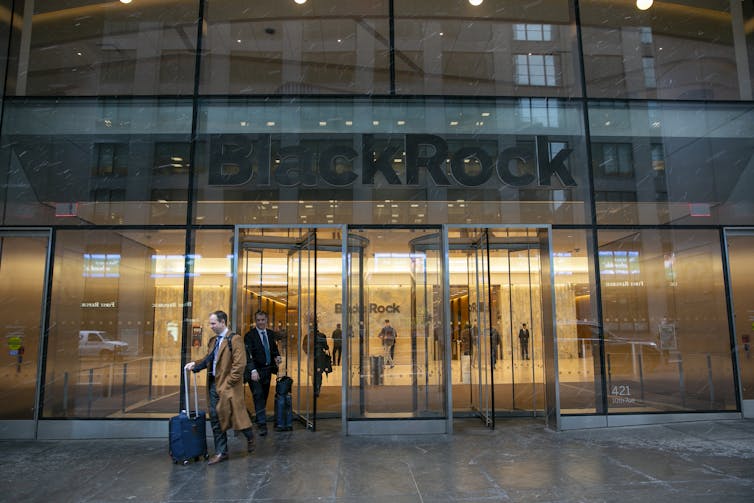




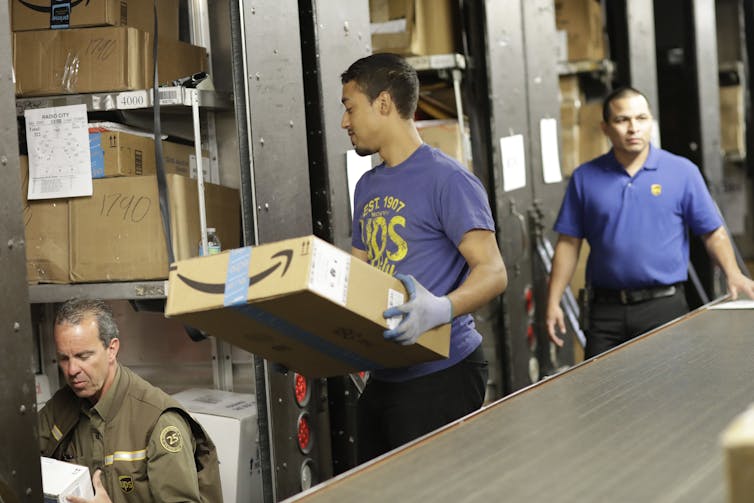
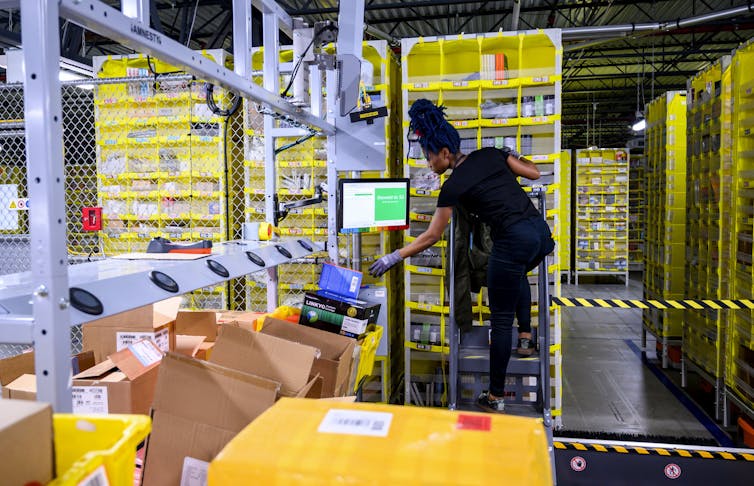









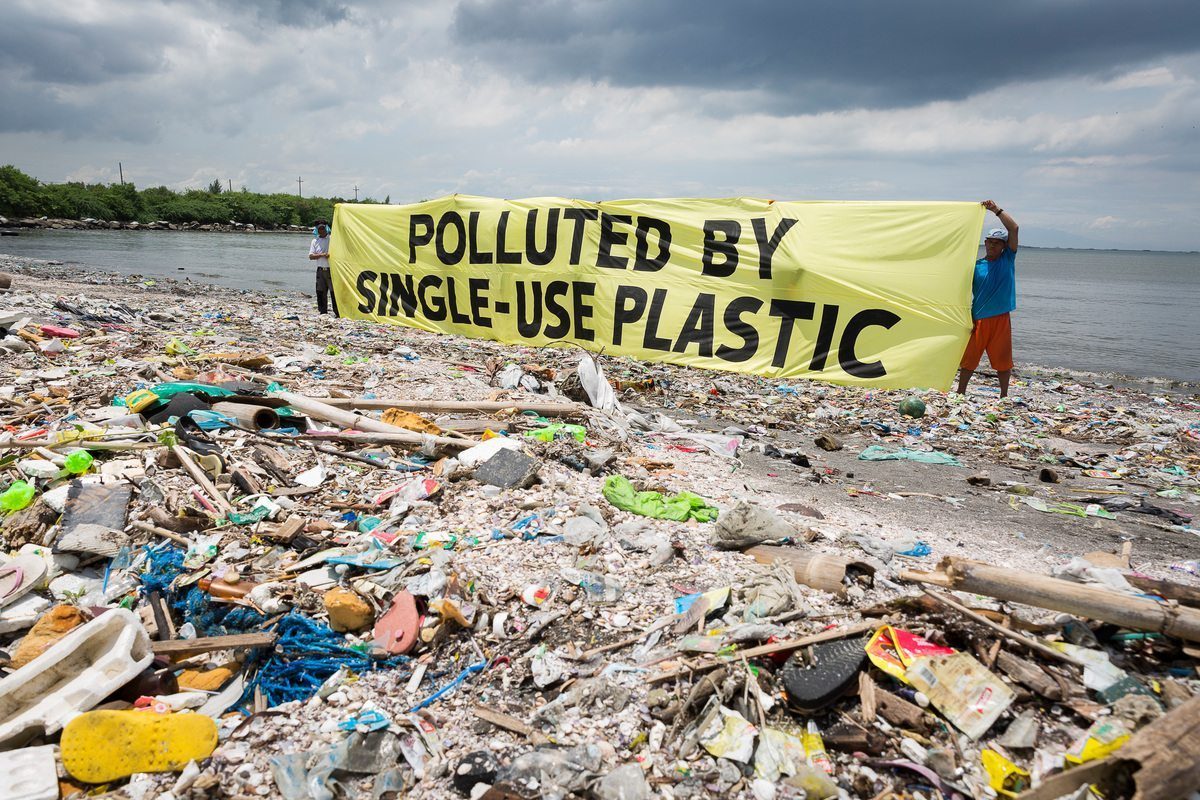
 Image credit:
  Image credit:


 Image credit:
  Image credit:
  Image credit:
  Image credit:



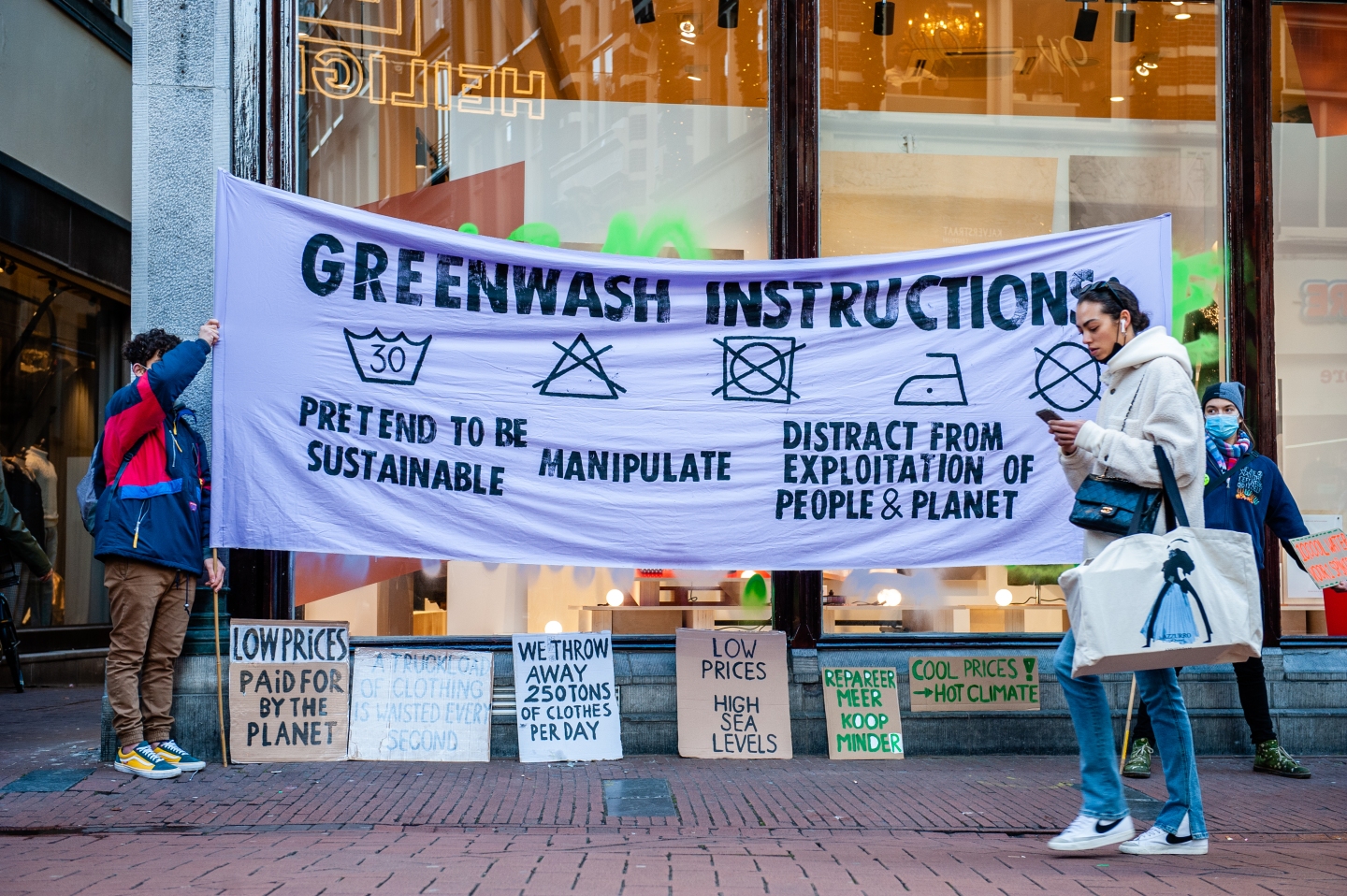







 Eric Block On Responsible Branding
You must be logged in to post a comment.