Levi’s: 501 WasteLess Jeans Made With Recycled Plastic.

14 05 2013

For 140 years, the Levi’s® brand has made its 501® jean with the same care, craftsmanship and attention to detail.  To that, they’ve added recycled plastic.

The Levi’s® 501® Waste<less™  jean is limited-edition and made exclusively for EKOCYCLE™. That’s the social movement founded by legendary musician and producer will.i.am in partnership with Coca-Cola.  The goal of this jean and EKOCYCLE™ is to change the way we think about recycling choices and waste.

Each 501® Waste<Less™ jean is made with 29% post-consumer recycled content, using an average of eight recycled plastic bottles.  This year, you might be wearing one of the plastic bottles you drank from – and recycled – last year.

935211_317752358354609_571751842_n

Levi Strauss isn’t the first clothing manufacturer to create a new product line from recycled plastic. In 1993, Patagonia became the first outdoor clothing manufacturer to create fleece made from post consumer recycled plastic soda bottles, and the company’s support of recycling via their manufacturing continues. According to Patagonia’s website, the company has saved some 86 million soda bottles from the trash heap over the past thirteen years.

273358

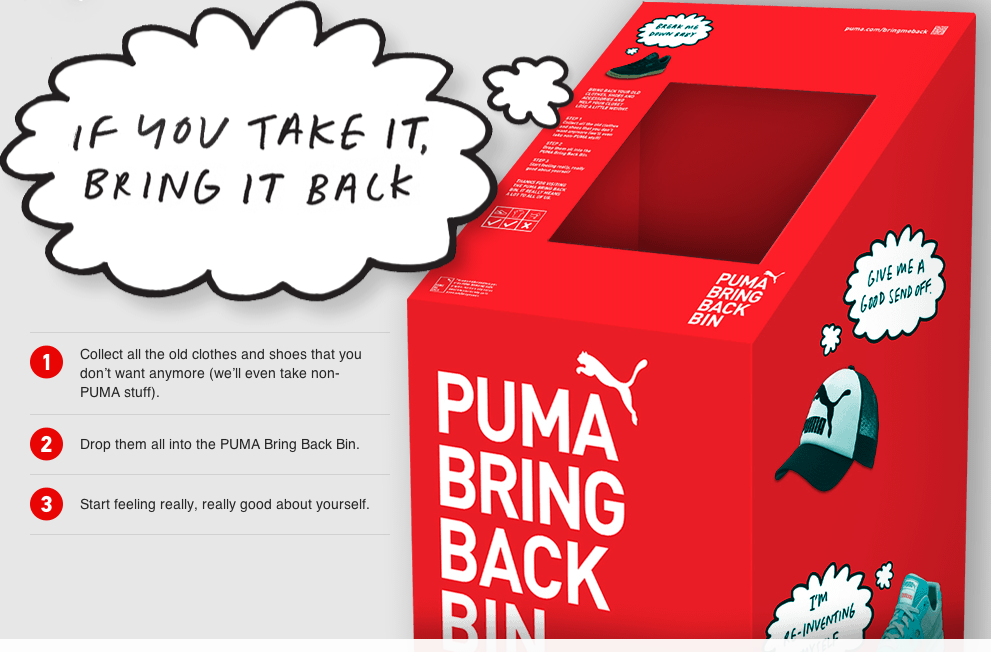
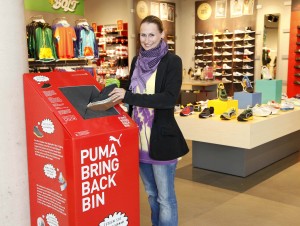
Another apparel company who incorporates sustainability throughout their business model is Puma. InCycle is the company’s first 100 percent biodegradable or recyclable clothing, accessory, and footwear collection. Puma’s efforts towards creating InCycle recently earned them Cradle to Cradle Products Innovation Institute’s product certification.

For an update on the Cradle to Cradle progress, check out The Upcycle:  Beyond Sustainability – Designing for Abundance, the new best selling book from pioneers William McDonough and Michael Braungart.

When it comes to plastic use and its impact on human health and the environment, the various statistics are nothing short of disturbing: plastic takes up to 1000 years to degrade in a landfill; 92 percent of Americans age six or older test positive for BPA; Americans use 2,500,000 plastic bottles every hour.

Check out this video, which features will.i.am, along with Levi’s® James “JC” Curleigh and Jonathan Kirby.

Read more at the original post at http://www.triplepundit.com/2013/05/levi-strauss-creates-sustainable-jeans/


RAIN: Replenish Africa Initiative From Coca-Cola

1 05 2013

rainLogo


Nearly one billion people do not have access to clean, safe water – that’s the equivalent of 1 in 8 people on the planet!  In Africa, preventable waterborne illnesses claim the lives of millions of people each year. No single organization can resolve Africa’s water crisis, but together, with a combination of civil society, non-governmental organizations and government, we can make a positive difference on Africa’s water challenges.

The Replenish Africa Initiative, or RAIN, is therefore the signature community initiative of The Coca-Cola Africa Foundation. Backed by a six-year, $30 million dollar commitment by The Coca-Cola Company, in partnership with other donors, RAIN’s goal is to provide over 2 million people in Africa with access to drinking water by 2015. RAIN will launch over 100 water access programs across Africa, including sanitation and hygiene education programs.

girlatpump

The Coca-Cola Africa Foundation has been involved in community water programs since 2005. To date, 42 water projects in 27 countries have been supported, in partnership with and co-funded by USAID (United States Agency for International Development) under the Water and Development Alliance (WADA) and other partners. Within The Coca-Cola Company’s three-tier global water stewardship strategy which is focused on Reducing, Recycling and Replenishing the amount of water used in Coca-Cola beverages and their production, The Coca-Cola Africa Foundation’s focus is on Replenishing – or community based water interventions.

The-Water-Project-logo-140

The United Nations estimates that Sub-Saharan Africa alone loses 40 billion hours per year collecting water; that’s the same as a whole year’s worth of labor by France’s entire workforce! This is incredibly valuable time.

According to The Water Project, with much of one’s day already consumed by meeting basic needs, there isn’t time for much else. The hours lost to gathering water are often the difference between time to do a trade and earn a living and not. Just think of all the things you would miss if you had to take three hours out each day to get water.

When a water solution is put into place, sustainable agriculture is possible. Children get back to school instead of collecting dirty water all day, or being sick from waterborne illnesses. Parents find more time to care for their families, expand minimal farming to sustainable levels, and even run small businesses.  learn more at http://thewaterproject.org

In collaboration with various partners, volunteers, patrons and organizations, RAIN is not just for the immediate future of Africa, but also for the long-term sustainability of its resources. RAIN is also The Coca-Cola Company’s contribution to help Africa meet the UN Millennium Development Goal on water and sanitation.


ourhorizon.org: Climate Change Warnings On Gas Pumps

23 04 2013

5-cent-sticker

Canadian lawyer Robert Shirkey wants all Canadians who pump gasoline to understand the threat of climate change. He has started a campaign, ourhorizon.org that calls for labels to be put on gas pump nozzles. The campaign aims to get municipalities in Canadian provinces to pass legislation that require the labels.

If the name of the campaign sounds familiar, it is a reference to the offshore drilling rig, the Deepwater Horizon that spilled 4.9 million barrels of crude oil into the Gulf of Mexico in 2010. As the campaign states, “Our name is a rejection of the system that made BP’s offshore drilling rig the Deepwater Horizon a reality.” However, the campaign makes it clear that it does “not blame BP,” but takes the position “that we each share in the responsibility for this tragedy.”

There are 4,000 municipalities in Canada. The campaign’s website contains a database of municipal councilors in Canada, and encourages people to send a letter to their local representative, called a councillor, in Canada. The database has “every single municipal councillor’s email in all of Canada.” Through the website, a user can email a letter to their local councillor just by clicking a button.

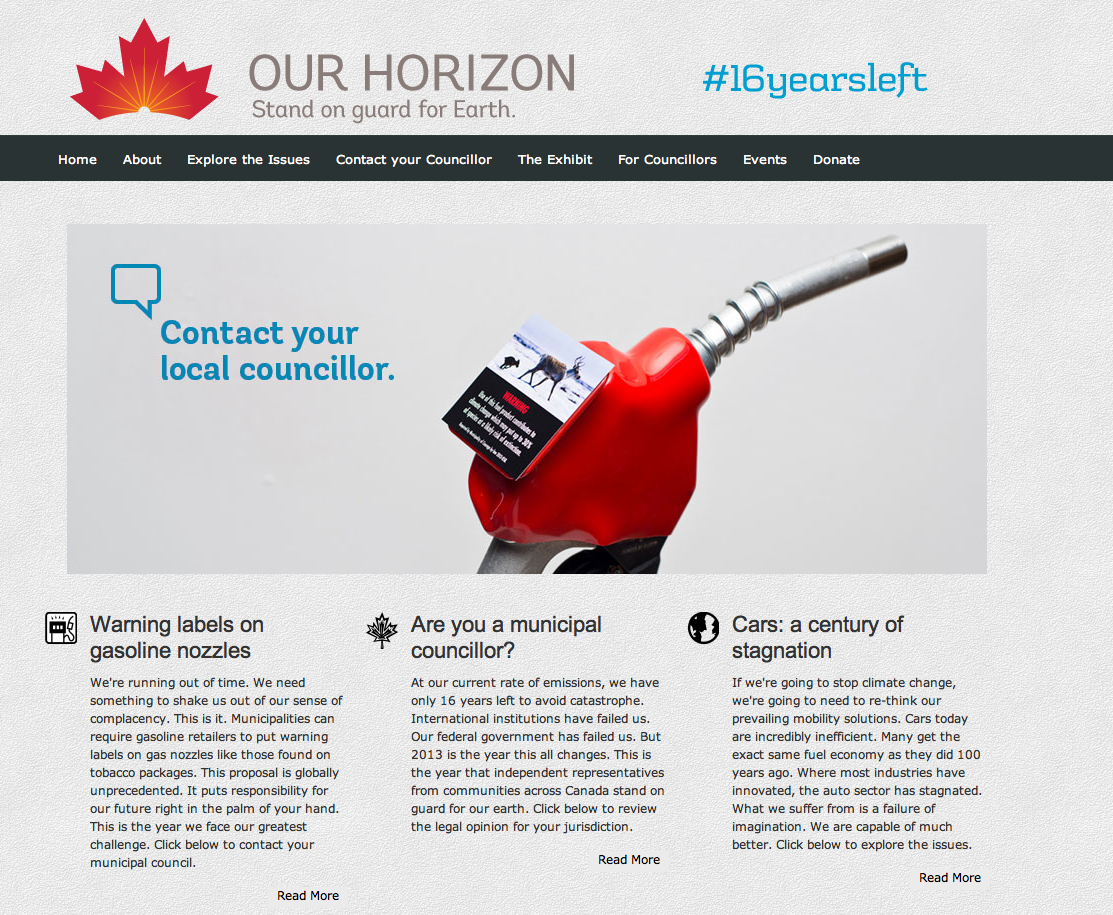
Here is a screen shot of the ourhorizon.org home page

Screen Shot 2013-04-23 at 3.19.11 PM

The campaign is funded through crowdsourcing via a donation page. The donation page asks users to donate in order to help the campaign do two things:

  • Fund a legal campaign for every province and territory in Canada in order to empower representatives to pass legislation, which carries an estimated $40,000 price tag
  • Send a postcard to every elected official in Canada with an image of the campaign’s concept and an explanation on the back, which carries an estimated $20,000 price tag

There are a few interesting facts about the campaign, including that it is market-based, as its website stresses. The purpose of the warning labels is to “supply the market with relevant information and let the market do its thing.” The way it will work is that the “label will change some behaviors but, more importantly, they will create a shift in the social environment to facilitate political action on climate change.”

Canadian Environment Under Siege

Many environmentalists and concerned citizens in Canada have been frustrated to watch the unbridled development of Canadian natural resources by the government at the urging of powerful lobby groups.  The continued oil industry development of the Alberta Tar Sands and the promotion of the building of the Keystone XL pipeline have alarmed many people concerned about the future direction of the country.  Activists such as Idle No More – a group of First Nations members – are protesting the government’s development of natural resources on Crown Land – in violation of treaties between First Nations groups and the Canadian government.  According to Wikipedia, The Idle No More movement generally opposes certain types of resource exploitation, particularly on First Nations territory.  The movement takes this stance against resource exploitation, as attributed to First Nations sovereignty and environmental sustainability.  The position is supported by many groups including non-governmental and grassroots organizations. In a human rights report on Canada, Amnesty International suggested that the government should have “respect for indigenous rights when issuing licences for mining, logging and petroleum and other resource extraction.”  Learn more at idlenomore.ca

Screen Shot 2013-04-23 at 3.38.06 PM

Warning Labels Work.

The European Union requires the use of climate change warnings in regards to new car sales. In 2008, the EU’s Department of Transport (DfT) issued new guidelines which required all promotional literature for new cars sales to include information about carbon dioxide emissions.

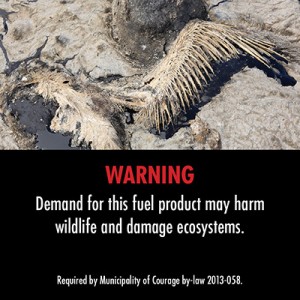
Our Horizon label

Warning labels with graphic images are proven to raise public awareness.  ourhorizon.org compares the warning labels, which contain strong images, to those on “tobacco packages.” In 2001, Canada became the first country to use images in its cigarette warning labels. The use of such warning labels works, according to a 2009 report by the European Commission, Directorate General for Health and Consumers.  The report found the following:

  • Warning labels on cigarette packages “increase consumers’ knowledge about the health consequences of tobacco use and contribute to changing consumer’s attitudes towards tobacco use as well as changing consumers’ behavior”
  • Warning labels are “a critical element of an effective tobacco control policy”
  • Warning labels have a high impact in educating consumers about the risks of tobacco use, and a medium impact in changing smokers’ behavior
  • Fear-induced warnings (using shocking images related to health risks) are the most effective way to educate consumers on the health risks of tobacco use and to change their attitudes and behavior.

Original post at Triple Pundit by Gina-Marie Cheeseman.

http://www.triplepundit.com/2013/04/canadian-lawyer-climate-change-warning-labels-gas-pumps/

Photos by ourhorizon.org


U.S. Business Leaders Urge Strong Policy Action on Climate Change

11 04 2013

Ceres_BICEP_logo_final

As the President unveils his budget for the coming year, 33 major U.S. companies, including eBay Inc., Nike and Limited Brands signed a “Climate Declaration,” urging federal policymakers to take action on climate change, asserting that a bold response to the climate challenge is one of the greatest American economic opportunities of the 21st century.

“The signers of the Climate Declaration have a clear message for Washington: Act on climate change. We are, and it’s good for our businesses.  The cost of inaction is too high. Policymakers should see climate change policy for what it is: an economic opportunity.” said Anne Kelly, Director of BICEP (Business for Innovative Climate & Energy Policy) coalition. 

Together, the Declaration signatories provide approximately 475,000 U.S. jobs and generate a combined annual revenue of approximately $450 billion. Extreme weather events like Hurricane Sandy have affected several Climate Declaration signatories and exposed the United States’ economic vulnerability to climate change.  Signatories of the Climate Declaration are among the country’s best-known consumer brands, including Starbucks, Levis EMC Corporation, IKEA, Jones Lang LaSalle, L’Oréal, the North Face, the Portland Trail Blazers, Timberland and Unilever, among others.

“From droughts that affect cotton crops to Hurricane Sandy, which caused extensive damage to our operations, climate affects all aspects of our business,” said Eileen Fisher, CEO of New York-based apparel firm Eileen Fisher, which suffered severe damage and business interruption during the 2012 storm. “As a socially and environmentally responsible company, we are trying to affect positive change, but business can’t do it alone. We need the support of strong climate legislation.”

The signatories of the Climate Declaration are calling for Congress to address climate change by promoting clean energy, boosting efficiency and limiting carbon emissions – strategies that these businesses already employ within their own operations.

“Businesses understand that planning for a successful future takes investment today. One of the most important things Congress can do to grow our economy and protect our planet is to pass smart climate change legislation this year. Our workforce, supply chain and consumers are counting on us to lead the way,” said Anna Walker, Director, Government Affairs and Public Policy at Levi Strauss & Co.

BICEP members have supported several climate-driven policies, including historic automotive fuel economy standards signed into law in 2012 and the extension of the Production Tax Credit for wind power. Innovation within the transportation, electric power sectors and IT sectors, among others, will be essential to meeting the climate challenge.

image_preview

“eBay Inc. is committed to driving a future for commerce that embraces clean energy innovation and is ultimately more sustainable,” said Lori Duvall, Global Director, Green at eBay Inc. “Our efforts extend across our data, employee and distribution center portfolios, our shipping and logistics infrastructure, as well as the actions of buyers, sellers, and merchants on our platforms. We see our participation in this coalition as a key element in bringing to life our vision for enabling greener forms of commerce over the long term.”

The Climate Declaration comes on the heels of the President’s renewed commitment to combat the threat of climate change and a recent study from Ceres, Calvert Investments and WWF indicating that a strong majority of Fortune 100 companies have set renewable energy or greenhouse gas reduction goals. Recent polls conducted by Gallup and Yale University, respectively, indicate that a majority of Americans believe climate change is happening and that corporations, as well as government officials, should be doing more to address the issue.


Cone: Green Gap Shows Actions Don’t Align With Intent

6 04 2013

Green-Question-300x300In the release of its latest 2013 Cone Communications Green Gap Trend Tracker, a record-high 71 percent of Americans consider the environment when they shop, up from 66 percent in 2008*. However, Americans continue to struggle with their role in the life-cycle of products with an environmental benefit.

90% said they believe it’s their responsibility to properly use and dispose of these products, but action isn’t aligning with intent:

• Only 30% say they often use products in a way that achieves the intended environmental benefit

• 42% say they dispose of products in a way that fulfills the intended environmental benefit

• 45% of consumers actively seek out environmental information about the products they buy.

Despite the lack of consistent follow-through, consumers are showing an inclination to learn more.

• 71% of Americans report they regularly read and follow instructions on how to properly use or dispose (66%) of a product.

• 41% said they perform additional research to determine how best to utilize and discard a product for maximum benefit.

Responsible Brands Communicate and Facilitate Change

In a statement,  Liz Gorman, Cone Communications’ senior vice president of Sustainable Business Practices said “Consumers are ready to follow through on the intended use or disposal of environmentally preferred products, but they need companies’ help.  This is the next evolution of environmental marketing. Clear and candid communication can ensure consumers understand the important role they play in minimizing the impacts associated with the product’s lifecycle.  The new green gap is about consumers only taking the idea of responsibility so far, despite feeling responsible for proper use and disposal.  They’re buying with the environment in mind, but they rely on companies to provide access and education to truly ‘close the loop.”

Consumer understanding of environmental messages also presents an obstacle.

Although more than 60 percent of respondents say they understand the environmental terms companies use in their advertising, the majority continue to erroneously believe common expressions such as “green” or “environmentally friendly” mean a product has a positive (40%) or neutral (22%) impact on the environment. Fewer were able to correctly identify these terms as meaning the product has a lighter impact than other similar products (22%) or less than it used to (2%). Despite the attention given to product development and environmental marketing, consumer misunderstanding of “green” claims has remained flat at around 60 percent since 2008.

• 71% of consumers wish companies would do a better job helping them understand environmental terms. Although they feel overwhelmed by the volume of messages in the marketplace, consumers prioritize authenticity over perfection and will punish companies if they feel misled:

• 48% percent say they are overwhelmed by environmental messages

• 69% say it’s okay if a company is not environmentally perfect as long as it is honest

• 78% say they will boycott a product if they discover an environmental claim to be misleading

Abridged from a report on the research in a statement from Cone Communications.  Read the full press release here.

Click to access 2013_cone_communications_green_gap_trend_tracker_press_release_and_fact_sheet.pdf


PwC: Businesses need to be prepared for unpredictability – whether that’s policy, climate or consumer change.

13 03 2013

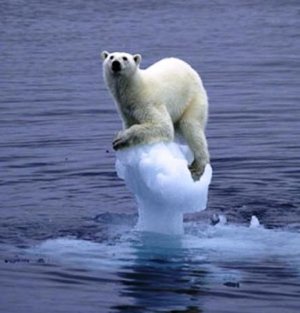
Melting-ice-polar-bear

PricewaterhouseCoopers, the world’s largest professional services firm, points to a catastrophic future unless radical action is taken now to combat climate change.

“The new normal for businesses is a period of high uncertainty, subdued growth and volatile commodity prices. If regulatory certainty doesn’t come soon, businesses’ ability to plan and act – particularly around energy, supply chain and risk – could be anything but ‘normal’.” said Malcom Preston, PwC’s global lead, sustainability and climate change. 

PwC says any investors in long-term assets or infrastructure — particularly in coastal or low-lying regions — need to consider more pessimistic scenarios. Sectors dependent on food, water, energy or ecosystem services need to scrutinise the resilience and viability of their supply chains. More carbon-intensive sectors need to anticipate more invasive regulation and the possibility of stranded assets.

The trigger for its dire warning comes from the failure of the global community to reduce carbon emissions by anywhere near the amount needed to restrict temperature rises.

“Business leaders have been asking for clarity in political ambition on climate change,” says partner Leo Johnson. “Now one thing is clear: businesses, governments and communities across the world need to plan for a warming world – not just 2C, but 4C or even 6C.”

PwC’s latest report shows the required improvement in global carbon intensity to meet a 2C warming target has risen to 5.1% every year from now to 2050. The improvement in 2011 was just 0.7% despite the global economic slowdown, and since the turn of the century the rate of decarbonisation has averaged 0.8%.

“It’s the boy scout motto – be prepared,” says Jonathan Grant, PwC’s director for sustainability and climate change. “Businesses need to be prepared for unpredictability – whether that’s policy, climate or consumer change. Extreme weather events have become more common, and unpredictability looks set to increase. Businesses that have failed to prepare will find it difficult to keep their operations running smoothly as the risk of disruption increases.

PwC, the largest of the big four accounting firms, points out that even if the 5.1% improvement might be achievable in the longer term, it is unrealistic to expect that decarbonisation could be stepped up immediately – which means that the reduction required in future years is likely to be far greater.

“We have passed a critical threshold – not once since the second world war has the world achieved that rate of decarbonisation, but the task now confronting us is to achieve it for 39 consecutive years,” says the report.

It adds: “Even doubling our current rate of decarbonisation would still lead to emissions consistent with 6 degrees [C] of warming by the end of the century. To give ourselves a more than 50% chance of avoiding 2 degrees [C] will require a six-fold improvement in our rate of decarbonisation.

“Governments’ ambitions to limit warming to 2C now appear highly unrealistic. This new reality means that we must contemplate a much more challenging future. Whilst the negotiators continue to focus on 2C, a growing number of scientists and other expert organisations are now projecting much more pessimistic scenarios for global temperatures. The International Energy Agency, for example, now considers 4C and 6C scenarios as well as 2C in their latest analysis.”

Grant add: “Tools like real options analysis, developed as part of the investment decision-making process in the oil industry for example, analyse the impact of significant uncertainty on a decision.

“Working with our clients, the reality is we will have to advise on a much wider range of climate scenarios. Resilience is the watch word. Businesses need to get engaged on the areas materially relevant to their business. For example if you’re a consumer goods company you need to consider the longer-term security of supply of the resources you need, where you will source them from, and the more day-to-day issues of how you deal with the potential for disruption to their supply or delivery caused by extreme weather events.”

PwC’s report says there will need to be radical transformations in the ways the global economy currently functions, a rapid uptake of renewable energy, sharp falls in fossil fuel use or massive deployment of carbon capture and storage, removal of industrial emissions and halting deforestation.

It also warns against seeing the dash for gas as a long-term panacea. While the boom of shale gas in the United States may buy some time to help limit emissions growth, low prices may also reduce the incentive for investment in lower-carbon nuclear power and renewable energy.

This post is adapted from an original article in The Guardian.  

http://www.guardian.co.uk/sustainable-business/blog/pwc-climate-change-reduction-business-investments


GlobalScan: Environmental Concerns At 20 Year Lows

12 03 2013

Cloud formation in the shape of a map of the world, over a green field

Environmental concerns among citizens around the world have been falling since 2009 and have now reached twenty-year lows, according to a multi-country GlobeScan poll.  Asked how serious they consider each of six environmental problems to be — air pollution, water pollution, species loss, automobile emissions, fresh water shortages and climate change — fewer people now consider them “very serious” than at any time since tracking began twenty years ago.

globescan-enviro-concerns

A total of 22,812 people from 22 countries were interviewed face-to-face or by telephone as part of the GlobeScan Radar annual tracking poll during the second half of 2012. Twelve of the represented countries have been regularly polled on environmental issues since 1992.

“Scientists report that evidence of environmental damage is stronger than ever—but our data shows that economic crisis and a lack of political leadership mean that the public are starting to tune out,” says GlobeScan Chairman Doug Miller. “Those who care about mobilizing public opinion on the environment need to find new messages in order to reinvigorate a stalled debate.”

Climate change is the only exception, where concern was lower from 1998 to 2003 than it is now. Concern about air and water pollution, as well as biodiversity, is significantly below where it was even in the 1990s. Many of the sharpest falls have taken place in the past two years.

The perceived seriousness of climate change has fallen particularly sharply since the unsuccessful UN Climate Summit in Copenhagen in December 2009. Climate concern dropped first in industrialized countries, but this year’s figures show that concern has now fallen in major developing economies such as Brazil and China as well.

Despite the steep fall in environmental concern over the past three years, majorities still consider most of these environmental problems to be “very serious.” Water pollution is viewed as the most serious environmental problem among those tested, rated by 58 percent as very serious. Climate change is rated second least serious out of the six, with one in two (49%) viewing it as “very serious.”


WFA: Marketers Lag Consumers On Importance Of Responsible Brands

9 03 2013

man-shopping-with-mobile

According to new research released this week by the World Federation of Advertisers, some 83% of marketers believe brands should have a “purpose”, but many shoppers have moved ahead of the industry in this area.  Some 56% of industry insiders thought consumers would prefer brands that supported “good causes at the same time as making money”, but Edelman’s consumer research pegged the actual total at 76%.

These figures stood at 40% and 47% respectively with regard to how many people bought caused-backing products at least once a month.

More broadly, only 38% of marketers had witnessed “consumer scepticism” when trying to position their products around a “purpose”, with shoppers in Europe, somewhat surprisingly, the least cynical.

The trade body polled 149 marketers from 58 firms controlling $70bn in adspend. It then compared the results with a global poll of 8,000 shoppers conducted by Edelman, the PR network.  The study was presented at the WFA’s Global Marketer Week, and features insights from organisations like Anheuser-Busch Inbev, the brewer, and Johnson & Johnson, the healthcare giant.

Fully 80% of the professionals polled agreed chief executives should help and be involved in shaping a purpose, a reading which stood at 74% for chief marketing officers, 64% for corporate communications and 53% for all staff.

While 49% of this panel agreed their brands had a purpose, only 38% felt it was communicated well. More positively, a 93% majority said the impact of purpose on reputation could be measured, as did 91% for consumer engagement.

Upon being asked to name the company which has best embraced purpose, Unilever, the FMCG firm, led the charts on 23%, buoyed by its goal to double sales and halve its environmental footprint by 2020.

Procter & Gamble, a rival to Unilever, took second on 15%, and has embraced the corporate mantra of “touching and improving” consumers. Soft drinks titan Coca-Cola was third on 14%.


Aspirational Consumers: Balancing Style and Sustainability

5 02 2013

consumer_shopping

A new study by BBMG, GlobeScan and SustainAbility finds that a majority of consumers across six international markets are seeking to reconcile their desire for shopping and style with responsibility to the environment and society through their purchases. According to the report, Rethinking Consumption: Consumers and the Future of Sustainability, nearly two-thirds of consumers globally equate shopping with happiness (63%) while also feeling a sense of responsibility for society (65%). The study draws from an online survey of 6,224 consumers across Brazil, China, India, Germany, the United Kingdom and the United States conducted in September and October 2012.

In exploring the intersection of consumer values, motivations and behaviors, the study identifies four consumer segments on the sustainability spectrum: highly committed Advocates (14%); style and social status-seeking Aspirationals (37%); price and performance-minded Practicals (34%) and less engaged Indifferents (16%).

Aspirationals represent hundreds of millions of consumers globally, and are the largest consumer segment in Brazil, China and India. More than any other segment, Aspirationals care about style (65%) and social status (52%), and equate shopping with happiness (70%). Yet, they are also among the most likely to believe that we need to “consume a lot less to improve the environment for future generations” (73%), and feel “a sense of responsibility to society” (73%).

Aspirationals are looking for brands to provide solutions that both improve their lives and serve society as a whole,” said Pam Alabaster, Senior Vice President Corporate Communications, Sustainable Development & Public Affairs at L’Oréal USA, a sponsor of the study. “Understanding this dynamic tension provides the greatest opportunity for companies to create positive impact through consumers’ purchasing decisions and social actions.”

Aspirationals represent the persuadable mainstream on the path to more sustainable behavior. They love to shop, are influenced by brands, yet aspire to be sustainable in their purchases and actions,” said Raphael Bemporad, Co-Founder of brand and innovation consultancy BBMG. “This consumer segment represents a significant opportunity for forward-looking brands to unite consumerism with social and environmental values.”

“The ideals, influence and size of the Aspirationals segment — particularly in developing markets — is what makes them so compelling for sustainable brands,” said Mark Lee, Executive Director at think tank and strategic advisory firm SustainAbility. “But simply helping people to consume more products that are incrementally ‘better’ is not necessarily the answer. Leading companies will seek to meet the needs of the Aspirationals beyond just products by delivering value through services, sharing, expertise and purposeful engagement.”

Eric Whan, Sustainability Director at GlobeScan, added: “In our fifteen years of market analysis, we’ve never seen an opportunity like this. The Aspirationals will chart the future of sustainable consumption, as long as their favorite brands offer them what they want.”

Developed by BBMG, GlobeScan and SustainAbility, The Regeneration Consumer Study is an in-depth online survey of consumer attitudes, motivations and behaviors relating to sustainable consumption. The study is part of the The Regeneration Roadmap, a collaborative and multi-faceted thought leadership initiative designed to engage the private sector in advancing sustainable development by improving sustainability strategy, increasing credibility and delivering results at greater speed and scale.


World Resources Institute: Launches Aqueduct Water Risk Mapping Tool

4 02 2013

Aqueduct provides companies with comprehensive, high-resolution picture of water risks worldwide.

8428776625_ca104fb3ee_n


The World Resources Institute (WRI) has launched a new online tool that maps water risk worldwide based on the most current, highest resolution data available. Companies, investors, and governments can use the Aqueduct Water Risk Atlas to see how water stress will affect operations locally and globally, and help prioritize investments that will increase water security.

The online tool was developed by WRI, working with founding members of the Aqueduct Alliance, GE and Goldman Sachs, as well as Skoll Global Threats Fund, Shell, Bloomberg, Talisman Energy, Dow, United Technologies (UTC), DuPont, John Deere, Veolia Water, and the Dutch and Swedish governments.

The Aqueduct Water Risk Atlas is a customizable global map, based on 12 indicators of physical, regulatory, and reputational risk. In a user-friendly way, companies can now evaluate how water stress, flood occurrence, access to water, drought, and other issues may affect operations. Additionally, the global map can be tailored specifically for nine water-intense industry sectors – from oil and gas, to agriculture, to chemicals.

“Recent history is littered with companies that failed to anticipate emerging threats. Water scarcity is one such threat. Thankfully, forward-thinking business leaders are starting to get it. They understand that water risk is one of the top issues that they face,” said Andrew Steer, President, World Resources Institute. “This new platform will provide companies with comprehensive, high-resolution tools to measure water risk. It gives them an unprecedented ability to understand and better manage these risks.”

Companies have already been using earlier versions of the Aqueduct tool to understand how their operations and supply chains may be exposed to water risk. For example:

  • McDonalds has asked 353 of its global suppliers’ facilities to use Aqueduct to assess their local water risk;
  • Procter & Gamble, Owens-Corning, and AU Optronics have used Aqueduct to understand how local water supply, quality, and other risk factors may affect their global facilities, and to prioritize water efficiency and other investments;
  • Bank of America Merrill Lynch used Aqueduct to inform investors about water risks and opportunities in a recently released research report; and
  • Companies used Aqueduct to disclose and report on external water risk in the Carbon Disclosure Project’s (CDP) 2012 Global Water Report.

“Aqueduct’s global water risk map provides an innovative tool and important step forward in understanding critical water issues,” said Kyung-Ah Park, Head of the Environmental Markets Group at Goldman Sachs. “Assessing risk is challenging, and even more so with complex issues like water. Aqueduct provides a much more complete picture of the water issues affecting business globally than we’ve had before.”

Through the Atlas, users can plot the locations that matter most to them – from facilities, to suppliers, to potential new markets or proposed power plants – and compare those locations’ potential exposure to water stress and risk. They can also review maps of individual indicators, such as seasonal variability, which may be highly important to their operations.

You can link to the video demo of the Aqueduct Atlas below.

http://aqueduct.wri.org/aqueduct/how-to

“GE knows first-hand that water scarcity is a major challenge in many parts of the world,” said Heiner Markhoff, President and CEO of GE Water. “We’re very pleased that Aqueduct’s new global water risk maps will enhance understanding of these risks in ways that enable society to address them more effectively.”

The release of the global Water Risk Atlas is the culmination of a three-year effort by WRI to create a peer-reviewed and robust methodology for mapping complex water security around the world.

“Aqueduct’s global water risk mapping information is a valuable tool for understanding and addressing the pressing global threat of water security,” said Sylvia Lee, Water Manager, Skoll Global Threats Fund. “We understand that water is not just an environmental issue, but a real and substantial risk to communities, economies, and businesses. The new global water risk maps make it easier than ever to research and understand where in the world these risks are greatest, and where action is most needed.”


Think. Eat. Save. Reduce Your Foodprint.

3 02 2013

think.eat_.save_

Simple actions by consumers and food retailers can dramatically cut the 1.3 billion tons of food lost or wasted each year and help shape a sustainable future, according to a new global campaign to cut food waste launched last month by the UN Environment Programme (UNEP), the Food and Agriculture Organization (FAO) and partners.

The Think.Eat.Save. Reduce Your Foodprint campaign is in support of the SAVE FOOD Initiative to reduce food loss and waste along the entire chain of food production and consumption – run by the FAO and trade fair organizer Messe Düsseldorf – and the UN Secretary General’s Zero Hunger Initiatives. The new campaign specifically targets food wasted by consumers, retailers and the hospitality industry.

The campaign harnesses the expertise of organizations such as WRAP (Waste and Resources Action Programme), Feeding the 5,000 and other partners, including national governments, who have considerable experience targeting and changing wasteful practices.

Think.Eat.Save. aims to accelerate action and provide a global vision and information-sharing portal (www.thinkeatsave.org) for the many and diverse initiatives currently underway around the world.

mainPR

Worldwide, about one-third of all food produced, worth around US$1 trillion, gets lost or wasted in food production and consumption systems, according to data released by FAO. Food loss occurs mostly at the production stages – harvesting, processing and distribution – while food waste typically takes place at the retailer and consumer end of the food-supply chain.

“In a world of seven billion people, set to grow to nine billion by 2050, wasting food makes no sense – economically, environmentally and ethically,” said UN Under-Secretary-General and UNEP Executive Director Achim Steiner.

“Aside from the cost implications, all the land, water, fertilizers and labour needed to grow that food is wasted – not to mention the generation of greenhouse gas emissions produced by food decomposing on landfill and the transport of food that is ultimately thrown away,” he added. “To bring about the vision of a truly sustainable world, we need a transformation in the way we produce and consume our natural resources.”

“Together, we can reverse this unacceptable trend and improve lives. In industrialized regions, almost half of the total food squandered, around 300 million tonnes annually, occurs because producers, retailers and consumers discard food that is still fit for consumption,” said José Graziano da Silva, FAO Director-General. “This is more than the total net food production of Sub-Saharan Africa, and would be sufficient to feed the estimated 870 million people hungry in the world.”

“If we can help food producers to reduce losses through better harvesting, processing, storage, transport and marketing methods, and combine this with profound and lasting changes in the way people consume food, then we can have a healthier and hunger-free world,” Graziano da Silva added.

The global food system has profound implications for the environment, and producing more food than is consumed only exacerbates the pressures, some of which follow:

  • More than 20 per cent of all cultivated land, 30 per cent of forests and 10 per cent of grasslands are undergoing degradation;
  • Globally 9 per cent of the freshwater resources are withdrawn, 70 per cent of this by irrigated agriculture;
  • Agriculture and land use changes like deforestation contribute to more than 30 per cent of total global greenhouse gas emissions;
  • Globally, the agri-food system accounts for nearly 30 per cent of end-user available energy;
  • Overfishing and poor management contribute to declining numbers of fish, some 30 per cent of marine fish stocks are now considered overexploited.

Part of the trigger for the campaign was the outcome of the Rio+20 Summit in June 2012, in which Heads of State and governments gave the go-ahead for a 10-Year Framework of Programmes for Sustainable Consumption and Production (SCP) Patterns. Developing an SCP programme for the food sector must be a vital element of this framework, given the need to sustain the world’s food production base, reduce associated environmental impacts, and feed a growing human population.

“There can be no other area that is perhaps so emblematic of the opportunities for a far more resource-efficient and sustainable world – and there is no other issue that can unite North and South and consumers and producers everywhere in common cause,” said Mr. Steiner.

According to FAO, roughly 95 per cent of food loss and waste in developing countries are unintentional losses at early stages of the food supply chain due to financial, managerial and technical limitations in harvesting techniques; storage and cooling facilities in difficult climatic conditions; infrastructure; packaging and marketing systems.

However, in the developed world the end of the chain is far more significant. At the food manufacturing and retail level in the developed world, large quantities of food are wasted due to inefficient practices, quality standards that over-emphasize appearance, confusion over date labels and consumers being quick to throw away edible food due to over-buying, inappropriate storage and preparing meals that are too large.

Per-capita waste by consumers is between 95 and 115 kg a year in Europe and North America/Oceania, while consumers in sub-Saharan Africa, south and south-eastern Asia each throw away only 6 to 11 kg a year.

According to WRAP, the average UK family could save £680 per year (US$1,090) and the UK hospitality sector could save £724 million (US$1.2 billion) per year by tackling food waste.

For the campaign to reach its huge potential, everyone has to be involved – families, supermarkets, hotel chains, schools, sports and social clubs, company CEOs, city Mayors, national and world leaders.

The campaign website, www.thinkeatsave.org, provides simple tips to consumers and retailers, will allow users to make food waste pledges, and provides a platform for those running campaigns to exchange ideas and create a truly global culture of sustainable consumption of food.

For example, the website provides the following advice, which will help consumers, retailers and the hospitality industry reduce waste – thus reducing their environmental impact and saving money.

Consumers

  • Shop Smart: Plan meals, use shopping lists, avoid impulse buys and don’t succumb to marketing tricks that lead you to buy more food than you need.
  • Buy Funny Fruit: Many fruits and vegetables are thrown out because their size, shape, or colour are deemed not “right”. Buying these perfectly good fruit, at the farmer’s market or elsewhere, utilizes food that might otherwise go to waste.
  • Understand Expiry Dates: “Best-before” dates are generally manufacturer suggestions for peak quality. Most foods can be safely consumed well after these dates. The important date is “use by” – eat food by that date or check if you can freeze it.
  • Zero Down Your Fridge: Websites such as WRAP’s www.lovefoodhatewaste.com can help consumers get creative with recipes to use up anything that might go bad soon.
  • Other actions include: freezing food; following storage guidance to keep food at its best, requesting smaller portions at restaurants; eating leftovers – whether home-cooked, from restaurants or takeaway; composting food; and donating spare food to local food banks, soup kitchens, pantries, and shelters.

Retailers and the Hospitality Industry

  • Retailers can carry out waste audits and product loss analysis for high-waste areas, work with their suppliers to reduce waste, offer discounts for near-expiration items, redesign product displays with less excess, standardize labelling and increase food donations, among other actions.
  • Restaurants, pubs and hotels can limit menu choices and introduce flexible portioning, carry out waste audits and create staff engagement programmes, among many other measures.
  • Supermarkets, hotels, restaurants, companies, cities and countries will be able to use the website to pledge to measure the food they waste and put in place targets to reduce it.


World Bank: Bleak Future Without Action

2 02 2013

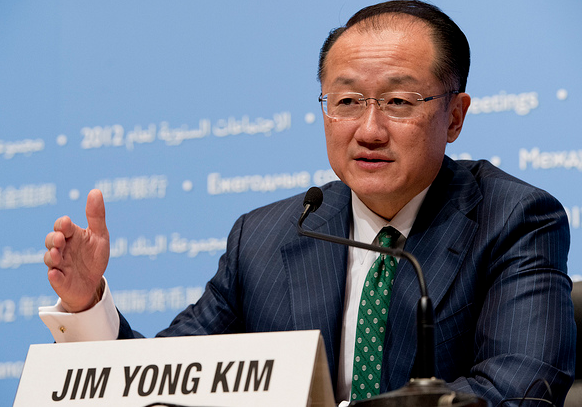
Screen shot 2013-02-02 at 8.50.37 AM

World Bank President Jim Yong Kim was interviewed recently in The Washington Post about Climate Change and its impact  on populations of people around the world.

“If there is no action soon, the future will become bleak. The World Bank Group released a report in November that concluded that the world could warm by 7.2 degrees Fahrenheit (4 degrees Celsius) by the end of this century if concerted action is not taken now.” said Yong Kim.

Especially vulnerable will be the largest population centers around the world who live near the oceans – who are expected to rise with melting polar ice.

He continued, “A world that warm means seas would rise 1.5 to 3 feet, putting at risk hundreds of millions of city dwellers globally. It would mean that storms once dubbed “once in a century” would become common, perhaps occurring every year. And it would mean that much of the United States, from Los Angeles to Kansas to the nation’s capital, would feel like an unbearable oven in the summer.”

Among the long-range scientific forecasts cited in the report, significant climate change is expected in key regions in the world.

• Drier conditions are projected for southern Europe, Africa(except some areas in the northeast), large parts of North America and South America, and southern Australia, among others.

• Wetter conditions are projected in particular for the northern high latitudes—that is, northern North America, northern Europe, and Siberia—and in some monsoon regions. Some regions may experience reduced water stress compared to a case without climate change.

• Sub-seasonal and sub-regional changes to the hydrological cycle are associated with severe risks, such as flooding and drought, which may increase significantly even if annual averages change little.


GINN: Impact Investing To Grow 12% in 2013

10 01 2013

Screen shot 2013-01-10 at 11.15.13 AM

The Global Impact Investing Network (GINN) – in partnership with JP Morgan – has published a new report “Perspectives on Progress” surveying impact investment trends.  The survey indicates that respondents report that they committed $8 billion to impact investments in 2012, and plan to commit $9 billion in 2013.

As defined by GINN, “Impact investments are investments made into companies, organizations, and funds with the intention to generate measurable social and environmental impact alongside a financial return. They can be made in both emerging and developed in markets, and target a range of returns from below market to market rate, depending upon the circumstances.”

96% of survey respondents say they measure their social/environmental impact of their investments and four out of five fund managers highlight the importance of impact measurement for raising capital.  The survey measured the behaviors and attitudes of a total of 99 investment organizations.

Sixty-four percent of equity investor respondents stated that they had at least one, if not many, investments significantly outperform their financial return expectations while delivering the expected impact.  When asked about their top motivations for impact investments, investors cited commitment to being a responsible investor, efficiency in meeting impact goals and financial attractiveness relative to other opportunities as the top three reasons for making impact investments.

Interestingly, Sub-Saharan Africa received the largest percentage of impact investments with 34%.  Latin America and North America tied with 32% of impact investments.  Oceania came in last with only 5% of the investments.

Screen shot 2013-01-10 at 11.06.57 AM


You can download a copy of the GINN report here.


A4S REPORT: Future Proofed Decision Making

3 01 2013

“There was a time when we could say that there was either a complete lack of knowledge, or at least room for doubt, about the consequences for our planet of our actions.

That time has gone.

We now know all too clearly what we are actually doing and that we need to do something about it urgently. Better accounting must be part of that process.”

Prince Charles, His Royal Highness The Prince of Wales

The Prince’s Accounting for Sustainability Project (A4S) commissioned research into which types of information may be most effective in driving the integration of environmental and social factors into Board level decision-making.  The A4S research indicated that:

1. There is a growing recognition of the changing business landscape and a potential need for changes to decision-making processes and strategic objectives to reflect new risks and opportunities.

2. The business case for the inclusion of environmental and social factors at Board level is not yet clear, particularly for many CFOs, due to uncertainty around the relevance of these issues to their organization.

3. Environmental and social information is often assumed to have been formally considered by the CSR / Sustainability team (with sometimes limited impact on the wider business) before decisions reach Board level. Information is typically presented as traditional sustainability data e.g. tonnes of carbon — with little alignment to strategic objectives or financial information.

4. Scepticism over the quality and robustness of many types of environmental and social data is preventing more widespread use.

5. A belief among respondents that expressing many environmental and social factors in financial terms can be counter-productive as data can be viewed as unreliable, spurious or unethical.

6. A perception that action can be left to successors who will understand these issues more fully.

The A4S research highlights that there are a number of barriers to overcome before the majority of organizations truly integrate environmental and social factors into decision making, including:

Demonstrate the business case

There is a need to articulate more clearly the commercial rationale for incorporating social and environmental factors into decision making to help ensure that organizations are aware of the risks to mitigate and the opportunities to grasp over the short, medium and long term.

Speak the right language

Narratives that are aligned with the needs and ‘language’ of business need to be developed. These need to be focussed at a sector and organizational level and grounded in commercial understanding.

Develop more robust information

Organizations should work with existing collaborations to develop commonly agreed methodologies to value environmental and social inputs and impacts in financial terms. These should clearly demonstrate the link to an organization’s strategic objectives and financial performance, either directly or via reputational impact. They should work with others to develop a wider set of tools that enable future risk, opportunity and uncertainty to be incorporated into decision making processes.

Bridge the knowledge gap

The need for skills expansion at Board level and within the finance and accounting community should be recognized and addressed.

Create an enabling environment

Organizations need to be given clear signals to drive more sustainable behaviour, including the need to align national and global frameworks with business incentives and performance measurement systems.

Access the full report below.

Prince Charles Photo Credit:  The Guardian


Climate Counts: 15 Companies “Soaring” With Climate and Energy Strategy

8 12 2012

Screen shot 2012-12-08 at 9.32.06 AM

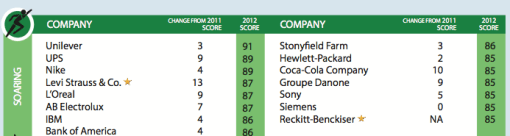
In its 6th annual report, Climate Counts (CC) has released it scorecard of 145 companies’ performance of publicly available information regarding their efforts to reduce green house emissions, support the need for a comprehensive climate policy and report its progress.  15 of those companies have received a score of “soaring” by CC for their leadership and innovation in reducing their impact on the environment.

Unilever leads the pack with an amazing score of 91 (out of 100).  Here are the rest of the “soaring” companies:

Screen shot 2012-12-08 at 9.40.02 AM

In the report, Mike Bellamente, Director of the non-profit Climate Counts, said, “Business leaders are making remarkably innovative progress to minimize waste, employ renewable energy, and design products with a lower carbon impact – all while turning a profit and growing their business. As the economy shows limited signs of improvement, top performers on our scorecard are demonstrating that economic prosperity and environmental sustainability can be achieved simultaneously. We would call that a win-win if it weren’t for the great distance we still have to go in squaring up human consumption with the true carrying capacity of our planet.”

However, some companies are “stuck” according to the CC report.  Among the least improved companies are some household brand names that people should re-consider their patronage based on their lack of progress in assessing and responding to their impact on the environment.  The fast food sector  is particularly guilty of ignoring its impact on climate change as McDonald’s, Burger King, and Wendy’s all squarely in the bottom six companies that rank as least improved over the six years of the Climate Counts reports.

Screen shot 2012-12-08 at 9.46.33 AM

Cheers to the “soaring” companies and jeers to those that are “stuck”. according to Climate Counts.

Read the Climate Counts Report here.


Re-Thinking Consumption: 66% of consumers agree we need to consume less to improve the environment.

29 11 2012


According to the newly released The Regeneration Consumer Study, two-thirds of consumers in six countries say that “as a society, we need to consume a lot less to improve the environment for future generations” and that they feel “a sense of responsibility to purchase products that are good for the environment and society”.

In a statement, Mark Lee, Executive Director at SustainAbility said, “Our economy and natural environment are facing unprecedented stresses as scarce resources are stretched to meet growing needs.  Through the Regeneration Consumer Study, we are revealing how consumer attitudes, behaviors and collaboration can help enterprising brands as they work to innovate smarter, safer, cleaner and greener solutions.”

The findings are based on an online survey of 6,224 consumers across Brazil, China, India, Germany, the United Kingdom and the United States conducted in September and October 2012.

Among other key insights in the global consumer research:

  • Nine in ten consumers believe it is extremely or very important for companies to address safe drinking water.
  • 67% are interested in sharing their ideas with companies to help them develop better products or create new solutions.
  • 75% of consumers globally agree they would purchase products that are environmentally or socially responsible if they didn’t cost more.

The study also draws five key implications for marketers to connect with these consumers who are demonstrating strong desire for responsible brands.  In summary, they are:

1.  Deliver total value.

2. Connect back story to brand story

3. Embrace sustainable brand innovation.

4. Harness consumer collaboration.

5. Unleash the power of tribes.


Read a copy of the research report here.


Congratulations to the drivers behind the research and their sponsors.  Learn about the developers and their sponsors below:

Developed by BBMGGlobeScan and SustainAbilityThe Regeneration Consumer Study is an in-depth online survey of consumer attitudes, motivations and behaviors relating to sustainable consumption among 6,224 respondents across six major international markets (Brazil, China, Germany, India, the United Kingdom and the United States) conducted in September and October 2012. Drawn from consumer research panels, global data are comparable to having a margin of error of +/- 1.3 percent. Analysis of country-level data reflects a margin of error of +/- 3.1 percent.

The study is part of the The Regeneration Roadmap, a collaborative and multi-faceted thought leadership initiative designed to engage the private sector in advancing sustainable development by improving sustainability strategy, increasing credibility and delivering results at greater speed and scale.

Presenting Sponsors of The Regeneration Roadmap are BMW Group and SC Johnson. Sponsors include Cisco, DuPont, Interface and Pfizer. The Regeneration Consumer Study is sponsored by Brown-FormanCampbell Soup CompanyItauL’OréalShell and Starbucks.


SIF Foundation: Sustainable and Responsible Investing Up 22%

27 11 2012

Two hands hold euro coins where a plant starts to grow

Sustainable and responsible investing (SRI) accounts for 11.23 percent of all assets under professional management in the United States at year end 2011. According to the report, $3.74 trillion out of $33.3 trillion of investment assets is held by individuals, institutions, investment companies or money managers that practice SRI strategies.

This total, an increase of 22 percent since year end 2009, reflects growing investor interest in considering environmental, community, other societal or corporate governance (ESG) issues to refine how they make decisions as they select and manage their portfolios or raise their voices as shareholders.

The new 2012 Report on Sustainable and Responsible Investing Trends in the United States, released today by the US SIF Foundation, found that the total net assets of both mutual funds and alternative investment funds that consider ESG criteria increased significantly:

Mutual Funds: $641 billion, a doubling from 2010.

Alternative Investment Funds: $132 billion, a 250 percent increase from the corresponding assets identified at year-end 2009.

The report also found sizable growth in financial institutions that have a mission of serving low and middle-income communities:

Community Development Banks: $30.1 billion, a 74 percent increase since 2010.

Credit Unions: $17.1 billion, a 54 percent increase from 2010.

Importantly, the report found a significant increase of institutional investor assets involved ESG criteria related to environmental issues since the last report published in 2010.  It now represents $636 billion, 43 percent increase from 2010. Climate change is now considered by 23 percent of institutional asset owners incorporating ESG criteria.

In a statement, Lisa Woll, CEO of US SIF said, “The 2012 Trends report demonstrates that we are moving closer to a sustainable and equitable economy.  From the growth in mutual funds that consider ESG criteria and increased investment in community development banks and credit unions to increasingly large votes on shareholder proposals and the availability of sustainable investment options across asset classes, SRI strategies are on the rise in the United States. We are pleased that this report details many important and interrelated trends that indicate that sustainable and responsible investing will continue its impressive growth and impact.”

About US SIF:

The Forum for Sustainable and Responsible Investment is the US membership association for professionals, firms, institutions and organizations engaged in sustainable and responsible investing. The 2012 Report on Sustainable and Responsible Investing Trends in the United States is a publication of the US SIF Foundation, a 501c3 organization that undertakes educational, research and programmatic activities to advance the mission of US SIF.


Cone: Americans more than twice as likely to buy from companies that promote CSR progress and results.

9 11 2012

Cone Communications has released the results of its new Corporate Social Return Trend Tracker showing that 86% of consumers are more likely to trust a company that reports its corporate social responsibility results.

In a statement, Cone Communications’ Executive Vice President Craig Bida said, “Stakeholders play more powerful roles than ever in a brand’s overall success or failure and they must be consistently engaged in a company’s CSR efforts and results from the outset.  They need to feel a benefit. This mutual return will become the new table stakes for differentiating CSR efforts.”

Some of the other interesting insights from the research include:

  • 84 percent of Americans hold companies accountable for producing and communicating the results of CSR commitments by going beyond the mission to robustly communicate progress against well-defined purpose.
  • 82 percent say they are more likely to purchase a product that clearly demonstrates the results of the company’s CSR initiatives than one that does not.
  • 84 percent recognize that for a company to make societal impact, it must also realize a business return, such as increased revenue or reduced costs

Importantly, the study also underscores continued consumer confusion regarding CSR and where to find the results and reports on CSR efforts.  And documents how CSR efforts need to be communicated and more core to any company’s brand marketing efforts.

  • 63 percent say they don’t know where to find information about a company’s CSR efforts and results
  • 55 percent don’t understand the impact they are having when buying a product from a company that says it is socially responsible.
  • 40 percent say they will not purchase a company’s products or services if CSR results are not communicated

“This shift in stakeholder expectations carries significant implications for companies engaged in CSR,” says Cone Communications’ Executive Vice President Jonathan Yohannan. “Purpose is no longer enough, and successful campaigns must demonstrate return for business, brand and society. ‘Proving purpose’ is the new mantra for effective CSR.” “Companies need to build customized output and outcome measurement components and identify projected stakeholder return at the outset of campaign development, and then track progress along the critical CSR pillars of business, brand and society,” adds Yohannan. “With the stakes so high, measurement can’t be an afterthought or add-on.”

Read the press release from Cone on the research here


Unilever: Partnership to help African Hand Washing Initiative

30 10 2012

Unilever and the Earth Institute have announced a new initiative to bring hand washing with soap – a lifesaving habit – to the Millennium Villages, a project that works with nearly 500,000 people in rural villages, across 10 countries in sub-Saharan Africa. 

”The big issues the world is facing require new approaches, new business models and new partnerships. Responsible businesses must take a more active leadership role.” said Paul Polman, Unilever CEO, “The memo of understanding with the Earth Institute partnering Lifebuoy with the Millennium Villages Project is one such example where working together will enhance our expertise of addressing hygiene in deep rural Africa and enable us to develop more effective solutions to reduce child mortality.”

The partnership supports Unilever’s goal to deliver on one of its commitment under its Sustainable Living Plan – to help more than one billion people take action to improve their health and well-being. Over the past two years, Unilever has successfully changed the hand washing behaviour of 50 million people in Africa and South-Asia, through its leading soap brand Lifebuoy and partnerships with Population Services International (PSI) and UNICEF established through the Unilever Foundation.

“It is unacceptable that two million children die every year from infectious diseases when we have easy and cheap lifesaving solutions, such as hand washing with soap, readily available. Innovative partnerships between governments, civil society and business have a critical role to play in promoting better hygiene practices and in tackling the world’s deadliest diseases.” said Polman.

Millions around the world are asked to pledge on www.facebook.com/lifebuoy. With every pledge, Lifebuoy and its partners will help more children receive hygiene education through their dedicated handwashing behavior change programs.

In a statement, Jeffrey Sachs, Director of the Earth Institute at Columbia University said: “Diarrhoea and pneumonia are the two leading causes of under-5 deaths, accounting for around 30% of children’s deaths globally – more than two million lives lost each year. More than 80% of these deaths occur in sub-Saharan Africa and South Asia. Addressing these challenges through improved hygiene is a vital and effective step towards saving lives and achieving the global Millennium Development Goal to reduce the child mortality rate by two-thirds by 2015.”

Consistent evidence shows that hand washing with soap at critical times – before eating or preparing food and after using the toilet – can reduce diarrhoeal risk by 45%  and acute respiratory infections such as pneumonia, by 23%.  Studies also reveal that primary school absenteeism due to diarrhoea and respiratory infections dropped between 20% and 50% as a result of better hand washing practices .

“We are looking forward to working with Unilever to ensure that straightforward solutions like hand washing reach the people that need them the most,” said Sachs who leads the Millennium Villages Project.  “The poor need solutions that are affordable, products that are highly effective, and information that is practical and accessible.  The benefits can be enormous.”

The partnership will be focusing on villages in Ethiopia, Ghana, Kenya, Malawi, Mali, Nigeria, Rwanda, Senegal, Tanzania and Uganda, and aims to: decrease incidence in diarrhoeal diseases, promote gender equality, increase school attendance, enhance productivity and well-being for all community members. The partnership will also focus on governments. Governments should integrate hand washing with soap into national health and education policy frameworks. Governments and aid donors should ensure adequate finance for hygiene facilities and water availabilities. Business must act too, ensuring their products are even more affordable, and varied so that handwashing with soap is done everywhere and by all. Public-private partnerships have role to play and can help governments harness the power of business for the benefit of their population’s health.

Looking to the UN’s post-2015 agenda, Polman said, “It will be important to ensure that hygiene takes its place alongside targets on water and sanitation. This partnership with Millennium Villages Project will provide further evidence to demonstrate to policymakers how hygiene public policy can be improved, and help bring to an end the scandal of children dying from preventable diseases.


Puma Again: Launching biodegradable shoes and apparel.

11 10 2012

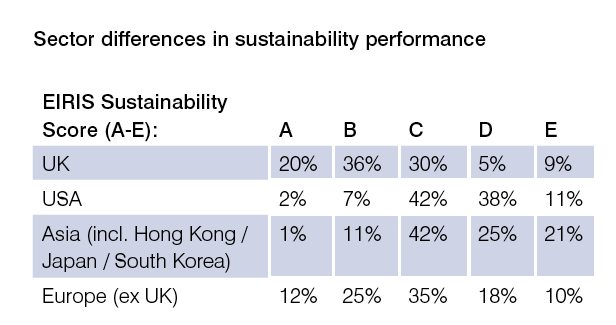
The amazing German footwear and apparel manufacturer Puma is at it again.  This week they announced the launch of a new line of biodegradable shoes, shirts, backpacks and recyclable track jackets.  The products will be available for sale in 2013.  This adds to Puma’s track record of sustainability leadership that has led to it being named “the world’s most sustainable corporation” by EIRIS and has drawn praise as a corporate leader in environmental responsibility by the United Nations.

In an interview with Reuters, chief executive Franz Koch said, “We have decided that sustainability is a mega-trend.  We want to contribute to a better world. At the same time, we also want to carve out our competitive advantage.”

The new collection, going on sale in 2013, includes biodegradable sneakers and shirts and recyclable plastic track jackets and backpacks. At the end of their useful life, the products can be returned to stores for processing.

The sole of the new sneaker is made of biodegradable plastic and the upper of organic cotton and linen. After being shredded, it could become compost in six to nine months.  Puma has demonstrated that 100,000 pairs of biodegradable sneakers would fill 12 trucks of waste during production and disposal against 31 trucks-worth for the same number of normal Puma suede shoes.

A new biodegradable T-shirt would have environmental costs of 2.36 euros in terms of greenhouse gases, water, waste, air pollution, and land use associated with its production, compared to 3.42 euros for a conventional T-shirt.

The company also said it was starting to rate the environmental impact of individual products, narrowing the focus from a study last year that estimated the entire company caused 145 million euros in damage to nature in 2010.

In another interview with Reuters, Jochen Zeitz, chairman of Puma said, “In the long run I think all of this should be standardised, just like we are used to seeing calories on our food products.” , told Reuters. Zeitz conceded that “a lot of people call it a risk” to mention pollution when trying to sell a product. “I think it’s a risk not to talk about it,” he said. “It’s our opportunity as businesses to be transparent.”

In 2010, Puma and Yves Behar of Fuse Project, a global leader in design, announced the launch of its Clever Little Bag, reinventing the typical cardboard shoe box with a much more environmentally responsible package design.  You can see the design and appreciate its reduction in environmental impacts here.

Read the Reuters article here.


GfK Green Gauge®: Green is going mainstream, but don’t expect a premium.

24 09 2012

In their new Green Gauge research released today, GfK reports significant progress in the developing green culture in the United States, but also highlight findings that many consumers are increasingly resistant to pay more for “green products”.

In a statement, Timothy Kenyon–Director for the Green Gauge survey–said, “Green awareness is indeed pervasive – but consumers can perceive ‘green’ claims as a negative in some contexts.  For example, while terms like organic and recyclable have strong positive resonance, they are often associated with higher prices. Understanding consumers’ triggers and the limits of their commitment to green action is essential for marketers and researchers alike.”

The study shows that 73% of US consumers have purchased a product made from organic materials in the past 12 months. Categories that have seen notable increases since 2007 in organic buying include food, household cleaning, apparel, and pet food and supplies.

In addition, 93% of Americans say they have done something to conserve energy in their households in the past year, and 77% have done something to save household water during the same timeframe.

The study also reports that digital media are helping to amplify this green awareness:

29% of smartphone users have turned to an app in the past year to help reduce their environmental impact – a figure that jumps to 44% for Generation Z (ages 18 to 22) and 38% for Generation Y (ages 23 to 32).  Most-cited types of apps used include public transportation timetables and home energy monitors.

In addition, 18% of consumers say that social networking sites are a “major source” of green information for them (up four points from 2011), with another 33% citing it as a “minor source.”

GfK points out that green awareness and engagement do not necessarily translate to green purchase. Compared to 2008, the proportion of US consumers willing to pay more for environmentally friendly alternatives has gone down in a variety of key areas — from cars that are less polluting to the air (down from 62% to 49%) to energy efficient lightbulbs (down from 70% to 60%).  (examples are cited below in this infographic from the Advertising Age article linked below).

According to GFK, The Green Gauge® Report is the only nationwide, long-term syndicated study of consumer attitudes and behaviors towards the environment. Green Gauge gives marketers an exclusive look at how America’s concern for environmental issues can affect brands and organizations.

Read a related article to the research in Advertising Age here.


Method: Progress On Ocean Plastic

24 08 2012

It has been almost a year since innovative and inventive household cleaning products manufacturer Method announced its campaign to utilize reclaimed ocean plastic for its packaging.  In a recent article on Greenbiz,com, Drummond Lawson, the director of sustainability at Method, provides a progress report on the sustainability initiative.

.Commercializing the rising tide of ocean plastic

Lawson writes:  “Method has participated in, alongside partners Sustainable Coastlines Hawaii and Kahuku Hawai’i Foundation, several beach cleanup days that resulted in collecting several thousand pounds of beach debris. The primary challenge encountered in these cleanups, aside from hauling hundreds of pounds of plastic from remote beach locations, has been retrieving the plastics before they degrade to tiny particles that are effectively impossible to collect in large quantities.

The range and quantity of plastic in the oceans is astounding. The debris collected from these beaches has varied from fishing baskets made of polypropylene to Russian shampoo bottles and Japanese bleach bottles made from HDPE, to car bumpers, ropes, water bottles, and buoys.”

Method product engineers are exploring ways to enhance the durability of their ocean plastic packaging.

“Method’s team of People Against Dirty love our work on the Ocean Plastic project because it brings together three things that characterize our company and how we work,” says Lawson.  “First, it addresses a real and material environmental problem — in this case, the accumulation of persistent plastics in the environment. Second, it relies on solid science and creativity to generate a solution. And third, it integrates sustainability into an innovative, effective, and engaging product design.”

Kudos to Method for this creative commitment to sustainability that enriches both the planet and people by repurposing plastic which represents so much damage to the environment and danger for ocean habitat.

Read the full article here.


Adidas DryDye: T-shirts made with less water.

9 08 2012

Adidas is rolling out an initial production run of 50,000 DryDye t-shirts – demonstrating their leadership in the production of apparel with less use of water.

The sportswear company has released a line of T-shirts made of fabric dyed with compressed carbon dioxide (CO2) rather than water.

Adidas says the DryDye technology – developed over the last five years with Thailand’s Yeh Group – uses zero water for dyeing, compared to 25 liters for a typical shirt. In addition, the process reduces chemical use by 50 percent, the company said.  In a commercial, Adidas claims the apparel industry uses the equivalent of the amount of water in the Mediterranean Sea each year.

For the summer season, Adidas has produced 50,000 DryDye tees with designs promoting the innovation. Using a traditional dyeing process would have required roughly 1,200,000 liters of water.

Adidas said it will begin using the DryDye process for more apparel pieces over the next few seasons.

Besides saving water, DryDye also uses 50 percent less energy and 50 percent fewer chemicals, according to DyeCoo, the Netherlands-based company that built the first commercial waterless textile-dyeing machine.  Adidas expects to save 1.2 million liters of water by using DryDye technology over conventional methods.

Together with Thailand’s Yeh Group, one of the first textile mills to implement the technology, Adidas will be rolling out 50,000 DryDye T-shirts over the summer. Because a single tee can require up to 25 liters of water during the dyeing stage, Adidas expects to save an estimated 1.2 million liters of agua over the usual route.

This is only the beginning, according to Adidas. The manufacturer expects to use the DryDye process with more apparel pieces over the next few seasons.


Interbrand: Toyota is world’s best green brand.

8 07 2012

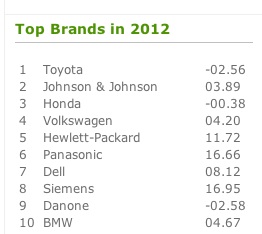
Interbrand has crowned Toyota as the number one green brand in the world.

In a statement, Interbrand reports:  “Automotive and technology brands dominate the ranking. Toyota maintains the number one spot, continuing to make environmental sustainability a core management priority. The original Prius model — the primary launchpad for Toyota’s green image — has recently been expanded to encompass an entire family of sustainable automobiles, including the company’s first plug-in model. This year, Toyota also achieved near zero-landfill status at all of its North American manufacturing plants, and continues its commitment to build LEED certified buildings and dealerships.”

Here are the rest of the top green brands as ranked by Interbrand.

Learn more about the Best Green Brands from Interbrand.


Project Earth: School kids worldwide unite to solve environmental problems.

21 06 2012

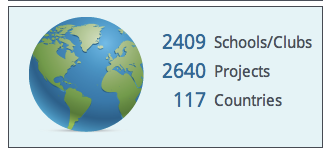
In advance of the Rio+20 summit this week, winners were announced in the Project Earth competition recognizing the best school projects addressing environmental problems from around the world.  More than 2,400 schools and clubs from 117 countries are currently participating in Project Earth, creating real projects to improve our global environment. All winners are featured on the Project Earth (www.projectearth.net) website.  

Congratulations to all the winners and kudos to the kids who are stepping up to protect the planet even while their leaders debate and deny.

Highlights of a press release announcing the winners are featured below.

Whether or not their countries agree to move forward, thousands of schools representing 117 countries are collaborating to solve the world’s biggest environmental problems. As today’s world leaders gather at the RIO+20 Conference to define pathways toward a more resilient and sustainable world, tomorrow’s world leaders were also recognized. The best school projects from around the world were announced at the conference today.

Project Earth is an online forum created to foster environmental and cultural exchange, networking schools and clubs around the world. Recognizing that environmental issues are global, that tomorrow’s leaders must be prepared to work across borders and cultures, and that technology makes connecting on a global scale more accessible than ever, Project Earth is a space where classes and clubs can post environmental projects of all kinds and begin to network with like-minded students around the world.

Partner countries like Chile, Russia, Brazil, and the United Arab Emirates have embraced Project Earth on a country-wide scale and global outreach efforts have contributed to Project Earth’s swift growth — from ten participating countries 18 months ago to 117 countries today.

Maurice Strong, the first executive director of the UN Environment Programme and Secretary General of the first Rio Earth Summit, congratulated this year’s Project Earth World Environment Day project winners at the RIO+20 conference. “In embracing Project Earth’s power to foster global collaboration and understanding, these students and educators assume a leadership role in our collective future,” said Strong. “These projects are pioneering examples of the kind of environmental stewardship that can and will make a difference.”

Project Earth was launched in late 2010 by Ecology and Environment, Inc. (E & E). E & E president and CEO Kevin Neumaier is encouraged by the quality of this year’s contest entries. “These are meaningful projects, like keeping grease out of the sewers, reclaiming biodiversity by harnessing community involvement, and creating gardens out of what once went to the landfill,” he said. “The students go energetically and quickly toward solutions and work in creative and innovative ways — their enthusiasm illustrates that collectively we can all have a genuine impact.”


Puma: Bring It Back. Old Shoes RIP.

7 06 2012

Kudos once again to the folks at Puma – who IRIS named the most sustainable corporation in the world.

Puma has just launched Bring It Back – a new athletic shoe and sporting apparel recycling program.

In a statement, Franz Koch, CEO of Puma said, “On our mission to become the most desirable and sustainable sport lifestyle company in the world, we are constantly working on solutions that aim at reducing the environmental impact that PUMA as a company leaves behind on our planet. With our Bring Me Back Program, we are pleased to target, for the first time ever, the massive amounts of waste sport lifestyle products leave behind at their end-of-life phase when consumers dispose of them and they end up on landfills or in waste incineration plants.”

In a new twist, PUMA is encouraging people who return their non-longer desirable shoes and apparel to write and post their product’s obituary together with a picture of the shoes on its website. The company hopes its obituary option will finally get people excited about recycling their shoes.  May these shoes RIP.

Now that is smart sustainable branding.


Edelman Good Purpose Study: 87% of people believe business should place equal weight on business and society.

29 05 2012

In a massive global study surveying more than 8,000 adults in 16 countries, Edelman’s 2012 Good Purpose Study tracks people’s increasing belief that business bears a weight to contribute to society.

  • 76% of people believe it is ok for brands to support causes and make money at the same time (up 33% from 2008).
  • Yet only 28% of people believe business is performing well in addressing societal issues.
  • 53% of people believe Social Purpose is the most important decision criteria in buying a brand when price and quality are the same (up 26% from 2008).
  • 51% believe business should donate a portion of profits or products/services to address societal issues.
  • 80% of people believe it is critical for businesses to make the public aware of the efforts they are making to address societal issues.
  • 52% of people believe its equally important to address issues “that impact me personally and society overall”.
  • 89% of people worldwide report that they take part in activities to address social issues.

You can access a slide show summary of the survey here.


EIRIS: Puma Is The World’s Most Sustainable Corporation.

3 05 2012

In researching more than 2,000 large global corporations, EIRIS has ranked the top ten global companies when it comes to sustainable practices.  No U.S. based companies were ranked in the top ten.

Puma was ranked first based on its exceptional environmental management systems and reporting practices.  It also has comprehensive policies for equal opportunity employment, workplace health and safety, and workforce training and development.

The rest of the most highly ranked sustainable companies included:

  1. Puma (Germany)
  2. First Group (UK)
  3. National Australia Bank
  4. GlaxoSmithKline (UK)
  5. Roche (Switzerland)
  6. Novartis (Switzerland)
  7. Phillips Electronics (Netherlands)
  8. Deutsche Boerse (Germany)
  9. NovoNordisk (Denmark)
  10. The GoAhead Group (UK)

The EIRIS research also ranked corporate sustainability performance by geographic region, with companies from the United Kingdom getting the greatest number of A grades, while only 2% of U.S. companies received an A.  The vast majority (91%) of U.S. based companies received a C or lower grade.

You can read the EIRIS report here.


Gibbs & Soell: Only 21% of Americans Believe Business Is Committed To Going Green.

2 05 2012

In their 2012 Gibbs & Soell Sense & Sustainability study, the research demonstrates that public doubt that corporations are making a sincere commitment to going green continues to run high.

Despite their skepticism, the majority (71 percent) of consumers wants to know more about what companies are doing to become sustainable and green, and 75% feel the media are more likely to report on green business when the news is bad rather than good.

Read the summary report and news release announcing the results of 2012 Gibbs & Soell Sense & Sustainability Study at these links.

Key Findings:

  •  The general public and business leaders remain skeptical of corporate America’s commitment to sustainability. Only 21 percent of U.S. adults and 25 percent of executives believe that a majority of businesses (“most,” “almost all,” or “all”) are committed to “going green” – defined as “improving the health of the environment by implementing more sustainable business practices and/or offering environmentally-friendly products or services.”
  • While one-third of executives report having no green steward, up from years past, there is a trend toward dedicated teams for those who do. This year’s results show that 34 percent of executives indicate there is no one at their company who is responsible for sustainability or “going green” initiatives, up from 25 percent in 2011. More than one out of five (21 percent) corporate leaders report there is a team of individuals whose jobs are specifically and solely dedicated to sustainability, up from 17 percent in 2011 and 13 percent in 2010.
  • Most consumers and business executives also believe corporate sustainability activities are more likely to be covered by the media when the news is bad than good. The number is comparatively higher among consumers who are confident in corporate America’s commitment to “going green.” Three-quarters (75 percent) of U.S. adults and 69 percent of executives feel the media are more likely to report on “bad news” than “good news” when covering how companies are addressing efforts to “go green.” Specifically among the 21 percent of consumers who believe “most,” “almost all,” or “all” companies are committed to “going green,” 83 percent feel there is a bias for bad news in the media.

 Said Ron Loch, senior vice president and managing director, sustainability consulting, Gibbs & Soell. “The results reveal growing efforts by business communicators in relating their corporate responsibility stories, but also underscore a deficit in general understanding and trust.  It’s clear much more needs to be achieved in terms of relevant engagement with consumers and the media around corporate sustainability.”


Gfk MRI: Falling Behind On Buying Green.

16 04 2012

In new research issued by Gfk MRI, people’s interest in making small sacrifices for environmentally responsible products continues to slip away.  No doubt the punishing impact of the recession and stagnant employment market have forced many consumers to make a Sophie’s Choice over green products.  But the research further underscores the lack of inspiration that marketers have been able to generate for sustainable brands.

Data from the last five years reports that consumers are now less likely to give up convenience or pay more for green products.

  • The percentage of adults who report “I am willing to pay more for a product that is environmentally safe” declined 13%, from 60% to 52%, in the last five years.
  • The percentage of U.S. adults who agreed with the statement “I am willing to give up convenience in return for a product that is environmentally safe” declined 16% in the past five years, from 56% in 2007 to 47% in 2011.

Only Millennials (people aged 18-24) are the only adult age group whose willingness to give up convenience or pay more for green products has held steady over the past five years. In addition, 53% of consumers aged 18-24 recycle products and 4% participated in environmental groups/causes in the past 12 months.  At least there is some hope from this audience of young adults to accept responsibility for sustainable behavior moving forward.

While 65% of American adults agree with the statement “preserving the environment is very important,” according to the Survey of the American Consumer, evidently the job of preserving is for someone else.  Only 22% of consumers who remodeled their homes in the last 12 months said they used environmentally friendly/”green” products for their renovation.

The top three environmentally friendly products purchased by U.S. adults are light bulbs (18%), paper towels (12%) and laundry detergent (11%).  Big deal.

As more and more leading global companies invest in sustainable strategies and are adopting practices with long-term environmental health in mind, it is incumbent on marketers in those organizations to create consumer awareness, appreciation and adoption of these strategies.  This data suggests we are falling behind instead of moving forward.

Original post on Sustainable Brands


Nielsen: The Global, Socially Conscious Consumer

28 03 2012

In a new global research report, Nielsen has identified a segment of the population they call the Global Socially Conscious Consumer.  

  • Two thirds (66%) of consumers around the world say they prefer to buy products and services from companies that have implemented programs to give back to society. 
  • They prefer to work for these companies (62%), and invest in these companies (59%). 
  • Still nearly half (46%) say they are willing to pay extra for products and services from these companies. 

In the study, respondents were asked if they prefer to buy products and services from companies that implement programs that give back to society. Anticipating a positive response bias, respondents were also asked whether they would be willing to pay extra for those services. For the purposes of this study, Nielsen defines the “socially conscious consumer” as those who say they would be willing to pay the extra.

According to Nielsen, “Cause marketing won’t work with all customer segments—some simply don’t care—but the research suggests that there is a segment of socially conscious consumers that cause marketers should pay attention to.”

New findings from a Nielsen survey of more than 28,000 online respondents from 56 countries around the world provide fresh insights to help businesses better understand the right audience for cause marketers, which programs resonate most strongly with this audience, and what marketing methods may be most effective in reaching these consumers.

Thanks to a tweet from our friend John Gerzema for pointing us to this research which he believes is in line with the findings in his book Spend Shift.


Ogilvy Earth. Mainstream Green. Bridging the Green Gap.

27 03 2012

A major new research report was issued this week from marketing agency Ogilvy Earth studying the barriers to mainstream consumers acceptance of sustainability behaviors and enlightened brands.

The focus of the study was both in the United States and in China, two of the most populated and carbon intensive countries in the world.  In the chart below, the report shows that the majority of people surveyed recognize the importance of living a sustainable lifestyle, a gap exists between knowledge of its importance and actual behavior.  The gap is 14% in China, and more than double that – 30% – in the United States.

In analysis of the research, Ogilvy Earth observed what this blogger has believed for 3+ years:

“The marketing communications industry knows how to do this. We popularize things; that’s what we do best.  But we need to embrace the simple fact that if we want green behaviors to be widespread, then we need to treat them as mass ideas with mass communications, not elite ideas with niche communications.”

In their analysis, the researchers found that “82% of Americans have good green intentions, but of those 82%, only 16% are dedicated to fulfilling those intentions, putting 66% firmly in this middle ground.”  As indicated in the chart about.

In their conclusions, the report’s authors identify 12 key ways they believe the Green Gap can be bridged.  They conclude:

1. Make it normal.

2. Make it personal.

3. Create better defaults.

4. Eliminate the sustainability tax.

5. Bribe shamelessly.

6. Punish wisely.

7. Don’t stop innovating.  Make better stuff.

8. Lose the crunch.

9.  Turn eco-friendly into male ego-friendly.

10. Make it tangible.

11. Make it easy to navigate.

12. Tap into hedonism over altruism.

For more detail and explanation on these intriguing and provocative gap bridging strategies, read the entire research report here.

Mainstream Green Report from Ogilvy Earth


Conference Board: What Board Members Should Know About Communicating CSR.

23 03 2012

In a significant white paper directed to corporate board members, The Conference Board has challenged directors to be aware of the benefits of corporate social responsibility (CSR) strategies and the challenges of communicating those actions to key stakeholders in the enterprise.

While the business benefits of CSR activities are now well-documented, the report says, “…communicating these activities are far from simple. If stakeholders perceive a lack of clarity regarding the company’s commitment to CSR, doubt the effectiveness of its CSR initiative, or miss the connection of a certain sociality activity to the core business, a backlash can occur.  CSR communication must overcome stakeholder skepticism to generate favorable CSR attributions.”

The report identified 6 key recommendations for board members to provide guidance for communicating CSR strategies:

1.  Seek CSR activities that fit into the business strategy.

2.  Emphasize CSR commitment and impact to foster consumer advocacy.

3. Seek credibility through the support of independent, external communication sources.

4.  Encourage employee and consumer word-of-mouth.

5.  Select social initiatives with high issue support.

6. Be mindful of stakeholder perception of business industry.

Here is a chart demonstrating how companies are

currently communicating CSR activities.

We are still surprised how passive and latent the CSR communications activities are.  The Conference Board recommends in their research that more consumer engagement is a critical next step to elevate CSR attribution and success.

The report says “a company’s CSR positioning can significantly amplify the effectiveness of CSR communication.  Stakeholders are likely to pay more attention to a comprehensive and coherent CSR message and believe in the authenticity of the social commitment.”

In other words, CSR should become a cornerstone asset in the brand’s equity and marketing focus.

The Conference Board Report Is Here.


UN Global Compact: 29 Laggard Companies Pressured On Sustainability Reporting.

21 03 2012


In a press release issued last week, the United Nations Principles for Responsible Investment indicated a coalition of global investors is pressuring 29 laggard companies who have not published sustainability reports to keep their promises, while lauding nearly 90 companies who are identified as leaders in advanced level reporting.

A summary of the press release follows:

(London, 15 March 2012) – A coalition of global investors from 12 countries managing over US$3 trillion of assets today added its voice to increasing calls for better corporate reporting on environmental, social and corporate governance (ESG) activities.

The coalition of investors, all signatories to the UN-backed Principles for Responsible Investment, is writing to 118 UN Global Compact companies with a combined market cap of an estimated US$2.59 trillion, to either:

  • welcome advanced-level reporting, or, conversely,
  • challenge non-communicating companies to regain full participant status.

This is the fifth year that investors have engaged with Global Compact participant companies on the issue of transparency. Each of the 29 laggard companies, with a combined market cap of an estimated US$136.9 billion, are participants of the Global Compact, but have failed to produce the mandatory annual report that communicates their progress on corporate sustainability. The Global Compact recently announced that it has expelled 3,123 companies since 2005 for failure to communicate progress on their efforts to implement its ten sustainability principles.

From 2008 through 2011, the engagement resulted in an average 40.1 percent of laggard companies subsequently submitting their sustainability reports; this has included firms such as BHP Billiton, Aker Solutions, Severn Trent, Merck Kga, Oriflame Cosmetics, The Gap and LVMH. The status of all companies included in last year’s engagement can be found here.

In addition to writing to laggard companies, the investor coalition has acknowledged 89 leader companies with a combined market cap of an estimated US$2.45 trillion who have been identified as advanced-level reporters.  These leaders include Novo Nordisk, Enel, Daimler, Nestle, Telefonica and Siemens. A full list of this year’s leaders can be viewed here.

Steve Waygood, Head of Sustainability, Research and Engagement at Aviva Investors, one of the investors involved in the coalition, said:
“Since we first proposed this initiative over five years ago it has gone from strength to strength, successfully encouraging some 40.1% of companies over the past five years to make good on their reporting commitments to the UN Global Compact. This bodes well for the discussions at the forthcoming UN Rio+20 conference in June, where corporate reporting on sustainability performance is appropriately high on the agenda of the 193 Member States that will be assembled.”

James Gifford, Executive Director of the PRI added,
“After the global financial crisis many investors believe that improved corporate disclosure of ESG issues leads to better risk management, good governance and enhanced transparency, all of which are necessary to protect long-term returns. Companies that would attract investors need to recognise this if they want to attract capital.”

Gavin Power, Deputy Director of the UN Global Compact added,
“Corporate sustainability implementation and disclosure both lie at the heart of the UN Global Compact. At the upcoming Rio+20 Summit, there will be an opportunity for governments and public policy makers to fully take stock of the rapidly evolving trends in business sustainability and responsible investment — with an eye towards creating new incentives to drive higher levels of sustainability performance and disclosure. We encourage investors to actively participate in the Rio+20 process, and welcome their contributions”.

The PRI and Global Compact initiatives are engaged in a number of mutually reinforcing activities, including an investor engagement urging companies around the world to sign onto the UN Global Compact. As of November 2011, this engagement saw 211 of the targeted companies join the Global Compact.


KPMG: Expect the Unexpected. Building business value in a changing world.

21 02 2012

In a massive report, KPMG’s study, Expect the Unexpected: Building Business Value in a Changing World, identifies 10 “megaforces” that will significantly affect corporate growth globally over the next two decades. It explores issues such as climate change, energy and fuel volatility, water availability and cost and resource availability, as well as population growth spawning new urban centers. The analysis examines how these global forces may impact business and industry, and calculates the environmental costs to business.

Michael Andrew, Chairman of KPMG International, said: “We are living in a resource-constrained world. The rapid growth of developing markets, climate change, and issues of energy and water security are among the forces that will exert tremendous pressure on both business and society.”

“We know that governments alone cannot address these challenges. Business must take a leadership role in the development of solutions that will help to create a more sustainable future. By leveraging its ability to enhance processes, create efficiencies, manage risk, and drive innovation, business will contribute to society and long-term economic growth.”

The study also highlights that up to one third of the world’s population now live in persistent deprivation.  With 72% of the world’s poor now residing in middle income countries.  The report declares that “persistent inequality is not only wrong, it’s bad for business – it prevents huge swathes of the population from being workers and customers and it increases the risks to business from the type of instability seen in the Middle East and North Africa in 2011.”

Yvo de Boer, KPMG’s Special Global Adviser on Climate Change and Sustainability, said global sustainability megaforces will significantly increase the complexity of the business environment. “Without action and strategic planning, risks will multiply and opportunities will be lost. Corporations are recognizing that there is value and opportunity in responsibility beyond the next quarter’s results; that what is good for people and the planet can also be good for the long term bottom line and shareholder value,” De Boer said.

The report was released last week during KPMG’s business leader summit in New York City in cooperation with the UN Global Compact (UNGC), the World Business Council for Sustainable Development (WBCSD) and the United Nations Environment Programme (UNEP).


UC Davis Study: Carbon Disclosure Boosts Stock Price.

9 02 2012

Companies that disclose information about their greenhouse gas emissions and carbon reduction strategies see their stock values rise.

“Companies should not be as reluctant as they have been to provide this information because we show that it can be shareholder-positive. Our message is that it pays to be green.” said Graduate School of Management Professor Paul Griffin.  Along with his co-author, Yuan Sun of UC Berkeley, Griffin tracked stock prices of firms around the time these companies voluntarily issued press releases disclosing carbon emission information. In the days after the press releases were issued, the companies saw their stock prices increase, Griffin and Sun found.

“When a company makes a voluntary disclosure of this kind, it signals to the investment community that this is a firm that is environmentally responsible,” Griffin said. “Investors are saying they would prefer to invest in an environmentally responsible firm.”

The study, “Going Green: Market Reaction to CSR Newswire Releases,” uses the archives of CSR Newswire to identify climate change related press releases issued by companies between 2000 and 2010. The researchers tracked the stock changes of the companies from two days before a press release was issued to two days after.

For the 172 companies identified as making voluntary disclosures, average stock prices increased just under a half percent in the five-day span around the disclosures, according to the study.

“This is evidence that managers’ voluntary climate change disclosures generate positive returns for shareholders,” Griffin said.

The study looked at voluntary disclosures only, so the authors could not definitively determine if required disclosures by all such companies would have yielded similarly favorable stock value increases.

However, to test their findings, the researchers compared stock movements of these companies to stock shifts of similar firms that did not disclose carbon emission information during the same time periods. The companies that did not disclose climate change information did not see a statistically significant increase in values, the study found.

“The matched sample companies do not behave the same way as the companies that disclose,” Griffin said. “If anything, in the matched sample, the price runs in the opposite direction.”

While much of the concern about greenhouse gas emissions has focused on energy and utility companies, the study by Griffin and Sun examined carbon emission strategies across a broad range of industries, including information technology, health care, telecommunications, and financial services, as well as energy and utilities.

The researchers analyzed separately the stock changes for smaller firms that disclosed carbon emission information. These firms saw an even greater effect on their stock values, with prices increasing 2.32 percent.

Compared with large firms, small firms are not followed as closely by analysts, and investors know less about them, so it makes sense that the release of climate change information would have a more pronounced effect, according to Griffin and Sun.

In recent years, companies have faced increased pressure from environmental activists and concerned shareholders to disclose their greenhouse gas emissions and to develop strategies to reduce them. Many firms have taken up the challenge, examining the environmental impacts of all aspects of their businesses, from supply chains to manufacturing processes to heating and air conditioning in office buildings.

Original post at Sustainable Brands


50 Fastest Growing Brands Serve a ‘Higher Purpose’

8 02 2012


New research on the world’s 50 fastest growing brands found a cause-and-effect relationship between a brand’s ability to serve a higher purpose and its financial performance.

Brand consultants Millward Brown and former Proctor & Gamble marketing officer Jim Stengel developed the list of 50 brands, which they say built the deepest relationships with customers while achieving the greatest financial growth from 2001-2011. Furthermore, investment in these companies – the Stengel 50 – over the past decade would have been 400% more profitable than an investment in the S&P 500.

The list includes numerous brands with strong reputations for sustainability, such as Method, Seventh Generation, Stonyfield Farm and Chipotle.

The study forms the backbone of Stengel’s book GROW: How Ideals Power Growth and Profit at the World’s Greatest Companies (Crown Business; December 27, 2011).

“We wanted to uncover which brands grew the most over the past decade, both in terms of customer bonding and shareholder value,” said Millward Brown Optimor VP Benoit Garbe, who led the study. “Once we identified these brands, our burning question was what, if any, were the common principles that sparked and sustained their growth.”

To arrive at the Stengel 50, Millward Brown Optimor valued thousands of brands across 30+ countries. The list included both B2B and B2C businesses in 28 categories ranging in size from $100 million in revenues to well over $100 billion:

Ideals – The Ultimate Growth Driver

A research team – comprising Millward Brown Optimor brand strategists, Jim Stengel, Professor Sanjay Sood and MBA students at UCLA Anderson Graduate School of Management – uncovered that the most successful brands were built on an ideal of improving lives in some way, irrespective of size and category.

“We define ideal as the higher-order benefit a brand or a business gives to the world,” said Stengel. “Some companies are very explicit about their ideals, like Zappos – their ideal of delivering happiness is on their boxes, all over their offices, even on t-shirts employees wear. Other brands, like Louis Vuitton, are more implicit about it. But all their actions – throughout their products, stores and communications – amplify their ideal to luxuriously accentuate the journey of life.”

Added Garbe, “We found that this ideal is both a source of inspiration externally among customers, as well as a compass for internal decision making. So whether it’s Red Bull which seeks to Uplift Mind and Body or Pampers which is all about Caring for Happy Healthy Development of Babies, an ideal influences all facets of the business from HR and Marketing to R&D and Finance.”

Through case studies, GROW demonstrates how brand ideals aren’t simply about altruism or corporate social responsibility but a fundamental human value that is authentic to the brand and ultimately a driver for extraordinary growth. In fact, Millward Brown Optimor’s analysis discovered that those who centered their businesses on ideals had a growth rate triple that of competitors in their categories.

How Ideals Impact the Consumer Mind

Millward Brown’s team also determined that the 50 brands touch on five fundamental human values:

  • Eliciting Joy: Activating experiences of happiness, wonder, and limitless possibility
  • Enabling Connection: Enhancing the ability of people to connect with each other and the world in meaningful ways
  • Inspiring Exploration: Helping people explore new horizons and new experiences
  • Evoking Pride: Giving people increased confidence, strength, security, and vitality
  • Impacting Society: Affecting society broadly, from challenging the status quo to redefining categories

The list of companies is as follows:

Accenture, management and enterprise consulting services

Airtel, mobile communications

Amazon.com, e-commerce

Apple, personal computing technology and mobile devices

Aquarel, bottled water

BlackBerry, mobile communications

Calvin Klein, luxury apparel and accessories

Chipotle, fast food

Coca-Cola, soft drinks

Diesel, youth- targeted fashion apparel and accessories

Discovery Communications, media

Dove, personal care

Emirates, air travel

FedEx, delivery services

Google, Internet information

Heineken, beer

Hennessy, spirits

Hermès, luxury apparel and leather goods

HP, information technology products and services

Hugo Boss, luxury apparel and accessories

IBM, information technology products and services

Innocent, food and beverages

Jack Daniel’s, spirits

Johnnie Walker, spirits

L’Occitane, personal care

Lindt, chocolate

Louis Vuitton, luxury apparel and leather goods

MasterCard, electronic payments

Mercedes-Benz, automobiles

Method, household cleaners and personal care

Moët & Chandon, champagne

Natura, personal care

Pampers, baby care

Petrobras, energy

Rakuten Ichiba, e-commerce

Red Bull, energy drinks

Royal Canin, pet food

Samsung, electronics

Sedmoy Kontinent (“Seventh Continent”), retail grocery

Sensodyne, oral care

Seventh Generation, household cleaners and personal care

Snow, beer

Starbucks, coffee and fast food retailer

Stonyfield Farm, organic dairy products

Tsingtao, beer

Vente-Privee.com, e-commerce

Visa, electronic payments

Wegmans, retail grocery

Zappos, e-commerce

Zara, affordable apparel

Original post at Sustainable Brands


U.N.: “Resilient People, Resilient Planet: A Future Worth Choosing.”

1 02 2012

The UN High-Level Panel Global Sustainability released its report in Addis Ababa yesterday entitled “Resilient People, Resilient Planet: A Future Worth Choosing.” The panel’s 99-page report, which will serve as an input to the UN Conference on Sustainable Development in June, (otherwise known as the Rio+20 Summit) is a call to action, “to address the sustainable development challenge in a fresh and operational way.”

The executive secretary of the panel, Janos Pasztor said:

We cannot go into sustainable development without making a radical transformation of the economy.”

The long-term vision of the Panel is to eradicate poverty, reduce inequality and make growth inclusive, and production and consumption more sustainable, while combating climate change and respecting a range of other planetary boundaries. In light of this, the report makes a range of recommendations to take forward the Panel’s vision for a sustainable planet, a just society and a growing economy.

 In their summary report, the panel reminded us of the sober reality of the world today.
  • 27 per cent of the world’s population lives in absolute poverty (down from 46 per cent in 1990)
  • Global economic growth is up 75 per cent since 1992 but inequality is still high
  • An increase of 20 million undernourished people since 2000
  • 5.2 million hectares net forest loss per year
  • Ozone layer will recover to pre-1980 levels in 50 years plus
  • Two thirds of the services provided by nature to humankind are in decline
  • 85 per cent of all fish stocks are over-exploited, depleted, recovering or fully exploited
  • 38 per cent increase in annual global carbon dioxide emissions between 1990 and 2009
  • 20 per cent of the world’s population lack access to electricity
  • 884 million people lack access to clean water
  • 2.6 billion people are without access to basic sanitation
  • 67 million children of primary school age are out of school
  • 3.5-year increase in life expectancy between 1990 and 2010

The report says:

“The signposts are clear: We need to change dramatically, beginning with how we think about our relationship to each other, to future generations, and to the eco-systems that support us. Our mission as a Panel was to reflect on and formulate a new vision for sustainable growth and prosperity, along with mechanisms for achieving it.

With seven billion of us now inhabiting our planet, it is time to reflect on our current path. Today we stand at a crossroads. Continuing on the same path will put people and our planet at greatly heightened risk.”

Article originally posted on Triplepundit.com


PwC: 50% of CEOs prepared to change strategies based on customers’ environmental and corporate responsibility expectations.

27 01 2012

PwC released the results of its 14th annual Global CEO Survey focused on sustainable growth.  The research was conducted with 1,201 business leaders in 69 countries and also included further, in-depth interviews with 31 CEOs to gain a better understanding of those issues.

In this year’s survey, nearly half of CEOs said they would change their companies’ strategies within the next three years because they expect stakeholders to factor companies’ environmental and corporate responsibility practices into purchasing decisions (see figure). Companies are planning to adapt their offerings—or develop entirely new ones—to address society’s changing sentiments. They’re also planning to answer questions about their environmental and corporate responsibility practices—which includes the practices of their suppliers—to stay in their customers’ good graces.

“Most corporations want to do the right thing. They want to be responsive regarding energy use. The people we’re hiring expect us to be. They want to work for a company that has a value system built around sustainability. I don’t think you need government regulation to drive it.”

– Stephen A. Roell Chairman and Chief Executive Officer, Johnson Controls


New Report: 70% of people won’t buy a brand if they don’t like the parent company.

23 01 2012

Weber Shandwick has released the results of “The Company Behind the Brand: In Reputation We Trust,” a study finding that 70 percent of consumers won’t buy into a brand if they don’t like the parent company. Among senior execs, 87 percent said that having a strong brand for the parent company is as important as having a strong product brand.

Responsible brand behaviors also influence purchase decisions.  57% of Americans said “more and more I try to buy products made by a company that does good things for the environment or community” – with 83% of Chinese consumers agreeing to the same statement.  57% of Americans say they “get annoyed when it’s not obvious what company is behind a product.” and 56 percent said they “hesitate” to purchase a product if they can’t tell which company makes it.

Says Micho Spring, Global Corporate Chair of Weber Shandwick, “In this always-on, multi-platform, uncertain world, corporate brands are more important than ever because they provide an anchor of trust and credibility in a sea of dynamic, continual change. A strong corporate brand is essential to unlocking the full value of the enterprise and strengthening its brands, products and services as a result.”

Implications from the report included: invest more time and energy in branding the parent company like making website improvements that go into greater detail, clear labeling (more than two-thirds of respondents said they’re checking labels), and use promotional campaigns as an opportunity to talk about the parent company and the individual brands.

The study concluded:

“Corporate reputation and brand reputation are now nearly indivisible. The importance of a firm’s reputation matters more than ever and is unified with the reputation of product brands to create one powerful enterprise brand. Consumers want assurance that their well-earned dollars, yuan, pounds or reais are spent on products produced by companies that share their values. They have higher expectations for the companies and the brands they like and are not hesitant to turn their backs when they are disappointed or fooled.”

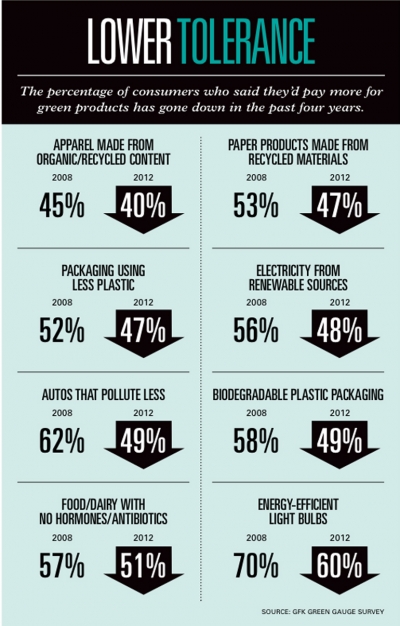
Download a copy of the report here.

KRC Research, IPG’s market research firm, polled 1,375 consumers and 575 senior execs at companies with annual revenue of $500 million or more in October and November 2011. Research was conducted online in the U.S., U.K., China, and Brazil.

Original post on PR Newser