There is a new acronym in town and it’s HoT. From Planet Tracker • Reposted: April 17, 2023
If you are looking for a job where compensation can be linked to your impact, consider becoming Head of Traceability(HoT), especially at a nature-dependent company.
Here is why:
Under pressure from regulators1,investors2 and consumers, nature-dependent companies in particular need to substantiate their sustainable claims. This cannot be achieved without traceability.
Traceability is cross-functional, covering sustainability, IT, product development, sourcing, legal, logistics and marketing: it needs a dedicated person to oversee all of these. Instead, traceability is often the remit of sustainability departments, who have limited leverage over sourcing and logistics staff, raising the risk of traceability-washing (when companies’ claims on traceability cannot adequately be traced to real initiatives). Or it is siloed in sourcing, logistics, or IT departments, potentially without considering sustainability issues.
Traceability allows companies to save costs and reduce risks (through increased efficiencies, reduced waste and recalls mostly): in textiles, we calculated that it would increase net profits by 3-7%. In seafood, we estimated that the whole industry’s meagre profits could rise by 60% if it became fully traceable.
This makes HoT an attractive job where performance means a simultaneously positive impact on the company’s bottom line and a reduced negative impact on nature is feasible. Crucially, that performance can be measured and traced. It should therefore form part of the remuneration package of any HoT. Indexing remuneration on sustainability performance is badly needed, but proposals to do so typically fall short.
Being in charge of traceability is likely to be a challenging job: senior managers typically expect traceability to generate a variety of different outcomes – see Figure 1.
Figure 1: Companies’ top goals for traceability initiatives (Source: Bain, 2021)
Planet Tracker did not find enough HoT jobs
We have searched for all companies which have appointed a Head of Traceability (or equivalent title) on LinkedIn and performed a simple search on Google too. Our results are incomplete since “only” 25-30% of the global workforce is on LinkedIn,3, 4 the search was made in English only, and we might have omitted synonyms/equivalent titles. Still, we believe the results are noteworthy.
We found only 18 companies with a Head of Traceability – excluding companies whose business is to sell traceability solutions and government agencies. By comparison, there are at least 10,000 Heads of Sustainability on LinkedIn.5
One of the possible reasons why HoTs are a rare species could be that it exposes management to more searching questions from financial institutions. Access to a HoT, who has extensive reach and understanding of a company’s operations, could provide investors and lenders with significant insights. They should be very much in demand by the financial markets. Presently, the information asymmetry between management teams and their stakeholders is skewed in favour of the former.6 Please see ‘Implementing Traceability; Seeing Through Excuses’.
Companies with a HoT are engaged in a variety of sectors exposed to recognisable sustainability challenges – e.g. palm oil, textiles, tuna, leather, fertiliser, waste management. They are headquartered in 16 different countries on all continents, except South America. Three quarters of them operate in the food or textile industries – see Table 1. The absence of companies engaged in plastic production or meat production is noteworthy.
Table 1: List of companies with a Head of Traceability
Whilst large textiles companies such as H&M Group and Inditex have a Head of Traceability, many large food companies typically do not. This is concerning since a lack of oversight on traceability within a company is likely to elevate their risk profile and impede their success.
Achieving traceability in food systems is a key requirement that could increase overall food system profits by USD 356 billion or more and is key to transforming this global system. Please see the Financial Markets Roadmap for Transforming the Global Food System. Planet Tracker’s work on the seafood system alone suggested that companies that implemented fully traceable supply chains could see profits increase by 60%. Please see ‘How to Trace USD 600 billion’.
In many cases, the companies in our sample have a Head of Traceability with an IT background: traceability is viewed as a digitalisation issue. In others, they have a supply chain/logistic background. In a minority of cases, the responsibility for traceability is assumed by the Head of Sustainability.
Why HoTs will be hot
Presently, there are not many Heads of Traceability in place – if we have missed one at your company, please get in touch – but we believe this will change, for a number of reasons listed here, the most important being regulation.
For this reason, the urgent implementation of traceability systems overseen by a Head of Traceability or an equivalent cross functional person, is key in our view. Financial institutions should be engaging with company executives and enquiring where the traceability function sits within their management structure.
Note: this blog was inspired by this article in Vogue Business. Credit goes to Bella Webb for raising awareness on the need for Heads of Traceability.
By Joanna Martinez from accelerationeconomy.com • Reposted: April 17, 2023
In a previous analysis, I laid out reasons why sustainability should be a priority for every chief procurement officer (CPO). Now, I’d like to focus a bit on how procurement can make a positive impact on sustainability. Taking just a few measures can set the right foundation for a meaningful program that helps your organization meet its goals in this area.
Drafting Governing Principles
Adopt a sustainability mindset. If your company has an ESG (environmental, social, and corporate governance) already, you draw your sustainability objectives from the policies to be found there. Procurement professionals, in particular, must remember that sustainability initiatives, to be effective, require actions in at least two areas: Purchasing the greenest materials from suppliers while also implementing sustainable practices within the company. A good place to start is with the overarching principle that whatever goes to the customer, whether it is a good or a service, is produced in the greenest way possible.
Most of your suppliers have sustainability initiatives of their own and you may already be buying green without realizing it. Tap into their knowledge base by asking what their other customers are doing or what initiatives they have in place internally or with their suppliers. There will likely be some good ideas for your company to adopt.
I’ve looked at the websites of competitors to see what sustainability initiatives they are emphasizing — everything from products made of post-recycled plastic to delivery via EV trucks — to get ideas on what my employer may have been missing.
Purchasing the Greenest Materials From Suppliers
In a manufacturing company, changes to any materials that go into the finished product must undergo rigorous testing to make sure there are no compatibility or shelf-life issues. As such, direct materials and chemicals will not be a source of quick wins. Even so, it still makes sense to pursue green initiatives, even if it takes time to see sustainability results; the sheer volume of what gets purchased to support manufacturing will inevitably yield bigger sustainability gains than other parts of the business.
Here are just a few practices for procurement to consider regarding the sourcing and purchase of materials:
Convert to recycled materials and packaging where it makes sense
Prioritize sourcing wood products, such as corrugated packaging, that are certified by the Forest Stewardship Council
Include sustainability questions in RFPs and evaluate potential new suppliers on their sustainability programs
Rethink the global supplier mindset and make room for some materials coming from local suppliers, which would reduce the carbon emissions produced by transportation and help support local economies
Choose energy-efficient equipment
Purchasing Indirect Materials
Not every company manufactures, but all companies buy indirect goods and services that are obtained to help their employees and facilities function. Typically, there is a wide range of items here, from carpeting to technology. Actions that procurement sponsors will be visible to the organization and reinforce that the company is “walking the walk.” Here are just a few examples:
Source products that are designed for longevity and can easily be recycled. For example, reusable water bottles and coffee mugs are small items from a cost standpoint, but are visible indicators of a company’s commitment to sustainability.
Require that office paper be made from recycled materials
Ensure that the cleaning crews use biodegradable cleaning products
As with direct materials, make room for local businesses in the supplier mix
Include energy efficiency as a factor in equipment decisions
Prioritize sustainable transport, such as using EVs or hybrid delivery trucks
Measure and Report
There are many ways to measure sustainability progress — carbon footprint, energy consumption, ESG performance, and waste generation, to name a few. Many businesses track their CSR (corporate social responsibility) score, which evaluates a company’s actions in the areas of the environment, labor and human rights, ethics, and sustainable procurement. It’s important to choose a few measurements — whatever is relevant to a given business — that can be tracked and understood. Too many metrics — especially at the start — can result in information overload and resources being focused in the wrong place.
Proof Point
I worked for a global facilities management company, and our clients typically expected both cost reductions and sustainability initiatives. One way to get both was to focus on energy. The first thing that happened when a new client came on board was to conduct a thorough assessment of their energy usage. We looked at carpets, windows, HVAC, lighting, and even the water usage on the landscaping, to make sure that improving energy efficiency was a priority. If your company is just beginning a sustainability program, this might be a great place to start, and there are third-party experts who can help you.
By Tom Swallow from sustainabilitymag.com Reposted: April 15, 2023
With work-from-home and hybrid working being the major trends in the employment landscape. How can leaders navigate the struggle of employee engagement?
What is at the heart of every great organisation? Of course opportunities are created by financial means and a brand to bridge the gap between a business and its customers, but there is something just as crucial, if not more so, in the eyes of a sustainable, equitable business—employee satisfaction and engagement.
Employee engagement being the end goal, satisfaction is the key to unlocking the full potential of the workforce, which is why it’s important to understand what makes them want to work hard and take ownership of their role, project, brand, or branch.
However, it’s fair to say that the majority of employees are not satisfied at work. According to Gallup’s State of the Workplace report, 85% of staff are preparing to grab their pay check and head home.
Particularly as the crisis of increased living costs looms over employees’ heads—to say they are the only ones—employee satisfaction, and ultimately retention, starts at the top. So, what can leaders do to engage with their teams and draw out their best qualities and highest work ethic.
Position employees in future plans
To encourage employees to take ownership of their jobs, give them the opportunity to do so. The lack of engagement in the workforce today is a result of high figures of labour turnover, which is subject to around 87% of employees not gaining much satisfaction from their roles.
The employment trends are changing and more and more people consider the type of work they are doing and would even take a pay cut in return for more satisfaction within their role. In the Gen Z population, 71% would reduce their salaries for more meaningful work.
This also goes hand-in-hand with employee wellbeing and many of the workforce have been given a taste for a more balanced working lifestyle following the coronavirus pandemic. In the remote-working era, we’re seeing more and more organisations adopting work-from-home or hybrid-working models, however, this is not to say employees shouldn’t check in with them in the process. Allowing employees to work from afar presents new challenges, such as loneliness and the inability to separate work from home life.
The cost-of-living crisis exacerbates concerns as many employees are spending more time at home, which is increasing this further due to the increased use of home amenities for work. An easy way for employers to support them with this is by ensuring they have the knowledge of relevant work-from-home tax breaks and benefits that are available to them to cover some of the costs of working remotely.
Jim Harter, Chief Scientist of Workplace and Wellbeing, Gallup. Submitted photo
“When your employees’ wellbeing is thriving, your organisation directly benefits—they take fewer sick days, deliver higher performance, and have lower rates of burnout and turnover. But, when your employees’ wellbeing suffers, so does your organisation’s bottom line.”
Being transparent about human resources matters that affect employees is one thing, but proactive behaviour to support them while working from home is a key factor in building a lasting relationship with them. The most resilient teams are able to be transparent with their colleagues and likewise encourage them to speak out to leadership if they are in a troubling situation or concerned for their wellbeing.
By Dan Berthiaume, Senior Editor, Technology from Chain Store Age • Reposted: April 15, 2023
A new survey reveals widespread consumer interest in sustainable products, but there are a lot of nuances.
The vast majority (86%) of respondents want brands to provide more sustainable products, and 72% are already familiar with the sustainable products and alternatives available on the shelves, according to shopping rewards app Shopkick, which surveyed more than 10,000 consumers across the country to understand their values around sustainability and how they incorporate them into their shopping behavior.
When it comes time to purchase a product, more than half of all respondents (55%) consider the sustainability practices of a brand. However, drilling a little deeper, Shopkick found that consumer interest in sustainability is not uniform across every type of product or absolute. For example:
Close to eight in 10 (78%) respondents say that groceries are the most important category for sustainability. When asked about the specific types of sustainable products they tend to buy, a slim majority (52%) purchase recyclable alternatives (such steel straws or glass tupperware) and products with less wasteful packaging. Significant numbers of respondents will purchase fresh produce (37%) and eco-friendly products like natural soap (30 percent).
When asked why they consider a brand’s sustainability practices, 60% of respondents cite a desire to reduce production waste, 54% say they are concerned about the environment overall, and 49% want to create a better world for next generations.
About four in 10 (39%) respondents say they are willing to pay more for sustainable products. Of those willing to buy sustainable products at a higher price, most (70%) would pay one to five extra dollars. Additionally, 63% of respondents say that sustainability is just as important as budget friendliness.
If a brand is not committed to sustainability, more than half (52%) of respondents say they would still buy from them. However, 23% say they will wait for the brand to produce a more sustainable alternative and 19% would switch to a brand that aligns with their values.
Forty percent of respondents say they have purchased more sustainable products now than they did a year ago, and they plan to purchase even more sustainable products a year from now.
Blue Yonder collected responses in February 2023 from more than 1,000 U.S.-based consumers, 18 years and older, via a third-party provider.
Implementing sustainable practices is no easy feat and often takes years. But brands must understand consumer priorities and show a commitment, no matter how formidable the challenge. From Ipsos • Reposted: April 14, 2023
KEY FINDINGS:
Consumers, more than ever, are pushing brands to become more sustainable, Ipsos research finds
38% of Americans say manufacturers and retailers should be responsible for reducing unnecessary packaging
More brands than ever feel pressure to show their sustainability agenda—but being a sustainable brand has different meanings to different consumers
Numerous brands in 2023 aim to show they are implementing sustainable practices in response to consumer concerns about the environment and climate change—but are often unsure where to start. Ipsos research on sustainability provides a guide for companies on key questions to ask themselves as they look to implement sustainable goals.
How does my audience perceive my brand in terms of its sustainable and environmentally responsible practices?
How prevalent is sustainability in the context of my specific markets, product categories, and competitor brands?
What can I implement almost immediately that will improve the perception of my brand as it pertains to sustainability?
Consumers are awash in products
Consumer spending in the United States hit an all-time high of $13.3 trillion in the third quarter of 2019, up from $10.5 trillion in 2010 and $8.2 trillion in 2000. They are spending more than ever on personal care items, consumer electronics, and clothes. The average American buys 66 garments a year.
Consuming has become easier, as shoppers no longer have to comply with restrictive store hours. Goods have become cheaper, even when they must be shipped halfway around the globe. Consumers also dispose of the products they buy faster than ever when they reach programmed obsolescence or simply because they get bored with them.
Most of these products end up in landfills; the average American disposes of 4.4 pounds of trash every day, which translates into 728,000 tons of daily garbage, or 63,000 garbage trucks full. Every year, Americans throw away 9 million tons of furniture, 9.4 million tons of consumer electronics, and 14 million tons of clothing (double the 7 million tons tossed 20 years ago).
For many Americans, sustainability is becoming a priority in the face of relentless consumption, with surveys showing a desire to pivot toward more meaningful and responsible consumption choices.
Who should be responsible for combating the climate crisis?
Ipsos Global Trends 2023 shows that 80% of people in 50 markets around the world believe the planet is heading for an environmental disaster unless consumers change our habits quickly, yet only 39% believe their country has a clear plan in place for how people, government, and businesses are going to unify to tackle climate change, according to an Ipsos poll of 30 countries from 2022.
People feel the burden of responsibility. In a global survey from Ipsos, 72% agreed that if ordinary people do not act now to combat climate change, they will be failing future generations and 68 percent said that if companies do not act to combat climate change, they are failing their employees and customers. Globally, 65% believe that if their government does not combat climate change it is failing citizens.
These concerns are prompting brands to become more sustainable. When asked, “Who should be responsible for finding a way to reduce unnecessary packaging?” 40% of people surveyed said everyone, 38% said manufacturers and retailers, and only 3% said consumers alone. Product packaging is something that brands (not consumers) own and control, yet consumers influence business decisions by which brand they buy, based on its environmental impact.
And when it comes to implementing sustainable practices, organizations must also be conscious of public perception and overpromising—especially when there may be aspects outside their control. A major international airport, for example, recently committed to becoming carbon neutral by 2030. However, the pledge only reflects the airport’s infrastructure. There is a danger that, in the public’s view, the commitment should also include the emissions from the 1,300 flights that take off or land there every day. Doing the right thing on sustainability, while also managing public perceptions, is not an easy balance to get right.
What consumers believe contrasts with how they shop
Brands also face a tricky factor in consumer behavior itself. While many people claim to be concerned with the environment, their efforts to live in a more environmentally friendly way often fall short and they default on easier actions.
An Ipsos study revealed that almost 90% worldwide are confident in recycling and using low-energy lightbulbs. Conversely, only 55% would consider switching to a mostly plant-based diet, and 59% would avoid driving a car and long-distance air travel.
When it comes to shopping, Ipsos Essentials data shows that globally, just over half of citizens consider themselves to be ethical or sustainable shoppers. In the U.S., only 24% of shoppers see sustainability as a crucial factor when making a purchase, compared to 53% who say the same for affordability and 71% for quality.
Shoppers also differ on their sustainability priorities depending on the product. In baby and toddler products, for example, an Ipsos study showed that sustainability was not a top priority. Parents favored diaper brands that make a safe product for their baby (70%) and fit their baby well (60%). In contrast, only 22% care that the brand is environmentally responsible, declining by three percentage points over the last year.
How some brands are responding
As sustainability is becoming a topic of growing interest, brands feel obliged to talk to their sustainability agenda and show their actions through initiatives and commitments to various time frames. Many brands aim to eventually become carbon neutral (offsetting one’s emissions by planting trees), including:
Netflix by 2022
Apple, Microsoft, and Facebook by 2030
Amazon by 2040
Coca-Cola and Nestlé by 2050
Starbucks aims to become “resource positive” by 2030, which it defines as reducing carbon emissions, water withdrawal, and waste by 50% while expanding plant-based menu options, shifting to reusable packaging and investing in regenerative agricultural practices.
Brands rely on a range of terms to describe their sustainability initiatives, including but not limited to “carbon zero” (Hytch, a commuting app), “zero-carbon” (Zero Carbon Coffee), “climate positive” (Max Burgers), and even “air-made” (the carbonneutral alcohol brand Air Vodka).
Being a “sustainable brand” has different meanings to different consumers
Some brands are purposefully built around sustainability. “Oatly was born sustainable. Its very existence is the manifestation of their mission. Specifically, to help support ‘a systemic shift toward a sustainable, resilient food system’… to ensure the future of the planet for generations to come.”
Some brands have a purpose that aligns with sustainability
Although denim is notorious for requiring large quantities of water to create jeans, Levi’s new collection, Water<Less uses 96 percent less water. Levi’s implements sustainable practices through its entire design and manufacturing process and is working to source cotton that is 100 percent sustainable.
Some brands must shift to sustainability
Volkswagen’s mission is to power a grand switchover to electric vehicles and has enshrined the mission in VW’s new tagline, “Way to Zero.” They aim for total carbon neutrality by 2050, with the hope of creating a sustainable production process from design concept to showroom.
Implementing sustainable practices is no easy feat and often takes years. But brands, especially in 2023, must understand consumer priorities and show a commitment, no matter how formidable the challenge.
By Emma Chervek | Reporter | SDXCentral.com • Reposted: April 14, 2023
Corporate sustainability isn’t as important to top-level executives as it was a year ago, according to the results of Google Cloud‘s latest Sustainability Survey.
The new research found global executives place environmental, social and governance (ESG) efforts as their third most important business priority. That represents a change from last year’s survey, which identified ESG as executives’ No. 1 organizational concern.
This increasingly common view of sustainability as a short-term cost rather than a long-term investment is being driven in part by the way today’s macroeconomic environment is forcing organizations to make sustainability progress with fewer capital resources, which was cited by 78% of respondents.
Justin Keeble, Google Cloud’s managing director for global sustainability, told a group of reporters that even though sustainability dropped in prioritization, executives are still “interested in moving the needle, which is great. But there are new pressures,” he said. “In particular and, of course, economic headwinds, but we’re also seeing challenges around measurement and skill building and some of the implementation challenges that come from having to deliver on the big, ambitious goals that organizations have set,” Keeble explained.
Speaking of ambitious goals, the survey found a majority (59%) of global executives admit they overstate or inaccurately represent their organization’s sustainability efforts. Google Cloud describes this “pervasive concern” as “corporate greenwashing” or “green hypocrisy,” and the research found most executives view this hypocrisy as accidental.
The survey also revealed nearly 75% of executives agree a majority of companies in their industry would be caught greenwashing if they were “thoroughly investigated,” which further highlights the popularity of this tactic.
However, executives identified a lack of sustainability tools as their main barrier to ESG progress, with 87% searching for better measurement systems to help set accurate and reasonable targets.
Chris Talbott, who leads sustainability at Google Cloud, added that because “executives don’t have the insights related to sustainability efforts at their fingertips,” they find themselves “in a precarious position with so much pressure to talk publicly about sustainability efforts.”
Moving past greenwashing
Sustainability continues to be about transforming the business, Keeble argued. “Companies that are taking this agenda seriously aren’t wavering in the face of economic headwinds. They see the imperative to rotate their businesses to more sustainable models, to drive efficiency by doing more with less and building resilience in their operations, in their supply chains,” he said.
To that point, he sees sustainable business as “much more than a PR exercise” or a way to boost brand reputation. And during these tougher times, “you get to see who’s serious about this agenda versus who’s paying lip service,” he noted.
Sustainability also needs a greater focus on its business benefits and value. In light of the budget trimming rippling across most industries, the situation presents an opportunity to bring clarity to strategic areas of investment that make good business sense, like dedicating resources to sustainability-driven technology and innovation, he explained.
Sustainability programs help organizations identify inefficiencies in material or energy use, manage broader risk sets like acute climate risks and provide transparency to stakeholders while working toward environmental goals.
By Afdhel Aziz, Contributor and Co-Founder, Conspiracy Of Love, And Good Is The New Cool via Forbes • April 14, 2023
AllPeople Marketplace is a new entrant to the world of ethical marketplaces. Their ambition is to change the way we use our voices and our wallets by gathering high-quality, safe products that prioritize environmental and social impacts and having customers at the top of their business model. AllPeople is creating an ever-growing community of responsible, like-minded people, brands, and nonprofits who make conscious purchasing decisions to help ignite positive change.
Humans are habitual, and it can be challenging to change patterns unless they have a reason. AllPeople Marketplace gives three reasons—company ownership, cost savings, and charitable donations.
Its equitable business model leads intrinsically motivated customers to shop at AllPeople to buy the brands they already know, trust, and love. AllPeople is 100% customer and employee-owned and every aspect of its model finally, and rightfully, places people before profits. Its business model, including funding and word-of-mouth marketing, creates a customer-centric system that inherently reduces wasteful expenses, allowing its products to be sold at the lowest price on the market and the savings to be donated to customers’ choice nonprofit, charity, or school.
I caught up with the founder of AllPeople Marketplace, Bill Wollrab to discover more about this progressive and innovative business model and how consumers can spark social and environmental change.
Bill Wollrab. Photo: ALLPEOPLE MARKETPLACE
Bill Wollrab started the discussion by shedding light on his previous endeavors that got him to start AllPeople Marketplace by crowdfunding. “I was one of the founders of the Yard House restaurant chain which sold to the Olive Garden for $575 million in 2012. I mention this only to describe how we raised our first million dollars for this successful venture. I told my partners that we should raise money from a large group of small investors versus a small group of large investors because I thought that the more investors we had, the more loyal customers we would have,” Wollrab explained.
This turned out to be very true, but it also created so much buzz in the local community that it allowed them to cut their marketing costs in half compared to other restaurants and therefore greatly increased our profit margins.
In 2016, he became aware of the new equity crowdfunding legislation which was passed by Congress, and he knew that a similar strategy could be used to acquire both customers and investors simultaneously but on a much larger scale.
AllPeople is an online marketplace that sells most of the staple products that consumers are already purchasing on a regular basis but where it gives them the opportunity to invest in the company with as little as $100. By doing this, AllPeople Marketplace achieves these goals:
AllPeople is creating the ultimate customer-centric business model where customers are very loyal to the AllPeople brand. Simultaneously the company is greatly reducing its marketing expenses, thereby significantly reducing its customer acquisition costs or CAC which creates a much higher customer lifetime value or LTV.
AllPeople is creating a more fair and equitable business model which rewards its customers/investors through profit sharing rather than having most of the profits go to billionaires and institutional investors.
The AllPeople model also motivates its customers/investors to be its evangelists by incentivizing them to tell their friends and family about AllPeople as well as to post on their favorite social media channels.
“They know that the more they advocate for us, the more we grow which only has a positive effect on the stock value. The second AllPeople competitive advantage is having another low-cost customer acquisition strategy where we partner with nonprofits and schools or PTOs,” Wollrab added. AllPeople Market provides these organizations with the tools to market AllPeople to their supporters and families where 5% of each purchase is donated to their organization. This is ten times as much as the Amazon Smile program which recently ceased to exist.
Again, AllPeople is utilizing very effective and low-cost word-of-mouth marketing instead of expensive paid advertising. He emphasized, “We would rather give this money to your favorite nonprofit or your children’s school instead of Google and Facebook. We currently have a group of nonprofit partners with over one million supporters.”
Buy Better. Give Back. Graphic: ALLPEOPLE MARKETPLACE
AllPeople Marketplace product prices are very competitive because the company’s greatly reduced marketing costs allow it to offer lower product prices while building a more profitable business model for its customers and investors. It has also recently signed an exclusive agreement with a company that was chosen by Microsoft to become the new Amazon Smile for Microsoft.
We talked more about the opportunity for customers to invest in the company. Customers own and invest in AllPeople through JOBS Act and Performance-Based Funding, creating a deep-rooted connection to the company. Wollrab explained, “JOBS Act is the Jumpstart Our Business Startups Act that now allows for non-accredited investors, meaning non-millionaires, meaning 92% of the rest of the population, to invest as little as $100 in new startup companies. Performance-Based Funding greatly mitigates investment risk and incentivizes the consumer to help us grow. We put the responsibility on us to reach our milestones before we ask the customer/investor to invest. Only when we reach our next milestone can consumers increase their investment, thus motivating consumers to continue sharing our business and shopping on our site.”
As for the selection of products that are listed on the AllPeople Marketplace, Wollrab added, “Our products put the desires of our customers first. AllPeople focuses on the pantry, personal care, and health and beauty. We offer products that are nonperishable, easy to ship, have high margins, and are aligned with the socially responsible, non-toxic, eco-friendly values of our customers.”
Make Change with Your Wallet. Graphic: ALLPEOPLE MARKETPLACE
Wollrab elaborated more on the successful customer acquisition strategy and building a customer-centric model. Because AllPeople’s equitable business model allows products to be offered at the lowest price possible, 5% of each purchase is donated to a nonprofit, school, or charity of the customers’ choice. On Instagram, Tik Tok, and Twitter, people share the latest news, graphic, or stat that signals their values and beliefs to their followers. Thus, people will be eager to share where they not only just found their favorite brand at an affordable price, but also donated to a cause they believe in. “We also offer discounts when customers refer friends and family and share on their social media feeds. The customer/investor becomes the marketer, organically fostering word-of-mouth marketing that has a zero to a low-cost strategy of acquiring and retaining customers. Word-of-mouth marketing reduces extraneous costs, which helps build our customer-centric model,” he concluded.
AllPeople Marketplace gives consumers a reason to switch where they shop and excites them to use their voices, decisions, and wallets to create social and environmental change. Its model is one many marketplaces could learn from.
SUBMITTABLE EMPLOYEES PACK BOXES AT THE MONTANA FOOD BANK NETWORK. Photo: Submittable
By Laura Steele from submittable.com Reposted: April 12, 2023
Many corporate leaders are confronting a new landscape when it comes to hiring and retaining employees. It’s not just about dollar signs anymore–people want to work for organizations that are intentional about building a positive company culture and willing to invest in their communities.
Launching a corporate employee volunteer program is a great way to set your company apart. It allows you to tap into one of your best resources—people. A corporate volunteer program empowers employees to give back by creating opportunities for them to spend time helping nonprofits and charities dedicated to causes they care about.
But like any new initiative, creating a successful, lasting program requires a plan. We talked to Chris Jarvis, an expert on corporate volunteering and co-founder of Realized Worth. He shares some unique insights to help frame your approach.
Inspired by his advice, we’ve laid out the 7 strategies you need to get people engaged and the 7 steps to launch your program.
Before you dive in, get the comprehensive guide on measuring employee volunteering impact
A volunteering program can be transformational for employees, community members, and your business. Measuring that transformation may seem daunting, but it’s not. Get the guide: “How to Measure the Impact of Corporate Volunteering“ to learn how to gauge the full impact of your efforts.
Let’s get started.
The benefits of corporate volunteer opportunities
Before we dig into the strategy of building your program, let’s pause to ask why it’s worth it in the first place. Not only will this help you understand the potential power of your investment, but it will help you make a case to your colleagues and leadership team.
The impact of volunteering moves in two directions. There’s the effect on the people or causes being served. But also, those who volunteer benefit as well. As Chris Jarvis explains: “There’s actually data to show the reward system of helping people when you can see their face and you understand the significance of the task—it is almost indistinguishable from the yoga high, the runner’s high, and sexual activity.”
The experience of volunteering can be incredibly meaningful. And that has a profound effect on how connected employees feel to their jobs and the company as a whole.
A good employee volunteer program can contribute to:
Employee retention: When employees feel engaged in their work and connected to the company values, they tend to stick around.
Productivity: Connecting to a meaningful purposehelps people bring their best selves to work and can boost their effectiveness.
Recruiting: Potential employees are attracted to companies that invest in their communities and provide opportunities to give back on the job.
A positive company culture: Incorporating a spirit of service and collaboration can have a profound effect on your workplace dynamics.
Community impact: Putting your resources toward a community need can make a big difference in addressing society’s biggest challenges.
Brand reputation: Consumers are looking to support companies that show up for their communities in meaningful ways.
Leadership development: Volunteer projects give employees opportunities to try on different roles and develop new skills.
When it comes to facilitating a corporate volunteer program, it’s truly a virtuous cycle. Let’s move on to how to implement one effectively.
7 tips to increase participation
One of the big questions about corporate volunteer programs is: if you build it, will they come?
According to the latest Chief Executives for Corporate Purpose (CECP) report, employee volunteering participation has seen a steep drop. Of course there are some external factors at play (looking at you, COVID), but even before the pandemic, only 30% of employees were taking advantage of volunteering opportunities provided by their employers.
So that begs the question: how do you inspire people to get involved?
As you look to build or revamp your program, keep these 7 strategies in mind.
1. Provide paid time off to volunteer
This is a pretty easy one, but it’s important. Give employees dedicated time off to volunteer that they can use during regular working hours. If you set up a program, but then ask people to volunteer on their own time, you’re sending the message that your company is not willing to put resources toward this effort.
And don’t lump volunteer time in with PTO or sick leave. Create designated VTO (volunteer time off) and encourage everyone to use it.
2. Make it easy
Like any process, if you make it difficult or confusing to sign up for volunteer opportunities, people won’t do it. Make it as easy and simple as possible. Think of the sign-up process as part of the program itself. You want it to be a positive experience right from the start.
Using an employee giving software platform that allows each person to browse and sign up for opportunities, view and track their VTO, and get important information all in one place can help. No one wants to sort through spreadsheets or long email threads—don’t make them.
3. Eliminate the unknowns
Some people might be hesitant to volunteer because they haven’t done it in the past. You can help them get over this barrier by providing simple information up front.
People like to know what’s coming. Think of times you’ve been reluctant to say yes to something because you weren’t sure where exactly to go or who would be there. Make sure volunteers know what to wear, where they’ll be working, and if they need any special skills. This can make a big difference in helping people feel comfortable as they try something new.
4. Make it social
Corporate team volunteering is a great way to connect with teammates on another level. It’s also a good chance to work with new people—if you’re at a larger company, there are probably a lot of folks you don’t get to interact with directly. Volunteering can facilitate new and deeper relationships across your organization.
Choose a platform that allows employees to see who else will be volunteering with them so they can start forging those connections early. This also allows them to invite others and coordinate plans.
Jarvis explains that not all volunteers are alike. He breaks them down into three stages. “The first stage space is for individuals who don’t volunteer much and who end up volunteering because of an extrinsic reason,” he says. Social connections are a great external motivator. Building this into your program will help inexperienced volunteers take that first step.
From there, some volunteers will move onto the second stage of volunteering in which they’re motivation to give becomes intrinsic—they derive a deeper meaning from the work. In stage three, which only a small percentage of participants reach, volunteering becomes an integral part of someone’s identity. At this stage volunteers are considered guides; they can lead and inspire inexperienced individuals.
5. Consider behavioral science
In some ways getting people to volunteer is like getting them to exercise. People know volunteering makes them feel good, but still, finding motivation can be tricky.
A lot of Chris Jarvis’s work centers on how behavioral science comes into play. Behavioral science explores how people make decisions. Surprisingly, it isn’t always a matter of logic. Jarvis explains how this relates to employee engagement and volunteerism: “Most programs are not configured based on how people consider options, evaluate, and make decisions,” he says.
“Incorporating behavioral science is about taking advantage of the insights that we have around our cognitive biases—the shortcuts or heuristics we use to make decisions,” he says.
For example, Jarvis highlights the power of loss aversion bias. People don’t like to lose things. In fact, that aversion to loss is much stronger than the desire to make gains. How can this play into a corporate volunteer program? You can make VTO hours “use them or lose them”. Psychologically, this can help motivate people. Suddenly, they don’t want to lose the opportunity to volunteer and they feel a greater sense of urgency to get involved.
Tapping into behavioral science doesn’t require a big overhaul of your program. It’s about finding opportunities to align how your program is structured with how people actually perceive the world and make decisions.
6. Keep the pressure off
Nothing can sour the joy of volunteering like making it mandatory. As much as you want employees to get involved, don’t apply intense pressure. In the end you want it to be their decision.
Rather than trying to force employees to participate, do your best to lower barriers that might prevent them from getting involved. For instance, you can ensure that opportunities are convenient—no one is likely to sign up for a shift that would force them to sit in rush hour traffic, for example.
Jarvis frames the approach around nudges, or subtle interventions that encourage employees to be more engaged in giving. In fact, he has recently launched Nudge the Good, an initiative that seeks to leverage behavioral science, neuroscience, and transformative learning theory to help improve results in corporate citizenship.
7. Incorporate virtual volunteering
Virtual volunteering has taken off over the last two years. Of course it can’t replace the experience of being in person, but including some opportunities to volunteer remotely will help engage more people. It’s a particularly good option for distributed teams.
Don’t skimp when it comes to planning these virtual events. You’re not just trying to check a box—you want everyone who participates to feel like the work they do has meaning.
7 steps to launch your program
1. Choose a cause
When it comes to choosing a focus for your volunteer program, you want employees to be involved. Too often an executive sets the priorities and the program begins to feel like a pet project for the boss—not a great model for getting people across the company excited and invested.
You can use an employee engagement platform to create a survey or a nomination process so that employees can weigh in on what causes matter to them and which organizations they want to support.
Maybe it makes sense to have some coordinated volunteer opportunities, but you may also consider letting employees choose when and where they volunteer. Perhaps they already have a relationship with an existing nonprofit and they want to use their VTO to continue that work. To take it a step further, perhaps you can empower employees to leverage their relationships with nonprofits to bring new opportunities to their coworkers.
Starting the volunteer experience with a sense of ownership and autonomy ensures that your employees will feel more engaged in the work.
2. Create a unique program
Although it might be worth taking some inspiration from other companies with volunteer programs, don’t just copy what someone else is doing.
You want to lean into your strengths. Craft your program strategy so that it aligns with your organization’s mission. Think about what inspires your team to do its best work and try to tap into that energy.
One way to leverage the unique skill sets of your employees is through skills-based volunteering. Your team can put their talents and expertise to work for nonprofit organizations. Not only can this provide deeper meaning and engagement, but it can help nonprofits address some of their critical needs.
Don’t be afraid to get creative and try new approaches. Across philanthropy there has been a reckoning around “best practices”. Sometimes processes have become so entrenched, organizations adopt them without interrogating whether they truly serve the mission at hand.
As Chris Jarvis puts it: “A square wheel was a best practice until someone invented a round one.”
3. Center the meaning
Part of the power of volunteering is the deep sense of meaning participants feel when they give back. Chris Jarvis explains it as “transformative experience” for volunteers “at a psychological level (changes in understanding the self), a convictional level (revision of belief systems), and behavioral (changes in real-world actions)”.
Be sure to keep this meaning at the center as you build your program. If employees feel like the company doesn’t care about the outcomes and is only trying to create good PR, they will be much less likely to participate.
Help volunteers connect with the meaning of the work. This can mean connecting them directly with the people who benefit. For example, instead of just packing boxes of food, can they help deliver food to people in need?
Roy Baumeister at Florida State University explains that people derive meaning from situations in three ways: when they see purpose and value in what they are doing, when they have a sense of personal efficacy and control, and when they feel a sense of self-worth.
Do everything you can to help participants get close to the meaning of the work.
4. Get leadership involved
When it comes to getting company leadership involved, it’s all about striking a balance. As mentioned earlier, you don’t want executives setting priorities and undercutting the sense of ownership employees feel. On the other hand, you don’t want the higher ups to seem disengaged or uninterested.
Organization leaders should be your program’s biggest cheerleaders. They should volunteer alongside employees so they understand the value of the work and can speak honestly about the experience.
Updates and information about volunteering should be included in company-wide communications. Leaders should champion these efforts in the same way they celebrate business wins. And the positivity needs to be genuine. Employees can easily recognize inauthenticity. If your leadership team isn’t truly invested in giving back, it will show.
5. Provide structure
Although you want employee enthusiasm to drive your program, your company needs to provide the logistical support and infrastructure.
Your CSR or HR team should work to build relationships with community partners so you can develop a deep understanding of the community’s needs. Establishing these partnerships gives your program legitimacy and will help employees understand the wider impact of their work.
Before you launch, you also want to choose a corporate volunteering platform that allows employees to view available opportunities, sign up easily, and track their VTO. Having this piece in place from the outset is essential. If employees’ first impression of the volunteer program is that it’s difficult or confusing to sort through, they’ll lose interest and it’ll be difficult to re-engage them.
One part of your plan should involve setting goals. Decide what outcomes matter most to you. You could set goals around participation rates, total VTO hours used, employee experience, or community impact. Don’t get bogged down by trying to track too many metrics—choose a couple aspects you want to focus on and use your employee volunteer management software to track your progress.
6. Take stock
A lot of energy and excitement can go into launching a volunteer program. That’s great. Initial enthusiasm is important to get everyone on board. But creating a successful program that lasts is all about continuing to cultivate what you’ve built.
First of all, you want to take stock of what your program achieves. Are you reaching the goals you set? Are you seeing the engagement and impact you want to see? Share your findings with employees and the public. This transparency will show that you’re willing to show up authentically and honestly.
Make it a practice to seek feedback from employees about their experience. Use their insight to refine or reshape your approach.
You also want to continue to develop your program. Maybe you seek out additional community partners or add new volunteer opportunities over time. Or perhaps you find fresh ways to celebrate participation. What’s important is keeping the program relevant and active–if it starts to feel stale to employees, interest will wane.
7. Make volunteering part of your company culture
You want to integrate the spirit of giving and stewardship into your company culture. The last thing you want is to create a volunteer program that feels at odds with or separate from how you do business.
People from all across the company and all departments should be engaged. For example, if only folks from HR are showing up, you want to figure out why. Are some managers not supportive of employees taking time to volunteer? Is messaging around the program not reaching everyone?
Celebrate the successes of your program both internally and externally. Become a brand people associate with giving. This also means you need to look at how your business operates more broadly. If you’re creating volunteer opportunities to address problems you’re helping to perpetuate, people will be quick to point out the hypocrisy.
Look at your business practices. Are there more ways you can consider the social impact of your work? Sometimes a volunteer program is just the start.
Find the right partners to support your work
As you look to build or reshape your corporate volunteer program, you want to leverage tools that will simplify the process and increase engagement. Submittable is a social impact platform built to help you launch, manage, and measure your CSR programs. Find out more.
A modern, cloud-based ERP environment allows retail organizations to responsively adapt to economic and market changes based on a combination of business and ESG data, processes, metrics, and expectations. Image: GETTY
By Joerg Koesters, Head of Retail Marketing and Communications, SAP via Forbes • Reposted: April 12, 2023
Against a backdrop of inflationary pressures, rising interest rates, and a potential global recession, midsize retailers are taking stock of organizational excesses and weaknesses. And the first initiatives traditionally placed on the back burner are often related to environmental, social, and governance (ESG) improvement.
But findings from SAP Insights research indicate the industry’s traditional reaction to a potential economic downturn may not be the best option forward. In a survey of retailers with annual revenues of less than $1 billion worldwide, respondents consider sustainability as a critical part of their strategies for growing revenue, increasing business efficiencies, and strengthening brand reputation.
Incorporating ESG into decision-making uncovers new opportunities that go beyond attracting consumers with sustainable goods. In fact, retailers have made moves that optimize their supply chains and have seen benefits such as reduced supply chain disruption and lower logistics costs. Other positive outcomes include:
Moving distribution centers to locations closer to plants and consumers to enable faster response to changing demand in physical stores and e-commerce channels.
Proactively seeking alternatives to shipping service providers and carriers that reduce the distance that goods travel to dramatically reduce logistics costs.
Expanding multi-tier vendor options that demonstrate ethical labor practices to protect compliance continuity and ensure consumer confidence.
Dialing back on any of these efforts to drive short-term cost savings as a response to the economic downturn would close the door to larger business benefits and shopper and consumer value.
The good news is that midsize retailers are thinking about the best ways to respond to economic stagnation. Nearly half (45%) of organizations surveyed by SAP Insights consider it a global risk they must be ready to address. This view has led to investment in various technologies, including cloud computing, cybersecurity infrastructure, employee collaboration tools, automated business intelligence dashboards, and business process intelligence.
By leveraging all these technologies within a modern, cloud-based ERP environment, retail organizations can responsively adapt to economic and market changes based on a combination of business and ESG data, processes, metrics, and expectations.
Take, for example, Distribuciones DANA, which is known for its close relationship with customers and internationally recognized consumer products brands such as Colgate-Palmolive, Henkel, and Unilever.
The leading distribution company in Mexico across grocery, wholesale, and retail channels developed a distribution and logistics solution with a cloud ERP to bolster its reputation for reliable and efficient product deliveries. The ERP’s intelligent infrastructure facilitates smoother reservations, purchases, payments, and transportation processes and encourages teams to collaborate with greater agility and speed by automating forms and messages.
Equipped with better projections of shipping volumes, the company can better manage its transportation planning, so it can offer logistics services that provide the best coverage at the most competitive prices and with the lowest-possible mileage. Additionally, it can generate detailed information on routes, customers, and suppliers and deploy GPS systems to further support timely and sustainable delivery.
Another prime example is Super Q. The operator of convenience stores throughout Mexico is already following this approach across its 200 retail locations to enable business continuity and customer service excellence. An industry-specific cloud ERP helps the business improve information flow and visibility, accelerate finance and accounting closing processes, and reduce paperwork by eliminating spreadsheets and manual processes.
As a result of its business transformation effort, Super Q integrated 100% of its regulatory processes for manual audits. This outcome allows the retailer to make inventory information available online and process store sales data quickly for more accurate decision-making – immediately impacting operational efficiency and ensuring reporting compliance. As a result, the company now has real-time visibility into operating costs, opportunities, and risks, as well as point-of-sale and product category profitability.
As proven by Distribuciones DANA and Super Q, players across the retail value chain can optimize their revenue potential by using cloud ERP to gain a structured business perspective while embracing sustainability holistically. Doing so empowers retailers to become environmentally responsible and socially ethical brands that people want while improving promotions, demand forecasting, waste reduction, and the customer experience.
Thriving retailers value long-term ESG goals
No single strategy can recession-proof a business. But retailers that leverage sustainability data and values across their operations and decision-making can emerge stronger than their competitors.
By fine-tuning sustainability performance along with business strategies, midsize retailers can establish a habit of responsible cost savings and efficiency improvement to protect their brand and revenue generation during every downturn. And when the economy begins to recover again, they’ll be many steps ahead of the competition – seizing growth opportunities faster and more effectively.
By Mary Riddle from triple pundit com Reposted: April 11, 2023
The latest report from the Intergovernmental Panel on Climate Change (IPCC) outlines the widespread impacts and risks of climate change. The findings are grim: Global surface temperature has risen 1.1 degree Celsius above pre-industrial levels, and greenhouse gas emissions have continued their upward trajectory. Global governments are failing to meet their commitments to curb emissions, and current nationally determined contributions (NDCs) have the world on track to shoot past 1.5 degrees within the 21st century, making it far more difficultto limit warming to below 2 degrees.
As civil society fails to curb emissions and avoid the most catastrophic outcomes of the climate crisis, the private sector has an opportunity to drastically decrease emissions and lead the way to a decarbonized world.
TriplePundit spoke with Steve Varley, global vice chair for sustainability at the big-four accounting firm EY, about the ways the private sector can help change the current climate trajectory and create long-term sustainable value.
“The IPCC report is not the first time that we’ve heard a claxon and seen the red flashing lights in a report done by eminent and prestigious scientists on the climate emergency,” Varley said. “We are not acting appropriately in business or government in response to the report. Capitalism can be a powerful agent, and if we can help stakeholders create value by becoming more sustainable, then the world will be more sustainable. The private sector can help close the gap on climate response when national governments are struggling to meet the expectations of a 1.5-degree pathway.”
The fight against climate change and the road to COP28
The latest IPCC report is framing the global conversation leading up to the U.N. COP28 climate talks in December. Current NDCs — the formal term for country commitments to reduce emissions — put the world on track to see temperature increases between 2.2 and 2.4 degrees Celsius. And some governments are failing to implement their current emissions reductions strategies.
“We should be tracking how countries improve their NDCs, if at all, on the way to COP28, especially for the G20,” Varley said, referring to the Group of 20 of the world’s largest economies. “I am encouraged by where the U.K. is getting to, but all eyes are on the United States, India, China and Saudi Arabia. We need to move from pledges and promises to progress and performances.”
At the COP27 climate talks last year, the Joe Biden administration acknowledged that the public sector could not provide adequate financing to fund the transition to a decarbonized economy. A senior advisor to President Biden noted that the world needs the private sector to help unlock trillions of dollars of climate finance needed to avert the worst effects of the climate crisis, but currently, only a small fraction is available.
“As governments shrink away from meeting their commitments on their NDCs, now is the time for the private sector to step forward,” Varley noted. “For those parts of the world where there is a trust gap between civil society and business, this is our opportunity to walk the talk and show how we are decarbonizing at scale. We should come to COP28 with evidence to civil society how we are closing the gap and decarbonizing our businesses.”
Where do businesses go from here?
The business case for sustainability is increasingly apparent for the private sector, and there are several ways that companies can create value for stakeholders and engage the public. “Sustainability is the defining challenge for businesses and business leaders over the next decade, and we need to address it proportionately,” Varley said. “Capitalism can, on occasion, wreak havoc on the world, but if we bring the power of the private sector as a change agent to the world, we can make the planet more sustainable. To do that, we have to encourage the creation and protection of value.”
Additionally, the IPCC report needs to be made more available to folks outside of the sustainability sectors. “The private sector needs to translate the IPCC report into everyday descriptions so that civil society can better understand how not dealing with climate change will impact their lives and the lives of their children,” Varley told us.
The world is running out of time to act, and the next few years are critical. Governments must continue to support policies that allow for the flow of climate finance. “It’s difficult when politics does not support the climate change agenda, but the private sector is embracing and responding to the climate emergency,” he said.
“There is a quote that I like, that is often attributed to Napoleon: ‘The job of a leader is to establish reality and then give hope,’” he continued. “COP28 can establish realistic optimism and realistic hope. I am optimistic, because I see the great work in many companies around the world to decarbonize. Businesses can start the movement to overtake governments’ efforts to decarbonize at a national scale and close the gap.” The IPCC report notes that at current rates of implementation, adaptation gaps will continue to grow and that an influx of climate finance is necessary to avoid catastrophe.
Localism is here to stay; and brands will increasingly be expected to understand what that means, so that they can make positive contributions to communities everywhere.By Tom Idle from sustainable brands.com • Reposted: April 11, 2023
COVID-19 changed everything — especially how people think about their local communities. In all corners of the world, local people, businesses and community groups suddenly became incredibly important as we all navigated the restrictions imposed by the virus. Lockdowns fostered a sense of belonging; we all felt much more connected to where we live and much more likely to support local companies, look after our neighbors, and promote our local identity.
Localism is a trend that has outlasted COVID.
As many nations grapple with rising inflation and a cost-of-living crisis, people continue to be drawn to ideas, products and organizations that promote a local agenda — whether in politics, business or ecology. As economic uncertainty and geopolitical disruption dominate, people are seeking a sense of belonging as they become more attached to their local environment.
In response, brands are making moves to link their own agendas to localism — whether that is promoting their sustainability performance, enhancing their transparency or highlighting how their business is benefitting local communities. In China, for example, many brands follow what’s known as guochao — the concept of incorporating traditional Chinese cultural elements into products, showing that they understand and acknowledge what is important to local movements.
It is a trend supported by research that shows 53 percent of consumers say shopping with small and local businesses gives back to their communities and gives them more purpose in their shopping habits. 62 percent of Malaysian consumers say they would like to know more about the people who produce the food and drink they buy; and 63 percent of US consumers say that they try to buy from local companies where possible.
Meanwhile, the latest research from Panoptic — a trend and foresight tool developed by the Internet Freedom Foundation — highlights ‘local spirit’ as one of its 30 trends currently driving change among consumers. In its analysis, it highlights that people are “dismissing mass-produced goods in favour of products and experiences that are more unique and authentic. People want to experience more personal and meaningful interactions with local communities. They appreciate products and businesses that understand local cultures and history. And there is more value being placed on the stories behind products, brands and experiences.”
Brand examples
So, how are brands leveraging the love for localism? Last year, for example, McDonald’ssupported Spanish farmers affected by wildfires by launching the “Burger That Could Not Be.” The profits from the limited-edition product — merely an empty, charcoal-black box to act as a reminder of the crops destroyed and all the burgers that could not be produced due to agricultural losses — were donated to farmers struggling to rebuild after the wildfires destroyed more than 47,000 acres of land in Valencia.
Elsewhere, Nike launched Nike Unite — a concept designed to help locals connect more closely with sport. Each concept store ensures that only local people get hired; and the design and visual merchandising is all about showcasing local partnerships with hometown athletes and local landmarks.
Food-delivery company Deliveroo has teamed up with the Singapore Red Cross to deliver first-aid training for its drivers. They are now equipped with vital skills and first-aid knowledge that could help them respond to situations when they are out delivering food in their communities.
Localism is big in beer
Building more authentic and locally focused brands has been a real focus for the beer market in recent years. As the world’s most popular alcoholic drink, beer has both a big environmental footprint and a significant opportunity to effect change.
Most beer relies on barley — by far the biggest raw material used in brewing — which is malted in a process that goes back more than 5,000 years. However, beer makers have always played around with different raw materials to save money and create new tastes — from oats and rye to cassava and sorghum. They have also added adjuncts to their process, such as un-malted grains or grain products to supplement the main mash ingredient, along with enzymes to overcome the challenge of low enzyme content in many adjuncts and lower the viscosity in the process.
All of this is good news for the localism agenda. Using locally sourced ingredients can offer consumers a more authentic experience from their favourite beer brands, making them feel more connected to the local community. Guinness parent company Diageo, for example, runs East African Breweries in Kenya. It has been buying sorghum from 60,000 smallholder farmers, using the barley alternative for its Senator Keg product.
Authenticity and transparency are key
Tapping into the localism agenda is a great way for brands to bring local communities together, creating a sense of society that more and more people crave. But it’s important for brands to be authentic and transparent in doing so. For example, companies will need to go further in giving consumers access to information that explains the local relevance of their products, why local ingredients and products are more sustainable, and how these products are providing local communities with a source of income.
Beyond product localisation, brands must also demonstrate they understand the local culture, how they fit into it and how their approach will benefit local people.
Localism is here to stay; and brands will increasingly be expected to understand what that means, so that they can continue making positive contributions to communities everywhere.
While the volatility of economic change around us can be distracting, one thing remains clear: A new generation of expectations is shifting business for good.By Del Hudson from Sustainable Life Media • Reposted: April 10, 2023
Government regulators are playing a key role in shaping how we address climate change; however, influential businesses have a chance to ensure these requirements speak to the metrics that make a true impact. Policy is a catalytic vehicle for change. As a business community, we should be embracing it as a means to address the existential threat of the climate crisis — to not do so would be irresponsible and dangerous. Recognizing the tension in the system among trade organizations, policymakers and corporations doesn’t mean it can’t be done right. For businesses and brands, creating incentives around impact reductionthat tie clearly to company goals is a key opportunity for transformative action.
It’s no secret that multiple industries have reaped the rewards of a broken economic model that relies on extractive and exploitative practices that continue to harm people and the planet. Consumer goods is one of those industries; and responsible leaders recognize it is time for a new system — one that transforms design and consumption and imagines a new way of doing profitable business. Over two-thirds of US consumers are willing to pay more for sustainable products. Globally, that number is just over a third — though that number rises to 39 percent for Gen Z and 42 percent for millennials. Capital markets will reward those that are de-risking their supply chains; and employees want to work where purpose and responsibility matters.
The argument that without perfect data we can’t do this work ignores the reality that science is always evolving. We must move forward with urgency, using the significant directional data that already exist and show where the key issues and intervention opportunities lie. Taking accountability for the full product lifecycle and impacts up and down the value chain is the only way to achieve meaningful ESG performance. It’s not about marketing single environmental or social attributes of a product. It’s not just reducing impact in owned operations while ignoring the manufacturing impact or material inputs of the end product. It’s believing that tomorrow’s customers will want (and deserve) something different than they get today.
This is hard, complex work; it won’t be completed in my lifetime. But we must move rapidly to accurately understand impact and take action with urgency. And we must be ready to learn and change as we know more. The tools to begin this work already exist. Smart businesses already see their futures. And while the volatility of economic change around us can be distracting, one thing remains clear: A new generation of expectations is shifting business for good.
By Amudalat Ajasa from The Washington Post • Reposted: April 10, 2023
Solar cell panels set up on the West Campus of Arizona State University in Phoenix, Arizona.
Climate change is on the minds of many in the Class of 2027, and could be a critical factor in how current high-schoolers make their final college choices in the coming weeks. For many prospective students, climate change is an existential threat. So colleges and universities across the country are seeking and finding innovative ways to curb their emissions and become more environmentally sustainable.
A total of 413 schools, or about 10 percent of U.S. higher education institutions — where about 30 percent of full-time U.S. college students are enrolled — have signed a climate pledge from Second Nature, an organization committed to accelerating climate action through these institutions. By signing, schools vow to achieve carbon neutrality as soon as they can, according to Tim Carter, the organization’s president.
Some large institutions have been at the forefront of efforts toward sustainability, but the push is growing as colleges of all sizes join the fight. Many are also adopting solutions specific to their local community or environment.
Ohio University turns scraps to soil
Ever wondered what happens to all the uneaten food in dining halls? Where does your food go after it’s carried away on conveyor belts?
The answer is grim. Most food waste generated in college dining halls ends up in the trash and then a landfill. Food waste overall is the single most common material dumped in landfills and incinerated in the United States, according to the Environmental Protection Agency.
But at Ohio University, the kitchen is just the beginning of your leftover food’s journey.
After students leave the dining hall, trained staff separate food left on serving trays. Nearly five tons of food waste per day is collected from dining halls around campus and brought to OU’s $2 million composting plant.
The plant, which opened in 2009, features a rooftop solar array that provides about 75 percent of the system’s energy, according to Steve Mack, the university’s director of facilities management. Its rainwater harvesting system provides all the water used at the facility.
By 2012, the university was composting nearly 100 percent of its dining hall waste.
“It’s the right thing to do; food waste going towards composting is much better than going to a landfill,” Mack said. “We’ve taken what was a waste stream and turned it into a resource.”
The campus has one of the most efficient university food services in the country, despite the unique challenges posed by the all-you-care-to-eat facilities. About 99 percent of campus food waste is post-consumer — left over from trays — while pre-consumer food waste from the preparation process makes up less than 1 percent.
The school uses an in-vessel compost systemthat combines organic waste — including meat, dairy and landscape waste — with bulking agents in which naturally occurring microorganisms break down material. It’s the largest known in-vessel system at any college or university in the nation. The material is then trapped in an enclosed environment where temperatures, moisture levels and airflow are monitored for two weeks. Once removed from the in-vessel system, the compost is placed in narrow piles outside for three to four months.
Food scraps are turned into nutrient-rich soil, which is used for landscaping andfilling in intramural athletic fields. The soil has also been shared with the local school district.
All told, the university compostsabout 612 tons of waste a year. That’s equivalent to the weight of about 102 full-grown male elephants, according to the university.
Composting saves the university $14,000 each year in landfill fees and $22,000 in annual fertilizer costs, said Sam Crowl, associate director of sustainability at Ohio University.
Ball State University fires up a greener system for heating
When engineers tell you that you can’t replace a university’s 70-year-old heating system with the largest geothermal plant in the country, you’d probably heed their warning.
But Jim Lowe didn’t.
“For an engineer, it’s a once-in-a-lifetime opportunity to build a system that’s beneficial to the environment and efficient for use of energy around campus,” said Lowe, who is associate vice president for facilities planning and management at Indiana’s Ball State University.
Lowe wanted to replace the coal-fired boiler heating system, which burns coal to create steam and heat, with a geothermal power plant — which draws heat from the earth and turns it into hot water, which, in turn, is used to heat buildings.
In 2009, BSU began the daunting task — and Lowe’s team had to start from scratch.
The team building the system drilled approximately 3,600 holes that were 500 feet deep under sporting fields and parking lots, digging up streets and sidewalks to place nearly 5.3 million feet of piping.
It took eight years, but the school said the process caused very little disruption to students’ day-to-day activities. Now the largest geothermal system in the country runs hidden under the school and provides heat and cooling to “50-plus major buildings” on campus, Lowe said.
Completed in 2017, the $83 million project has cut BSU’s carbon footprint in half — helping the school get halfway to its goal of becoming carbon neutral. Lowe estimates that BSU now saves $3 million in energy costs each year.
BSU’s project has inspired nearly 65 higher education institutions to start building their own geothermal plants.
Colleges and universities “have a responsibility to protect our environment and pay it forward for future generations,” Lowe said.
University of Iowa uses resources from its backyard
Most people who stumble across the inedible outer cover of an oat grain think nothing of it, but the Quaker Oats production facility in Cedar Rapids, Iowa, looked at piles of leftover oat hulls and saw a potential energy source. The company asked the nearby University of Iowa for help. And the school jumped in.
The University of Iowa became a green-energy champion by harvesting biomass energy using resources in its backyard — the oats facility is just 25 miles away. Biomass energy is generated by burning living or once-living organisms to create heat or electricity: Think of wood, corn or soy.
Oat hulls were once a treat for farm animals, but UI began buying the crop two decades ago. Now, the university buys nearly 40,000 tons of oat hulls each year from the Quaker Oats facility, reducing its reliance on coal.
“It’s hard for anybody to find much fault in what we’re doing because it’s good on cost, it’s good for the environment, it’s good for local businesses. It’s a good thing all around,” said Ben Fish, director of utility operations at UI.
Oat hulls aren’t the only thing UI is burning to make energy.
In 2015, UI began planting and harvesting acres of a billowing, bamboo-like grass that grows up to 12 feet high. The miscanthus grass is chopped, collected and combined with renewables and non-recyclables, like the waxy backing of labels and paper, to mimic coal when burned. The university partners with a Wisconsin-based energy company that uses the grass as a primary ingredient to create renewable energy pellets. The university also contracted with farmers within a 70-mile radius to plant the grass and expand their acreage.
Months into the worldwide pandemic, the empty university exceeded its goal of 40 percent renewable energy by 2020.
UI is making strides toward a new goal: going coal-free by 2025. Fish thinks it is “absolutely attainable.”He also said oat hulls will continue to be the “foundation” of UI’s future carbon reduction planning.
In January, the EPA ranked the school No. 2 on its list of top college and university green-power users — surpassed only by the University of California system. The 1,900-acre campus gets 84 percent of its energy from green power.
“All colleges and universities are trying to reduce their carbon impact, and we all just have a different way of doing it,” Fish said. “We’ve been able to make use of what’s around us.”
University of Minnesota at Morris moves with the wind
The University of Minnesota at Morris sits in a rural part of the state, surrounded by prairie and forest areas. The small liberal arts college with fewer than 1,300 students is about 2½ hours west of Minneapolis.
The school “in the middle of everywhere” uses a localized hybrid approach to renewable energy. Wind turbines, a biomass gasification facility and a solar array generate about 70 percent of the electricity used on campus daily. Annually, the school produces more electricity than it needs.
Two 230-feet-high wind turbines with 135-foot blades tower over the university. The turbines generate 10 million kilowatts of electricity per year, but the university uses only about 5 million kilowatts. The surplus power is exported to provide renewable energy to Morris, a city with a population of about 5,000.
The two turbines supply more than 60 percent of the annual electricity used on campus. The university achieved carbon neutrality in electricity for the first time in 2020 in large part thanks to those turbines, said Troy Goodnough, the school’s sustainability director. There are many instances when all the university’s electricity comes from wind turbines, which can generate electricity with wind speeds as low as 7.8 mph and as high as 29 mph.
UMN Morris was the first public university in the country to have the large-scale wind turbines constructed, according to university officials.
“What we try to do is be on the front edge of showing what a model of rural sustainability looks like,” Goodnough said.
Additional renewable energy comes from 636 individual solar panels and agrivoltaic solar farms. Agrivoltaic farming combines solar energy generation and agriculture.
Next to campus, cows graze the land and crops flourish in a field shared by an array of eight-foot-high solar panels. The 240-kilowatt agrivoltaic array is expected to generate more than 300,000 kilowatt-hours each year.
Arizona State University proves big schools can make big changes, too
Achieving carbon neutrality tends to be less daunting for smaller colleges and universities because they emit lower emissions compared with larger ones. Larger technical universities have nearly 10 times as many students and produce roughly four times the carbon emissions per student compared with smaller schools, according to an MIT study.
But those odds didn’t deter Arizona State University, with a total campus enrollment of more than 75,000 students, from pledging to reach zero greenhouse gas emissions by 2025. It’s a goal the school crushed six years early.
“We decided to move the goal six years early in recognition of the worsening climate crisis,” said Marc Campbell, executive director of sustainability at ASU.
Between 2007 and 2017, the university increased energy efficiency in new building construction by using regenerative and sustainable materials, installing efficient cooling and heating systems, and maximizing natural light sources and shielding, Campbell said. Older buildings were retrofitted with efficient light fixtures, water-conserving shower heads and updated cooling systems.
The university built 90 on-site solar installations, which provide enough green energy to power an estimated 18,000 homes at once, according to Campbell. ASU also partnered with the Arizona Public Service, the state’s largest electric utility, on a solar farm that generates about 65,000 megawatt-hours per year of green electricity.
The school’s emissions decreased, and it reduced its carbon footprint by more than 30 percent.
By 2018, ASU was on the brink of fulfilling its pledge and began purchasing carbon offsets to meet its goal early. Carbon offsets are investments in projects that reduce or work toward the removal of CO2 emissions from the atmosphere.
The university became carbon neutral in scope 1 emissions, or emissions over which it has direct control, and scope 2 emissions, or indirect emissions, including from energy purchased by the university.
“Sustainability is now really in the DNA of ASU,” Campbell said. ASU’s School of Sustainability was the first of its kind when it opened in 2006, according to the university.
ASU has become a sustainability model for larger institutions despite increasing the size of its campus by 40 percent and increasing on-campus enrollment by 35 percent since 2007.
In January, the EPA ranked ASU No. 3 on its list of top college and university green-power users, right behind the University of California system and the University of Iowa. ASU gets 77 percent of its electricity from green energy.
ASU’s next sustainability goal: to be completely carbon neutral, including transportation-related emissions, by 2035. “It is attainable, but we still need to think through what the full road map looks like to get us there,” Campbell said.
Activists protest greenwashing in Amsterdam on Nov. 25. Photo: ROMY ARROYO FERNANDEZ – NURPHOTO – GETTY IMAGES
By Andrew Martin via Fortune • Reposted: April 9, 2023
The apparel sector is responsible for between 2 and 8% of annual global greenhouse gas emissions. As one of the most polluting industries on the planet, it must urgently reduce its environmental impacts.
To date, efforts to transition to a more responsible industry are often self-policed. While real commitments to drive impact have been made, this has historically been more a result of deep commitments from some brands, retailers, and manufacturers to create positive change across the industry.
Voluntary initiatives have helped make real strides towards a more responsible sector. However, they alone cannot drive the necessary scale of change. Our own initiative, the Sustainable Apparel Coalition (SAC) represents around half of the global apparel and footwear industry. We know there are brands, retailers, and manufacturers who are already going beyond baseline standards to lower their environmental and social impacts–but now we need to see everyone working towards the same ambitious goals.
Regulation is a crucial lever for creating an apparel and footwear industry that protects both people and the planet. Unfortunately, it has lagged far behind what’s required for such a vast global industry. But this is changing, and fast.
Green and social regulation is coming for the apparel sector. In 2023, we expect momentum to build globally for the widespread policing of apparel’s sustainability claims. At the SAC, we believe this is long overdue.
The EU Commission recently proposed the hotly anticipated European Substantiating Green Claims Directive, aimed at fighting misleading advertising and stamping out greenwashing. It will require all environmental claims to be backed up with credible evidence. Legislation is in the pipeline elsewhere too. In the U.S., for example, a federal act to protect garment workers’ rights–the FABRIC Act (Fashioning Accountability and Building Real Institutional Change Act)–is in the offing. The New York Fashion Act is another proposed bill that would require companies with revenues of over $100 million doing business in the state to disclose their environmental performance and climate targets.
Due to the nature of some of the work we do at the SAC, it may come as a surprise that we don’t think voluntary action alone can solve apparel’s sustainability problems. But the situation is too urgent–and all our futures depend on it. The window in which we can act on the climate crisis is rapidly closing. Consistent, science-backed regulation is needed to help drive the tangible, industry-wide progress we need.
New laws to protect people and the environment will not render voluntary initiatives like ours obsolete, as we believe our role sits comfortably alongside legislation. Through developing tools and frameworks, and sharing knowledge, experience, and best practice, not only can we support apparel and footwear businesses to deliver against legal requirements, but also be an accelerator for positive change on a global scale with the help of smart regulation. This should be the approach for all consumer goods industries.
However, we want to highlight the need for such legislation to be harmonized and mandatory. The proposal for the EU Substantiating Green Claims Directive does not mandate a single, clearly defined framework based on scientific foundations, such as the Product Environmental Footprint (PEF), which opens the door to a range of alternative methodologies and could undermine rather than advance progress in the sector. We are concerned that the directive will create confusion for brands and retailers looking to advance their sustainability credentials, in turn leading to an increase in miscommunication to consumers.
In addition, the directive opens to door to different interpretations by member states, which risks leading to greater fragmentation when it comes to how we articulate and communicate environmental impacts in EU countries. In a climate emergency, this is not how to create the clarity we need to drive mass consumer change. As the move towards proper policing accelerates, we need to ensure a consistent approach is taken worldwide.
In the meantime, organizations must have a clear and consistent method for calculating a product’s environmental footprint. To date, the PEF still represents the most holistic, scientifically grounded method for assessing the environmental impact of a product, reducing inconsistencies in how life cycle assessments (LCAs) can be interpreted. We firmly believe action needs to start today, not further down the line while further revisions are developed, consulted on, and piloted. We need clear legislation that removes confusion and supports positive business action.
No industry can police itself. It’s time to regulate apparel and footwear’s environmental and social impacts. Strong legislation will drive everyone in our sector–as well as the wider consumer goods industry–to step up and take responsibility. At the SAC, we recognize that regulation will bring us closer to our shared goal of an industry that leaves the world in a better place. We’re calling on other voluntary organizations to do the same.
Andrew Martin is the executive vice president at the Sustainable Apparel Coalition
The opinions expressed in Fortune.com commentary pieces are solely the views of their authors and do not necessarily reflect the opinions and beliefs of Fortune.
The rise in the severity and frequency of extreme weather events and natural disasters is impacting real estate markets across the country. Higher temperatures, flooding, wildfires, droughts, seasonal storms, etc., are damaging homes and affecting communities at increasing rates. The climate risk profile of certain areas is changing, causing shifts in housing preferences, buyer demand, property values, resale ability, financing options and insurance rates.
As mainstream awareness of these climate-related risks grows, consumers are increasingly factoring sustainability and green features into their real estate purchasing decisions.
According to the 2022 REALTORS® and Sustainability Report – Residential, agents and brokers found that 34% of consumers were very or somewhat concerned about the impact of extreme weather and climate change on the market, and 51% were somewhat or very interested in sustainability.
Widespread consumer interest in these issues makes it crucial for real estate professionals to be knowledgeable on topics such as weather- and environmental-related risks in their local market, sustainability, energy efficiency and green home features.
Here are some tools and resources that will help you better understand these issues and address the questions and concerns of your clients.
“Intro to Sustainability & Resiliency: What REALTORS® Need to Know” is a one-hour course available at no cost to members of the National Association of REALTORS® (NAR) at learning.realtor. This course provides a solid overview of the issues and highlights the importance of sustainability in real estate.
The 2022 REALTORS® and Sustainability Report – Residential provides a statistical snapshot of agent perspectives on sustainability issues in the industry, gathered from a survey of NAR members.
NAR’s Green Designation is designed for agents who want to learn how to effectively market green properties and confidently serve clients interested in energy efficiency, sustainability and green home capabilities. The Green Designation coursework has been revamped and restructured, and can be completed in a classroom setting or in a self-paced online format. You can learn more about the education at https://green.realtor.
The REALTORS® Property Resource® (RPR®) includes a ClimateCheck® tool that agents can use to help their buyer-clients understand the current and future climate-related risks of a property they are considering purchasing. The ClimateCheck® tool analyzes data from local and national sources to rate a property’s future risk of climate change-related hazards (drought, fire, storm, heat and flood) and assigns a rating from one to 100, with 100 representing the highest risk. Ratings are displayed in a climate-change risk snapshot in the Additional Resources section of any RPR® Property Details page. RPR® is free for all NAR members.
Research shows that sustainability matters to consumers. Real estate agents who understand climate risks and stay up to date on sustainability and resilience strategies in their markets will be better prepared to help their clients make informed purchase decisions.
Every organisation should be able to identify what a sustainable version of itself looks like, who is needed to run and support that, and where there are needs for new skills and roles within it.By Kathleen Enright from sustainable brands.com • Reposted: April 9, 2023
The war for talent may be ongoing, but the battlefield is being redrawn. The seismic changes to people’s lives wrought by COVID, the climate emergency and the cost-of-living crisis have all reshaped the demands employees are making on the companies they work for. The Great Resignation was, at its core, a movement to find greater purpose in work and is an indication of the power dynamics swinging in favour of the workforce. To win the hearts and minds of the best and brightest, corporates need to acknowledge these shifts and alter their tactics accordingly.
Tony Danker, Director General of the Confederation of British Industry (CBI), openedits recent Future of Work Conference by recognising that “new realities demand a new approach.” Alongside the expectation for more flexible working models, he highlighted that people are increasingly making career choices based on employers’ social and environmental ethics and that businesses need to adopt new values to win them over. “It’s no longer just that they work for us,” he warned. “We have to work for them.”
Danker’s argument was that British businesses must embrace bold climate goals and demonstrate their social awareness through “active diversity and inclusion strategies” if they want to attract Generation Z workers. Young talent, he believes, will only work for businesses that share their own values.
It doesn’t start — or end — with Gen Z
All of which is true. But by focusing on the need for purpose among workers at the start of their careers, Danker overlooks the rising demand among employees of all ages for corporations to demonstrate social and environmental accountability. Generations X and Y are just as keenly focused on sustainability when it comes to picking their employer.
A 2020 report by intranet company Unily found that 72 percent of multigenerational UK office workers were concerned about environmental ethics — and 65 percent would be more likely to work for a company with strong environmental policies. Climate change, human rights and social equitychimed particularly loudly with workers in their 30s and 40s.
Employers who focus solely on the demands of Gen Z when it comes to incorporating sustainability into their business, marketing and brand strategies will be ignoring the needs of a significant — and expanding — proportion of their staff. Employee demographics are changing, with the proportion of over-50s in the workforce steadily increasing. According to Cebr research, by 2030 47 percent of over-50s will be in employment. To put this into context, in 2032 the first of the millennials — aka Generation Y — will enter their 50s. Meanwhile, the employment rate of over-60s has almost doubled in the last two decades and is set to continue increasing.
Attraction is futile without retention
While it is clearly crucial to consider the requirements of their future workforces, businesses need to be aware that social and environmental issues also play strongly with senior talent. The generation of employees currently raising young children have heightened fears over the planet’s fragility, while those established in their careers have greater leverage to make employers respond to their priorities. Disregard them, and they will take their skills and experience elsewhere. Fundamentally, corporate responsibility isn’t just a factor in talent attraction but, crucially, in talent retention.
Among every demographic, the talent pool is worried about the future and well-informed about the realities of the climate crisis. Workforces want businesses to do more but they will not be duped by punchy slogans or unsupported promises. The Unily research found that 83 percent of office workers believed their employers were doing too little to address climate change, suggesting a worrying gap between intention and action on the part of employers.
This is partly due to a failure by companies to align their sustainability strategy with business strategies across every aspect of their organisations — a failure to demonstrate how sustainability is rooted in the business, how it is driving change, reshaping it for tomorrow; and how employees will play a critical role of in that journey. In our ProgressPoint survey of 20 global companies, Salterbaxter analysed the employee communications of progressive employers to understand how their sustainability strategy was being framed to staff and if it enabled them to make active decisions. Were employees, for example, provided with opportunities to take on real-world sustainability challenges? It was an area when almost every business fell down.
Empowering workers to contribute to sustainability solutions is far more motivating than simply raising awareness of corporate sustainability strategies and is a significant factor in talent retention. But we found that the companies we analysed scored only averagely or poorly in how they positioned sustainability in their employee value proposition or in their employee development programmes — they may have progressive sustainability strategies, but they are not taking their talent along with them.
Authenticity is everything
The retention issue makes it essential that companies embed their sustainability strategy into their human capital strategy — as well as their wider business strategy — rather than having it sat alongside existing HR operations. Doing so means demonstrating how the sustainability strategy helps deliver the business strategy and effectively communicating that combined strategy to existing and potential talent so that they are engaged and inspired.
Marketing an organisation as a sustainability-led employer is largely insufficient. Attracting and retaining top talent means hitting multiple proof points that show the sustainability strategy is long term and operational. This includes making genuine progress against environmental and social goals, including the UN SDGs, and striving to meet credible corporate sustainability standards.
Alongside those goals and targets, the sustainability strategy should outline who will deliver them. There must be a framework in place to bring talent into the company, and then a platform from which they are empowered to take the strategy forward. Each business should be able to identify what a sustainable version of itself looks like, who is needed to run and support that, and where there are needs for new skills and roles within it.
Conclusion
Demonstrating that sustainability strategies lie at the heart of the business will enable companies to secure the best talent — which will then allow those businesses to deliver on the sustainability challenges they face now and in the future, thus attracting (and retaining) future talent. It’s a powerful virtuous circle for those that get it right.
We are already seeing that the future of work will be very different from the past. Business as usual is over. This is the beginning of a long-term shift in power dynamics in the workplace that will see employers fighting to attract and retain talent in new ways. Those that recognise and authentically respond to the ethical priorities of their current workforce and future talent will be best placed to succeed in tomorrow’s business landscape.
An integrated approach to quality and sustainability leads to increased efficiency and cost savings. By Bob Ferrone via The Quality Digest • Reposted: April 8, 2023
Quality and sustainability are two critical aspects of modern business operations that are closely intertwined. While quality refers to the level of excellence or standard achieved in a product or service, sustainability relates to the ability to maintain or improve that quality over time while minimizing negative impacts on the environment, society, and the economy.
These two concepts are not mutually exclusive and can, in fact, complement each other when integrated into an organization’s operations. Bringing quality and sustainability together in an organization can create synergies that drive innovation, reduce costs, and enhance reputation, among other benefits.
One of the most significant advantages of integrating quality and sustainability is the ability to identify and address environmental and social risks early in the product design process. By leveraging quality management systems, such as ISO 9001, organizations can establish procedures for identifying, assessing, and managing risks that could affect the quality of their products or services.
Similarly, sustainability standards, such as ISO 14001, can help organizations identify and manage environmental risks that could affect their operations, supply chain, or stakeholders. By combining these two systems, organizations can develop a more comprehensive risk management approach that considers both quality and sustainability effects, thereby reducing the likelihood of costly product recalls, repetitional damage, or legal liabilities.
Holistic manufacturing
When quality and sustainability meet, the result is a harmonious combination of two important principles that drive businesses and consumers toward a better future. Quality is the measurement of excellence in products and services, while sustainability is the ability to meet the needs of the present without compromising the ability of future generations to meet their own needs.
Quality products are designed to last longer, perform better, and provide greater value to the consumer. On the other hand, sustainable products are produced in a manner that minimizes harm to the environment and conserves natural resources. The combination of these two principles creates products that are not only of high quality but also environmentally responsible.
To achieve this balance, companies must take a holistic approach to product development and manufacturing. They must consider the entire life cycle of a product, from the sourcing of raw materials to the disposal of the end product (cradle to cradle). By using environmentally friendly materials, reducing waste, and implementing energy-efficient processes, companies can create products that not only perform well but also have a minimal impact on the environment.
Consumers also play a critical role in promoting sustainability and quality. By choosing to purchase products that are of high quality as well as sustainable, they are sending a message to the market that these principles are important to them. This demand for quality and sustainability drives companies to invest in these areas and encourages them to continue to innovate and improve their practices.
Two departments with shared goals
Quality and sustainability managers must collaborate and work together to achieve the best possible outcomes for their organization. While their areas of focus may be different, there is significant overlap in their goals, including reducing waste, improving efficiency, and enhancing customer satisfaction.
By working together, quality and sustainability managers can identify opportunities to streamline processes, reduce environmental impacts, and increase profitability. Today, with advances in technology such as artificial intelligence (AI), it is now also possible to collect and analyze large amounts of data to identify trends and patterns that can help organizations improve their processes, products, and environmental effects in real time.
When quality and sustainability meet, everyone benefits. Companies are able to produce products that are both environmentally responsible and of high quality, while consumers are able to enjoy products that not only perform well but also contribute to a better future. This harmonious combination is crucial in shaping a more sustainable future for all.
A framework for sustainable development
As the world becomes more aware of the effect of human activity on the planet, consumers and businesses alike are taking steps to mitigate its impact and ensure a sustainable future. Sustainable development strategy for all organizations has become an important issue around the globe. (Evidence for climate change abounds, from the top of the atmosphere to the depth of the oceans.) It has required organizations to review their current systems to improve the overall triple bottom-line performance (i.e., economic, environmental, and social). Rising to these challenges requires transforming management systems and incorporating sustainable management systems throughout the organization.
Synergies between total quality management (TQM) and sustainable development have been discussed, but further important synergies between quality management and environmental management have not yet been fully explored. Process focus and process management are believed to be important for realizing these synergies. Assuming TQM effects on organizations will continue, what types of TQM improvement initiatives will develop in the future to meet the anticipated organizational changes?
Sustainable development frameworks encourage businesses to ask better questions about effects on stakeholders, society, and the environment, and they seek to develop the tools and measures needed to demonstrate improvements. The sustainability of the organization relies on its ability to monitor the external environment for opportunities, trends, and risks, and also its ability to learn, change, and innovate in response to the results of monitoring. To achieve environmental sustainability, organizations should focus on results as well as process.
An industrial revolution in quality
The quality revolution that took place in manufacturing companies during the late 1970s offers a number of parallels that can help city government and corporate decision-makers understand and address sustainability challenges. At the onset, quality initiatives were viewed by most companies as nothing more than an added cost—something to be tacked onto the end of existing manufacturing systems to prevent low-quality products from reaching customers.
The evolution from quality inspection at the end of a line to total quality management in the United States was in direct response to a quality revolution in Japan following World War II. Japan had a widely held reputation for shoddy, poor-quality exports, and their goods were shunned by international markets. This led Japanese organizations to explore new ways of thinking about quality. The Japanese welcomed input from foreign companies and lecturers, including two American quality experts who changed the world’s leaders’ thinking about TQM. More than a half-century ago, quality pioneers W. Edwards Deming and Joseph Juran encouraged organizations to ask better questions about corporate challenges, enabling companies to redesign systems for improvement.
It started with a systems approach, and then incorporated quality by means of practical analytical tools to foster product, service, and organizational improvements. In the process of bringing quality improvement, they also elevated quality management’s value to the corporation. Their work inspired corporations to move quality management from a noncritical process to the mainstream.
Quality management has evolved significantly over the years, from a technical and inspection-oriented approach to a more holistic and customer-focused approach. Today, quality management is an integral part of organizational performance, with an emphasis on continuous improvement, risk-based thinking, and data-driven decision making.
Environmental awareness
Two other prominent figures who had a significant effect on the environment were John Kenneth Galbraith and Rachel Louise Carson. Both individuals were influential in their respective fields, and their contributions helped shape the way we view and understand the natural world. Galbraith’s work (The New Industrial State; Princeton University Press, revised edition 2007) helped bring attention to the issue of environmental degradation and its relationship to the economy. His ideas influenced the development of environmental policy and helped shape the modern environmental movement.
Carson’s work (Silent Spring; Houghton Mifflin, 1962) also helped inspire a shift in public opinion regarding the natural world. Her vivid descriptions of the beauty and fragility of nature helped create a new appreciation of the natural world and its importance to human well-being.
Both individuals were instrumental in the development of the modern environmental movement, and their work continues to inspire and influence environmental policy and conservation efforts that are underway worldwide today.
These four individuals had a major influence on business and the private sector. Juran and Deming opened the eyes of industry to the importance of quality management. Galbraith, who was known for his critical analysis of modern capitalism, opened the eyes of the business community to how the economy affects environment issues. Carson’s book inspired the general public toward innovative thinking.
Innovative thinking
There a number of forward-looking organizations that view quality and sustainability as a competitive advantage. Take the case of Toyota: It viewed quality as an opportunity rather than a cost, and its investment in total quality management paid off handsomely. Rather than simply posting inspectors at the end of the assembly line, Toyota integrated quality considerations earlier in its assembly lines and the processes that preceded manufacturing, such as product design, and research and development (R&D). Next, Toyota pushed quality considerations even further upstream by working with suppliers to develop quality standards for the materials flowing into the assembly lines.
Eventually Toyota expanded quality management beyond products into behaviors, asking how its people could collaborate more effectively to ensure higher-quality processes. This deeper, more integrated approach to TQM paid off in the form of competitive advantage, as the success of Toyota in the 1990s and beyond demonstrates. The quality effort took Toyota from the back of the pack to the industry leader in automobile quality, reliability, and sales. In setting the standard for others to meet, Toyota is integrating quality and environmental cultures to gain a true understanding of total waste. In the future, it may set the standard in the auto industry on sustainability management as well.
Sustainability as a business function
Sustainability has not left its infancy, but there are strong signs that select companies are positioning themselves to benefit from sustainability opportunities. Walmart, General Electric, FedEx, Toyota, Hilton, and Budweiser are among those managing environmental risks, just as others used the quality revolution to succeed in their markets.
Rather than treating sustainability as a risk and cost to be managed, leaders are starting to integrate sustainability into their processes and cultures, in some cases collaborating with a broad range of partners, including governmental and nongovernmental organizations and initiatives. A prime example of this collaboration is the Energy Star program, which was developed by industry and the U.S. Environmental Protection Agency.
The powerful external forces of competition, government, and consumers are driving sustainability and may soon nudge its evolution into a full-blown revolution. As the development of sustainability programs continues, companies with the structure and talent necessary to integrate sustainability capabilities deeper in their organizations and cultures will have a competitive advantage. As we struggle with approaches to reduce our effects on our climate, the answers may be in the quality tools that all sectors understand.
Sustainability does, however, mean that TQM should not be left as an “act of fate.” It needs to be managed through a strategic perspective, emphasizing measurement and action. It should also focus not only on meeting the end-customer’s requirements but also on all those who interact through their products or processes. Companies should look at how TQM could contribute to sustainability by reinforcing the economic dimension.
This could be seen as making sustainability more business-focused. The opposite would be to see how sustainability could contribute to TQM by broadening the focus to all the dimensions of the total business, widening the focus from the supply chain to customers to stakeholders.
New opportunities
The question is whether we can effect a cross-organizational collaboration to build a new approach to sustainability in government, industry, and the private sector. An important issue is whether organizations can build the bridges to bring the culture of quality management and environmental management together. Both have much to offer on the battlefield of efficiency.
I believe there’s definitely a disconnection there. But there are opportunities through collaboration and education, with the same vision and goals in becoming efficient in all areas and cutting waste. I strongly believe in the use of technologies, design, processes, and cultural change as keys to solving global issues and climate change.
By integrating quality management and sustainability management, organizations can ensure that they are producing high-quality products and services while minimizing their environmental impact, promoting social equity, and preserving natural resources for future generations. This can include implementing sustainable production processes, reducing waste and emissions, ensuring ethical sourcing of raw materials, and promoting the use of renewable energy sources.
Moreover, an integrated approach to quality and sustainability management can also lead to increased efficiency and cost savings, as well as improved reputation and brand value. It can help organizations to meet the expectations of increasingly socially and environmentally conscious consumers and stakeholders, and to stay competitive in a rapidly changing business environment. It can be a challenging process, but it can also lead to significant benefits for the organization and society as a whole.
Ron Jarvis, Home Depot chief sustainability officer, gives a lecture in Jessica Thomas’ MBA 582: Sustainability and Business course Oct. 30, 2019 at Nelson Hall. Photo: NC University
From The Home Depot • Reposted: April 8, 2023
ReducingThe Home Depot’s environmental impact is essential to our efforts to build a better business, workplace and world. Home Depot’s chief sustainability officer Ron Jarvis has spent more than two decades driving sustainability improvements at The Home Depot. Here he offers insights into our progress.
Who drives ESG at The Home Depot?
Many associates and business leaders throughout our enterprise! They take pride in improving their departments and businesses in multiple ESG aspects. Our leadership understands that an effective environmental, social and governance strategy cannot happen in isolation. It is not the sole responsibility of a corporate ESG team. Rather, our ESG strategy must reflect The Home Depot’s core values, and it must be embedded in all aspects of how we run our business. Everybody owns it.
How have associates helped drive ESG progress at The Home Depot?
One of our eight core values is Do The Right Thing, which drives our associates to find new ways that our organization can reduce its environmental impact. This can be seen through our packaging team who looks for ways to reduce the package footprints and ways to use more sustainable materials for our private-label products. Another example are our associates who work to find ways to upcycle the packaging waste in our stores and supply chain into new products like Trex composite decking.
How is The Home Depot helping customers increase the sustainability of their homes and businesses?
Our Eco Actions program, which builds on our original Eco Options program that we launched in 2007, helps our customers take on more sustainable DIY projects and choose greener products that can save water, conserve energy or are formulated to reduce certain chemicals. Products can only qualify for this distinction if manufacturers provide third-party verification of environmental claims that meet our program’s requirements. This program also offers customers green project ideas and tips, for example, how to grow an organic garden.
In addition, we encourage our customers to drop off used compact fluorescent light bulbs and rechargeable batteries for recycling. In 2021, we collected 1,162,800 pounds of recycled batteries, a 24% increase since 2014.
We also help our customers go greener in ways that may be less apparent to them. For example, we offer circularity-centered products like our Home Depot-branded moving boxes, made from 100% post- consumer recycled paper fiber, as well as composite deck boards made from recycled plastic waste from our stores. We continue to make progress on our goal to exclude expanded polystyrene (EPS) foam and polyvinyl chloride (PVC) film from our private-brand product packaging by the end of 2023.
When customers rent tools from us, they help avoid the environmental impact of new product manufacturing. Another example: Our stores have cut electricity consumption 50% since 2010, providing our customers a lower energy intensive shopping environment.
Is sustainability a competitive advantage for The Home Depot?
Overall, we believe good business decisions drive sustainability.
Examples of this can be seen through the investments we’ve made to create the most efficient supply chain in home improvement. These investments have helped us reduce the number of trucks needed and distance traveled to get our products from our supplier to our customers, while also reducing fuel emissions. Another example of this is our store investments, part of which included transitioning stores to LED lighting, which helped us reduce operating costs and electricity consumption.
We also believe that by working with our suppliers to bring innovative and sustainable products to market, we help our customers create more sustainable homes and workplaces. Our efforts to drive innovation can be seen in every aisle of the store, and we believe this is a key differentiator in the market.
We also want to see sustainability be the norm for our entire industry. We are encouraged when we see other retailers take big swings and do innovative things that push all of us to do a better job of protecting the planet, and we hope the innovation that we bring through our operations and products motivates others to do the same.
By Chris Hagler from Triplepundit.com • Reposted • April 7, 2023
In many ways, private equity is made to be invested in environmental, social and governance (ESG) initiatives. But it takes thoughtful strategies to ensure those investments generate maximum value for both business and society.
Record levels of cash reserves — including $1.1 trillion in the U.S. and another $6.3 trillion in assets under management — combined with increased investor focus on ESG could make private equity an attractive vehicle for creating real impact.
Why private equity is well-suited to ESG investment
ESG topics are important to limited partners and their stakeholders, especially those dealing in pension funds and sovereign wealth funds. Ninety-three percent of limited partners said they would walk away from an investment opportunity if it posed an ESG concern, according to a 2022 survey from Bain and the Institutional Limited Partners Association.
Private equity operates with the long term in mind. Whereas executives of publicly-traded companies must manage their businesses to meet quarterly guidance, portfolio companies operate on a longer time horizon due to their average holding period being five to six years.
Likewise, ESG investment is also a longer-term play. Greenhouse gas emissions reductions could take years to realize, for instance. A focus on creating long-term value for businesses and for society is the key to ESG investing. This is fundamentally different from the quick turnarounds and rapid returns that have characterized decision-making in the past.
Private equity investors, as owners, have the authority to move nimbly on business strategy. Unlike public investors, who must engage with company management and often rely on shareholder resolutions and proxy voting to change strategies, private equity firms sit on the board and either control or heavily influence operations and strategy. As a result, private equity investors typically have much simpler engagement and faster decision-making.
ESG is increasingly recognized as a value-lever, helping investors command a premium price at exit. Strong ESG management can bolster performance and attract future investors. It can also create higher values for limited partners when they eventually sell their assets.
Given a hypothetical opportunity to acquire a new business, executives and investment professionals say they would be willing to pay roughly 10 percent more for a company with an overall positive record on ESG issues versus a company with an overall negative record, according to a research from McKinsey.
Private equity firms aren’t compromising financial returns for a societal return
Strong ESG performance, backed up by credible data and communicated well, can help deliver a premium price at exit. Private equity firms should ask the following questions to be sure they aren’t leaving value on the table.
Have you identified ESG or climate risks that could materialize over your hold period and impact your exit strategy? EQT Infrastructure, a large, natural gas company in the U.S., turned climate risk into an investment opportunity last year when it acquired two North American subsidiaries of the U.K.-based transportation service providers First Student and First Transit. Increasing energy prices, and potential future regulations associated with the use of traditional fuel sources, are climate risks that could materially impact such transportation businesses. EQT’s investment thesis is centered around electrifying the First Student and First Transit fleets, thus accelerating its transition to renewable fuel sources.
Are there opportunities to shift business models to be more sustainable or solve your customers’ sustainability challenges? A tool manufacturer may shift to a rental model for equipment that is not frequently used, for example. This business model can open up new markets of users for their products, as well as reduce the environmental impact of creating new tools.
Or a financial services company may build a new product to educate consumers on the benefits of solar installations and then finance the installation.This would drive additional revenue and reduce global emissions.
Do your portfolio companies understand the business value of their ESG efforts? Partners Group, a Swiss private equity firm with $135 billion in assets, worked with a global provider of outsourced pharmaceutical supply chain solutions, PCI Pharma, to reduce waste and energy and improve worker safety. The ESG initiative reduced costs with improved recycling, reduced energy usage, and better worker compensation insurance rates — ultimately improving the bottom line.
Can you leverage efforts across your portfolio companies?L Catterton, a consumer-focused private equity firm managing $33 billion in assets, utilized the scale of its portfolio to develop an emissions offset program for small parcel deliveries whereby FedEx will measure emissions of select deliveries, allowing companies that opt-in to track their emissions and purchase offsets via Bluesource.
Are there companies in your portfolio that could command an “ESG premium” at exit with appropriate measurement and communication? For example, a chemical manufacturer that provides greener and safer chemicals to various end markets may be able to attract impact investors and command a premium at exit if it’s able to articulate its products’ specific environmental impact compared to the alternatives.
Similarly, a staffing business with a small but growing diverse recruiting offering can demonstrate its social impact and attract strategic buyers who already have diversity commitments.
The bottom line
Focused ESG actions by private equity drive efficiency, profitability and resiliency. Successful firms right-size their ESG actions and combine careful due diligence with strategic initiatives for value creation well before exit in order to drive both business and societal growth. Is your firm leaving value on the table?
With increased expectations to assume the role of climate controller in business, how should CFOs go about measuring the success of their organization’s environmental policies? By KIRSTY GODFREY-BILLY from sustainable brands.com • RepostedL April 6, 2023
The changing role of the Chief Financial Officer has been widely discussed in recent years. CFOs today must be prepared to respond to growing interest from stakeholders in their company’s sustainability practices and are increasingly becoming some of the most important drivers of sustainability initiatives across every industry. So, let’s look at why.
In the face of climate change, transparency is becoming non-negotiable in modern business. CFOs have always handled financial and business reporting; so, we are a natural fit for to take on sustainability reporting. It’s not a question of whether CFOs will assume this new responsibility — but rather, when. Robust, data-driven reporting is key to building and maintaining trust with customers, partners, investors and employees; and this is something we need to deliver on now.
This shift in public sentiment and expectation shouldn’t come as a surprise. As we witness the climate changing around us, the average consumer expects the brands they support to be proactive and communicative about their environmental impact and how they will reduce it. In fact, a recent PwC study found that 83 percent of consumers think companies should be actively shaping ESG practices. The benefits flow internally, too — in a recent study from the European Investment Bank, three-quarters of young employees surveyed say the climate impact of prospective employers is an important consideration when job hunting.
With increased expectations to assume the role of climate controller in business, how exactly should a CFO go about measuring the success of their organization’s environmental policies?
3 KEY INSIGHTS TO SUPPORT CARBON-LABELING AMBITIONS
The SB Socio-Cultural Trends Research, conducted in partnership with Ipsos, tracks the changing drivers and behaviors of consumers around the intersection of brands and sustainable living. Our latest report explores how brands can maximize the impact of their sustainability efforts by approaching carbon-label strategies through the lens of consumer perceptions — learn more in SB’s Q4 Pulse highlights report.
As you can imagine, this is not a one-size-fits-all process. Every company and every leadership team has a unique purpose and set of values; and no two industries are necessarily impacting the environment in the same way. As a starting point, your climate strategy must be closely linked to your company strategy and purpose. Whether an agriculture company has pledged to eliminate pesticide usage or a financial institution is decarbonizing its lending portfolio, their respective CFOs should ensure clear performance targets are established and a company-wide plan is in place so meaningful progress can be delivered and reported on.
Externally, it might be assumed that because tech businesses aren’t typically considered among the biggest greenhouse gas emitters, we don’t face as much pressure to reduce and report our emissions. However, every business has a role to play in supporting the transition to a net-zero economy. The tech industry is still accountable — researchers from Lancaster Universityestimate that tech companies could contribute 2.1-3.9 percent of global greenhouse gas emissions.
This is why — in conjunction with a company’s sustainability experts and leaders across the business — tech CFOs should work to integrate their company’s environmental practices with their everyday compliance and tracking systems. From there, the idea of publishing their progress is much less daunting come reporting season. Whether they decide to mesh their financial and sustainability reporting into a single document such as an Annual Report or publish them separately, their sustainability practices and performance should be clear for all to see.
In an effort to introduce more transparency around our environmental impact at Xero, we’ve shared our plans to work towards net-zero emissions and set clear emissions-reduction targets — which we will share in our Annual Reports, in line with climate science. We are looking to reduce our carbon emissions right across the business — from reducing various contributors such as energy used in office spaces to indirect emissions in our value chain from cloud hosting, business travel, corporate catering and IT equipment.
Thankfully, many organizations and standards bodies exist to provide direction for companies looking to improve their sustainability performance and reporting. For example, the Task Force on Climate-related Financial Disclosures and the UN Global Compact CFO Taskforce are encouraging and supporting companies to integrate sustainable practices into all aspects of their business and report on performance. The International Financial Reporting Standards (IFRS) is also developing standards for climate accounting that are due to be released in 2023.
The most important thing to remember in all of this is to approach climate action genuinely and with commitment. Publicly reporting your sustainability performance has become as critical as reporting financial performance. Not only is it the right thing to do; it also gives leaders a broader picture of organizational performance and will support the long-term success and sustainability of every business.
By Mary Riddle from triple pundit.com • Reposted: April 6, 2023
U.S. President Joe Biden used the first veto of his presidency last week. The reason? ESG investing. On March 27, President Biden moved to reject a bill, approved by the House and Senate, that sought to overturn a new Department of Labor rule allowing U.S. retirement fund managers to take environmental, social, and governance (ESG) considerations into account in their investment decisions.
The latest chapter in an ongoing political battle over ESG in the U.S., Biden’s veto came just a few days after more than 270 companies and investors signed an open letter pushing back against anti-ESG policies.
In the letter, investors and companies emphasized the need to consider all financial risks and opportunities — including those associated with the climate crisis — in order to make smart investments. Calling their movement Freedom to Invest, these capital market leaders urged federal and state policymakers to protect their freedom to invest responsibly, noting they must be free to consider all material financial risks and opportunities in order to plan for the long-term.
“Managing risk and opportunities is our job as investors,” said Anne Simpson, global head of sustainability for Franklin Templeton, one of the letter’s signatories, in a statement. “Our duty and our loyalty are with the people who entrust us with their money. If we don’t pay attention to the accelerating frequency of severe weather disasters and the hundreds of billions of dollars they cause, nor to scientists’ forecasts for severe risk of more of that, and to entrepreneurial companies’ innovations for solving the resulting market needs, then we are not fulfilling our fiduciary duty.” The leaders noted that ESG considerations are not political nor ideological, but rather prudent risk management and investment considerations.
The skyrocketing price tag of anti-ESG policies
Anti-ESG legislation in a number of states is poised to cost taxpayers and retirees billions. State legislatures have been forced to roll back bills that sought to limit ESG investing practices, citing financial harm to state pension funds. Texas and Florida are continuing to push for anti-ESG legislation, even as Texas’ anti-ESG policies have already cost the state millions. Pension funds in the state are warning the legislature that the most recent round of anti-ESG proposals could cost retirees in Texas $6 billion over the next 10 years.
ESG is good for business
Climate change, social injustices, and environmental catastrophes all threaten workforces, supply chains, global markets and long-term economic growth. At the same time, “strong climate action will bring tens of trillions of dollars in additional value to the global economy along with millions of new jobs in the coming decades,” the financial leaders wrote in their letter.
Their claims are backed up by strong evidence. One recent study, for example, showed that companies with robust ESG programs saw a 9.7 percent revenue boost between 2019 and 2022, compared with a 4.5 percent boost for companies without ESG programs. The same study showed that 84 percent of companies that embrace ESG principles find it easier to attract investors and raise funds.
The group of Freedom to Invest signatories highlighted the business case for ESG in their letter, writing: “Our consideration of material environmental, social, and governance (ESG) factors is not political or ideological. Incorporating these issues into financial decision-making represents good corporate governance, prudent risk management, and smart investment practice consistent with fiduciary duty. We factor financially material considerations, including the impacts of climate change, into our standard investment and risk management decisions, in order to protect our operations and our investments.”
Even as ESG investing is facing backlash among some policymakers, ESG investing principles are growing in popularity. Almost $8.5 trillion in assets are currently managed by ESG-friendly investors, which is about an eighth of all total assets under management globally, and demand for sustainable funds is higher than for those that do not include ESG considerations.
U.S. Securities and Exchange Commission Headquarters in Washington D.C. Photo: triple pundit
By Tina Casey from triplepundit.com • Reposted: April 6, 2023
When the U.S. Securities and Exchange Commission proposed new rules for climate risk disclosure last year, they were met with an unprecedented flood of public comments. Part of the firestorm could be an effect of partisan politics. However, some commenters raised legitimate concerns, and the SEC is reportedly poised to make some changes in the coming weeks.
The SEC responds to investor trends, not partisan ideology
When the climate disclosure rules were proposed last year, SEC Chair Gary Gensler emphasized the agency’s founding mission to ensure that investors are fully informed about risks. “Our core bargain from the 1930s is that investors get to decide which risks to take, as long as public companies provide full and fair disclosure and are truthful in those disclosures,” he said in a press statement announcing the rules, dated March 21, 2022.
Gensler was also quick to note that the proposed SEC climate rules are not derived from partisan ideology. They are based on the clear and indisputable fact that climate disclosures already have broad support among investors.
“Today, investors representing literally tens of trillions of dollars support climate-related disclosures because they recognize that climate risks can pose significant financial risks to companies, and investors need reliable information about climate risks to make informed investment decisions,” Gensler explained.
The proposed rules were also intended to level the playing field by creating a uniform standard for climate disclosures. “Companies and investors alike would benefit from … the clear rules of the road proposed in this release,” Gensler said. More information and more disclosures also allow issuers to meet investor demands for clarity on climate risks, he argued.
Pushback against new SEC climate rules
The fact-based genesis of the new SEC climate rules is a stark contrast to the mounting pushback against environmental, social and governance (ESG) considerations in business. High-profile public officials have been railing against ESG investing as a threat to the health of public pensions. However, they offer no facts to back up their arguments, which on closer inspection appear to be nothing more than thinly disguised efforts to protect fossil energy stakeholdersfrom competition. The anti-ESG messaging has also become entwined with the rhetoric of right-wing extremism and “anti-woke” posturing, which doesn’t help its legitimacy.
It is no surprise to see well-known conservative lobbying organizations promote anti-ESG messaging in their public comments on the proposed SEC climate rules. For example, the Heritage Foundation, a conservative think tank, colored its critique of the rules with a jab at ESG advocates in a lengthy public comment submitted on June 1, 2021, describing them as “increasingly strident” in their efforts to achieve “various social or political objectives.”
“This is being done under the banner of social justice; corporate social responsibility (CSR); stakeholder theory; environmental, social and governance (ESG) criteria; socially responsible investing (SRI); sustainability; diversity; business ethics; common-good capitalism; or corporate actual responsibility,” the Heritage Foundation’s comment reads.
“The social costs of ESG and broader efforts to repurpose business firms will be considerable,” the group warned. “Wages will decline or grow more slowly, firms will be less productive and less internationally competitive, investor returns will decline, innovation will slow, goods and services quality will decline and their prices will increase,” it added, without substantiation.
Another look at the SEC climate rules
All in all, Heritage dismissed the entire effort as a pointless, politics-driven exercise. “When all is said and done, climate change disclosure requirements will have somewhere between a trivial impact and no impact on climate change,” its comment reads.
In contrast, other commenters underscored the extent to which ESG principles and ESG reporting have already been adopted as a matter of business, not ideology. “The impacts of the climate crisis on our lives and our livelihoods are worsening at a dramatic rate,” the nonprofit B Lab — which operates the voluntary B Corp certification for responsible businesses — and the B Corp Climate Collective wrote in a joint comment to the SEC, in just one example
Commenters also noted that the economic landscape is fraught with physical risks from climate impact, as well as bottom-line risks involving changes in regulatory, technological, economic, and litigation scenarios as the economy shifts to net-zero.
“The risks can combine in unexpected ways, with serious, disruptive impacts on asset valuations, global financial markets, and global economic stability,” the B Corp groups argued, in making the case for stronger, more detailed disclosure rules based on the recommendationsof the Task Force on Climate-related Financial Disclosures (TCFD).
The SEC has some changes in store
The SEC has yet to announce a decision on what will be included in the revised rules. However, in a recent interview with CNBC, Chairman Gensler reminded the public of the agency’s investor protection mission. “I like to say we’re merit-neutral, whether it’s crypto or climate risk,” he told the outlet earlier this year. “But we’re not investor-protection-neutral or capital-formation-neutral.”
He reiterated that the new SEC climate rules are “about bringing consistency and comparability to disclosures that are already being made about climate risks,” adding that “investors seem to be, today, making decisions about this information.”
Some SEC observers anticipate that the agency will propose easing the original rules, in order to prevent unreasonable burdens on companies that are already engaged with climate disclosure.
That may be so. However, it is unlikely that the revised rules will provide a cloak of invisibility for companies that have not made plans for transitioning to a low-carbon economy.
In the CNBC interview, Gensler emphasized that the proposed rules don’t force companies to make a climate transition plan if they don’t already have one. “If a company doesn’t have a climate transition plan, that disclosure was: ‘We don’t we don’t have that such a plan or target,’” he explained.
That sounds simple enough. If that feature of the proposed rule remains in place when the SEC announces the revisions — which are expected later this month — investors will have a clear, accessible way in which to assess which companies are preparing to respond to the massive risks posed by climate impacts, and which still have their heads in the sand.
By Tom Ryan from retailwire.com • Reposted: April 5, 2023
A new study finds over 57 percent of U.S. consumers cannot name a brand that is making a difference when it comes to either the environment or diversity.
Slightly fewer, 54 percent, could not name a brand that gave back to the community, according to GfK’s first “Purpose Impact Monitor” study.
The study found that three-quarters of generic ads captured the attention of consumers. The proportion dropped to two-thirds for cause-focused ads.
“The truth today is that purpose-driven efforts and campaigns have become commonplace – even mundane,” said Eric Villain, client solutions director for Marketing Effectiveness at GfK, in a statement. “If a brand were to completely shun causes, that would likely be noticed; but supporting them is not a differentiator anymore. This means marketers and brands need to work harder – in keeping with their brand essence and the category – to really make an impression with their purpose efforts.”
Recent research from CivicScience found 73 percent of U.S. adults agree that a company’s “social consciousness and overall kindness” is either “very important” (29 percent) or “somewhat important” (44 percent) when choosing where to shop and what to buy.
The importance peaked in 2020 during the Black Lives Matter protests and the presidential election. Sentiment “softened over the past year, likely as price sensitivity and economic concerns grew.”
The socially responsible marketing consultancy Good.Must.Grow’s “Tenth Annual Conscious Consumer Spending Index” found the momentum for conscious consumerism and charitable giving surged to a record high of 51 on a scale of 100 in 2021 as the pandemic “reenergized the pursuit of purpose.” It eased to 49 in 2022.
The decline in 2022 was attributed to inflation as 46 percent of Americans said the cost of socially responsible goods and services prevented them from buying more.
“I believe this year’s data demonstrates several things, one of which is the tension involved with following through on good intentions in the face of economic pressures,” said Heath Shackleford, founder of Good.Must.Grow. “Those of us working for the growth of socially responsible brands must continue to prioritize competitive pricing.”
Companies large and small are setting up internal sustainability functions. How should these teams be structured and who is accountable at the executive level varies widely depending on the company, the size, the industry, the strategy and the leadership team. What does this mean for your company and how should you set up a sustainability team to be most successful? Given that sustainability is increasingly tied directly to a company’s success, should the chief sustainability officer (CSO) necessarily report into the CEO?
We recently posed this question to the members of Sustainability Veterans, a group of professionals who have held senior positions leading corporate sustainability teams at global brands. The group comes together regularly to leverage their collective intellectual, experiential and social capital in service of helping the next generation of sustainability leaders be successful. Collectively, the group has set up, reorganized and restructured sustainability teams at brands as diverse as Autodesk, Dell, Herman Miller and Nike.
“CSO and innovation leader roles are combined at Dupont,” says Dawn Rittenhouse, formerly the director of sustainable development there for 20 years. “I spent much of my sustainability career reporting up through the operations function. Transitioning the focus from ‘doing less bad’ to thinking about how the company is ‘investing for the future’ was a refreshing transition and really allowed us to drive changes that would impact the company for decades to come.”
Nike was similar, shares Sarah Severn, who spent over two decades in senior sustainability roles at the apparel and footwear giant. “Until recently, the CSO had a dual reporting structure, to the president of innovation and to the CEO. The sustainability team evolved over the years as did its reporting structure.”
At EMC, the CSO reports into the general counsel. Kathrin Winkler, former CSO for EMC, co-founder of Sustainability Veterans and now an editor at large for GreenBiz, shared the following: “At EMC, I reported into the GC. We were yin and yang, which ensured my arguments were well-reasoned and honed. He taught me a ton about governance, risk and wielding influence. His remit — and therefore mine — was the entire business, which he knew cold, and he had the ear and trust of the CEO and board. For a well-established company, I’d advocate reporting to the general counsel or CFO, who would have equivalent attributes.”
Ellen Weinreb, another co-founder of Sustainability Veterans, referenced research her firm published this month titled the 2023 Weinreb Group CSO Report. It found that roughly a third of CSOs report to the CEO and a third report to the chief operating officer or head of strategy. This finding held true in CSO surveys Weinreb Group ran in both 2011 and 2023.
CMO or CFO?
Being aligned with marketing is what has worked at other companies. Trisa Thompson, a lawyer and former chief responsibility officer at Dell Technologies, said, “My team at Dell reported into the chief marketing officer. It was very helpful because I had dedicated marketing and communications support — something we really needed to get our message out.” She went on to explain that “the CSO should regularly and necessarily interact with all of the CxOs on the executive team.”
“One strong option would be to report to the CFO since they typically own strategy and financial reporting, which enables a deeper integration with sustainability,” explains Mark Spears, a former sustainability director at The Walt Disney Company. “Integrating non-financial strategy and reporting with its financial counterpart encourages a balance of business performance, risk management and meaningful and measurable sustainability impact.”
At Autodesk, sustainability and impact reporting shifted from the CMO to the CFO, according to Lynelle Cameron, the company’s former VP of sustainability, now an ESG adviser to regenerative companies. “The move from CMO to CFO partly reflected a natural evolution as sustainability became more tightly integrated with investor relations and the performance of all aspects of the business. At the end of the day, the key factor for us was identifying the executive who had significant clout at the executive table and would be most effective driving it forward with the CEO and the board.”
“Good relationships across the executive team are what’s essential, regardless of where the sustainability leader reports,” explains Mark F. Buckley, former VP of sustainability at Staples and founder of One Boat Collaborative. “The final 16 years of my sustainability career at Staples, I reported into senior leaders who reported directly to the CEO and chairman, which provided good support and visibility. As a result, I had good working relationships with all functional leaders.”
Bart Alexander, former chief corporate responsibility officer at Molson Coors, agrees that having a broad spectrum of high-level relationships is key. “The primary role of the CSO is to foster sustainable change across the enterprise, in all functions and geographies. To do so, they must have excellent and trusting relationships with senior leaders throughout the organization, as well as with key stakeholders. Engagement is fostered when staffing is detailed from the business units, since that is where the real work happens.”
Frank O’Brien-Bernini, former CSO at Owens Corning, has a slightly different perspective. CSOs, he says, should report to the executive with the most influence. “The CSO should report to the person within the company who can most directly advance the sustainability agenda being pursued, leaving no ‘go-between’ executive. At Owens Corning, the CSO reports directly to the CEO, which is consistent with the depth and breadth of the sustainability agenda, cutting across and demanding progress from all functions. In most companies, all the C-suite functions come together at the CEO, so the CSO becomes a unique and key partner in sharing and operating from that holistic perspective.”
In the end, there’s no one right answer. For example, another finding from the Weinreb Group report was that the remaining third of CSOs report all over the place: ESG; diversity; HR, supply chain; R&D; investor relations.
Opinions, too, are varied. Alexander points out, “The formal reporting is not so important as long as the CSO has regular access to and support from the CEO and the corporate board.” Thompson believes, “In the future, the CSO should report into the CEO, as the role is becoming increasingly strategic to the entire company and to your customers.” For early-stage companies, says Winkler, “the CSO should report to the CEO.”
What matters most is access to and direct communication with the CEO and the board. “Having experienced an ever-evolving reporting structure, it is vital accountability ultimately resides with the CEO,” explains Spears. Severn agrees: “Given the broad nature of ESG requirements, I would always advocate for the CSO to have a direct line to the CEO because it avoids potential conflicts of interest if situated within other departments.”
Cecily Joseph, former VP of corporate responsibility at Symantec, put it this way: “I don’t think it matters where the CSO/sustainability team sits in the company. Reporting into functions such as legal, marketing, finance or directly into the CEO can all be impactful. What matters is that the person overseeing the sustainability function has access to the C-suite, CEO and board, and can directly influence the company’s strategy.”
Contributed by The Ashkin Group via Cleanlink.com • Reposted: April 5, 2023
A March 2023 study released by Glow, a research technology company, and NielsenIQ, a global information services company, finds that sustainability in the food and grocery (F&G) industry is becoming more and more imperative.
According to the researchers, “Consumers are increasingly willing to align their purchases with their values” about sustainability. The study, conducted from April 2022 to December 2022, included more than 33,000 respondents. Researchers said the respondents were a representative sample of US consumers based on age, gender, and geography.
Among the key takeaways from the report are the following:
• Sustainability is good for business. Companies focused on sustainability are outpacing their competitors regarding sales and market share.
• Consumers are switching brands based on sustainability. Switching brands based on how sustainability-focused a company is viewed is happening across all market categories, especially among younger consumers.
• Sustainability outweighs cost. With inflation, some consumers are looking for less costly product alternatives. But many consumers won’t trade down to a less expensive brand if that organization is not practicing sustainability.
• Sustainability communications matter. The study found that many brands are not getting the recognition they deserve – along with the related market share and profits – because they are not promoting their sustainability practices to consumers.
“We must remember this study focused on the food and grocery industry,” says Steve Ashkin, president of The Ashkin Group and the professional cleaning industry’s leading advocate for sustainability. “Consumers and end-customers may differ on the importance of sustainability by industry. However, F&G is closely connected to the professional cleaning industry. What happens in food and grocery will likely follow very quickly in professional cleaning — if it has not already.”
The study supports this view. In F&G, the three sustainability drivers most important in the overall sustainability of a brand are the following:
1. Reducing emissions to slow climate change.
2. Protecting natural resources
3. Protecting wildlife and ecosystems.
“These are among the same key drivers in the professional cleaning industry driving the industry to operate more sustainably as well,” says Ashkin.
The Uphams Corner Food Forest in Boston’s Dorchester neighborhood was built on a vacant lot. Photo: Boston Food Forest Coalition, CC BY-ND
By Karen A. Spiller, Thomas W. Haas Professor in Sustainable Food Systems, University of New Hampshire and Prakash Kashwan, Associate Professor of Environmental Studies, Brandeis University via The Conversation • Reposted: April 4, 2023
More than half of all people on Earth live in cities, and that share could reach 70% by 2050. But except for public parks, there aren’t many models for nature conservation that focus on caring for nature in urban areas.
One new idea that’s gaining attention is the concept of food forests – essentially, edible parks. These projects, often sited on vacant lots, grow large and small trees, vines, shrubs and plants that produce fruits, nuts and other edible products.
Unlike community gardens or urban farms, food forests are designed to mimic ecosystems found in nature, with many vertical layers. They shade and cool the land, protecting soil from erosion and providing habitat for insects, animals, birds and bees. Many community gardens and urban farms have limited membership, but most food forests are open to the community from sunup to sundown.
As scholars who focus on conservation, social justice and sustainable food systems, we see food forests as an exciting new way to protect nature without displacing people. Food forests don’t just conserve biodiversity – they also promote community well-being and offer deep insights about fostering urban nature in the Anthropocene, as environmentally destructive forms of economic development and consumption alter Earth’s climate and ecosystems.
Community stewards planting a tree at Boston’s Edgewater Food Forest at River Street, July 2021. Photo: Boston Food Forest Coalition/Hope Kelley, CC BY-ND
Protecting nature without pushing people away
Many scientists and world leaders agree that to slow climate change and reduce losses of wild species, it’s critical to protect a large share of Earth’s lands and waters for nature. Under the U.N. Convention on Biological Diversity, 188 nations have agreed on a target of conserving at least 30% of land and sea areas globally by 2030 – an agenda known popularly as 30×30.
But there’s fierce debate over how to achieve that goal. In many cases, creating protected areas has displaced Indigenous peoples from their homelands. What’s more, protected areas are disproportionately located in countries with high levels of economic inequality and poorly functioning political institutions that don’t effectively protect the rights of poor and marginalized citizens in most cases.
In contrast, food forests promote civic engagement. At Beacon Food Forest in Seattle, volunteers worked with professional landscape architects and organized public meetings to seek community input on the project’s design and development. The city of Atlanta’s Urban Agriculture Team partners with neighborhood residents, volunteers, community groups and nonprofit partners to manage the Urban Food Forest at Browns Mill.
And those gaps still exist. In 2021, the city reported that communities of color that had been subjected to redlining in the past had 16% less parkland and 7% less tree cover than the citywide median. These neighborhoods were 3.3 degrees Fahrenheit (1.8 degrees Celsius) hotter during the day and 1.9 F (1 C) hotter at night, making residents more vulnerable to urban heat waves that are becoming increasingly common with climate change.
Encouragingly, Boston has been at the forefront of the national expansion of food forests. The unique approach here places ownership of these parcels in a community trust. Neighborhood stewards manage the sites’ routine care and maintenance.
The nonprofit Boston Food Forest Coalition, which launched in 2015, is working to develop 30 community-driven food forests by 2030. The existing nine projectsare helping to conserve over 60,000 square feet (5,600 square meters) of formerly vacant urban land – an area slightly larger than a football field.
Neighborhood volunteers choose what to grow, plan events and share harvested crops with food banks, nonprofit and faith-based meal programs and neighbors. Local collective action is central to repurposing open spaces, including lawns, yards and vacant lots, into food forests that are linked together into a citywide network. The coalition, a community land trust that partners with the city government, holds Boston food forests as permanently protected lands.
Aerial view of the Ellington Community Food Forest in Boston’s Dorchester neighborhood. Photo: Boston Food Forest Coalition, CC BY-ND
Boston’s food forests are small in size: They average 7,000 square feet (650 square meters) of reclaimed land, about 50% larger than an NBA basketball court. But they produce a wide range of vegetables, fruit and herbs, including Roxbury Russet apples, native blueberries and pawpaws, a nutritious fruit native to North America. The forests also serve as gathering spaces, contribute to rainwater harvesting and help beautify neighborhoods.
The Boston Food Forest Coalition provides technical assistance and fundraising support. It also hires experts for tasks such as soil remediation, removing invasive plants and installing accessible pathways, benches and fences.
Hundreds of volunteers take part in community work days and educational workshops on topics such as pruning fruit trees in winter. Gardening classes and cultural events connect neighbors across urban divides of class, race, language and culture. Boston residents explain what the city’s food forests mean to them.
A growing movement
According to a crowd-sourced repository, the U.S. has more than 85 community food forests in public spaces from the Pacific Northwest to the Deep South. Currently, most of these sites are in larger cities. In a 2021 survey, mayors from 176 small cities (with populations under 25,000) reported that long-term maintenance was the biggest challenge of sustaining food forests in their communities.
From our experience observing Boston’s approach close up, we believe its model of community-driven food forests is promising. The city sold land to the Boston Food Forest Coalition’s community land trust for $100 per parcel in 2015 and also funded initial construction and planting operations. Since then, the city has made food forests an important part of the city’s open spaces program as it continues to sell parcels to the community land trust at the same price.
Smaller cities with much lower tax bases may not be able to make the same sort of investments. But Boston’s community-driven model offers a viable approach for maintaining these projects without burdening city governments. The city has adopted innovative zoning and permitting ordinances to support small-scale urban agriculture.
Building a food forest brings together neighbors, neighborhood associations, community-based organizations and city agencies. It represents a grassroots response to the interconnected crises of climate change, environmental degradation and social and racial inequity. We believe food forests show how to build a just and sustainable future, one person, seedling and neighborhood at a time.
Orion Kriegman, the founding executive director of the Boston Food Forest Coalition, contributed to this article.
The Milwaukee River flows through the city’s downtown harbor district. Image credit: Girish Shah/Flickr
By Cindy Bohlen, Chief Mindfulness Officer and Director of ESG Investing at Riverwater Partners via Triplepundit.com • Reposted: April 4, 2023
Milwaukee is gaining recognition as a global hub for expertise on water challenges and solutions. The Wisconsin city is located at the confluence of three rivers and Lake Michigan. That makes it part of one of the largest freshwater systems in the world. As a Milwaukee-based enterprise, Riverwater Partners has a great appreciation for the significance of water stewardship. Our proximity to these important bodies of water and the growing hub has led us to focus on water stewardship as a major theme in our responsible investment practice.
The importance of water stewardship
Water is one of the most important natural resources on the planet. It is integral to both life on Earth and conducting business. Seventy percent of the world’s freshwater is used in agriculture, making it critical for food production. Additionally, 57 percent of CEOs who responded to the U.N. Global Compact/Accenture survey in 2022 reported that air, water, and land pollution are having a high or moderate impact on their business today.
Water stewardship ensures that resources are managed sustainably for communities and industry — making it critical for the well-being of society and business alike. Proper stewardship protects water quality and quantity, reduces the risk of water scarcity, and safeguards everyone’s access to clean water.
A business risk and opportunity
Responsible investment advisors should seek to understand potential water-related risks and opportunities in the areas of access, regulation, reputation and more as part of their due diligence. They can do this by using publicly available company data, third-party data, and having a dialogue with management teams to learn about the potential for water to impact the business — or for the business to impact the water supply.
At Riverwater, our engagement practice seeks to raise awareness among management teams of the potential risks and opportunities that are presented by water. We offer educational information and suggestions for best practices to companies for which water stewardship is a salient issue. This is particularly applicable for businesses that rely on water for their operations — such as food and beverage companies, manufacturing companies, and extractive companies — as well as water technology companies and utilities that may potentially benefit from a focus on stewardship.
The Water Council is a helpful resource for investors who want to learn more about water. The Milwaukee-based nonprofit has an international reputation for supporting corporate water stewardship and fostering water-related technology, both of which could interest sustainable investors. Its Water Champions program, corporate water stewardship educational site, and thought leadership events like the annual Water Leaders Summit help individuals and organizations learn, connect and collaborate on important water topics.
Examples of scarcity and pollution
Water is a complicated issue that requires more attention. For example, low water levels in the Colorado River basin have already caused scarcity issues for communities and businesses in the western portion of the U.S., with more struggle and devastation expected. This is leading some to question new housing developments and increasing residential populations in places like Arizona. But the key factor is land use, said Kathryn Sorensen, director of research at the Kyl Center for Water Policy at Arizona State University, and speaker at the 2022 Water Leaders Summit. Several cities have stored up water reserves and increased efficiencies to handle the changing circumstances, she said.
Meanwhile, since agriculture uses up to 80 percent of Colorado River resources, it could be hit hard as resources diminish. The discussion with Sorensen provided valuable insights for Riverwater’s continued dialogue with a portfolio company that grows citrus and avocados in California and Nevada and relies heavily on water from the endangered source.
Not even Milwaukee, with its access to abundant freshwater from Lake Michigan, is immune from water problems. High levels of per-and poly-fluoroalkyl substances — otherwise known as PFAS, or “forever chemicals” — have been found in the water in several areas around Wisconsin, including in groundwater and in private wells near Milwaukee’s airport. This could affect where and how businesses choose to operate in Milwaukee. But it also offers an opportunity for investment in companies working on the destruction and mitigation of PFAS.
Stewardship avoids “greenwashing”
The sustainable investment community is also desperately seeking credible frameworks from which to verify sustainability efforts and avoid “greenwashing” in their portfolio. This is particularly true for water stewardship, which can be difficult to quantify due to the resource’s complex and hyperlocal nature.
The Water Council addresses this problem through its program for enterprise-wide water stewardship verification (WAVE). WAVE is an ideal tool for management teams that are interested in identifying their greatest water challenges and opportunities so that they can create a plan that will address them. Essentially, it rapidly moves companies from intention to action.
As responsible investors, our goal is to use sustainable investing to reduce business risk for portfolio companies while enabling better outcomes for our clients and society alike. Stewardship of our most precious natural resource has the potential to benefit the planet and its people while providing prosperity for all.
USAID distributes food assistance in East Africa, where an unprecedented drought is pushing millions to the brink of starvation. Image credit: USAID U.S. Agency for International Development/Flickr
By Eric Bebernitz, Director of External Relations, Action Against Hunger via Triplepundit.com • Reposted: April 3, 2023
Companies are working to meet rising stakeholder expectations on environmental, social and governance (ESG) issues in ways that can differentiate, build brand reputation, and engage employees. Yet the predominant approach misses a critical opportunity since it doesn’t focus on a critical issue that few want to face: global hunger.
Hear me out. Just as the climate crisis is a universal challenge, global hunger is a fundamental issue that ultimately impacts business success — and humanity as a whole. In 2021, an Action Against Hunger survey with The Harris Poll found that nearly half of all Americans worry about increases to the price of food as a result of climate change. The most recent Trust Barometer found that 67 percent of people globally are worried about food shortages leading to hoarding, riots and hunger, which Edelman characterizes as an existential societal fear. As a priority, the issue ranked behind climate change and just ahead of energy shortages. It’s not hard to see why.
After decades of progress showed that it is possible to dramatically slash rates of malnutrition, global hunger is once again on the rise. Approximately 828 million people — 1 in 10 worldwide — are undernourished, and as many as 50 million people in 45 countries are on the verge of famine. The costs of inaction are high.
Yet global hunger is a predictable and preventable problem that we can solve in our lifetimes. Doing so can provide a strong return on investment. As a 2022 study showed, every $1 invested in preventing chronic malnutrition in children can result in gains from $2 to $81 annually. Among the range of ESG issues, addressing malnutrition stands out for its ability to advance other corporate priorities, such as the following.
Long-term workforce development
Hungry children struggle to learn, and hungry workers are less productive. Hunger robs the U.S. economy of at least $167.5 billion annually, and research published in The Lancet found that, across 95 low- and middle-income countries, childhood stunting costs the private sector at least $135.4 billion in sales annually, amounting to around 1.2 percent of national GDP.
Socio-economic growth
The U.S. Secretary of Commerce believes an aging population will hit the country “like a ton of bricks,” with migration as a potential solution. Africa is the only region projected to enjoy strong population growth long-term, which can provide a global demographic dividend — but only if we invest in the potential. Africa has the world’s youngest population as well as the highest hunger rates, with 9 out of 10 children not receiving even the minimum acceptable diet, according to the World Health Organization. One in 3 African children are permanently stunted by hunger, reducing the region’s present GDP per capita by 10 percent. Hunger is growing in other regions, as well.
Political stability
Conflict and global hunger are deeply linked. As U.N. Secretary-General António Guterres noted in a 2020 report, income inequality is creating a vicious cycle of discontent, leading to mass protests in both developed and developing countries. Roughly 70 percent of the world’s most malnourished people live in countries with an active conflict, which disrupts harvests, hampers aid delivery, and creates a burgeoning population of displaced people. This can contribute to even greater instability, often in already fragile regions.
Permission to operate
The epochal shift from shareholder capitalism to stakeholder capitalism comes as a growing number of millennial and Gen Z adults — now a majority of the U.S. workforce and a growing share of the electorate — hold a negative view of capitalism itself. Public willingness to subsidize, tax and regulate business can, quite literally, hinge on bread-and-butter issues.
The bottom line: The untapped potential of investing to fight global hunger
Although addressing global hunger is a wise investment, it’s one that isn’t being made. Countries with “crisis” levels of hunger face a 53 percent gap in hunger funding. Corporate giving to health and social services dropped 5 percent in 2022, and median international community investments decreased by 15 percent, according to CECP. Among the U.N. Sustainable Development Goals, companies consistently report providing the least support for the objective to eradicate global hunger.
Inaction is particularly unwise in an era when economic anxieties and the mass-class divide are eroding trust. The effect is sharply pronounced among those with lower incomes: In the U.S., for example, there is a 23-point gap in the levels of institutional trust among lower-income and higher-income groups. Lack of trust has a corrosive effect on society, dimming long-term economic prospects.
In other words, chronic inequality — a major driver of global hunger — is bad for business. Ending hunger is no longer about charity or even being “woke.” It is now essential to foster the kind of operating environment that is essential to business value and long-term success.
James Tucker got an efficient heat pump for his home near Oakland, Calif., last year. Now homeowners can get new credits for heat pumps from federal climate legislation. Photo: Julia Simon/NPR
By Julia Simon from National Public Radio • Reposted: April 3, 2023
Sales of super-efficient electric heat pumps are rising, now overtaking sales of gas furnaces in the U.S. But what are heat pumps? And why do some call them a key climate solution? Here are the answers to your most burning heat pump questions.
“A lot of people dislike the name ‘heat pump’, right? ‘Cause it doesn’t really convey, you know, the full range of what the machine can do,” he says.
Heat pumps can work for both heating and cooling. Kircher says you can think of a heat pump as an air conditioner that can also work backwards. The highly efficient machines use electricity and refrigerants to cool air on hot days.
In the winter, even if the outdoor air is cold, it’s still normally warmer than the refrigerant inside the heat pump, Kircher says. So the refrigerant can absorb bits of heat from the outdoor air and bring it inside to warm your home.
What are the climate benefits of heat pumps?
The fact that heat pumps use electricity is a big reason why governments around the world see them as a key climate solution, says Yannick Monschauer, energy analyst at the International Energy Agency in Paris. That’s because heat pumps can replace gas furnaces, and the electricity they run on is increasingly powered by renewables, Monschauer says. Reducing gas usage in homes also reduces leaks of methane, a potent planet-heating gas.
Fossil fuel-based heating still accounted for 45% of global heating equipment sales in 2021. But if governments like the US and the European Union meet the targets laid out in climate legislation like the Inflation Reduction Act and REPowerEU, heat pumps could significantly slash planet-heating fossil fuel use in buildings, Monschauer says.
“We see that heat pumps could bring down global CO2 emissions by half a gigaton by the end of this decade,” he says. “So that is comparable to the annual emissions of Canada.”
James Tucker with his heat pump that replaced his old gas furnace. Photo: Julia Simon/NPR
Will the government help me pay for it?
Last year’s federal climate legislation offers new economic incentives for homeowners to install heat pumps, says Steven Nadel, executive director of the American Council for an Energy-Efficient Economy, a research organization working on saving energy. An IRS spokesperson tells NPR that the new credits can translate to up to $2000 for efficient heat pumps bought after January 1, 2023. If you buy a new heat pump, Nadel says to keep your receipts for reference for next year’s tax season. If you bought a heat pump in 2022 you can get credit for this upcoming tax season, but the previous incentive was smaller, up to $500, the IRS says.
Some states and some utilities also give rebates for efficient heat pumps. Nadel says you should check with your utility to see if there are programs available in your area.
As for renters, it’s also possible to get credits for appliances like efficient heat pumps according to the IRS.
Do heat pumps actually work in cold temperatures?
Earlier generations of heat pumps didn’t work as efficiently in freezing temperatures, but Monschauer says there’s been great improvements in technology.
“In the coldest parts of Europe we also have the highest shares of heat pumps. So in Norway, for example, 60 percent of the households are equipped with heat pumps. And in Sweden and Finland it is also 40 percent. So it’s definitely proven that it’s possible.”
The heat pump systems commonly found in Scandinavian homes do not need to run on backup fossil fuels, Monschauer says.
Not all heat pumps sold in the U.S. work well in the coldest weather. It’s important that you consult with an installer who is familiar with heat pumps, and make sure to find a machine that’s most efficient for your weather, Nadel says.
“In a cold climate that gets below 20 degrees Fahrenheit fairly often, you should look into getting into an Energy Star cold climate certified heat pump,” Nadel says, referring to a U.S. government program that makes markers for efficiency.
Heat pumps can work for both heating and cooling. You can think of a heat pump as an air conditioner that can also work backwards. Photo: Julia Simon/NPR
Can heat pumps save money?
Because heat pumps move heat around instead of burning fossil fuels for heat, they are more efficient than gas furnaces. And while heat pumps are typically more expensive on the front end, the savings come over time when you end up spending less on gas, says Brian Rees, a heat pump installer at Bryant Air Conditioning & Heating Company in Lincoln, Nebraska.
Rees says the cost savings are what attract his customers to heat pumps, “It’s more about hitting their pocketbook,” he says. “It’s more about what’s going to save them money in the long run, and heat pumps will do that.”
Kircher says you can also save money if you can buy a heat pump for both your heating and cooling needs. “It’s typically cheaper than buying a gas furnace plus an air conditioner,” he says.
Are there downsides to heat pumps?
Like refrigerators or air conditioners, heat pumps use refrigerants. The primary refrigerants commonly used in heat pumps are called hydrofluorocarbons, or HFCs, says Duncan Callaway, associate professor of Energy and Resources at UC Berkeley. These HFCs have high global warming potential if they’re released into the atmosphere, Callaway says.
That’s why it’s critical that heat pump installers make sure that those refrigerants don’t leak and are disposed of properly, he says.
“We need well-trained technicians that sort of understand the importance of collecting that refrigerant and not letting it emit into the atmosphere,” Callaway says.
Kircher also notes that researchers are currently working on developing refrigerant substitutes for HFCs that can drastically reduce climate impacts.
According to recent research conducted by 3BL Media and TriplePundit in partnership with Glow, interest in sustainability and social impact issues is on the rise in the United States. The survey, which polled 3,648 U.S. adults from December 13-15, 2022, found that 67% of respondents regularly read news about sustainability, the environment, or social well-being.
The survey revealed that this interest is not limited to specific demographics. Respondents from all generations, genders, geographies, and income levels expressed a desire to learn more about sustainability and social impact. Despite inflation and recession concerns, climate change was ranked among the most pressing issues facing society today, with respondents across all age groups, income brackets, and geographic regions agreeing.
However, the research found that consumers are not satisfied with the level of commitment from businesses when it comes to tackling environmental and social challenges, saying companies should be doing more.
But they aren’t solely pointing the finger at business, as the data shows that consumers are willing to make changes in their own lives to reduce their impact on the planet, such as shopping secondhand, using reusable or refillable products, and buying less overall.
The results of the survey present a unique opportunity for businesses. Consumers are ready for change and eager to learn about new ideas and innovations that can make a measurable difference. Companies that step up and demonstrate their commitment to sustainability and social impact issues can earn consumers’ trust, build brand reputation and gain a competitive advantage in the marketplace.
Ajay Banga is a former Mastercard CEO, past chair of the International Chamber of Commerce and an American. The U.S. is the largest World Bank shareholder, and the institution’s president has historically been American. Photo:Tony Karumba/AFP via Getty Images
By Rachel Kyte, Dean of the Fletcher School, Tufts University via The Conversation • Reposted: April 2, 2023
Many low- and middle-income countries – the population the World Bank is tasked with helping – are falling deeper into debt and facing growing costs as the impacts of climate change increase in severity. A chorus of critics accuse the World Bank of failing to evolve to meet the crises.
The job of leading that reform is now almost certain to fall to Ajay Banga, an Indian American businessman and former CEO of Mastercard who was nominated by President Joe Biden to replace resigning World Bank President David Malpass. Nominations closed on March 29, 2023, with Banga the only candidate.
There is no shortage of advice for what Banga and the World Bank need to do.
The G-20 recently issued a report urging the World Bank and the other multilateral development banks to loosen their lending restrictions to get more money flowing to countries in need. A commission led by economists Nicholas Stern and Vera Songwe called for a rapid, sustained investment push that prioritizes transitioning to cleaner energy, achieving the U.N. sustainable development goals and meeting the needs of increasingly vulnerable countries.
African ministers of finance will soon come out with their own “to do” list for the World Bank, and India’s minister of finance just pulled together an expert group to consider World Bank reform.
Banga will walk into the job with these and many other to-do lists. Yet he will inherit a corporate culture that makes the World Bank Group too inwardly focused and too slow to respond.
I have worked for the World Bank Group and with it from the outside. I see four key roles – four “C’s” – that Banga will need to master from the outset. From his track record and his reputation for deep thoughtfulness, I am confident that he can.
1) Act as a CEO and get the entire World Bank Group house in order.
The World Bank Group is a conglomerate with four balance sheets, three cultures and four executive boards, plus a dispute resolution arm.
Lending to low- and middle-income countries is just part of its role. The World Bank Group also provides technical assistance across all areas of economic development and invests in and provides risk insurance to encourage companies to invest in projects and places they might otherwise consider too risky. Its ability to mobilize private-sector finance and stretch every dollar is crucial for meeting the world’s development and climate adaptation and mitigation needs.How the World Bank operates.
Banga will need to set clear goals for each part of the World Bank Group and get them working more effectively to help the world achieve its goals.
2) Assume the mantle of collaborator in chief to take on the debt and climate crises.
Many of the World Bank Group’s client countries are facing both mounting debt and rising costs from climate change.
The high cost of borrowing can hamper developing countries’ ability to invest in needed infrastructure to grow and protect their economies, and they fear being locked out of global trade as the United States’ green subsidies in the Inflation Reduction Act and Europe’s border carbon tax may make it more difficult for them to compete.
The solutions to cascading problems like these cannot be managed by one institution. However, the current multilateral development bank system – the World Bank Group and the regional development banks – is disjointed at best and competitive at worst./
In the past, the leaders of the development banks, the International Monetary Fund and the World Trade Organization have cooperated, more or less, depending on crises and personalities, and can move fast when they need to.
During the global financial crisis of 2008 and 2009, for example, the then-heads of the World Bank and the WTO hurried to develop trade finance facilities to support banks in developing countries as capital fled to the U.S. and Europe. It took intense diplomacy to push wealthy countries and institutions to get money out the door to shore up businesses and trade. Success was measured not in months but in days.
The new president of the World Bank will need to support more radical collaboration among development financial institutions, including pooling capital and talent, to help respond quickly to countries’ needs.
It won’t be easy. Institutional rivalries run deep. But with budgets tight, there is growing clarity that there is no choice – the capital that is already in the system is the closest at hand and can be deployed to better effect if the institutions are willing to adapt.
3) Be a convener.
Overhauling how international finance works will require everyone to be on board – development banks, central banks, regulators, investment banks, pension funds, insurance companies and private equity.
On other issues, such as nature-based solutions to climate change, building resilience and economic inclusion, the World Bank Group can bring its significant resources and skills, including data analysis, to global conversations that it has been painfully absent from for the past four years.
4) Be a champion for the most vulnerable.
The world’s most vulnerable people are the World Bank Group’s ultimate beneficiaries. For those living on the front line of biodiversity loss and climate impacts, such as extreme heat, drought and flooding, the current international financial system is proving inadequate.
The World Bank Group’s management incentives are still too oriented to lending approved by the board, not the outcomes of that lending, advice and assistance.
Throughout its history, World Bank leaders have been able to make rapid changesto better help vulnerable countries when they stay close to the needs of their ultimate beneficiaries and the goals that the world has set.
The next president faces turbulent times. Banga’s careful listening on his campaign tour signals that he understands the complexity. It’s an extraordinary moment in the history of the institution, with sky-high expectations of what one leader needs to do.
The top 10 firms in the 2023 Responsible Investment Brand Index (RIBI) continue to be European asset managers, according to the fifth edition of the global survey.
The research said these brands have solidified their position as ‘avant gardists’ – those with above-average ranking.
The top-ranked firm for 2023 is Candriam, followed in order by DPAM, Axa Investment Managers and Mirova.
Impax Asset Management, Ecofi Investissements, Schroders, Amundi, Robeco, and CPR Asset Management make up the remaining spots, respectively.
European firms held the top 10 spots in last year’s research and their base has since grown. Last year, these top 10 firms represented 24% of the industry. This has crept up to 28%.
As a region, Europe ex UK firms have an average RIBI score of 2.12 which had also increased from 2022 when this was 1.84. The latest score is well above the world average score of just below 1.9.
As a region, the UK has lagged, with an average score of 2.11. This has also increased from 1.72 in 2022, closing the gap with Europe.
North America is the biggest laggard, as a region, with an average score of below 1.7.
“The main challenge the financial industry needs to address remains its reputation – the necessity to establish long-term, trusted and mutually profitable relationships with multiple stakeholders,” says Jean-François Hirschel, co-founder of RIBI.
“With times staying uncertain yet RIBI demonstrating progress within the industry, there has perhaps never been a better time for asset managers to focus on the genuine identity they convey through their brand.”
The RIBI survey is based on an analysis of close to 600 asset managers around the world assessed on commitment and brand.
Outside the Department of Labour in Dhaka last month workers demanded that their shuttered garment factory be reopened Photo: Mamunur Rashid / shutterstock.com
When industrial agriculture and salmon production came to Chile, they brought new jobs to rural and indigenous women. But the work came with a hefty price tag.
It wiped out ancestral practices and shattered solidarity-based communities. Those working the graveyard shift in salmon-processing plants endured gruelling hours and saw their family bonds deteriorate.
The salaries were low—so low they couldn’t even be considered a living wage. When the pandemic hit and the food industry shuttered, unemployment grew in nearby communities. Going into debt became unavoidable for many, while others hung by a thread.
The situation was doubly difficult for women workers, because of gender norms and intersecting vulnerabilities. Still the main caregivers, their poverty wages and brutal working conditions also affected children and elderly family members dependent on them.
Especially insidious
Gender discrimination and inequality in global value chains have been widely documented but remain largely unaddressed by European companies and regulators. Abuses of women’s rights are especially insidious in the food-services, electronics and garment industries, where women make up most of the workforce.
Women in these export-oriented manufacturing sectors are vulnerable to wage theft, union-busting and other violations of labour rights—especially if they are young, migrant and/or poorly educated. Reckless business activities prey on and exacerbate inequitable gender roles, such that 71 per cent of those trapped in modern slavery are women.
All of this is hidden in plain sight. The long and winding value chains that stretch across the globe reinforce power imbalances and the maldistribution of costs and benefits. For instance, most brands don’t seem to care that it takes justfour days for a chief executive from one of the top fashion labels to make what a Bangladeshi garment worker will earn in her lifetime.
Similarly, fossil-fuel companies have made record profits from the energy crisis while fuelling climate collapse and pushing millions into starvation. Yet TotalEnergies is rewarding its chief executive with a scandalous bonus of nearly €6 million, despite standing accused of causing massive forced displacements in Uganda and Tanzania. What is often overlooked is how land-grabbing affects women, who comprise only 15 per cent of landholders globally but depend on the land to grow food and secure water.
Sexual violence is another endemic issue, festering in the deep underbelly of multinationals’ value chains. Recent investigations have uncovered abuses in tea plantations and wind parks. These will only be eradicated if we ensure corporate accountability.
Stumbling at the first hurdle
As the largest trading bloc in the world, the European Union must lead on this front. Civil society and trade unions have hailed the forthcoming corporate-sustainability directive as a huge opportunity to advance women’s rights and gender equality globally, while uprooting abuses of human and environmental rights along companies’ value chains and holding them liable for harm.
Yet despite the European Commission president, Ursula von der Leyen, declaring that ‘gender equality is a core principle of the European Union’, thecommission stumbled at the first hurdle in making this a reality for the women making our food, clothes and electronics. The draft directive completely ignored the enhanced risks of business for women, girls and other marginalised groups.
Then in December, the Council of the EU, representing the member states, scrapped the Convention on the Elimination of All Forms of Discrimination Against Women from the draft directive’s list of human-rights standards corporations must respect. This is a huge setback in the fight for women’s rights.
Do European citizens know how little their governments care about women? This gender-blind approach will simply fortify toxic gender dynamics and leave women further behind. It certainly will not protect women environmental and human-rights defenders from the misogynistic violence disproportionately used to silence and control them.
Changing course
The European Parliament and the council can still change course. Co-legislators must ensure rules extend across the entire value chain, because it is in the lower tiers where women are over-represented and invisible to corporates in head offices.
For women and those in situations of vulnerability, access to justice must also urgently be improved. Removing legal barriers to bringing transnational court cases against companies is essential. That includes reversing the disproportionate burden of proof borne by claimants, who usually have limited access to evidence such as internal documents.
European lawmakers must also oblige companies to carry out impact assessments that identify how corporate activities affect women specifically—and include provisions on gender equality and the protection of human-rights defenders erased from earlier drafts. To guarantee that women’s exploitation is no longer a source of profit, major brands must map their international value chains and collect gender-disaggregated data, to give women the information they need to alert companies about risks and ways to remedy abuses.
World of difference
For women working in salmon-processing plants in Chile, it would make a world of difference to be heard and taken into account. By carrying out due diligence and consulting women in a meaningful way, European buying companies would learn about the problems women face—how supervisors monitor their bathroom breaks or penalise their medical check-ups and maternity leaves. You cannot fix what you do not see.
With key votes in the European Parliament and the ‘trilogue’ negotiations on the directive approaching among commission, council and parliament, EU leaders need to get their act together to guarantee that the products we use are untainted by abuses.
On International Women’s Day, the commission said it stood ‘united with all women to build momentum for their rights across the globe’. The EU must now present a united stand to protect the millions of women who work in the factories, farms and packing houses supplying our essential needs.
Consumers are increasingly swapping brands for ones that are more sustainable, according to new research from Glow. The online consumer research platform contacted 33,000 respondents between April and December 2022, gathering insight into their food and grocery purchases. By Stefanie Valentic from Waste 360 – Reposted: March 31, 2023
Consumers are increasingly swapping brands for ones that are more sustainable, according to new research from Glow.
The online consumer research platform contacted 33,000 respondents between April and December 2022, gathering insight into their food and grocery purchases. Glow also leveraged data from NielsonIQ research studies to study the relationship between consumers and sustainability expectations.
Glow founder and CEO Tim Clover commented, “Investors, employees, customers and consumers want to see more progress in sustainability initiatives that support people, the environment and the planet. Brands are increasingly sharing their credentials, communicating their milestones and publishing performance against their ESG and sustainability goals.”
He noted the influx of information around sustainability from both “controlled and uncontrolled sources” as a direct driver of consumer purchasing decisions, with one out of 2 consumers switching brands based on their purpose-driven efforts.
The US Brand Sustainability Benchmark report showed behaviors shift across all sectors of the food and grocery (F&G) industry, with the highest occurrences in Health & Beauty, Meat & Seafood, Household, and Beverage.
Respondents indicated they are willing to pay more for brands with ESG goals that align with their values. Nine out of 10 consumers surveyed expressed the importance of brands demonstrating social and environmental responsibility. Furthermore, 64 percent are willing to pay more for these products.
The findings also showed the following economic issues are most important in purchasing F&G products: reducing emissions and climate change; respecting and protecting natural resources; protecting wildlife and ecosystems; and taking care of supplier welfare. Packaging and plastic reduction in Household products also were important to consumers.
“The largest opportunity gap for brands in the US F&G industry exists in the Environmental drivers,” the study found. “They are the most important but consumers are the least satisfied with the industry’s overall performance across them. More than 3 in 10 consumers are not satisfied with the industry’s performance on any of the four Environmental drivers – with reducing emissions & climate change both the most important AND the lowest scoring driver of satisfaction measured. Environmental drivers represent a significant opportunity for the Food and Grocery industry to raise their game to meet consumer expectations.”
Glow concluded that opportunities exist for F&G brands that align their ESG goals with consumer expectations. The industry ranked ahead of 20 others in the report, just behind supermarkets and convenience.
“The F&G industry is deemed to be one of the industries leading the way to a more sustainable future,” the study noted.
A picture illustration shows U.S. 100-dollar bank notes taken in Tokyo August 2, 2011. REUTERS/Yuriko Nakao/File Photo
Reporting by Virginia Furness; editing by Simon Jessop and Jane Merriman from Reuters • Reposted: March 29, 2023
Companies are spending up to half a million dollars a year on a sustainability rating to meet investor demands for such data, yet are often dissatisfied with the results, new research shows.
Publicly-listed companies spend, on average, between $220,000 and $480,000 on ratings-related costs per year, with their private counterparts being billed for up to $425,000, based on a survey by sustainability consulting firm ERM. Common criticisms related to the accuracy and transparency of the data and ratings, as well as a company’s ability to correct errors, the report said.
Growing demand for environmental, social and governance (ESG) data and a reliance by many smaller investors on external providers to assess companies has driven rapid growth of the unregulated industry, drawing the attention of regulators.
The ERM report said companies’ dissatisfaction with the accuracy of ratings was based largely on their experience of finding errors in raters’ analysis of company supplied data, undermining their trust in the overall rating.
Almost a third of the 104 companies surveyed said they had a “low” to “very low” confidence that the ESG ratings accurately reflected their ESG performance.
But they are driven to secure ratings by investor demand, with 95% of companies saying this was a factor for them engaging with ESG raters.
Investors, too, are spending large amounts on ESG data and ratings, with costs ranging between $175,000 and $360,000, the ERM said, although many reported having only “moderate confidence” in the accuracy and utility of these ratings.
By Julia Kuzovkina, Professor of Horticulture, University of Connecticut and John Campanelli, PhD Student in Plant Science and Landscape Architecture, University of Connecticut via The Conversation • Reposted: March 28 2023
Spring is planting time for home gardeners, landscapers and public works agencies across the U.S. And there’s rising demand for native plants – species that are genetically adapted to the specific regions where they are used.
Native plants have evolved with local climates and soil conditions. As a result, they generally require less maintenance, such as watering and fertilizing, after they become established, and they are hardier than non-native species.
But there’s one big problem: There aren’t enough native seeds. This issue is so serious that it was the subject of a recent report from the National Academies of Sciences, Engineering and Medicine. The study found an urgent need to build a native seed supply.
As plant scientists who have worked on ecological restoration projects, we’re familiar with this challenge. Here’s how we are working to promote the use of native plants for roadside restoration in New England, including by building up a seed supply network.Landscapers and land managers explain the benefits of planting native plants.
The need for native plants
Many stressors can damage and degrade land. They include natural disasters, such as wildfires and flooding, and human actions, such as urbanization, energy production, ranching and development.
Ecological restoration aims to bring back degraded lands’ native biological diversity and the ecological functions that these areas provided, such as sheltering wildlife and soaking up floodwater. In 2021, the United Nations launched the U.N. Decade on Ecosystem Restoration to promote such efforts worldwide.
Native plants have many features that make them an essential part of healthy ecosystems. For example, they provide long-term defense against invasive and noxious weeds; shelter local pollinators and wildlife; and have roots that stabilize soil, which helps reduce erosion.
Restoration projects require vast quantities of native seeds – but commercial supplies fall far short of what’s needed. Developing a batch of seeds for a specific species takes skill and several years of lead time to either collect native seeds in the wild or grow plants to produce them. Suppliers say one of their biggest obstacles is unpredictable demand from large-scale customers, such as government and tribal agencies, that don’t plan far enough ahead for producers to have stocks ready.
Wyoming Big Sage seedlings growing in a greenhouse. The U.S. Bureau of Land Management and the Shoshone-Paiute Tribe are working together to produce native seedlings to restore public lands in Idaho that have been damaged by wildfires. Bureau of Land Management Idaho/Flickr, CC BY
Restoring roadsides in New England
Most drivers give little thought to what grows next to highways, but the wrong plants in these areas can cause serious problems. Roadsides that aren’t replanted using ecological restoration methods may erode and be taken over by invasive weeds. Ecological restoration provides effective erosion control and better habitat habitats for wildlife and pollinators. It’s also more attractive.
For decades, state transportation departments across the U.S. used non-native cool-season turfgrasses, such as fescue and ryegrass, to restore roadsides. The main benefits of using these species, which grow well during the cooler months of spring and fall, were that they grew fast and provided a quick cover.
Then in 2013 the New England Transportation Consortium – a research cooperative funded by state transportation agencies – commissioned our research team to help the states transition to native warm-season grasses instead. These grasses grow well in hot, dry weather and need less moisture than cool-season grasses. One of us, John Campanelli, developed the framework for selecting plant species based on conservation practices and identified methods for establishing native plant communities for the region.
We recommended using warm-season grasses that are native to the region, such as little bluestem, purple lovegrass, switchgrass and purpletop. These species required less long-term maintenance and less-frequent mowing than the cool-season species that agencies had previously used.
To ensure sound conservation practices, we wanted to use seeds produced locally. Seeds sourced from other locations would produce grasses that would interbreed with local ecotypes – grasses adapted to New England – and disrupt the local grasses’ gene complexes.
At that time, however, there was no reliable seed supply for local ecotypes in New England. Only a few sources offered an incomplete selection of small quantities of local seeds, at prices that were too expensive for large-scale restoration projects. Most organizations carrying out ecological restoration projects purchased their bulk seeds mainly from large wholesale producers in the Midwest, which introduced non-local genetic material to the restoration sites.
Improving native seed supply chains
Many agencies are concerned that lack of a local seed supply could limit restoration efforts in New England. To tackle this problem, our team launched a project in 2022 with funding from the New England Transportation Consortium. Our goals are to increase native plantings and pollinator habitats with seeds from local ecotypes, and to make our previous recommendations for roadside restoration with native grasses more feasible.
As we were analyzing ways to obtain affordable native seeds for these roadside projects, we learned about work by Eve Allen, a master’s degree student in city planning at the Massachusetts Institute of Technology. For her thesis, Allen used supply chain management and social network analysis to identify the best methods to strengthen the native seed supply chain network.
Her research showed that developing native seed supplies would require cooperative partnerships that included federal, state and local government agencies and the private and nonprofit sectors. Allen reached out to many of these organizations’ stakeholders and established a broad network. This led to the launch of the regional Northeast Seed Network, which will be hosted by the Massachusetts-based Native Plant Trust, a nonprofit that works to conserve New England’s native plants.
We expect this network will promote all aspects of native seed production in the region, from collecting seeds in the wild to cultivating plants for seed production, developing regional seed markets and carrying out related research. In the meantime, we are developing a road map for new revegetation practices in New England.
We aim to build greater coordination between these agencies and seed producers to promote expanded selections of affordable native seeds and make demand more predictable. Our ultimate goal is to help native plants, bees and butterflies thrive along roads throughout New England.
Among the contributors to the $140 million WaterEquity Global Access Fund IV are Ecolab, Starbucks, Gap, Reckitt and DuPont. The companies have contributed to a $140 million fund run by WaterEquity, whose co-founder is Matt Damon. By Patrick Kennedy from the Star Tribune • Reposted: March 28, 2023
Ecolab is investing $10 million to a new fund that hopes to bring clean drinking water to 5 million people around the world.
Among the other contributors to the $140 million WaterEquity Global Access Fund IV are Starbucks, Gap, Reckitt and DuPont.
The fund is being managed by WaterEquity, an impact investment asset manager whose co-founder is the actor Matt Damon. The announcement came last week as the United Nations Water Conference was set to start.
The companies are all part of the Water Resilience Coalition, a CEO-led initiative to bring attention to and take action against a growing global water crisis. Nearly 2 billion people today live in water stressed areas and, according to the coalition, that number may grow to half the world’s population by 2050.
“As a global water leader who helps customers manage 1.1 trillion gallons around the world, Ecolab believes that water stewardship and sustainable business growth must go hand in hand,” said Emilio Tenuta, Ecolab’s chief sustainability officer.
Starbucks’ contribution is $25 million. The fund also has a $100 million commitment from the U.S. International Development Finance Corp.
Tenuta said Ecolab not only believes the cause is the right thing to do but also boosts “the business case for sustainability by showing a positive return on investment and a positive impact,” he added.
The fund is part of a new investment portfolio by the Water Resilience Coalition. More investment will be needed to fund the nearly $1 billion in collective investment opportunities identified by the portfolio.
The portfolio may eventually include other funding vehicles including private equity investments, microloans and impact bonds.
By Kristen Sullivan from triple pundit.com • Reposted: March 27, 2023
Committing to meet environmental, social, and governance (ESG) objectives and targets is one thing. Acting on them is quite another. What are businesses doing to prepare for high-quality sustainability and ESG reporting, and what challenges are they uncovering along the way? To find out, Deloitte surveyed 300 public company executives to get a pulse on current trends and sentiment. Here are five takeaways from the front lines of real-world change.
Embed ESG in the corporate strategy
Nearly 3 in 5 executives (57 percent) say their company has established a cross-functional working group to drive strategic attention to ESG, an increase of 21 percent since last year. Another 42 percent say they’re in the process of establishing one.
A typical ESG working group includes executives from finance, accounting, risk, legal, sustainability, operations, supply chain and other functional areas. Increasingly, accountability for ESG performance can be most effective with an integrated governance structure that brings together all business functions. A philosophy of ownership across the business, paired with a strategic approach to governance, can establish ESG as a strategic priority highly aligned to corporate strategy.
Assign roles and responsibilities
Only 3 percent of executives say their companies are prepared for potential increased ESG regulatory or other disclosure requirements, but many are getting ready. For instance, 81 percent of companies have created new roles or responsibilities, and 89 percent say they’ve enhanced internal goal-setting and accountability mechanisms to promote readiness.
Who has management responsibility over ESG disclosure? Today, in many cases, it’s the chief financial officer (CFO) or chief sustainability officer (CSO), but many respondents indicate that increasingly there is shared responsibility for ESG reporting across the executive leadership team, human resources, supply chain and other functions.
Of those executives surveyed, board-level oversight has been predominantly assigned to the nominating and governance committee, but we are seeing a trend of expanded oversight responsibility across all committees, aligned to respective remit, to drive greater integration and oversight of ESG risks and opportunities.
Increase focus on assurance
Nearly all (96 percent) surveyed executives plan to seek assurance for the next ESG reporting cycle. To prepare for a reasonable level of assurance, 37 percent of companies are starting to apply the Committee of Sponsoring Organizations of the Treadway Commission (COSO)’s internal control guidelines, which can help companies measure, manage and validate ESG information with the same rigor typically applied to financial reporting.
Respondents shared that they use a range of different frameworks and standards for their disclosures. The most common is the Task Force for Climate-related Financial Disclosures (TCFD) (56 percent), closely followed by the Sustainability Accounting Standards Board (SASB) (55 percent). Around half of respondents also use standards from the Greenhouse Gas Protocol, International Integrated Reporting Council (IIRC), and Global Reporting Initiative (GRI).
For multinational firms, the rapid progress of the International Sustainability Standards Board (ISSB) signals optimism for convergence of a number of leading sustainability reporting standards and frameworks and the creation of a global baseline for sustainability reporting to help meet the information needs of the capital markets, as well as serve as the basis upon which other jurisdictions can build.
Develop a workable solution for data gaps
When it comes to sustainability reporting, access to quality ESG data now appears to be a bigger challenge than data availability. Still, a majority (61 percent) of respondents indicate their companies are prepared to disclose details about the greenhouse gas (GHG) emissions they directly produce, known as Scope 1. Even more (76 percent) say they’re ready to disclose details of their Scope 2 GHG emissions, or emissions generated by the electricity a company purchases, a substantial increase from the 47 percent who said so the previous year.
At the same time, Scope 3 emissions — which account for GHGs produced along a company’s entire value chain — appear to remain a challenge. Most respondents (86 percent) indicate they’ve run into challenges measuring them, and only 37 percent are prepared to disclose them in detail.
To close any gaps, companies may consider focusing on the Greenhouse Gas Protocol, which currently serves as the leading standard for measuring greenhouse gas emissions and provides for methodologies to promote consistency of measurement with due consideration to the level of measurement uncertainty and data availability.
Invest in technology for ESG reporting, disclosure and action
New technology is on the horizon for many companies as they embark on their ESG integration and disclosure journeys. Nearly all executives (99 percent) are somewhat likely or very likely to invest in new technology to prepare to meet stakeholder expectations and future regulatory requirements.
Technology solutions can assist in accelerating preparedness in moving from reporting in accordance with voluntary sustainability standards and frameworks to enhanced disclosure in accordance with authoritative ESG standards and new regulation.
No matter where a company is in their sustainability journey, strategic attention to ESG integration and disclosure today can help to deliver long term value to stakeholders into the future. By implementing the insights shared by public company executives, companies can gear up for ESG reporting and work to meet stakeholder expectations while also creating long-term value.
Kristen B. Sullivan is a partner with Deloitte & Touche LLP and leads Sustainability and ESG Services, working with clients to help address their sustainability and non-financial disclosure strategy needs.
Anti-ESG proposals have also jumped, and the first vote this year was for one at Apple that called for reporting on the “risks” of the company’s diversity and inclusion programs. PHOTO: JOHN G MABANGLO/SHUTTERSTOCK
Proposals on social issues have waned slightly but continue to be the most popular while climate action ones are on the rise. By Dieter Holger from The Wall Street Journal • Reposted: March 27, 2023
U.S. companies are facing fewer shareholder proposals on social issues this year but more calls for climate action. Anti-ESG ones are increasing, too.
For annual general meetings taking place in the first six months of the year, shareholders across all U.S. publicly traded companies filed a total of 538 proposals related to environmental, social and sustainability governance issues, according to the Sustainable Investments Institute, a Washington-based nonprofit that tracks such votes. Last year, there were 577 filings over the same period.
Proposals focused on social issues were again the most popular this year, mentioned in 338of the filings, down more than 9% from 373 last year. Environmental issues were at the heart of 162 proposals, up slightly from 2022’s comparable tally of 155. Included in the grand total were 48 so-called anti-ESG proposals focused on the risk of ESG-promoting policies, up from 27 in the same period last year.
Historically proposals sought more transparency, better disclosure or asked for companies to set goals, said Peter Reali, managing director and member of the sustainable investments team at fund manager Nuveen LLC. Now, many are calling for a change in behavior or impact, he said.
While the votes on proposals aren’t binding, they can create pressure for companies to change, to take a position on hot-button issues and can also express a lack of investor confidence in board members. However, Heidi Welsh, director of the Sustainable Investments Institute, cautioned that “it’s far too soon to draw any conclusions about support levels since we only have seen about half a dozen votes.” Sustainability ProposalsFilings are trending down this year compared with 2022, but more are expected to surfaceSource: Sustainable Investments InstituteNote: Proposals filed by March 20 for U.S. public companies with annual general meetings in the first six months of theyear.EnvironmentalSocialSustainability Governance2014’15’200100200300400500600
There are 298 proposals for companies to take more action on social issues, slightly down from 332 in 2022. Again this year, around a third of those concerned politics, including requests to set up board oversight or to report on a company’s lobbying, election spending or trade associations. Last year, politically-focused proposals won an average of 32% support, with only five—including at Twitter Inc., Netflix Inc. and insurer Travelers Companies Inc. —achieving majority support.
There are also 20 pay equity proposals this year, down from 33 in 2022. These typically ask companies to audit or report on gender-and-racial pay differences. Abortion has also emerged as a flashpoint with 22 reproductive health proposals this year, up from four last year.
Environmental action was the second most popular area of shareholder focus. So far, there are 160 pro-environment proposals this year, up from 154 in 2022. Most environmental proposals ask companies to adopt or report on Paris-aligned climate targets, while a smaller number ask investors, insurers and banks to report on, limit or cease their financing of fossil fuels.
Shareholders voted on a record number of pro-climate proposals last year, but their support was lukewarm for more ambitious goals such as ending fossil-fuel financing.
Support has waned slightly since 2021 when proposals calling for emission-reduction targets garnered record backing. Investors have also been more hesitant to support proposals that specifically lay out how a company should meet a climate target, said Mr. Reali: “It’s one thing to ask companies to set goals and targets, it’s another thing to tell companies how to achieve those goals and targets.”
Evidence of the rise of the anti-ESG movement in the U.S. can also be seen. The 48 anti-ESG filings to date mostly ask companies to report on the “risks” of corporate plans for improving diversity and inclusion in and outside the company. Only five concerned the environment.
Ms. Welsh expects more anti-ESG proposals this season. However, last year, most of these types of proposals received less than 5% support, the threshold necessary to refile it again in the coming year. This year’s first anti-ESG vote—asking Apple Inc. to report on the “risks” of its diversity and inclusion programs—received 1.4% support.
The proposal tally will change over the AGM season, running from January to September but with most meetings happeningbetween April and June. Some proxy statements will include new proposals. Companies will avoid votes when shareholders withdraw some current proposals, usually after they reach an agreement with the company on an issue. Last year, 273 proposals were withdrawn before they could be voted on during the AGMs in the first half of 2022. The comparable figure this year is 120, so far.
Non-binding commitments, paucity of scientific data and poor representation of global south left a lot to be desired at summit. By Nina Lakhani and Oliver Milman from the Guardian • Reposted: March 26, 2023
The first global water conference in almost half a century has concluded with the creation of a new UN envoy for water and hundreds of non-binding pledges that if fulfilled would edge the world towards universal access to clean water and sanitation.
The three-day summit in New York spurred almost 700 commitments from local and national governments, non-profits and some businesses to a new Water Action Agenda, and progress on the hotchpotch of voluntary pledges will be monitored at future UN gatherings. A new scientific panel on water will also be created by the UN.
Overall, organizers said they were happy that governments and representatives from academia, industries, and non-profits had come together to discuss the often neglected topic of water and to commit billions of dollars to improving water security.
But they conceded that more was needed than a set of voluntary commitments such as a formal global agreement, like the 2015 Paris climate accords and the 2022 Montreal biodiversity pact, as well as better data and an international finance mechanism to safeguard water supplies.
“This conference did not give us a mandate for this, but we brought the world together to ensure there is a follow-up,” said Henk Ovink, special envoy for water for the Netherlands, which co-hosted the conference along with Tajikistan. “We have fragmented water governance across the world, fragmented finance and not enough science and data in place.”
“We know our job is still not done and in fact we are falling behind in our task,” said Tharman Shanmugaratnam, Singapore’s senior minister and co-chair of a summit interactive dialogue. “But we know the job can be done. We must now treat water as a global common good to be protected collectively, in the interests of all nations.”
In closing the historic summit, António Guterres, the secretary general of the UN, urged everyone to turn the pledges into action. “All of humanity’s hopes for the future depend, in some way, on charting a new course to sustainably manage and conserve water … it needs to be at the centre of the political agenda.”
Talks ended with a broad agreement that water should be treated as a global common good, and that the world’s approach to water must be less siloed given its nexus with the climate crisis, and food, energy and national security. But with no internationally binding agreement, experts fear that pledges could slide as it will be hard to hold governments, industry and financial institutions to account.
On Friday morning, more than 100 water experts from research institutions and civil society groups across five continents sent a letter to the UN general secretary slamming the lack of “accountability, rigour and ambition” at the conference, arguing that the paucity of scientific rigour and binding agreements will fail to secure the more just, resilient and sustainable water future urgently needed.
“Trying to solve one of the greatest challenges facing humanity with voluntary commitments and solutions based on half-baked evidence is like taking a knife to a gunfight – it simply isn’t good enough, and represents a betrayal of the world’s poor who bear the brunt of the water crisis,” said Nick Hepworth, executive director of Water Witness.
Charles Iceland, global director for water at the World Resources Institute, said only about a third of these announcements were “gamechangers” that would substantially improve the water crisis. “I think the voluntary commitments are a good start … Each voluntary commitment has a place where you talk about how much money is available, most of them left that blank.”
“We need a Paris agreement for water globally, and national water plans for each country, and regional water plans for each shared basin and aquifer,” Iceland added.
About 90% of climate impacts are related to water – too much, too little, or too dirty – yet only 3% of climate finance is currently dedicated to the world’s water systems. Water related conflicts have risen sharply in recent years as sources dwindle, including many internal disputes between urban and rural dwellers, and pastoralists and farmers, according to research by the Pacific Institute.
Almost 7,000 people attended the conference, but the private sector and global north were far better represented than experts and water insecure communities at the frontline of the water crisis from the global south – many of whom were excluded due to visa and financial barriers. Only a dozen or so world leaders attended the conference, and there were no protests and few activists to call out government and business hypocrisies.
Mana Omar, 28, one of few activists from Fridays for Future Africa to get a visa, said: “As a young person without affiliation to a big organisation there was no opportunity to share experiences of my community,” said Omar, who is from Kenya’s arid Kajiado county where girls and women from pastoral Indigenous communities are facing worsening gender-based violence as drought forces them to travel further to find water.
Australian water scarcity activist Mina Guli, center, after completing her 200th marathon outside UN headquarters on 22 March 2023. Photograph: Leonardo Muñoz/AFP/Getty Images
“The water action agenda should include diverse experiences, but too many communities are missing, and there’s nothing legally binding so how can we hold the countries to account?” added Omar.
A UN spokesperson said they were unaware of any access issues.
The conference also failed to address the violence and threats faced by communities trying to protect dwindling water sources from mining, industrial agriculture and other polluting industries. “It is a very bureaucratic event where only large NGOs, governments and private companies could express themselves,” said Juan Gabriel Martinez, 34, a land and water defender from Manizales, Colombia, where the community is under attack by armed militias.
A quarter of the world’s population still does not have access to safe drinking water while half lacks basic sanitation – which is one of the sustainable development goals for 2030. Progress has been slow due to the lack of financial investment from rich countries – which has moved towards loans not grants, insufficient political will and a siloed approach to water. At the current rate, universal access to clean water and sanitation will not be achieved for decades after the 2030 target.
Samuel Godfrey, the UN Development Programme’s principal water resources advisor, said: “What’s come out of this is the need to move toward regional goals after 2030.”
And while the summit may have nudged the world in the right direction, as Musonda Mumba, secretary general for the convention on wetlands, said in her closing statement: “The crisis is everywhere … we have no time.”

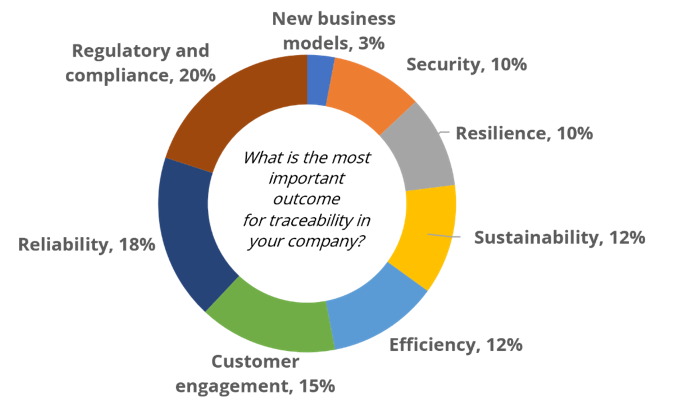
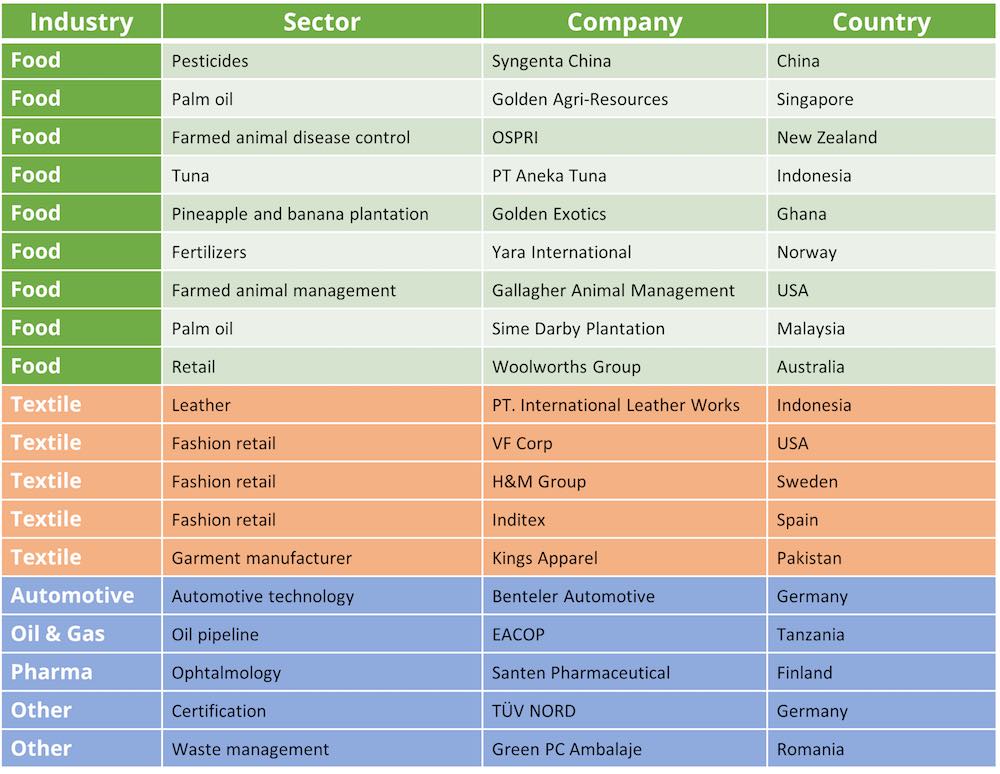










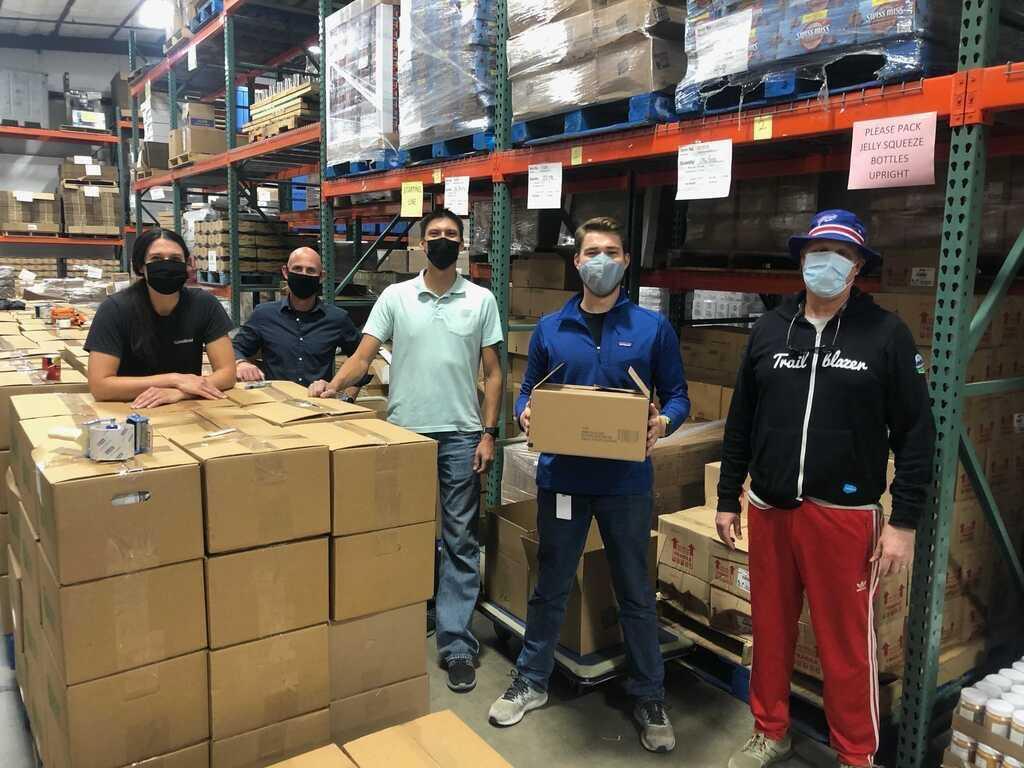




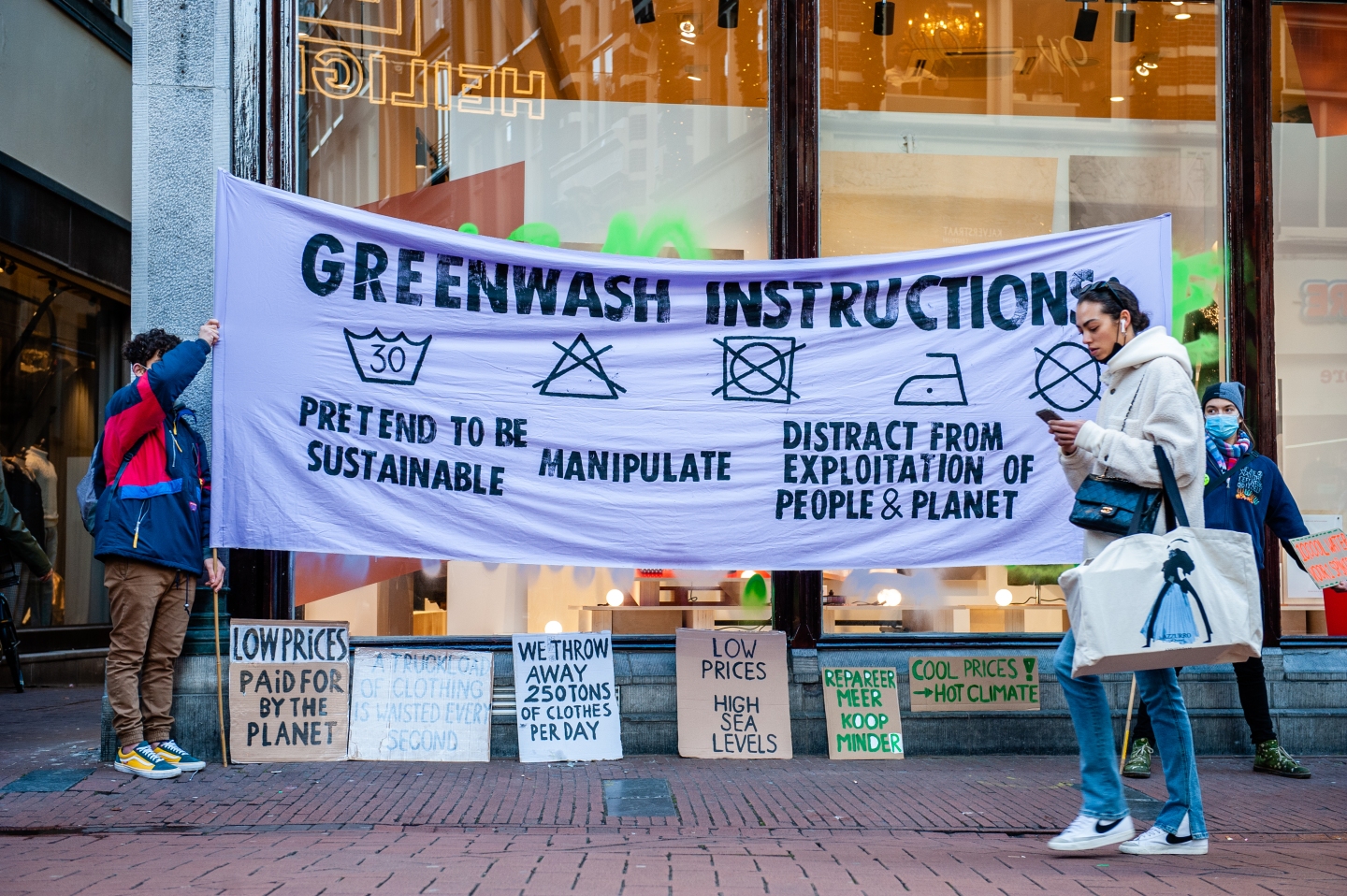












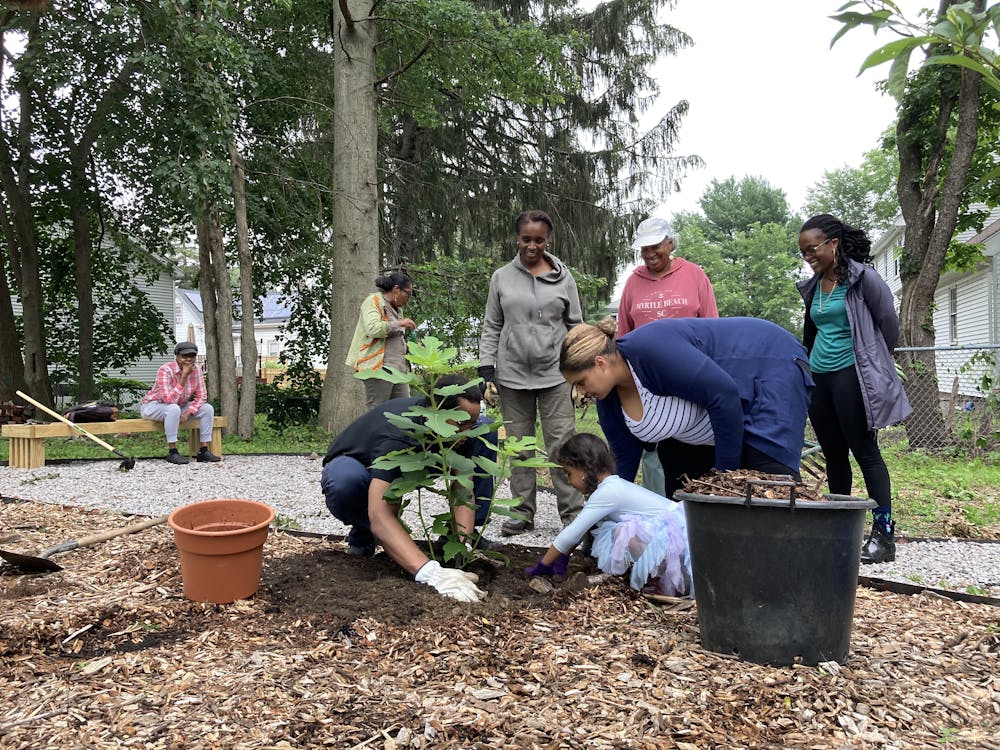















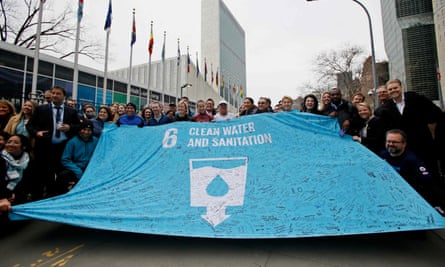
 Eric Block On Responsible Branding
You must be logged in to post a comment.