Sustainable Brands Are Worth $44 Billion to U.S. Consumers, New Study Finds

29 02 2024

(Image credit: .shock/Adobe Stock)

By Mary Mazzoni from Triple Pundit • Reposted: February 29, 2024

We often hear that consumers are looking for sustainable products and brands, and that many are even willing to pay more for them. But it’s often difficult for brand leaders to pin down just how much of an impact sustainability really has on consumer purchasing, making it harder to tie investments in sustainability to the bottom line. A new piece of research out this week puts a dollar figure on consumer affinity for sustainable brands for the first time — and it’s big enough to make leaders take notice. 

A $44 billion prize is up for grabs as consumers switch from brands they perceive as less sustainable to brands they perceive as more sustainable, according to the analysis from the research technology firm Glow, in partnership with TriplePundit, our parent company 3BL and panel partner Cint. 

“We wanted to really understand: If it’s important, can we see it in the data? Can we show a link between business performance and the investment in sustainability from a consumer perspective?” Glow CEO Tim Clover said during an on-demand webcast we hosted about the research. “The key point here is that the opportunity is quantifiable.”

Consumers are voting with their wallets, and now we know how much that’s worth for sustainable brands 

The notion that businesses acting responsibly is somehow controversial has crept into the fringes of the U.S. cultural zeitgeist over the past few years. But there’s little evidence the public is on board, and our research is the latest to prove this out. 

More than 85 percent of U.S. consumers consider it important for businesses to act responsibly with regards to society and the environment, compared to only 3 percent who don’t, according to our survey of more than 3,000 U.S. adults conducted in November 2023. 

“In this study we show, as has been shown previously, that this issue is almost universally important to consumers,” Mike Johnston, data product leader at Glow, said during our webcast interview. “We also show there’s an expectation for businesses to act on these issues.” 
consumers think it is important for businesses to act responsibly - study on consumer perception of sustainable brands

That expectation increasingly translates into how people spend their money. As part of the report, we asked consumers about the level of influence sustainability has on their choice of products and brands across 12 industries. About a quarter of respondents said they stopped doing business with a brand in 2023 because of its social or environmental behavior.

The rate of sustainability-driven brand switching is even higher in some sectors. In the food and grocery sector, 33 percent of consumers said they switched from one brand to another because of sustainability last year, while 31 percent said the same about pension fund providers and airlines. 

“In a sector like food and grocery, this might be expected,” observed TriplePundit contributor Andrew Kaminsky, lead author of the report. “Think about how often consumers make food and grocery purchases, and how easy it is to try a different product. Pension funds, on the other hand, are much less transitory, and consumers need to go through considerable efforts to make sustainable changes.” 

Still, 22 percent of consumers say social and environmental issues are “the single most important factor” in choosing a pension fund provider, according to the report. A finding like this is significant “not just for pension fund managers, but for all companies nationwide,” Kaminsky noted. “As pension funds invest in a wide range of companies across sectors, the high priority placed on sustainability means that companies that want to attract investors will have to improve their sustainability credentials.”

Interest in sustainability as a purchase driver is increasing - study about consumer perception of sustainable brands
Brand switching and preference for sustainable brands is only increasing

Even as the rising cost of living reaches crisis proportions across the U.S., people are still interested in sustainable brands and products. Of course price is an important factor for consumers, but it’s far from the only thing they’re looking for in a company they patronize — and most told us that sustainability will only play a bigger role in their buying patterns over time. 

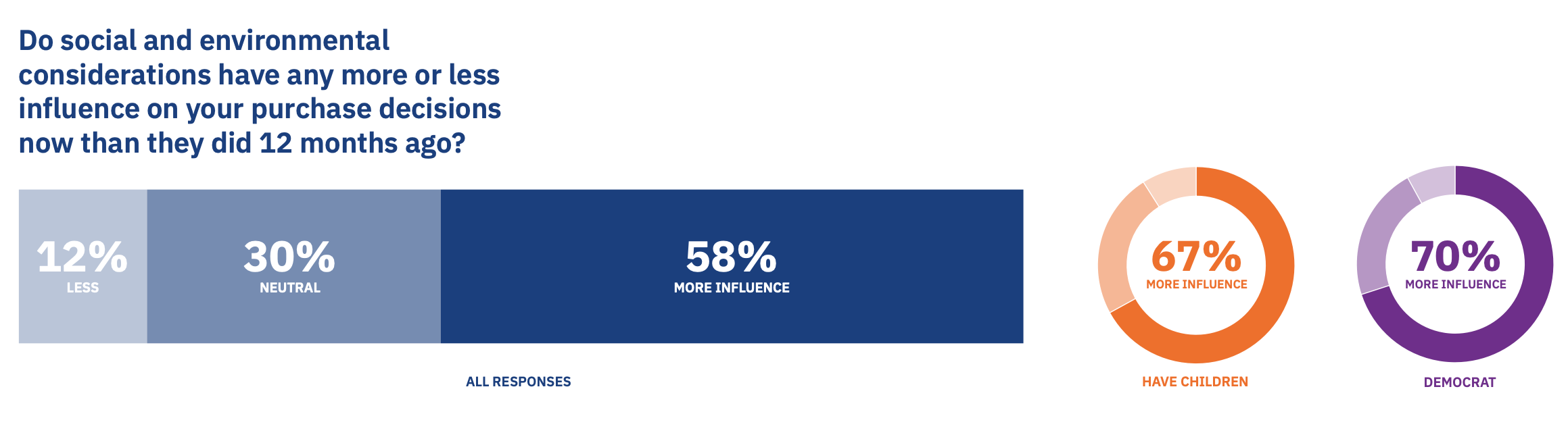
More than half (58 percent) of consumers say social and environmental considerations are more influential today than they were a year ago, and half expect this influence to continue growing in 2024.

“We hear a lot of talk about, ‘People say sustainability is important, but they won’t act.’ Well, that’s not what the data says,” Clover told us. “What it says is that there are cohorts of people in the population who are very well-educated around key issues for particular categories and industries, and that they will often act. And that cohort of people is growing.”

The fact that sustainability plays such an important role alongside other purchase drivers like price and product quality — enough to put it in a top-three rank or higher for many industries we analyzed — may be surprising to some. But Johnston cautions brand leaders to pay close attention to findings like these and not fall into the trap of prioritizing price above all else. 

“This kind of report does two things. One, it really gives the rationale and the economic viability to act now because there is payoff, but it also shows that there’s a future imperative,” Johnston said. “As cost of living starts to reduce for certain cohorts of the population — and it will — those that have ignored sustainability while it’s been growing in importance in the background will be playing catch-up. And you don’t want to be in that position with something that is going to continue to be of increasing importance to how customers make their decisions.”
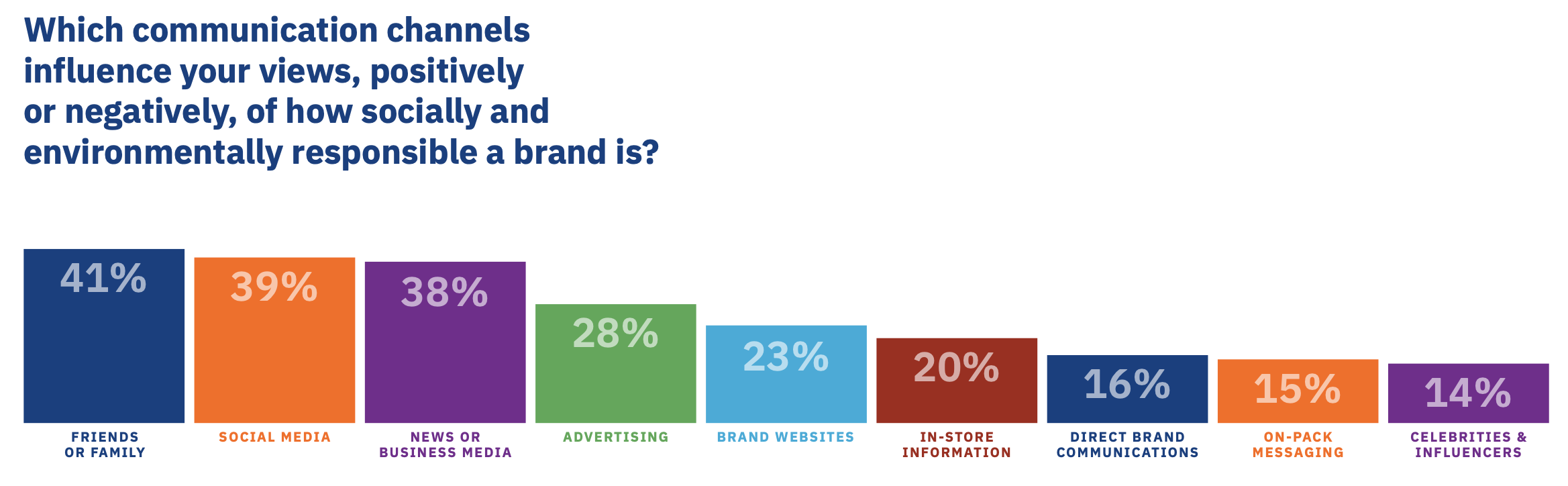
which channels most influence consumer perception of sustainable brands
The communication opportunity for sustainable brands

Consumers have to know what sustainable brands are doing in order to reward them for it. Our research shows many are actively seeking more information about what brands do when it comes to society and the environment, presenting a golden opportunity for sustainable brands to reach consumers with effective messaging and score new sales. 

“If we don’t communicate, we can’t educate people about where we are and why we’re investing and taking the pathway we’re taking,” Clover said. 

Around a quarter of consumers said the reason sustainability didn’t factor more into their purchase decisions is because they “don’t know enough” about brands’ sustainability credentials to make an informed purchase. 

“Price and lack of information are the leading reasons why consumers don’t consider sustainability more in their purchases,” Kaminsky noted in the report. “While the need to pay more for products that are responsibly managed might be unavoidable, lack of information is certainly within a brand’s control.” 

The report explores in detail how to best reach various audiences with effective messaging on the platforms where they gather to learn more about sustainability, but the top-line message is: A growing segment of people want to learn more, and if brands don’t tell their own sustainability stories in a way that reaches and resonates with these consumers, others will tell that story for them.

“There are ways to discuss sustainability in an accurate and informative way, without falling prey to ‘greenhushing’ or retreating to the sidelines,” Kaminsky wrote in the report. “It’s fairly straightforward, but it’s something that brands and their marketing teams struggle to do effectively.”

The type of messaging that stands out is keenly focused on the issues consumers care about, backed up by evidence and, ideally, confirmed by third parties like media partners, researchers and influencers who consumers look to and trust.

Mary Mazzoni has reported on sustainability and social impact for over a decade and now serves as executive editor of TriplePundit. To see the original post, follow this link: https://www.triplepundit.com/story/2024/sustainable-brands-consumer-purchasing/795941


New Research Reveals That As Interest in Sustainability Rises, So Does Skepticism of Business

3 04 2023

According to recent research conducted by 3BL Media and TriplePundit in partnership with Glow, interest in sustainability and social impact issues is on the rise in the United States. The survey, which polled 3,648 U.S. adults from December 13-15, 2022, found that 67% of respondents regularly read news about sustainability, the environment, or social well-being.

The survey revealed that this interest is not limited to specific demographics. Respondents from all generations, genders, geographies, and income levels expressed a desire to learn more about sustainability and social impact. Despite inflation and recession concerns, climate change was ranked among the most pressing issues facing society today, with respondents across all age groups, income brackets, and geographic regions agreeing.

However, the research found that consumers are not satisfied with the level of commitment from businesses when it comes to tackling environmental and social challenges, saying companies should be doing more.

But they aren’t solely pointing the finger at business, as the data shows that consumers are willing to make changes in their own lives to reduce their impact on the planet, such as shopping secondhand, using reusable or refillable products, and buying less overall.

The results of the survey present a unique opportunity for businesses. Consumers are ready for change and eager to learn about new ideas and innovations that can make a measurable difference. Companies that step up and demonstrate their commitment to sustainability and social impact issues can earn consumers’ trust, build brand reputation and gain a competitive advantage in the marketplace.

Download the key findings for insights on how to advance your ESG programs and communicate with customers here.

To see the original post, follow this link: https://www.csrwire.com/press_releases/770211-new-research-reveals-interest-sustainability-rises-so-does-skepticism


This, Not That: More Consumers Are Switching Brands Based on Sustainability

18 03 2023

Image credit: Gustavo Fring/Pexels

By MARY RIDDLE FROM TRIPLEPUNDIT.COM • Reposted: March 18, 2023

We know shoppers are increasingly interested in more sustainable products, and new research indicates many are ready to leave their standby brands behind. Half of all U.S. consumers, including 70 percent of millennials, have changed food and grocery brands based on environmental, social and governance (ESG) considerations, according to new polling. 

For its latest sustainability benchmark report, the research technology company Glow surveyed 33,000 U.S. adults to get their take on the ESG performance of more than 150 food and grocery brands. Across the board, consumers report changing their spending habits to better align with their personal values — and forward-looking brands are reaping the benefits. Almost 90 percent of respondents believe it’s important for businesses to be environmentally and socially responsible, and two-thirds said they’re willing to pay more for products that support vulnerable groups and communities.

“It is vitally important for companies to contribute to supporting society and the planet. And there is a growing body of evidence that doing so is more than the right thing to do, it is good for business,” said Julia Collins, CEO of Planet FWD, a carbon management platform for consumer brands, in a statement. “This report provides further evidence … that those who are leading in consumers’ minds are already reaping the commercial benefits and are best placed for future success.” Indeed, 8 in 10 respondents said they feel more loyalty to purpose-driven brands.

ESG performance is correlated with revenue growth

Glow also found a positive correlation between ESG performance and revenue growth. Even in a troubled economy with a cost-of-living crisis, environmentally- and socially-responsible companies are seeing the economic benefits of standing for their values: 20 percent of consumers rank sustainability in their top three considerations when shopping at the grocery store, and 10 percent of millennials said sustainability is the single most important factor when making a purchase.

Additionally, while 70 percent of consumers are actively switching food and grocery brands to save money, many consider sustainability a key reason not to do so, particularly among younger shoppers. 

“Now more than ever, if brands want to retain and win consumers, they must stand for something,” Mike Johnston, managing director of data products at Glow, said in a statement. “All consumers are looking for ways to save money. They will need a compelling reason why they shouldn’t walk away from your brand for a cheaper alternative. Along with quality, sustainability is a key barrier to change, especially for millennials.” 

It’s worth noting that what consumers view as “sustainable” will vary based on the product. Consumers report that plastic and waste issues are of greater importance in the household goods department, for example, while health and wellbeing is a top concern for consumers when choosing beverages and beauty products. 

Still, across all categories, products with ESG-related claims on their packaging grew an average 1.7 percent faster than those without. Labels and messaging associated with regenerative agriculture, plastic-free products, cruelty-free operations, water footprint, and renewable energy caught consumers’ attention the most.

Consumer expectations are high

U.S. consumers widely perceived the food and grocery industry as a leader in corporate sustainability, Glow’s data revealed, but the industry still faces significant barriers to meeting consumer expectations in a few key areas. For example, almost a third of responding consumers are dissatisfied with the industry’s efforts to reduce emissions, mitigate climate change, protect wildlife and ensure the welfare of suppliers.

While being misaligned with consumer expectations is never ideal for a company or sector, this gap presents an opportunity for brands to re-engage with this growing segment of consumers and stakeholders. By aligning ESG priorities with consumer expectations, companies can take advantage of a growth opportunity, while reducing risk and improving impacts on the environment.

“There’s a role of education here that’s critical for businesses,” Tim Clover, founder and CEO of Glow, told TriplePundit. “Consumers really want to understand the issues in more detail, to understand some of the science and the lengths to which companies are going to solve these problems. Companies that are brave enough to go and take the time to explain the depth of these issues and educate the market, they’re leading. They’re winning.”

To see the original post, follow this link: https://www.triplepundit.com/story/2023/consumers-switching-brands-esg/768956


What ESG Issues Do Consumers Really Care About?

9 03 2023

Image credits: georgerudy/Adobe Stock and Glow

By Terry E. Cohen from triplepundit.com • Reposted: March 9, 2023

Research has more than made the case for linking environmental, social and governance 
(ESG) strategies to corporate profitability. What’s good for people and the planet does, indeed, benefit a company’s bottom line. The trickier part is determining what programs will yield the best results for the investment.

Some ESG pathways are easier to attain and measure direct results, such as cost reductions. But top-line market growth demands a greater understanding of customer wishes and perceptions of a company’s ESG efforts. Those expectations and priorities will differ by industry sector, as well as by geographies, cultures, and demographics like age and gender.

While studies and reports can point companies in the right direction with top-level overviews of trends and industry insights, real-time survey and data collection can dig deeper into what consumers prize in ESG efforts.

Measuring consumer ESG priorities across industries, brands and more

Glow, a research-technology business with offices in North America, Europe and Asia-Pacific, first started tracking what consumers think about ESG issues in relation to purchasing decisions over two years ago. It began with a field of approximately 40 issues that, through multiple research studies across three markets (U.S., U.K. and Australia), were then synthesized into 13 ESG drivers of consumer priorities and perceptions.

The process yielded a diagnostic tool called the Social Responsibility Score (SRS) that not only provides a number to tell a company how it is perceived in its ESG efforts, but also where it stands in its industry and against its competitors and why consumers score it that way.

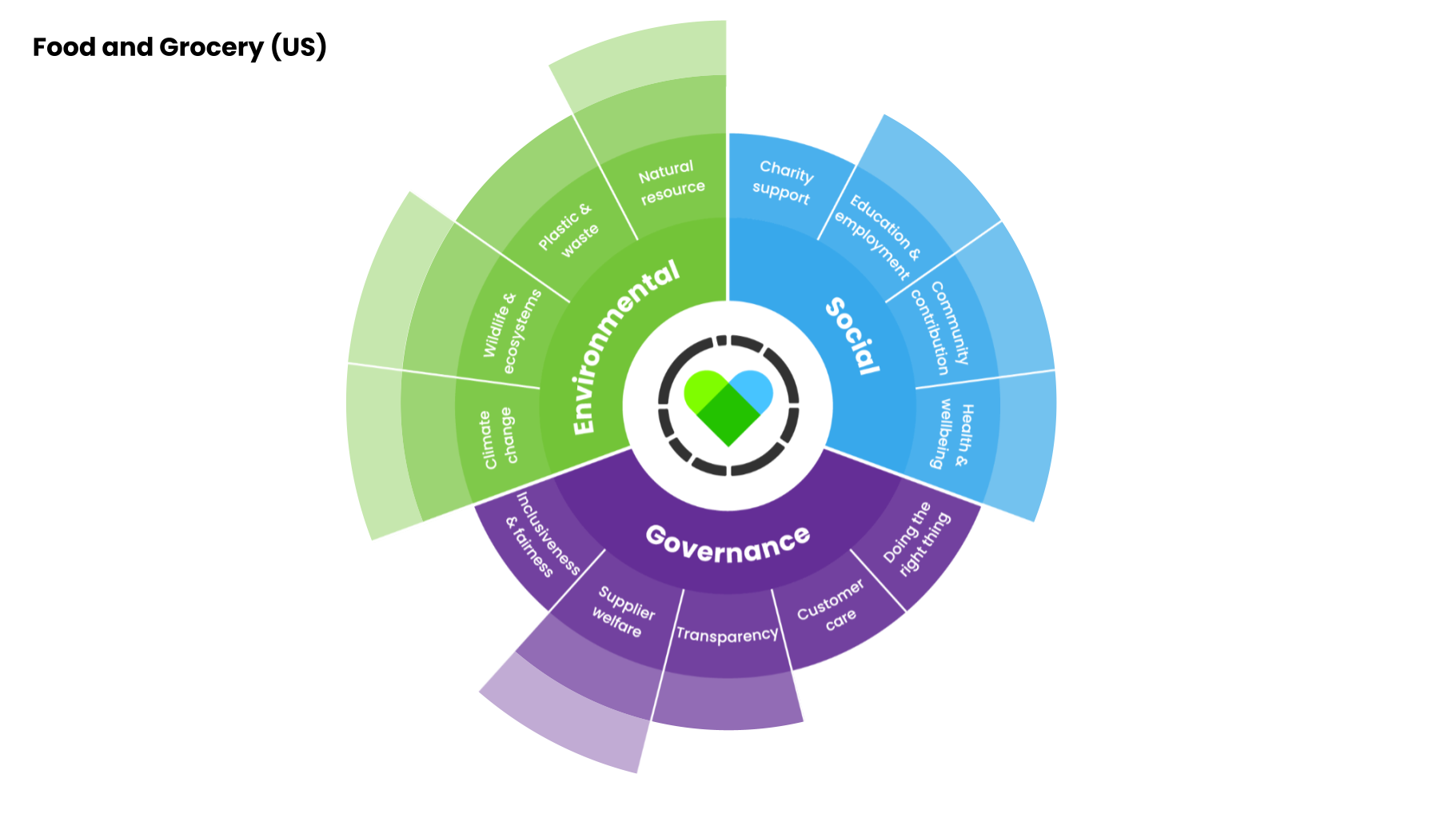
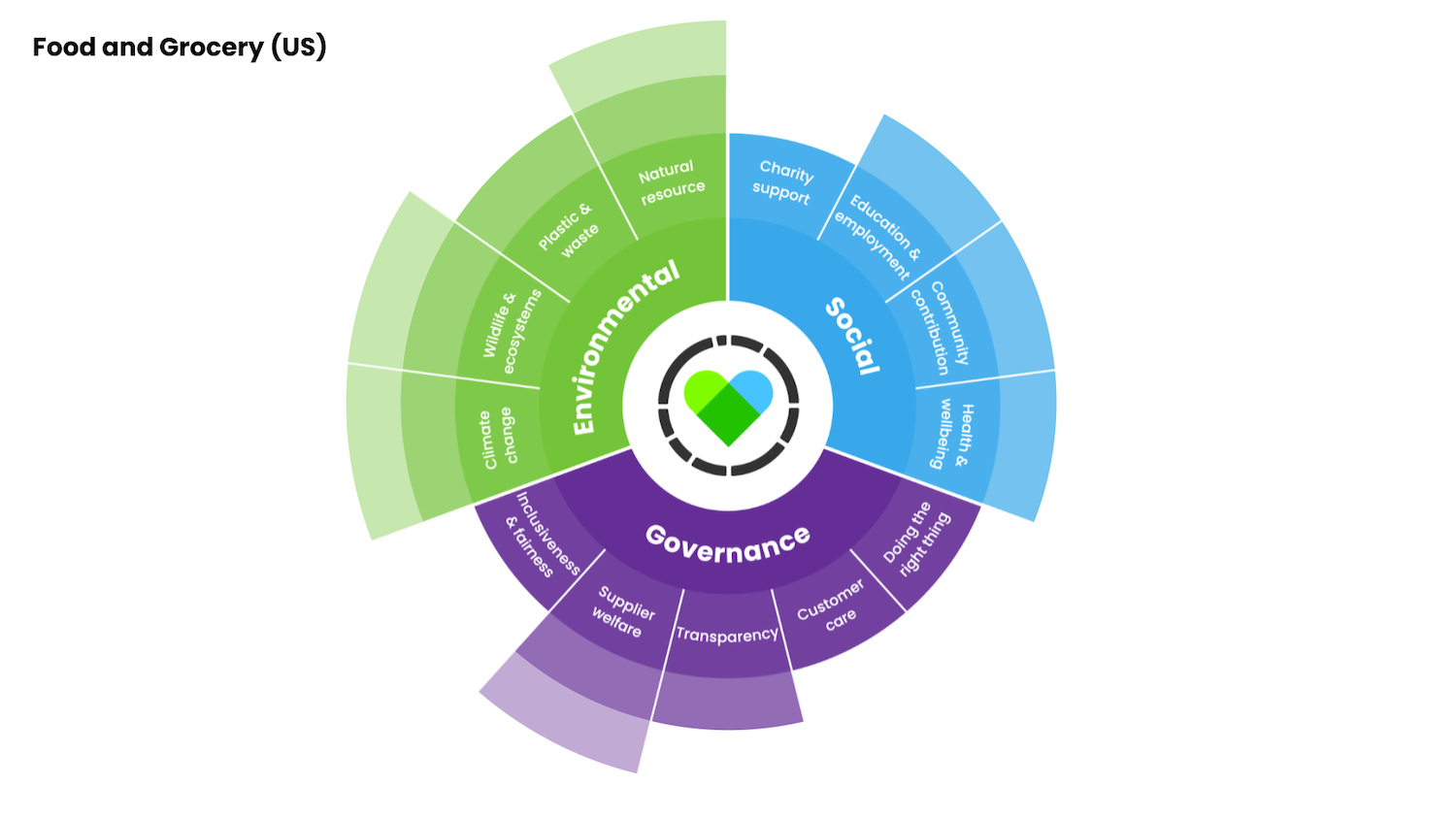
For example, among food and grocery (F&G) companies in particular, three environmental drivers — reducing emissions, respecting natural resources, and protecting wildlife and ecosystems — ranked highest for importance among consumers, as shown below.

ESG issues that are important to consumers for food and grocery brands - graphic
The ESG drivers that matter most to consumers for the food and grocery sector. The longer the ‘wedge,’ the more important that driver is for the industry. (Click here to enlarge  

This isn’t to say social drivers like health and well-being aren’t important to F&G customers — they are. But understanding consumers’ top concerns at a given time can help companies prioritize, in terms of both programming and messaging successes. Communicating accomplishments in the areas that matter most to consumers can translate into customer loyalty as well as brand switching. 

On the other hand, if a brand and its competitors are all communicating about the same things, it can be harder to stand out. In cases like these, a brand may opt to lean into an area that isn’t as much of a focus for peers and competitors. Or, if it finds it’s under-performing compared to peers on key issues that matter to consumers, it may decide to invest more in those areas and communicate an improvement story. 

Listening to consumers via data capture enables this kind of decision-making, helping brands to get the most return on their ESG investments.

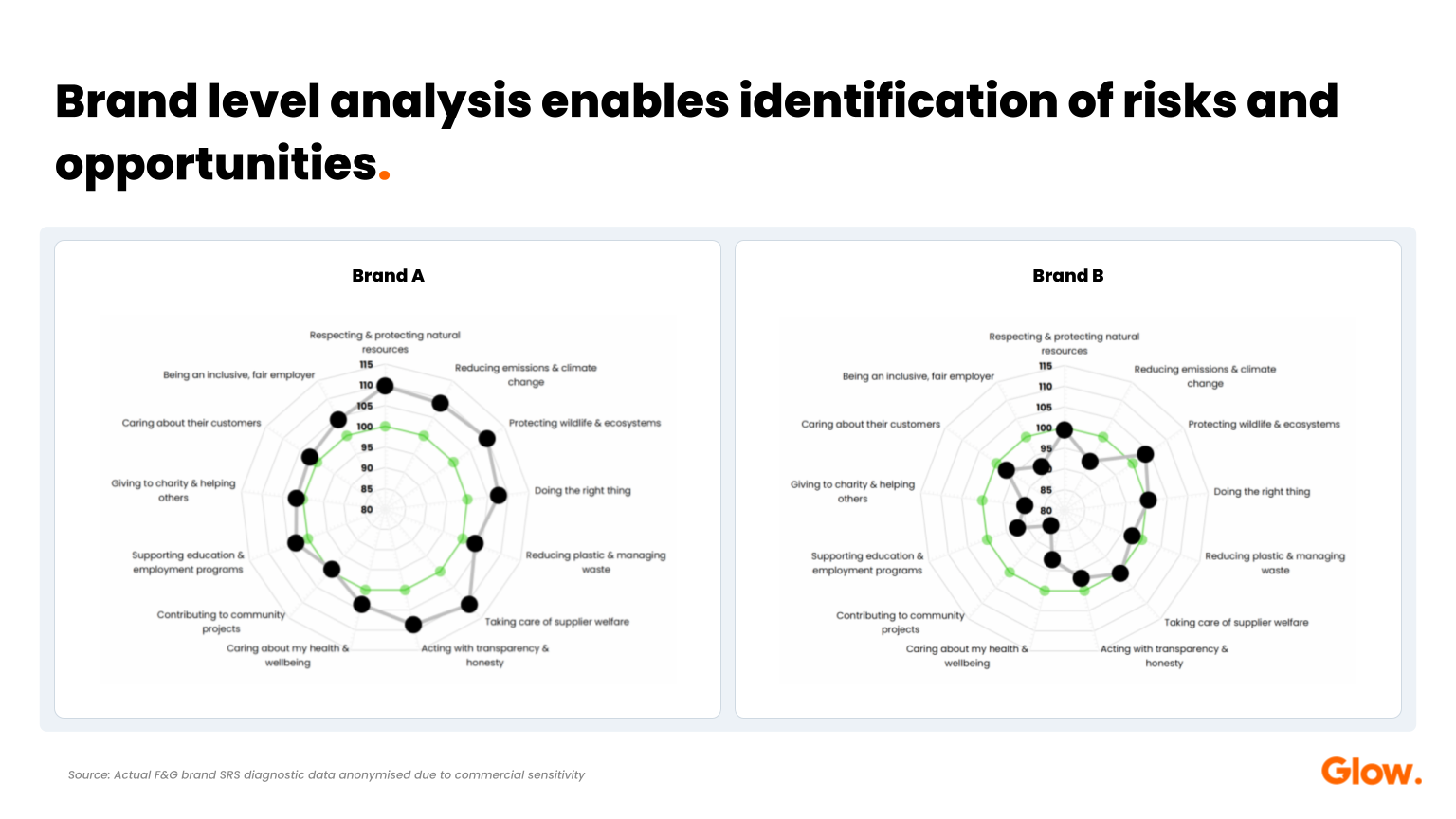
comparison of ESG risks and opportunities for two brands - graphic
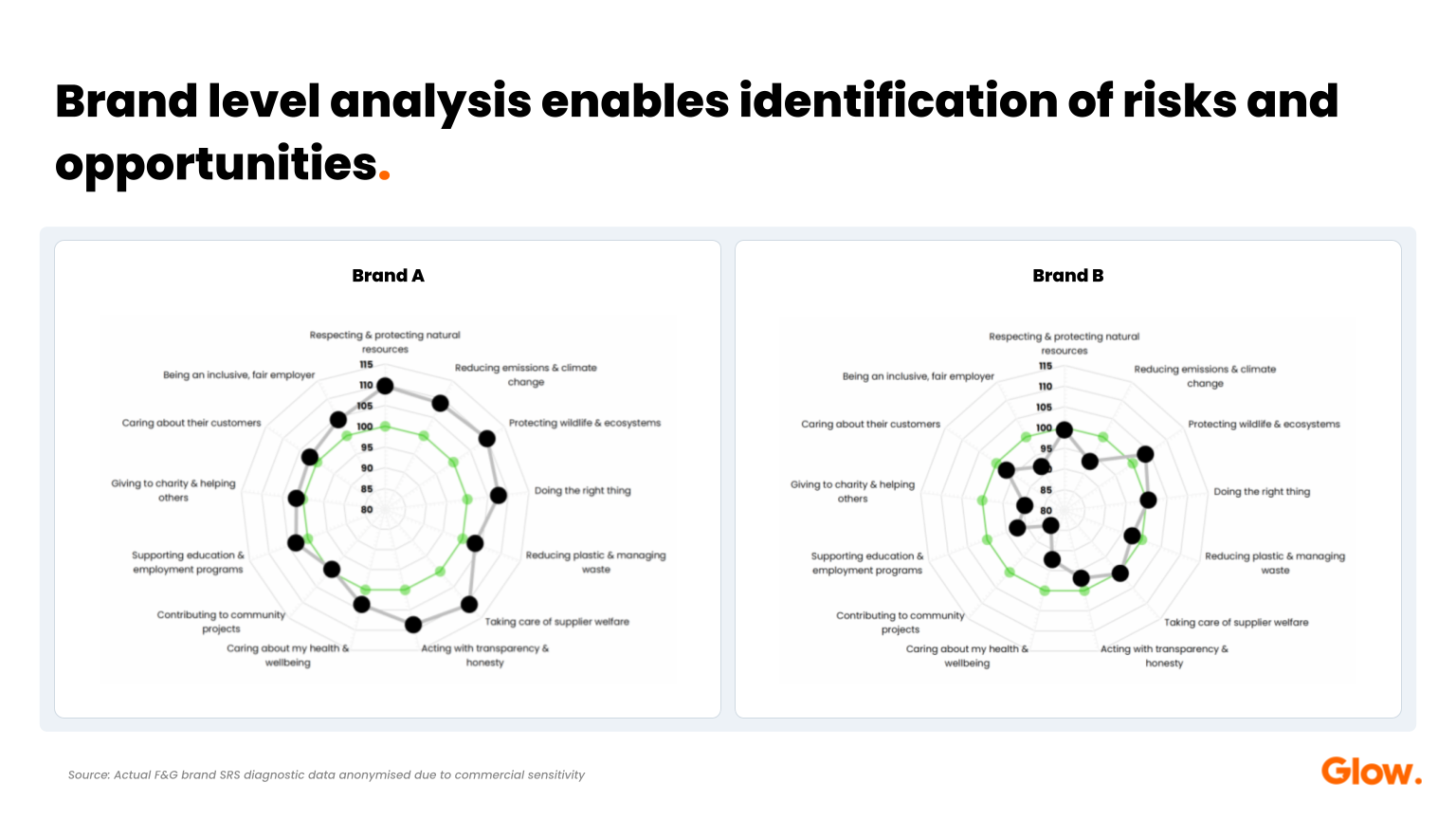
ESG risks and opportunities for two anonymized F&G competitors from Australia. (Click to enlarge)

Take, for example, these two anonymized F&G competitors from Australia, shown above. Both brands mapped their SRS in relation to the industry benchmark (the green line). Brand A clearly outshines Brand B on virtually all of the 13 drivers. The achievement gap in the areas most important to consumers, such as “reducing emissions”  is substantial enough to be a significant opportunity for Brand A to message that success to customers hungry for guidance on where to invest their purchasing power. Meanwhile, Brand B can see where it’s progressing and where further investments can help it improve credibility. 

ESG drivers differ across industries 

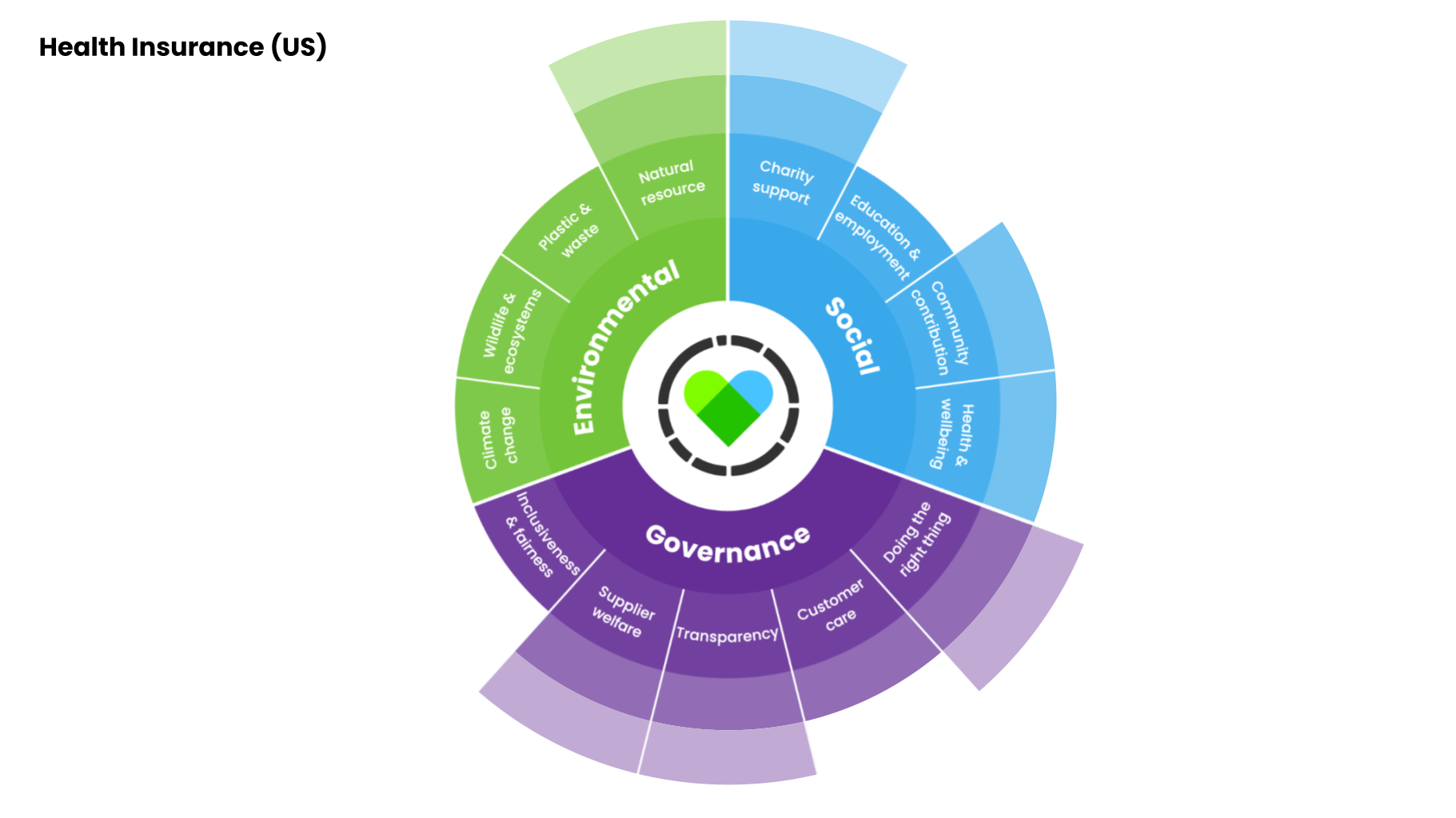
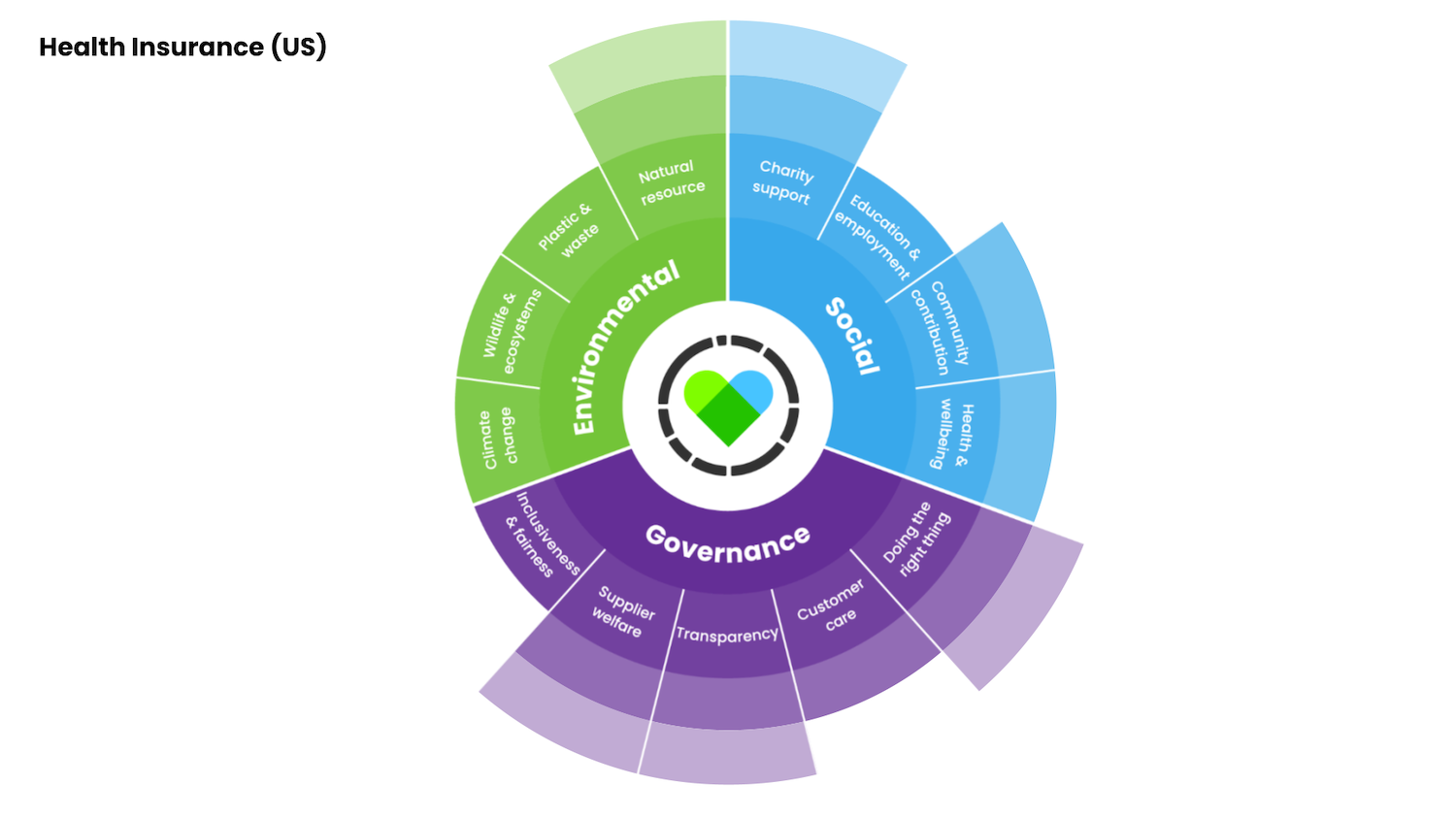
What weighs heaviest on consumers’ minds will vary across industries. For example, Glow found that governance and social drivers are the biggest influences on ESG credentials in the health insurance industry in the U.S., as shown below. 

The ESG drivers that matter most to consumers for the health insurance sector - graphic 
The ESG drivers that matter most to consumers for the health insurance sector. The longer the ‘wedge,’ the more important that driver is for the industry. (Click here to enlarge)

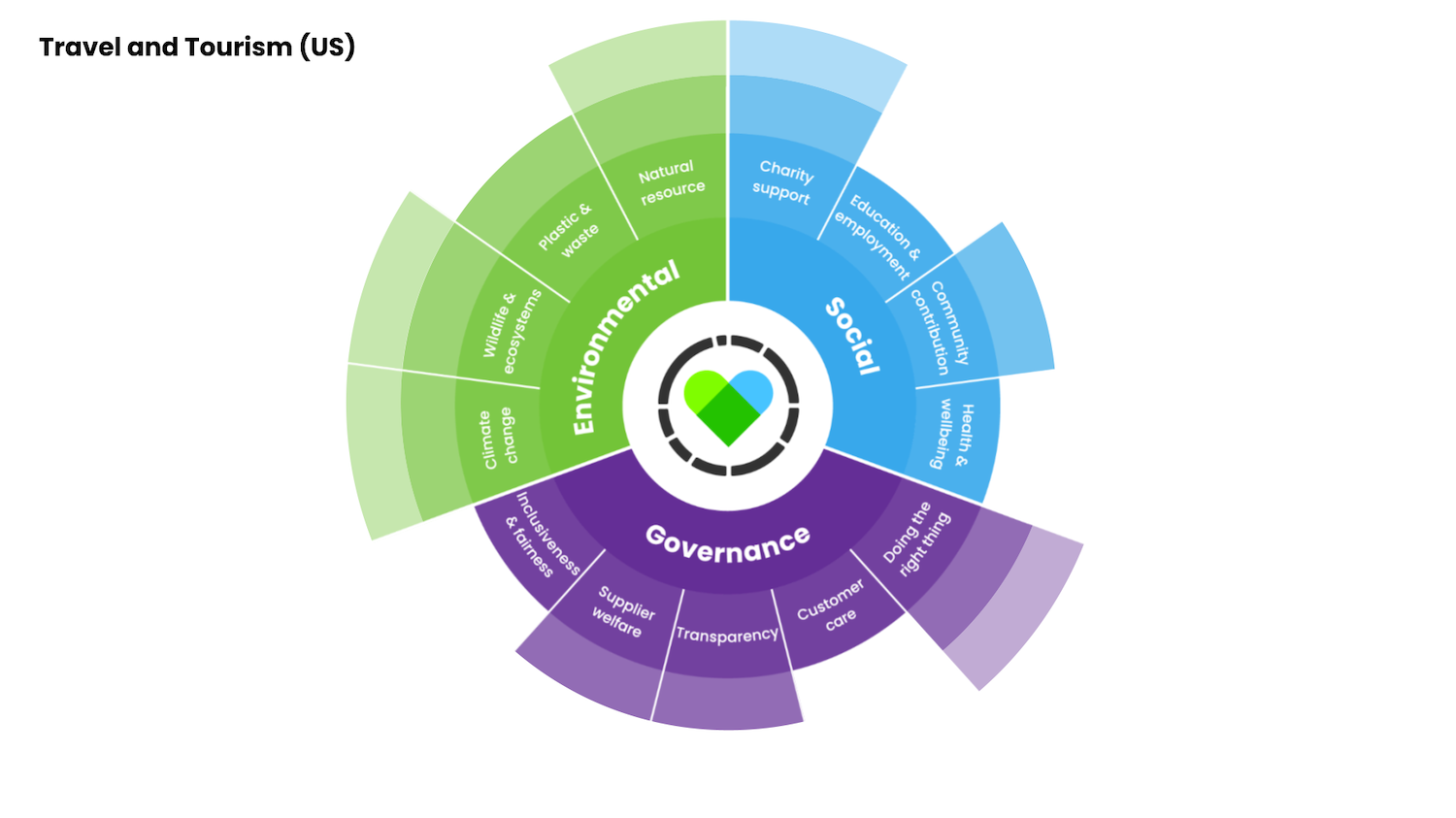
In travel and tourism, on the other hand, U.S. customers view all three divisions of environmental, social and governance factors as important for the sector to address.

The ESG drivers that matter most to consumers for the travel and tourism sector - graphic
The ESG drivers that matter most to consumers for the travel and tourism sector. (Click here to enlarge)

In a balanced framework such as the latter, drilling further down into age, gender, geography, and competition among brands is vital to determine the focus for programs and messaging to avoid spreading investment and resources too thin.

Continuing to zero-in on what matters to who

Price and quality are typically the engines powering consumer choices, but business leaders may be surprised at how strong “sustainability” has become as a beacon to consumers looking for safe harbor for their purchasing dollars. 

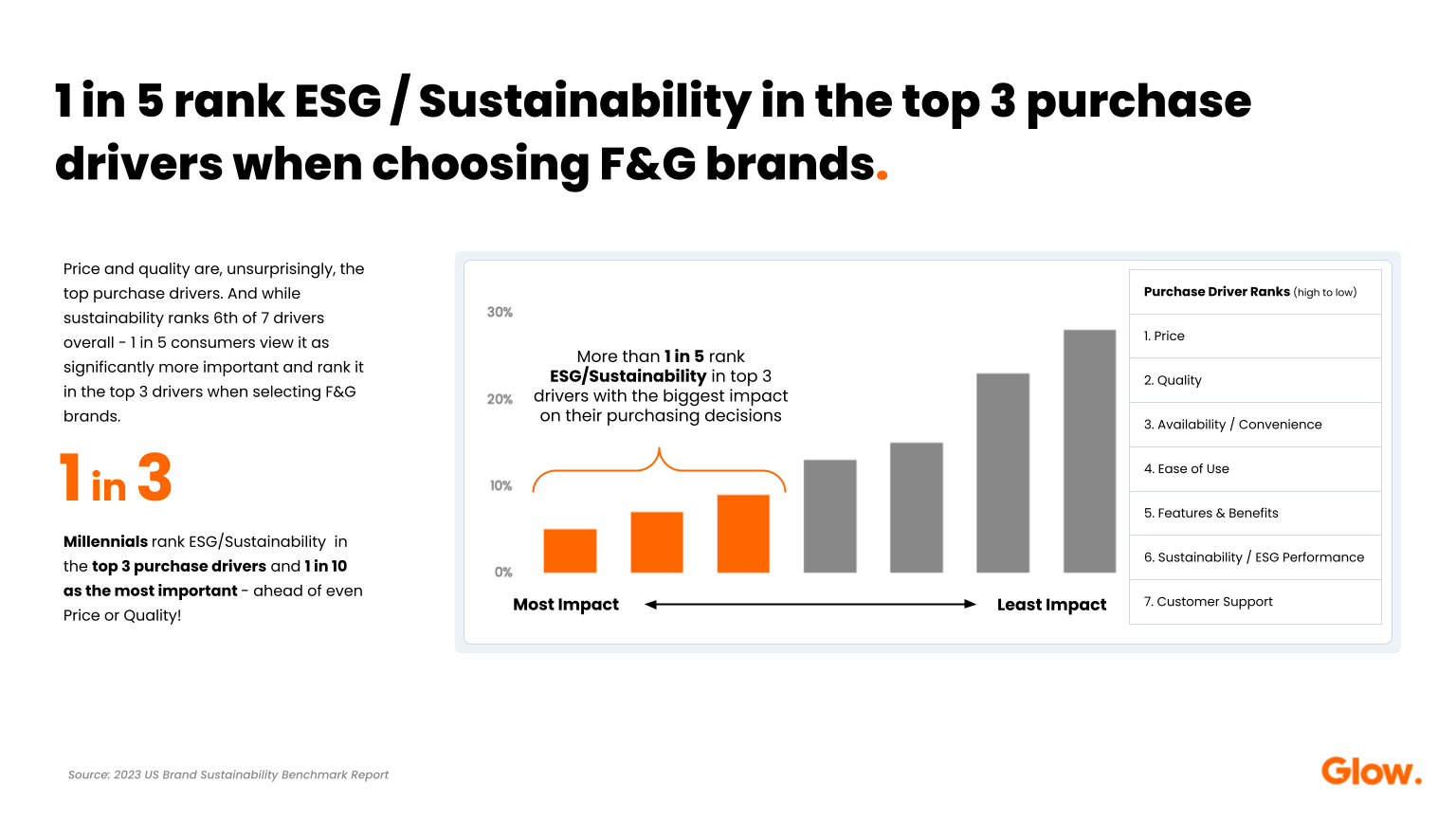
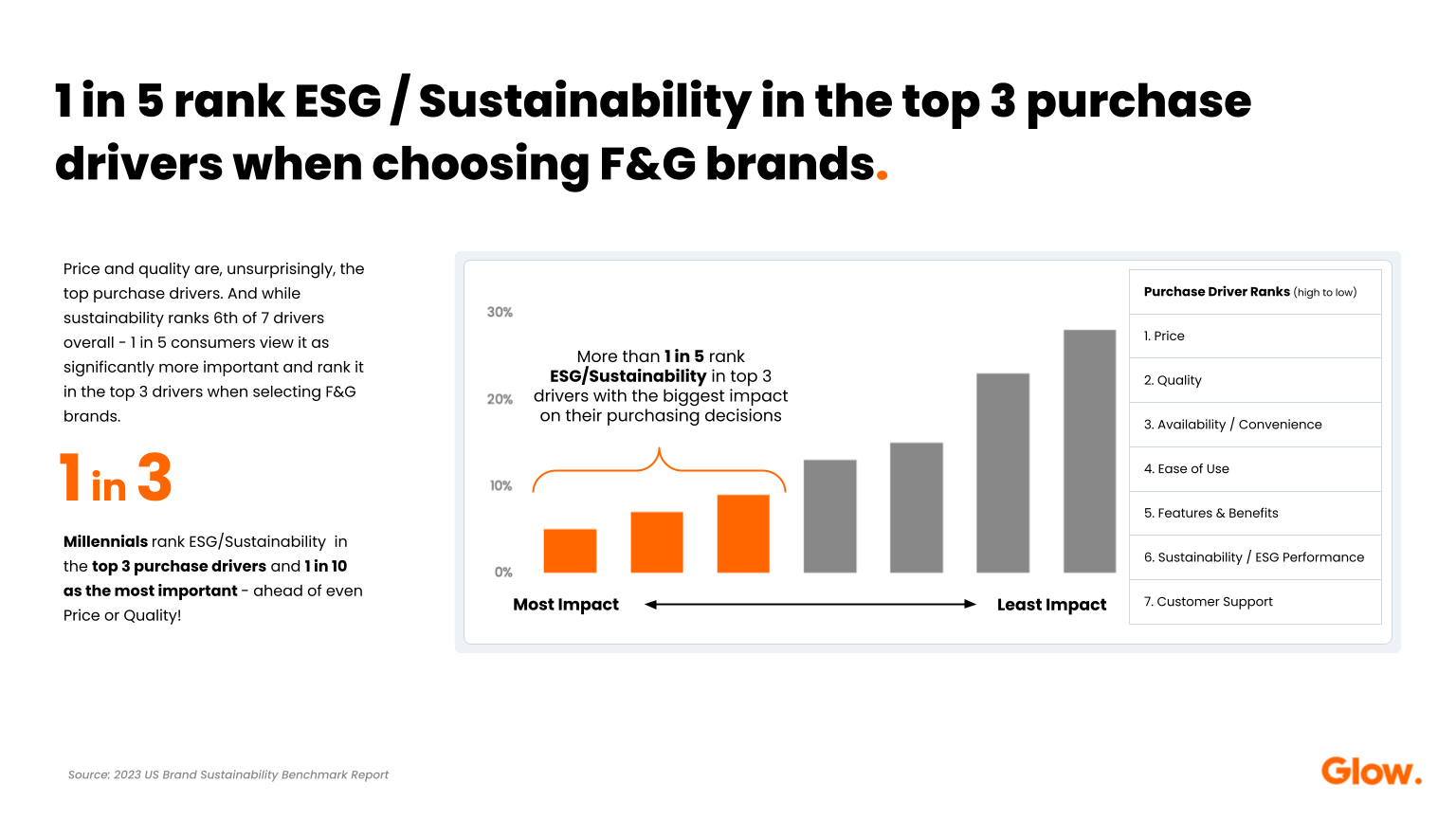
This is especially true in the F&G sector — where 1 in 2 U.S. consumers have switched brandsbased on sustainability considerations, and 1 in 5  ranked ESG/sustainability as one of the top three drivers for deciding what brands to purchase, according to Glow data.

ESG issues that matter to consumers
(Click to enlarge

Diving deeper to look at age segmentation, millennials prized ESG/sustainability even higher, with 1 in 3 such consumers rating it as one of their top three considerations, behind price and quality. Further, 10 percent of millennials rated ESG/sustainability as the top influencer of their purchase decisions, even more than price and quality, Glow found.

These findings demonstrate the importance of ESG initiatives and messaging to any company’s bottom line. To fail in listening and responding to consumers in this regard is to surrender profits and reputation to competitors that are willing to leverage the feedback.

Data and surveys give a brand that feedback continuously since the measurements can be taken over set time periods, in connection with program launches or in tandem with media campaigns.

“The response from people taking these surveys is actually very clear. You can understand what it is that’s driving the consumer response and what’s driving the metric you receive,” said Tim Clover, CEO of Glow. “It allows you to line up the programs you’re running with the different areas and ask, ‘Are these the programs we should be communicating?’ If so, to whom do we communicate and through which media?”

Alignment of ESG programs with consumer expectations, coupled with alignment of messaging to bring about positive public perception of those programs, creates a winning combination for brands. 

The tools exist to know what ESG concerns consumers really care about. The decision to use those tools enables business leaders to enhance brand profitability while “doing the right thing.” 

This article series is sponsored by Glow and produced by the TriplePundit editorial team.

To see the original post, follow this link: https://www.triplepundit.com/story/2023/esg-consumers-care/768091