While the volatility of economic change around us can be distracting, one thing remains clear: A new generation of expectations is shifting business for good.By Del Hudson from Sustainable Brands • Reposted: April 30, 2023
Government regulators are playing a key role in shaping how we address climate change; however, influential businesses have a chance to ensure these requirements speak to the metrics that make a true impact. Policy is a catalytic vehicle for change. As a business community, we should be embracing it as a means to address the existential threat of the climate crisis — to not do so would be irresponsible and dangerous. Recognizing the tension in the system among trade organizations, policymakers and corporations doesn’t mean it can’t be done right. For businesses and brands, creating incentives around impact reductionthat tie clearly to company goals is a key opportunity for transformative action.
It’s no secret that multiple industries have reaped the rewards of a broken economic model that relies on extractive and exploitative practices that continue to harm people and the planet. Consumer goods is one of those industries; and responsible leaders recognize it is time for a new system — one that transforms design and consumption and imagines a new way of doing profitable business. Over two-thirds of US consumers are willing to pay more for sustainable products. Globally, that number is just over a third — though that number rises to 39 percent for Gen Z and 42 percent for millennials. Capital markets will reward those that are de-risking their supply chains; and employees want to work where purpose and responsibility matters.
The argument that without perfect data we can’t do this work ignores the reality that science is always evolving. We must move forward with urgency, using the significant directional data that already exist and show where the key issues and intervention opportunities lie. Taking accountability for the full product lifecycle and impacts up and down the value chain is the only way to achieve meaningful ESG performance. It’s not about marketing single environmental or social attributes of a product. It’s not just reducing impact in owned operations while ignoring the manufacturing impact or material inputs of the end product. It’s believing that tomorrow’s customers will want (and deserve) something different than they get today.
This is hard, complex work; it won’t be completed in my lifetime. But we must move rapidly to accurately understand impact and take action with urgency. And we must be ready to learn and change as we know more. The tools to begin this work already exist. Smart businesses already see their futures. And while the volatility of economic change around us can be distracting, one thing remains clear: A new generation of expectations is shifting business for good.
By David Herpers, Forbes Councils Member via forbes.com • Reposted: April 29, 2023
As Generation Z begins to harness its buying power and make significant financial decisions, competition for its attention grows. For companies hoping to capture this generation’s business, it’s important to understand the way they view their finances and how they engage with a brand. While Gen Z’s relationship with money and brands is similar to that of its older siblings, millennials, it’s certainly not the same. Let’s look at how Gen Z approaches finances and consumer brands.
Money Habits
As with the members of any younger generation, we tend to expect Gen Z to have irresponsible spending habits and not to be the biggest savers. Studies show this isn’t the case.
Gen Z tends to spend less and save more than the other generations, contributing an average of $867 in savings per month, almost doubling what the average American saves each month ($462). One may find themselves asking, is Gen Z more fiscally responsible than the rest of us?
The answer is yes and no. One main factor leading to the high monthly average of savings is many Gen Zers still live at home. According to a 2022 study by Credit Karma, Gen Z is setting records for the number of people living with their parents following high school education. With costs of living at an all-time high, most Gen Zers are making the decision to stay home in the best interest of their short- and long-term financial security.
That said, there’s still a large portion of Gen Z that chooses to spend over saving. However, those that fall into the spending category are still taking a cautious approach. Over 68% of Gen Zers use a budgeting tool of some sort to manage their finances. Of those surveyed, 43% say they prefer the old-fashioned pen-and-paper method, while 38%, respectively, say they use online budgeting tools.
Brand Enthusiasm
Gen Zers’ cautious nature isn’t exclusive to their housing and higher costs. It extends to their relationships with brands as well. When looking at the relationship between Gen Z and brands, a recent IBM study measured brand loyalty (repeated purchases) and brand enthusiasm (active engagement between brands and customers).
According to the IBM study, Gen Z is more likely to display brand enthusiasm over brand loyalty. Known as the “generation of researchers,” this is likely due to Gen Z’s habit of turning to online platforms for reviews before making even small purchases.
Rather than committing to a brand they are familiar with, Gen Zers will evaluate all options, taking into consideration customer and influencer reviews, social media presence and value alignment. When they find a brand that checks all their boxes, they are eager to share and engage with it. But keep in mind, should the brand harm the relationship in some way, Gen Zers quickly move to purchase from a competitor.
An advantage of appealing to brand enthusiasm, as noted by IBM, is that it creates opportunities to gain insight into customers’ attitudes and purchasing habits in relation to a brand. Companies get to have conversations with customers about what they want rather than guessing. And we already have insight into what Gen Z customers crave.
Authenticity
While millennials may stray away from content that’s been highly edited and airbrushed and that poses perfect “promises,” Gen Z has taken it to the next level—by adeptly recognizing the differences between real and fake online content. As the first generation born into social media and becoming more tech-savvy than generations so far, Gen Z is quick to identify fantasy versus reality. According to IBM’s study of Gen Z’s relationships with brands, it’s clear this generation places a high value on a brand’s authenticity and prefers real content over staged content.
The concept of authenticity extends beyond advertising and product images for Gen Z; it includes the company’s impact. According to a 2019 Kearney study, 57% of Gen Z reports a brand’s social and environmental impacts are key factors in its purchasing decision. But a statement about a brand’s commitment isn’t enough to sway the generation of researchers. In fact, Gen Z will go out of its way to find—and even pay slightly more for—a product or service if it means the purchase aligns with its values.
As Gen Z’s influence on the market and society continues to grow, companies and brands can best position themselves for success by aligning with the values and habits of this generation. With a large number of consumers that can take the success of a brand into their own hands, keep in mind their financial concerns, engagement expectations and craving for authentic content, as these are likely essential to keep a brand afloat in the rise of this new generation.
David Herpers is the SVP of Digital Bank at Credit One Bank. His expertise includes wealth management, banking and product management.
While it may be tempting to take a ‘wait and see’ approach, more and more companies are developing their own solutions to mitigate this gap internally. Here are four such strategies. By JOANNA BUCZKOWSKA-MCCUMBER via Sustainablebrands.com • Reposted: April 29, 2023
Businesses across industries are under mounting pressure to adopt sustainable practices, reduce their environmental impact, and provide ESG reporting and transparency in their efforts while staying accountable to their commitments. As demand for sustainability grows, so does the need for skilled professionals and workers who can drive and implement strategy and practices effectively across organizations and supply chains. However, most companies do not have the talent with the knowledge, experience and skills to achieve their sustainability goals.
Companies are recognizing that the demand for sustainability talent is outpacing the supply; and the gap is only growing — as sustainability roles expand and new ones get created, a Corporate Sustainability Officer is just not enough. The International Labour Organization suggests that 18 million net new jobs could be created worldwide by net-zero commitments by 2030. Recent research found that 82 percent of sustainability executives believed there were significant skills gaps within their own organization to tackle sustainability requirements. The World Economic Forum has directly linked the lack of qualified talent as being one of the significant barriers to implementing sustainability strategies; while the UN Global Compact has called for direct action to address this skills gap — prompting companies to prioritize and invest in skilling, upskilling and reskilling their teams.
While it may be tempting for companies to take a ‘wait and see’ approach, it won’t bridge this gap fast enough and will have negative effects. More and more companies — includingMicrosoft, Salesforce and Interface — are turning to mitigate this gap internally by developing and implementing their own solutions.
Bridging the sustainability skills gap internally will be fundamental for businesses in reaching their sustainability objectives. Here are four such strategies.
Make sustainability a strategic priority
First and foremost, a strong sustainability strategy sends a clear signal to potential and current employees that a business is committed to sustainability. This can be a major selling point for job seekers who are looking to work for a company that shares their values. By publicly committing to sustainability and investing in the resources needed to achieve sustainability goals, businesses can attract top talent and build a workforce that is passionate about sustainability. But it’s not just about attracting the right talent — a sustainability strategy can help to engage, motivate and develop the skills of existing employees.
Investing in a sustainability strategy can also help businesses to stay ahead of the curve when it comes to trends and regulations. As governments around the world enact more stringent sustainability regulations, businesses that are already taking a proactive approach to sustainability will be better positioned to adapt to these changes. By investing in a sustainability strategy now, businesses can ensure that they have the knowledge, skills, and resources needed to comply with future regulations and stay ahead of their competitors.
Provide training across your organization
They’re perhaps the most obvious on the list, but education and training programs are essential for building the skills and knowledge needed to implement sustainable practices effectively. These programs can take various forms — including workshops, online courses, mentoring programs, internships, etc — and can be customized to specific job functions and levels. They can be developed internally, sourced online or even co-developed with educational institutions.
The trick is ensuring that you are levelling up your current workforce while priming the incoming talent pipeline. That focus then has to consider both an internal and external training lens. Microsoft is an excellent example of how a company can tackle the sustainability skills gap on both sides — focusing on internal training for employees while also building out external learning opportunities through its Sustainability Learning Center.
Integrate sustainability into company culture
Planning and training are key tools in providing knowledge and setting the playing field but incorporating sustainability into corporate culture is what makes sustainability efforts meaningful. In 2021, the World Economic Forumreleased a study that found companies with a strong sustainability culture are more likely to attract and retain employees with the appropriate skills and knowledge — helping to mitigate brain drain.
Building a culture rooted in sustainability entails fostering a culture that prioritizes and values sustainability and encourages employees to develop their sustainability skills regardless of their job responsibilities. Companies can start by creating plans that set sustainability goals and targets, and ensuring those are communicated clearly and in a format that not only engages but enables every employee to feel that they have a role to play in the execution of the plan.
Providing channels where employees can execute sustainability goals while having the agency to develop and recommend new sustainability initiatives, rounded out by volunteering opportunities or employee resource groups, provides a rich internal ecosystem for sustainability to thrive. Acknowledging employees who exhibit leadership and innovation and celebrating teams that achieve sustainability goals is an added strategy to inspire and motivate employees to become champions of sustainability within the organization and sustain an engaged workforce.
Embed sustainability into the employee lifecycle
Companies must prioritize sustainability throughout the employee lifecycle, integrating it into major HR functions. A Harvard Business Review study found that embedding sustainability in the employee lifecycle by incorporating sustainability targets and social impact considerations into the attraction and recruitment processes can improve employee engagement and retention rates. For example, job descriptions, interview questions and selection criteria can emphasize the importance of sustainability skills and experience or even a desire to learn new sustainability skills.
Investing in sustainability initiatives can offer ample opportunities for employees to develop their skills and enhance their knowledge in this critical area. Ensuring that sustainability elements are baked into regular HR functions such as professional development, checks-ins and performance reviews will enable leaders to be aware of specialized skill development and matching employees with new opportunities within the company as they arise.
To remain competitive in the marketplace, companies must adopt proactive measures to address the sustainability skills gap — by investing in making sustainability a priority, training, and embedding it across culture and people functions. Being proactive in bridging this business challenge will only have a net-positive effect on performance across environmental and social factors; but without it, companies will be left behind.
By Tina Casey from Triple Pundit • Reposted: April 28, 2023
An organized effort to prevent corporations from practicing ESG (environmental, social and governance) principles has gained traction among state-level Republican officials in recent years. They typically deploy scary rhetoric about the evils of “woke capitalism” to make their case against ESG investing and corporate practices. However, the movement is beginning to run out of steam. Business leaders are pushing back, and a new study from Rokk Solutions indicates that voters on both sides of the political divide are siding with them.
The anti-ESG movement sowed the seeds of its own destruction
From the beginning, many have said the anti-ESG movement was nothing more than a thinly disguised effort to protect fossil energy industries and prevent investor dollars from flowing into decarbonization technologies, including energy storage as well as wind and solar power. Some anti-ESG measures are also aimed at protecting gun industry stakeholders.
In some cases, there has been no disguise at all. Republican office holders in Texas, for example, passed a state law in 2021 that explicitly prohibits state pension funds from doing business with financial firms that “boycott” fossil energy industries.
Anti-ESG laws are ostensibly aimed at protecting pensioners, but because they have no basis in actual bottom-line impacts, they can backfire. In some cases, banks and other investment firms can pack up and take their business elsewhere. In Texas, for example, competition dried up after the anti-ESG law passed, costing the small city of Anna $277,334 on its bond sale.
In addition to interfering with direct bottom-line decisions, the anti-ESG movement also interferes with businesses that are pursuing DEI (diversity, equality and inclusion) goals. A strong DEI policy helps businesses to attract and retain top talent while building stronger relations with communities, consumers and clients. In contrast, the anti-ESG position overlaps with the “woke capitalism” canard and with hate speech expressed by white supremacists and religious extremists, a sentiment that poses reputational risks for businesses.
Big business quietly finds its voice
To a great extent, businesses only have themselves to blame. Many U.S. corporations have provided financial support to help raise Republicans to power in both the legislative and judicial branches, only to see the “party of big business” suddenly turn around and become their enemy.
But those financial ties may have helped some business leaders gain the ear of Republican office holders. Earlier this week, reporter Ross Kerber of Reuters took a deep dive into the issue. Among other leaders, he spoke with Lauren Doroghazi, senior vice president at the consulting firm MultiState Associates, who said businesses have seen some success lobbying against anti-ESG bills. Doroghazi estimates that businesses and their allies have succeeded in nipping more than 80 percent of state-level, anti-ESG proposals in the bud, though many still remain on the table.
Kerber also spoke with BlackRock Chief Financial Officer Martin Small, who also indicated that investment firms have had some success in alerting Republican office holders to the potential for anti-ESG bills to backfire and the resulting costs for public pension plans.
For example, earlier this month in Kansas, the state’s own Division of the Budget released an estimate that a newly proposed anti-ESG bill would cut state pension returns by $3.6 billion over a 10-year period, Kerber reported. Legislators made some changes in the bill, and a watered-down version eventually passed into law on April 24. However, it still includes provisions aiming to prevent public officials from considering ESG principles in financial transactions.
Your indoor voice is not working
So far, most of the corporate pushback against anti-ESG laws is happening in meetings behind closed doors. That strategy has met with much success, according to Doroghazi’s analysis. But the approximately 1 in 5 anti-ESG laws that do pass could do considerable damage. Even if banks and other financial firms suffer little direct impact, businesses could still feel the ripple effect and reputational loss of doing business in states with anti-ESG regulations and increasingly repressive social policies.
Businesses can and should begin listening to public opinion and amplifying the public’s voice. Survey after survey shows that the majority of U.S. voters and other adults support climate action, abortion rights, racial and gender equality, restrictions on gun ownership, and other progressive values that are consistent with corporate ESG principles.
The fact is that the public voice needs help. Minority rule by Republican office holders has become a feature in states like Wisconsin, where gerrymandering has provided Republican districts with outsized power relative to their population.
With red-state Democratic representation concentrated in cities, state-level Republican office holders can also consolidate power by stripping municipalities of their authority to govern. In Texas, the state legislature is currently considering a bill that would pre-empt local control by cities and counties on a variety of issues including drought response, predatory lenders and worker protections. The Tennessee legislature has moved to undermine Democratic representation in Nashville, and the New York Times has described how state legislatures in Georgia and elsewhere are stripping power from local election boards.
Last week, the K Street communications firm Rokk Solutions issued an updated survey of voter opinions undertaken last year. The latest polling found that a majority of voters in both parties “believe corporate environmental action is relevant to their financial futures.”
“This belief increases for specific efforts like conservation and resource management,” the report reads. Strong majorities of both Republican and Democratic voters also view de-risking business as important to their financial futures. In particular, voters in both parties indicate that climate action is “important to their financial fortunes.”
“Republican support rises significantly for specific areas like water conservation, waste management and biodiversity,” Rokk found.
Republican voters are still skeptical of long-term climate goals, and a partisan difference of opinion persists on social issues, the report found. Still, the growing consensus on specific areas of sustainability provides businesses with a common ground on which to make the case for ESG investing, out loud and in public.
NRG Energy, Wednesday, April 26, 2023, Press release picture
By Greg Kandankulam from NRG Energy Inc. • Reposted: April 28, 2023
Now more than ever, organizations are prioritizing sustainability planning to achieve long-term climate goals. However, not every business has a dedicated team. In many cases, leaders take on such planning as an added responsibility outside of their traditional job scope.
Like many fields, sustainability has its own language with a long list of terms related to environmental, social, and governance (ESG) factors. Being able to understand and speak the language is key to pursuing, tracking, and reporting sustainability outcomes. Here, we focus on terms in one of the most critical areas: climate.
For energy and facility managers helping to lead their companies’ sustainability efforts, these terms are essential to ensure their businesses can set appropriate climate goals, and then track and report progress using best-practice standards.
Climate vocabulary basics
Climate-related sustainability action is needed because of the impact of greenhouse gas emissions that magnify both climate change and human-induced global warming. These factors are the foundation, so it’s important to have a firm grasp of what those three highlighted terms mean.
Greenhouse gases (GHGs) are a set of naturally occurring or human-generated gases that transform the atmosphere. According to Cornell Law School, humans generate most GHGs through actions such as agriculture and burning fossil fuels for energy, manufacturing, and transportation purposes. GHGs include carbon dioxide (CO2), methane (CH4), nitrous oxides (NxO), and manufactured fluorinated gases.
According to NASA, climate change is a long-term change in the average weather patterns that have come to define Earth’s local, regional, and global climates. Changes observed in Earth’s climate since the mid-20th century have been driven by human activities that have increased heat-trapping GHG levels in Earth’s atmosphere, raising Earth’s average surface temperature. While natural processes also contribute to a changing climate, they are far outpaced by human-induced activities.
NASA defines global warming as the long-term heating of Earth’s surface observed since the post-industrial period due to human activities that increase GHG levels in Earth’s atmosphere. This term is not interchangeable with the term climate change but rather is a key component of a changing climate.
Climate disclosures
At face value, climate disclosures are not complicated at all. They are simply any disclosure your company makes about the impact of its operations on climate change, such as GHG emissions totals, use of renewable energy, or energy savings from energy efficiency efforts.
However, climate disclosures get complicated when the topic of standards and requirements is introduced. In the United States, the Securities and Exchange Commission (SEC) in March 2022 proposed rules to enhance and standardize climate-related disclosures for investors. If finalized, investor-owned companies subject to SEC regulation will be required to make certain climate-related disclosures, including information about climate-related risks.
These disclosures are reasonably likely to have a material impact on their business, results of operations, or financial condition, and certain climate-related financial statement metrics within their audited financial statements.
Beyond the SEC rules, which won’t apply to all businesses, there are other voluntary standards for climate disclosures. For example, the Task Force on Climate-related Financial Disclosures or TCFD, created by the Financial Stability Board, has issued recommendations on climate disclosures supported by more than 3,000 companies across 92 countries. The nonprofit CDP runs a widely accepted global disclosure system to help companies manage their environmental impacts.
Scope 1, 2, and 3 Greenhouse Gas Emissions
Many businesses include GHG reduction goals in their sustainability plans, which means they need to track GHG emissions and disclose annual GHG emissions from operations to show progress toward their goals.
Simple, right? Not so fast. Who’s responsible for the GHGs created by the Amazon and FedEx trucks that deliver your products to customers? What about GHGs from the electricity delivered by your local electric provider to keep your business running?
The Environmental Protection Agency (EPA) provides helpful definitions for different categories – or “scopes” – of emissions so that businesses can track and report GHGs and GHG reductions consistently.
Scope 1
Direct GHG emissions that occur from sources that are controlled or owned by an organization (e.g., emissions associated with fuel combustion in boilers, furnaces, company-owned fleet vehicles).
Scope 2
Indirect GHG emissions associated with the purchase of electricity, steam, heat, or cooling. Although an organization’s Scope 2 emissions physically occur at the facility where they are generated, they are accounted for in the organization’s GHG inventory because they are a result of the organization’s energy use.
Scope 3
Indirect GHG emissions resulting from activities not owned or controlled by an organization, but that the organization indirectly impacts in its value chain. Scope 3 emissions for one organization are the Scope 1 or 2 emissions of another organization and often represent the majority of an organization’s total GHG emissions.
Any company with a GHG reduction goal will be expected to track and report Scope 1 and 2 emissions, while Scope 3 emissions may be considered optional. The Greenhouse Gas Protocol, a global nonprofit, has developed a widely accepted corporate accounting and reporting standard with guidance for companies preparing a GHG inventory.
Net-zero emissions
The World Economic Forum defines net-zero emissions as “a state of balance between emissions and emissions reductions.” For an individual business to reach net-zero, that does not mean it cannot emit any GHG emissions from operations. It means the business must offset its Scope 1, 2, and 3 emissions through verified means of reducing other GHGs, such as through the purchase of renewable energy credits or carbon offset credits, carbon capture, sequestration, and/or other technologies.
As with GHG reporting, there is an internationally recognized standard for achieving net-zero, also called carbon neutrality.
Net-zero is becoming a rallying point for businesses across the globe. More than 1,200 companies have committed to science-based net-zero targets. Being a sustainable business is one of five pillars of NRG, and we are proudly committed to our own climate targets. As an organization, we set an ambitious goal to achieve net-zero and reduce our carbon footprint by 50% by 2025, using our 2014 emissions as our base year.
Science-based Target-setting
Did you notice the term “science-based” in the last paragraph about net-zero targets? Many companies have been criticized for greenwashing by claiming carbon neutrality with the use of various trading and accounting measures, while their operations still produce significant real emissions. According to the Science Based Targets initiative (SBTi), emissions targets are considered “science-based” if they are in line with what the latest climate science deems necessary to meet the goals of the United Nations Paris Agreement – limiting global warming to 1.5°C above preindustrial levels.
SBTi is a partnership of the United Nations, CDP, World Resources Institute (WRI), and others that defines and promotes best practices in emissions reductions in line with climate science. Nearly 1,000 organizations have set emissions reduction targets grounded in climate science through the SBTi’s guidance.
Get started
We all have a role to play in creating a more sustainable future through planning and action. When it comes to climate and energy, look for a trusted advisor who can help you implement a range of solutions to track, report, and ultimately achieve your sustainability goals.
By Lisa Bennett, Forbes Councils Member via Forbes.com • Reposted: April 26, 2023
Business leaders increasingly realize how important environmental, social and governance (ESG) concerns are to the success of their organizations. But when making changes to how they operate, managers don’t necessarily consider their marketing events. Hybrid and virtual events offer an opportunity to reduce environmental impact and make it easier for marginalized groups to attend.
There’s no denying the environmental consequences of in-person events. A 2019 research study found that a three-day 800-person conference had a carbon footprint of 455 tons of CO2. That’s more CO2 than 95 cars produce in a year. Now consider the waste: food, marketing materials and, of course, freebies. Swag is a $64 billion industry churning out cheap water bottles, stress balls, branded socks, screen cleaners, sleep masks, gift cards and yoga mats. There must be a more responsible way to promote our brands.
That’s not the only way events, in-person or otherwise, are falling short of the mark. Despite the awareness that ESG is crucial for business, there’s a lack of diversity among attendees and speakers at business events. Nearly 70% of professional event speakers are male. This is part of a wider problem. A survey by IBM showed nearly 80% of companies are not prioritizing gender equality. And, of course, women are by no means the only group affected by the failure to promote diversity and accessibility.
Open The Doors To Everyone
There is a better way. Running virtual and hybrid events not only helps you to reduce your carbon footprint. It also allows you to level the playing field—transcending borders, languages and even time. It gives access to working parents, disabled people and those without the means to travel. With online and hybrid events, you can make the connections you need for your organization to thrive while putting your values into practice for the world to see.
In-person events still have an important role to play. They are fantastic for relationship-building, networking and learning. It’s hard to recreate this online, even though technology is improving all the time.
There are many steps you can take to make environmental sustainability and inclusivity priorities for your in-person events, too. For example, select suppliers with an active ESG policy. Minimize swag and make sure it’s recyclable. Ensure access to public transportation to and from the venue. Finally, make sure your event caters to people with disabilities and includes a diverse range of voices on your speakers’ bill.
Forget the powerful moral incentive for doing the right thing. With activist investors, switched-on customers and younger consumers who increasingly prioritize environmental impact, finding more sustainable ways to operate is a smart move. If you want to meet your ESG criteria, your events schedule is an important area to consider.
An Uncomfortable Truth
Until carbon-neutral transport is the norm, the only way to prevent travel-related emissions from an in-person event is not to hold it in the first place. So, reducing the carbon footprint of your events schedule is, at least on the face of it, simple—move some of them online. Improving the accessibility of your events so everyone gets a seat at the table is more nuanced. It’s all in the planning and the technology you use.
One big benefit of running a virtual event is the choice of features you can use to maximize convenience for all groups. For attendees with impaired vision or hearing, you can offer closed captions, an audio recording of each session and sign language. It’s possible to add dubbing and alternative audio tracks for speakers of other languages. You can stream the video of a single session at various times so people can join from different time zones. Simulive (simulated live) means recording sessions ahead of time so you can prepare captions and translations in advance while still giving your audience the feeling of a live event.
All these features, unsexy in themselves, add up to something potentially revolutionary. By making it easier for people of all abilities and backgrounds from around the world to attend your events, you’re increasing the diversity of the voices that will be heard. Exposure to a variety of views takes us out of our comfort zones, reduces the likelihood of groupthink and helps us build a future that benefits everyone.
Be Part Of The Solution
Large organizations can be like oil tankers: Once their course is set, they’re slow to change direction. But the benefits of rethinking how you run events make the transition worthwhile. By reducing the number of IRL events you run and moving them online instead, you can:
• Shrink your carbon footprint.
• Improve accessibility and welcome all groups.
• Enhance your reputation.
• Strengthen relationships with clients, suppliers and partners.
We’ve mistreated the planet. The consequences are all around us every day. Companies are part of the problem, no doubt, but they can be a big part of the solution, too. The world of events is a prime example of how technology can have a positive impact, both environmentally and socially. Reducing your carbon footprint and giving underrepresented groups a seat at the table is not just the right thing to do; it’s also good for business.
Lisa leads marketing at Kaltura. She enjoys finding the right balance between the art and science of marketing. Read Lisa Bennett’s full executive profile here.
Does this count as recycling? | Seth Wenig/AP Photo
By Debra Kahn and Jordan Wolman from Politico.com • Reposted: April 26, 2023
Companies are talking the talk on sustainability. The Federal Trade Commission is gearing up to make sure they’re walking the walk, Jordan reports.
As demand for sustainable products has skyrocketed, so have concerns about greenwashing. Public comments were due yesterday on the FTC’s first update in 11 years of its “Green Guides,” which are essentially advice for how companies can make environmental marketing claims.
The nearly 60,000 comments shed light on what companies, industry trade groups and environmentalists are fighting over:
— Recycling claims. Current FTC guidelines say companies should qualify claims of “recyclability” when products aren’t recyclable in at least 60 percent of their market. The EPA wrote that the bar “should be much higher,” while environmental groups want to clarify that at least 60 percent of products need to actually be recycled — not just collected. That coalition also wants to set a higher bar of 75 percent for store drop-off programs.
The Plastics Industry Association wants the standards to stay as-is: The FTC “should not further complicate the issue by adding hurdles,” the group wrote. It also wants take-back or drop-off programs to be equally eligible to make unqualified recycling claims.
— Corporate net-zero claims. Ceres, a nonprofit focused on corporate sustainability, wants the FTC to give guidance on how companies can use carbon offsets to make claims about their climate commitments and achievements. Sierra Club and a half-dozen other groups want disclosure of specific offsets’ climate benefits.
— Chemical recycling. The American Chemistry Council and the Plastics Industry Association want to make it easier to claim that chemical recycling — a set of technologies that involve melting hard-to-recycle plastic down into its components — counts toward companies’ recycled content and recyclability standards. The ACC submitted a new poll showing that nearly 90 percent of consumers believe chemical recycling qualifies as “recycling.” Green groups are pushing back.
— Enforcement. Environmental groups want the FTC to initiate a formal rulemaking process to codify the Green Guides (currently, the agency can bring enforcement action via violations of the FTC Act), with an eye toward California’s “truth in labeling” law. EPA seems to be on board, too, but the Plastics Industry Association opposes rulemaking.
How much does this all matter? The FTC doesn’t do a ton of enforcement of green marketing claims: It’s taken enforcement action under the Green Guides 36 times since 2013. It hasn’t taken enforcement action based on recycling claims since 2014 — although it does send warning letters, which can nudge companies into compliance.
The agency tends to pick big cases that send a signal — like its $5.5 million penalty last year against Walmart and Kohl’s over claims that they marketed rayon textiles as made from eco-friendly bamboo, when in fact converting bamboo into rayon involves toxic chemicals.
But officials are signaling willingness to wade into the details on new technologies such as chemical recycling.
“Our job is to not say what’s good or bad for society, it is to make sure that people aren’t lying,” James Kohm, associate director of enforcement in the FTC’s Bureau of Consumer Protection, said in an interview. “We wouldn’t necessarily hesitate to get involved in a situation. What we don’t want to do is contradict the EPA, and we’ve been careful in a number of areas to not do that. There are a bunch of trade offs — that you have less trash, but you might have more air pollution, for example. If we had enough information, and we weren’t contradicting the EPA, we would probably give advice.”
We could be in this for the long haul: The last time the Green Guides were updated, the process started in 2007 and didn’t end until 2012. There’s an initial public workshop on recycling scheduled next month.
A perpetual knowledge gap of sustainability topics has increased within the industry, cited by 35% in 2023, compared to 20% in 2021. Image: edie.net
The majority of marketing professionals feel they need to be braver and clearer in how they communicate sustainability to avoid greenwashing, but very few within the industry feel they have the capacity or knowledge to do so. From edie.net • Reposted: April 25, 2023
The World Federation of Advertisers, which represents 90% of global marketing spend, has today (24 April) published the findings of a global survey of the marketing industry. Developed in partnership with Kantar’s Sustainable Transformation Practice, more than 900 senior client-side marketers were surveyed across 48 countries.
The survey found that the marketing profession is lagging behind other areas of the business when it comes to understanding and embracing the broad agenda of sustainability. In total, 39% of respondents claimed they had only just started out on their sustainability journeys.
There is an understanding within the industry that corporate sustainability strategies need to be more ambitious, with 90% claiming so and a further 94% stating that marketers need to act more bravely and experiment to drive transformative change. Indeed, 43% of companies have now added sustainability as a KPI for marketing departments, up from 26% in 2021.
The industry realises that, in spite of the risks of greenwashing, companies need to be braver and smarter as to how they communicate their sustainability efforts, with 82% calling for more ambition. Additionally, 41% of brands now believe they have a sustainability story and strategy that they are “proud” to share, up from 25% in 2021.
There is, however, a widening capability gap emerging for marketing professionals. A perpetual knowledge gap of sustainability topics has increased within the industry, cited by 35% in 2023, compared to 20% in 2021. One of the issues in this regard is that sustainability no longer fits into one sole function, and a lack of metrics, definitions and complex jargon all contribute to the knowledge gap.
Key challenges highlighted by the profession include a lack of internal resources (35%), a knowledge and skills gap (35%), organisational mindset where sustainability is viewed as a cost (32%), and a lack of transparency in measurement (30%).
WFA’s chief executive Stephan Loerke said: “Marketers are finally starting to grasp the scale of the sustainability challenge, particularly the climate crisis. We have reached the point where the status quo is no longer an option.
“Radical transformation is essential. We passionately believe that marketers are uniquely placed to drive the change we need on account of their unique creativity, innovation and communication skillset. The Sustainable Marketing 2030 initiative focuses on how marketers can drive growth while embracing the sustainability agenda.”
The survey also found that 54% of marketers agreed that consumers need more education about sustainable choices and actions and that brands are well-positioned to help.
Greenwash marketing
According to a survey conducted by the Chartered Institute of Marketing (CIM) in 2021, half (49%) of UK-based marketing professionals communicating the sustainability ambitions and actions of companies are worried their work may be perceived as greenwashing, amid increased consumer demand for – and scrutiny of – environmental claims.
while more than half of the 210 respondents recognised environmental sustainability as a business priority and an existential risk (51%), there was confusion about how to communicate targets and initiatives externally. Half of the respondents said they fear their company or client being accused of greenwashing by consumers if they publish communications leading on sustainability. A key problem is the fact that 40% of marketers admit to not having qualifications relating to communicating sustainability.
The Competition and Markets Authority (CMA) will assess claims made online and in-store, including on-pack labelling and other marketing. Claims will be assessed against the Authority’s ‘Green Claims Code’ – a set of 13 guidelines for businesses and brands with consumer-facing products and services. Issues covered by the code include ensuring the accuracy and clarity of claims; not omitting important information and enabling ‘fair and meaningful’ comparison.
By Solitaire Townsend, Contributor via Forbes • Reposted: April 23, 2023
I’m lucky enough to meet lots of passionate folk who want to change the world. Many of them have already built a career in sustainability – they are Chief Sustainability Officers, ESG experts, social entrepreneurs, D&I advisers, climate geeks and CSR specialists.
They are in demand. According to LinkedIn, ‘Sustainability Manager’ is the second-fastest growing job title across the UK (it was seventh last year). And 1 in 10 job adverts require some green skills – a trend which is growing at 8% per year. Helpful leaders share new sustainability jobs online as the ‘war for ESG talent’ rages on.
Today is a good day to join a booming industry. The question is, how?
The first thing to say is that you don’t have to have fancy qualifications, specific knowledge or tons of experience to start working in sustainability. Solving the world’s problems takes all kinds of people, with all kinds of skills, working in every industry, sector and team.
The only thing you do need is a Solutionist’s mindset. Solutionists are the world’s problem solvers; they are people who believe they absolutely can do something about society’s biggest challenges. They are brilliant, curious, determined types – so much so, that I wrote a book about what makes a Solutionist and how to become one.
What I learned from speaking to hundreds of Solutionists over the years – is that their path is rarely a linear one. Some have known since childhood that they want to make a difference, others realise later in life; some follow traditional career paths, but (spoiler) – most do not.
So, if you’re still figuring out how to bend your career in a sustainable direction, you’re in good company. Here are just three of the many different routes available to you as you take the first steps in your sustainability career:
Make change from the inside. You know your current workplace better than any other – you understand the industry, the internal politics, the norms and the need for change. You probably already know the most important decision makers, and what it will take to convince them to do things differently. Harness your knowledge by staying in your current job, and driving sustainability initiatives from the inside. This is called intrapreneurship, and it’s a powerful way to get sustainability issues on the agenda.
Do sustainability on the side. Even if your main job isn’t sustainability focused, that doesn’t stop you taking on side gigs and community roles that mean something to you. Your skills and experience can make a huge difference in charities and local activist groups. Look into becoming a charitable/non-profit trustee, where you can be part of positive change while learning what’s involved in high stakes decision making.
Start a sustainable business. This is the path I took. Identify the sustainability gap in your industry, and fill it. If you know the world of food and drink – what product could you launch that would support food sovereignty and environmental justice? If you’re an HR expert – what product or service could you create that makes hiring more fair and equitable?
Whichever route you take, the important thing is to do it now. Don’t wait for the perfect sustainability job description to land in your inbox – it might never happen. Solutionists operate at the very forefront of society’s responses to the world’s biggest challenges, which means traditional job roles often can’t keep up with us.
Still not sure? In my book, I set out prompts to get you going:
Sign up for an online course about sustainability.
Start a ‘sustainability team’ at work, for those passionate about change.
Finish that book/blog post about sustainability you’ve been working on.
Build out a business case for your current workplace to pivot into social & environmental solutions.
Look for promising sustainability start-ups to invest in.
Transforming a business to reduce its environmental impact and embrace sustainable practices isn’t a quick fix, but a journey of a thousand steps. Diageo, the beverages giant behind brands like Guinness, Johnnie Walker and Smirnoff, has been on that journey since 2008, and it’s forced it to innovate and make difficult decisions. It has been scrutinising its supply chain – last year it launched a pilot in regenerative farming for its Guinness business and announced a new hydrogen-powered glass furnace to reduce the impact of glass bottle production. And when it comes to marketing, it has rolled out brand activism training across its marketing teams to ensure that they’re equipped to talk about green issues in a responsible way. . And on Earth Day, Diageo will be switching on a huge field of solar panels in Scotland to power its packaging plant at Diageo Leven.
This Earth Day, the beverages giant talk about the lessons they’ve learned, how an innovation gap drove them forward and how they’re steering clear of greenwashing. From lbbonline.com • Reposted: April 22, 2023
LBB’s Laura Swinton caught up with a Diageo spokesperson to find out more.
LBB>What inspired Diageo to prioritise sustainability?
Diageo> Sustainability has long been a priority of Diageo and our work on it started in 2008. Environmental sustainability is key to our long term business success and we have a responsibility to care for the people and planet around us.
LBB> And what have been the key lessons you’ve learned as a business since embarking on this journey?
Diageo> We set our 2030 sustainability targets with an innovation gap built into them as we know we need to stretch ourselves to reach them. We’ve learnt partnership working is core to us making progress on our targets, and that reaching those targets will be a challenge and will take a change in approach across our business.
LBB> How does Diageo ensure that each brand can adjust to fit into those sustainability objectives in a way that works for that part of the business?
Diageo> The work our brands do on sustainability is guided by our corporate sustainability goals in Society 2030. All the sustainability action they take ladders up our commitments on packaging and waste, water and carbon.
LBB> Baileys has been accredited as a B Corp – what have you learned from this process and is it something you’re considering rolling out across more Diageo brands?
Diageo> We’re really proud of Baileys for being B-Corp certified and it’s definitely a robust process to the accreditation, so is well-deserved. We’re learning through Baileys on the process and benefits of being B-Corp certified before taking a decision on the rest of our brands.
LBB> Diageo has been getting really granular on the environmental impact of its supply chain, and there’s quite a bit of innovation involved. For example you’ve been working with Encirc on the use of hydrogen to produce glass bottles with a reduced environmental impact, producing 200 million for brands like Captain Morgan’s, Tanqueray and Smirnoff. How is Diageo enabling that level of innovation?
Diageo> Innovation is central to us achieving our 2030 goals. The hydrogen powered furnace is an example of the power and outcome of working closely with our suppliers and partners to embed sustainability across our supply chain. We’re really excited that by 2030, up to 200 million of our bottles will be net zero, which is a huge achievement in the glass industry. We also foster innovation through our Diageo Sustainable Solutions programme. This gives innovators who we don’t currently work with, to provide a solution to sustainability challenges that we put out to them. It generates new ideas and ways of working to help us tackle the trickiest issues.
LBB> How are you tracking the impact of these innovations and ensuring buy-in across the organisation?
Diageo> All sustainability reporting is in our Annual Report and ESG Reporting Index, which includes innovation work on sustainability. All employees across the business have a responsibility for helping us achieve our corporate goals, and achieving our sustainability goals is as important as delivering our financial performance. Our senior leadership group is responsible for the delivery of a subset of our ESG targets via our Long Term Incentive Plan, which helps us to embed that accountability across our business.
LBB> Diageo has some great green initiatives underway, transforming its supply chain, from regenerative farming to net zero glass bottles – but how are you thinking about the balance between talking about these projects, sharing knowledge with the need to avoid overclaiming and greenwash?
Diageo> Greenwashing is a real reputation risk when talking about sustainability. We have a robust approach to our sustainability comms and ensure that all comms on sustainability are approved by our CR and legal teams to validate the claims. Claims are only made where we have validation.
LBB> On this, Diageo has invested in sustainability training for marketers – why was that so important and what are some of the key principles or takeaways from this training?
Diageo> It’s important that everyone knows the role they can play in helping us achieve our goals, but to also have the confidence in doing so.
LBB> What are some of the challenges that the team has been navigating in putting that training into action and implementing the insights on a company-wide level?
Diageo> We’re using the training to build our marketing team’s confidence in talking about sustainability. A key challenge has been giving them the confidence to talk about it credibly without the threat of greenwashing. We’ve also recently rolled out a partnership with the Said Business School at Oxford to educate our top 600 leaders on sustainability, both within Diageo and outside of it, so they can make the connections between the work we do and the difference this can make externally.
LBB> What advice would you have for marketers that are still wrestling with all of this?
Diageo> It’s an exciting but difficult space! If you’re ever not sure on putting something out on sustainability, ask your experts and listen to their advice. Also, read around what others are doing in sustainability marketing and see where companies are being caught out for greenwashing and what you can learn from this.
By Paola Peralta from Benefitnews.com • Reposted: April 22, 2023
For employees, “going green” has evolved beyond a corporate buzzword. Sustainable business practices are now a must for discerning workers.
A recent study from Oxford Economics reported that 65% of companies have created a clear mission statement around sustainability, and an additional 23% are in the process of developing such a mission, meaning that the vast majority of businesses are prioritizing sustainability and building pathways to reduce company-generated emissions and environmental impact.
“For sustainability to be successful, it has to be embedded into the core business units themselves,” Adam Braun, CEO sustainability startup Climate Club, recently told EBN. “It needs to be done in a way that helps every single person across a large enterprise understand what their unique goals are, how they can contribute towards those goals, and then how they’re attracting clear performance benchmarks both internally and externally.”
From a sustainability report card to help employees understand the potential impact of their retirement investments to startups that focus on ensuring that businesses are creating more sustainable investment opportunities, it’s in employers’ best interest to meet their workforce’s demands.
Catch up on EBN’s recent coverage of sustainability in the workforce as well as the growing prominence of ESG retirement contributions — and what it will all mean for the future.
Where ESG meets recruiting: 65% of employees want to work for a sustainable company
Eighty-three percent of workers think their employer is not doing enough to be more sustainable and tackle climate change, and 65% would be more likely to work for a company with robust environmental policies, according to a 2021 report from intranet company Unily.
“Whereas sustainability and climate change used to be more siloed within companies, now it’s really integrated throughout the company,” says William Theisen, CEO in North America at EcoAct, a climate consultancy that provides a wide range of sustainable solutions to businesses. There’s no part of the company that’s not going to be affected by setting science-based targets or net zero targets.”
Climate Club’s software platform is helping companies and employees meet ESG goals
How to show employees you’re making steps toward sustainability? Startup Climate Club partners with companies to create a dashboard that employees can interact with, tracking their own carbon emission levels (as well as their employer’s) and providing resources to help meet sustainability goals.
“[When we started], the big question was: what can we do as individuals to contribute towards reversing climate change?” says CEO Braun. “We started to really observe that, not only were individuals asking this question, but companies were also stepping up to contribute toward goals across the sustainability and climate spectrum.”
Why ESG retirement plans could get employees to save more for the future
Eighty-seven percent of retirement plan participants want their investments to be aligned with their values, according to Schroder’s 2022 Retirement Survey. That’s leading the majority of employees (74%) to seek out investment options that follow environmental, social and governance goals. Those employees would also contribute more if offered an ESG option.
“There is a lot of education necessary with adding ESG options, when they’re implemented and ongoing,” she says. “Another factor is a final Department of Labor regulation ruling, and that is the main reason why plan sponsors are getting ready and thinking about adding this option.”
Microsoft, Campbell’s shareholders rejected resolutions to make 401(k)s sustainable. What it means for ESG goals
As You Sow, a California-based nonprofit that advocates for corporate sustainability, last year submitted official shareholder resolutions to both Campbell’s and Microsoft, asking them to prepare a report assessing how the companies’ retirement funds and investments may be contributing to climate change. The request was made after investors reached out to engage As You Sow.
“We think that there’s a fiduciary duty to consider climate change in employees’ [investments],” says Danielle Fugere, president of As You Sow. “The question that we raise with Campbell’s is, why does a company that believes in climate risk have a significant amount of its employee retirement funds invested in target date funds that have high levels of fossil fuels and high-carbon companies?”
History shows the CIO role is well positioned to broker a more environmentally sustainable way of doing business. But adjustments are required as the landscape shifts. By Mark Chillingworth from CIO • Reposted: April 21, 2023
Over 90 wildfires ravaged Spain’s Asturias principality in March this year. Though not as cold and wet as northern Europe, March is still the tail end of winter in northwest Spain, a region not typically considered a tinder box. But the climate emergency is steadily changing that.
But Spain’s predicament isn’t unique. Across the world, climate change has bitten hard into the economies of tech-centric California, again due to wildfires. Australia and Pakistan have seen communities wrecked by large-scale flooding and continual rain, while in 2022, Europe had its hottest summer on record.
There is a need and realization by the business world to be more environmentally sustainable since organizations are seeing an impact on the bottom line as a direct result of climate change. So the CIO, the technologies they deploy, and the partnerships they form are essential to the future of a more environmentally sustainable way of doing business.
A question of time
Thomas Kiessling, CTO with Siemens Smart Infrastructure, part of the German engineering and technology conglomerate that makes trains, electrical equipment, traffic control systems, and more, understands that time is running out. His concerns are backed up by the Intergovernmental Panel on Climate Change (IPCC), which on March 20, 2023, said it’s unlikely the world will keep to its Paris Climate Accord promises.
And if the world’s temperatures rise by or above 1.5 degrees Celsius, businesses will feel further impacts to their bottom line, including increased supply-chain issues on a network already overstretched and fragile. Food and water insecurity will increase, and energy systems, housing stock, insurance, and currency markets will all become more volatile—a worrying set of scenarios for business leaders and boards.
CIO enablement
Historically, CIOs have been vital enablers during times of major change, championing e-commerce, digital transformation or agile ways of working. Organizations responding to the climate emergency are, therefore, calling on those enablement skills to mitigate the environmental impact of the business.
use of unsustainable practices and resources. As with most business challenges, data is instrumental. “Like anything, the hard work is the initial assessment,” says CGI director of business consulting and CIO advisor Sean Sadler. “From a technology perspective, you need to look at the infrastructure, where it’s applied, how much energy it draws, and then how it fits into the overall sustainability scheme.”
CIOs who create data cultures across organizations enable not only sustainable business processes but also reduce reliance on consultancies, according to IDC. “Organizations with the most mature environmental, social, and governance (ESG) strategies are increasingly turning to software platforms to meet their data management and reporting needs,” says Amy Cravens, IDC research manager, ESG Reporting and Management Technologies. “This represents an important transition toward independent ESG program management and away from dependence on ESG consultants and service providers. Software platforms will also play an essential role in an organization’s ESG maturity journey. These platforms will support organizations from early-stage data gathering and materiality assessments through sustainable business strategy enablement and every step in between.”
Sadler, who has led technology in healthcare, veterinary services, media firms, and technology suppliers, says consultancies and systems integrators should be considered as part of a CIO’s sustainability plans. Their deep connections to a variety of vendors, skills, experience and templates will be highly useful. “It can often help with the collaboration with other parts of the business, like finance and procurement as you have a more holistic approach,” he says.
The IDC survey further finds that the manufacturing sector is leading the maturity of ESG strategies, followed by the services sector, indicative, perhaps, of industries with the most challenging sustainability demands to get on the front foot.
CIOs in organizations already with ESG maturity adopt data management, ESG reporting, and risk tools. In the 2022 Digital Leadership Report by international staffing and CIO recruitment firm Nash Squared, 70% of business technology leaders said that technology plays a crucial part in sustainability.
“CIOs are in a great position to demonstrate their business acumen,” says Sadler. “They can cut costs and generate additional revenue streams.” And DXC Technology director and GM Carl Kinson says IT is now central to cost reduction, while high inflation and rising energy costs make CIOs and organizations assess their energy spending in a level of detail not seen for a long time. This will have a knock-on environmental benefit. Kinson says CIOs are looking to extract greater value from enterprise cloud computing estates, application workloads, system code, and even the use or return of on-premise technology in order to reduce energy costs.
“We’re working with clients to set carbon budgets for each stakeholder to make them accountable, which is a great way to make sure all areas of the business are doing their bit to be more sustainable,” says Sadler.
Great expectations
Falling short of corporate sustainability goals will not only upset the board but exacerbate the search for skills CIOs face, which, in turn, complicates strategies to digitize the business.
Becoming an environmentally sustainable business is core to the purpose of a modern organization and its ability to recruit and retain today’s technology talent.
Climate urgency also impacts CIOs themselves in their employment decisions, too. “I would need to understand the sustainability angles of an organization,” says James Holmes, CIO with The North of England P&I Association, a shipping insurance firm. Business advisory firm McKinsey also finds that 83% of C-suite executives and investment professionals believe that organizational ESG programs will contribute to an increase in shareholder value in the next five years. And the Nash Squared Digital Leadership Report adds that due to the urgent global move to integrate sustainability into core business operations and the customer proposition, it’s important that digital leaders have what it calls a dual lens on sustainability.
Part of that increased shareholder value will be to ensure the business is able to meet the evolving regulations surrounding environmental sustainability. For CIOs in Europe, the EU Sustainable Finance Disclosure Regulation was adopted in April 2022, and the Corporate Sustainability Reporting Directive (CSRD) secured a majority in the European Parliament in November 2022. California also introduced environmental regulations in September 2022, and other US states are likely to follow.
“Regulation can be pro-growth,” Chi Onwurah, shadow business minister in the UK Parliament and a former technologist, recently said at an open-source technology conference. “Good regulations create a virtuous circle as more people trust the system.”
CIOs and IT leadership, whether in the UK or not, are integral to make organizations more environmentally sustainable in order to help stave off environmental collapse. No vertical market can operate effectively during an ongoing environmental emergency unless a technological response based on collated data is enacted and supported across the organization.
During the Covid-19 pandemic, CIOs and IT leaders enabled new ways of adapting to change, and these need to continue as environmentally sustainable business processes become greater priorities.
With Earth Day approaching and stricter laws on the horizon in the EU and the UK, figures from the creative industries take stock. F
rom lbbonline.com • Reposted: April 21, 2023
Greenwashing. We’ve been talking about it for years, but still many brands are struggling to kick the habit. Whether it’s deliberately making false claims about carbon emissions, or (intentionally or unintentionally) hiding a toxic company behind a comforting cloud of fluffy, feel-good green haze, it’s a practice that lingers like pollution.
So, with the stick coming in to take the place of the carrot, how can brands and agencies skill up and clean up their act?
Rob McFaul, co-founder, Purpose Disurptors
How do we avoid greenwashing? It’s a question that comes up nearly every time we onboard a new agency to the #ChangeTheBrief Alliance, our sustainability and climate learning programme for the industry. It’s a signal that the industry is recognising they need to skill up and fast, especially as greenwashing moves up the regulatory agenda.
We all need to be sustainability professionals now. We all need to be comfortable asking the right questions of the brands we work with, and become familiar with the net zero pathway for a brand’s sector: What changes are required and when? What are the brand’s actions in response to reaching net zero? Are brands being transparent and ambitious enough in their current actions and future ambitions?
Essentially, we need to shift our perception of sustainability as just a slogan toward understanding it as a clearly defined pathway for that brand to transition to reach net zero. If we can’t find the answers to our questions…
Then take a moment to pause.
You could be greenwashing.
Greenwashing only maintains business as usual and delays the transformation we know we need to create a thriving future.
Juan Jose Posada, CCO, Grey Columbia
I think the creative industry – maybe as a reflection of the people that make it – has been, for years, pushing for more responsible, more environmentally concerned brands on all fronts: design-wise, communicationally, and with the products themselves.
However, the pace of these changes has been too slow and totally insufficient. If manufacturers, brands, communication actors and society can’t understand change needs to happen at a faster pace and in a more honest way, then regulators will have to step in. It will take everyone’s effort; we’re simply not doing enough as a society who’s self-inflicting at a faster pace than it is healing its wounds.
But also, one thing that has bothered me – having taken part in many initiatives seeking popular support – is how indifferent people can be. It is heartbreaking.
People are watching closely and judging greenwashing mercilessly, so for brands it just isn’t worth taking the risk.
Valerie Richard, Head of corporate social responsibility, BETC Paris
In France, advertising’s accountability about climate change has been heavily questioned during the last few years. The public debate ended up with reinforced regulations and new legislations introduced. Advertisements now have to include messages with an environmental argument to fight against greenwashing. In 2021, these measures lead to the signing of the Climate & Resilience law that regulates some types of advertising. For example, it is now forbidden for an advertiser to claim that a product or a service is carbon-neutral without precise proof or detailed efforts. Brands can lead themselves to financial sanctions otherwise. Also, ads for automotive brands are now regulated and have to include the environmental rating of the car shown. This rating varies from ‘A’ (low CO2 emission) to ‘G’ (high emission of CO2).
As you know, French people love to debate endlessly. And these measures have opponents and supporters. In a more objective way, a 2022 Greenflex/ADEME survey indicates that 84% of people in France need to see proof in order to believe a brand’s commitment to the environment. It constitutes a four point increase to the same 2021 survey. The survey also demonstrates that only 30% of French people generally trust large companies – a significant drop from a number that was close to 58% between 2004 and 2016. So, even though we have strict regulations in place, there is still a lot of trust to gain between brands and consumers.
Facing this enormous challenge that we have to overcome against the climate crisis, we need to go beyond regulations. As communication professionals, it is our duty to orient brands towards a type of advertising that is clearer about actual commitments. We are also blessed with a superpower: our creativity and our unique ability to make products and lifestyles appealing. Now is the time to make the need for urgent global environmental action sexy.
Ad Net Zero
Greenwashing may be unintentional, leading to accidental or even well-meaning greenwashing. No matter how it happens, there is simply no place for misleading environmental claims, given the importance of people trusting the advertising of sustainable products and services.
As the world transitions towards a net zero economy, it is vital that advertisers and brands can showcase everything they can offer. Ad Net Zero has a training qualification to help people working in the advertising and marketing services industry. This includes providing an understanding of the regulatory landscape, reviewing examples of rulings by regulators – for example, in the UK, the ASA – and providing global examples for those taking the international training. It also offers practical tips for anyone working in advertising, such as ‘greenwash checks’ for client work, how to upskill their teams in an engaging way, and how to proactively reframe existing work if needed.
Over 1,000 people from across 130 companies have taken the training to date, and we encourage everyone to sign up.
We also recommend everyone keep an eye out for rule updates. We try to make this simpler for supporters by providing updates from the ASA and in addition, the CMA, which has green claims guidance. Both these organisations also offer supportive information on their websites.
Alex Thompson, strategic planner, Ardmore
As long as sustainability is an important issue for consumers, greenwashing remains a problem to be solved for brands and agencies. Advertising performance is directly tethered to brand reputation, and marketers will always pursue avenues that benefit this metric – sustainability messaging included.
The pending EU and UK regulations may therefore be a double-edged sword. It’s great that efforts are being made to help stave off dubious eco claims, but we may see businesses hop off the sustainability train if it becomes more laborious to shout about it in their advertising. Reputation will always be a strong motivator for brands to change behaviour for the better, and sustainability is no different.
The rub is that we need a real, quantifiable proposition. You can’t market something if the claims don’t stack up, and so for marketers, this means calling out unsubstantiated statements to deliver campaigns that are both impactful and transparent. We must ensure that marketing activity is built on strong foundations of data and insights, so that greenwashing isn’t an issue.
For this to work, brands must also be honest about what they can promote, and recognise that it’s okay if the changes to their sustainability practice have been incremental. Consumers will always respect and appreciate a willingness to progress and improve.
Ardmore is on its own sustainability journey, and key to our commitment to deliver a sustainable model for advertising is acknowledging that Rome wasn’t built in a day. So, whilst it’s tempting to present your green machinations as transformative and revolutionary, just showing that you’re moving in the right direction can go a long way.
U.S. President Joe Biden arrives at the Wolfspeed semiconductor manufacturing plant in Durham, North Carolina, for the kickoff of his “Investing in America” tour last month. (Image credit: Official White House Photo by Adam Schultz)
By Tina Casey from triple pundit.com • Reposted: April 20, 2023
The Joe Biden administration fought tooth and nail to pass new laws that transform the carbon-heavy U.S. economy into a climate action hero. The results are beginning to show. Both the Inflation Reduction Act and the CHIPS and Science Act provide federal tax credits for manufacturers to onshore their operations in the U.S. Red states are benefitting from the renewed U.S. manufacturing boom as well as blue states, further undercutting the anti-ESG movement promoted by high-profile Republican office holders.
U.S. drops the ball on climate action
Ironically, the U.S. sparked the solar technology revolution back in the 1950s when the National Aeronautics and Space Administration (NASA) was searching for energy to power operations in orbit. The U.S. continued to dominate the global solar industry for decades.
Unfortunately, by the time former President Barack Obama took office in 2009, overseas manufacturers had caught up and raced ahead. In addition, the mainstream market for renewable energy was only beginning to take shape. The overall, installed (aka levelized) cost of solar panels and wind turbines remained high relative to fossil energy during President Obama’s time in office. Blowback against his Clean Power Plan and ongoing competition from overseas manufacturers provided two additional obstacles.
The clean power manufacturing situation worsened under former President Donald Trump. He took office as a strong supporter of fossil energy and pulled the U.S. out of the 2015 Paris Agreement on climate change. Though he talked a big game about bringing back U.S. manufacturing jobs, he disengaged with the job-creating, global decarbonization movement. His U.S. manufacturing policy was failing long before the COVID-19 pandemic struck in March of 2020.
The Biden administration picks up the ball and runs with it, spurring billions in U.S. manufacturing commitments
The new Biden-supported legislation provide a sharp contrast in both policy and circumstances. In addition to substantial tax breaks, the Biden administration is benefitting from the continuation of Obama-era initiatives that fostered a drop in the cost of renewable energy hardware while addressing obstacles in the “soft” area of costs related to inspections, permits, marketing and other administrative areas. Leading U.S. corporations also continued to raise the demand for renewable energy by leveraging their buying power throughout the Trump administration.
The results have been striking. On Jan. 11, for example, the South Korean Firm Hanwha Solutions Corp. announced a $2.5 billion plan to construct a solar manufacturing campus in Georgia. The soup-to-nuts campus will include facilities to manufacture solar ingots, wafers, cells and modules.
That’s just one example. Last week, the Financial Times credited the Biden administration with attracting new corporate manufacturing commitments totaling more than $200 billion since the Infrastructure and CHIPS bills passed last year. “The investment in semiconductor and clean tech investments is almost double the commitments made in the same sectors in the whole of 2021, and nearly 20 times the amount in 2019,” reported Amanda Chu and Oliver Roeder of the Financial Times, citing data the paper compiled on U.S. manufacturing deals.
“While the FT identified four projects worth at least $1 billion each in these sectors in 2019, there were 31 of that size after August 2022,” they added. The Financial Times also took note of 75 other new clean tech manufacturing projects in the U.S. of $100 million or more.
Who’s afraid of the ESG?
Chu and Roeder of the Times concluded by observing that additional guidance on the tax credits is forthcoming from the Biden administration, leading to the announcement of even more projects in the near future.
Red states are already jostling with blue states for a share of the action, regardless of state-level Republican officials who have been railing against “woke” capitalism and ESG (environmental, social and governance) factors being used in investing. The anti-ESG movement purports to protect public pension funds, but it is nothing more than a thinly disguised effort to protect fossil energy stakeholders.
Georgia is a case in point. The Republican-led state never enacted a renewable energy portfolio standard or even set voluntary renewable energy targets. It has lagged behind other states in terms of increasing access to renewable energy within its borders. However, Georgia policymakers seem to have no problem with enticing clean energy industries to set up shop in the Peach State.
Hanwha company Qcells opened its first solar panel factory in Dalton, Georgia, in 2019. That put the state on the map as host to the largest factory of its kind in the Western Hemisphere, and Republican Gov. Brian Kemp has been effusive in his praise for the company’s decision to add another $2.5 billion to the state’s economy.
“Qcells will build a new facility in Cartersville and add a third facility to its Dalton location, creating more than 2,500 new jobs in northwest Georgia. These investments are expected to bring Qcells’ total solar panel production capacity in Georgia to 8.4 gigawatts by 2024,” the governor’s office reported in January.
“With a focus on innovation and technology, Georgia continues to set itself apart as the No. 1 state for business,” Gov. Kemp stated. “Georgia provides a business-friendly environment that means jobs for hardworking Georgians in every corner of the state and success for both existing and new companies. We’re excited for Qcells’ continued success in the Peach State.”
Those “business-friendly” words are at odds with Kemp’s support for anti-LGBTQ legislation, but the point has been made. Georgia and other red states don’t care if their new Biden-enabled, home-grown industries export technologies that shrink the fossil energy profile of the US. Regardless of their political posturing, they just want the jobs.
By Mary Riddle from triple pundit.com • Reposted: April 20, 2023
The collective power of small- and medium-sized enterprises (SMEs) — defined as those employing less than 500 employees — is far greater than many may expect. Together SMEs make up 90 percent of businesses worldwide and affect the livelihoods of more than 2 billion people.
In Europe, SMEs reign supreme — accounting for 99 percent of all companies and 63 percent of business-related emissions across the EU. Business owners in Europe have faced incredible challenges in recent years — from the pandemic, to supply chain disruptions, to inflation and labor shortages. Creating and implementing a sustainability program is difficult work during normal times, but recent crises have compounded the challenges.
Together, SMEs could wield significant influence over their industries, including suppliers, vendors, customers and other stakeholders, as well as their neighborhoods. With the help of SME Climate Hub, a nonprofit global initiative empowering small- to medium-sized businesses to take climate action, Meta is working to help SMEs overcome barriers to creating more sustainable business operations, one company at a time.
Harnessing Meta’s power of convening to help SMEs
“Meta has over 200 million businesses that use Meta platforms, so as a company we are uniquely positioned to help,” said Eoghan Griffin, Meta’s head of sustainability for Europe, the Middle East and Africa. “We have a brilliant convening power.”
Traditionally, Meta has focused on enabling business, particularly SMEs, to navigate the digital transition — from e-commerce to social media to communications, Griffin said. “Recently we have been looking at how to support SMEs in the green transition, as well,” he continued. “We knew informally that small businesses are struggling with supply chain requirements of larger companies, the complexity in navigating terminology, and customer expectations. Their customers are asking for this.”
To address these challenges, Meta collaborated with the SME Climate Hub to create the Meta Boost Guide to Green, a sustainability training program for SMEs in Europe. “Guide to Green was a huge success,” Griffin said, “and we heard from businesses loud and clear that they want more support and guidance.”
The Guide to Green offers information to help businesses incorporate sustainability into their company operations, as well as ways to communicate their stories.
Many small businesses are already playing their part on climate action and are using Meta’s platforms to support their businesses. For example, family-run Hippersons Boatyard in Norfolk, U.K., is taking a leadership role in promoting climate action within the local community. The Sparrow family, who run Hippersons, is working with their neighbors to increase recycling and rewilding. On top of that, they are embedding climate action into their own business operations through efforts such using lower-carbon fuel alternatives and providing discounts for those who use the train to get to the site rather than driving.
Belfast-based local produce delivery service, Farm Next Door, is encouraging customers to switch to ethically-grown produce from local farmers through educational programming. They also host events that help customers understand the various steps involved in growing produce and the benefits of buying local. The company has found this to be a great tool for engaging with its customer base and encouraging them to buy from Farm Next Door.
Breaking down SME barriers to sustainability
In 2022, Meta partnered with Accenture to learn more about the barriers that SMEs face to implementing sustainability programs — and they came away with three high-level findings.
Making the business case. “First, there is a need to provide and boost the value case for this kind of work,” Griffin said. “We need to showcase success stories, provide funding and provide value. Demonstrating and enabling that value is a critical barrier.”
Understanding how to take action. SMEs also need help in knowing what matters most. “The climate change landscape is rapidly evolving. There is an overload of information from external sources, and it mostly targets different kinds of businesses,” Griffin explained. “We need to cut through the noise to address what kinds of actions SMEs can take.”
A big part of this is understanding what climate action looks like for smaller businesses with fewer resources, because it will look different than it does at a major multinational. “SMEs can’t do everything, nor should they have to do the same things as a big company that has a bigger footprint,” Griffin said. “However, SMEs can be massive drivers of change. They have a galvanizing and accelerating role and opportunity in their communities.”
Keep it simple. “The third big challenge is that we need to make it massively easier to deliver these changes,” Griffin said. “COVID taught us that: With supply chain disruptions and the cost of living crisis, somehow we need to make [sustainability] a lot smoother and easier for them. It is not realistic for SMEs to spend four or six months to put together sustainability plans, but Meta can get valuable, third-party content to as many businesses as possible.”
As part of its work in the EU, Meta is also looking to ensure that sustainability information is available in as many countries and cultural contexts as possible. Meta Boost Guide to Green is translated and available in the local language for some of the company’s EU markets. The training was also piloted with SMEs throughout Europe to ensure the programs were relevant for business owners across the region.
“Our flagship partner, SME Climate Hub, has been a critical partner in guiding us,” Griffin said. “They have a pledging tool, which allows businesses access to even more external validation. We don’t want to duplicate what other organizations are doing. We want to highlight the external resources, like SME Climate Hub, that are already available. Much of our guidance is highlighting the great work they are doing already.”
The collective impact of SMEs
Historically, SMEs have been underrepresented in many of the agencies and programs dedicated to reducing business emissions. “The U.N. and other agencies are focused on the emissions of large businesses, but collectively, SMEs have a huge impact, and they have been neglected in terms of support,” Griffin said.
“That led us to creating this program,” he continued. “We aren’t a consulting firm, but we do think we have a brilliant convening factor and can get access to a lot of businesses at the same time. We are excited to support businesses in their journeys where we can.”
While small businesses individually have small levels of greenhouse gas emissions, their collective action can help eliminate business sector emissions and galvanize communities.
“No one is putting the blame on SMEs,” Griffin hastened to say. “As a large company, we have a huge focus on ourselves. However, collectively, SME emissions account for 63 percent of all business emissions in Europe. Sixty-six percent of customers want businesses to take a stand on climate, and SMEs have enormous reach in their communities. There is a huge opportunity there.”
And Griffin noted that when SMEs succeed, Meta also succeeds. “We are always keen to develop and deepen the relationships we have with SMEs, and there is a lot of shared social value within that,” he said. “Our training reached over 1 million SMEs, and in a climate crisis, we get to contribute to the drumbeat of stories that highlight how important this is and where the resources are.”
Meta continues to partner with businesses of all sizes to help them establish communications plans and campaigns around their sustainability progress. “When a business is ready to communicate their stories, Meta is ready to help them do that,” Griffin concluded. “Those stories can lead to more brand loyalty. We can help translate the sustainability work that they’re doing into tangible business opportunities.”
This article series is sponsored by Meta and produced by the TriplePundit editorial team.
An ever-growing cohort of businesses claim they have ‘fully embedded’ sustainability. So, as business strategies and sustainability strategies become one and the same, should sustainability teams be working to end the need for their function? By Sarah George from edie.net • Reposted: April 18, 2023
It’s a question which leaders in the profession have been mulling for several years. When edie was founded 25 years ago, corporate sustainability was in its infancy. Many firms had no dedicated staff and those that did either tasked them with a compliance-based to-do list or with carrying out philanthropic initiatives on the periphery of core business.
Fast-forward to the 2020s and the perfect storm of top-down (regulatory changes, new scientific research) and bottom-up (growing public awareness and activism) pressures – as well as physical risks crystalising in this era of polycrisis – are prompting smart businesses to see their core strategy and sustainability strategy as the same thing.
Beyond mergers of strategy documents, this prioritisation can be seen in the trends towards integrated financial and ESG reporting and towards giving board members environmental KPIs. A PWC-led study published in February concluded that more than three-quarters of large businesses have now linked executive pay outcomes to climate targets, up from less than 50% in 2020.
And, promisingly, in edie’s recent survey of hundreds of energy and sustainability managers, 91% said their chief executive was ‘somewhat’ or ‘very’ engaged with ESG. The proportion stood at 81% for the wider board.
But, of, course, a company’s culture does not hinge solely on executives. Mary Kay Cosmetics’ founder Mary Kay Ash is often quoted as saying that “a company is only as good as the people it keeps”. Sustainability professionals will need to embed culture beyond the C-suite if they are to ever make themselves redundant.
There is a growing body of research to prove that the workforce of the 2020s are increasingly seeking employers with strong ethics. But there is also a wealth of proof that, for most people in their day-to-day job, there is confusion on how to be part of the solution to big, global challenges like the climate crisis.
Are you an agitator or an ambassador?
To help turn intention into impact, a growing number of businesses are now assigning ESG-related KPIs to all staff. One such business is innocent Drinks, which exceeded a pledge for at least 90% of employees to have such a target in 2020.
“As we know, working for a business you are proud of is becoming more and more important to staff … But it’s one thing to know that a company cares about these issues, and knowing what you can do at your level is a bigger question,” explains innocent’s head of force for good in the UK, Emilie Stephenson.
To ensure that all new staff know what is expected of them in terms of ESG, every role description now assigns a related responsibility. Social media and communications staff, for example, are tasked with increasing discussions on topics like climate. Operations and procurement team members are told their work is key to reducing waste and emissions – not just to keeping smoothies and juices on shelves.
For existing staff, Stephenson explains, KPIs have been effectively retrofitted through regular updates to personal development plans.
Beyond giving staff targets, innocent makes a point of considering how their personality and skillset could best aid delivery. Since the mid-2010s, staff have been encouraged to work with their line managers to determine whether they are an ‘agitator’, ‘activator’, ‘ambassador’ or ‘protector’.
Stephenson says: “I think it works because it’s so tangible – people understand what it is and they can talk to people about it. This, and the language itself, is motivational.”
Many board members are natural ‘protectors’, as they have the seniority to hold teams accountable for taking the actions needed to reach sustainability ambitions. ‘Activators’, meanwhile, specialise in taking the action, delivering specific projects on the ground.
‘Ambassadors’, meanwhile, share innocent’s work with others and advocate externally for a greater focus on sustainability in the private sector and beyond. And being an ‘agitator’ is the most common choice; these people scrutinise current strategies and practices to suggest potential improvements.
Blended roles and B Keepers
Linked to the ‘protector’ role is the role of ‘B Keeper’ – a new title which came into being through innocent’s certification as a B Corp in 2018, and is linked to the protection of B Corp status. In Stephenson’s opinion, the B Corp certification process helped to provide a more “solid framework” of focus areas for staff. She also recounts hearing some team members who were typically not the most vocal speaking up and taking responsibility for certain sets of points during the process.
A similar experience is recounted to edie by Heather Lynch, head of impact and sustainability at fellow B Corp Oddbox. The business, which sells boxes of fruit and vegetables that would otherwise have gone to waste, became a B Corp in 2020 and is currently in the process of re-certifying.
Oddbox is a mission and vision-driven brand, Lynch explains. The mission is fighting food waste. The vision is of a world where all food grown is eaten.
“I see mission and vision as the ‘what’, and the B Corp as a framework for the ‘how’,” Lynch says, adding that the first B Impact assessment prompted a “thorough stock-take of opportunities” and the second as providing a “framework for tracking progress”.
One key opportunity identified through certification was to upskill staff. 70% of Oddbox’s staff have now completed an eight-hour carbon literacy training course, and the business is targeting at least 90% by the end of the year. As Lynch explains, this training ensures that staff have a base understanding of carbon jargon and climate science – and that they are clear on their role in the business’s delivery of net-zero emissions by 2030.
So, most Oddbox staff are officially carbon-literate and several of them are B Keepers. Beyond that, some managers have blended roles, due to their role in creating and delivering the sustainability strategy.
The operations team co-created the firm’s net-zero strategy, with support from Lynch and her junior, plus external consultants. As such, senior operations team members are effective net-zero managers, responsible for delivery and reporting. They are also helping senior logistics and packaging staff to do the same.
“Ownership is just as important as, if not more important than, awareness,” Lynch says. “That, I feel, has been really powerful.”
Ownership is a sure-fire way to ensure that people do not feel strategies or targets are being put on them from the top-down, landing them with an extra burden. Co-creating strategies with staff and emphasising the particular benefits to each group is a tactic gaining popularity far beyond Oddbox; the practice is often called green jiu jitsu and there are specific training courses.
The final say
So, say your business has taken similar steps to Oddbox and innocent. It has a long-term sustainability strategy backed up with interim goals, and governance mechanisms in place to report against these and keep them on board members’ desks. Your staff all know exactly what role they have to play in contributing to goals, and relish taking that action.
Do they still need you?
“I don’t necessarily think there needs to be a separate sustainability function, but there needs to be space and time to think about – and plan for – sustainability over the long-term if not,” Lynch says.
She also emphasises how, even if sustainability is embedded, reporting and employee engagement are ever-evolving pieces of work. On the former, her junior is a sustainability data analyst, and she recounts how the addition of this role has left her with more time for “strategy, influencing, holding people accountable and also researching for the future”.
innocent’s Stephenson, however, believes that most businesses are not quite ready to hold that space for sustainability without having in-house experts.
She says: “Douglas [Lamont, former innocent chief executive] has previously advocated for sustainability being embedded in all teams and, therefore, not needing a separate team. My hunch is that this work is not done yet.
“Yes, everyone should be incentivised to play their part. But you still need a leader, there’s still that need for someone to co-ordinate centrally.
“In due course, yes, I’d love to be made redundant. But, at the moment, when you’ve got strategy to develop and deliver, when staff have conflicting priorities, I’d say you still absolutely need someone to hold the torch.”
It bears noting that while innocent and Oddbox are both B Corps, their staff cultures are doubtless very different. Oddbox, for example, that it has a far smaller – yet far more rapidly-expanding – staff base. It has around 75 staff, up from less than 20 in 2019. innocent has more than 760 staff.
Moreover, Oddbox was founded on that aforementioned mission of fighting food waste. While innocent’s founders have built a company often regarded as an exemplary specimen for purpose-led business, they were initially looking for a reason to leave corporate jobs to be their own boss – and the popularity of their smoothies at a music festival proved to be that reason.
So, one could only imagine the situation at even bigger, older, less agile companies, who still either publicly state their purpose as creating value for shareholders or are so frequently accused of purpose-washing. Such firms may say that they have ‘embedded sustainability’ or that it is ‘in their DNA’, but they may have only just hired their first senior specialist – let alone be ready to make them redundant.
A growing number of consumers don’t trust sustainability claims, and many sustainable companies are shedding the label. How can companies be sustainable in a world full of greenwashing? Photo: GETTY
By Blake Morgan, Senior Contributor via Forbes • Reposted: April 18, 2023
For years, every industry, from beauty to tech and fashion, has raised claims of being eco-friendly.
But customers are starting to see through sustainability claims. They want to support sustainable brands and products, but confusion and deceit have caused them to question if companies are actually eco-friendly.
A large part of delivering a great customer experience is prioritizing sustainability and being honest about it.
Customers Want Sustainability but Get Greenwashing Instead
Sustainability used to be a company’s golden ticket to higher sales, with more than 60% of US consumers saying they would pay more for a product with sustainable packaging.
But customers are starting to see through many companies’ claims to realize they aren’t as eco-friendly as they say. Nearly one-quarter (23%) of US adults don’t believe companies’ sustainability claims. Research found that 42% of green claims are exaggerated, false, or deceptive. Much of that deceit is due to greenwashing when a company makes sustainability claims without notable efforts to back them up. Greenwashing comes in many forms, including vague claims and misleading labels.
Greenwashing lessens a brand’s reputation, negatively impacts a customer’s experience, and lowers their ACSI customer satisfaction scores. The bottom line is this: customers want brands to practice genuine sustainability efforts, not to put on a show or slap a label on a product without backing it up.
Honest Brands About Sustainability
Amid all the confusion, customers simply want brands to be honest about sustainability. And that often looks like quietly doing the work.
For some brands, honesty means stepping away from the sustainability label. Fashion brand Ganni has dozens of stores and wholesalers across the US and Europe. Despite its most recent collection being 97% climate responsible, the company has never claims to be a sustainable brand. The founders realize that by its very nature, fashion isn’t sustainable—it encourages consumption. So although Ganni isn’t labeled as sustainable, it is a leader in sustainable fashion.
Australian clothing brand Etiko has consistently earned an A+ sustainability rating. But the company recently said it is no longer a sustainable brand. Although the brand’s practices and values won’t change, it believes “that the word ‘sustainable’ has become tarnished by greenwashing over the years, ultimately diluting the value of the message.”
For other brands, being honest about sustainability means raising the bar on what it means to be eco-friendly. Alter Eco sells chocolate made using clean, green, responsible processes in Central and South America. Its packaging and wrappers aren’t just industrial compostable but backyard compostable, which means customers can compost the items themselves. For Alter Eco, it isn’t about sustaining the environment; it’s about rebuilding and regenerating it.
Honest About The Work Still To Do
Sustainable brands are honest about their goals and progress and the work that needs to be done.
These companies take a stand and set an example for others to follow.
Food brands, including Clif and Sambazon, have joined initiatives like the Ellen MacArthur Foundation Global Commitment to create a world where plastic never becomes waste or One Step Closer to Zero Waste, among others. These companies match their words with actions and provide transparent updates about the progress toward their sustainability goals.
Sustainability matters. The best antidote to greenwashing is accountability. Sharing transparent updates and holding a company accountable—internally and to customers—shows honest sustainability efforts. Customers don’t always expect companies to be perfect—but they expect them to try.
Brands need to walk the talk. This Earth Day, be honest about sustainability and the progress that still needs to be made.
Blake Morgan is a customer experience futurist and the author of The Customer Of The Future. Sign up for her weekly email here.
There is a new acronym in town and it’s HoT. From Planet Tracker • Reposted: April 17, 2023
If you are looking for a job where compensation can be linked to your impact, consider becoming Head of Traceability(HoT), especially at a nature-dependent company.
Here is why:
Under pressure from regulators1,investors2 and consumers, nature-dependent companies in particular need to substantiate their sustainable claims. This cannot be achieved without traceability.
Traceability is cross-functional, covering sustainability, IT, product development, sourcing, legal, logistics and marketing: it needs a dedicated person to oversee all of these. Instead, traceability is often the remit of sustainability departments, who have limited leverage over sourcing and logistics staff, raising the risk of traceability-washing (when companies’ claims on traceability cannot adequately be traced to real initiatives). Or it is siloed in sourcing, logistics, or IT departments, potentially without considering sustainability issues.
Traceability allows companies to save costs and reduce risks (through increased efficiencies, reduced waste and recalls mostly): in textiles, we calculated that it would increase net profits by 3-7%. In seafood, we estimated that the whole industry’s meagre profits could rise by 60% if it became fully traceable.
This makes HoT an attractive job where performance means a simultaneously positive impact on the company’s bottom line and a reduced negative impact on nature is feasible. Crucially, that performance can be measured and traced. It should therefore form part of the remuneration package of any HoT. Indexing remuneration on sustainability performance is badly needed, but proposals to do so typically fall short.
Being in charge of traceability is likely to be a challenging job: senior managers typically expect traceability to generate a variety of different outcomes – see Figure 1.
Figure 1: Companies’ top goals for traceability initiatives (Source: Bain, 2021)
Planet Tracker did not find enough HoT jobs
We have searched for all companies which have appointed a Head of Traceability (or equivalent title) on LinkedIn and performed a simple search on Google too. Our results are incomplete since “only” 25-30% of the global workforce is on LinkedIn,3, 4 the search was made in English only, and we might have omitted synonyms/equivalent titles. Still, we believe the results are noteworthy.
We found only 18 companies with a Head of Traceability – excluding companies whose business is to sell traceability solutions and government agencies. By comparison, there are at least 10,000 Heads of Sustainability on LinkedIn.5
One of the possible reasons why HoTs are a rare species could be that it exposes management to more searching questions from financial institutions. Access to a HoT, who has extensive reach and understanding of a company’s operations, could provide investors and lenders with significant insights. They should be very much in demand by the financial markets. Presently, the information asymmetry between management teams and their stakeholders is skewed in favour of the former.6 Please see ‘Implementing Traceability; Seeing Through Excuses’.
Companies with a HoT are engaged in a variety of sectors exposed to recognisable sustainability challenges – e.g. palm oil, textiles, tuna, leather, fertiliser, waste management. They are headquartered in 16 different countries on all continents, except South America. Three quarters of them operate in the food or textile industries – see Table 1. The absence of companies engaged in plastic production or meat production is noteworthy.
Table 1: List of companies with a Head of Traceability
Whilst large textiles companies such as H&M Group and Inditex have a Head of Traceability, many large food companies typically do not. This is concerning since a lack of oversight on traceability within a company is likely to elevate their risk profile and impede their success.
Achieving traceability in food systems is a key requirement that could increase overall food system profits by USD 356 billion or more and is key to transforming this global system. Please see the Financial Markets Roadmap for Transforming the Global Food System. Planet Tracker’s work on the seafood system alone suggested that companies that implemented fully traceable supply chains could see profits increase by 60%. Please see ‘How to Trace USD 600 billion’.
In many cases, the companies in our sample have a Head of Traceability with an IT background: traceability is viewed as a digitalisation issue. In others, they have a supply chain/logistic background. In a minority of cases, the responsibility for traceability is assumed by the Head of Sustainability.
Why HoTs will be hot
Presently, there are not many Heads of Traceability in place – if we have missed one at your company, please get in touch – but we believe this will change, for a number of reasons listed here, the most important being regulation.
For this reason, the urgent implementation of traceability systems overseen by a Head of Traceability or an equivalent cross functional person, is key in our view. Financial institutions should be engaging with company executives and enquiring where the traceability function sits within their management structure.
Note: this blog was inspired by this article in Vogue Business. Credit goes to Bella Webb for raising awareness on the need for Heads of Traceability.
By Joanna Martinez from accelerationeconomy.com • Reposted: April 17, 2023
In a previous analysis, I laid out reasons why sustainability should be a priority for every chief procurement officer (CPO). Now, I’d like to focus a bit on how procurement can make a positive impact on sustainability. Taking just a few measures can set the right foundation for a meaningful program that helps your organization meet its goals in this area.
Drafting Governing Principles
Adopt a sustainability mindset. If your company has an ESG (environmental, social, and corporate governance) already, you draw your sustainability objectives from the policies to be found there. Procurement professionals, in particular, must remember that sustainability initiatives, to be effective, require actions in at least two areas: Purchasing the greenest materials from suppliers while also implementing sustainable practices within the company. A good place to start is with the overarching principle that whatever goes to the customer, whether it is a good or a service, is produced in the greenest way possible.
Most of your suppliers have sustainability initiatives of their own and you may already be buying green without realizing it. Tap into their knowledge base by asking what their other customers are doing or what initiatives they have in place internally or with their suppliers. There will likely be some good ideas for your company to adopt.
I’ve looked at the websites of competitors to see what sustainability initiatives they are emphasizing — everything from products made of post-recycled plastic to delivery via EV trucks — to get ideas on what my employer may have been missing.
Purchasing the Greenest Materials From Suppliers
In a manufacturing company, changes to any materials that go into the finished product must undergo rigorous testing to make sure there are no compatibility or shelf-life issues. As such, direct materials and chemicals will not be a source of quick wins. Even so, it still makes sense to pursue green initiatives, even if it takes time to see sustainability results; the sheer volume of what gets purchased to support manufacturing will inevitably yield bigger sustainability gains than other parts of the business.
Here are just a few practices for procurement to consider regarding the sourcing and purchase of materials:
Convert to recycled materials and packaging where it makes sense
Prioritize sourcing wood products, such as corrugated packaging, that are certified by the Forest Stewardship Council
Include sustainability questions in RFPs and evaluate potential new suppliers on their sustainability programs
Rethink the global supplier mindset and make room for some materials coming from local suppliers, which would reduce the carbon emissions produced by transportation and help support local economies
Choose energy-efficient equipment
Purchasing Indirect Materials
Not every company manufactures, but all companies buy indirect goods and services that are obtained to help their employees and facilities function. Typically, there is a wide range of items here, from carpeting to technology. Actions that procurement sponsors will be visible to the organization and reinforce that the company is “walking the walk.” Here are just a few examples:
Source products that are designed for longevity and can easily be recycled. For example, reusable water bottles and coffee mugs are small items from a cost standpoint, but are visible indicators of a company’s commitment to sustainability.
Require that office paper be made from recycled materials
Ensure that the cleaning crews use biodegradable cleaning products
As with direct materials, make room for local businesses in the supplier mix
Include energy efficiency as a factor in equipment decisions
Prioritize sustainable transport, such as using EVs or hybrid delivery trucks
Measure and Report
There are many ways to measure sustainability progress — carbon footprint, energy consumption, ESG performance, and waste generation, to name a few. Many businesses track their CSR (corporate social responsibility) score, which evaluates a company’s actions in the areas of the environment, labor and human rights, ethics, and sustainable procurement. It’s important to choose a few measurements — whatever is relevant to a given business — that can be tracked and understood. Too many metrics — especially at the start — can result in information overload and resources being focused in the wrong place.
Proof Point
I worked for a global facilities management company, and our clients typically expected both cost reductions and sustainability initiatives. One way to get both was to focus on energy. The first thing that happened when a new client came on board was to conduct a thorough assessment of their energy usage. We looked at carpets, windows, HVAC, lighting, and even the water usage on the landscaping, to make sure that improving energy efficiency was a priority. If your company is just beginning a sustainability program, this might be a great place to start, and there are third-party experts who can help you.
By Tom Swallow from sustainabilitymag.com Reposted: April 15, 2023
With work-from-home and hybrid working being the major trends in the employment landscape. How can leaders navigate the struggle of employee engagement?
What is at the heart of every great organisation? Of course opportunities are created by financial means and a brand to bridge the gap between a business and its customers, but there is something just as crucial, if not more so, in the eyes of a sustainable, equitable business—employee satisfaction and engagement.
Employee engagement being the end goal, satisfaction is the key to unlocking the full potential of the workforce, which is why it’s important to understand what makes them want to work hard and take ownership of their role, project, brand, or branch.
However, it’s fair to say that the majority of employees are not satisfied at work. According to Gallup’s State of the Workplace report, 85% of staff are preparing to grab their pay check and head home.
Particularly as the crisis of increased living costs looms over employees’ heads—to say they are the only ones—employee satisfaction, and ultimately retention, starts at the top. So, what can leaders do to engage with their teams and draw out their best qualities and highest work ethic.
Position employees in future plans
To encourage employees to take ownership of their jobs, give them the opportunity to do so. The lack of engagement in the workforce today is a result of high figures of labour turnover, which is subject to around 87% of employees not gaining much satisfaction from their roles.
The employment trends are changing and more and more people consider the type of work they are doing and would even take a pay cut in return for more satisfaction within their role. In the Gen Z population, 71% would reduce their salaries for more meaningful work.
This also goes hand-in-hand with employee wellbeing and many of the workforce have been given a taste for a more balanced working lifestyle following the coronavirus pandemic. In the remote-working era, we’re seeing more and more organisations adopting work-from-home or hybrid-working models, however, this is not to say employees shouldn’t check in with them in the process. Allowing employees to work from afar presents new challenges, such as loneliness and the inability to separate work from home life.
The cost-of-living crisis exacerbates concerns as many employees are spending more time at home, which is increasing this further due to the increased use of home amenities for work. An easy way for employers to support them with this is by ensuring they have the knowledge of relevant work-from-home tax breaks and benefits that are available to them to cover some of the costs of working remotely.
Jim Harter, Chief Scientist of Workplace and Wellbeing, Gallup. Submitted photo
“When your employees’ wellbeing is thriving, your organisation directly benefits—they take fewer sick days, deliver higher performance, and have lower rates of burnout and turnover. But, when your employees’ wellbeing suffers, so does your organisation’s bottom line.”
Being transparent about human resources matters that affect employees is one thing, but proactive behaviour to support them while working from home is a key factor in building a lasting relationship with them. The most resilient teams are able to be transparent with their colleagues and likewise encourage them to speak out to leadership if they are in a troubling situation or concerned for their wellbeing.
By Dan Berthiaume, Senior Editor, Technology from Chain Store Age • Reposted: April 15, 2023
A new survey reveals widespread consumer interest in sustainable products, but there are a lot of nuances.
The vast majority (86%) of respondents want brands to provide more sustainable products, and 72% are already familiar with the sustainable products and alternatives available on the shelves, according to shopping rewards app Shopkick, which surveyed more than 10,000 consumers across the country to understand their values around sustainability and how they incorporate them into their shopping behavior.
When it comes time to purchase a product, more than half of all respondents (55%) consider the sustainability practices of a brand. However, drilling a little deeper, Shopkick found that consumer interest in sustainability is not uniform across every type of product or absolute. For example:
Close to eight in 10 (78%) respondents say that groceries are the most important category for sustainability. When asked about the specific types of sustainable products they tend to buy, a slim majority (52%) purchase recyclable alternatives (such steel straws or glass tupperware) and products with less wasteful packaging. Significant numbers of respondents will purchase fresh produce (37%) and eco-friendly products like natural soap (30 percent).
When asked why they consider a brand’s sustainability practices, 60% of respondents cite a desire to reduce production waste, 54% say they are concerned about the environment overall, and 49% want to create a better world for next generations.
About four in 10 (39%) respondents say they are willing to pay more for sustainable products. Of those willing to buy sustainable products at a higher price, most (70%) would pay one to five extra dollars. Additionally, 63% of respondents say that sustainability is just as important as budget friendliness.
If a brand is not committed to sustainability, more than half (52%) of respondents say they would still buy from them. However, 23% say they will wait for the brand to produce a more sustainable alternative and 19% would switch to a brand that aligns with their values.
Forty percent of respondents say they have purchased more sustainable products now than they did a year ago, and they plan to purchase even more sustainable products a year from now.
Blue Yonder collected responses in February 2023 from more than 1,000 U.S.-based consumers, 18 years and older, via a third-party provider.
Implementing sustainable practices is no easy feat and often takes years. But brands must understand consumer priorities and show a commitment, no matter how formidable the challenge. From Ipsos • Reposted: April 14, 2023
KEY FINDINGS:
Consumers, more than ever, are pushing brands to become more sustainable, Ipsos research finds
38% of Americans say manufacturers and retailers should be responsible for reducing unnecessary packaging
More brands than ever feel pressure to show their sustainability agenda—but being a sustainable brand has different meanings to different consumers
Numerous brands in 2023 aim to show they are implementing sustainable practices in response to consumer concerns about the environment and climate change—but are often unsure where to start. Ipsos research on sustainability provides a guide for companies on key questions to ask themselves as they look to implement sustainable goals.
How does my audience perceive my brand in terms of its sustainable and environmentally responsible practices?
How prevalent is sustainability in the context of my specific markets, product categories, and competitor brands?
What can I implement almost immediately that will improve the perception of my brand as it pertains to sustainability?
Consumers are awash in products
Consumer spending in the United States hit an all-time high of $13.3 trillion in the third quarter of 2019, up from $10.5 trillion in 2010 and $8.2 trillion in 2000. They are spending more than ever on personal care items, consumer electronics, and clothes. The average American buys 66 garments a year.
Consuming has become easier, as shoppers no longer have to comply with restrictive store hours. Goods have become cheaper, even when they must be shipped halfway around the globe. Consumers also dispose of the products they buy faster than ever when they reach programmed obsolescence or simply because they get bored with them.
Most of these products end up in landfills; the average American disposes of 4.4 pounds of trash every day, which translates into 728,000 tons of daily garbage, or 63,000 garbage trucks full. Every year, Americans throw away 9 million tons of furniture, 9.4 million tons of consumer electronics, and 14 million tons of clothing (double the 7 million tons tossed 20 years ago).
For many Americans, sustainability is becoming a priority in the face of relentless consumption, with surveys showing a desire to pivot toward more meaningful and responsible consumption choices.
Who should be responsible for combating the climate crisis?
Ipsos Global Trends 2023 shows that 80% of people in 50 markets around the world believe the planet is heading for an environmental disaster unless consumers change our habits quickly, yet only 39% believe their country has a clear plan in place for how people, government, and businesses are going to unify to tackle climate change, according to an Ipsos poll of 30 countries from 2022.
People feel the burden of responsibility. In a global survey from Ipsos, 72% agreed that if ordinary people do not act now to combat climate change, they will be failing future generations and 68 percent said that if companies do not act to combat climate change, they are failing their employees and customers. Globally, 65% believe that if their government does not combat climate change it is failing citizens.
These concerns are prompting brands to become more sustainable. When asked, “Who should be responsible for finding a way to reduce unnecessary packaging?” 40% of people surveyed said everyone, 38% said manufacturers and retailers, and only 3% said consumers alone. Product packaging is something that brands (not consumers) own and control, yet consumers influence business decisions by which brand they buy, based on its environmental impact.
And when it comes to implementing sustainable practices, organizations must also be conscious of public perception and overpromising—especially when there may be aspects outside their control. A major international airport, for example, recently committed to becoming carbon neutral by 2030. However, the pledge only reflects the airport’s infrastructure. There is a danger that, in the public’s view, the commitment should also include the emissions from the 1,300 flights that take off or land there every day. Doing the right thing on sustainability, while also managing public perceptions, is not an easy balance to get right.
What consumers believe contrasts with how they shop
Brands also face a tricky factor in consumer behavior itself. While many people claim to be concerned with the environment, their efforts to live in a more environmentally friendly way often fall short and they default on easier actions.
An Ipsos study revealed that almost 90% worldwide are confident in recycling and using low-energy lightbulbs. Conversely, only 55% would consider switching to a mostly plant-based diet, and 59% would avoid driving a car and long-distance air travel.
When it comes to shopping, Ipsos Essentials data shows that globally, just over half of citizens consider themselves to be ethical or sustainable shoppers. In the U.S., only 24% of shoppers see sustainability as a crucial factor when making a purchase, compared to 53% who say the same for affordability and 71% for quality.
Shoppers also differ on their sustainability priorities depending on the product. In baby and toddler products, for example, an Ipsos study showed that sustainability was not a top priority. Parents favored diaper brands that make a safe product for their baby (70%) and fit their baby well (60%). In contrast, only 22% care that the brand is environmentally responsible, declining by three percentage points over the last year.
How some brands are responding
As sustainability is becoming a topic of growing interest, brands feel obliged to talk to their sustainability agenda and show their actions through initiatives and commitments to various time frames. Many brands aim to eventually become carbon neutral (offsetting one’s emissions by planting trees), including:
Netflix by 2022
Apple, Microsoft, and Facebook by 2030
Amazon by 2040
Coca-Cola and Nestlé by 2050
Starbucks aims to become “resource positive” by 2030, which it defines as reducing carbon emissions, water withdrawal, and waste by 50% while expanding plant-based menu options, shifting to reusable packaging and investing in regenerative agricultural practices.
Brands rely on a range of terms to describe their sustainability initiatives, including but not limited to “carbon zero” (Hytch, a commuting app), “zero-carbon” (Zero Carbon Coffee), “climate positive” (Max Burgers), and even “air-made” (the carbonneutral alcohol brand Air Vodka).
Being a “sustainable brand” has different meanings to different consumers
Some brands are purposefully built around sustainability. “Oatly was born sustainable. Its very existence is the manifestation of their mission. Specifically, to help support ‘a systemic shift toward a sustainable, resilient food system’… to ensure the future of the planet for generations to come.”
Some brands have a purpose that aligns with sustainability
Although denim is notorious for requiring large quantities of water to create jeans, Levi’s new collection, Water<Less uses 96 percent less water. Levi’s implements sustainable practices through its entire design and manufacturing process and is working to source cotton that is 100 percent sustainable.
Some brands must shift to sustainability
Volkswagen’s mission is to power a grand switchover to electric vehicles and has enshrined the mission in VW’s new tagline, “Way to Zero.” They aim for total carbon neutrality by 2050, with the hope of creating a sustainable production process from design concept to showroom.
Implementing sustainable practices is no easy feat and often takes years. But brands, especially in 2023, must understand consumer priorities and show a commitment, no matter how formidable the challenge.
By Emma Chervek | Reporter | SDXCentral.com • Reposted: April 14, 2023
Corporate sustainability isn’t as important to top-level executives as it was a year ago, according to the results of Google Cloud‘s latest Sustainability Survey.
The new research found global executives place environmental, social and governance (ESG) efforts as their third most important business priority. That represents a change from last year’s survey, which identified ESG as executives’ No. 1 organizational concern.
This increasingly common view of sustainability as a short-term cost rather than a long-term investment is being driven in part by the way today’s macroeconomic environment is forcing organizations to make sustainability progress with fewer capital resources, which was cited by 78% of respondents.
Justin Keeble, Google Cloud’s managing director for global sustainability, told a group of reporters that even though sustainability dropped in prioritization, executives are still “interested in moving the needle, which is great. But there are new pressures,” he said. “In particular and, of course, economic headwinds, but we’re also seeing challenges around measurement and skill building and some of the implementation challenges that come from having to deliver on the big, ambitious goals that organizations have set,” Keeble explained.
Speaking of ambitious goals, the survey found a majority (59%) of global executives admit they overstate or inaccurately represent their organization’s sustainability efforts. Google Cloud describes this “pervasive concern” as “corporate greenwashing” or “green hypocrisy,” and the research found most executives view this hypocrisy as accidental.
The survey also revealed nearly 75% of executives agree a majority of companies in their industry would be caught greenwashing if they were “thoroughly investigated,” which further highlights the popularity of this tactic.
However, executives identified a lack of sustainability tools as their main barrier to ESG progress, with 87% searching for better measurement systems to help set accurate and reasonable targets.
Chris Talbott, who leads sustainability at Google Cloud, added that because “executives don’t have the insights related to sustainability efforts at their fingertips,” they find themselves “in a precarious position with so much pressure to talk publicly about sustainability efforts.”
Moving past greenwashing
Sustainability continues to be about transforming the business, Keeble argued. “Companies that are taking this agenda seriously aren’t wavering in the face of economic headwinds. They see the imperative to rotate their businesses to more sustainable models, to drive efficiency by doing more with less and building resilience in their operations, in their supply chains,” he said.
To that point, he sees sustainable business as “much more than a PR exercise” or a way to boost brand reputation. And during these tougher times, “you get to see who’s serious about this agenda versus who’s paying lip service,” he noted.
Sustainability also needs a greater focus on its business benefits and value. In light of the budget trimming rippling across most industries, the situation presents an opportunity to bring clarity to strategic areas of investment that make good business sense, like dedicating resources to sustainability-driven technology and innovation, he explained.
Sustainability programs help organizations identify inefficiencies in material or energy use, manage broader risk sets like acute climate risks and provide transparency to stakeholders while working toward environmental goals.
By Afdhel Aziz, Contributor and Co-Founder, Conspiracy Of Love, And Good Is The New Cool via Forbes • April 14, 2023
AllPeople Marketplace is a new entrant to the world of ethical marketplaces. Their ambition is to change the way we use our voices and our wallets by gathering high-quality, safe products that prioritize environmental and social impacts and having customers at the top of their business model. AllPeople is creating an ever-growing community of responsible, like-minded people, brands, and nonprofits who make conscious purchasing decisions to help ignite positive change.
Humans are habitual, and it can be challenging to change patterns unless they have a reason. AllPeople Marketplace gives three reasons—company ownership, cost savings, and charitable donations.
Its equitable business model leads intrinsically motivated customers to shop at AllPeople to buy the brands they already know, trust, and love. AllPeople is 100% customer and employee-owned and every aspect of its model finally, and rightfully, places people before profits. Its business model, including funding and word-of-mouth marketing, creates a customer-centric system that inherently reduces wasteful expenses, allowing its products to be sold at the lowest price on the market and the savings to be donated to customers’ choice nonprofit, charity, or school.
I caught up with the founder of AllPeople Marketplace, Bill Wollrab to discover more about this progressive and innovative business model and how consumers can spark social and environmental change.
Bill Wollrab. Photo: ALLPEOPLE MARKETPLACE
Bill Wollrab started the discussion by shedding light on his previous endeavors that got him to start AllPeople Marketplace by crowdfunding. “I was one of the founders of the Yard House restaurant chain which sold to the Olive Garden for $575 million in 2012. I mention this only to describe how we raised our first million dollars for this successful venture. I told my partners that we should raise money from a large group of small investors versus a small group of large investors because I thought that the more investors we had, the more loyal customers we would have,” Wollrab explained.
This turned out to be very true, but it also created so much buzz in the local community that it allowed them to cut their marketing costs in half compared to other restaurants and therefore greatly increased our profit margins.
In 2016, he became aware of the new equity crowdfunding legislation which was passed by Congress, and he knew that a similar strategy could be used to acquire both customers and investors simultaneously but on a much larger scale.
AllPeople is an online marketplace that sells most of the staple products that consumers are already purchasing on a regular basis but where it gives them the opportunity to invest in the company with as little as $100. By doing this, AllPeople Marketplace achieves these goals:
AllPeople is creating the ultimate customer-centric business model where customers are very loyal to the AllPeople brand. Simultaneously the company is greatly reducing its marketing expenses, thereby significantly reducing its customer acquisition costs or CAC which creates a much higher customer lifetime value or LTV.
AllPeople is creating a more fair and equitable business model which rewards its customers/investors through profit sharing rather than having most of the profits go to billionaires and institutional investors.
The AllPeople model also motivates its customers/investors to be its evangelists by incentivizing them to tell their friends and family about AllPeople as well as to post on their favorite social media channels.
“They know that the more they advocate for us, the more we grow which only has a positive effect on the stock value. The second AllPeople competitive advantage is having another low-cost customer acquisition strategy where we partner with nonprofits and schools or PTOs,” Wollrab added. AllPeople Market provides these organizations with the tools to market AllPeople to their supporters and families where 5% of each purchase is donated to their organization. This is ten times as much as the Amazon Smile program which recently ceased to exist.
Again, AllPeople is utilizing very effective and low-cost word-of-mouth marketing instead of expensive paid advertising. He emphasized, “We would rather give this money to your favorite nonprofit or your children’s school instead of Google and Facebook. We currently have a group of nonprofit partners with over one million supporters.”
Buy Better. Give Back. Graphic: ALLPEOPLE MARKETPLACE
AllPeople Marketplace product prices are very competitive because the company’s greatly reduced marketing costs allow it to offer lower product prices while building a more profitable business model for its customers and investors. It has also recently signed an exclusive agreement with a company that was chosen by Microsoft to become the new Amazon Smile for Microsoft.
We talked more about the opportunity for customers to invest in the company. Customers own and invest in AllPeople through JOBS Act and Performance-Based Funding, creating a deep-rooted connection to the company. Wollrab explained, “JOBS Act is the Jumpstart Our Business Startups Act that now allows for non-accredited investors, meaning non-millionaires, meaning 92% of the rest of the population, to invest as little as $100 in new startup companies. Performance-Based Funding greatly mitigates investment risk and incentivizes the consumer to help us grow. We put the responsibility on us to reach our milestones before we ask the customer/investor to invest. Only when we reach our next milestone can consumers increase their investment, thus motivating consumers to continue sharing our business and shopping on our site.”
As for the selection of products that are listed on the AllPeople Marketplace, Wollrab added, “Our products put the desires of our customers first. AllPeople focuses on the pantry, personal care, and health and beauty. We offer products that are nonperishable, easy to ship, have high margins, and are aligned with the socially responsible, non-toxic, eco-friendly values of our customers.”
Make Change with Your Wallet. Graphic: ALLPEOPLE MARKETPLACE
Wollrab elaborated more on the successful customer acquisition strategy and building a customer-centric model. Because AllPeople’s equitable business model allows products to be offered at the lowest price possible, 5% of each purchase is donated to a nonprofit, school, or charity of the customers’ choice. On Instagram, Tik Tok, and Twitter, people share the latest news, graphic, or stat that signals their values and beliefs to their followers. Thus, people will be eager to share where they not only just found their favorite brand at an affordable price, but also donated to a cause they believe in. “We also offer discounts when customers refer friends and family and share on their social media feeds. The customer/investor becomes the marketer, organically fostering word-of-mouth marketing that has a zero to a low-cost strategy of acquiring and retaining customers. Word-of-mouth marketing reduces extraneous costs, which helps build our customer-centric model,” he concluded.
AllPeople Marketplace gives consumers a reason to switch where they shop and excites them to use their voices, decisions, and wallets to create social and environmental change. Its model is one many marketplaces could learn from.
A modern, cloud-based ERP environment allows retail organizations to responsively adapt to economic and market changes based on a combination of business and ESG data, processes, metrics, and expectations. Image: GETTY
By Joerg Koesters, Head of Retail Marketing and Communications, SAP via Forbes • Reposted: April 12, 2023
Against a backdrop of inflationary pressures, rising interest rates, and a potential global recession, midsize retailers are taking stock of organizational excesses and weaknesses. And the first initiatives traditionally placed on the back burner are often related to environmental, social, and governance (ESG) improvement.
But findings from SAP Insights research indicate the industry’s traditional reaction to a potential economic downturn may not be the best option forward. In a survey of retailers with annual revenues of less than $1 billion worldwide, respondents consider sustainability as a critical part of their strategies for growing revenue, increasing business efficiencies, and strengthening brand reputation.
Incorporating ESG into decision-making uncovers new opportunities that go beyond attracting consumers with sustainable goods. In fact, retailers have made moves that optimize their supply chains and have seen benefits such as reduced supply chain disruption and lower logistics costs. Other positive outcomes include:
Moving distribution centers to locations closer to plants and consumers to enable faster response to changing demand in physical stores and e-commerce channels.
Proactively seeking alternatives to shipping service providers and carriers that reduce the distance that goods travel to dramatically reduce logistics costs.
Expanding multi-tier vendor options that demonstrate ethical labor practices to protect compliance continuity and ensure consumer confidence.
Dialing back on any of these efforts to drive short-term cost savings as a response to the economic downturn would close the door to larger business benefits and shopper and consumer value.
The good news is that midsize retailers are thinking about the best ways to respond to economic stagnation. Nearly half (45%) of organizations surveyed by SAP Insights consider it a global risk they must be ready to address. This view has led to investment in various technologies, including cloud computing, cybersecurity infrastructure, employee collaboration tools, automated business intelligence dashboards, and business process intelligence.
By leveraging all these technologies within a modern, cloud-based ERP environment, retail organizations can responsively adapt to economic and market changes based on a combination of business and ESG data, processes, metrics, and expectations.
Take, for example, Distribuciones DANA, which is known for its close relationship with customers and internationally recognized consumer products brands such as Colgate-Palmolive, Henkel, and Unilever.
The leading distribution company in Mexico across grocery, wholesale, and retail channels developed a distribution and logistics solution with a cloud ERP to bolster its reputation for reliable and efficient product deliveries. The ERP’s intelligent infrastructure facilitates smoother reservations, purchases, payments, and transportation processes and encourages teams to collaborate with greater agility and speed by automating forms and messages.
Equipped with better projections of shipping volumes, the company can better manage its transportation planning, so it can offer logistics services that provide the best coverage at the most competitive prices and with the lowest-possible mileage. Additionally, it can generate detailed information on routes, customers, and suppliers and deploy GPS systems to further support timely and sustainable delivery.
Another prime example is Super Q. The operator of convenience stores throughout Mexico is already following this approach across its 200 retail locations to enable business continuity and customer service excellence. An industry-specific cloud ERP helps the business improve information flow and visibility, accelerate finance and accounting closing processes, and reduce paperwork by eliminating spreadsheets and manual processes.
As a result of its business transformation effort, Super Q integrated 100% of its regulatory processes for manual audits. This outcome allows the retailer to make inventory information available online and process store sales data quickly for more accurate decision-making – immediately impacting operational efficiency and ensuring reporting compliance. As a result, the company now has real-time visibility into operating costs, opportunities, and risks, as well as point-of-sale and product category profitability.
As proven by Distribuciones DANA and Super Q, players across the retail value chain can optimize their revenue potential by using cloud ERP to gain a structured business perspective while embracing sustainability holistically. Doing so empowers retailers to become environmentally responsible and socially ethical brands that people want while improving promotions, demand forecasting, waste reduction, and the customer experience.
Thriving retailers value long-term ESG goals
No single strategy can recession-proof a business. But retailers that leverage sustainability data and values across their operations and decision-making can emerge stronger than their competitors.
By fine-tuning sustainability performance along with business strategies, midsize retailers can establish a habit of responsible cost savings and efficiency improvement to protect their brand and revenue generation during every downturn. And when the economy begins to recover again, they’ll be many steps ahead of the competition – seizing growth opportunities faster and more effectively.
Localism is here to stay; and brands will increasingly be expected to understand what that means, so that they can make positive contributions to communities everywhere.By Tom Idle from sustainable brands.com • Reposted: April 11, 2023
COVID-19 changed everything — especially how people think about their local communities. In all corners of the world, local people, businesses and community groups suddenly became incredibly important as we all navigated the restrictions imposed by the virus. Lockdowns fostered a sense of belonging; we all felt much more connected to where we live and much more likely to support local companies, look after our neighbors, and promote our local identity.
Localism is a trend that has outlasted COVID.
As many nations grapple with rising inflation and a cost-of-living crisis, people continue to be drawn to ideas, products and organizations that promote a local agenda — whether in politics, business or ecology. As economic uncertainty and geopolitical disruption dominate, people are seeking a sense of belonging as they become more attached to their local environment.
In response, brands are making moves to link their own agendas to localism — whether that is promoting their sustainability performance, enhancing their transparency or highlighting how their business is benefitting local communities. In China, for example, many brands follow what’s known as guochao — the concept of incorporating traditional Chinese cultural elements into products, showing that they understand and acknowledge what is important to local movements.
It is a trend supported by research that shows 53 percent of consumers say shopping with small and local businesses gives back to their communities and gives them more purpose in their shopping habits. 62 percent of Malaysian consumers say they would like to know more about the people who produce the food and drink they buy; and 63 percent of US consumers say that they try to buy from local companies where possible.
Meanwhile, the latest research from Panoptic — a trend and foresight tool developed by the Internet Freedom Foundation — highlights ‘local spirit’ as one of its 30 trends currently driving change among consumers. In its analysis, it highlights that people are “dismissing mass-produced goods in favour of products and experiences that are more unique and authentic. People want to experience more personal and meaningful interactions with local communities. They appreciate products and businesses that understand local cultures and history. And there is more value being placed on the stories behind products, brands and experiences.”
Brand examples
So, how are brands leveraging the love for localism? Last year, for example, McDonald’ssupported Spanish farmers affected by wildfires by launching the “Burger That Could Not Be.” The profits from the limited-edition product — merely an empty, charcoal-black box to act as a reminder of the crops destroyed and all the burgers that could not be produced due to agricultural losses — were donated to farmers struggling to rebuild after the wildfires destroyed more than 47,000 acres of land in Valencia.
Elsewhere, Nike launched Nike Unite — a concept designed to help locals connect more closely with sport. Each concept store ensures that only local people get hired; and the design and visual merchandising is all about showcasing local partnerships with hometown athletes and local landmarks.
Food-delivery company Deliveroo has teamed up with the Singapore Red Cross to deliver first-aid training for its drivers. They are now equipped with vital skills and first-aid knowledge that could help them respond to situations when they are out delivering food in their communities.
Localism is big in beer
Building more authentic and locally focused brands has been a real focus for the beer market in recent years. As the world’s most popular alcoholic drink, beer has both a big environmental footprint and a significant opportunity to effect change.
Most beer relies on barley — by far the biggest raw material used in brewing — which is malted in a process that goes back more than 5,000 years. However, beer makers have always played around with different raw materials to save money and create new tastes — from oats and rye to cassava and sorghum. They have also added adjuncts to their process, such as un-malted grains or grain products to supplement the main mash ingredient, along with enzymes to overcome the challenge of low enzyme content in many adjuncts and lower the viscosity in the process.
All of this is good news for the localism agenda. Using locally sourced ingredients can offer consumers a more authentic experience from their favourite beer brands, making them feel more connected to the local community. Guinness parent company Diageo, for example, runs East African Breweries in Kenya. It has been buying sorghum from 60,000 smallholder farmers, using the barley alternative for its Senator Keg product.
Authenticity and transparency are key
Tapping into the localism agenda is a great way for brands to bring local communities together, creating a sense of society that more and more people crave. But it’s important for brands to be authentic and transparent in doing so. For example, companies will need to go further in giving consumers access to information that explains the local relevance of their products, why local ingredients and products are more sustainable, and how these products are providing local communities with a source of income.
Beyond product localisation, brands must also demonstrate they understand the local culture, how they fit into it and how their approach will benefit local people.
Localism is here to stay; and brands will increasingly be expected to understand what that means, so that they can continue making positive contributions to communities everywhere.
While the volatility of economic change around us can be distracting, one thing remains clear: A new generation of expectations is shifting business for good.By Del Hudson from Sustainable Life Media • Reposted: April 10, 2023
Government regulators are playing a key role in shaping how we address climate change; however, influential businesses have a chance to ensure these requirements speak to the metrics that make a true impact. Policy is a catalytic vehicle for change. As a business community, we should be embracing it as a means to address the existential threat of the climate crisis — to not do so would be irresponsible and dangerous. Recognizing the tension in the system among trade organizations, policymakers and corporations doesn’t mean it can’t be done right. For businesses and brands, creating incentives around impact reductionthat tie clearly to company goals is a key opportunity for transformative action.
It’s no secret that multiple industries have reaped the rewards of a broken economic model that relies on extractive and exploitative practices that continue to harm people and the planet. Consumer goods is one of those industries; and responsible leaders recognize it is time for a new system — one that transforms design and consumption and imagines a new way of doing profitable business. Over two-thirds of US consumers are willing to pay more for sustainable products. Globally, that number is just over a third — though that number rises to 39 percent for Gen Z and 42 percent for millennials. Capital markets will reward those that are de-risking their supply chains; and employees want to work where purpose and responsibility matters.
The argument that without perfect data we can’t do this work ignores the reality that science is always evolving. We must move forward with urgency, using the significant directional data that already exist and show where the key issues and intervention opportunities lie. Taking accountability for the full product lifecycle and impacts up and down the value chain is the only way to achieve meaningful ESG performance. It’s not about marketing single environmental or social attributes of a product. It’s not just reducing impact in owned operations while ignoring the manufacturing impact or material inputs of the end product. It’s believing that tomorrow’s customers will want (and deserve) something different than they get today.
This is hard, complex work; it won’t be completed in my lifetime. But we must move rapidly to accurately understand impact and take action with urgency. And we must be ready to learn and change as we know more. The tools to begin this work already exist. Smart businesses already see their futures. And while the volatility of economic change around us can be distracting, one thing remains clear: A new generation of expectations is shifting business for good.
By Amudalat Ajasa from The Washington Post • Reposted: April 10, 2023
Solar cell panels set up on the West Campus of Arizona State University in Phoenix, Arizona.
Climate change is on the minds of many in the Class of 2027, and could be a critical factor in how current high-schoolers make their final college choices in the coming weeks. For many prospective students, climate change is an existential threat. So colleges and universities across the country are seeking and finding innovative ways to curb their emissions and become more environmentally sustainable.
A total of 413 schools, or about 10 percent of U.S. higher education institutions — where about 30 percent of full-time U.S. college students are enrolled — have signed a climate pledge from Second Nature, an organization committed to accelerating climate action through these institutions. By signing, schools vow to achieve carbon neutrality as soon as they can, according to Tim Carter, the organization’s president.
Some large institutions have been at the forefront of efforts toward sustainability, but the push is growing as colleges of all sizes join the fight. Many are also adopting solutions specific to their local community or environment.
Ohio University turns scraps to soil
Ever wondered what happens to all the uneaten food in dining halls? Where does your food go after it’s carried away on conveyor belts?
The answer is grim. Most food waste generated in college dining halls ends up in the trash and then a landfill. Food waste overall is the single most common material dumped in landfills and incinerated in the United States, according to the Environmental Protection Agency.
But at Ohio University, the kitchen is just the beginning of your leftover food’s journey.
After students leave the dining hall, trained staff separate food left on serving trays. Nearly five tons of food waste per day is collected from dining halls around campus and brought to OU’s $2 million composting plant.
The plant, which opened in 2009, features a rooftop solar array that provides about 75 percent of the system’s energy, according to Steve Mack, the university’s director of facilities management. Its rainwater harvesting system provides all the water used at the facility.
By 2012, the university was composting nearly 100 percent of its dining hall waste.
“It’s the right thing to do; food waste going towards composting is much better than going to a landfill,” Mack said. “We’ve taken what was a waste stream and turned it into a resource.”
The campus has one of the most efficient university food services in the country, despite the unique challenges posed by the all-you-care-to-eat facilities. About 99 percent of campus food waste is post-consumer — left over from trays — while pre-consumer food waste from the preparation process makes up less than 1 percent.
The school uses an in-vessel compost systemthat combines organic waste — including meat, dairy and landscape waste — with bulking agents in which naturally occurring microorganisms break down material. It’s the largest known in-vessel system at any college or university in the nation. The material is then trapped in an enclosed environment where temperatures, moisture levels and airflow are monitored for two weeks. Once removed from the in-vessel system, the compost is placed in narrow piles outside for three to four months.
Food scraps are turned into nutrient-rich soil, which is used for landscaping andfilling in intramural athletic fields. The soil has also been shared with the local school district.
All told, the university compostsabout 612 tons of waste a year. That’s equivalent to the weight of about 102 full-grown male elephants, according to the university.
Composting saves the university $14,000 each year in landfill fees and $22,000 in annual fertilizer costs, said Sam Crowl, associate director of sustainability at Ohio University.
Ball State University fires up a greener system for heating
When engineers tell you that you can’t replace a university’s 70-year-old heating system with the largest geothermal plant in the country, you’d probably heed their warning.
But Jim Lowe didn’t.
“For an engineer, it’s a once-in-a-lifetime opportunity to build a system that’s beneficial to the environment and efficient for use of energy around campus,” said Lowe, who is associate vice president for facilities planning and management at Indiana’s Ball State University.
Lowe wanted to replace the coal-fired boiler heating system, which burns coal to create steam and heat, with a geothermal power plant — which draws heat from the earth and turns it into hot water, which, in turn, is used to heat buildings.
In 2009, BSU began the daunting task — and Lowe’s team had to start from scratch.
The team building the system drilled approximately 3,600 holes that were 500 feet deep under sporting fields and parking lots, digging up streets and sidewalks to place nearly 5.3 million feet of piping.
It took eight years, but the school said the process caused very little disruption to students’ day-to-day activities. Now the largest geothermal system in the country runs hidden under the school and provides heat and cooling to “50-plus major buildings” on campus, Lowe said.
Completed in 2017, the $83 million project has cut BSU’s carbon footprint in half — helping the school get halfway to its goal of becoming carbon neutral. Lowe estimates that BSU now saves $3 million in energy costs each year.
BSU’s project has inspired nearly 65 higher education institutions to start building their own geothermal plants.
Colleges and universities “have a responsibility to protect our environment and pay it forward for future generations,” Lowe said.
University of Iowa uses resources from its backyard
Most people who stumble across the inedible outer cover of an oat grain think nothing of it, but the Quaker Oats production facility in Cedar Rapids, Iowa, looked at piles of leftover oat hulls and saw a potential energy source. The company asked the nearby University of Iowa for help. And the school jumped in.
The University of Iowa became a green-energy champion by harvesting biomass energy using resources in its backyard — the oats facility is just 25 miles away. Biomass energy is generated by burning living or once-living organisms to create heat or electricity: Think of wood, corn or soy.
Oat hulls were once a treat for farm animals, but UI began buying the crop two decades ago. Now, the university buys nearly 40,000 tons of oat hulls each year from the Quaker Oats facility, reducing its reliance on coal.
“It’s hard for anybody to find much fault in what we’re doing because it’s good on cost, it’s good for the environment, it’s good for local businesses. It’s a good thing all around,” said Ben Fish, director of utility operations at UI.
Oat hulls aren’t the only thing UI is burning to make energy.
In 2015, UI began planting and harvesting acres of a billowing, bamboo-like grass that grows up to 12 feet high. The miscanthus grass is chopped, collected and combined with renewables and non-recyclables, like the waxy backing of labels and paper, to mimic coal when burned. The university partners with a Wisconsin-based energy company that uses the grass as a primary ingredient to create renewable energy pellets. The university also contracted with farmers within a 70-mile radius to plant the grass and expand their acreage.
Months into the worldwide pandemic, the empty university exceeded its goal of 40 percent renewable energy by 2020.
UI is making strides toward a new goal: going coal-free by 2025. Fish thinks it is “absolutely attainable.”He also said oat hulls will continue to be the “foundation” of UI’s future carbon reduction planning.
In January, the EPA ranked the school No. 2 on its list of top college and university green-power users — surpassed only by the University of California system. The 1,900-acre campus gets 84 percent of its energy from green power.
“All colleges and universities are trying to reduce their carbon impact, and we all just have a different way of doing it,” Fish said. “We’ve been able to make use of what’s around us.”
University of Minnesota at Morris moves with the wind
The University of Minnesota at Morris sits in a rural part of the state, surrounded by prairie and forest areas. The small liberal arts college with fewer than 1,300 students is about 2½ hours west of Minneapolis.
The school “in the middle of everywhere” uses a localized hybrid approach to renewable energy. Wind turbines, a biomass gasification facility and a solar array generate about 70 percent of the electricity used on campus daily. Annually, the school produces more electricity than it needs.
Two 230-feet-high wind turbines with 135-foot blades tower over the university. The turbines generate 10 million kilowatts of electricity per year, but the university uses only about 5 million kilowatts. The surplus power is exported to provide renewable energy to Morris, a city with a population of about 5,000.
The two turbines supply more than 60 percent of the annual electricity used on campus. The university achieved carbon neutrality in electricity for the first time in 2020 in large part thanks to those turbines, said Troy Goodnough, the school’s sustainability director. There are many instances when all the university’s electricity comes from wind turbines, which can generate electricity with wind speeds as low as 7.8 mph and as high as 29 mph.
UMN Morris was the first public university in the country to have the large-scale wind turbines constructed, according to university officials.
“What we try to do is be on the front edge of showing what a model of rural sustainability looks like,” Goodnough said.
Additional renewable energy comes from 636 individual solar panels and agrivoltaic solar farms. Agrivoltaic farming combines solar energy generation and agriculture.
Next to campus, cows graze the land and crops flourish in a field shared by an array of eight-foot-high solar panels. The 240-kilowatt agrivoltaic array is expected to generate more than 300,000 kilowatt-hours each year.
Arizona State University proves big schools can make big changes, too
Achieving carbon neutrality tends to be less daunting for smaller colleges and universities because they emit lower emissions compared with larger ones. Larger technical universities have nearly 10 times as many students and produce roughly four times the carbon emissions per student compared with smaller schools, according to an MIT study.
But those odds didn’t deter Arizona State University, with a total campus enrollment of more than 75,000 students, from pledging to reach zero greenhouse gas emissions by 2025. It’s a goal the school crushed six years early.
“We decided to move the goal six years early in recognition of the worsening climate crisis,” said Marc Campbell, executive director of sustainability at ASU.
Between 2007 and 2017, the university increased energy efficiency in new building construction by using regenerative and sustainable materials, installing efficient cooling and heating systems, and maximizing natural light sources and shielding, Campbell said. Older buildings were retrofitted with efficient light fixtures, water-conserving shower heads and updated cooling systems.
The university built 90 on-site solar installations, which provide enough green energy to power an estimated 18,000 homes at once, according to Campbell. ASU also partnered with the Arizona Public Service, the state’s largest electric utility, on a solar farm that generates about 65,000 megawatt-hours per year of green electricity.
The school’s emissions decreased, and it reduced its carbon footprint by more than 30 percent.
By 2018, ASU was on the brink of fulfilling its pledge and began purchasing carbon offsets to meet its goal early. Carbon offsets are investments in projects that reduce or work toward the removal of CO2 emissions from the atmosphere.
The university became carbon neutral in scope 1 emissions, or emissions over which it has direct control, and scope 2 emissions, or indirect emissions, including from energy purchased by the university.
“Sustainability is now really in the DNA of ASU,” Campbell said. ASU’s School of Sustainability was the first of its kind when it opened in 2006, according to the university.
ASU has become a sustainability model for larger institutions despite increasing the size of its campus by 40 percent and increasing on-campus enrollment by 35 percent since 2007.
In January, the EPA ranked ASU No. 3 on its list of top college and university green-power users, right behind the University of California system and the University of Iowa. ASU gets 77 percent of its electricity from green energy.
ASU’s next sustainability goal: to be completely carbon neutral, including transportation-related emissions, by 2035. “It is attainable, but we still need to think through what the full road map looks like to get us there,” Campbell said.
Activists protest greenwashing in Amsterdam on Nov. 25. Photo: ROMY ARROYO FERNANDEZ – NURPHOTO – GETTY IMAGES
By Andrew Martin via Fortune • Reposted: April 9, 2023
The apparel sector is responsible for between 2 and 8% of annual global greenhouse gas emissions. As one of the most polluting industries on the planet, it must urgently reduce its environmental impacts.
To date, efforts to transition to a more responsible industry are often self-policed. While real commitments to drive impact have been made, this has historically been more a result of deep commitments from some brands, retailers, and manufacturers to create positive change across the industry.
Voluntary initiatives have helped make real strides towards a more responsible sector. However, they alone cannot drive the necessary scale of change. Our own initiative, the Sustainable Apparel Coalition (SAC) represents around half of the global apparel and footwear industry. We know there are brands, retailers, and manufacturers who are already going beyond baseline standards to lower their environmental and social impacts–but now we need to see everyone working towards the same ambitious goals.
Regulation is a crucial lever for creating an apparel and footwear industry that protects both people and the planet. Unfortunately, it has lagged far behind what’s required for such a vast global industry. But this is changing, and fast.
Green and social regulation is coming for the apparel sector. In 2023, we expect momentum to build globally for the widespread policing of apparel’s sustainability claims. At the SAC, we believe this is long overdue.
The EU Commission recently proposed the hotly anticipated European Substantiating Green Claims Directive, aimed at fighting misleading advertising and stamping out greenwashing. It will require all environmental claims to be backed up with credible evidence. Legislation is in the pipeline elsewhere too. In the U.S., for example, a federal act to protect garment workers’ rights–the FABRIC Act (Fashioning Accountability and Building Real Institutional Change Act)–is in the offing. The New York Fashion Act is another proposed bill that would require companies with revenues of over $100 million doing business in the state to disclose their environmental performance and climate targets.
Due to the nature of some of the work we do at the SAC, it may come as a surprise that we don’t think voluntary action alone can solve apparel’s sustainability problems. But the situation is too urgent–and all our futures depend on it. The window in which we can act on the climate crisis is rapidly closing. Consistent, science-backed regulation is needed to help drive the tangible, industry-wide progress we need.
New laws to protect people and the environment will not render voluntary initiatives like ours obsolete, as we believe our role sits comfortably alongside legislation. Through developing tools and frameworks, and sharing knowledge, experience, and best practice, not only can we support apparel and footwear businesses to deliver against legal requirements, but also be an accelerator for positive change on a global scale with the help of smart regulation. This should be the approach for all consumer goods industries.
However, we want to highlight the need for such legislation to be harmonized and mandatory. The proposal for the EU Substantiating Green Claims Directive does not mandate a single, clearly defined framework based on scientific foundations, such as the Product Environmental Footprint (PEF), which opens the door to a range of alternative methodologies and could undermine rather than advance progress in the sector. We are concerned that the directive will create confusion for brands and retailers looking to advance their sustainability credentials, in turn leading to an increase in miscommunication to consumers.
In addition, the directive opens to door to different interpretations by member states, which risks leading to greater fragmentation when it comes to how we articulate and communicate environmental impacts in EU countries. In a climate emergency, this is not how to create the clarity we need to drive mass consumer change. As the move towards proper policing accelerates, we need to ensure a consistent approach is taken worldwide.
In the meantime, organizations must have a clear and consistent method for calculating a product’s environmental footprint. To date, the PEF still represents the most holistic, scientifically grounded method for assessing the environmental impact of a product, reducing inconsistencies in how life cycle assessments (LCAs) can be interpreted. We firmly believe action needs to start today, not further down the line while further revisions are developed, consulted on, and piloted. We need clear legislation that removes confusion and supports positive business action.
No industry can police itself. It’s time to regulate apparel and footwear’s environmental and social impacts. Strong legislation will drive everyone in our sector–as well as the wider consumer goods industry–to step up and take responsibility. At the SAC, we recognize that regulation will bring us closer to our shared goal of an industry that leaves the world in a better place. We’re calling on other voluntary organizations to do the same.
Andrew Martin is the executive vice president at the Sustainable Apparel Coalition
The opinions expressed in Fortune.com commentary pieces are solely the views of their authors and do not necessarily reflect the opinions and beliefs of Fortune.
The rise in the severity and frequency of extreme weather events and natural disasters is impacting real estate markets across the country. Higher temperatures, flooding, wildfires, droughts, seasonal storms, etc., are damaging homes and affecting communities at increasing rates. The climate risk profile of certain areas is changing, causing shifts in housing preferences, buyer demand, property values, resale ability, financing options and insurance rates.
As mainstream awareness of these climate-related risks grows, consumers are increasingly factoring sustainability and green features into their real estate purchasing decisions.
According to the 2022 REALTORS® and Sustainability Report – Residential, agents and brokers found that 34% of consumers were very or somewhat concerned about the impact of extreme weather and climate change on the market, and 51% were somewhat or very interested in sustainability.
Widespread consumer interest in these issues makes it crucial for real estate professionals to be knowledgeable on topics such as weather- and environmental-related risks in their local market, sustainability, energy efficiency and green home features.
Here are some tools and resources that will help you better understand these issues and address the questions and concerns of your clients.
“Intro to Sustainability & Resiliency: What REALTORS® Need to Know” is a one-hour course available at no cost to members of the National Association of REALTORS® (NAR) at learning.realtor. This course provides a solid overview of the issues and highlights the importance of sustainability in real estate.
The 2022 REALTORS® and Sustainability Report – Residential provides a statistical snapshot of agent perspectives on sustainability issues in the industry, gathered from a survey of NAR members.
NAR’s Green Designation is designed for agents who want to learn how to effectively market green properties and confidently serve clients interested in energy efficiency, sustainability and green home capabilities. The Green Designation coursework has been revamped and restructured, and can be completed in a classroom setting or in a self-paced online format. You can learn more about the education at https://green.realtor.
The REALTORS® Property Resource® (RPR®) includes a ClimateCheck® tool that agents can use to help their buyer-clients understand the current and future climate-related risks of a property they are considering purchasing. The ClimateCheck® tool analyzes data from local and national sources to rate a property’s future risk of climate change-related hazards (drought, fire, storm, heat and flood) and assigns a rating from one to 100, with 100 representing the highest risk. Ratings are displayed in a climate-change risk snapshot in the Additional Resources section of any RPR® Property Details page. RPR® is free for all NAR members.
Research shows that sustainability matters to consumers. Real estate agents who understand climate risks and stay up to date on sustainability and resilience strategies in their markets will be better prepared to help their clients make informed purchase decisions.
Every organisation should be able to identify what a sustainable version of itself looks like, who is needed to run and support that, and where there are needs for new skills and roles within it.By Kathleen Enright from sustainable brands.com • Reposted: April 9, 2023
The war for talent may be ongoing, but the battlefield is being redrawn. The seismic changes to people’s lives wrought by COVID, the climate emergency and the cost-of-living crisis have all reshaped the demands employees are making on the companies they work for. The Great Resignation was, at its core, a movement to find greater purpose in work and is an indication of the power dynamics swinging in favour of the workforce. To win the hearts and minds of the best and brightest, corporates need to acknowledge these shifts and alter their tactics accordingly.
Tony Danker, Director General of the Confederation of British Industry (CBI), openedits recent Future of Work Conference by recognising that “new realities demand a new approach.” Alongside the expectation for more flexible working models, he highlighted that people are increasingly making career choices based on employers’ social and environmental ethics and that businesses need to adopt new values to win them over. “It’s no longer just that they work for us,” he warned. “We have to work for them.”
Danker’s argument was that British businesses must embrace bold climate goals and demonstrate their social awareness through “active diversity and inclusion strategies” if they want to attract Generation Z workers. Young talent, he believes, will only work for businesses that share their own values.
It doesn’t start — or end — with Gen Z
All of which is true. But by focusing on the need for purpose among workers at the start of their careers, Danker overlooks the rising demand among employees of all ages for corporations to demonstrate social and environmental accountability. Generations X and Y are just as keenly focused on sustainability when it comes to picking their employer.
A 2020 report by intranet company Unily found that 72 percent of multigenerational UK office workers were concerned about environmental ethics — and 65 percent would be more likely to work for a company with strong environmental policies. Climate change, human rights and social equitychimed particularly loudly with workers in their 30s and 40s.
Employers who focus solely on the demands of Gen Z when it comes to incorporating sustainability into their business, marketing and brand strategies will be ignoring the needs of a significant — and expanding — proportion of their staff. Employee demographics are changing, with the proportion of over-50s in the workforce steadily increasing. According to Cebr research, by 2030 47 percent of over-50s will be in employment. To put this into context, in 2032 the first of the millennials — aka Generation Y — will enter their 50s. Meanwhile, the employment rate of over-60s has almost doubled in the last two decades and is set to continue increasing.
Attraction is futile without retention
While it is clearly crucial to consider the requirements of their future workforces, businesses need to be aware that social and environmental issues also play strongly with senior talent. The generation of employees currently raising young children have heightened fears over the planet’s fragility, while those established in their careers have greater leverage to make employers respond to their priorities. Disregard them, and they will take their skills and experience elsewhere. Fundamentally, corporate responsibility isn’t just a factor in talent attraction but, crucially, in talent retention.
Among every demographic, the talent pool is worried about the future and well-informed about the realities of the climate crisis. Workforces want businesses to do more but they will not be duped by punchy slogans or unsupported promises. The Unily research found that 83 percent of office workers believed their employers were doing too little to address climate change, suggesting a worrying gap between intention and action on the part of employers.
This is partly due to a failure by companies to align their sustainability strategy with business strategies across every aspect of their organisations — a failure to demonstrate how sustainability is rooted in the business, how it is driving change, reshaping it for tomorrow; and how employees will play a critical role of in that journey. In our ProgressPoint survey of 20 global companies, Salterbaxter analysed the employee communications of progressive employers to understand how their sustainability strategy was being framed to staff and if it enabled them to make active decisions. Were employees, for example, provided with opportunities to take on real-world sustainability challenges? It was an area when almost every business fell down.
Empowering workers to contribute to sustainability solutions is far more motivating than simply raising awareness of corporate sustainability strategies and is a significant factor in talent retention. But we found that the companies we analysed scored only averagely or poorly in how they positioned sustainability in their employee value proposition or in their employee development programmes — they may have progressive sustainability strategies, but they are not taking their talent along with them.
Authenticity is everything
The retention issue makes it essential that companies embed their sustainability strategy into their human capital strategy — as well as their wider business strategy — rather than having it sat alongside existing HR operations. Doing so means demonstrating how the sustainability strategy helps deliver the business strategy and effectively communicating that combined strategy to existing and potential talent so that they are engaged and inspired.
Marketing an organisation as a sustainability-led employer is largely insufficient. Attracting and retaining top talent means hitting multiple proof points that show the sustainability strategy is long term and operational. This includes making genuine progress against environmental and social goals, including the UN SDGs, and striving to meet credible corporate sustainability standards.
Alongside those goals and targets, the sustainability strategy should outline who will deliver them. There must be a framework in place to bring talent into the company, and then a platform from which they are empowered to take the strategy forward. Each business should be able to identify what a sustainable version of itself looks like, who is needed to run and support that, and where there are needs for new skills and roles within it.
Conclusion
Demonstrating that sustainability strategies lie at the heart of the business will enable companies to secure the best talent — which will then allow those businesses to deliver on the sustainability challenges they face now and in the future, thus attracting (and retaining) future talent. It’s a powerful virtuous circle for those that get it right.
We are already seeing that the future of work will be very different from the past. Business as usual is over. This is the beginning of a long-term shift in power dynamics in the workplace that will see employers fighting to attract and retain talent in new ways. Those that recognise and authentically respond to the ethical priorities of their current workforce and future talent will be best placed to succeed in tomorrow’s business landscape.
An integrated approach to quality and sustainability leads to increased efficiency and cost savings. By Bob Ferrone via The Quality Digest • Reposted: April 8, 2023
Quality and sustainability are two critical aspects of modern business operations that are closely intertwined. While quality refers to the level of excellence or standard achieved in a product or service, sustainability relates to the ability to maintain or improve that quality over time while minimizing negative impacts on the environment, society, and the economy.
These two concepts are not mutually exclusive and can, in fact, complement each other when integrated into an organization’s operations. Bringing quality and sustainability together in an organization can create synergies that drive innovation, reduce costs, and enhance reputation, among other benefits.
One of the most significant advantages of integrating quality and sustainability is the ability to identify and address environmental and social risks early in the product design process. By leveraging quality management systems, such as ISO 9001, organizations can establish procedures for identifying, assessing, and managing risks that could affect the quality of their products or services.
Similarly, sustainability standards, such as ISO 14001, can help organizations identify and manage environmental risks that could affect their operations, supply chain, or stakeholders. By combining these two systems, organizations can develop a more comprehensive risk management approach that considers both quality and sustainability effects, thereby reducing the likelihood of costly product recalls, repetitional damage, or legal liabilities.
Holistic manufacturing
When quality and sustainability meet, the result is a harmonious combination of two important principles that drive businesses and consumers toward a better future. Quality is the measurement of excellence in products and services, while sustainability is the ability to meet the needs of the present without compromising the ability of future generations to meet their own needs.
Quality products are designed to last longer, perform better, and provide greater value to the consumer. On the other hand, sustainable products are produced in a manner that minimizes harm to the environment and conserves natural resources. The combination of these two principles creates products that are not only of high quality but also environmentally responsible.
To achieve this balance, companies must take a holistic approach to product development and manufacturing. They must consider the entire life cycle of a product, from the sourcing of raw materials to the disposal of the end product (cradle to cradle). By using environmentally friendly materials, reducing waste, and implementing energy-efficient processes, companies can create products that not only perform well but also have a minimal impact on the environment.
Consumers also play a critical role in promoting sustainability and quality. By choosing to purchase products that are of high quality as well as sustainable, they are sending a message to the market that these principles are important to them. This demand for quality and sustainability drives companies to invest in these areas and encourages them to continue to innovate and improve their practices.
Two departments with shared goals
Quality and sustainability managers must collaborate and work together to achieve the best possible outcomes for their organization. While their areas of focus may be different, there is significant overlap in their goals, including reducing waste, improving efficiency, and enhancing customer satisfaction.
By working together, quality and sustainability managers can identify opportunities to streamline processes, reduce environmental impacts, and increase profitability. Today, with advances in technology such as artificial intelligence (AI), it is now also possible to collect and analyze large amounts of data to identify trends and patterns that can help organizations improve their processes, products, and environmental effects in real time.
When quality and sustainability meet, everyone benefits. Companies are able to produce products that are both environmentally responsible and of high quality, while consumers are able to enjoy products that not only perform well but also contribute to a better future. This harmonious combination is crucial in shaping a more sustainable future for all.
A framework for sustainable development
As the world becomes more aware of the effect of human activity on the planet, consumers and businesses alike are taking steps to mitigate its impact and ensure a sustainable future. Sustainable development strategy for all organizations has become an important issue around the globe. (Evidence for climate change abounds, from the top of the atmosphere to the depth of the oceans.) It has required organizations to review their current systems to improve the overall triple bottom-line performance (i.e., economic, environmental, and social). Rising to these challenges requires transforming management systems and incorporating sustainable management systems throughout the organization.
Synergies between total quality management (TQM) and sustainable development have been discussed, but further important synergies between quality management and environmental management have not yet been fully explored. Process focus and process management are believed to be important for realizing these synergies. Assuming TQM effects on organizations will continue, what types of TQM improvement initiatives will develop in the future to meet the anticipated organizational changes?
Sustainable development frameworks encourage businesses to ask better questions about effects on stakeholders, society, and the environment, and they seek to develop the tools and measures needed to demonstrate improvements. The sustainability of the organization relies on its ability to monitor the external environment for opportunities, trends, and risks, and also its ability to learn, change, and innovate in response to the results of monitoring. To achieve environmental sustainability, organizations should focus on results as well as process.
An industrial revolution in quality
The quality revolution that took place in manufacturing companies during the late 1970s offers a number of parallels that can help city government and corporate decision-makers understand and address sustainability challenges. At the onset, quality initiatives were viewed by most companies as nothing more than an added cost—something to be tacked onto the end of existing manufacturing systems to prevent low-quality products from reaching customers.
The evolution from quality inspection at the end of a line to total quality management in the United States was in direct response to a quality revolution in Japan following World War II. Japan had a widely held reputation for shoddy, poor-quality exports, and their goods were shunned by international markets. This led Japanese organizations to explore new ways of thinking about quality. The Japanese welcomed input from foreign companies and lecturers, including two American quality experts who changed the world’s leaders’ thinking about TQM. More than a half-century ago, quality pioneers W. Edwards Deming and Joseph Juran encouraged organizations to ask better questions about corporate challenges, enabling companies to redesign systems for improvement.
It started with a systems approach, and then incorporated quality by means of practical analytical tools to foster product, service, and organizational improvements. In the process of bringing quality improvement, they also elevated quality management’s value to the corporation. Their work inspired corporations to move quality management from a noncritical process to the mainstream.
Quality management has evolved significantly over the years, from a technical and inspection-oriented approach to a more holistic and customer-focused approach. Today, quality management is an integral part of organizational performance, with an emphasis on continuous improvement, risk-based thinking, and data-driven decision making.
Environmental awareness
Two other prominent figures who had a significant effect on the environment were John Kenneth Galbraith and Rachel Louise Carson. Both individuals were influential in their respective fields, and their contributions helped shape the way we view and understand the natural world. Galbraith’s work (The New Industrial State; Princeton University Press, revised edition 2007) helped bring attention to the issue of environmental degradation and its relationship to the economy. His ideas influenced the development of environmental policy and helped shape the modern environmental movement.
Carson’s work (Silent Spring; Houghton Mifflin, 1962) also helped inspire a shift in public opinion regarding the natural world. Her vivid descriptions of the beauty and fragility of nature helped create a new appreciation of the natural world and its importance to human well-being.
Both individuals were instrumental in the development of the modern environmental movement, and their work continues to inspire and influence environmental policy and conservation efforts that are underway worldwide today.
These four individuals had a major influence on business and the private sector. Juran and Deming opened the eyes of industry to the importance of quality management. Galbraith, who was known for his critical analysis of modern capitalism, opened the eyes of the business community to how the economy affects environment issues. Carson’s book inspired the general public toward innovative thinking.
Innovative thinking
There a number of forward-looking organizations that view quality and sustainability as a competitive advantage. Take the case of Toyota: It viewed quality as an opportunity rather than a cost, and its investment in total quality management paid off handsomely. Rather than simply posting inspectors at the end of the assembly line, Toyota integrated quality considerations earlier in its assembly lines and the processes that preceded manufacturing, such as product design, and research and development (R&D). Next, Toyota pushed quality considerations even further upstream by working with suppliers to develop quality standards for the materials flowing into the assembly lines.
Eventually Toyota expanded quality management beyond products into behaviors, asking how its people could collaborate more effectively to ensure higher-quality processes. This deeper, more integrated approach to TQM paid off in the form of competitive advantage, as the success of Toyota in the 1990s and beyond demonstrates. The quality effort took Toyota from the back of the pack to the industry leader in automobile quality, reliability, and sales. In setting the standard for others to meet, Toyota is integrating quality and environmental cultures to gain a true understanding of total waste. In the future, it may set the standard in the auto industry on sustainability management as well.
Sustainability as a business function
Sustainability has not left its infancy, but there are strong signs that select companies are positioning themselves to benefit from sustainability opportunities. Walmart, General Electric, FedEx, Toyota, Hilton, and Budweiser are among those managing environmental risks, just as others used the quality revolution to succeed in their markets.
Rather than treating sustainability as a risk and cost to be managed, leaders are starting to integrate sustainability into their processes and cultures, in some cases collaborating with a broad range of partners, including governmental and nongovernmental organizations and initiatives. A prime example of this collaboration is the Energy Star program, which was developed by industry and the U.S. Environmental Protection Agency.
The powerful external forces of competition, government, and consumers are driving sustainability and may soon nudge its evolution into a full-blown revolution. As the development of sustainability programs continues, companies with the structure and talent necessary to integrate sustainability capabilities deeper in their organizations and cultures will have a competitive advantage. As we struggle with approaches to reduce our effects on our climate, the answers may be in the quality tools that all sectors understand.
Sustainability does, however, mean that TQM should not be left as an “act of fate.” It needs to be managed through a strategic perspective, emphasizing measurement and action. It should also focus not only on meeting the end-customer’s requirements but also on all those who interact through their products or processes. Companies should look at how TQM could contribute to sustainability by reinforcing the economic dimension.
This could be seen as making sustainability more business-focused. The opposite would be to see how sustainability could contribute to TQM by broadening the focus to all the dimensions of the total business, widening the focus from the supply chain to customers to stakeholders.
New opportunities
The question is whether we can effect a cross-organizational collaboration to build a new approach to sustainability in government, industry, and the private sector. An important issue is whether organizations can build the bridges to bring the culture of quality management and environmental management together. Both have much to offer on the battlefield of efficiency.
I believe there’s definitely a disconnection there. But there are opportunities through collaboration and education, with the same vision and goals in becoming efficient in all areas and cutting waste. I strongly believe in the use of technologies, design, processes, and cultural change as keys to solving global issues and climate change.
By integrating quality management and sustainability management, organizations can ensure that they are producing high-quality products and services while minimizing their environmental impact, promoting social equity, and preserving natural resources for future generations. This can include implementing sustainable production processes, reducing waste and emissions, ensuring ethical sourcing of raw materials, and promoting the use of renewable energy sources.
Moreover, an integrated approach to quality and sustainability management can also lead to increased efficiency and cost savings, as well as improved reputation and brand value. It can help organizations to meet the expectations of increasingly socially and environmentally conscious consumers and stakeholders, and to stay competitive in a rapidly changing business environment. It can be a challenging process, but it can also lead to significant benefits for the organization and society as a whole.
Ron Jarvis, Home Depot chief sustainability officer, gives a lecture in Jessica Thomas’ MBA 582: Sustainability and Business course Oct. 30, 2019 at Nelson Hall. Photo: NC University
From The Home Depot • Reposted: April 8, 2023
ReducingThe Home Depot’s environmental impact is essential to our efforts to build a better business, workplace and world. Home Depot’s chief sustainability officer Ron Jarvis has spent more than two decades driving sustainability improvements at The Home Depot. Here he offers insights into our progress.
Who drives ESG at The Home Depot?
Many associates and business leaders throughout our enterprise! They take pride in improving their departments and businesses in multiple ESG aspects. Our leadership understands that an effective environmental, social and governance strategy cannot happen in isolation. It is not the sole responsibility of a corporate ESG team. Rather, our ESG strategy must reflect The Home Depot’s core values, and it must be embedded in all aspects of how we run our business. Everybody owns it.
How have associates helped drive ESG progress at The Home Depot?
One of our eight core values is Do The Right Thing, which drives our associates to find new ways that our organization can reduce its environmental impact. This can be seen through our packaging team who looks for ways to reduce the package footprints and ways to use more sustainable materials for our private-label products. Another example are our associates who work to find ways to upcycle the packaging waste in our stores and supply chain into new products like Trex composite decking.
How is The Home Depot helping customers increase the sustainability of their homes and businesses?
Our Eco Actions program, which builds on our original Eco Options program that we launched in 2007, helps our customers take on more sustainable DIY projects and choose greener products that can save water, conserve energy or are formulated to reduce certain chemicals. Products can only qualify for this distinction if manufacturers provide third-party verification of environmental claims that meet our program’s requirements. This program also offers customers green project ideas and tips, for example, how to grow an organic garden.
In addition, we encourage our customers to drop off used compact fluorescent light bulbs and rechargeable batteries for recycling. In 2021, we collected 1,162,800 pounds of recycled batteries, a 24% increase since 2014.
We also help our customers go greener in ways that may be less apparent to them. For example, we offer circularity-centered products like our Home Depot-branded moving boxes, made from 100% post- consumer recycled paper fiber, as well as composite deck boards made from recycled plastic waste from our stores. We continue to make progress on our goal to exclude expanded polystyrene (EPS) foam and polyvinyl chloride (PVC) film from our private-brand product packaging by the end of 2023.
When customers rent tools from us, they help avoid the environmental impact of new product manufacturing. Another example: Our stores have cut electricity consumption 50% since 2010, providing our customers a lower energy intensive shopping environment.
Is sustainability a competitive advantage for The Home Depot?
Overall, we believe good business decisions drive sustainability.
Examples of this can be seen through the investments we’ve made to create the most efficient supply chain in home improvement. These investments have helped us reduce the number of trucks needed and distance traveled to get our products from our supplier to our customers, while also reducing fuel emissions. Another example of this is our store investments, part of which included transitioning stores to LED lighting, which helped us reduce operating costs and electricity consumption.
We also believe that by working with our suppliers to bring innovative and sustainable products to market, we help our customers create more sustainable homes and workplaces. Our efforts to drive innovation can be seen in every aisle of the store, and we believe this is a key differentiator in the market.
We also want to see sustainability be the norm for our entire industry. We are encouraged when we see other retailers take big swings and do innovative things that push all of us to do a better job of protecting the planet, and we hope the innovation that we bring through our operations and products motivates others to do the same.
By Chris Hagler from Triplepundit.com • Reposted • April 7, 2023
In many ways, private equity is made to be invested in environmental, social and governance (ESG) initiatives. But it takes thoughtful strategies to ensure those investments generate maximum value for both business and society.
Record levels of cash reserves — including $1.1 trillion in the U.S. and another $6.3 trillion in assets under management — combined with increased investor focus on ESG could make private equity an attractive vehicle for creating real impact.
Why private equity is well-suited to ESG investment
ESG topics are important to limited partners and their stakeholders, especially those dealing in pension funds and sovereign wealth funds. Ninety-three percent of limited partners said they would walk away from an investment opportunity if it posed an ESG concern, according to a 2022 survey from Bain and the Institutional Limited Partners Association.
Private equity operates with the long term in mind. Whereas executives of publicly-traded companies must manage their businesses to meet quarterly guidance, portfolio companies operate on a longer time horizon due to their average holding period being five to six years.
Likewise, ESG investment is also a longer-term play. Greenhouse gas emissions reductions could take years to realize, for instance. A focus on creating long-term value for businesses and for society is the key to ESG investing. This is fundamentally different from the quick turnarounds and rapid returns that have characterized decision-making in the past.
Private equity investors, as owners, have the authority to move nimbly on business strategy. Unlike public investors, who must engage with company management and often rely on shareholder resolutions and proxy voting to change strategies, private equity firms sit on the board and either control or heavily influence operations and strategy. As a result, private equity investors typically have much simpler engagement and faster decision-making.
ESG is increasingly recognized as a value-lever, helping investors command a premium price at exit. Strong ESG management can bolster performance and attract future investors. It can also create higher values for limited partners when they eventually sell their assets.
Given a hypothetical opportunity to acquire a new business, executives and investment professionals say they would be willing to pay roughly 10 percent more for a company with an overall positive record on ESG issues versus a company with an overall negative record, according to a research from McKinsey.
Private equity firms aren’t compromising financial returns for a societal return
Strong ESG performance, backed up by credible data and communicated well, can help deliver a premium price at exit. Private equity firms should ask the following questions to be sure they aren’t leaving value on the table.
Have you identified ESG or climate risks that could materialize over your hold period and impact your exit strategy? EQT Infrastructure, a large, natural gas company in the U.S., turned climate risk into an investment opportunity last year when it acquired two North American subsidiaries of the U.K.-based transportation service providers First Student and First Transit. Increasing energy prices, and potential future regulations associated with the use of traditional fuel sources, are climate risks that could materially impact such transportation businesses. EQT’s investment thesis is centered around electrifying the First Student and First Transit fleets, thus accelerating its transition to renewable fuel sources.
Are there opportunities to shift business models to be more sustainable or solve your customers’ sustainability challenges? A tool manufacturer may shift to a rental model for equipment that is not frequently used, for example. This business model can open up new markets of users for their products, as well as reduce the environmental impact of creating new tools.
Or a financial services company may build a new product to educate consumers on the benefits of solar installations and then finance the installation.This would drive additional revenue and reduce global emissions.
Do your portfolio companies understand the business value of their ESG efforts? Partners Group, a Swiss private equity firm with $135 billion in assets, worked with a global provider of outsourced pharmaceutical supply chain solutions, PCI Pharma, to reduce waste and energy and improve worker safety. The ESG initiative reduced costs with improved recycling, reduced energy usage, and better worker compensation insurance rates — ultimately improving the bottom line.
Can you leverage efforts across your portfolio companies?L Catterton, a consumer-focused private equity firm managing $33 billion in assets, utilized the scale of its portfolio to develop an emissions offset program for small parcel deliveries whereby FedEx will measure emissions of select deliveries, allowing companies that opt-in to track their emissions and purchase offsets via Bluesource.
Are there companies in your portfolio that could command an “ESG premium” at exit with appropriate measurement and communication? For example, a chemical manufacturer that provides greener and safer chemicals to various end markets may be able to attract impact investors and command a premium at exit if it’s able to articulate its products’ specific environmental impact compared to the alternatives.
Similarly, a staffing business with a small but growing diverse recruiting offering can demonstrate its social impact and attract strategic buyers who already have diversity commitments.
The bottom line
Focused ESG actions by private equity drive efficiency, profitability and resiliency. Successful firms right-size their ESG actions and combine careful due diligence with strategic initiatives for value creation well before exit in order to drive both business and societal growth. Is your firm leaving value on the table?
With increased expectations to assume the role of climate controller in business, how should CFOs go about measuring the success of their organization’s environmental policies? By KIRSTY GODFREY-BILLY from sustainable brands.com • RepostedL April 6, 2023
The changing role of the Chief Financial Officer has been widely discussed in recent years. CFOs today must be prepared to respond to growing interest from stakeholders in their company’s sustainability practices and are increasingly becoming some of the most important drivers of sustainability initiatives across every industry. So, let’s look at why.
In the face of climate change, transparency is becoming non-negotiable in modern business. CFOs have always handled financial and business reporting; so, we are a natural fit for to take on sustainability reporting. It’s not a question of whether CFOs will assume this new responsibility — but rather, when. Robust, data-driven reporting is key to building and maintaining trust with customers, partners, investors and employees; and this is something we need to deliver on now.
This shift in public sentiment and expectation shouldn’t come as a surprise. As we witness the climate changing around us, the average consumer expects the brands they support to be proactive and communicative about their environmental impact and how they will reduce it. In fact, a recent PwC study found that 83 percent of consumers think companies should be actively shaping ESG practices. The benefits flow internally, too — in a recent study from the European Investment Bank, three-quarters of young employees surveyed say the climate impact of prospective employers is an important consideration when job hunting.
With increased expectations to assume the role of climate controller in business, how exactly should a CFO go about measuring the success of their organization’s environmental policies?
3 KEY INSIGHTS TO SUPPORT CARBON-LABELING AMBITIONS
The SB Socio-Cultural Trends Research, conducted in partnership with Ipsos, tracks the changing drivers and behaviors of consumers around the intersection of brands and sustainable living. Our latest report explores how brands can maximize the impact of their sustainability efforts by approaching carbon-label strategies through the lens of consumer perceptions — learn more in SB’s Q4 Pulse highlights report.
As you can imagine, this is not a one-size-fits-all process. Every company and every leadership team has a unique purpose and set of values; and no two industries are necessarily impacting the environment in the same way. As a starting point, your climate strategy must be closely linked to your company strategy and purpose. Whether an agriculture company has pledged to eliminate pesticide usage or a financial institution is decarbonizing its lending portfolio, their respective CFOs should ensure clear performance targets are established and a company-wide plan is in place so meaningful progress can be delivered and reported on.
Externally, it might be assumed that because tech businesses aren’t typically considered among the biggest greenhouse gas emitters, we don’t face as much pressure to reduce and report our emissions. However, every business has a role to play in supporting the transition to a net-zero economy. The tech industry is still accountable — researchers from Lancaster Universityestimate that tech companies could contribute 2.1-3.9 percent of global greenhouse gas emissions.
This is why — in conjunction with a company’s sustainability experts and leaders across the business — tech CFOs should work to integrate their company’s environmental practices with their everyday compliance and tracking systems. From there, the idea of publishing their progress is much less daunting come reporting season. Whether they decide to mesh their financial and sustainability reporting into a single document such as an Annual Report or publish them separately, their sustainability practices and performance should be clear for all to see.
In an effort to introduce more transparency around our environmental impact at Xero, we’ve shared our plans to work towards net-zero emissions and set clear emissions-reduction targets — which we will share in our Annual Reports, in line with climate science. We are looking to reduce our carbon emissions right across the business — from reducing various contributors such as energy used in office spaces to indirect emissions in our value chain from cloud hosting, business travel, corporate catering and IT equipment.
Thankfully, many organizations and standards bodies exist to provide direction for companies looking to improve their sustainability performance and reporting. For example, the Task Force on Climate-related Financial Disclosures and the UN Global Compact CFO Taskforce are encouraging and supporting companies to integrate sustainable practices into all aspects of their business and report on performance. The International Financial Reporting Standards (IFRS) is also developing standards for climate accounting that are due to be released in 2023.
The most important thing to remember in all of this is to approach climate action genuinely and with commitment. Publicly reporting your sustainability performance has become as critical as reporting financial performance. Not only is it the right thing to do; it also gives leaders a broader picture of organizational performance and will support the long-term success and sustainability of every business.
By Mary Riddle from triple pundit.com • Reposted: April 6, 2023
U.S. President Joe Biden used the first veto of his presidency last week. The reason? ESG investing. On March 27, President Biden moved to reject a bill, approved by the House and Senate, that sought to overturn a new Department of Labor rule allowing U.S. retirement fund managers to take environmental, social, and governance (ESG) considerations into account in their investment decisions.
The latest chapter in an ongoing political battle over ESG in the U.S., Biden’s veto came just a few days after more than 270 companies and investors signed an open letter pushing back against anti-ESG policies.
In the letter, investors and companies emphasized the need to consider all financial risks and opportunities — including those associated with the climate crisis — in order to make smart investments. Calling their movement Freedom to Invest, these capital market leaders urged federal and state policymakers to protect their freedom to invest responsibly, noting they must be free to consider all material financial risks and opportunities in order to plan for the long-term.
“Managing risk and opportunities is our job as investors,” said Anne Simpson, global head of sustainability for Franklin Templeton, one of the letter’s signatories, in a statement. “Our duty and our loyalty are with the people who entrust us with their money. If we don’t pay attention to the accelerating frequency of severe weather disasters and the hundreds of billions of dollars they cause, nor to scientists’ forecasts for severe risk of more of that, and to entrepreneurial companies’ innovations for solving the resulting market needs, then we are not fulfilling our fiduciary duty.” The leaders noted that ESG considerations are not political nor ideological, but rather prudent risk management and investment considerations.
The skyrocketing price tag of anti-ESG policies
Anti-ESG legislation in a number of states is poised to cost taxpayers and retirees billions. State legislatures have been forced to roll back bills that sought to limit ESG investing practices, citing financial harm to state pension funds. Texas and Florida are continuing to push for anti-ESG legislation, even as Texas’ anti-ESG policies have already cost the state millions. Pension funds in the state are warning the legislature that the most recent round of anti-ESG proposals could cost retirees in Texas $6 billion over the next 10 years.
ESG is good for business
Climate change, social injustices, and environmental catastrophes all threaten workforces, supply chains, global markets and long-term economic growth. At the same time, “strong climate action will bring tens of trillions of dollars in additional value to the global economy along with millions of new jobs in the coming decades,” the financial leaders wrote in their letter.
Their claims are backed up by strong evidence. One recent study, for example, showed that companies with robust ESG programs saw a 9.7 percent revenue boost between 2019 and 2022, compared with a 4.5 percent boost for companies without ESG programs. The same study showed that 84 percent of companies that embrace ESG principles find it easier to attract investors and raise funds.
The group of Freedom to Invest signatories highlighted the business case for ESG in their letter, writing: “Our consideration of material environmental, social, and governance (ESG) factors is not political or ideological. Incorporating these issues into financial decision-making represents good corporate governance, prudent risk management, and smart investment practice consistent with fiduciary duty. We factor financially material considerations, including the impacts of climate change, into our standard investment and risk management decisions, in order to protect our operations and our investments.”
Even as ESG investing is facing backlash among some policymakers, ESG investing principles are growing in popularity. Almost $8.5 trillion in assets are currently managed by ESG-friendly investors, which is about an eighth of all total assets under management globally, and demand for sustainable funds is higher than for those that do not include ESG considerations.
U.S. Securities and Exchange Commission Headquarters in Washington D.C. Photo: triple pundit
By Tina Casey from triplepundit.com • Reposted: April 6, 2023
When the U.S. Securities and Exchange Commission proposed new rules for climate risk disclosure last year, they were met with an unprecedented flood of public comments. Part of the firestorm could be an effect of partisan politics. However, some commenters raised legitimate concerns, and the SEC is reportedly poised to make some changes in the coming weeks.
The SEC responds to investor trends, not partisan ideology
When the climate disclosure rules were proposed last year, SEC Chair Gary Gensler emphasized the agency’s founding mission to ensure that investors are fully informed about risks. “Our core bargain from the 1930s is that investors get to decide which risks to take, as long as public companies provide full and fair disclosure and are truthful in those disclosures,” he said in a press statement announcing the rules, dated March 21, 2022.
Gensler was also quick to note that the proposed SEC climate rules are not derived from partisan ideology. They are based on the clear and indisputable fact that climate disclosures already have broad support among investors.
“Today, investors representing literally tens of trillions of dollars support climate-related disclosures because they recognize that climate risks can pose significant financial risks to companies, and investors need reliable information about climate risks to make informed investment decisions,” Gensler explained.
The proposed rules were also intended to level the playing field by creating a uniform standard for climate disclosures. “Companies and investors alike would benefit from … the clear rules of the road proposed in this release,” Gensler said. More information and more disclosures also allow issuers to meet investor demands for clarity on climate risks, he argued.
Pushback against new SEC climate rules
The fact-based genesis of the new SEC climate rules is a stark contrast to the mounting pushback against environmental, social and governance (ESG) considerations in business. High-profile public officials have been railing against ESG investing as a threat to the health of public pensions. However, they offer no facts to back up their arguments, which on closer inspection appear to be nothing more than thinly disguised efforts to protect fossil energy stakeholdersfrom competition. The anti-ESG messaging has also become entwined with the rhetoric of right-wing extremism and “anti-woke” posturing, which doesn’t help its legitimacy.
It is no surprise to see well-known conservative lobbying organizations promote anti-ESG messaging in their public comments on the proposed SEC climate rules. For example, the Heritage Foundation, a conservative think tank, colored its critique of the rules with a jab at ESG advocates in a lengthy public comment submitted on June 1, 2021, describing them as “increasingly strident” in their efforts to achieve “various social or political objectives.”
“This is being done under the banner of social justice; corporate social responsibility (CSR); stakeholder theory; environmental, social and governance (ESG) criteria; socially responsible investing (SRI); sustainability; diversity; business ethics; common-good capitalism; or corporate actual responsibility,” the Heritage Foundation’s comment reads.
“The social costs of ESG and broader efforts to repurpose business firms will be considerable,” the group warned. “Wages will decline or grow more slowly, firms will be less productive and less internationally competitive, investor returns will decline, innovation will slow, goods and services quality will decline and their prices will increase,” it added, without substantiation.
Another look at the SEC climate rules
All in all, Heritage dismissed the entire effort as a pointless, politics-driven exercise. “When all is said and done, climate change disclosure requirements will have somewhere between a trivial impact and no impact on climate change,” its comment reads.
In contrast, other commenters underscored the extent to which ESG principles and ESG reporting have already been adopted as a matter of business, not ideology. “The impacts of the climate crisis on our lives and our livelihoods are worsening at a dramatic rate,” the nonprofit B Lab — which operates the voluntary B Corp certification for responsible businesses — and the B Corp Climate Collective wrote in a joint comment to the SEC, in just one example
Commenters also noted that the economic landscape is fraught with physical risks from climate impact, as well as bottom-line risks involving changes in regulatory, technological, economic, and litigation scenarios as the economy shifts to net-zero.
“The risks can combine in unexpected ways, with serious, disruptive impacts on asset valuations, global financial markets, and global economic stability,” the B Corp groups argued, in making the case for stronger, more detailed disclosure rules based on the recommendationsof the Task Force on Climate-related Financial Disclosures (TCFD).
The SEC has some changes in store
The SEC has yet to announce a decision on what will be included in the revised rules. However, in a recent interview with CNBC, Chairman Gensler reminded the public of the agency’s investor protection mission. “I like to say we’re merit-neutral, whether it’s crypto or climate risk,” he told the outlet earlier this year. “But we’re not investor-protection-neutral or capital-formation-neutral.”
He reiterated that the new SEC climate rules are “about bringing consistency and comparability to disclosures that are already being made about climate risks,” adding that “investors seem to be, today, making decisions about this information.”
Some SEC observers anticipate that the agency will propose easing the original rules, in order to prevent unreasonable burdens on companies that are already engaged with climate disclosure.
That may be so. However, it is unlikely that the revised rules will provide a cloak of invisibility for companies that have not made plans for transitioning to a low-carbon economy.
In the CNBC interview, Gensler emphasized that the proposed rules don’t force companies to make a climate transition plan if they don’t already have one. “If a company doesn’t have a climate transition plan, that disclosure was: ‘We don’t we don’t have that such a plan or target,’” he explained.
That sounds simple enough. If that feature of the proposed rule remains in place when the SEC announces the revisions — which are expected later this month — investors will have a clear, accessible way in which to assess which companies are preparing to respond to the massive risks posed by climate impacts, and which still have their heads in the sand.
By Tom Ryan from retailwire.com • Reposted: April 5, 2023
A new study finds over 57 percent of U.S. consumers cannot name a brand that is making a difference when it comes to either the environment or diversity.
Slightly fewer, 54 percent, could not name a brand that gave back to the community, according to GfK’s first “Purpose Impact Monitor” study.
The study found that three-quarters of generic ads captured the attention of consumers. The proportion dropped to two-thirds for cause-focused ads.
“The truth today is that purpose-driven efforts and campaigns have become commonplace – even mundane,” said Eric Villain, client solutions director for Marketing Effectiveness at GfK, in a statement. “If a brand were to completely shun causes, that would likely be noticed; but supporting them is not a differentiator anymore. This means marketers and brands need to work harder – in keeping with their brand essence and the category – to really make an impression with their purpose efforts.”
Recent research from CivicScience found 73 percent of U.S. adults agree that a company’s “social consciousness and overall kindness” is either “very important” (29 percent) or “somewhat important” (44 percent) when choosing where to shop and what to buy.
The importance peaked in 2020 during the Black Lives Matter protests and the presidential election. Sentiment “softened over the past year, likely as price sensitivity and economic concerns grew.”
The socially responsible marketing consultancy Good.Must.Grow’s “Tenth Annual Conscious Consumer Spending Index” found the momentum for conscious consumerism and charitable giving surged to a record high of 51 on a scale of 100 in 2021 as the pandemic “reenergized the pursuit of purpose.” It eased to 49 in 2022.
The decline in 2022 was attributed to inflation as 46 percent of Americans said the cost of socially responsible goods and services prevented them from buying more.
“I believe this year’s data demonstrates several things, one of which is the tension involved with following through on good intentions in the face of economic pressures,” said Heath Shackleford, founder of Good.Must.Grow. “Those of us working for the growth of socially responsible brands must continue to prioritize competitive pricing.”
Companies large and small are setting up internal sustainability functions. How should these teams be structured and who is accountable at the executive level varies widely depending on the company, the size, the industry, the strategy and the leadership team. What does this mean for your company and how should you set up a sustainability team to be most successful? Given that sustainability is increasingly tied directly to a company’s success, should the chief sustainability officer (CSO) necessarily report into the CEO?
We recently posed this question to the members of Sustainability Veterans, a group of professionals who have held senior positions leading corporate sustainability teams at global brands. The group comes together regularly to leverage their collective intellectual, experiential and social capital in service of helping the next generation of sustainability leaders be successful. Collectively, the group has set up, reorganized and restructured sustainability teams at brands as diverse as Autodesk, Dell, Herman Miller and Nike.
“CSO and innovation leader roles are combined at Dupont,” says Dawn Rittenhouse, formerly the director of sustainable development there for 20 years. “I spent much of my sustainability career reporting up through the operations function. Transitioning the focus from ‘doing less bad’ to thinking about how the company is ‘investing for the future’ was a refreshing transition and really allowed us to drive changes that would impact the company for decades to come.”
Nike was similar, shares Sarah Severn, who spent over two decades in senior sustainability roles at the apparel and footwear giant. “Until recently, the CSO had a dual reporting structure, to the president of innovation and to the CEO. The sustainability team evolved over the years as did its reporting structure.”
At EMC, the CSO reports into the general counsel. Kathrin Winkler, former CSO for EMC, co-founder of Sustainability Veterans and now an editor at large for GreenBiz, shared the following: “At EMC, I reported into the GC. We were yin and yang, which ensured my arguments were well-reasoned and honed. He taught me a ton about governance, risk and wielding influence. His remit — and therefore mine — was the entire business, which he knew cold, and he had the ear and trust of the CEO and board. For a well-established company, I’d advocate reporting to the general counsel or CFO, who would have equivalent attributes.”
Ellen Weinreb, another co-founder of Sustainability Veterans, referenced research her firm published this month titled the 2023 Weinreb Group CSO Report. It found that roughly a third of CSOs report to the CEO and a third report to the chief operating officer or head of strategy. This finding held true in CSO surveys Weinreb Group ran in both 2011 and 2023.
CMO or CFO?
Being aligned with marketing is what has worked at other companies. Trisa Thompson, a lawyer and former chief responsibility officer at Dell Technologies, said, “My team at Dell reported into the chief marketing officer. It was very helpful because I had dedicated marketing and communications support — something we really needed to get our message out.” She went on to explain that “the CSO should regularly and necessarily interact with all of the CxOs on the executive team.”
“One strong option would be to report to the CFO since they typically own strategy and financial reporting, which enables a deeper integration with sustainability,” explains Mark Spears, a former sustainability director at The Walt Disney Company. “Integrating non-financial strategy and reporting with its financial counterpart encourages a balance of business performance, risk management and meaningful and measurable sustainability impact.”
At Autodesk, sustainability and impact reporting shifted from the CMO to the CFO, according to Lynelle Cameron, the company’s former VP of sustainability, now an ESG adviser to regenerative companies. “The move from CMO to CFO partly reflected a natural evolution as sustainability became more tightly integrated with investor relations and the performance of all aspects of the business. At the end of the day, the key factor for us was identifying the executive who had significant clout at the executive table and would be most effective driving it forward with the CEO and the board.”
“Good relationships across the executive team are what’s essential, regardless of where the sustainability leader reports,” explains Mark F. Buckley, former VP of sustainability at Staples and founder of One Boat Collaborative. “The final 16 years of my sustainability career at Staples, I reported into senior leaders who reported directly to the CEO and chairman, which provided good support and visibility. As a result, I had good working relationships with all functional leaders.”
Bart Alexander, former chief corporate responsibility officer at Molson Coors, agrees that having a broad spectrum of high-level relationships is key. “The primary role of the CSO is to foster sustainable change across the enterprise, in all functions and geographies. To do so, they must have excellent and trusting relationships with senior leaders throughout the organization, as well as with key stakeholders. Engagement is fostered when staffing is detailed from the business units, since that is where the real work happens.”
Frank O’Brien-Bernini, former CSO at Owens Corning, has a slightly different perspective. CSOs, he says, should report to the executive with the most influence. “The CSO should report to the person within the company who can most directly advance the sustainability agenda being pursued, leaving no ‘go-between’ executive. At Owens Corning, the CSO reports directly to the CEO, which is consistent with the depth and breadth of the sustainability agenda, cutting across and demanding progress from all functions. In most companies, all the C-suite functions come together at the CEO, so the CSO becomes a unique and key partner in sharing and operating from that holistic perspective.”
In the end, there’s no one right answer. For example, another finding from the Weinreb Group report was that the remaining third of CSOs report all over the place: ESG; diversity; HR, supply chain; R&D; investor relations.
Opinions, too, are varied. Alexander points out, “The formal reporting is not so important as long as the CSO has regular access to and support from the CEO and the corporate board.” Thompson believes, “In the future, the CSO should report into the CEO, as the role is becoming increasingly strategic to the entire company and to your customers.” For early-stage companies, says Winkler, “the CSO should report to the CEO.”
What matters most is access to and direct communication with the CEO and the board. “Having experienced an ever-evolving reporting structure, it is vital accountability ultimately resides with the CEO,” explains Spears. Severn agrees: “Given the broad nature of ESG requirements, I would always advocate for the CSO to have a direct line to the CEO because it avoids potential conflicts of interest if situated within other departments.”
Cecily Joseph, former VP of corporate responsibility at Symantec, put it this way: “I don’t think it matters where the CSO/sustainability team sits in the company. Reporting into functions such as legal, marketing, finance or directly into the CEO can all be impactful. What matters is that the person overseeing the sustainability function has access to the C-suite, CEO and board, and can directly influence the company’s strategy.”
Contributed by The Ashkin Group via Cleanlink.com • Reposted: April 5, 2023
A March 2023 study released by Glow, a research technology company, and NielsenIQ, a global information services company, finds that sustainability in the food and grocery (F&G) industry is becoming more and more imperative.
According to the researchers, “Consumers are increasingly willing to align their purchases with their values” about sustainability. The study, conducted from April 2022 to December 2022, included more than 33,000 respondents. Researchers said the respondents were a representative sample of US consumers based on age, gender, and geography.
Among the key takeaways from the report are the following:
• Sustainability is good for business. Companies focused on sustainability are outpacing their competitors regarding sales and market share.
• Consumers are switching brands based on sustainability. Switching brands based on how sustainability-focused a company is viewed is happening across all market categories, especially among younger consumers.
• Sustainability outweighs cost. With inflation, some consumers are looking for less costly product alternatives. But many consumers won’t trade down to a less expensive brand if that organization is not practicing sustainability.
• Sustainability communications matter. The study found that many brands are not getting the recognition they deserve – along with the related market share and profits – because they are not promoting their sustainability practices to consumers.
“We must remember this study focused on the food and grocery industry,” says Steve Ashkin, president of The Ashkin Group and the professional cleaning industry’s leading advocate for sustainability. “Consumers and end-customers may differ on the importance of sustainability by industry. However, F&G is closely connected to the professional cleaning industry. What happens in food and grocery will likely follow very quickly in professional cleaning — if it has not already.”
The study supports this view. In F&G, the three sustainability drivers most important in the overall sustainability of a brand are the following:
1. Reducing emissions to slow climate change.
2. Protecting natural resources
3. Protecting wildlife and ecosystems.
“These are among the same key drivers in the professional cleaning industry driving the industry to operate more sustainably as well,” says Ashkin.






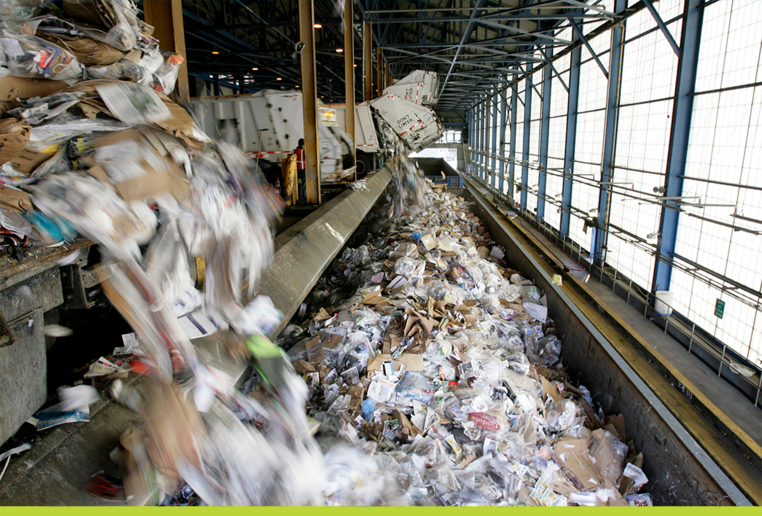






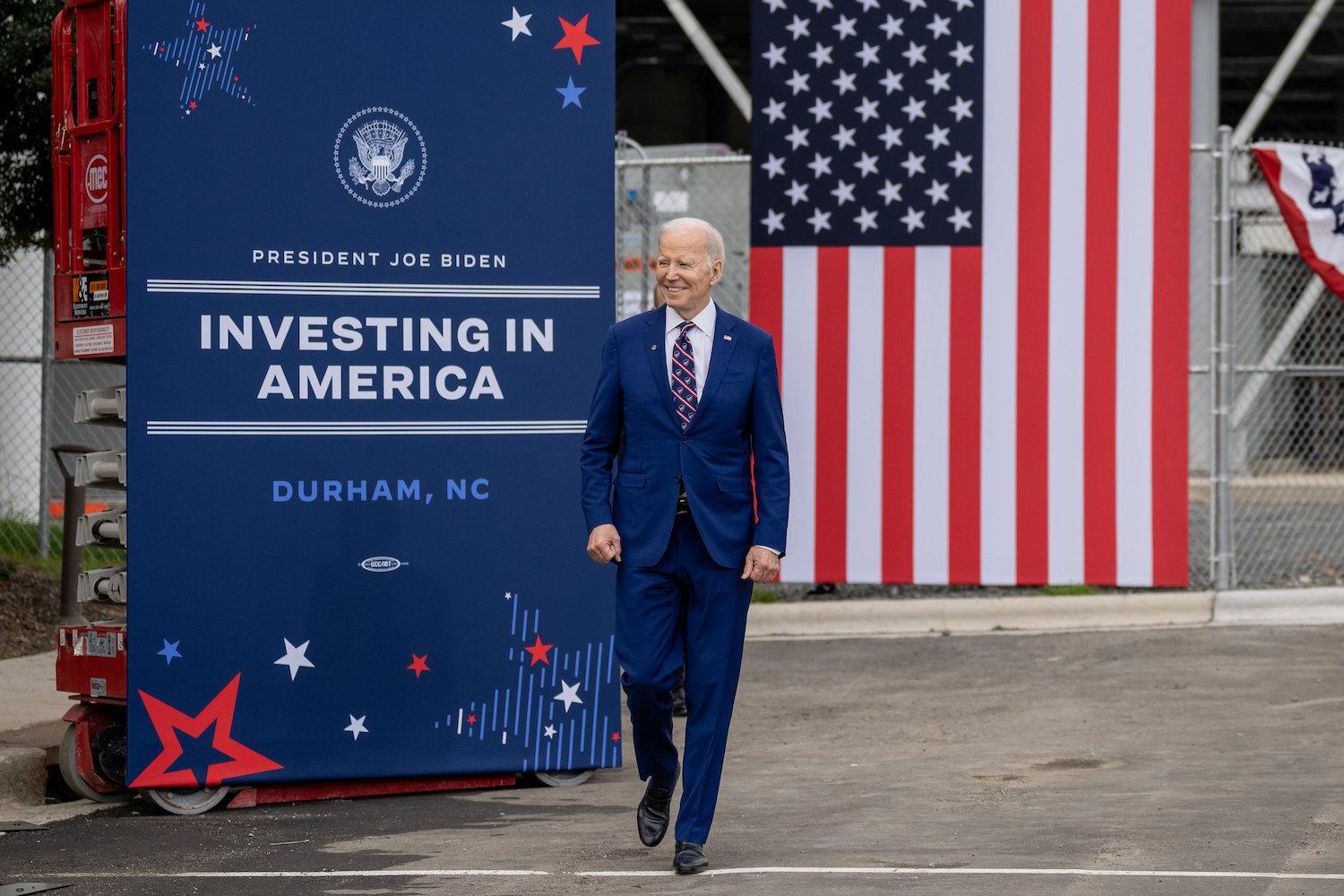




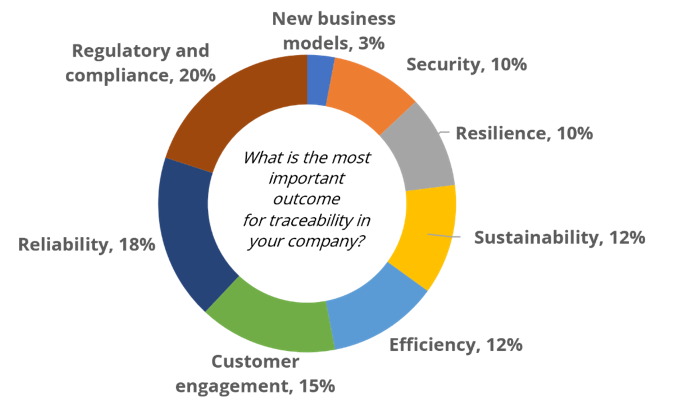
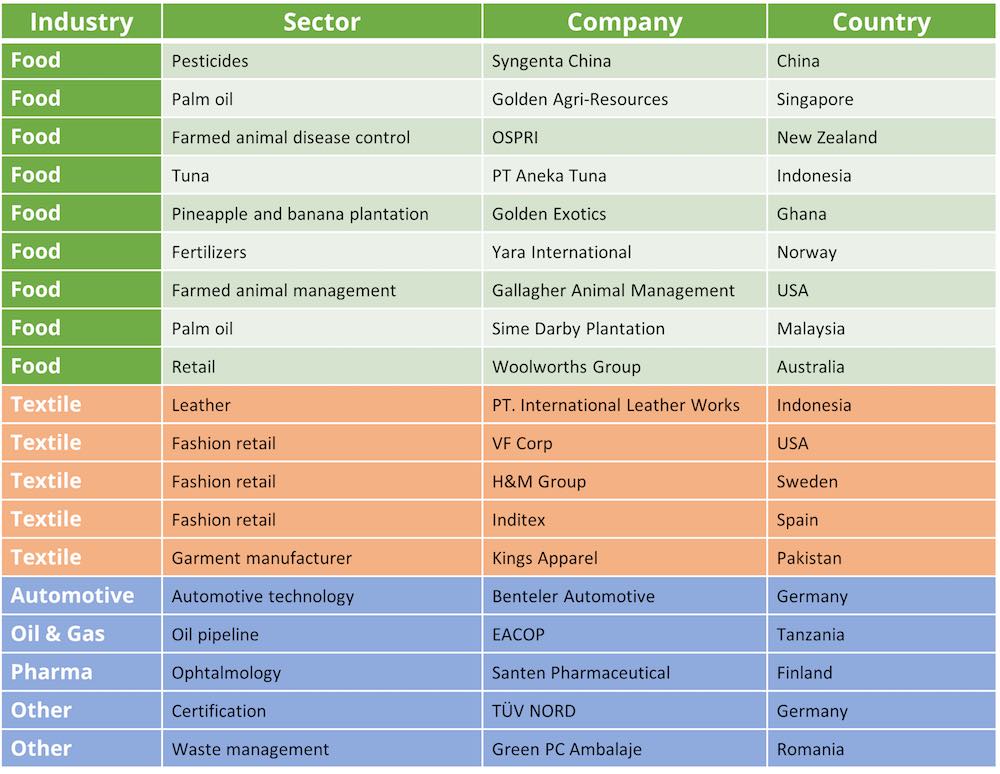














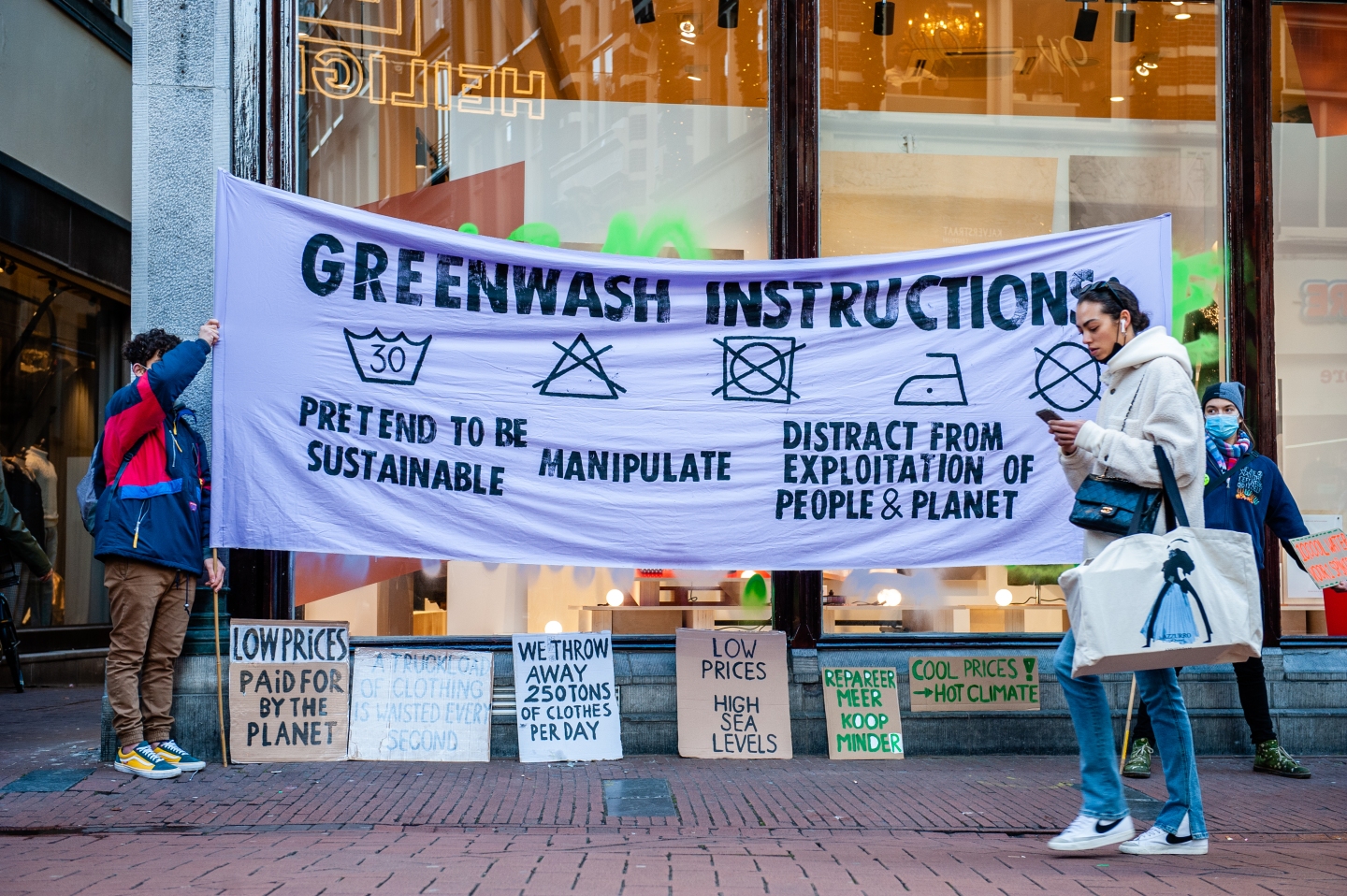










 Eric Block On Responsible Branding
You must be logged in to post a comment.