By Gary E. Frank from triplepundit.com • Reposted: May 1, 2023
Mobile devices like Apple’s iPhone contain at least 30 chemical elements — from common metals like aluminum, copper, lithium, silver and gold, to rare earth elements like yttrium, terbium, lanthanum, neodymium and dysprosium, all of which are extracted from the earth through mining.
Apple is looking to reduce demand for these elements and others by quietly expanding its use of recycled content. The company reached a new high for recycled materials in 2021, with nearly 20 percent recycled content across all products, according to its 2022 Environmental Progress Report released last week. It also introduced certified recycled gold for the first time in 2021, and more than doubled the use of recycled tungsten, rare earth elements and cobalt, the company reported.
Recovering more materials for use in future products helps reduce mining. For example, a single metric ton of iPhone components contains the same amount of gold and copper that’s typically extracted from 2,000 metric tons of mined rock.
“We are making real progress in our work to address the climate crisis and to one day make our products without taking anything from the earth,” Lisa Jackson, Apple’s vice president of environment, policy and social initiatives, said in a public statement. “Our rapid pace of innovation is already helping our teams use today’s products to build tomorrow’s.”
Increasingly, that means the use of recycling robots like Daisy, which the company says can disassemble up to 1.2 million phones a year and recover key materials like rare earths. With recently enhanced capability, Daisy can now take apart 23 models of iPhone, and Apple has offered to license the robot’s patents to other companies and researchers free of charge.
Apple’s first recycling robot, Daisy, can disassemble up to 1.2 million phones each year, helping Apple recover more valuable materials for recycling, according to the company.
Apple rolled out Taz, a cousin to Daisy, last year — which uses “shredder-like technology” to recover more rare earth elements from devices. An additional robot, Dave, disassembles taptic engines, the technology that provides users with tactile feedback to simulate actions, such as clicks on a stationary touch screen. These steps help in the recovery of valuable rare earth magnets, tungsten and steel, the company said.
All totaled, Apple products that came off the assembly lines in 2021 included 45 percent certified recycled rare earth elements, the company’s highest mark ever.
The company has also committed to extend product lifetimes through refurbishment. It reported sending more than 12 million devices and accessories to new owners for reuse in 2021, extending their lifetime and reducing the need for future mining. In the long term, Apple aims to use only renewable or recyclable materials in its products, a goal announced in 2017.
The company’s 2022 report also highlighted its progress toward achieving carbon neutrality by 2030. In a year when many other companies saw large increases in their footprints and the company’s revenue grew by 33 percent, Apple’s net emissions remained flat. The company has been carbon neutral for its global operations since 2020, including 100 percent renewable energy used to power all offices, stores and data centers since 2018.
And Apple says it’s spreading the gospel of renewables, with Apple suppliers more than doubling their use of clean power from 2020 to 2021, according to the report. As of April 2023, 213 of the company’s manufacturing partners have pledged to power all Apple production with renewables across 25 countries.
The company has also reduced plastic in its packaging by 75 percent since 2015, on the way eliminating plastic packaging entirely by 2025.
By Laureen Fagan from sustainability-times/.com • Reposted: May 1, 2023
Global progress on achieving the United Nations Sustainable Development Goals (SDGs) has been stalled, with the COVID-19 pandemic and conflict in Ukraine causing setbacks that threaten achievement of the 2030 goals.
“It’s time to sound the alarm. At the midway point on our way to 2030, the SDGs are in deep trouble,” said the new interim report, previewed this week. “A preliminary assessment of the roughly 140 targets with data show only about 12% are on track.”
For example, 575 million people (about 7% of the world’s population) will still be living in extreme poverty in 2030 if current trends hold. That compares to 800 million in 2015 (10.8%). “The COVID-19 pandemic reversed three decades of steady progress with the number of people living in extreme poverty increasing for the first time in a generation,” the report said. Some 70 million were pushed back into extreme poverty since 2019.
There have been successes: child mortality rates continue to fall, progress on HIV prevention and treatment continues, and there are gains on electricity access in poor countries. Renewable energy and an increased number of marine protected areas are bright spots. But on far too many measures, including climate-related goals, more is needed.
At this rate, some 660 million people will still lack power and renewable energy will still be a fraction of the mix in 2030. Climate finance is falling short and debt relief is increasingly critical in the developing world. Food security (SDG2) and safe water access (SDG6) are threatened as more people are affected by climate impacts.
“The world is on the brink of a climate catastrophe and current actions and plans to address the crisis are insufficient. Without transformative action starting now and within this decade to reduce greenhouse gas emissions deeply and rapidly in all sectors, the 1.5°C target will be at risk and with it the lives of more than three billion people,” the report said.
“Failure to act leads to intensifying heatwaves, droughts, flooding, wildfires, sea-level rise, and famines. Emissions should already be decreasing now and will need to be cut almost by half by 2030 – a mere seven years from now.”
Guterres is appealing for “deep reforms of the international financial architecture” through international lenders and development banks, including SDG stimulus funds of at least US$500 billion per year to assist low-income nations with their plans for the SDG targets.
“Many developing countries cannot invest in the SDGs because they face a financing black hole. Before the pandemic, the annual SDG funding gap was $2.5 trillion. According to the OECD, that figure is now at least $4.2 trillion,” said Guterres. “And many developing countries are buried under a mountain of debt.”
The interim report was released ahead of the UN General Assembly’s high-level Economic and Social Council meeting in July and, ultimately, the SDG summit in September.
By David Herpers, Forbes Councils Member via forbes.com • Reposted: April 29, 2023
As Generation Z begins to harness its buying power and make significant financial decisions, competition for its attention grows. For companies hoping to capture this generation’s business, it’s important to understand the way they view their finances and how they engage with a brand. While Gen Z’s relationship with money and brands is similar to that of its older siblings, millennials, it’s certainly not the same. Let’s look at how Gen Z approaches finances and consumer brands.
Money Habits
As with the members of any younger generation, we tend to expect Gen Z to have irresponsible spending habits and not to be the biggest savers. Studies show this isn’t the case.
Gen Z tends to spend less and save more than the other generations, contributing an average of $867 in savings per month, almost doubling what the average American saves each month ($462). One may find themselves asking, is Gen Z more fiscally responsible than the rest of us?
The answer is yes and no. One main factor leading to the high monthly average of savings is many Gen Zers still live at home. According to a 2022 study by Credit Karma, Gen Z is setting records for the number of people living with their parents following high school education. With costs of living at an all-time high, most Gen Zers are making the decision to stay home in the best interest of their short- and long-term financial security.
That said, there’s still a large portion of Gen Z that chooses to spend over saving. However, those that fall into the spending category are still taking a cautious approach. Over 68% of Gen Zers use a budgeting tool of some sort to manage their finances. Of those surveyed, 43% say they prefer the old-fashioned pen-and-paper method, while 38%, respectively, say they use online budgeting tools.
Brand Enthusiasm
Gen Zers’ cautious nature isn’t exclusive to their housing and higher costs. It extends to their relationships with brands as well. When looking at the relationship between Gen Z and brands, a recent IBM study measured brand loyalty (repeated purchases) and brand enthusiasm (active engagement between brands and customers).
According to the IBM study, Gen Z is more likely to display brand enthusiasm over brand loyalty. Known as the “generation of researchers,” this is likely due to Gen Z’s habit of turning to online platforms for reviews before making even small purchases.
Rather than committing to a brand they are familiar with, Gen Zers will evaluate all options, taking into consideration customer and influencer reviews, social media presence and value alignment. When they find a brand that checks all their boxes, they are eager to share and engage with it. But keep in mind, should the brand harm the relationship in some way, Gen Zers quickly move to purchase from a competitor.
An advantage of appealing to brand enthusiasm, as noted by IBM, is that it creates opportunities to gain insight into customers’ attitudes and purchasing habits in relation to a brand. Companies get to have conversations with customers about what they want rather than guessing. And we already have insight into what Gen Z customers crave.
Authenticity
While millennials may stray away from content that’s been highly edited and airbrushed and that poses perfect “promises,” Gen Z has taken it to the next level—by adeptly recognizing the differences between real and fake online content. As the first generation born into social media and becoming more tech-savvy than generations so far, Gen Z is quick to identify fantasy versus reality. According to IBM’s study of Gen Z’s relationships with brands, it’s clear this generation places a high value on a brand’s authenticity and prefers real content over staged content.
The concept of authenticity extends beyond advertising and product images for Gen Z; it includes the company’s impact. According to a 2019 Kearney study, 57% of Gen Z reports a brand’s social and environmental impacts are key factors in its purchasing decision. But a statement about a brand’s commitment isn’t enough to sway the generation of researchers. In fact, Gen Z will go out of its way to find—and even pay slightly more for—a product or service if it means the purchase aligns with its values.
As Gen Z’s influence on the market and society continues to grow, companies and brands can best position themselves for success by aligning with the values and habits of this generation. With a large number of consumers that can take the success of a brand into their own hands, keep in mind their financial concerns, engagement expectations and craving for authentic content, as these are likely essential to keep a brand afloat in the rise of this new generation.
David Herpers is the SVP of Digital Bank at Credit One Bank. His expertise includes wealth management, banking and product management.
NRG Energy, Wednesday, April 26, 2023, Press release picture
By Greg Kandankulam from NRG Energy Inc. • Reposted: April 28, 2023
Now more than ever, organizations are prioritizing sustainability planning to achieve long-term climate goals. However, not every business has a dedicated team. In many cases, leaders take on such planning as an added responsibility outside of their traditional job scope.
Like many fields, sustainability has its own language with a long list of terms related to environmental, social, and governance (ESG) factors. Being able to understand and speak the language is key to pursuing, tracking, and reporting sustainability outcomes. Here, we focus on terms in one of the most critical areas: climate.
For energy and facility managers helping to lead their companies’ sustainability efforts, these terms are essential to ensure their businesses can set appropriate climate goals, and then track and report progress using best-practice standards.
Climate vocabulary basics
Climate-related sustainability action is needed because of the impact of greenhouse gas emissions that magnify both climate change and human-induced global warming. These factors are the foundation, so it’s important to have a firm grasp of what those three highlighted terms mean.
Greenhouse gases (GHGs) are a set of naturally occurring or human-generated gases that transform the atmosphere. According to Cornell Law School, humans generate most GHGs through actions such as agriculture and burning fossil fuels for energy, manufacturing, and transportation purposes. GHGs include carbon dioxide (CO2), methane (CH4), nitrous oxides (NxO), and manufactured fluorinated gases.
According to NASA, climate change is a long-term change in the average weather patterns that have come to define Earth’s local, regional, and global climates. Changes observed in Earth’s climate since the mid-20th century have been driven by human activities that have increased heat-trapping GHG levels in Earth’s atmosphere, raising Earth’s average surface temperature. While natural processes also contribute to a changing climate, they are far outpaced by human-induced activities.
NASA defines global warming as the long-term heating of Earth’s surface observed since the post-industrial period due to human activities that increase GHG levels in Earth’s atmosphere. This term is not interchangeable with the term climate change but rather is a key component of a changing climate.
Climate disclosures
At face value, climate disclosures are not complicated at all. They are simply any disclosure your company makes about the impact of its operations on climate change, such as GHG emissions totals, use of renewable energy, or energy savings from energy efficiency efforts.
However, climate disclosures get complicated when the topic of standards and requirements is introduced. In the United States, the Securities and Exchange Commission (SEC) in March 2022 proposed rules to enhance and standardize climate-related disclosures for investors. If finalized, investor-owned companies subject to SEC regulation will be required to make certain climate-related disclosures, including information about climate-related risks.
These disclosures are reasonably likely to have a material impact on their business, results of operations, or financial condition, and certain climate-related financial statement metrics within their audited financial statements.
Beyond the SEC rules, which won’t apply to all businesses, there are other voluntary standards for climate disclosures. For example, the Task Force on Climate-related Financial Disclosures or TCFD, created by the Financial Stability Board, has issued recommendations on climate disclosures supported by more than 3,000 companies across 92 countries. The nonprofit CDP runs a widely accepted global disclosure system to help companies manage their environmental impacts.
Scope 1, 2, and 3 Greenhouse Gas Emissions
Many businesses include GHG reduction goals in their sustainability plans, which means they need to track GHG emissions and disclose annual GHG emissions from operations to show progress toward their goals.
Simple, right? Not so fast. Who’s responsible for the GHGs created by the Amazon and FedEx trucks that deliver your products to customers? What about GHGs from the electricity delivered by your local electric provider to keep your business running?
The Environmental Protection Agency (EPA) provides helpful definitions for different categories – or “scopes” – of emissions so that businesses can track and report GHGs and GHG reductions consistently.
Scope 1
Direct GHG emissions that occur from sources that are controlled or owned by an organization (e.g., emissions associated with fuel combustion in boilers, furnaces, company-owned fleet vehicles).
Scope 2
Indirect GHG emissions associated with the purchase of electricity, steam, heat, or cooling. Although an organization’s Scope 2 emissions physically occur at the facility where they are generated, they are accounted for in the organization’s GHG inventory because they are a result of the organization’s energy use.
Scope 3
Indirect GHG emissions resulting from activities not owned or controlled by an organization, but that the organization indirectly impacts in its value chain. Scope 3 emissions for one organization are the Scope 1 or 2 emissions of another organization and often represent the majority of an organization’s total GHG emissions.
Any company with a GHG reduction goal will be expected to track and report Scope 1 and 2 emissions, while Scope 3 emissions may be considered optional. The Greenhouse Gas Protocol, a global nonprofit, has developed a widely accepted corporate accounting and reporting standard with guidance for companies preparing a GHG inventory.
Net-zero emissions
The World Economic Forum defines net-zero emissions as “a state of balance between emissions and emissions reductions.” For an individual business to reach net-zero, that does not mean it cannot emit any GHG emissions from operations. It means the business must offset its Scope 1, 2, and 3 emissions through verified means of reducing other GHGs, such as through the purchase of renewable energy credits or carbon offset credits, carbon capture, sequestration, and/or other technologies.
As with GHG reporting, there is an internationally recognized standard for achieving net-zero, also called carbon neutrality.
Net-zero is becoming a rallying point for businesses across the globe. More than 1,200 companies have committed to science-based net-zero targets. Being a sustainable business is one of five pillars of NRG, and we are proudly committed to our own climate targets. As an organization, we set an ambitious goal to achieve net-zero and reduce our carbon footprint by 50% by 2025, using our 2014 emissions as our base year.
Science-based Target-setting
Did you notice the term “science-based” in the last paragraph about net-zero targets? Many companies have been criticized for greenwashing by claiming carbon neutrality with the use of various trading and accounting measures, while their operations still produce significant real emissions. According to the Science Based Targets initiative (SBTi), emissions targets are considered “science-based” if they are in line with what the latest climate science deems necessary to meet the goals of the United Nations Paris Agreement – limiting global warming to 1.5°C above preindustrial levels.
SBTi is a partnership of the United Nations, CDP, World Resources Institute (WRI), and others that defines and promotes best practices in emissions reductions in line with climate science. Nearly 1,000 organizations have set emissions reduction targets grounded in climate science through the SBTi’s guidance.
Get started
We all have a role to play in creating a more sustainable future through planning and action. When it comes to climate and energy, look for a trusted advisor who can help you implement a range of solutions to track, report, and ultimately achieve your sustainability goals.
In today’s world, sustainability challenges affect people’s lives, ecosystems, and businesses. Whether we’re discussing environmental sustainability or people sustainability, the facts of why we collectively need to focus on sustainability are staggering.
Faced with this reality — and pressure from multiple stakeholders — sustainability has become a critical topic for organizations worldwide, prompting businesses to adopt more sustainable practices.
The Sustainability Execution Gap
The above statistics clearly show that sustainability is not just about compliance with regulations, it is about creating a holistic vision for an organization that supports the strategy and creates a rallying point for employees. Regulations and legislation are increasingly focusing on environmental impacts, making it imperative for companies to have a sustainability strategy in place. Sustainability is about creating a business that is environmentally and socially responsible that can thrive in the long term.
Sustainability is a journey, not a destination. Businesses need to develop a road map that will allow them to advance their business transformation toward a sustainable intelligent enterprise. That starts at the top and the bottom so that everyone within the organization has a role to play in guiding the approach toward success. An overall culture of sustainability needs to be created to ensure participation at all levels.
However, even when the companies understand the need for more sustainable practices, a challenge remains for many on how to close the gap between their sustainability strategy and execution, transforming the whole organization while creating sustainable business value. Understanding the role emerging technologies play and leveraging them is a powerful enabler to close this gap and accelerate sustainable business growth and positive impact.
Emerging Technologies Are Key for Businesses Looking to Become Sustainable Intelligent Enterprises
Technology can help companies improve efficiency in business processes, utilize renewable energy, adopt circular economy practices, increase transparency, and make more informed decisions by providing real-time data and analytics. With the increasing stakeholder expectation for companies to operate sustainably, technology can enable companies to agilely adapt to changing market conditions and customer demands and build trust with their stakeholders. Ultimately, employing the right technology can lead to cost savings, new business opportunities, and a reduced impact on the environment.
Cloud technology can provide real-time monitoring for the usage of sustainable technology, while facilitating remote work and collaboration, reducing the need of scattered physical servers and hardware, and helping cloud providers invest in renewable energy sources to power their data centers. This will help organizations achieve their zero-emission goals while improving operational efficiency and reducing costs.
Artificial intelligence (AI) and machine learning can help many organizations optimize their waste management processes by using predictive analytics to identify potential areas of waste, forecasting demand for recycled materials, optimizing waste collection routes, and automating the process of reporting to track and comply with regulatory requirements. If the “business as usual” scenario is allowed to continue regarding the use of plastics, the oceans will contain 1 ton of plastic for every 3 tons of fish by 2025, and more plastic than fish by 2050. There is a huge opportunity to reduce waste through reuse and recycling processes, as well as building a more sustainable design process for many industries. Internet of Things (IoT) technologies such as sensors and smart meters provide real-time data that can be used to reduce waste and identify recycling opportunities.
Renewable energy sources such as solar, wind, and hydroelectric power can reduce reliance on fossil fuels and mitigate greenhouse gas emissions. Blockchain provides a transparent, secure, and efficient way to track and verify emissions, encourages sustainable practices, and facilitates renewable energy trading. Electric vehicles (EVs) can reduce transportation emissions, while IoT devices can help monitor and optimize energy consumption in buildings and processes. Additionally, advances in carbon capture and storage technologies can enable organizations to capture and store carbon dioxide emissions, preventing them from entering and adversely affecting the atmosphere.
The mindset shifts in the organization — and their role in the business network — also impacts the success of the sustainability efforts and uptake of processes. No single company can achieve sustainability alone. Collaboration among governments, business, technology partners, and industry players bring the necessary capabilities and perspectives to enable this collaboration. There is no need for businesses to walk this alone. Rather a joint and collaborative effort is needed to tackle this issue.
Welcome to Your Sustainability Journey
Sustainability is a strategic opportunity for companies. Whether it be the focus on creating sustainable products, services, and business models for long-term growth, or embedding it into business processes to make sustainability profitable and profitability sustainable, there is no downside. By doing this right, facilitated by the right technology, businesses can earn customer loyalty, attract funding or investment, maintain a committed workforce, and enhance brand image and reputation.
Sustainability requires collaboration as well as a deep understanding of the business and its wider impact, with a commitment to continuous improvement. Companies that can close the gap between their sustainability strategy and execution — and identify opportunities for sustainability in the business — will be well positioned to succeed in the long term.
Does this count as recycling? | Seth Wenig/AP Photo
By Debra Kahn and Jordan Wolman from Politico.com • Reposted: April 26, 2023
Companies are talking the talk on sustainability. The Federal Trade Commission is gearing up to make sure they’re walking the walk, Jordan reports.
As demand for sustainable products has skyrocketed, so have concerns about greenwashing. Public comments were due yesterday on the FTC’s first update in 11 years of its “Green Guides,” which are essentially advice for how companies can make environmental marketing claims.
The nearly 60,000 comments shed light on what companies, industry trade groups and environmentalists are fighting over:
— Recycling claims. Current FTC guidelines say companies should qualify claims of “recyclability” when products aren’t recyclable in at least 60 percent of their market. The EPA wrote that the bar “should be much higher,” while environmental groups want to clarify that at least 60 percent of products need to actually be recycled — not just collected. That coalition also wants to set a higher bar of 75 percent for store drop-off programs.
The Plastics Industry Association wants the standards to stay as-is: The FTC “should not further complicate the issue by adding hurdles,” the group wrote. It also wants take-back or drop-off programs to be equally eligible to make unqualified recycling claims.
— Corporate net-zero claims. Ceres, a nonprofit focused on corporate sustainability, wants the FTC to give guidance on how companies can use carbon offsets to make claims about their climate commitments and achievements. Sierra Club and a half-dozen other groups want disclosure of specific offsets’ climate benefits.
— Chemical recycling. The American Chemistry Council and the Plastics Industry Association want to make it easier to claim that chemical recycling — a set of technologies that involve melting hard-to-recycle plastic down into its components — counts toward companies’ recycled content and recyclability standards. The ACC submitted a new poll showing that nearly 90 percent of consumers believe chemical recycling qualifies as “recycling.” Green groups are pushing back.
— Enforcement. Environmental groups want the FTC to initiate a formal rulemaking process to codify the Green Guides (currently, the agency can bring enforcement action via violations of the FTC Act), with an eye toward California’s “truth in labeling” law. EPA seems to be on board, too, but the Plastics Industry Association opposes rulemaking.
How much does this all matter? The FTC doesn’t do a ton of enforcement of green marketing claims: It’s taken enforcement action under the Green Guides 36 times since 2013. It hasn’t taken enforcement action based on recycling claims since 2014 — although it does send warning letters, which can nudge companies into compliance.
The agency tends to pick big cases that send a signal — like its $5.5 million penalty last year against Walmart and Kohl’s over claims that they marketed rayon textiles as made from eco-friendly bamboo, when in fact converting bamboo into rayon involves toxic chemicals.
But officials are signaling willingness to wade into the details on new technologies such as chemical recycling.
“Our job is to not say what’s good or bad for society, it is to make sure that people aren’t lying,” James Kohm, associate director of enforcement in the FTC’s Bureau of Consumer Protection, said in an interview. “We wouldn’t necessarily hesitate to get involved in a situation. What we don’t want to do is contradict the EPA, and we’ve been careful in a number of areas to not do that. There are a bunch of trade offs — that you have less trash, but you might have more air pollution, for example. If we had enough information, and we weren’t contradicting the EPA, we would probably give advice.”
We could be in this for the long haul: The last time the Green Guides were updated, the process started in 2007 and didn’t end until 2012. There’s an initial public workshop on recycling scheduled next month.
As we celebrate Earth Day, consider doing some research aimed at transitioning to a more sustainable and responsible portfolio. These four companies are worth a look. By Peter Krull, CSRIC® via Kiplinger.com • Reposted: April 23, 2023
Earth Day is a great time to take stock of your environmental impact. It’s also an ideal time to think about how your money is invested and consider making some sustainable investments. Do the companies you own positively affect the world, or are they contributing to the problems?
Most investors don’t think about the underlying holdings in the mutual funds or ETFs they purchase, and many others simply allow their financial advisers to pick and choose the individual stocks that they own. But taking the time to ask questions, do a little research and understand what you actually own can be both scary and enlightening and help empower you to transition to a more sustainable and responsible portfolio.
Other than aligning your investments with your values, investing responsibly may also reduce the long-term risk in your portfolio. Companies that employ a more sustainable and resiliency-focused business model will be more likely to succeed in a new economy that requires these attributes in order to remain competitive.
A Holistic Perspective on Sustainable Investments
I view sustainable investing from a holistic perspective. While solar, wind and electric vehicle (EV) companies are certainly an important part of our portfolios, so are complementary industries. For example, our Green Sage Sustainability Portfolio(opens in new tab) includes companies involved with water filtration, sustainable real estate and green buildings, scientific instrumentation, insurance and even biotechnology.
Understanding that and putting it in the context of what naturalist John Muir(opens in new tab) said: “When we try to pick out anything by itself, we find it hitched to everything else in the universe,” many industries are connected and complementary to each other and contribute to society’s vision of sustainability.
With that in mind, here are a couple of companies worth taking a look at:
STMicroelectronics (STM (opens in new tab)). Much of thisSwiss semiconductor company’s technology is used in devices that you use every day, like tablets and automobile infotainment systems. But beyond these everyday uses, STMicroelectronics(opens in new tab) also makes chips that help control the motors in EVs, chips that help distribute solar power more efficiently and chips that are helping to create smart homes, cities and industries. Sustainable innovation would not be possible without semiconductor technologies underlying the advances.
Acuity Brands (AYI (opens in new tab)). This U.S.-based company manufactures high-efficiency lighting products. I often say the best kilowatt is the one that isn’t used, and through energy efficiency, we can make this true. Our homes and buildings use a considerable amount of energy, mostly for heating and cooling, but also for lighting.
The transition from incandescent bulbs to LEDs has been a major opportunity to reduce our impact. A 10-watt LED replaces a 100-watt incandescent bulb — that’s a savings of 90%. Acuity Brands(opens in new tab) manufactures a wide array of lighting products, from home to office and industrial. It even makes ultraviolet lights to disinfect health care facilities (and others) that require sterilization.
Hannon Armstrong Sustainable Infrastructure (HASI (opens in new tab)). Hannon Armstrong(opens in new tab) is considered a “pure play” sustainable company in that everything it does revolves around sustainability. It finances a range of projects broken down into three areas: behind-the-meter, grid-connected and fuels, transport and nature. Its behind-the-meter investments include energy efficiency projects, distributed solar and storage, while grid-connected focuses on utility-scale wind solar and storage.
It’s also involved in landfill gas projects, commercial fleet decarbonization and ecological restoration. And for income investors, the stock pays a nice dividend as well.
AXS Green Alpha ETF (NXTE(opens in new tab)). The folks at Green Alpha(opens in new tab) have been managing sustainable investments for years, going back to the old Sierra Club Mutual Funds, so they know what they’re doing. They eschew the recent trend of creating, as I call them, “less bad” ESG portfolios and focus on solutions-based investments in the next economy.
Like Earth Equity’s Green Sage Sustainability Portfolio, the portfolio is more than just solar, wind and EVs and takes a broad approach by examining systemic risks and opportunities. If you’re not comfortable with individual stock investing, or if you’re looking to diversify, check out this ETF.
Make Sure You Understand What You’re Investing In
Remember that if you choose to invest in a mutual fund or ETF, it’s important to look under the hood to truly understand what you are investing in.
I look at investing as voting with your hard-earned dollars, so consider what you want to stand for this Earth Day and how to make the best impact on the planet for generations to come.
Advisory products and services offered by Investment Adviser Representatives through Prime Capital Investment Advisors, LLC (“PCIA”), a federally registered investment adviser. PCIA: 6201 College Blvd., Suite #150 Floor, Overland Park, KS 66211. PCIA doing business as Prime Capital Wealth Management (“PCWM”) and Qualified Plan Advisors (“QPA”).
This article was written by and presents the views of our contributing adviser, not the Kiplinger editorial staff. You can check adviser records with the SEC(opens in new tab) or with FINRA(opens in new tab).
By Solitaire Townsend, Contributor via Forbes • Reposted: April 23, 2023
I’m lucky enough to meet lots of passionate folk who want to change the world. Many of them have already built a career in sustainability – they are Chief Sustainability Officers, ESG experts, social entrepreneurs, D&I advisers, climate geeks and CSR specialists.
They are in demand. According to LinkedIn, ‘Sustainability Manager’ is the second-fastest growing job title across the UK (it was seventh last year). And 1 in 10 job adverts require some green skills – a trend which is growing at 8% per year. Helpful leaders share new sustainability jobs online as the ‘war for ESG talent’ rages on.
Today is a good day to join a booming industry. The question is, how?
The first thing to say is that you don’t have to have fancy qualifications, specific knowledge or tons of experience to start working in sustainability. Solving the world’s problems takes all kinds of people, with all kinds of skills, working in every industry, sector and team.
The only thing you do need is a Solutionist’s mindset. Solutionists are the world’s problem solvers; they are people who believe they absolutely can do something about society’s biggest challenges. They are brilliant, curious, determined types – so much so, that I wrote a book about what makes a Solutionist and how to become one.
What I learned from speaking to hundreds of Solutionists over the years – is that their path is rarely a linear one. Some have known since childhood that they want to make a difference, others realise later in life; some follow traditional career paths, but (spoiler) – most do not.
So, if you’re still figuring out how to bend your career in a sustainable direction, you’re in good company. Here are just three of the many different routes available to you as you take the first steps in your sustainability career:
Make change from the inside. You know your current workplace better than any other – you understand the industry, the internal politics, the norms and the need for change. You probably already know the most important decision makers, and what it will take to convince them to do things differently. Harness your knowledge by staying in your current job, and driving sustainability initiatives from the inside. This is called intrapreneurship, and it’s a powerful way to get sustainability issues on the agenda.
Do sustainability on the side. Even if your main job isn’t sustainability focused, that doesn’t stop you taking on side gigs and community roles that mean something to you. Your skills and experience can make a huge difference in charities and local activist groups. Look into becoming a charitable/non-profit trustee, where you can be part of positive change while learning what’s involved in high stakes decision making.
Start a sustainable business. This is the path I took. Identify the sustainability gap in your industry, and fill it. If you know the world of food and drink – what product could you launch that would support food sovereignty and environmental justice? If you’re an HR expert – what product or service could you create that makes hiring more fair and equitable?
Whichever route you take, the important thing is to do it now. Don’t wait for the perfect sustainability job description to land in your inbox – it might never happen. Solutionists operate at the very forefront of society’s responses to the world’s biggest challenges, which means traditional job roles often can’t keep up with us.
Still not sure? In my book, I set out prompts to get you going:
Sign up for an online course about sustainability.
Start a ‘sustainability team’ at work, for those passionate about change.
Finish that book/blog post about sustainability you’ve been working on.
Build out a business case for your current workplace to pivot into social & environmental solutions.
Look for promising sustainability start-ups to invest in.
U.S. President Joe Biden arrives at the Wolfspeed semiconductor manufacturing plant in Durham, North Carolina, for the kickoff of his “Investing in America” tour last month. (Image credit: Official White House Photo by Adam Schultz)
By Tina Casey from triple pundit.com • Reposted: April 20, 2023
The Joe Biden administration fought tooth and nail to pass new laws that transform the carbon-heavy U.S. economy into a climate action hero. The results are beginning to show. Both the Inflation Reduction Act and the CHIPS and Science Act provide federal tax credits for manufacturers to onshore their operations in the U.S. Red states are benefitting from the renewed U.S. manufacturing boom as well as blue states, further undercutting the anti-ESG movement promoted by high-profile Republican office holders.
U.S. drops the ball on climate action
Ironically, the U.S. sparked the solar technology revolution back in the 1950s when the National Aeronautics and Space Administration (NASA) was searching for energy to power operations in orbit. The U.S. continued to dominate the global solar industry for decades.
Unfortunately, by the time former President Barack Obama took office in 2009, overseas manufacturers had caught up and raced ahead. In addition, the mainstream market for renewable energy was only beginning to take shape. The overall, installed (aka levelized) cost of solar panels and wind turbines remained high relative to fossil energy during President Obama’s time in office. Blowback against his Clean Power Plan and ongoing competition from overseas manufacturers provided two additional obstacles.
The clean power manufacturing situation worsened under former President Donald Trump. He took office as a strong supporter of fossil energy and pulled the U.S. out of the 2015 Paris Agreement on climate change. Though he talked a big game about bringing back U.S. manufacturing jobs, he disengaged with the job-creating, global decarbonization movement. His U.S. manufacturing policy was failing long before the COVID-19 pandemic struck in March of 2020.
The Biden administration picks up the ball and runs with it, spurring billions in U.S. manufacturing commitments
The new Biden-supported legislation provide a sharp contrast in both policy and circumstances. In addition to substantial tax breaks, the Biden administration is benefitting from the continuation of Obama-era initiatives that fostered a drop in the cost of renewable energy hardware while addressing obstacles in the “soft” area of costs related to inspections, permits, marketing and other administrative areas. Leading U.S. corporations also continued to raise the demand for renewable energy by leveraging their buying power throughout the Trump administration.
The results have been striking. On Jan. 11, for example, the South Korean Firm Hanwha Solutions Corp. announced a $2.5 billion plan to construct a solar manufacturing campus in Georgia. The soup-to-nuts campus will include facilities to manufacture solar ingots, wafers, cells and modules.
That’s just one example. Last week, the Financial Times credited the Biden administration with attracting new corporate manufacturing commitments totaling more than $200 billion since the Infrastructure and CHIPS bills passed last year. “The investment in semiconductor and clean tech investments is almost double the commitments made in the same sectors in the whole of 2021, and nearly 20 times the amount in 2019,” reported Amanda Chu and Oliver Roeder of the Financial Times, citing data the paper compiled on U.S. manufacturing deals.
“While the FT identified four projects worth at least $1 billion each in these sectors in 2019, there were 31 of that size after August 2022,” they added. The Financial Times also took note of 75 other new clean tech manufacturing projects in the U.S. of $100 million or more.
Who’s afraid of the ESG?
Chu and Roeder of the Times concluded by observing that additional guidance on the tax credits is forthcoming from the Biden administration, leading to the announcement of even more projects in the near future.
Red states are already jostling with blue states for a share of the action, regardless of state-level Republican officials who have been railing against “woke” capitalism and ESG (environmental, social and governance) factors being used in investing. The anti-ESG movement purports to protect public pension funds, but it is nothing more than a thinly disguised effort to protect fossil energy stakeholders.
Georgia is a case in point. The Republican-led state never enacted a renewable energy portfolio standard or even set voluntary renewable energy targets. It has lagged behind other states in terms of increasing access to renewable energy within its borders. However, Georgia policymakers seem to have no problem with enticing clean energy industries to set up shop in the Peach State.
Hanwha company Qcells opened its first solar panel factory in Dalton, Georgia, in 2019. That put the state on the map as host to the largest factory of its kind in the Western Hemisphere, and Republican Gov. Brian Kemp has been effusive in his praise for the company’s decision to add another $2.5 billion to the state’s economy.
“Qcells will build a new facility in Cartersville and add a third facility to its Dalton location, creating more than 2,500 new jobs in northwest Georgia. These investments are expected to bring Qcells’ total solar panel production capacity in Georgia to 8.4 gigawatts by 2024,” the governor’s office reported in January.
“With a focus on innovation and technology, Georgia continues to set itself apart as the No. 1 state for business,” Gov. Kemp stated. “Georgia provides a business-friendly environment that means jobs for hardworking Georgians in every corner of the state and success for both existing and new companies. We’re excited for Qcells’ continued success in the Peach State.”
Those “business-friendly” words are at odds with Kemp’s support for anti-LGBTQ legislation, but the point has been made. Georgia and other red states don’t care if their new Biden-enabled, home-grown industries export technologies that shrink the fossil energy profile of the US. Regardless of their political posturing, they just want the jobs.
2022 was a year of transition and consolidation for Environmental, Social and Governance (ESG) investing. On the one hand, regulatory changes and significant global economic headwinds saw European equity ESG funds underperform their benchmarks by 5%, worse than the 4.6% recorded by their traditional rivals.
However, most analysts agree that these metrics only dampen the case for ESG led investing based on short term ROI alone. The facts are that climate change is not going anywhere and the energy transition will drive sustainable fund returns over the long term. As Sarah Merrick, CEO of Ripple, who raised £2.1m on Seedrs last year, says: “There are very few sectors like ClimateTech where the fundamentals of massively accelerating demand are quite as clear and present.”
That’s why the world of venture capital is telling a different story when it comes to ESG. While global overall investment activity sunk by 57% in 2022, ClimateTech funding achieved an all time high, with 25% of all venture funding globally going into the sector according to a PwC report. That same report found that investors globally are set to embrace ESG investing on a massive scale and predict that it will soar 84% to $33.9 trillion by 2026 – equating to 21.5% of total assets under management or more than $1 for every $5 invested.
We’re seeing evidence of this across the investment ecosystem. The world’s largest sovereign wealth fund in Norway said it would vote against companies that don’t set net zero carbon targets, overpay top executives, or lack diversity on their boards. Meanwhile, exchange traded funds (ETFs) aligned with ESG outcomes accounted for 65% of all net inflows into ETFs in 2022 – which suggests that investors are recognising the inevitability of long term structural change.
And the markets only reflect what’s happening in industry. For example, looking at technology adoption curves, a recent BloombergNEF report suggested that clean energy has a tipping point that 87 countries have now reached. This is a fact that car companies seem to have picked up on – almost every major manufacturer intends to stop making internal combustion engines within 20 years.
At Seedrs, these broader ESG investing trends are reflected in the investment behaviour we’re seeing on the platform. In 2022, 47% more sustainability focused businesses (103 up from 70) received investment on the platform YoY, raising from 40% more investors. In particular, the Clean Energy sector thrived with investment growing 266% from £11m to £36m, with 50% more business raising from 50% more investors. And according to our summer investor survey, ClimateTech is the #1 sector of interest on Seedrs. That all explains why last year we saw alumni businesses in this sector like QED Naval, Solivus and Ripple return for another round on Seedrs to run highly successful campaigns, raising millions from our investors and their communities. At the same time, we also welcomed many innovative new businesses, like Gazelle Wind Power, who raised over €3.8m on Seedrs.
How to approach ESG investing
There are several key ideas to consider when looking to make investments on Seedrs in campaigns that are demonstrating strong ESG credentials.
Firstly, it’s crucial to understand that paying attention to ESG is more than being a climate crusader but rather about picking businesses that are building products and services that will help us to adapt to an ever changing world. Those companies are likely to see their fundamentals strengthen over time as their offering becomes more vital and consumers become increasingly conscious.
Secondly, diversity, equity and inclusion (DEI) will be a crucial factor in allowing businesses to thrive, innovate and adapt moving forward. It is becoming an increasingly important line of enquiry for investors looking at the long term prospects of an organisation and having a strong record on DEI will also mean that businesses are better positioned to attract world leading ESG talent.
Finally, in terms of portfolio management, diversification is key. 80% of the companies that have ever raised on Seedrs have either exited (going public or private sale) or are still trading. That means investing in a variety of sustainable businesses across a range of sectors is the best way to approach building a portfolio.
But don’t just take our word for it. At Seedrs, we’ve been working in partnership with leading Venture Capital (VC) funds for years, pioneering an innovative way of allowing money to flow into the startup ecosystem by allowing eligible individual investors on our platform to participate in funds that invest in some of the UK’s most exciting early stage startups. Here, some of those Fund Managers give us their perspective on ESG investing in 2023:
Emma Steele, Partner, Ascension Ventures: “I see 2023 as the year for mission driven founders proving to the world they will outperform the market, by driving value through their social and environmental focus. There is a big opportunity to focus on early-stage investing where the economics are more favourable and more likely to weather the medium term macro storms. Also, the best companies are formed in downturns so now is not the time to take your foot off the gas as an early stage investor.”
Louis Warner, COO, Founders Factory COO & General Partner, G-Force Fund: “One of the sectors we see thriving is Climate Tech. The north star and unanimously agreed global target of reaching Net Zero by 2050 is driving governments, legislators, asset managers, investors, businesses and consumers to act, not only because these problems need to be solved, but also because there are significant financial returns to be made, and early results are promising. The scale of the challenge in the transition to a low carbon global economy is seeing huge influxes of capital and talent into the sector, and there are encouraging examples of this investment starting to make progress.”
Alexandra Clark, Founder & Principal, Sentient Ventures: “While 2022 was a difficult year in general due to the global economic crisis, events have also shone a light on the need for a sustainable and secure food system, after the food supply chain has been severely disrupted by various factors including the pandemic, war, and the impacts of climate breakdown. Sustainability and impact are now very much on the radar at a government level, and we are seeing more investors recognise the importance of natural capital and the need to include impact metrics such as ESG into their investment criteria.”
Porcelain surfacing adds wellness and sustainability to a new construction or remodeling project. Photo: FONDOVALLE/CERAMICS OF ITALY MEMBER COMPANY
By Jamie Gold, Contributor via Forbes • Reposted: April 19, 2023
Earth Day will be celebrated this year on Saturday, and it brings some good news for environmental advocates: Homeowners are starting to prioritize sustainability in their new construction and renovation projects, as observed in the latest American Society of Interior Designers report, published in February.
For many years, this aspiration frequently gave way to budget constraints, as so many of the products that supported the goal of a healthier planet cost more for purchasers weighing many competing project needs. Perhaps because of more mainstream media coverage, more natural disasters linked to climate change, or a growing number of Millennial homeowners, “Consumers are placing increasing emphasis on sustainability as a value guiding their purchasing choices, with increasing numbers of consumers saying they are willing to pay a purchase premium for sustainability,” the ASID report noted.
This has positive ramifications not just for the planet, but for the well-being of the people who live in these improved homes. “Sustainability and wellness are very closely linked,” commented New York-based interior designer Isfira Jensen in the Interior Design Community Facebook group. “Things that are harmful for people are, in most cases, just as harmful for the living organisms in the ecosystem. The reverse happens to also be true,” she noted. These are some of the major areas where the two converge.
Sustainable Materials
Cork floors are sustainable and don’t off-gas dangerous chemicals, improving a home’s wellness … [+]PHOTO COURTESY OF TORLYS SMART FLOORS, WWW.TORLYS.COM // NEW KITCHEN IDEAS THAT WORK (TAUNTON PRESS)
“The use of eco-friendly and high-efficiency products not only helps reduce our impact on the environment, but also improves things like indoor air quality through the reduction of constant exposure to toxins (materials containing chemical byproducts and formaldehyde),” Jensen explained in her remarks.
Many designers educate their residential clients on these products and avoid specifying them whenever they can. “While we craft our clients’ interiors based on their needs and lifestyle, we systemically prescribe healthy materials and sustainably conceived products. From paint, to flooring, to work surfaces, to furniture, to appliances, every aspect of a design project is conceived to promote a healthier way of living without compromising on the functionality and practicality of the space,” commented Chicago based interior designer Dijana Savic-Jambertin Facebook’s Wellness Designed group for professionals.
Her team favors ethically sourced ceramic or porcelain and FSC certified wood flooring over the widely popular luxury vinyl tile (LVT), given that material’s vinyl chloride composition, which can be hazardous to workers and, potentially, to homeowners, Savic-Jambert noted. (Some of this risk is associated with another component, phthalates, which the industry has worked to reduce with more phthalate-free LVT offerings.)
Charmain Bibby of British Columbia shared a preference for sustainable cork flooring, which is also a wellness material that is soft underfoot and allergen-free. The designer noted on her blog, “Cork is also a great insulator and in our previous home we chose to have cork under our carpets because of its super insulating properties.” That can potentially help with heat loss and energy bill savings.
Fabrics can also off-gas, which is the occurrence of chemicals used to manufacture the material leaching into the air. Sometimes this only happens in the first days or weeks of the product being installed and ventilating the space during that interval addresses the issue. Some fabrics, carpets and other textiles can off-gas for months or years, putting the household that chose it – and future buyers of that home – at risk. “There are some beautiful fabrics out there that are sustainable and low or No VOCs. And the colors are great for clients’ mental health and energy. I love combining the two!” declared Wilmington, North Carolina-based designer Andrea Morris in Wellness Designed.
Induction Cooking Technology
Induction cooktops are not only more sustainable, safer and healthier than gas, they’re also faster … Photo: [+]GE PROFILE
Another indoor air quality concern is gas cooking surfaces. “I have noticed an increased interest in induction cooktops over natural gas ranges,” observed Ontario, Canada-based Coralee Monaghan in the same group. “This may be related to the recent media attention surrounding gas ranges and the possible link to negative health concerns and poor indoor air quality,” she added. As noted in an earlier Forbes.com article, induction has numerous wellness benefits.
Tanya Kortum Shively, a Scottsdale, Arizona-based designer and IDC Facebook group member, commented in that group, “Induction cooktops are really becoming popular now because they are so efficient, great to cook with, and do not have the danger of natural gas fumes.”
Much of the media coverage surrounding the health and environmental risks of gas cooking has focused on bans and political clashes, rather than the many benefits of induction technology, which homeowners often embrace once they’ve learned about them.
Lighting Technology
Energy-efficient LEDs can be used in circadian lighting systems that support better sleep patterns. PHOTO COURTESY OF SERVICE TECH, INC. / CEDIA MEMBER COMPANY // WELLNESS BY DESIGN (SIMON & SCHUSTER, 2020) (C) J. GOLD
California has been one of the leaders in imposing strict energy-saving lighting standards in its regulations, and this has spurred widespread adoption of light emitting diode (LED) replacements. This, in turn, has spurred dramatic price reductions and technological advancement in LED offerings.
LEDs now regularly lead designer preferences for their ability to support better sleep with circadian technology, provide better pathway and in-drawer lighting for increased safety and accessibility, generate more light with less energy, and provide greatly-improved dimmability compared to early releases. Bibby noted in her design blog, “Did you know that LED bulbs use at least 75 percent less energy than incandescent bulbs, and last 25 times longer?” The U.S. Department of Energy backs up this extraordinary figure.
Last Words
Smart bulbs can reduce energy usage and enhance sleep and mood. Photo: GETTY
Just as regulations made LEDs more affordable and spurred technological advancement, regulations around residential gas lines promise to do the same for induction cooking, heat pumps and other safer, healthier, more sustainable alternatives.
You can do well by the planet and the people and pets in your household — and with new government incentives, product advancements and more demand lowering prices — you may preserve your fiscal health too!
An ever-growing cohort of businesses claim they have ‘fully embedded’ sustainability. So, as business strategies and sustainability strategies become one and the same, should sustainability teams be working to end the need for their function? By Sarah George from edie.net • Reposted: April 18, 2023
It’s a question which leaders in the profession have been mulling for several years. When edie was founded 25 years ago, corporate sustainability was in its infancy. Many firms had no dedicated staff and those that did either tasked them with a compliance-based to-do list or with carrying out philanthropic initiatives on the periphery of core business.
Fast-forward to the 2020s and the perfect storm of top-down (regulatory changes, new scientific research) and bottom-up (growing public awareness and activism) pressures – as well as physical risks crystalising in this era of polycrisis – are prompting smart businesses to see their core strategy and sustainability strategy as the same thing.
Beyond mergers of strategy documents, this prioritisation can be seen in the trends towards integrated financial and ESG reporting and towards giving board members environmental KPIs. A PWC-led study published in February concluded that more than three-quarters of large businesses have now linked executive pay outcomes to climate targets, up from less than 50% in 2020.
And, promisingly, in edie’s recent survey of hundreds of energy and sustainability managers, 91% said their chief executive was ‘somewhat’ or ‘very’ engaged with ESG. The proportion stood at 81% for the wider board.
But, of, course, a company’s culture does not hinge solely on executives. Mary Kay Cosmetics’ founder Mary Kay Ash is often quoted as saying that “a company is only as good as the people it keeps”. Sustainability professionals will need to embed culture beyond the C-suite if they are to ever make themselves redundant.
There is a growing body of research to prove that the workforce of the 2020s are increasingly seeking employers with strong ethics. But there is also a wealth of proof that, for most people in their day-to-day job, there is confusion on how to be part of the solution to big, global challenges like the climate crisis.
Are you an agitator or an ambassador?
To help turn intention into impact, a growing number of businesses are now assigning ESG-related KPIs to all staff. One such business is innocent Drinks, which exceeded a pledge for at least 90% of employees to have such a target in 2020.
“As we know, working for a business you are proud of is becoming more and more important to staff … But it’s one thing to know that a company cares about these issues, and knowing what you can do at your level is a bigger question,” explains innocent’s head of force for good in the UK, Emilie Stephenson.
To ensure that all new staff know what is expected of them in terms of ESG, every role description now assigns a related responsibility. Social media and communications staff, for example, are tasked with increasing discussions on topics like climate. Operations and procurement team members are told their work is key to reducing waste and emissions – not just to keeping smoothies and juices on shelves.
For existing staff, Stephenson explains, KPIs have been effectively retrofitted through regular updates to personal development plans.
Beyond giving staff targets, innocent makes a point of considering how their personality and skillset could best aid delivery. Since the mid-2010s, staff have been encouraged to work with their line managers to determine whether they are an ‘agitator’, ‘activator’, ‘ambassador’ or ‘protector’.
Stephenson says: “I think it works because it’s so tangible – people understand what it is and they can talk to people about it. This, and the language itself, is motivational.”
Many board members are natural ‘protectors’, as they have the seniority to hold teams accountable for taking the actions needed to reach sustainability ambitions. ‘Activators’, meanwhile, specialise in taking the action, delivering specific projects on the ground.
‘Ambassadors’, meanwhile, share innocent’s work with others and advocate externally for a greater focus on sustainability in the private sector and beyond. And being an ‘agitator’ is the most common choice; these people scrutinise current strategies and practices to suggest potential improvements.
Blended roles and B Keepers
Linked to the ‘protector’ role is the role of ‘B Keeper’ – a new title which came into being through innocent’s certification as a B Corp in 2018, and is linked to the protection of B Corp status. In Stephenson’s opinion, the B Corp certification process helped to provide a more “solid framework” of focus areas for staff. She also recounts hearing some team members who were typically not the most vocal speaking up and taking responsibility for certain sets of points during the process.
A similar experience is recounted to edie by Heather Lynch, head of impact and sustainability at fellow B Corp Oddbox. The business, which sells boxes of fruit and vegetables that would otherwise have gone to waste, became a B Corp in 2020 and is currently in the process of re-certifying.
Oddbox is a mission and vision-driven brand, Lynch explains. The mission is fighting food waste. The vision is of a world where all food grown is eaten.
“I see mission and vision as the ‘what’, and the B Corp as a framework for the ‘how’,” Lynch says, adding that the first B Impact assessment prompted a “thorough stock-take of opportunities” and the second as providing a “framework for tracking progress”.
One key opportunity identified through certification was to upskill staff. 70% of Oddbox’s staff have now completed an eight-hour carbon literacy training course, and the business is targeting at least 90% by the end of the year. As Lynch explains, this training ensures that staff have a base understanding of carbon jargon and climate science – and that they are clear on their role in the business’s delivery of net-zero emissions by 2030.
So, most Oddbox staff are officially carbon-literate and several of them are B Keepers. Beyond that, some managers have blended roles, due to their role in creating and delivering the sustainability strategy.
The operations team co-created the firm’s net-zero strategy, with support from Lynch and her junior, plus external consultants. As such, senior operations team members are effective net-zero managers, responsible for delivery and reporting. They are also helping senior logistics and packaging staff to do the same.
“Ownership is just as important as, if not more important than, awareness,” Lynch says. “That, I feel, has been really powerful.”
Ownership is a sure-fire way to ensure that people do not feel strategies or targets are being put on them from the top-down, landing them with an extra burden. Co-creating strategies with staff and emphasising the particular benefits to each group is a tactic gaining popularity far beyond Oddbox; the practice is often called green jiu jitsu and there are specific training courses.
The final say
So, say your business has taken similar steps to Oddbox and innocent. It has a long-term sustainability strategy backed up with interim goals, and governance mechanisms in place to report against these and keep them on board members’ desks. Your staff all know exactly what role they have to play in contributing to goals, and relish taking that action.
Do they still need you?
“I don’t necessarily think there needs to be a separate sustainability function, but there needs to be space and time to think about – and plan for – sustainability over the long-term if not,” Lynch says.
She also emphasises how, even if sustainability is embedded, reporting and employee engagement are ever-evolving pieces of work. On the former, her junior is a sustainability data analyst, and she recounts how the addition of this role has left her with more time for “strategy, influencing, holding people accountable and also researching for the future”.
innocent’s Stephenson, however, believes that most businesses are not quite ready to hold that space for sustainability without having in-house experts.
She says: “Douglas [Lamont, former innocent chief executive] has previously advocated for sustainability being embedded in all teams and, therefore, not needing a separate team. My hunch is that this work is not done yet.
“Yes, everyone should be incentivised to play their part. But you still need a leader, there’s still that need for someone to co-ordinate centrally.
“In due course, yes, I’d love to be made redundant. But, at the moment, when you’ve got strategy to develop and deliver, when staff have conflicting priorities, I’d say you still absolutely need someone to hold the torch.”
It bears noting that while innocent and Oddbox are both B Corps, their staff cultures are doubtless very different. Oddbox, for example, that it has a far smaller – yet far more rapidly-expanding – staff base. It has around 75 staff, up from less than 20 in 2019. innocent has more than 760 staff.
Moreover, Oddbox was founded on that aforementioned mission of fighting food waste. While innocent’s founders have built a company often regarded as an exemplary specimen for purpose-led business, they were initially looking for a reason to leave corporate jobs to be their own boss – and the popularity of their smoothies at a music festival proved to be that reason.
So, one could only imagine the situation at even bigger, older, less agile companies, who still either publicly state their purpose as creating value for shareholders or are so frequently accused of purpose-washing. Such firms may say that they have ‘embedded sustainability’ or that it is ‘in their DNA’, but they may have only just hired their first senior specialist – let alone be ready to make them redundant.
A growing number of consumers don’t trust sustainability claims, and many sustainable companies are shedding the label. How can companies be sustainable in a world full of greenwashing? Photo: GETTY
By Blake Morgan, Senior Contributor via Forbes • Reposted: April 18, 2023
For years, every industry, from beauty to tech and fashion, has raised claims of being eco-friendly.
But customers are starting to see through sustainability claims. They want to support sustainable brands and products, but confusion and deceit have caused them to question if companies are actually eco-friendly.
A large part of delivering a great customer experience is prioritizing sustainability and being honest about it.
Customers Want Sustainability but Get Greenwashing Instead
Sustainability used to be a company’s golden ticket to higher sales, with more than 60% of US consumers saying they would pay more for a product with sustainable packaging.
But customers are starting to see through many companies’ claims to realize they aren’t as eco-friendly as they say. Nearly one-quarter (23%) of US adults don’t believe companies’ sustainability claims. Research found that 42% of green claims are exaggerated, false, or deceptive. Much of that deceit is due to greenwashing when a company makes sustainability claims without notable efforts to back them up. Greenwashing comes in many forms, including vague claims and misleading labels.
Greenwashing lessens a brand’s reputation, negatively impacts a customer’s experience, and lowers their ACSI customer satisfaction scores. The bottom line is this: customers want brands to practice genuine sustainability efforts, not to put on a show or slap a label on a product without backing it up.
Honest Brands About Sustainability
Amid all the confusion, customers simply want brands to be honest about sustainability. And that often looks like quietly doing the work.
For some brands, honesty means stepping away from the sustainability label. Fashion brand Ganni has dozens of stores and wholesalers across the US and Europe. Despite its most recent collection being 97% climate responsible, the company has never claims to be a sustainable brand. The founders realize that by its very nature, fashion isn’t sustainable—it encourages consumption. So although Ganni isn’t labeled as sustainable, it is a leader in sustainable fashion.
Australian clothing brand Etiko has consistently earned an A+ sustainability rating. But the company recently said it is no longer a sustainable brand. Although the brand’s practices and values won’t change, it believes “that the word ‘sustainable’ has become tarnished by greenwashing over the years, ultimately diluting the value of the message.”
For other brands, being honest about sustainability means raising the bar on what it means to be eco-friendly. Alter Eco sells chocolate made using clean, green, responsible processes in Central and South America. Its packaging and wrappers aren’t just industrial compostable but backyard compostable, which means customers can compost the items themselves. For Alter Eco, it isn’t about sustaining the environment; it’s about rebuilding and regenerating it.
Honest About The Work Still To Do
Sustainable brands are honest about their goals and progress and the work that needs to be done.
These companies take a stand and set an example for others to follow.
Food brands, including Clif and Sambazon, have joined initiatives like the Ellen MacArthur Foundation Global Commitment to create a world where plastic never becomes waste or One Step Closer to Zero Waste, among others. These companies match their words with actions and provide transparent updates about the progress toward their sustainability goals.
Sustainability matters. The best antidote to greenwashing is accountability. Sharing transparent updates and holding a company accountable—internally and to customers—shows honest sustainability efforts. Customers don’t always expect companies to be perfect—but they expect them to try.
Brands need to walk the talk. This Earth Day, be honest about sustainability and the progress that still needs to be made.
Blake Morgan is a customer experience futurist and the author of The Customer Of The Future. Sign up for her weekly email here.
There is a new acronym in town and it’s HoT. From Planet Tracker • Reposted: April 17, 2023
If you are looking for a job where compensation can be linked to your impact, consider becoming Head of Traceability(HoT), especially at a nature-dependent company.
Here is why:
Under pressure from regulators1,investors2 and consumers, nature-dependent companies in particular need to substantiate their sustainable claims. This cannot be achieved without traceability.
Traceability is cross-functional, covering sustainability, IT, product development, sourcing, legal, logistics and marketing: it needs a dedicated person to oversee all of these. Instead, traceability is often the remit of sustainability departments, who have limited leverage over sourcing and logistics staff, raising the risk of traceability-washing (when companies’ claims on traceability cannot adequately be traced to real initiatives). Or it is siloed in sourcing, logistics, or IT departments, potentially without considering sustainability issues.
Traceability allows companies to save costs and reduce risks (through increased efficiencies, reduced waste and recalls mostly): in textiles, we calculated that it would increase net profits by 3-7%. In seafood, we estimated that the whole industry’s meagre profits could rise by 60% if it became fully traceable.
This makes HoT an attractive job where performance means a simultaneously positive impact on the company’s bottom line and a reduced negative impact on nature is feasible. Crucially, that performance can be measured and traced. It should therefore form part of the remuneration package of any HoT. Indexing remuneration on sustainability performance is badly needed, but proposals to do so typically fall short.
Being in charge of traceability is likely to be a challenging job: senior managers typically expect traceability to generate a variety of different outcomes – see Figure 1.
Figure 1: Companies’ top goals for traceability initiatives (Source: Bain, 2021)
Planet Tracker did not find enough HoT jobs
We have searched for all companies which have appointed a Head of Traceability (or equivalent title) on LinkedIn and performed a simple search on Google too. Our results are incomplete since “only” 25-30% of the global workforce is on LinkedIn,3, 4 the search was made in English only, and we might have omitted synonyms/equivalent titles. Still, we believe the results are noteworthy.
We found only 18 companies with a Head of Traceability – excluding companies whose business is to sell traceability solutions and government agencies. By comparison, there are at least 10,000 Heads of Sustainability on LinkedIn.5
One of the possible reasons why HoTs are a rare species could be that it exposes management to more searching questions from financial institutions. Access to a HoT, who has extensive reach and understanding of a company’s operations, could provide investors and lenders with significant insights. They should be very much in demand by the financial markets. Presently, the information asymmetry between management teams and their stakeholders is skewed in favour of the former.6 Please see ‘Implementing Traceability; Seeing Through Excuses’.
Companies with a HoT are engaged in a variety of sectors exposed to recognisable sustainability challenges – e.g. palm oil, textiles, tuna, leather, fertiliser, waste management. They are headquartered in 16 different countries on all continents, except South America. Three quarters of them operate in the food or textile industries – see Table 1. The absence of companies engaged in plastic production or meat production is noteworthy.
Table 1: List of companies with a Head of Traceability
Whilst large textiles companies such as H&M Group and Inditex have a Head of Traceability, many large food companies typically do not. This is concerning since a lack of oversight on traceability within a company is likely to elevate their risk profile and impede their success.
Achieving traceability in food systems is a key requirement that could increase overall food system profits by USD 356 billion or more and is key to transforming this global system. Please see the Financial Markets Roadmap for Transforming the Global Food System. Planet Tracker’s work on the seafood system alone suggested that companies that implemented fully traceable supply chains could see profits increase by 60%. Please see ‘How to Trace USD 600 billion’.
In many cases, the companies in our sample have a Head of Traceability with an IT background: traceability is viewed as a digitalisation issue. In others, they have a supply chain/logistic background. In a minority of cases, the responsibility for traceability is assumed by the Head of Sustainability.
Why HoTs will be hot
Presently, there are not many Heads of Traceability in place – if we have missed one at your company, please get in touch – but we believe this will change, for a number of reasons listed here, the most important being regulation.
For this reason, the urgent implementation of traceability systems overseen by a Head of Traceability or an equivalent cross functional person, is key in our view. Financial institutions should be engaging with company executives and enquiring where the traceability function sits within their management structure.
Note: this blog was inspired by this article in Vogue Business. Credit goes to Bella Webb for raising awareness on the need for Heads of Traceability.
Every organisation should be able to identify what a sustainable version of itself looks like, who is needed to run and support that, and where there are needs for new skills and roles within it.By Kathleen Enright from sustainable brands.com • Reposted: April 9, 2023
The war for talent may be ongoing, but the battlefield is being redrawn. The seismic changes to people’s lives wrought by COVID, the climate emergency and the cost-of-living crisis have all reshaped the demands employees are making on the companies they work for. The Great Resignation was, at its core, a movement to find greater purpose in work and is an indication of the power dynamics swinging in favour of the workforce. To win the hearts and minds of the best and brightest, corporates need to acknowledge these shifts and alter their tactics accordingly.
Tony Danker, Director General of the Confederation of British Industry (CBI), openedits recent Future of Work Conference by recognising that “new realities demand a new approach.” Alongside the expectation for more flexible working models, he highlighted that people are increasingly making career choices based on employers’ social and environmental ethics and that businesses need to adopt new values to win them over. “It’s no longer just that they work for us,” he warned. “We have to work for them.”
Danker’s argument was that British businesses must embrace bold climate goals and demonstrate their social awareness through “active diversity and inclusion strategies” if they want to attract Generation Z workers. Young talent, he believes, will only work for businesses that share their own values.
It doesn’t start — or end — with Gen Z
All of which is true. But by focusing on the need for purpose among workers at the start of their careers, Danker overlooks the rising demand among employees of all ages for corporations to demonstrate social and environmental accountability. Generations X and Y are just as keenly focused on sustainability when it comes to picking their employer.
A 2020 report by intranet company Unily found that 72 percent of multigenerational UK office workers were concerned about environmental ethics — and 65 percent would be more likely to work for a company with strong environmental policies. Climate change, human rights and social equitychimed particularly loudly with workers in their 30s and 40s.
Employers who focus solely on the demands of Gen Z when it comes to incorporating sustainability into their business, marketing and brand strategies will be ignoring the needs of a significant — and expanding — proportion of their staff. Employee demographics are changing, with the proportion of over-50s in the workforce steadily increasing. According to Cebr research, by 2030 47 percent of over-50s will be in employment. To put this into context, in 2032 the first of the millennials — aka Generation Y — will enter their 50s. Meanwhile, the employment rate of over-60s has almost doubled in the last two decades and is set to continue increasing.
Attraction is futile without retention
While it is clearly crucial to consider the requirements of their future workforces, businesses need to be aware that social and environmental issues also play strongly with senior talent. The generation of employees currently raising young children have heightened fears over the planet’s fragility, while those established in their careers have greater leverage to make employers respond to their priorities. Disregard them, and they will take their skills and experience elsewhere. Fundamentally, corporate responsibility isn’t just a factor in talent attraction but, crucially, in talent retention.
Among every demographic, the talent pool is worried about the future and well-informed about the realities of the climate crisis. Workforces want businesses to do more but they will not be duped by punchy slogans or unsupported promises. The Unily research found that 83 percent of office workers believed their employers were doing too little to address climate change, suggesting a worrying gap between intention and action on the part of employers.
This is partly due to a failure by companies to align their sustainability strategy with business strategies across every aspect of their organisations — a failure to demonstrate how sustainability is rooted in the business, how it is driving change, reshaping it for tomorrow; and how employees will play a critical role of in that journey. In our ProgressPoint survey of 20 global companies, Salterbaxter analysed the employee communications of progressive employers to understand how their sustainability strategy was being framed to staff and if it enabled them to make active decisions. Were employees, for example, provided with opportunities to take on real-world sustainability challenges? It was an area when almost every business fell down.
Empowering workers to contribute to sustainability solutions is far more motivating than simply raising awareness of corporate sustainability strategies and is a significant factor in talent retention. But we found that the companies we analysed scored only averagely or poorly in how they positioned sustainability in their employee value proposition or in their employee development programmes — they may have progressive sustainability strategies, but they are not taking their talent along with them.
Authenticity is everything
The retention issue makes it essential that companies embed their sustainability strategy into their human capital strategy — as well as their wider business strategy — rather than having it sat alongside existing HR operations. Doing so means demonstrating how the sustainability strategy helps deliver the business strategy and effectively communicating that combined strategy to existing and potential talent so that they are engaged and inspired.
Marketing an organisation as a sustainability-led employer is largely insufficient. Attracting and retaining top talent means hitting multiple proof points that show the sustainability strategy is long term and operational. This includes making genuine progress against environmental and social goals, including the UN SDGs, and striving to meet credible corporate sustainability standards.
Alongside those goals and targets, the sustainability strategy should outline who will deliver them. There must be a framework in place to bring talent into the company, and then a platform from which they are empowered to take the strategy forward. Each business should be able to identify what a sustainable version of itself looks like, who is needed to run and support that, and where there are needs for new skills and roles within it.
Conclusion
Demonstrating that sustainability strategies lie at the heart of the business will enable companies to secure the best talent — which will then allow those businesses to deliver on the sustainability challenges they face now and in the future, thus attracting (and retaining) future talent. It’s a powerful virtuous circle for those that get it right.
We are already seeing that the future of work will be very different from the past. Business as usual is over. This is the beginning of a long-term shift in power dynamics in the workplace that will see employers fighting to attract and retain talent in new ways. Those that recognise and authentically respond to the ethical priorities of their current workforce and future talent will be best placed to succeed in tomorrow’s business landscape.
Contributed by The Ashkin Group via Cleanlink.com • Reposted: April 5, 2023
A March 2023 study released by Glow, a research technology company, and NielsenIQ, a global information services company, finds that sustainability in the food and grocery (F&G) industry is becoming more and more imperative.
According to the researchers, “Consumers are increasingly willing to align their purchases with their values” about sustainability. The study, conducted from April 2022 to December 2022, included more than 33,000 respondents. Researchers said the respondents were a representative sample of US consumers based on age, gender, and geography.
Among the key takeaways from the report are the following:
• Sustainability is good for business. Companies focused on sustainability are outpacing their competitors regarding sales and market share.
• Consumers are switching brands based on sustainability. Switching brands based on how sustainability-focused a company is viewed is happening across all market categories, especially among younger consumers.
• Sustainability outweighs cost. With inflation, some consumers are looking for less costly product alternatives. But many consumers won’t trade down to a less expensive brand if that organization is not practicing sustainability.
• Sustainability communications matter. The study found that many brands are not getting the recognition they deserve – along with the related market share and profits – because they are not promoting their sustainability practices to consumers.
“We must remember this study focused on the food and grocery industry,” says Steve Ashkin, president of The Ashkin Group and the professional cleaning industry’s leading advocate for sustainability. “Consumers and end-customers may differ on the importance of sustainability by industry. However, F&G is closely connected to the professional cleaning industry. What happens in food and grocery will likely follow very quickly in professional cleaning — if it has not already.”
The study supports this view. In F&G, the three sustainability drivers most important in the overall sustainability of a brand are the following:
1. Reducing emissions to slow climate change.
2. Protecting natural resources
3. Protecting wildlife and ecosystems.
“These are among the same key drivers in the professional cleaning industry driving the industry to operate more sustainably as well,” says Ashkin.
Anti-ESG proposals have also jumped, and the first vote this year was for one at Apple that called for reporting on the “risks” of the company’s diversity and inclusion programs. PHOTO: JOHN G MABANGLO/SHUTTERSTOCK
Proposals on social issues have waned slightly but continue to be the most popular while climate action ones are on the rise. By Dieter Holger from The Wall Street Journal • Reposted: March 27, 2023
U.S. companies are facing fewer shareholder proposals on social issues this year but more calls for climate action. Anti-ESG ones are increasing, too.
For annual general meetings taking place in the first six months of the year, shareholders across all U.S. publicly traded companies filed a total of 538 proposals related to environmental, social and sustainability governance issues, according to the Sustainable Investments Institute, a Washington-based nonprofit that tracks such votes. Last year, there were 577 filings over the same period.
Proposals focused on social issues were again the most popular this year, mentioned in 338of the filings, down more than 9% from 373 last year. Environmental issues were at the heart of 162 proposals, up slightly from 2022’s comparable tally of 155. Included in the grand total were 48 so-called anti-ESG proposals focused on the risk of ESG-promoting policies, up from 27 in the same period last year.
Historically proposals sought more transparency, better disclosure or asked for companies to set goals, said Peter Reali, managing director and member of the sustainable investments team at fund manager Nuveen LLC. Now, many are calling for a change in behavior or impact, he said.
While the votes on proposals aren’t binding, they can create pressure for companies to change, to take a position on hot-button issues and can also express a lack of investor confidence in board members. However, Heidi Welsh, director of the Sustainable Investments Institute, cautioned that “it’s far too soon to draw any conclusions about support levels since we only have seen about half a dozen votes.” Sustainability ProposalsFilings are trending down this year compared with 2022, but more are expected to surfaceSource: Sustainable Investments InstituteNote: Proposals filed by March 20 for U.S. public companies with annual general meetings in the first six months of theyear.EnvironmentalSocialSustainability Governance2014’15’200100200300400500600
There are 298 proposals for companies to take more action on social issues, slightly down from 332 in 2022. Again this year, around a third of those concerned politics, including requests to set up board oversight or to report on a company’s lobbying, election spending or trade associations. Last year, politically-focused proposals won an average of 32% support, with only five—including at Twitter Inc., Netflix Inc. and insurer Travelers Companies Inc. —achieving majority support.
There are also 20 pay equity proposals this year, down from 33 in 2022. These typically ask companies to audit or report on gender-and-racial pay differences. Abortion has also emerged as a flashpoint with 22 reproductive health proposals this year, up from four last year.
Environmental action was the second most popular area of shareholder focus. So far, there are 160 pro-environment proposals this year, up from 154 in 2022. Most environmental proposals ask companies to adopt or report on Paris-aligned climate targets, while a smaller number ask investors, insurers and banks to report on, limit or cease their financing of fossil fuels.
Shareholders voted on a record number of pro-climate proposals last year, but their support was lukewarm for more ambitious goals such as ending fossil-fuel financing.
Support has waned slightly since 2021 when proposals calling for emission-reduction targets garnered record backing. Investors have also been more hesitant to support proposals that specifically lay out how a company should meet a climate target, said Mr. Reali: “It’s one thing to ask companies to set goals and targets, it’s another thing to tell companies how to achieve those goals and targets.”
Evidence of the rise of the anti-ESG movement in the U.S. can also be seen. The 48 anti-ESG filings to date mostly ask companies to report on the “risks” of corporate plans for improving diversity and inclusion in and outside the company. Only five concerned the environment.
Ms. Welsh expects more anti-ESG proposals this season. However, last year, most of these types of proposals received less than 5% support, the threshold necessary to refile it again in the coming year. This year’s first anti-ESG vote—asking Apple Inc. to report on the “risks” of its diversity and inclusion programs—received 1.4% support.
The proposal tally will change over the AGM season, running from January to September but with most meetings happeningbetween April and June. Some proxy statements will include new proposals. Companies will avoid votes when shareholders withdraw some current proposals, usually after they reach an agreement with the company on an issue. Last year, 273 proposals were withdrawn before they could be voted on during the AGMs in the first half of 2022. The comparable figure this year is 120, so far.
By Mary Riddle from triple pundit.com • Reposted: March 22, 2023
A majority of consumers say they’re ready to change their lifestyles to help combat climate change, and more people than ever are seeking out information about sustainability on social media. A new study commissioned by Unilever shows that influencers have the biggest impact on consumers’ sustainability-related choices, ahead of documentaries, news articles and governmental campaigns. In fact, 83 percent of all consumers believe that TikTok and Instagram are helpful places to seek out information about sustainability, and 75 percent are more likely to add sustainable behaviors to their lifestyles after viewing social media content about sustainability.
Unilever also specifically examined the efficacy of different content styles in inspiring consumer behavior change around plastic use and food waste, comparing pragmatic and explanatory content with more optimistic and humorous posts.
While the study found that both styles were effective in spurring consumer behavior change, 69 percent of people who viewed the more pragmatic content went on to make lifestyle changes, versus 61 percent of those who watched the more optimistic, humorous content. Branded content was seen as equally engaging and authentic as unbranded content.
“People are finding it hard to make sustainable choices due to a lack of simple, immediate and trustworthy information. Our ambition is to continue to collaborate with our partners to improve the sustainability content produced by our brands and support the creators we work with” said Conny Braams, Unilever’s chief digital and commercial officer, in a statement.
Leveraging social media to drive consumer behavior change
Unilever partnered with Behavioral Insights Team and 10 sustainability influencers to develop content that aimed to persuade consumers to use less plastic and waste less food. Unilever then showed the content to 6,000 social media users in the U.K., U.S., and Canada.
Three out of four respondents said the content made them more likely to engage in the suggested sustainable behaviors, specifically reusing plastic, buying refillable products, and freezing and reusing leftover food. Also, 72 percent of participants supported companies selling them more sustainable products and services.
“This study is a world-first of its kind and the largest online, controlled trial to test the effect of different styles of social media content,” David Halpern, chief executive of the Behavioral Insights Team, said in a statement. “The behavior change potential of social media is clear, and the results show that there’s huge opportunity — providing fertile ground for further exploration in this space.” Over 75 percent of respondents said they support content creators encouraging their audiences to behave in more sustainable ways.
More social change is needed to avert climate catastrophe
Unilever’s study found that social media is an effective tool for sustainable consumer behavior change. However, today’s world of social media is more commonly used to increase spending habits and consumption levels, which are key barriers to fighting climate change.
To effectively use their platforms to drive sustainable behaviors, brands and influencers must encourage individual actions and social change. Unilever is leveraging the results from the new study to bolster its sustainability messaging.
“What we hear from consumers is that living sustainably is a constant, overwhelming effort and many feel ‘my act alone won’t count, anyway,’” Braams noted. However, armed with the results of the new study, Unilever is aiming to support content creators and improve their sustainability content to help drive better individual actions across their consumer base.
“Together, we are learning what is all likes and no action versus content that makes sustainable choices simple and preferred,” she said. Instead of contracting with influencers to encourage their viewers to buy and consume, companies can accelerate rates of individual change by communicating with their audiences simple ways to make better choices for the environment.
By Robert Lempert, Professor of Policy Analysis, Pardee RAND Graduate School and Elisabeth Gilmore, Associate Professor of Climate Change, Technology and Policy, Carleton University via The Conversation * Reposted: March 21, 2023
The latest reports from the Intergovernmental Panel on Climate Change, including the synthesis report released March 20, 2023, discuss changes ahead, but they also describe how existing solutions can reduce greenhouse gas emissions and help people adjust to impacts of climate change that can’t be avoided.
The problem is that these solutions aren’t being deployed fast enough. In addition to pushback from industries, people’s fear of change has helped maintain the status quo.
To slow climate change and adapt to the damage already underway, the world will have to shift how it generates and uses energy, transports people and goods, designs buildings and grows food. That starts with embracing innovation and change.
Fear of change can lead to worsening change
From the industrial revolution to the rise of social media, societies have undergone fundamental changes in how people live and understand their place in the world.
Some transformations are widely regarded as bad, including many of those connected to climate change. For example, about half the world’s coral reef ecosystems have died because of increasing heat and acidity in the oceans. Island nations like Kiribati and coastal communities, including in Louisiana and Alaska, are losing land into rising seas.Residents of the Pacific island nation of Kiribati describe the changes they’re experiencing as sea level rises.
Other transformations have had both good and bad effects. The industrial revolution vastly raised standards of living for many people, but it spawned inequality, social disruption and environmental destruction.
People often resist transformation because their fear of losing what they have is more powerful than knowing they might gain something better. Wanting to retain things as they are – known as status quo bias – explains all sorts of individual decisions, from sticking with incumbent politicians to not enrolling in retirement or health plans even when the alternatives may be rationally better.
This effect may be even more pronounced for larger changes. In the past, delaying inevitable change has led to transformations that are unnecessarily harsh, such as the collapse of some 13th-century civilizations in what is now the U.S. Southwest. As more people experience the harms of climate change firsthand, they may begin to realize that transformation is inevitable and embrace new solutions.
A mix of good and bad
The IPCC reports make clear that the future inevitably involves more and larger climate-related transformations. The question is what the mix of good and bad will be in those transformations.
If countries allow greenhouse gas emissions to continue at a high rate and communities adapt only incrementally to the resulting climate change, the transformations will be mostly forced and mostly bad.
For example, a riverside town might raise its levees as spring flooding worsens. At some point, as the scale of flooding increases, such adaptation hits its limits. The levees necessary to hold back the water may become too expensive or so intrusive that they undermine any benefit of living near the river. The community may wither away.
Riverside communities often scramble to raise levees during floods, like this one in Louisiana. Photo: Scott Olson/Getty Images
The riverside community could also take a more deliberate and anticipatory approach to transformation. It might shift to higher ground, turn its riverfront into parkland while developing affordable housing for people who are displaced by the project, and collaborate with upstream communities to expand landscapes that capture floodwaters. Simultaneously, the community can shift to renewable energy and electrified transportation to help slow global warming.
Optimism resides in deliberate action
The IPCC reports include numerous examples that can help steer such positive transformation.
For example, renewable energy is now generally less expensive than fossil fuels, so a shift to clean energy can often save money. Communities can also be redesigned to better survive natural hazards through steps such as maintaining natural wildfire breaks and building homes to be less susceptible to burning.
Costs are falling for key forms of renewable energy and electric vehicle batteries. IPCC sixth assessment report
No one group can enact these changes alone. Everyone must be involved, including governments that can mandate and incentivize changes, businesses that often control decisions about greenhouse gas emissions, and citizens who can turn up the pressure on both.
By Sean Ashcroft from supplychaindigital.com • Reposted: March 12, 2023
Capgemini Global Retail Lead Lindsey Mazza says retailers need not sacrifice affordability or profitability to meet their sustainability goals. “Our own research shows 41% of consumers globally are willing to pay more for a product they believe to be sustainable,” she says. Submitted photo
Capgemini Global Retail Lead Lindsey Mazza on how a systems engineering background is helping her service the supply chain needs of value chain customers
Your professional background?
I started my career in systems engineering and, over the years, have expanded my solutions to include everything from supplier to consumer.
I currently work with leading retailers to reimagine how they fulfil consumer promises. An exciting part of my role is leveraging AI, analytics, and emerging technology to reinvent operations and meet consumer expectations.
What are the challenges of your Capgemini role?
I help retailers navigate today’s many challenges and transform their businesses. I rely on my systems engineering background to research and learn where opportunities exist, then collaborate with our immensely talented teams to deliver solutions that drive business outcomes.
That might be creating intelligent, adaptive supply chain ecosystems, fulfilment options, unlocking channel growth, underpinned with technology and analytics that deliver personalised and engaging consumer experiences.
How can retailers counter rising operational costs?
Automation, AI, and other leading technologies can make all the difference, and I am seeing the benefits with our clients. Data and analytics, AI, and automation in product and supply chain planning processes – not to mention that last-mile consumer fulfilment can support optimised costs – maximise use of labour, and further sustainability objectives.
For example, analytics can be used to reduce inventory, identify underperforming areas, and recommend solutions to increase efficiency. Using real-time data and intelligent integrated planning, consumer products companies and retailers can customise the right assortment mix, and have the right inventory for each store or channel.
And autonomous vehicle delivery – although early in development – could transform the last-mile delivery cost model.
How can firms best develop sustainable products?
Sustainability can be embedded throughout the entire product lifecycle, starting from the design process and selection of materials to end-of-life management.
To address Scope 3 emissions, businesses need to consider the system as a whole. It’s also important to conduct a life-cycle assessment to evaluate the environmental impact of a product – from raw material extraction to disposal – to identify areas where the environmental impact can be reduced.
Can retail be sustainable and affordable in today’s world?
Definitely, and it must be. Retailers need not sacrifice affordability or profitability to meet their sustainability goals. Our own research shows 41% of consumers globally are willing to pay more for a product they believe to be sustainable.
So, while consumers are keen to buy sustainable products, they are not willing to pay more. Brands and retailers must respond to consumer concerns by keeping prices fair – providing affordable sustainability will therefore be key. Consumers are also conscious about reducing waste and mindful about consumption practices. Retailers embracing circular economy will create a brand ethos that matches the ethics of the consumer.
What advice would you give to your younger self?
I’ve had tremendous leaders and mentors throughout my career. There are two lessons I’m so grateful to have learned from them:
Always, always, always take the more challenging role, because you’ll learn more. I’ve built a view across the supply ecosystem by taking unexpected roles where I was able to learn.
Create your next job. We can all see areas where our companies can improve. Design that role, develop a benefits case for why that role will create value, advocate for it to be in next year’s budget, and get that role.
Corporate Social Impact Winners Will Be Revealed At The May 2023 Engage For Good Conference in Atlanta, GA. From Engage for Good • February 16, 2023
In the spirit of Valentine’s Day, Engage for Good celebrates companies and causes that truly ‘get it’ – companies with heart – with the announcement of this year’s Halo Award finalists.
Now in its 21st year, the Halo Awards are North America’s highest honor for corporate social impact initiatives that showcase outstanding consumer and/or employee engagement efforts.
“At a time of such societal and political division and countless natural and manmade calamities, it is refreshing to see so many companies and causes partnering to build a better world,” said Engage for Good President David Hessekiel. “The Halo Awards is once again a celebration of outstanding efforts to sustainably create positive corporate social impact.”
Thirty-six campaigns were announced today as finalists in nine Halo Award categories. Gold and Silver Halo Award winners will be announced in each category at the Engage for Good Conference in Atlanta on May 17. Please join us in congratulating these finalists:
Consumer-Activated Corporate Donation Bounty #PicksItUp – Bounty & Best Friends Animal Society Bringing Communities Together In Nature – Sun Outdoors & National Park Foundation Chance & Friends Holiday Philanthropic Collection – PetSmart & PetSmart Charities Iced Coffee Day – Dunkin & Dunkin’ Joy In Childhood Foundation
Consumer Donation 2022 Macy’s Holiday Campaign – Macy’s & Big Brothers Big Sisters Of America Integrated Partnership To Drive Point-Of-Sale Donations – JOANN & Susan G. Komen Pin Pad Donation – PetSmart & PetSmart Charities Wendy’s Frosty Treats Warm Hearts – The Wendy’s Company & The Dave Thomas Foundation For Adoption
Education John Hancock MLK Scholars Program – John Hancock STEM Careers All YEAR – General Motors & First Book Subaru Loves Learning – Subaru Of America & AdoptAClassroom.org Teacher Academy: Transforming STEM Professional Development To Spark Teachers’ Knowledge, Self-Efficacy, And Practice – Samsung Electronics America & MindSpark Learning
Emergency/Crisis Initiative UPS Global Vaccine Equity Initiative – UPS Moves That Matter – Total Quality Logistics PayPal’s Response To The Humanitarian Crisis In Ukraine – PayPal & Multiple Nonprofits Stand With Ukraine All-for-Charity Initiative – Humble Bundle, Razom For Ukraine, International Rescue Committee, International Medical Corps & Direct Relief
Employee Engagement Clayton Impact: Team Member Volunteer Program – Clayton Coast 2 Coast 4 Cancer – Bristol-Myers Squibb & V Foundation For Cancer Research Employee Empowerment Thru Volunteering – FedEx & Operation Warm Using Tech For Good: How Northwestern Mutual Leverages The Passions Of Its Employees To Make A Positive Impact In Their Communities Through STEM-based Projects – Northwestern Mutual
Health (Physical or Mental Health) Advancing Equity In Maternal Health – Elevance Health, Creating Healthier Communities, March Of Dimes & 23 Local Nonprofit Organizations Bloom: Growing Kids Mental Well-Being – Nationwide, Nationwide Children’s Hospital & On Our Sleeves iHeart National Recovery Month – iHeart & The Voices Project Mosquitoes Don’t Deserve a Drop – Orkin & American Red Cross
JEDI (Justice, Equity, Diversity And/Or Inclusion) Fast Break For Small Business – LegalZoom & Accion Opportunity Fund Leveling The Playing Field: Engaging Fans And Players For Financial Equity And Inclusion – U.S. Women’s National Team Players Association & Kiva Microfunds Nespresso x Ali Forney Center – Nespresso USA x Accompany Creative & The Ali Forney Center Justice For Change – Relativity
Social Impact Video Peace Builders – Microsoft & Nobel Peace Center Styles Of Pride Initiative – Macy’s & The Trevor Project Teen Tech Center “Mentor Moments” – Best Buy & Best Buy Foundation The Big Wait PSA – Arby’s & Big Brothers Big Sisters of America
Social Service #MomsUnite4Milk To Support Families Impacted By The Formula & Human Milk Shortages – Medela Lowe’s Hometowns – Lowe’s & Points of Light HelloFresh Meals With Meaning Program – HelloFresh & Partners Project DASH – DoorDash
About Engage for Good Engage for Good is a professional development organization that helps social impact leaders at businesses and nonprofits access the resources and community they need in order to build a better world and the bottom line. While best known for its annual conference and the Halo Awards, Engage for Good provides year-round resources, trainings and events to help corporate social impact professionals advance their careers, campaigns and organizations. Learn more at http://www.engageforgood.com/.
From familywealthreport.com • Reposted: February 9, 2023
Nuveen, the investment manager of TIAA, has recently released its 7th Responsible Investing Survey, tracking US investors’ attitudes and behaviors regarding responsible investing.
A new survey by Nuveen shows that three-quarters of US investors believe that ESG factors should always be part of the investing process.
According to the survey, more than 80 per cent of US investors also think that companies need to be more open in communicating the risks and opportunities that shape their standing as “responsible investments.”
Seventy-three per cent said they are more likely to invest in a company that shares its plans with investors for effectively managing those factors.
Investors’ demand for more ESG-related information from companies is paired with strong agreement that ESG investing now represents a core portfolio approach, the firm continued.
Nearly eight out of 10 respondents see responsible investing as a framework that incorporates material factors not typically accounted for in traditional financial analysis. Four in five agree that investors should view responsible investing as a long-term strategy – and 76 per cent say that factoring in RI risks and opportunities should always be part of the investment process.
Younger investors are particularly in tune with the fundamental value of responsible investing: 92 per cent of Gen Z and Millennial investors agree that related risks and opportunities always belong in the investment process, compared with just 68 per cent of Gen X’ers and Baby Boomers, the firm said.
The survey, which was conducted by The Harris Poll on behalf of Nuveen, covered 1,003 adults aged 21 and over with at least $100,000 in investible assets between July and August 2022. It includes 573 investors who said they currently own funds managed according to principles of responsible investing – also known as ESG investing.
“Although many investors are interested in RI’s positive impact on society, in their minds the process of managing key ESG factors should also focus squarely on mitigating critical impediments to company performance,” said Amy O’Brien, global head of responsible investing.
According to the firm, about seven in 10 investors agree that having RI options in their retirement plan makes them feel good about working for their employer. The sentiment is even stronger among Gen Z and Millennial investors: 95 per cent would feel good, compared with just 56 per cent of Gen X’ers and Baby Boomers.
“Responsible investing options are becoming a ‘must-have’ for corporate retirement plans, driven by strong participant interest in aligning investments with their values while tracking toward long-term financial goals,” said O’Brien.
“Retirement plan sponsors who introduce RI options and offer education about the portfolio advantages clearly have an opportunity to build even greater appreciation and loyalty especially among employees who are early on in their careers,” she continued.
By Ashish Prashar from Triplepundit.com • Reposted: February 7, 2023
We in the advertising industry talk a lot about equity and inclusion. We design a lovely showroom that celebrates our apparent commitment to diversity in all its forms. Sadly, this is all superficial. Peel back the curtain and we see … nothing. We continue to ignore blatant racism and injustice and fail to take even the most basic steps that can drive real change.
For all the pledges we saw from agencies in 2020 to finally address systemic racism, over two years later we’ve seen little real action. Even while they complain of a “war for talent,” agencies aren’t doing enough to change how they recruit and promote talent and are struggling to make a meaningful cultural impact.
Racism and exclusion persist in the workplace, with higher turnover rates and lower promotion rates among people of color. For years, we’ve known there’s a clear business case for prioritizing diversity, equity and inclusion at work beyond lip service. A McKinsey study found that the most diverse companies were 36 percent more profitable in 2019 than their least diverse counterparts.
While companies may sometimes have good intentions in coming forward with commitments after a big cultural moment, the impact falls short every time. After George Floyd’s death in 2020, company after company promised to recruit and retain more diverse talent and pledged to put cash toward DEI. But there was little accountability. Companies often don’t report their demographics, and it’s even more rare that they disclose information about spending.
A number of agencies are recruiting more diverse talent, and some are willing to share their data, with varying degrees of detail and frequency, but there is a lot more work to be done — particularly when it comes to instigating change at the top. This is where agencies can move beyond anti-bias and anti-racism training to provide things like committed executive sponsorship and mentorship of young diverse talent.
It can be difficult to hold organizations accountable when it comes to all aspects of DEI, particularly when looking beyond financial commitments and assessing what data is important when considering DEI progress.
We need to think bigger If we’re going to make meaningful change. The best DEI strategies target all parts of companies, and that starts by going beyond recruiting. Recruiting a diverse workforce is one part of DEI, but it should be viewed as a first step, not a comprehensive solution. It takes holding leaders accountable for change, something agencies haven’t seemed willing to take on. This may include difficult decisions around current leadership and has to encompass taking the impact on talent and agency culture into account when filling new leadership roles. Managers who create or enable a workplace environment that makes people of color uncomfortable should never be shoo-ins for new leadership roles.
It also means asking questions about who we work with, the kind of work we want to create, and the stories we want to share with the world. Companies often make the biggest difference when they change something within their spheres of influence. In this industry, our sphere of influence is narrative.
The creative industry has served as an arbiter of ideas and a reflection of a society’s failing or burgeoning health. Creatives have had a powerful hand in building either massive propaganda machines or culture-changing art and movements. The question about which side we’ll fall in this dichotomy can be answered by choosing to be conscious of our resources and of our responsibilities.
It is our responsibility in the creative industry to question what ideas and values we are disseminating, what stereotypes or biases we are introducing, and to whom we are giving platforms through our work. But it’s not enough just to avoid making the mistakes of the past. This industry has a responsibility to create new narratives that help tear down the biases and stereotypes it has previously helped perpetuate.
If agencies really want to make a difference in connecting with people of color, they can start by working on the issues and causes that impact and shape our lives. There is no shortage of partners in need of help addressing issues like justice reform, education and healthcare equity. Find out who you can work with to make an impact, and get to work. Talent (and prospective talent) will notice.
Make 2023 the year that your agency was truly an ally in the fight for diversity.
In recent years, and especially with the rise in popularity of “ESG” (environment, social and corporate governance) focused investing, “corporate responsibility” has become a phrase many companies are happy to use in their advertising. There is no set definition but generally it is used as shorthand for “Our company is not a soulless machine designed to do absolutely anything–no matter how destructive, reckless or dishonest–in pursuit of a buck.” In any given case, it can be hard to tell whether such a statement means a corporation really tries to treat its customers, employees and planet decently or is just public relations blather. Talking the talk is easy, but walking the walk is hard.
To highlight those corporations that are actually serious about trying to be good guys, Newsweek has partnered with global research and data firm Statista for our fourth annual list of America’s Most Responsible Companies. This year our list includes 500 of the U.S’s largest public corporations. They vary dramatically by size and by industry. We found the largest number of responsible companies (55) in the materials and chemicals business; the fewest (12) in hotels, dining and leisure. Our overall number one this year is the computer hardware giant HP.
We are proud to present this year’s ranking and to honor companies that actually mean it when they say they are serious about being good corporate citizens.
THE RANKING AMERICA’S MOST RESPONSIBLE Companies 2023 focuses on a holistic view of corporate responsibility that considers all three pillars of ESG: environment, social and corporate governance. In total, 500 companies were identified as America’s Most Responsible Companies.The initial analysis focused on the top 2000 public companies by revenue and banks and insurance companies with total assets exceeding $50 billion.
The analysis is based on two metrics: 1. Quantitative data from KPI (key performance indicator) research: More than 30 KPIs from the three areas of CSR (corporate social responsibility) were considered for the ranking. 2. The CSR reputation of each company from an extensive survey of 13,000 U.S. residents: Respondents were asked to select companies familiar to them and then to evaluate the company’s CSR performance in general and in the three sub-dimensions: social, environmental and governance.
he selection of the companies and the definition of the evaluation criteria were carried out according to independent journalistic criteria of Newsweek and Statista. The evaluation was carried out by the statistics and market research company Statista. Newsweek and Statista make no claim to the completeness of the companies examined. The ranking is composed exclusively of U.S. companies that are eligible regarding the criteria described here. A position in the ranking is a positive recognition based on research of publicly available data sources at the time, the information provided in the validation survey and an extensive survey of U.S. residents. The ranking is the result of an elaborate process which, due to the interval of data-collection and analysis, is a reflection of official ESG data from 2020 or 2021. Furthermore, events following November 3, 2022 were not a subject of this survey. As such, the results of this ranking should not be used as the sole source of information for future deliberations. The information provided in this ranking should be considered in conjunction with other available information. The quality of companies that are not included in the ranking is not disputed. For a complete methodology see newsweek.com/amrc-2023
ewsweek and Statista make no claim to the completeness of the companies examined. The ranking is composed exclusively of U.S. companies that are eligible regarding the criteria described here. A position in the ranking is a positive recognition based on research of publicly available data sources at the time, the information provided in the validation survey and an extensive survey of U.S. residents. The ranking is the result of an elaborate process which, due to the interval of data-collection and analysis, is a reflection of official ESG data from 2020 or 2021. Furthermore, events following November 3, 2022 were not a subject of this survey. As such, the results of this ranking should not be used as the sole source of information for future deliberations. The information provided in this ranking should be considered in conjunction with other available information. The quality of companies that are not included in the ranking is not disputed. For a complete methodology see newsweek.com/amrc-2023
Leonardo DiCaprio spent two years traveling the globe to talk to those on the front line of Climate Change and focus on the key sources and impacts of the problems. In the process, he talks to scientists, sustainability and carbon reduction experts, local government officials and world leaders including U.S. President Barack Obama and U.N. Secretary General Ban Ki-moon.
According to The Los Angeles Times: “The origins of wanting to do this movie is to give the scientific community out there a voice,” DiCaprio said before the screening, to more cheers in the packed house, at Toronto’s giant and august Princess of Wales Theater. “Because we have ignored the predictions of the scientific community for way too long.”
96 percent of Americans believe it is important for companies to ensure their employees behave ethically but only 10 percent have trust and confidence in major companies to do what is right.
Pharmaceuticals and health insurance were viewed to be the least trustworthy industries. The most trustworthy were thought to be manufacturing, technology and large retailing.
Princeton Survey Research Associates International’s 2015 Public Affairs Pulse survey polled 1,600 Americans on their attitudes about corporate behavior, big business and small business, the trustworthiness of companies and industries, levels of regulation, and lobbying and politics. The study found the vast majority of the public expects the business sector to think beyond profits and be valuable components of society.
Other interesting findings include:
More than nine in 10 Americans say businesses need to protect the environment, including 76 percent who feel it is very important that businesses limit their environmental damage.
88 percent believe companies should contribute to charities
85 percent believe they should take a leadership role in helping society in ways that go beyond their business operations
39 percent believe it is very important that businesses take more responsibility in helping the government solve problems.
How can companies communicate what they’re doing for these causes? Social media is reportedly the best way that companies can communicate what they are doing for social causes, with 45 percent calling it very effective and 38 percent calling it somewhat effective. Not surprisingly, those under 50 years old were more strongly in favor of social media communication than those over 50.
Only 15 percent say social media has a significant influence on their opinions, while almost 40 percent say it does not influence their opinion at all. Personal experiences as a customer or employee of a major company were the top factors influencing people’s opinions of a business.
Access more of the Princeton Survey here. http://pac.org/pulse/
A new survey suggests U.S. consumers are largely unaware of the severity of global resource scarcity, but their choice of packaging would be impacted if they had readily available information on how renewable materials mitigate climate change.
Tetra Pak and the Global Footprint Network conducted a survey of 1,000 U.S. consumers about their grocery spending habits. An overwhelming 86 percent agreed that if they knew the use of renewable packaging contributed to reducing carbon emissions, it would impact their choice of packaging. Women were particularly motivated to choose renewable packaging options based on this knowledge: 90 percent of females said they would modify their purchasing habits while 77 percent of men did.
According to TetraPak, consumers indicated that they are ready to be held as accountable as government and industry for climate change, and they are ready to support actions to mitigate its harmful effects. While 81 percent of respondents said that no one group is responsible for addressing natural resource constraints, the majority also believes that no single group is doing enough.
“Our survey confirms our belief that with information and education, consumers will respond favorably to the need to pay closer attention to resource challenges and change their individual actions, including making more environmentally responsible decisions around packaging,” said Elizabeth Comere, Director of Environment & Government Affairs for Tetra Pak US and Canada.
The survey also asked respondents about specific actions they would be willing to take to conserve natural resources. The top three responses were:
buying local grown food as much as possible (75 percent)
only buying as much food as a household was going to consume (72 percent)
seeking out food or beverage products that come in renewable packaging (69 percent).
Daily purchasing choices can make a difference, said Mathis Wackernagel, president and co-founder of Global Footprint Network.
“How we meet our basic needs — including food — is a powerful way to shape sustainability. Eating food from local sources and less emphasis on animal-based diets can lower the Ecological Footprint,” he said. “When we buy packaged foods, opting for packaging made from renewable materials also contributes to a lower Ecological Footprint.”
These findings coincide with Earth Overshoot Day, an indicator of when humanity has used up nature’s ‘budget’ for the entire year. Global Footprint Network announced Wednesdaythat we have overshot faster than ever: Overshoot Day moved from early October in 2000 to August 13th this year.
The poll found that 83% of Americans, including 61% of Republicans and 86% of independents, say that if nothing is done to reduce emissions, global warming will be a very or somewhat serious problem in the future.
An overwhelming majority of the American public, including nearly half of Republicans, support government action to curb global warming, according to a poll conducted by The New York Times,Stanford University and the nonpartisan environmental research group Resources for the Future.
Among Republicans, 48 percent said they are more likely to vote for a candidate who supports fighting climate change, a result that Jon A. Krosnick, a professor of political science at Stanford University and an author of the survey, called “the most powerful finding” in the poll. Many Republican candidates either question the science of climate change or do not publicly address the issue.
Although the poll found that climate change was not a top issue in determining a person’s vote, a candidate’s position on climate change influences how a person will vote. For example, 67 percent of respondents, including 48 percent of Republicans and 72 percent of independents, said they were less likely to vote for a candidate who said that human-caused climate change is a hoax.
Over all, the number of Americans who believe that climate change is caused by human activity is growing. In a 2011 Stanford University poll, 72 percent of people thought climate change was caused at least in part by human activities. That grew to 81 percent in the latest poll. By party, 88 percent of Democrats, 83 percent of independents and 71 percent of Republicans said that climate change was caused at least in part by human activities.
Although the poll found that climate change was not a top issue in determining a person’s vote, a candidate’s position on climate change influences how a person will vote. For example, 67 percent of respondents, including 48 percent of Republicans and 72 percent of independents, said they were less likely to vote for a candidate who said that human-caused climate change is a hoax.
Jason Becker, a self-identified independent and stay-at-home father in Ocoee, Fla., said that although climate change was not his top concern, a candidate who questioned global warming would seem out of touch.
“If someone feels it’s a hoax they are denying the evidence out there. Many arguments can be made on both sides of the fence. But to just ignore it completely indicates a close-minded individual, and I don’t want a close-minded individual in a seat of political power.”
Finnish dairy producer, Valio, has become the first company in the world to sell products to consumers in Tetra Pak’s carton packaging made entirely from plant-based materials.
Valio is piloting the Tetra Rex Bio-based packaging for its lactose free semi-skimmed milk drink in retail outlets across Finland until mid-March, and will then use feedback from consumers to decide whether to adopt the cartons more broadly across its chilled product range. Charles Brand, executive vice president of product management & commercial operations for Tetra Pak said: “To finally see fully renewable packages on shop shelves is a fantastic feeling … and bears testimony to the focused efforts of the many customers, suppliers and Tetra Pak employees involved in making this a reality. We have been gradually increasing the use of renewable materials in our packages over the years and that work will continue, as we look for ways to extend the fully-renewable concept to other parts of our portfolio without compromising safety, quality or functionality.”
The cartons are manufactured from a combination of plastics derived from plants and paperboard. It is claimed to be a world first and, says Tetra Pak, is a milestone in its commitment to drive ever-stronger environmental performance across all parts of its portfolio and operations. The low density polyethylene used to create the laminate film for the packaging material and the neck of the opening, together with the high density polyethylene used for the cap, are all derived from sugar cane. These plastics, like the Forest Stewardship Council (FSCTM) certified paperboard, are traceable to their origins. The Tetra Rex fully renewable package can be identified by the words “Bio-based” printed on the gable of the package.
Elli Siltala, marketing director at Valio said: “Valio is committed to increasing the share of renewable resources in its packaging material. We share a common vision of innovation and environmental responsibility with Tetra Pak and we are proud to be the first in the world to make our products available in a fully renewable carton package.” The milk drink will be available in one-litre capacity Tetra Rex Bio-based packages, with a cap made of sugarcane and will use Tetra Pak filling machine.
Timberland’s partnership with Omni United will create co-branded automotive tires specifically designed to be recycled into footwear outsoles when their road journey is complete.
According to a joint press announcement, Timberland and Omni United first conceived this partnership three years ago, when sustainability leaders from both brands came together to address a longstanding shared concern. The tire and footwear industries are two of the largest users of virgin rubber. The majority of tires on the market today have a limited life span; ecologically-sound disposal at the end of that life span presents yet another challenge.
In a statement, Stewart Whitney, president of Timberland said, “Our partnership with Omni United marks a new day for the tire and footwear industries. An outdoor lifestyle brand and an automotive industry leader may, at first blush, seem unlikely partners – yet our shared values have given birth to tires that express a lifestyle, deliver performance and safety, and prove that sustainability can be so much more than a theory. It’s this kind of cross-industry collaboration that’s fueling real change and innovation in the marketplace.”
G.S. Sareen, president and CEO of Omni United said, “Omni United and Timberland are taking an entirely different view of sustainability by designing Timberland Tires for a second life from the outset. That is one of the reasons why establishing a take-back and recycling program before the first tire is sold – and choosing an appropriate rubber formulation for recycling the tires into footwear – is so critical. Our intent is to capture every worn Timberland Tire and recycle it for a second life, so none is used as fuel or ends up in a landfill.”
To bring the tire-to-shoe continuum to life, Timberland and Omni United have established an industry-first tire return/chain of custody process, to ensure the tires go directly to dedicated North American recycling facilities to begin their path toward a second life as part of a Timberland® product. Key steps include:
Tire retailers will set aside used Timberland Tires for recycling after consumers purchase new tires to replace their worn out tires.
Omni United is partnering with Liberty Tire Recycling and its network of tire collection and recycling firms to sort and segregate the Timberland Tires at the companies’ facilities.
The used tires will be shipped to a North American tire recycling facility where they will be recycled into crumb rubber.
The crumb rubber will be processed further into sheet rubber for shipment to Timberland outsole manufacturers.
The rubber will be mixed into a Timberland-approved compound for outsoles that will ultimately be incorporated into Timberland® boots and shoes. This blended compound will meet the company’s exacting standards for quality and performance, as well as its stringent compliance standards.
Timberland Tires will be sold initially in the United States at leading national and regional tire retailers, as well as online through a state-of-the-art e-commerce platform.
In a new campaign celebrating the benefits of the great outdoors, The North Face introduces a video today encouraging city dwellers to embrace nature and the environment. Using Woody Guthrie’s venerable This Land Is Your Land reworked by My Morning Jacket, the campaign subtly demonstrates the uplifting benefits of outdoor activity.
The centerpiece of the campaign is the 90 second video. The spot closes with the store’s long-running slogan, “Never stop exploring,” and urges consumers to download the new recording of the song from iTunes. The download will cost $1.29, with Apple pocketing its customary third and the rest going to the 21st Century Conservation Service Corps within the United States Interior Department, which hires veterans and at-risk young people to restore and preserve public land. Additionally, the retailer is contributing $250,000 to the corps.
New research released in London this week points to the effectiveness of cause driven social campaigns activated by brands – showing superior business results than traditional brand communication stories, especially in social media.
In the report, Seriously Social by marketing consultant Peter Field, research indicates that not only were cause-driven campaigns better at delivering business effects — they also generated greater numbers of brand effects once the non-profits were removed from the equation.
Field analysed case studies from the Warc Prize for Social Strategy – a global competition for examples of social ideas that drive business results – defined social strategy as any activity designed to generate participation, conversation, sharing or advocacy.
“Cause-driven campaigns are more strongly associated with business effects,” Field stated, a finding that became even clearer when stripping non-profit campaigns out of the calculation.
Field was able to compare the impact of campaigns that associated a brand with a good cause, with the impact of those that built a story around a brand.
He found that media usage for cause-driven campaigns was more strongly focused on online, WOM/earned media and traditional advertising channels (excluding TV). Brand story campaigns, in contrast, made wider use of media channels and, as they were more likely to be short-term campaigns, included much more activation.
These patterns had an impact on subsequent effectiveness. The business effectiveness of cause driven-campaigns was found to increase markedly over time, whereas that of brand story campaigns did not.
“Again, this is a reflection of the short-term outlook of the latter group,” Field said, who suggested that conclusions about effectiveness drawn over a period of less than six months would underplay the true strength of cause-driven campaigns.
In a series of short films debuting this week for Conservation International, Hollywood celebrities and advertising legend Lee Clow of TWBA Media Arts Lab lend a hand to raise awareness of the importance of protecting, preserving and nurturing the environment – for the good of mankind.
Narrated by various leading actors including Julia Roberts, Harrison Ford, Robert Redford, Ed Norton, Robert Redford, Penelope Cruz, Kevin Spacey, and Ian Somerhalder, each film highlights some aspect of the natural world and represents its point of view about the relationship with humanity.
Ford serves on the Conservation International Board of Directors and has been involved with the non-profit for twenty years. He called on his celebrity friends to lend their voices to this important campaign.
In commenting on the campaign, Clow told Fast Company’s Co-Create: “Like so many things right now in our culture and politics, everything seems so polarized that the two extreme ends are the loudest and everyone else in the middle is getting tired and sick of nobody being able to solve anything. That was the hope for this is to be a balanced message that everyone could get on board with.”
The films include the #NatureIsSpeaking hashtag the CI team is encouraging social media discussion with Twitter handles for each of the films’ subjects (@MotherNature_CI, @Ocean_CI, @Rainforest_CI, @Soil_CI, @Water_CI, @Redwood_CI, @CoralReef_CI).
HP, sponsor of the #NatureIsSpeaking hashtag will donate $1 to Conservation International, for every social media mention, up to $1 million.
55% of global respondents in Nielsen’s corporate social responsibility survey were willing to pay extra for products and services from companies committed to positive social and environmental impact—an increase from 45% in 2011. However, people living in North America lag the global average, with only 42% saying they would be willing to pay extra – a 7% increase from three years ago.
As continued impactful climate change events and social consciousness raises people’s concern about companies’ impact on society, the importance of brand’s corporate responsibility reputations will continue to rise. Brands which act responsibly and communicate those actions effectively will increasingly be the ones rewarded by consumers.
“Brands often fall short of their potential to do good – reputation without responsibility. Brandkarma will change that.”
Upendra Shardanand, founder Daylife
Welcome Brandkarma.com – the first social community that will rate and review brands ability to do good in the world.
Consumer research has repeatedly demonstrated that people expect businesses to operate responsibly and to contribute to positive change in the world. Many people say that if brands fail to operate responsibly, they will stop purchasing the products that the brand provides.
Brandkarma.com was launched to empower consumers to better translate those beliefs into action. Brandkarma.com allows consumers to see brands holistically – not only the quality of their products but the brand behaviors toward their employees, their community and the planet at large.
In a new survey, nearly two-thirds of respondents rate social and environmental issues, such as pollution or employee health, as “significant” or “very significant” among their sustainability concerns. Yet only about 40% report that their organizations are largely addressing them. Even worse, only 10% say their companies fully tackle these issues.
Interestingly, the survey shows that while 67% of the business leaders surveyed strongly agree with the statement “climate change is real”, only 9% strongly agree that “my company is prepared for client change risk.”
In the 2013 report, new research by MIT Sloan Management Review and The Boston Consulting Group looks at companies that “walk the talk” in addressing significant sustainability concerns. So-called “Walkers” focus heavily on five fronts: sustainability strategy, business case, measurement, business model innovation and leadership commitment. For them, addressing significant sustainability issues has become a core strategic imperative and a way to mitigate threats and identify new opportunities.
Among the characteristics of “Walkers” in the survey,
More than 90% have developed a sustainability strategy, compared to 62% among all respondents.
70% have placed sustainability permanently on their top management agenda, compared to an average of 39%.
69% have developed a sustainability business case, compared to only 37% of all respondents.
Among the approximately 5000+ business leaders worldwide who participated in the research, the vast majority identify environmental and social issues as “very significant: or “significant.”
Top management support is a very powerful catalyst of sustainability efforts — 68% of respondents say senior management has the greatest influence on sustainability endeavors. Employees are also part of the equation — 24% of respondents cite employees as the most influential. Employees place great value in working for companies with strong sustainability footprints. And they are often at the ready to accelerate progress.
According to the research report, “There is little disagreement that sustainability is necessary to be competitive — 86% of respondents say it is or will be. Sustainability’s next frontier is tackling the significant sustainability issues — or, in the parlance that is gaining currency, “material sustainability issues” — that lie at the heart of competitive advantage and long-term viability. Yet many companies struggle to match their strong level of sustainability concern with equally strong actions. They still wrestle with settling on which actions to pursue and aligning around them.”
For the fifth consecutive year, MIT Sloan Management Review, in partnership with The Boston Consulting Group (BCG), conducted a global survey. The 2013 survey included more than 5,300 executive and manager respondents from 118 countries. This report is based on a smaller sub-sample of 1,847 respondents from commercial enterprises. Respondent organizations are located around the world and represent a wide variety of industries.
With little fanfare and a noticeable lack of press coverage, the National Research Council released its report: Abrupt Impacts of Climate Change: Anticipating Surprises last week. The 200 page report suggests that a wave of species extinctions rivaling the dinosaurs’ demise might well be coming within the century — and that the time has come to set up early warning systems to detect this and other imminent climate catastrophes.
One of the authors, Anthony Barnosky, made this comment on the report: “Our report focuses on abrupt change, that is, things that happen within a few years to decades: basically, over short enough time scales that young people living today would see the societal impacts brought on by faster-than-normal planetary changes.”
The study was sponsored by the National Oceanic and Atmospheric Administration, National Science Foundation, U.S. intelligence community and the National Academies, which is made up of The National Academy of Sciences, National Academy of Engineering, Institute of Medicine and National Research Council.
Abrupt Changes Already Underway
Some of the abrupt changes are already taking place, according to the report.
The disappearance of late-summer sea ice in the Arctic, with predictions that it may be gone entirely within decades, which “would have potentially large and irreversible effects of various components of the Arctic East Coast system including disruptions in the marine food web, shifts and habitats of summary mammals, and erosion of vulnerable coastlines.”
Because the Arctic region interacts with a large-scale circulation systems of the ocean and atmosphere, changes in the extent of sea ice could cause shifts in climate and weather around the northern hemisphere. The Arctic is also region of increasing economic importance for diverse range of stakeholders, and reductions in Arctic sea ice will bring new legal and political challenges this navigation routes for commercial shipping open and marine access to the region increases for offshore oil and gas development, tourism, fishing and other activities.
Rapidly increasing extinction of plant and animal species at a rate already “probably as fast as any warming event in the past 65 million years, and it is projected that its pace over the next 30 to 80 years will continue to be faster and more intense.” The report cites the following scenarios for species extinction.
If unchecked, habitat destruction, fragmentation, and over-exploitation, even without climate change, could result in a mass extinction within the next few centuries equivalent in magnitude to the one that wiped out the dinosaurs. With the ongoing pressures of climate change, comparable levels of extinction conceivably could occur before the year 2100; indeed, some models show a crash of coral reefs from climate change alone as early as 2060 under certain scenarios.
Destabilization of the west Antarctic ice sheet, an “abrupt change of unknown probability,” carries the threat of sea-level rise “at a rate several times faster than those observed today. “
Early Warning System
In the face of these threats, the report urges development of an Abrupt Change Early Warning System (ACEWS) to closely monitor signals of tipping points drawing near, digest the data and feed it into the best predictive models that can be developed. “We watch our streets, we watch our banks,” the report’s chief author, climatologist James White of the University of Colorado at Boulder, told the Los Angeles Times. “But we do not watch our environment with the same amount of care and zeal.” In a press statement releasing the report, Mr. White said “The time has come for us to quit talking and take action. Right now we don’t know what many of these thresholds are. But with better information, we will be able to anticipate some major changes before they occur and help reduce the potential consequences.”
The executive summary of the report concludes with this rather dire warning:
“Although there is much to learn about climate change and abrupt impacts, to willingly ignore the threat of abrupt change could lead to more costs, loss of life, suffering and environmental degradation. The time is here to be serious about the threat of the tipping points so as to better anticipate and prepare ourselves for the inevitable surprises.”
Unilever has launched a worldwide new initiative to motivate millions of people to adopt more sustainable lifestyles. Launched yesterday on Universal Children’s Day in Brazil, India, Indonesia, the UK and the US, Project Sunlight aims to make sustainable living desirable and achievable by inspiring people, and in particular parents, to join what Unilever sees as a growing community of people who want to make the world a better place for children and future generations.
Project Sunlight was launched with the four-minute film embedded here and created by DAVID Latin America and Ogilvy & Mather London at dawn on November 20th in Indonesia and then follow the sun to India, the UK, Brazil and the US. Additional information can be found at an online hub – www.projectsunlight.com – which brings together the social mission stories of Unilever’s brands across the world, and invites consumers to get involved in doing small things that help their own families, others around the world and the planet.
To mark the launch of Project Sunlight on Universal Children’s Day, Unilever will be helping 2 million children through its ongoing partnerships, providing school meals through the World Food Programme; supporting Save the Children to provide clean, safe drinking water; and improved hygiene through UNICEF.
Ogilvy & Mather Chairman and CEO Miles Young, explains: “Unilever asked us to find a new way to talk about sustainability that would make the benefits real for ordinary people. Project Sunlight is founded on the principle that even small actions can make a big difference and that together, we can create a brighter future. We are honored to be a part of such a positive and significant movement for the good of our client and our communities.” Famed film director Erroll Morris directed “Why bring a child into this world?” including moving interviews with expectant parents from around the world.
The project draws on the legacy of Unilever’s founder Lord Leverhulme, who believed that he could change the world with a brand of soap he called Sunlight.
Kudos to Unilever, Ogilvy, DAVID and everyone involved in this important initiative that hits at the heart of the matter: if we can’t work to improve living conditions on our precious planet, how dare you bring a child into this world.
An overwhelming majority of Americans want brands to get engaged in creating and implementing recycling programs, according to a new survey of 1000 adults by the Carton Council of North America (CCNA).
In a statement, Jason Pelz, VP of environment at Tetra Pak North America, and VP of recycling projects for the CCNA said, “First and foremost, this survey reiterates the importance of including a recycling message on product packaging. In an increasingly competitive and green‑minded climate, consumers are revealing they expect food and beverage brands to actively help increase the recycling of their packages.”
U.S. consumers also indicated that they look first to the products they purchase for environmental information, ahead of other resources, with the vast majority (76 percent) consulting a product’s packaging to learn if a package is recyclable, followed by the product’s company website (33 percent) and the consumer’s city website (26 percent).
Importantly, 45% say their loyalty to food and beverage brands would be impacted by that brand’s engagement with environmental causes.
The Carton Council is leading a national effort to increase access to carton recycling in the U.S. In 2009, 21 million U.S. households had access to carton recycling in 26 states. Now, 52.5 million households in 45 states can recycle cartons, a 150 percent increase that includes 64 of the nation’s top 100 cities. Food and beverage brands that use cartons for their products are encouraged to join this effort, especially in helping promote carton recycling to their customers. CCNA can provide companies with tools to inform their customers — from the first step, which is adding the recycling logo to packages and recycling information on their websites, to an extensive list of possibilities beyond that.
BSR/GlobeScan of 700+ corporate sustainability executives in companies worldwide shows decreasing levels of collaboration between sustainability functions and other core corporate functions.
Survey respondents note a lower level, and decreasing, engagement between sustainability functions and corporate functions, such as investor relations (with 37 percent of those surveyed saying they engage with investor relations, down 1 point from 2011), human resources (34 percent, down 3 points), R&D (32 percent, down 9 points), marketing (28 percent, down 14 points). The weakest area of engagement is between corporate sustainability and finance at 16 percent, down 2 points from 2011. Unless greater collaboration is made in this area, the business case for sustainability and its potential positive impact on financial performance will be very difficult to make.
“The trend toward weaker engagement between sustainability functions and core functions such as finance, marketing, HR, investor relations, and R&D, is concerning.” Chris Coulter, CEO at GlobeScan, noted, “Not only is engagement limited with these strategic areas, but collaboration between them and sustainability teams has declined—in some cases by a significant margin. While there is a clear need for external collaboration, there is an equally important case to be made for greater internal collaboration.”
Additional topline findings from this survey include:
When asked to choose which sustainability issues need collaboration the most, climate change and public policy frameworks promoting sustainability are ranked highest.
Only one in five companies has fully integrated sustainability into business.
Engagement between sustainability functions and corporate functions such as marketing, R&D, and finance remains very low.
Collaboration by BSR member companies focuses more often on engagement with NGOs and other businesses than it does on engagement with government.
Fewer companies collaborate often with governments (46 percent) or media (27 percent), both of which are rated as the most difficult partners for collaboration.
21 percent report that their company is close to full integration. A majority say that their company is either about halfway to integration (51 percent), or is just getting started (22 percent).
“The survey reveals both the sense of urgency to address climate change, and the sense that meaningful progress goes well beyond the steps a single company can take,” observed Aron Cramer, President and CEO of BSR. “No one sector—not business, government, civil society, or consumers—can ‘save us’ from climate change.

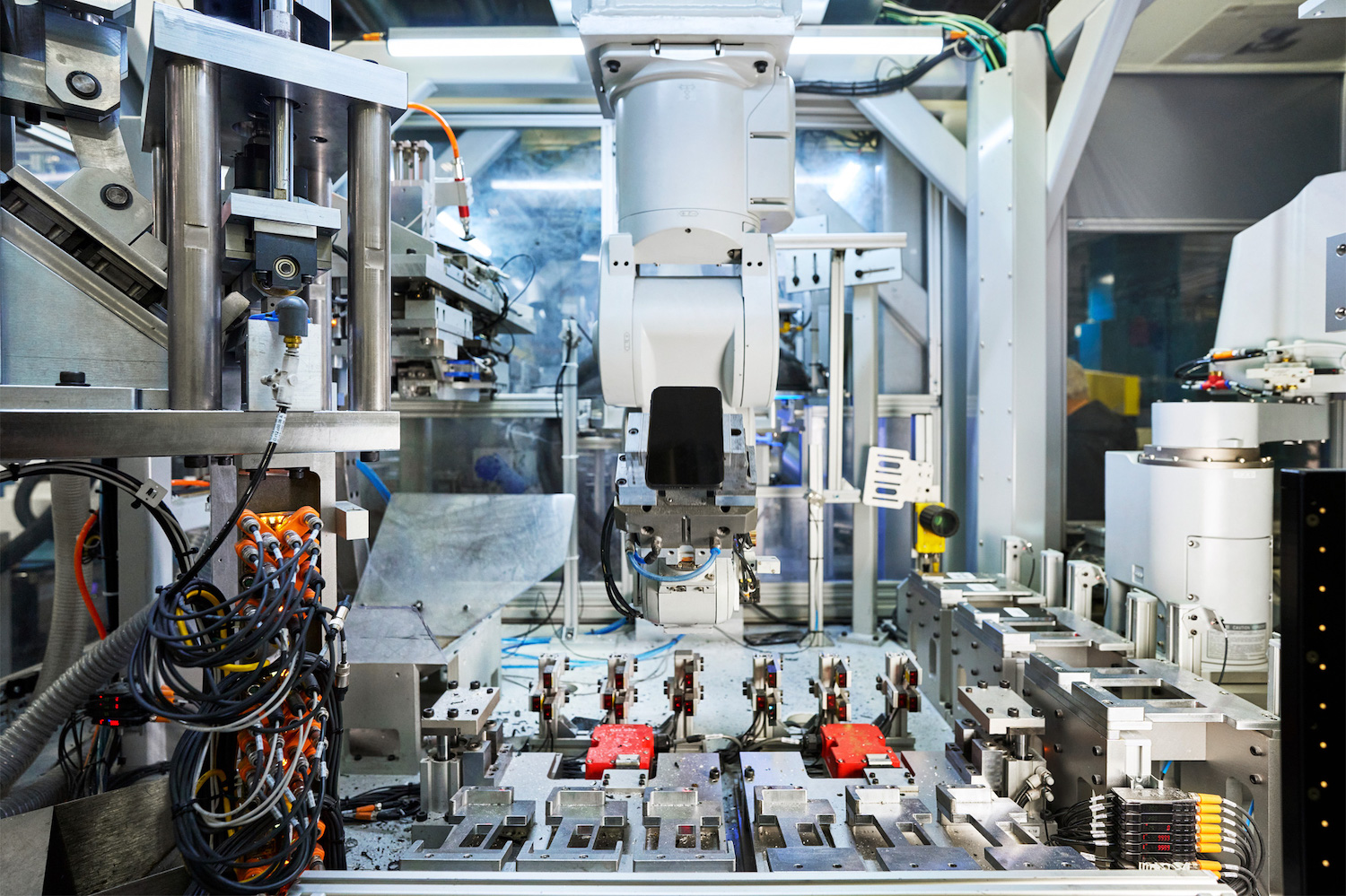




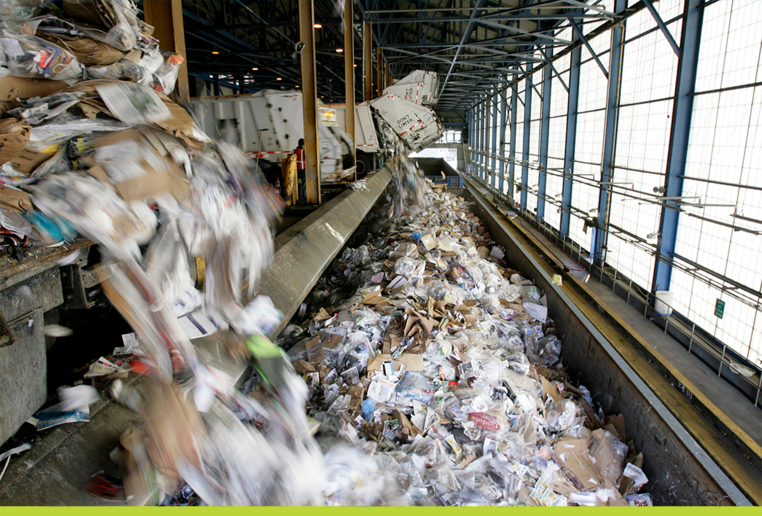


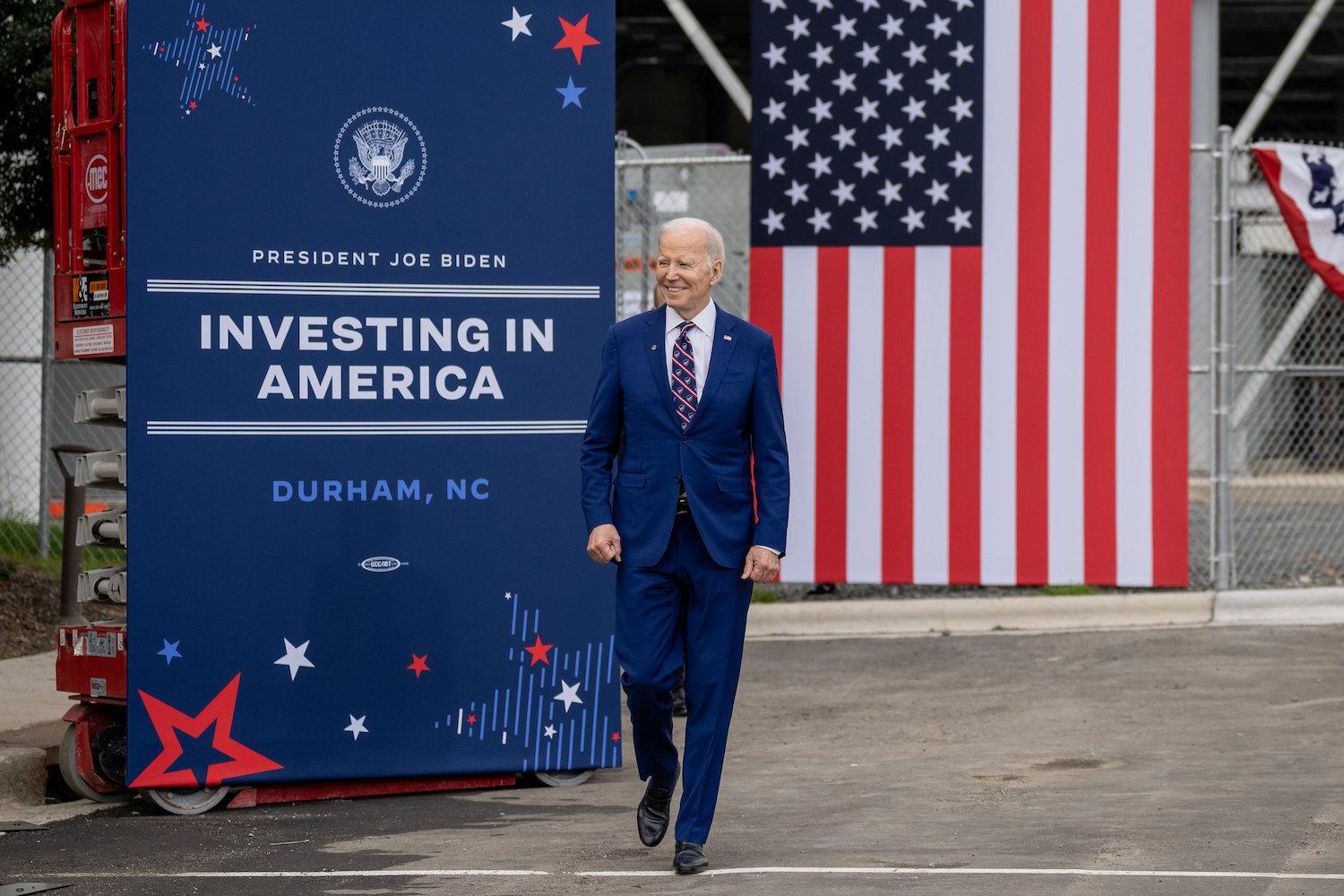










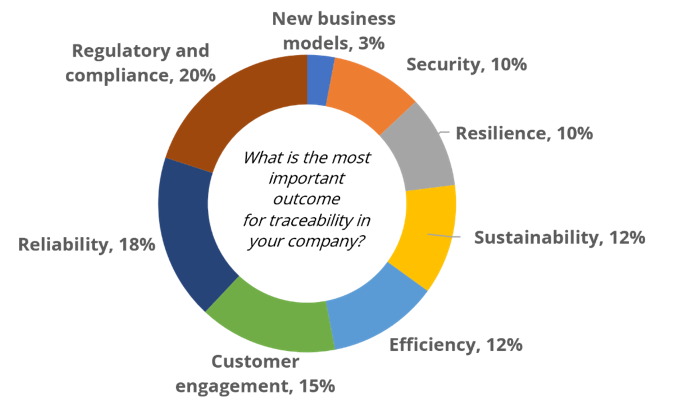
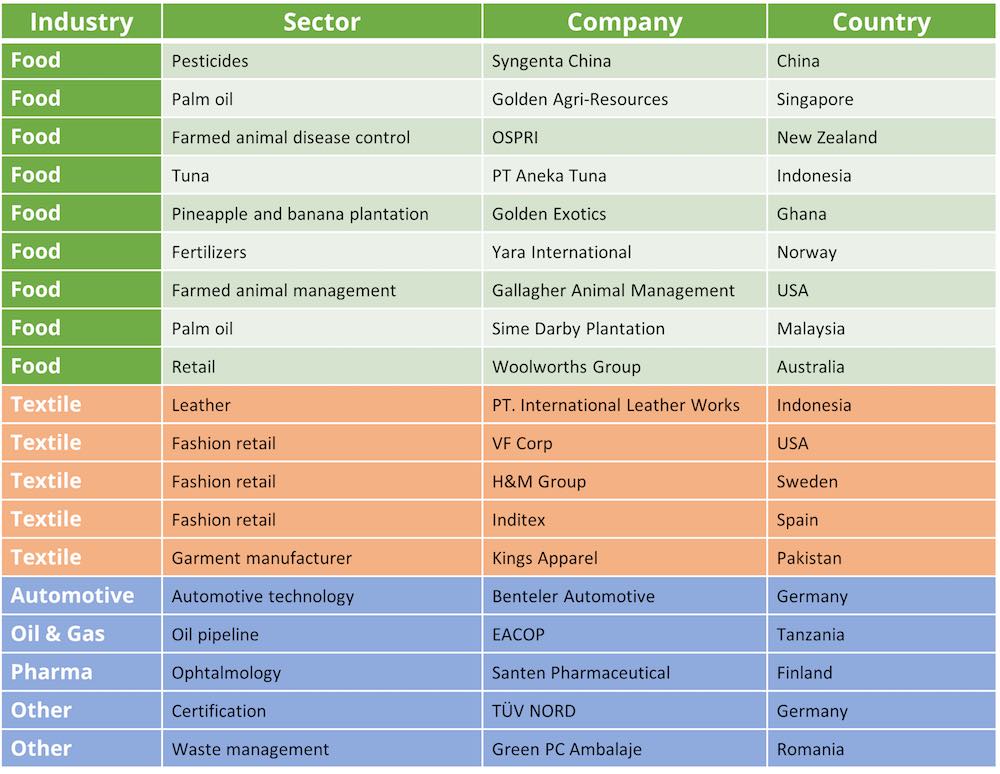




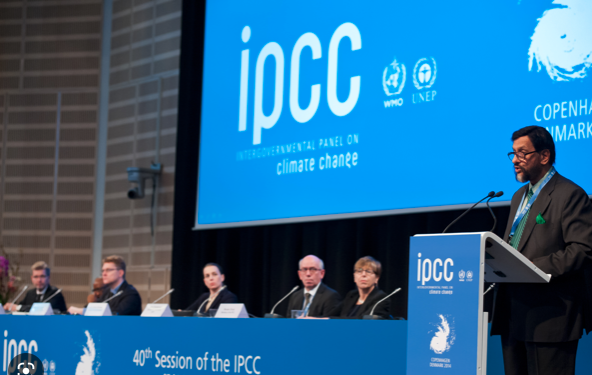
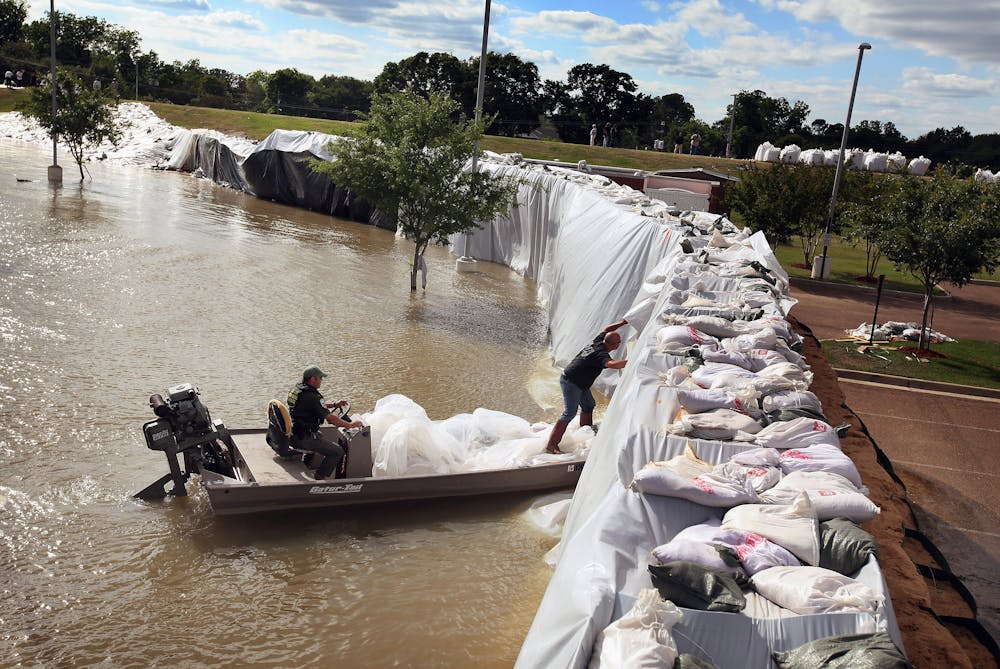
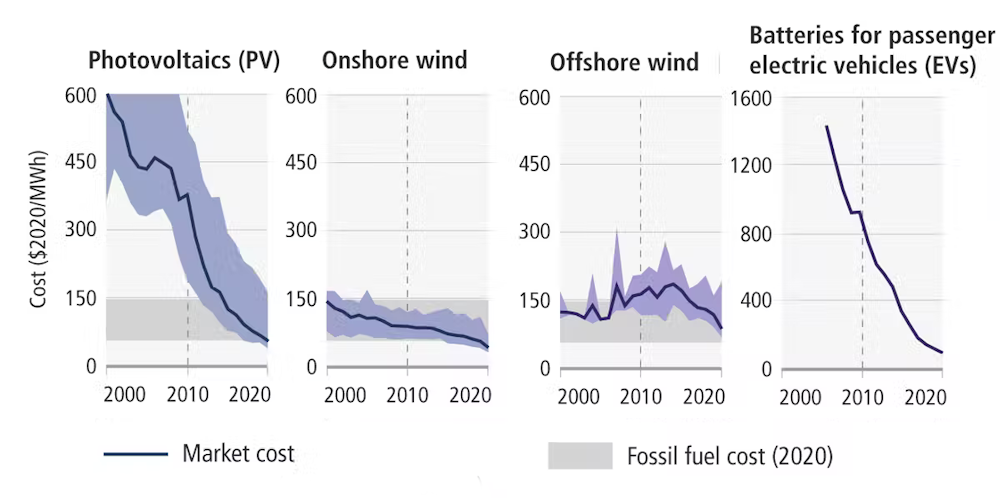









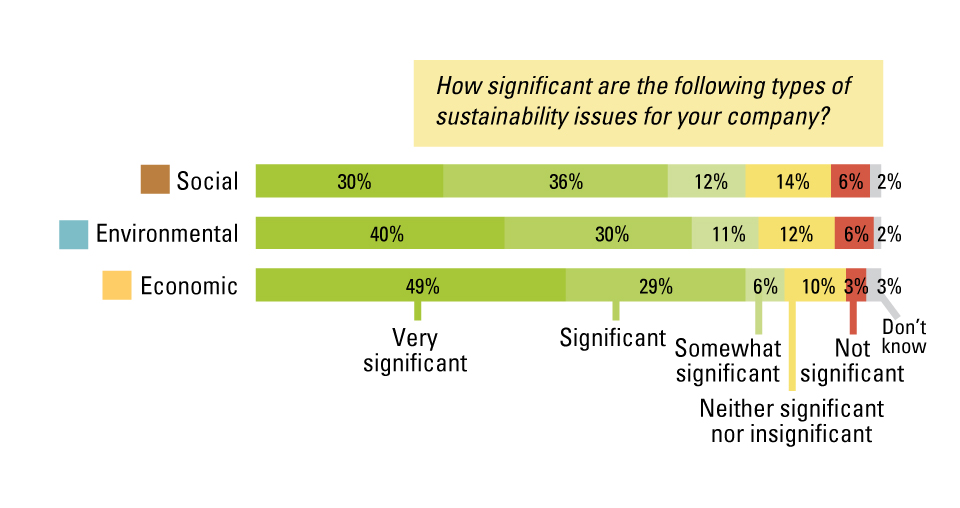


 Eric Block On Responsible Branding
You must be logged in to post a comment.