A flare burns off methane and other hydrocarbons as oil pumpjacks operate in the Permian Basin in Midland, Texas, Tuesday, Oct. 12, 2021. Massive amounts of methane are venting into the atmosphere from oil and gas operations across the Permian Basin, new aerial surveys show. The emission endanger U.S. targets for curbing climate change. (AP Photo/David Goldman)
By Rebecca Hersher from National Public Radio News • Posted: February 8, 2023
The most powerful climate policy tool available to the federal government is a single number. It’s called the social cost of carbon, and it represents the cost to humanity of emitting greenhouse gas pollution into the atmosphere.
The social cost of carbon adds up all the damage from carbon emissions – the lost crops, flooded homes and lost wages when people can’t safely work outside, plus the cost of climate-related deaths. The answer is expressed in dollars.
The current social cost of carbon is $51 per ton of carbon dioxide emitted.
Most climate experts agree that number is too low. That’s a problem because it can make it seem like the costs of climate solutions – such as the immediate price tag for building more public transit or expanding wind energy – outweigh the benefits, when in fact many of the benefits to humanity are simply being underestimated.
“That is an absolutely enormous improvement,” says Tamma Carleton, a climate economist at the University of California, Santa Barbara who is an expert on the social cost of carbon. “We don’t have other avenues for large-scale climate policy at the federal level. This is our main tool.”
But the new number is also controversial, because of the way that the EPA assesses the value of human lives lost due to climate change.
If you make more money, your life is worth more
A major reason the EPA’s new social cost of carbon is higher is because this is the first time the federal government has added to its calculations the cost of climate-related deaths outside America, including in developing and low-lying countries that are most vulnerable to the effects of climate change.
But the EPA didn’t assign the same dollar value to every life. Instead, a life lost in a lower-income country due to climate change is worth less than a life lost in a higher-income country.
The upshot is that the value of a climate-related death in the United States is equal to about 9 deaths in India, or 5 deaths in Ukraine or 55 deaths in Somalia. It also suggests that the life of a person in Qatar is worth almost twice as much as the life of an American.
“It’s inherently inequitable to use this kind of approach,” says Vaibhav Chaturvedi, a fellow at the Council on Energy, Environment and Water in New Delhi, India and a leading expert on global climate economics. “All lives are equally valuable.”
Chaturvedi argues that the EPA’s approach is both philosophically and logically wrong, because America’s greenhouse gas emissions endanger people everywhere. In fact, the people who live in low-lying and low-income countries are among the most vulnerable to the effects of climate change, including rising seas and extreme weather.
That’s true in India, he says, where climate-driven disasters killed an estimated 2,200 people last year, according to the Indian Meteorological Department. “What makes India very vulnerable [to climate change] is that it’s still a very low-income economy,” says Chaturvedi. For the EPA to assign less value to the lives of the people most affected by greenhouse gas emissions doesn’t make sense, he argues.
The EPA does not apply the same method to lives within the U.S. – the agency applies one value to all American lives, regardless of income.
The EPA declined to answer NPR’s questions about its method because the proposed social cost of carbon is currently accepting comments from the public. But an FAQ on the EPA’s website explains how the EPA conducts what it calls “mortality risk valuation.”
“The EPA does not place a dollar value on individual lives,” the FAQ explains. “Rather, when conducting a benefit-cost analysis of new environmental policies, the Agency uses estimates of how much people are willing to pay for small reductions in their risks of dying from adverse health conditions that may be caused by environmental pollution.”
Daniel Hemel, a law professor who studies how policymakers assign value to lives saved for the purpose of regulations, says the EPA’s social cost of carbon does put a dollar amount on human lives. “You’ll hear agencies say ‘We’re not valuing lives.’ I don’t know, they kind of are. They’re deciding how much it’s worth it to spend to save a life,” he says.
Residents of southwest Pakistan move through floodwaters in September 2022. People with less wealth are more vulnerable to the effects of climate change, including more severe rainstorms. Photo: Fareed Khan/AP
Getting this number right is important for the future of global warming
If you assigned the same value to lives around the world, the social cost of carbon would be much higher – almost double the number the EPA is currently proposing, says Tamma Carleton, who examined this question for a study published last year.
An even higher social cost of carbon would theoretically push the U.S. government to reduce greenhouse gas emissions more quickly and dramatically. “We’d end up being more concerned about climate change,” explains Hemel.
It’s unclear why EPA economists didn’t choose this route. Hemel speculates that some policymakers might be concerned about proposing a social cost of carbon that is so high, it appears to require the U.S. to take drastic, and politically unpopular, steps to slash greenhouse gas emissions. For example, banning gas-powered vehicles or eliminating domestic fossil fuel extraction.
Chaturvedi argues that the U.S. is missing an opportunity by not embracing the full value of the lives saved around the world if emissions fall. He says an even higher social cost of carbon could spur the development of new renewable energy technology or even methods to remove carbon from the air, which the U.S. could then export to the rest of the world.
Getting this number right is ethically important
The moral implications of the EPA’s approach loom at least as large as the practical and political ones.
“To systematically discount the value of deaths outside the United States is a grave moral mistake,” says bioethicist Paul Kelleher of the University of Wisconsin. “It’s important to get it right because these are life and death decisions.”
An estimated 74 million lives could be saved this century if greenhouse gas emissions are eliminated by 2050, a study published last year suggested.
“Every molecule of carbon dioxide matters.” The social cost of carbon, Kelleher says, “will make a difference to who lives, who dies, how good their lives are [and] how bad their deaths are,” for decades to come.
Hemel worries about the message that the EPA’s approach sends at home.
“I think we send a problematic message to Americans when we use a method for assigning values to lives outside the United States that ends up valuing light-skinned people from the global North more than dark skinned people from the global South,” he says.
By Tina Casey from triple pundit.com • Reposted: February 7, 2023
Crusaders against socially responsible investing have been holding forth about the evils of “woke capitalism” in recent years. For all the red-hot rhetoric, though, leading U.S. businesses continue to promote clean power. The latest effort involves GM, Ford, and other leading stakeholders in an effort to grow the market for virtual power plants.
What is a virtual power plant?
Although the idea may seem somewhat exotic, a virtual power plant is simply a networked grid system that enables individual electricity producers to interact with each other and with individual users. The overall aim is to avoid the cost of building new centralized power plants — and especially to avoid building new fossil power plants — while improving reliability and resiliency.
This network-based approach to grid planning is made possible by new smart grid and smart metering technology, along with the proliferation of rooftop solar and other small-scale renewable energy systems. It is a sharp contrast with the traditional strategy of building additional centralized power plants to get communities through periods of peak demand.
In addition, virtual power plants provide electricity users with new opportunities to save or even make money, depending on the incentives offered by their grid operator.
In a blog post last May, the U.S. Department of Energy described how virtual plants have come to include not only individual meters, but also individual appliances that are designed to interact with the grid, as well as electric vehicle charging stations and energy storage facilities.
“Operators gain the flexibility to better reduce peak demand and, as a result, defer investment in additional capacity and infrastructure to serve a peak load that is expected to increase as we electrify the nation’s economy,” explained Jigar Shah, director of the Energy Department’s Loan Programs Office.
Why don’t we all have virtual power plants?
For all their potential benefits, virtual power plants are a relatively new phenomenon, and they still account for a vanishingly small percentage of grid activity in the U.S.
In a followup blog post last October, Shah noted that the market for virtual power plants has only been open since 2020, through an order of the Federal Energy Regulatory Commission. “Nearly two years later, VPPs are just beginning to compete in organized capacity, energy, and ancillary services markets at a meaningful scale at the regional level,” Shah wrote.
In particular, Shah focused on the need for virtual power plants to secure revenue contracts. “To unleash the capital that makes ratepayer and wholesale power cost reductions possible, incumbent financiers need to see lower customer acquisition costs and consistent revenues for the critical services provided,” Shah noted.
Heeding the VPP call
GM and Ford have heeded the call for virtual power plants under the banner of the VP3, the new Virtual Power Plant Partnership hosted by the clean energy organization Rocky Mountain Institute (RMI). Other VP3 founding stakeholders include Google Nest, OhmConnect, Olivine, SPAN, SunPower, Sunrun, SwitchDin and Virtual Peaker.
GM and Google Nest served as seed funders of VP3. RMI also hopes to build on the success of its Renewable Energy Buyers Association partnership, of which GM is also a founding member.
“VP3 is an initiative based at RMI that works to catalyze industry and transform policy to support scaling VPPs in ways that help advance affordable, reliable electric sector decarbonization by overcoming barriers to VPP market growth,” according to a press announcement from the Rocky Mountain Institute.
“Our analysis shows that VPPs can reduce peak power demand and improve grid resilience in a world of increasingly extreme climate events,” added RMI CEO Hon Creyts, in a statement. “A growing VPP market also means revenue opportunities for hardware, software, and energy-service companies in the buildings and automotive industries.”
As a collaborative effort, VP3 will work to raise awareness about the benefits of virtual power plants, develop best practices and standards across the industry, and promote supportive policies.
The electric vehicle connection
Electric vehicles are in a perfect position to contribute to and benefit from virtual power plants, due to their mobility, flexibility and large energy storage capacity. That explains why Ford and GM jumped at the opportunity to get involved with VP3 as founding members.
Mark Bole, GM’s head of V2X and battery solutions division, noted that the V3 collaboration “underscores GM’s commitment to creating a more resilient grid, with EVs and virtual power plants playing a key role in helping to advance our all-electric future.”
In a separate announcement, Bill Crider, head of global charging and energy services at Ford, explained that electric vehicles are “introducing entirely new opportunities for consumers and businesses alike, creating a greater need for sustainable energy solutions to responsibly power our connected lifestyles.”
“Supporting grid stability through the introduction of technologies like Intelligent Backup Power is central to Ford’s strategy, and collaborating to advance virtual power plants will be another important step to ensure a smooth transition to an EV lifestyle,” Crider added.
Who’s next on the virtual power plant bandwagon?
Among the Big Three legacy U.S. automakers, Stellantis has yet to engage with VP3. That could change as the company that now owns Dodge and Chrysler ramps up its interest in virtual power plants.
In 2020, Stellantis began work on a large-scale virtual power plant in Italy based on electric vehicle-to-grid technology. The company, which also counts Fiat and Peugeot among its subsidiaries, may be waiting on the results of that project before committing itself to a policymaking endeavor in the U.S.
Interest in virtual power plants is also growing at Volkswagen and other overseas automakers that have an eye on the U.S. market. In addition, Tesla has embarked on virtual power plant ventures in California and Texas, deploying both its vehicle batteries and its Powerwall home batteries.
It remains to be seen if Tesla will collaborate with VP3 on industry standards, though. Tesla CEO Elon Musk established a well-known reputation for not collaborating in the early days of electric vehicle commercialization. He held out Tesla’s charging system as unique to Tesla, even as other automakers worked to create the standard CCS charging technology for Europe and North America.
Since its introduction in 2011, CCS has been supported by almost all other auto manufacturers in those two markets. Even Tesla itself leans on CCS to some degree, since it provides Tesla owners with an adapter to use at CCS charging stations. (Note: Japan and China continue to use their own charging systems.)
More recently, Musk further cultivated his outsider status in the early days of the COVID-19 lockdown when he criticized the U.S. government’s public safety guidelines and upstaged an inter-industry collaboration to restart U.S. factories. He also spread confusion and misinformation about the virus and the COVID-19 vaccine on social media.
When U.S. President Joe Biden convened a major media event for auto manufacturers in August of 2021, it was no surprise to see Tesla left out in the cold. Last year, the S&P 500 also took Tesla to task for not keeping pace with its peers in the auto industry on corporate ESG (environment, social, governance) issues.
Musks’s use of social media also makes Tesla an outlier among CEOs in the auto industry and elsewhere, in regards to his willingness to amplify and normalize white nationalist rhetoric.
With or without Tesla, though, VP3 is yet another instance in which industry leaders are swatting away the anti-ESG agitators like flies to take advantage of new opportunities to grow their businesses and attract new customers.
By Ashish Prashar from Triplepundit.com • Reposted: February 7, 2023
We in the advertising industry talk a lot about equity and inclusion. We design a lovely showroom that celebrates our apparent commitment to diversity in all its forms. Sadly, this is all superficial. Peel back the curtain and we see … nothing. We continue to ignore blatant racism and injustice and fail to take even the most basic steps that can drive real change.
For all the pledges we saw from agencies in 2020 to finally address systemic racism, over two years later we’ve seen little real action. Even while they complain of a “war for talent,” agencies aren’t doing enough to change how they recruit and promote talent and are struggling to make a meaningful cultural impact.
Racism and exclusion persist in the workplace, with higher turnover rates and lower promotion rates among people of color. For years, we’ve known there’s a clear business case for prioritizing diversity, equity and inclusion at work beyond lip service. A McKinsey study found that the most diverse companies were 36 percent more profitable in 2019 than their least diverse counterparts.
While companies may sometimes have good intentions in coming forward with commitments after a big cultural moment, the impact falls short every time. After George Floyd’s death in 2020, company after company promised to recruit and retain more diverse talent and pledged to put cash toward DEI. But there was little accountability. Companies often don’t report their demographics, and it’s even more rare that they disclose information about spending.
A number of agencies are recruiting more diverse talent, and some are willing to share their data, with varying degrees of detail and frequency, but there is a lot more work to be done — particularly when it comes to instigating change at the top. This is where agencies can move beyond anti-bias and anti-racism training to provide things like committed executive sponsorship and mentorship of young diverse talent.
It can be difficult to hold organizations accountable when it comes to all aspects of DEI, particularly when looking beyond financial commitments and assessing what data is important when considering DEI progress.
We need to think bigger If we’re going to make meaningful change. The best DEI strategies target all parts of companies, and that starts by going beyond recruiting. Recruiting a diverse workforce is one part of DEI, but it should be viewed as a first step, not a comprehensive solution. It takes holding leaders accountable for change, something agencies haven’t seemed willing to take on. This may include difficult decisions around current leadership and has to encompass taking the impact on talent and agency culture into account when filling new leadership roles. Managers who create or enable a workplace environment that makes people of color uncomfortable should never be shoo-ins for new leadership roles.
It also means asking questions about who we work with, the kind of work we want to create, and the stories we want to share with the world. Companies often make the biggest difference when they change something within their spheres of influence. In this industry, our sphere of influence is narrative.
The creative industry has served as an arbiter of ideas and a reflection of a society’s failing or burgeoning health. Creatives have had a powerful hand in building either massive propaganda machines or culture-changing art and movements. The question about which side we’ll fall in this dichotomy can be answered by choosing to be conscious of our resources and of our responsibilities.
It is our responsibility in the creative industry to question what ideas and values we are disseminating, what stereotypes or biases we are introducing, and to whom we are giving platforms through our work. But it’s not enough just to avoid making the mistakes of the past. This industry has a responsibility to create new narratives that help tear down the biases and stereotypes it has previously helped perpetuate.
If agencies really want to make a difference in connecting with people of color, they can start by working on the issues and causes that impact and shape our lives. There is no shortage of partners in need of help addressing issues like justice reform, education and healthcare equity. Find out who you can work with to make an impact, and get to work. Talent (and prospective talent) will notice.
Make 2023 the year that your agency was truly an ally in the fight for diversity.
Hotel companies begin to set ESG goals. From CBRE Group • Reposted: February 6, 2023
The COVID-19 pandemic accelerated the urgency for companies and individuals to act to protect the wellbeing of the planet, their communities, their employees, and in the case of hotels, their guests. As such, environmental, social and governance (ESG) initiatives have accelerated.
The hotel industry’s commitment to ESG initiatives, while somewhat nascent, is increasing. Rising energy costs, which have increased electricity costs by 10% since May 2021, are likely to accelerate the industry’s focus on sustainability, particularly given the shift in traveler preferences toward more sustainable tourism and green accommodations and the growing demand for disclosure around climate risk. Although Russia’s invasion of Ukraine, which has exacerbated energy price hikes, might motivate hotel operators to invest in long-term environmental upgrades, higher interest rates and sharply declining equity prices may offset this positive momentum, at least in the near term.
*COMPANIES HAVE SET A TARGET TO LIMIT GLOBAL WARMING TO 2° OR 1.5° CELSIUS BY A SPECIFIED DATA. SOURCE: COMPANY FILINGS, CARBON DEVELOPMENT PROJECT, SCIENCEBASEDTARGETS.ORG, GLOBALREPORTING.ORG
(E)nvironmental
According to the Sustainable Hospitality Alliance (SHA), to keep pace with the targets outlined in the Paris Agreement, the global hotel industry needs to reduce carbon emissions per room per year by 66% by 2030 and 90% by 2050 (SHA, 2017).
Companies like Accor, Hilton, Hyatt, IHG and Host Hotels have aligned themselves with science-based target initiatives (SBTi), which manage emissions reductions and net-zero commitments. Many hotel companies have made commitments to reduce their impact on the environment by setting climate-based targets. In many cases, they have adopted near-term targets on the path to achieving net zero. For example, Hilton pledged to reduce scope 1 and 2 emissions by 61% by 2030. Marriott is committed to setting SBTi targets under the 1.5-degree scenario and targets a 30% reduction in carbon intensity by 2030.
Investors are interested in understanding exposure to these climate risks. In the hotel industry, corporations have started to recognize the importance of reporting and disclosing standards and the need to set targets to mitigate climate risks early. Benchmarking has historically been difficult because of the lack of transparency. Ten years ago, IHG created its own system, called Green Engage, for measuring the environmental friendliness of its hotels. However, the industry has moved to standardized measurement systems such as Energy Star and LEED certification for U.S. buildings including hotels. As regulations, disclosure requirements and policies in the U.S. come into focus, companies that take steps to implement and invest in disclosure and goal setting will be ahead of the game.
SOURCE: AMERICAN HOTEL AND LODGING ASSOCIATION (AHLA)/CASTELL PROJECT.
(S)ocial
Developing a workforce, franchisee base and supplier network representing diverse populations and assuring equity and inclusion of all stakeholders has become a priority for many hotel companies. Social concerns also encompass issues related to guest and employee wellness and labor practices, as well as training programs that prevent human trafficking and human rights violations.
Companies create and support training programs to help at-risk youth and underserved populations by developing hospitality skills and a career path in the hospitality industry. In addition, companies look for ways to give back through monetary donations and volunteer hours.
Organizations like the National Association of Black Hotel Owners, Operators and Developers (NABHOOD), Asian American Hotel Owners Association (AAHOA), American Hotel and Lodging Association (AHLA)/Castell Project, National Society of Minorities in Hospitality (NSMH), She Has A Deal (SHAD), and Latino Hotel Association (LHA) advocate and support growth in women- and minority-owned, developed and operated hotels within the industry. According to AAHOA, Asian Americans represent more than 20,000 hoteliers owning 60% of hotels in the U.S. Black ownership remains below 2%, but this figure is growing, according to NABHOOD.
SOURCE: AMERICAN HOTEL AND LODGING ASSOCIATION (AHLA)/CASTELL PROJECT.
Operator hiring practices are focused on ensuring diversity among staff and upper management. While the industry has made some progress in increasing the representation of women and Black employees in executive roles, trends among C-suite executives have held steady. According to the American Hotel and Lodging Association (AHLA)/Castell Project, 6% of hotel company CEOs are women, while less than 1% are Black. The hotel industry slightly lags the market where 8% of Fortune 500 CEOs are women and 1% of CEOs are Black. Marriott and Hilton have gender parity targets, and Wyndham aims for 100% gender pay equity by 2025. Host Hotels aims to include at least two women and two people of color in the candidate pool for all externally sourced executive positions.
While representation in high-level management has stayed roughly the same over the past several years, there has been an increase at the senior vice president, vice president and director levels, hopefully leading to a more diverse pool of potential candidates for higher-level positions in the future.
Many companies make supplier choices based on alignment with ESG priorities. For example, one of Hilton’s inclusivity-related goals is to double the spending on sourcing from local, small and medium-sized businesses and minority-owned suppliers. Choice Hotels’ supplier diversity program develops opportunities for diverse suppliers, educates associates and fosters an inclusionary procurement process among suppliers. Several hotel companies, including Choice, Hilton, Marriott and Wyndham, are members of the National Minority Supplier Development Council, whose mission is to serve as a growth engine for minority-owned business enterprises (MBE).
Operators are focused on making hotels a more integral part of the larger community with efforts to increase charitable giving and volunteering. Marriott, Hilton, Hyatt and Wyndham have set goals for employee volunteer hours and targets for annual corporate giving.
(G)overnance
Governance issues include board diversity, company ethics, transparent reporting on the environmental and social goals, and clear executive compensation guidelines.
Proxy advisory firms create policy guidelines each year to help institutional investors assess how to vote on various proxy items that might arise during the year. The most recent Glass Lewis policy updates for 2022 included voting provisions on board diversity and composition, oversight for ESG risks, Special Purpose Acquisition Companies (SPACs), Say on Climate, and Say on Pay proposals. The last two topics allow shareholders to comment on a company’s climate and compensation strategies.
Best governance practices include having independent directors, separating the role of CEO and Chairman, staggering board terms, and eliminating poison pill provisions. Many public hotel companies and REITs follow some of these best practices already. Most hotel companies allow employees to anonymously report financial and ethical misconduct to promote ethical company culture. Hotel companies have also released statements regarding policies on human rights and condemning human trafficking.
SOURCE: GOOGLE TRENDS KEYWORDS: ECO-HOTEL, ENVIRONMENTAL HOTEL, GREEN HOTEL.
Why is ESG important?
Increasingly, travelers are expressing an interest in patronizing eco-friendly and socially responsible companies. The need to reduce carbon emissions from transportation could necessitate changes in business and leisure travel, a risk that could arise for hotel owners.
According to Google Insights, more than 50% of travelers surveyed say that environmental and sustainable considerations are essential when planning travel. As reported in the New York Times, according to a Booking.com survey, 71% of guests planned to travel “greener” and more than half indicated that they are determined to make more environmentally conscious travel choices in the next year.
Guests can quickly assess the environmental friendliness of a hotel by using rating systems like Tripadvisor’s GreenLeaders, Green Key Global, Green Seal, Green Tourism Active, Audubon Green Lodging Program, Travelife, or Earth Check, and LEED or Energy Star Certification provide information about the sustainability of a property. Since February 2021, the amount of searches on terms such as environmental hotel, green hotel and eco-hotel have remained above 2019.
The search for environmentally friendly accommodations is most common among luxury hotels guests who often seek vacations at resorts in environmentally sensitive areas like beaches and mountains. According to Virtuoso, a network of luxury travel agencies, in April 2021, 82% of travelers said the pandemic has made them want to travel more responsibly in the future. Half said it was important to choose a company that had a strong sustainability policy. While there is some evidence that guests are willing to pay a premium for environmentally sustainable accommodations, because of inflation and uncertainty in the market, the premium they are willing to pay remains unclear.
Hotel operators focus their environmental efforts on four key areas: water conservation, energy efficiency, carbon emissions and waste reduction. Unlike other real estate sectors, hotel buildings operate 24/7 so investment in technology to help manage the systems within the buildings provides savings over more hours of the day.
WATER
Water scarcity is a global problem. Many popular tourist destinations are in water-stressed areas. Hotels use eight times the amount of water the local community uses (SHA, 2017). As a result, how hotels manage water usage and consumption will substantially impact water-stressed communities. Water conservation efforts can include minimizing water use in bathrooms, laundry, landscaping and pools and installing water management systems. Offsite projects aimed at protecting and preserving local watersheds can also be created.
WASTE
Waste reduction efforts focus on cutting food waste and upcycling materials. 18% of food purchased by hospitality and food services goes to waste (SHA, 2017). Many hotel companies have set targets to reduce the amount of food waste generated by their operations by 2030. Further, many have started implementing procedures to reuse and repurpose non-food waste. Several companies have eliminated straws and single-use plastics. Others participate in programs that recycle discarded soaps and amenities.
ENERGY
Most hotel companies are installing energy-efficient lighting and solar panels, sourcing clean electricity and purchasing energy-efficient appliances. Many are using predictive monitoring systems to optimize and manage energy use. New properties are often planned and built with energy efficiency in mind. With margins under pressure because of rising costs, investments in energy efficiency could pay off in the long run. In 2021, utility costs decreased to slightly more than 4% as a percentage of revenue and rose to slightly less than $2,000 per available room, which is still below the high of $2,087 in 2009. However, given increasing occupancies and higher utility costs in the wake of the pandemic and the steep pullback in hotel occupancies but not room rates, we expect utility costs to reach a record $3,214 per available room in 2022, up 67% year-over-year.
CARBON EMISSIONS
1% of global carbon emissions come from the hotel industry (SHA, 2017). Many hotel companies measure and report the greenhouse gas (GHG) emissions from their owned and headquarter properties. In 2021, Hilton achieved a 50% reduction in carbon emission intensity in managed hotels and a 43% reduction for all hotels across their portfolio as measured against a 2008 baseline. Like Hyatt and Wyndham, many have set targets to reduce the GHG emissions generated from activities at these locations. A company’s value chain emits GHG through, for example, the actions of suppliers, business travelers and franchisees. Since most hotel c-corporations do not directly own most of their hotel properties, creating a carbon minimization strategy for their entire portfolio of owned, managed and franchised hotels may be more complicated.
Meeting planners and corporate and government travelers may request environmental impact information before making travel plans. Measurement and tracking are becoming a necessity. Uniform System of Accounts for the Lodging Industry (USALI) and other organizations are preparing to adopt standards and guidelines to help operators track waste, energy and water to make it easier to report on the environmental impacts of operations.
*FOR ACCOR AND IHG, TOTAL OWNED, MANAGED, OR FRANCHISED HOTELS REPRESENT HOTELS IN THE AMERICAS NOT JUST US HOTELS. SOURCE: ENERGY STAR.GOV, US GREEN BUSINESS COUNCIL, COMPANY FILINGS.
What Guests Can Expect
Guests should expect hotels to focus on wellness and placemaking including meals that include sustainably and locally-sourced food. Farm-to-table and farm-to-spa concepts are on the rise.
Companies support employee and guest wellness with added fitness facilities like a Peleton room, additional outdoor space, improved air quality systems and healthier locally inspired food options. In addition, guests may start to see décor that reflects local artisans and relies on upcycled materials. Improved hygiene and safety standards reflect expectations from the pandemic and are likely to remain as the pandemic recedes. Eco-friendly bedding and optional room cleaning for more than one-night stays are available in most hotels. The pandemic led to reduced housekeeping, and labor shortages and cost concerns have pushed chains to offer housekeeping upon request. However, union campaigns to bring back daily housekeeping to preserve jobs could jeopardize these efforts.
Financing Transactions and Development
As interest in environmental sustainability increases, companies turn to green bonds or sustainability bonds to finance many environmental projects.
The global green bond market hit $1 trillion in 2021. In the U.S., sustainable fund assets surpassed $300 billion. In 2020, Park Hotel Group in Singapore issued $176 million in green bonds to refinance the Grand Park City Hotel. In 2021, Host Hotels issued $450 million in green bonds to finance green projects, including increasing the number of LEED-certified buildings in the portfolio. Accor issued €700 million in sustainability bonds in November 2021 to refinance debt. These bonds are tied to the company’s sustainable development goals.
According to the LEED certification website database, there are more than 1,000 hotels associated with the LEED certification process in the U.S., excluding confidentially listed properties. Nearly 30% have achieved Platinum, Gold or Silver certification. An additional 154 hotels are LEED-certified. However, LEED-certified hotel properties represent less than 1% of hotel and motel properties in the U.S. Hotel REITs have a higher percentage of LEED- or Energy Star-certified portfolios among public companies, with Host boasting 23% of their portfolio certified to these standards. Marriott has nearly 9% of its owned, managed and franchised properties LEED- or Energy Star-certified, according to information gathered from LEED and Energy Star. Marriott set a goal to have 100% of their owned, managed and franchised hotels globally certified to a recognized sustainability standard, including, for example, Green Key and Green Globe.
SOURCE: COMPANY FILINGS AND REPORTS.
Conclusion
The hotel industry is in the early stages of achieving meaningful changes to environmental practices. Guest preferences and government mandates that include financial penalties and/or incentives will greatly influence the speed at which companies move toward their stated targets.
As the U.S. works to create a federal environmental policy, state and local governments will continue to set the agenda. Green projects will be facilitated by lowering the costs related to the projects and increasing the incentives to build and develop green projects. While current geopolitical and economic factors may have taken center stage, ESG goals will likely remain prevalent as countries prepare for the UN’s climate change conference, Conference of Parties (COP26), in November 2022.
Heavy traffic seen on Interstate 35W in Minneapolis. Minnesota’s own 3M is one of the companies pledging millions of dollars to help reduce traffic fatalities as part of a Department of Transportation program. Photo: Kerem Yucel | MPR News 2022
From the Associated Press • Posted: February 4, 2023
Nearly 50 businesses and nonprofits — including rideshare companies Uber and Lyft, industrial giant 3M and automaker Honda — are pledging millions of dollars in initiatives to stem a crisis in road fatalities under a new federal effort announced Friday.
It’s part of the Department of Transportation’s “Call to Action” campaign, which urges commitments from the private sector, trade groups and health and safety organizations to reduce serious traffic injuries and deaths.
Traffic fatalities are near historic highs after a surge of dangerous driving during the coronavirus pandemic.
The public-private effort, unveiled Friday as part of the department’s multiyear strategy started last year to make roads safer, ranges from investments to improve school crosswalks to enhanced seat belt alerts in Uber vehicles and a partnership between the Centers for Disease Control and Prevention and the National Highway Traffic Safety Administration to promote proven injury prevention strategies, Transportation Secretary Pete Buttigieg told The Associated Press.
It comes on the heels of the award of 510 transportation grants this week totaling more than $800 million under the bipartisan infrastructure law to states and localities that, for the first time, focus on road safety such as by adding bike lanes, lighting, protected left turns and sidewalks.
After a record spike in 2021, the number of U.S. traffic deaths dipped slightly during the first nine months of 2022, but pedestrian and cyclist deaths continued to rise. More than 40,000 people are killed in road crashes a year.
“It’s still a crisis,” Buttigieg said, stressing a need for a national change in mindset. “We’re looking at road deaths coming in year after year in a similar proportion to gun deaths. The problem is they’re so widespread and so common that I fear as a country we’ve gotten used to it and perhaps fallen into the mistaken sense they’re inevitable.”
“We can’t solve any of this on our own,” he added. “We also know there isn’t one piece that will get this all down. But if we add all this together it can be enormous.”
Road travelers will see an array of safety measures this year. Uber told the AP that it is donating $500,000 — its single biggest investment in its effort to reduce drunken driving — for free and discounted rides in Colorado, Georgia, Illinois, Missouri and Texas as part of the “Decide to Ride” program run in tandem with MADD and Anheuser-Busch.
The world’s largest ride-share company also said it was doubling the availability of its bike lane alerts this month from 71 cities to 144 for passengers exiting vehicles near cycling routes and providing a safety checklist for Uber Eats bicycle couriers. It also pledged to strengthen its seat belt alerts, such as by increasing their frequency or adding an audio message along with pop-up messages urging riders to “buckle up.”
“We were thinking about how we could make an impact more broadly — how we can get people to start making better choices,” said Kristin Smith, head of Uber’s road safety policy. “We know it’s going to take a broad coalition of people to be tackling the crisis on U.S. roadways right now.”
Uber’s investment comes along with separate commitments from Lyft, the second-largest rideshare company, which has partnered with the Governors Highway Safety Association in recent years to award tens of thousands of dollars in state grants to help reduce impaired driving and curtail speeding.
3M, the maker of Post-it Notes, industrial coatings and ceramics, told the AP it was continuing its partnership with state transportation agencies to identify the best technology to make road signs and lane markings more visible and reflective.
It’s already pledged to improve 100 school crossing zones and added to that a commitment of $250,000 this year for a new transportation equity initiative that will fund half a dozen major projects in underserved areas. The company cited as an example its partnership with nonprofit groups to help build out Providence, Rhode Island’s, Hope Street Urban Trail last year, featuring new bike and pedestrian lanes connecting the neighborhood to schools and the commercial district.
Dan Chen, president of 3M’s Transportation Safety Division, praised the federal government’s call for action as the “right approach” that will allow companies like 3M to work in sync with policymakers and other stakeholders “to make roads safer for drivers, pedestrians and cyclists.”
Other businesses and groups joining the effort include American Honda Motor Co., which pledged continuing investments totaling $2 million to improve teen driver safety; UPS, which will install automatic emergency braking on its newer big delivery vehicles; and the Alliance for Automotive Innovation, a trade group, which will step up its push for industry adoption of safety technologies such as auto high beam.
The Transportation Department said it was issuing an open call for pledges, and more companies were expected to join in the coming weeks.
Buttigieg, noting the need for a sustained, multiyear effort to substantially reduce traffic fatalities, emphasized the opportunities as well with President Joe Biden’s five-year $1 trillion infrastructure law and said much more work remained to rebuild public works and improve people’s livelihoods.
“I definitely have four years’ worth of items and then some,” he said, speaking of his job as transportation secretary.
By Edward Palmieri via triple pundit.com Reposted: February 4, 2023
In 2020, Meta achieved net zero greenhouse gas emissions for our global operations and today, we are supported by 100 percent renewable energy. These are good first steps, but we have so, so much work still to do to become a fully sustainable company.
That was my thought as I arrived in Sharm El-Sheikh, Egypt, for the 27th annual U.N. climate conference, or COP27. Held in November 2022 and dubbed theClimate Implementation Summit, the event gathered leaders from the public, nonprofit and private sectors — the global sustainability community — to debate, celebrate and negotiate global climate action.
Going in, “implement” was the word top of mind as leaders were expected to follow up on ambitious goals set the year before in Glasgow, Scotland. By day eight, however, the word on my mind was “mired.” As in: Are we, collectively, moving fast enough?
This year’s event had its high points —President Joe Biden’s address to world leaders, in which he affirmed the United States’ commitment to a low-carbon future, was certainly one. But COP27 missed the mark in some key ways, such as creating financing for developing countriesstruggling under the financial burden of climate change and creating mechanisms to help more countries reduce emissions. It is also clear we can all do more to measure and report on yearly progress.
Edward Palmieri, director of global sustainability at Meta, speaks on a panel with other business leaders at COP27. Submitted Photo.
At Meta, we believe the private sector has a critical role to play in our global ambitions to mitigate and adapt to the impacts of climate change. During a challenging period for the company, focusing on the “true north” of measurable climate action and building climate resilience remains essential to our future and our bottom line.
Year-over-year, our net zero goal remains fixed even as we grow — both in terms of our users today and our plans for the metaverse tomorrow. And along with our net zero ambition, we are progressing related goals, including our aim to restore more water than we consume in our global operations.
Bringing all of this back to COP27, it’s clear that we can’t do it alone. No one can and, in fact, this is one of my favorite things about working in sustainability: collaboration. As we embark on a new year, Meta remains committed to collaborating with those committed to climate change and continues to expand our network of global partners. Most recently, we’ve:
Helped launch theAsian Clean Energy Coalition to advance renewable energy procurement in Asia with the World Resources Institute and other technology companies.
Announced a new partnership with Stripe, Alphabet, Shopify and McKinsey Sustainability to launch Frontier, an advanced market commitment to help scale emerging carbon removal technologies that are crucial to tackling climate change.
Embraced an Emissions First accounting framework that moves beyond the current approach of megawatt-hour matching and focuses on emissions impact.
And during COP27 itself, were honored to supportThe Resilience Hub, an inclusively-built virtual and physical space that served as the home to the Race to Resilience campaign. Representing more than 1,500 non-state actors taking action on resilience around the world, the hub hosted more than 60 sessions each with incredible speakers offering their expertise and perspectives as well as live performances, art and culture.
Importantly, too, Meta is supporting and amplifying changemakers on the front lines of the climate fight. After our largest-ever global survey about climate change this past spring painted a picture of deep concern among respondents, we’re already seeing meaningful change happen when communities come together. More than 40 million people around the world are part of at least one of the 24,000 Facebook Groups dedicated to the discovery, protection, and appreciation of the earth and our environment.
In the meantime, Meta Sustainability continues to report on its work across our enterprise. As theU.N. High-Level Expert Group report clearly states, integrity matters, which is why our net zero commitments are not only public but are relentlesslytracked and reported each year.
But as the U.N. report notes, a net zero pledge “must contain steppingstone targets for every five years” in line with Intergovernmental Panel on Climate Change (IPCC) or International Energy Agency (IEA) pathways as well as “prioritize urgent and deep reduction of emissions across their value chain.”
We agree. That’s why I look forward to sharing our own specific decarbonization plans in early 2023. And while I look forward to seeing my sustainability peers at COP28 next November as well, I encourage those in the private sector — companies big,small and every size in between— to join us in the climate fight.
Time is literally running out — and we need all of you, and all of your solutions, to make this work.
The Little Sable Lighthouse on Lake Michigan. Many of the legal diversions of water tap Lake Michigan. Photo: MI PR
From Michigan Radio | By Lester Graham • Published February 2, 2023
This week a nationwide Associated Press story looked at the possibility of pumping water from the Mississippi River to the drought-stricken West. That might sound familiar. For years, people in the Great Lakes region have been wary of those dry states looking at diverting water from the Great Lakes.
The cost to pump water that far would be enormous, as Michigan Radio’s Mark Brush reported in 2015. It would require hundreds of miles of large pipes. Since much of the distance would be uphill — across at least one mountain range — many new power plants would be needed to power the pumping stations along the way. In the past, it was believed the cost of that water would astronomical.
With years-long droughts in Western states, some areas are desperate for water. And when you’re desperate you might be tempted to spend astronomical amounts. The thinking is pretty simple: If the Great Lakes have so much water and we have so little, doesn’t it make sense to give us access?
“I think that’s very intuitive to people,” said University of Michigan professor Richard Rood. He studies climate change and its effects.
But the Great Lakes states have an agreement that bans diverting water from the lakes. The Great Lakes Compact was approved partly because they were concerned about diversions closer to home. Towns straddling or just outside the basin wanted access to the water. The Great Lakes Compact bans water diversions in most cases. And even if a diversion is approved, it takes a unanimous vote from all eight Great Lakes states.
Climate change and its effects are challenging all our notions about controlling water. Economic and political pressures are building.
“I believe that once those stresses get high enough, that really all treaties, all things that have been done by humans will be up for negotiation,” Rood said.
Climate change effects are happening sooner and causing challenges that are catching policymakers unprepared.
The water levels of the Great Lakes is a good example. The lakes have always had a cycle of high levels and then low levels. But the much quicker water-level changes, along with higher highs and lower lows, are new.
When water levels get extremely high as they have been in recent years, there aren’t a lot of mechanisms to lower the level. There’s no pressure valve.
“I feel as if one of the most important things to do to anticipate climate change for this region is to start to seriously think about water and water management associated with the Great Lakes,” Rood said.
He did not specifically say that the excess water could or should be pumped elsewhere. But all the tools and all the rules regarding the Great Lakes could be subject to unprecedented economic and political pressure if officials are not prepared.
Rood says they need to start looking at things anew.
“I think all of those compacts, all the agreements, any engineering assets that are currently available were designed for an old climate. And when they were considering the new climate, I don’t think that they actually considered how quickly the climate is changing.”
As soda consumption has dropped in the West, companies are making an effort to woo new customers in other places. This Coke bottle ad is in Mozambique. Photo: Thomas Trutschel/Photothek via Getty Images
That’s a question Coca-Cola and other soda makers are wrestling with as soda drinking has waned in U.S. and European markets.
In the 2010s, Coke made a big push into rural parts of lower income countries to sell more soda. So they made smaller, more durable bottles – a 1-cup serving size that could be sold more cheaply and last longer on the shelves.
They built solar-powered coolers that allowed sellers to keep Coke bottles cold in places off the electrical grid – and offer mobile phone-charging to their customers.
And they launched “splash bars” – small businesses run by women that sold shots of Coke, Fanta and other Coca-Cola products for as low as 7 U.S. cents a serving to make the beverage affordable to everyone.
Eduardo J. Gómez is the author of the new book Junk Food Politics: How Beverage and Fast Food Industries Are Reshaping Emerging Economies. Photo: Eduardo J. Gómez
The company presented this strategy as a win-win – they benefited because their product was becoming more available in remote areas and female entrepreneurs had a new way to earn a living.
That’s a story that Eduardo J. Gómez tells in his new book. As he points out, Coke’s characterization of a win-win isn’t universally embraced.
Gómez, director of the Institute of Health Policy and Politics at Lehigh University, says Coca-Cola is one of many junk food companies – fast-food giants like McDonald’s and KFC – who are targeting “emerging economies” – countries where income is on the rise along with trade with wealthier nations.
In these countries, many people see the ability to buy so-called junk food – not just soda but packaged chips and candies and fast food from chains – as a sign they’re made it. And the junk food manufacturers try to put a positive face on their campaignsto expand their audience. They forge partnerships with local governments to fight hunger and poverty – even as the rising consumption of junk food leads to soaring rates of obesity and diabetes.
In his new book, Junk Food Politics: How Beverage and Fast Food Industries Are Reshaping Emerging Economies, Gómez describes a two-way street, where industry and political leaders work together to launch well-meaning social programs – but also skirt regulations that would harm industry’s profits. The result, Gómez says, is that junk food industries thrive in low resource countries at the expense of children and the poor, who develop long-term health problems from consuming sugar-laden, ultra-processed foods.
NPR spoke with Gómez about junk food barges, soda taxes and why healthy eating campaigns aren’t cutting it against ads for candy and fried chicken. The conversation has been edited for length and clarity:
Let’s start with an easy question. What is junk food?
Johns Hopkins University Press
I define junk food as highly ultra-processed fast foods, from KFC to burgers, candies, confectionery, ice cream. Junk food is also Coca-Cola, Pepsi, Mountain Dew – high-sugar, carbonated soda drinks.
What role does junk food play in lower- and middle-income countries?
There’s a proliferation of these junk foods now, not only in cities but in rural communities in India, in Mexico, even into the Brazilian Amazon.
In the emerging economies, these foods that were not [previously] accessible suddenly became very accessible in the 1990s or early 2000s.
We’re seeing [a vast and rapid] infiltration of these foods because of what I call “fear and opportunity.” “Fear” that industries have of losing market [share] in Western nations, and “opportunity” because there’s a [growing] middle class in these emerging economies that are eager to purchase them.
What is junk food politics?
Junk food politics is a two-way street. It’s when [junk food] industries influence politics and society so they can avoid regulations that will impact their profitability, such as taxes on junk foods and regulations on marketing and sales.
We often think industry is to blame. But governments are also to blame [because political leaders partner with industry on their own political agendas – which gives industry clout to undermine policies that would cut their profits].
What’s a good example of junk food politics in action?
In Brazil, for example, you have the rise of industry groups, [like the Brazilian Food Industry Association] that were very, very influential in lobbying the congress and infiltrating national agencies that are working on regulations [like advertising restrictions for junk food]. They’re engaging in partnerships [with governments and communities where] they can be perceived as a solution to the problems [of obesity and diabetes] by, for instance, helping to improve the [sharing] of nutritional information. They’re building legitimacy and avoiding costly regulations.
At the same time, [Brazil’s] President Lula [in his prior term] had a famous anti-hunger campaign. And Lula worked with Nestlé to strengthen this program and went as far as creating an office within his presidential palace to partner with industries that wanted to contribute to this anti-hunger program. And so that was a strategic, two-way partnership that benefited industry and benefited the government.
Of course, President Lula’s intentions were admirable in alleviating hunger. But perhaps it wasn’t a good idea to partner with companies that produce a lot of these ultra-processed foods, because it indirectly legitimizes the company. It amplifies the popularity of their products and their harmful consequences to health.
As low-resource countries rise in wealth, rates of obesity and diabetes also tend to rise. What is the scope of the problem? Why does it happen?
The incidence of childhood obesity is growing much faster in developing countries [than in the West]. [Rates of] type 2 diabetes among adolescents are extremely high in India and China and Mexico.
The rural poor are also becoming obese and getting diabetes. This is something we don’t normally assume. In India, for example, in the 1990s and early 2000s, obesity was seen as a “disease of luxury.” It was perceived that only people with status and money that could go to fast food establishments were having this problem. For many years the government didn’t do anything because they perceived [growing rates of diabetes and obesity]as affecting a small minority of the population.
But now, it’s become a general issue because of the increased access to junk foods.
How has access increased? How did junk foods go from being concentrated in cities to being common food items in rural places?
[Junk food distribution]started in cities, and over time they [expand] out to other areas of the country. In Brazil, for a while, Nestlé had these large blue Nestlé boats that traveled throughout the Amazon and distributed candy and cookies throughout the Amazon. [The “junk food barges,” as critics called them, have stopped]. In rural India, there are shops where people pay for one small shot of Coca-Cola while getting their phones charged.
In every country, junk food is something that’s voluntarily bought. It’s voluntarily eaten. So why are programs that encourage healthy eating and daily exercise and nutrition labeling not enough to convince people to avoid it?
Of course we want people to have nutritional information – we want people to know more, and we want them to know what they’re eating. And there’s growing commitment and success on better food labels. Chile, for example, has introduced more effective food labels – on products high in salt, sugar and fat, they have adopted these black octagon images that are on the food products – that have rippled out through the Americas.
But people are always flooded with marketing and access [to processed foods]. Even when you have this knowledge, there are incentives for you to eat these products that are readily available and less healthy.
What I hear you saying is that healthy eating and exercise campaigns focus on the individual, but poor health and nutrition are rooted in bigger, systemic problems.
Yes, absolutely. Nutritional information is very important, but it’s insufficient. We need to address socioeconomic factors, marketing factors, all these things that play into [making junk foods an easy, accessible choice].
You say governments in low-resource countries have made some progress on taxing junk foods and improving the labeling. What else do you think needs to happen?
Noneof these governments have committed to restricting advertising. [Countries have, instead, relied on voluntary pledges from companies to refrain from marketing unhealthy foods to children.] In a lot of these countries, there are no firm laws on what can be sold in schools. And even when they have laws or rules that prohibit the sale of junk foods in schools, they are not effectively being enforced.
There’s a paradox: While countries [such as Mexico, Brazil, India and Indonesia] have done a great job of increasing nutritional awareness, obesity and diabetes is still skyrocketing. And that’s because governments are doing a little bit on the fringes but not really getting to the heart of the problem. They’re not taking on these industries through regulations to sales and advertising.
What does junk food politics cost society?
There’s an extremely high cost to society, mainly from the health consequences. If you develop type 2 diabetes as a consequence of high sugar intake, it has a tremendous impact on your quality of life. Argentina, for example, has seen a crisis in the affordability of insulin. In the context of global universal health care, we don’t pay enough attention to ensuring that the poor do not go broke in getting the medicines that they need to address their high blood pressure, their [blood] sugar.
What’s the solution? What can cut into the influence that junk food politics has on public health?
The solution is having a government that is committed to ensuring the health of all of society. One that provides activists and communities with a voice that is equal to, or exceeds, the voice of industries within government. One that has no fear of taking on the powerful industries and creating regulations that protect vulnerable populations – especially children and the poor – over the interests of major corporations.
And the solution, too, is our work in communities as researchers and as community members, to raise the awareness about the importance of good nutrition and exercise, and to increase awareness about the need for access to healthier foods.
And just wondering if climate change will play any role?
That’s the topic of my next book – climate change and malnutrition.
And your thesis is that with the changing climate …
… the availability of healthy foods becomes increasingly scarce.
The late comic George Carlin once said, “You don’t need a formal conspiracy when interests converge.”
A recent assessment of the educational background of world leaders underscores Carlin’s quip, and it provides at least one explanation for global leaders’ consistent inaction regarding climate change: They all went to the same schools.
The new project by youth campaign group Mock COP found that the 30 top universities in the world have not fostered the leadership skills and civic engagement necessary for our world leaders to navigate the impending ecological crisis.
Entitled “1.5 Degrees,” referencing the solemn recommendation from climate scientists that the planet must not warm beyond 1.5 degrees Celsius to prevent catastrophe, the project demonstrates that current world leaders are birds of a feather — an idle feather at that.
Just as Carlin said, the converging interests of world leaders — who share common backgrounds, educations, worldviews, priorities and goals — has resulted in an informal conspiracy of inertia.
Top universities failed leaders, and leaders fail us
“The people with the privilege to study at the so-called ‘top’ universities, and go on to become key decision-makers across society, are being educated at institutions that do not act in the public good and do not ensure their graduates are prepared to lead a more just and sustainable future,” the 1.5 Degrees website reads.
The project includes a ranking that grades the world’s top universities on how their engineering, law, economics, politics and health courses, which are traditionally chosen by decision-makers, align with the actions needed to tackle the climate crisis.
The ranking of top universities includes Yale, Cambridge, Oxford and Stanford Universities, as well as the Massachusetts Institute of Technology and Imperial College London. No institution received a favorable grade. MIT, as well as Beijing’s Tsinghua and Peking Universities, scored the worst at preparing their graduates for a low-carbon future.
The team of young activists at Mock COP ultimately concluded that the most educated among us are often the worst enablers of climate destruction. They further found that critical courses pertaining to environmental citizenship are “influenced by large corporates working against the advice of the world’s leading climate scientists.”
By and large, leaders around the world are consistent in their approach to climate change — they don’t approach it at all. This can’t come as a surprise, though, once the common education factor is acknowledged. For example, Mock COP found that 20 current heads of state attended Harvard University. These schools shape their students’ worldviews, so if world leaders all went to the same few top universities, it is no wonder that they are acting in lockstep.
“World leaders consistently let us down at conferences like Davos, where they have the opportunity to create real, lasting change,” said Josh Tregale, a mechanical engineering student and Mock COP campaign coordinator, in a statement — referring to the World Economic Forum’s annual meeting earlier this month. “Had our leading decision makers undertaken university courses which effectively taught the facts of the climate crisis and instilled sustainable thinking, then they would understand the urgency and act accordingly. Instead they are uneducated on the facts and unprepared for climate leadership.”
This all adds up to world leaders are well-meaning and inept at best — and ill-intentioned and adept at worst. Neither is very reassuring, but now that the issue has been identified, Mock COP hopes to influence change.
Youth organizers at Mock COP push for curriculum reform to tackle climate change
Mock COP hopes this project will serve to influence curriculum reform and create more of an emphasis on civic duty and environmental engagement at these top universities. If the most exclusive and accomplished institutions begin to prioritize this sort of education, the rest of academia should follow suit.
The team expects this information to help climate-minded young people decide where to study, as many students may think twice about attending these top institutions after Mock COP’s report.
The planet is not dying from ignorant people making mistakes. It is dying from self-interested, highly educated people making deliberate decisions that prioritize profits over planet. It is time to start teaching the people who have the power to save the planet that saving the planet is not only in their best interest — it’s in their job description.
New offerings spur rapid growth. From Installnet • February 1, 2023
With a growing roster of Fortune 1000 clients, commercial furniture solutions company Installnet today announces its brand refresh to better reflect its purpose and mission demonstrated through the company’s new offerings and development.
The company’s new wordmark reflects its modern and flexible approach to finding solutions that simplify the creation of inspired workspaces. Installnet’s self-serve platform of 350 commercial furniture installation companies, previously known as the Office Furniture Installation Alliance (OFIA), has been rebranded as Installhub.
The purpose of Installnet, founded more than 25 years ago, is to create opportunities for people and communities to thrive. The company provides a range of services, from premium project management to Ecoserv, an award-winning circular decommission program.
“Our mission is to deliver industry-leading solutions that help employees, business and communities prosper,” said Dale Ewing, founder of Installnet. “That includes zero waste to landfill through our Ecoserv program, which provides a much-needed, credible solution to companies serious about meeting their sustainability goals. Getting zero done is an audacious, but achievable goal.”
Over the last year, Installnet has served more than 50 Fortune 1000 companies. Its award-winning Ecoserv program has diverted more than 30 million pounds of waste from landfills since its founding in 2012 and served more than 1600 community groups, providing much-needed furniture, fixtures and equipment.
In 2022, Ecoserv diverted 92% more waste from landfill than the year before and donations to community groups rose 35%. Installnet and Ewing were both honored with 2022 SEAL Sustainability Awards for Ecoserv. The SEAL Sustainability Award honorees range from global brands to high-growth start-ups and scale-ups. This is the second consecutive year Installnet has received the award.
In 2022 the company completed more than 11,000 installation projects in the U.S. and Canada, helping customers create inspired workspaces. With a robust installation partner network and a proprietary web-based software, the company expects to grow 20% in 2023.
With this sewer pipe repair method, the chemical waste is blown into the air and can enter buildings through buried sewer pipes, plumbing, foundation cracks, windows, doors and HVAC units. Photo: Andrew Whelton/Purdue University
By Andrew J. Whelton, Professor of Civil, Environmental & Ecological Engineering, Director of the Healthy Plumbing Consortium and Center for Plumbing Safety, Purdue University. Reposted: February 1, 2023
Across the U.S., children and adults are increasingly exposed to harmful chemicals from a source few people are even aware of.
It begins on a street outside a home or school, where a worker in a manhole is repairing a sewer pipe. The contractor inserts a resin-soaked sleeve into the buried pipe, then heats it, transforming the resin into a hard plastic pipe.
This is one of the cheapest, most common pipe repair methods, but it comes with a serious risk: Heating the resin generates harmful fumes that can travel through the sewer lines and into surrounding buildings, sometimes several blocks away.
The blue cured-in-place pipe, or CIPP, can be seen inside this damaged storm sewer pipe. The CIPP was created by steam cooking the resin into the hard plastic. Photo: Andrew Whelton/Purdue University
Chemical plumes rising from nearby manholes and contractor exhaust pipes are also not just “steam.” These plumes contain highly concentrated chemical mixtures, uncooked resin, particulates and nanoplastics that can harm human health. When we examined the heating process in the lab, we found that as much as 9% of the resin was emitted into the air.
CIPP production is known to discharge about 40 chemicals. Some cause nausea, headaches and eye and nasal irritation. They can also lead to vomiting, breathing difficulties and other effects. Waste that contains chemicals, uncooked resin, particulates, and nanoplastics is discharged into the air during CIPP manufacture. This complex emission is not steam. Andrew Whelton/Purdue University.
Styrene, the most frequently documented chemical, is acutely toxic, and “reasonably anticipated” to cause cancer, according to the National Research Council. Chemicals other than styrene can be responsible for plume toxicity.
The earliest U.S. incident we know about was in 1993 at an animal shelter in Austin, Texas. Seven people were overcome by fumes and transported to a hospital. In 2001, fumes entered a hospital inn Tampa, Florida, causing employee breathing problems. Since then, hundreds more people are known to have been exposed, and the numbers are likely much higher.
In our experience, exposures are rarely made public. Municipalities have encouraged people affected by the fumes to only contact the CIPP contractor and pipe owner. In some cases, people were told the exposures were always harmless.
Chemicals can enter buildings through sinks, toilets, foundation cracks, doors, windows and HVAC systems. The chemicals can even enter buildings that have water-filled plumbing traps. Anticipating this risk, bystanders have been told to cover their toilets and close all windows and doors.
Wind can help dilute outdoor chemical levels. However, concentrated plumes can rush through buried pipes into nearby buildings. Bathroom vent fans may sometimes increase the indoor chemical levels. Levels that should prompt firefighters to wear respirators have been found in the buried pipes.
Fumes generated during sewer line repair, on the right, can enter nearby homes, schools and other buildings. Graphic: Andrew Whelton/Purdue University
Hand-held air testing devices commonly used by some firefighters and contractors do not accurately identify specific chemical levels. An earlier studyshowed the styrene levels were sometimes wrong by a thousandfold.
How to protect public health
With the wave of infrastructure projects coming, it’s clear that controls are needed to lower the risk that people will be harmed.
Our research points to several actions that residents, companies and health officials can take to keep communities safe.
We advise residents to:
Close all windows and doors, fill plumbing traps with water and leave the building during pipe-curing operations, especially when children are in the building.
Report unusual odors or illnesses to health officials or call 911. Seek medical advice from health officials, not the contractors or pipe owners. Evacuate buildings when fumes enter.
Companies can minimize risks too. They can:
Stop the cooking process when fumes leave the worksite to lessen the spread of contamination and exposures.
Use resins that release less air pollution than standard resins.
Ask federal agencies to evaluate hand-held air testing device use.
Capture and treat air pollution from the process. While this has not yet been done at scale, it is straightforward and would be a fraction of the overall project cost. This waste will be hazardous because of itstoxicity.
Public health and environmental agencies should also get engaged. Federal agencies know that the practice poses health risks and can be fatal to workers. California and Florida recognize in safety documentation that bystanders could be harmed. But, so far, few steps have been taken to protect workers’ and bystanders’ health.
There’s good news on the viability of President Joe Biden’s climate agenda, with a new report detailing how the U.S. could potentially come within reach of his 2030 objective to power 80 percent of the nation’s electrical grid with clean energy. Doing so would also meet U.S. targets to halve carbon emissions by 2030, using a 2005 baseline, and further reduce them to 77 percent below 2005 levels by 2035, according to the report from the Natural Resources Defense Council (NRDC) and Evergreen Action.
Time is of the essence, however. And not just because of any impending climate tipping points. The current administration isn’t guaranteed a second term. And, as the Washington Post’s Maxine Joselow pointed out last week, an incoming Republican president would likely reverse any last-minute changes. Ironically, rushing the conversion may also be the best way to end partisanship over the issue as long-term savings become apparent to businesses and consumers alike.
“President Biden committed to the most ambitious set of climate goals in American history,” Charles Harper, power sector policy lead at Evergreen Action, said in a statement. “Important progress has been made, but President Biden must take bold action this year in order to deliver on those commitments. By ramping up its work to transition the U.S. economy toward 100 percent clean energy, the Biden administration and state leaders can reduce toxic pollution, cut energy costs, create good jobs, and advance environmental justice. Let’s get to work.”
The report lists necessary measures which, based on modeling, could result in meeting the climate goals set out in the president’s Inflation Reduction Act (IRA) if they are implemented immediately. Researchers say setting new and stringent rules through the Environmental Protection Agency and the Clean Air Act, as well as the Federal Energy Regulatory Commission (FERC), will be paramount. Other necessary courses of action include making the most of the IRA’s grant programs and tax credits, and promoting stronger state standards on emissions to match federal targets.
“We don’t need magic bullets or new technologies,” Manish Bapna, NRDC president and CEO, explained in a statement. “We already have the tools — and now we have a roadmap. If the Biden administration, Congress, and state leaders follow it, we will build the better future we all deserve. There is no time for half measures or delay.”
The report does not call for an end to new power plants that generate electricity from fossil fuels, but it does recommend that rule changes and emission standards be applied to existing gas and coal facilities as well. The transition away from fossil fuels is thus presented as more of a carrot than a stick situation — with funds from the IRA needed to encourage the expansion of renewables, as opposed to attempting to eliminate the construction of new fossil fuel-based plants.
The increasing availability and cheaper cost of renewable energy benefits not just consumers, but also the U.S. manufacturers and businesses that rely on all possible savings to remain competitive. The more that can be done to encourage the grid transition to renewables, the cheaper power will be for everyone. In time, then, partisan opposition to renewable energy should wane.
However, it’s important to remember that no type of consumption comes without consequences. Resources must still be extracted to build batteries, solar panels, wind turbines, etcetera in order to power the clean energy revolution. As such, we must be more careful not to create a whole new environmental disaster in the process of slowing the climate crisis.
People in the U.S. use four times as much energy as the worldwide average. Cheaper power runs the risk of increasing total consumption, as seen with the connection between gasoline prices and driving habits. With the impending robotization of multiple industries, increased power usage could be dramatically compounded and raise emissions above current modeling. Therefore, it is imperative that people in the U.S. look to reduce their consumption, in addition to cleaning up the grid.
Many Americans are already willing to adjust their lifestyles to combat climate change, but they need the tools to successfully lower their carbon footprints. Clean power is a big part of this, but so is a public transportation infrastructure that moves us away from the personal passenger vehicle — electric or not — as the primary mode of transportation.
Likewise, the backlash against remote work doesn’t just dismiss employee needs, but it also ignores the environmental benefits of fewer commutes and climate-controlled office buildings. By looking at the bigger picture, perhaps we will begin to understand that our planet does not have unlimited resources. No matter how we power things, we cannot do so from a thought process of ever expanding abundance with zero consequences.
From the International Federation of Red Cross and Red Crescent Societies (IFRC). Posted: January 31., 2023
No earthquake, drought or hurricane in recorded history has claimed more lives than the COVID-19 pandemic, according to the world’s largest disaster response network, the International Federation of Red Cross and Red Crescent Societies (IFRC). The shocking death toll—estimated at more than 6.5 million people—has inspired the humanitarian organization to take a deep dive into how countries can prepare for the next global health emergency.
Two groundbreaking reports released by the IFRC today, the World Disasters Report and the Everyone Counts Report, offer insights into successes and challenges over the past three years—and make recommendations for how leaders can mitigate tragedies of this magnitude in the future.
Jagan Chapagain, IFRC’s Secretary General, remarks:
*”The COVID-19 pandemic should be a wake-up call for the global community to prepare now for the next health crisis. Our recommendations to world leaders center around building trust, tackling inequality, and leveraging local actors and communities to perform lifesaving work. The next pandemic could be just around the corner; if the experience of COVID-19 won’t quicken our steps toward preparedness, what will?” *
The IFRC network reached more than 1.1 billion people over the past three years to help keep them safe from the virus. During that time, a theme that emerged repeatedly was the importance of trust. When people trusted safety messages, they were willing to comply with public health measures that sometimes separated them from their loved ones in order to slow the spread of the disease and save lives. Similarly, it was only possible to vaccinate millions of people in record time when most of them trusted that the vaccines were safe and effective.
Those responding to crises cannot wait until the next time to build trust. It must be cultivated through genuinely two-way communication, proximity, and consistent support over time.
In the course of their work, Red Cross and Red Crescent teams documented how the COVID-19 pandemic both thrived on and exacerbated inequalities. Poor sanitation, overcrowding, lack of access to health and social services, and malnutrition create conditions for diseases to spread faster and further. The world must address inequitable health and socio-economic vulnerabilities far in advance of the next crisis.
In its Everyone Counts Report—which surveyed National Red Cross and Red Crescent Societies from nearly every country in the world—the IFRC found that teams were able to quickly respond to the pandemic because they were already present in communities and many of them had engaged in preparedness efforts, had prior experience responding to epidemics, and were strong auxiliaries to their local authorities.
“Community-based organizations are an integral part of pandemic preparedness and response. Local actors and communities, as frontline responders, have distinct but equally important roles to play in all phases of disease outbreak management. Their local knowledge needs to be leveraged for greater trust, access, and resilience,” states Mr. Chapagain.
*”It has been a brutal three years, but we are releasing this research and making recommendations in an act of hope: The global community can learn lessons and do justice to this tragedy by being better prepared for future health emergencies.” *
The World Disasters Report offers six essential actions to prepare more effectively for future public health emergencies. The Everyone Counts Report highlights the need for accurate and relevant data in pandemic preparedness and response. Both are available to practitioners, leaders, and the public.
Many younger workers in the U.K. are rejecting employers that lag in ESG. Image via Shutterstock/Prostock-studio.
By Stuart Stone from businessgreen.com • Reposted: January 30, 2023
A third of 18- to 24-year-olds have rejected a job offer based on the prospective employers’ environmental, social and governance (ESG) performance in favor of more environmentally friendly roles — fueling a growing trend dubbed “climate quitting” by KPMG.
The consultancy giant published the results of a survey of 6,000 U.K. adult office workers, students, apprentices and those who have left higher education in the past six months, which found that almost half — 46 percent — of those quizzed want the company they work for to demonstrate green credentials.
KMPG found that “climate quitting” is being driven by millennial and Gen Z job seekers who are attaching increased weight to the environmental performance of potential employers when considering new roles.
Overall, one-in five-respondents to the survey revealed they had turned down an offer from a firm whose ESG commitments were not consistent with their values, but the share of those rejecting jobs from companies with weak ESG credentials rose to one-in-three for 18- to 24-year-olds.
However, the survey revealed significant numbers of employees are assessing employers’ ESG performance when considering new roles, regardless of age.
It is the younger generations that will see the greater impacts if we fail to reach [global climate] targets, so it is unsurprising that this, and other interrelated ESG considerations, are front of mind for many.
Over half of 18- to 24-year-olds and 25- to 34-year-olds said they valued ESG commitments from their employer, while 48 percent of 35- to 44-year-olds said the same.
Moreover, 30 percent of respondents said they had researched a company’s ESG credentials when job hunting, rising to 45 percent among 18- to 24-year-olds.
A company’s environmental impact and living wage policies were key areas researched by over 45 percent of job seekers. Younger workers tended to be most interested in fair pay commitments, while those ages 35 to 44 were more likely to be interested in the environmental impact of a potential employer.
John McCalla-Leacy, head of ESG at KPMG, said it was little surprise that younger workers were prioritizing firms’ climate credentials.
“It is the younger generations that will see the greater impacts if we fail to reach [global climate] targets, so it is unsurprising that this, and other interrelated ESG considerations, are front of mind for many when choosing who they will work for,” he said.
“For businesses the direction of travel is clear. By 2025, 75 percent of the working population will be millennials, meaning they will need to have credible plans to address ESG if they want to continue to attract and retain this growing pool of talent.”
The results are likely to be welcomed by green businesses, which are facing significant recruitment challenges as they look to hire more people with sustainability and clean tech skills to support the delivery of their net zero targets.
The recent Salary and Recruiting Trends guide from recruitment consultancy firm Hays found that almost two-thirds of young jobseekers are on the hunt for roles in a sustainability sector that is crying out for new talent.
Grocery chains under pressure to switch from HFCs to natural refrigerants to curb climate change
Supermarket fridges and freezers leak powerful greenhouse gases called HFCs. Switching to ‘natural refrigerants’ such as CO2 could make a difference in cutting emissions. Photo: Terry Chea/AP
By Emily Chung · CBC News · Posted: January 29, 2023
Climate-conscious shoppers may buy local food and try to cut packaging waste, but those efforts could be negated by potent greenhouse gases leaking from supermarket fridges.
Refrigerants called hydrofluorocarbons or HFCs are widely used to keep food cold or frozen at grocery stores and during transport. (They’re also used for other refrigeration applications, like ice rinks and air conditioners).
They were originally brought in to replace ozone-depleting refrigerants called chlorofluorocarbons (CFCs), which were banned in a landmark 1987 agreement called the Montreal Protocol, in order to save the Earth’s protective ozone layer.
But HFCs are themselves powerful greenhouse gases.
Typically, each tonne of HFCs can trap as much heat in the atmosphere as 1,400 to 4,000 tonnes of carbon dioxide over 100 years, depending on the type of HFC.
Here’s a look at why that’s happening, what the solutions are, and how ordinary shoppers could make a difference.
How do HFCs get from supermarkets into the atmosphere?
Supermarket fridges aren’t like your fridge at home, which typically contains less than 200 grams of refrigerant. And it’s in a sealed unit that’s unlikely to leak, says Morgan Smith, spokesperson for the North American Sustainable Refrigeration Council.
Her non-profit group has partnered with industry to help enable the transition from HFCs to more climate-friendly refrigerants because the complexity of their systems make them prone to leaking significant amounts of HFCs.
Beneath and behind the cases of vegetables, dairy and frozen foods at a typical supermarket are kilometres of piping with thousands of valves, containing literally a tonne of refrigerant.
“It’s so large and so complex, with so many different points of connection that those systems are inherently leaky, and so they leak about 25 per cent of their refrigerant charge every year,” said Smith.
That’s something another non-profit group called the Environmental Investigation Agency has captured on video using infrared cameras and HFC detectors in U.S. grocery stores. It also measured levels of HFCs in the store using chemical detectors.
Three chemical detectors show readings of HFCs at a Gristedes grocery store in New York during a survey by the Environmental Investigation Agency and 350NYC in 2022. Photo: Environmental Investigation Agency
It detected leaks at 55 per cent of the dozens of U.S. stores where it took measurements. On average,it found a single supermarket emits 875 pounds (400 kilograms) of HFCs a year, equivalent to carbon emissions from 300 cars. In the U.S. alone, it calculated supermarket HFC leaks cause as much global warming as burning 22 million tonnes of coal.
How big a deal are these emissions really?
HFCs are such a big problem for climate change that Canada and 196 other countries have signed an international agreement, the Kigali Amendment to the Montreal Protocol, to reduce HFC consumption 85 per cent by 2036, relative to 2011 to 2013.
Shelie Miller, a professor who studies the environmental impact of the food system at the University of Michigan, says emissions from refrigerants may be relatively small compared to the food system emissions overall and major categories such as food waste.
“But that’s also just because the food system has such a big impact,” she said.
On the other hand, targeting HFCs in supermarkets can be very effective at curbing emissions.
“You can make fairly small changes and have a relatively large impact just because the chemicals themselves that we’re using right now have such large global warming potentials,” Miller said.
While potent, HFCs are short-lived greenhouse gases, said Miller, lasting no more than 30 years in the atmosphere, compared to hundreds of years for CO2. Since a typical refrigeration system lasts about 30 years, decisions made now about what refrigerant to use can affect global emissions for decades.
“We need to be thinking about the sources and the hubs of where emissions are happening. And so our grocery stores are a great way to target our overall food system and reduce emissions.”
What can be used for refrigeration in place of HFCs?
The main alternatives are called “natural” refrigerants because they are all chemicals found in nature. They include:
CO2.
Ammonia.
Propane.
While CO2 is a greenhouse gas, its global warming potential is so much lower than that of HFCs. And propane, while it’s a fossil fuel, is not burned when used in refrigeration. In fact, all three of these chemicals are considered refrigerants with ultra-low global warming potential.
How are Canadian supermarkets progressing at switching away from HFCs?
According to Shecco, a market research firm focused on sustainable technologies, there were 340 commercial CO2 refrigeration installations in Canada as of May 2020. That was far fewer than Japan, with 6,500 and Europe with 29,000, and growing more slowly than every other region in the world listed, including the U.S., Australia and New Zealand.
However, Jeffrey Gingras, president of Evapco LMP, a Laval, Que.-based company that makes CO2 refrigeration systems, said he’s seen an exponential growth in installations in the past three years, and did a record 125 installations in supermarkets, about half of them in Canada, in 2022.
The Environmental Investigation Agency has been building a global map of refrigerants used in supermarkets since it launched its Climate-Friendly Supermarkets project in 2019.
Two Canadian community groups, Drawdown Toronto and Drawdown B.C., have helped coordinate submissions to the map in their regions, and have added about 250 stores to the map. (Note: I volunteered for Drawdown Toronto while on leave from CBC News and added one store. You can read more about that in our What On Earth newsletter.)
This is a refrigerator label from the inside of a supermarket fridge, showing the type of refrigerant used. In this case, it’s an HFC called R404A, with a global warming potential close to 4,000 times that of CO2. Image: Emily Chung/CBC News
That was enough for the EIA to issue its first ever scorecard on Canadian supermarkets last fall. It reported on the five largest food retailers in Canada: Costco, Loblaws, Metro, Sobeys and Walmart.
The best-performing was Sobeys, which had the highest percentageof stores using ultra-low global warming potential refrigerants (nine per cent), was the only listed company that publicly reports its refrigerant leak rate (seven per cent) and has committed to transition to climate-friendly refrigerants for all new stores and renovation projects starting in 2024.
Some stores have also reported taking their own actions on HFCs, including Loblaws, which ranked third in the report and told CBC News that it has cut its greenhouse gas emissions by 30 per cent “in a large part” because of its strategy to reduce refrigerant leaks: using less refrigerant, detecting leaks early and reducing the emissions intensity of the refrigerants it uses.
Walmart Canada, which came fourth in the report, told CBC News in an email that it is installing natural refrigerants in all new stores and during major remodels with new grocery departments, and will switch all stores running on HFC refrigerants to more environmentally friendly options. It did not give a timeline, but said its global operations are aiming for zero emissions by 2040.
The other companies did not respond to CBC’s requests for comment.
EIA’s global map does show very few green dots in Canada compared to the U.S. and Europe. Avipsa Mahapatra, the group’s climate campaign lead, said that may be because no Canadian supermarket chains have not submitted their own data, unlike in other countries, and there isn’t much information.
“I actually have a hunch that Canada is not very far behind,” she said.
Ordinary shoppers can add local grocery stores to the Environmental Investigation Agency’s map of supermarket refrigerants. (Environmental Investigation Agency)
Why aren’t HFCs getting ditched faster?
Morgan Smith of the North American Sustainable Refrigeration Council said making the switch to natural refrigerants isn’t easy. They may require different training and equipment: ammonia is toxic, propane is flammable, and CO2 operates under very high pressures.
Smith said CO2 tends to be the natural refrigerant of choice for most supermarkets because it’s non-toxic and its systems work a lot like HFC systems.The high pressures mean it does need different piping and different valves, so a system can take months to build, and can’t just be swapped out overnight like parts of the existing system when it needs repairs.
It’s easiest if you have the space to build a new system alongside while the old system is still running, Smith said. Otherwise, you might have to shut down the store during the retrofit, which is difficult for both customers and the store operator.
For smaller stores, one option is to switch to individual fridges similar to your home fridge, with propane refrigerant in a sealed unit, Smith said.
Experts say it’s not easy to convert an existing HFC refrigeration system to natural refrigerants, as they often require different equipment such as valves and piping. Photo: CBC / Radio-Canada
Michael Zabaneh of the Retail Council of Canada said refrigerant projects are quite expensive for supermarkets.
“They can be challenging and that’s probably the biggest barrier, the need to pay for higher capital costs to either upgrade the equipment so that it can handle natural refrigerants, or buy new equipment.”
However, he said most large grocery chains are aware of the problems with HFCs and customer and investor pressure to reduce greenhouse gas emissions, and are taking action.
The Environmental Investigation Agency’s Mahapatra acknowledged that retrofitting older stores is expensive and challenging. However, she says grocery chains should be making all new stores use natural refrigerants.
“There is no excuse for any supermarket today to build a new store that still contains HFCs. That is just simply foolish,” she said, noting that international agreements to phase out HFCs will eventually force companies to change the systems anyway.
What is the government doing about this?
The federal government will start to offer carbon offset credits for projects that cut refrigerant emissions, including those in supermarkets. Environment and Climate Change Canada told CBC News in an email that they’ll go into effect “in the next few months.” Once that happens, companies will be able to apply to get credits for projects that started as far back as January 1, 2017.
Federal regulations have also been brought in to comply with the Kigali Amendment, the international agreement on HFCs that went into effect in 2018, with reduction targets starting in 2019.
The regulations will start to ban the manufacture and import of certain equipment containing HFCs with a global warming potential above a specific limit.
Gingras said the Quebec government did offer incentives for a period of time starting 2014 that made natural refrigerant systems competitive with HFCs, and those did lead to a widespread conversion of supermarkets in the province. However, he hasn’t heard of anything similar in other provinces.
Is there a role for ordinary shoppers?
Avipsa Mahapatra says grocery store customers can make a difference by adding their local stores to the climate-friendly supermarket map, being more aware and putting pressure on grocery store chains, especially when it comes to new supermarkets.
“So if it’s a new store that is being built in your community, it is our job as … residents of that community, to make sure that it is not an HFC store.”
Morgan Smith at the North American Sustainable Refrigeration Council also thinks the public can make a difference: “The more people that are aware of this top
A maze of pipes at the Highwater Ethanol plant in rural Lamberton, Minn. The plant is one of many which have signed on for a proposed $4.5 billion project collecting carbon dioxide emissions from ethanol plants in Minnesota and neighboring states, then storing the greenhouse gas deep underground in North Dakota. Photo: Jackson Forderer for MPR News 2022
From the Associated Press • January 28, 2023
North Dakota landowners testified for and against a carbon capture company’s use of eminent domain Friday, as Summit Carbon Solutions moves forward in constructing a massive underground system of carbon dioxide pipelines spanning 2,000 miles across several states and under hundreds of people’s homes and farms in the Midwest.
The proposed $4.5 billion carbon pipeline project would capture carbon dioxide emissions across neighboring states and deposit the emissions deep underground in North Dakota.
The Minnesota Public Utilities Commission voted early this month to accepted Summit Carbon Solution’s route permit application. It also ordered an environmental review of the project.
Landowners who opposed the company’s right to eminent domain argued that a private entity should not be able to forcibly buy their land and that the pipeline will potentially endanger people living above it.
Eminent domain refers to the government’s right to forcibly buy private property — like the land under a person’s house or farm — for public use.
Landowners who supported Summit’s right to exercise eminent domain said the company’s timely construction of the carbon pipeline serves an important public interest — it would reduce the state’s carbon footprint and thereby allow North Dakotans to continue working in energy and agriculture — and that people living above the pipeline will be safe.
“The safety of our operations, our employees, and the communities where we operate is the foundation of Summit Carbon Solutions’ business,” Summit said on its website. “As the project is constructed, we will utilize the latest and most reliable technologies and materials.”
The Senate Energy and Natural Resources committee did not immediately vote on the bills heard Thursday and Friday about carbon pipelines and eminent domain.
Republican Sen. Jeffery Magrum, of Hazelton, said he introduced the bills because he has heard from “many landowners” that carbon pipeline developers are threatening the use of eminent domain as a way to negotiate for property rights and access.
“We need to support property rights and our land owners as we develop our natural resources,” Magrum said.
The bill heard Friday would prohibit carbon pipeline companies from exercising eminent domain, but would allow oil, gas and coal companies to continue using eminent domain.
“The proposed carbon dioxide pipeline would move a dangerous product through our community to a location where it cannot be used for any purpose, but instead must be injected underground and sequestered forever,” said Gaylen Dewing, who has worked as a farmer and rancher near Bismarck for over 50 years.
Dewing added that the state’s energy industry “would not benefit in any way” from this practice of storing carbon dioxide underground, so carbon pipeline companies should not have the right to exercise eminent domain.
Susan Doppler, a landowner in Burleigh County, said her family does not want “our land ripped up — toxic and useless — to give way to a hazardous pipeline. What a worthless and disgusting inheritance to leave a future generation.”
But other North Dakota landowners pushed back.
Keith Kessler, a farmer and rancher in Oliver County who owns land within the boundaries of the pipeline project, said a different pipeline has been transporting carbon for over 20 years between North Dakota and Canada. That pipeline has never had a rupture or leak, and hazardous incidents from carbon pipelines are rare, he said.
And Lori Flemmer, a resident of Mercer County, said her husband and sons work in the energy industry and on their family farm. Working in agriculture and energy is “reality in coal country,” she said, and carbon capture technology is necessary for reducing carbon footprints and keeping coal plants alive.
Summit Carbon Solutions’ Executive Vice President Wade Boeshans said the company must keep its ability to use eminent domain in order to build carbon pipelines in a timely fashion, deliver on the $4.5 billion pipeline project and keep North Dakota’s economy afloat. According to the company’s website, the project would span Iowa, Minnesota, North Dakota, South Dakota and Nebraska.
Republican Gov. Doug Burgum lauded North Dakota’s efforts to store carbon dioxide in January.
“We’re on our way toward achieving carbon neutrality as a state by 2030, thanks to our extraordinary capacity to safely store over 252 billion tons of CO2, or 50 years of the nation’s CO2 output,” Burgum said. “And in the process, we can help secure the future of our state’s two largest industries: energy and agriculture.”
The Trump administration in 2018 gave North Dakota the power to regulate underground wells used for long-term storage of waste carbon dioxide. North Dakota was the first state to be given such power, the Environmental Protection Agency said in announcing the move. The state has since invested heavily in carbon capture and sequestration technology.
___
Trisha Ahmed is a corps member for the Associated Press/Report for America Statehouse News Initiative. Report for America is a nonprofit national service program that places journalists in local newsrooms to report on undercovered issues. Follow her on Twitter: @TrishaAhmed15
How a ‘blizzard of false information’ undermines the threat of climate change
Atmospheric chemist Susan Solomon, shown here at a research station in the Antarctic in the mid-1980s, remembers being laughed at by colleagues when she first presented her research on the cause of the thinning ozone layer. Photo: Submitted by Susan Solomon
If you’re over 30, you likely remember a time when there was a lot of hand-wringing and furrowed brows over the ozone hole and skin cancer, as well as the threat of acid rain destroying ecosystems.
In the 1980s and ’90s, those global environmental crises created buzz and grabbed headlines, but in the decades that followed, the world turned its attention to another threat: climate change.
Yet the success stories of how those threats were tackled — through the co-operation of scientists, policy-makers and the public — are often overlooked, if not outright denied.
A barrage of misinformation on social media, including various tweets and videos, claims those issues were never real in the first place. It’s a conspiracy theory that takes on various shapes, but the underlying common thread is the false claim that climate change is just the latest in a series of hoaxes invented by governments to control the public.
One TikTok video (reminder: this is misinformation) with more than three million views dismisses several global threats as “politics,” listing off a series of examples: “In the ’80s, it was acid rain will destroy all the crops in 10 yrs; in the ’90s it was the ozone layer will be destroyed in 10 years; in the 2000s it was the glaciers will all melt in 10 years …,” the TikTok poster says.
The video claims it was all “fear-mongering nonsense” that never came true.
Watching the video during an interview with CBC News, atmospheric chemist Susan Solomon nods knowingly. It’s not the first time she’s confronted that attitude.
“I’ve heard that kind of — I don’t want to even call it a line of argument — I’ve heard that kind of assertion in the past,” said Solomon, who is a professor in the department of Earth, atmospheric and planetary sciences at the Massachusetts Institute of Technology.
“It’s a little bit like saying, ‘I had a heart attack and my doctor put a stent in. They told me I had to exercise and now I feel great. So I think that was all just nonsense to make money for the medical establishment.”
This image, circulated on social media, is an example of a popular conspiracy theory that falsely claims climate change is a hoax, along with acid rain and ozone depletion. (Climate Knight/Facebook)
Scientists set the record straight
It was Solomon’s research in the 1980s that helped establish the cause of the thinning ozone: refrigerants called chlorofluorocarbons, or CFCs.
She recalls a particular meeting where colleagues were discussing ozone depletion. Solomon, 30 at the time, said she presented her paper identifying how refrigerants were breaking apart in the stratosphere.
“People just laughed,” she said.
But Solomon knew she was on to something, and her work contributed to the growing body of evidence that ultimately led to the signing of the Montreal Protocol in 1987, phasing out the harmful refrigerants.
That treaty is working, according to a recent international report, which said the ozone is expected to recover by 2066.
“The fact that we have actually done the right things and fixed certain problems is a cause for celebration. It’s not a cause for pretending that those problems never existed,” Solomon said.
The reason acid rain doesn’t grab headlines anymore is similar — it wasn’t a hoax, it’s another case of governments responding to the scientific community’s alarm bells with regulations, which worked.
“The acid rain story [and] the ozone story show that we are capable of dealing with environmental problems and that we can make significant progress,” said Mike Paterson, a senior research scientist at the International Institute for Sustainable Development’s Experimental Lakes Area in northwestern Ontario.
Paterson wrote his master’s thesis on acid rain in the 1980s, and he recalls the very real impacts at the time, such as declining fish populations in North America and northern Europe.
Scientists established the cause — sulphur dioxide and nitrogen oxides produced by burning fossil fuels — and North America eventually took action with a series of policy reforms in the 1990s that successfully curbed emissions and reduced the acidity of rain.
Mike Paterson, a senior research scientist at the International Institute for Sustainable Development’s Experimental Lakes Area in northwestern Ontario, wrote his master’s thesis on acid rain in the 1980s, and he recalls the very real impacts at the time. Photo: Bartley Kives/CBC
How misinformation threatens climate action
The fact that the global threat of climate change is happening in a digital age rampant with misinformation adds a novel layer of complexity to solving the crisis, with its severity constantly being undermined.
A government-funded report published this week by the Council of Canadian Academies — a non-profit organization that gathers experts to examine evidence on scientific topics — states that “targeted misinformation campaigns have played a documented role in creating opposition to policies addressing climate change.”
The report, called Fault Lines, used modelling to estimate that COVID-19 misinformation and its impacts on vaccine hesitancy likely contributed to 2,800 deaths and 13,000 hospitalizations in Canada over a nine-month span in 2021.
The study highlights how misinformation can cause real harm — and warns of the threat that it poses to dealing with future crises by eroding trust in science and making people more susceptible to falling down the rabbit hole of conspiracy theories.
Cognitive scientist Stephan Lewandowsky, who contributed to the report, studies misinformation and public opinion around climate change.
“Exposure to misinformation about climate change leads people to take it less seriously and to be less willing to support policy actions,” Lewandowsky, who is the chair of cognitive psychology at the University of Bristol in England, said in an interview with CBC News.
Women carry belongings salvaged from their homes after flooding caused by unusually heavy monsoon rains displaced millions of people in Pakistan in 2022. Attribution analysis has found that human-caused climate change likely contributed to the disaster. Photo: Fareed Khan/The Associated Press
Society is “drenched” in misinformation, he said, and the solution must go beyond teaching individuals how to debunk conspiracy theories and include shifts on a broader scale.
“We also have to look at the structures that are in place right now and that are assisting people with nefarious intentions to spread misinformation,” Lewandowsky said.
“We’re living in an environment where outrage or anger or fear — anything that evokes attention or captures attention — is being favoured by the algorithms of social media.”
Even if there is a strong scientific consensus on global warming, a steady stream of misinformation makes it difficult for people to sift through it all and sort fact from fiction, he said.
“If people are exposed to this blizzard of false information about climate change, then their right to be informed about risks is being undermined.”
If misinformation isn’t addressed, Lewandowsky said, it will make it all the more difficult for the public to realize and react to how serious climate change truly is, as it increasingly contributes to deadly disasters around the world.
By Mary Riddle from Triple Pundit • Reposted: January 28, 2023
Over 90 percent of business leaders are prioritizing long-term decarbonization — and 89 percent believe carbon markets will play a key role, according to a recent survey of 500 sustainability managers conducted by Conservation International and the We Mean Business Coalition.
A third of the business leaders surveyed are already investing in a voluntary carbon market, while over half are considering carbon credits as an option for the future.
Carbon markets come under criticism…
Carbon markets allow carbon-emitting companies and individuals to offset their greenhouse gas emissions through the purchase of carbon credits. These credits are meant to be tied to certified emissions reductions from projects designed to reduce, or in some cases remove, greenhouse gases from the atmosphere. Credits are often from renewable energy projects, such as wind and solar installations, and nature-based solutions like reforestation and land restoration.
Carbon markets and credits have come under intense scrutiny in recent years due to lack of oversight and regulation. Companies and governments have been accused of greenwashing, as certain entities created fraudulent carbon credit programs that accepted payment, but never implemented carbon reduction projects. Other critics maintain that the carbon market allows companies to continue emitting greenhouse gases instead of finding methods to avoid emissions in the first place.
A recent investigation from the Guardian, Die Zeit and SourceMaterial found that more than 90 percent of rainforest carbon offset credits from a leading provider are likely to be “phantom credits” that do not represent actual greenhouse gas reductions, adding more fuel to the skepticism.
… But business leaders seem to still believe
Net-zero targets represent more than 90 percent of global GDP, and the vast majority of business leaders believe that carbon credits are a critical piece in the global decarbonization puzzle.
Over 80 percent of the business leaders surveyed by Conservation International and We Mean Business say they would like to accelerate their decarbonization plans beyond credits or offsets. They claimed to face barriers such as budgetary constraints, technological limitations, lack of collaboration, concerns about greenwashing, lack of transparency and regulation in the carbon market, and the quality of carbon credits available, which held them back.
To overcome some of the roadblocks and confusion around carbon credits, businesses are increasingly relying on carbon credit ratings agencies such as the Integrity Council for the Voluntary Carbon Market and the Voluntary Carbon Market Initiative. Carbon ratings agencies help ensure the integrity of the carbon market through robust oversight, as well as stewarding a consistent taxonomy for businesses making carbon reduction claims.
“Without a transparent, high-integrity voluntary carbon market that functions at scale, we won’t stay within 1.5 degrees [Celsius],” Annette Nazareth, chair of the Integrity Council for the Voluntary Carbon Market, said in a statement. “Companies’ priority must be to decarbonize their own value chains. High-integrity carbon credits allow them to go further, accelerating climate mitigation beyond their value chain by providing finance to critical climate mitigation activities that do not otherwise meet the risk and return expectations of investors. We need to find a way to make it easy for investors to recognize and price a high-integrity carbon credit no matter which program issued it, what kind of credit it is, whether it is based on a removal or reduction, a nature-based solution, or an emerging technology.”
Tackling challenges in the carbon market is urgent to the activation of climate finance. Another recent report from the We Mean Business Coalition found that if the world’s top 1,700 emitting companies purchased carbon credits for just 10 percent of their emissions, more than $1 trillion would be activated for climate finance by 2030.
“Climate change is the greatest test of collective action in human history, and a crisis of that scale demands an all-hands-on-deck, all-of-the- above strategy,” Dr. M. Sanjayan, CEO of Conservation International, added in a statement. “Carbon credits are [a] proven tool for immediately reducing emissions, while also pursuing longer-term decarbonization ambitions. And though it isn’t always reflected in the headlines, this study affirms that private-sector buyers are indeed gravitating toward high-quality credits, placing a premium on transparency and accountability.”
The challenges to decarbonization are myriad, and the carbon marketplace is not yet ideal. However, many business leaders still feel a functional, scalable carbon credit system could accelerate the reduction of carbon emissions, perhaps just in time.
By Michelle Woodhouse, Water Program Manager, Environmental Defense • Reposted: January 28, 2023
If you’re a reader of our blogs or a lover of Lake Erie, you may already know that excess amounts of fertilizer are making their way into our waterways and are a key culprit in contributing to toxic algae blooms in Lake Erie and other freshwater bodies. Some of these fertilizers are chemicals, but some are just old-fashioned manure.
Using a natural fertilizer such as manure is a good practice – but there are still some rules that need to be followed to minimize negative impacts on the environment.
Fertilizer management best practices are called the “4 Rs.” Applying the right fertilizer source at the right rate, at the right time, and in the right place – are considered the rules of thumb for fertilizer application. These rules apply to manure as well as chemical fertilizers. And when it comes to applying manure, winter is the worst time.
What are the risks of winter spreading?
Winter spreading of manure is a practice that is under intense scrutiny because of the elevated risks for nutrient losses and its effect on water quality. The risk of runoff to surface water increases when applied on frozen or snow-covered ground. Frozen soils have limited, or no infiltration, so immediate runoff occurs if rainfall or snow melts before the soil thaws. With winter applications, no growing crops are available to absorb the nutrients.
Winter spreading of fertilizer is actively discouraged within the agricultural community and by the Ontario Ministry of Agriculture, Food, and Rural Affairs. However, it still occurs, and the practice of winter spreading is not only inefficient but also harmful to the watershed.
One of the main reasons manure is applied in winter is due to insufficient manure storage capacity. Therefore, increasing manure storage capacity is a simple way to alleviate much of the need for winter spreading. A more heavy-handed approach taken by some governments is to ban winter spreading altogether to try and enforce full compliance within the farming community.
What protections exist in Ontario to protect the Great Lakes from agricultural runoff and nutrient pollution?
Several pieces of legislation exist in Ontario that make it an offence to allow manure to enter waterways. The main pieces of legislation are the Environmental Protection Act, the Ontario Water Resources Act, and federally, the Fisheries Act. The Nutrient Management Act regulations are also most restrictive for winter applications. Farmers are also required to follow nutrient management plans when fertilizing crops and managing animal waste, which includes ensuring enough storage capacity for manure.
These weaknesses in the Nutrient Management Act contribute to year-round issues with nutrient losses and runoff, including in the winter months. All of this contributes to a deteriorating situation for the health of the Great Lakes and the toxic algae bloom issue that plagues Lake Erie annually. Governments need to strengthen the regulations requiring farms to have nutrient management plans. For the farms that do require plans, greater monitoring and enforcement of compliance are required.
Every year, scientists from NOAA and the Great Lakes region warn us that Lake Erie is approaching a tipping point, and if we don’t get our act together in the near term, we could lose one of our greatest global treasures. Bringing an end to the winter spreading of manure is one of the critical actions we need to take if we want to avoid this devastating loss.
Seeds are seen as students at Eucalyptus Elementary School learn to plant a vegetable garden in preparation for Plant a Seed Day in Hawthorne, California on March 13, 2019. Photo: DAVID MCNEW/AFP via Getty Images)
By Kaitlyn Radde from National Public Radio News • January 27, 2023
In the wake of wildfires, floods and droughts, restoring damaged landscapes and habitats requires native seeds. The U.S. doesn’t have enough, according to a report released Thursday.
”Time is of the essence to bank the seeds and the genetic diversity our lands hold,” the National Academies of Sciences, Engineering and Medicine (NASEM) report said.
As climate change worsens extreme weather events, the damage left behind by those events will become more severe. That, in turn, will create greater need for native seeds — which have adapted to their local environments over the course of thousands of years — for restoration efforts.
But the report found that the country’s supply of native seeds is already insufficient to meet the needs of agencies like the U.S. Forest Service and the Bureau of Land Management (BLM), which is the largest purchaser of native seeds and which commissioned the study in 2020. That lack of supply presents high barriers to restoration efforts now and into the future.
”The federal land-management agencies are not prepared to provide the native seed necessary to respond to the increasing frequency and severity of wildfire and impacts of climate change,” the report concluded. Changing that will require ”expanded, proactive effort” including regional and national coordination, it said.
In a statement, BLM said federal agencies and partners have been working to increase the native seed supply for many years. The bureau said it is reviewing the report’s findings.
The report’s recommendations ”represent an important opportunity for us to make our collective efforts more effective,” BLM Director Tracy Stone-Manning said.
While native plants are the best for habitat restoration, the lack of supply means restoration efforts often use non-native substitutes. They’re less expensive and easier to come by, but they aren’t locally adapted.
”Without native plants, especially their seeds, we do not have the ability to restore functional ecosystems after natural disasters and mitigate the effects of climate change,” BLM said.
Some private companies produce native seeds, but that requires specialized knowledge and equipment. On top of that, they often lack starter seed, and demand is inconsistent — agencies make purchases in response to emergencies with timelines companies say are unrealistic. Proactively restoring public lands could help reduce this uncertainty and strain, the report recommends.
In order to sufficiently increase the supply of seeds, the report concluded that BLM also needs to upscale its Seed Warehouse System, which ”would soon be inadequate in terms of physical climate-controlled capacity, staff, and expertise.” There are currently two major warehouses with a combined capacity of 2.6 million pounds, with limited cold storage space.
By Daniel Sperling, Distinguished Blue Planet Prize Professor of Civil and Environmental Engineering and Founding Director, Institute of Transportation Studies, University of California, Davis via The Conversation • Published: January 26, 2023
California is embarking on an audacious new climate plan that aims to eliminate the state’s greenhouse gas footprint by 2045, and in the process, slash emissions far beyond its borders. The blueprint calls for massive transformations in industry, energy and transportation, as well as changes in institutions and human behaviors.
These transformations won’t be easy. Two years of developing the plan have exposed myriad challenges and tensions, including environmental justice, affordability and local rule.
For example, the San Francisco Fire Commission had prohibited batteries with more than 20 kilowatt-hours of power storage in homes, severely limiting the ability to store solar electricity from rooftop solar panels for all those times when the sun isn’t shining. More broadly, local opposition to new transmission lines, large-scale solar and wind facilities, substations for truck charging, and oil refinery conversions to produce renewable diesel will slow the transition.
I had a front row seat while the plan was prepared and vetted as a longtime board member of the California Air Resources Board, the state agency that oversees air pollution and climate control. And my chief contributor to this article, Rajinder Sahota, is deputy executive officer of the board, responsible for preparing the plan and navigating political land mines.
We believe California has a chance of succeeding, and in the process, showing the way for the rest of the world. In fact, most of the needed policies are already in place.
What happens in California has global reach
What California does matters far beyond state lines.
In the U.S., through peculiarities in national air pollution law, other states have replicated many of California’s regulations and programs so they can race ahead of national policies. States can either follow federal vehicle emissions standards or California’s stricter rules. There is no third option. An increasing number of states now follow California.
So, even though California contributes less than 1% of global greenhouse gas emissions, if it sets a high bar, its many technical, institutional and behavioral innovations will likely spread and be transformative.
What’s in the California blueprint
The new Scoping Plan lays out in considerable detail how California intends to reduce greenhouse gas emissions 48% below 1990 levels by 2030 and then achieve carbon neutrality by 2045.
It calls for a 94% reduction in petroleum use between 2022 and 2045 and an 86% reduction in total fossil fuel use. Overall, it would cut greenhouse gas emissions by 85% by 2045 relative to 1990 levels. The remaining 15% reduction would come from capturing carbon from the air and fossil fuel plants, and sequestering it below ground or in forests, vegetation and soils.
To achieve these goals, the plan calls for a 37-fold increase in on-road zero-emission vehicles, a sixfold increase in electrical appliances in residences, a fourfold increase in installed wind and solar generation capacity, and doubling total electricity generation to run it all. It also calls for ramping up hydrogen power and altering agriculture and forest management to reduce wildfires, sequester carbon dioxide and reduce fertilizer demand.
This is a massive undertaking, and it implies a massive transformation of many industries and activities.
Transportation: California’s No. 1 emitter
Transportation accounts for about half of the state’s greenhouse gas emissions, including upstream oil refinery emissions. This is where the path forward is perhaps most settled.
The state has already adopted regulations requiring almost all new cars, trucks and buses to have zero emissions – new transit buses by 2029 and most truck sales and light-duty vehicle sales by 2035.
In addition, California’s Low Carbon Fuel Standard requires oil companies to steadily reduce the carbon intensity of transportation fuels. This regulation aims to ensure that the liquid fuels needed for legacy cars and trucks still on the road after 2045 will be low-carbon biofuels.
But regulations can be modified and even rescinded if opposition swells. If battery costs do not resume their downward slide, if electric utilities and others lag in providing charging infrastructure, and if local opposition blocks new charging sites and grid upgrades, the state could be forced to slow its zero-emission vehicle requirements.
The plan also relies on changes in human behavior. For example, it calls for a 25% reduction in vehicle miles traveled in 2030 compared with 2019, which has far dimmer prospects. The only strategies likely to significantly reduce vehicle use are steep charges for road use and parking, a move few politicians or voters in the U.S. would support, and a massive increase in shared-ride automated vehicles, which are not likely to scale up for at least another 10 years. Additional charges for driving and parking raise concerns about affordability for low-income commuters.
Electricity and electrifying buildings
The key to cutting emissions in almost every sector is electricity powered by renewable energy.
Electrifying most everything means not just replacing most of the state’s natural gas power plants, but also expanding total electricity production – in this case doubling total generation and quadrupling renewable generation, in just 22 years.
That amount of expansion and investment is mind-boggling – and it is the single most important change for reaching net zero, since electric vehicles and appliances depend on the availability of renewable electricity to count as zero emissions.
Electrification of buildings is in the early stages in California, with requirements in place for new homes to have rooftop solar, and incentives and regulations adopted to replace natural gas use with heat pumps and electric appliances.
The biggest and most important challenge is accelerating renewable electricity generation – mostly wind and utility-scale solar. The state has laws in place requiring electricity to be 100% zero emissions by 2045 – up from 52% in 2021.
The plan to get there includes offshore wind power, which will require new technology – floating wind turbines. The federal government in December 2022 leased the first Pacific sites for offshore wind farms, with plans to power over 1.5 million homes. However, years of technical and regulatory work are still ahead.
For solar power, the plan focuses on large solar farms, which can scale up faster and at less cost than rooftop solar. The same week the new scoping plan was announced, California’s Public Utility Commission voted to significantly scale back how much homeowners are reimbursed for solar power they send to the grid, a policy known as net metering. The Public Utility Commission argues that because of how electricity rates are set, generous rooftop solar reimbursementshave primarily benefited wealthier households while imposing higher electricity bills on others. It believes this new policy will be more equitable and create a more sustainable model.
Industry and the carbon capture challenge
Industry plays a smaller role, and the policies and strategies here are less refined.
The state’s carbon cap-and-trade program, designed to ratchet down total emissions while allowing individual companies some flexibility, will tighten its emissions limits.
But while cap-and-trade has been effective to date, in part by generating billions of dollars for programs and incentives to reduce emissions, its role may change as energy efficiency improves and additional rules and regulations are put in place to replace fossil fuels.
One of the greatest controversies throughout the Scoping Plan process is its reliance on carbon capture and sequestration, or CCS. The controversy is rooted in concern that CCS allows fossil fuel facilities to continue releasing pollution while only capturing the carbon dioxide emissions. These facilities are often in or near disadvantaged communities.
California’s chances of success
Will California make it? The state has a track record of exceeding its goals, but getting to net zero by 2045 requires a sharper downward trajectory than even California has seen before, and there are still many hurdles.
Environmental justice concerns about carbon capture and new industrial facilities, coupled with NIMBYism, could block many needed investments. And the possibility of sluggish economic growth could led to spending cuts and might exacerbate concerns about economic disruption and affordability.
There are also questions about prices and geopolitics. Will the upturn in battery costs in 2022 – due to geopolitical flare-ups, a lag in expanding the supply of critical materials, and the war in Ukraine – turn out to be a hiccup or a trend? Will electric utilities move fast enough in building the infrastructure and grid capacity needed to accommodate the projected growth in zero-emission cars and trucks?
It is encouraging that the state has already created just about all the needed policy infrastructure. Additional tightening of emissions limits and targets will be needed, but the framework and policy mechanisms are largely in place.
Rajinder Sahota, deputy executive officer of the California Air Resources Board, contributed to this article.
By Mary Riddle from Triple Pundit. Posted: January 27, 2023
Investors, insurers, and financial institutions in the EU have a new method for assessing the sustainability of their investments. Last week, the Observatory Against Greenwashing launched its independent Science-Based Taxonomy, in direct response to the EU Taxonomy system that some say is ineffective.
The EU Taxonomy is a classification system that claims to give investors, businesses, and financial institutions a common language for identifying the degree to which a specific investment, financial product, or economic activity can be considered sustainable.
However, critics have said the draft guidance is not sufficiently science-based and certain aspects, such as classifying gas-fired power, tree-burning, logging and nuclear energy as sustainable, could do more harm than good.
To create a more sustainable system for classifying investments, a coalition of experts and NGOs including WWF, BirdLife International, and Transport and Environment, formed the Observatory Against Greenwashing (OAG). The group aims to improve on the EU Taxonomy and provide investors with better, science-based guidance on the sustainability of their investments.
What is the independent Science-Based Taxonomy?
The independent Science-Based Taxonomy is based on the EU Taxonomy, but it only keeps the portions of the text that researchers found to be environmentally sound. It also makes more robust criteria for the parts of the EU Taxonomy that the OAG deemed unscientific or harmful to the environment.
“The EU Taxonomy was originally designed to eliminate greenwashing but instead has become another tool to deceive consumers,” Vedran Kordić, EU Taxonomy coordinator from WWF Adria, said in a statement. “The science-based Taxonomy wants to succeed where the original Taxonomy failed: It will create rigorous criteria which financial institutions can use to properly assess what is green and what is not.” According to the OAG, 1 in 3 activities deemed sustainable in the EU Taxonomy actually cause planetary harm.
The EU Taxonomy was established in 2018 with a mission to inject capital into projects that would help the EU meet objectives laid out in its Green New Deal, including carbon neutrality by 2050. But critics argue the EU Taxonomy is disingenuous and fundamentally flawed due to the inclusion of natural gas and nuclear energy sources on its list of sustainable investment options.
“This isn’t good enough. We need a better taxonomy, one based on science,” said Luca Bonaccorsi, sustainable finance director at Transport and Environment, a coalition of European NGOs working on transportation issues, in a statement. “Now the investor community has it.”
ESG regulations are expanding in the EU and beyond
While controversy continues to surround ESG regulation for financial products in the EU Taxonomy, the EU Commission is calling for an increase in regulation of other consumer goods and services in an attempt to respond to claims of bogus greenwashing. The EU has drafted a legal proposal that would require companies to provide scientific evidence to justify sustainability claims such as “carbon neutral” or “contains recycled materials.” The draft rule also calls on EU countries to develop systems for evaluating the environmental claims of companies, including issuing penalties for businesses that do not comply.
The expansion of ESG (environmental, social and governance) regulation is not limited to Europe. In the United States, the Inflation Reduction Act is expected to channel over $400 billion into clean tech companies over the next 10 years. Additionally, the U.S. Securities and Exchange Commission is expected to finally issue its climate disclosure regulations in April, several months later than planned. The new SEC rules, if issued, would require companies to make disclosures surrounding their climate-related risks, as well as their greenhouse gas emissions and those of their supply chains.
American Airlines Cargo is taking part in a global effort to transport life-saving medical and sanitation supplies to Haiti as the nation struggles to control a deadly cholera outbreak. In partnership with Airlink, a nonprofit humanitarian organization dedicated to bringing critical aid to communities in crisis, American is carrying more than 55 tons of medical supplies from Europe to Miami, where they will be staged for distribution to Haiti.
“We’re proud to partner with Airlink to make a positive impact on the world,” said Greg Schwendinger, President of American Airlines Cargo. “At American, our mission is to care for people on life’s journey, and we are honored to play a role in transporting critical goods to the people and places they are needed most.”
Cholera, which spreads mainly through contaminated food and water, has sickened thousands of people in Haiti since the outbreak began in October 2022. The illness has worsened a humanitarian crisis caused by civil unrest that makes accessing supplies difficult for health care workers in the Caribbean country. American will serve as a vital link in moving personal protective equipment (PPE), clean water filters, nebulizers, blood tubes and other sterile items to help fight the crisis.
American first partnered with Airlink in March 2022 to ship humanitarian aid to those impacted by the conflict in Ukraine. Since then, it has carried nearly 90 tons of life-saving cargo to the region. Through this partnership, American helped transport cargo and relief personnel for 47 different non-profit organizations, supporting humanitarian efforts in 21 different countries.
Last year, American and its customers donated 85 million AAdvantage® miles to Airlink though American’s Miles for Social Good program. So far, the miles have provided travel for 351 relief workers to support social programs around the world.
For more information about American’s Miles for Social Good program and to donate online, visit www.aa.com/letgoodtakeflight.
By Tina Casey from Triple Pundit • Reposted: January 26, 2023
City taxpayers in states like Texas are set to lose out financially due to “anti-ESG” laws. Image credit: Perry Merrity II/Unsplash
When red-state policymakers began to target ESG (environment, social and governance) investing for attack, it was only a matter of time before someone got hurt. As it happens, that someone is the local taxpayer. A new anti-ESG state law in Texas has already induced one city to miss out on the most competitive bid for its municipal bond sale. As for cities in blue states, growth in the market for municipal green bonds could help ensure economic health and resiliency in the era of climate change.
Somebody’s gonna get hurt: Small city loses $277,334 on bond sale
An early sign of trouble appeared last September when Bloomberg reported that the city of Anna, Texas (population 16,792) declined to pick the best bid for its bond sale. The bidder, Citigroup, apparently ran afoul of a new state law, SB 19. That law passed in 2021 with the goal of protecting gun industry stakeholders from being passed over by financial firms with ESG policies.
Citigroup is one such firm. In 2018, the company set a relatively mild “best practices” policy on gun sales for its retail clients. The new policy required background checks and a 21-year age threshold, and it limited the sale of extra-lethal equipment such as bump stocks and high-capacity magazines.
“It is not centered on an ideological mission to rid the world of firearms,” Ed Skyler, Citigroup’s EVP of global public affairs, said of the policy back in 2018. “But we want to do our part as a company to prevent firearms from getting into the wrong hands.”
Skyler also noted that Citigroup’s policy applied to retail clients only, not to the company’s relationships with gun manufacturers, which he described as “few.” Even so, that was enough to set off alarm bells under SB 19.
As described by Bloomberg, city officials in Anna rejected Citibank’s bid after discussing the matter with the state Attorney General. They dropped the opportunity to get the best deal, reportedly costing local taxpayers $277,334.
A follow-up analysis commissioned by Ceres and the investor group As You Sow also indicated that similar losses are in store for cities as a group of state policymakers consider similar laws. That group includes lawmakers in Florida, Kentucky, Louisiana, Missouri, Oklahoma and West Virginia.
Picking winners and losers in the market for municipal green bonds
The prospect of a negative bottom-line outcome for city residents will probably not make red-state policymakers change their minds and stop the crusade against ESG investing. After all, punishing city dwellers to make a point is par for the course among red-state policymakers.
In contrast, blue-state taxpayers can look forward to a competitive environment for their municipal bond sales, including municipal green bonds.
Earlier this month, an organization of international investors called the Principles for Responsible Investment (PRI) released a report in support of the U.S. municipal market titled, “The thematic ESG approach in U.S. municipal bonds.”
“As the largest liquid sub-sovereign debt market in the world, the U.S. muni bond market merits consideration by ESG-minded fixed income investors,” PRI emphasized.
PRI is tasked with promoting the six ESG principles outlined by the United Nations Global Compact in 2006. More than 1,500 investment firms have signed onto the principles, with assets under management totaling an eye-popping $62 trillion.
In the report, PRI noted that municipal bonds are “well-positioned for investors pursuing a thematic ESG approach.” While cautioning that investors still need to exercise due diligence, the report’s authors noted that thematic or “labelled” municipal bonds can “help investors assess and report on the environmental and social outcomes of their investments.”
PRI analyst Jasper Cox elaborated: “U.S. municipal bonds are useful for fixed income investors seeking to contribute to sustainability outcomes, since issuers of these bonds are crucial for the wellbeing of most Americans and also the transition to a low carbon economy.”
Based on data culled from PRI’s ESG reporting platform, the organization observed that momentum is growing for “thematic ESG investing in U.S. muni bonds due to increasing investor interest in environmental and social themes.”
Among other factors, the report also took note of “growing opportunities to fund climate-related projects.”
Indeed, some PRI signatories are using muni bonds to align investment objectives with the U.N. Sustainable Development Goals or, alternatively, exclude bonds linked to revenue from certain sectors, such as tobacco.
Yes, interest in municipal green bonds is growing
Earlier this month, Goldman Sachs provided another indication that the outlook for municipal green bonds in the U.S. is a healthy one — at least for blue-state cities.
“The global bond market will be an important source of investment to drive the climate transition, and green bonds finance projects with positive environmental impact,” the firm’s lead portfolio manager for green, social and impact bonds, Bram Bos, wrote in a company blog post.
Bos explained that the market for municipal green bonds is expanding as the twin forces of investor interest and government policymaking come to bear. Though much of the activity has been centered in Europe, Goldman Sachs expects the pace to pick up in the U.S. and elsewhere in the coming years, Bos reported.
That outlook was affirmed back in 2021 by Fidelity, which issued a white paper noting that municipal green bonds were a small but growing segment of the market.
“Provided that the bonds meet the investor’s current investment objectives and that the investor understands the associated risks, Green Bonds may present a unique investment opportunity,” Fidelity stated.
ESG is here to stay
CNN ran the numbers earlier this week and reported that “sustainable investing generated returns similar to the market” last year. That’s an interesting contrast with the New York Times, which ran a string of articles critical of ESG investing last year.
Among other data indicating strength in the ESG area, CNN cited the Morningstar U.S. Sustainability Index, which fell 18.9 percent in 2022. That may look bad at first, but in the context of an overall market downturn, the Index actually did better than the S&P 500 — which fell 19.4 percent.
Against this backdrop, the anti-ESG, “anti-woke” movement is simply another Republican exercise in performative politics, aimed at mollifying their supporters in the fossil energy and weapons industries while feeding the emotions of their angry base, regardless of the consequences for everyone else.
It’s little wonder that the Republican Party underperformed expectations in the 2022 midterm elections by a wide margin. The world is passing them by, and that includes ESG investors and the voters who benefit from fact-based financial decision-making in the era of climate change.
Blackbaud (NASDAQ: BLKB), the world’s leading cloud software company powering social good, released an employee engagement benchmark calculator, which allows companies to see where their employee volunteering and giving programs align with peers. The calculator groups companies evaluated within the YourCause 10th Annual CSR Review by industry and employee count, comparing 66 different possible categories. Data evaluated is a subset of the entire YourCause client and employee population representing more than 350 companies and over 7.6 million employees that engaged in social impact from 118 countries.
“Since 2015, YourCause has provided insights into employee engagement and social responsibility from Fortune 500 companies and millions of employees collected from our portfolio of CSR software. This tool and the insights provided are a direct result of implementing client feedback”, said Brandon Sharrett, president and general manager, YourCause from Blackbaud “With the help of our customers we can develop a better solution that enables them to focus on driving social impact.”
The calculator prompts users to choose from 6 company size groups and 11 SIC categories, for example, healthcare and 10,000-50,000 employees or healthcare and 100,000+ employees, etc. The results come with a short, curated list of resources to help companies quickly navigate to online guides packed with ideas and client stories.
Investing in CSR and Employee Engagement Matters
Businesses are looking to help drive social impact that creates better lives for the people in their communities. Forbes recently released an article with 15 tips from social impact leaders on building a successful program and number 5 was all about engaging the entire workforce. “Leaders have to engage their entire workforce in order to drive social impact”. The benchmark tool from YourCause will allow companies to set realistic, strategic goals towards engaging their entire workforce and ultimately driving meaningful social change in their communities. Companies using YourCause CSRconnect® for employee engagement can use the robust reporting tools to look at participation rates by department, office location or manager level to set smaller goals for individual teams or groups. These smaller goals will add up to an increased participation rate for the whole firm.
“Corporations are constantly looking for insights to boost employee engagement and nothing empowers them more than strong data insights. Providing our industry data in this easy-to-use benchmarking tool gives corporations a great, and measurable, starting point on their path to increased engagement,” said Nathan Froelich, Senior Manager, Strategy and Business Development, Corporate Impact at Blackbaud.
About Blackbaud Blackbaud is the world’s leading cloud software company powering social good. Serving the entire social good community—nonprofits, higher education institutions, K–12 schools, healthcare organizations, faith communities, arts and cultural organizations, foundations, companies and individual change agents.
Hog farmer Mike Patterson’s animals, who have been put on a diet so they take longer to fatten up due to the supply chain disruptions caused by coronavirus disease (COVID-19) outbreaks, at his property in Kenyon, Minnesota, U.S. April 23, 2020. Picture taken April 23, 2020. REUTERS/Nicholas Pfosi
The U.S. Environmental Protection Agency says it will study whether to toughen regulation of large livestock farms that release manure and other pollutants into waterways.
EPA has not revised its rules dealing with the nation’s largest animal operations — which hold thousands of hogs, chickens and cattle — since 2008. The agency said in 2021 it planned no changes but announced Friday it had reconsidered in response to an environmental group’s lawsuit.
While not committing to stronger requirements, EPA acknowledged needing more recent data about the extent of the problem — and affordable methods to limit it.
“EPA has decided to gather additional information and conduct a detailed study on these issues in order to be able to make an informed decision as to whether to undertake rulemaking,” the agency said.
Food & Water Watch, whose lawsuit prompted the agency’s reversal, said a new approach was long overdue.
“For decades EPA’s lax rules have allowed for devastating and widespread public health and environmental impacts on vulnerable communities across the country,” Tarah Heinzen, the group’s legal director, said Monday.
Beef, poultry and pork have become more affordable staples in the American diet thanks to industry consolidation and the rise of giant farms. Yet federal and state environmental agencies often lack basic information such as where they’re located, how many animals they’re raising and how they deal with manure.
Runoff of waste and fertilizers from the operations — and from croplands where manure is spread — fouls streams, rivers and lakes. It’s a leading cause of algae blooms that create hazards in many waterways and dead zones in the Gulf of Mexico and Lake Erie.
Under the Clean Water Act, EPA regulates large farms — known as Concentrated Animal Feeding Operations, or CAFOs — covered by federal pollution permits. Federal law requires only those known to discharge waste to obtain permits, although some states make others do so.
EPA’s most recent tally shows 6,266 of the nation’s 21,237 CAFOs have permits.
In its plan, the agency said its rules impose “substantial and detailed requirements” on production areas — barns and feedlots where animals are held, plus manure storage facilities — as well as land where manure and wastewater are spread.
While prohibiting releases to waterways, the rules make exceptions for production area discharges caused by severe rainfall and for stormwater-related runoff from croplands where waste was applied in keeping with plans that manage factors such as timing and amounts.
In deciding whether to revise the rules, EPA said it would consider how well they’re controlling pollution and how changing them would bring improvements.
The agency conceded its data on discharges to waterways is “sparse,” with a preliminary analysis based on reports from only 16 CAFOs. In addition to seeking information from more farms, EPA said it would assess whether discharges are widespread nationally or concentrated in particular states or regions.
It also will look into practices and technologies developed since the rules were last revised, their potential effectiveness at preventing releases, and their cost to farm owners and operators. Under the law, new requirements on farms must be “technologically available and economically achievable.”
Revising water pollution rules typically takes several years, three full-time employees and $1 million per year for contractor help, EPA said. The study will determine whether “the potential environmental benefits of undertaking rulemaking justify devoting the significant resources that are required,” it said.
Livestock groups have said government regulation is strong enough and that voluntary measures such as planting off-season cover crops and buffer strips between croplands and waterways are the best way to curb runoff.
Environmental groups argue regulations should cover more farms, require better construction of manure lagoons to avoid leaks, and outlaw practices such as spreading waste on frozen ground, where it often washes away during rainstorms or thaws.
“We’re not talking about really expensive fixes here,” said Emily Miller, staff attorney with Food & Water Watch. “We need the standards to be stronger so they actually prevent discharges as they’re supposed to do.”
National Parks Conservation Association and Nature Valley are furthering the permanent protection of places that honor the people and stories who shaped our public lands.
From the National Parks Conservation Association • Reposted: January 25, 2023
Today, National Parks Conservation Association (NPCA) and its partner Nature Valley are announcing a new video series that celebrates and brings awareness to the historical and cultural heritage of our Hispanic and Latino communities – while generating greater access to nature by preserving public lands and national park sites.
The series features three videos highlighting transformational park experiences by national park advocates in Texas and California. These stories are told through the lens of recreation, accessibility and representation, and family heritage. Each story is further brought to life through a unique piece of artwork reflective of each advocate’s experience and emblematic of the park site special to them.
The first video in the series released today features community member, Josie Gutierrez, and her experiences within San Antonio Missions National Historical Park. Josie’s story serves as an example of how park access allows people to connect to nature through recreation, while also providing a space to find peace and relaxation in the outdoors. Also revealed in the video is an art piece created by Cristina Noriega, a painter and muralist born and raised in San Antonio, commissioned to embody Josie’s experience at the San Antonio Missions. Subsequent videos highlighting additional national park advocates and their profound personal experiences within park sites will be released over the coming months.
“Our national parks tell the stories of America,” said Theresa Pierno, president and CEO of National Parks Conservation Association. “They teach us about our history, our culture and the power of place. By sharing these powerful first-person stories, as we have done in this video series, we hope to introduce more people to America’s national parks and the richness of the experiences people have within these protected places. And we hope they are inspired to create stories of their own.”
Partners since 2009, Nature Valley recently donated $200,000 to NPCA to support the permanent protection of park sites that celebrate and bring awareness to the historical and cultural heritage of our Hispanic and Latino communities. These funds advance NPCA’s work around access, equity and representation within the outdoors to ensure our parks tell comprehensive stories of our nation’s rich history and culture, while providing all Americans the opportunity to see themselves in our parklands.
“Nature Valley is committed to ensuring nature’s energy is accessible to all, starting with education and awareness,” said Katie Wong, head of ideas and partnerships for General Mills. “Our partnership with National Parks Conservation Association advances this mission by furthering the permanent protection of places and spaces that honor the historical and cultural heritage of Hispanic and Latino communities who shaped our public lands by amplifying their stories.”
To view the first video in the series and learn more about NPCA and Nature Valley’s partnership and its impact, visit www.npca.org/naturevalley. Viewers can also follow along on NPCA’s Instagram, Facebook, Twitter, YouTube, Vimeo and TikTok as videos are released through April.
By Dariush Mozaffarian, Dean of Friedman School of Nutrition Science and Policy, Tufts University, Jeffrey B. Blumberg, Professor Emeritus in Nutrition Science and Policy, Tufts University, Paul F. Jacques, Professor of Nutrition Science and Policy, Tufts University and Renata Micha, Associate Professor in Human Nutrition, Tufts University from The Conversation • Reposted: January 24, 2023
Many people aim to start the year off with healthier food choices. But how do you choose between seemingly similar foods, snacks or beverages? How does a bagel with cream cheese compare to toast topped with avocado, for instance? Or a protein-based shake compared to a smoothie packed with fruits? Or two chicken dishes, prepared in different ways?
As nutrition scientists who have spent our entire careers studying how different foods influence health, our team at Tufts University has created a new food rating system, the Food Compass, that could help consumers and others make informed choices about these kinds of questions.
Food rating systems explained
Many such systems exist and are widely used around the globe. Each one combines facts about different nutritional aspects of foods to provide an overall measure of healthfulness, which can be communicated to consumers through package labels or shelf tags. They can also be used to help guide product reformulations or socially conscious investment goals for investors.
All such food rating systems have strengths and limitations. Most aim to be simple, using data on just a few nutrients or ingredients. While this is practical, it can omit other important determinants of healthfulness – like the degree of food processing and fermentation and the presence of diverse food ingredients or nutrients like omega-3s and flavonoids, plant compounds that offer an array of health benefits.
Some systems also emphasize older nutrition science. For example, nearly all give negative points for total fat, regardless of fat type, and focus on saturated fat alone, rather than overall fat quality. Another common shortcoming is not assessing refined grains and starches, which have similar metabolic harms as added sugars and represent about one-third of calories in the U.S. food supply. And many give negative points for total calories, regardless of their source. Millions of Americans are overweight yet undernourished.
Enter the Food Compass
To address each of these gaps, in 2021 our research team created the Food Compass. This system assesses 54 different attributes of foods, selected based on the strength of scientific evidence for their health effects. Food Compass maps and scores these attributes across nine distinct dimensions and then combines them into a single score, ranging from 1 (least healthy) to 100 (most healthy). It incorporates new science on multiple food ingredients and nutrients; does not penalize total fat or focus on saturated fat; and gives negative points for processing and refined carbs.
We have now evaluated 58,000 products using Food Compass and found that it generally performs very well in scoring foods. Minimally processed, bioactive-rich foods like fruits, veggies, beans, whole grains, nuts, yogurt and seafood score at the top. Other animal foods, like eggs, milk, cheese, poultry and meat, typically score in the middle. Processed foods rich in refined grains and sugars, like refined cereals, breads, crackers and energy bars, and processed meats fall at the bottom.
We found Food Compass to be especially useful when comparing seemingly similar food items, like different breads, different desserts or different mixed meals. Food Compass also appears to work better than existing rating systems for certain food groups.
For example, it gives lower scores to processed foods that are rich in refined grains and starch and to low-fat processed foods that are often marketed as healthy, like deli meats and hot dogs, fat-free salad dressings, pre-sweetened fruit drinks, energy drinks and coffees. It also gives higher scores to foods rich in unsaturated oils, like nuts and olive oil. Compared with older rating systems, these improvements are more aligned with the latest science on the health effects of these foods.
We also assessed how Food Compass relates to major health outcomes in people. In a national sample of 48,000 Americans, we calculated each person’s individual Food Compass score, ranging from 1 to 100, based on the different foods and beverages they reported eating.
We found that people whose diets scored higher according to Food Compass had better overall health than those with lower scores. This includes less obesity, better blood sugar control, lower blood pressure and better blood cholesterol levels. They also had a lower risk of metabolic syndrome or cancer and a lower risk of death from all causes. For every 10-point higher Food Compass score, a person had about a 7% lower risk of dying. These are important findings, showing that, on average, eating foods with higher Food Compass scores is linked to numerous improved health outcomes.
Fine-tuning
While we believe Food Compass represents a significant advance over existing systems, more work is needed before it can be rolled out to consumers.
As one step, we’re investigating how the scoring algorithm can be further improved. For example, we’re considering the most appropriate scoring for food items like certain cereals that are high in whole grains and fiber but are also processed and have added sugar. And we’re looking at the scoring of different egg, cheese, poultry and meat products, which have a wide range of scores but sometimes score a bit lower than may make intuitive sense.
Over the coming year we will be refining and improving the system based on our research, the latest evidence and feedback from the scientific community.Whole grains are much better for you than refined grains.
In addition, more research is needed on how a consumer might understand and use Food Compass in practice. For example, it could be added as a front-of-pack label – but would that be helpful without more education and context?
Also, while the scoring system ranges from 1 to 100, could it be more accessible if scores were grouped into broader categories? For instance, might a green/yellow/red traffic light system be easier to understand?
And we’re hoping that future Food Compass versions might contain additional criteria to filter foods for people who follow special diets, such as low-carb, paleo, vegetarian, diabetic-friendly, low-sodium and others.
The big picture
Food Compass should not be used to replace food-based dietary guidelines and preferences. Raspberries and asparagus score really well – but a diet of only these foods would not be very healthy. People should seek a balanced diet across different food groups.
To help, Food Compass may be most useful to compare similar products within a food group. For example, someone who prefers eggs for breakfast can look for higher-scoring egg dishes. Those preferring cereal can look for higher-scoring cereals. And even better, Food Compass can help people add other highest-scoring foods to their plate – like veggies and healthy oils to eggs, and fruit and nuts to cereal – to increase the overall health benefits of that meal.
To make use by others as easy as possible, we’ve published all the details of the scoring algorithm, and the scores of the products evaluated, so that anyone can take what we’ve done and use it.
Stay tuned – as we complete additional research, we believe Food Compass will become an important tool to clear up confusion in the grocery store and help people make healthier choices.
By Jan Larson McLaughlin from BG Independent News • Posted: January 24, 2023
Most farmers want to be good stewards of the land. And most acknowledge that some crop practices can help protect the region’s water quality.
But somewhere between believing in conservation methods and actually practicing them is a gap. Those good intentions do nothing to keep harmful nutrients from reaching local waterways, stressed Dr. Robyn Wilson, of the Environmental and Social Sustainability Lab at Ohio State University.
The professor of risk analysis and decision science at OSU would like to help close that gap. Wilson, who spoke last week to the Bowling Green Kiwanis Club, comes to conservation from the unusual perspective of growing up on a farm near Findlay and being trained as a behavioral scientist.
This region – the Great Black Swamp – poses significant challenges for farmers. Because the landscape naturally holds onto water, farmers have worked for centuries to drain the swamp. Their efforts to get rid of the water as quickly as possible have resulted in great crop production.
But the wetlands that previously acted as a filter to runoff, no longer function to slow down the drainage into public waterways, Wilson said. And as climate changes create warmer, wetter and wilder conditions, the problems are exacerbated.
Big spring rains drive nutrients – fertilizer – into ditches, rivers and Lake Erie, leading to harmful algal blooms and poor water quality.
Research has shown that two farming practices could greatly slow the runoff of fertilizer, Wilson said. Planting cover crops and injecting the nutrients under the soil could help solve the water quality issues, she said.
“We know what’s causing it and we know how to fix it,” Wilson said. “We could solve Lake Erie’s water quality problems.”
But while farmers believe these practices could help, fewer than a third have actually implemented the methods, she said. A study of farmers in the Great Black Swamp area showed 65% see themselves as good conservationists.
“Good farmers care about soil health and water quality,” Wilson said. “But we have plenty of farmers with strong conservation identities who are doing very little.”
If 70% of farmers adopted these practices, she said, the region would experience a big difference in water quality.
“It’s the failure we have as humans to follow through with good intentions,” Wilson said.
Farmers have been slow to participate in cover crop programs, despite all the benefits. The cover crops can prevent soil and wind erosion, combat nutrient and soil runoff into nearby waterways, improve the soil and add nutrients, suppress weeds, improve the availability of water in the soil, and break pest cycles.
Surveys of Ohio farmers showed they think differently about cover crops depending on the time of year due to fluctuations in financial stability, the amount of work to do, and stress. In January and February, farmers are more likely to be financially stable, think more clearly, and have time to consider conservation practices.
“Cover crops is one of the trickiest things to ask farmers to do,” Wilson said.
Growing up on a farm and studying as a behavioral scientist, Wilson understands the importance of how conservation topics are presented to farmers. She knows better than using the politically polarizing term “climate change” in a survey.
“They’re all going to throw it away,” if the issue is presented as climate change, she said. The phrase “changing weather patterns” is more acceptable in the farming community.
“All farmers know the climate is changing,” she said. However, there is disagreement over whether the changes are caused by humans.
“I think we have a ways to go on that front,” Wilson said.
An overwhelming 98% of executives now agree that sustainability is core to their role. But faced with geopolitical instability, they are also navigating an unprecedented number of global business challenges. From CSRwire: Posted: January 23, 2023
As we’re approaching the halfway point to accomplish the 2030 Agenda, how are business leaders contributing to achieve the UN Sustainable Development Goals?
According to the 12th UN Global Compact-Accenture CEO Study — the world’s largest research initiative on sustainable leadership — an overwhelming 98% of executives now agree that sustainability is core to their role. But faced with geopolitical instability, they are also navigating an unprecedented number of global business challenges.
In a landmark research report published by Sustainable Life Media, Maddie Kulkarni of PepsiCo reports on the response to Purpose Driven Marketing by groups who self-identify as Democrats, Republican or Independent Voters.
In the report, Kulkarni writes:
“As a marketer, given the high drama of the US midterm elections this November, and the recent criticism of “woke marketing” by some activists and politicians, I wanted to investigate how consumers felt about brands engaging in purpose-driven marketing. Purpose-driven marketing — also known as “sustainability marketing” or “social impact marketing” — speaks to a brand’s attempt to engage its consumers on a social or environmental issue. I wondered: Does identifying with a certain political party influence whether consumers think more highly or more disapprovingly of a brand taking on a cause?
To find out, I turned to data gathered from consumers’ reactions to about 50 purpose-driven advertising campaigns tested with over 25,000 consumers in the last two years through the Sustainable Brands®’ (SB) Ad Sustainability Awareness Platform (ASAP) insights tool. Developed in 2020 when several global brands came together under the SB Brands for Good initiative, the ASAP tool was designed to create a way to measure (across industries and with a standardized set of metrics) how effective purpose-driven advertising campaigns were in driving consumer behavior change around environmental and social issues.”
The key findings in the report included the following:
• Democrats have a significantly more favorable opinion of a brand after seeing its sustainability campaign, over Republicans and Independents.
• There are similarities and differences in the sustainability issues Democrats and Republicans most care about.
• US women like seeing brands that support women.
• Sustainability campaigns are currently most resonating with Millennials.
• Targeted cohorts appreciate a brand’s effort to reach them; though with the Hispanic cohort, there is room to improve ad effectiveness.
• Environmentally focused ads score higher on Effectiveness than socially focused ads.
In summarizing key insights that effective marketers approach to communication, Kulkarni reports the following conclusions:
What are the implications from this research for the marketing industry?
We can use the insights of this research to create strategic media plans that are responsible and take on a social impact lens. At a minimum, our ads need to be accurate, honest and respectful — this is a basic requirement. But by understanding our target consumers, we can not only create content that resonates with them and helps them feel seen; we can also leverage media’s targeting abilities to deliver our content to an audience that normally would not be exposed to it. This would be an effort to develop understanding across people of different backgrounds and help a broader audience “see another side.” Note this strategy might come with some risk if the “other side” does not agree with your point of view; it is best to prepare for this possibility.
To drive creative ad effectiveness around sustainability storytelling, we should continue to focus on Influence, Credibility, Actionability and Talkability metrics. Demonstrating Influence and garnering Credibility with a campaign comes from research, engaging with partners, and spending meaningful time and resources on a cause. Creating an Actionable campaign comes from being clear on how consumers can use our productsto lead more sustainable lifestyles. And Talkability, the notion that people want to share and talk about the campaign, comes from campaigns having a creative spark that surprises and delights the consumer.
Given that our creative ad effectiveness scores are generally lower on socially focused behaviors than on environmentally focused behaviors, we should study how we can improve storytelling when it comes to the former.
We can study how different generational cohorts connect with sustainability issues, so we can develop content that resonates with each group’s unique life stage.
Brightly colored sea cucumbers and many other unusual deep sea creatures live among the nodules in the Clarion-Clipperton Zone. ROV KIEL 6000/GEOMAR
By Scott Shackelford, Professor of Business Law and Ethics, Indiana University, Christiana Ochoa, Professor of Law, Indiana University, David Bosco, Associate Professor of International Studies, Indiana University and Kerry Krutilla, Professor of Environmental and Energy Policy, Indiana University from The Conversation – Reposted: January 23, 2023
As companies race to expand renewable energy and the batteries to store it, finding sufficient amounts of rare earth metals to build the technology is no easy feat. That’s leading mining companies to take a closer look at a largely unexplored frontier – the deep ocean seabed.
A wealth of these metals can be found in manganese nodules that look like cobblestones scattered across wide areas of deep ocean seabed. But the fragile ecosystems deep in the oceans are little understood, and the mining codes to sustainably mine these areas are in their infancy.
A fierce debate is now playing out as a Canadian company makes plans to launch the first commercial deep sea mining operation in the Pacific Ocean.
The Metals Company completed an exploratory project in the Pacific Ocean in fall 2022. Under a treaty governing the deep sea floor, the international agency overseeing these areas could be forced to approve provisional mining there as soon as spring 2023, but several countries and companies are urging a delay until more research can be done. France and New Zealand have called for a ban on deep sea mining.
As scholars who have long focused on the economic, political and legalchallengesposed by deep seabed mining, we have each studied and written on this economic frontier with concern for the regulatory and ecological challenges it poses.
Manganese nodules on the seafloor in the Clarion-Clipperton Zone, between Hawaii and Mexico, captured on camera by a remote vehicle in 2015. Photo: ROV KIEL 6000, GEOMAR, CC BY
What’s down there, and why should we care?
A curious journey began in the summer of 1974. Sailing from Long Beach, California, a revolutionary ship funded by eccentric billionaire Howard Hughes set course for the Pacific to open a new frontier — deep seabed mining.
Widespread media coverage of the expedition helped to focus the attention of businesses and policymakers on the promise of deep seabed mining, which is notable given that the expedition was actually an elaborate cover for a CIA operation.
The real target was a Soviet ballistic missile submarine that had sunk in 1968 with all hands and what was believed to be a treasure trove of Soviet state secrets and tech onboard.
Manganese nodules are roughly the size of potatoes and can be found across vast areas of seafloor in parts of the Pacific and Indian oceans and deep abyssal plains in the Atlantic. They are valuable because they are exceptionally rich in 37 metals, including nickel, cobalt and copper, which are essential for most large batteries and several renewable energy technologies.
Manganese nodules form as metals accumulate around a shell or part of another nodule. Thomas Walter/GEOMAR
These nodules form over millennia as metals nucleate around shells or broken nodules. The Clarion-Clipperton Zone, between Mexico and Hawaii in the Pacific Ocean, where the mining test took place, has been estimated to have over 21 billion metric tons of nodules that could provide twice as much nickel and three times more cobalt than all the reserves on land.
Mining in the Clarion-Clipperton Zone could be some 10 times richer than comparable mineral deposits on land. All told, estimates place the value of this new industry at some US$30 billion annually by 2030. It could be instrumental in feeding the surging global demand for cobalt that lies at the heart of lithium-ion batteries.
Yet, as several scientists have noted, we still know more about the surface of the moon than what lies at the bottom of the deep seabed.
Deep seabed ecology
Less than 10% of the deep seabed has been mapped thoroughly enough to understand even the basic features of the structure and contents of the ocean floor, let alone the life and ecosystems therein.
Even the most thoroughly studied region, the Clarion-Clipperton Zone, is still best characterized by the persistent novelty of what is found there.
Between 70% and 90% of living things collected in the Clarion-Clipperton Zone have never been seen before, leaving scientists to speculate about what percentage of all living species in the region has never been seen or collected. Exploratory expeditions regularly return with images or samples of creatures that would richly animate science fiction stories, like a 6-foot-long bioluminescent shark.
An experiment in 2021 in water about 3 miles (5 kilometers) deep off Mexico found that seabed mining equipment created sediment plumes of up to about 6.5 feet (2 meters) high. But the project authors stressed that they didn’t study the ecological impact. A similar earlier experiment was conducted off Peru in 1989. When scientists returned to that site in 2015, they found some species still hadn’t fully recovered.Video from MIT shows the sediment plume created by a nodule-collecting machine during an experiment.
Environmentalists have questioned whether seafloor creatures could be smothered by sediment plumes and whether the sediment in the water column could effect island communities that rely on healthy oceanic ecosystems. The Metals Company has argued that its impact is less than terrestrial mining.
Given humanity’s lack of knowledge of the ocean, it is not currently possible to set environmental baselines for oceanic health that could be used to weigh the economic benefits against the environmental harms of seabed mining.
Scarcity and the economic case for mining
The economic case for deep seabed mining reflects both possibility and uncertainty.
On the positive side, it could displace some highly destructive terrestrial mining and augment the global supply of minerals used in clean energy sources such as wind turbines, photovoltaic cells and electric vehicles.
Terrestrial mining imposes significant environmental damage and costs to human health of both the miners themselves and the surrounding communities. Additionally, mines are sometimes located in politically unstable regions. The Democratic Republic of Congo produces 60% of the global supply of cobalt, for example, and China owns or finances 80% of industrial mines in that country. China also accounts for 60% of the global supply of rare earth element production and much of its processing. Having one nation able to exert such control over a critical resource has raised concerns.The Metals Company shared video of its first collection mission.
Deep seabed mining comes with significant uncertainties, however, particularly given the technology’s relatively early state.
First are the risks associated with commercializing a new technology. Until deep sea mining technology is demonstrated, discoveries cannot be listed as “reserves” in firms’ asset valuations. Without that value defined, it can be difficult to line up the significant financing needed to build mining infrastructure, which lessens the first-mover advantage and incentivizes firms to wait for someone else to take the lead.
Commodity prices are also difficult to predict. Technology innovation can reduce or even eliminate the projected demand for a mineral. New mineral deposits on land can also boost supply: Sweden announced in January 2023 that it had just discovered the largest deposit of rare earth oxides in Europe.
In all, embarking on deep seabed mining involves sinking significant costs into new technology for uncertain returns, while posing risks to a natural environment that is likely to rise in value.
It allows countries to control economic activities, including any mining, within 200 miles of their coastlines, accounting for approximately 35% of the ocean. Beyond national waters, countries around the world established the International Seabed Authority, or ISA, based in Jamaica, to regulate deep seabed mining.
Critically, the ISA framework calls for some of the profits derived from commercial mining to be shared with the international community. In this way, even countries that did not have the resources to mine the deep seabed could share in its benefits. This part of the ISA’s mandate was controversial, and it was one reason that the United States did not join the Convention on the Law of the Sea.
A map shows the distribution of manganese nodules, with areas of the greatest concentrations circled. Sven Petersen/GEOMAR
With little public attention, the ISA worked slowly for several decades to develop regulations for exploration of undersea minerals, and those rules still aren’t completed. More than a dozen companies and countries have received exploration contracts, including The Metals Company’s work under the sponsorship of the island nation of Nauru.
Much of the coverage of deep seabed mining has been framed to highlight the climate benefits. But this overlooks the dangers this activity could pose for the Earth’s largest pristine ecology – the deep sea. We believe it would be wise to better understand this existing, fragile ecosystem better before rushing to mine it.
By Andrew J. Hoffman, Professor of Management & Organizations; Professor of Environment & Sustainability; Professor of Sustainable Enterprise at the Ross School of Business and School of Environment and Sustainability, University of Michigan from The Conversation • Reposted: January 22, 2023
Uncommon Courses is an occasional series from The Conversation U.S. highlighting unconventional approaches to teaching.
Title of Course:
“Management as a Calling”
What prompted the idea for the course?
The idea for this course came from my frustration that business schools do not do enough to create successful business leaders with a desire to serve society. All too often, we simply drop an ethics or sustainability elective into a curriculum that puts profits over people – and gives short shrift to big issues such as climate change and income inequality.
So I thought we should develop a course that helps students examine their own ethics, values and purpose. As I point out in my book, rather than simply imparting knowledge, this course helps students develop wisdom. Rather than treating management as a precise science, it adds the liberal arts. I want students to examine their own conscience and decide what kind of a manager they are meant to be, what kind of career they aspire to have and what kind of legacy they hope to leave.
What does the course explore?
This course helps undergraduate and graduate business majors consider their career as a calling. Ungraded, its core centers on three weekend retreats where students leave their cellphones behind, join others with similar aspirations and examine their unique purpose in life.
The retreats take place at the start and end of their final year of study, and one year after graduation. They involve exercises, readings, collaboration and quiet reflection. At the end, students write a personal mission statement and a plan for fulfilling it.
There are also lectures on the notion of a calling, which for this course I define as a purpose that people truly believe in and will dedicate themselves to wholeheartedly, without qualm or self-interest.
Why is this course relevant now?
When I started teaching business in the mid-1990s, students who wanted to improve the world typically studied government or nonprofit management. Today, many are coming to business school with a sense of purpose to make a positive change.
Unfortunately, business education has not done a good job, in my opinion, of accommodating this demand. Curricula focus far too much on the “how” of business and not enough on the “why.” But if we don’t change that, we will continue to have corporate transgressions like tax avoidance, labor exploitationand fraud, where short-term profit goals are placed above responsibilities to society.
What’s a critical lesson from the course?
We study what a calling is, techniques for examining each student’s individual calling, and tactics for staying on course. My hope is that students will cultivate a sense of passion and vision in their careers and apply the power of business to address society’s challenges, whether that be equitable pay structures, innovations to reduce or eliminate carbon emissions, collaborations to support government’s role in the market and new definitions of the role of the corporation in serving the interests of all in society.
This course will help students develop a vision of what a calling is, what their calling is and a desire to make its pursuit a lifelong goal. Rather than thinking only in terms of a job, I hope students will imagine the role they want to play in business to create a future that serves not just shareholders, but all of society – employees, customers, the community and the world.
By Luciana Echazú, Associate Dean of Undergraduate Education; Associate Professor of Economics, University of New Hampshire and Diego C. Nocetti, Dean, School of Business; Professor of Economics and Financial Studies, Clarkson University
Environmental, social and governance business standards and principles, often referred to as ESG, are becoming both more commonplace and controversial. But what does “ESG” really mean?
It’s shorthand for the way that many corporations operate in accordance with the belief that their long-term survival and their ability to generate profits require accounting for the impact their decisions and actions have on the environment, society as a whole and their own workforce.
These practices grew out of long-standing efforts to make businesses more socially and environmentally responsible. ESG investing, sometimes called sustainable investment, also takes these considerations into account.
Zeroing in on the E, S and G
ESG priorities vary widely, but there are some common themes.
These priorities usually emphasize environmental sustainability – the E in ESG – with a focus on contributing to efforts to slow the pace of climate change.
There’s also an effort to uphold high ethical standards through corporate operations. These social concerns – the S – can include, for example, ensuring that a company doesn’t buy goods and services from exploitative suppliers, or treats its employees well. Or it might entail taking care to hire and retain a diverse workforce and taking steps to reduce social injustices in the communities where a corporation operates.
Companies embracing ESG principles should also have high-quality governance– the G. Governance includes oversight, handled by a competent and qualified board of directors, regarding the hiring and firing of top corporate leaders, executive compensation and any dividends paid to shareholders.
Governance also pertains to whether a company’s leadership operates fairly and responsibly, with transparency and accountability.
Why ESG matters
By 2026, the total amount invested globally according to these principles will nearly double to US$34 trillion from $18.4 trillion in 2021, the accounting firm PwC estimates. However, increasing scrutiny of which investments really qualify as ESG could mean it takes longer to reach that volume.
This corporate concept is becoming a political touchstone in the U.S. because some states, like Florida and Kentucky, arguing that these practices divert from the focus on maximizing profits and can be detrimental to investors by making other considerations a priority, have barred their pension funds from using ESG principles as part of their investment considerations. Some very large asset managers, including BlackRock, aren’t allowed to work with those pension funds anymore.
Many of the arguments against embracing these principles hold that they reduce profits by taking other factors into account. But how do ESG practices affect financial performance?
A team of New York University scholars looked at the results of 1,000 different studies that had sought to answer this question. It found mixed results: Some of the studies found that ESG principles increased returns, others found that they weakened performance, and a third group determined that these principles made no difference at all.
It’s possible that the disparities among results could be due largely to the lack of clarity regarding what counts and does not count as ESG, which has been a long-standing discussion and makes it hard to assess how ESG investments perform.
The NYU scholars also found two consistent results regarding ESG strategies. First, they help protect investors against risks such as losses resulting from the failure of a supply chain due to environmental or geopolitical issues, and they can protect companies from volatility during periods of economic instability and downturns. Second, investors and companies benefit more from ESG strategies in the long term than in the short term.
Executives view climate change as both a short- and long-term threat, but most are failing to address it proactively, PwC CEO Survey shows. By Mary Mazzoni from Triplepundit.com • Reposted: January 21, 2023
We’ve heard it for years — “business-as-usual isn’t working” — and the annual PwC CEO Survey indicates executives are well aware. Nearly 40 percent of more than 4,000 responding global CEOs think their companies will no longer be economically viable in a decade if they continue down their current path.
That’s a pretty big deal. Yet while one would think such a grim consensus would spur an immediate push for change, many executives told PwC they don’t have nearly enough time to think and talk about the future. Maintaining current operating performance consumed the biggest share of CEOs’ time last year, according to the survey, and executives admitted they’d rather spend more time evolving their companies’ strategies to meet future demands.
Findings like these reflect the “dual imperative” facing CEOs around the world as they look to reinvent their businesses for the future while navigating a laundry list of daunting challenges in the present day, the PwC CEO Survey found. “If organizations are not only to thrive but survive the next few years, they must carefully balance the dual imperative of mitigating short-term risks and operational demands with long-term outcomes — as businesses that don’t transform, won’t be viable,” Bob Moritz, global chairman of PwC, said in a statement.
So, will business leaders act to save themselves, or will they be too busy with next quarter’s P&L? Let’s take a closer look inside the survey to see what executives are saying — and what it could mean for the future.
Executives view climate change as both a short- and long-term threat, but most are failing to address it proactively, PwC CEO Survey shows
While managing climate risk is a long-term challenge that continues to vex executives, the PwC CEO Survey indicates many are also concerned about the effects of climate change in the here and now.
Most of the CEOs surveyed expect their businesses to feel some degree of impact from climate change within the next 12 months. About half predict the effects of climate change will have a “moderate,” “large” or “very large” impact on their cost profiles. More than 40 percent anticipate impacts to their supply chains, while around a quarter are worried about climate-related damage to their physical assets.
Their concerns are warranted: The 10 most significant climate-related disasters to strike the world last year caused more than $3 billion worth of damage each, according to the World Economic Forum.
Still, the way they respond could use some work. “Deeper statistical analysis of the survey shows that the CEOs who feel most exposed to climate change are more likely to take action to address it,” PwC researchers observed.
“This kind of reactive approach is understandable — when your house is in the path of a forest fire, you reach for the hose — but it creates risks of its own,” they continued. “Combating climate change requires a coordinated, long-term plan. It won’t be solved if the only companies working on it are those that face immediate financial impact.”
Beyond issues with reactivity, the researchers underscore that they “don’t know how much” the actions most often taken by businesses — such as decarbonization initiatives and moves to innovate more climate-friendly products and services — “will move the needle, particularly in the near-term, which, in light of emissions already in the atmosphere, promises continued warming under virtually every scenario.”
While it remains murky if business actions will do anything to curb their climate risk in the short term, the researchers warn that many long-term corporate climate strategies are also incomplete or less effective than they could be — setting the stage for even more serious risk in the years to come.
More than half of all CEOs surveyed, including 70 percent of those at U.S. companies, say their teams have no plans to apply an internal carbon price to decision-making, “even though doing so could help them account for considerations like taxes and incentives, and clarify strategic trade-offs,” the researchers found. Many are also dropping the ball on reporting, as another recent PwC survey found that 87 percent of global investors think corporate reporting contains unsubstantiated sustainability claims, often referred to as “greenwashing.”
CEOs predict declining global economic growth, but is that really a bad thing?
Nearly three-quarters (73 percent) of CEOs believe global economic growth will decline over the next 12 months. This is a marked departure from recent years, as more than 75 percent of respondents to the 2020 and 2021 iterations of the PwC CEO Survey said they thought economic growth would improve. It’s also the most pessimistic CEOs have been regarding global economic growth since the PwC CEO Survey began asking this question 12 years ago.
This comes as no major shock, as other recent polling indicates CEOs around the world are bracing for a recession in 2023. Still, it begs a few questions: Is a slowdown in economic growth inevitable, and is it even a bad thing?
In the decades since economist Milton Friedman declared that the social responsibility of business is to increase profits for shareholders, conventional reason has dictated that the ultimate marker of business health is to grow bigger and bigger every year, with solid shareholder returns that climb on a quarterly basis.
Yet study after study indicates that the never-ending pursuit of more consumption, more profit and more money does not equate to better quality of life across the economy — and the spoils of rugged capitalism are not shared equally. In the U.S., for example, CEO pay has grown by a staggering 1,460 percent since 1978, while median worker pay has not even kept pace with inflation, increasing by a mere 18 percent over the same period. U.S. CEOs were paid 399 times as much as a typical worker in 2021.
So, if the dogged pursuit of “more, more, more” does not increase quality of life for the many, and workers by and large find themselves more wage-poor than their parents were, who really benefits from eternal economic growth as a marker of success? Even businesses stand to lose out as CEOs cash their bloated paychecks while predicting their companies will be belly-up within a decade.
Against a backdrop like this, it makes sense that conversations around degrowth are having a major moment in mainstream business circles. As the name implies, degrowth calls for intentional reductions in production and consumption to stay within the boundaries of a resource-constrained world — particularly in rich countries, allowing developing countries to have a greater share of the economic pie (and the global carbon budget).
While respondents to the PwC CEO Survey stop far short of advocating for strategic degrowth, they don’t plan to cope with the impending recession in the way many might expect. While over half of responding CEOs say they are moving to cut operating costs and raise prices, the majority (60 percent) say they do not plan to reduce the size of their workforce in the next 12 months, and 80 percent say they have no plans to reduce compensation.
Still, it makes sense that predictions about the worst recession in a century would be preoccupying for executives, but as Moritz of PwC observed, those that don’t keep the future in mind are destined for failure. This type of push and pull between long-term longevity and short-term profit is one that has defined conversations around stakeholder capitalism and corporate responsibility for as long as they’ve existed. Parsing through these survey responses, it could be that Mother Nature — and the markets — will finally force executives’ hands, pushing into fruition something that for decades was simply words.
By joining the World Economic Forum’s Global Health Equity Network the company will help drive progress. From Medtronics • Posted: January 20, 2023
From closing health gaps in Kenya with Medtronic LABS, to helping health systems in the U.S. advance access to quality care for underserved patients, Medtronic is committed to advancing health equity. Addressing health equity is critical because more than half the world’s population lacks access to essential healthcare. And the most challenging health issues disproportionately impact marginalized populations. But we recognize that no one solution or organization can achieve health equity alone; strategic partnerships are essential to accelerating this critical work.
To maximize its commitment to health equity, Medtronic is joining the Global Health Equity Network (GHEN). GHEN is a World Economic Forum initiative that brings the private and public sectors together to drive change in health equity – mobilizing CEOs and business leaders to prioritize action in organizational strategy and purpose.
As part of the GHEN agenda, Medtronic has signed the Zero Health Gaps Pledge, which provides 10 areas where committed organizations agree to help drive progress within health equity across their workforce, their companies, and in their communities by 2050.
“At Medtronic, we know implementing people-first technology through access-enabling partnerships can be a profound equalizer, helping expand quality care and advance health equity. Leveraging the unique power and assets of our GHEN colleagues, we’ll maximize our health equity efforts and collaborate to bring quality healthcare to more people,” said Medtronic CEO and Chairman Geoff Martha.
Here are excerpts from three areas within the Zero Health Gaps Pledge, and how Medtronic is bringing them to life:
Pledge: Continually seek to understand how our organization can help address the root causes of health inequities and create a positive health equity impact.
Medtronic LABS develops community-based, tech-enabled solutions with and for underserved patients, reaching over 1M patients to date. An independent nonprofit organization funded by Medtronic, LABS drives system-level transformation to enable scalable, sustainable, last-mile healthcare delivery.
Pledge: Collaborate with communities to identify key health equity needs and identify potential solutions, and to measure impact.
By partnering with local health systems, governments, and NGOs, together we identify gaps in care to build health equity programs. For example, Medtronic established the Health Equity Assistance Program for colon cancer screening to provide GI Genius™ modules to communities with low screening rates or where access to the technology is not currently available.
Pledge: Consistently seek to understand health equity needs across our workforce, consumer base, communities, and ecosystem to make strategic decisions, inclusive of investments, and use insights to inform our organization’s choices from strategy to execution.
Financial stability and wealth are inextricably linked to better health outcomes. Medtronic drives economic opportunity by working with small and diverse-owned suppliers, making $2.7 billion in purchases from small and diverse-owned businesses in FY23. And in partnership with the Medtronic Foundation, the company has established several multi-year, multi-million dollar efforts with groups like Thurgood Marshall Fund and Society for Hispanic Professional Engineers to ensure diverse talent has access and opportunity.
The logo of Amazon is seen at a distribution center in Staten Island, N.Y. Amazon is ending a charity donation program it ran for a decade in its latest cost-cutting move. Photo: Angela Weiss | AFP via Getty Images 2020
From the Associated Press Posted: January 19. 2023
Amazon is ending a charity donation program it ran for a decade in its latest cost-cutting move.
In a blog post on Wednesday, the company said the program, called AmazonSmile, will shut down by February 20 because it had “not grown to create the impact” the retailer had hoped.
The program allowed Amazon to donate a small percentage of eligible purchases to a charity selected by shoppers.
“With so many eligible organizations—more than 1 million globally—our ability to have an impact was often spread too thin,” the company said.
The decision also comes as the Seattle-based company is laying off workers and axing different areas of its business in an effort to trim costs. Other tech companies, such as Facebook parent Meta and Salesforce, are also letting workers go after ramping up hiring over the past couple of years, when the pandemic made consumers increasingly reliant on the tech sector.
Amazon CEO Andy Jassy said earlier this month the layoffs at his company will impact about 18,000 employees. Jassy said the job cuts will mostly affect the company’s retail division and its PXT organizations, which handle human resources and other functions. Other teams, including the company’s Alexa division, have also faced layoffs since November.
The company said charities that have been a part of the AmazonSmile program will be provided a “one-time donation equivalent” to three months of what they earned last year through the program. They’ll also able to accrue additional donations until the program officially closes, it said.
Amazon noted in the blog post it will also continue supporting other charitable programs, such as its housing equity fund that aims to build more affordable homes.
Three Million Dollars in Grants Available Over the Next Three Years
SUBMITTED BY VINYL SUSTAINABILITY COUNCIL • PUBLISHED 01-18-23
The Vinyl Institute (VI), a U.S. trade association representing the leading manufacturers of vinyl, today announced the formation of VIABILITY, a first-of-its-kind, industry-wide recycling grant program aimed at accelerating post-consumer PVC recycling across the country. The grant program will make available up to $1 million in funds each year over the next three years from four PVC resin manufacturers in the U.S. (Formosa, Oxy, Shintech, and Westlake).
“Each year, more than 1.1 billion pounds of vinyl material is recycled in the U.S. and Canada. However, post-consumer material accounts for less than a fifth of that total,” said Ned Monroe, president and CEO of the Vinyl Institute. “We can do better, and we will. With VIABILITY, we are demonstrating VI’s commitment to help the industry reach its goal of increasing post-consumer recycling volume to 160 million pounds by 2025.
Individual grants issued through VIABILITY are available to qualifying industry collaborations such as trade associations, material recovery facilities, construction and demolition waste facilities, recyclers, or colleges and universities in amounts up to $500,000. The funds may be used for the purchase of equipment, process investments, research and development, educational programs, and program management that supports long-lasting and sustainable recycling of vinyl products. A seven-member grant committee of the Vinyl Institute will choose recipients of the grants.
The first round of grant applications is due on March 1, 2023. The Vinyl Institute will announce the awarding of grants no later than 60 days after a grant application deadline.
“Vinyl has and continues to be an integral part of our daily lives – from the pipes that deliver clean drinking water in our communities, to the windows and siding on our homes, to the floors in our kitchen, to the cars we drive and the packaging for the food we buy at the grocery store,” Monroe added. “It is our responsibility to identify pathways to grow PVC recycling. VIABILITY is a deliberate and compelling step in that direction. We are eager to identify worthy vinyl recycling programs.”
P&G Releases 2022 Citizenship Report • Reposted: January 18, 2023
In today’s complex world, we know it has never been more important for P&G to step up as a responsible corporate citizen. This means delivering sustainable growth and value creation and strengthening the communities where we live and work, while balancing the needs of those we serve and support — from our consumers and retail customers to our employees and shareholders.
That’s why we’re building citizenship into how we do business, every day. From supporting people who rely on our superior performing products and services, to using our global reach and scale to deliver Acts of Good that help communities grow and thrive, we are united in our efforts to be a Force for Growth and a Force for Good across our citizenship focus areas: Community Impact, Equality & Inclusion and Environmental Sustainability and underpinned by our commitment to Ethics and Corporate Responsibility.
Our 2022 Citizenship Report shares our ongoing progress and commitment to making a difference for the billions of people we serve every day and the planet we call home.
Here are just a few of the different ways in our fiscal year that we have stepped up to inspire lasting and meaningful impact for our employees, through our brands and with our partners.
Supporting Families After Natural Disasters
We know that in moments of crisis, everyday experiences like having clean clothes or a supply of diapers become health and hygiene necessities. That’s why this year, as devastating floods hit communities around the world, including Kentucky (U.S.), British Columbia (Canada) and throughout much of Pakistan, we came together with partners like Matthew 25:Ministries, GlobalMedic and HOPE charities to provide vital relief support to the communities most impacted. Learn more about our disaster relief efforts.
Protecting Our Shared Home
We are committed to achieving Net Zero greenhouse gas (GHG) emissions across our operations and supply chain by 2040, driving greater circularity for plastics, helping build a water positive future and protecting the long-term health of natural ecosystems.
From working with partners in water-stressed areas to support solutions that will result in meaningful benefits to help build a Water Positive Future, to protecting the endangered Malayan tiger population with the World Wildlife Fund Malaysia, we’re acting with partners around the world to ensure a healthy planet for present and future generations. Learn more about the impact we’re making for our shared home.
Creating Visibility and Addressing Bias
We aim to create a society where equality and inclusion are achievable for all. Through initiatives like Can’t Cancel Pride, we’re celebrating the unique stories that unite the LGBTQ+ community, while raising funds for the LGBTQ+ organizations that create local impact. We’re also continuing to use our voice to spark dialogue and bring communities together, as we did with The Name, a film that encourages people to learn how to pronounce Asian American Pacific Islander names. Read more about the actions we’re taking to create a more equal world here.
Acting for Tomorrow’s Leaders
We know that the young people inheriting our businesses, communities and planet are already inspiring change today. That’s why we’re helping nurture and grow the next generation through initiatives like the Hispanic Star’s Capitanes del Futuro, which provides future Hispanic leaders access to role models and essential resources within the soccer ecosystem. To create opportunities for moving women forward in leadership, our gender equality partner Vital Voices has created a unique training opportunity for young women from Argentina, Brazil, Costa Rica, Guatemala, Mexico, and Panama. Read more about the efforts we’re making for future generations.
Addressing Health & Hygiene Inequalities
Supporting health equity is one of the greatest ways to create community impact. That’s why we’re taking action through our brands to create equal access to essential health and hygiene products, care and services around the world. This includes:
Pampers partnering with healthcare professionals to address Black maternal health disparities.
Oral B helping Close the Smile Gap by working with partners to offer free oral health care for families in need.
Always helping End Period Poverty for the 1 in 5 girls who miss school due to lack of period products.
Doing good is in our DNA as a company. For decades we’ve been creating impact across the world. This is only possible by working closely with our incredible partners, whose essential expertise and resources, including deep knowledge of and access to local communities, enable us to help create positive impact together.
In this season of reflection and gratitude, we’re especially thankful for all the people and partners across the world who have joined us to help make a difference in communities through so many Acts of Good in 2022 and throughout the years.
As 2023 approaches, we remain deeply committed to doing our part as a corporate citizen by inspiring and supporting the actions needed to address our collective challenges and to create sustained impact, now and for the future.
Learn how we are continuing to drive solutions that make a difference for people and our planet in our 2022 Citizenship Report and on our social media using #ActsOfGood.
A logjam of Southwest 737s on December 27, 2022 at Santa Barbara Municipal Airport. On a typical day, there are six Southwest arrivals and 6 departures at Santa Barbara, and rarely more than one of the airline’s 737 at the airport at the same time. Photo: Glenn Beltz
Southwest is attempting to appease holiday travelers who were stranded in the airline’s latest fiasco with frequent flier miles and a mediocre, excuse-laden apology — but its pilots’ union (Southwest Airlines Pilots Association, SWAPA) is having none of it. They’ve called leadership out — referring to executive management as a cult in a letter that lists the ways their failures have led to the brand’s persistent problems. Instead of investing in much-needed technological upgrades and staffing, the letter accuses the airline of “maximizing shareholder return” at their expense. Like all corporate entities, Southwest has a duty to its employees and customers first. The airline’s massive disruptions will likely continue until it recognizes the need for corporate responsibility and purpose beyond enriching shareholders and stock buybacks.
Extreme winter weather caused a wave of cancellations across airlines this holiday season — although none weathered it quite as badly as Southwest. Over 15,000 flights were scratched by the transportation giant from December 22nd through the 30th. But it wasn’t just the ice and snow that did them in. As NPR and other news outlets reported, the raging “tripledemic” had many workers out sick — then to top it off Southwest’s ancient staff scheduling software just couldn’t handle the crisis.
What’s worse, though, is that none of this is a surprise to anyone at the airline. Union pilots have been begging leadership to upgrade their technology for years. “I fear that we are one thunderstorm, one ATC event, one router brownout from a complete meltdown. Whether that’s Thanksgiving, or Christmas, or New Year, that’s the precarious situation we are in,” Casey Murray, SWAPA President, is quoted as saying in November, not long before the meltdown.
In fact, this isn’t Southwest’s first self-inflicted disaster. An issue with air traffic control in Jacksonville was felt around the country in October 2021 when the incident had 29 percent of the airline’s flights canceled or temporarily grounded in cities nationwide. Additionally, 2,300 flights were canceled in July 2016 when the airline’s routers went out and issues in 2014 caused 130 flights to be canceled out of Chicago during the month of January. “Systemwide meltdowns at Southwest Airlines have been increasing in frequency and magnitude over the past 15 years,” according to the letter — which was signed by SWAPA’s 2nd Vice President Captain Tom Nekouei.
Nekouei’s main point throughout the letter is that a cultural shift happened at Southwest when Garry Kelly assumed the top position, noting that during that time the company rewarded shareholders with roughly $12 billion and Kelly’s compensation package went up 700 percent. Although he is no longer CEO, Nekouei asserts that Kelly’s influence still dominates the airline’s corporate culture.
Of the lack of investment in technological upgrades needed to keep flights running, Nekouei wrote: “Share buybacks that were once illegal, that provide no benefit for the Company itself while artificially inflating share prices (thus inflating stock-based executive compensation) and sent the clear message that the Company has excess cash on hand but that the CEO thinks there is no better place for investment of capital within his Company.”
Nekouei further noted that while nothing tangible has been done to fix the structural and technological problems, “we continue to receive saccharine corporate-communications- department-written and legal-counsel reviewed ‘we’re sorry’ and ‘I love you’ meaningless and generic messages from SWA corporate executives.” And, while these apologies ring hollow right along with the measly 25,000 frequent flier points Southwest has offered those travelers who were caught in the worst of the mess, Nekouei offered a solution — a return to the values and purpose the airline was founded on:
“You put your employees first. If you truly treat your employees that way, they will treat your customers well, your customers will come back, and that’s what makes your shareholders happy. So there’s no constituency at war with any other constituency. Ultimately, it’s shareholder value that you’re producing.” — Herb Kelleher


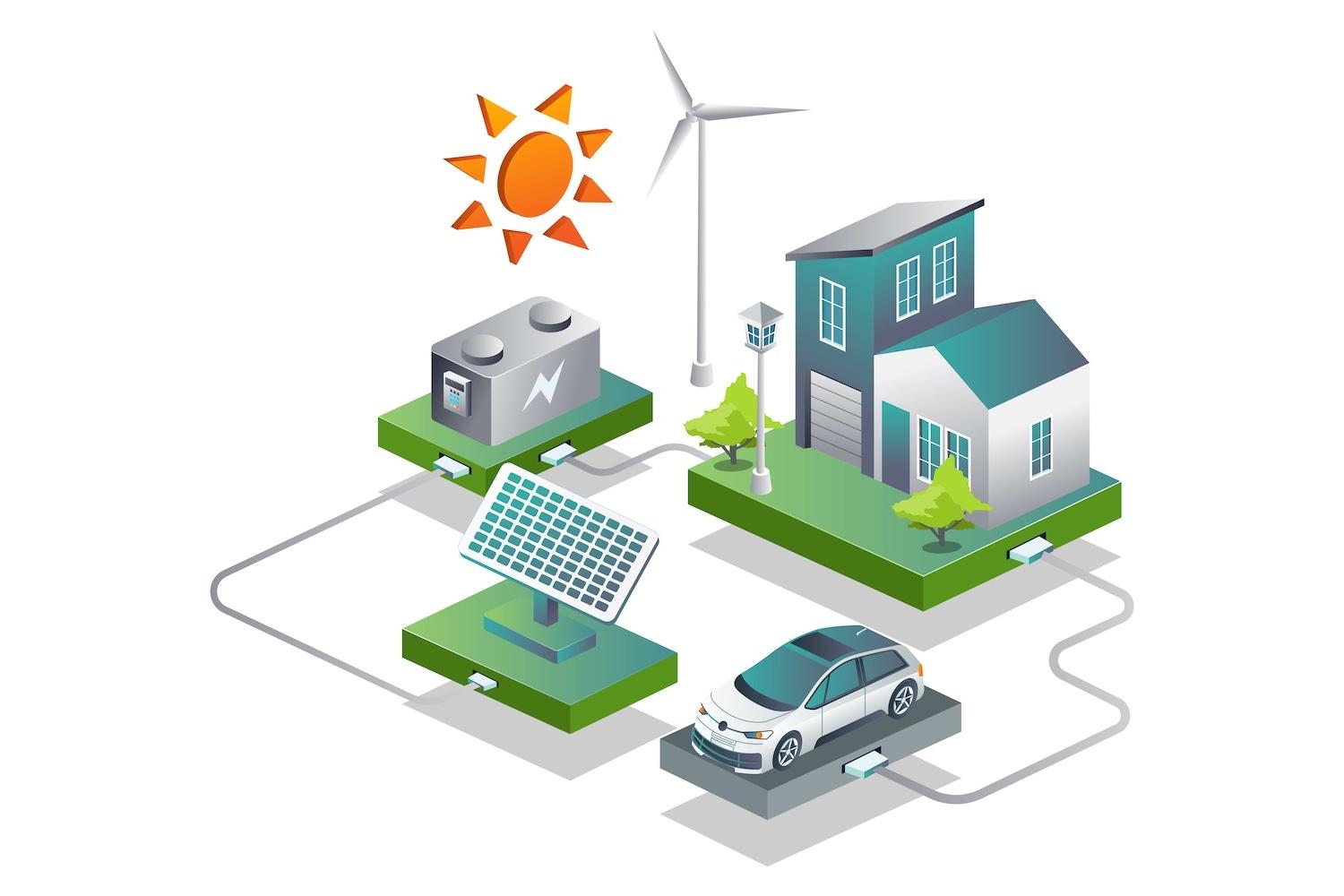


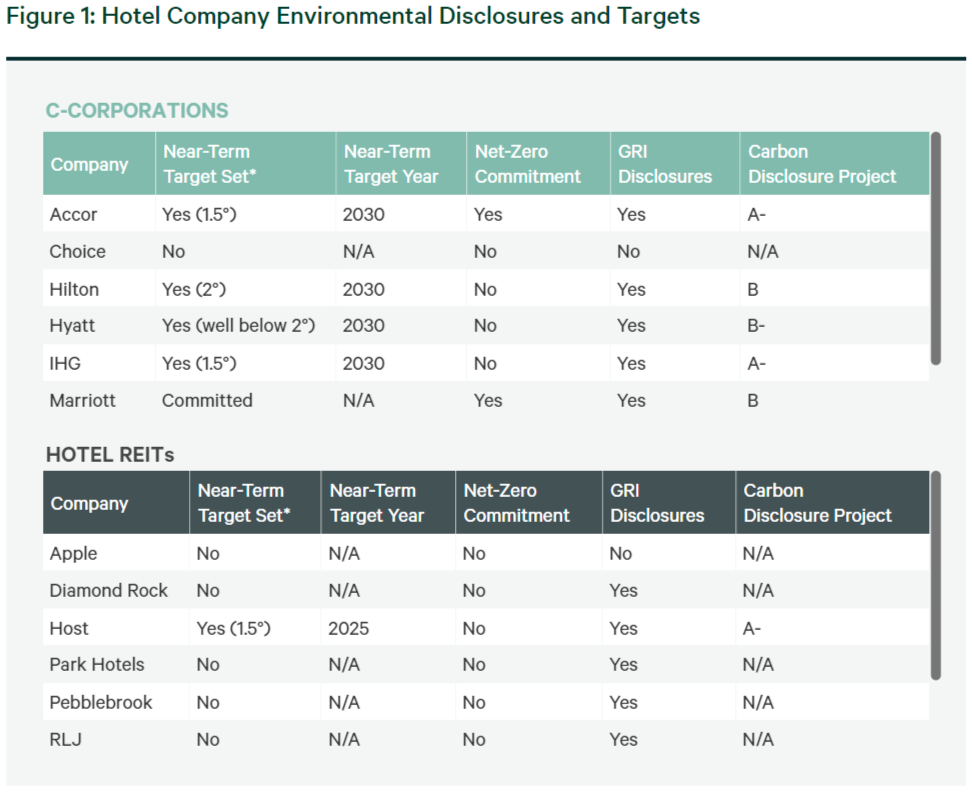

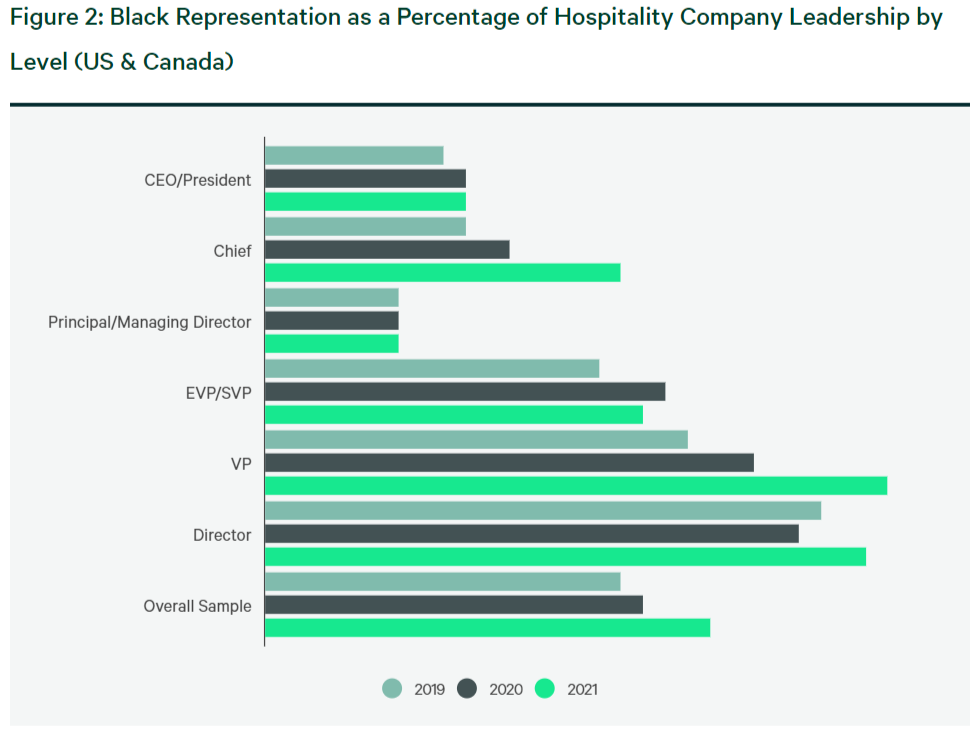
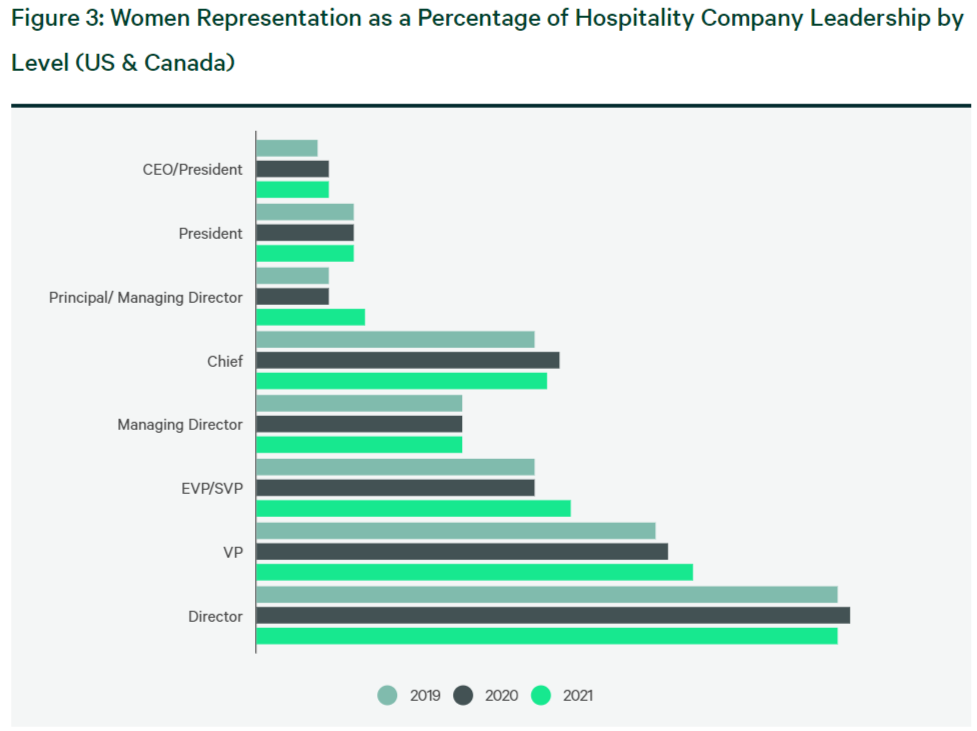

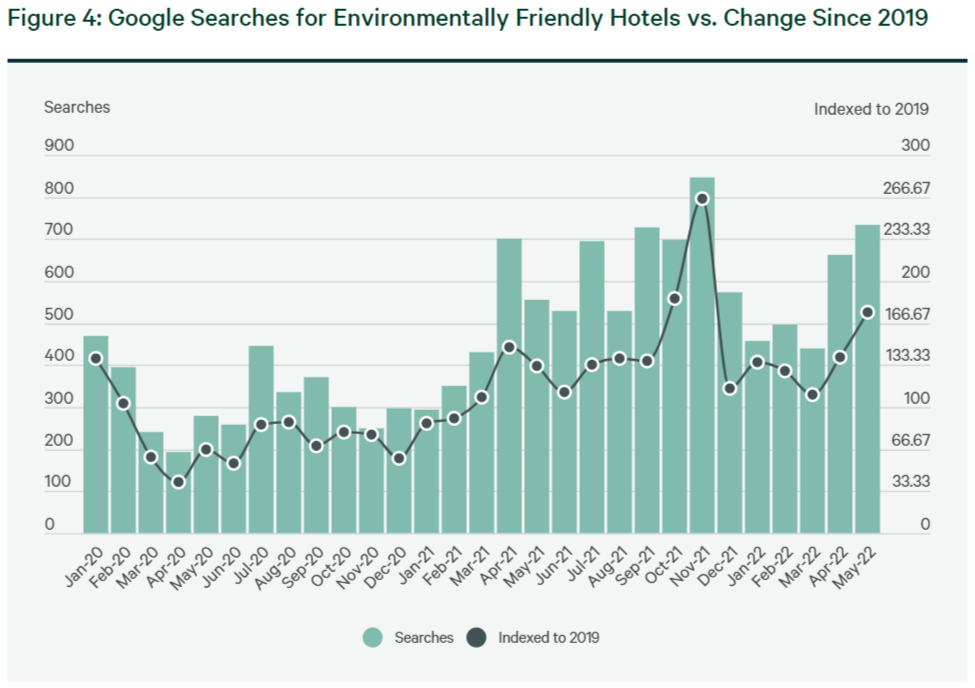
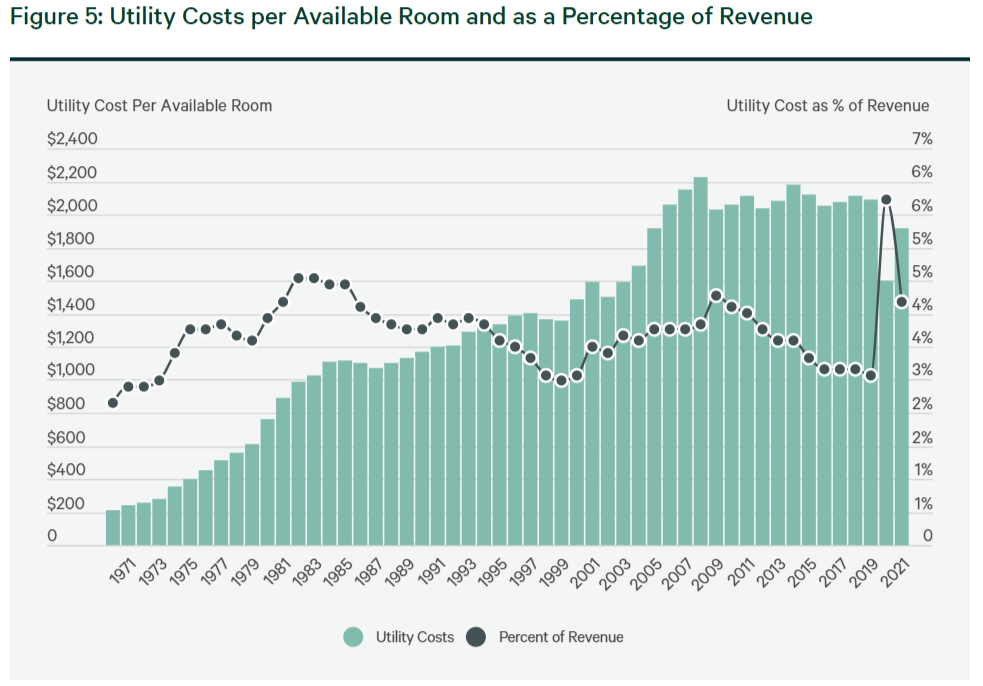
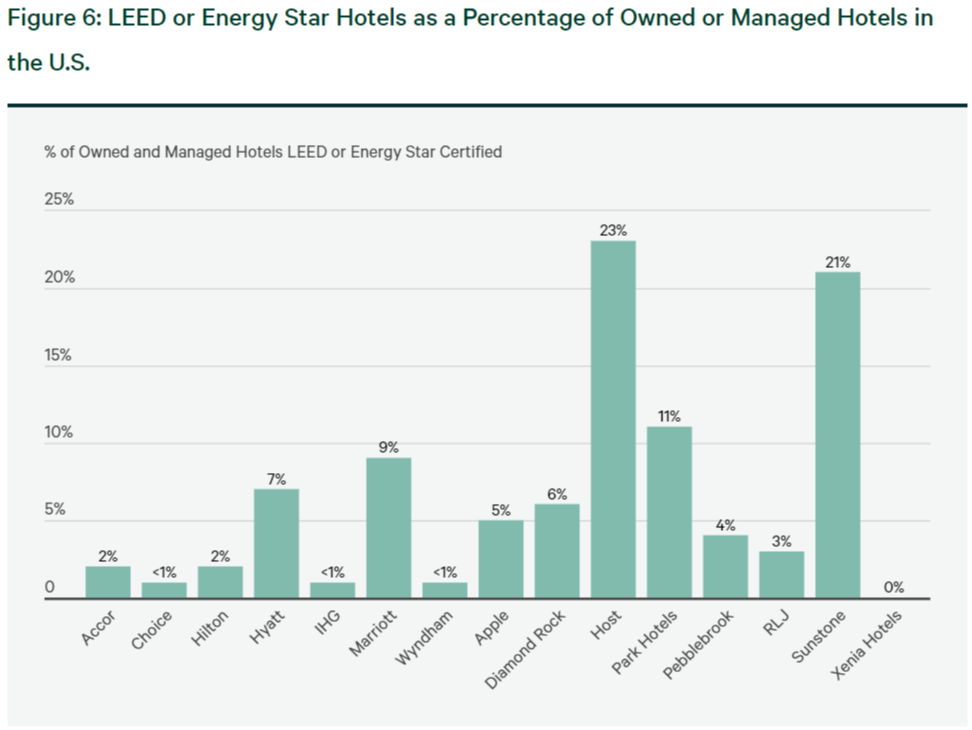
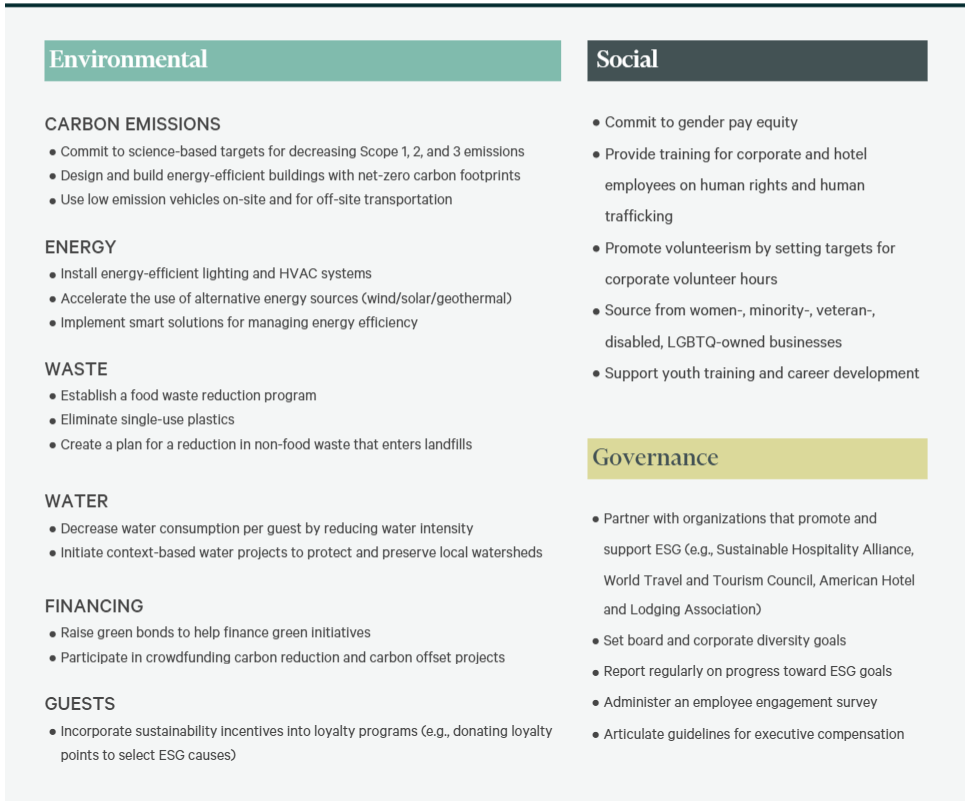


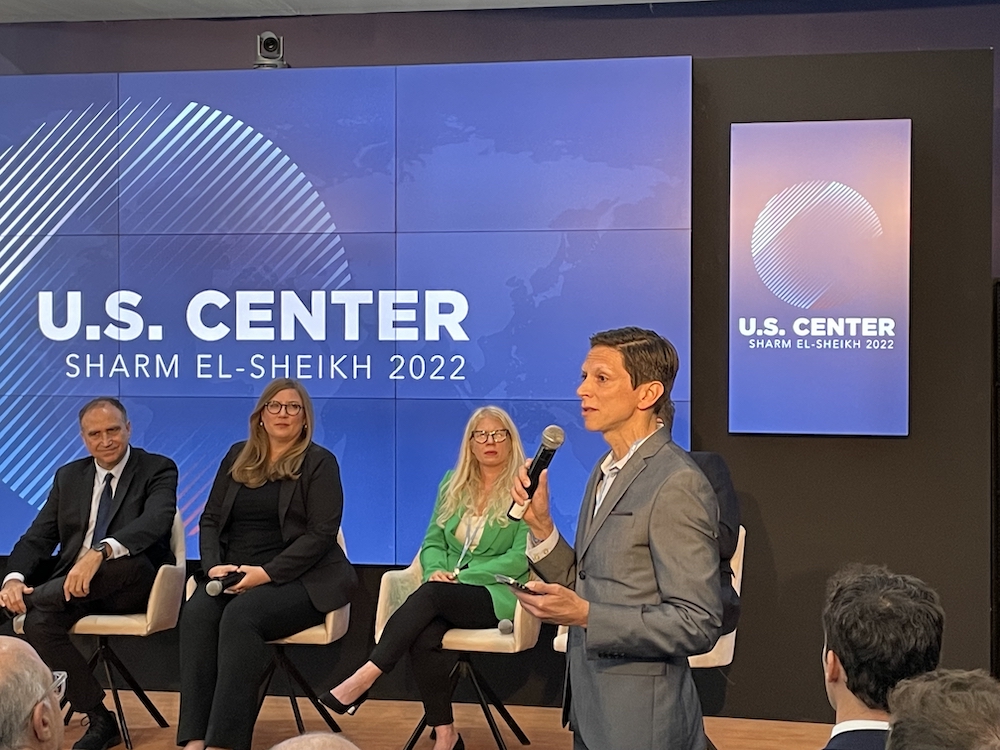





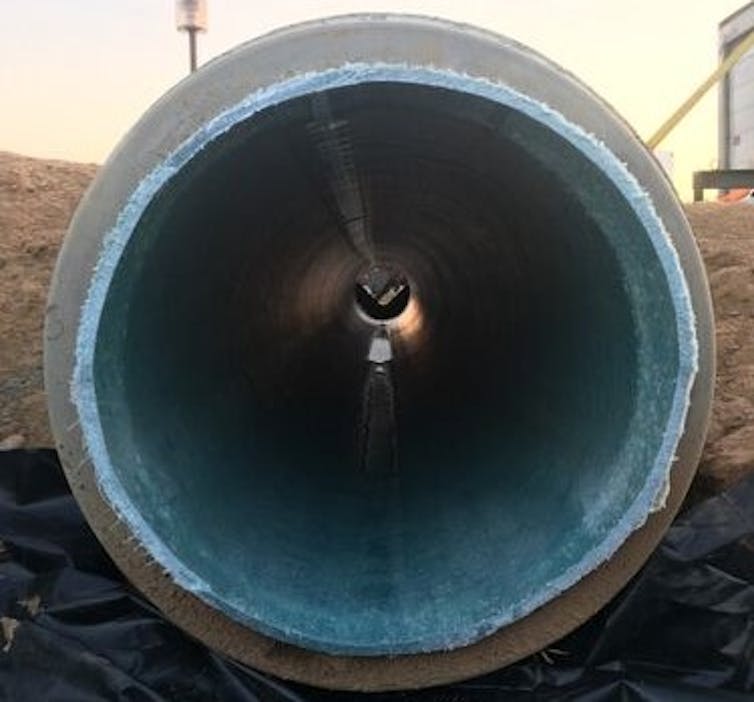













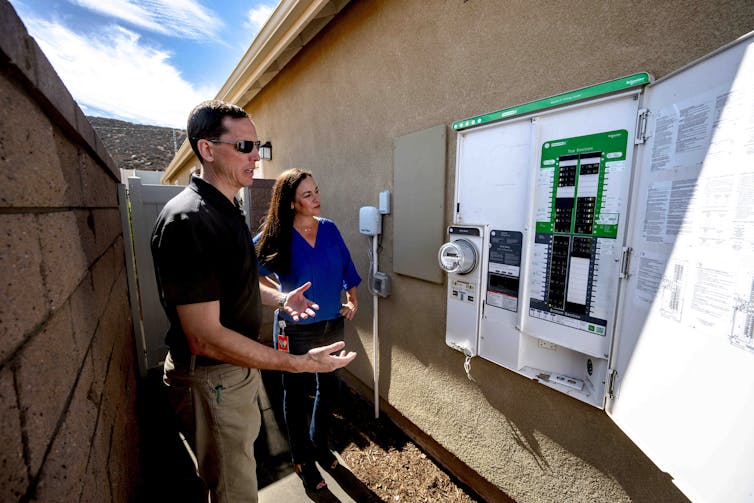










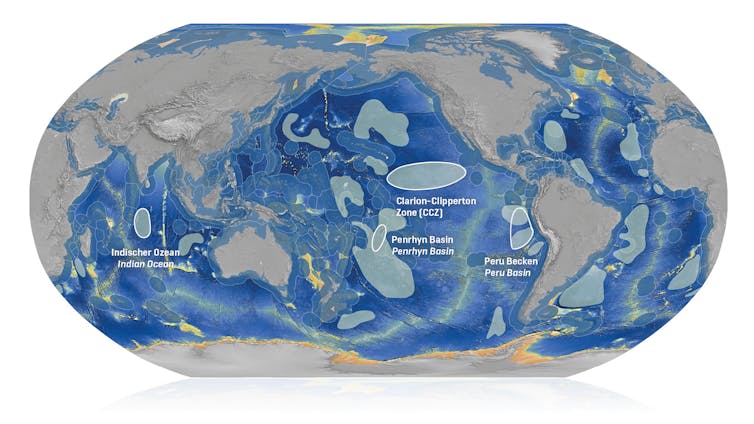














.jpg)
You must be logged in to post a comment.