Responsible Marketing: Good for Business, Good for Society

31 05 2023

Photo: Investomedia

By CMSWIRE STUDIO • Reposted: May 31, 2023

What does it really mean to be a responsible marketer, and why is it important? 

When you think about responsible marketing, concepts like corporate social responsibility (CSR), sustainability, cause-related marketing, inclusive marketing and many others might come to mind. But what does it really mean to be a responsible marketer, and why is it important? 

We sat down with Lisa Loftis, Principal Product Marketing Manager at SAS, and presenter at Simpler Media Group’s CMSWire Connect conference, to learn more. 

“I’m very proud to work for SAS because of what they’re doing in responsible marketing,” said Loftis. “For example, through our Data for Good program, we’ve committed to using data and analytics to solve humanitarian issues around poverty, health, human rights, education and the environment. We make our software available through a crowdsourcing app to help do this. Not only do we focus on how you can use AI to improve business, but also how you can use it to improve society.”

SAS is an analytics and marketing software and solutions provider based in Cary, NC, and a sponsor of the CMSWire Connect conference, held May 10-12, 2023. During the conference, Loftis presented the session, “CDP – Mr. Irrelevant or the G.O.A.T.” and hosted a roundtable discussion on responsible marketing. Here, she shares with us some of her insights around responsible marketing, including what it means, the benefits for both companies and society, and tips for implementing these practices in your own organization. 

What Is Responsible Marketing?

CMSWire: From using AI responsibly to engaging in sustainable business practices, responsible marketing covers a lot of ground. What does responsible marketing mean to you?

Lisa Loftis: At SAS, we have a framework to talk about responsible marketing. Because it means a lot of things, we break it up into two categories. The first is responsible use of customer data and technology, which includes legal and ethical compliance, balancing personalization and privacy, and protecting vulnerable audiences. The second is the responsible use of resources such as optimizing marketing assets, measuring marketing value, and promoting corporate social responsibility. So, it’s a broad definition.

CMSWire: How is responsible marketing related to sustainable marketing and corporate social responsibility?

Loftis: There are two aspects to think about here. The first is using marketing’s platform to communicate that a brand’s business model is focused on acting responsibly to society. This includes economic responsibility (using funds and budgets responsibly, which is a big issue today), social responsibility (DEI: diversity, equity and inclusion) and environmental responsibility (the sustainability component). When communicated effectively, these help you develop a positive brand image, among other things.

The other important aspect is safeguarding vulnerable audiences and ensuring that your AI models are free from bias. For SAS, this is one of the most important tenets of responsible marketing. This ensures you have policies, criteria and governance in place across marketing activities to protect those with vulnerabilities based on age, gender, race, socioeconomic status, or some other characteristic. It could mean avoiding engagement with them — such as not marketing cigarettes or vapes to children — or making sure that marketing doesn’t incorporate bias that excludes audiences. For example, some social media platforms are under regulatory fire for using analytics and AI to build advertising audiences for jobs that leave out certain groups of people.

Why and How to Practice Responsible Marketing

CMSWire: What are the biggest benefits organizations realize from practicing responsible marketing?

Loftis: In addition to pure brand image, you can create competitive differentiation through data, with the right balance of privacy and personalization. In a world where customers can switch allegiances and loyalties very easily, communicating that customer data is used in a transparent manner creates trust and loyalty, which is a long-term benefit. According to a study we did with the CEO Council — Cracking Tomorrow’s CX Code — about 80% of consumers surveyed said they would provide personal data to a brand if they felt like they were getting something of value in return — even though most of them felt like they didn’t have control over their data. So, that exchange is critical, especially considering the deprecation of third-party data and the need to focus on first-party data. And it’s a huge differentiator. On the other side, if you’re optimizing your marketing resources, you can make better, more agile business decisions that help you speed time to market.

CMSWire: What are some of the major challenges for organizations that want to engage in responsible marketing practices, and how can these be overcome?

Loftis: I think the biggest challenge is prioritizing what they need to focus on. This means identifying what responsible marketing means to the organization first. It’s an organizational transformation that requires not only marketing, but legal, product development and human resources. You need an end-to-end corporate look at roles and responsibilities to do this.

Top Tips to Get Started

CMSWire: With increasing expectations around the impact organizations can have on society and the environment—as well as pending regulations—can businesses be successful if they don’t practice responsible marketing? 

Loftis: Personally, I think that responsible marketing practices are going to become table stakes — if they’re not already — for three reasons. First, optimizing resources, providing value and empowering people is really Business School 101. We’ve labeled it responsible marketing, and it is, but that’s what they teach you in terms of how to run a company effectively and efficiently. Next, are privacy practices and transparency—these are non-negotiable. Finally, sustainability and DEI are no-brainers, if for no other reason that our employees and colleagues are human beings and deserve to be treated as such.

CMSWire: What are your top recommendations for organizations looking to adopt responsible marketing practices?

Loftis: This is a hard question to answer because things are moving so quickly. The more widely technology gets rolled out and the faster it gets rolled out, the more important it is to have that governance framework in place that we talked about earlier. This will help you better anticipate any issues that might come up and deal with them appropriately. On the other hand, if technology is rolled out and governed in the right way, there’s potential to do tremendous good. We’re already seeing this in programs like Data for Good, and with marketing organizations using technology like generative AI to promote creativity, expand their horizons and bring in additional points of view. 

To see the original post, follow this link: https://www.cmswire.com/digital-marketing/lisa-loftis-responsible-marketing-good-for-business-good-for-society/




The 3 Business Pillars to Creating an Inclusive, Sustainable Future

30 05 2023

PHOTO: GODADDY CEO AMAN BHUTANI CELEBRATES SIGNING THE CEO ACTION FOR DIVERSITY & INCLUSION PLEDGE WITH GODADDY EMPLOYEE RESOURCE GROUP MEMBERS.

GoDaddy is charting a course for an improved company, community, and future. Here’s how you can, too. From GoDaddy • Reposted: May 30, 2023

Originally published on Entrepreneur. BY ENTREPRENEUR PARTNER STUDIO STAFF

These days, business leaders are thinking about a lot more than generating revenue. They gauge success not only by profits but also by the culture within their business and its impact on the community.

This is where topics like inclusivity and sustainability take precedence. For many companies, inclusivity is about ensuring opportunity and empowerment are accessible to all employees. Meanwhile, sustainability efforts help ensure that what enables everyone to live well and succeed lasts for the long haul.

“Inclusivity and sustainability must be prioritized together when we want to create and sustain change for our employees, customers, and communities,” explains Kristy Lilas, Vice President of Diversity, Inclusion, and Belonging at GoDaddy, the company that helps entrepreneurs thrive.

GoDaddy recently released its 2022 Sustainability Report, highlighting the progress the company made toward inclusivity, sustainability, and much more.

“Organizations have a responsibility to make their employees feel empowered and supported, which is not only paramount to creating an inclusive culture, but also a necessary ingredient to drive innovation and develop the best products and services for customers,” Lilas says. “For these reasons, at GoDaddy, we prioritize inclusivity and sustainability together as they are both at the core of our mission to make opportunity more inclusive for all, no matter a person’s identity, background or circumstance.”

Here are the three business pillars GoDaddy identified as most critical to creating an inclusive, sustainable future—and tips for how you can do the same at your organization or business.

1. Customers

GoDaddy aims to do more than just offer domain registry, website hosting, and commerce solutions. It positions itself as a company that “empowers entrepreneurs everywhere, making opportunity more inclusive for all.” In its 2022 Sustainability Report, GoDaddy says it believes that “inclusive entrepreneurship helps fuel local economies globally, increases generational wealth, decreases wealth gaps, and ultimately improves lives.”

Prioritizing inclusive entrepreneurship for GoDaddy means providing equitable resources that support and empower everyone, including entrepreneurs in and from underserved communities. Through its social impact program, Empower by GoDaddy, the company offers in-person and virtual educational workshops, technology tools, mentorship opportunities, and peer networks to thousands of small- and micro-business owners across the U.S., Europe, and Canada. In 2022, GoDaddy provided more than 9,700 learning engagements for entrepreneurs around the world through Empower by GoDaddy.

What you can do: Kami Hoskins, Director of Legal Operations and Training and Head of Corporate Sustainability & Environment, Social, and Governance (ESG) at GoDaddy, recommends that businesses engage customers directly to find out what they need to succeed and offer meaningful solutions. For instance, GoDaddy launched Venture Forward, a multi-year research initiative that quantifies the impact of more than 20 million online U.S. microbusinesses on their local economies. Venture Forward research indicates that for every one microbusiness per 100 people in a community, two new jobs are created (not including the business owner). Further, for every additional microbusiness founded, the median household income in the immediate area rises $195 over a one-year period. GoDaddy uses insights like these to better serve its customers, including Empower by GoDaddy participants.

“When designing and building your offerings, it is particularly important to engage customers who are underserved and underrepresented,” Hoskins says. “Otherwise, they may not be adequately supported, and you may miss valuable opportunities.”

2. Employees

“Authentically serving a diverse customer base starts with cultivating a diverse, inclusive, and equitable workforce,” GoDaddy says in its 2022 Sustainability Report. To do this, the company says it made a deliberate effort to recognize and reduce unconscious bias in its recruitment and employee practices and systems, including performance reviews and promotions.

Last year, GoDaddy said it achieved gender pay parity (global) for the eighth year in a row and ethnicity (in the U.S.) pay parity for the sixth year in a row. These findings were also included in the release of GoDaddy’s 2022 Diversity and Pay Parity Annual Report.

GoDaddy additionally says that its employee resource groups (ERGs) play a critical part in fostering its culture of inclusivity. These are employee-led groups formed around common missions, identities, affinities, or interests. ERGs provide a space for employees to develop relationships, support professional development, engage in corporate projects and programs, learn from each other, and participate in fun activities, the company says.

What you can do: To get a fresh perspective and truly understand where your business can improve workplace culture, Lilas recommends partnering with and learning from a research-driven third party.

Through a partnership with Stanford University’s VMware Women’s Leadership Innovation Lab, GoDaddy learned in detail how traditional performance evaluations “often contain biases that hold women to a higher behavioral standard than men,” Lilas says. “This led to us creating processes to remove ambiguity from both recruitment practices and performance reviews and ensuring that we assess both the work that people complete and how they complete it in alignment with our inclusive values. It also includes focusing on action and outcomes as opposed to style and personality, ensuring consistency in feedback, and requiring equal evaluation time.”

3. Operations

How can we ensure the longevity of our business in the face of dynamic and shifting forces like climate change and social change?

That’s the question GoDaddy’s leadership team asks itself when setting its operational objectives and standards. The company takes a multi-pronged approach to accomplish goals related to corporate governance, social impact, and the environment.

“We know that global organizations like GoDaddy have a responsibility to protect the environment for future generations,” Hoskins says. “For this reason, we’re proud to have reduced GoDaddy’s scope 1 and 2 emissions by 35% from a 2019 baseline. To achieve this result, we focused on decreasing the impact of our data center operations, as well as our workspaces, on the environment.”

In 2022, the company also reduced its active global real estate footprint by approximately 105,000 square feet, thanks in part to a hybrid work model with reduced office requirements, according to the report.

What you can do: To achieve big environmental, social, and corporate goals, leadership needs a clear strategy, focused intention, and a plan for prioritization, Hoskins says. “This requires dialog and education among stakeholders across diverse aspects of the business,” she says.

“I like to think that everyday consumers want to do business with companies they believe in and that are making a positive impact on the world,” Hoskins adds. “We hope that part of the reason why our customers continue to come back to us and build businesses with us is because of our relentless commitment to sustainability and inclusivity.”

Click here to learn more about GoDaddy and here to download GoDaddy’s 2022 Sustainability Report.

To see the original post, follow this link: https://www.csrwire.com/press_releases/775171-3-business-pillars-creating-inclusive-sustainable-future


Purpose-Driven Partnerships Helping Brands Ratchet Up Promises, Create Shared Value

30 05 2023

IMAGE: QUANG TUẤN NGUYỄN

Panels and workshops at Brand-Led Culture Change explored how brands are forging creative partnerships to increase their positive impacts on a number of fronts. BY DEMITRI FIERRO JEREMY OSBORN AND CHRISTIAN YONKERS FROM SUSTAINABLEBRANDS.COM • REPOSTED: MAY 30, 2023

The ‘a-ha’ moments continued this week at Brand-Led Culture Change — where we heard how more brands, NGOs, retailers and more are nudging more sustainable purchasing decisions, measuring the efficacy of social-impact programs and pursuing partnerships that create shared value for both brands and communities.

How Walmart collaborates for sustainable innovation

Image credit: Walmart
Another Monday morning workshop kicked off with moderator Solitaire Townsend, co-founder of Futerra, asking attendees to reflect on which sustainable behavior they can begin implementing into their daily lives. Addressed as ‘eco sins’ stakeholders can confront to live more sustainably, the room went around and shared key examples from SB’s 9 Sustainable Behaviors that resonate across many stakeholders — including preventing food waste, switching to more renewable energy, and purchasing sustainably made consumer goods. Attendees quickly realized that while we all wish to live up to our values and stay committed to them, outside factors can often get in the way of this commitment — hence, the pesky intention-action gap when it comes to adoption of more sustainable behaviors.

The session then proceeded with insights from professionals across Walmart’s Marketing and Sustainability departments — Christopher Kreutzner (Senior Counsel of Sustainability & ESG), Marco Reyes (Senior Director of Sustainability), and Courtney Killingsworth(Marketing Planning & Strategy, Brand & Reputation). The three panelists shared how they work together across departments to ensure that business goals can be met while prioritizing people and planet.

For example, Reyes uses his subject matter expertise to identify where Walmart can make an impact and scale that impact across the value chain. Killingsworth uses her influence to advocate for the voice of the customer; and Kreutzner ensures that Walmart mitigates risk while being able to achieve its sustainability targets. More and more consumers report wanting to make sustainable choices in their purchasing habits, and Walmart can show them where to start. Recently, Walmart launched its Built for Better initiative — a collaboration across functional teams that allows customers to add three criteria to their purchase decisions: For you, For communities, For the planet.

The panelists highlighted the cost of inaction and how crucial it is to understand different perspectives to create buy-in amidst competing priorities. Reyes admitted that nobody has all the answers, for the solution is not binary; he pointed out that friction between goals is good as it sharpens each other with the right set of values. He went on to say we are all making each other sharper towards a common goal.

Workshop attendees then engaged in a speed round of making a pitch on sustainable behavior — encompassing the behavior itself, three barriers that may be in the way, and three benefits that will overcome these barriers. Pitches included examples from solar energyand sustainable packaging to prompting more thoughtful consumption by embedding nature images inside snack wrappers.

The session concluded with all three panelists highlighting the importance of everyone in an organization being able to be part of solutions. The Walmart team said the retailer aims to include everyone in the conversation, from all lived experiences; and through their collaboration on sustainability goals, hopes to become an example of how to effectively do so.

Elevating the ‘S’ in ESG: Building culture, measuring impact and how to get things done

Image credit: Quang Nguyen Vinh

Today’s brands are expected to be authentic and transparent, and must find ways to manifest these as KPIs to achieve business goals. A Monday afternoon panel discussed the challenges in successfully executing against social social-impact goals and highlighted what brands can do now to build internal buy-in, shape more impactful social initiatives, and measure the value for the company and external stakeholders.

Michelle Waring, Steward for Sustainability and Everyday Good at Tom’s of Maine, said the company approaches ‘S’ by grounding it in transparency and commitment. The company has recently looked at its role as a heritage environmental brand that was founded as a business for good. 50 years later, the space has changed: Now, putting people at the center is key to an effective sustainability strategy, and is necessary to transition environmentalism away from a predominantly white-centric pursuit to one that engages the most vulnerable and efficacious stakeholders — such as BIPOC communities, frontline and fenceline communities, etc.

Kevin Wilhelm of Point B pointed out that the sentiment behind movements such as Black Lives MatterMe Too, etc have always existed; but recent highly publicized events have spurred brands to make grandiose statements. Three years later, though, most brands haven’t followed through — and consumers have noticed. They are demanding follow-through, and transformative brands are serving it up by evolving traditional “S” approaches (philanthropic initiatives, etc) to tying social-impact outcomes to the success of the brand.

Spoiler alert: This is good for business, because consumers reward companies that walk their talk on these issues.

“As you start expanding and adding in other social components and bringing in environmental components and climate justice, all of a sudden you’ll have new opportunities and new solutions,” Wilhelm said. “So, we can flip it from ‘I don’t know how I’m going to do that’ to ‘look at this amazing opportunity.’”

Empower Co as taken a whole new approach to climate action by rewarding women for their contributions. In trying to solve the climate crisis, “what I find is that one of the most important cogs in the wheel is the ‘S’ part, the social impact part — particularly, that of women,” said Rachel Vestergaard, CEO and founder of Empower Co — whose W+ Standard is the first globally recognized framework and metric for measuring and monetizing women’s empowerment.

Empower Co looks at empowerment as an ecosystem: Women are empowered when they have the tools, resources, access and agency to make their own choices. This ecosystem invites corporations, governments and investors to support womens’ work and recognize its value. And that value, said Vestergaard, will pay its own way.

“What you’ll notice here is that there’s no philanthropy. We don’t need donations; we need you to value the contributions of women” and understand the myriad positive ripple effects that result from working to level the playing field for women around the world.

The panelists agreed that finding tangible ways to value the contributions of all that fall under “S” will pay for itself in both the short and near term.

Shaping responsible consumption in a shifting landscape

Image credit: Kew Royal Botanic Gardens

Today’s savvier consumers expect transparency from brands. At the same time, brands are balancing complex global supply chains, where clarity on the origins and footprint of raw materials can become clouded. On Tuesday morning, Herbal Essences shared how is is evolving decades of hair care leadership amidst shifting consumer and business landscapes. Joining the session was Herbal Essences’ partner, Kew Royal Botanic Gardens — a global plant-science institution committed to protecting biodiversity.

As consumer expectations have evolved, their tolerance for tradeoffs has decreased — ex: they increasingly have high expectations for clean, responsible ingredients.

“As we evolve, the importance of ingredients will continue to be front and center,” said John Scarchilli, Director of Brand and Scientific Communications at Procter & Gamble, parent company of Herbal Essences.

Kew has been working for 20 years to develop quality plant essences and verify their origin and that the material will support its intended use. They also ensure they’re responsibly derived — that transparency and chain of custody are maintained from plant to bottle.

As more and more key plant ingredients become threatened, ensuring these essential inputs continue to thrive becomes a central business model.

“In the effort to do that, we’re increasing the use of biodiversity,” explained Monique Simmonds OBE, BSc, PhD, Deputy Director of Science at Kew. “If we can have a greater diversity of plants being used in products like Herbal Essences, that can support the local communities that are looking after those [plants and habitat].”

This in turn prevents biodiverse lands from being deforested to make way for ranching or farming while still providing a source of income for people stewarding the land. Simmonds foresees an increase in diversification of plants used in consumer products — and with it, deeper partnerships with governments, growers and other partners to help protect biodiversity.

“Ingredients are going to continue to be front and center,” Scarchilli said. “Where they’re from, what they’re for, and how they’re sourced responsibly is moving to protect biodiversity all over the world.”

And no one brand or company can achieve this alone — which is where partnerships such as Herbal Essences-Kew’s come in.

“These programs work because they create value for all partners,” Scarchilli said. “Investing back into those communities helps to sustain the supply.”

Co-creating the journey to net-positive printing

Image credit: Perfect Daily Grind

In another Tuesday morning session, Jose Gorbea — Global Head of Brands and Sustainability Innovation at HP Graphic Arts — detailed HP’s partnerships with German label-maker LABEL!STEN and climate-action platform One Tribe to advance digital printing practices that not only reduce the environmental impacts associated with conventional printing but also create shared value.

For HP’s part, Gorbea described how the company is now using water-based inks that contain no hazardous air pollutants and meet stringent requirements for human health and the environment, and how the company’s corrugated packaging has now achieved Ecologo Certification.

LABEL!STEN CEO Frank Plechschmidt explained how personalization of product packaging — such as printing the faces of a brand’s supply-chain partners (for example, the farmers who grow your coffee) directly onto packaging — helps customers make an emotional connection to the people producing their product, while seeing how their purchasing choices can have a direct positive impact on the lives of farmers in the supply chain. Plechschmidt detailed a collaboration with HP in which they digitally printed coffee farmers’ faces on packaging for an Australian brand with local suppliers — the products with people’s pictures far outsold other versions of the packaging.

One Tribe CEO Ric Porteus then explained how his company of “nature fanatics” is building a set of tools and restoration projects that allow companies including HP, and their employees, to take direct action to help regenerate ecosystems. Their projects are created through partnerships with local indigenous tribes throughout the world and are typically focused on helping companies offset their Scope 3 emissions while restoring critical biodiversity.

To see the original post, follow this link: https://sustainablebrands.com/read/collaboration-cocreation/purpose-driven-partnerships-helping-brands-ratchet-up-promises-create-shared-value


The Carrot or the Stick: Which Inspires Business to Be More Sustainable?

30 05 2023

Image credit: THIS IS ZUN/Pexels
By Riya Anne Polcastro from Triple Pundit • Reposted: May 30, 2023

Corporations are more likely to embrace sustainability when it benefits the bottom line. That isn’t surprising considering they are ultimately in business to make a profit. For many, purpose may very well come in second — if at all. Still, there’s more than one way to encourage businesses to do better by people and the planet.

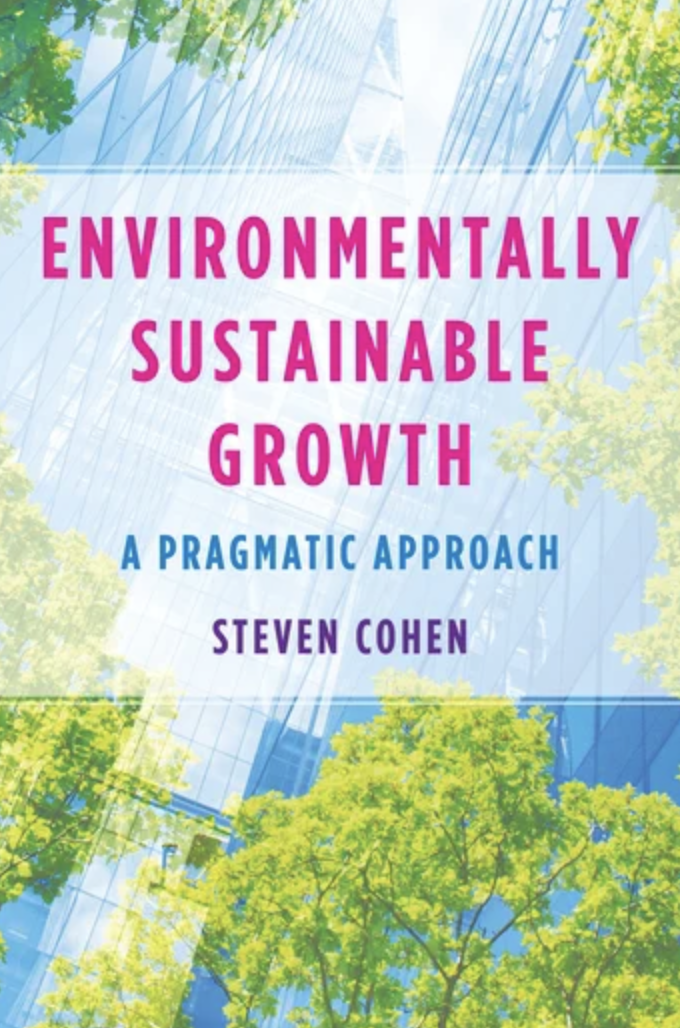
TriplePundit spoke with Dr. Steven Cohen, a professor of public affairs at Columbia University and author of the new book “Environmentally Sustainable Growth,” about how the profit motive can catalyze the desired effect where shame and guilt have failed.

Incentivizing sustainability can be easier than it sounds

The best way to make corporations behave is by creating an environment in which doing so will help them make more money, Cohen argues. “In some cases, you don’t have to do anything other than educate people and say, you know, this will be a profitable item,” he told TriplePundit. 

Cohen advocates for a carrot instead of a stick approach. He’s hopeful that making good behavior profitable will hasten more wide-sweeping changes at the business level than punishing or charging companies for the negative impacts they have. And he’s not alone in that opinion. 

“Sustainability is on the cusp of an evolutionary leap,” Georgia Makridou of the ESCP (École Supérieure de Commerce de Paris) Business School wrote in an impact paper on the challenges confronting sustainable energy companies and their resulting tactics. “Sustainable companies are becoming the new norm as those that have a well-rounded approach to sustainability can see wide-ranging growth opportunities.”

That’s because many business leaders now see that sustainable practices can actually lower their operating costs in the long run — and that naturally leads to increased profits, Cohen explained. Additionally, doing the right thing resonates with consumers — especially those in younger generations — and promotes brand loyalty over time.

Further, employees want to work for companies that align with their values. “If I’m in a business that requires talented engineers, talented designers and and so forth, to attract those people, I have to be a company they want to work for,” Cohen said. “That’s also incentivizing companies to start behaving this way: If you want to attract the best brains out there, then companies are under internal pressure to behave and to start focusing on their energy use and their waste and pollution.”

Environmentally Sustainable Growth - book cover - book on corporate sustainability
Dr. Steven Cohen unpacks practical steps to push sustainable business forward in his new book “Environmentally Sustainable Growth: A Pragmatic Approach,” out this month from Columbia University Press. Image provided.

Major companies reap cost savings through sustainability, while creating measurable impact that matters

Cohen gave examples of major multinational companies that moved toward sustainable practices because they foresaw a financial benefit. For example, “Walmart discovered they have a lot of flat roofs,” he said. All that space adds up vast solar energy potential — and Walmart and its big-box competitor, Target, are on the job.

Together, they’re the top two business installers of onsite solar. “In their case, you don’t have to do anything. They just had to internally figure out this was going to help them make money,” Cohen said. If fully harnessed, Walmart’s available roof space at stores across the country could produce enough solar energy to power more than 842,000 homes, according to the nonprofit Environment America. 

This month Walmart also teased new plans to roll out electric vehicle charging stations at thousands of stores across the U.S. The move will help bring in shoppers, while making EV charging more accessible to millions of people in towns large and small. 

One of the country’s top agricultural producers, Land O’Lakes, also cut its footprint through cost reduction measures. The company uses satellite telemetry, artificial intelligence, and robotics to ensure it doesn’t waste inputs like water, pesticides and fertilizer — using only what’s needed and none of what’s not. “They’ve now created a much more efficient form of agriculture, which also just so happens to cost less and pollute less,” Cohen said. 

Apple’s engagement in sustainability came out of a need to satisfy its customer base. “[Young people] started to make the demand that Apple reduce the pollution [associated with] their products, and Apple has done that dramatically over the last 10 years,” Cohen said. He cited the company’s buyback program and the fact that it hired a former Environmental Protection Agency administrator to manage its environmental endeavors as examples. “It’s not required by the government, but in order to meet their market, they have to do that,” he said. 

Incentives and regulations work. Shame and guilt doesn’t, this expert says.

That’s not to say there isn’t room for regulations — there still needs to be rules of the road. The key is a good balance between government regulations and the incentives provided by an improved profit margin, Cohen said.

“What doesn’t work is trying to shame people, to shame companies,” he argued. “People want to live their lives, and companies want to make money. I think that green principles are most effective when they line up with the self interest of people and of corporations. And when that happens, you see a lot of activity.”

As for how to shift from a scapegoating and punishment approach to one that focuses on financial rewards: “Instead of thinking about the company as an enemy, you think about the company as a partner,” Cohen said. “And the only way they’re going to be a partner is if they see they’re gonna make money out of it.” 

To see the original post, follow this link: https://www.triplepundit.com/story/2023/corporate-sustainability-carrot-stick/775116


The journey from harvest to table: Cutting out food waste

29 05 2023

Photo: Getty Images

Jean Pierre Azañedo, CEO and co-founder of CoreZero, share the importance of achieving a sustainable food value chain. By Jean Pierre Azañedo from Sustainability Magazine • Reposted: May 29, 2023

The journey from farm to table is characterised by loss and waste – from overproduction to accidental damage and unmet quality standards – these are just some of the “opportunities” for waste that are encountered amid the farm-to-table process. In fact, almost 40% of the food in the United States is wasted. 

Not only does food waste cause greenhouse gas emissions and environmental damage, but it also exacerbates food insecurity in many communities. Like a vicious cycle, food waste accounts for 10% of total global emissions, yet, at the same time, the climate crisis is one of the main factors exacerbating food insecurity.

Since methane, a greenhouse gas that is 80 times more potent than carbon dioxide over twenty years, is released into the atmosphere when food ends up in landfills, it’s safe to say that minimising food loss across the supply chain should be treated as a priority, not as an option. 

Food waste across the supply chain

Besides the release of greenhouse gasses, when food goes to waste, so do all the resources that were utilised for its production, processing, transportation, preparation, and storage. Food waste in the United States, for example, results in the loss of water and energy equivalent to building more than 50 million homes

Consequently, it’s important to not only acknowledge the environmental effects of food waste but also to assess where food is specifically wasted and lost in the supply chain. 

For starters, while discussions about food waste usually refer to the household and retail sections, more than 15% of food is dissipated before leaving the farm. As an example, due to price volatility, farmers may not end up moving products into the market since the food prices may be lower than the costs of processing and shipping. From damaged crops due to environmental and biological factors to products that do not meet cosmetic market standards, these are a few of the reasons that lead to food loss and waste during the production stage.

Then, in the handling and storage stage, food waste and loss can occur due to numerous different factors, but it mainly boils down to improper handling and storage. In the case of vegetables, loss predominantly happens because of spillage and degradation during loading and unloading and improper transportation and storage. Then, when it comes to meat products, loss often occurs due to condemnation in the slaughterhouse while, for fish, spillage takes place during the icing, storing, and packing processes. Despite high-income countries having adequate storage facilities in the supply chain, food loss still happens during the storage stage due to technical malfunctions, overstocking, or inadequate temperature.

While some inevitable losses happen during the processing and packaging stage such as the loss of milk during the processing of yoghurt, most of the losses in this stage of the supply chain occur due to technical problems. Similarly, packaging materials can contribute to food loss if they are not designed to preserve the freshness of the products. 

Subsequently, in the transportation and distribution stage, food is lost, as the name implies, amid its transportation. In developing countries, for example, products may not meet cosmetic standards since they acquire bumps and bruises along the journey. Then, if food is delivered after its prime freshness window, it gets rejected in most cases. In Japan, for example, “the rule of one-third” entails that food and beverages must be delivered within one-third of their shelf life.

Finally, in the consumption stage, food is either wasted or lost in households or other food service establishments. In truth, the largest amount of food waste occurs in households, with 76 billion pounds of food being wasted annually per person in the United States. Moreover, the food wasted at this stage also has the largest resource footprint in the supply chain because of the resources utilised for its transportation, storage, and cooking.

A sustainable food value chain

While acknowledging the effects of food waste as well as its causes is crucial, in order to move forward, innovation is necessary. In fact, according to ReFED’s 2030 roadmap, the United States could reduce food waste by 45mn tonnes a year, cut GHG emissions by 75 million metric tons, and save food equivalent to four billion meals for those in need with the right policy changes and investments.

Since food waste has both societal and environmental effects, a sustainable food value chain should produce and distribute food in a way that is environmentally, socially, and economically sustainable. Essentially, this means that the food chain should function in such a way that it has minimal impact on the environment while ensuring that people have access to nutritious food and supporting the livelihoods of farmers and other food system employees. 

A sustainable food value chain presupposes that all resources are used efficiently and sustainably and that waste is minimised. For instance, the food that is wasted during the production stage could be used to produce biogas or fertiliser through anaerobic digestion. Similarly, the ‘ugly’ food that doesn’t meet cosmetic standards could be kept out of landfills by being upcycled. That being said, for this transition to be resilient and sustainable, change needs to happen across the entire food chain.

For instance, in the production stage, food loss could be minimised through precision agriculture and improved agricultural practices such as crop rotation. However, precision agriculture technology will only work with education regarding sustainable agricultural practices and technologies. Alternatively, ‘waste’ can be repurposed by identifying alternative markets that might be interested in ‘imperfect’ products. Similarly, since the vegetables and fruits that do not meet cosmetic standards are still nutritious, they could be donated to food-insecure communities. 

On the other side of the food chain, awareness is key to reducing food waste at the consumption stage. The problem of food waste boils down, especially in developed countries, to cultural expectations and preconceptions regarding food and its transition to ‘waste’. From shopping locally and more responsibly to using leftovers and composting food scraps, these are just a few examples of how food waste can be reduced at the household level. 

Food waste minimisation: a necessity

From consumers composting food scraps and restaurants collaborating with food banks to edible by-products being developed into ingredients and local food distribution being promoted, a sustainable food value chain is achievable through collaboration.

However, food waste and loss need to be halved per person for the 2030 SDGs to be met, hence these tweaks in the food supply chain need to be treated as priorities instead of options. Since the effects of food waste are visible not only from an environmental perspective but also from an economic and societal one, an equitable and sustainable food system should result in improved food security and economic savings in addition to lowering greenhouse gas emissions and enhancing biodiversity.

To see the original post, follow this link: https://sustainabilitymag.com/articles/the-journey-from-harvest-to-table-cutting-out-food-waste


Sustainability remains a key driver for consumers

29 05 2023

Over three-quarters of consumers responding to The Packer’s 2023 Sustainability Insights survey considered sustainability a priority when making purchasing decisions. Photo: billtster, Adobe Stock; Design: Wayne Hardy

By Kristin Leigh Lore from thepacker.com • Reposted: May 29, 2023

While over three-quarters of consumers consider sustainability a priority when making purchasing decisions, what the term sustainability signifies to a particular shopper — from food waste to carbon emissions — depends on many factors, such as age, according to The Packer’s 2023 Sustainability Insights survey.

Added to this, what consumers mean when they use the term sustainability varies widely. Top themes remain consistent from 2022’s survey responses and evoke words associated with the environment, recycling and long-lasting traits.

Despite multiple meanings, in 2023 consumers indicated they are shifting sustainable priorities down a notch, according to survey responses.

Consumers in the 2023 survey viewed sustainability as less important in shaping their buying decisions, compared with 2022. This year’s survey revealed a 9-percentage-point decrease in consumers reporting that sustainability was a “primary priority,” and responses that said sustainability was “not a priority” rose 4 percentage points compared with 2022 responses.   

And while climate change is still rated as important overall by consumers, when asked how important addressing climate change is to their overall sustainability priorities, consumers reporting that it is “extremely important” fell by 12 percentage points.

The link between climate change and sustainability remains a close bond, however. Consumers that place a high value in sustainability are more likely to rate climate change as a key concern.

WHO STEERS THE DEMAND FOR SUSTAINABLE PRODUCTS?

Given the choice between farmers, policymakers, food retailers and consumers, 60% of consumers surveyed still believe that they drive demand for sustainably produced goods, up 8 percentage points from 2022.

Climate change remains the No. 1 reason consumers seek out sustainable products, but responses indicating this is a top motivation dropped from 35% in 2022 to 30% in the 2023 survey.

Other reasons consumers cited as driving purchase decisions of sustainable goods included:

  • Reducing carbon footprint.
  • Reducing food waste.
  • Improving human health.

To see the original post, follow this link: https://www.thepacker.com/news/sustainability/sustainability-remains-key-driver-consumers


Measuring & Improving Brand Portfolio Sustainability to Meet the Demands of a Changing Market

26 05 2023

From Sustainable Brands • Reposted: May 26, 2023

The complex issues facing business and society demand complex and collaborative solutions; disconnected, myopic management techniques are no longer effective.

Brands are adapting to a rapidly changing market in which customer demand for sustainable products and services continues to grow. In order to remain competitive, they must prioritize innovation while simultaneously juggling the multitude of tasks required to make it happen. Companies of all sizes are finding new ways to stay relevant in this ever-evolving landscape, and working hard to innovate and create sustainable solutions that will remain attractive to customers in the near and long term. It can be a difficult balancing act, but one that more and more companies are successfully managing.

Sustainable Brands (SBSocio-Cultural Trends Research™ reveals that 70 percent of US consumers are looking for companies to provide sustainable products or services that will help them to live more sustainable lifestyles. Further, 78 percent say they will support companies that act sustainably by purchasing its products or services; and 73 percent report that, all else being equal, they would switch brands if a competitor offered a more sustainable version of the same product. The market is rewarding businesses that are acting on social and environmental challenges while simultaneously building brand trust in the process. It is imperative for today’s leading brands to implement industry tools that allow them to seamlessly embed sustainability across its organization.

As a health and wellness company, The Clorox Company recognizes the potential of its diverse portfolio of brands to touch people’s lives throughout every part of their day. Through its Sustainability Center, the company launched its 2030 strategy with the ambition to have every brand within its portfolio play a part in creating a more inclusive and sustainable world. To achieve these goals, Clorox needed to find a way to align its brand teams across the enterprise and engage consumers in storytelling strategies that would unlock higher brand performance and value.

To establish its baseline and create a common language, the company applied the SB Brand Transformation Roadmap® (SB Roadmap) at the brand level across the enterprise. The self-assessment revealed best practices and gaps across the SB Five Pillars of Brand Sustainability™ while also offering tangible targets to prioritize on its journey to becoming a sustainable enterprise. This tool allowed each of the brands to benchmark its current operational progress and then determine the actions each brand needed to take to advance its individual aspirations. Clorox says giving the technical teams the ability to own their individual Life Cycle Analysis (LCA) process was a huge win for garnering buy-in across the teams.

The process revealed that the Governance pillar was something that needed to be centrally managed, where subject-matter experts have the ability to standardize their overarching enterprise goals and business practices. The SB Roadmap process also motivated Clorox to identify specific emotional, functional and societal values to prioritize in its product development and marketing communications to take its brand influence with consumers and other stakeholders to the next level and beyond — including representation in public-policy positions and driving systemic change throughout the industry.

Implementing the SB Roadmap across the enterprise enabled The Clorox Company to:

  • Create cross-functional alignment on individual brand baselines and aspirations within the SB Roadmap framework
  • Streamline its process on how to benchmark and achieve its sustainability goals
  • Elevate the role and priority of sustainability messaging through both responsible ingredient sourcing and sustainable packaging choices
  • Receive increased earned media coverage for individual brands

“What we love about the SB Brand Transformation Roadmap® is it’s a self-assessment tool that helps a leadership team in our business units understand where the brand is on the journey and break down the steps to get from here to where they aspire to be.”

— Eric Schwartz, Chief Marketing Officer, The Clorox Company

Clorox’s central team has hosted 13 internal workshops to introduce the SB Roadmap into its business processes and to embed it into its annual strategic sustainability planning for every business unit across the portfolio. Through this transformative process, Clorox has fostered a culture of sustainability across its enterprise — allowing the teams to take a whole-systems approach to product design and innovation with an understanding of how they each contribute to the larger mission of the company.

In order to thrive in an increasingly challenged world, brands must quickly adjust their strategies away from the traditional ‘business as usual’ approach. Complex issues demand complex and collaborative solutions; disconnected, myopic management techniques are no longer effective.

To see the original post, follow this link: https://sustainablebrands.com/read/product-service-design-innovation/measuring-improving-brand-portfolio-sustainability-demands-changing-market


Donating Goods: A Sustainable, Socially Responsible Solution to Excess Inventory

26 05 2023

By Romaine Seguin from Chain Store Age • Reposted: March 26, 2023

The retail industry is facing an excess inventory crisis. Whether it’s inflation, supply chain issues, or higher-than-anticipated returns, retailers are in a precarious position when it comes to a glut of merchandise that cannot be sold. 

A 2022 report from AD Global Supply Chain Research estimates as much as 8% of stock, worth an astounding $163 billion, goes to waste every year. Not only is this bad for business, but it also creates an enormous environmental impact from the stock that gets discarded.

For retailers, the growing issue of product waste cannot be ignored. According to McKinsey, companies that are sustainability leaders consistently outperform the market in both the medium and long term. As a result, many retailers are putting greater focus on their ESG goals and becoming more thoughtful and strategic about product waste. What we’re seeing as a result is the opportunity to help people in need while solving a massive business challenge. 

While excess inventory is a complex issue, there is a turnkey solution for retailers to transform the fate of these goods into a cost-effective, efficient and sustainable way to help people in need. With an in-kind donation program, companies can ensure that they are making the best use of inventory that cannot be sold for a variety of reasons (customer returns, out-of-season items, dead stock, etc.).  

Whether it’s clothing, housewares, toiletries, school supplies, and even furniture and appliances, donating these goods to nonprofit organizations that serve those who are economically disadvantaged has a substantial impact on both the environment and the people who receive the items—a win/win/win all around.

To help solve their inventory problems, more than 400 of the world’s best-known companies (Amazon, Walmart, Gap Inc., and many more) work with Good360 for a turnkey solution from a single partner. Good360 distributes this donated product through our network of 100,000-plus pre-qualified and vetted nonprofit partners that serve a variety of causes, including homelessness, foster families, veterans’ services, natural disaster recovery and many more. 

Good360’s stringent vetting process helps protect the brands we work with by ensuring that the donated items don’t end up on the secondary market.  Once the product is sent to the nonprofits, it is then distributed within the communities they serve.  For the donors, Good360 manages all the logistics and finds the appropriate nonprofit that has indicated a need for the items. 

Once the nonprofit distributes the donated goods, we report back on the impact the donation has made so donors know exactly where it went and who it helped.  So, whether it’s toys for a holiday drive, mattresses for a homeless shelter, or even automotive supplies for a nonprofit technical school in an underserved community, every donation has a unique and impactful story behind it, and we make sure that story is told.

To accommodate a wide range of both donor company and nonprofit needs, Good360 has developed a number of product philanthropy solutions. For example, Good360 matches individual store or distribution center locations with nearby nonprofits to help drive local impact with donated goods and build bonds with the community. 

Additionally, Good360 brings large donations into our own distribution centers for sorting and reconfiguration in order to best meet nonprofit needs– from a single carton of personal hygiene items to full semi-truckloads of mattresses.

By making product donation placement and distribution seamless for donors, Good360 helps retailers, brands, and manufacturers solve the business challenges around unsellable inventory, demonstrate their leadership in responsible and sustainable business practices, and increase their social impact.

In many cases, donating product is a more economical decision than disposing of the goods. There may also be enhanced tax benefits, and we encourage companies to explore these options with their tax experts.

The bottom line: Retailers should consider donating excess inventory to help individuals facing challenging life circumstances get the goods they need. This way not only are they generating hope, but the products are given a new life, reducing waste, and helping build resilient communities for the future.

To see the original post, follow this link: https://chainstoreage.com/donating-goods-sustainable-socially-responsible-solution-excess-inventory


Tracking Chain of Custody is Now Essential for Brands and Retailers

25 05 2023

Credit: Getty Images by Busakorn Pongparnit

By Eric Linxwiler from mytotalretail.com • Reposted: May 25, 2023

The days when brands and retailers could turn a blind eye to where their products come from are over. Amid heightened awareness of social and environmental abuses throughout the supply chain, governments around the world are moving quickly to hold businesses accountable for the actions of their suppliers.

New supply chain due diligence laws are passing by the month across the globe, and the United States’ Uyghur Forced Labor Prevention Act (UFLPA) is one of the strictest. Enacted last summer, the law forbids the importation of any goods produced or manufactured wholly or in part in the Xinjiang region of China on the presumption that were made with forced labor. It’s not sufficient for businesses to simply stop importing from Xinjiang, since U.S. Customs is authorized to stop shipments from any country of origin. Indeed, initial enforcement statistics for the UFLPA show that the majority of the 3,588 shipments detained during the first nine months of the law have originated from countries other than China.

The law’s scope covers all sectors and industries. When the law first went into effect, Customs singled out cotton, tomatoes and polysilicon as high priority commodities, but the agency has stressed that its enforcement priorities will evolve in response to changing data and intelligence about which products are most at risk. The agency has already started scrutinizing additional categories, including aluminum, steel, PVC and auto parts. Detainments under the law are likely to increase going forward, as Customs hires new agents and Congress continues to call for much tougher enforcement of the law.

To comply with the UFLPA and avoid potentially long and costly shipping detainments, brands and retailers need to implement two tactics in tandem: prevention and documentation. Retailers can drastically reduce the risk of forced labor in their supply chain by more closely vetting and monitoring their suppliers and strategically cutting high-risk vendors from their supplier base through supply chain mapping. This creates visibility into a company’s supplier base, allowing it to document all factories and suppliers involved in the transformation of raw materials into finished goods. Amid the growing complexity of the supply chain, this transparency is critically necessary for brands to make the most responsible procurement decisions.

Supply chain mapping alone isn’t enough to ensure compliance with the UFLPA, however. Retailers must also implement a system for tracking and documenting the complete chain of custody for all material components of every product they source. These records are key for rebutting the UFLPA’s presumption of forced labor.

In newly expanded guidance that Customs shared this past winter, the agency writes that importers must be able to provide documentation detailing “the order, purchase, manufacture and transportation of inputs throughout their supply chain.” Examples of that include records substantiating the parties involved in the sourcing and manufacturing of goods; documentation of the payments for and transportation of raw materials (including invoices, contracts, purchase orders, and other proofs of payment); and transaction and supply chain records (including packing lists, bills of lading, and manifests).

This poses a challenge for brands and retailers since most lack the proper systems to document the full provenance of their products and centralize supplier information, especially beyond the first and second tier. Even for businesses with vast supplier networks, however, the process can be made manageable by a multi-enterprise supply chain platform, which can help them easily collect and organize the documentation they need to adhere to the UFLPA and other global ESG regulations.

Eliminating Forced Labor, Preventing Detainments

In response to demand from our customers, TradeBeyond recently introduced a chain of custody tracking system as part of our platform’s order management module. It introduces a failproof process for tracking chain of custody and linking relevant documentation to purchase orders, including invoices, declarations and bills of lading, while creating safeguards to prevent orders with unfulfilled requirements from being shipped.

Our system lets retailers clearly define all their chain of custody requirements for each order to their suppliers, including optional and mandatory documentation. Vendors can then easily see a buyer’s requirements and attach all documentation. The system streamlines traceability processes for retailers while serving as a crucial safeguard by ensuring that all required documentation is centralized so it cannot get misplaced in lost emails with critical attachments.

In addition to introducing crucial visibility by centralizing documents in a readily accessible location, the system automatically flags any problems with chain of custody so merchandisers can correct them before shipments hit the water. As an additional safety measure, smart notifications alert retailers about orders that have unmet requirements. Visual dashboards conveniently show users at a glance how many orders have outstanding chain of custody issues, and whether key documentation has been requested, submitted, approved or rejected.

This technology will increasingly become standard as businesses continue to adjust to the UFLPA’s new normal, especially as reports mount about long and extremely costly detainment delays under the law. Of all the shipments detained so far under the UFLPA, more than half are still awaiting a decision from Customs, according to the agency’s latest data. Companies in violation of the law could face fines of up to $250,000, on top of the costs of wasted merchandise and missed retail windows.

Having an advanced platform to obtain, track and organize critical chain of custody documentation can help companies avoid these long detainments and, more importantly, it can prevent them from sourcing from high-risk suppliers in the first place. This is the kind of due diligence that’s necessary for businesses to permanently eliminate forced labor from their supply chains.

Eric Linxwiler is senior vice president of TradeBeyond, a company that connects retail supply chain operations from product development to delivery.

To see the original post, follow this link: https://www.mytotalretail.com/article/tracking-chain-of-custody-is-now-essential-for-brands-and-retailers/


Rocket fuel for your sustainability initiatives: Collaborative work management

25 05 2023

Photo: Getty Images

By Laureen Knudsen, Chief Transformation Officer, Agile Operations Division, Broadcom • Reposted: May 25, 2023

Across business types and industry sectors, sustainability initiatives have moved to the top of many leaders’ agendas. The topic continues to grow both more urgent and expansive. Within the sustainability rubric now fall efforts like reducing energy and resource consumption, meeting circular economy mandates, and reworking supply chains to address environmental and fair-trade principles.

The criticality and difficulty of sustainability initiatives

Demands in these arenas will only continue to intensify. These efforts are increasingly a priority for C-level executives, board members, shareholders, consumers, and regulators. And the stakes are high: When teams succeed with these efforts, stakeholders inside and outside the organization, not to mention future generations and the planet more broadly, stand to benefit.

While these sustainability imperatives are vital, many teams are struggling with execution. For too many teams, productivity continues to be stifled by manual chores, tedious status meetings, cumbersome roll-up reports, inefficient processes, and limited coordination across different stakeholder groups.

The either/or dynamic of legacy work approaches

When it comes to how work is managed in an enterprise, teams have essentially been left with two choices:

  • Registered. Some initiatives are registered. This means there’s a formal process associated with getting work done, including authorizing plans, establishing baselines, gaining approval, and monitoring and reporting on progress.
  • Unregistered. This category of work doesn’t follow any formally defined process—people just focus on getting things done. Teams use spreadsheets, slides, emails, post-it notes, and other manual tools to track work and collaborate.

Registered work is often employed for established work that falls within a particular domain. For example, a software development organization may have a formal, standardized process for how new products are developed. For most sustainability initiatives, however, no such registered options exist. Traditional domain-specific workflows aren’t applicable to many sustainability initiatives, which often require the participation of a number of different teams, departments, vendors, and more.

Plus, even if formal registered processes were established for sustainability initiatives, it would often introduce far too much overhead. This is especially true for smaller, ad hoc efforts. In these cases, the effort associated with managing registered activities may represent a bigger undertaking than the project itself.

The problem is that there traditionally haven’t been any enterprise tools for managing unregistered work. Simply winging it or building one-off spreadsheets or cloud-based checklists for each project means there’s disjointed efforts, silos, limited tracking, and many other negative implications. Ultimately, teams can’t quickly and efficiently deliver on their sustainability mandates.

A better alternative: Collaborative work management

The good news is that there is an alternative to the either/or dilemma many teams have been confronting. Collaborative work management offers a better way, giving teams the flexibility to work how they want, while providing capabilities that help maximize efficiency and productivity.

Teams simply create to-do lists, and, as initiatives grow, they can seamlessly share, automate, and report on these activities.

Anyone can start small by, say, identifying the first three steps of an effort. As the effort progresses, the to-do list is easily expanded to include new tasks and teams. The beauty of this approach is that when you start, you don’t have to know how big an effort will ultimately be, or how many people will be involved.

Collaborative work management enables you to:

  • Share to-do lists with people both inside and outside the organization, without any cumbersome onboarding or permission granting.
  • Alert stakeholders when tasks are completed, assigned, or delayed.
  • Automate manual tasks so teams can focus on delivering customer value.

With collaborative work management, you can take charge of your sustainability initiatives, ensuring they deliver maximum benefits for the business, stakeholders, and the environment.

To learn more about collaborative work management and how it can fuel the success of your sustainability initiatives, see our e-book, “Managing Sustainability with Clarity.”

To see the original post, follow this link: https://www.cio.com/article/479564/rocket-fuel-for-your-sustainability-initiatives-collaborative-work-management.html


Anti-ESG Rhetoric in US Unaligned with Public’s Views on Business Imperative for Action

24 05 2023

IMAGE: ANDREA PIACQUADIO

Two-thirds of US adults surveyed want companies to continue environmental, social, governance action; more than half have positive view of the term. From Sustainable Brands • Reposted: May 24, 2023

New research released today from the Allison+Partners/Headstand Purpose Center of Excellence reveals more than half of US adults surveyed (56 percent) have positive views of the term “ESG” (environmental, social, governance); and nearly two-thirds (65 percent) want companies to continue their environmental, social and governance action. This mandate rings especially true for US Millennials, among whom 71 percent have positive viewpoints on ESG and 75 percent want companies to continue making progress.

Reconciling ESG: Rhetoric vs. Reality examines US sentiment toward ESG as the term and its application continue to come under fire. The study confirms that US consumers overwhelmingly want companies to continue working to create positive impacts around environmental, social and governance topics; and found that companies that authentically do so can expect myriad business and brand benefits.

Allison+Partners surveyed 1,001 US consumers aged 18 or older in April 2023. Further proving the consumer mandate, when respondents were asked if companies should continue progress against environmental, social and governance initiatives — and whether they wanted to hear what companies were doing in these areas — they were resolved in their response: An overwhelming majority of those surveyed want companies to communicate their action related to the environment (86 percent), society (85 percent) and governance (87 percent).

“In the many years I have been leading research and reporting on environmental, social and governance topics, the mandate from US stakeholders to address these areas has only grown,” says Whitney Dailey, EVP and co-lead of the Purpose Center of Excellence at Allison+Partners, who unveiled the research on Monday at Sustainable Brands®‘ Brand-Led Culture Change event. “While some may want to continue the debate to advance certain agendas, it’s clear that consumers want to continue seeing authentic action to protect their planet and communities.”

An Reconciling ESG: Rhetoric vs. Reality has emerged in response to what political conservatives perceive as anti-business and anti-growth ideas, as well as ‘woke’ policies and ideas that they find troubling from a societal standpoint; but the Biden Administration is taking a longer-term view in these areas and has vetoed proposed ‘anti-ESG’ legislation.

“The term ‘ESG’ has been intentionally conflated in certain conversations with all brand action related to minimizing negative impacts on society and the planet,” said Aaron Pickering, EVP and co-lead of the Purpose Center of Excellence at Headstand. “ESG has traditionally been used as a framework for investors to understand the financial risks associated with action or inaction on material business issues. The term was never intended to be a catch-all for corporate action and therefore, we need to do a better job as communicators.”

Despite respondents’ positive sentiment and conviction around ESG, the research points to continued confusion around the use and definition itself (which is also true of critics): Only 13 percent of respondents felt “extremely confident” they could define the term. Yet, confusing acronyms aside — when asked the specific issues they wanted to address, they prioritized the following top three issues: clean and safe drinking water (61 percent), reducing pollution/creating clean air (54 percent) and addressing human rights (52 percent).

Among US adults who believe companies should address these issues, when asked how important they think it is for companies to act in certain areas, they were near-unanimous:

  • 99 percent — Clean and safe drinking water
  • 98 percent — Reducing pollution/creating clean air
  • 98 percent — Supporting communities
  • 98 percent — Human rights
  • 98 percent — Running an ethical company
  • 97 percent — Anti-corruption

Further, many respondents believe companies should be steadfast in their commitments, even in the face of potential backlash (which companies including Bud Light and Disney are currently experiencing): More than half (53 percent) of US adults said they would stop buying from a brand if it stopped ESG action due to political pressure.

Clear and compelling communications even more critical in the face of greenwashing

The public mandate for companies to continue addressing these areas aligns with consumer considerations and shopping behaviors, as well. Around environment, 58 percent of US adults say they are more concerned about company’s environmental impact than they were in the past; and only a quarter (24 percent) said they do not actively look for information on a company’s sustainability initiatives when making a purchase.

Companies should be aware that this growing segment of US consumers is also increasingly skeptical of unsubstantiated environmental claims. In fact, only a quarter (25 percent) of respondents say they have not spotted greenwashing in their everyday shopping; and even more US consumers are likely to say the influx of greenwashing has made them question environmental claims (56 percent).

“The rise in greenwashing and confusion around terms and messages means thatcompanies must be more specific and exacting in their communications,” Pickering says. “Companies should tailor messages about their environmental and social impact efforts to individual stakeholder audiences — and when possible, talk about what has been changed in the short term as opposed to your plans far into the future.”

Understanding brand benefits and pitfalls

Strong ESG communications continue to be paramount — and the benefits (and pitfalls of not pursuing it) are clear: Two-thirds (66 percent) of US consumers feel better about companies that are addressing social and environmental issues; while on the flipside, nearly half (46 percent) said if they learned of a company addressing sustainability topics but not talking about it publicly, they would question that company’s authenticity.

“Smart communications around how environmental, social and governance topics help enhance the bottom line while benefiting stakeholders is how companies will ultimately win the anti-ESG debate,” Dailey asserts. “There is absolute certainty about growing stakeholder demands and the fact companies must continue protecting, rather than harming, people and the planet. We recommend avoiding distractions and staying laser-focused on the critical role companies play in building a sustainable future.”

To see the original post, follow this link: https://sustainablebrands.com/read/marketing-and-comms/anti-esg-rhetoric-publics-views-business-imperative-action


Sustainability is moving up the agenda for business schools.

23 05 2023

Educators are looking at ways to tackle the ambiguity that exists around definitions and measurement. By Aruni Sunil from Sifted.com * Reposted: May 23, 2023

Researching and teaching sustainability is high on business schools’ strategic agendas. At the same time, startups are struggling with measurement, reporting, definitions, action and strategy — and the path to net zero.

We looked into how sustainability is currently taught at business schools, how it’s changing and what it should grow into so that Europe’s startups can achieve their sustainability goals.

Founders want more

For Laurence Lehmann-Ortega, professor of strategy and business policy at HEC Paris, companies struggle to measure environmental and social aspects because there’s a lack of standardisation. 

“In finance, we’ve been building the standards for the past 70 years or so,” she says. “So there are no clear standards to measure ESG and I’m not sure we’ll get to very clear standards in the near future — the only common metric we’ve got now is measuring carbon emissions.”

It can be reductionist to measure just carbon emissions — metrics should be more industry and product-specific. For example, if your product is going to have a big impact on biodiversity because it’s in the agricultural space, it’s crucial to think about biodiversity first instead of carbon and the associated human rights challenges around agricultural commodities.

The only common metric we’ve got now is measuring carbon emissions That’s where business schools could come in. 

For Prateek Mahalwar, founder of Bioweg — a startup producing bio-based ingredients to replace microplastics in personal care and food products — sustainability should be taught at business schools with one part focusing on what sustainability means in the broadest sense, and the second part focusing on quantification. 

He says that discussing case studies tackling different aspects of sustainability such as energy or the use of raw materials is key for students to understand how sustainability works in the real world of business. It’s especially important to understand how startups can adhere to the new laws and regulations around sustainability such as the plastic packaging regulation, he adds.

Bioweg had MBA students working with its team through the Creative Destruction Lab (CDL), a programme at HEC Paris that allows management students to work directly with companies, helping them develop financial models, evaluate potential markets and fine-tune their strategies.

“It’s a win-win — for the startup as well as for the student, not only in terms of exchanging knowledge or doing something practical, but also from the angle that there is a possibility for startup founders to hire them or get into the ESOP pool,” Mahalwar says.

A to ESG 

As well as experiential learning through programmes like CDL, HEC Paris teaches sustainability as part of its strategy and entrepreneurship programmes.

Lehmann-Ortega says that there are two ways that sustainability is taught as part of strategy in theory. The first is how a business can adapt and rethink their business model to be more sustainable, and the second is advanced strategy which is about being “more proactive and coming up with a new business model”.

She says that there’s also differences in how different subjects address the topic of sustainability. “For an accounting professor, it’s about how carbon emissions can be measured and measuring the environmental and social impact of the organisation; for finance professors, it’s about how to finance it; and for marketing, it’s about how to educate your customer to think about it.”

Other business schools are also encouraging students to take part in environmentally and socially relevant initiatives. 

For example, during the first year of their MBA at the University of Pretoria’s Gordon Institute of Business Science (GIBS) in South Africa, students are required to work with local non-profit organisations on community projects that tackle social problems.

A shift in mindset

Fabien Koutchekian was part of the CDL programme and is the cofounder of Genomines, a biotech that enhances the natural ability of plants to absorb metals. For him, teaching sustainability is primarily about tackling misinformation in the sector and for entrepreneurs to be more involved in the space of regulations and policy making. 

“There’s this mentality now that we are doomed and nothing will save us from what the previous generation has done to the environment. But I don’t believe this — we have to fight, we have to create startups, create innovation and change the regulatory environment, to spur innovation and research in the field,” he says.

For Lehmann-Ortega, sustainability is here to stay in business schools. 

“We don’t need standalone courses about sustainability — this doesn’t make any sense anymore. Every single course should have it — it’s about how you adapt the curriculum to the current shift that’s going on in the world,” she says.

“This reminds me of what happened 10 to 15 years ago with the shift to digital. We all had to integrate classes about digital marketing and so on, and now you can’t teach marketing anymore without digital.”

Mahalwar agrees, adding that sustainability isn’t dismissed as a passing fad anymore — it’s part of the core business in both startups and corporates. “Companies are paying attention to whole supply chains and committing at every level to look into carbon emissions, ESG goals and so on. 

“This creates a need for future hires to have knowledge in that area, and not only people who go into businesses with impact at their core, but also in other areas such as finance, strategy, product and procurement.”

At any given time, there are about a million green startups exploring new energy solutions. As of 2023, there are also at least 13k large and medium-sized companies in Europe transitioning towards more sustainable operations. 

This has to come from students, because they are the future of politics, the future of innovation and the future leaders

“There hasn’t been a single moment in the history of mankind where there were so many brains solving the same issue at the same time. It needs to keep going and we need to put in the work to find solutions,” says Koutchekian.

“More capital is needed and politicians have to create policies that stimulate the economy along with taxing polluting activity and so on — and this has to come from students, because they are the future of politics, the future of innovation and the future leaders.”

To see the original post, follow this link: https://sifted.eu/articles/sustainability-business-schools-brnd


Sustainability and Employee Wellness: The Hidden Connection

23 05 2023

By Corporate Wellness Magazine * Reposted: May 23, 2023

In recent years, sustainability has become a hot topic in the corporate world, as businesses recognize the importance of minimizing their environmental impact. However, there is a hidden connection between sustainability and employee wellness that often goes unnoticed. By adopting sustainable practices, companies can positively influence the physical and mental well-being of their employees. In this article, we will delve into the various ways in which sustainability and employee wellness intersect, emphasizing the benefits that arise from aligning these two vital aspects of corporate culture.

Creating a Healthier Work Environment:

Sustainable initiatives such as improving indoor air quality, optimizing lighting, and implementing ergonomic workstations contribute to a healthier work environment. Studies have shown that these factors directly impact employee well-being, leading to increased job satisfaction, productivity, and reduced absenteeism. When employees are provided with clean air, adequate lighting, and ergonomic workstations, they experience fewer health issues such as eye strain, respiratory problems, and musculoskeletal disorders. By prioritizing sustainability, organizations demonstrate their commitment to providing a conducive workplace that enhances both physical and mental health.

Encouraging Active Transportation:

Promoting sustainable commuting options such as walking, cycling, or carpooling not only reduces carbon emissions but also encourages employees to engage in regular physical activity. Active transportation is known to improve cardiovascular health, lower stress levels, and boost overall fitness. By integrating sustainable transportation programs, companies can facilitate employee wellness while reducing their environmental footprint. Implementing bike-friendly facilities, offering incentives for carpooling, or providing shower facilities for employees who walk or cycle to work can contribute to a healthier workforce.

Access to Nature:

Sustainable workplaces often incorporate elements of nature, such as green spaces, rooftop gardens, or indoor plants. These features not only enhance aesthetics but also provide numerous mental health benefits. Exposure to nature has been linked to reduced stress, improved mood, increased creativity, and enhanced cognitive function. By incorporating sustainable design elements that bring nature into the workplace, organizations can create a more calming and nurturing environment for their employees. Additionally, employees can be encouraged to take breaks in outdoor areas or engage in nature-inspired activities to further promote their well-being.

Stress Reduction and Mindfulness:

Sustainability efforts often align with practices that promote stress reduction and mindfulness. Initiatives such as encouraging breaks, providing meditation spaces, or offering wellness programs help employees manage stress and improve mental well-being. The corporate world is often fast-paced and demanding, leading to high levels of stress and burnout. Sustainable companies understand the importance of addressing the holistic needs of their workforce, recognizing that employee wellness is key to long-term success. By incorporating mindfulness practices, such as meditation or yoga sessions, into the workday, companies can provide employees with tools to reduce stress, improve focus, and enhance overall well-being.

Engaging employees in sustainability initiatives can foster a sense of purpose and pride within the organization. When employees feel that their work contributes to a greater cause, it boosts their overall job satisfaction and motivation. Sustainability projects provide employees with an opportunity to make a positive impact on the environment and society, creating a sense of fulfillment beyond their everyday tasks. By involving employees in sustainability projects, companies can enhance their well-being by nurturing a sense of community, empowerment, and fulfillment.

Collaboration and Team Building:

Sustainability often requires cross-departmental collaboration and teamwork. Initiatives such as waste reduction, recycling programs, or energy-saving campaigns encourage employees to work together towards a common goal. These collaborative efforts not only promote a positive work culture but also strengthen team dynamics and relationships. Through sustainability practices, companies can create a supportive and cohesive work environment, fostering employee wellness through meaningful connections. When employees come together to achieve sustainability goals, they build trust, communication, and a shared sense of purpose. Team members learn to rely on each other’s strengths, fostering a collaborative spirit that extends beyond sustainability initiatives and positively impacts overall productivity.

Employee Recognition and Rewards:

Sustainable practices provide an opportunity for organizations to recognize and reward employees who actively contribute to sustainability efforts. By acknowledging their efforts, companies reinforce the value of employee engagement and foster a culture of appreciation. Recognizing employees’ contributions to sustainability not only boosts morale but also reinforces the connection between individual well-being and the organization’s mission. It encourages employees to continue their sustainable efforts, ultimately enhancing their overall wellness.

Educational and Skill Development Opportunities:

Incorporating sustainability into the workplace often requires learning new skills and staying updated on industry best practices. By offering educational opportunities and skill development programs related to sustainability, companies empower employees to enhance their professional growth and well-being. These programs can include workshops, webinars, or certifications that provide employees with the knowledge and tools to actively contribute to sustainability initiatives. Investing in employee development not only benefits the individual but also strengthens the organization as a whole.

Corporate Social Responsibility and Employee Pride:

Corporate social responsibility (CSR) initiatives often intersect with sustainability practices. When companies engage in socially responsible activities, such as community service or charitable partnerships, it fosters a sense of pride among employees. Employees who are proud of their organization’s commitment to sustainability and social responsibility experience higher job satisfaction and overall well-being. By aligning sustainability with CSR efforts, companies create a positive impact on both the environment and their workforce.

Work-Life Balance and Flexibility:

Sustainability initiatives can also contribute to improving work-life balance and flexibility for employees. Implementing measures like flexible work hours, remote work options, or compressed work weeks reduces commuting time and allows employees to better manage their personal responsibilities. This flexibility enables employees to achieve a healthier work-life balance, resulting in reduced stress levels and improved overall well-being.

Wellness Challenges and Competitions:

Sustainability and employee wellness can be further integrated through wellness challenges and competitions that focus on sustainable practices. For example, companies can organize competitions to encourage employees to reduce waste, conserve energy, or adopt sustainable lifestyle habits. These challenges not only promote sustainability but also foster a sense of camaraderie and friendly competition among employees. The combination of wellness and sustainability goals enhances employee engagement, boosts morale, and promotes a culture of well-being.

The hidden connection between sustainability and employee wellness is a powerful force that can transform the workplace and the lives of individuals. By adopting sustainable practices, organizations create healthier work environments, encourage physical activity, provide access to nature, reduce stress, and foster a sense of purpose and pride among employees. The positive impacts ripple beyond the workplace, contributing to the overall well-being of employees and society as a whole.

To further explore the importance of mental health in the workplace, we invite you to submit your inquiries through our contact form at https://www.corporatewellnessmagazine.com/contact-mental-health. Our team of experts is here to provide valuable insights and support. Together, let us embrace sustainability and employee wellness for a brighter, healthier future.

‍To see the original post, follow this link: https://www.corporatewellnessmagazine.com/article/sustainability-and-employee-wellness-the-hidden-connection


Sustainability is a trend that’s here to stay, expert tells Restaurant Association Show

23 05 2023

Alex Nicolaou, the Coca-Cola Co.’s senior manager for sustainability customer strategy. Photo: Ron Ruggless

Alex Nicolaou of Coca-Cola offers ideas for tapping into the growing consumer demand for restaurant commitments. By Ron Ruggless from Nation’s Restaurant News * Reposted: May 23, 2023

Sustainability is a restaurant trend that restaurant operators can capitalize on, an expert told a packed crowd at the National Restaurant Association Show in Chicago on Saturday.

“It’s a trend that’s here to stay,” said Alex Nicolaou, the Coca-Cola Co.’s senior manager for sustainability customer strategy, on Saturday at an educational session entitled “Driving Growth with Sustainability.”

About 62% of U.S. consumers surveyed in 2022 said they would reward restaurants that showed a sustainability commitment, Nicolaou said.

In addition, the restaurant operator commitment has grown, he said. In 2019, for example, 58% of operators said sustainability activities were necessary to remain competitive in foodservice. In 2022, that number had grown to 65%, Nicolaou said.

However, he added, “Sustainability can’t be just a marketing slogan. It has to be lived.”

Nicolaou suggested restaurant operators partner with trusted organizations such as the Clean Conservency, the National Park Service or Shoreline Cleanup to give their sustainability programs legitimacy.

“Customers are looking for optimism,” he said. “There is so much lack of trust in this space.”

To see the original post, follow this link: https://www.nrn.com/operations/sustainability-trend-s-here-stay-expert-tells-nra-show


By the Community, For the Community: New Startup Accelerator Backs Locally-Led Climate Solutions

20 05 2023

Young people rally in front of the California statehouse in support of climate justice at a Fridays for Future demonstration on April 21, 2023. Image: Lynn Friedman/Flickr

By Mary Mazzzoni from triplepundit.com • Reposted: May 20, 2023

Investing in viable solutions to social and environmental problems can turn a profit — and the most lucrative ideas may not come from where you’d expect. That’s the philosophy behind Village Capital. The nonprofit launched in 2009 under the tagline “democratizing entrepreneurship.” Though it’s based in Washington, D.C., its founding mission centers on identifying and supporting innovators outside the big coastal cities that receive the lion’s share of venture funding. 

Over the past 14 years, Village Capital has supported nearly 1,000 such startups through 45 U.S.-based accelerator programs — which provide funding and mentoring to entrepreneurs with smart ideas to solve big problems. 

One of its most recent accelerators squares in on the crucial issue of climate justice, with a call for innovators on the front lines of climate change to submit locally-driven solutions for backing from Village Capital. 

What is climate justice? 

For the uninitiated, climate justice refers to the imbalanced nature of the real-world impacts caused by climate change: Those who fare the worst amidst natural disasters and sea-level rise tend to be poor and underserved, and as such have contributed least to the greenhouse gas emissions that cause climate change. For context, a billionaire will produce a million times moregreenhouse gas emissions in their lifetime than the average person, according to research from Oxfam. 

The related cause of environmental justice refers not only to the impacts of climate change, but also the sources of climate-inducing pollution — and where they’re located. In the U.S. in particular, years of segregation has created a situation in which communities of color are far more likely to be in the direct vicinity of polluting sites like oil refineries and chemical plants. A bombshell 2021 study from the U.S. Environmental Protection Agency found that people of color are exposed to far higher levels of air pollution during their lifetimes than white people, regardless of income level. 

Again, people living in communities that have faced chronic disinvestment for decades are more likely to be poor, and as such consume far fewer of the goods and services that these polluting industries provide. Yet they’re still saddled with the impact, whether that’s long-term air pollution exposure that can lead to preventable illness, or catastrophic events like leaks and explosions

Impacted communities have sounded the alarm about environmental and climate justice for decades, but the issues are only more recently gaining attention on the global stage. A global loss and damage fund to help developing countries cope with the impacts of climate change was finally pushed across the finish line at the COP27 climate talks in 2022, although it will be years before it’s up and running. U.S. President Joe Biden has also made justice a central pillar of his climate plan, with billions in new investments going toward efforts to reduce emissions and pollution in underserved communities. 

Still, government investments have by no means reached the scale of the challenge — making private-sector interventions like Village Capital’s accelerator essential to creating the widespread changes needed to cut the problem down to size. 

young demonstrator shows her support for climate justice
A young demonstrator shows her support for climate justice. Image: Oxfam International/Flickr

Inside Village Capital’s climate justice accelerator 

Announced last month, Village Capital’s accelerator is seeking early-stage startups that support immigrants, refugees and communities of color on the front lines of climate change in the U.S. In partnership with the WES Mariam Assefa Fund, Village Capital will provide grants and coaching to 10 to 12 startups with promising solutions that help their communities prepare for and adapt to climate impacts. The accelerator is fairly industry-agnostic, with startups across the climate tech, financial tech and property tech spaces encouraged to apply. 

“We are looking for impact-driven startups that are solving critical challenges for people and communities who are disproportionately impacted by climate change,” Elizabeth Nguyen, economic opportunity practice lead for Village Capital, told TriplePundit. “We’ve been very intentional about identifying the solution types, which thematically fall into: disaster preparedness, public action and civic response, resilient housing and cities, and overall support for immigrants and refugees. Each one of these solution types prioritizes supporting people and communities and enables them the ability to respond to the impact of climate change.” 

Along with grant funding, the selected entrepreneurs will receive invaluable training on how to further scale their businesses and attract investors, including help with a development plan to chart the course for growth. Through Village Capital’s unique peer-selected investment model, the cohort of entrepreneurs will decide which two climate justice solutions will be eligible to receive an additional $100,000 in investments from WES Mariam Assefa, Nguyen said. 

“This investment, especially at an early stage, has the potential to change the trajectory of a company, considering many immigrant and refugee founders often don’t have strong social networks or support systems that founders who may have been born in the U.S. have,” she explained. “We also can’t stress enough how important social capital, mentorship, and connections are to early-stage companies. Village Capital provides not just training and financial support, but introductions to relevant mentors who are in the refugee and immigrant space and climate tech space. Our support enables our founders to walk away with tangible ways to speak to investors.” 

Championing locally-driven solutions to climate challenges

Importantly, Village Capital aims to support locally-led solutions driven by the people and organizations that experience climate impacts in their communities firsthand. 

“We’ve seen time and again that top-down solutions will not be sustainable or effective because they don’t have a full understanding of the needs in a community,” Nguyen said. “Locally-led startups also ensure that the solutions elevate the communities collectively so they are not left behind in the wave of innovation, a challenge that has unfortunately already been reflected in the history of climate tech solutions.” 

The company’s accelerator model is proven to work, with over 150 accelerators supporting more than 1,400 startups globally. Entrepreneurs graduating from Village Capital accelerators raised three times more capital and earned 2.3 times more revenue compared to a control group, according to an impact study commissioned by the company. 

The company’s separate venture capital fund, VilCap Investments, has invested in over 100 peer-selected startups from across these accelerators — again, with a focus on founders who are often overlooked. Nearly half (46 percent) of startups in the fund are led by women, and 30 percent are led by people of color. A stunning 80 percent are based in states outside New York, California and Massachusetts, which together receive about half of all global VC funding, according to Village Capital

“By catalyzing locally-led startups and strengthening the ecosystem for these entrepreneurs to succeed, we can create the biggest and most sustainable impact, one that improves and increases services and resources for the communities who need it the most,” Nguyen said.  

Applications for the accelerator close on May 25, 2023. Full details and eligibility criteria can be found here.

To see the original post, follow this link: https://www.triplepundit.com/story/2023/startup-accelerator-climate-justice/774526


2023 Halo Awards Honor Top Corporate Social Impact Initiatives

19 05 2023

Graphic: Engage for Good

Winning Companies And Nonprofits Recognized At The 2023 Engage For Good Conference In Atlanta, GA. FromEngage for Good • Reposted: May 19, 2023

Campaigns that raised millions for Ukraine relief, inspired young people to learn about conflict mitigation and moved employees to cycle across the country for cancer research – all while building stronger businesses – were among the initiatives honored at the 21st annual Halo Awards.

Eighteen category-specific winners were selected out of more than 140 entries by Engage for Good at its annual conference in Atlanta, GA.

In addition, ESPN and Big Brothers Big Sisters of America each received a Golden Halo Award, Engage for Good’s highest honor, for their long records of achievement at the intersection of profit and purpose.

Case studies of each winning campaign and profiles of the Golden Halo Award winners can be found at http://engageforgood.com/halo-awards.

“This year’s winners reflect the tremendous diversity of causes and strategies that companies embrace to sustainably build a better world,” said Engage for Good President David Hessekiel. “It’s an honor to recognize programs that fight disease and hunger, support education and mental health, offer aid to those in Ukraine and so much more.”

A collaboration between Dunkin’ and the Dunkin’ Joy In Childhood Foundation, dubbed “2022 Iced Coffee Day,” was recognized as the “Best Of The Best,” an award presented by social impact agency For Momentum. In 2022, Dunkin’ franchisees united for a nationwide one-day charitable event, whereby one dollar from each iced coffee sold at participating outlets was given to the foundation. The initiative increased restaurant traffic and raised  $1.8 million, 100% of which was given to hospitals near Dunkin’ restaurants.

“I’m honored to present this year’s prestigious ‘Best Of The Best’ Halo Award to Dunkin’ and the Dunkin’ Joy In Childhood Foundation. This award shines a spotlight on their ‘2022 Iced Coffee Day’ campaign, where best-in-class strategy, franchisee participation and execution allowed them to raise $1.8 million for children’s hospitals nationwide in one day. They should feel incredibly proud of this special recognition. On behalf of For Momentum, I want to extend a heartfelt congratulations to the Dunkin’ team – we are thrilled to support your partnership success,” said Mollye Rhea, President and Founder of social impact agency For Momentum.

Please join us in congratulating this year’s Halo Award-winning campaigns:

Best Consumer-Activated Corporate Donation Initiative
Gold: 2022 Iced Coffee Day – Dunkin’ & Dunkin’ Joy In Childhood Foundation
Silver: Bringing Communities Together In Nature – Sun Outdoors & National Park Foundation

Best Consumer Donation Initiative
Gold: PetSmart + PetSmart Charities 10 Millionth Adoption Supported By Pet Parents – PetSmart & PetSmart Charities
Silver: JOANN and Susan G. Komen Integrated Partnership To Drive Point-Of-Sale Donations – JOANN & Susan G. Komen

Best Education Initiative
Gold: Subaru Loves Learning – Subaru Of America, Inc. & AdoptAClassroom.org
Silver: MLK Scholars Program – John Hancock

Best Emergency/Crisis Initiative
Gold: Stand With Ukraine All-for-Charity Initiative – Humble Bundle, Razom For Ukraine, International Rescue Committee, International Medical Corps & Direct Relief
Silver: PayPal’s Response To The Humanitarian Crisis In Ukraine – PayPal & Multiple Nonprofits

Best Employee Engagement Initiative
Gold: Employee Empowerment Thru Volunteering – FedEx & Operation Warm
Silver: Coast 2 Coast 4 Cancer – Bristol Myers Squibb & the V Foundation for Cancer Research

Best Health Initiative
Gold: Bloom: Growing Kids’ Mental Well-Being – Nationwide Foundation, Nationwide Children’s Hospital & On Our Sleeves
Silver: iHeart National Recovery Month – iHeartMedia & The Voices Project

Best JEDI Initiative
Gold: Leveling The Playing Field – U.S. Women’s National Team Players Association & Kiva
Silver: Nespresso x Ali Forney Center – Nespresso USA & The Ali Forney Center

Best Social Impact Video
Gold: Teen Tech Center “Mentor Moments” – Best Buy & The Best Buy Foundation
Silver: Peace Builders – Microsoft, Minecraft Education, Games For Change & The Nobel Peace Center

Best Social Service Initiative
Gold: ​​Meals With Meaning – HelloFresh & Partners
Silver: Lowe’s Hometowns – Lowe’s & Points of Light

Best Of The Best
2022 Iced Coffee Day – Dunkin’ & Dunkin’ Joy In Childhood Foundation

To see the original post, follow this link: https://www.csrwire.com/press_releases/774326-2023-halo-awards-honor-top-corporate-social-impact-initiatives


Nurturing Mental Health in a Climate-Changing World:Another Critical Challenge to Face Together

19 05 2023

Graphic: The Toronto Star

As with other forms of anxiety, climate anxiety must be navigated with great care; and it is essential that the younger generation have allies around them when facing such an enormous challenge as climate change. By Michael Sameul, MBE from Sustainable Brands • Reposted: May 19, 2023

This week we are marking Mental-Health Awareness Week, the theme of which is anxiety — which has become prevalent across society, particularly for young people.

Some have described the UK as an “anxious nation.” Studies suggest that more than 8 million people in the UK are experiencing anxiety at any given time. It affects many children and young people. The last few years have seen anxiety and other mental-health conditions escalate in children and young people. Whereas one in eight children suffered from a mental-health illness pre-pandemic, this has now increased to one in six.

One of the growing elements of anxiety is climate anxiety. This amounts to distress about climate change, its impacts on the landscape and human existence, and what might happen if action is not taken in time to avert disaster. It can manifest as chronic fear of environmental collapse and intrusive thoughts about the long-term future of humanity.

The ONS has reported that, behind the cost-of-living crisis, climate change is the second biggest concern facing adults in the UK — with 74 percent feeling worried about climate change to some extent.

It is important, however, to understand that there are essential differences between worrying about climate change and having climate anxiety. Worry is often a motivator: If you are worried about something, it can prompt you to take action to try and resolve it. Anxiety is more extreme, overwhelming and, at times, debilitating. Its effects range from a racing heart and shortness of breath to being unable to maintain social relationships or function in your daily life at work or school.

Climate anxiety affects people of all ages and walks of life, but its impacts are not even. It is felt most acutely by those living on the frontline of climate-related disasters and those who feel they have the most to lose in the event of long-term environmental catastrophe. As such, in the UK, climate anxiety disproportionately affects children and young people who are worried about the state of the world they will inherit.

Recent research has revealed that climate change is causing widespread, deeply felt anxiety among young people in the UK. More than 50 percent of 16- to 25-year-olds interviewed by the University of Bath reported that they felt anxious, powerless and guilty about climate change. Similarly, the youth non-profit organisation Force of Nature found that more than 70 percent of young people feel hopeless in the face of the climate crisis and as many as 56 percent think that humanity is doomed.

As Chair of the Anna Freud Centre, a children’s mental-health charity, I have witnessed the extent to which the climate crisis impacts young people’s mental health. As with other forms of anxiety, climate anxiety must be navigated with great care; and it is essential that the younger generation have allies around them when facing such an enormous challenge as climate change.

The Princess of Wales, our Centre’s Royal Patron, has highlighted that mental health in the early years is a crucial determinant of life prospects. So, now more than ever, it is important to ensure that children and the people that care for them don’t try to take on these challenges in isolation. The first step in helping children and young people cope with climate anxiety is being open and available to talk about their concerns with them. Climate change is a very real and pressing issue; so, it can be counterproductive to try and minimise a young person’s fears about it as this may lead them to internalise their anxieties. Instead, talking about the issue with them in an age-appropriate way and validating their feelings is crucial.

Only 26 percent of the young people surveyed by Force for Nature felt that they knew how to contribute to solving the climate crisis; and the sense of helplessness that may be felt by the remaining 74 percent can be very dangerous. Therefore, it is important to encourage young people to try and find manageable solutions and productive ways of addressing their emotions. Rather than always offering reassurance, try responding to their questions with another question. For example, ‘I know you are worried about plastic pollution; so, what can we do to minimise our own plastic use?’ This can help break what may seem like a larger problem down into smaller, more manageable pieces that have more easily identifiable solutions.

Ultimately, climate change and its impacts can feel overwhelming for anyone; so, it is essential that no one tries to bear this burden alone. By demonstrating that you understand a young person’s concerns and are available to discuss them, you can help them alleviate their worries and find out what their personal contribution looks like.

Ongoing issues such as the impacts of the cost-of-living crisis and war in Ukraine already provide plenty of daily anxiety. But as our newsfeeds are increasingly inundated with stories about environmental and climate-related disasters, the lesser-known climate anxiety should be openly discussed and addressed.

To see the original post, follow this link: https://sustainablebrands.com/read/marketing-and-comms/nurturing-mental-health-climate-changing-world-critical-challenge-together


Why ESG Still Matters During Economic Downturns

18 05 2023

mage credit: Miltiadis Fragkidis/Unsplash

By Mary Riddle from Triple Pundit • Reposted: May 18, 2023

The global economic turndown is top-of-mind for business leaders. In the U.S., 59 percent of CEOs anticipate needing to pause or scale back their environmental, social and governance (ESG) efforts as a result, according to a recent survey by KPMG.

However, walking away from ESG right now could be disastrous for business, argues Geetanjli Dhanjal, senior director of business transformation for the consulting firm Yantra.

Scaling back environmental commitments would not only be detrimental to the planet, but it could also hurt the bottom line. “Companies should be committed to ESG and diversity, equity and inclusion (DEI) now more than ever,” Dhanjal told TriplePundit. Pausing these programs to bolster the budget could backfire by eroding consumer perceptions and damaging trust among employees, she warned. 

Case in point: The retail sector proves ESG still matters 

While certain sectors are more vulnerable to recession than others, retail is one of the highest-risk industries during economic downturns. Still, Dhanjal noted that many of her clients in retail, fashion and apparel are not turning away from ESG to save money. Rather, they are doubling down on their initiatives, from sourcing sustainable materials to ensuring fair pay for workers in their supply chains.

“These clients know that when in an economic downturn, one doesn’t just stop investing in ESG,” Dhanjal said. “ESG is a long-term strategy and roadmap. During economic downturns, businesses can invest in low-cost sustainability initiatives in order to maintain brand value and give back to the community.”

Further, many sustainability programs come with a cost savings. “When we enable green shipping methods, we reduce our costs, reduce our carbon footprint, and the customer benefits by paying less for shipping,” Dhanjal noted as an example. 

Investor trust is in jeopardy: Stronger ESG programs and reporting can help 

While robust ESG programs can help grow consumer affinity and employee engagement, businesses now face a new problem: waning investor trust.

In KPMG’s survey, 3 out of 4 institutional investors said they do not trust companies to meet their ESG and DEI commitments. Dhanjal believes their concerns are valid: Indeed, many companies are not meeting their commitments. But the trust gap also presents investment and growth opportunities for companies that are serious about implementing ESG, she said.

“There are many reasons for distrust,” Dhanjal told us. “There are no consistent reporting frameworks. Enterprises may have more standardized reporting methods than small businesses, but they need to report transparently with the proof that they’re doing what they’re saying.”

Businesses and international agencies have also recognized the need for companies to demonstrate proof of their progress through standardized frameworks for sustainability reporting. At the COP26 climate talks in 2021, the United Nations and participating governments established the International Sustainability Standards Board (ISSB) in order to create a standard, global framework. 

An evolving regulatory landscape calls for more ESG investment, not less

Dhanjal sees more changes on the horizon for corporate ESG programs. Regulatory changes will make compliance more challenging for companies that do not proactively measure, monitor and report on their sustainability efforts. Time is critical.

“Companies must invest in the tools they can use and the systems to provide them with the data they need to create their long-term strategy,” Dhanjal said. “Companies also need the right consultants and partners to guide their programs and initiatives. Your specific company doesn’t need to be experts in ESG, but you can invest in the consultants and tools to guide you.” 

Investment in tools to measure sustainability data is increasingly critical for companies that hope to to stay ahead of ESG regulations. The United States and European Union are moving toward making sustainability reporting mandatory for large businesses. That includes climate risk reporting in the near term, with mandatory disclosure of nature-related risk not far off. 

The U.S. Securities and Exchange Commission (SEC) in particular is expected to release its long-awaited climate reporting rules this fall. But many businesses are not waiting for the final verdict. In fact, 70 percent of business leaders said they’ve already begun to disclose their climate-related data in alignment with expected changes from the SEC, according to 2023 polling from PwC and Workiva. Still, 85 percent of those respondents worry their teams don’t have the right technology to accurately track and report their sustainability data.

Keeping up with the times requires consistent investment, and pulling back could mean falling behind. “It is not easy to implement systems, transform supply chains and invest in proper tools,” Dhanjal said. “Things are changing rapidly while everyone is learning about sustainability at the same time, and that can be a challenge. Making sure we have appropriate tools and clear guidelines is a major challenge for ESG, but this is also our work [as ESG professionals]: to educate.”

To see the original post, follow this link: https://www.triplepundit.com/story/2023/esg-still-matters-recession/774346


Why sustainability improves recruitment, retention

17 05 2023

Many workers consider environmental sustainability practices when deciding whether to stay, or accept a job with, a company. Image: ADP

Publicizing sustainability efforts can help a company with employee recruitment. Learn how sustainability is also affecting retention, as well as some best practices for HR leaders. By David Beck via tech target.com • Reposted: May 17, 2023

As the talent marketplace remains competitive, a company’s stance on social issues, such as the environment and climate change, can help attract talent or potentially drive it away. HR leaders must encourage companies to publicize their environmental, social and governance practices so they can hire the candidates they want and keep them as employees.

Over 70% of workers and those looking for work are drawn to environmentally sustainable employers, according to the 2021 study “Sustainability at a turning point” by the IBM Institute for Business Value. In addition, more than two-thirds of respondents said they are more likely to seek out and take jobs with environmentally and socially responsible organizations, and almost half surveyed would take a lower salary to do so, according to the IBM study. A company’s sustainability record can make a major difference in its talent search and employee retention.

Here’s more about environmental, social and governance initiatives, as well as some steps HR leaders can take to get the word out about their organization’s ESG efforts.

What is sustainability?

For the most part, when job candidates inquire about a company’s environmental sustainability record, they are referring to the organization’s environmentally related business practices, such as carbon footprint and energy use. Social issues, like diversity, equity and inclusion programs and labor practices, are also part of ESG.

Companies are facing more pressure from the government and from consumers to make their business practices more sustainable. Customers have increasingly expressed interest in supporting companies with what they view as positive ESG practices, with 55% of respondents saying company sustainability is “very or extremely important” when they’re making purchasing decisions, according to the IBM study.

Meanwhile, the U.S. Securities and Exchange Commission proposed a rule last year that would require public companies to share climate risk and greenhouse gas emissions, among other information, though the rule may be delayed until later this year.

Why companies should care about sustainability

Many company executives believe their recruitment will be positively affected by increased ESG reporting.

Fifty-two percent of respondents ranked talent attraction and retention as one of the most likely beneficial outcomes of enhanced ESG reporting, according to a 2022 Deloitte study, “Sustainability action report: Survey findings on ESG disclosure and preparedness.”

In addition, a positive sustainability record can potentially help with the perennial challenge of employee retention as well. ESG high performers also have high employee satisfaction, according to the 2023 study “Do ESG Efforts Create Value?” by Bain & Company and EcoVadis.

How HR can use sustainability to improve recruitment, retention

Job applicants may not be aware of a company’s ESG efforts, so HR leaders must take the lead in communicating them to the public.

HR staff can develop blog posts for the company website about the organization’s sustainability efforts. HR staff can also create initiatives within the company, like sponsoring a community composting program, and publicize those initiatives so potential job applicants will be aware of them.

If company leaders are weighing whether to take on sustainability initiatives, HR leaders can share the talent-related benefits of adapting an ESG-driven corporate culture.

HR leaders should also make sure company leaders are aware that partners’ sustainability practices are an emerging area of contention. Job candidates may object if the company works with vendors or other partners who are seen as negatively affecting the environment.

However, HR executives must also remain alert to the danger of greenwashing. Greenwashing is information that provides a misleading impression that a company’s processes, policies or investments are environmentally sound.

A company’s attempts to attract recruits can backfire if the public believes the company is practicing greenwashing. HR leaders must make sure HR staff or others working on recruitment efforts aren’t exaggerating the company’s sustainability practices in an attempt to win over job candidates.

To see the original post, follow this link: https://www.techtarget.com/searchhrsoftware/tip/Why-sustainability-improves-recruitment-retention


Driving Growth Through Sustainability: Three Solutions For Brands

17 05 2023

Photo: Getty

UN SDG Pioneer for Circular Economy and CEO of GUAVA Amenities – driving circular innovations & partnerships in Sustainable Guest Amenities. By Gabriel Tan, Forbes Councils Member, Forbes Business Development Council from Forbes.com • Reposted: May 17, 2023

Today, we are living in a peculiar time with growing uncertainties such as high inflation and high interest rates. As a result, many global brands have scaled back their operations and reduced headcounts to brace themselves for further shocks down the road.

While all seems doom and gloom, sustainability remains a bright spot on the horizon. More businesses are looking to drive growth through sustainability. This means not only focusing on top-line growth but also bottom-line growth, while also augmenting social capital by driving positive impact that benefits communities and the environment.

Over the course of my company’s work with several of the world’s largest hospitality chains, airlines and cruise liners in the area of sustainable guest amenities, we help brands reach new consumers in the hospitality and travel industry. As recipient of the United Nations Sustainable Development Goals Pioneer for Circular Economy, I know first-hand the impact sustainability can have on business.

Below are three practical ways brands can aim to improve their overall business value, performance and positive impact.

The global intangible asset value grew from $61 trillion in 2019 to $74 trillion in 2021. According to research from McKinsey & Co, businesses in the top quartile for growth invest 2.6 times more into intangible assets than “low-growers.”

With more and more companies realizing that a portion of their value can be derived from intangibles, many are pouring in resources to strategically grow their intangibles—with sustainability being an area of focus. According to a 2022 study by NielsenIQ, 78% of consumers say “a sustainable lifestyle is important to them.” Brands that invest in sustainability can attract more customers and, in my experience, typically charge a higher price for their products.

In October 2022, LVMH announced an energy efficiency framework in partnership with shopping mall owner, Hang Lung Properties, which is expected to reduce the retailer’s energy footprint. From my perspective, I expect more value would eventually be derived from growth in their intangible value rather than actual energy cost savings.

Brands interested in positioning themselves as sustainable need to come out with more interesting stories in today’s competitive market. Simply changing your packaging and reducing energy costs is no longer sufficient to convince consumers of your sustainability edge. Impact has become a more objective yardstick to evaluate whether or not your brand is truly sustainable, and this is closely intertwined with scale to derive the actual impact of a brand in the world.

Create A Superior Business Model With Circular Design

According to the United Nations, the circular economy is a “new and inclusive economic paradigm that aims to minimize pollution and waste, extend product lifecycles and enable broad sharing of physical and natural assets.”

Given the increasing cost pressures experienced by businesses today, this new paradigm allows brands to generate value with minimal resources and correspondingly lesser impact on the environment. Recently, H&M, a large fashion retailer, pledged to be climate positive by 2040 through a textile reuse model, promoting circular design.

Circular design can be a profitable venture when brands are able and willing to make the adjustments necessary to change the status quo. Embracing a new circularity paradigm requires a holistic end-to-end understanding from the get-go. This includes product design, which minimizes the use of materials and takes into consideration the advantages of the different types of materials, a packaging approach that delivers the appropriate outcome without over-packaging, as well as a supply chain strategy that balances business performance and environmental impact.

Reach New Consumers With Sustainable Business Models

Thirdly, sustainability can also open up new business opportunities for consumer brands. Sustainability is not just about reducing carbon emissions and waste; it also involves creating innovative solutions to environmental challenges. Sustainable practices can lead to the development of new products, services and markets.

To reach new consumers with sustainable business models, brands can aim to position sustainability at their core. Consumer brands not only have the power to uniquely differentiate themselves in today’s crowded marketplace but also create an enduring competitive advantage that could lead to even greater possibilities and enhanced brand value.

If needed, consider looking for credible partners as a way to leverage each others’ strengths to drive sustainability initiatives. Ideally, a partnership should only require minimal investment, without the need for brands to reinvent the wheel. Look for a complementary partner with a successful track record; repeat customers, deep capabilities and a rich ecosystem can each be powerful multipliers for creating exponential outcomes.

By embracing sustainability, consumer brands can increase their brand’s intangible value, create superior circular design and open up new opportunities with new business models. With intangible value becoming a differentiator, your biggest gain could be from your sustainability initiatives—provided they are done authentically and with the right priorities.

To see the original post, follow this link: https://www.forbes.com/sites/forbesbusinessdevelopmentcouncil/2023/05/16/driving-growth-through-sustainability-three-solutions-for-brands/?sh=410f0b38258e


ESG investment funds unlikely to comply with sustainable investing rules

16 05 2023

A lack of standardised regulatory regimes for non-financial disclosures and the naming of environmental, social, and governance (ESG) funds across the US, UK and Europe will mean that a lot of self-proclaimed “sustainable” funds will be unable to comply with proposed legislation. From edie.net • Reposted: May 16, 2023

Analysis of more than 18,000 investment funds across Europe has found that less than 4% would be able to comply with naming laws for ESG funds across key markets.

The research, from technology platform Clarity AI, found that many would have to rename their ESG funds if they wanted to sell across the UK, US and Europe, all of which have different definitions and naming laws for non-financial disclosures and sustainability funds.

“When looking at funds with all three investment fund regimes – the US’, UK’s, and EU’s – we found that over 95% of funds with the word ‘sustainable’, or similar term, would require renaming or restructuring in order to be sold across all three markets,” Clarity AI’s head of product research and innovation Patricia Pina.

“This is not only an added cost in terms of compliance, but also underscores how different actors – in this case regulators – are interpreting the meaning of core concepts like ESG and sustainability.”

In November 2022 the European Securities and Markets Authority (ESMA) ran a consultation to place minimum thresholds on Article 8 – which is for “light green” funds that use ESG-related terms in their names. ESMA proposed that these funds would need to ensure that 100% of the assets in each portfolio adhered to minimum safeguard thresholds that were aligned with the Paris Agreement.

It also suggested that 80% of the assets it invests in are used to meet the ESG-related characteristics that it promotes. Additionally, 50% of the assets would need to be defined as sustainable under the Sustainable Finance Disclosure Regulation (SFDR).

Clarity AI’s research found that only 20% of Article 8 funds using the term “sustainable” had current plans to comply with the recommendations of the consultation. The research suggests that the recommendations from the consultation would not closely align with investing proposals in the UK or US.

ESG down the agenda

Earlier this year, separate research found that investing in sustainable assets is less important to them now than it was in 2019.

The poll was conducted by British law firm Michelmores, covering 1,500 people in the UK with a minimum of £25,000 of investable assets each. 23% of respondents said they found investing in sustainable assets less important than they did in 2019, with the cost-of-living crisis cited as the key reason for this decrease in importance.

Research from EY found that the total amount of assets under management covered by specific ESG funds reached $2.7trn in 2021, marking a 53% year-on-year increase. But as the movement’s support grows, the perception that ESG is ineffective is also becoming more widespread.

EY acknowledges that many companies, ratings agencies and investors are using different definitions of ESG and different methodologies to assess performance across each of the three pillars. Some of these methodologies are based on historic data, some on future predictions. Some assign more importance to issues that are less material to a particular sector or project than those which materiality assessments have proven to be key. Some assign more weight to the ‘E’ and/or the ‘S’ than the ‘G’.

These discrepancies have led to rating agencies assigning scores that have caused controversy. Many of these controversies are now making mainstream news. For example, MSCI and Sustainalytics both provided high ratings to care home operator Opera Group, which this year was accused of mistreating residents and faced insider trading allegations. To give another example, in 2020, fast fashion retailer Boohoo was revealed to have the backing of 20 ESG-focused funds, despite persistent and credible allegations of supply chain workers being paid illegally low wages.

To see the original post, follow this link: https://www.edie.net/esg-investment-funds-unlikely-to-comply-with-sustainable-investing-rules/


Top three tips to avoid greenwashing

16 05 2023

Both greenwashing and greenhushing are problematic because they make it more difficult for consumers to find the kinds of products they are seeking. Credit: NRF

Retailers are responding to the growing demand for sustainable products, but the lack of a standard definition of sustainability is proving challenging. By Isatou Ndure via just-style.com • Reposted: May 16, 2023

According to the National Retail Federation (NRF), consumers are increasingly interested in purchasing sustainable products and retailers are making efforts to meet this demand but the biggest challenge faced by both is the lack of a standard definition of what makes a product sustainable.

Consumers may have different criteria for determining sustainability, such as comparing products to traditional alternatives, evaluating full life-cycle assessments, or expecting perfection in sustainability profiles. Furthermore, different companies use various messaging to communicate their sustainability efforts, leading to confusion.

The greenwashing problem

And retailers are keen to clamp down on precisely what sustainability entails particularly as globally, legislation tightens up to prevent the misleading of consumers via green marketing. However, some companies choose to remain silent on sustainable progress known as “green muting” or “greenhushing.” This practice can also make it challenging for consumers to find sustainable products.

Best practices for sustainability messaging

The NRF has shared some tips based on US Trade Commission guidance, aimed at marketing more sustainable products:

Avoid making vague statements about a product’s sustainability 

It is recommended to make specific and accurate claims that provide clear explanations of the factors that make the product sustainable. An accurate claim that a product contains 10% recycled content, for example, is useful information for consumers seeking to buy more sustainable products. Consumers can determine whether the claim meets their own personal sustainability criteria.

Provide proof

When making environmental claims, make proof available to consumers. Such proof can include independent, third-party certifications, descriptions of audit protocols, copies of audit reports or other information available online or through a QR code. Some companies choose to share additional context to help consumers make even more informed choices:

  • Clothing company, Patagonia acknowledges that sustainability is a journey and that no product is perfectly sustainable — Patagonia explains how it is seeking to improve the environmental and social performance of its operations.
  • Other retailers include efforts to reduce their contributions to climate change by eliminating their carbon emissions, helping consumers understand the carbon footprint of retail products and transitioning toward a “circular economy” by making resale retail easier and more prevalent.

Find the right approach
As consumers continue to prioritise sustainability in their purchasing decisions, it is essential for retailers to communicate their sustainability efforts transparently and accurately, providing the necessary information for consumers to make informed choices.

If the FTC or EU inappropriately limits the ways companies talk about sustainability or discourages them from talking about it at all, it will make the consumer-driven transition to a more sustainable economy even more difficult. The best way to avoid greenwashing and greenhushing is to encourage accurate, specific and flexible sustainability messaging approaches.

To see the original post, follow this link: https://www.just-style.com/news/top-three-tips-to-avoid-greenwashing/


Greenwashing era is over, say ad agencies, as regulators get tough

16 05 2023

Is it over for greenwashing? Photograph: Andre M Chang/Zuma Press/PA Image

Insiders welcome stricter rules in the UK and EU over the use of terms such as ‘carbon neutral’ in adverts, and claims concerned with offsetting. By Ellen Ormesher and Patrick Greenfield via The Guardian • Reposted: May 16, 2023

Across the advertising industry, agencies are wrestling with their role in greenwashing scandals and their support for clients driving the climate and nature crises.

Companies are to face stricter rules from regulators in London and Brussels over what they can tell consumers about their role in the climate crisis and the loss of nature. Terms such as “carbon neutral”, “nature positive” and those concerned with offsetting are to undergo greater scrutiny by organisations such as the Advertising Standards Authority in the UK. In order to take meaningful action, agencies must also reconsider their relationships with major polluters, industry insiders have said.

“The era of unspecific claims such as ‘environmentally friendly’ is over,” said Jonny White, senior business director at AMV BBDO, which works with companies including Diageo, Unilever and Bupa. “Misleading environmental claims are under the microscope from advertising regulators, consumer watchdogs and even governments. The risks of getting it wrong are huge, with brands being shamed publicly when they are guilty of misleading the public,” he said.

Creative members of advertising agencies are having to work closely with their legal teams when advising clients on their climate claims, insiders have said, with an increased risk of fines and advert bans in some countries.

In the UK, the Ad Net Zero programme was launched in 2020 in a bid to reduce the carbon impact of the advertising industry’s operations to net zero by 2030, but many agencies are developing in-house teams for sustainability-focused campaigns.

“In many client organisations, there is still a big gap between the marketing and sustainability teams. They have different, often competing objectives, and are accountable in very different ways,” said Ben Essen, global chief strategy officer at the global marketing agency Iris Worldwide, which works with firms such as Adidas, Starbucks and Samsung, and is also doing the campaign for Cop26.

Essen said there is an “inherent tension” between the need to engage audiences through “often hyperbolic stories” and the need for sustainability teams to deal in the substance.

On Thursday, the European parliament voted to ban claims of carbon neutrality that are based on offsetting. The EU environment commissioner, Virginijus Sinkevičius, said firms would face greater scrutiny about their claims with offsets, but stopped short of supporting a ban, given their potential to fund climate crisis mitigation.

https://ce79cee929c5bdddd02549022169e21d.safeframe.googlesyndication.com/safeframe/1-0-40/html/container.html

“Climate-related claims have been shown to be particularly prone to being unclear and ambiguous, misleading the consumer. Claims like ‘climate neutral’, ‘carbon neutral’, ‘100% CO2 compensated’ and ‘net zero’ are very often based on offsetting. We need to set things straight for consumers and give them full information,” he said.

Blake Harrop, president of Wieden+Kennedy Amsterdam, which works with Airbnb, Meta and Nike, said that the greenwashing clampdown in the EU and UK would provide competitive opportunities for companies that had genuine environmental credentials. “For good brands with good intentions and responsible messaging, I expect there will be little change. But for companies that have oversimplified and overstated their sustainability claims, then life is about to get complicated,” he said.

“It’s an interesting time to work in the legal department of an advertising agency. We need to pay a lot of attention to the opportunities and risks generated by AI, government policies regarding media platforms like TikTok around the world, and of course greenwashing laws.

“If all brands can claim they’re green, then you remove the incentive to win consumers based on superior commitments to the environment. This will hopefully make being an environmentally responsible brand even better for business,” he said.

Within the advertising industry there is ongoing friction regarding agencies continuing to work with fossil fuel companies. Clean Creatives, an organisation based in the US, publishes an annual “F-list” of agencies that work with some of the world’s biggest polluters. It also runs the Clean Creatives pledge, for agencies that want to swear off working with fossil fuel clients in the future. To date, more than 500 agencies have signed up.

However, Ad Net Zero has previously declared it does not stand behind that campaign, with its chair, Seb Munden, saying: “We cannot leave huge swathes of the industry behind.”

To see the original post, follow this link: https://www.theguardian.com/environment/2023/may/15/greenwashing-era-is-over-say-ad-agencies-as-regulators-get-tough


Surviving the real-world challenges of sustainability communications

15 05 2023

Image: Green Buzz

By Joel Makower, Co-founder & Chairman, Green Buzz, Reposted • May 15, 2023

Corporate communications on sustainability issues have long been a sore spot, as I’ve written about multiple times. The questions are fundamental: Talk or not talk about your company’s commitments and achievements? Speak out in an era of political pushback on environmental, social and governance issues or keep a low profile? Be accused of greenwashing or greenhushing?

That was the basis of our daylong GreenBiz Comms Summit back in February, which brought together communications, sustainability and legal professionals from inside large companies for a candid conversation about the challenges companies face when they communicate, internally or externally, about sustainability matters. Nearly 200 professionals participated in hands-on exercises, where small groups were asked to concoct messaging for several hypothetical companies, both B-to-B and B-to-C. It was, by all accounts, an engaging event.

We recently published a summary of what took place there, which I’m pleased to share, in particular the on-stage conversations as opposed to the more candid table-level work. The event was conducted under the Chatham House rule, meaning that no participants can be identified without permission.

Getting internal alignment

One session built on a column I wrote last August, about the “Bermuda Triangle” of sustainability messaging: communications, sustainability and corporate counsel. Individually, each has a slightly different interest when creating press releases and media pitches. In concert, they often undermine a company’s messaging. Among the suggestions from a panel of experts:

Bring the players together early and often. Imagine reaching the end of a cross-functional, collaborative working group with external stakeholder input — and legal wants to frame the message differently, a sustainability expert says the language is imprecise, and comms is at a loss for how to tell acompelling story. That confounding situation can be prevented by inviting key internal stakeholders to the table much earlier than may seem necessary for the project. Try day one.

Integrate the expertise from each department and speak their language. Understand the subject matter and pain points of other stakeholders, and be hyper-transparent. Long before soliciting sign-off from a subject matter expert, check and double-check the accuracy of a communication. Have resources and questions ready on an ongoing basis; don’t just spring a problem on someone during a meeting.

Have playbooks, guides and protocols ready. To disseminate an effective message, have all of your analysis and facts in order and be able to stand behind them in case there is a challenge. Prepare messaging playbooks, guides and protocols for your teammates to help them understand the whole picture involved in a messaging challenge.

Avoiding greenwash

The practice of making exaggerated or unverifiable claims about environmental benefits is widely frowned upon, butwithout a single definition for greenwashing, companies all too easily make missteps. Some takeaways:

Greenwashing charges are up. Although it’s probably impossible to quantify how much greenwashing exists, regulatory challenges related to it have risen over the past several years. These include actions by the Federal Trade Commission (FTC) and U.S. state attorneys general, private litigation and challenges by the Better Business Bureau.

Greenwashing is in the eye of the accuser. The FTC considers greenwashing through the eyes of the “reasonable consumer,” which leaves lots of room for interpretation. Accusations of greenwashing tend to focus on one of two things: either the types of words or even the colors used to describe a product or brand, such as lawsuits charging that Keurig falsely called its coffee pods recyclable, or the tactics used to achieve a goal, such asBloombergcalling out companies for using renewable energy credits toward their net-zero targets. Watchdog groups may target an industry leader, for example, that fumbles in efforts to decarbonize its supply chain, yet they leave alone competitors who haven’t even announced a similar initiative.

Greenwashing is ‘more sloppy than sinister’. Cases of a nefarious business setting out to mislead the public are relatively few and far between. More often, greenwashing charges tend to target companies fumbling their way through their sustainability communications. Maybe someone without the right expertise led a public relations or ad campaign or a communication gap arose from failing to speak to the right stakeholders or providing inadequate (or inaccurate) proof points.

Dealing with haters and critics

Of course, even the best-laid communications plan can attract criticism — sometimes more than if a company had said nothing at all. “The rise of anti-ESG rhetoric” was a top concern among Comms Summit attendees, according to a pre-event survey.

Adversaries who slur business leadership as “woke” for addressing the world’s urgent social and environmental challenges are true “haters,” but not every critic is a hater. Here are the three types of pushback and what to learn from them:

Haters. Haters are diametrically opposed to your existence. For instance, they may hate you as a corporation because they believe capitalism shouldn’t exist. In general, don’t listen to haters — although sometimes they offer important information about what you’re getting wrong.

Critics. Critics want you to be your best self, even if there’s no business case now for what they demand that you do. They won’t stop until you do what they say, but they tend to be right over time. Greenpeace, for example, has “been right” years ahead of the curve about climate change, biodiversity and plastics. Instead, consider critics your early warning system of what will go mainstream next.

Critical friends. Critical friends push you to do better, telling you what you’re doing isn’t good enough, calling you out on greenwash or on not reaching targets or claims. But don’t confuse critical friends for haters.

That’s a taste. There’s more insight and inspiration in this free, downloadable report. Feel free to share it with your internal and external comms partners.

To see the original post, follow this link: https://mail.google.com/mail/u/0/#inbox/FMfcgzGsmXDbGHvznvXqZrFKqtNShwpk


‘Sustainable’ pension funds accused of greenwashing over billions held in oil and gas firms

15 05 2023

A refinery in the US owned by ExxonMobil, one of the companies invested in by supposedly ‘green’ funds. Photograph: Barry Lewis/In Pictures/Getty Images

Warning comes as UK watchdog set to tighten rules for asset managers given short-term targets. By Bewtasy Reed, Editor from the Guardian.com • Reposted: May 15, 2023

People investing their pensions in funds that claim green credentials are being warned they may actually be backing the world’s largest oil and gas companies.

Carbon Tracker Initiative said that asset managers have invested $376bn (£295bn) in oil and gas companies, despite publicly pledging to back efforts to limit global temperature rises to 1.5C. The environmental thinktank based in London and New York found that more than 160 funds with a green label held $4.6bn in 15 companies including ExxonMobil, Chevron and TotalEnergies.

It also found that 25 members of the Net Zero Asset Managers initiative had invested in those companies and some had increased their holdings in 2022. NZAM said its international initiative started two years ago and investors needed time to change their strategies.

The warning comes as the UK’s Financial Conduct Authority prepares to publish anti-greenwashing rules that are intended to clean up how investment funds are labelled.

Just under 50% of all UK employees now pay into employer schemes or private pensions where they can make a choice about how their money is invested – a huge rise since 2012 when employers became legally obliged to automatically enrol workers in a workplace scheme. Most people with a private pension or a stocks and shares ISA make a choice as to how their money is invested and many emphasise sustainability.

The financial industry has reacted by creating funds badged as sustainable, climate, carbon, transition or ESG – short for environmental, social and governance.

“What we found is that these funds, despite their names, can often include sometimes large positions in fossil fuel companies,” said Maeve O’Connor, one of the report’s authors, and an analyst at the Carbon Tracker Initiative. “For retail investors that could be seen to be misleading. If I’m investing in a green fund, do I want my investment to be going to ExxonMobil? Probably not.”

According to the report, BlackRock’s ACS Climate Transition World Equity Fund says it invests in companies “well-positioned to maximise the opportunities and minimise the potential risks associated with a transition to a low-carbon economy” – but it has $219m in 10 of the 15 leading oil and gas companies.

O’Connor said asset managers were usually given performance targets over short periods, which might influence their thinking. She said: “They could be assessed over two to five years and that timescale doesn’t really fit with the realities of the energy transition.”

Coalitions such as UK Divest and Share Action campaign for pension funds to be invested sustainably. Robert Noyes, an energy economist at Platform London, part of UK Divest, said that with about £2tn invested in pensions, it was the largest source of investment in the UK and people should ask their pension providers for information.

“People should ask three questions,” he said. “Does it invest in the problem, like a company that spends money on fossil fuels? Does it invest in things that drive changes in the real economy that lead environmental programmes? So, for example, it’s hard to see how investing in Microsoft is driving a change towards net zero.

“And thirdly, is it vocal about the need for political action?”

A spokesperson for NZAM said that while its partners “share Carbon Tracker’s perspective that the oil and gas industry must very rapidly decarbonise to meet the urgency of the climate crisis, the Net Zero Asset Managers’ commitment statement does not require signatories to choose equity holdings to meet a particular climate target”. It added: “Passive investors cannot divest from the oil and gas sector without significantly changing their investment strategy.”

NZAM expected those funds with passive portfolios to engage in dialogue with companies, proxy voting and policy advocacy to align their holdings with the 1.5C commitment. Asset managers depended on governments to follow through their own commitments under the Paris agreement, the spokesperson added.

To see the original post, follow this link: https://www.theguardian.com/business/2023/may/14/sustainable-pension-funds-accused-of-greenwashing-over-billions-held-in-oil-and-gas-firms


Why 2023 Is (Finally) The Year of the Sustainability Pivot

15 05 2023

Image: Sustainable Brands

Four key trends are converging this year to create a permanent shift toward sustainability across industries — with implications for tech innovation, the planet and companies that have yet to start their sustainability transformation. By Jeff Herbert from Sustainablebrands.com • Reposted: May 15, 2023

Despite economic uncertainty, tech industry woes and a tightening VC market, money and talent are flowing into climate technology development at an unprecedented pace. This is accelerating progress and offering hope for meeting global decarbonization targets to mitigate temperature rise. We’re also seeing renewable energy solidifying its status as the “world’s cheapest source of energy.”‌

Why is all of this happening now, after many years of underinvestment in and debate about climate mitigation? Four key trends are converging this year to create a permanent shift toward sustainability across industries — with implications for tech innovation, the planet and companies that have yet to start their sustainability transformation.

4 trends driving the sustainability pivot

Workers seeking work with purpose

The first trend is a desire to make a positive impact and find meaningful work. The pandemic gave many of us more time to consider what we’re doing with our lives and with our technology. During the Great Reshuffling, as many as 90 percent of people in the labor market “changed roles in some way” in response to the pandemic. Gallup data confirms that workplace engagement plummeted and stress surged during 2021 — with most workers saying “they don’t find their work meaningful, don’t think their lives are going well or don’t feel hopeful about their future.”

Now, as the pandemic shifts from an acute crisis to a chronic issue, people are seeking work they feel has demonstrable value in the world.

Broader acceptance and understanding of climate change

Another trend is widespread awareness of climate impacts. With more time during the pandemic to ponder our life paths, a lot of us also had the opportunity to pay closer attention to the effects of the ongoing climate crisis — many of which we’re experiencing firsthand. For example, the wildfire proliferation in the western USdecimated many lives and properties; it also made the COVID situation worse for people living in areas polluted with smoke. Elsewhere, hurricanes are becoming more powerful and causing more damagethrough storm surges and flooding when they reach land.

What used to feel like an academic debate in the public sphere about climate change is now a conversation about what we’re going through today — and what we can urgently do to stop or slow the processes that are driving climate change. Consumers are reacting with more conscious purchasing behaviors, a willingness to pay a premium for more sustainable products, and votes for political candidates who promise to pursue climate solutions. Companies are responding, with increasingly bold climate commitments (including those from Microsoft and Google) and more Chief Sustainability Officers being hired in 2021than the prior five years combined.

The Inflation Reduction Act

The desire for meaningful work and the growing concern over climate change are intersecting with a third trend: A massive investment by the US in climate technologies through the Inflation Reduction Act. The tens of billions in federal loans offered through various IRA programs are projected to result in hundreds of billions of dollars’ worth of investment by the private sector.

In particular, the IRA has accelerated the rate of investment in and development of carbon-capture and -removal technologies. For example, tech giants Google, FacebookStripe andShopify recently partnered to form Frontier — a $925M fund for carbon removal.

Tech layoffs

The fourth trend fueling this year’s sustainability pivot is the reversal of the big tech hiring boom. Instead of drawing in most of the talent, now the traditional tech sector is undergoing rounds of layoffs and hiring freezes. Over 130,000 workers in US-based tech companies have been laid off in mass job cuts so far in 2023 — giving emerging climate tech innovators access to the kinds of engineering and project management talent that were “once thought un-poachable” from tech giants such as Twitter and Meta.

An urgent need for more climate tech deployment

This pivot is resulting in new and expanded use cases for a variety of climate-mitigation technologies. For example, carbon capture, utilization and storage (CCUS) tech prevents carbon from escaping industrial processes into the atmosphere, transforms it, and sequesters or eliminates it. CCUS has applications across energy-intensive domains including utilities, manufacturing, food production and food-waste management. Additionally, an increasing number of companies are pursuing direct air capture (DAC) and the associated carbon-credit market through a wide range of processes — from scaling natural carbon sinks such as kelp to chemical processes to scrubbing carbon straight from the air. Other technologies can help companies improve their operational efficiency and reduce their energy usage to reduce their carbon footprint; still others are behind new forms of renewable energy production and storage, as well as the growing electrification of vehicles ranging from bikes to 18-wheelers.

Climate tech innovations are happening at legacy companies such as fossil fuel producers, as well as at small startups. That’s crucial, because the International Energy Agency estimates that in order to reach net-zero carbon emissions globally by 2050, we need to be capturing 1,286 metric tonnes of carbon dioxide per year by 2030. Currently, we’re capturing about 45 metric tonnes per year.

Beyond carbon-capture initiatives for industry, the sustainability pivot also hinges on another goal: reducing the carbon footprint of basically every product and process. There are opportunities for companies to reduce the impact of existing products by creating circular pathways such as resalerefurbishment and recycling. Products in development must also be made as sustainable as possible, considering everything from their raw materials and manufacturing to transport, use and end of life. These improvements not only address consumer preferences for sustainable products, they create other kinds of business value. For example, Forrester lists enhanced innovation, employee retention, regulatory compliance and revenue growth among the benefits of optimizing for sustainability.

Pivoting toward a sustainable future

As exciting as these developments in the climate tech space are, the pivotal changes we’re seeing this year are just the beginning of a longer-term sustainability transformation. By 2045, annual investment into CCUS technology is projected to exceed $150 billion — and that’s just one domain within the array of climate technologies now on the market and in development. For employees, investors, business and governments, this shift to a focus on sustainability offers meaning, purpose, the potential for value creation and a healthier planet; this year’s trends are bringing together the awareness, talent and capital to make it happen. As a result, there’s never been a better time for organizations to lean into their sustainability goals and accelerate their progress toward them.

To see the original post, follow this link: https://sustainablebrands.com/read/defining-the-next-economy/2023-finally-year-sustainability-pivot


The target audience for sustainability ads is exactly who you think

12 05 2023

By Jordan Wollman via Politico • Reposted; May 12, 2023

SURVEY SAYS — The data is pretty clear-cut on who brands should target for sustainability-related marketing campaigns: It’s younger urban women.

A new predictive model from BlueLabs Analytics shared first with POLITICO scores American adults on their likelihood of making purchasing choices based on sustainability.

Perhaps the topline takeaway isn’t too surprising. But BlueLabs, a Washington-based data science service, found some other interesting data points that could be useful for brands looking to figure out who might be persuadable.

For one, the gaps based on gender, age and location were stark. Women were 19 percent more likely than men to say they’d made purchases based on sustainability, people aged 18 to 29 were 23 percent more likely to be sustainability consumers and people living in urban areas were 25 percent more likely.

White people were the racial demographic least likely to be sustainability consumers, with Asian Americans and Pacific Islanders the most likely.

A chart showing gender disparities.

A “sustainability consumer” is described as someone who responded to BlueLabs’ February survey of 1,800 American adults and said that in the last two weeks they had purchased a product or service because it was the environmentally friendly choice. BlueLabs then applied a model based on the survey to the country’s nearly 200 million adults to identify those most likely to make purchasing decisions on that basis.

The model showed that people in communities of color were more eager to make purchasing decisions based on sustainability compared with white people, said Meagan Knowlton, director of sustainability practice at BlueLabs. Knowlton clarified that the model doesn’t address whether a person actually made the environmentally friendly choice, but rather focuses on the individual’s perception of whether they actively made a sustainable purchase.

“It was the communities of color that were really exciting to us,” Knowlton said. “We think that this is an area that brands should really move forward exploring when designing or advertising products.”

The model identified 38 million Americans who rank within the top 20 percent of sustainability consumer scores — and in general, they’re more easily reached by digital and social media than cable TV or radio. Of those, 77 percent are women, with 37 percent being single women. About one-fifth are people aged 50 to 64.

BlueLabs conducted the research and compiled the report, and no brands paid for it, Knowlton said.

To see the original post, follow this link: https://www.politico.com/newsletters/the-long-game/2023/05/11/the-target-audience-for-sustainability-ads-is-exactly-who-you-think-00096406


Green Bonds are Ready For a Comeback

11 05 2023

Image credit: Akil Mazumder/Pexels

By Tina Casey via triplepundit.com • Reposted: May 11, 2023

The bond market sneezed in 2022, and green bonds caught the same cold. Fortunately, according to some analysts, green bonds are in the position to rebound this year. In the case of municipal green bonds, that provides new opportunities for cities to make climate-resilient investments in their future, and corporate citizens are among those to reap the benefits.

What are green bonds?

Assets in global sustainable and green bonds reached $516 billion at the end of 2022, an elevenfold increase over the past decade, according to a recent analysis from Morningstar. Verizon, one of the largest corporate green bond issuers in the U.S., made headlines this weekwith its fifth billion-dollar green bond since 2019. 

So, what are green bonds anyway, and why do they matter in the world of finance? As with any bond, green bonds are issued by companies and governments as a way to raise money. Investors purchase the bond, and they’re paid back later with interest. But in the case of green and sustainability-linked bonds, the funds are specifically earmarked for projects that positively benefit people and the environment. 

As Fidelity described in a 2021 white paper, green bonds reflect a broader focus on socially and environmentally beneficial goals among U.S. investors. “This trend toward sustainability, commonly demonstrated through reusable bags, hybrid cars and renewable energy sources, has also gained popularity in the municipal bond market through the issuance of green bonds,” the white paper reads. “Municipal green bonds, issued by state and local governments to fund environmentally beneficial capital projects, are not currently a large percentage of total municipal bond issuance, but have recently gained significant traction.”

The municipal green bond trend is relatively new. Massachusetts kickstarted the movement in 2013, and green bonds are still a small part of the overall municipal market, which totaled $470 billion in 2020. Municipal green bond issuance tripled over a rolling five year-period ending in 2020, with an impressive 40 percent jump between the final two years to reach a then-record of $14 billion, according to Fidelity’s analysis. 

Despite the strong showing, Fidelity emphasized that green bonds are a new phenomenon. “[It] is too soon to determine if there will be a consistent cost advantage” for issuers, investors or municipalities over the long run, Fidelity found, though the firm did make note of “the intangible environmentally friendly purpose for which the bonds are issued has its own intrinsic value.”

A comeback for green bonds

Fidelity’s outlook was prescient. In February of last year, S&P Global explored the possibility of a jump to $60 billion for municipal green bonds in 2022. However, when the dust settled after a tumultuous economic year, a mixed picture emerged for bond markets overall.

“Up until 2022, green bond funds experienced a relatively sanguine period of positive returns and low volatility compared with conventional bond products,” Morningstar wrote. “That relationship flipped, however, last year, as green bond funds experienced steeper losses and higher volatility in 2022.”

Still, the picture for green bonds was more rosy than the overall bond market, which took a beating amidst economic uncertainty last year. “Net inflows into global sustainable bond funds slowed down in 2022 but remained positive, while traditional bond funds experienced massive outflows in the challenging market environment,” Morningstar found. 

Further, it appears that a rebound is taking shape. In January of this year, S&P Global took another look at the global situation for corporate green bond issuance. Although issuance dropped steeply from 2021 to 2022, S&P described the context of a broader slowdown in bond issuance overall, driven by “volatile markets, inflation, rising interest rates and geopolitical uncertainty.”

S&P painted a more optimistic picture for 2023, based largely on supportive policies in China and the U.S., where the new federal climate and energy legislation promoted by President Joe Biden provides for $386 billion in spending over the next 10 years and a $265 billion increase in tax incentives.

S&P also cited Charlotte Edwards, a head of environmental, social and governance (ESG) research at Barclays, who expects growth in corporate green bond issuance to increase 30 percent this year, rebounding to 2021 levels.

A new threat for municipal green bonds

Here in the U.S., the renewed activity in the municipal green bond area could be hampered by partisan Republican policies designed to thwart ESG investment under the umbrella of the “woke capitalism” canard.

For example, last week in Florida, Republican Gov. Ron DeSantis signed anti-ESG legislation that prohibits some ESG bond sales outright and prevents state office holders from considering ESG goals.

In addition to raising potential legal liabilities for financial officers, Reuters took note of how the new law could negatively impact municipal bonds. “Lawyers and credit analysts said the new law could deny municipalities access to large pools of ESG-mandated capital,” Isla Binnie and Ross Kerber of Reuters reported, citing Thomas Torgerson, co-head of global sovereign ratings at DBRS Morningstar.

Those concerns are well founded. In Texas, the city of Anna lost more than $277,000 on a bond sale last year after Republican Gov. Greg Abbott signed anti-ESG legislation into law. The loss was attributed to a drop in competition following the new law, which precluded the highest bidder.

Based on a Wharton analysis of the Texas law, the firm Econsult Solutions, Inc. anticipates millions more in losses for other states considering anti-ESG legislation, including Kentucky, Louisiana, Missouri, Oklahoma and West Virginia as well as Florida.

Signs municipal green bonds are ready to turn the corner 

Municipalities in states that are free of partisan interference can expect to fare better, along with their taxpayers, residents and businesses.

For example, the city of Turlock, California, has gained a significant new corporate citizen thanks to a $63 million municipal green bond issued by the California Public Finance Authority. The company in question is Divert, Inc., which describes itself as “an impact technology company on a mission to Protect the Value of Food.”

In April, Divert broke ground on its new facility in Turlock, which will convert food waste into carbon-negative renewable energy. In addition to helping California meet its climate goals, the new facility will create new jobs in Turlock and help the company’s retail and food industry clients improve their sustainability profiles by cutting down on food waste.

Divert clients can also anticipate bottom-line benefits from data collected through the waste-to-energy operation. The overall plan also encompasses a food donation program, helping to reduce food waste at the starting point.

Another example involves community choice aggregation, which is the means by which municipalities can join forces to lobby their utility for more clean energy. 

Only a handful of states have aggregation laws on the books, and one of them is California. Earlier this year, the California Community Choice Financing Authority issued municipal green bonds totaling almost $1 billion to the state’s largest community choice aggregator, Clean Power Alliance. The Alliance projects its renewable energy costs to decrease by an average of $8.3 million per year over the initial eight-year period of the bonds. The savings will be passed along to ratepayers.

It’s unfortunate that businesses and residents in some Republican-led states will have to pass on opportunities like these, but that is a problem that corporate leaders can — and should — take up with their elected representatives.

To see the original post, follow this link: https://www.triplepundit.com/story/2023/green-bonds-comeback/773906


Consumers Want Companies to Invest in Climate Tech

11 05 2023

Getty Images / Morning Consult artwork by Ashley Berry

Mitigating the worst impacts of climate change will take significant investment, and the effort will require partnership across tech, energy and government, writes tech analyst Jordan Marlatt via morning consult.com • Re[posted May 11, 2023

  • At a time when only 29% of U.S. consumers say tech companies have a mostly positive impact on the environment, climate tech is emerging as an area that people want companies to invest in.
  • Power grid improvements, solar energy production and decarbonization of the atmosphere have emerged as the top areas where consumers say investments should be prioritized.
  • But it will take more than tech to save the world from climate change. Recent partnerships across tech, energy and government show promising developments in this space, and it will require continued joint efforts to scale climate tech.

Climate tech is emerging as a space where innovative technologies may help mitigate the effects of climate change — or even reverse them, depending on who one talks to. This corner of tech saw sizable investment late last year and at the start of 2023, before slowing down recently.

Saving the planet is reason enough to invest in technologies that will help us avert the worst effects of climate change, though investments currently aren’t happening with the level of urgency and intensity required to meet the Paris Agreement goal of limiting global warming to 1.5 degrees Celsius.

A recent Morning Consult survey shows that two-thirds of U.S. adults are concerned about climate change — about the same as the share who say they’re concerned about political polarization in the country (67%) — and there is an appetite for investment in specific climate technologies. A Morning Consult report from last summer showed that consumers expect tech to lead the way on innovation in sustainability, and investing in climate tech is one way for tech companies to make good on their ambitious sustainability goals.

Positive perceptions of tech companies’ impact on the environment are down, but people still turn to tech for answers

Tech’s perceived positive impact on the environment has declined somewhat since July 2022. This is particularly the case among Gen Zers: 15% say tech’s impact on the environment is mostly positive (down from 27% in July of last year), while 29% say it is mostly negative. These sentiments are likely tied to a rough several months for tech in which overall favorability and trust in the industry diminished, as explained in our most recent State of Technology report. When trust and reputation fall, so too do brand perceptions, including how people perceive a company’s impact across the board.

U.S. adults’ perceptions of major technology companies’ impact on the environment

Bar chart of U.S. adult's perceptions of major technology companies’ impact on the environment. The chart shows positive perceptions of tech companies’ impact on the environment are down.

Surveys conducted July 22-23, 2022, and April 14-17, 2023, among representative samples of roughly 2,200 U.S. adults each, with unweighted margins of error of +/-2 percentage points. Figures may not add up to 100% due to rounding.

That being said, people largely agree that tech has an important role to play in innovating sustainability practices, and the opportunity for tech to invest in this space is rendered all the more important by declining perceptions of the industry’s impact on the environment. Over 2 in 5 adults (42%) say major technology companies have “a lot of responsibility” for driving innovation in sustainability, just behind energy companies and the federal government. Interestingly, tech startups — the source of many exciting innovations in this space — and venture capital — where the money comes from — sit lower on the list.

Another factor to consider when discussing investments in sustainable solutions is the politicization of climate change in the United States. The issue is much more concerning to Democrats (84%) than it is to Republicans (45%). Democrats also tend to be more concerned about the impact of companies on the environment (81%) than Republicans (54%). That said, energy companies, the federal government and major technology companies are seen by Democrats and Republicans alike as the three entities with the most responsibility for driving sustainability innovation.

Making climate tech happen will take a village

Major tech companies can drive innovation in sustainability through their own venture capital arms or through acquisitions of startups, with the latter capable of helping bigger companies scale up or integrate the acquired tech into their products, services and operations. Not only do the power players have an opportunity to drum up excitement around climate tech by putting it front and center, but they also get the added PR benefit of convincing people that they’re climate advocates.

As a catch-all term, “climate tech” encompasses many technologies, from generating clean energy to scrubbing the air of carbon (and even repurposing it for energy or useful products like concrete). Of a long list of climate tech applications, consumers feel that power infrastructure improvements, solar energy production and the removal of carbon dioxide from the atmosphere should be top priorities for investment.

Of those three, carbon sequestration is the most experimental climate tech area, and has not yet been deployed at scale. However, at our current pace of emissions reductions, this technology may prove essential for hitting climate goals, and less of a last-ditch solution.

Moving climate tech forward will likely take a concerted and collaborative effort from technology companies, financial institutions, government and energy companies. But how each is best suited to help is subject to debate.

Consumers say tech companies should be the most responsible for investing in electronics recycling, electrification of vehicles and AI optimization in energy production. For energy companies, the expectation is that they should shoulder most of the responsibility for energy production, power grid improvements and decarbonization. Finally, consumers want the government to bolster cities against the effects of climate change (such as infrastructure improvements to reduce flooding risks), as well as reduce emissions in agriculture and develop water desalination technology.

To see the original post, follow this link: https://morningconsult.com/2023/05/10/climate-tech-survey/


Do More Good with a Tribally-Owned Business

10 05 2023

A Seneca Nation family. Tribally-owned businesses generate profits that flow directly to the Native Nation and fund the support services its members need. Images courtesy of the Seneca Media and Communications Center

By Jeffrey Ellis via Triplepundit.com • Reposted: May 10, 2023

Businesses looking to amplify their environmental, social and governance (ESG) goals should consider the added impact that comes from working with a tribally-owned business. The mission of a business owned by a Native Nation is to generate income that will improve the lives of its people. Every other for-profit business seeks to maximize value for its owners. If a tribally-owned business can serve your business just as well as another (or better!), your company will simply “do more good” by working with one.

Why Native Nations form businesses

There are 574 federally recognized Native Nations in the United States. Many have sovereign territories on which their members live. For some Native Nations, their territory consists of a sliver of their ancestral homeland; for others, their territory is nowhere near their ancestral homeland. Still others have no territory at all.
 
It is widely recognized that Native communities have not shared in the wealth generated from their lands. Native communities are also underserved compared to other communities in the United States. These factors have contributed to conditions where poverty is high, education levels are low, health disparities still exist, and opportunities are scarce. The reasons for this are complicated, generational and well-documented.
 
With few exceptions, Native Nations do not have tax revenue to fund the services they provide to their members. Instead, they need to generate other forms of income to provide for the health, safety, education and social support their community members need.
 
Increasingly over recent decades, Native Nations have established wholly-owned businesses to generate profits that flow directly to the Native Nation and fund the support services needed by its members. While many of these businesses have done well, the revenue they generate is still not enough for most Native Nations to provide the same services to their members that most other Americans get from their federal, state and local governments. Tribally-owned businesses are now expanding in the competitive marketplace, and there are more opportunities than ever to work with them.

Seneca Nation children - tribally-owned business operations fund Native Nations
A group of Seneca Nation children. 

What makes a tribally-owned business unique?

A tribally-owned business is a for-profit business owned directly by a Native Nation, and not by any specific shareholders. Profits flow directly to the Native Nation and are used by its government to directly fund services and support for its members. The organization I lead is one such business, owned by the Seneca Nation located in the Western New York region. I regularly say that while the mission of Seneca Holdings is to generate profits — like any other business — we operate more like a nonprofit than a for-profit entity. We know that every dollar that we earn, and every dollar that we save, goes directly back to the Seneca Nation.
 
There are many exceptional businesses owned by minorities, women, veterans and other disadvantaged individuals that are worth supporting. The difference, which you can decide for yourself how much to value, is that the mission of a tribally-owned business is to improve the lives of an entire community, particularly those in need. This is why we think of our organization as operating more like a nonprofit than a for-profit business.
 
There are also unique capabilities that tribally-owned businesses can provide their customers that may not be available to smaller businesses. Seneca Holdings, for example, leverages its capabilities across multiple industries to provide back-office support and financial stability that is more mature and robust than any of our individual businesses would have on its own. 

Seneca Nation workers learning on computer - tribally-owned business operations fund Native Nations
The profit generated by tribally-owned businesses allow for education and workforce development services provided by Native Nations like the Seneca Nation. 

ESG and tribally-owned businesses

The promise of ESG is that it creates an expectation that companies “do more good” while running their businesses. Decision-makers have many options for the partnerships they pursue and the suppliers they use. A genuine commitment to ESG entails considering the added impact that a tribally-owned business has on improving the lives of the Native community it serves.
 
In addition to the inherent “S” benefit, many tribally-owned businesses are focused on renewable energy projects and environmental sustainability that also address the “E” in ESG. In the clean energy space, there will be an increasing number of tribally-owned businesses looking to partner with larger companies that seek to amplify their ESG commitment. 
 
There are multiple benefits to partnering with a tribally-owned business on a renewable energy project beyond just satisfying your company’s ESG goals. Partnering can also be good for your bottom line, as these businesses provide access to unique advantages conferred by the federal government. Incentives in the Inflation Reduction Act, the Infrastructure and Investment Jobs Act of 2021, the Justice40 Initiative, and Department of Energy grants and loan programs can all significantly reduce the cost of renewable energy projects.
 
You may also find that the kinds of people who choose to work for a tribally-owned business are more likely to earn your trust as a valued business partner. Those of us that do embrace the responsibility of representing the Native Nations we work for, and we are inspired by the meaningful contributions that our businesses can make. We are always looking for partners and clients that are inspired in the same way.

To see the original post, follow this link: https://www.triplepundit.com/story/2023/partner-tribally-owned-business/773881


Prioritizing Supply Chain Transparency Offers Food Brands Many Benefits

10 05 2023

By Paul Damaren, Executive Vice President, Business Development at RizePoint

Did you know that a single contaminated product could ruin your brand’s reputation and harm your customers? It’s a terrifying thought, but one that food brands must be prepared for. That’s where supply chain transparency comes in. By prioritizing transparency, brands can identify and reduce risks, improve supplier relationships, and meet stakeholder demand. In this article, we’ll explore the many benefits of prioritizing supply chain transparency for food brands.

In the food industry, transparency is key. Consumers want to know where their food is coming from, how it’s sourced, and whether it’s safe to eat. That’s why supply chain transparency is so important – it allows food brands to track their products from the point of origin to the point of consumption, ensuring safety and quality every step of the way.

Multiple food brands have successfully implemented supply chain transparency and benefited from doing so. For instance, in 2015, Chipotle suffered a series of foodborne illness outbreaks that sickened hundreds of customers and led to a decline in sales. In response, the company launched a transparency initiative to improve the safety and quality of its food. As part of this initiative, Chipotle began using software to track ingredients from farm to restaurant, implemented new food safety protocols, and provided more information to customers about the sourcing and preparation of its food. The initiative helped restore customer confidence in the brand and led to a rebound in sales.

Walmart also announced a new initiative to improve supply chain transparency for its food suppliers. As part of this initiative, the company began requiring suppliers to provide more information about the origins and production methods of their products, and to adhere to stricter food safety and animal welfare standards. The initiative helped Walmart identify and address potential risks in its supply chain, improve the quality and safety of its products, and meet the demands of its customers for more sustainable and ethical food.

Improving supply chain transparency is a smart business move that can help food brands: 

  • Identify and reduce risk. Accepting food deliveries comes with risks, but you can reduce these risks with more transparency all along your supply chain. Since just one contaminated product could sicken your customers and ruin your brand’s reputation, improving your supply chain visibility can provide critical insights into potential risk factors. For instance, if there are product recalls, you’ll want accurate information about whether your deliveries were impacted. Better visibility can tell you whether your suppliers experienced transportation delays, which could result in perishable foods spoiling. Even weather-related events, like storms or flooding, could contaminate products with more bacterial growth and migration increasing foodborne illness risks. And if your suppliers don’t prioritize food safety and quality, their carelessness around food safety protocols – such as cross-contaminating, not holding foods at proper temps, etc. – could potentially harm your customers (and your business). Improving visibility can help protect your products, customers, and business.
  • Make smarter, data-driven decisions. In the past, food brands have relied on manual systems – such as paper files and Excel spreadsheets – to manage their food safety and quality programs. Using these outdated systems means that food brands can’t get a holistic, real-time look at their data across their organization and throughout their supply chain. Instead, brands should pivot and use tech solutions, which are improving food safety and quality exponentially. Tech tools allow food brands to centralize data for a single source of truth, and provide valuable, real-time analytics to help brand leaders make smarter, more informed decisions. Brands can use these insights to reduce risks, solve problems, anticipate disruptions, select vendors, optimize operations, and maximize safety.
  • Prioritize ESG initiatives. More food brands are prioritizing ESG efforts, partly due to customer, employee, and investor demands, and partly because it’s the right thing to do. A growing number of organizations are wisely reducing their environmental impact, prioritizing sustainability, committing to DEI efforts, and buying responsibly sourced products. Organizations can’t say they’re prioritizing ESG if they’re working with vendors that don’t, so brands are gravitating towards suppliers with ESG values that align with their own. Another positive change is that food brands are using tech tools to determine whether their suppliers are properly certified. This helps ensure that brands are only working with suppliers that prioritize ESG initiatives – as well as safety, quality, transparency, and compliance.
  • Improve KPIs. Increasing supply chain transparency can significantly improve key performance indicators (KPIs), including sales, profits, investments, and customer loyalty. As more consumers gravitate towards brands that operate safely, sustainably, and ethically, sharing information about your supply chain can help you improve important metrics, such as increasing profits 2% to 10%.
  • Maximize performance. Tech tools provide a clear view of inventory, potential disruptors, and activity through every step of the supply chain, which allows brands to be more agile, flexible, responsive, and resilient. Collecting and analyzing real-time data from the point of origin to the point of consumption can help brands boost safety and quality, improve compliance, and maximize performance. Supply chain transparency also helps create more resilient operations. Armed with critical insights and data, brands can make strategic decisions, such as switching to different suppliers when their regular suppliers are impacted by transportation delays, weather events, or other disruptors.
  • Meet consumer demands. Recently, consumers have become more concerned about social issues. They want to know where their food is coming from, how it’s been sourced, how sustainable companies are, and if the animals are being treated humanely. Additionally, they want to support organizations that are committed to fair labor practices and DEI. Therefore, it’s not surprising that a whopping 94% of consumers said they’d be more loyal to brands that offer supply chain transparency.
  • Communicate more effectively with suppliers. Food brands must communicate regularly with each of their many suppliers. Consider, for instance, a global fast food brand. There are so many different suppliers necessary to supply every component of every meal around the world that trying to track their supply chain manually would be overwhelming and time-consuming. However, using tech tools to improve supply chain transparency provides key insights about potential disruptors that could negatively impact incoming products. You’ll need to know about supply chain disruptions, potential weather events that could limit products (and/or cause prices to spike), and food safety breaches (such as a farm being contaminated by bacteria or chemicals). Therefore, ongoing communication – and collaboration – with your suppliers is essential. Tech tools – like the cloud, quality management software, artificial intelligence, etc. – are revolutionizing food brands’ ability to communicate with their suppliers across the supply chain to ensure that everyone’s working together to maximize safety and quality.
  • Drive positive industry-wide change. You’ve likely heard the saying that the definition of insanity is doing the same thing over and over and expecting a different result. The same could be said for food safety efforts. If food brands continue to do the same thing over and over (e.g., try to manage food safety efforts with paper files and Excel spreadsheets), we’ll never improve safety, quality, and compliance industry wide. On the other hand, when your organization (and suppliers) use tech solutions to improve visibility across the supply chain, you’ll drive positive changes not only within your company, but throughout the industry. And that’s a major win.

Key stakeholders – including customers, employees, and investors – want to work with responsible organizations. They’re more likely to support brands that provide safe food, of course, but who are also concerned about the greater good: sustainability, fair business practices, ethical treatment of people and animals, ESG, and DEI. It’s no longer enough for your brand to commit to these things – it’s also essential that you align with suppliers that do, as well. Prove your commitment by embracing transparency across your supply chain.

To see the original post, follow this link: https://foodindustryexecutive.com/2023/05/prioritizing-supply-chain-transparency-offers-food-brands-many-benefits/


Fed rate hikes, recession fears and political backlash leave ESG investors at a crossroads

9 05 2023

By Sehoon Kim, Assistant Professor of Finance, University of Florida via The Conversation • Reposted: May 9, 2023

The Federal Reserve raised interest rates again on May 3, 2023, by a quarter point, making it the Fed’s 10th rate hike since March 2022 in an ongoing fight to tame inflation. These rate hikes have been reverberating through the economy, raising prospects of a recession amid heightened concerns about the fragile state of banks

The rate hikes are also rattling sustainability-focused investing, better known as ESG investing.

The trend toward ESG investing, which puts pressure on companies to meet environmental, social and governance benchmarks, has almost redefined asset management over the past decade. ESG funds today are a multitrillion-dollar market.

However, the high uncertainty around interest rates today, along with the prospects of a looming recession and a political backlash, has put the future of ESG investors at a crossroads.

specialize in sustainable finance, and my recent work has documented the impact that tough economic times can have on ESG investing demand. Investments into U.S. sustainable mutual funds have visibly slowed since 2022, suffering their worst net flows in five years. Here are how three critical factors can affect investors’ zeal for socially conscious investing going forward.

https://datawrapper.dwcdn.net/KYfr3/3/

Interest rate uncertainty

One of the primary arguments that big institutional investors like BlackRock make for ESG investing is that it creates long-term value for shareholders. Companies that pay careful attention to environmental, social and governance issues are believed to be better prepared for distant future risks, including regulatory risks and physical risks from climate change.

However, heightened uncertainty about interest rates poses a challenge today. That’s because higher rates can disproportionately affect the present value that investors assign to long-term investment outcomes. Let me explain.

Within the past year, the Federal Reserve has raised its benchmark lending rate from almost zero to a target range of 5% to 5.25% to combat inflation. In financial markets, higher interest rates lead to higher discount rates. That means that future cash generated by long-term investments is considered to be worth considerably less at today’s higher interest rates.

The more distant an asset’s value lies in the future, the more heavily it will be discounted in value when rates are high. So, long-duration investments – like most ESG investments – are especially sensitive to changes in interest rates.

This economic mechanism was also part of the backdrop of the recent rout in tech stocks and the series of bank failures that started with the collapse of Silicon Valley Bank

Looming recession

Another factor that could affect ESG investing is the potential for an economic downturn.

As research shows, investors do not necessarily make ESG investments for greater long-term returns, but often for altruistic reasons or due to personal preferences to hold greener assets. For these ESG investors, a looming recession could change their perspective on these “luxuries.”

In an early warning about this possibility, a recent study I conducted with an economist at the Rotterdam School of Management found that retail investors showed signs of shying away from investing in sustainable mutual funds during the early months of the COVID-19 shock in 2020. This was a period when many households experienced layoffs and furloughs, which likely pushed them to set aside luxuries to prioritize protecting the values of their 401(k)s, IRAs and other investment portfolios.

In other words, investors may be all for ESG, except when times are tough.

Prominent economists, such as former Treasury Secretary Larry Summers, have warned of a likely recession as inflation and the Fed’s battle against it persist. The International Monetary Fund also lowered its global economic growth outlook from 3.4% in 2022 to 2.8% in 2023. 

Political backlash

Finally, recent political friction and anti-ESG policies across states have started to create headwinds for pension funds and large institutions that serve them.

For example, Florida and Kansas passed laws in recent weeks and several other states including Texas and Kentucky have taken actions to restrict the ability of state public pension funds to invest in companies based on their ESG performance, citing concerns about fraudulent greenwashing and potential fiduciary duty violations, referring to the obligation institutional investors have to seek the highest returns for the lowest risk possible.

These restrictions can severely limit the capacity for ESG investing by institutional investors, which have played a significant role in driving the growth of ESG investing.

Lark Fink, in business attire and glasses, sits in a news studio being interviewed.
Blackrock CEO Larry Fink, shown during an earlier interview, told Bloomberg in 2023: ‘For the first time in my professional career, attacks are now personal. They’re trying to demonize the issues.’ Taylor Hill/Getty Images

While concerns about greenwashing and high fees in ESG investing are not totally unwarranted, these political interventions can also have unintended consequences.

recent study from economists at Wharton and the Federal Reserve Bank of Chicago found that a Texas law enacted in 2021 prohibiting municipalities from contracting with banks with ESG policies had a distorting side effect on those municipalities’ borrowing costs. The policy ended up raising the cost of public finance, meaning the law ultimately cost taxpayers.

Navigating the crossroads

As companies hold their 2023 annual meetings, the discussions among corporate officials, investors and stakeholders will serve as an important barometer for the current state and future of ESG investing.

Due to high interest rate uncertainty, prospects of a recession and political upheaval, ESG is under pressure. Perceived in recent years as a paradigm shift in how market mechanisms can address harms to society, stakeholders are now scrutinizing ESG investing with a critical lens regarding how strongly it can persist and how much impact it can have.

The next few years will be its most important stress test yet.

To see the original post, follow this link: https://theconversation.com/fed-rate-hikes-recession-fears-and-political-backlash-leave-esg-investors-at-a-crossroads-203639


Embracing sustainability through control technology

8 05 2023

Photo: Getty

How an innovative approach helped Sustainable Blue create a clean, safe and sustainable environment for fish production. By Bizclik Admin from sustainabilitymag.com • Reposted: May 8, 2023

Global production of fish and seafood has quadrupled over the past 50 years, with aquaculture – the practice of fish and seafood farming – now outpacing wild catch fishing. Against this backdrop, consumer tastes and preferences for fish products are also changing – desiring not only optimal taste, but also more ethical and sustainable means of production.

To capture this change in consumer demand, Nova Scotia-based salmon farm Sustainable Blue has pioneered a new method of farming that optimizes the quality and sustainability of the breeding and nurturing process. With the assistance of Fairfield Control Systems, BlueTech Systems and Rockwell Automation, Sustainable Blue has integrated an advanced control solution to improve the water treatment and purity across its network of farms. The company is now focused on scaling its operations to branch into new markets and serve more consumers.

Turning a sustainable vision into reality

The story of Sustainable Blue began on the other side of the Atlantic, in Plymouth, England. Dr Jeremy Lee, who serves as both technical director of BlueTech and CTO of Sustainable Blue, has had a 25-year career designing recirculation aquaculture systems (RAS), having previously developed the water treatment system used in the popular National Marine Aquarium in Plymouth. In 2008, Dr Lee began an ambitious project to adapt his treatment technology in the burgeoning salmon-farming sector.

Having identified a business opportunity in Eastern Canada, Dr Lee founded Sustainable Blue as an inland farm with the goal of providing a safe and managed environment for the salmon to grow. In this farm, fish would be introduced from the ocean and bred over the course of 12 months, before ultimately being sold to customers including leading supermarkets and restaurants.

While land-based farming is an efficient way to breed fish, the practice has conventionally come with certain trade-offs. In normal cases, the fishery needs to maintain interaction between the farm and the open sea for discharge and replenishment. This brings several potential issues. 

Firstly, it alters the temperature of the water used in the farm, limiting the control the fishery has over the breeding process. Secondly, it has implications for quality and safety as the water entering may contain diseases or other impurities. Thirdly, it typically influences taste, introducing an ‘earthiness’ that’s the result of geosmin, a compound that is produced within many land-based farming systems that brings with it a distinctive, unpleasant smell. 

As a result, inland farms have found difficulty in consistently providing customers with fresh, clean produce. Dr Lee sought to address this issue by developing a RAS that avoided the need for an external water supply, meaning the farm could maintain complete control over water purity and, therefore, the quality of the produce. He composed a team, involving system integrator Fairfield Control Systems, along with Intelligent Motor Control technology from Rockwell Automation, to work on the solution.

Adapting to limit risk

Fairfield Control Systems, as a central part of the company’s character, thrives on risk. The company has built a strong reputation for taking on the types of tasks that other companies would shy away from. They specialise in projects where the cost of failure is high, with a track record that reinforces their credibility in developing systems that won’t buckle under pressure.

According to Peter McMorrow, Engineering Director at Fairfield Control Systems, this approach to risk helps differentiate the company as a control systems partner. “In everything we do, we apply our own set of procedures and principles to make sure that risks are mitigated and the cost of failure is minimal. Our customers know they can trust us to think through the worst-case scenarios and plan accordingly.”

Sustainable Blue’s project fitted into that category. Across six farms – Red Bank Road (RBR) numbers 1-6 – Sustainable Blue houses more than 1,000 tonnes of fish. If the systems were to fail, the fish would not survive for more than 10 minutes, with the potential cost spiralling into the millions of dollars. The focus, therefore, was on developing a control system that was resilient to pressure and offered the availability to handle extreme situations. 

“As soon as we met with Dr Lee, we knew we could really assist with his project. He wanted to scale the operations, going from farms the size of rooms to those the size of football fields – but such growth would bring complexities. He needed a partner network that could assist him on the process side in the evolution from small-scale to mass production. We really bought into the ethos of the farm and wanted to help fulfil the vision,” McMorrow added.

In 2016, BlueTech (Sustainable Blue’s technology arm) entered into an arrangement with Fairfield Control Systems to commission the water treatment system for RBR 3. The choice of control technology to use was straightforward. Fairfield Control Systems had a relationship with Rockwell Automation that had existed for more than 30 years and is a Silver SI member in the Rockwell Automation PartnerNetworkTM, and BlueTech also had a history of using Rockwell equipment. Both companies had strong familiarity with Rockwell’s systems and confidence that they would be appropriate for the task of ensuring a standardised and easily maintainable control environment.

Nurturing clean, healthy produce 

The control solution the team created serves a crucial function in the farm. Each unit within the facility contains a 100% recirculation RAS, processing 5,000 tonnes of water every hour in total. The process control system provides closed-loop control of many environmental variables for each system, such as the temperature, pH levels, oxygen levels and water pressure. As well as control, the system provides reports of historical data and has an alarm-handling solution to ensure any issues receive a prompt response.

Dr Lee says that with this infrastructure, the farm can operate on a self-sustaining basis – a unique feature in the industry. “Fish are very sensitive to their environment. The temperatures in our tanks are held within a tight band that’s optimal for fish growth and vitality, which means we can produce fish in half of the time without having to introduce any antibiotics or growth hormones. Furthermore, the system offers us complete transparency, visibility and traceability of the process from end to end, which is ultimately reflected in the purity of the water and the taste of the fish.”

The value of the system extends beyond just the quality of the produce; it has been instrumental in consolidating the farm’s philosophy.

“It’s been a big benefit for us in terms of morale as our team is passionate about sustainability,” Dr Lee explained. “It also helps us to attract customers who care about the welfare of the fish and the impact on the environment – it’s a strong marketing platform.”

Now that the blueprint is in place for a scalable, reliable and high-quality fish farm, Sustainable Blue is taking steps to expand operations, both within Canada and in other markets. The model that’s in place provides assurance that this growth won’t come at the expense of the environment.

“Not only is our produce sustainable and ethical but steps have been taken to make our entire operation more environmentally friendly. We’re moving to 100% renewable energy and planning to replicate the model across new sites – the closer the farm is to the end customer, the shorter the supply chain, which benefits freshness and environmental consciousness,” Dr Lee added.

Dr Lee recognises the contribution that the control partners have made in helping him to realise the vision he’s been pursuing for nearly 15 years: “Our farms are process-heavy and, for all our good qualities, humans are not very good at tasks that involve repetition and accuracy, which is the case for managing and modulating a RAS. 

“It quickly became apparent to us that automation was something that we needed early on in our development. We’re delighted to have had the benefit of Fairfield Control Systems and Rockwell Automation’s expertise to maintain a clean, stunningly clear environment for the fish at all times.”

To see the original post, follow this link: https://sustainabilitymag.com/articles/embracing-sustainability-through-control-technology


ESG Amidst Inflation: 7 Governance Mechanisms That Drive Value Creation in the Consumer Packaged Goods Industry

8 05 2023

Unilever’s corporate headquarters in Blackfriars, London. Image: Unilever

By Andrew Kaminsky from triplepoundit.com • Reposted: May 8, 2023

Running a profitable business in the consumer packaged goods (CPG) industry isn’t easy – especially when inflation has consumers pinching pennies and hunting for basement bargains. Add that to the list of challenges the CPG industry is facing, which include lingering pandemic hurdles and conflict-zone embargoes that suppliers and manufacturers are obliged to observe.

Meanwhile, companies are under pressure to monitor their risks and impacts on environmental, social and governance (ESG) issues. That means not just finding and monitoring their ESG data, which can be a huge task on its own, but also developing a strategy complete with targets and accountability measures to reduce ESG risks and minimize negative impacts from business activities. 

So, how in the world are business leaders supposed to do all of that? 

The answer lies in the “G” of ESG. Strong corporate governance and commitment from C-suite executives are how organizations can manage today’s business requirements and thrive under the opportunities that this new landscape presents. After all, ESG-focused funds proved resilient even amidst recession fears — attracting $37 billion of net inflows in the fourth quarter of 2022, compared to $200 billion of net withdrawals in the broader market, according to research from Morningstar.

Which governance mechanisms drive ESG strategy?

TriplePundit sat down with Jonathan Gill, global head of sustainability advocacy at Unilever, to gain insight into the governance mechanisms that drive ESG strategy in the CPG industry. The key takeaway? ESG strategy must be integrated into overall business strategy, with the two components working in coordination to drive success across all brands.

1. Integrating ESG into business strategy

If there’s one thing to know about driving a successful ESG strategy, it’s this: ESG strategy has to be integrated into overall business strategy. Without integration, the two objectives will be competing for priority rather than working in tandem.

“Unilever’s purpose is all about making sustainable living commonplace. So that’s kind of the North Star, the way we think about everything,” Gill explained. “It’s been years since we had separate strategies for sustainability and for business. It’s one integrated strategy.”

2. Business structure facilitates ESG performance

For Unilever, this integrated strategy — which it calls the Unilever Compass — is “locked into the governance side of things,” Gill said. “The board oversees it. We have an external advisory council to make sure we’re making the right decisions and choices. It’s locked into our remuneration, but also into our structure.”

In the CPG industry, a parent company will own many different brands. While those brands have different priorities in business and in ESG strategy, the structure and the relationship between the parent company and its brands needs to facilitate ESG progression.

“We’ve got five semi-autonomous business units within Unilever, and each and every one of those business units have sustainable priorities within them,” Gill continued. “That’s agreed by the most senior level, by the executives, so the delivery is really embedded into it.”

3. Ensuring all stakeholders have their voices heard

When it comes to actually developing an ESG strategy and identifying key performance indicators (KPIs), it’s crucial to have a clear understanding of what is important to stakeholders from the beginning and throughout an organization’s ESG journey. 

Whether that’s from investors, customers, employees, brands or the broader community, understanding the expectations of stakeholders will align and drive ESG strategy, Gill said. For example, the company holds bi-weekly sessions with employees and executives and operates 37 “People Data Centers” around the world to keep its finger on the pulse of what customers are looking for — among many other ways in which it engages with stakeholders. 

Organizations that listen to stakeholder voices are better positioned to perform well on the metrics that matter, driving ESG performance and business growth.

unilever brands - corporate governance in the CPG sector
Some of Unilever’s best-selling brands. Image: Unilever

4. Brands develop their own ESG priorities

It can be tempting to delegate to brands what their ESG priorities should be and how they should approach the subject. Parent companies are ultimately responsible for their brands, after all. But it is much better when those companies facilitate that development and allow brands to grow their ESG priorities organically.

“Within the Unilever Compass, the three priorities we have around sustainability are planet, health and wellbeing, and social. Our brands’ purposes generally fall within those three spaces, but we don’t have a formal way to make sure brands are focusing in specific areas,” Gill explained.  “The brands themselves are responsible for identifying what their purpose is and delivering that. It has to be organic, it has to be real, and therefore top-down just wouldn’t work.”

5. Transparent accounting 

When asked about the value of transparent accounting, Gill said, “We think it’s quite an important lever for change to accelerate the transition toward sustainability.”

As global ESG reporting and accounting standards are being hashed out around the globe, transparent accounting is not only important to today’s investors and consumers, but it’s also soon to become a requirement. Businesses that incorporate this practice before legislation is finalized will benefit from the ease of transition to mandatory reporting, as well as from the influx of investor dollars into ESG funds. Having the right technology in place to gather, track and report on ESG data will be essential for businesses in the future.

6. Transparent ESG goals, progress and communication

Transparency in ESG goals, progress and communication is vital for highly visible, consumer-facing companies like Unilever. The company reported regularly on the progress of its 10-year sustainability strategy, the Sustainable Living Plan, from 2010 to 2020. Some of its targets were reached, some were narrowly missed, and others fell well short. Whatever the case, the company was open about its progress and the challenges it faced along the way — and it continues to report on the new Unilever Compass strategy. 

This type of transparency builds trust. Trusted voices in the ESG sphere are exactly what investors and consumers are looking for amidst the tsunami of ESG information being released by companies looking to attract today’s consumers and investors.

7. Accountability measures

Finally, accountability measures must be built into the structure of the organization. Naturally, the market will act as its own accountability measure as investors and consumers pull money from companies that are underperforming and redirect those funds to companies with stronger ESG strategies.

Internally, Unilever ties ESG performance into its executive remuneration scheme. “We have essentially eight metrics, and if you perform well on those, your bonus is higher,” Gill said. “If you’re motivated by money, then obviously you’ll be motivated to deliver on those sustainability goals.”

Not everyone is motivated by money, but it’s a strong measure to incentivize performance and show commitment to ESG strategy.

A look to the future of ESG and governance challenges

One of the biggest challenges facing business executives in all sectors with regards to ESG and corporate governance is the uncertainty of reporting requirements. There are different global reporting standards, all of which are similar but none of which are mandatory — at least not yet. 

“The challenge we’ve got at the moment is there are three big standards — from the International Sustainability Standards Board (ISSB), the U.S. Securities and Exchange Commission (SEC) and the European Union (EU) — and they are big beasts of information that need to be prepared,” Gill explained. “Making them standardized — not necessarily the same, but interoperable — would be very helpful, and we’re very keen to see them being mandatory for all companies above a certain size.” 

The biggest challenge in Gill’s eyes is that with the sense of urgency to enact mandatory reporting and organizations rushing to comply, there are likely to be some errors in reporting, or errors made by assurers on the audit side that could provide the anti-ESG cohort some extra fuel for their fire. In the midst of our climate emergency, the onus is on legislators to not only get the requirements in place quickly, but to make sure it’s done right.

To see the original post, follow this link: https://www.triplepundit.com/story/2023/esg-governance-cpg-industry/773591


How the new EU directive will rewrite ESG reporting

8 05 2023

Image via Shutterstock/Chayanuphol

The European Union’s Corporate Sustainability Reporting Directive won’t just affect local companies, it will transform sustainability reporting around the globe. By Matt Orsagh from green biz.com • Reposted: May 8, 2023

Europe has long been the trendsetter in policy and regulation around environmental, social and governance issues. The Corporate Sustainability Reporting Directive (CSRD) is the latest in a line of European Union policies intended to nudge economic and investment activity towards more sustainable outcomes.

The CSRD replaced the Non-Financial Reporting Directive (NFRD), which only covered the disclosure requirements for about 11,000 EU companies. In contrast, the CSRD will require nearly 50,000 companies to enhance their reporting around sustainability. This number includes about 10,000 companies outside the EU, and it doesn’t just include the largest of the large companies.

The CSRD was adopted by the EU Council in November. EU companies already subject to the NFRD will have to begin compliance with the CSRD, which means reporting in 2024. Those for whom this reporting will be new, including companies outside the EU, have until 2025 to begin complying.

The NFRD was never mandatory. As a result, investors, regulators and civil society groups were often frustrated with the lack of sustainability-related information from companies and the lack of comparability of that data. The European Parliamentary Research Service (EPRS) recently released an implementation appraisal on the NFRD that highlighted many shortcomings of the NFRD:

  • 71 percent of respondents believed the non-financial information contained in the NFRD reports was deficient in terms of comparability
  • 82 percent believed that CSRD’s requirements for companies to use a common standard would address identified issues

The purpose of the CSRD is to provide investors and businesses with more information about the sustainability of companies operating in the EU, that is timely, consistent and comparable.

In essence, the CSRD is becoming the de facto sustainability disclosure regulation for large global companies; as companies with significant business in Europe will have to adhere to the rules Europe sets down.

The rules will cover both public and private business that satisfy two of the following criteria:

  • Have more than 250 employees
  • Have net turnover of more than $44.51 million
  • Have a balance sheet of more than $22.25 million

Compliance with CSRD isn’t that far away. Companies that meet the reporting requirements will have to submit their first report of aligning with CSRD by Jan. 1, 2025. Smaller and medium-sized entities (SMEs) won’t have to comply with the rules until January 2026.

Companies outside of Europe that do business in the EU will also be covered by the new rules — companies that generate total revenue of $167 million  in the EU and have at least one branch or subsidiary in the EU with more than $44.51 million in net revenue will be required to comply with the new disclosure requirements.

In essence, the CSRD is becoming the de facto sustainability disclosure regulation for large global companies; as companies with significant business in Europe will have to adhere to the rules Europe sets down. The hope of European regulators — and sustainability-minded professionals around the world — is that this higher disclosure bar will export European best practices in disclosure globally. As large companies in global markets are forced to raise their standards, these disclosure standards will cause other companies in those markets to follow the more stringent disclosure standards set by the EU in order to keep up with best practices.

What is covered?

In addition to information already required by the NFRD, companies that comply with the CSRD will have to publish information related to:

  • Environmental protections
  • Greenhouse gas emissions targets
  • Social responsibility and treatment of employees
  • Respect for human rights
  • Anti-corruption and bribery
  • Diversity on company boards
  • Double materiality
    • How sustainability risks might affect performance
    • The company’s impact on society and the environment
  • Materiality assessments
  • Forward-looking ESG targets and progress
  • Disclosures on intangible capitals (social, human, intellectual)
  • Due diligence processes in relation to sustainability
  • Potential adverse impacts due to sustainability issues

Companies will be required to set annual ESG targets and report their process hitting these targets, including transition plans (if any).

The CSRD will require third-party assurances, including integration into the auditor’s report, a requirement not covered by the NFRD. This information will be required to be presented in a company’s annual financial reports, not in a separate sustainability report. Assurances can at first be “limited” but must reach the threshold of “reasonable” assurances by 2028. For those of you out there who are not accountants (good for you), reasonable assurances amount to an auditor affirming that the information reported is materially correct, while limited assurances simply state that the auditor is not aware of any material modifications that need to be made.

The European Financial Reporting Advisory Group (EFRAG) is drafting the upcoming EU Sustainability Reporting Standards (ESRS) that the CSRD will adopt as its reporting standard. The European Commission is due to adopt the initial ESRS standards in mid-2023.

Start now. Get buy-in from everyone

If all of this sounds like a lot of work, you are right. If all of this sounds like a lot of work and a little bit intimidating if you are not a European company used to European regulation, accounting and disclosure standards, you are right again. Companies outside the EU that will be subject to CSRD reporting have realized the daunting task ahead of them. Those ahead of the curve have already started the process of adjustment to the CSRD landscape.

Chris Librie, senior director of ESG at Applied Materials, acknowledged that CSRD will require companies outside the EU to change their perspective on sustainability. “CSRD is pretty comprehensive,” Librie said. “It involves double materiality, which may bring into scope things that we may not have considered. For example, we haven’t traditionally looked at biodiversity, but that may come up.”

Most companies will need to expand their ability to measure and manage sustainability issues in their own operations; as well down their supply chains to comply with CSRD disclosure rules.

“Our ESG team is fairly small,” Librie said, “so we will be reaching to other divisions such as human resources, environmental health and safety and others, as well as our outside auditors and consultants. The number of potential topics are so many that we are taking a team approach to develop a structured approach to the CSRD process.”

The race is on to train financial professionals for the transition. Several organizations are working with companies to help them prepare for the transition. One of these is Accounting for Sustainability (A4S). A4S was established by King Charles III in 2004, with the aim of working with chief financial officers and other financial leaders to drive a shift towards more sustainable business models. A4S routinely hosts workshops to share best practices and build knowledge of financial professionals to bring them up to speed.

The number of potential topics are so many that we are taking a team approach to develop a structured approach to the CSRD process.

Brad Sparks, executive director of A4S Foundation U.S.,  emphasized how A4S is seeing significant interest from finance and accounting professionals that A4S works with around CSRD.

“CSRD has become part of the reporting workshops that we host,” Sparks said. “We also started a new controllers forum and had a meeting earlier this year where we brought in someone from EFRAG to discuss the emerging ESRS standards. The forum is designed for chief accounting officers, controllers and ESG controllers to exchange insights, challenges and responses to sustainability issues among peers. Our initial meeting had a focus on double materiality — a topic that is new to many in the finance and accounting community.”

Part of the learning curve for those outside the EU will be navigating the differences in accounting standards, investor expectations and legal systems that underpin EU regulation and norms outside the EU. “Finance and accounting professionals in the United States are seeking additional guidance to help with the emerging standards,” Sparks said. “In general, global accounting standards are typically principles-based, while U.S. accounting (GAAP) is typically rules-based. This is similar with the ESRS following a more principles-based approach, which some in the U.S. view as more challenging to implement.”

Although adjusting to a CSRD world will take time and resources, in the end, the goal is to provide investors, policymakers, civil society and companies themselves with better information. It may move sustainability reporting more to the mainstream, which has both positive and negative implications.  

What companies and investors can do to prepare

Preparing for CSRD reporting will be a step change in managing and measuring sustainability data for many companies outside the EU. Companies that need to report under the CSRD standard will need to start now if they haven’t already: January 2025 isn’t that far away. There are steps companies can take to get ready. Here are just a few places to start:

  1. Perform a gap analysis to determine current holes in sustainability measurement and management system.
  2. Review EFRAG exposure draft ESRS rules.
  3. Determine who within an organization will lead the CSRD process and determine what other people within an organization will be needed in the CSRD process.
  4. Determine what outside resources such as accountants and consultants will be needed to undertake CSRD compliance reporting.
  5. Coordinate with others within your industry to share best practices.

“I see this possibly driving companies toward more integrated reporting,” Librie said. “I think ultimately we will see more 10-Ks and sustainability reports that merge, so we will have a one-stop shop for all this information. That is a positive but a potential negative is that in a 10-K type document, you can’t be as verbose. You have to be more economical about telling your story, and that might make ESG engagement more challenging.”

“Companies are seeking to understand how they can comply with reporting requirements in an effective, efficient and impactful manner,” Sparks said. “They want to understand what best practices are and are looking for more guidance.” Sparks noted that A4S plans to hold more workshops around CSRD in the future, as it sees increasing demand from the CFOs and financial professionals they meet with.

To see the original post, follow this link: https://www.greenbiz.com/article/how-new-eu-directive-will-rewrite-esg-reporting


Why Companies Should Understand The Importance Of Sustainability Initiatives

7 05 2023

Image: Getty

By Natalia Scherbakoff, Forbes Councils Member, Forbes Technology Council via Forbes • Reposted: May 7, 2023

The world is trying to limit the rise in global temperatures and take the necessary steps toward achieving net zero. It is important because, at least for carbon dioxide, this is the state at which global warming stops.

The US Inflation Reduction Act introduces tax incentives to encourage sustainability.

In August 2022, U.S. Congress passed the Inflation Reduction Act (IRA), which includes $369 billion of federal spending to address climate change, $270 billion of which will be delivered through tax incentives. These tax incentives, together with grants and loan guarantees, will be directed to clean-energy efforts to substantially reduce the nation’s carbon emissions by the end of the decade. Clean electricity and transmission will receive the lion’s share of the funds, followed by clean transportation, including electric vehicle (EV) incentives.

As tax credits will comprise the bulk of the IRA’s energy and climate funding, in the corporate sphere, the aim is to drive up private investment in clean energy, transport and manufacturing. On the consumer side, the tax incentives intend to reduce carbon emissions by making energy-saving products and services more affordable, such as rooftop solar panels, energy-efficient appliances, home batteries and geothermal heating.

The EU’s Green Deal Industrial Plan promotes technology advancements for sustainability.

In January 2023, the European Union (EU) unveiled its Green Deal Industrial Plan at the World Economic Forum, a set of industrial initiatives and reforms that support its target of achieving net zero by 2050. As part of the European Green Deal, the plan intends to enhance the EU’s global competitiveness as it transitions to a carbon-neutral economy. In addition to its circular economy action plan, this reinforces the EU’s mission to be a leader on the path to a net zero age.

The first step in the Green Deal Industrial Plan is to scale up the development and production of net zero products and technologies across the next decade, as well as reduce the carbon footprint of energy-intensive industries. The plan also proposes a Net-Zero Industry Act to boost the manufacturing of green technologies, such as solar panels, heat pumps, batteries and windmills, among others.

The EU has already implemented a clear policy framework in some of these areas (such as the Ecodesign for Sustainable Products Regulation) and has launched partnerships that promote the sustainable development of raw materials, solar energy and hydrogen, batteries, and circular plastics.

Is everything coming up roses?

Motivating the world to invest or engage more in sustainable product innovation and manufacturing has become more important than ever. Up to date, there is huge room for creativity in the R&D, engineering and manufacturing processes of sustainable solutions.

When the world is setting the stage with the focus and incentives such as the IRA and Green Deal Industrial Plan, financial or otherwise, being channeled to global and national initiatives, there can still be trade barriers, important decisions driven by emotions, etc., that are to be eliminated to optimize the benefits intended for programs such as IRA or Green Deal.

There will certainly be global competition for sustainable feedstocks and skilled personnel when all four corners of the world are aiming for sustainability. What should be in place are harmonized policies or regulations among countries in the trading of waste and the removal of limitations in the use of certain recyclable materials for better utilization of resources. While localization in some instances works well, the limitation of the import/export of waste and recyclable materials will hinder the efforts spent in efficiently achieving sustainability. Nations may end up not having enough waste as sustainable feedstock.

The concerted efforts for administrations, legislatures, agencies and the chemical industry to work together to develop solutions are the keys to opening doors. The existence of infrastructure also poses another major hurdle to overcome. Needless to say, it takes incredibly careful planning and deployment of resources to bring in the necessary infrastructure to build on.

Our Action Items

Actions that are particularly important for companies during these exciting times include instilling the element of sustainability as early as the product design stage, proactively building up emerging skills required in the arena of the global workforce, and collaborating with international stakeholders in developing sustainable supply chains.

It’s easier said than done, but there is no time like now for nations and value chains to really “open up” and work hand in hand instead of competing with each other for brains or resources. Let’s treat these initiatives as a need to develop actionable items to help realize a circular economy, this time for all.

Take decarbonization as an example to manage scope 1, 2 and 3 emissions. One single company cannot control all. The required collaborations, international or otherwise, are to take place upstream, downstream and horizontally along the value chains. If the world is to do it properly this time, we have to put behind us our difference and wholeheartedly utilize the benefits brought along by globalization.

The changes will not happen overnight, but the sooner we start, the merrier. Needless to say, policies play an important role in driving all these activities. When the requirements on recycled-content/biodegradable or recycling percentage become “mandatory,” the supply of sustainable feedstock and materials will be developed as the demand will increase, which eventually stimulates investment and manufacturing. On the other hand, more efforts will be put into product designs to facilitate both waste collection and recycling.

The World’s Sustainability Journey

Public perception of the world’s journey to sustainability and their behavior will reflect how successful we are in pursuing the same. Innovations utilizing scientific approaches provide objective, measurable, data-driven information, allowing us to make informed decisions. Education and collaboration are paramount. If there is one opportunity that all of us should work together to really change the fate of the next generations, the time is now.

To see the original post, follow this link: https://www.forbes.com/sites/forbestechcouncil/2023/05/05/why-companies-should-understand-the-importance-of-sustainability-initiatives/?sh=543f93207a07


3 challenges for making global sustainability strategies local

7 05 2023

Image via Shutterstock/Toria

They say “all politics are local.” So are effective sustainability strategies. By Danielle Allen, Sustainability Consultant, Salterbaxter via green biz.com • Reposted: May 7, 2023

Translating global corporate sustainability ambitions into local market strategies is necessary for accelerating progress — although it’s no simple task. 

Companies of different sizes and cultures face similar challenges and questions around how to meet the needs of local markets while moving globally in a unified direction — and managing a broader strategy rollout across markets at different stages of maturity. Just as sustainability teams see the brand and business opportunities of localizing sustainability, so do local market activist employees and communicators.

And yet, most companies aren’t communicating how their global strategies will play out locally — in their reporting or other channels. Beyond the occasional case study showing how an aspect of their sustainability pillars has been implemented at the local level, companies aren’t telling complete, data-driven stories.

As companies look to localize global sustainability strategies, there are three challenges they must address. 

1. Global sustainability strategies show the ‘big picture’ at the expense of the ‘true picture’

Global sustainability strategies must be broad and high level enough to account for all the differences of the diverse markets they cover. Global strategy is, in essence, a company average. 

But averages can deflect focus and investment from the solutions and regions that need it most — and where the greatest impact can be made. 

There can also be an inherent bias leading to a focus on the most pressing social and environmental issues of where the corporate headquarters is located. At Davos, many leaders acknowledged that a “one strategy fits all” global corporate approach will not drive innovation and deliver meaningful progress, and a regional picture of impact and action is needed. While global sustainability ambitions are important, sustainability leaders must understand that their location and the maturity of that market can influence the scale and type of ambitions being set and not adequately consider other local markets.

There’s been increased awareness and interest from local markets wanting to understand how they can take their company’s global sustainability goals and strategy and make them relevant to local stakeholders. One Australian food and drink business conducted a local materiality assessment that used global issues as a basis for stakeholder engagement. It enabled them to go deeper into the high-level company wide topics and understand how the specific topics translated to the local market. By understanding which aspects to dial up or down and what sub-topics were most material to the market, they were able to interpret their global strategy in a way that resonated with local understanding and needs. This local market information could then be used by global teams to prioritize resources and efforts.

2.  Local regulations are becoming global requirements

A market’s specific regulatory environment is a major factor in the necessary approach to sustainability. What’s bold and ambitious in one market may be mere compliance in another. 

Local regulations are becoming global requirements and impacting markets beyond a single local market. In January, the Germany supply chain act came into force, which requires suppliers for German companies to comply with new requirements related to human rights and environmental risks and violations. As the European Union prepares for its own supply chain regulations, global corporate teams need to be able to understand the cross-market implications and take appropriate action.

While global sustainability ambitions are important, sustainability leaders must understand that their location and the maturity of that market can influence the scale and type of ambitions being set and not adequately consider other local markets.

When setting global ambition levels, corporate teams should engage with local markets to understand the implications of global ambitions in those markets, including how the global strategy will be implemented in each market. Considering, and answering these questions, supports prioritization and implementation plans at a global and local level. Some questions to ask include:

  • Will each market be expected to deliver against the global targets equally? 
  • Will there be a minimum standard that all markets need to meet but where some markets will be hero markets?
  • Are markets able to adapt the strategy depending on their regulatory or cultural context? 
  • To what extent can global teams support local markets to set and deliver sustainability strategies through financial and resource support?
3. Top-down sustainability strategies fail to translate at the local level

The idea that global and local perspectives conflict is quickly going out of fashion. The very concept of “local” isn’t easily defined by country or city. Sometimes different countries can share more similarities than two cities in the same country. 

When working with a global strategy at a local level, common frustrations are around the slow responsiveness of global teams, the reluctance of ambition and the centralization of sustainability resources. An approach that allows markets to retain flexibility and freedom to set their own goals while having overarching, thematic goals has been a more promising approach allowing markets to adopt a matrix approach rather than relying on top-down pressure.

Thinking three-dimensionally allows one market to look horizontally for support in similar markets. Companies have found that other markets with similar politico-cultural makeup often have learnings that are invaluable in understanding how to set a localized strategy and the allies aren’t always the ones that are geographically closest. The Australian businesses found more similarities within the Canadian market than they did with closer neighbors. 

When sustainability teams are lean and global strategies rely on a law of averages, harnessing learnings from similar markets can be extremely valuable.

To succeed, companies must design bold strategies that are agile and adaptive. 

These must be built on incremental roadmaps and supported by strong internal and external governance models, which are based on constant feedback loops across the company ecosystem. This will ensure global and local teams have the flexibility to respond to internal and external priorities, can create relevant and actional narratives that go beyond averages and set a clear direction so that everyone, regardless of location, can get behind them and be a part of delivering progress.

To see the original post, follow this link: https://www.greenbiz.com/article/3-challenges-making-global-sustainability-strategies-local


How Retailers Are Embracing Sustainability With Circular Initiatives

5 05 2023

Let’s Change The Way We Shop’ sign outside Selfridges on Oxford Street. Photo: GETTY

By Clara Ludmir, Contributor via Forbes • Reposted May 5, 2023

With shoppers becoming increasingly mindful of their consumption choices, businesses are facing heightened scrutiny and pressure to meet new sustainability standards and adapt to evolving shopping habits. This is driving retailers to rethink their business models to make circularity part of their mindset and operations. So, how are retailers that weren’t born with sustainability at the core of their business concretely adapting to the circular momentum?

From Linear To Circular Business Models

Certain brands and retailers are paving the way for impactful mindset and operational shifts needed to truly put sustainability at the heart of their agenda. Luxury department store Selfridges developed a vision to reinvent retail through its ‘Project Earth’ initiative, built on three pillars: transitioning to sustainable materials, investing in new shopping models, and challenging the mindsets of its partners, teams and customers. In addition to aiming for net-zero carbon emissions by 2040, the retailer made a bold commitment: by 2030, 45% of transactions within the business will come from circular products and services.

Selfridges considers a transaction to be circular when it comes from a resale, rental, refill, repair or recycled product. This target is backed by continuous efforts and initiatives designed to accompany this ambitious strategic objective, such as the definition of specific targets to deliver a material transformation roadmap, new repair and rental services and in-store experiences to shift customer attitude towards circular shopping and consumption.

Rethinking The Product Life Cycle To Develop A Closed-loop System

Fashion brand Coach has also recently demonstrated its intent to take the circular momentum seriously through the launch of Coachtopia. Developed as a collaborative lab for innovation focused on circular craft, the launch marks a significant milestone for the company. Speaking to FashionNetwork.com at the label’s Regent Street flagship, Joon Silverstein, Coach’s SVP of Global Marketing and Sustainability and Head of Coachtopia, considers that this line is “rethinking the product life cycle from end to end. Creating beautiful new things from waste, designing to re-make at scale and ultimately working towards a closed loop system.” This approach is focused on producing items designed to have multiple lives, implying that they are created with the intent to be easily disassembled and repurposed into another product in the future.

In addition to embracing an innovative approach to designing products made from waste and meant to be recycled and repurposed, Coachtopia leveraged insights from a beta community of GenZ individuals to inspire and be inspired by a demographic that is more actively invested in climate change and the environment. “We believe very strongly that it’s important to create it not for these consumers but with them,” Silverstein told FashionNetwork.com, allowing this initiative to give a voice and platform to creatives and climate advocates excited to participate in disrupting fashion for the better.

The sub-brand offers a line of bags, wallets and ready-to-wear items that are available in Selfridges, Coach stores across North America and the brand’s US and UK sites.

In-Store Resale Offering Is Expanding

The second-hand apparel market is experiencing continuous growth, with sales expected to reach $350 billion by 2037 based on a report from resale platform thredUp. In the United States, 1 in 3 apparel items bought by women in 2022 was second-hand, with Millenials and GenZ responsible for more than half of the revenue. As a response to this growing demand, a number of retailers are designing in-store spaces dedicated to second-hand shopping through the launch of pop-ups, corners and own-brand initiatives.

Galeries Lafayette Paris
(RE)STORE space in Galeries Lafayette HaussmannGALERIES LAFAYETTE

In Paris, leading department stores have all started to welcome circularity through dedicated store spaces and offerings. For instance, the Galeries Lafayette Haussmann launched in 2021 a (RE)STORE space of 500 square meters dedicated to second-hand players and sustainable brands. In addition to hosting Monogram, a French luxury second-hand e-tailer, the space features a number of popular online resale shops as well as sustainable brands designing clothing or products made exclusively from offcuts and recycled materials.

Brands with a large retail footprint are evolving to embed circularity in their commercial model. For example, French baby and children’s clothing brand Petit Bateau is making space in its stores for second-hand clothing with the launch of its resale program, allowing customers to both purchase or sell second-hand items in-store. So far, around 20 stores in France are participating in the initiative, with a roll-out to other European countries and Japan expected in the next year. Petit Bateau aims to be the most durable brand in this segment, with products designed to be re-worn by multiple kids, thus almost naturally expected to embrace circularity. While today, only 1% of products sold come from this program, the brand’s CEO Guillaume Darrousez shared on French TV channel BFMTV that by 2030, 1 in 3 transactions will come from the circular economy, either through second-hand or rental products.

Adopting Circularity Is Key To Customer Acquisition And Retention

As of today, retailers are for the most part engaging in the circular momentum as a means to acquire and retain shoppers, rather than to grow profits. In fact, most brands launching their resale platform via a dedicated website struggle to make it a profitable endeavour. Luxury resale platform The RealReal has yet to find an attractive economic model, reporting a net loss of $196 million in 2022 and the closure of various retail locations, which highlights the sector’s struggle to make second-hand retail a scaleable and profitable business.

However, while retailers might not drive significant revenue from recycle, repair or resale initiatives just yet, these allow them to attract a new audience: as mentioned in thredUp’s 2023 resale report, 60% of the resale market’s growth will be attributed to new shoppers, stressing the rising interest for second-hand offerings. Considering the expected size of the resale market and growing pressure on brands to become more accountable and conscious of climate change, retailers are expected to get on board and adopt circularity on a bigger scale in the next five years.

By then, we might have the answer to the following question: will circularity – whether through recycling and reusing materials to produce new items or launching an in-house resale program – ever be scaleable and profitable? Or will it just represent a fraction of brands’ industrial and commercial operations while enabling them to showcase sustainable commitments?

To see the original post, follow this link: https://www.forbes.com/sites/claraludmir/2023/05/04/how-retailers-are-embracing-sustainability-with-circular-initiatives/?sh=189db1a83288


The thinking error that makes people susceptible to climate change denial

5 05 2023


Expecting black-and-white answers can make it hard to see the truth. 
bubaone via Getty Images

By Jeremy P. Shapiro, Adjunct Assistant Professor of Psychological Sciences, Case Western Reserve University via The Conversation • Reposted May 5, 2023

Cold spells often bring climate change deniers out in force on social media, with hashtags like #ClimateHoax and #ClimateScam. Former President Donald Trump often chimes in, repeatedly claiming that each cold snap disproves the existence of global warming.

From a scientific standpoint, these claims of disproof are absurd. Fluctuations in the weather don’t refute clear long-term trends in the climate

Yet many people believe these claims, and the political result has been reduced willingness to take action to mitigate climate change. Why are so many people susceptible to this type of disinformation? My field, psychology, can help explain – and help people avoid being misled.

The allure of black-and-white thinking

Close examination of the arguments made by climate change deniers reveals the same mistake made over and over again. That mistake is the cognitive error known as black-and-white thinking, also called dichotomous and all-or-none thinking. As I explain in my book “Finding Goldilocks,” black-and-white thinking is a source of dysfunction in mental health, relationships – and politics.

People are often susceptible to it because in many areas of life, dichotomous thinking does something helpful: It simplifies the world.

Binaries are easy to handle because there are only two possibilities to consider. When people face a spectrum of possibilities and nuance, they have to exert more mental effort. But when that spectrum is polarized into pairs of opposites, choices are clear and dramatic.

Image of a person showing arrows pointing in opposite directions the person might take.
Most things don’t fall neatly into only two choices. eyetoeyePIX via Getty Images

This mental labor-saving device is practical in many everyday situations, but it is a poor tool for understanding complicated realities – and the climate is complicated.

Sometimes, people divide the spectrum in asymmetric ways, with one side much larger than the other. For example, perfectionists often categorize their work as either perfect or unsatisfactory, so even good and very good outcomes are lumped together with poor ones in the unsatisfactory category. In dichotomous thinking like this, a single exception can tip a person’s view to one side. It’s like a pass/fail grading system in which 100% earns a pass and everything else gets an F.

With a grading system like this, it’s not surprising that opponents of climate action have found ways to reject global warming research, despite the overwhelming evidence.

Here’s how they do it:

The all-or-nothing problem

Climate change deniers simplify the spectrum of possible scientific consensus into two categories: 100% agreement or no consensus at all. If it’s not one, it’s the other.
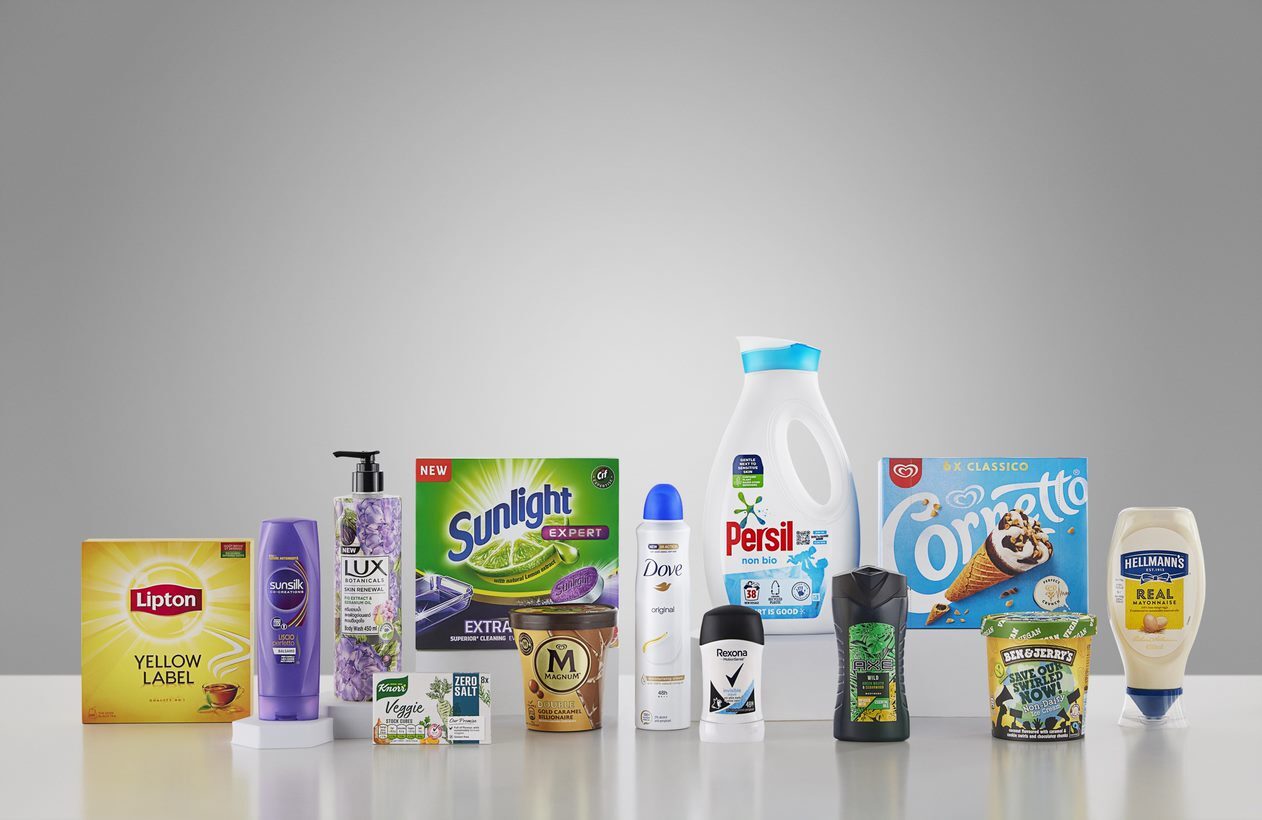
A 2021 review of thousands of climate science papers and conference proceedings concluded that over 99% of studies have found that burning fossil fuels warms the planet. That’s not good enough for some skeptics. If they find one contrarian scientist somewhere, they categorize the idea of human-caused global warming as controversial and conclude that there is no basis for action.

Powerful economic interests are at work here: The fossil fuel industry has funded disinformation campaigns for years to create this kind of doubt about climate change, despite knowing that their products cause it and the consequences. Members of Congress have used that disinformation to block or weaken federal policies that could slow climate change.

Expecting a straight line in a variable world

In another example of black-and-white thinking, deniers argue that if global temperatures are not increasing at a perfectly consistent rate, there is no such thing as global warming. 

However, complex variables never change in a uniform way; they wiggle up and down in the short term even when exhibiting long-term trends. Most business data, such as revenues, profits and stock prices, do this too, with short-term fluctuations contained in long-term trends.

Charts showing Apple's changing stock price and global temperatures over time. Both have a saw-tooth pattern.
These two graphs have the same form: a long-term trend of major increase within which there are short-term fluctuations. CC BY-ND

Mistaking a cold snap for disproof of climate change is like mistaking a bad month for Apple stock for proof that Apple isn’t a good long-term investment. This error results from homing in on a tiny slice of the graph and ignoring the rest.

Failing to examine the gray area

Climate change deniers also mistakenly cite correlations below 100% as evidence against human-caused global warming. They triumphantly point out that sunspots and volcanic eruptions also affect the climate, even though evidence shows both have very little influence on long-term temperature rise in comparison to greenhouse gas emissions.

In essence, deniers argue that if fossil fuel burning is not all-important, it’s unimportant. They miss the gray area in between: Greenhouse gases are indeed just one factor warming the planet, but they’re the most important one and the factor humans can influence.

Charts showing impact of different forces on temperature. Natural sources have little variation, but the upward swing of temperatures corresponds closely with rising greenhouse gas emissions.
Influences on global temperature over time. 4th National Climate Assessment

‘The climate has always been changing’ – but not like this

As increases in global temperatures have become obvious, some climate change skeptics have switched from denying them to reframing them.

Their oft-repeated line, “The climate has always been changing,” typically delivered with an air of patient wisdom, is based on a striking lack of knowledge about the evidence from climate research.

Their reasoning is based on an invalid binary: Either the climate is changing or it’s not, and since it’s always been changing, there is nothing new here and no cause for concern.

However, the current warming is on par with nothing humans have ever seen, and intense warming events in the distant past were planetwide disasters that caused massive extinctions – something we do not want to repeat.

As humanity faces the challenge of global warming, we need to use all our cognitive resources. Recognizing the thinking error at the root of climate change denial could disarm objections to climate research and make science the basis of our efforts to preserve a hospitable environment for our future.

To see the original post, follow this link: https://theconversation.com/the-thinking-error-that-makes-people-susceptible-to-climate-change-denial-204607


Bridging the Sustainability Trust Gap in a Climate-Challenged World

3 05 2023

Image: Getty

Despite growing corporate efforts to drive sustainable change and climate action, there’s an underlying issue: a lack of consumer trust towards companies’ claims on this front. By Dr. Rebecca Swift, Global Head of Creative Insights at Getty Images from Sustainable Brands • Reposted: May 3, 2023

Around the world, major environmental events and extreme weather conditions have pushed climate change to top of mind for people worldwide. According to iStock and Getty ImagesVisualGPS research, “climate change” ranks top of the list of concerns for individuals across the globe — higher than inflation, the energy crises, or issues surrounding world peace.

However, there is still a general sense of ambiguity on who is accountable for driving forward actions to combat climate risks — is it the government? Big businesses? Or are individuals most responsible? Our insights tell us people globally believe it is a shared responsibility; yet each actor’s expectations seem to be first on others, rather than on themselves.

Historically, across different industries, ad campaigns have promoted the idea of individual responsibility. We are used to seeing visuals highlighting individual sustainable practices — from recycling to biking to using reusable shopping bags. All of these concepts, mostly driven by brands and policies, reinforce the idea that sustainability is an individual responsibility.

On the other hand, as VisualGPS found, individuals believe that government is the primary agent responsible for dealing with sustainability efforts and environmental concerns related to global climate change; and that businesses are as responsible as individuals for protecting the planet and enacting sustainable practices.

Since the first UN Climate Change Conference held in 1995, people have been able to follow some countries’ governments’ progress in dealing with climate change issues, while also seeing how corporate philanthropy evolved into impactful CSR programs. Today, 7 out of 10 individuals around the globe believe they have made a lot of progress toward living a more environmentally sustainable life, VisualGPS found.

Nonetheless, despite all involved agents taking part in making a change — denoting a high level of climate awareness — there’s an underlying issue yet to be solved: VisualGPS also revealed a lack of consumer trust towards companies’ claims on this front. More than 80 percent of consumers believe products are made to seem environmentally friendlier than they are, followed by distrust of products that are labeled ”environmentally friendly” as a marketing ploy; and they believe companies claim they abide by ESG (Environmental, social, and governance) standards but do not show enough evidence for it.

The 2023 Edelman Trust Barometer reported an average five-to-one margin of respondents who want businesses to play a bigger, not smaller, role in addressing climate change. The same research found respondents have low trust in the government; in contrast, businesses continue to gain trust around the world and are the sole institution seen as competent and ethical — showing companies are uniquely positioned to bridge the sustainability trust gap, fill the void left by governments, and showcase the invaluable role they play in addressing climate change.

When it comes to deciding which company to use or buy from, 84 percent of people believe it is important that a company uses sustainable business practices and extends these to their products; yet more than half claim it’s too much work to research what brands are actively doing to mitigate climate risks. Knowing most consumers make purchase decisions based on visual content — and also expect brands to take a public stand and drive real action on social and environmental issues — companies and brands can lean on better visuals to tell their sustainability story and make their efforts known to engage with consumers.

Regularly, visuals related to environmentalism and sustainability rely on familiar visual clichés— think, the lone polar bear or hands cupping a sapling — unimaginatively used to convey environmental issues. Many brands also focus on conceptual images and videos that are too abstract to stand out or resonate in a crowded visual landscape. Instead, businesses could focus on large-scale (often policy-backed) visuals — such as actions in the realm of infrastructure, renewable energy, agriculture, water conservation, or management of green spaces — imagery representing topics and initiatives that could transcend the barrier of practices often seen as greenwashing.

As the climate crisis accelerates, consumers are becoming more knowledgeable about what is sustainable; how our decisions, products and policies impact the environment; who is responsible — and whether or not they trust corporate and government sustainability claims. In turn, businesses should look to visual images and messaging that rise to the occasion.

To see the original post, follow this link: https://sustainablebrands.com/read/marketing-and-comms/bridging-sustainability-trust-gap-climate-challenged-world