By Matt Gitsham from Human Resources Magazine UK • Reposted: September 1, 2023
This year’s HR Most Influential (HRMI) survey found that there was a strong view that responsibility for environmental, social and corporate governance (ESG) sits with everyone in the business – but that HR has a vital role to play, alongside leadership as supporter, partner and educator.
Approximately 65% of survey respondents said their organisation had a formal strategy for improving performance on ESG/sustainability.
In most cases, it appeared that this strategy was being driven either by the board or some kind of central ESG function.
HR practitioners were, however, playing a key role in supporting the strategy from a people perspective, with a particular focus on inclusion and diversity, working conditions, fair pay, wellbeing and ethical business practice.
“Sustainability, ESG and helping businesses go net zero are now crucial components of business and people strategies,” said one respondent.
“HR needs to be at the decision-making table and influence from there,” said another.
“To make HR the ‘owner’ would run the risk of these important topics being ‘HR projects’. ESG/sustainability needs to be a belief system and not just a process.”
Educating the workforce
Survey respondents also felt HR had an important role to play in educating the workforce, with 52% saying leadership development on ESG/sustainability was being offered across the business.
“HR can help people unlock their understanding of how to embed this in day-to-day work”, and “HR has a key role in the education of the workforce, to ensure they understand ESG/sustainability and the impact of their decisions,” were among the comments.
There was a recognition among HR professionals that a focus on ESG could be a competitive advantage when it comes to recruitment, retention and brand reputation.
Employees were increasingly looking for organisations that support this agenda, and were voicing a desire to work for companies with strong values and a proactive commitment to fighting issues such as climate change and inequality.
“Ultimately, people are voting with their feet and basing consumer and employment decisions on the sustainability actions of companies,” said one respondent.
Developing sustainable leaders
It is good to see this growing recognition among HR professionals of the important role they have to play in both championing and supporting ESG efforts.
At Hult International Business School, we have been conducting research specifically into how leadership roles need to change in response to the critical environmental, social and human rights challenges facing us all.
Our findings underline the need for innovative learning and development interventions to help leaders, managers and future talent navigate the sustainability transitions that are happening right now.
Building literacy on sustainability and ESG issues is of course an important starting point, but our research suggests that first hand experiences are at the heart of what it takes for leaders to build the emotional connection and commitment to put the sustainability agenda front and centre in their work.
For the leaders interviewed in our study, this might have meant experiences such as engaging with people living in poverty, personal experience of the impact of climate change, or experience of the changing interests of key partners and stakeholders.
Influential mentors and participation in professional networks focused on ESG had also been formative experiences for many of our interviewees.
This has implications for the design of learning and development, as well as for the way HR approaches the wider task of managing talent and succession planning programmes.
Leadership development activities need to be structured to create opportunities for current and future senior leaders to have precisely these kinds of personal, first-hand experiences, through powerful experiential learning.
HR professionals also need to value these kinds of life experiences when making decisions about recruitment, career development and succession planning, and make sure they are embedded in the HR processes that underpin these.
As one survey respondent said: “It’s time for HR to contribute and view this as an opportunity to strengthen a purpose-led EVP just as much as an opportunity to help save our planet.”
The next stage of our research will look at the evolving role of HR in sustainability, surveying what kinds of activities HR departments are increasingly engaging in in relation to sustainability and ESG, and what they are learning about what works.
By Tom Idle from Sustainable Brands • Reposted: August 30, 2023
It’s about to get more costly for companies that exaggerate environmental and social claims in their communications. But what if artificial intelligence could eradicate greenwash forever?
As anyone working in sustainability communications is well aware, the risks associated with greenwashing are multifaceted and go well beyond mere marketing deception. Making wild claims can genuinely hamper sustainability progress, erode consumer trust, undermine regulatory efforts and mislead investors. To foster true sustainability and responsible business practices, there must be a collective effort to expose and curb greenwashing — promoting transparency and holding companies accountable for their environmental claims.
Legislators and advertising standards authorities are only too well aware of this and are imposing stricter regulations on how products and services are marketed. The US Federal Trade Commission’s new guidelines on how brands should use terms such as ‘eco-friendly’ and ‘biodegradable’ were warmly welcomed. In France, companies can face fines of up to 10 percent of their annual turnover for deceptive environmental marketing; and the UK is set to adopt a similar deterrent. In Australia, consumer protection laws have beenstrengthened, with the Competition and Consumer Act prohibiting false or misleading representations about environmental benefits.
It’s about to get more costly for companies that fall into the trap of over-egging environmental and social claims in their marketing and communications. But what if the answer to eradicating greenwash forever could be solved by artificial intelligence (AI)?
AI is being used to solve all manner of challenges. It is revolutionizing healthcare by improving diagnosis accuracy and treatment effectiveness — IBM’s Watson for Oncology is a great example of how AI can analyze patient data to suggest personalized treatment options for cancer patients. The Nature Conservancy is using it to study satellite data and predict illegal fishing activities to protect marine ecosystems. AI algorithms are scanning social media posts and satellite images to map disaster-affected areas and aid rescue and relief efforts. In cities, AI is helping local authorities become smarter and more efficient, with urban planners using AI simulations to address traffic problems and make the air cleaner. And companies are even using it to craft more effective sustainability strategies.
Now, a company called Greenifs has come up with a solution that it hopes will enable firms to avoid the common pitfalls associated with greenwashing — using the versatility of AI technology to transform ESG communications.
The platform lets you copy and paste written content into a form (currently limited to a social media post length of characters) and have it scanned by robots for any potentially misleading and unsubstantiated messages. In a matter of seconds, it then creates a fully automated analysis of the content — highlighting where the writing might have veered into greenwash territory. Finally, it serves up a series of recommendations as to where the writer might need to add more information, provide evidence and be clearer in what’s being said.
Speaking on Zoom from his base in Lithuania, Greenifs founder and CEO Vytautas Sabaliauskas is excited about the possibilities for his new creation: “We’re taking the human error and human labour out of keeping track of the latest green marketing regulations,” he tells Sustainable Brands®.
He shares his screen so that I can explore the platform. We share a few examples of recent social media posts that have caught our eye and plug them into the platform — changing the region, according to where the business is located; this is a defining criterion that will alter the AI results served up.
As we await the aggregated analysis and recommendations, Sabaliauskas acknowledges that his new product might be somewhat ahead of the legislation. But he is buoyed by the changing regulatory landscape, which has created a gap in the market. Companies could really use his AI tool — as “a lot of money will be burned,” he says. “Brand reputation is very hard to gain; and companies can make simple mistakes. Our AI gives them a second opinion and allows them to understand what might be missing.”
The idea for Greenifs.ai came while Sabaliauskas was working on other brand projects — and a realisation that there isn’t a single online source of information that highlights companies’ sustainability credentials. There are plenty of rankings and benchmarks, of course; but no one way of exploring or verifying green claims.
“We started playing with AI and wanted to explore where we could have a big impact. We thought that this type of product could be crucial for brands, with big fines coming and the harm that could be done by greenwashing,” he explained.
For all the good AI is bringing to sectors everywhere, there is a risk the technology might fuel certain problems. Could the use of AI in marketing and communications teams actually be contributing to greenwash in the first place?
“We’re not concerned about how companies create their messages; we just want them to make claims they can prove,” says a defiant Sabaliauskas. “AI is there to help — but decisions are still made by people.”
Thegreenifs.aiplatform is available to try out — users can analyse five posts as part of a free trial.
By Luke Heilbuth via Sustainable Brands • Reposted: August 29, 2023
Climate resilience is the ‘resilience of a company’s strategy and business model to climate-related changes, developments and uncertainties.’ This language is worth reflecting on, as it brings the concept of resilience science into mainstream business thinking.
Background
In June, the International Sustainability Standards Board (ISSB) issued its inaugural standards — IFRS S1 and IFRS S2. The Standards create a common language for companies to report on how sustainability and climate-related risks and opportunities affect their prospects. They reflect what investors want, and will form the basis of mandatory climate-related reporting requirements in many advanced jurisdictions (aside from the United States).
This article explores the most interesting part of IFRS S2: the climate-resilience assessment. Building on the TCFD — which IFRS S2 has now supplanted — climate resilience is defined as the “resilience of a company’s strategy and business model to climate-related changes, developmentsanduncertainties” [emphasis added]. This language is worth reflecting on, as it brings the concept of resilience science into mainstream business thinking.
Tipping points and ignorance
Invented by Canadian ecologist C.S. “Buzz” Holling in 1973, resilience science explains how human-natural systems (the interconnected relationship between humans and the environment) do not exist in a fixed state — but are instead characterized by constant change and tipping points.
This is not how businesspeople usually think. Instead, they assume that a complex system — like an organisation — is stable, isolated, measurable and linear. Take COVID: Most of us thought things would be disrupted for a time before ‘bouncing back’ to normal. The mistake is right there in the language. Post pandemic, we didn’t go back. The way we live and work changed.
A better understanding of the world acknowledges that systems go through adaptive cycles of growth, decay, restructuring and renewal. As business leaders, we must acknowledge our lack of certainty and control. We should reimagine our actions, plans and strategies as experiments that, as in science, must be constantly re-evaluated.
As author Nassim Taleb says in Fooled by Randomness, probability is “the acceptance of the lack of certainty in our knowledge and the development of methods for dealing with our ignorance.”
That’s why IFRS S2 is not the dry reporting standard it appears at first view, but something quite visionary — it embraces uncertainty and consents to our ignorance. It asks us to see through the ‘illusion’ of the pristine, perfectly self-contained balance sheet — where the ledger is always squared, and all things are known.
Focus on the process
To explain the “changes, developments and uncertainties” that arise from the physical and transition risks and opportunities of climate change, a company is required to use scenario analysis. This is not meant to predict what might happen in the future — but to offer up ‘what if’ scenarios to help your business better think through its options and plan accordingly.
IFRS S2 says you must disclose the “inputs and key assumptions” used in your scenarios — not just the result. In other words, your explanation of the process is essential. This is because investors want to test the quality of your thinking, rather than simply reading a claim that your business is resilient.
Staying practical
The method of scenario analysis you employ is up to you, and should be “commensurate with your circumstances.” For most businesses, an expensive, quantitative-modelling exercise is not required or even the best option. The authors of IFRS S2 recognize the burden that companies face in complying with a science-based approach to climate change.
As a result, they have sought to navigate a practical approach that requires the use of “all reasonable and supportable information” (the floor of the effort required) available at the reporting date without “undue cost or effort” (the ceiling). The concept is explained by ISSB Vice Chair Sue Lloyd in this webinar. The IPCC, IEA and PRI all provide publicly available scenarios which provide the basis for a useful, cost-effective and strategic approach.
Finally, your company is not required to perform a scenario analysis as part of the reporting effort each year. The minimum requirement for updating your scenarios is whenever you review your corporate strategy as part of the strategic planning cycle. That said, each year you must revisit the assumptions that underpinned your analysis and consider whether any changes affect the assessment of your company’s climate resilience. The IFRS refers to this annual update as a “resilience assessment.”
Scenario analysis done well will ultimately help you fine-tune your overall strategy and business model — enhancing your business’s prospects and resilience against the vagaries of an uncertain future.
In recent years, investor portfolios have grown too big to avoid systemic risks such as climate change. Recognizing their vulnerability to black swans, institutional investors have pushed investee companies to prioritize resilience over short-term cost optimisation; the IFRS Standards reflect the trend. As Taleb says, the defining characteristic of change is that it cannot be predicted: “This is the central illusion in life — that randomness is a risk — that it is a bad thing.”
A demonstrator shows support for climate justice at an Earth Day rally in Washington, D.C. earlier this year. Image credits: Victoria Pickering/Flickr and Markus Spiske/Unsplash
By David Hunter from Triple Pundit • Reposted: August 29, 2023
Early next month, representatives from more than 500 banks from around the world will gather to explore how to promote sustainable development and “align financial flows” with the Paris Agreement on Climate Change. Participants in the upcoming Finance in Common Summit account for 12 percent of global investment annually with $23 trillion in assets combined, allowing for enormous potential impact.
Not surprisingly, financing energy transitions will be central to the discussions, including Just Energy Transition Partnerships (JETPs), or creative financing packages to support developing countries’ transitions away from coal. Four JETPs have been announced so far with South Africa, Indonesia, Vietnam and Senegal. India is next in line. G7 countries and development banks are instrumental to financing these initiatives.
But like anything that requires a massive infrastructure shift, transparency and accountability are essential to ensure that the billions of allocated dollars are actually used for their intended purpose. In the case of the JETPs, this means moving toward renewable energy to benefit all communities. Such transparency and accountability is only possible where local NGOs and civil society experts can participate freely and fully in public discussions, provide independent monitoring of social and environmental impacts, and support communities to advocate for their rights.
This is what the “just” aspect of the just transition is all about — which is why financial institutions should be paying very close attention to the situation of civil society voices in the countries they are prioritizing.
Take Vietnam as an example.
Two development banks — the International Finance Corp. and the Asian Development Bank — joined forces with the U.S., U.K. and other G7 nations to finance a $15.5 billion JETP with Vietnam. Meanwhile, in the last couple of years, the Vietnamese government has arrested and detained five of the country’s most prominent climate leaders who should be at the forefront of this process. The charges all relate to “tax evasion,” but ample evidence, including multiple declarations from U.N. experts and treaty bodies, point to these vague laws being used to silence environmental defenders in Vietnam.
One of the climate justice heroes currently serving a five-year prison sentence in Vietnam is Mr. Dang Dinh Bach (“Bach”), whom I know personally both as a former student and as a partner in a U.S.-funded law reform project. His work centered around protecting vulnerable communities from pollution, including plastic waste, asbestos and coal-fired power plants. I was impressed with his strong sense of values, always respecting the Vietnamese legal system and speaking highly of the government. He’s still in jail despite numerous high-level calls for his release and a U.N. opinion that found his imprisonment a “violation of international law” in the context of a “systemic problem with arbitrary detention” of environmental defenders in Vietnam.
Just a few months ago, another climate champion in Vietnam, Obama Foundation ScholarHoang Thi Minh Hong, was detained on similar charges, continuing this highly concerning trend. The U.N. and several governments, including the U.S. and the U.K., have all released statements calling for her release, but to no avail.
Internationally-renowned climate leader and Goldman Environmental Prize Winner Ms. Nguy Thi Khanh was recently released after serving 16 months in prison on similar tax-evasion charges. Environmental groups continue to face threats, and many have shut down in reaction to this chilling situation.
For all banks that will be participating in the upcoming Finance in Common Summit, these arrests should be a red flag. Even more so for the International Finance Corp. and the Asian Development Bank, as they have recognized the link between dissent and sustainable financing, having adopted specific policies protecting those who voice opinions about the projects they fund.
The World Bank, of which the International Finance Corp. is a part, has a zero-tolerance policyaround reprisals and retaliation against those who openly share their views about projects it funds, stating: “Any form of intimidation against people who comment on Bank projects, research, activities and their impact, goes against our core values of respecting the people we work for and acting with utmost integrity.” The Asian Development Bank’s policy similarly says that civil society participation in its projects “fundamentally supports good governance, citizenship and accountability of the state.”
Both development banks must know that funding a JETP in Vietnam while the government is punishing those who argued for this precise transition violates the spirit of their policies and undermines the ultimate effectiveness of their JETP investments.
Banks should not be supporting JETPs in any country where advocating for clean energy is treated as a crime under the guise of tax fraud. If Bach, Hoang and Khanh can be arrested for taking reasoned positions against coal-fired power plants or other projects that exacerbate climate change, then anybody is at risk of being arbitrarily imprisoned in Vietnam for supporting the goals of the JETP in the future. Each of these individuals worked within the system and was eager to help monitor and implement the JETP on behalf of impacted communities.
To achieve a truly just energy transition in Vietnam, financing of the JETP must be contingent upon the urgent release of Bach, Hoang, and the other environmental defenders serving harsh and unjust sentences. In addition, civil society must be able to safely and freely contribute to the work needed for Vietnam to meet its net-zero emission target by 2050 and the JETP commitments without retaliation or threat of imprisonment. The same should be true for all countries receiving billions of dollars to meet the Paris Agreement goals.
At this year’s Finance in Common Summit, I urge the participating banks that finance JETPs or any other type of climate-forward initiatives to do their due diligence and make sure their money will actually be used to fund truly just energy transitions.
By Andrew Kaminsky from Triple Pundit • Reposted: August 25, 2023
Indicators suggest that the worst of the economic strain is behind us. And while this doesn’t mean consumers will enjoy unabated shopping sprees any time soon, it may hint that more people will consider factors beyond the price tag when selecting a brand.
In tight economic times, consumer decision-making is generally limited to factors of price and quality — in other words, how do I get the most bang for my buck? When the grip on household spending loosens, though, and consumers find themselves with more disposable income, they have more room to consider other factors in their decision-making.
The U.S. Consumer Price Index for June 2023 saw the smallest monthly increase since 2021, signaling that inflation may have plateaued and offering consumers a bit of reprieve from the previous years’ bank account blitz.
In 2022, U.S. food prices had their largest annual increase since the 1980s, and per-capita disposable income fell by 6.6 percent. Now, food prices are beginning to stabilize, and the forecast for 2023 indicates that disposable income will start to see a small climb. Meanwhile, the global economy is also beginning to recover from disruptions caused by the COVID-19 pandemic.
If consumers find economic relief in the near future, they’ll enjoy more freedom to choose products and services based on preferences beyond simply finding the best price.
What does the data say about purchase drivers?
Data from Glow, a consumer data research company, shows that U.S. consumers consider price and quality as the most important factors when selecting goods or services in any industry. Given the state of the economy as of late, this isn’t much of a surprise.
Alongside price and quality, other purchase drivers include ease of use, customer support, availability and convenience, features and benefits, and sustainability. The final factor there, sustainability, is already top of mind for many consumers — and its relevance is quickly growing.
So, what really goes through consumers’ minds when they consider making a purchase? In industries where the price-quality combo is comparable between brands, consumers are more likely to look to the next set of drivers to aid in their final decision-making, said Mike Johnston, managing director of data products at Glow.
When we look at the Glow data for sustainability as a purchase driver across industries, it features as a top-three driver for 40 percent of U.S. consumers when it comes to energy providers, as well as 31 percent in the auto industry. The industry that sustainability ranked lowest in, convenience stores, still saw 20 percent of consumers ranking it as a top-three purchase driver.
“If there is a factor that is important to 1 in 5 consumers, or more, this is significant for any business as it can have a material impact on whether their brand is selected,” Johnston said.
Why is sustainability demand on the rise?
The whole spectrum of environmental, social and governance (ESG) issues is gaining traction with a large share of consumers. Granted, some consumers stand firmly in the “anti-ESG” camp, but a significant portion of shoppers are shifting their purchase drivers to prioritize sustainability.
Based on a recent study by NIQ, 69 percent of global consumers say that sustainability and ESG concerns have increased in importance to them over the last two years. It’s no surprise that the climate crisis has prompted many people to reevaluate their buying habits, but that’s only part of the reason why sustainability issues are playing a more prominent role.
“There are a mix of reasons for the growing importance of sustainability across consumers,” Johnston said. He points to the growing exposure in society of social issues, corporate scandals and the global climate crisis, as well as the changing demographics of the consumer base, as to why sustainability demand is on the rise.
“Sustainability and ESG issues are routinely seen to be more important with younger consumers,” Johnston said. These younger consumers, like millennials and Gen Z, are growing in importance quickly and increasingly occupying a larger share of the market.
‘Young’ consumers drive the sustainability surge
We can call them young, but there’s a good chunk of millennials who are closer to retirement than they are to high school, and they aren’t getting any younger. The dynamics of the market are changing as baby boomers and Gen Xers scale back their market influence.
For millennials, 61 percent say that sustainability and ESG issues have increased in importancefor them in the last 12 months. Across all categories, sustainability is a top-three purchase driver for 33 percent to 50 percent of these consumers. Aside from convenience stores, at least 10 percent of millennials ranked sustainability as the top purchase driver in all categories.
On the other side of the coin, baby boomers are least concerned about sustainability when making a purchase, according to Glow data.
Sustainability has to work in tandem with other purchase drivers
It’s growing in importance, but sustainability hasn’t yet reached the level of a standalone purchase driver in most cases. Depending on the product, price or quality has the ability to settle decisions single handedly.
It’s not uncommon to think or hear a shopper say, “I don’t care, just give me the cheapest one you got,” signaling price as the sole purchase driver. Or, likewise, “I don’t care what it costs, I just want the job done right,” meaning quality trumps everything else.
Consumers who care about sustainability are often willing to pay more and possibly even make a sacrifice on quality or convenience. But how much more will they pay, and how much else will they sacrifice? The answers to those questions vary depending on the product, industry, and consumer but are generally something like, “A little bit, but not too much.”
“There are many studies that show that consumers are willing to pay a premium for sustainable products,” Johnston said. In particular, Gen Z and millennials are more eager to pay those premiums.
Businesses that embrace the sustainability surge and can find that sweet spot between price, quality and sustainability will position themselves to attract a large share of the growing market for more sustainable products.
Younger consumers are pushing resale into mainstream retail; and it’s changing how brands, platforms and other services that support commerce support and strategize around it. By Geoff Nudelman via Sustainable Brands • Reposted: August 22, 2023
We’re experiencing a “resale revolution;” and it’s fundamentally changing the way many of us in the US shop, according to the 2023 Reuse Report by global ecommerce marketplace Mercari.
According to the report, the US secondhand market is expected to reach $325 billion by 2031. What’s even more striking are the ways in which resale is slowly but surely becoming an integral part of the broader retail landscape; according to the report, Mercari has had more than 50 million downloads and gets 350,000 new listings every day in the US alone.
“Well over half of people surveyed for the report said buying secondhand is a lifestyle choice; and there’s a definite bias to younger consumers,” Neil Saunders, managing director ofGlobalData (which worked with Mercari to compile the report), told Sustainable Brands®.
From July 2022 – July 2023, the report notes almost 82 percent of US consumers purchased a secondhand item — 89 percent of millennials and 83 percent of Gen Z shopped resale. That shows the tilt towards resale is there with younger shoppers in ways that are erasing any prior, dated stigmas or stereotypes of buying used.
Falling right in line with the broader trend of climate-driven purchasing behaviors by younger consumers, the report stated that well above 20 percent of Millennial and Gen Z buyers placed “reducing environmental impact” as a factor in choosing to buy something secondhand. Those numbers also track on the opposite side — as younger consumers are also looking for more ways to extend the life of unused items through resale.
“We’ve seen a notable shift in the conversation around resale within the retail industry; and it’s clear that resale will play an important role in the wider industry’s move towards a more circular economy,” Visa chief sustainability officer Douglas Sabo told SB.
Embracing the powerful potential of resale
The shift is so notable that retail-adjacent players such as Visa are reshaping portions of their business as more shoppers turn to recommerce.
For Visa, this innovation comes in the form of initiatives such as its recently launched Recommerce Behavioral Insights Lab — which is facilitating several real-world experiments to better understand how to integrate circular practices into everyday retail.
According to Sabo, resale businesses are still working on that consumer connection — with only 23 percent of UK-based small businesses, for example, offering a resale option.
For a company such as eBay — arguably a resale pioneer long before it was ever a burgeoning trend — it requires a redefinition of what the platform could be for a new generation of buyers and sellers.
“Our platform has transformed into a hub for recommerce in many categories, driven by the sustainability-conscious preferences of younger generations like Gen Z,” says Renee Morin, the online auction company’s chief sustainability officer.
Despite the emergence of rival platforms such as Mercari, eBay remains a go-to, global marketplace for verified and authenticated goods through various self-run programs — especially with small appliances and electronics, which stand to have a greater positive environmental impact the longer they’re kept in service and out of the trash.
“Growth in eBay Refurbished GMV (gross merchandise volume) accelerated during Q1 2023, posting double-digit year-over-year growth with the addition of new categories — including computing and video game peripherals — as well as more brands and OEMs in existing categories,” Morin adds.
Apparel has the most potential and movement
One of the more interesting findings to come out of Mercari’s Reuse Report was the growth in male-identifying buyers exploring resale. 90 percent of male-identified consumers surveyed said they plan to purchase at least one secondhand item in the next year — and that’s supported by a 14.5 percent year-over-year growth in the “menswear” category on Mercari. Clearly, men’s-focused clothing is growing; and men are looking for more access to expensive items (sneakers, watches, etc) through verified resale channels. (GlobalData expects the “menswear” category to grow by 152 percent by 2031, according to the report. This is second only to “footwear,” which arguably could be partially incorporated into the “menswear” category, but remains separate for Mercari’s purposes.)
Over the last three years, apparel has easily been the largest growth category for recommerce — driven by streetwear, luxury and outdoor apparel brands alike looking to tap into new channels with current and new buyers. Whether by letting current customers buy and sell old pieces or offering a company’s own deadstock, flawed items or limited finds, apparel appears to be the most agile area for resale.
Recommerce is sure to continue evolving as consumers continue to explore it. Any entity with a stake in retail should adopt new messaging and offer more education to grow the segment, which is already making impact both in terms of the environment and the corporate bottom line: As Recurate asserted in its inaugural Resale Report, recommerce will be key for brands to unlock the next level of growth, engagement and consumer loyalty.
Is continuous growth compatible with our sustainable development goals? Photo: GETTY
By Nils Rokke, Contributor via Forbes • Reposted: August 22, 2023
The word “degrowth” might be unfamiliar to many ears, but its meaning has never been more critical to understand. Our current economic model’s foundation lies in a presumptive flaw—the continuous belief in infinite growth. But what happens when the pillars of this belief crumble?
For years, experts warned of the impending limitations of continuous growth. The groundbreaking 1972 book, “Limits to Growth,” spotlighted our planet’s sustainable boundaries. This work evaluated how population, living standards, and resource utilization converge and affect sustainability.
Almost four decades later, Professor Jorgen Randers, one of the book’s authors, published an update titled “2052.” Here, he highlighted a critical turning point: our economic model becomes flawed when equity becomes central, and justice prevails.
Consumption and wealth continue to define strategy
Western countries often equate a happy life with high resource consumption and wealth. However, Bhutan offers a contrasting model. It introduced the “happiness economy,” where the nation prioritizes citizens’ happiness over economic growth, suggesting that happiness can be decoupled from resource-intensive activities.
Yet, the growth principle continues to dominate global strategies, evident in the UN’s Sustainable Development Goals (SDGs). Target number 8, for instance, emphasizes “decent work and economic growth.” Recent Holberg Prize awardee, Professor Joan Martinez-Alier, has openly criticized this, arguing that such a goal might be incompatible with other SDGs.
Introducing degrowth and demand reduction
“Degrowth” is a term that advocates for a deliberate, socially just, and equitable reduction in the scale of production and consumption. The goal of degrowth is to achieve better well-being and improved ecological conditions, reducing the size of the global economy to fit within the planet’s biophysical limits.
There are several key principles to degrowth, including sustainability, social well-being, equity, direct democracy, and localized economies.
Understanding degrowth also requires us to examine the concept of demand reduction. This can be categorized into three intertwined yet distinct components:
Efficiency: Maximizing output while minimizing resource use. It’s about doing more with less.
Sufficiency: Re-evaluating the amount of production and consumption truly necessary for human well-being.
Behavioral Change: Shifting societal habits towards sustainability, wherein society collectively and willingly opts for less consumption.
Demand reduction is usually only discussed in policy debates regarding a short-term response to the energy crisis, and rarely as a prerequisite to reaching net zero.
Sometimes the term degrowth is confused with post-growth, a common designation of the various paths we can take when growth has stopped or declined. This gives more freedom to choose paths that allow a continuation of some practices at a smaller scale, whereas degrowth is a clear strategy to decrease growth. Degrowth is therefore one specific pathway in the post growth concept.
Degrowth requires a mindset shift
Jason Hickel, an economic anthropologist from the University of Barcelona, is a staunch advocate for degrowth. At a recent Brussels conference attended by top EU officials, Hickel emphasized the urgent need to reconsider GDP growth as our benchmark for societal success.
He critiqued the western world’s continued exploitation of global resources, effectively maintaining a colonial economy. His take: the real focus should be on meeting human needs, not just growth. However, this suggests a more dominant role for state governance, a model reminiscent of eco-communism, which has been criticized in the past.
Timothy Parrique from Lund University echoed these sentiments. He refuted the idea of producing more while using fewer resources, highlighting the necessity of a complete decoupling to stay within planetary boundaries.
Challengers to degrowth
However, the degrowth principle isn’t without its challengers. How, they argue, can we meet the energy and food demands of a growing population without growth? How can we simultaneously tackle climate change, poverty, and other pressing challenges without the momentum that growth provides?
Nobel laureate Joseph Stiglitz raises an essential consideration: while sacrifices may be necessary, ensuring they’re fairly distributed is crucial. The core challenge with degrowth lies in this equity—how can we ensure everyone gets a fair share?
We must also consider if degrowth is genuinely a viable economic model. It could be argued that if our growth-centric model continues unchecked, it may simply stagnate and consequently ‘degrow’ on its own. But what repercussions would such organic degrowth have on our socio-economic structures?
The heart of the matter isn’t just about stopping growth but ensuring that any model adopted, whether growth or degrowth-oriented, satisfies people’s real needs in a manner that is considered fair and transparent.
Exceeded sustainable limits
Professor Johan Rockström of the Stockholm Resilience Centre, introduced and spent years analyzing the “planetary boundaries” principle. The findings are alarming: we’ve exceeded sustainable limits in various critical areas, from nitrogen cycles to extinction rates.
Moreover, while technological advances push for efficiency, there’s no evidence to suggest that increased efficiency results in decreased resource use. Instead, it seems to enable more people to use these resources, which again poses the question: how can we truly embrace degrowth?
Looking at unsustainable economic activities brings the issue into sharp focus. For instance, the sight of massive cruise ships and leisure boats at picturesque sites serves as a reminder of our high-resource consumption habits.
Infinite growth in a finite world is, by definition, unsustainable. Yet, as a society, we seem trapped in this growth mindset because we haven’t found an alternative. More research, discussions, and debates on these concepts are crucial.
The UN’s latest review on SDGs called for a “wholesale reform of our morally bankrupt financial system.” While such an acknowledgment is a step forward, the commitment to GDP growth as a primary measure persists. It’s high time for a global debate on the sustainability and equity of our growth principles.
By Richard Razgaitis, Forbes Councils Member via Forbes • Reposted: August 19, 2023
Travel contributes a disproportionate amount of greenhouse gas emissions into our atmosphere, and a powerful and growing movement has emerged within the travel and hospitality industry to show a commitment to environmentally friendly practices.
Consider that the 2,000-room New York Hilton Midtown now runs on a cogeneration plant that reduces its carbon footprint by over 30%, or that Royal Caribbean cruise ships use purification systems that remove 97% of sulfur dioxide emissions from their exhaust. Not satisfied with incremental steps, the Hotel Marcel in Connecticut is the country’s first net-zero energy hotel and generates all of its power needs through solar panels.
While it would be nice to believe that brands were making these choices for purely altruistic reasons, the reality is that these businesses are responding to consumer demand. For example, a survey commissioned by my company found that nearly 6 out of 10 travelers would prefer to stay at hotels that prioritized eco-friendly practices such as eliminating single-use plastics. That same study found that 30% of travelers would be willing to pay more to stay at hotels with green amenities, including available EV charging stations.
And while it’s true that this survey represents just one data point, it is consistent with the numbers we’ve seen in other research. A 2021 sustainability survey by Virtuoso found that 78% of luxury travelers prefer doing business with companies with strong sustainability policies, while a 2022 survey found that 75% of travelers would pay more for eco-friendly options if they knew how those funds were being used. And in the U.K., 61% of electric vehicle drivers consider EV charging stations a key factor when booking a hotel.
Whatever study you look at, one trend is abundantly clear: Demand for sustainable options and policies from the travel industry is not only strong but continuing to grow year after year.
It’s also worth noting that while many of these travel operators are making changes based on consumer preference, some are also responding to a growing number of laws meant to accelerate the trend. California and New York have both passed bills banning single-use toiletry bottles in hotels. To get ahead of this trend, mega-hotel chains such as Marriott and Hyatt enacted policies to remove all single-use toiletries from their properties.
Meanwhile, hotel chains and resorts as diverse as the Four Seasons, Hyatt and Disneyland have all launched initiatives to include water refill stations throughout their properties. In an interview with the New York Times (subscription required), Janet Redman, the climate and energy director for Green Peace, stated: “The travel world isn’t ignoring the severity of climate change. Many are even trying to find a way to slow it down so that tourism can keep thriving.”
How Hospitality Leaders Can Take Action
So what can hospitality leaders do to bring their businesses up to this new standard of sustainability that consumers expect? Here are a few options to consider.
• Decarbonize. Embracing energy efficiency and lowering your carbon footprint is appealing to guests and can also serve as a potential cost-savings where renewable energy sources, such as solar panels, are available and affordable.
• Reduce single-use plastics. Instead of offering guests single-use plastic water bottles, provide them with purified water through refill stations (full disclosure: my company offers these services, as do others.) Likewise, single-use plastic toiletries can be replaced with refillable bottles or recyclable packaging. Replacing plastic utensils with biodegradable bamboo ones can also give your guests a positive impression of your sustainability efforts.
• Reduce water usage. Installing water-efficient fixtures, such as flow regulators on showerheads or self-closing faucets that can shut off if inadvertently left on, can provide significant water savings. Even forgoing the use of pressure washers for cleaning can reduce the amount of water your property uses.
• Go car-free. Provide your guests with alternatives to driving their cars. Bikes and electric golf carts are excellent transportation in isolated areas. If you’re in an urban location with mass transit, provide guests with maps, schedules and guides to help them navigate your city’s trains and buses.
Remember that while many sustainability practices require an upfront investment, they can quickly pay for themselves by reducing waste and energy usage. In travel, good for the Earth is also good for business. If your hospitality brand isn’t prepared to adapt to this new reality, you could be increasingly out of step with your customers’ needs.
By Shane Price, Forbes Councils Member via Forbes • Reposted August 19, 2023
So much of business goes on behind the scenes. A million and one factors go into building a company, selling a product and marketing a brand. But increasingly, there’s one issue that’s been at the crux of consumer behavior: Not how good the product or service is but how good it is for the planet.
Sustainability is more than just a buzzword, it’s the backbone of decision making for many consumers, particularly the up-and-coming generation. Comprising roughly a quarter of the world’s population, Gen-Z are expected to account for 40% of U.S. consumers once they come of age. Their motivations are drastically different from previous generations—they’re less brand loyal, they’re the first digitally-immersed cohort in history and they currently command a whopping $360 billion in purchasing power.
Beyond those dramatic differentiations, they’re also the driving force behind a tectonic shift in consumer priorities. Approximately three-quarters of them make their buying decisions based on sustainability, not brand name.
Let that sink in. No matter how good your product or reputation is, a huge subset of consumers will put that on the backburner if your company isn’t doing its part to lessen its environmental impact. From reducing your carbon footprint to implementing sustainable packaging to CSR strategies that contribute to global change, there are a lot of ways companies across all industries and verticals can make a difference. So, why aren’t more doing it?
Going green hasn’t always been a big part of the national identity, let alone consumer drive. In the 1960s, only 7% of all waste in the United States was recycled or diverted from landfills. Today, that number is closer to 35%, a 5x increase. That seems like great news until you look at that figure alongside the amount of waste produced. In the 1960s, the U.S. generated approximately 88 million tons of garbage. Today, that amount has more than tripled to 292 million tons.
More sustainable solutions are critical to the health of the planet. Gen-Z’s focus on environmentalism is a welcome change from the previous “waste not, want everything”ethos. But sustainability solutions are also critical to the health of your business. According to a joint study from McKinsey and NielsenIQ, products making environmental-, social- and corporate-governance-related claims averaged 28% cumulative growth over a five-year period, versus 20% for products that made no such claims.
The need is evident, but action isn’t universal. Although 90% of business leaders think sustainability is important, only 60% of companies have a sustainability strategy. For some, defining and measuring sustainability is a challenge. Others may be duped by an “if it ain’t broke, don’t fix it” mentality. But for many, fitting eco-friendly practices into their business case is simply too daunting a prospect and the benefits too far a reach. Being sustainable does often come with a significant cost, whether in materials, packaging or practices, but the long-range benefits are clear.
The McKinsey NielsenIQ study found that 60% of respondents of any age would pay more for a product with sustainable packaging. And they’ll keep coming back for it. A recent report found that 77% of consumer products and retail organizations saw that sustainability leads to a significant uptick in customer loyalty.
What’s more, sustainability can actually help make your business run better—companies with strong sustainability programs have higher employee morale (55% higher in companies with strong sustainability programs) and increased employee loyalty (38% higher). Increased motivation and morale, in turn, can help reduce absenteeism and boost productivity.
To recap: Sustainability can attract new customers, boost your bottom line, create a loyal customer base, foster a better employee culture and, last but certainly not least, help the planet thrive.
If you’re at the helm of a business and haven’t implemented sustainability into your organization, the time is now. Here are a few ways you can get started:
• Find your champions: In your business, who cares deeply about sustainability in their own lives? Who can help you lead the charge? Sharing the buy-in can help shepherd initiatives from the idea stage through the implementation process.
• Pick one big goal: Although there are many ways to become sustainable, focusing on one big, bold goal can help define your efforts and keep you from getting overwhelmed in the process.
• Be transparent: There will be challenges along the way, but sharing successes, failures, roadblocks and big wins internally and externally is a great way to be both accountable and authentic (two of Gen-Z’s favorite things).
• Partner up: You don’t have to do this alone. No matter your industry, chances are someone has a service, product or approach that can help you start and sustain these practices.
• Brag for the brand: Adopting sustainable solutions is a huge positive step, and people deserve to know. Make your team and customers a part of your success by celebrating your wins.
Being sustainable isn’t always easy, but it is worth it. We now know that without a healthy ecology, we will not have a healthy economy. By marrying the two, you can make sure your business doesn’t get left behind.
By Robert Brown from Global Trade Daily • Reposted: August 18, 2023
Franchise owners can make a significant impact on the world. Their collective teams and resources kickstart movements to help people and the environment, depending on which industry the owner enters.
These are some of the best franchise concepts because they’re socially responsible, impactful and profitable.
Sustainable Seafood Companies
Many consumers assume seafood is a better industry for future franchise owners because it doesn’t use the same business processes as beef farms. Although sustainable fishing supplies are readily available, corporations sometimes rely on methods like trawling to keep up with high demand.
Trawling drags large nets across the ocean floor. They pull up thriving coral communities and plant life without guaranteeing a full catch of the intended fish species. Trawlers also create significant amounts of carbon dioxide, contributing to the issue of global warming.
Entrepreneurs can mitigate this issue by opening sustainable seafood companies, like a franchise with Shuckin’ Shack. The brand works with a sustainable seafood supplier, recycles its oyster shells and has multiple approvals from ocean-focused environmental groups like the Plastic Ocean Project. By working with a brand such as Shuckin Shack, the franchise owner’s corresponding eco-friendly business models would rely on similar production methods to avoid harming endangered plant and marine animal species.
Plant-Based Meat Brands
Cultures transform meats with widespread arrays of recipes, but it’s not the best ingredient for the environment. Livestock industries contribute 12–18% of greenhouse gas emissions globally. Becoming part of a franchise that tries to reduce that statistic is a significant way to create positive change for the planet.
Home Care Businesses
While mainstream companies focus on catering to younger generations, entrepreneurs can enter the socially responsible home care industry. The demand for in-home assistance is projected to rise by 29% through 2024, leading to a higher demand for more home care service providers throughout the U.S.
There are numerous reasons why people prefer to age at home. They may not be able to afford an assisted living facility. Some people live in rural areas that don’t have those facilities or have health conditions that require specialized care.
It’s especially beneficial if the prices for those home care services match the economic abilities of older adults in the surrounding area. When patients and their loved ones don’t have to go into additional medical debt to access health care, franchise services become humanitarian efforts.
Junk Removal Trucks
Municipal solid waste is a challenge wherever people live. Based on the most updated research, it contributes an average of 35 million tons of garbage to landfills, but it doesn’t all belong there. People often throw out reusable or recyclable goods, not realizing those options are available or have them nearby.
Junk removal franchises are a socially responsible way to fight this ongoing issue. Gone for Good is one brand to consider that donates whatever goods it can while recycling leftover materials from client pickup sites. It’s a convenience consumers appreciate because it makes their lives easier while keeping landfill waste from polluting the environment.
Learning Center Brands
Daycares help parents return to work, but only if they can afford it. The average parent pays between $5,357–17,171 annually for childcare. It’s a significant financial burden, but learning center franchises can solve this systemic challenge.
Learning centers provide daycare for young kids while combining their daytime activities with learning opportunities. Each parent’s monthly payment becomes an investment in their child’s academic success. Kids can learn custom curriculum lessons that help them later in life and prepare them for grade school.
The key is matching the daily, weekly and monthly care costs with the economic abilities of families in the surrounding area. Discounts also make learning centers more affordable by merging socially responsible business models with what people can comfortably manage.
Solar Panel Franchise
Social and environmental responsibility merge with solar panel installation franchises. They allow homeowners to reduce their monthly utility bills by harvesting solar energy from their rooftops. Saving money is why 92% of homeowners who installed solar panels went through with the purchase or seriously considered it.
Using less electricity from power plants also helps the environment. The plants don’t have to produce as much electricity for surrounding areas, leading to fewer carbon emissions per plant.
Entrepreneurs with green values can open a business with franchise brands like Solar Grids. The company provides the training and management resources a new business owner needs to launch a successful enterprise. Solar Grids also assists with training installation specialists so every newly installed panel works at peak efficiency.
Green Landscaping Companies
Landscaping is a foundational part of many neighborhoods, but it’s not always helpful for the planet. Sprinklers use excessive water to keep plants alive, while chemical-based products kill insects and leak into surrounding habitats.
Nearby clients would ensure the environment benefits from organic fertilizers, chemical-free pesticides and recommended plant choices to reduce water usage. Expert team members could also provide landscape design appointments to pitch ideas like hardscaping. Utilizing rock formations, fire pits and patios would make any yard better for the environment while making the homeowner’s yard-care routine more manageable.
Urgent Care Clinics
Prioritizing the health of a community through a franchise is one of the most socially responsible and impactful business models. Research shows over 100 rural hospitals shut down between 2013 and 2020, forcing people to travel an average of 20 miles farther for essential services.
Urgent care franchise locations can assist with this issue. Entrepreneurs often reach out to companies like American Family Care to open clinics in medically underserved areas like rural communities.
The brand helps new owners navigate the legal steps of providing new medical services while streamlining the location’s success with tailored marketing and developmental plans. The centers become crucial to the region’s medical infrastructure, guaranteeing long-term success and positive social impact.
Franchise owners can also look into providing services for affordable rates based on the average wage in the surrounding city or zip code. Gallup polling shows 38% of Americans skipped medical care in 2022 due to the rising costs of essential services. Meeting a community’s needs with affordable medical treatments at an urgent care venue would merge humanitarian and franchising opportunities.
Open a Franchise With a Purpose
Humanitarian needs range from a healthy planet that provides a long-term home to affordable medical services. Franchise owners can fill those gaps, depending on the type of franchise they open. Entrepreneurs must consider these impactful business opportunities to start the career they desire while making lasting positive changes in their communities.
Eastman Chemical has more than $1 billion in sales annually from bioplastics made from cellulose acetate. PHOTO: EASTMAN CHEMICAL/REUTERS
Bioplastic production is growing at a record clip amid strong demand from fashion and food-packaging companies, in particular. By Dieter Holger from the Wall Street Journal • Reposted: August 18, 2023
The future is more plastic. Plant-based plastic, that is.
Plant-based plastics, or bioplastics, have accounted for just 1% of the world’s plastic production for well over a decade, according to a review of more than 100 companies by research organization nova-Institute. Bioplastics haven’t taken off largely because they are typically 50% to 80% more expensive than traditional fossil-fuel-based plastics, but their production is now growing 14% a year, putting them on track to reach up to 3% of the plastics market in the next five years.
Bioplastics are expanding faster than recycled plastic in some cases, such as in Asian countries like China and Japan that are mandating more ecologically friendly materials, nova-Institute founder Michael Carus said. Even if global plastic recycling rates someday reach 70% compared with around 9% today, bioplastics alongside materials made from captured carbon dioxide will have a big role to play asthe world transitions away from fossil-fuel-based materials, he said.
“Not one of them can do it alone,” Carus said, referring to the sustainable materials that will drive the green transition. Regional share of biobased polymerproduction, usually for plastics, in 2022Source: nova-InstituteAsiaEuropeNorthAmericaSouthAmerica0%1020304050
Bioplastics’ benefits
Bioplastics are usually derived from plants rich in starch, sugar or pulp, such as corn, wheat, sugar cane, wood and cotton, which makes them costlier than plastics made from fossil fuels because crops need fertilizer and other resources such as water. However, the environmental benefits of plant-based plastics are increasingly appealing to companies promising to use more sustainable materials by the end of the decade.
Plants absorb the atmosphere’s carbon dioxide, which cuts the greenhouse-gas emissions from making bioplastics to at least half that of fossil-fuel-based plastics. Bioplastics can also sometimes cause less pollution when they degrade in the environment.
Broadly, there are two types of bioplastics: Materials that have similar performance to plastic, such as pulp-derived cellulose acetate found in eyeglasses and textiles, and bioplastics that are chemically identical to conventional plastics, such as a polyethylene, polyester and nylon. Around half of today’s bioplastics are biodegradable, according to nova-Institute, meaning they break down more naturally and are less harmful to habitats. Still, many of these bioplastics require industrial composting facilities to degrade and aren’t designed to be thrown away in a home garden.
A Lululemon shirt containing plant-based nylon. PHOTO: LULULEMON ATHLETICA INC.
The strongest demand for bioplastics is currently from fashion and food-packaging companies, but interest is also rising from companies in cosmetics, electronics and more durable goods such as tools, Eastman Chemical’s Chief Technology Officer Chris Killian said.
Eastman, formerly a division of Kodak, earns more than $1 billion of its $10 billion or so in yearly sales from bioplastics made from cellulose acetate, a material it has produced for more than 70 years. Cellulose acetate, which Eastman makes from cotton linters and wood pulp, was first used in Kodak film in the company’s early days, but it is now expanding into packaging, textiles and other applications. In 2022, Eastman signed an agreement withWarby Parker for the material to be used in eyewear. Share of produced biobased polymers byproduct type, in 2022Source: nova-InstituteFibersPackagingAutomotiveandtransportBuilding andconstruction0%102030
“It has a great deal of legs,” he said of the cellulose acetate-derived plastics.
Challenges ahead
Plant-based plastics remain a tough sell because fossil-fuel-based plastics are much cheaper, but prices could fall if companies continue to buy more bioplastics and governments encourage their use. This year, the Biden administration called on the federal government to assess the potential for biomaterials, including for plastics, fuels and medicines. And last year, the U.S. Defense Department said it would invest $1.2 billion in biomanufacturing. The European Union is also considering mandating bioplastics under packaging rules that are being discussed.
In the U.S., there is government support at the state and federal level to convert biological raw materials into fuels such as ethanol, but that level of support doesn’t yet exist for plant-based plastics, said Manav Lahoti, chemical giant Dow’s global sustainability director, olefins, aromatics and alternatives.
“The market is ready to take off on the demand side,” he said. “But to make the economics work, there is some regulatory support that is required.”Global biobased polymer production, whichusually is for plasticsSource: nova-Institute2018’19’20’21’220123456million metric tons
Another hurdle to scaling up bioplastics is what happens at their end of life. Only plant-based plastics that are chemically identical to fossil-fuel–based versions can enter the existing and growing recycling infrastructure. The world’s limited amount of feedstock, which often goes to feeding cattle and other livestock, also presents challenges to using more bioplastics.
One answer: turning agricultural waste into recyclable plastics.
This year, Dow struck an agreement with biomass refinery startup New Energy Blue to buy bioethylene made from the stalks and leaves of corn grown in Iowa. Dow will then make conventional and recyclable plastics from the material and sell to companies in transportation, footwear, and packaging.
Dow is already providing bioplastics for Crocs shoes and LVMH Moët Hennessy Louis Vuitton’s perfume packaging, and sees demand outstripping supply, said Haley Lowry, Dow’s global sustainability director for packaging and specialty plastics.
“We are trying to find more sources,” she said. “The demand from our customers is there; it’s really finding the sources of biofeed that makes sense.”
By Christopher Faires, Postdoctoral Researcher in Supply Chain Management, Iowa State University and Robert Overstreet,Assistant Professor of Supply Chain Management, Iowa State University via The Conversation Reposted: August 17, 2023
Back-to-school sales are underway, and people across the country will be shopping online to fill up backpacks, lockers and closets – and they’ll be taking advantage of free returns.
In 2022, retail returns added up to more than US $800 billion in lost sales. The transportation, labor, and logistics involved raised retailers’ costs even higher. Product returns also increase pollution, greenhouse gas emissions and waste in landfills, where many returned products now end up.
So how can retailers fix this problem and still provide quality customer service?
We conductresearch in reverse logistics, focusing primarily on the intersection of retail returns and customer behavior. Here are some insights that can help reduce the abuse of free returns and lower costs without losing quality.
Where a product is returned makes a difference. Items returned to the store can be restocked an average of 12 to 16 days faster than those that are mailed. Mailed returns also cost companies more: The difference between the most expensive shipped returns and least expensive in-store returns is $5 to $6 per item. That adds up quickly.
Studies show that customers may be willing to change their return behavior – with a little help.
Behavioral nudges are a technique used in decision-making to steer a person toward a specific behavior. Putting candy at eye-level at the grocery store checkout counter to encourage impulse purchases is an example, or making employee participation in a 401(k) savings program the default option. Another type of nudge involves providing more information.
If you’ve ever shopped online and seen statements like “10 out of 10 customers recommend this product” or “Only 2 items left in stock,” you have experienced the use of information to influence your decision. Nudges emphasizing sustainability may also appeal to customers and have a positive impact on return behavior.
Returning items to a store can avoid extra transportation, shipping and packaging, saving money and avoiding waste and emissions. AP Photo/Mark Lennihan
In a recent survey, 94% of merchants said customers were concerned about sustainability, according to a report from Happy Returns, a logistics firm that works with retailers.
However, a much lower percentage of customers actually make sustainable return decisions. That suggests that customers do not fully understand the environmental impact of their return choices – and it offers a way for retailers to help.
Our research found that when customers were given information about the environmental impact of the different return options, they were nearly 17 times more likely to choose an in-store return rather than returning an item by mail. Nudges like this offer a simple and inexpensive way for retailers to alter customer behavior in favor of sustainability.
Picking up returns to speed up the process
Some customers request to return an item but then wait weeks before mailing it. It’s known as customer procrastination, and it also has a cost. The longer these products remain unprocessed, the more value they can lose.
High-priced electronics, such as laptops and tablets, have short product life cycles and lose value quickly, sometimes at a rate of 1% per week. Seasonal items, such as back-to-school supplies or winter coats, become more difficult to resell if retailers get them back on shelves after demand has bottomed out. A returned item’s resale value determines its destination: It can end up back on store shelves, sold to liquidators for pennies on the dollar or sent to a landfill.
Transportation is a large expense for retail returns, for both companies and the planet. AP Photo/Mark Lennihan
A home pickup service for time-sensitive returns could reduce delays in a way that is also useful to the customer. A small number of pickup vehicles collecting returns from customers could avoid multiple shipments, reducing total miles traveledand cutting vehicle emissions, while also avoiding the need for each return to be individually packaged.
Our research found that a pickup service could help retailers collect returns faster and reduce product value loss, particularly for high-priced products and products that lose value quickly, such as consumer electronics.
How to change policies without losing customers
While several retailers have stopped offering free returns or changed their return policies over the past year, our research suggests that changes affecting all customers might not be the best choice.
Broad policy changes that affect everyone might involve limiting the number of returns per customer, charging a fee for returns or shortening the window for returns. An alternative is a targeted return policy that applies only to people who abuse the system. For example, retailers can restrict free returns for people who repeatedly buy more items than they intend to keep, knowing they can return the rest.
We conducted two studies to explore how customers would view changes to a retailer’s return policies.
In the first study, 460 participants were significantly more likely to speak negatively about the retailer – a fictitious company, in this case – when the retailer’s returns policy change applied to everyone and affected everyone equally.
Our follow-up study asked 100 online customers about their thoughts regarding generalized versus targeted policy changes. When the return policy change targeted customers who abused returns, 44% of the participants expressed positive emotions, and only 13% expressed negative emotions.
Those positive emotions included comments like, “I would feel proud of the company for taking action against people who try to cheat the system.” Such responses indicated that participants understood that cheaters were increasing the price paid by everyone.
But when the return policy change applied to everyone, 64% of the participants expressed negative emotions. Nearly half indicated they would speak negatively about the policy change to family and friends, and 42% said they would shop at another store.
Other ways to help customers make better decisions
Retailers can also change the online shopping experience before the customer makes a purchase to avoid the need for returns.
One way is to obtain detailed customer feedback on returns and use that to provide better product descriptions to customers. Another is to avoid incentivizing the wrong behavior. Well-intentioned free shipping on orders over a set dollar amountcould encourage customers to overpurchase and later return products.
Posting videos of items for sale can help buyers spot problems that photos might hide. Virtual fitting rooms that use an avatar of the customer to try on clothes virtually can help customers choose the right size the first time.
There is no doubt that managing retail returns is a difficult task. To make the process more sustainable, retailers need to help customers make choices that limit the need for a return or that minimize the impact of a return on the environment and, of course, the retailer’s bottom line.
“Anti-ESG” rhetoric on political campaign trails and cable news breeds misinformation and creates misunderstanding about the use of environmental, social and governance factors in business. This week we’re breaking down some of the most common myths we see out there about ESG and what it means for businesses and investors, with insight from Andrew Behar, CEO of the shareholder advocacy organization As You Sow.
Myth: ESG is just a big greenwash. Companies aren’t really improving.
Back in 2019, the CEO-led Business Roundtable — which represents executives at some of the largest U.S. companies — issued a statement revising the “purpose of a corporation.” After decades of saying companies should make all of their decisions based on maximizing short-term shareholder profit, the executive group proclaimed the private sector has a duty to all of its stakeholders, including employees, customers and communities. That means considering things like environmental sustainability and social equity alongside profit — in other words, adopting ESG principles.
Those are big words from a lobbyist group that includes executives from major financial companies like BlackRock and JPMorgan Chase, and many onlookers weren’t convinced. Environmental and social advocates said businesses weren’t living up to what they put on paper, and — particularly as the anti-ESG narrative took hold — politicians, pundits and social media warriors took aim at companies for the mere mention of considerations beyond the bottom line. The result? Companies got quieter about their work in ESG, a trend known in sustainability circles as “greenhushing.”
“Five years ago, companies were doing nothing and taking a victory lap,” Behar said. “Right now we have companies doing stuff — and I can tell you, it’s with greater intensity, with greater depth — but they do not want to take the victory lap. It’s a better situation, because they’re actually changing their policies and practices, but it’s the greenhushing. They want to be quiet, because there are too many trolls out there.”
Behind the scenes, companies are spending more on new programming tied to sustainability and social impact. They’ve also agreed to gather more information about things like diversity, equity and inclusion (DEI) in their workforces and the ways climate change impacts their supply chains — and disclose that information to investors and shareholder groups like As You Sow.
“When the declarations were made in 2019 about the new purpose of a corporation, that was really the moment where all of the companies said, ‘Okay, if we want to outperform, if we want to succeed, we’re going to be shifting our fundamental philosophy,'” Behar told us.
In this sense, anti-ESG critics are about four years “late to the party,” he said. “There’s no question in my mind that we are well along this implementation phase of a new purpose of a corporation and this transformation to a regenerative economy based on justice and sustainability. The extractive economy is winding down. And it’s just a question of how fast and how much pain they’re going to cause everybody else in the process.”
Myth: ESG and sustainable investing are anti-business.
Many far-right critics characterize ESG as something brand new, a symptom of the “wokeness” and “cancel culture” they say grip modern society. But ESG isn’t new. The term was coined back in 2005. And even before the Business Roundtable’s 2019 statement, thousands of professionalswere working as “ESG analysts” across the mainstream financial sector.
For investors, ESG is primarily a risk management and long-term growth mechanism. By understanding how companies manage their supply chains, source their ingredients and treat their workers, investors can better understand which companies are prepared for the future. Likewise, companies leverage ESG principles to manage and mitigate the risks they face.
“Overall, what we’re seeing here is just basic good business practices being demonized for political ends and people spending a lot of money to do it. And a lot of that is trying to stop what we see as market forces that have already happened — this is way over,” Behar said. “The companies that have adopted justice and sustainability are the ones that people want to put their money in, because they know those companies are going to succeed over the next five, 10, 20 years.”
Myth: If companies embrace ESG, goods and services will become more expensive.
Many individual products that are marketed as “sustainable” do come at higher prices. Critics often use this point to argue that the more companies consider ESG principles, the more expensive goods and services will become across the board.
But this misses critical context around the state of modern global supply chains. Social inequality and environmental crises already make it more difficult — and more expensive — to do business. ESG principles offer a way to manage and reduce that risk, which stabilizes prices over the long term.
Take climate change as an example and what Behar refers to as “climate inflation.” His team at As You Sow aggregates news articles that cover increasing commodity prices tied to climate change. They’ve noted a clear upward pattern over recent years, with the spring heatwaves in Europe that all but decimated Spain’s olive industry among recent examples.
“They had no olives, so olives are more expensive,” Behar explained. “Coffee‘s more expensive, chocolate‘s more expensive, cotton‘s more expensive. Cereal‘s more expensive. The boiling of the planet is really having some impacts on global commodity prices.”
Myth: You can’t invest sustainably unless you’re rich.
Indeed, institutional investors like asset managers, endowments and foundations increasingly use ESG factors to decide where to invest their money. ESG-focused institutional investment is projected to increase by 84 percent by 2026, making up around a fifth of all assets under management.
But you don’t have to be rich to invest sustainably, or to leverage your voting power as a shareholder in support of ESG. Last month, we outlined some simple ways for any and everyone to get involved with sustainable investing if they have the interest — from voting their proxies on individual stocks, to voicing their support for ESG in their 401(k) plans.
“We know we’ve got this vast majority of folks who actually want to vote to get corporations to provide a livable planet,” Behar said. “It’s a matter now of just getting people to talk about it.”
Is your organization ready to implement a corporate social responsibility strategy? Discover the impact of CSR on executive decision-making. By Tim Madden via Newsweek • Reposted: August 15, 2023
Here’s a reality that can’t be denied: the notion of corporate success is being radically reshaped. The financial bottom line is no longer seen as the sole measure of a company’s achievement.
In today’s connected, hyper-transparent world, there’s a growing call on CEOs and leaders to create sustainable, measurable value for shareholders and society.
This shift in mindset has led to the emergence of corporate social responsibility (CSR) as a significant factor in executive decision-making. CSR encompasses activities aimed at achieving social, environmental, and economic benefits while encouraging ethical behavior.
Executives who fail to integrate CSR into their decision-making fabric run the risk of alienating stakeholders, damaging their brands, and eroding their competitive positions.
What Is Corporate Social Responsibility?
Here’s a question: who does your company truly serve, and how?
The answer to this question is at the core of CSR — and may be a bit eye-opening when you consider your own organization. It’s no longer enough for a company to focus solely on generating profits and shareholder value; they must also consider their actions’ social, environmental, and economic impacts.
Corporate responsibility encompasses the idea that companies have a duty to their stakeholders — including shareholders, customers, suppliers, employees, and society — to operate ethically and transparently.
CSR encompasses various initiatives, each of which is anchored by four key tenants:
1. Ethical functioning: Upholding ethical standards across all business operations, ensuring stakeholder fairness, integrity, and respect.
2. Social equity: Fostering social inclusivity and development via diversity programs, support for disadvantaged communities, and human rights advocacy.
3. Environmental stewardship: Adopting sustainable practices to lessen the company’s environmental impact through waste reduction, carbon emission control, and investment in green energy.
4. Community engagement: Participating in community betterment through philanthropy, volunteering, and local event sponsorship, contributing to a company’s external social responsibility profile.
4 Reasons Why Your Leadership Must Adopt a CSR Mindset
While being viewed as a socially responsible business is an excellent growth strategy, there’s more to it than just a good PR move. Here are four reasons why every leader should emphasize corporate social responsibility within their organization:
1. Attracting and Retaining Talent
Potential employees are looking beyond attractive salaries and traditional benefits. They’re interested in their company’s values, seeking employers who share their commitment to positively impacting society.
Recent studies show that three-quarters of millennials are looking into a potential workplace’s environmental commitments when in the market for a job. And once on board, employees proud of their company’s CSR commitments tend to have higher engagement and loyalty, reducing turnover rates and boosting productivity.
2. Building a Positive Corporate Culture
CSR initiatives foster a positive corporate culture. Employees feel valued when companies commit to ethical practices, invest in their well-being, and engage in initiatives for society.
When your internal team is united and inspired by the same values, a positive company culture radiates to external stakeholders — customers, suppliers, partners, etc. This can lead to increased trust in your brand and stronger relationships with all those involved.
3. Strengthening Community Relations
Companies don’t exist in a vacuum — they’re part of broader communities. By investing in CSR initiatives, you also invest in the health, welfare, and prosperity of the community around you.
This mutually beneficial relationship with the community can build trust and goodwill between your organization and its stakeholders, inspiring a more potent connection while helping create economic opportunity in the region you serve.
4. Enhancing Investor Attraction
Here’s another reality: CSR is a growing investor concern. Demonstrating a commitment can attract more investment, improve stock performance, and increase market value. Rather than viewing CSR as an expense, it’s more effective to think of it as an investment in your organization’s future.
Practical Steps to Develop and Implement CSR Strategy From the Top
Developing and implementing a CSR strategy isn’t just a matter of well-intentioned ideas. It requires a structured approach, starting from the very top of the organization:
1. Align CSR with your company’s vision and values: Before diving into specific CSR initiatives, take a step back and look at your current values. Can you easily align your CSR strategy with your company’s vision, mission, and values to create an authentic message?
2. Conduct a stakeholder analysis: Identify and analyze the needs and expectations of your key stakeholders, including employees, customers, investors, and the community. This can help you identify the CSR areas that are most relevant to your business and stakeholders.
3. Set clear and measurable goals: Set clear, measurable goals for your CSR strategy, just like any other business initiative. Track progress, adjust, and aim for targets like environmental impact, employee diversity, or community contributions.
4. Create a CSR team: Appoint a dedicated team or CSR officer to drive your CSR strategy. They’ll coordinate activities, monitor progress, and maintain stakeholder dialogue — with the resources and authority to execute effectively.
5. Communicate and engage: Keeping communication channels open is critical to ace CSR. Keep stakeholders informed about CSR goals, initiatives, and how far you’ve come. Engage them by inviting employees to volunteer, consulting customers on sustainability, and including investors in ethical business discussions.
6. Evaluate and adjust: Assess and adjust CSR strategy by soliciting stakeholder feedback and gauging impact. Continuous improvement is key to a successful, long-term commitment.
Guide Your Company Into a CSR Future
As a leader, developing and maintaining a corporate social responsibility strategy is crucial to propel your company’s success. The more you know about the ups and downs of CSR — including the challenges and opportunities — the better equipped you are to spearhead CSR initiatives.
The goal is to make a sustainable, long-term CSR strategy that lives up to your stakeholders’ expectations and delivers measurable results, now and in the future. Don’t take any risks that could hinder your corporate success — instead, improve your initial strategy, evaluate, and remain flexible.
By Jon Chorley, Contributor via FORBES • August 15, 2023
Organizations today understand the need for comprehensive environmental, social, and corporate governance (ESG) strategies, and many have set aggressive goals for the coming decades. While it’s great to see so many lofty ESG pledges, we are seeing many organizations finding the journey to reduce environmental impact more difficult than expected.
For ESG programs to be successful, there needs to be organization-wide engagement. It can’t just be driven from the top. Creating a sense of responsibility for ESG throughout the business is needed to plan, execute, and track progress effectively. This often requires deep organizational change that can be quite challenging.
With the right education, planning, communication, and technology assistance, engagement flourishes and efficiencies follow. Here are some ways to create more buy-in and a sense of shared responsibility at all levels of the business:
Top executives should create a north star for the rest of the organization to follow. This often starts by clearly articulating the company’s mission and high-level ESG goals, which can then be used to outline priorities for all employees and partners. This guidance and direction must then be operationalized by delegating responsibilities and translating goals into simple, actionable steps for everyone involved.
Proper planning is the connective tissue that enables a company to meet its sustainability goals and drive engagement. These plans start with high-level ESG goals and provide the necessary detail for teams to activate. This will provide the clarity needed for everyone to see the big picture and understand their role within it. Having well thought out and comprehensive plans will also help avoid rash decision making and potential mishaps due to a lack of strong direction.
The supply chain is also an area where lack of planning can lead to significant inefficiency and increased environmental impact. For example, if a company forecasts accurately and plans for spikes in demand, it can work with enough lead time to source from the most sustainable suppliers and use the most efficient forms of transportation. Without strong forecasting and planning, organizations spend more money and create more environmental impact scrambling to get product on air freight.
A powerful example of optimizing transportation and logistics can be found in the multi-national consumer packaged goods company, Unilever. Using intelligent transportation management, Unilever was able to reduce the distance its fleet of trucks drive by 29 million kilometers annually, and reduce carbon emissions by 9 percent.
Operationalize Technology
The right tools and technology play a significant role in executing and tracking sustainability initiatives. Supply chain management solutions and platforms powered by AI and machine learning can be valuable resources in empowering teams of all levels to contribute to ESG initiatives and holding them accountable to the goals. Automating the measurement of ESG initiatives takes tedious work off employees’ to-do lists and ensures accuracy and transparency. For example, a $40 billion insurance company is already tracking and reporting greenhouse gas (GHG) Protocol Scope 1 and 2 emissions and estimating and reporting upstream and downstream (GHG Protocol Scope 3) emissions using an integrated suite of applications that helps automate emissions reporting.
These technologies also enable real-time tracking to help guide the company in the right direction with each important decision. This allows organizations to align on financial and operational goals for ESG initiatives, gaining buy-in from leadership, employees, and business partners to work towards a common goal.
While emerging technology is a critical piece of the puzzle, it’s important to remember that the tools and new processes must be operationalized and integrated into the organization’s systems to ensure optimal efficiency. With new tools, business leaders can empower people at multiple levels throughout the supply chain, HR, finance, and customer experience to play an active role in achieving ESG goals.
While the challenge ahead of us may seem daunting, the potential upside of truly embracing ESG as a core tenant of a company’s mission is huge. Research has shown that people are more likely to buy from, work for, and invest in companies that can clearly demonstrate the progress on ESG initiatives. Helping employees to become more engaged in these initiatives can help the planet and the bottom line.
It’s been a bad year for diversity, equity and inclusion (DEI). Budget cuts and layoffs hit corporate and academic DEI departments hard in 2022. The trend backward comes on the heels of rapid growth in the years prior. And while cuts may be one way for companies to tighten their belts as post-pandemic sales drop, future repercussions will likely bring regret.
Short-term gains, long-term losses
Cuts to DEI may lower overhead in the short term, said Ritu Bhasin, a DEI and leadership expert and the author of “We’ve Got This,” a book about finding belonging. “The problem is that the price tag is greater in the long term.”
Companies face a number of consequences when they focus on immediate cuts to the bottom line instead of valuing diversity and creating environments that are inclusive and supportive of all people. “Creativity and innovation will suffer,” she said. “And they’ll be less able to capture market share.”
Bhasin breaks this down to a matter of talent, explaining that the companies making cuts to their DEI programs will be less able to attract and retain skilled workers. With employees feeling less psychological safety in these spaces, attrition will increase, and those that remain may be more cautious about sharing creative solutions.
Diversity’s positive effects on profitability are well-established. And yet, in addition to slashing DEI departments and programming, quite a few companies are unsurprisingly showing a reduction in new hire diversity since the middle of last year.
Bucking the trend
Fortunately, not all businesses forget the importance of recruiting people from a variety of backgrounds and aligning workplaces accordingly. In particular, consumer-facing businesses are less likely to cut DEI programming, Bhasin said, because they recognize the need to reflect the diversity of their customers.
“Banking isn’t seeing the elimination of DEI either, or it is minimal [in comparison],” she said. This also makes sense, considering that financial institutions serve consumers directly and may have a better understanding of the need to reflect their customer base.
But for industries making the biggest cuts, choosing short-term monetary profit over long-term effects “reflects an overarching underestimate of the importance of DEI,” Bhasin said. “And it demonstrates that it was a performative commitment to begin with.”
What are the solutions to widespread cuts in DEI?
So, what can be done about it? “It’s a tricky, challenging problem,” she said. “The DEI leaders who helped to grow understanding of the need are being cut. Those who raised awareness are being let go.”
DEI and leadership expert, Ritu Bhasin. Images courtesy of Ritu Bhasin
Bhasin doubts employers can be counted on to see the light. “They’re the decision-makers. Who is going to convince them?” she said, noting that perhaps the DEI team or other executives can try. Additionally, employees could choose to leave or become increasingly vocal. “But that’s deeply problematic,” Bhasin said. “It puts the responsibility for change on the community that is being affected.”
She recommends a multi-pronged approach, in which shareholders, clients and consumers hold companies accountable. Depending on the type of business, some groups may have more power than others. With companies that don’t deal directly with the public, it may be up to shareholders, clients and contractors to speak up.
For those that provide consumer products and services, “we can vote by where we spend our money,” Bhasin said. “Stop consuming.” One example of this is Twitter, which has notoriously lost both users and advertisers since billionaire Elon Musk took over at the end of October 2022.
Twitter’s DEI team was decimated upon Musk’s acquisition — reportedly shrinking from 30 positions to just two. And while that is not the only reason for the drastic drop in Twitter advertising, it certainly has a huge impact. The social media site lost nearly half of its marketing revenue as it became a bastion for brazen biases and vehement hatred.
But for all the talk of waning sales and falling profits, overall, corporations are still raking in the dough. While corporate windfalls have not continued at the rate they did in 2021, they remain astronomical when taken into long-term historical context. As such, cuts to DEI program budgets and staff are not only unnecessary, but they are also incredibly unwise. It will ultimately take all of us to set things right.
By Yusuf Amdani, Forbes Books Author via Forbes.com • Reposted: August 12, 2023
While 90% of executives state that sustainability is important, not as many are acting on green policies, according to the report “Investing For a Sustainable Future” which appeared in the MIT Sloan Management Review. Only 60% of companies have sustainability strategies in place. Without a green vision at the top, operational levels run the risk of using more resources than needed in everyday practices.
It may be a question of time: the world’s population grew from 2.3 billion in 1937 to 7.8 billion in 2020, per the Green Business Bureau. With more people, the carbon in the atmosphere has increased from 280 parts per million to 415 parts per million during that same timeframe. Globally, organizations are recognizing the need and searching for a solution to become more earth conscious.
Those interested in funding businesses are just as interested in sustainable solutions, with 85% of investors considering environmental, social, and corporate governance (ESG) factors as they make decisions, according to Gartner research. Among banks, 91% monitor ESG performance of investments. These groups see that consumers are asking for green strategies and that sustainability can lead to long-term profitability and performance.
Setting the tone for both current and future generations begins with effective, ongoing efforts that coincide with the U.N.’s Sustainable Development Goals. These outline actions for all countries—both developed and developing—to carry out in a global partnership. When businesses step up and implement changes, others will take notice and be ready to join in.
Here are some of the proven sustainable practices that can generate business:
1. Opting for Renewable Energy
In developing countries, the infrastructure may not support 24/7 electricity in every town and village. For companies that depend on uninterrupted processes and timely deliveries, putting in a solar-powered system could be the answer. Drawing from the sun’s rays to produce and circulate energy, operations can continue while simultaneously lowering electricity costs. Companies that lean into renewable energy will also benefit from the opportunity to show shareholders and customers that they are actively working to reduce their carbon emissions.
2. Sourcing Recycled Materials
Switching from ready-made supplies to recycled fibers in a textile plant can have a significant impact. Waste is reduced, products are manufactured with repurposed materials, and customers can join the cause by purchasing finished items. Among Gen Z shoppers, the up-and-coming consumer demographic, 73% are willing to pay more for sustainable products, per a report from FirstInsight. Looking for ways to recycle materials within a plant can lower manufacturing expenses and enable companies to prepare for upcoming regulations.
3. Promoting Plants and Nutrients
By 2030, the Amazon rainforest is predicted to be downsized to such an extent that it will not provide enough water to support its plant life, as reported by the Green Business Bureau. While companies can certainly fund reforestation campaigns, they can also start their own—right in their backyard. Industrial parks may have spaces where they can plant new trees and house a nursery. New flowers and trees could be distributed among the community. Organizations can also look for an area to carry out composting efforts like the Bocashi method, which yields organic fertilizers that can be used on plants.
Sustainable practices that deliver results, including reduced costs, greater efficiencies, and higher levels of well-being among workers, will be the drivers of tomorrow’s companies. To be prepared for heightened awareness and regulations surrounding ESG, organizations will do well to start today. Looking at what can be done and taking small steps can lead to long-term results and a lasting presence.
By Kirstie McDermott from Nature World News • Reposted: August 5, 2023
In an inspiring initiative to protect the environment and promote sustainable practices, leading brands have teamed up to make a significant difference in nature protection. This collaborative effort, named Bravo for Oceans, aims to hire local fishermen to clean up local bodies of water from debris and waste, and consumers can actively support this cause simply by making a purchase from one of the participating brands. Through this innovative approach, these brands are demonstrating their commitment to corporate social responsibility and fostering positive change in their communities.
Empowering local fishermen for cleaner waters
As concerns about environmental pollution and its impact on ecosystems continue to rise, businesses are increasingly recognizing their role in making a positive impact on nature protection. In a joint effort, several brands have come together to support local fishermen in their mission to clean up water bodies, such as lakes, rivers and coastal areas, from accumulated debris and waste.
By collaborating with local fishermen, who possess a deep understanding of their surrounding ecosystems, the initiative harnesses their expertise and knowledge to restore the health of these vital water sources. The fishermen are empowered to carry out clean-up activities in a responsible and sustainable manner, ensuring that aquatic life and habitats are protected throughout the process.
Consumer support through responsible purchasing
Consumers now have a unique opportunity to contribute to this meaningful initiative simply by making a purchase from the brands participating in this nature protection project. Each transaction made with these brands will directly support the hiring of local fishermen and enable them to take effective action in cleaning up water bodies, preserving natural beauty and conserving marine life.
By choosing to support these brands, conscious consumers can actively play a role in environmental conservation and invest in a greener future. Each purchase becomes a powerful statement in favor of sustainable practices and the protection of our planet’s invaluable water resources.
Bravodeal.com’s role in the initiative
Among the prominent brands actively participating in this noble initiative is Bravodeal.com. Founded in 2018, Bravodeal.com is a renowned coupon site that specializes in providing discount codes for users looking to save money on online purchases. The platform offers a wide selection of coupon codes, deals and promotions that can be used across major online retailers.
With an extensive network of partner brands, Bravodeal.com is committed to supporting sustainable initiatives and driving positive change. By initiating the idea and partnering up with an organization to carry out the hiring and cleaning, they are leveraging their platform to encourage responsible shopping choices that positively impact the environment.
Anti-ESG agitators are telling a story that’s both inaccurate and bad for business. And silence won’t deter further attacks — though it certainly could compromise long-term brand value. By Sandra Stewart from Sustainable Brands • Reposted: August 5, 2023
It might be tempting for purpose-driven companies to think of the “woke capitalism” smearas just a warmed-over meme — a bit of foam-flecked trolling sure to dissipate as soon as the cloud of performative outrage clears.
But that’s a dangerous dismissal. Right-wing agitation against corporate commitments to improve environmental, social and governance performance already has had a negative effect. The SEC’s long-anticipated rule on disclosing greenhouse gas emissions may be watered down following Republican complaints about “woke capitalism.” And it’s not just bureaucrats who are backing away: BlackRock CEO Larry Fink, not long ago a vocal proponent of stakeholder capitalism, is in full-fledged retreat.
Many corporations seem inclined to follow Fink’s “Don’t say ESG” strategy. Fortunereported that at a recent gathering of 40 ESG executives, most said they are abandoning the term but “doubling down” on ESG-related initiatives. But it’s hard to see how this can work. Anti-ESGers are not just coming for the words; they’re coming for the substance. And that’s a brand threat companies can’t just wait out.
The anti-woke crowd is advocating ‘backward capitalism’
The impulse to duck and cover is understandable — no one wants to present themselves for a pitchforking. But agitators are telling a story that’s both inaccurate and bad for business; and it’s time to talk about the dark, retrograde vision implicit in their critique.
Take the anti-woke crusaders’ rhetoric and proscriptions to their logical conclusion and you get a business and finance world clinging to the past, sleeping through the present, and insensible to the future. Call it “backward capitalism.” This is an economy in which fossil fuels rule (Backward capitalists are keen to shore up investment in oil, gas and firearms with anti-ESG state laws — even if they cost taxpayers and retirees hundreds of millions of dollars) — with polices that accelerate climate disaster, poison the air and water, and destroy vital ecosystems; where workers are poorly paid and unprotected (child labor already is making a comeback), and crony-ridden governance structures enable and obscure it all.
The anti-woke contingent isn’t just targeting what they perceive to be a few excesses. They dismiss the mainstream view of ESG assessment as a smart risk-mitigation strategy and flat-out reject the idea that businesses should consider anything but short-term profit. They claim that “woke” corporations are imposing environmental and social initiatives on a society that doesn’t want them. But this is the opposite of the truth: “People say business should do more, not less, to address issues like climate change, economic inequality and workforce reskilling,” the 2023 Edelman Trust Barometerfound — echoing years of similar results. Shareholders have driven adoption of ESG reporting, more intentional investments and governance improvements; while employees and customers have spurred action on social and environmental issues.
Stand up for ESG, corporate responsibility and stakeholder capitalism
Ignoring sound business strategy and clear, consistent demands from core stakeholders isn’t typically a pathway to long-term success. And silence won’t deter further attacks — though it certainly could compromise long-term brand value. The rising ranks of workers, entrepreneurs and investors are not going to follow the backward capitalists into the 19th century; they’ll reward brands that can credibly point to a promising future. The best strategy in this contentious moment is not to hide ESG commitments, or even to defend them — but to actively make a positive case for them.
Corporations whose ESG assessments serve primarily to reveal risks and identify potential mitigations should say so, in every context where they mention ESG actions. Those that have made positive social and environmental performance a core aspect of their brand should promote the measurable impact of significant initiatives and make public commitments to continuous improvement. And the activist businesses that have led the B Corp movementand other efforts to use business a force for good should make an affirmative case for fully embracing stakeholder capitalism.
Broadly implemented, a stakeholder approach can produce declining environmental impacts; activate efforts to mitigate climate change and regenerate ecosystems; solidify living wages and hiring practices that draw from and support the whole talent pool; and foster governance that prioritizes transparency, accountability and net-positive impact. That’s a vision for a world most of us want to live in — so, we must stand up for it.
It’s no secret that the past few years have created seismic changes in the retail industry.
Economic and supply chain issues have made it harder for consumers to shop. In fact, 88% of global consumers experienced availability, pricing and shipping issues. Retailers have responded by adding serious muscle to their e-commerce capabilities and expanding their BOPIS (buy online, pick up in store) capabilities.
To boost the productivity of associates and make their jobs easier, retailers have turned to handheld digital devices. This technology changes everything, from how employees conduct inventory and re-stock to having more information available.
Even with this additional technology, the retail industry continues to suffer from a chronic worker shortage. Retailers have far more unfilled job openings than the availability of unemployed workers with retail experience.
Unfortunately, 2.6 million tons of e-commerce returns end up in landfills since it is cheaper to dump returns than process and resell them. In the U.S. in 2020 alone, shipping returns from online orders pumped 16 million metric tons of carbon dioxide (CO2) emissions into the atmosphere—equivalent to the emissions generated by powering 2 million homes for a year.
Moreover, the handheld devices retailers rely on are prematurely ending up in landfills, too. According to the Global E-Waste Monitor 2020, the U.S. produced roughly 6.9 million metric tons of e-waste in 2019. A U.K. government report says, “New software updates are often not supported on older hardware, meaning it becomes necessary to replace the hardware despite the physical product still working.”
Our research report found that enterprises are aggressively chasing new upgrades and fresh hardware rather than maintaining, updating, diagnosing and fixing devices they already have. For example, 60% of IT decision makers said their ruggedized devices, tablets, laptops and wearables are being discarded unnecessarily.
How To Get To A More Sustainable Retail Future
Retailers can encourage their IT departments to use an enterprise mobility management (EMM) solution that can extend the lifecycle of handheld devices. So, instead of investing in new hardware prematurely, an investment in an EMM solution will allow the IT department to remotely monitor, diagnose and repair devices to expand their lifecycles.
Modern retailers leverage rugged devices that enable smarter supply chains, logistics, warehousing, distribution and inventory management. But handheld devices are powered by batteries, and batteries can begin to fail after a number of charging and discharging cycles. As a result, IT teams routinely discard entire sets of batteries to avoid the downtime that unexpected battery failures can cause.
Monitoring of battery life needs to be a core component of the e-waste conversation. Retailers need to predict battery failures before they occur and replace only those batteries that are predicted to fail. With an EMM that provides intelligent battery analytics, the lifespan of batteries can be prolonged, keeping them out of landfill sites as well as reducing costs by avoiding unnecessary battery replacement.
A more sustainable approach is vital, especially as retailers augment their capabilities with drones and autonomous vehicles. A reduce-reuse-and-recycle mentality will enable retailers to make better, more sustainable choices that make the most out of every investment.
Retailers have the potential to shrink their overall carbon footprint and provide better real-time data to consumers—but getting the best results will require changes.
Sustainability is what consumers want, and investors are taking note, too. As BlackRock CEO Larry Fink put it in a recent letter to CEOs, “Sustainable investments have now reached $4 trillion. Actions and ambitions toward decarbonization have also increased. This is just the beginning—the tectonic shift towards sustainable investing is still accelerating.”
Getting to a more sustainable future means thinking more about the long term. Retailers should whiteboard out their use cases and think about where they can gain efficiency. With the right technology in place, retailers can easily manage their fleet of mobile devices across multiple locations and employees under a single pane of glass.
Retailers need to begin thinking about their businesses as a set of data flows. They need to optimize how they use data all the way from the retail floor back into the extended supply chain, considering how and where data is collected and making sure all those connections are rock-solid.
An estimated 7.6 million young people have taken part in Fridays for Future protests in support of climate action, like this 2019 demonstration in Zürich, Switzerland. But protesting isn’t the only way for people to make their voices heard. Photo: Tom Seger – Upsplash
By Mary Mazzoni from Triple Pundit • Reposted: August 4, 2023
The anti-ESG movement, led primarily by a small set of right-wing politicians and pundits, continues to target the use of environmental, social and governance factors in investing. The pushback against ESG and “woke capitalism” is set to be central in the next U.S. presidential election cycle, with critics ramping up the discourse in advance.
Still, the public appears uninspired by the far-right’s latest bogeyman, with only about 35 percent of U.S. voters viewing “woke ideologies as a ‘major threat’ or a ‘very important’ issue when thinking about their 2024 vote,” according to July polling from Morning Consult.
Those growing tired of the anti-ESG discourse don’t have to resign to simply tuning it out. We spoke with Andrew Behar, CEO of As You Sow, a nonprofit foundation that promotes shareholder advocacy, about powerful ways everyday people can voice what they really think about ESG and the shift toward more sustainable and socially responsible ways of doing business.
Take action: Counter anti-ESG narratives by learning and sharing
The much ado about anti-ESG may not have the effect critics intended. While the majority of the public remains ambivalent, anti-ESG criticism has also sparked new conversations where there were none before. “The good news is there are tens of millions of people who’d never heard of ESG who now have heard of it. They’d never heard of sustainable investing — they didn’t know you could invest sustainably,” Behar said. “Now they’re aware their investing has an impact. And actually a lot more people are coming to ESG investing because of it. I think it’s really backfiring.”
Still, anti-ESG narratives can create confusion about what ESG criteria are actually meant to do. Last year, As You Sow launched the AmplifyESG content library to counter the misinformation about ESG online. It’s curated by an editorial review board that includes representatives from business and both U.S. political parties, Behar said.
Hosted on Hootsuite, the library is updated at least a few times a week with articles, quotes, videos and other resources about ESG, which users can easily share across their social media platforms as they choose. Shares from AmplifyESG have reached nearly 3 million people over the past year, and anyone can get involved in driving more evidence-based conversations about ESG in business.
Take action: Leverage your right to vote
No, we don’t mean at the ballot box. Of course that’s important, too, but in this case we’re talking about the proxy voting rights afforded to everyone who owns shares in a publicly-traded company. “If you’re an individual who has bought shares on E-Trade or Schwab or Robinhood or whatever, you have the right to vote — even if you own just one share,” Behar said. “And that vote is very, very important.”
An estimated 25 percent of all shareholders do not exercise their proxy votes, he explained. “If those 25 percent decided to get off the bleachers and get on the playing field, that makes a big difference. That makes the difference between a majority vote or one that’s just under the majority line.”
But exercising the right to vote by proxy is traditionally not a user-friendly process for individual shareholders. “It’s always been difficult,” Behar said. “Generally you get an email that says, ‘Time to vote.’ But when you look at the ballot, there’s 20 or 30 decisions to make. Who’s on the board? How much do the executives get paid? Who’s the auditor? What about all these shareholder resolutions? It’s very complex.”
As You Sow has published annual proxy guidelines for decades, outlining votes they deem to be aligned with ESG principles. Three years ago, it automated the process by embedding its guidelines into Broadridge Financial Solutions’ ProxyEdge platform for institutional investors. The paid service allows institutions like asset managers, endowments and foundations to vote in an ESG-aligned way in only a few clicks. They can also customize their votes from As You Sow’s defaults as they choose.
This year, As You Sow went a step further with a free service for individual investors at AsYouVote.org. “You can now redirect that email so we will automatically fill in the ballot,” Behar said. “It’ll all be filled out in an ESG-aligned way, and you can make adjustments.”
This simple shift allows individual shareholders to move from being overwhelmed by proxy voting emails to automating the process of voting with their values, with the option to customize if they’d like. “I think a lot of people feel guilty. They see all these proxy statements piling up in their inbox and they think, ‘I just can’t deal with it.’ What you’ll get instead is, ‘Thanks for voting.’ You’ll feel great about yourself, and it takes literally two minutes to set up.”
Take action: How mutual fund and 401(k) investors can make their voices heard
Traditionally, people who invest in funds rather than individual stocks have a much harder time making their voices heard come proxy season, but this is beginning to change thanks to new technology.
“If you own shares in a mutual fund, you have the right to vote. Right now, you have abdicated that right to Vanguard or BlackRock or State Street or whoever, and they’re voting on your behalf. They’re probably not voting the way you like,” Behar said. “You might want to vote for a livable planet. You can demand that. You can say, ‘I want that vote,’ and they will give it to you. It’s very new. The technology is just unfolding.”
Technology advancements mean that individual mutual fund investors can vote their own proxies, with the fund manager voting in alignment with the aggregated results at a company’s annual shareholders meeting. This is known as pass-through voting.
In April, As You Sow linked up with the cloud management company Iconik to make this option available to investors in an S&P 500 mutual fund. Hundreds of investors have already taken advantage of it, Behar said, with more funds on the horizon. “We’re now in conversations with every other proxy voting service,” he said. Broadridge Financial Solutions, a major tech provider for institutional investors, is among those working with fund managers to make this option available to their customers. Get in touch with your fund manager to see what options you have.
Similarly, those who invest in 401(k) plans through their employers also have the right to vote by proxy, but they need to reclaim it from the fund managers associated with their plans. “If you’re in a 401(k) plan — where you probably own a target date fund, which is a fund of funds — you’re going to need to go to your plan administrator and say, ‘I want to vote.'”
If employees band together to ask for their vote, the employer can decide to work with the fund manager to make the option available. As You Sow is in talks with employee-organized groups at companies including Google and Microsoft, who want to leverage the voting power associated with their 401(k)s.
The bottom line: You have more power than you think
Counter to the anti-ESG narrative, most people want to see business operate sustainably, with 99 percent of millennial investors, 82 percent of women and 72 percent of people overall saying they would choose to vote their proxies with sustainability in mind, according to polling from As You Sow.
“We know we’ve got this vast majority of folks who actually want to vote to get corporations to provide a livable planet,” Behar said. “It’s a matter now of just getting people to talk about it and say, ‘Okay, I’ll do that. I’ll click that.'”
Where market forces are already driving business closer to ESG principles, everyday people realizing and claiming the power they hold could open the floodgates.
“People abdicate their power. The way people give away their private personal information to Facebook, they abdicate the power of their money to Vanguard, State Street and BlackRock. It’s amazing. People give away all their power and all their information for nothing,” Behar said. “We have a culture where people look at things like climate change and think, ‘There’s nothing I can do.’ No. You have so much power. You just choose not to use it.”
We take a look at the top 10 startups demonstrating dedicated action to mitigate their climate impact, including Aurora Solar, AMP Robotics, and more. By Lucy Buchholz from Sustainability Magazine • Reposted: August 4, 2023
The path to sustainable operations is a tricky one, laden with unexpected pitfalls, significant sacrifices and lacking a unifying expectation of what ‘sustainable’ actually looks like in practice. Yet, getting a grip on emissions, waste and renewable resources among other elements – not to mention all the associated policy and process changes – is of vital importance in the coming years.
Enter the startup world. Often renowned for their ingenuity, scalability and passionate problem-solving, startups are perfectly poised to take on the mantle of sustainable practice and generate innovative solutions. Uninhibited by legacy tech and embedded processes, startups are free to assess sustainability in more efficient, effective ways.
Here, we take a look at the top 10 sustainable startups of 2023 to see which are prioritising the planet over personal gain and devising sustainable solutions.
Headquarters: California, US – CEO: Christie Obiaya – Total funding: US$332.6m
Renewable energy technology company Heliogen is focused on eliminating the need for fossil fuels in heavy industry and powering a sustainable future. The company’s AI-enabled, modular concentrated solar technology aims to cost-effectively deliver near 24/7 carbon-free energy in the form of heat, power or green hydrogen fuel at scale – for the first time in history.
The company’s HelioHeat technology was recognised by TIME on its prestigious Best Inventions of 2020 list and Fast Company honoured Heliogen with a 2020 World Changing Ideas Award.
Headquarters: San Francisco, US –CEO: Stuart Landesberg – Total funding: US$606.5m
Certified B Corp, Grove Collaborative, is a one-stop shop for brands that love the planet. Offering over 200 brands, from cleaning products to wellness items, each item has been carefully selected having undergone thorough evaluation to meet stringent criteria for guaranteed sustainability.
The company also proudly holds the distinction of being the world’s first plastic-neutral retailer. When consumers buy plastic packaging from the business, it takes responsibility by collecting an equivalent amount of nature-bound plastic pollution through our partnership with rePurpose Global.
Headquarters: Paris, France –CEO: Guillaume Fourdinier – Total funding: US$40.6m
In 35 m2, Agricool can produce the same amount of food as 4,000 m2, with no pesticides, no transportation and with 100% renewable energy. To achieve this, the business has created a paradise for fruits and vegetables in recycled shipping containers, to provide the best lighting, temperature, irrigation and air quality. Through these innovative containers, usually seasonal fruit and vegetables can be grown all year round, while water use and carbon emissions are reduced.
Headquarters: London, UK – CEO: Mauro Cozzi – Total funding: US$16.6m
Emitwise takes the creativity out of carbon accountancy by providing an easy-to-use platform that accurately measures, tracks, reports targets and reduces emissions across the supply chain.
The journey to reduce a company’s carbon emissions begins within its owned operations – but extends much further beyond. Emitwise’s platform ensures that clients have access to the same level of detail, accuracy and insights throughout your entire supply chain. In fact, 1 in 4 Emitwise customers have set a net-zero target and 85% of the emissions the business tracks are Scope 3.
Headquarters: New South Wales, Australia – CEO: Guy Hudson – Total funding: US$105m
To help solve the climate crisis, Loam works with 4.5bn years of evolution. As microbes have changed the composition of the Earth’s atmosphere, Loam is ensuring they can do it again. By gaining a better understanding of how microbes influence the carbon cycle, Loam is creating new planetary-scale opportunities for carbon sequestration and improving agricultural productivity.
The business delivers high-quality CO2 removal with environmental co-benefits, by providing growers with unique tools and connecting them to business leaders who are driving the global path to net-zero.
Headquarters: Colorado, US – CEO: Dr. Matanya Horowitz – Number of employees: X – Total funding: US$324mn
By applying AI and automation, AMP Robotics is modernising and scaling the world’s recycling infrastructure to increase rates and recover recyclables reclaimed as raw materials for the global supply chain.
AMP’s technology is widely deployed across North America, Asia and Europe to recover various valuable materials from different sources. This includes the retrieval of plastics, paper and metals from municipal waste, precious commodities from electronic scrap, high-value materials from construction and demolition debris and valuable feedstocks from organic materials.
Headquarters: Boston, Massachusetts – CEO: Bob Mumgaard –Total funding: US$2bn
With the fastest, lowest cost paths to commercial fusion energy, Commonwealth Fusion Systems (CFS) is collaborating with MIT to utilise decades of research combined with new groundbreaking high-temperature superconducting (HTS) magnet technology.
CFS is also constructing SPARC, the world’s first commercially relevant, net energy fusion demonstration device – a significant stepping stone towards ARC, the first fusion power plant that will provide power on the grid. Ultimately, CFS’s mission is to deploy fusion power plants to meet global decarbonisation goals as fast as possible.
Headquarters: California, US – CEO: Adrián Ferrero –Total funding: US$25m
Silicon Valley-based Biome Makers has become a global AgTech leader, setting a high standard in soil health with BeCrop® technology – the largest global taxonomic database of 14mn microorganisms.
Built on industry-leading AgTech expertise and driven by data and science, Biome Makers connect soil biology to agricultural decision-making to optimise farming practices and reverse the degradation of arable soils.
With a global team passion about preserving, restoring, and improving soil health, Biome Makers have impacted over one million acres of land across the globe.
Pure Harvest Smart Farms is a pioneering, technology-enabled agribusiness headquartered in the United Arab Emirates, focused on sustainable year-round production of premium-quality fresh fruits and vegetables. The business is committed to delivering on their mission of farming extraordinarily flavourful, affordable and fresh produce. They achieve this by innovating across the full value chain of controlled-environment agriculture (CEA), including technology design, procurement, construction and farm operations.
Pure Harvest Smart Farms’ world-leading yields are the result of their inventive approach to farming. They introduced the Middle East’s first semi-automated, high-tech hybrid growing system and incorporated horticultural best practices to address significant regional challenges, such as food security, water conservation, economic diversification and sustainability demands.
Pure Harvest Smart Farms has secured over US$334.4m in capital commitments from a global investor base that spans from California, USA to Seoul, Korea. These investors recognise the value of the company’s mission and their unwavering commitment to sustainable agriculture.
Headquarters: California, US – CEO: Christopher Hopper –Total funding: US$523.5mn
Aurora’s cloud-based software revolutionises solar design, sales and delivery. By simply providing an address and electric bill, Aurora enables individuals to generate comprehensive, precise and customisable designs for each client – ultimately, securing immediate agreements.
The company contributes to the advancement of renewable energy by supporting numerous solar projects every week, aiming to make solar power accessible to all. Aurora calls for a departure from outdated power grids and the adoption of the solar future, simplifying tasks, discarding obsolete technology and accelerating business growth.
Now, more than 7,000 of the industry’s top organisations rely on Aurora and over ten million solar projects have been designed with the platform globally. The San Francisco-based company was the only climate tech business named to the 2022 Forbes AI 50 and was voted the best solar software by Solar Power World in 2021.
Patagonia founder Yvon Chouinard captured headlines and received accolades last year when he announced that the outdoor retailer would begin donating nearly the entirety of its profits to fighting climate change. In that same vein, an October 2022 IBM study found that 73% of respondents considered sustainability when shopping.
Both of these speak to broader trends in the way consumers are viewing corporate responsibility, particularly when it comes to environmental concerns.
How can companies respond to shifting consumer values to get ahead of both competitors and economic headwinds? Based on the 3 P’s of sustainable businesses(planet, people and profit), brands need to demonstrate transparency around ongoing sustainability efforts, engage customers in genuine conversations about what matters to them and craft engagement-based loyalty programs that recognize and reward shared social values. Here are three ways brands can accomplish this.
Communicate Tangible Impact On The Planet
Consumers don’t just want to hear “sustainability” as a buzzword. They want to see the concrete actions companies are taking to achieve it.
Brands like Cotopaxi provide a template to follow. Rather than hiding behind the vague “greenwashing” language media-savvy consumers know all too well, the company provides transparency into its sourcing partners and factories globally as well as the sustainability efforts at these factories and carbon offsetting for bulk shipping.
Brands still in the midst of their own sustainable transformation can also highlight the actions they’re taking to achieve the environmental objectives consumers value. Athletic wear brand Allbirds, for example, notes on its website the sustainability goals the company aims to meet by 2025, how Allbirds falls short of them now and the steps the brand is taking to meet them by its own self-imposed deadline.
Much like many companies themselves, consumers are going through their own green transformations and understand that such efforts take time. Rather than penalizing brands with less-than-ideal carbon footprints, consumers will likely reward transparent companies making an earnest effort to attain sustainability—even if they’re not there just yet.
Engage Customers In Sustainability Conversations
Rather than waiting for consumers to come to them, brands should attract the sustainably minded with content that speaks to their needs and goals.
Proactive sustainability brands can create informative and entertaining content that educates and engages consumers by leveraging the full power of their digital marketing channels. Patagonia uses an interactive webpage to illustrate the negative impact the clothing industry has on the environment and showcase the actions it’s taking to remedy it—including recycling materials, growing its own organic cotton and selling used gear at a discount to keep it out of landfills. As a result, consumers gain a clear understanding of how the company aligns with their values and what Patagonia is doing to achieve its sustainability goals.
Brands that engage their customers in conversations about sustainability are able to clarify the ecological topics consumers care about while also proactively guiding them toward products that align with their values. By taking an active role in their sustainability education, companies can establish trust with consumers and reinforce their own sustainable value proposition as they work to change old purchasing habits for good.
Reward Customers For Shared Values
As consumers set their sights on companies and products that share their environmental values, brands that reward them for their sustainable purchases have the chance to attract—and retain—both new and old customers.
One of our customers, Back Market, has developed a business model that not only drives sustainability and circular economy but also drives profits with the Gen Z audience that cares about reuse.
With the constant emergence of new technologies and the consumer desire to always have the latest and greatest device comes many gadgets that end up in a landfill. Back Market was created to help reduce all this e-waste. Sellers can quickly and easily get rid of the “old” gadgets they don’t want anymore, and buyers can grab gently used, high-quality gadgets for a great price.
Loyalty programs tied to sustainable purchases encourage consumers to make the shift toward eco-friendly products and provide an incentive to keep doing so in the future. Customers also develop a greater sense of commitment to the brand, which they see as a reliable vehicle for attaining their own sustainability goals. By rewarding customers for making purchases that align with their shared values today, companies become trusted partners they’ll turn to when making more in the future.
Through marketing efforts that reflect consumers’ identities and reward them for acting on their values, brands can form meaningful bonds with customers and turn them into lifelong patrons. As consumers continue to positively interact with the brand, they encourage others in their network to do so as well and foster new customer relationships—creating a virtuous cycle.
Through targeted rewards programs, brands can ensure the health of not only their bottom line but the planet as well.
Privatizing space could bring immense benefits to humanity, but is the industry thoughtfully considering the impact of emissions, space debris and employee well-being? By Vartan Badalian via Greenbiz.com • Reposted: August 2, 2023
In 1962, President John F. Kennedy gave one of his most historic speeches as he catapulted the U.S. into the space race against Russia. His words still hold immense passion and foresight today: “We set sail on this new sea because there is new knowledge to be gained and new rights to be won… We choose to go to the moon in this decade and do other things, not because they are easy, but because they are hard.”
In the short time humans have focused on space, we have landed humans on the moon, studied the deepest parts of the galaxy and privatized the industry. Right now, you can even pay as low as $257,000 on SpaceX’s website to ship your cargo to space.
At the same time, however, this great desire for space exploration is driving concern over short-term environmental and social impacts.
The problem with space
The sustainability challenges associated with space exploration and other commercial activities fall into three categories:
The emissions produced from launching spaceships;
The space junk that is quickly increasing and floating in Earth’s orbit; and
Potential harm to known or unknown species, along with human/employee rights concerns.
The space industry is truly different when it comes to measuring or assessing issues such as these, according to Paul Holdredge, director of industrials and transport at consultancy BSR.
“The industry is talking about sustainability, but they’re not yet using the same language that you and I might use,” Holdredge told me. “Many of the ESG rating systems, questionnaires, methods of evaluating companies — they frankly don’t apply to the space industry.”
The launch emissions
Consider the process of sending rockets into orbit. “There are a great number of launches forecasted, and the impact of those emissions in the upper atmosphere from various rocket chemistries is still not well understood,” Holdredge said.
While the percentage of fossil fuels burned by the space industry is 1 percent of what is burned by aviation, the fear among experts is that the emissions impacts of launches on the upper atmosphere and ozone layer are still widely unknown, especially as the frequency of launches increases. Also concerning is the fact that emissions have a tendency to linger longer.
Commercial space companies are driving a $500 billion industry right now, growing about 9 percent per year. That puts the sector on a path for about $1 trillion by 2040, according to Holdredge. This growth will bring an increase in spaceship launches, across both the private and government sectors. In 2022, 180 successful rocket launches happened, 44 more than in 2021. Much of this growth is led by Elon Musk’s company SpaceX, which launched a rocket once every six days on average. That doesn’t account for the impact of launches by two other high-profile private space companies, Blue Origin and Virgin Galactic.
Emissions reductions could come in the form of less carbon-intensive fuel chemistries — but that will take ongoing research and development. Other solutions that could help decarbonize the industry include a carbon nanotube space elevator that stretches into space, allowing for a more cost efficient and less energy intensive way to travel. Almost like a transit system but into space. But as this article points out, by the time we are able to build a space elevator, it might not be necessary given how quickly commercial space exploration is evolving.
Littering in space is the status quo, for now
A big concern beyond emissions is orbital litter. More than 25,000 pieces of space junk and debris larger than 10 centimeters are floating in Earth’s orbit, according to the World Economic Forum.
This junk includes anything from components left behind during launches to decommissioned satellites to other objects and chunks of material caused by asteroids hitting satellites or satellites hitting each other. Over time, this debris builds and floats in orbit, a concept known as the Kessler Syndrome. The fear is that this growing cloud of stuff could pose a danger to launches over time. Last year, SpaceX had to issue a statement amid concern by the National Aeronautics and Space Administration that SpaceX’s Starlink satellites might cause a collision with the International Space Station.
The solution to space waste? Several companies and early-stage startups such as OrbitGuardians and ClearSpace focus on debris retrieval and removal. The work of the Space Sustainability Rating, launched by the World Economic Forum and developed by a group of industry players including the European Space Agency and Massachusetts Institute of Technology, is also a source of potential solutions.
The system offers recommendations for how aerospace companies can improve the long-term sustainability and longevity of their launches and satellite design, as well as address debris mitigation. The rating is based on a four-badge system from bronze, silver, gold and platinum.
Other aspects of sustainability
Aside from environmental factors, Holdredge said companies must increasingly consider the human impacts of space exploration. Among the concerns they’ll need to consider: how to take care of employees working in space; how to feed them; howto care for their waste; how to protect them from radiation; and more. These issues fall under the umbrella of human and employee rights.
As we colonize other planets, what rights must we consider for other potential life — known or unknown?
Human-driven climate change is causing the extinction of species on Earth that we have little knowledge about. We should strive to avoid bringing about the same harm to other planets.
According to Forrester, most U.S. consumers place the responsibility of protecting the environment on companies. Two-thirds want more transparency on business practices. And study after study shows that consumers want to be more environmentally responsiblein their buying habits.
Why, then do most e-commerce sustainability efforts fail to put a dent in the problem?
Decades of rapid e-commerce growth have taught us that consumers want to consume, and merchants are more than happy to feed them goods for revenue and profit. There’s a lot of lip service around sustainability, but at the end of the day, the desire to get more things faster often overcomes many of the best sustainability intentions of both shoppers and merchants.
Why? Because e-commerce sustainability is impossible unless it is commercially viable.
For sustainability to work, it must be good for the business, desired by the consumer and good for the planet. Here are some practical—and commercially viable—ways for e-commerce brands to improve their environmental footprint.
That said, research shows that most consumers are misinformed about what is actually recyclable and misunderstand recycling practices. Merchants need to educate consumers on how to recycle or compost packaging to make sure it happens. There’s also an opportunity to promote programs and practices with branding and clever marketing on the packaging itself.
Improve data analytics to stop overproducing.
According to the United Nations, the fashion industry alone accounts for 2% to 8% of global carbon emissions, and textile dyeing is the second largest polluter of water. Tastes and desires are fickle, and so much of what is produced (clothing, food, etc.) is ultimately wasted or sold for pennies on the dollar. Industries like fashion have long over-produced in efforts to have “everything they might need” to meet this fickle demand.
The fashion industry is just one example of how quick it is to manufacture goods but how hard it is to understand and meet demand. With more advanced AI, analytics and personalization technologies, however, it’s possible to better understand consumption. Accurate demand forecasting is one of the best things you can do to improve every aspect of your business (scale, cost, lower returns, etc.) and reduce environmental waste.
Ensure the price is right.
For years, data has shown that consumers are “willing” to pay more for sustainable products. But dig a little deeper, and you’ll see just how powerful decades-old commercial forces can be in hindering sustainability.
With the arrival of the recession, the number of consumers willing to pay more for sustainable products shrunk by 16%. Quality and price still lead consumers’ considerationswhen making purchasing decisions in good times and bad. Both are twice as influential as sustainability in making purchases. The price has to be right for the quality of the goods provided, regardless of operational practices.
Elevate the product with sustainability.
If price and quality are more than twice as influential as sustainability in buying decisions, then use your sustainability practices to elevate the quality of your goods and the brand behind them.
Outstanding goods capture a premium price, attract new shoppers and build brand loyalty. Patagonia is a great example here. It’s a “gold standard” in outdoor clothing and quality and also happens to be environmentally sound.
Tesla is another great example, with a premium-priced electric car that has excellent range, has better performance than the average gas vehicle and is supported by a great charging network. Remember that Tesla launched a luxury sports car, which set the tone for the brand. Consumers expect Teslas to provide a superior driving experience that they can feel good about.
Share your sustainability story.
Online searches for sustainable goods have increased by 71% between 2016 and 2021, and influencer mentions of sustainable fashion have boomed in recent years. Sustainability is now a critical ingredient of a good brand story, especially for younger buyers. Integrate this into your marketing and build it into your brand story.
But if you’re not actually doing some of the things I’ve outlined above, then you’re just greenwashing, and that storytelling goes from a strategic advantage to a liability. Buyers won’t hesitate to post your bad practices across their channels.
Create a personal and frictionless experience for shoppers.
Far too often, companies dedicate a lot of resources to sustainable practices, only to mess up the last mile. Getting traffic and buyers is the first step, but you have to make it easy for consumers to find what they’re looking for, especially with a younger, more environmentally aware audience.
I’ve written about removing friction from e-commerce in the past, and that applies to all aspects of buyer intent, including sustainability. Promote the products clearly. More importantly, incorporate sustainability with all the other data points (geography, referral site, device, time, weather, etc.) for a full, accurate and personalized journey.
So many environmental efforts come to the table with the best intentions, only to be tripped up by the realities of commercial operations. By adding a commercial lens to your sustainability endeavors, you do what’s good for the planet and what’s good for your pocket. And that’s good for everyone.
By Kathryn Unger from Triple Pundit • Reposted: August 1, 2023
As Earth’s temperatures continue to rise, it has become evident that protecting the planet will require global cooperation and direct action across every single industry. The healthcare industry is no exception. Indeed, the connection between environmental health and human health underscores the importance of the medical community’s role in reaching net zero carbon emissions.
The healthcare sector contributes an estimated 4.5 percent of global emissions. Some of these greenhouse gases are produced from healthcare facilities; others are the result of the industry’s supply chain of goods and services. Yet when it comes to climate change, the healthcare industry must go beyond focusing on treating the health conditions resulting from environmental degradation — and increasingly, we’re seeing industry starting to shift toward helping to prevent those health conditions by addressing climate change itself.
Boston Scientific is among those medical technology companies working to reduce emissions. Our ambitious effort will involve reevaluating every aspect of business and making changes to support achieving net-zero emissions along the company’s entire value chain. This work represents a considerable challenge, and one whose time has come.
“Climate change will affect almost every human disease in some way,” says Dr. Kenneth Stein, chief medical officer. “For those of us in the healthcare industry, who are dedicated to improving health and patient outcomes, that’s a worrisome thought. But we can apply our considerable innovative skills toward becoming part of the solution.”
Fortunately, we have a couple of important factors working in our favor. They are ingredients which, I would suggest, every company needs to succeed in meeting its ESG goals: A thoughtful, realistic, and science-based sustainability plan in development, along with full-throated support for our initiative at every level of our organization.
Making the business case for sustainability in healthcare
Within the medtech sector, some sustainability changes involve tracing products back through the supply chain to reimagine the way those products are sourced, manufactured, packaged and shipped. Doing so is a significant undertaking – so much so, that if an organization doesn’t have a clear understanding that its sustainability goals are in line with a clear mission to improve health outcomes, it might shy away from the challenge.
Paudie O’Connor, senior vice president in charge of Boston Scientific global supply chain, points out that for that reason, it’s important to dispel myths that there is tension between the two goals. “There is no reason why we can’t further healthcare to help decrease the plight of human suffering, and work to improve the environment at the same time,” he told me.
In fact, Boston Scientific was the first medical device company to commit to carbon neutrality within its manufacturing network, as well as to receive approval for its net zero target by the Science Based Targets initiative (SBTi), an international organization that provides clear guidance for reducing greenhouse gas emissions in line with the latest climate science.
Already, we’ve made progress toward carbon neutrality goals by shifting our electricity sources in the U.S. and Europe to 100% renewable electricity – contributing to 76% renewable electricity across our global manufacturing and key distribution sites – putting us on track for 100% renewable electricity worldwide by 2024 in our manufacturing and key distribution sites. All are important milestones on the path to achieving the company’s net zero emissions target across the entire value chain by 2050.
However, some sustainability goals are more complicated. For instance, physicians and patients need medical products that are sterile, safe and reliable – and those standards are highly regulated. Now, teams must consider the environmental footprint of products at every life cycle stage, from design, sourcing, production and distribution to waste disposal and recycling.
“We spend a great deal of time thinking about how we can structure our supply chain to support growth and environmental sustainability,” O’Connor says. “For example, thinking of ways to reduce packaging, digitize instructions for use, target sterilization practices and use strategic modes of distribution.”
Shipping is a good example. Medical device manufacturers have long shipped products to their destinations by air as a matter of convenience and, importantly, speed, so that devices are always available for patients who require immediate intervention. “Our supply chain has a purpose statement: ‘delivering for patients,’” says O’Connor. “Getting high-quality products to patients when they need them.”
Rail and maritime transport are far more carbon-efficient than air transport, but take longer; for example, a product that takes four days to get from Costa Rica to Boston by air may take 14 days by boat and rail. Thus, in switching to moving products by land or sea to key distribution hubs, a company must carefully reexamine the timetables by which products are sent and adjust them accordingly. Mapping out such thoughtful, deliberate changes can result in meaningful carbon reduction, making the effort well worthwhile.
Tackling environmental challenges for better health
This is one of the biggest challenges that the global population has faced, let alone the healthcare industry. But by viewing environmental sustainability as a step toward improving human health, the goals of both the medical community and those of global supply chain teams can come together as one. I believe that such a holistic view is precisely the way to frame the important sustainability work ahead of the healthcare industry. Dr. Stein agrees: “To reduce healthcare disparities, we can’t ignore how environmental and climate changes will affect health, especially for society’s most vulnerable.”
There is so much more work to do to continue to advance our collective efforts to contribute to a healthier planet. Regulations are increasing and evolving. Customer expectations are evolving. Science is constantly evolving and changing the things that we can accomplish for our customers and patients. But the industry is making meaningful changes — and by holding ourselves and each other accountable, we can accelerate progress and achieve more together.
A new study finds three-quarters of consumers wish to live more sustainably, with convenience and affordability the main impediments. By Tom Joyce from fruitnet.com • Reposted: August 1, 2023
Nearly three-quarters of consumers want to live more sustainably, according to a new report commissioned by Alibaba Group, but inconvenience and high costs were seen by shoppers as the biggest barriers.
The Sustainability Trends Report 2023, which polled more than 14,000 consumers from 14 countries across Asia, Europe and the Middle East, found that convenience (53 per cent) and affordability (33 per cent) were “critical for driving behavioural changes on consumer sustainability”.
Businesses, the report concluded, could make it easier for consumers to make sustainably conscious choices.
“Making sustainable products more affordable (61 per cent), making fewer products using single-use plastics and packaging (55 per cent) and a wider selection of sustainable products and services (47 per cent) are the top three ways consumers say businesses can promote consumer sustainability,” it stated.
However, it showed that businesses faced a challenge in earning consumers’ trust concerning sustainability claims, especially in Europe, where 23 per cent of respondents said they did “not trust very much” the sustainability claims made by businesses.
A lack of information on how products are sustainable (48 per cent) and the high price of sustainable products (45 per cent) were cited as the main barriers for consumers to make more sustainable purchases.
The research found 76 per cent would welcome more advice on how to be more sustainable, with the proportion highest in the Philippines (93 per cent), Indonesia (91 per cent) and the UAE (90 per cent).
However, over half of those surveyed said that they would only make sustainable choices if they were convenient, with a third saying that living sustainably was unaffordable.
By Dylan Siegler, SVP, Sustainability via Green Buzz Weekly • Reposted: July 31, 2023
State and federal policymakers on the right were not targeting corporate sustainability programs when they began lobbing anti-ESG rhetoric and proposed laws into state and national legislatures.
But what began as a campaign against making environmental, social and governance risks and opportunities part of investment decisions predictably spread, just as high-profile battles over drag shows and critical race theory took over the news cycle. Bans against banks and financial services companies that “boycott” fossil fuels, as in Texas Government Code Chapter 809, became a pressure on companies to back away from social impact as well as environmental measures.
This spring, there were increased reports of ESG backlash from shareholders (and their partisan advisers) when they voted on investor proposals at public company annual meetings. About a third of anti-ESG shareholder proposalsfocused on pressuring companies to stand down on DEI initiatives. Climate also took a hit (although it’s important to note that the data is more complex in that area, where pro-ESG shareholder engagement is advanced). Many of these proposals failed; passing didn’t seem to be the point.
Meanwhile, anecdotal evidence indicates that more companies are “greenhushing,” or taking a quieter approach to sustainability communication. A sustainability head for a Fortune 500 red-state-based company, who spoke to me only if I didn’t identify him or his company in this newsletter, confirmed that anti-ESG rhetoric has caused his employer to communicate to the public less often and less comprehensively about sustainability efforts, and we hear similar accounts from members of our GreenBiz Executive Network, a peer learning forum for sustainability executives from large companies.
Another continuing issue potentially abetting the anti-ESG movement is that despite bold public climate goals and other commitments, many of the same companies hold back from advocating for progressive policy, and sometimes actively lobby against those interests. Specifically, some fund PACs that support political candidates who may espouse rhetoric in conflict with a company’s own ESG strategy. Even unintentional firewalls between government affairs and sustainability can cause companies to talk out of both sides of their mouths.
What to do about anti-ESG rhetoric
I asked Deborah McNamara, co-executive director of ClimateVoice, a nonprofit focused on helping climate-positive companies influence policy, what actions a sustainability professional should take to counteract the ESG backlash. In an email, she said anti-ESG rhetoric is “a new form of climate denialism” and exhorted companies with sustainability commitments to, effectively, stay the course and focus on impact. “Employees and sustainability professionals should talk about how ESG investments help them build a better and more profitable business,” she said. Companies should “remain focused on aligning all levels of business operations and advocacy with achieving meaningful climate goals, and continue to advocate forcefully and consistently for climate policy progress on all fronts.”
The Fortune 500 sustainability head who told me he sees more greenhushing gave an important and reassuring caveat: While his company may not be shouting from the rooftops about ESG, the company’s real-world actions in sustainability have not markedly changed in response to the shift in political tone.
It would be satisfying to raise a fist and advise sustainability professionals to speak out brashly against the backlash and encourage their companies to do the same in the face of political pressure. But not every company has a sustainability head with high company-wide social capital, a mature sustainability program with a proven business case or the executive support to withstand ever stronger political headwinds. Almost 70 percent of the top five earning executives in U.S. S&P 1500 firms are affiliated with the Republican party, which has made opposing ESG one of its calling cards in the current election cycle. Some professionals — and their companies — will simply need to choose between being brave and being safe.
Here are three straightforward ways you can push back against the anti-ESG campaign:
Low lift If your company is in a greenhushing phase, use it to your advantage. When you say less, my Fortune 500 source points out, it’s more straightforward to prioritize accuracy and assess any risk that might be associated with your disclosures. Less can be more — especially if you’ve historically not seen eye to eye with your comms colleagues.
Medium lift Get to know your government affairs department. Do they understand your motivations, and vice versa? What risks are they focused on? If you don’t have a dialogue, start one.
Heavy lift Sign your company on to the Ceres / We Mean Business Coalition-led initiative Freedom to Invest. The campaign mobilizes business and investor interests “around a unified message to policymakers: Protect the Freedom to Invest Responsibly.”
Big ambitions? Do all three. But whatever you do, do something.
“It can either be that all of us decide, ‘I have a lot of other work to do to sell my product or service. I don’t want to stick my head up. I don’t want to [have] what Disney has [experienced] happen to me. I’ll let somebody else fight this.’ That’s one example,” said Steven Rothstein, managing director of the Sustainable Markets Accelerator at Ceres on the main stage at last month’s GreenFin 23 event.
“The other one is that we all decide to get involved. The future of this industry is up to literally the people in this room … so I hope all of us reach out to people — Democrats, Republicans — all kinds of folks. If everyone here writes a letter to the editor, or does social media or an op-ed, or signs a petition or whatever you want to do — what GreenFin in ’25 will be like will be determined by what each of us do in the coming months.”
Tips to launch a purpose-driven business that can thrive in any economy. BY BRYAN JANECZKO, CEO, NUNBELIEVABLE via INC. • Reposted: July 31, 2023
Once the must-have shoe made of sustainable materials, Allbirds is now flapping its wings against the winds of change – its stock is down 96% since its initial IPO. And though fashion is historically fleeting, tech giant Salesforce, which pioneered giving 1% of their time, product, and equity to charitable causes, has seen thousands of layoffs in just a few months. It’s now pledging to be “lean and mean” in efforts to hit 30% profit margins. Though their giving model currently remains, employees have been warned to not let “culture” get in the way of their leaner marching orders.
These stories may tempt you to jump to the conclusion that today’s world is more jaded and less concerned about for-purpose missions, especially with talks of recession in the air. However, I would argue the opposite is true.
Launching a business when so much economic uncertainty looms may feel particularly risky. Launching a purpose-driven business probably feels even riskier – some might say downright inadvisable. Their skepticism is not entirely unwarranted. It’s hard to feel like the for-purpose model is thriving when its former giants are falling.
Once the must-have shoe made of sustainable materials, Allbirds is now flapping its wings against the winds of change – its stock is down 96% since its initial IPO. And though fashion is historically fleeting, tech giant Salesforce, which pioneered giving 1% of their time, product, and equity to charitable causes, has seen thousands of layoffs in just a few months. It’s now pledging to be “lean and mean” in efforts to hit 30% profit margins. Though their giving model currently remains, employees have been warned to not let “culture” get in the way of their leaner marching orders.
These stories may tempt you to jump to the conclusion that today’s world is more jaded and less concerned about for-purpose missions, especially with talks of recession in the air. However, I would argue the opposite is true.
Consumers today are seeking more meaningful, genuine approaches to mission-driven business than ever before. 72% of US consumers want to buy from companies that reflect their values and 71% of millennials will pay more for brands they believe in. Even with inflation at 40-year highs, 57% of Americans reported they purchased goods from socially responsible brands in 2022. Moreover, talent today wants to work for brands that align with their values. Over half of employees in the US won’t consider jobs that aren’t in line with their values.
So now is actually the perfect time to launch a purpose-driven brand. In my experience, mission-driven businesses attract talent, open doors to unexpected opportunities and connections, and provide a north star for both employees and consumers to get behind.
Here’s how to launch a for-purpose brand that doesn’t just survive, but thrives.
Don’t create a product, create a community
For-purpose brands take a stand for something. Whether it be sustainably sourced materials, fair wages, donated proceeds, donated time, or any number of mission-driven initiatives, there are added costs associated with working towards social good that tend to increase product prices. That can be intimidating, but the first thing to know about a for-purpose brand is that it thrives within a community, and that community is its greatest asset.
I think Bombas is an incredible example of the power of community for for-purpose brands. At its inception, Bombas sold expensive socks. Nice socks, but expensive. From a strictly business perspective, it’s easy to dismiss. But of course, the power of Bombas was in their mission: for every pair bought, a pair would be donated to someone experiencing homelessness. This type of model obviously adds costs to the business, but after just three years they were profitable.
That was because of the power of their community. The right talent got on board because they believed in a larger vision. They then physically took that mission to the streets: hand delivering goods to shelters and transitional housing across New York City. Building those kinds of relationships brings more people in because they see the authenticity behind the brand. The DNA of the brand itself increases the sales pipeline of customers who want to put their money behind the purpose. In fact, 82% of today’s consumers agree that how a brand treats customers, employees and the community is important to their purchasing decision.
As an emerging for-purpose brand, engage with your community in a way that aligns with your mission. Volunteer with a local organization, organize a food drive, highlight your customers on social media, and get creative with it!
The mission is also going to open doors to opportunities that might not be there otherwise. For example, in my experience, a large retailer like Walmart or Kroger is more willing to take a meeting with a for-purpose brand, than just another CPG company with something to sell.
Find your path to enduring success through simplicity
Whether for-purpose or not, every business has to hit profitability, ideally sooner than later. This is particularly relevant today with funding dollars significantly less availablethan they were two years ago. Gaining traction and growing support within your immediate community is a proof point that investors will consider, but you’ve got to keep that momentum going.
In pursuit of that movement, a lot of new entrepreneurs make the mistake of rapidly expanding into new product lines or tackling new initiatives to further their for-purpose mission. In reality, when working towards that path to profitability, simplicity can be your secret weapon. There are three areas to simplify in order to maximize margins and growth: your mission, your packaging, and your business model.
Simplifying your mission doesn’t mean shrinking, it just means getting really clear on what your north star looks like. A great example is Beyond Good chocolate products. There are many brands putting out chocolate bars with environmental missions, and rightly so. Beyond Good focused its role within that niche by working directly with local farmers and producing their chocolate in Madagascar- and paying a living wage. In a crowded space like the chocolate aisle in Whole Foods, having a unique, clear mission can be the difference between a sale and being left on the shelf.
The same can be said for your packaging. In the case of CPG products, you’ve got to catch the consumer’s eye and communicate your mission clearly. RX Bar is doing this well. Without prior knowledge of the brand, you can take one look at its packaging and know exactly what you’re getting, which is a mission statement in itself. Their mission to make wellness an easier choice is represented in those easy-to-see and read ingredients.
Lastly, simplify your business by right-sizing your model to increase margins. Justin’s is a great case study on doing this well. Before the pandemic, they sold 40 different nut-based products, but the supply chain crisis meant changes were necessary, so they reduced their product SKUs to focus on what was really selling. Evaluating your SKU mix to optimize profitable SKUs and eliminate those that are not or don’t contribute to the bottom line is crucial to making sure you can keep your business successful while continuing to work towards your mission for good.
Harness the power of PR to amplify your voice
We’ve already talked about how the power of for-purpose brands lies in their ability to build and actively engage with their communities. The flip side of that is the way today’s consumers can mobilize to turn against brands they see as behaving irresponsibly. Nearly a third of Americans reported boycotting brands last year for this reason.
The current economic climate has consumers making tough choices regarding how they spend their money, but even with 46% saying the cost of for-purpose brands prevented them from buying their products, 70% said a company’s purpose or mission was an important determinant for support.
Public relations is a great tool to share the stories that make your product and larger mission unique. Even though budgets are often tight for emerging businesses, it’s a worthwhile investment to consider working with a PR professional or agency that can help you propagate your stories to a larger audience through the media.
This is a much longer-term strategy than something like optimizing SKUs, but the payoff can be tremendous. Just look at a company like Airbnb. They’ve recently reported their most profitable fourth quarter ever and a profitable first quarter for the first time ever. Their CEO credits PR as their “most important channel” for success.
Though starting a for-purpose venture right now may seem risky, I think it’s the ideal time to launch a business. When things get tough, which they always do, you have a larger mission to remind you – and your community – why you started this journey to begin with. The movement has gained so much momentum over the years and it’s only going to continue to grow.
Parking consumes 20% or more of prime locations in many U.S. downtowns. Photo: George Rose/Getty Images By Chris McCahill, Managing Director, State Smart Transportation Initiative, University of Wisconsin-Madison via The Conversation • Reposted: July 29, 2023
The U.S. has a car-centric culture that is inseparable from the way its communities are built. One striking example is the presence of parking lots and garages. Across the country, parking takes up an estimated 30% of space in cities. Nationwide, there are eight parking spots for every car.
The dominance of parking has devastated once-vibrant downtowns by turning large areas into uninviting paved spaces that contribute to urban heating and stormwater runoff. It has driven up housing costs, since developers pass on the cost of providing parking to tenants and homebuyers. And it has perpetuated people’s reliance on driving by making walking, biking and public transit far less attractive, even for the shortest trips.
Why, then, does the U.S. have so much of it?
For decades, cities have required developers to provide a set number of parking spaces for their tenants or customers. And while many people still rely on parking, the amount required is typically far more than most buildings need.
Columbus, Ohio, pioneered this strategy 100 years ago, and by the middle of the 20th century minimum parking requirements were the norm nationwide. The thinking was straightforward: As driving became more common, buildings without enough parking would clog up the streets and wreak havoc on surrounding communities.
Today, however, more urban planners and policymakers acknowledge that this policy is narrowly focused and shortsighted. As a data scientist who studies urban transportation, I focused my earliest research on this topic, and it shaped how I think about cities and towns today.
It’s encouraging to see cities rethinking minimum parking requirements – but while this is an important reform, urban leaders can do even more to loosen parking’s grip on our downtowns.
In 2017, Buffalo, New York, became the first large U.S. city to eliminate its minimum parking requirement as part of its first major overhaul of zoning laws in more than 60 years. This shift has breathed new life into downtown Buffalo by spurring redevelopment of vacant lots and storefronts. Researchers estimate that more than two-thirds of newly built homes there would have been illegal before the policy change because they would not have met the earlier standards.
In Tampa, Fla., 30% of the city’s central business district is devoted to parking (shown in red). As of July 2023, the city had not implemented parking reforms. Graphic: Parking Reform Network, CC BY-ND
Reducing reliance on cars
Parking mandates aren’t the only lever that city officials can use to make their downtowns less car-centric. Some local governments are now asking developers to help reduce overall traffic levels by investing in improvements like sidewalks, bike storage and transit passes.
This approach is typically called transportation demand management, or modern mitigation. It still leverages private investment to serve the public good but without a singular focus on parking.
And unlike parking requirements, this strategy helps connect buildings to their surrounding communities. As urban planning scholar Kristina Currans explained to me in an interview, traditional parking requirements ask developers to fend for themselves. In contrast, transportation demand management policies require them to consider the surrounding context, integrate their projects into it and help cities function more efficiently.
Traditional development leads to more parking and more traffic, which consumes more space, while transportation demand management encourages less traffic and has a smaller footprint. Graphic: City of Madison, adapted by Chris McCahill, CC BY-ND
This approach dates back at least to 1998, when Cambridge, Massachusetts, introduced a policy requiring developers to produce a transportation demand management plan whenever they add new parking. That policy has now outlived the city’s minimum parking requirements, which Cambridge eliminated for all residential uses in 2022.
Newer policies tend to incorporate point systems or calculators that link different strategies directly to their potential impact on car use. These tools are common in cities across California, where state law now requires city planners to evaluate how much new car use each new development will generate and take steps to limit the impact. Policies such as charging users directly for parking spots or offering employees cash in exchange for giving up their spot are among the most effective.
Denver offers 10 Bike-n-Ride shelters where commuters can store bikes and connect to the city’s mass transit system. Users access the shelters with key cards. Photo: Denver Regional Transportation District
This program initially faced some pushback from developers, but their input ultimately made it better. It passed the city’s Common Council unanimously in December 2022.
For their projects to be approved, developers now must earn a certain number of traffic mitigation points based on how large their project is and how many parking stalls they propose to include with it. For example, providing information to visitors and tenants about different travel options earns one point; providing secure bike storage earns two points; offering on-site child care earns four points; and charging market-rate parking fees is worth 10 points. Scaling back planned parking can reduce the number of points they need to earn in the first place.
While parking is no longer required in many parts of Madison, this new policy adds a layer of accountability to ensure that developers provide access to multiple transportation options in environmentally responsible ways. As urban leaders look for meaningful opportunities to reduce their cities’ contributions to climate change, we may soon see other cities following suit.
Companies have to legally comply to investments in CSR initiatives, based on annual profits. The management is accountable for this compliance and it includes all the stakeholders in the process. By Bineesh Mathew via Enterprisetalk.com • Reposted: July 29, 2023
Corporate social responsibility is an ongoing process. Companies need to be ethical about ensuring they comply to this regulation.
CSR is very important for enterprise today. It includes initiatives such as supporting diversity, inclusivity, underprivileged empowerment and rights, protection of the environment, energy initiatives and poverty eradication.
Through the corporate social responsibility, companies can contribute to:
Economic growth of the country
Enhancing the well-being of employees and their families
Development of local communities and society as a whole
Through the practices of ethical values, CSR aims to share prosperity with the society that enables their profits. CSR activities can support individuals, societies, and the environment. This may include different policies, educational efforts, and charitable activities. With these, companies can help develop or sustain communities in which they operate.
CSR is about the dedication of businesses to maintain ethical commitment to the society they work in. As CSR activities need collaboration with various stakeholders, it brings economic growth to society. It also enhances the well-being of all the stakeholders. Clearly both businesses and the communities benefit from it.
Companies are giving attention to local, national, and global CSR opportunities, today. With commitments to socially beneficial activities, they can showcase a good brand image. This will help to attract clients and shareholders. Thus, it impacts the financial performance of the companies as well.
Need for Corporate Social Responsibility
Firms need to have a more extensive customer base to recruit the best resources, and also boost profits. For this, they need an excellent public image. The best way to show commitment to social causes is by investing into a CSR commitment. This can transform the public perception of the company.
Long-Term Business Interest
CSR serve the interests of both the society and the company. A developed society will create a better atmosphere for businesses. So strong CSR enables businesses to achieve long-term business growth and profits as well.
On the other hand, an open-minded and socially responsible company will show concern for the society’s needs. So, investment into developing a better community, indirectly also helps businesses grow. Investing in social welfare programs can be a strategy to accomplish this goal.
Avoiding Government Intervention
Regulations and controls from the government bring financial and other risks for businesses. To avoid some of these interventions, companies can invest in CSR activities. This will keep them safe to an extent and also allow the leaders to take decisions favorable for the business.
If the government finds negligence in social investment, it will impose penalties and regulatory clauses on a company. To avoid these, companies need to identify projects that show the change they want to make to the society. They can select a CSR initiative that is suitable for their area. With this small investment, they can also save themselves from government intervention.
Benefits of CSR
Productivity and Quality
Since CSR is about giving back to the society, it usually encourages employee participation. employees can feel the commitment to the project and be a part of the decision-making process. Thus, it increases productivity and reduces the challenges that leaders face in running a company
Improved Financial Performance
Socially responsible businesses can improve their financial outcomes. This improvement can happen due to many factors. They can include:
Stable socio-political legal environment
An enhanced competitive advantage resulting
Superior corporate reputation and brand image
Better recruitment
Retention and motivation of employees, and
A more secure operational environment
Brand Image and Reputation
A socially responsible company can strengthen its brand reputation in the industry. It will also enhance its position in the business community. So the company can boost its capacity to attract potential customers.
Increases Employee Motivation
Companies showing interest in social responsibility improve their employee engagement. It enables companies to attract resources with a motivation to create an impact. this kind of employees boost the company’s efficiency and market growth.
A collective employee’s effort is critical to accomplish CSR initiatives. Employees working together for a cause will improve workplace morale and will lead to better productivity. Thus, CSR activities in a company increase employee engagement and motivation levels. In this manner, it will contribute to the profits of the company.
Community Support and Customer Loyalty
Social responsibility is a common ground for both companies and consumers. CSR can support the betterment of both local and global societies. thus it can be a bridge that benefits both.
Social responsibility programs should align with the core values of a firm. It opens doors to enhance customer retention and foster a sense of loyalty.
Bolstered Public Trust
After establishing a reputation for CSR, it is imperative not to become complacent. With a visible initiative, the industry watches for developments. A successful CSR initiative also helps to fight the common skepticism towards capitalist brands. Enterprise often believed to be profit-seekers, can show a different focus with a successful CSR project.
Continuous support to the project is necessary to maintain the trust gained as a responsible brand. Companies can maintain it through sustainable financial backing. They also can provide transparent evidence of equal organizational principles to achieve this.
Greater Sustainability
Environmentally friendly initiatives derive a lot of value for the enterprise.
Adopting environmental CSR practices aligns with preserving the environment. Moreover, it holds economic value for businesses.
Damaging the environment can have negative effects on business. Incorporating sustainable initiatives makes logical business sense.
Transitioning to sustainable alternatives may involve significant initial investments. These systems are more cost-effective in the long term.
The prices of fuel and other inputs are rising. So, companies that adopt less expensive technologies will gain financial benefits.
Encourage professional and personal growth
A CSR culture within companies encourages the culture of volunteering. It also encourages employees to be charitable in many other ways.
Encouraging such behavior aligns individuals with philanthropic values. Further, it fosters a commitment to improving local and global communities. So, it makes employees more productive and creative. Thus, corporate social responsibility in companies enables employees to grow personally and professionally.
Summing Up
Even a small initiative can make a significant impact on society. Smaller companies will have limitations in contributing funds or resources for CSR. But since the CSR compliance varies according to the size of the company, they can start with whatever suits their pockets.
These could include:
Organizing modest fundraising events
Fostering a culture of volunteering
Implementing a social mission and well-defined objectives
Providing educational programs for employees
Aligning with like-minded businesses to pool efforts.
Adopting corporate social responsibility (CSR) activities improves customer loyalty and retention. Moreover, it:
Boosts employee commitment
Enhances brand perception
Attracts investment prospects
Fosters recruitment of exceptional talent
Impacts financial performance
Socially responsible businesses make a good brand reputation and attract more clients. Moreover, it will help in attracting exceptional employees to the company. These are crucial factors in getting the desired results, profit, and better financial outcomes.
The U.S. has had a child hunger problem for decades. The COVID-19 pandemic turned that problem into a crisis.
Before the pandemic, 1 in 7 American children experienced food insecurity. The pandemic narrowed that ratio to 1 in 4 by the end of 2020, and nearly 1 in 6 families with children have struggled with food insecurity in the past year.
Hunger, clearly, is not just a U.S. problem. The U.N. Sustainable Development Goals (SDGs) call for an accelerated response to end hunger in all its forms by 2030. But the pandemic’s impact on economies and supply chains led to global hunger increasing for the first time in nearly a decade.
While many people are back to work and the economy is slowly growing again, agencies that support at-risk families are still trying to make up ground.
“Though we’ve seen improvement since the pandemic, too many are still struggling to keep food on the table as inflation wreaks havoc on families who are most vulnerable,” said Travis Arnold, president and CEO of Feed the Children, a 40-year-old anti-hunger organization that provides aid to children in the U.S. and abroad. In 2022, the agency distributed about 92.6 million pounds of food and essential items worldwide, benefiting more than 11.5 million people globally.
Corporate partnerships can help nonprofits and communities fight hunger
Nearly 10 percent of the global population, up to 811 million people, faced hunger, food insecurity and malnourishment in 2020, according to the Food and Agriculture Association of the United Nations.
More corporations have had to step up with supplies, service and partnerships. One successful pairing is the ongoing collaboration between Feed the Children, Herbalife and the Herbalife Nutrition Foundation. These organizations have partnered since 2019 through Herbalife’s global health and wellness initiative. According to Feed the Children, this collaboration focuses on expanding access to healthy food, identifying sustainable food resources and improving nutrition education, as well as raising awareness about the global hunger crisis.
Worldwide, Herbalife provides nutritional supplements to support thousands of children and families in the countries where Feed the Children works, Arnold said. “In the U.S., we have partnered for multiple community events, most recently in the Los Angeles area,” he told us. “Through our partnership, we have been able to provide both food and resources to thousands of families without life’s essentials across the country. These products help to supplement meals to thousands of families who are struggling to make ends meet.”
As important as the money and supplies Herbalife contributes is the educational material it produces and presents. “Herbalife not only provides a generous means for Feed the Children to scale our impact, but also meaningful ways to talk about the power of our work with new audiences,” Arnold said. The company’s registered dietitians and nutrition experts regularly provide educational materials, including meal and snack recipes, to pack into food donation boxes. The company has printed and delivered 48,000 recipe cards for Feed the Children food boxes.
In preparing recipes, Herbalife experts focus on creating meals that are accessible, affordable, nutritious and can be fun to prepare, according to the company. Recipes adhere to guidelines including the U.S. Department of Agriculture’s low-cost ingredients index and utilize foods often found in boxes that Feed the Children distributes. Bilingual recipe cards, in English and Spanish, also are available.
Scaling nutrition education worldwide
Herbalife and Feed the Children are looking to create additional joint education programs, including resources for teachers, teacher stores and nutrition education seminars for community partners.
In terms of Feed the Children’s own direct education efforts, it sponsors a support program for new mothers and pregnant women. Called Care Group, the program utilizes a peer-to-peer behavior change methodology: Facilitators work with pregnant women and new mothers directly to educate them about prenatal and postnatal nutrition, the benefits of breastfeeding exclusively for the baby’s first six months, and the types of supplemental foods to use until the child is 2 years old. “We help mothers learn how to select and prepare meals that provide the diversity of vitamins and nutrients growing bodies need,” Arnold explained.
Feed the Children also manages child-focused community development programs that focus on reducing hunger and malnutrition, teaching health, and promoting self-reliance in eight countries in Asia, Africa and Latin America.
And thanks to increased monetary and product contributions from corporate partners, Feed the Children expects to reach even more families in the U.S. and around the world this year, Arnold said.
The extra aid from Herbalife alone will supplement 300,000 meals and beverages for families in the U.S. The company has also increased its financial commitment to Feed the Children’s international program by $500,000 over two years. Globally, Feed the Children expects to expand programs designed to improve the health and nutritional profile of women and children. These resources include supplementary feeding supplies, deworming medicine and vitamin A supplements for children.
Partnerships are key to success
Corporate collaborations and other pairings are critical to the ongoing mission and success of Feed the Children and its fellow aid organizations, Arnold said.
“Partnerships are vital to success in every aspect of our work. Whether here in the U.S. or in communities around the globe, we cannot do this work alone,” he told us. “We are providing access to food and reducing the stigma around food insecurity through community events and resource rooms across the country. We are engaging communities in developing countries with education and empowerment. Our work with Herbalife is one example of how companies can make a significant contribution to a global issue through collaboration and true partnership.”
This work is needed now more than ever. With the price of basic necessities including food, energy and housing continuing to rise, the number of families straining to meet expenses are expected to increase in the coming months, Arnold observed.
“During the pandemic, we learned to be innovative in order to get food and essentials to families in their own communities,” he continued. “Many of these efforts continue today through our network of community partners, as well as through the generosity of our donors and corporate supporters. It takes all of us working together in order for these efforts to be successful.”
By Mary K. Pratt from Techtarget.com • Reposted: July 28, 2023
Just as with any journey, a sustainability journey requires understanding some keys to success.
Many organizations are struggling to build sustainability programs and implement more environmentally friendly practices. Furthermore, some companies have exaggerated their sustainability records, a practice known as greenwashing.
“Sustainability maturity ranges quite a bit,” said Michelle Benavides, executive director of the International Society of Sustainability Professionals, a professional association of sustainability practitioners. “There are leaders who have been working on this for a long time. But many others are in the early stages of setting commitments and trying to figure out how to hit those commitments.”
More companies are starting on their journey toward environmental sustainability as top leadership prioritizes the issue.
Environmental sustainability ranked as the number eighth strategic issues for CEOs heading into 2023, according to the “2022 Gartner CEO and Senior Business Executive Survey.”
In addition, consumers have become more interested in the environmental records of those they buy from and engage with. Employees are seeking more action from their employers on this front. Many governments around the world have added environmental regulations and reporting requirements.
Organizations looking to meet those demands can consider 10 actions to help enable sustainability success.
1. Understand the environmental impact
Cutting greenhouse gas emissions to limit further global warming is at the core of ensuring a livable world, and business leaders can have major impact.
Working to understand the direct and indirect carbon footprint is key, both in terms of direct and indirect emissions.
The Greenhouse Gas Protocol, a widely used classification system for emissions reporting, has laid out three scopes of direct and indirect emissions:
Scope 1 includes direct greenhouse emissions.
Scope 2 includes indirect greenhouse gas emissions from energy a company purchases.
Scope 3 includes a wide range of indirect greenhouse emissions across the value chain, from sourcing through disposal.
Carbon emissions are not the only environmental impact a company has. Leaders should also understand their effect in other areas, from the physical waste they produce to their organization’s use of natural resources, and how their company’s actions affect water, air and land quality.
Moreover, sustainability includes environmental impacts besides climate change as well as broader social and business issues.
“The sustainability journey is so much more than taking emissions out of the business,” said Vinay Shandal, managing director and senior partner at Boston Consulting Group.
2. Create a sustainability roadmap
Once company leaders understand how and where the organization affects the environment, they can start to analyze and measure those impacts as well as benchmark themselves against other organizations — determining if they’re laggards or leaders in sustainability work.
That information helps each organization create a strategy for improving their sustainability, Benavides said. “It’s always critical to understand your baseline so you understand where you can go and can break down how to get there.”
Executives can start with areas that they can directly control — such as creating more energy efficient buildings and operations — and then focus on how to improve sustainability in other areas such as their supply chains, Benavides said.
Looking to the biggest potential wins can also be fruitful.
Executives should identify areas where changes could yield the biggest improvements in sustainability and prioritize those, Shandal said.
3. Go after easy sustainability wins
Some organizations have yet to implement the fundamentals of an environmental sustainability journey. In these cases, leaders can look to what can be achieved with little effort, Benavides said.
Lower energy consumption by powering down lights, devices and other electronics when not in use.
Install smart fixtures that automatically shut off and energy-efficient equipment, such as LED lighting.
Create sustainability awareness programs that encourage a reduce-reuse-recycle mentality in the workplace and support it through corporate actions by, for example, replacing bottled water vending machines with water dispensers designed to fill reusable water bottles.
Digitalizing business processes to reduce environmental impacts such as paper waste, excess business travel and commutes to the office.
Switching to renewable energy sources, where possible.
Executives should aim to encourage, empower and train their teams to do their part, Benavides said.
“This truly is a mission and commitment that everyone has to get involved in, so build foundational knowledge across the entirety of your staff,” she said. “You want to make sure staff across the board can deeply understand the commitments being made by the sustainability managers, why it’s so critical, how they fit into the puzzle and how they can act to meet those goals.” Communication about sustainability is key. “Make sure everyone is equipped and then go forward from there with a solid action plan.”
5. Get top-level buy-in
As with any important initiative, support from the top is key.
Creating a more sustainable organization requires support from senior leaders and the board, Benavides said. To build sustainability into the fabric of the company, top-level buy-in is necessary. When that buy-in is absent, the results are unlikely to be successful.
“[Sustainability] becomes a more siloed effort and it becomes harder to reach any sustainability commitments the company might have set,” she said.
6. Bring sustainability to the supply chain
Most organizations are part of complex networks. This means business and IT leaders need to consider the sustainability of their supply chain, their suppliers and their business partners. The criteria for evaluating these varies by industry as well as by each organization’s own objectives.
Many organizations consider the carbon footprints of those with whom they do business, said Abhijit Sunil, an analyst at Forrester Research whose research focuses on environmental reporting and sustainability strategies.
As part of that carbon footprint evaluation and as part of other sustainability considerations, organizations also may consider what materials their suppliers use, how they source those materials, how they produce their materials or products, and how they ship their products, he said.
Some organizations also consider their suppliers’ product designs and packaging and whether materials and products can be repaired, recycled or reused. These are key principles for reducing environmental impacts and cutting back on waste and encouraging a more environmentally friendly circular economy.
7. Measure and track
A slew of companies, nonprofit entities and government agencies have been announcing their plans to become carbon-neutral and less environmentally impactful. But many may lack the ability to measure their existing environmental impact, track progress toward their stated goals and accurately report their sustainability metrics.
Think about where value is shifting and, ‘How do I position my business to play and win in this new economy?’Vinay ShandalManaging director and senior partner, Boston Consulting Group
To address that, sustainability chiefs should work with their executive colleagues to create processes for quantifying their environmental impacts and tracking their improvements in those areas, Sunil said. Organizations also should create KPIs based on the objectives they have for their sustainability programs.
CIOs can play a leading role by helping select software for capturing, quantifying, analyzing and reporting sustainability-related metrics. For example, governance, risk and compliance software as well as environmental health and safety management software often have modules for carbon accounting, Sunil said.
CIOs could bring other technologies to bear here too, Sunil said. IoT, for example, can help companies track and analyze information and provide more visibility into their environmental impact.
8. Understand how technology impacts the environment
They should be evaluating their own department’s environmental impact as well as how and where they can bring improvements, Sunil said.
IT equipment consumes significant amounts of energy, with some technologies — such as generative AI — requiring more power than other types of digital solutions.
Data centers — whether on premise or with cloud providers — use not only large amounts of power but also use significant amounts of water for cooling and often require large tracks of land.
However, CIOs can opt to consider their technology suppliers’ sustainability records along with performance criteria when selecting vendors, Sunil said. They can also work with hardware providers to ensure they have solid take-back programs so end-of-life devices can be reused or recycled. They can promote the use of software designed for sustainability.
In the near future, CIOs may have no choice but to become more sustainability minded.
Seventy percent of leaders in the area of technology sourcing, procuring and vendor management will have performance objectives for their functions that focus on environmental sustainability, according to Gartner’s “Predicts 2023: Environmental Sustainability Is Now an IT Sourcing Imperative.”
9. Take a holistic approach
Enterprise executives should remember that environmental sustainability is one part of environmental, social and governance ESG efforts. They should consider their sustainability initiatives through the environmental lens as well as the social and governance lenses.
Leaders should think end to end, Shandal said. For example, electric vehicle makers should be considering how and where the materials to create the batteries are sourced; how they’re handled at end-of-life; the environmental and social impact of that work; and how all those pieces will be monitored and governed according to the policies, standards and objectives established by the vehicle maker.
10. Look for opportunities in a sustainability-focused economy
Going on a sustainability journey can unlock new sources of revenue.
Companies should identify what opportunities they may have as they and others increasingly embrace sustainable practices, Shandal said.
For example, as companies turn away from using chemicals that harm the environment, they’ll be looking for environmentally friendly alternatives — a shift that opens up a market opportunity for those ready to meet the changing market demands, Shandal said.
“Think about where value is shifting and, ‘How do I position my business to play and win in this new economy?'” he said.
What costs $1.2 TRILLION and continues to get more and more expensive? The answer: Americans’ summer travel. In line with the increasingly prominent green trends sweeping the nation, it’s important that we approach our summer adventures with a mindful consideration of their environmental impact. By EREF Staff • Reposted: July 27, 2023
What costs $1.2 TRILLION and continues to get more and more expensive? The answer: Americans’ summer travel[1]!
Now that it’s officially summer, many Americans are headed out of town. Whether weekends at the beach or months abroad, this summer is set to witness the strongest air travel since the pre-pandemic era, possibly making it the most robust ever. Over a quarter of Americans (26%), an increase from 19% in the first quarter, are preparing to embark on leisure travel in the coming three months[2]. This increase in travelers will translate into an approximate 12% growth in passengers for the three biggest U.S. airlines, expected to ferry 8.6 million people during the summer season[3]. While this mass mobilization symbolizes an exciting era of discovery and relaxation, it’s crucial to remember that our travel plans, while invigorating for us, can impose a heavy toll on the environment. In line with the increasingly prominent green trends sweeping the nation, it’s important that we approach our summer adventures with a mindful consideration of their environmental impact.
This summer’s surge in travel activity can unfortunately translate into increased waste production, with potential negative implications for our environment and lifestyle. Moreover, maintaining the allure and accessibility of our favorite scenic spots and lakes depends significantly on how well we protect them from pollution and trash accumulation. In a world where single-use plastic is commonplace, the path to sustainability can seem daunting. But a little planning can go a long way in fostering eco-friendly travel.
Unfortunately, it’s rare to see recycling bins at rest stops and gas stations, which makes it difficult for travelers to responsibly dispose of recyclables like plastic bottles or cans. As a result, these items often end up in general trash bins, destined for landfills. By including more visible and accessible recycling facilities at these high-traffic areas, we could make a substantial contribution to reducing travel-related waste.
As you plan your travel, consider these tips. When driving, pack snacks from home, carrying reusable beverage containers, and maintaining separate trash bags for recyclables and other waste in your car. Make a game out of minimizing waste – it not only teaches sustainability but can add a fun twist to the journey. When traveling by plane, one could manage waste by having a meal before a short flight to avoid single-use packaged snacks. For longer flights, taking advantage of in-flight meals helps reduce waste as these meals would otherwise be discarded. Train travel, in addition to being an efficient mode of transportation, also offers a refreshing respite from the bustling city traffic. If your travel requires documentation or tickets, digital documents on your phone or tablet help save paper and are less likely to be lost.
Choosing larger, shareable items, using snack cups for family members, and reducing hotel service to only when needed are effective ways to cut down waste. Don’t fall for the convenience of disposable utensils. Carrying reusable utensils, dishes, straws, and cloth napkins might seem like a chore, but such small steps can significantly lessen the landfill load.
Whether you’re headed to the beach, mountains, cities, or abroad, there are specific steps you can take to reduce waste. For beach or lake visits, the use of items that could be swept away by the wind or tide should be minimized. In the mountains, a pack it in, pack it out mindset goes a long way in preserving the natural beauty. City travelers can cut down waste by enjoying meals in local restaurants instead of opting for takeaway. When traveling abroad, especially to European countries known for their waste minimization efforts, be sure to pay attention when you have items to discard as most offer a more diverse suite of options for disposal than the average American city and in many cases have separate recycling bins for plastic, glass, metal, paper and food.
These small steps may seem minor, but collectively, they can significantly impact our environment, potentially steering the future of the tourism industry towards a more sustainable path. As you make summer travel plans, and add to that $1.2 trillion price tag, consider a pledge to travel responsibly and sustainably.
We’ve all been there, right? The mountain of reusable bags we forget to take to the store. The burger that should have been plant-based. The over-packaged product you just splurged on. These gaps between intention and action manifest when we start to diet, to start a hobby, go to the gym and especially when we try to live sustainably. We are all a hot mess of un-met intentions.
Because rather than gap, consumers face giant barriers. Reframing from gaps (which imply something missing in consumer morality), to barriers (which aren’t consumers fault) is empowering for business. The barriers range from price, availability, and structural factors that require infrastructure change, to myths, awareness, and availability, that can marketers can tackle.
To bust these barriers, we need to ask ourselves a crucial question when promoting a product, service, or action: Are we effectively selling the benefits? Because only benefits can bust through barriers. Let’s break it down into three key categories of benefits – functional, emotional, and social:
Functional benefits play a crucial role in selling sustainable products. Consider how sustainability can add value for money, enhance performance and efficacy, improve quality, save time, or contribute to safety. Understanding and emphasising these functional benefits can make sustainable choices more appealing to consumers.
Emotional benefits are equally important. As retailers, it’s essential to acknowledge that the consumer is the hero, not us. The feel-good factor associated with buying sustainable products can be a significant motivator. Does sustainability strengthen sensory enjoyment, provide physical comfort, offer an exciting experience, boost self-worth, or offer a sense of personalisation? These emotional benefits can truly make a difference in consumers’ decision-making.
Finally, let’s not forget about social benefits. How does sustainability impact family dynamics, desirability in the eyes of others, the perception of being cool, smart, or part of a community? Highlighting these social benefits can create a sense of belonging and encourage individuals to embrace sustainable choices.
By Mary Riddle from Triple Pundit • Reposted: July 26, 2023
The U.S. Securities and Exchange Commission (SEC) is expected to release its long-awaited climate disclosure rule this fall, and businesses are preparing for change. The intent is to create a framework for companies to make climate-related disclosures in a way that is standardized and allows for comparison.
“I think it is helpful to frame the SEC proposal not as a climate proposal, but rather as a proposal to enhance and standardize climate-related financial disclosures,” said Emily Pierce, chief global policy officer at the carbon accounting firm Persefoni and a former SEC lawyer involved in developing the proposed rule.
What’s different about the SEC climate disclosure rule?
The SEC’s forthcoming climate disclosure rule has been over a decade in the making. In 2010, SEC staff issued guidance stating that climate change could impact business operations as it carries material risks that affect financial performance, Pierce said. And anything that could impact financial performance should be communicated to investors.
Five years later, the investor demand for information was growing steadily. “By 2015, there was a collective concern about investor demand for sustainability information,” she said. “Investors were not getting the information they were asking for, and the marketplace was inefficient.”
The Task Force on Climate-Related Financial Disclosures (TCFD) rose up to meet that demand shortly after the Paris climate agreement was adopted in 2015. “TCFD developed helpful disclosure frameworks for governance, strategy and risk management processes,” as well as metrics and targets to measure a company’s greenhouse gas footprint, Pierce said.
“TCFD is a market norm, but it wasn’t always complete and comprehensive, and it didn’t allow for comparison,” she explained. “The SEC was inspired by the TCFD framework that investors and companies have found useful.”
What do we know about the new rule?
The SEC’s proposed rule covers how companies communicate their climate-related risks. Companies will be required to disclose material risks, including physical risks and transition risks, related to climate change. These may include sea-level rise, more frequent extreme weather events and wildfires, or changes in government regulation and consumer demand.
Importantly, the rule will not initially apply to all companies, but will be phased in over time. “Phasing is an important part of the proposal, because it’s our way of managing implementation,” Pierce said. “We have to strike the balance between investor protection and creating a rule that is feasible for companies to implement. I think the most likely scenario is that, if it is finalized this year, companies will need to gather data next year for fiscal year 2025.”
The rule will also hold companies’ feet to the fire for claims made about net-zero and emissions reductions. If a company has a public target related to cutting emissions, the SEC will require additional disclosures and obligations related to that target.
“A lot of companies calculate their greenhouse gas emissions today,” Pierce said. “But they do it in a way that does not have as much control over their data, calculations, and outputs compared to what they would have in their financial calculation reporting. When you’re making information investor-grade and compliance-ready, you should bring lessons you have learned from the financial space into the carbon accounting space.”
Emissions created by a company’s direct operations — Scope 1 emissions — and emissions associated with the company’s purchase of energy — Scope 2 emissions — will need to be externally assured, Pierce said. But smaller companies will not need to disclose value chain emissions from assets the company does not own — Scope 3 emissions — unless they set an emissions target for Scope 3, she predicted.
What’s next?
The climate disclosure rule should not contain any surprises compared to the SEC’s current proposal, Pierce said. But the timing of release will be later than anticipated, due to the unprecedented number of public comments and feedback. Many analysts agree it will be released this fall.
“To be ready for climate disclosure, companies need to bring discipline and processes to their broader corporate thinking about governance, strategy and risk management,” Pierce said. “Additional discipline and processes will help them communicate about what they’re doing.”
A lot of companies are already thinking about these issues, calculating their emissions and gathering the necessary information, Pierce said. “There are market rewards to decarbonizing, and they see the value in that. We will see an increase in the market rewarding sustainable behavior, whether it is in access to capital, customer preference, more business-to-business relationships or consumer demand.”
Spain, Barcelona, Mercat de Sant Antoni Market, canned seafood display. (Photo by: Rosie Irene Betancourt/Jeffrey Greenberg/Universal Images Group via Getty Images)
Companies should make their voices heard by participating in critical stakeholder events. By Jamie Gibbon & Katy Hladki from Pew Trusts • Reposted: July 26, 2023
With catch worth more than US $40 billion dollars per year, tuna is one of the most important species for supermarkets and other companies in the global seafood industry. So it is critical that its catch is closely monitored to help protect the sustainability of the species.
But that isn’t the case. Of the over 20,000 registered vessels catching and transporting tuna throughout the world’s ocean, only a small portion are independently monitored.
However, that may soon change. Retailers are hearing from their customers that the sustainability of the fish they buy is more important than ever. To ensure greater transparency, which can lead to more sustainable management of tuna species, retailers can—and should—become more active in calls for increased oversight and data collection on the vessels bringing tuna to the market.
In June, Walmart, one of the world’s largest global retailers, committed to improving transparency in the data collection of its tuna supply chain and will soon source exclusively from vessels with 100% observer coverage, through either human observers or electronic monitoring (EM), which uses cameras and sensors to collect information on fishing activity. This level of commitment to transparent, well-managed tuna fisheries is commendable, and while some retailers have made similar calls for transparency, more should do the same.
Making a commitment to 100% observer coverage in tuna supply chains is an important first step. But to ensure that there is sufficient product to meet consumers’ needs while also fulfilling this transparency pledge, retailers should get more involved in the policy process, letting government officials and fishing companies know that sustainability is a priority for the buyers.
Direct engagement with regional fisheries management organizations (RFMOs) is one way for retailers to do that. RFMOs govern most of the world’s shared commercial fisheries and regulate both the amount of fish caught and how they are caught. By advocating for region-wide EM programs, market members can help ensure that all vessels fishing for tuna will have the tools and rules available to easily collect data on their catch and operations and share that information with government regulators and the companies that buy their fish. That can help retailers meet their commitments to consumers.
Public pressure is already starting to pay off. In the Indian Ocean, where retailers have warned that continued overfishing of yellowfin tuna could affect their buying decisions, governments recently agreed to the world’s first EM standards, which will allow fishing vessels to use cameras and sensors to collect data required by regulators. Similar discussions are underway among Atlantic and Pacific ocean fishery managers, and retailers should advocate for RFMOs in those regions to adopt and implement EM programs that include standards and pathways for improving and increasing observer coverage.
Companies buying and selling seafood directly benefit from healthy tuna stocks. As such, they bear responsibility for ensuring that fisheries are well managed and that vessels are capturing and reporting accurate and transparent data. Through their purchasing practices, sourcing commitments and advocacy actions at RFMOs, businesses can help protect the long-term health and stability of global tuna stocks and ocean ecosystems.
Major retailers committing to increased transparency and data collection can help profoundly improve practices throughout the seafood supply chain, which in turn will promote the health of the ocean and fisheries globally. This will pay dividends to those companies—and seafood consumers worldwide—for a long time to come.
Jamie Gibbon is a manager and Katy Hladki is a senior officer working on Pew’s international fisheries project.
Sustainable supply chains are vital and attainable. Image: Photo by Lenny Kuhne on Unsplash
Sustainability is not an elusive concept that competes with traditional metrics of profitability and efficiency, but one that can be measured and achieved by using what you have more intelligently. By Saar Yoskovitz, Co-Founder and Chief Executive Officer, Augury via the World Economic Forum • Reposted: July 26, 2023
Supply chain disruptions and inventory concerns continue to trouble governments, businesses and consumers worldwide. Even as supply chain bottlenecks begin to clear up, severe sustainability and supply problems remain due to the amount of waste traditionally produced by retail and manufacturing sectors and the increasingly stringent metrics by which they are judged by investors and consumers.
Moreover, with ongoing geopolitical contention in Europe and Asia, inflationary challenges and increased consumer spending, the manufacturing and supply chain industries are under pressure to navigate constant obstacles.
The interconnectedness of the supply chain
To find solutions, we need to look at the interconnectedness of the supply chain. Factories, for example, play a prominent role in mitigating a host of supply-chain problems and can help lower the impact of inflationary pricing by working more efficiently in several ways. Worn down and inefficient machinery, for instance, slows production, causing bottlenecks and wasting energy and materials.
Furthermore, labour costs increase as more people are brought in to address broken machinery and even more money is lost when the factory line pauses production.
Where does sustainability come in?
Often, efficiency and sustainability are seen as competing interests, but what if there was a way that companies can establish both in their manufacturing processes and support supply-chain efficiencies?
A focus on sustainability on the factory floor can reduce waste (most obviously by lowering costs and increasing yields) while alleviating pressures across the supply chain. How so? When fewer materials are needed to create a product, less mining, harvesting and sourcing of these materials is required, thus involving less processing, trucking and warehousing and minimizing potential pain points in other areas of the supply chain.
And, when machines operate efficiently while producing quality goods, there is also a chance of fewer recalls around issues in the manufacturing process. This, in turn, diminishes the inventory volume of goods travelling back through the supply chain, alleviating another host of problems. These benefits compound; improvements in quality issues boost sustainability and customer service scores.
Running manufacturing assets better and more efficiently can help organizations realize their sustainability goals and serve customers better, while easing supply-chain pressures ahead of the holiday bloat.
To do so, we must consider machine and process health through a predictive lens.
Machine health
There are three key components to machine health: mechanical problems, design problems and operational problems. Every industrial leader must understand how the factory level is performing across these three measurements to ensure production runs smoothly.
Monitoring for mechanical problems includes monitoring temperature, vibration and magnetic data to identify changes ahead of complete machine failure.
Design problems come to the forefront when individual machines undergo extra amounts of stress due to an inefficiently designed production facility. By getting ahead of these issues, facilities can avoid unplanned downtime, delays, bottlenecks and inconsistent product quality, tying back to the efficiencies detailed above.
Operational problems come into play with the human element. Even with a perfectly designed machine, people make modifications and unknowingly create additional issues.
Continuously monitoring machine health can curtail unplanned downtime and boost productivity to new heights that will be felt throughout the supply chain. According to the National Institute of Standards and Technology, running assets more efficiently can also save US manufacturers $3.3 billion in waste caused by downtime, reduce energy consumption by 12% to 15% and avoid up to 6,500 workplace accidents annually.
But machine health is only half of the equation for solving industry concerns. Process health offers a look into the interconnected inputs and elements of a full production system and other contributing factors, which, when misaligned, become part of the industry’s sustainability problems.
Process health
Manufacturing and supply chain leaders are aware of profits left on the table, but that does not have to be an accepted standard. There is a critical measurement that can combat inefficiencies and losses. Enter process health.
According to a report by ARC Strategies, there is an estimated $1 trillion lost due to unplanned downtime in the process industries. To bridge the trillion-dollar gap, organizations can unlock productivity by honing their machine health and optimizing production by 40% and improving energy use by up to 30%. Those are significant markers.
Process health helps leadership prevent losses from occurring in the future by analysing data at every step and level of production. It can also identify optimal process settings and establish connections between dynamic and complex variables. It is a no-brainer for industry leaders who want to see significant improvements in quality, throughput, energy and reductions in CO2 emissions and waste.
Big picture vision
The supply chain is a complex structure that is the backbone of our economy. While there may not be a one-size-fits-all solution to address the dilemmas of late, repositioning our understanding of the interconnectedness – starting at the factory floor – can illuminate opportunities that may not have been as apparent.
Continuously monitoring machine and process health can reveal untapped potential. In fact, it is estimated that 10% to 20% of manufacturing capacity is shadow capacity or production capabilities that exist within current manufacturing lines, but are going unused. Embracing shadow capacity has positive implications for onshoring, productivity and efficiency.
As supply chain obstacles continue amid ongoing geopolitical turmoil, fluctuations in consumer spending and a possible recession, it is high time we rethink the relationship between sustainability, manufacturing and the supply chain. Sustainability is no longer an elusive concept that competes with traditional metrics of profitability and efficiency, but one that can be measured and achieved by using what you have far more intelligently.
By Michaela Barnett, Founder, KnoxFill, University of Virginia, Leidy Klotz, Associate Professor of Engineering and Co-Director, Convergent Behavioral Science Initiative, University of Virginia, Patrick I. Hancock, Postdoctoral fellow, University of Virgini and Shahzeen Attari, Associate Professor of Public and Environmental Affairs, Indiana University via The Conversation • Reposted: July 25, 2023
You’ve just finished a cup of coffee at your favorite cafe. Now you’re facing a trash bin, a recycling bin and a compost bin. What’s the most planet-friendly thing to do with your cup?
Many of us would opt for the recycling bin – but that’s often the wrong choice. In order to hold liquids, most paper coffee cups are made with a thin plastic lining, which makes separating these materials and recycling them difficult.
In fact, the most sustainable option isn’t available at the trash bin. It happens earlier, before you’re handed a disposable cup in the first place.
Our results show that a decadeslong effort to educate the U.S. public about recycling has succeeded in some ways but failed in others. These efforts have made recycling an option that consumers see as important – but to the detriment of more sustainable options. And it has not made people more effective recyclers.
Experts have long recommended tackling the waste problem by prioritizing source reduction strategies that prevent the creation of waste in the first place, rather than seeking to manage and mitigate its impact later. The U.S. Environmental Protection Agency and other prominent environmental organizations like the U.N. Environment Programme use a framework called the waste management hierarchy that ranks strategies from most to least environmentally preferred.
The U.S. EPA’s current waste management hierarchy (left, with parenthetical explanations by Michaela Barnett, et al.), and a visual depiction of the three R’s framework (right). Michaela Barnett, et al., CC BY-ND
The familiar waste management hierarchy urges people to “Reduce, Reuse, Recycle,” in that order. Creating items that can be recycled is better from a sustainability perspective than burning them in an incinerator or burying them in a landfill, but it still consumes energy and resources. In contrast, reducing waste generation conserves natural resources and avoids other negative environmental impacts throughout a product’s life.
R’s out of place
In our surveys, participants completed a series of questions and tasks that elicited their views of different waste strategies. In response to open-ended questions about the most effective way to reduce landfill waste or solve environmental issues associated with waste, participants overwhelmingly cited recycling and other downstream strategies.
We also asked people to rank the four strategies of the Environmental Protection Agency’s waste management hierarchy from most to least environmentally preferred. In that order, they include source reduction and reuse; recycling and composting; energy recovery, such as burning trash to generate energy; and treatment and disposal, typically in a landfill. More than three out of four participants (78%) ordered the strategies incorrectly.
When they were asked to rank the reduce/reuse/recycle options in the same way, participants fared somewhat better, but nearly half (46%) still misordered the popular phrase.
Finally, we asked participants to choose between just two options – waste prevention and recycling. This time, over 80% of participants understood that preventing waste was much better than recycling.
Recycling badly
While our participants defaulted to recycling as a waste management strategy, they did not execute it very well.
This isn’t surprising, since the current U.S. recycling system puts the onus on consumers to separate recyclable materials and keep contaminants out of the bin. There is a lot of variation in what can be recycled from community to community, and this standard can change frequently as new products are introduced and markets for recycled materials shift.
Our second study asked participants to sort common consumer goods into virtual recycling, compost and trash bins and then say how confident they were in their choices. Many people placed common recycling contaminants, including plastic bags (58%), disposable coffee cups (46%) and light bulbs (26%), erroneously – and often confidently – in the virtual recycling bins.
This is known as wishcycling – placing nonrecyclable items in the recycling stream in the hope or belief that they will be recycled. Wishcycling creates additional costs and problems for recyclers, who have to sort the materials, and sometimes results in otherwise recyclable materials being landfilled or incinerated instead.
Although our participants were strongly biased toward recycling, they weren’t confident that it would work. Participants in our first survey were asked to estimate what fraction of plastic has been recycled since plastic production began. According to a widely cited estimate, the answer is just 9%. Our respondents thought that 25% of plastic had been recycled – more than expert estimates but still a low amount. And they correctly reasoned that a majority of it has ended up in landfills and the environment.
Empowering consumers to cut waste
Post-consumer waste is the result of a long supply chain with environmental impacts at every stage. However, U.S. policy and corporate discourse focuses on consumers as the main source of waste, as implied by the term “post-consumer waste.”
Other approaches put more responsibility on producers by requiring them to take back their products for disposal, cover recycling costs and design and produce goods that are easy to recycle effectively. These approaches are used in some sectors in the U.S., including lead-acid car batteries and consumer electronics, but they are largely voluntary or mandated at the state and local level.
When we asked participants in our second study where change could have the most impact and where they felt they could have the most impact as individuals, they correctly focused on upstream interventions. But they felt they could only affect the system through what they chose to purchase and how they subsequently disposed of it – in other words, acting as consumers, not as citizens.
As waste-related pollution accumulates worldwide, corporations continue to shame and blame consumers rather than reducing the amount of disposable products they create. In our view, recycling is not a get-out-of-jail-free card for overproducing and consuming goods, and it is time that the U.S. stopped treating it as such.
To solve society’s most pressing problems, we need a new type of entrepreneur.
Solitaire Townsend, co-founder of the consultancy Futerra, describes these changemakers in her new book, “The Solutionists: How Business Can Fix the Future.” Townsend defines a “Solutionist” as part-entrepreneur and part-activist who is exclusively focused on solving problems. This type of mindset is needed to tackle a wide range of societal problems such as biodiversity loss, social division, racism and exclusion, she argues.
Townsend said she coined the term to help like-minded people find and identify each other.
What distinguishes a Solutionist from a traditional entrepreneur is that their purpose lies in solving problems. “They don’t approach social or eco-entrepreneurism and sustainable business as the latest fad for an additional value-add for business,” Townsend wrote. “Their companies, inventions, strategies and solutions are designed explicitly to confront problems — that’s the Solutionist way.”
And these problem-solvers are focused on action. “A traditional entrepreneur is driven probably by excitement, by their product and vision, [and] financially where they can be front page of Fortune, front page of Forbes,” Townsend told TriplePundit. “But a Solutionist is driven by [the fact that] their product, their service, their business is going to solve the world’s problems.”
In her book, Townsend outlines energy, infrastructure, transport, food, materials, finance, biodiversity, digitization, culture and the creative industry as key areas in which Solutionists can solve problems.
For example, Solutionists in the food industry might work on the research and development of foods that can help people reach optimal nutritional levels — and that they actually want to eat. Or they might work on developing marketing campaigns that encourage consumers to participate in the industry’s transition to net-zero emissions.
It’s time to communicate about solutions
The urgency of many of the world’s problems, like climate change, is already clearly communicated, Townsend said. Now, it’s crucial to engage with the entertainment and culture sector to tell stories about solutions.
“We’ve got so many of the technological solutions that we need. We know what policies we need, they’re just really difficult to get signed off,” Townsend said. “We have got so much of that infrastructure [of] solutions already worked out, it just needs to be implemented. The thing which we don’t have yet is the story.”
That means engaging with creative industry professionals like scriptwriters, musicians, artists and social media creators to tell creative and impactful stories.
“We’re in a dystopia,” she said. ”We don’t need any more dystopia stories. And we don’t need utopias either because that would be comforting but not very helpful. What we need is adventure stories of how we’re going to get from where we are to the solutions.”
Compelling narratives not only kickstart conversations about challenges like climate change, but they also educate consumers about the solutions required to tackle them — especially in niche, complicated areas. Right now, funding and resources should be put toward telling stories about these solutions, Townsend said.
Solitaire Townsend, author and co-founder of the consultancy Futerra.
How aspiring Solutionists can overcome challenges
Being a Solutionist comes with its own set of challenges, like traditional entrepreneurship. However, there are some key differences. Entrepreneurs require funding to kickstart their projects. But Solutionists should ensure their investors are as interested in their business impact as they are in income, Townsend told 3p.
This path is a long-term pursuit that does not come with immediate rewards. “You tend not to save the world in the first two years of trying to do it,” Townsend said. Having grit, tenacity and flexibility in adapting your plans is important. She encourages balancing a determined mindset to accomplish your goals, while being relaxed and flexible in how you achieve them.
Solutionists, especially young people, can benefit from managing expectations of themselves and their impact realistically, Townsend said. This means taking breaks, making mistakes, and alleviating themselves from the pressures of perfection and failure. And instead, focusing on the big picture — that they are working on solutions that they know are impactful, notwithstanding external validation.


 Image credit:











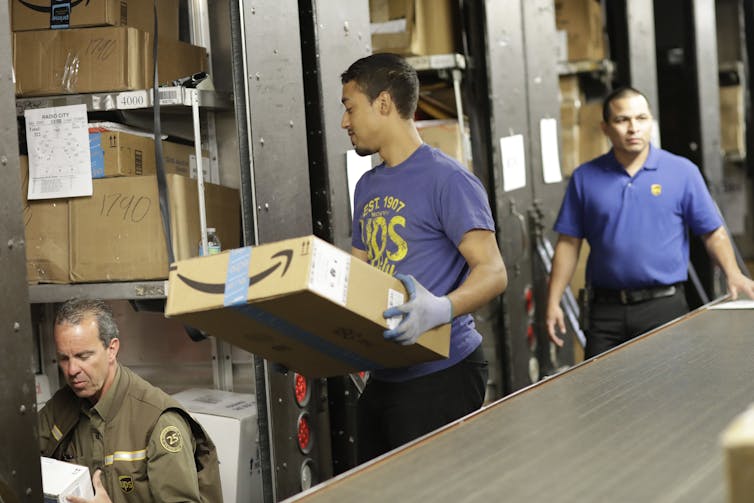
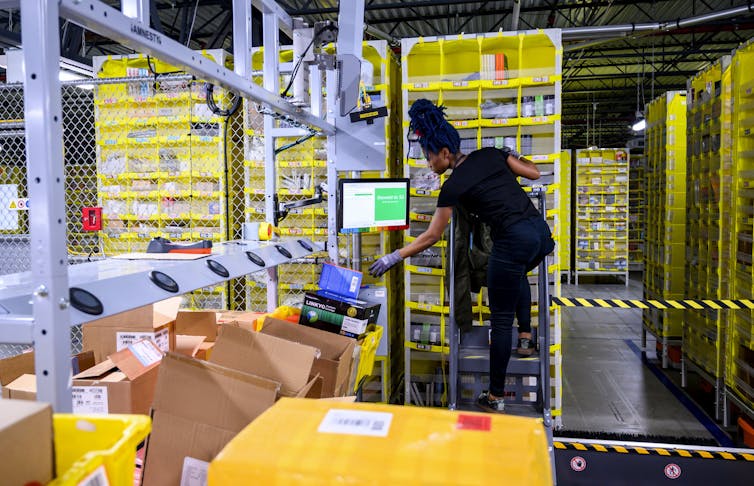




















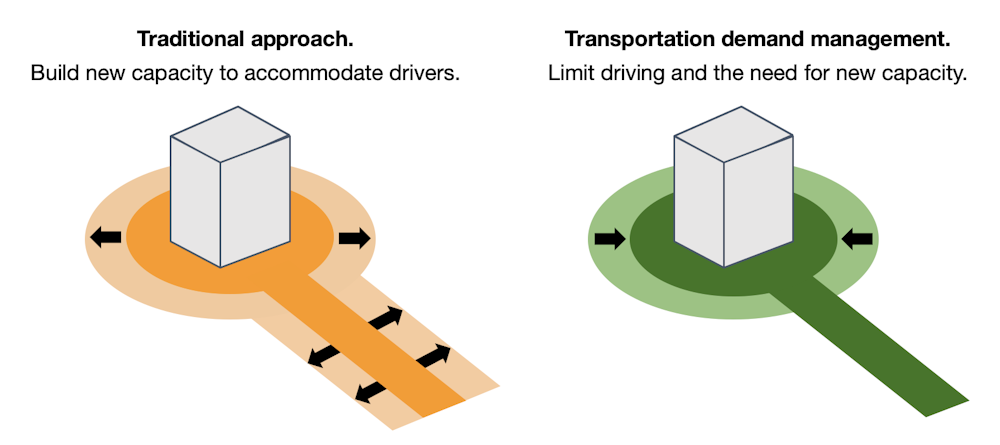
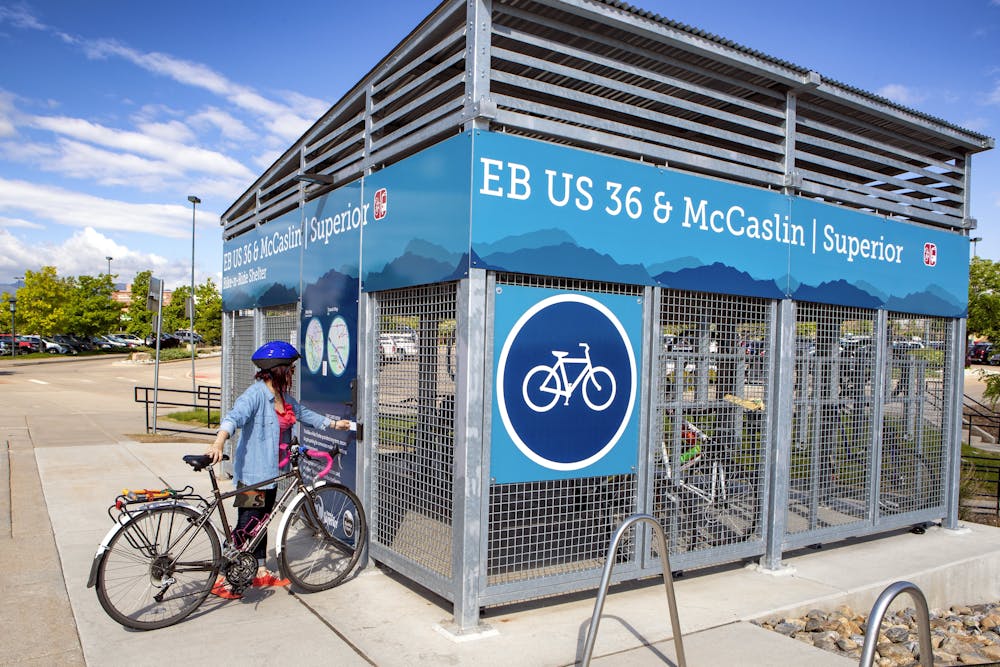



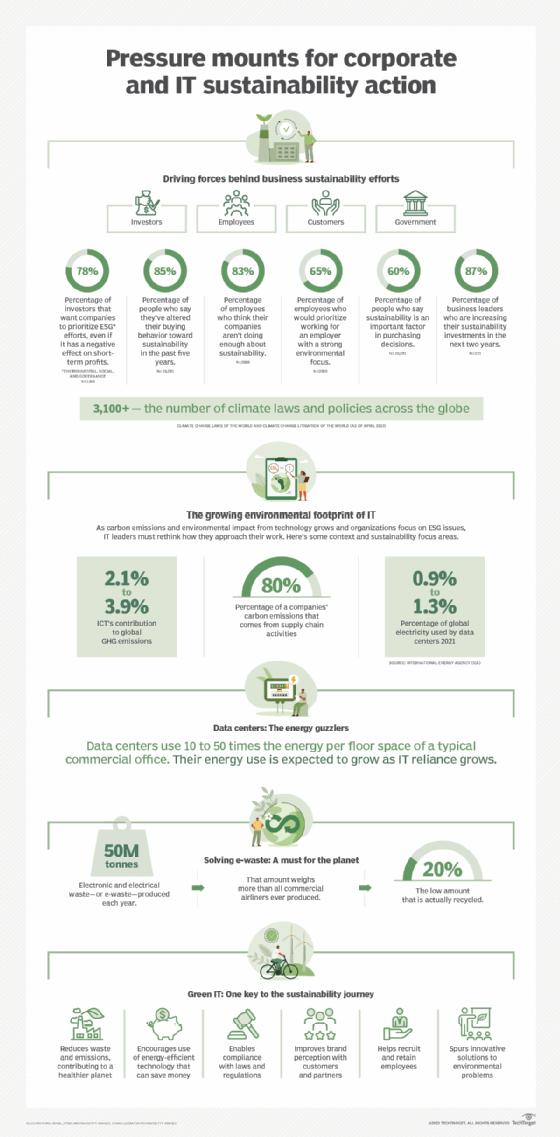





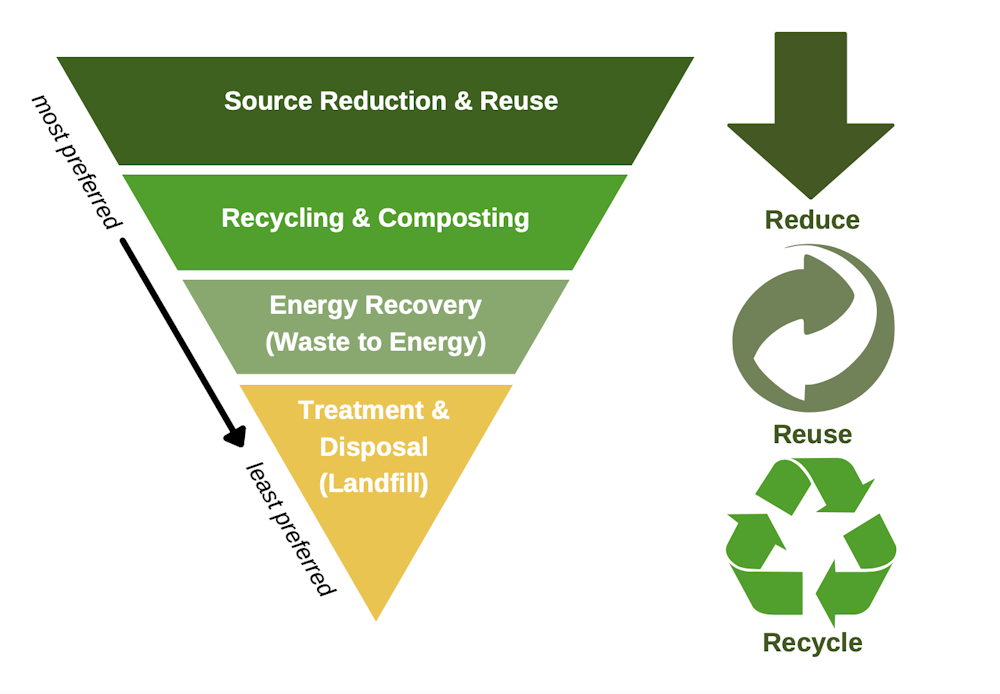


 Eric Block On Responsible Branding
You must be logged in to post a comment.