Sustainability strategy can be complicated. Here are five key elements to creating a successful one. By Mike Hower from GreenBiz.com • March 14, 2023
Strategy is a term thrown around without much thought or rigor. And this sometimes seems doubly true in the world of corporate sustainability. As more companies embark on their sustainability journey, everybody seems to be talking about the importance of creating a sustainability and ESG strategy — yet what this means exactly remains nebulous.
At its core, strategy is about choices. In a world of limited time and resources, it’s about deciding what to do and what not to do because you have a clear vision of what you want to achieve.
To create some clarity on this important topic, I gathered several sustainability and ESG leaders from across industries for a panel at GreenBiz 23 called “The Non-Negotiables: 5 Key Facets of a Strong ESG and Sustainability Strategy.” The session included Gail Grimmett, senior vice president of sustainability and corporate iInnovation at Delta Air Lines; Annabelle Stamm, director of sustainability strategy at Edison Energy; Blake McGowan, solutions executive at VelocityEHS; and Nancy Mahon, senior vice president of global corporate citizenship and sustainability at The Esteé Lauder Companies.
The breakout room was packed (standing room only, like many of the GreenBiz 23 sessions), with hundreds of attendees curious to learn more from and help contribute to our conversation. After much debate and discussion, the panelists and I — with heavy input from the audience — discussed five key facets of a strong sustainability strategy. Here they are:
1. Be agile, and integrate sustainability into your corporate strategy
The best sustainability strategy is a business strategy that advances sustainability. That’s to say, in a perfect world, a company’s business strategy is focused on creating long-term social, environmental and financial value — making a separate sustainability strategy redundant.
“We always say that we’re trying to work ourselves out of a job,” Mahon said. “But I don’t think we’ll ultimately be able to do that.”
At The Esteé Lauder Companies, the organization integrates sustainability into its business strategy by assigning senior executives to committees covering the environmental, social and governance pillars. The head of supply chain is involved with environment, human resources with social and the CFO with governance. While the committees are led by people at the highest levels, they are made up of practitioners.
We’re all in this together, and in a role that requires some sort of disruptive thinking.
Delta also used a committee system to better align its sustainability strategy with business strategy, Grimmett said. “We’re all in this together, and in a role that requires some sort of disruptive thinking.”
While a company might have a solid sustainability strategy, the world is changing so fast that flexibility must be baked in. All of the panelists agreed that agility and adaptation is critical to sustainability strategy success.
2. Set targets, and know how you’ll measure progress
The next non-negotiable practice is establishing clear targets and a plan for getting there. While setting targets is easy, establishing the right ones isn’t always so simple.
Setting fuel efficiency targets, for example, can be tricky, according to Grimmett, because the airline can’t always directly control every factor impacting fuel efficiency. That’s why Delta has several different councils that encourage integration of all the players responsible for improving fuel efficiency. This could include everyone from airport operations control, which might cause an airplane to burn more fuel when requesting it fly a holding pattern, to technical operations teams that might make technical adjustments to planes to improve efficiency,
“In some ways, we have control over nothing and influence over everything,” said Grimmett.
While many companies set 2030 or 2050 targets, they must also remain focused on the immediate needs of running a business. Setting shorter-term milestones can help companies stay on track and also encourage disruptive technology, Grimmett said. Often, the technology doesn’t yet exist for companies to meet their ambitious sustainability targets, and creating milestones can help unlock entrepreneurial innovation to meet the moment, Grimmett said.
3. Data quality over quantity
We live in an era where sustainability data is plentiful, but its quality is questionable. Rather than focusing on collecting as much information as possible, sustainability teams should focus on finding the right data, the panelists said.
“Good data is fundamental to a successful sustainability strategy,” Stamm said. “Data that drives decarbonization is key.”
We don’t have decades to collect and analyze data, the panelists agreed. We need metrics that can be acted on immediately, so we can implement measures that drive decarbonization and advance sustainability goals.
4. Bring your stakeholders along for the ride
Sustainability teams tend to be small with limited immediate spheres of influence — to be successful, they must rely on stakeholders throughout the organization. One of the best ways to do this is by engaging these folks during strategy creation.
With the language of sustainability being wonky, sustainability leads need to translate things into a language that people understand and link it to a strong value proposition, Stamm said. It’s also important to take cultural differences into account. When it comes to sustainability action, the United States is very carrot-driven while Europe tends to be more about the stick, she added.
The key is to identify those key people who are going to be the influencers … and who is going to be your biggest champion.
“The key is to identify those key people who are going to be the influencers … and who is going to be your biggest champion,” McGowan said. These internal champions will help ensure that your sustainability strategy is effectively implemented, he said.
Another key point is that often when an internal stakeholder says “no” to something, it really means they need more information, McGowan added.
5. Ensure philosophical consistency throughout the organization
Toward the end of the panel, a member of the audience suggested a fifth non-negotiable: achieving a philosophical consensus throughout your organization: To be successful, the same sustainability ethos must be maintained across departments and teams.
If, for example, a company has a strong corporate sustainability strategy yet has a government relations strategy that doesn’t match, this weakens the organization’s overall effectiveness for achieving its sustainability ambitions.
At these words, the audience erupted into applause and the panelists nodded in agreement. Show comments for this story.
By Pete Moss from University World News • Reposted: March 14, 2023
The year 2023 saw the launch of a new league table for higher education institutions based on sustainability.
The QS Sustainability Rankings 2023 set out to measure a university’s ability to tackle the world’s greatest environmental, social and governance challenges. Likewise, the Times Higher Education Impact Rankings, which were introduced four years ago, aim to assess universities against the United Nations Sustainable Development Goals.
But do students really think about an institution’s approach to climate action when deciding where to apply? The answer is a resounding ‘yes’.
According to Times Higher Education research, prospective international students are more likely to choose a university based on its commitment to sustainability than for its location. Considering that a global survey in The Lancet revealed that almost half (45%) of 16- to 25-year-olds are suffering from climate anxiety, it’s understandable that they want to study at an institution which shares their vision for a sustainable future.
Demonstrating climate commitment
If sustainability is now a key factor in attracting and retaining students, institutions need to demonstrate that they are taking genuine, targeted climate action.
The institution that holds the top spot in the QS Sustainability Rankings is the University of California, Berkeley. The university has drawn up a sustainability plan with an ambitious and wide-ranging statement of goals covering aspects such as travel, buildings, health, research and energy.
Second and third place in the rankings go to Canadian institutions, the University of Toronto and the University of British Columbia, both of which are building sustainability right through their operations, from their academic course content to their student accommodation.
Prospective students are looking at factors like these and weighing them up when they make their application decisions.
Strategies for net zero
The higher education sector certainly has a key role to play in responding to the climate emergency. Ground-breaking research is taking place in universities across the world to find alternative energy sources and reduce harmful waste. Academic faculties are educating a whole new generation of experts who will go on to drive innovation and explore new ways to tackle climate change.
However, could institutions be doing more to make their operations sustainable? In the United Kingdom, the Royal Anniversary Trust launched its Platinum Jubilee Challenge which proposes a series of strategies to accelerate the tertiary education sector towards net zero. The initiative has identified three action pathways for universities to address in reducing emissions.
These pathways encompass the built environment, travel and transport, and supply chains – which together make up 80% of the UK higher education sector’s overall carbon footprint.
Perhaps surprisingly, supply chains are by far the biggest contributor to an institution’s carbon emissions, causing 36% of emissions compared with travel at 24% and buildings at 19%. Taking into account the sheer complexity of a university’s supply chain, ranging from research equipment, teaching materials, data storage, catering and business services, perhaps its impact isn’t all that surprising after all.
Sustainable procurement
Fortunately, there are many ways universities can build more sustainability into their supply chains.
Institutions could explore circular economy principles to bring down costs and reduce waste by monitoring the purchase of new equipment.
As part of its environmental strategy, the University of British Columbia in Canada is updating its zero-waste action plan to prioritise emission reductions. The university is also identifying ways to embrace the circular economy on its campuses by promoting sustainable procurement and re-use.
There are opportunities for universities to refresh their procurement policies by adopting sustainable criteria for tenders to support responsible purchasing in all areas of their operations, from laboratory equipment to food and beverages.
One area which offers scope to reduce emissions is IT and data storage. When universities move their systems to the cloud, the shift away from large servers and onsite data centres can significantly reduce carbon emissions. In fact, moving to a cloud solution has the potential to reduce an institution’s IT-related carbon emissions by 90% over a five-year period.
Institutions could also look into offsetting their carbon emissions. Offsetting has attracted criticism in the past, but there has been considerable progress in the sector, led by the Alliance for Sustainability Leadership in Education, to provide a vetted higher education-friendly scheme.
Some vendors are including carbon offsetting as a core part of their commercial offers to the sector, enabling institutions to work towards their carbon reduction goals while supporting climate action.
By putting sustainability at the heart of their operations as well as their research, institutions will address the challenges of the climate crisis and attract students who share their goals.
Pete Moss is a former manager at Staffordshire University, United Kingdom, and is now a director at Ellucian.
From The University of Minnesota Climate Adaptation Partnership and national design firm HGA • Reposted: March 13, 2023
The University of Minnesota Climate Adaptation Partnership and national design firm HGA present the current practice, barriers, and opportunities for use of climate projection data and climate change resilience client services.
Climate change impacts are growing every year, threatening lives, business continuity, and infrastructure—costing an average of $152.9 billion dollars per year in the U.S. alone (NOAA, 2022). Yet the Architecture and Engineering (A&E) industry still relies on historical weather data as a primary resource for performance analysis, system sizing, and other design decisions, as climate projection data are not available in the formats used by A&E codes, process guidelines, and software.
The new report “Climate Forward? How Climate Projections Are(n’t) Used to Inform Design” from the University of Minnesota Climate Adaptation Partnership (MCAP) and national interdisciplinary design firm HGA, reveals the alarming gap between the current state of A&E practice and climate science.
Currently, energy modelers most often use the Typical Meteorological Year (TMY3) dataset produced by the National Renewable Energy Laboratory (NREL)— based on past median weather conditions for a given location that is sometimes more than three decades old. Our changing climate makes ‘climate normals’ less useful for designers, poorly reflecting the range, frequency, and intensity of potential future weather conditions that a building will need to withstand during its lifespan. Key systems and infrastructure globally will continue to be vulnerable unless design standards change to account for changing climate.
“We know climate change is here and the past is no longer the best predictor of the future. As we seek to make our buildings more energy efficient and ‘climate-friendly’, we must also use climate projection data to ensure our built environment is resilient to the climate of the future.” say Dr. Heidi Roop, MCAP’s Director and a report author. “This report highlights that there is work to do by the climate science community and A&E professionals to ensure we are designing for climate resilience. Clients and professional societies also play a key role in driving a holistic, forward-looking approach to design of the buildings and infrastructure we all rely on.”
The research makes a decisive case for the development and promotion of industry standards, mandates (including building codes), guidance and training for using climate projections in A&E applications. It also articulates the critical role for boundary organizations and climate data developers to build partnerships and capacities to bridge this gap alongside A&E professionals.
“Climate Forward?” also addresses the missed opportunity to extend the life of our buildings. Today’s sustainable design efforts focus primarily on climate change mitigation—that of reducing carbon emissions. In contrast, MCAP and HGA’s research shows how the industry should also shift to design for climate change adaptation—which are a broader set of design measures that factor in the projected climate over the lifespan of the building and systems.
Lead author of the report, Ariane Laxo, HGA’s Director of Sustainability said, “There is tremendous potential in climate resilience services—professional services related to climate change resilience and/or adaptation using climate projection data.” She continued, “identifying the right data formats and timescales to factor in the projected climate over the lifespan of the building, landscape, and systems, will dramatically change the way we design to create a more resilient future. Industry associations need to create standards for how to integrate these data into practice, so we are using consistent methodologies.”
The climate is changing rapidly. Action must be taken now, and must involve substantive collaboration with climate data developers, boundary organizations, A&E associations and professionals, policy makers, building code & standards bodies, higher education institutions, and any organization that hires A&E professionals. The report concludes with recommended actions that could close the gap between climate science and the A&E professionals who are designing buildings and infrastructure that must withstand climate change.
Report authors: Ariane Laxo, HGA, Brenda Hoppe, University of Minnesota Climate Adaptation Partnership, Heidi Roop, University of Minnesota Climate Adaptation Partnership, Patrick Cipriano, HGA and University of Minnesota Climate Adaptation Partnership
About MCAP
The University of Minnesota Climate Adaptation Partnership (MCAP) is a partnership among university, public, non-profit, and private sector groups organized to support Minnesota’s ability to adapt to a changing climate. MCAP conducts cutting-edge climate and adaptation research, champions climate leadership, develops the next generation of adaptation professionals, and advances implementation of effective, equitable adaptation actions across sectors, communities, and levels of government. Learn more about MCAP at climate.umn.edu or follow us on Twitter or LinkedIn.
About HGA HGA is a national interdisciplinary design firm committed to making a positive, lasting impact for our clients and communities through research-based, holistic solutions. We believe that great design requires a sense of curiosity—forming deep insight into our clients, their contexts, and the human condition. We are a collective of over 1,000 architects, engineers, interior designers, planners, researchers, and strategists. Our practice spans multiple markets, including healthcare, corporate, cultural, education, local and federal government, and science and technology. Visit HGA.com or follow us on Facebook, Twitter, LinkedIn, and Instagram.
By Sean Ashcroft from supplychaindigital.com • Reposted: March 12, 2023
Capgemini Global Retail Lead Lindsey Mazza says retailers need not sacrifice affordability or profitability to meet their sustainability goals. “Our own research shows 41% of consumers globally are willing to pay more for a product they believe to be sustainable,” she says. Submitted photo
Capgemini Global Retail Lead Lindsey Mazza on how a systems engineering background is helping her service the supply chain needs of value chain customers
Your professional background?
I started my career in systems engineering and, over the years, have expanded my solutions to include everything from supplier to consumer.
I currently work with leading retailers to reimagine how they fulfil consumer promises. An exciting part of my role is leveraging AI, analytics, and emerging technology to reinvent operations and meet consumer expectations.
What are the challenges of your Capgemini role?
I help retailers navigate today’s many challenges and transform their businesses. I rely on my systems engineering background to research and learn where opportunities exist, then collaborate with our immensely talented teams to deliver solutions that drive business outcomes.
That might be creating intelligent, adaptive supply chain ecosystems, fulfilment options, unlocking channel growth, underpinned with technology and analytics that deliver personalised and engaging consumer experiences.
How can retailers counter rising operational costs?
Automation, AI, and other leading technologies can make all the difference, and I am seeing the benefits with our clients. Data and analytics, AI, and automation in product and supply chain planning processes – not to mention that last-mile consumer fulfilment can support optimised costs – maximise use of labour, and further sustainability objectives.
For example, analytics can be used to reduce inventory, identify underperforming areas, and recommend solutions to increase efficiency. Using real-time data and intelligent integrated planning, consumer products companies and retailers can customise the right assortment mix, and have the right inventory for each store or channel.
And autonomous vehicle delivery – although early in development – could transform the last-mile delivery cost model.
How can firms best develop sustainable products?
Sustainability can be embedded throughout the entire product lifecycle, starting from the design process and selection of materials to end-of-life management.
To address Scope 3 emissions, businesses need to consider the system as a whole. It’s also important to conduct a life-cycle assessment to evaluate the environmental impact of a product – from raw material extraction to disposal – to identify areas where the environmental impact can be reduced.
Can retail be sustainable and affordable in today’s world?
Definitely, and it must be. Retailers need not sacrifice affordability or profitability to meet their sustainability goals. Our own research shows 41% of consumers globally are willing to pay more for a product they believe to be sustainable.
So, while consumers are keen to buy sustainable products, they are not willing to pay more. Brands and retailers must respond to consumer concerns by keeping prices fair – providing affordable sustainability will therefore be key. Consumers are also conscious about reducing waste and mindful about consumption practices. Retailers embracing circular economy will create a brand ethos that matches the ethics of the consumer.
What advice would you give to your younger self?
I’ve had tremendous leaders and mentors throughout my career. There are two lessons I’m so grateful to have learned from them:
Always, always, always take the more challenging role, because you’ll learn more. I’ve built a view across the supply ecosystem by taking unexpected roles where I was able to learn.
Create your next job. We can all see areas where our companies can improve. Design that role, develop a benefits case for why that role will create value, advocate for it to be in next year’s budget, and get that role.
Greenwashing has become part of our modern-day lexicon. Now there’s a new term, ‘green hushing,’ for when a company is too quiet about its accomplishments. By Talib Visram from Fast Company • Reposted: March 12, 21023
Greenwashing—the term referring to businesses exaggerating their commitment to sustainability—is now firmly rooted in our modern-day lexicon. Baseless green claims draw public scrutiny and sometimes outrage, not to mention lawsuits, such as ones filed against companies including Dasani, Kroger, and Whole Foods.
Faced with the threats of tarnished reputations and legal trouble, some companies are instead choosing not to communicate their climate goals at all, leaving them unpublicized and meaning other companies can’t emulate their success. A new term has sprouted to signify the practice: green hushing.
WHAT IS GREEN HUSHING?
Green hushing refers to companies purposely keeping quiet about their sustainability goals, even if they are well-intentioned or plausible, for fear of being labeled greenwashers.
Xavier Font, professor of sustainability marketing at the University of Surrey in the U.K., defines it as: “the deliberate downplaying of your sustainability practices for fear that it will make your company look less competent, or have a negative consequence for you.”
HOW LONG HAS THIS TERM BEEN AROUND, AND HOW COMMON IS IT?
Since at least 2017. Font had seen the term only once before studying the practice more closely that year. And for something many of us may not have heard of, the practice is pretty prevalent. “Greenwashing is very visible,” Font says. “Green hushing, by definition, is not. [But] I think green hushing happens a lot more than we realize.”
It gained more widespread coverage after October 2022, when Swiss carbon finance consultancy South Pole highlighted the trend of green hushing in a report. It noted that nearly a quarter of 1,200 companies with a sustainability head are not publicizing achievements “beyond the bare minimum.” (Belgium had the highest rate, with 41% of its companies with science-based climate targets not publicizing them.) The report called the trend “concerning,” because publishing green actions has the power to inspire others, shift mindsets, and encourage collaborative approaches.
WHAT DOES IT LOOK LIKE IN PRACTICE?
In his study, Font, who focuses on the tourism industry, found that companies were not communicating environmental successes to consumers, especially odd in an industry where there are many chances to do so, such as at hotels or on websites.
The study concentrated on 31 small rural tourism businesses in England’s Peak District National Park. Font found that companies communicated only 30% of their sustainability actions.He noted that companies feared that by broadcasting their sustainability practices, customers would believe their vacation experiences would be worse.
One issue, he says, is that many companies aren’t sure when to announce achievements. A hotel he worked with that procured sustainable seafood sourcing didn’t know whether to announce it when launching, or when half of its hotels used it, or when all of them did. “If 50% of my supply chain is doing something,” he was asked, “is that a message that is credible for me to communicate to the world?”
Similarly, Font mentions pushback over supermarkets labeling bananas as fair trade, because customers then asked why more goods weren’t fair trade. “Many companies are choosing to not talk about it, simply for fear that the customers will see the glass as being half empty, not half full,” he says.
For larger companies, there are legal motivations to not report extensively. In recent years, lawsuits have been filed against Dasani for claiming its water bottles were 100% recyclable, and Kroger for claiming its sunscreen was “reef-friendly.” Cracking down on these false claims—like the ubiquitous “locally sourced wherever possible”—is a good thing, Font says. “That’s a bit like me saying, ‘I’m a good husband whenever possible,’” he says. “It has no value.”
Several states, most notably Florida, are divesting billions of dollars from BlackRock because it has developed strong ESG portfolios. “We see attacks being more irrational and so fierce,” says Peter Seele, a professor of corporate social responsibility and business ethics at Università della Svizzera Italiana in Switzerland. This has created another reason for companies to stay silent, or else also be on the receiving end of “anti-woke” tirades.
That polarization is troubling, Font says, and seeps into customers’ beliefs, which requires businesses to be culturally sensitive in the markets they operate in. “If I was a company in the U.S., serving the full range of customers, I would downplay the ‘S word,’” he says, referring to sustainability. They may want to spin a sustainable practice as one that is beneficial to customers in some other way.
“In the U.S., we’re just more litigious,” says Anant Sundaram, professor of business and climate change at Dartmouth University. “You say something in your 10K, or you put out some document, [and] immediately it becomes the basis for a lawsuit.” So American companies “tend to prefer to stay under the radar, and are a little gun-shy.”
WHAT COULD REDUCE GREEN HUSHING?
Climate reporting is now prevalent across developed nations. And the disclosures on climate risks, mitigation, and sustainable strategies that companies submit to government agencies are publicly accessible. But mostly, they are voluntary—allowing businesses to green hush.
Companies are keeping relatively quiet about most of their climate data. In the U.S., a report found that while 71% of S&P 500 companies report their greenhouse gas emissions, only 28% of smaller companies do so. And only 15% of S&P 500 companies disclose information on biodiversity and deforestation, and 12% on water risks.
But public reporting is changing soon. In the EU, climate disclosures will become mandatory in 2025, and for a wider swath of companies than previously. In the U.S., the Securities and Exchange Commission aims to roll out stricter regulations for 2024 (which will initially be for larger, publicly traded companies, with market caps of at least $700 million). This stricter enforcement may give businesses less of a choice to practice green hushing.
WHAT ARE THE CONSEQUENCES OF GREEN HUSHING?
It’s not ideal. As the Swiss report noted, companies discussing their climate actions can have positive knock-on effects and create change. But not if they’re silent.
Greenwashing crackdowns are valuable, but not if they are indiscriminate. Seele says there is a trend of attacking companies no matter how good their actions or intentions—which has brought about another phrase in the German media: “greenwashing truther,” for people who launch those kinds of accusations.
And in France, new greenwashing laws will place fines on companies for making misleading claims like being carbon neutral. While well-intended, such laws may serve to reduce greenwashing but heighten green hushing.
Visitors to the financial district walked past the New York Stock Exchange. There are many ways to match your values and your investing. ESG is one of them, but it is a complex and evolving one. Image: MARY ALTAFFER, ASSOCIATED PRESS
By Ross Levin via Star Tribune • Reposted: March 11, 2023
It is a personal choice whether you are interested in simply having your money make money or if you want to be sure it is directed toward responsible corporate policies. But that choice is not nearly as simple as it would seem. Finance does a great job of confusing by using terms that serve as short-cuts for what you think you are getting. The current finance buzzword for corporate sustainability is ESG investing.
ESG stands for environment, social and governance and is a (sort of) objective way of looking at companies that meet standards regarding their impact on the environment, how they show up in society, and how the companies are managed. While an ESG score is supposed to be objective, there are various rating platforms and standards can vary between them. It’s important to know what ESG is, but maybe more important to know what it isn’t.
ESG is not socially responsible investing (SRI). SRI has been around for a long-time and is generally about excluding business categories that you don’t want to own. Depending on your religion or your values, you may choose to exclude anything from tobacco, fossil fuels, pharmaceutical companies, or even debt. ESG, though, may also include companies that meet its criteria in industries that you would prefer to exclude. For example, the IShares MSGI USA ESG fund has energy companies, companies that are being sued for allegedly faulty products, and companies that may simply annoy you because of how they conduct their business (think your cable company). If an extraction-based energy company is now creating a plan to move away from fossil fuels into alternative energy, is it a good company or a bad one? ESG in this example is the Schrodinger’s cat of investing.
ESG is not impact investing. Impact investing tries to make measurable differences in areas like climate while also generating a financial return, with the financial return a secondary consideration to the impact. Impact investing is often done through private investments rather than public ones with which you may be most familiar. The private markets may relieve some of the natural tension of publicly traded stocks that attempt to increase short-term shareholder value. Impact is long-term, sustainable investments that make money while serving a larger purpose. Investors have different holding periods for the stocks they own; private markets tend to allow for more patient investing.
ESG investing is not without a give-up. In theory, companies that do well should also perform well, but studies are not completely clear about this. ESG is not about exclusion. It is about choosing companies in each sector that score well on the ESG criteria. The best investment results would likely come from pairing ESG along with other technical factors.
ESG is not greenwashing. ESG investments and investing are evolving. There will inevitably be stops and starts along the way. A high profile environmentally friendly company like Tesla was recently booted from the ESG index because of poor governance and social scores. Exxon is a large holding in the S&P 500 ESG Index because it rates well compared with other energy companies. ESG is a framework for company governance and an investment framework.
ESG investing is not necessarily better than earning more and giving away more. Your values are expressed in a variety of ways, far beyond investing. How you spend your money is an obvious expression. How you give money away is also an expression. Some of our clients are charitably inclined and want their investments to grow as much as possible as a way to give more money away.
ESG investing is not insignificant. Whether you are a believer in ESG or not, there is more pressure being applied on companies to be good citizens as well as high-performing businesses. There is some evidence that the two are complementary but there is more evidence that they are not mutually exclusive. There are arguments that those who are investing on behalf of others – in vehicles such as pension funds or retirement plan options – would not be meeting their fiduciary duty by investing solely through the ESG lens. This will continue to be a layered issue.
There are many ways to match your values and your investing. ESG is one of them, but it is a complex and evolving one.
Ross Levin is founder of Accredited Investors Wealth Management in Edina. He can be reached at ross@accredited.com.
By Austin Simms, Dayrize from retailtouchpoints.com • Reposted; March 9, 2023
Concerns over climate change continue to mount, and there is an increasing demand for companies to decrease their environmental impact through whatever means possible. Take CO2 emissions for example. In 2020, 140 of the largest companies stated their intentions to completely eliminate emissions within the next few decades. Since then, many of their initiatives have focused on transportation. It makes the most sense on the surface, as cars and trucks are responsible for almost 20% of emissions in the U.S. alone. CPG (Consumer Packaged Goods) brands that have chosen to focus on the optimization of supply chains or reducing emissions within the “last-mile” of delivery may seem like the most logical, efficient step — but is it?
Many environmental champions also see sustainable packaging as a concrete measure to reduce CO2 or tackle environmental concerns, such as water depletion, due to the large consumption of water by various industries. Brands will often highlight their transition toward more eco-friendly packaging as one of their major initiatives to become more green, with hundreds of major corporations joining the Sustainable Packaging Coalition. Unfortunately, there is reliable evidence that these are not the right targets.
Surprisingly — and according to aggregate, anonymized data derived from over 10,000 products from a number of CPG brands and companies tracked via Dayrize’s environmental impact assessment technology — transportation and packaging are responsible for a relatively negligible amount of CO2 emissions by makers of CPGs and apparel. In fact, creating more sustainable methods for consumer products to be packaged and transported addresses a mere 2% of CO2 emissions. Another surprise revealed by the same data: when it comes to apparel, packaging is far less of a factor in water depletion than the actual product inside the packaging.
Dayrize environmental impact assessment technology makes these calculations by combining the latest technology with the most recent developments in sustainability science. At the core of the software solution are 31 databases — including 14 that are proprietary — that provide rapid, accurate and actionable impact results. The technology was created by a team of 80+ industrial ecologists and sustainability experts over a period of two years to provide the fastest and most accurate impact results available.
The results are generated using five key factors that produce a simple-to-understand Dayrize Score, which is out of 100. The factors include:
Circularity: How well an individual product minimizes waste by reusing and recycling resources to create a closed loop system;
Climate Impact: How greenhouse gas-intensive the production of the product is;
Ecosystem Impact: What the impact of the product is on biodiversity and water depletion;
Livelihoods and Well-being: How each product impacts the health and well-being of the people involved in creating it;
Purpose: How meaningful a product’s purpose is by looking at the value that it provides, and the potential it has to be an accelerator for good.
The environmental impact score helps companies and consumers gain insights into the environmental impact of virtually all products, including consumer packaged goods and apparel.
The necessity for environmental impact research is demonstrated in part by our look at the sources of CO2 emissions from consumer products and water depletion in the apparel industry. Even incredibly popular and “common knowledge” solutions about how to address environmental harm meaningfully can often be incorrect in very significant — and possibly damaging — ways.
When it comes to CPGs, it’s crucial that companies keep the following facts in mind:
On average, only 1% of emitted carbon is due to packaging, while 1% comes from transportation and 2% can be traced to manufacturing for a typical consumer product.
The lion’s share of CO2 emissions come from the materials that are used in products. Up to 96% of the emissions that CPGs are responsible for are from a product’s materials.
CPG companies that want to be truly eco-friendly need to ensure their products are eco-friendly. To reduce carbon emissions, CPGs need to reassess the design of their products and the materials they’re using.
Packaging has a more consequential impact on water depletion when it comes to apparel, but nowhere near the impact of the apparel itself. For every 3.2 gallons of water that packaging depletes, the average garment depletes ten times that: 32 gallons. More eco-conscious packaging can increase an apparel company’s sustainability, but shifting attention to producing more sustainable garments can help reduce the 90% of water that is being used to create the garment.
There is an enormous opportunity to make garments more sustainable. After scoring tens of thousands of pieces of clothing, we found that only 1% of garments utilize materials that are reused. Additionally, only 5% of garments use recycled materials. This is paltry compared to the number of clothes disposed of each year: “The EPA reports that Americans generate 16M tons of textile waste a year, equaling just over 6% of total municipal waste…2.5M tons of clothing are recycled. But over three million tons are incinerated, and a staggering 10M tons get sent to landfills.”
Clearly, there are more than enough materials to re-integrate into apparel, which would help companies mitigate water depletion and other harmful environmental effects of their products.
Many companies may have good intentions, but they need to research how to achieve their goals of creating sustainable products. There are myriad ways to make it seem to the public that sustainability is a priority, but making it a reality requires both the willingness to make some tough choices and a clear understanding of what steps will truly make a difference.
Austin Simms co-founded Dayrize in 2019 and serves as its CEO. After 20+ years spent working in senior commercial positions at major corporations around the world, Simms had a desire to use his skills to address climate change. With a strong commercial background, he believed that empowering corporations was key to make real change. He recognized that the first thing that companies needed to change was access to information to make better decisions, which is why he developed the Dayrize Score tool. Simms believes commerce and sustainability are linked, and business needs to be a major catalyst for addressing climate change.
By Dan Berthiaume, Senior Editor, Technology from chainstoreage.com • Reposted: March 9, 2023
A new survey reveals how many consumers consider environmental sustainability and social responsibility in buying decisions.
According to the 2023 KPMG Winter Consumer Pulse Survey of 1,000 U.S. consumers, 37% of respondents consider environmental sustainability and 33% consider social responsibility when making a purchase. Following is a closer look at data from each set of respondents.
Environmental sustainability findings
Of respondents who consider environmental sustainability, more than 75% are looking for environmentally friendly products and/or packaging.
In addition, approximately 50% of these respondents determine a product’s environmental sustainability based on product labels, descriptions, images, or marketing. And 50% of respondents age 13-17 say that environmental sustainability is important to purchase decisions.
Overall, respondents are most likely to choose a product/service based on environmental sustainability features in the personal care products (48%), groceries (44%), restaurants (42%), and apparel (42%) categories.
Social responsibility findings
Of respondents who say a company’s social responsibility is important to their purchase decisions, over half (51%) determine a product’s social responsibility based on product labels. Respondents age 13-17 are more likely to say that social responsibility is important to their purchase decisions (41% vs. 33% overall).
The categories for which respondents are most likely to choose a product or service based on social responsibility features are restaurants, apparel, and personal care products. And over 75% of respondents are at least somewhat familiar with social responsibility, with more than 50% of them associating social responsibility with diversity, equity, and inclusion (DEI); employee human rights; health and safety; and fair wages.
“When a sizeable segment of consumers considers environmental sustainability and social responsibility in their purchase decisions, consumer goods and retail companies are taking note,” said Julia Wilson, KPMG consumer and retail ESG leader. “As they consider both factors, companies will need to continue to innovate and push supply chains to deliver on increasing consumer expectations for their products.”
“The power of consumer purchase preferences to drive more socially responsible and sustainable practices from companies cannot be underestimated,” said Rob Fisher, KPMG US ESG leader. “Increasingly, consumers are aligning their purchase preferences with their values and priorities, incentivizing brands to publicly disclose what they are doing, why they are doing it, and where they are on their ESG journeys with their customers.”
Concerns about smog from vehicles that choked cities like Los Angeles helped lead to environmental laws in the 1970s. Image: Bettmann Archive/Getty Images
By Susan Kaplan, Research Assistant Professor of Public Health, University of Illinois at Chicago via The Conversation • Reposted: March 9, 2023
Our child could go to gym class on Monday morning and play soccer on a field that was sprayed over the weekend with 2,4-D, a toxic weedkiller that has been investigated as possibly causing cancer. Alternatively, the school grounds may have been treated with a lower-toxicity weedkiller. Or maybe the grounds were managed with safe, nontoxic products and techniques.
Which of these scenarios applies depends in large part on your state’s laws and regulations today – more so than federal regulations.
For example, Texas requires all school districts to adopt an integrated pest management program for school buildings; IPM prioritizes nonchemical pest control methods and includes some protections regarding spraying of grounds. Massachusetts also restricts pesticide use on school grounds. Illinois requires IPM for school buildings only if economically feasible. States also vary greatly in the education and technical assistance they provide to implement these practices.
EPA registers products for use based on a finding that they do not cause an “unreasonable” risk but considers economic costs and benefits, an approach that can result in decisions that pose health risks. And required labels may omit ingredients considered trade secrets.
As an environmental health lawyer and professor, I teach, write and think about the pros and cons of one level of government or the other overseeing environmental health – the impact of the natural and human-made environment on human health. Pesticides on school grounds are just one example of the problem of uneven protection from one state to the next.
Congress eased off, states stepped in
State policy choices have become more important for limiting people’s exposure to pollution and toxins as the federal government has increasingly retreated from major environmental health lawmaking.
Many of the country’s major environmental health laws were passed in the 1970s on the momentum of the environmental movement and with bipartisan support that is rarely seen today.
For example, the Clean Air Act amendments of 1970 required U.S. EPA to regulatea wide range of air pollutants, in some cases based explicitly on protecting human health. They were approved 374-1 in the House and 73-0 by the Senate and signed into law by President Richard M. Nixon. Nixon signed the law that created the Occupational Safety and Health Administration in 1971.
One analyst has written that groups that pressed legislators for environmental protection later splintered into groups advocating for and against environmental laws, reflecting an emerging debate over the appropriate extent of regulation.
At the same time, after the success of many federal environmental health laws, attention turned to problems that are harder for Washington to solve. With state environmental programs growing, some suggested that the U.S. EPA’s role should shift from compelling to catalyzing – from requiring specific pollution-reducing actions to helping states act by providing increased information and help with compliance. Yet this view acknowledged that under this scenario, residents of some states would enjoy stronger environmental health protections than others.
Reflecting this dynamic and the extent of political division in the U.S., even when the federal government does create tougher environmental regulations, they are often reversed by the succeeding administration or challenged in court.
Sometimes, states should make the decisions
In some cases, it makes sense to leave decisions to states. A health department in a western state may focus on protecting vulnerable groups from wildfire smoke, given the growth of blazes in that part of the country. Some states may welcome fracking operations while others prefer to keep them out.
States can also serve as laboratories of innovation, and the experiences of state programs and policies can inform federal actions.
But this regulatory patchwork creates inequities. If you live in one of the dozen-and-a-half states that follow California’s tailpipe emissions standards rather than the less stringent federal standards, you probably benefit from reduced air pollution.
The same holds for East Coast residents within the confederation of the Regional Greenhouse Gas Initiative, which limits greenhouse gas emissions – and other air pollutants in the process. A recent study that compared RGGI states with neighboring non-RGGI states concluded that data “indicate that RGGI has provided substantial child health benefits,” including a reduction in childhood asthma cases.
Drinking water limits or labeling requirements for PFAS – perfluoroalkyl and polyfluoroalkyl substances – also vary by state. PFAS are found in products from nonstick cookware to some personal care products, and they have been linked with a range of troubling health effects. Because of their toxicity, broad scope of contamination and longevity in the environment, 18 states’ attorneys general are asking for a federal law.
How you can hold lawmakers to account
Environmental health often suffers from a cycle of panic and neglect. People worry about a concern like the chemical alar used on apples, until the next issue erupts. The public can keep up pressure on state and federal decision-makers to consider how the environment affects health in an array of ways:
One person can be dismissed as an outlier, so start a group or join other groups that have similar interests.
Research the problem and best practices and possible solutions, like program or policy development, education or stepped-up enforcement. Then call, email and send letters to elected representatives and request a meeting to clearly and concisely explain your concerns and ideas.
Identify a “champion” – someone in a position to spearhead a change, like a school nurse or facilities manager – and reach out to them.
Get the issue into the local news media by writing op-eds and social media posts. Be sure to communicate benefits of the action you’re advocating, like improved school attendance or financial return on investment.
Attend public meetings and speak on the issue during the public comment period. Successes at the local level can provide examples for state officials.
Research has more than made the case for linking environmental, social and governance (ESG) strategies to corporate profitability. What’s good for people and the planet does, indeed, benefit a company’s bottom line. The trickier part is determining what programs will yield the best results for the investment.
Some ESG pathways are easier to attain and measure direct results, such as cost reductions. But top-line market growth demands a greater understanding of customer wishes and perceptions of a company’s ESG efforts. Those expectations and priorities will differ by industry sector, as well as by geographies, cultures, and demographics like age and gender.
While studies and reports can point companies in the right direction with top-level overviews of trends and industry insights, real-time survey and data collection can dig deeper into what consumers prize in ESG efforts.
Measuring consumer ESG priorities across industries, brands and more
Glow, a research-technology business with offices in North America, Europe and Asia-Pacific, first started tracking what consumers think about ESG issues in relation to purchasing decisions over two years ago. It began with a field of approximately 40 issues that, through multiple research studies across three markets (U.S., U.K. and Australia), were then synthesized into 13 ESG drivers of consumer priorities and perceptions.
The process yielded a diagnostic tool called the Social Responsibility Score (SRS) that not only provides a number to tell a company how it is perceived in its ESG efforts, but also where it stands in its industry and against its competitors and why consumers score it that way.
For example, among food and grocery (F&G) companies in particular, three environmental drivers — reducing emissions, respecting natural resources, and protecting wildlife and ecosystems — ranked highest for importance among consumers, as shown below.
The ESG drivers that matter most to consumers for the food and grocery sector. The longer the ‘wedge,’ the more important that driver is for the industry. (Click here to enlarge)
This isn’t to say social drivers like health and well-being aren’t important to F&G customers — they are. But understanding consumers’ top concerns at a given time can help companies prioritize, in terms of both programming and messaging successes. Communicating accomplishments in the areas that matter most to consumers can translate into customer loyalty as well as brand switching.
On the other hand, if a brand and its competitors are all communicating about the same things, it can be harder to stand out. In cases like these, a brand may opt to lean into an area that isn’t as much of a focus for peers and competitors. Or, if it finds it’s under-performing compared to peers on key issues that matter to consumers, it may decide to invest more in those areas and communicate an improvement story.
Listening to consumers via data capture enables this kind of decision-making, helping brands to get the most return on their ESG investments.
ESG risks and opportunities for two anonymized F&G competitors from Australia. (Click to enlarge)
Take, for example, these two anonymized F&G competitors from Australia, shown above. Both brands mapped their SRS in relation to the industry benchmark (the green line). Brand A clearly outshines Brand B on virtually all of the 13 drivers. The achievement gap in the areas most important to consumers, such as “reducing emissions” is substantial enough to be a significant opportunity for Brand A to message that success to customers hungry for guidance on where to invest their purchasing power. Meanwhile, Brand B can see where it’s progressing and where further investments can help it improve credibility.
ESG drivers differ across industries
What weighs heaviest on consumers’ minds will vary across industries. For example, Glow found that governance and social drivers are the biggest influences on ESG credentials in the health insurance industry in the U.S., as shown below.
The ESG drivers that matter most to consumers for the health insurance sector. The longer the ‘wedge,’ the more important that driver is for the industry. (Click here to enlarge)
In travel and tourism, on the other hand, U.S. customers view all three divisions of environmental, social and governance factors as important for the sector to address.
The ESG drivers that matter most to consumers for the travel and tourism sector. (Click here to enlarge)
In a balanced framework such as the latter, drilling further down into age, gender, geography, and competition among brands is vital to determine the focus for programs and messaging to avoid spreading investment and resources too thin.
Continuing to zero-in on what matters to who
Price and quality are typically the engines powering consumer choices, but business leaders may be surprised at how strong “sustainability” has become as a beacon to consumers looking for safe harbor for their purchasing dollars.
This is especially true in the F&G sector — where 1 in 2 U.S. consumers have switched brandsbased on sustainability considerations, and 1 in 5 ranked ESG/sustainability as one of the top three drivers for deciding what brands to purchase, according to Glow data.
Diving deeper to look at age segmentation, millennials prized ESG/sustainability even higher, with 1 in 3 such consumers rating it as one of their top three considerations, behind price and quality. Further, 10 percent of millennials rated ESG/sustainability as the top influencer of their purchase decisions, even more than price and quality, Glow found.
These findings demonstrate the importance of ESG initiatives and messaging to any company’s bottom line. To fail in listening and responding to consumers in this regard is to surrender profits and reputation to competitors that are willing to leverage the feedback.
Data and surveys give a brand that feedback continuously since the measurements can be taken over set time periods, in connection with program launches or in tandem with media campaigns.
“The response from people taking these surveys is actually very clear. You can understand what it is that’s driving the consumer response and what’s driving the metric you receive,” said Tim Clover, CEO of Glow. “It allows you to line up the programs you’re running with the different areas and ask, ‘Are these the programs we should be communicating?’ If so, to whom do we communicate and through which media?”
Alignment of ESG programs with consumer expectations, coupled with alignment of messaging to bring about positive public perception of those programs, creates a winning combination for brands.
The tools exist to know what ESG concerns consumers really care about. The decision to use those tools enables business leaders to enhance brand profitability while “doing the right thing.”
This article series is sponsored by Glow and produced by the TriplePundit editorial team.
Medical assistant Jennifer Martinez draws blood from Joshua Smith in Newburgh, N.Y., Nov. 3, 2016, to test for PFOS levels. PFOS had been used for years in firefighting foam at the nearby military air base, and was found in the city’s drinking water reservoir at levels exceeding federal guidelines. AP Photo/Mike Groll
By Jennifer Weeks, Senior Environment + Energy Editor, The Conversation • Reposed: March 7, 2023
The U.S. Environmental Protection Agency is preparing to release a draft regulation limiting two fluorinated chemicals, known by the abbreviations PFOAand PFOS, in drinking water. These chemicals are two types of PFAS, a broad class of substances often referred to as “forever chemicals” because they are very persistent in the environment.
PFAS are widely used in hundreds of products, from nonstick cookware coatings to food packaging, stain- and water-resistant clothing and firefighting foams. Studies show that high levels of PFAS exposure may lead to health effects that include reduced immune system function, increased cholesterol levels and elevated risk of kidney or testicular cancer.
Population-based screenings over the past 20 years show that most Americans have been exposed to PFAS and have detectable levels in their blood. The new regulation is designed to protect public health by setting an enforceable maximum standard limiting how much of the two target chemicals can be present in drinking water – one of the main human exposure pathways.
These three articles from The Conversation’s archives explain growing concerns about the health effects of exposure to PFAS and why many experts support national regulation of these chemicals.
1. Ubiquitous and persistent
PFAS are useful in many types of products because they provide resistance to water, grease and stains, and protect against fire. Studies have found that most products labeled stain- or water-resistant contained PFAS – even if those products are labeled as “nontoxic” or “green.”
“Once people are exposed to PFAS, the chemicals remain in their bodies for a long time – months to years, depending on the specific compound – and they can accumulate over time,” wrote Middlebury College environmental health scholar Kathryn Crawford. A 2021 review of PFAS toxicity studies in humans “concluded with a high degree of certainty that PFAS contribute to thyroid disease, elevated cholesterol, liver damage and kidney and testicular cancer.”
The review also found strong evidence that in utero PFAS exposure increases the chances that babies will be born at low birth weights and have reduced immune responses to vaccines. Other possible effects yet to be confirmed include “inflammatory bowel disease, reduced fertility, breast cancer and an increased likelihood of miscarriage and developing high blood pressure and preeclampsia during pregnancy.”
“Collectively, this is a formidable list of diseases and disorders,” Crawford observed.
2. Why national regulations are needed
Under the Safe Drinking Water Act, the Environmental Protection Agency has the authority to set enforceable national regulations for drinking water contaminants. It also can require state, local and tribal governments, which manage drinking water supplies, to monitor public water systems for the presence of contaminants.
Until now, however, the agency has not set binding standards limiting PFAS exposure, although it has issued nonbinding advisory guidelines. In 2009 the agency established a health advisory level for PFOA in drinking water of 400 parts per trillion. In 2016, it lowered this recommendation to 70 parts per trillion, and in 2022 it reduced this threshold to near-zero.
But many scientists have found fault with this approach. EPA’s one-at-a-time approach to assessing potentially harmful chemicals “isn’t working for PFAS, given the sheer number of them and the fact that manufacturers commonly replace toxic substances with ‘regrettable substitutes – similar, lesser-known chemicals that also threaten human health and the environment,” wrote North Carolina State University biologist Carol Kwiatkowski.
In 2020 Kwiatkowski and other scientists urged the EPA to manage the entire class of PFAS chemicals as a group, instead of one by one. “We also support an ‘essential uses’ approach that would restrict their production and use only to products that are critical for health and proper functioning of society, such as medical devices and safety equipment. And we have recommended developing safer non-PFAS alternatives,” she wrote.
3. Breaking down PFAS
PFAS chemicals are widely present in water, air, soil and fish around the world. Unlike with some other types of pollutants, there is no natural process that breaks down PFAS once they get into water or soil. Many scientists are working to develop ways of capturing these chemicals from the environment and breaking them down into harmless components.
There are ways to filter PFAS out of water, but that’s just the start. “Once PFAS is captured, then you have to dispose of PFAS-loaded activated carbons, and PFAS still moves around. If you bury contaminated materials in a landfill or elsewhere, PFAS will eventually leach out. That’s why finding ways to destroy it are essential,” wrote Michigan State University chemists A. Daniel Jones and Hui Li.
Incineration is the most common technique, they explained, but that typically requires heating the materials to around 1,500 degrees Celsius (2,730 degrees Fahrenheit), which is expensive and requires special incinerators. Various chemical processes offer alternatives, but the approaches that have been developed so far are hard to scale up. And converting PFAS into toxic byproducts is a significant concern.
“If there’s a lesson to be learned, it’s that we need to think through the full life cycle of products. How long do we really need chemicals to last?” Jones and Li wrote.To
By Riya Anne Polcastro from triplepndit.com • Reposted: March 7, 2023
By 2050, plastic consumption in the world’s top economies could be almost twice what it was in 2019. And it’s not even on track to peak this century. That’s according to a new report from Back to Blue, a multi-year joint initiative from the Economist Impact and the Nippon Foundation. Researchers from the initiative say it’s possible to avoid an extreme plastic waste crisis through “bold and sweeping reforms” — and they’re urging U.N. countries to enact multiple stringent and binding policy changes.
But while pushback is expected from certain industries, “Peak Plastics: Bending the Consumption Curve” demonstrates that — when it comes to curbing the tide of plastic pollution that is barreling down the pipeline — there is no room for half-measures. Rather, businesses must choose long-term purpose over profit and lead a cultural change away from single-use plastics.
No single policy can do it alone
Back to Blue researchers used modeling to determine the effectiveness of three different policies that are being considered for inclusion in the U.N. Treaty on Plastic Pollution, compared to the business-as-usual scenario that would lead to 451 million metric tons of new plastic consumption per year by 2050. The forthcoming U.N. treaty is the culmination of agreements made in March 2022 that will bind 175 countries to its stipulations. Negotiations are in progress, and policies should be implemented by the end of next year.
Researchers chose the three policies deemed to have the most potential to affect total plastic consumption for modeling: taxes on the production of new plastics, measures for extended producer responsibility, known as “polluter pays,” and a ban on single-use plastics. They found that no single policy would be capable of substantially curtailing the problem by itself.
Multiple measures needed to curb avalanche of plastic consumption
Banning single-use plastics proved to be the most beneficial of the three policies. Under that scenario, plastic consumption in 2050 would be roughly 1.5 times what it was in 2019 ⸺ as opposed to the 1.73 times that can be expected if nothing is done. Likewise, if a tax on new plastics were the only strategy implemented, it would still lead to 1.57 times more plastic produced each year by 2050. A “polluter pays” policy would also do little on its own, with consumption increasing 1.66 times.
Put together, implementing all three strategies would lower the increase to 1.25 times 2019 levels. However, the study’s authors doubt that the U.N. treaty will ultimately have the teeth needed to force the trajectory of plastic consumption downward.
“This report confirms that an urgent, global effort is needed to stop the flood of plastic pollution at its source,” David Azoulay, director of environmental health at the Center for International Environmental Law, said in a statement announcing the report. “The entire lifecycle of plastics, from feedstock extraction and production of plastic precursors to disposal, must be addressed by the future, legally binding U.N. treaty to end plastic pollution. The policy levers examined in this report will not be sufficient: bolder action is needed, including globally coordinated tax mechanisms coupled with ambitious caps on virgin plastic production.”
Negotiators must maintain ‘the highest levels of ambition’
Of course, neither the petrochemical industry nor producers of consumer goods will take such changes lying down. Like all regulations that threaten profits, they will likely fight tooth and nail against any limits that affect their bottom lines.
“Negotiators of the U.N. plastics treaty must maintain the highest levels of ambition possible when entering the next round of negotiations, and industry needs to play a constructive, not obstructive, role in reaching a deal,” Charles Goddard, editorial director of Economist Impact, said in a statement. “So far, commitments by industry, retailers and brands to reduce plastic waste are short on detail and have failed to materialize. We have to slow the soaring production of single-use plastic. Only a bold suite of legally-binding policies will result in plastic consumption peaking by mid-century.”
Making room for purpose and creative solutions
The transition away from plastic consumption will be painful at first, but it also presents an opportunity for leadership. Businesses that value purpose and choose to make the most out of coming policy changes could see elevated brand loyalty — especially among Gen Z consumers — as well as increased competitiveness when it comes to securing talent and even potentially higher profits in the long run.
The policy changes that are being considered for the U.N. treaty could also increase the market share of certain industries and products as consumers adjust to a world without plastic take-out containers and bottled water. In fact, while an entire cultural overhaul will be necessary, businesses with a strong sense of purpose can help lead the charge by offering innovative products and strategies to help the planet recover from our plastic addiction. Regardless of how business reacts, the U.N. must move forward with drastic new regulations.
By Emma Chervek | Reporter from SDxCentral • Reposted: March 6, 2023
Sustainability is one of the first areas enterprises will reduce spending in response to inflated economic environments, according to new research from Gartner. Senior Director Analyst Brendan Williams told SDxCentral that despite executive recognition of sustainability as an important objective, this is “a classic example of the tragedy of the commons at work.”
The analyst firm’s “2022 Inflation Response Survey” found 39% of respondents expect sustainability will be one of the first two areas where their company limits investment. And just 15% believe this area will be one of the final areas impacted by reduced spending.
A major driver of environmental, social, and governance (ESG) initiatives has been the cost savings of efficiency improvements tied to sustainability efforts. But many corporate leadership teams seem hung up on the fact that it still costs money to implement those types of measures. “The question with environmental sustainability is whether executives see these initiatives simply as costs, or whether they view them as having a positive impact on cost and efficiency,” Williams explained.
While Gartner research shows that business executives directly involved with sustainability-related decisions are four-times more likely to view ESG as supportive of cost reduction rather than as another cost itself, “there is still work that needs to be done to convince certain stakeholders,” he admitted. It’s pretty self-explanatory that improving energy efficiency, for example, will have a positive environmental and economic impact, but that relationship can be less obvious with long-term projects or programs.
When it comes to cutting spending, the challenge lies in prioritization and the difference between urgent and important. Most executives understand sustainability is important, and “a difficult macroeconomic background isn’t going to change their minds, but it could cause them to prioritize issues that are viewed as more urgent, over issues that are important but seen as less urgent,” Williams said.
He argued a case needs to be made that environmental sustainability is both of those things: important and urgent. To that point, the next few years will determine just how resilient companies’ sustainability efforts are, considering it’ll be “the first time that we experience a cyclical economic downturn” since sustainability fell into mainstream corporate focus.
Sustainable Tragedy
Environmental sustainability exists chiefly to mitigate and respond to climate change’s near- and long-term impacts. Williams noted sustainability’s ties to the corporate world are ultimately driven by scientific evidence, but the reality of climate change alone isn’t enough to land sustainability in both the urgent and important categories of enterprise activities.
Williams highlighted the COVID-19 pandemic for its acceleration of corporate sustainability and ESG efforts, “and if you look at what has changed over that period, I don’t think it was anything particularly new in the underlying scientific knowledge, but rather that there has been a change in how society as a whole thinks about the importance and urgency of environmental sustainability,” he said.
For many corporate leaders, the impact of climate science has been less direct and has surfaced through customer, employee, shareholder, and regulator pressures. While there are certainly enterprise execs leading these changes, many are “simply responding to a change emanating from society at large,” he noted.
This scenario represents a clear example of the tragedy of the commons, Williams argued. Certain sustainability initiatives carry obvious positive business results like revenue increases, cost reductions, and risk limitations, but companies would likely implement those initiatives regardless of the environmental benefits. That’s why profit tends to be a weak motivator for positive environmental behavior.
“Unfortunately, [environmental sustainability] is not always that neat or convenient, and the individual profit motive is poorly suited to incentivize for many of the changes we as a society need to enact to achieve our environmental goals,” Williams said.
At the end of the day, corporations can’t be left to their own devices and be expected to meaningfully respond to climate change, he argued, citing economists’ term for environmental challenges: negative externalities. “This is one of the reasons why governments and other institutions have such an important role to play in incentivizing behavior (amongst individuals as well as businesses) that serves the common good,” Williams said.
Without well-designed industry regulations, an enterprise that does want to take responsibility for its role in climate change “may be worried that doing the right thing will put them at a competitive disadvantage,” he explained.
The word “sustainability” has never been more popular in the corporate world. The number of companies appointing a chief sustainability officer (CSO) is rising rapidly: In 2021 more CSOs were hired than in the previous five years combined.
But despite good intentions — and widespread acceptance of the importance of sustainability — there is still a lack of clarity about a CSO’s tasks and accountabilities. For example, at one large European consumer goods firm we consulted with, there are numerous job titles in a variety of units that include the word “sustainability.” The result is fragmented ownership, internal competition for visibility and resources, and inefficiency with a great deal of overlap and duplication.
The confusion is not surprising. While other functions and roles, such as the CFO or CMO, are well established, the CSO role was virtually unheard of until recently. History and benchmarks are limited. This partly explains the inconsistent job descriptions, the different mandates and accountabilities, as well as the variety of reporting lines. Despite their increasing profile, only a minority (35%) of CSOs report directly to the CEO. In most cases, the person responsible for sustainability is constrained by a limited and different remit — reporting to the COO when emphasizing an efficiency role; to the CFO when the focus is on investor relations; to the chief communications officer when PR is important; or to the general counsel when attention is on compliance. In other cases, the role is distributed over two or three different departments. ESG separation is not uncommon: the “E” of environmental under the COO, the “S” of social under the CHRO, and the “G” of governance under corporate legal.
We’ve been here before. Fragmentation and a lack of clarity is common when new roles are introduced; think for example of the rise of the chief digital officer or the chief innovation officer in C-suites over the last decade or so. In the beginning their tasks and responsibilities were not well codified, creating confusion about accountabilities, fragmentations, and even tensions with other overlapping functions.
To clear the fog and help C-suites define the position and responsibilities of the CSO, we created a simple visual framework.
Eight Critical Tasks for CSOs
We originally designed our “8-task spider graph” for the role of chief innovation officer. As the tool proved powerful, we revised it for the newly created position of the CSO. It breaks the CSO role into eight distinct tasks:
Ensuring regulatory compliance. Anticipate regulatory trends and their implications. Establish adherence to the sustainability laws and regulations that apply to each industry, process, and type of business. Assess risk management. Enact internal policies.
ESG monitoring and reporting. Collect data and metrics following the reporting standards. Benchmark with industry peers. Prepare the completion and communications of company ESG report.
Overseeing the portfolio of sustainability projects. Act as a project management office: planning, coordinating, reviewing progress, and tracking results to coordinate various operational efforts.
Managing stakeholders’ relationships. Promote ongoing dialogue with internal and external stakeholders in order to develop constructive, transparent relationships.
Building organizational capabilities. Identify gaps and adopt appropriate educational initiatives for upskilling and/or sourcing the missing capabilities. Identify innovative ways to scale the new capabilities. Share and disseminate knowledge and best practices.
Fostering cultural change. Help define and communicate purpose to drive the transformation. Champion cultural change across the entire organization also through education. Promote mindset shifts based on concrete behaviors. Establish routines to reinforce the change, for a credible “walk the talk” from leaders.
Scouting and experimenting. Promote openness toward the external innovation ecosystem. Explore emerging sustainability technologies, solutions, and practices. Test the applicability and learn from experiments. Scale up adoption in the broader organization.
Embedding sustainability into processes and decision making. Revise key processes and related criteria/metrics/tools for decisions. Coach decision makers to manage complex trade-offs.
Visualizing the Eight Tasks
Spider graphs (also known as radar graphs) are often used to display data across several unique dimensions. Plotting the CSO’s eight tasks — and the amount of effort spent on each — on a spider graph can help executives figure out the actual coverage of responsibilities, where the current focus is, where there may be a need to increase efforts, and where gaps are. Visual clarity fosters strategic discussions and attention on what really counts rather than on details.
Start by positioning each of the eight tasks on the outside points of seven concentric octagons, starting at the top and working clockwise. Then have a group discussion to determine how much effort is currently being used on each task and assign them a number using the following scale:
1–2: Low effort
3–5: Medium effort
6–7: High effort
Then for each task, position a dot on the octagon that corresponds with its level of effort. For example, if you rate task two as a four on the effort scale, position its dot on the fourth octagon from the middle.
When we worked with a German manufacturer, the executive team posed many questions about organizational details and specific procedures, but it soon became evident that they lacked focus and strategic thinking on the “what” and the “why” of the CSO role. We encouraged them to clear up the ambiguity by creating an 8-task spider graph in an executive workshop setting, before jumping into the dynamics of organizational design.
In fact, visualizing the current positioning of the role on the spider graph was an awakening exercise. The company realized that several tasks were not sufficiently covered. The CSO role appeared skewed mainly on operational and regulatory aspects. In addition, in discussing each task, they found an almost exclusive emphasis on climate change.
Once the team agreed on the actual positioning, the discussion moved on to the evolution of the CSO role and how to ensure a better balance by investing in underserved dimensions. The executive team updated the graph accordingly.
Here are four tips that can help executives make good use of the eight-task spider graph:
Take ownership of all eight tasks.
To lead the sustainability transformation of their companies, CSOs should be accountable for all eight items. We’ve come across a lot of organizations that are too focused on the regulatory and legal elements or external communications but overlook cultural elements or capability building.
Think beyond “E.”
Each task should be articulated not only around environmental scope (as it often happens), but should also take into consideration the other dimensions of sustainability.
Consider “Scouting & Experimenting,” (task seven on the spider graph): When determining this task’s sub-activities, companies should move beyond only looking at new technologies for CO2 reduction. For example, the CSO could test new approaches for social inclusion of the company’s target communities or new models for more transparent and fair employee compensation.
Define the phases of the evolution.
While it’s key to have a target positioning for the mid-to-long term, it’s often not realistic to invest in all underserved tasks simultaneously. The shift does not happen overnight. Define which gaps to close first and which ones to address later, depending on the context of the company (e.g., type of culture, level of skills, organizational setup) and its sector (e.g., types of external stakeholders and regulations).
For example, a newly appointed CSO we interviewed recognized the need to cover all eight tasks to achieve a more pervasive transformation. However, pressing regulatory issues prompted her to place more emphasis on tasks one and two of the spider graph. This allowed her to concentrate organizational efforts to rapidly close the most critical gaps (skills, systems, and data) and consequently comply with the new directives without incurring significant fines.
Leverage the graph for alignment. Do not put the spider graph in a drawer. Use its visual power to communicate the evolving positioning with the executive team and other units. Transparency and simplicity will reinforce alignment and clarity within the broader organization.
. . .
In the end, CSOs and executive teams need to think very carefully about what to do — and what can be done differently — to successfully execute their company’s sustainability agenda. Taking the time to visualize the CSO’s eight tasks will help ensure that the role is balanced, covering the different dimensions of sustainability.
Gabriele Rosani is director of content and research at Capgemini Invent’s Management Lab. A regular contributor to leading management reviews, he collaborates with Thinkers50 and the Business Ecosystem Alliance.
By Laura Steele from Submittable • Reposted: March 6, 2023
Too often, in an effort to track something, corporate social responsibility and ESG leaders focus on metrics that don’t hold much meaning. When it comes to employee volunteering specifically, there’s a pervasive “check-the-box” mentality that values inputs over outputs and processes over people.
For instance, the number of volunteer hours your team logs (input) doesn’t mean much if most of the time was spent sitting around waiting for instructions instead of doing work that actually improves peoples’ lives (outcome).
In contrast, impact measurement seeks to understand the relationship between your efforts and real, meaningful outcomes. You want to know: are you moving the needle?
Impact measurement requires you to be more intentional about how you define and identify “impact.” This effort will not only help your team understand your program’s ROI today, it will help you evolve your initiatives to be more meaningful for your business, your employees, and the community in the long term.
Track the true impact of corporate volunteering
Impact measurement is a guide, not a grade. You’re not trying to slap a passing or failing grade on your program. Rather, you’re earnestly asking tough questions about how your efforts make change.
Give meaningful support to your nonprofit partners?
These questions are large and unwieldy. There’s rarely a simple answer, and it can be difficult to tie specific inputs to clear and quantifiable outcomes.
To measure the impact of corporate volunteering, you have to embrace the complexity. Here’s how.
Prioritize outcomes over activities
The activities you do matter much less than what effect you make. Think about it this way: if you’re trying to put out a fire, you wouldn’t measure your success by how many gallons of water you pour on the flames. What matters is if you put the fire out.
It’s easy to get distracted by measuring inputs (like the amount of water you use), but be sure to tie the inputs you track to the outcomes you want (flames extinguished). Pumping a lot of water may feel important, but if you don’t aim that water at the fire, you’re not having the impact you want.
Focus on meaningful contribution
As you set goals around specific outcomes, keep in mind that even an incredibly successful volunteer program isn’t going to single-handedly reverse negative trends or solve big issues. Set goals that are not only attainable, but also recognize the role your program plays within the larger context of your company, community, and society as a whole.
For instance, your program might play a role in increasing employee retention at your company, but that’s not the only factor determining whether people stick around. Other internal initiatives and policies matter along with external market forces. Measuring the impact of corporate volunteering is not about taking full credit for progress, it’s about making a meaningful contribution.
Consider how metrics are in conversation with one another
As you choose metrics to track, you’ll likely find some overlap. That’s natural. What’s good for employees is often good for the community, which is good for the brand. Be less concerned about drawing hard borders or categories and make space to think about how outcomes might influence one another.
Now, let’s get into what metrics you might choose to track for your volunteering program.
Which corporate volunteering metrics should I track?
To measure the impact of corporate volunteering, think about your impact across four categories: participants, corporate, the nonprofit, and the community.
Personal fulfillment: Volunteering can be personally rewarding. A Harvard report found that “higher levels of volunteer work were associated with higher levels of overall life satisfaction.”
Skills development: As a venue to try on new roles and take risks, volunteering can help support employees’ professional development. One study found that “40–45% of the employee volunteers claimed some level of improvement in skills pertaining to leadership, mentorship, motivating others, project management, and public speaking and presenting.”
Exposure to new people and perspectives: Stepping into a volunteer role can enable participants to meet people from different backgrounds and encourage them to be more open to perspectives that differ from their own.
What metrics to track:
% of employees who participate in volunteering
% of participants who would recommend volunteering to others
% of volunteers who report improved skills
% of volunteers who continue to volunteer
Level of engagement in dialogue at the volunteer event
Recruitment and retention: CSR efforts can help you stand out from other companies as you vie for top talent. Plus, employees who volunteer are 32% less likely to churn.
Improved company culture: Volunteering is an exercise in empathy and collaboration, two important building blocks of a healthy team culture.
What metrics to track:
Customer loyalty metrics like customer satisfaction score
Employee retention
Employee satisfaction metrics like employee net promoter score
% of employees who would recommend the company to a friend
Nonprofit organization
By building partnerships, you can leverage the power of your brand and resources to strengthen community nonprofits.
Increased capacity and reach: More volunteers means more capacity to reach new people and launch new programs. That’s no small thing. A projection from United Way estimated that if each company with the largest revenue headquartered in (or with a major office in) each state implemented one day of volunteer time off, it would add 75 million volunteer hours—that’s 9 million days—to the nonprofit capacity.
Improved strategic planning and innovation: With volunteer support, nonprofit staff have more time to dedicate to the deeper strategic planning and innovation that’s necessary for long-term success.
Name recognition and credibility: By partnering with a nonprofit, you can help increase their brand awareness in the community, helping them secure even more support.
What metrics to track:
Volunteer hours contributed
Increase in nonprofit outputs
Number of beneficiaries reached
Number of new donations secured
New partnerships formed
New programs launched by the nonprofit
Community
An effective volunteer program not only benefits the institutions and participants, but it makes a meaningful difference in the lives of community members.
Increased access to services: Meeting people’s basic needs can have a profound impact on their ability to thrive. A study published in the American Journal of Preventive Medicine found that food insecurity, for example, was “associated with poorer mental health and specific psychosocial stressors.”
Improved quality of life: No matter what causes your volunteers are dedicated to, they have the potential to improve the quality of life for the whole community, whether that’s through direct service work with people or projects that improve communal spaces and resources.
Deeper awareness of community needs: A volunteer program is also a natural way to draw attention to a cause. As volunteers learn more about community needs, they become advocates, spreading awareness and building support for new initiatives and policies.
What metrics to track:
Number of people served
Qualitative feedback from community members
Quality of life metrics like unemployment, mortality, or graduation rate
Build the right framework for your volunteer program
Do not try to track all the metrics listed above. If you’re just starting to measure the impact of corporate volunteering, choose one or two meaningful targets and build from there. You don’t want to get so bogged down with reporting that you lose sight of the mission at hand.
As you build structure around your program, keep in mind that you can rely on systems that are already in place. Rather than starting from scratch, you could use existing:
Employee surveys
Sales and revenue tracking
Retention metrics
Nonprofit impact reports
Community statistics and indicators
Identify what levers you think will support change. If employee engagement is one of your goals, you might want to ask yourself what mechanisms are in place to ensure that volunteer events align with employee values. If you can’t point to anything specific, that’s a red flag. You might consider democratizing the process to allow employees a voice in building nonprofit partnerships and planning events.
Don’t view impact measurement (or your program) as static. You’ll need to stay open to iteration as your team and the community evolves. The right technology can help you manage this dynamic process.
By Mandi McReynolds, Head of Global ESG, Workiva • Republished: March 1, 2023
A recent Workiva survey has revealed that a majority of senior decision makers surveyed have noted a positive correlation between their ESG practices and tangible business value.
While the idea of building corporate value through ESG isn’t new, the path to success in this area isn’t always clear.
During a panel discussion organised by the Financial Times in partnership with Workiva titled ‘The Future of ESG and Sustainability Reporting’, I argued that “it all comes down to values translating to value.” But how does this work in practice?
Where ESG and value creation come together
When considering the link between ESG and value creation, the incentives and pressures brought in by governments and external stakeholders may be the first things to come to mind.
As expectations and regulations rise, the immediate benefits of keeping up soon become apparent—both in the form of ‘carrots’ like ESG-linked executive compensation schemes, and ‘sticks’ such as potential penalties from regulators or limited access to capital financial institutions or customers..
Although these considerations are crucial, focusing exclusively on external, shorter-term motivators and detractors fails to dive deeper into the true purpose and complexity of ESG, thereby limiting the potential for greater growth and value creation over a much longer period of time. The relationship between ESG and financial success is multi-layered, requiring a more holistic view in order to be fully harnessed.
If done correctly, ESG strategies can help companies increase their value in a number of key areas, including:
Top-line growth
Lower costs
Alignment with governmental initiatives
Talent retention
Return on company investments
Stronger risk management practices
While these are all potential areas for value creation through sound ESG practices, not each of these will be equally important for every company. To stand out, business leaders need to determine specific areas of focus that make sense for their company.
‘Values’: a question of materiality
This brings us to the idea of ‘values’.
It’s worth unpacking what is meant in this context. In a politically and socially divided world, the term—which carries with it implications of a shared moral code—can feel loaded.
To some extent, it’s undeniable that ESG initiatives on a global scale follow a particular ethical framework (regarding, for instance, human rights or environmental sustainability). But while companies are obliged to follow certain standards in how they operate and report, they are not being asked to single-handedly address and solve all of the world’s problems—a common misinterpretation of ESG that can lead to disjointed initiatives, a ‘scattergun’ approach of trying to address everything at once, or even accusations of greenwashing.
The purpose of ESG is to enable company stakeholders to make sound, informed decisions that take into account the wider environmental and social context within which the company is operating. The idea of ‘values’ in this context therefore relates more closely to a shared company mission and questions of materiality.
Of course, being seen to make a positive impact on the world is becoming a highly material question for many organisations. Consumers, stakeholders and governments are expecting more from corporations, and these expectations need to be taken into account. However, standalone ‘feel good’ initiatives which are divorced from the bread and butter of the organisation are more likely to be ineffective, or even do real damage, than to provide tangible benefits.
To build real value for the business, the focus of an ESG strategy needs to be closely tied to the company’s daily activities, taking into account its particular circumstances alongside its existing strengths and resources. While a multinational food distributor, for instance, may wish to leverage new technologies for tracking the journey and carbon footprint of individual items of food, a consultancy might choose to focus their efforts on adopting innovative solutions for measuring the happiness and wellbeing of their staff.
Determine your purpose, then tell your story
The final—and perhaps most crucial—piece of the puzzle is the ability to communicate the information in a transparent, consistent and reliable manner, underpinned by verified and verifiable data.
While the CSRD comes into play in Europe, the SEC begins to introduce new disclosure requirements and mandatory ESG reporting looms on the horizon throughout the world, this level of rigour and transparency will soon become a baseline requirement. Having ready access to reliable data is essential, but organisations also need to understand why they’re in the data and what story they’re telling. By having established a purpose and area of focus underpinned by shared organisational values, leaders will be able to tell a compelling ESG story that has clear meaning and direction in a way that both showcases and increases the value of the organisation.
By Mary Mazzoni from Triple pundit • Reposted: February 17, 2023
The U.S. Environmental Protection Agency is moving the Greenhouse Gas Reduction Fund forward and making good on its recently renewed commitments to environmental and climate justice.
Created by the Inflation Reduction Act of 2022, the Fund aims to mobilize public and private capital to reduce emissions and combat air pollution across the U.S., with a focus on low-income and historically marginalized communities.
As a first step, the Fund will host two grant competitions worth $27 billion, the EPA announced in its initial guidance last week. A $7 billion competition will award grants to 60 organizations providing clean technologies like community solar and energy storage within U.S. communities. A second will disburse $20 billion to anywhere from two to 15 nonprofit lenders, including community-based lenders and green banks that provide financial assistance for low- and zero-emission technologies in low-income communities.
“The Greenhouse Gas Reduction Fund will unlock historic investments to combat the climate crisis and deliver results for the American people, especially those who have too often been left behind,” said EPA Administrator Michael S. Regan, the first Black man to head the agency, in a statement. “With $27 billion from President Biden’s investments in America, this program will mobilize billions more in private capital to reduce pollution and improve public health, all while lowering energy costs, increasing energy security, creating good-paying jobs and boosting economic prosperity in communities across the country.”
Those are pretty big words, but a host of environmental and climate justice advocates agree about the Fund’s promise. “This is a huge step,” Adam Kent, Sarah Dougherty and Douglass Sims of the Natural Resources Defense Council’s People and Communities Program, wrote of the Fund in a blog. “It has the potential to not only improve lives, but ultimately transform ‘green’ investments into ‘mainstream’ investments by catalyzing far, far more than $27 billion of investments and building a more equitable clean energy future.”
$27 billion and beyond: Mobilizing funds for climate justice in U.S. communities
An estimated 1 out of every 25 premature deaths in the U.S. can be linked to air pollution — more than traffic accidents and shootings combined. People of color and low-income people are more likely to be exposed to high levels of air pollution and as such are at greater risk of premature death. These communities also face outsized impacts from climate change.
Addressing environmental and climate justice issues like these is a key focus in President Joe Biden’s plan to leverage federal funds to advance racial equity. Launched during Biden’s first week in office, the Justice40 Initiative looks to direct 40 percent of the overall benefits of certain federal investments to disadvantaged communities that are underserved and overburdened by pollution.
The Fund will align with Justice40 and take things a step further. “Although the law requires that just over half of Fund investments target low-income and disadvantaged communities, EPA will aim to prioritize investments in these communities throughout the entire $27 billion program,” report Kent, Dougherty and Sims of the NRDC. “This decision could transform how funding flows to underserved communities, and Fund investments can support critical, life-improving projects that otherwise would not have moved forward.”
The $7 billion in grants for clean technologies has the potential to scale transformative solutions like community solar and energy storage that can decarbonize underserved communities while reducing the burden of air pollution. The idea is that a cash infusion from the EPA can help recipient organizations grow and deploy even more community-based projects in pursuit of climate justice, similarly to how a $456 million federal loan helped Tesla become the world’s largest electric vehicle manufacturer.
“These projects have the potential to create local benefits including savings on energy costs, reliability improvements, and improved air quality, as well as reducing climate pollution,” said Heather McTeer Toney, vice president of community engagement for the Environmental Defense Fund, in a statement.
Further, the EPA’s decision to diversify its portfolio of nonprofit lenders — rather than investing in a single entity — will allow funds to reach more communities through institutions with proven track records of community-based and green lending. “This is a sound decision, as NRDC and many of our environmental justice and community-based partners have pushed EPA to select multiple recipients as a critical feature of Fund implementation,” Kent, Dougherty and Sims wrote.
The next step
Both grant competitions are expected to launch in early summer. Organizations will have two to three months to submit their applications, and the EPA plans to make awards by late September of next year.
The architecture of the Fund is based on input from state, local and Tribal governments, community financing institutions, environmental justice organizations, industry groups, and labor and environmental finance experts, the EPA said — and advocates are calling on the agency to keep the engagement up as it moves to start disbursing grants.
“This is a positive step toward making the just transition affordable and accessible to those most in need,” Jessica Garcia, climate finance policy analyst at Americans for Financial Reform Education Fund, said in a statement. “The EPA should continue collecting feedback from the directly impacted communities that this fund aims to serve and developing robust criteria for its applicants to achieve its dual directive of protecting communities from climate impacts and providing them financial tools to safeguard their future. ”
Lucy Usher of Oliver looks into research that suggests that few people really trust brands to follow through on their sustainability promises – and recommends how to bridge that gap.
No one likes making promises they can’t keep, least of all businesses in the public eye. Yet, right now, as the world heads deeper into financial instability, some fear that brands and businesses won’t be able to keep their sustainability promises.
Achieving net zero is, wrongly, seen as expensive, difficult and only for the fortunate few. But by slowing down on sustainable and net zero goals, businesses put themselves behind the transformation needed to succeed in a net zero world that continues to sprint ahead.
Promises matter now more than ever (just look at the state of politics). Delivering on the commitments we’ve made will not only deliver better brands and companies for this and future generations; it’ll also deliver trust, responsibility and accountability within boardrooms.
Here are the ways brands and businesses can become uncompromisable on their sustainability promises in 2023 (arguably one of the most challenging years for the climate on record).
The far-reaching financial benefits of being a trusted brand
As a measurable framework for advertising emissions emerges, brands will no longer be able to ignore the tension between growth targets and net zero investment.
Alongside reputational benefits, there are clear financial benefits to being a trusted sustainable brand. Brands with a strong sustainability DNA outperform competitors by 21%, in both profitability and environmental and social impact. Businesses’ bottom lines and the planet can both benefit from effective and economical sustainability plans that cater to all, not just ‘ethical consumers’.
Bridging the sustainability-trust gap
According to data from market research company GWI, 62% of consumers are only a little trusting that brands will stick to their environmental claims or pledges. 22% don’t trust brands at all. With a significant rise in greenwashing, it’s no surprise that shoppers are skeptical.
How can brands bridge this sustainability-trust gap? Here are four considerations.
1. Start
Sustainability isn’t a destination. It’s a journey. Brands must enter this journey with a spirit of inquiry and a can-do attitude.
Define what you want your business to stand for and what you want its sustainability purpose to be. Then, talk to customers. Use feedback to prioritize areas of the business where people would most like change, whether that’s packaging, manufacturing processes, distribution methods, or recycling. This will open the conversation in the long run.
2. Collaborate
With evolving technologies and breakthroughs happening all the time, brands don’t have to reinvent the wheel when it comes to adopting sustainable ways of working. But nor do we have time to all work in silos on the same problems. Instead, we must collaborate on reaching common goals rapidly.
There’s a wealth of existing credible sustainability frameworks to choose from that offer help with structural, operational, and cultural change. From the Conscious Advertising Network and Purpose Disruptors’ Advertised Emissions Framework to the Change The Brief Alliance, there are many resources to tap into.
3. Upskill
Education and training are key to embedding sustainability into the core values and practices of any business. It is important that sustainability considerations become business-as-usual: from creative ideas to operational deliverables. This means providing staff (at all levels) with training and aligning them to the brand’s commitments.
The opposite of this is a workforce ignorant of the rapidly changing landscape. They will be forced to focus on risk avoidance only (like adhering to the Green Claims Code), rather than seizing the opportunities awaiting upskilled businesses who are able to act on the ‘system upgrades’ that sustainable thinking brings.
Small changes add up. In terms of building trust with customers, an upskilled workforce is the biggest advocate for your brand.
4. Shout
Tell everyone about your commitments – but only if you mean it. It should stem from a genuine desire to be a better brand, not just to win brownie points.
When goals are communicated and measured, they stand a better chance of being delivered. As a key trust-builder for customers (with their growing cynicism around authentic commitments to change), brands need to share transparent, data-backed sustainability progress.
Be, do, tell
Putting it even more simply, brands need to apply the ‘be, do, tell’methodology. Brands tend to shout about sustainability pledges before putting the work in, which leads to distrust when targets aren’t met.
Instead, they should be sustainable, do the things that make them authentically sustainable businesses, then tell consumers about it. Even more simply: be better, do better, then tell customers how you’ve made better.
Sustainability investments aren’t just about reaching net zero targets. They’re heavily focused on improving overall performance. It’s up to everyone to drive change, and those at the top will benefit faster in the future by keeping their promises now.
Be, do, tell – and enjoy being one of the few that actually deliver.
This content is produced by The Drum Network, a paid-for membership club for CEOs and their agencies who want to share their expertise and grow their business. Find out more
From Submittable.com • Reposted: February 26, 2023
Once upon a time, businesses could focus on profitability above all else.
Not any more: modern companies are expected to care about making the world better. They’re expected to serve their communities, listen to their customers, take public stances (and action) on important issues, value and support employees, work for sustainability, and respond to current events.
CSR (corporate social responsibility) programs are one way businesses are meeting this mandate. And standout programs addressing social and environmental issues are most often the result of thoughtful CSR strategies.
Whether you’re new to CSR or looking to refine existing initiatives, understanding the ins and outs of CSR strategy is a prerequisite for creating successful programs with lasting impacts. The new “business as usual” demands smart social responsibility-are you ready to meet the challenge?
What is CSR strategy?
CSR strategy is the comprehensive plan companies and funders use to design, execute, and analyze their corporate social responsibility initiatives. It includes specific focus areas, program design, promotion and communication approaches, and evaluation procedures.
Most companies with thriving CSR initiatives use strategy to build and monitor their programs; a few of these companies also share their strategy publicly. Nestle is a great example, offering detailed insight into their brand’s approach (called “Creating Shared Value”) that includes long-term goals for serving individuals, families, communities, and the planet, as well as measurement procedures and transparent performance and reporting.
Some companies also release an annual corporate responsibility report which is another useful way for you to see what a CSR strategy can look like. Google’s 2020 Environment Report includes priorities, company mission, performance targets, and detailed analysis in five key focus areas.
Why have a CSR strategy?
In the world of CSR, it’s especially prudent to look before you leap.
This is because successful CSR initiatives are intricate, complex, and require demonstrable impact. They’re also public-facing (and potentially brand-damaging when done poorly). And they offer a host of business benefits you might miss out on by failing to plan.
A well-crafted CSR strategy can help you:
Keep everything organized
Great CSR initiatives involve lots of people, multiple goals, tons of data, and countless responsibilities. Your CSR strategy is an opportunity to get everything in order and prepare to stay on top of all the details.
Improve impacts
According to Deloitte’s third annual global survey of more than 2,000 C-suite executives at companies with societal impact goals, the presence of comprehensive strategy directly correlated with greater success (measured by innovation, growth, and employee acquisition).
Protect your brand reputation
Launching a corporate responsibility initiative without proper foresight is a big risk-that’s because your CSR program will be a public-facing endeavor with multiple stakeholders and partners who expect follow-through. Strategic planning can reduce the possibility that your company will gain a reputation for big talk and no action, which can ultimately harm your bottom line.
Take full advantage of CSR program benefits
CSR has a host of potential benefits for your company. A successful corporate responsibility initiative will benefit your community and serve your employees. It will also improve your brand image, attracting new talent and increasing customer loyalty. Ultimately, these outcomes can contribute to revenue and drive your company’s growth.
In order to reap the full business benefits of CSR, you’ll want a strategy that’s brand-aligned, well-researched, responsive, partnership-driven (at all levels), and constantly evolving in pursuit of positive impacts everyone can feel good about.
Best practices for creating a CSR Strategy
Understanding the role and value of a CSR strategy is an important first step.
Now, how do you create and develop a CSR strategy that gets results? There are seven key tactics for strategic planning that will help improve the outcomes of your business’s CSR activities.
1. Link to company values
Whereas CSR was once seen as a peripheral approach to boosting business performance and legitimacy, today’s best CSR initiatives are squarely brand-aligned and central to operational strategy.
Connecting CSR to business strategy is increasingly a corporate best practice, as evidenced by the 181 CEO’s from brands like Amazon, Citigroup, and Ford who signed Business Roundtable’s latest Statement of Purpose, indicating a commitment to “to lead their companies for the benefit of all stakeholders-customers, employees, suppliers, communities, and shareholders.”
What it looks like to align your CSR strategy with your brand, core competencies, and operational strategy, will be different for every company.
WarnerMedia’s Access Writers Program is a great example of a CSR initiative that clearly links back to company values: WarnerMedia is a media corporation focused on diverse entertainment whose latest program seeks to improve the access marginalized community members have to professional opportunities in television.
2. Get insights from your various stakeholders
You’ll want to develop a strategic plan for CSR inspired by what your customers, employees, and community members care about. You might also seek inspiration from what’s worked for other brands already. Here’s how:
Poll your customers
The creation of a CSR strategy is a great excuse to connect with your customer base. Build a short, easy to access poll to collect the following information:
Which environmental and social issues matter most to your customers?
Design your poll in alignment with your brand. For example, if you sell custom T-shirts, are customers most interested in your sustainability, supply chain, dedication to labor and human rights, or donations to kids in need? Focused questions will lead to more actionable results.
What do customers know about your current giving and initiatives?
If you have run programs in the past or currently engage in CSR, how well did you communicate about them? Are your initiatives known for success?
What associations do customers have with your brand?
This is a great opportunity to collect data about your business’s image, which you can try to influence in your new CSR strategy.
To help boost participation, consider offering an incentive to customers who complete your poll, such as a discount or entry into a drawing.
Collect employee feedback
Your CSR strategy doesn’t move without your employees. Start by determining your employees’ preferences and using that information to help build your overall strategy.
A survey is a great tool to collect this important information, combining multiple-choice and open-ended questions.
As an example, for your T-shirt company, you might have employees select between three brand-aligned volunteer opportunities followed by an opportunity for open feedback. This approach will you help you get the targeted data you need and also help employees feel heard and valued.
Assess community needs
What “community” looks like is unique for every business. Taking time to research and consider what your community needs is a great first step towards building the partnerships your CSR program will need to succeed.
Community Tool Box offers great suggestions for understanding community needs and resources, with methods that can be combined, depending on the extent of data you’re looking to connect.
3. Borrow great strategy
Your CSR strategy doesn’t have to reinvent the wheel. Spend time exploring where other businesses have succeeded in their sustainability, charitable giving, and employee engagement, for example. Don’t worry about being derivative: your strategy will necessarily be unique because your brand is unique and so are the people you care about and listen to.
One way to find brands doing the best CSR is via reports like “America’s Most Responsible Companies” from Newsweek and Statista-and congratulations to HP, Cisco, and Dell for top success in three focus areas: environment, social, and corporate governance.
Harvard Business School’s Baker Library offers a comprehensive list of social responsibility ratings and reports for companies. Of particular interest is Fortune’s “Change the World” list-you’ll find PayPal and Zoom in the top 10 for 2020.
Many companies have aligned their CSR activities in some way with the UN’s 17 Sustainable Development Goals (SDGs) that include issues like poverty, hunger, education, gender equality, and action around climate change. Chevron’s corporate sustainability program, for example, clearly lays out how the company is addressing every SDG, and Target includes an SDG index in their 2020 corporate social responsibility report.
4. Establish internal buy-in
You’ll need your team’s support, enthusiasm, and dedication to make your social responsibility program thrive. Engage employees early in the strategy process by being responsive and inclusive.
Respond to team values
Once you’ve assessed what your employees care about most and where they want the company to focus, put this data to work.
It probably won’t be possible to incorporate everyone’s feedback in your strategy, but at the very least, share your findings with the group. Your team will enjoy learning about what their colleagues value.
Use the information you’ve collected to identify top areas of interest and common suggestions for your CSR strategy. Try to actively pursue at least one employee-sourced initiative every quarter or fiscal year, with formal plans for addressing additional issues in the future.
Whether you establish an employee-led committee or include employee representatives in planning sessions, be sure employees are actively engaged and aligned with your CSR visions and values, missions and goals, and on-the-ground initiatives.
5. Build external partnerships
There’s already good work going on in the communities you’re looking to empower. Seek out the organizations and individuals doing this work early in your CSR strategy development process.
Many businesses are already reaping the value of partnership-driven CSR. This list from Donorbox offers examples of 14 major brands, including Adidas, IKEA, Apple, and BMW, that have partnered with community nonprofit organizations to better meet their CSR goals.
Community organizations will have the knowledge and experience to put your brand’s funding, sponsorship, or employee volunteerism, for example, to the best use. As philanthropic leader Edgar Viallanueva recently advised, “You shouldn’t feel that you need to recreate what’s already in place. Find organizations that have established relationships with grassroots communities and trust them to get the money to the right people. These bridge organizations often have the relationships and trust, but lack sufficient capital.”
Approach community partnerships with humility and take a learning stance-what do partner organizations need most and how can your business help? In addition to deep listening, be sure you’re establishing authentic relationships with partners. Sustainable and equitable partnerships (as opposed to shallow partnerships for the sake of PR) require that community members hold actual decision-making power, especially regarding campaigns that will directly affect them.
6. Be clear and transparent
Once you’ve tackled brand-alignment, stakeholders’ concerns (including customers, employees, and community members), and partner-driven strategy, it’s time to distill this wealth of information into a clear communication plan.
Get specific about goals and outcomes
Your CSR strategy should be as clear and specific as possible for a few reasons:
A clear strategy helps keep everyone on the same page
The more focused your goals are, the easier it will be to assess if you’ve met them
Clarity reflects positively on your brand’s commitment to corporate social responsibility, demonstrating rigor and care
Aim for precise language, numbered goals (each communicated in a single sentence if possible), key strategies and initiatives for meeting each goal, and measurement tactics for assessing progress towards each goal. Be sure to include your mission, vision, and partners.
Campbell’s Soup provides a great example of clarity and synthesis in its corporate responsibility strategy-especially this goals chart which lists target objectives alongside current progress displayed numerically and graphically.
Make a communications plan
Your CSR strategy shouldn’t be a secret. Think through how you’ll share this information internally and externally to foster enthusiasm, boost stakeholder engagement, and enhance accountability.
Your CSR strategy should include your plan for regularly and publicly discussing your CSR initiatives-via your website, social media, newsletters, email updates, reports, and even press releases.
Sharing high-level corporate strategy publicly can help generate interest in your CSR programs. It also indicates transparency and accountability-you’re sharing your plan because you intend to follow through and be accountable.
Use the same principles for sharing your strategy that you will to talk about your active and completed CSR campaigns, including these considerations adapted from the EMG group:
Objectives: What do you want to accomplish with your CSR communication plan?
Audience: Who will you communicate with?
Subjects and key messages: What will you tell your audience about?
Timescales: When will you communicate about CSR?
Channels: Where will you communicate with your audience?
Feedback: How will your audience be able to engage with you?
7. Learn, respond, and improve
In the world of CSR, there is always room for improvement, because CSR is about people and people are dynamic. Our needs change and so does the world we live in.
Accordingly, your CSR strategy won’t be complete without a plan for learning, adjustment, and growth-or as Global Giving puts it, the opportunity to “Listen, Act, Learn. Repeat.”
Plan for reporting and feedback
Data and feedback collection should be an essential part of your CSR strategy. Don’t wait for an initiative to finish to consider how you’ll assess outcomes-planning ahead will help ensure your whole strategy is aligned with what you hope to achieve and how you’ll demonstrate progress.
You also shouldn’t wait until the end of a campaign to begin your learning process. Establish a timeline for collecting information at regular intervals throughout your initiative.
There are plenty of ways to collect data and feedback, including interviews, surveys and questionnaires, observational data, focus groups, public forums, oral histories, or some combination of these. Plan to use the tools that make the most sense for your CSR initiative.
Whichever method you choose, be sure your strategy involves connecting with all relevant groups and stakeholders. What results did you achieve among community members and where could you improve? How did employees feel about your CSR program and what suggestions do they have going forward? Were customers interested in your campaign?
Your plan for measuring CSR performance should include how you’ll collect information and from whom, how you’ll assess the data, how you’ll share your findings, and how you’ll incorporate suggestions for improvement.
Be responsive to learning and to the moment
Your CSR strategy shouldn’t be iron-clad. It should evolve in response to new insight and data. Think of your strategy as a working, living document that can and should continue to improve, even mid-campaign, as necessary.
As an example, the events of 2020 forced businesses to reconsider their existing CSR programs. Many companies chose to pivot in response to COVID-19 and movements for racial justice. The publicity around these shifts, including critiques of hollow brand statements, underscored the importance for socially responsible companies of clearly linking action (via CSR) to rhetoric.
According to Mark Horowitz, CEO of Moving Worlds, global events have resulted in a tipping point for CSR, wherein business leaders are making bigger promises without changing operations to support their proposals. More than ever, he argues, companies must respond to the moment and take real action: “The next 10 months will define the CSR space for the next 10 years … CSR leaders within companies have the opportunity to right the position of corporations in society.”
While it’s vital to stay responsive, be wary of altering key goals and measurement tactics before you’ve had time to accurately assess them. Not only do you open your company up to critique for empty promises, but change doesn’t happen overnight and long-term objectives require longer-term measurement.
As Neil Buddy Shah, Managing Director at GiveWell, shared in a recent panel on impact data, you risk good ideas failing when organizations run an impact evaluation that is too rigorous too early.
Time for action: Bring your CSR strategy to life
A thoughtful CSR strategy requires time, thought, and teamwork to build. Make the best use of your efforts with tools that help transform your vision into action and results, faster.
Submittable’s CSR solution can connect your business to important causes while dramatically reducing the time it takes to oversee your corporate giving program. Manage corporate grants and scholarships, coordinate employee volunteers and giving programs, facilitate community sponsorships, and much more. We’d love to walk you through the platform-sign up for a free demo today.
By Emma Samson from Sustainablebrands.con • Reposted: February 24, 2023
Marketing is becoming inextricable from sustainability. Marketers must collaborate with other departments closely, gather accurate knowledge and work out how to share brand attributes in a humble and credible way.
You might think of the marketing department as advertisers. Or salespeople, capturing the attention of customers with branding and snazzy videos. Or maybe as analysts, monitoring data and adjusting their content to appeal to their target market. But the role of marketers is expanding fast. Selling stuff to customers is no longer the sole focus. Consumers, retailers and employees are all looking for brands that conduct themselves with a higher sense of social and environmental responsibility; so, today’s sustainable marketer must don many hats to satisfy internal and external stakeholders — turning their storytelling superpowers to influence behaviour and drive positive change.
Marketer as Corporate Sustainability Officer
The gap between sustainability and marketing is closing as brands rush to position themselves as ‘green’ – driven by customers increasingly aware of environmental risk. ‘Green’ sells, but the sustainable marketer needs to steer clear of accidental greenwashing as authorities clamp down on ambiguous communication and targets. At COP26, governments agreed to create a new UN greenwashing watchdog to name and shame companies that swerve their sustainability promises. And in the UK, the Advertising Standards Authorityrecently issued stricter guidelines regarding unqualified claims such as ‘eco-friendly’ or ‘plastic-free.’ Marketing buzzwords will no longer be tolerated without substantiation, and ignoring these guidelines could cost a brand both reputation and profit — up to €100,000 in France, where brands are fined for using misleading terminology such as ‘carbon neutral’ without reporting corroborating GHG emissions. Sustainable marketers need to understand the technical truths behind their products so they can communicate authentically and build trust.
Marketer as behavioural psychologist
The average customer spends only 6 seconds deciding what to buy at the shelf. By this point, however, the skilled marketer has directed them through the sales funnel, so the decision is already partially made. Only a last-minute discount or free gift might trigger a change of heart. All sustainability initiatives will require a significant element of behavioural change, and the marketer can use their understanding of motivation to shape that circular journey. For example, Willemijn Peeters of circular plastics consultancy Searious Business thinks the marketer will be crucial to the uptake and success of reusable packaging.
“We see from our clients that the main barriers to reuse are cost-effectiveness and behavioural change. No scheme will succeed without high uptake and return rates. We need to sift through the complex messaging behind reuse and distil it into simple prompts that customers can absorb — marketers know how to do this.”
Marketer as packaging designer
The Ellen Macarthur Foundation states that a circular economy begins with thoughtful design. Products and their packaging need to be designed with the impact of their entire lifecycle in mind. Packaging designers are under tremendous pressure to eliminate waste, choose low-impact materials and increase recyclability while still prioritising functionality. These measures often leave little room for shelf appeal — the final battleground for the marketer. Most marketers are incentivised to sell by volume; they need their packaging to catch the eye, imply quality and add value to the product within. What happens to it after use is often a secondary consideration, and their influence can make or break a sustainable innovation before its leaves the drawing board. According to recent IBM’s research, 41 percent of consumers would shop more sustainably if they understood more about the environmental and social impact. Product packaging is the last opportunity to speak to your customer and leave a positive impression of your brand. Make sure your final words are transparent and honest. Make sure they are ones that attract and continue to engage sustainability-focused consumers.
As sustainability becomes an inherent part of our global economy, marketers must take on a leadership role in creating and communicating their brands’ purposeful identity — building trust with their customers, suppliers, investors and employees. According to a survey by the UN Global Compact and Accenture, 81 percent of consumers now want businesses to take a stand on important social and environmental issues. However, the customer is not the only stakeholder looking for this commitment; both retailers and suppliers are getting choosier over what brands they stock or sell to. They want to be associated with brands that share their principles and help them meet their environmental and social goals. A recentstudy from digital studio PLAY found that two-thirds of Gen Z employees felt it was important for the company they work for to be committed to acting sustainably. In a pressurised job market, attracting and retaining employees is critical — meaning, brand image is as essential to HR as it is to sales.
Marketing in the future will become inextricable from sustainability. Marketers must collaborate with other departments closely, gather accurate knowledge and work out how to share this in a humble and credible way. The number of hats on the marketer’s hat rack is increasing, but the most important is still the thinking cap.
A United Airlines Boeing 777-200ER plane is towed as an American Airlines Boeing 737 plane departs from O’Hare International Airport in Chicago, Illinois, U.S. Nov. 30, 2018. Photo: REUTERS/Kamil Krzaczynski
United Airlines (UAL.O) launched on Tuesday a more than $100 million investment fund to support start-ups focused on the research and production of sustainable aviation fuel (SAF).
The Chicago-based carrier along with inaugural partners such as Air Canada (AC.TO), Boeing (BA.N), General Electric (GE.N) JPMorgan Chase (JPM.N) and Honeywell (HON.O) have invested in the United Airlines Ventures Sustainable Flight Fund, it said.
United said the fund was open to investment by companies across industries and would prioritize investment in new technology and “proven” producers.
The global aviation industry is under pressure to reduce carbon emissions and find ways to meet the 2050 net-zero emissions target set by the International Air Transport Association (IATA) in 2021.
The industry, which contributes about 2% of global carbon dioxide emissions, faces formidable challenges in reaching that goal as technologies such as electric and hydrogen-powered aircraft are still unproven.
Global airlines and aerospace manufacturers are betting on SAF, which is made in tiny quantities from feedstocks such as cooking oils and animal waste, and can cost two to five times more than conventional jet fuels.
United’s Chief Sustainability Officer Lauren Riley said the investment fund was aimed at scaling up the supply of SAF. The company would contribute up to 49% of the fund’s value, she said.
By Jane Marsh from The Environmental Magazine • Reposted: February 22, 2023
Throughout the decades, the global economy has shown little regard for its environmental impact. However, businesses across all industries are now facing a reckoning. Amid increasing climate change, the calls for greater economic sustainability are coming in loud and clear — about 85% of consumers have modified their buying habits, opting for greener purchases. Another 34% are willing to pay a premium for eco-friendly goods and services.
To meet demand, brands have had to modify their operations and manufacturing processes to protect the planet. For some, the transition has been a struggle. Nevertheless, ignoring consumer pressures is a terrible business practice — adhering to eco-friendliness is essential if they hope to survive.
Of course, whether companies will ever do enough to protect the planet is the question. Here’s a closer look at how our economy has wasted our most precious resources and what companies can do to improve their sustainability.
How Companies Impact the Environment
Researchers have theorized and observed that when people gain access to a public resource — such as water, air and habitable land — they consume it based on personal needs, regardless of how its depletion hurts the planet.
This short-term overconsumption of resources can have dire impacts on the public and the environment. Here are four examples.
1. Aquifer Depletion From Agriculture
Humans require clean groundwater for safe drinking to survive. However, human activities have contaminated and depleted groundwater resources at a rapid pace. In 2015, over half of the 30% of groundwater withdrawals were used and overconsumed for irrigation in the agricultural sector.
2. Food Insecurity From Environmental Degradation
Over 1.7 million acres of arable land were used for crops in 2016. However, poor farming operations — such as overuse of chemical fertilizers and monocropping — amid a steady rise in food demand have rendered fields unusable for future yields. This places our food system and the ability to feed the world at risk. Not even the 15,000 food pantries across the country will be able to resolve the food crisis if we can no longer grow food.
3. Endangered Wildlife From Coffee Consumption
Is it impossible to get through the day without three cups of coffee in the morning? Our overconsumption of goods has degraded habitats for much of the planet’s wildlife. For example, the international trade of coffee, tea and tobacco accounts for 70% of the extinction risk for endangered species.
4. Reduced Air Quality From Traffic
Commerce, traffic congestion and human activities have also affected air quality — one of the common natural resources shared by everyone. According to the World Health Organization (WHO), about 7 million people die prematurely from air pollution annually.
Since then, many companies have begun analyzing their environmental degradation in the name of manufacturing and revenue, from making net-zero pledges to transitioning toward recyclable packaging alternatives to reduce waste.
However, 58% of companies admit they’ve overstated their progress. Despite their pledges, a recent NewClimate Institute report found that 25 major corporations were meeting only 40% of net-zero emissions — only three companies were genuinely committed to reducing 90% of their emissions by the target year.
Are companies doing enough to protect the planet? Not quite, but there is room for improvement. For instance, companies can implement the following measures:
Create a carbon footprint assessment to understand where they generate the most emissions.
Reduce waste by creating an end-use protocol and ramping up recycling.
Improve energy efficiency throughout operations and within office buildings.
Encourage employees and supply chain vendors to adopt eco-friendly behaviors.
Invest in carbon offsetting programs that address degraded land, water contamination and air pollution.
These measurable initiatives enable a clearer picture of a business’s sustainability. Of course, transparency is critical and companies should avoid greenwashing their efforts at all costs.
Corporate Responsibility the Key to Protecting the Planet
Businesses have come to understand the value of sustainability for their bottom line. In addition to consumer demand, companies more frequently face mandatory emissions disclosures, subsequent fees and arrests for pollution. At the end of the day, protecting the planet and our common goods are in companies’ best interest.
The International Sustainability Standards Board (ISSB) has confirmed that it will issue its first two finalised frameworks by the end of June, with an expectation that the first corporate reports aligned with these frameworks will be issued in 2025. From edie.net • Reposted: February 22, 2023
Members of the ISSB gathered in Montreal, Canada, last week, to agree on the technical content of its initial standards following consultations in 2022. The Board is focusing on climate-related reporting in the first instance but its first two standards – IFRS S1 and S2 – will also cover other sustainability-related risks and opportunities.
IFRS S1 is designed to apply globally, to corporates in all sectors. It has been described as the “core baseline” of sustainability reporting, attempting to better unify disclosures on factors such as waste and emissions. It also sets out how companies can integrate reporting, linking sustainability-related and financial information.
IFRS S1 also sets out plans for companies to disclose all material sustainability-related risks and opportunities.
IFRS S2, meanwhile, is more detaied in regard to specific topics – particularly climate mitigation and climate adaptation. It is designed to build on existing disclosure frameworks in this field, chiefly the Taskforce on Climate-Related Financial Disclosures (TCFD).
While the EU is proposing mandatory “double materiality” impact reporting for big businesses – imploring them to report on their impacts on people and the environment, plus the risks and opportunities that external changes could bring – the ISSB is taking a different approach. Its chief focus at present is enterprise value, which entails getting a deeper understanding of the link between sustainability and company valuation.
“We responded to capital market and G20 demand for a common language of investor-focussed, sustainability-related disclosure, working diligently to deliver standards that fulfil the global baseline,” said ISSB chair Emmanuel Faber.
The ISSB is expected to issue IFRS S1 and S1 by the end of the second quarter, making June the likely issuance date. It is intending to make the standards effective from January 2024, meaning that we will likely see the first corporate reports aligned with the standards in 2025.
Voluntary adoption will be likely in the first case, and some nations and regions may opt for mandatory disclosures in time.
“Given [that] sustainability disclosure is new for many companies globally, the ISSB will introduce programmes that support those applying its Standards as market infrastructure and capacity is built,” the Board said in a statement. But it acknowledged that, in some markets like the EU, disclosure is less new – so there is a need to align with and streamline existing standards.
Commenting on the news, KPMG’s global head of audit Larry Bradley said: “The proposed effective date of 1 January 2024 is ambitious, but – importantly – it’s aligned with the EU timetable, so some companies may adopt on this date regardless of local requirements. It still remains for jurisdictions to decide whether to enforce this date. But the transition provisions, such as not requiring Scope 3 GHG emissions reporting in the first year of adoption, should smooth the path for companies.
“The good news is that companies are going to be explicitly allowed (but not required) to use metrics from GRI and ESRSs where they are useful to investors and there is no equivalent IFRS sustainability standard. This demonstrates a level of pragmatism and a keen awareness of the need to balance cost and benefit for as many companies as possible. However, companies already reporting under GRI won’t be able to simply cut and paste swathes of disclosures, because they will need to apply the ISSB’s investor-focused materiality lens. For companies reporting under multiple frameworks, this will make reporting less challenging.”
The ISSB was first proposed by the not-for-profit International Financial Reporting Standards Foundation (IFRS Foundation) in early 2021, and launched later that year. Its aim is to unify disclosures from corporates, helping investors and other stakeholders to properly compare their sustainability performance and related risks. One year on from its formal launch, in November 2022, CDP confirmed that it will incorporate IFRS S2 into its platform.
A group of major corporations led by Etsy and eBay is praising the U.S. Postal Service (USPS) for committing to exclusively purchase electric vehicles starting in 2026, in a letter coordinated by Drawdown Labs, Project Drawdown’s private-sector testing ground for accelerating the adoption of climate solutions quickly, safely and equitably.
Etsy and eBay are among the largest e-commerce marketplaces in the country. The USPS is central to their business and to millions of small sellers who run their shops on these platforms.
The USPS is currently transitioning to an all-new fleet of 106,000 delivery vehicles. It announced in December that 62 percent of those purchases over the next five years will have all-electric powertrains and by 2026, 100 percent of newly purchased vehicles will be electric.
The letter(link is external) from Etsy and eBay also includes signatories Askov Finlayson, Avocado Green, Ben & Jerry’s, Clif Bar, Dr. Bronner’s, A Good Company, Grove Collaborative, Patagonia, Peak Design, Seventh Generation, Stonyfield and Warby Parker.
“This decision sends a message to every business in the United States: it is possible, achievable and necessary to adopt all-electric fleets for corporate transportation and shipping needs,” said Jamie Alexander, director of Drawdown Labs at Project Drawdown. “These companies are working hard to reduce their climate impact, and this move by the USPS enables them to address the difficult-to-abate supply chain emissions. This is good news for all involved.”
With a shift to electric vehicles, the group of companies believe it will not just be good for the environment but good for business as consumers reap the benefits of lower costs and other innovations made possible by electric vehicles.
The nation and the world are quickly transitioning to electric vehicles, led by consumer demand for the many benefits of EVs, including better efficiency, easier maintenance, zero emissions and better performance. That means cleaner air, reduced climate risk and improved health across the globe. Electrifying vehicles is a key climate solution, with the potential to reduce up to 9.8 gigatons of CO2-e by 2050.
“For millions of small sellers and entrepreneurs on Etsy, a modern USPS committed to innovation and sustainability is crucial for the vibrancy of their small and micro businesses,” said Chelsea Mozen, senior director of impact & sustainability at Etsy. “The USPS’s commitment to a robust electric delivery fleet is good for the postal service, good for small businesses and good for America.”
“USPS’s commitment to electric vehicles is great news for small businesses like the many on our platform who rely on USPS to keep their business moving. eBay is proud to support this move toward greater sustainability and a cleaner world,” said eBay chief sustainability officer Renée Morin.
By Andrew Kaminsky from Triple Pundit • February 17, 2023
It’s almost time for the grand reveal. While the final product is still a bit of a mystery, but the anticipation has the business world anxiously awaiting the news.
The U.S. Securities and Exchange Commission (SEC) is expected to make a big announcement in April, and if we’re lucky, it will be the full release of its climate disclosure rules. Either way, publicly-traded companies in the U.S. should be preparing to report on the climate metrics that are soon to become mandatory.
What are the incoming climate disclosure rules?
We are in the midst of a climate crisis, and the rules that dictate how businesses and governments operate are changing. The EU already has a climate disclosure system in place for its largest companies — which is being upgraded next year to include more companies and more thorough reporting. The U.S. is following the EU’s lead with the new SEC climate disclosure rules.
The mandatory disclosures are expected to include a company’s carbon emissions, low-carbon transition plans and climate risks. Climate risk is separated into physical and transition risks: Physical risks are climate hazards like drought, flood and extreme heat, whereas transition risks cover the policy changes with which organizations must comply.
While businesses have yet to be shown the final climate disclosure rules from the SEC, there are measures they can take to hit the ground running when the rules are revealed.
What can companies do to prepare?
“It’s really about being prepared for Scope 3 [GHG emissions] and ensuring that all of the data you are disclosing is traceable and auditable,” says William Theisen, CEO of EcoAct North America.
Scope 3 GHG emissions cover the emissions produced across an organization’s entire value chain, both upstream and downstream. Depending on the size of the business, this can include hundreds or thousands of different companies, from raw material suppliers to distribution partners. It’s an overwhelming task, but it’s much more manageable if taken one step at a time.
“The first step is to do a materiality assessment and get at least an idea of where you should focus first,” Theisen says. “Look at the products and services within your supply chain, and then transform them using an emission factor to equate it to a tonnage of carbon. It won’t be completely accurate, but it will at least give you an idea of areas to dive into and get more granular data.”
Organizations that want to have some idea of what the SEC reporting may look like can explore the current CDP global disclosure system. “As a supplier or publicly- traded company looking to get your bearings on what requirements are probably going to be important, CDP is a good place to start,” Theisen suggests.
Part of the SEC disclosure requirements will include climate risk. While it can be difficult to evaluate how vulnerable business assets are to climate risk — with much of it open to interpretation — honesty and transparency is the best policy, Theisen advises. Trying to downplay climate risk is how a business can get burned.
“It’s the quality of their disclosure. If they understand what the climate risks are and they’re addressing them, that can actually play in a company’s favor,” he explains. “It’s when a company is not disclosing any climate risk that the assumption then is that maybe they don’t know what’s happening — maybe they’re not putting in mitigation measures.”
“Investors and external stakeholders really just want to understand that this is being appropriately managed, that there is a roadmap, and that the roadmap can evolve,” Theisen says. “We’re all adapting to climate change year after year.”
Enlisting climate consultants can help businesses develop strategies for their climate disclosures. This demonstrates to investors that leadership understands the risks associated with climate change and are engaging in methods to mitigate their exposure.
By Ignacio Gavilan Director, Sustainability, The Consumer Goods Forum – From the Consumer Goods Forum • Posted: February 18, 2023
Our relationship with plastic needs to change, and fast. The urgency around the plastics issue has been felt even more keenly since negotiations for a legally binding global plastic treaty began last month. There is no doubt that plastic can have an important role in getting people certain food, drinks and other products in a safe and reliable way. But it is critical that we use less plastic and, wherever possible, better plastic to protect the natural environment while meeting the needs of our growing global population. Ultimately, we need a better system that supports a circular economy for plastics, where it is used again and again in many forms, instead of becoming waste or pollution.
For the consumer goods sector, this means dramatically stepping up our game when it comes to redesigning plastic packaging upstream while increasing collection, sortation and recycling downstream. Unfortunately, there is still a lot of plastic packaging that is designed poorly. For example, a lot of plastic packaging still contains problematic materials like PVC, meaning that most plastic packaging still isn’t recycled and ends up in landfill or incineration.
This is why the 40 retailers, consumer brands and convertors in The Consumer Goods Forum’s (CGF) Plastic Waste Coalition of Action worked with industry experts, recyclers and plastics associations from over 25 countries to develop the Golden Design Rules for plastic packaging. Thirty-three leading multi-national companies have now signed up to implement one or more of these rules across their plastic packaging portfolios by 2025. These rules are a set of voluntary, independent and time-bound commitments that aim to minimise waste, streamline designs and simplify the plastic recycling process – ultimately increasing recycling.
The rules are building momentum to deliver the further design changes necessary to meet the targets laid out in the New Plastics Economy Global Commitment. Set up by the United Nations and the Ellen MacArthur Foundation, the Commitment is a global initiative to create an entirely circular plastics economy.
There are nine Golden Design Rules. The first is of particular significance. It focuses on increasing the value of PET recycling. PET is polyethylene terephthalate, one of the most common plastic materials. Typically, it’s used in food containers, drink bottles and the synthetic textiles in our clothing. In fact, PET bottles represent 13% of all plastic packaging on the market. Consequently, improving PET recycling is essential to achieving a circular economy for plastics.
One of the key issues with PET recycling is the use of pigments and dyes in plastic bottles, which can make it difficult and expensive to sort bottles into different colour streams for recycling. However, recycling lots of different coloured PET bottles together means you end up with a murky, low quality recycled plastic that isn’t suitable for use in consumer packaging. Unfortunately, this means that many plastic bottles still aren’t recycled back into plastic bottles.
Golden Design Rule 1 aims to address this. It outlines that all bottles should be clear or translucent blue or green as these are the easiest to sort and have the highest material value once recycled.
There are other factors besides the bottle’s colour that can impact on its recyclability. Therefore, Golden Design Rule 1 also lays out specifications for the size of labels on PET bottles, the materials that can be use and the glue used to attach them, so that these aren’t problematic when it comes to recycling.
The rest of the rules cover topics like removing problematic elements from plastic packaging (e.g. PVC, PS, EPS); eliminating excess headspace in flexible packaging; eliminating unnecessary plastic overwraps; improving the recycling value of PET thermoformed trays; and reducing the use of virgin plastic.
Some of our members have already made fantastic progress when it comes to better plastic packaging design. For example, to celebrate Earth Day this year, soft drinks and food giant PepsiCo launched label-free PET bottles in China on e-commerce channels, following an initial launch in South Korea in October 2021. By removing both the plastic label of a traditional PET bottle and the ink printing on the closure, Pepsi was able to reduce the product’s carbon footprint throughout its life cycle and make these bottles easier to recycle. Additionally, to increase plastic circularity, Pepsi also included 24% recycled PE in the secondary shrink film.
Chemical and consumer goods multinational Henkel is working to transition many of the PET bottles in its portfolio to clear PET. In Italy, for example, Henkel’s brand Nelsen’s, a hand dishwashing soap, is using now transparent PET bottles rather than white. Also, 50% of Henkel’s global shower gel portfolio of its main brands including Fa, Dial and Bernangen are packed in clear PET.
Henkel also champions floatable sleeves on bottles instead of traditional labels, as they can easily be separated during the recycling process. To date, the company has introduced them across its fabric softener portfolio, including the Vernel brand. It will soon roll out floatable sleeves across all its sleeved bottles.
Global packaging company Amcor developed a 100% PCR and label-less PET bottle in Argentina. This launch was in partnership with Danone, global food and beverage company, and Argentinean moulded plastic Moldintec, for the water brand Villavicencio.
This innovation is groundbreaking for two reasons. First, it eliminates unnecessary plastic by removing the plastic label. Secondly, it makes the bottles more recyclable, because there’s less risk that labels or adhesives contaminate the recycling process. It also removes the need for sorting and separating labels and bottles, making it more cost-efficient.
What’s more, the new label-less bottle is made from 100% post-consumer recycled content and has a reduced carbon footprint of 21% compared to its previous incarnation.
These are just a few leading examples of companies implementing the Golden Design Rules and putting good intentions into action. This kind of innovation represents the way forward for designing plastic packaging in the consumer goods sector. Of course, there’s still much work still to be done, not least scaling these trailblazing initiatives across the whole industry. Indeed, the adoption of such practices should be an immediate priority.
The CGF Golden Design Rules provide a playbook for implementing the vital design changes that we know are needed, so that, for the sake of the planet, we can tackle the increasingly urgent problem of plastic waste and accelerate the transition to a circular plastics economy.
If you want to find out more about the Golden Design Rules, or think they could be relevant to your organization, please contact us using this link and we will be able to provide more detail and answer any questions you may have.
When it comes to forest products, Bio Pappel, HP, Melissa & Doug, REI and Amazon are all leaders in responsible sourcing. What does this commitment look like in practice?
From the Forest Stewardship Council • Posted: February 17, 2023
More and more consumers are demanding sustainable attributes in the products they buy — encouraging retailers and consumer packaged goods companies to reap the benefits of this opportunity by providing products with tangible, credible environmental and social benefits.
When it comes to forest products, Bio Pappel, HP, Melissa & Doug, REI and Amazon are all leaders in responsible sourcing — a fact that earned them Forest Stewardship Council Leadership Awards for their deep commitment to responsible forestry and for making thousands of FSC-certified products available to businesses and consumers. What does this commitment look like in practice?
Bio Pappel is one of the largest recycled-paper manufacturers in North and South America, and the first Mexican company that is FSC certified for use of 100 percent recycled raw material in paper production. While Bio Pappel may not be a household name, it supplies some of the biggest brands — including Amazon and Titan packaging, Samsungpackaging, Xerox paper, Scribe and pen+Gear notebooks, LALA Yomi milk and yogurt packaging, and Kirkland Signature food items. Its products can be found in Walmart, Costco and other major retailers.
“At Bio Pappel, we like to say that we are generating shared value,” says Israel Martinez, auditor at Bio Pappel. “In this sense, FSC certification gives us the guarantee of sustainable management of raw material coming from forests or recycled material used to produce paper — which consequently encourages more responsible consumption and allows end consumers to be more aware of their footprint on the planet.”
For more than a decade, HP and World Wildlife Fund have worked together to achieve HP’s responsible sourcing goals— including zero deforestation for its HP-brand paper and paper-based packaging. This collaboration has included the development of HP’s industry-leading responsible fiber-sourcing policy; By 2020, HP met this commitment with FSC-certified or recycled fiber sourced for over 95 percent of HP brand paper and paper-based packaging.
HP continues to expand on its commitment to responsible sourcing with additional efforts rooted in protecting, restoring and improving the management of forests. One example is HP and WWF’s work to increase the area of FSC-certified forest in China to 219,830 acres by 2025. As of July 2022, over 33,000 hectares (81,000 acres) of forest have been FSC certified in China.
Over the next decade, HP and WWF’s efforts will include collaborating with local communities and forest managers to increase FSC-certified forest areas in key landscapes, as well as identifying and addressing obstacles to obtaining FSC certification and improving forest-management practices. Ultimately, HP has committed $80 million to restoring, protecting and improving the management of nearly a million acres of forest — an area approximately five times the size of New York City.
As the #1 preschool brand for wooden toys, Melissa & Doug has a longstanding commitment to “making timeless, sustainable toys for a thriving and inclusive world.” The brand formalized its commitments with an initiative called “Project Restore,” to more deeply integrate sustainability culture and practices across the organization.
After obtaining FSC Chain of Custody certification in 2020, the purpose-driven toy manufacturer became the first major US toy brand to earn FSC certification for its new stationery line, which was independently certified by SCS Global Services. Melissa & Doug is on track to achieve its commitment to ensure 100 percent of paper products and more than half of its wood products sold are FSC certified by 2025.
Healthy forests are essential for people to enjoy the outdoors; they’re also essential to REI’s business. REI uses fiber and the resulting paper products throughout its operations — in the form of flyers, cardboard, shopping bags, hangtags and more. As a co-op that inspires its members to spend more time outside, sustainable forestry is a natural focus.
REI prioritizes paper-based packaging for its own products that are FSC certified or made from certified post-consumer waste, and prioritizes paper products with the same attributes. With the assistance of the Outdoor Industry Association and the Sustainable Packaging Coalition, REI published sustainable packaging guidelines to encourage and educate its vendors, including FSC as a preferred attribute. These guidelines support not only REI Co-op and Co-op Cycles, but also the brands they sell within their stores and the greater outdoor and cycling industries.
FSC is one of many third-party certifications in Amazon’s Climate Pledge Friendly (CPF) program — which currently encompasses over 350,000 products, 20,000+ brands and counting. CPF was created to help customers discover and choose more sustainable products on Amazon.
One in three consumers prefer shopping with the planet in mind, even if it means paying a little more. By Alyssa Khan, Editorial Intern • Inc.com – Posted: February 16, 2023
Knowing your customer is one of the first rules for running a successful business, and customers today care about sustainability.
One in three consumers prefer shopping with the planet in mind, even if it means paying a little more, according to a SurveyMonkey study. Sales of products marketed as sustainable also grew 2.7x faster than those that didn’t, according to a study from New York University’s Stern Center for Sustainable Business. While making your company more environmentally friendly will likely require an upfront investment, it could pay dividends in the long term, and you don’t have to reinvent your entire business plan.
Here are three sustainability tips for every business owner in 2023.
Ericka Rodriguez founded her vegan lipstick brand, Axiology, in 2014 in New York City. Though her lipsticks were originally packaged in recyclable aluminum, Rodriguez learned that their plastic components meant they often couldn’t be recycled. So she and her team of four employees began testing ways to make their packaging more environmentally friendly. They settled on a compostable, food-grade paper free of animal-sourced waxes and glue that wraps around the lipstick like paper on a crayon. While it took a year and a half and thousands of dollars to make the switch, the final production cost is now less than that of the aluminum packaging, enabling Rodriguez to lower the retail price of her flagship lipstick from $28 to $24. The new packaging also helps differentiate her brand from the competition.
1. Rethink your packaging.
Ericka Rodriguez founded her vegan lipstick brand, Axiology, in 2014 in New York City. Though her lipsticks were originally packaged in recyclable aluminum, Rodriguez learned that their plastic components meant they often couldn’t be recycled. So she and her team of four employees began testing ways to make their packaging more environmentally friendly. They settled on a compostable, food-grade paper free of animal-sourced waxes and glue that wraps around the lipstick like paper on a crayon. While it took a year and a half and thousands of dollars to make the switch, the final production cost is now less than that of the aluminum packaging, enabling Rodriguez to lower the retail price of her flagship lipstick from $28 to $24. The new packaging also helps differentiate her brand from the competition.
“I don’t think the world needs another plastic packaging lipstick brand,” Rodriguez says. “There are already so many.”
2. Consider responsible sourcing.
Nadya Okamoto and Nick Jain founded the direct-to-consumer period care brand August in 2021. The main material for their products, cotton, is the most profitable nonfood crop in the world, but farming with pesticides, fertilizers, and other chemicals can contaminate waterways and soil, creating havoc in ecosystems. So, August’s founders were committed from the start to use only sustainably farmed, organic cotton versus the popular industry alternative viscose, a type of rayon that is less sustainable and the subject of various health concerns. That means the cotton crops used for their products create fewer greenhouse gas emissions and don’t contaminate surrounding ecosystems. The average price of a 28-pack of regular tampons retails for between $10 and $11, while a 24-pack of August’s tampons is priced between $14 and $15. For Okamoto, the difference in price is worth it for her customers and her business.
“Supply chains are being challenged to be as ethical as possible,” says Okamoto. “Our deepened commitment to making sure that we stand by those values has helped us cultivate a beautiful community.”
3. Beware of greenwashing.
It’s no secret that companies overstate how environmentally friendly their products are. “For me, greenwashing is overclaiming in a significant way or lying about what you’re doing,” says Tensie Whelan, director of the Center for Sustainable Business at New York University. “Some of it is a lack of competence. This is a whole new area. We’re all learning all the time.”
While misleading claims about products being environmentally friendly are common, companies that exaggerate details about sustainability risk significant reputational damage. Greenwashing has been at the center of controversy over the past five years as companies like Tide, Coca-Cola, and Banana Boat sunscreens have faced inquiries and even lawsuits challenging various claims related to sustainability.
By Amy Brown from Triple Pundit • February 15, 2023
It’s odd to think that people are nostalgic for the earlier days of COVID-19, but a new Gallup poll shows that workers miss the increased flexibility and empathy employers adopted at the start of the pandemic. Nearly 75 percent of global employees now say they are either not engaged or actively disengaged at work. Why? It seems workers feel they are once again being treated like cogs in the machine, rather than human beings.
“The world is closer to colonizing Mars than it is to fixing the world’s broken workplaces,” Gallup’s annual State of the Global Workplace Report put it bluntly, noting that employee engagement has reached its lowest level since 2015.
In addition, stress levels among professionals worldwide are at “an all-time high.” Gallup found that 59 percent and 56 percent of disengaged employees report experiencing stress and worry frequently at work.
Employers are missing the boat on engagement
What gives? Unfair treatment at work topped the list as the leading cause of employee disengagement, Gallup found, with an unmanageable workload, unclear communication from managers, lack of manager support, and unreasonable time pressures close behind.
The report found the engagement elements with the most marked declines since the onset of the COVID-19 pandemic were:
Clarity of expectations
Connection to the mission or purpose of the company
Opportunities to learn and grow
Opportunities to do what employees do best
Feeling cared about at work
About 32 percent of the 67,000 full- and part-time employees surveyed were engaged in their work in 2022, while 18 percent were actively disengaged. Active disengagement has risen each year since 2020. The remaining respondents — 50 percent — were neither engaged nor actively disengaged. In the U.S. in particular, the latest data shows the lowest ratio of engaged-to-actively disengaged employees since 2013.
This is not just a U.S. phenomenon. Fewer than 2 in 10 European employees feel engaged at work — lower than any part of the world.
Millennials and Gen Z employees are even more disengaged
The trend of disengagement and job-hopping is even more pronounced among Generation Z and young millennials. This reporter did her own survey close to home: My millennial daughter, Marielle Velander, 30, has worked for several years in the tech industry, and she had a definite view on the Gallup findings.
“In today’s fast-paced tech scene, it seems like new titles and functions are being invented all the time, without clear job descriptions,” she said. “This was the case with my role of product operations, a new type of role that had me reshuffled in multiple organizations amid a context of ‘organizational change’ or ‘strategy definition.’ This constant reshuffling has left me and many former colleagues disengaged and unclear about how we provide value to the organization. I kept wondering why executives did not understand the revenue-generating aspects of my role.”
Her advice for business leaders looking to do things differently? “Companies should do a better job of managing change fatigue and providing clear job descriptions. They should also be more open to investing in innovative new roles, like product operations, and give these new roles a chance to show their value before folding [them] into yet another radical strategy change.”
No matter the generation, contented employees find their work rewarding and meaningful — and that happens when leaders prioritize employee well-being and engagement, Gallup found.
“Managers need to be better listeners, coaches and collaborators,” researchers recommended in the Gallup report. “Great managers help colleagues learn and grow, recognize their colleagues for doing great work, and make them truly feel cared about. In environments like this, workers thrive.”
Other recent research indicates the problem doesn’t lie in the trend toward more remote work, either. Some 52 percent of workers recently told the Conference Board that having a caring and empathetic leader is more important now than before the pandemic. Whether they work in an office, at home or a hybrid of both has no impact on that view, or their level of engagement, according to the survey.
There is plenty of evidence that engaged workers are a smart investment for employers. Some studies have found that engaged employees outperform their peers that are not engaged. Overall, companies with high employee engagement are 21 percent more profitable.
The risk of not taking action to engage your employees is losing talent — especially young talent — altogether. Marielle has taken a year-long break from her tech career to travel the world. As she described it: “I’m trying to realign with my purpose after feeling like I lost my agency over my career.” It would seem she is not alone.
By Ted Dhillon, Forbes Councils Member from fore’s.com • February 15, 2023
ESG (environmental, social and governance) is often viewed as a way for the financial markets to measure the social and environmental performance of a business. But it’s a lot more than that. Increasingly, prospective employees are using it as a measuring stick to decide where their next job will be.
ESG represents a set of principles that many prospective employees hold all over the world—the idea that businesses need to operate with sustainability at the forefront, doing as little harm to the environment as possible and promoting social responsibility and community building inside and outside the enterprise.
Generation-Z—the group many companies will draw their fresh talent from in the next two decades—already believes in these principles more than previous generations do.
My company draws talent from all corners, but especially from groups that have either studied or worked in environmental science. That’s because their values already align with our mission. It’s a natural fit for someone who wants to contribute to a climate change solution to gravitate toward companies that empower them to do just that.
But the Great Resignation that started with the pandemic is still taking a toll. Even companies outside the ESG industry that want to recruit and retain top talent don’t have the luxury of ignoring the class of climate change warriors. Enterprise leadership must think carefully about how they can align their values and practices with these prospects. It’s not enough to say you are pro-environment, diverse and inclusive—you have to show it and “pitch it” in the interview process.
Communicate an authentic message.
No one comes through the door supporting an environmental mission for exactly the same reasons, so messaging has to be strategic and, most importantly, can’t be seen as greenwashing. Greenwashing, in this context, means putting forward misleading claims to prospective employees to boost a company’s environmental credentials.
So how do you convince a top recruit that your company takes sustainability seriously? In short, communicate, demonstrate and engage:
1. You can communicate a pledge to sustainability through a clear impact statement on every job posting. It should answer some key questions:
What impact can an individual have at this particular company? How does the individual job role contribute to the positive impact the company wants to have on the environment?
If an employee is choosing between you and another company, the “50-50” decision could come down to how well you answer those questions.
2. You can demonstrate sustainable practices by proactively sharing a fact sheet or webpage with every job candidate, whether they ask for it or not. Using social media channels to amplify those messages especially works well to reach out to ultra-connected Gen-Zers. This signals that ESG concerns are not an afterthought but a priority.
In the interview process, make environmentally friendly benefits—even if they are as small as reimbursements for taking greener modes of transportation to work—a part of the standard benefits run-through.
3. Keep current employees engaged in sustainable practice discussions by initiating employee-led committees that have the power to push new sustainability policies. Mention to prospectives (or better yet, let other employees mention it in conversation) that there are internal structures in place to give them a voice on sustainable practices. Prospects will quickly see that there is no greenwashing going on in that shop.
Consider tracking and reporting.
There’s a panoply of green certifications that companies use for bragging rights (the LEED standard for green buildings might be the best known). But ESG rating systems, those firms that take reported data and create rankings of companies, can be confusing because they all use different methodologies that may not be fully transparent.
There are better ways to demonstrate true ESG impact. Job candidates are looking less for a list of green badges and more for evidence that the company can track its own impacts through clear and transparent ESG reporting. If your company already tracks impacts, which can range from emissions to water usage to social impacts, then package the most recent year (or five years) reporting in an easy-to-understand format for anyone interested in working for the company.
If you are not yet tracking impacts, developing a plan to do so and being transparent about it to prospective employees at least makes a definitive statement about where the company is headed.
Gen-Z Swedish activist Greta Thunberg is famous for calling out older generations who are fumbling the ball on climate change today. “My message is that we’ll be watching you,” she told a U.N. climate summit audience in 2019. She meant that there would be accountability for the world’s most existential problem, and decades from now, business leaders may be judged by what they do today to be part of the solution.
Forward-looking companies will strive to track ESG impacts, form action plans that meet specific emissions (and other) goals and then ask young climate change warriors to jump on board.
Ted Dhillon is the CEO and cofounder of FigBytes, an ESG insight platform.
By Andreas von Buchwaldt, Grant Mitchell, Seth Reynolds, and Steve Varley from Harvard Business Review • Reposted: February 10, 2023
CEOs could once focus almost single-mindedly on their businesses and value chains. Now, along with driving a strategy that generates competitive advantage and enhanced value, they face another core task: satisfying a broad base of stakeholders with diverse interests who all demand sustainability policies and practices in different variations.
Delivering on both (often apparently conflicting) fronts is essential. Investors will only support a firm’s long-term strategic initiatives if they yield an above-market return and address the future needs of investors themselves, customers, regulators, and employees.
Like digital before it, sustainability has become an overarching strategic concern today. Judgments about a company’s sustainability performance affect talent acquisition and retention, access to capital, and consumer choices. And new regulations, such as the U.S. Inflation Reduction Act, are translating sustainability imperatives into economic shocks, notably in the energy sector. CEOs also see competitors growing and increasing customer loyalty through sustainability-linked products and services.
As a result, CEOs have largely accepted the need to embed sustainability in their strategies to create competitive advantage. But while existing frameworks describe the elements of a sustainable business, they rarely show how to get there.
At the intersection of sustainability and strategy, many companies adopt an environmental, social, and governance (ESG) strategy. In doing so, they can be strongly influenced by the external focus on third-party ESG metrics, which are framed as a way of measuring a company’s performance in ESG.
ESG strategies, which often aim to improve key metrics in a way that a firm finds acceptable or manageable, have given many businesses a pragmatic start toward becoming more sustainable. However, as a path to a better strategy, they have drawbacks.
Managing to metrics isn’t the best way to deploy sustainability as a driver of competitive advantage and value, or to hasten meaningful improvements in environmental and social outcomes. Being still immature, metrics are far from comparable, rigorous, or transparent. And the evidence for a link between economic value and ESG ratings is modest. Investors support genuine gains in sustainability, but they won’t tolerate strategies that don’t deliver economic value. While stakeholders closely observe ESG metrics, financial performance remains much more important in corporate valuations.
Rather than focusing on ESG metrics, a more effective path to improving both financial value and sustainability performance is to integrate sustainability into the development and implementation of corporate strategy. In doing so, CEOs can ensure their strategy makes the most of the market, technology, customer, and regulatory trends created by sustainability imperatives.
CEOs can unite strategy with sustainability in three ways:
1. Adapt classic, CEO-level strategy questions by viewing them through a sustainability lens: “Is my purpose the best possible fit with competing stakeholder demands?” “As sustainability plays out in my industry, how should I position my strategy and portfolio for maximum advantage?” The collated responses should be tailored for individual business units or portfolio sectors.
2. Ensure strategic choices include sustainability imperatives by applying top-down and bottom-up analysis.
From the top down, ask, “How will increased sustainability modify or create new strategic drivers?” To test existing strategic themes, use such means as moving from climate scenarios that capture climate risk to embedding climate elements in strategy scenarios and tailoring customer research to test hypotheses about critical sustainability issues. Insights gained can indicate how industry ecosystems will evolve as sustainability grows in influence.
From the bottom up, ask, “Which specific sustainability concerns will our strategy need to accommodate?” To identify such concerns, CEOs could consider which issues are most significant for stakeholders—and so, how likely they are to create competitive advantage. Three interrelated qualifiers can help identify these: the future prominence for stakeholders; uniqueness of contribution; and size of business value, net investment. Careful analysis helps rank these issues.
3. Use common methods to assess investments in sustainability and commercial initiatives. Investments with negative value miss the opportunity to increase meaningful impact. While some investments with unclear links to value may be pragmatic to avoid reputational risk, they should phase out over time. Most organizations can do more to use data such as that on stakeholder attitudes and future economic impacts, and connections to estimate the business consequences of investment.
Organizations need to execute sustainability initiatives with the same rigor as traditional strategic activity. They need to anchor these initiatives in the ambition, resourcing plans, and incentives of all key decision makers—not isolate them within a sustainability team. CEOs will need to identify early the new internal business and impact data they need to measure the progress of key sustainability initiatives, as legacy systems may not capture such data.
EY-Parthenon research shows that taking these steps can give meaningful sustainability actions greater prominence in a CEO’s long-term agenda and may lead to better outcomes—helping a business achieve both the financial means and investor support to create a more sustainable future. Read more about how corporate strategy can deliver both growth and sustainability here.
A new survey asked shoppers why they aren’t buying from socially responsible brands anymore. The biggest problems: They can’t name any and think they’re too expensive. By Heath Shacklford from Fast Company • Reposted: February 9, 2023
The number of Americans who believe it is important to support socially responsible brands has risen in the past decade. The percentage of consumers who plan to increase their spending with such brands in the year ahead has never been higher. Yet, when push comes to shove, fewer and fewer consumers report purchasing products and services from socially responsible companies.
These are some of the key takeaways from the 10th annual Conscious Consumer Spending Index, a benchmarking study my agency runs that gauges momentum for conscious consumerism, charitable giving and earth-friendly practices. The Index score is calculated by evaluating the importance consumers place on purchasing from socially responsible companies, actions taken to support such products and services, and future intent to increase the amount they spend with responsible organizations.
With inflation lingering near 40-year highs and one quarter of Americans reporting a decrease in their household income in the past year, more individuals are finding it challenging to support socially responsible brands, which typically cost more than traditional products and services. In fact, almost half of respondents (46%) said the cost of socially responsible goods and services prevented them from buying more from conscious companies.
This decrease in purchasing power resulted in only 57% of respondents reporting they purchased goods for socially responsible brands in 2022, down from 64% in 2021 and 62% from the inaugural index results in 2013.
While the current economic situation is making it harder for consumers to support socially responsible brands, there are also more systemic challenges to the “do good” movement. Specifically, here are three opportunities for improvement as we consider the path forward for conscious consumerism.
HOLDING OUT FOR A HERO
Way back in 2015, TOMS was in the media spotlight as an icon for what do good business was all about. It was a hero brand, a poster child for the movement. As part of the Index that year, we began asking consumers to name one company or organization that is socially responsible. Based on unaided recall, TOMS topped the list of responses, and repeated that performance the following year.
Fast forward to 2022. For the fourth year in a row, Amazon is the most cited brand when consumers are asked this question. Meanwhile, TOMS no longer makes the list at all. It’s a classic case of out of sight, out of mind. There are only so many experiences the average consumer can have with TOMS as a brand, even if they are rabid fans. Meanwhile, they engage with companies like Amazon and Walmart, number two on this year’s list, on a daily or weekly basis.
The TOMS one-for-one business model is no longer a novelty and no longer the focus of frequent media attention. As a result, we have lost our hero brand for socially-responsible business. We have many strong brands who are well-known for doing good: Patagonia and Ben & Jerry’s are among the examples. But no brand has captured our collective attention and imagination like TOMS did during its peak as a media darling.
Ultimately, this movement needs a hero. A brand that emerges as a leader and carries the torch for socially-responsible business practices. A brand that is large enough to demand consistent attention from the news media and the average consumer. A brand who can serve as an example and as a powerful advocate for business as a force for good.
A joint study from McKinsey and NielsenIQ examines sales growth for products that claim to be environmentally and socially responsible. From McKinsey • Reposted: February 9, 2023
Total US consumer spending accounts for over $14 trillion annually and two-thirds of the US GDP. An important subset of this spending goes toward everyday consumer packaged goods (CPG), ranging from foods and beverages to cosmetics and cleaning products. The sheer size of the CPG sector—with millions of employees and trillions of dollars in annual sales—makes it a critical component in efforts to build a more sustainable, inclusive economy.
CPG companies increasingly allocate time, attention, and resources to instill environmental and social responsibility into their business practices. They are also making claims about environmental and social responsibility on their product labels. The results have been evident: walk down the aisle of any grocery or drugstore these days and you’re bound to see products labeled “environmentally sustainable,” “eco-friendly,” “fair trade,” or other designations related to aspects of environmental and social responsibility. Most important is what lies behind these product claims—the actual contribution of such business practices to achieving goals such as reducing carbon emissions across value chains, offering fair wages and working practices to employees, and supporting diversity and inclusion. But understanding how customers respond to social and environmental claims is also important and has not been clear in the past.
When consumers are asked if they care about buying environmentally and ethically sustainable products, they overwhelmingly answer yes: in a 2020 McKinsey US consumer sentiment survey, more than 60 percent of respondents said they’d pay more for a product with sustainable packaging. A recent study by NielsenIQ found that 78 percent of US consumers say that a sustainable lifestyle is important to them. Yet many CPG executives report that one challenge to their companies’ environmental, social, and governance (ESG) initiatives is the inability to generate sufficient consumer demand for these products. There are many stories of companies launching new products incorporating ESG-related claims only to find that sales fell short of expectations.
How can both of these things be true? Do consumers really care whether products incorporate ESG-related claims? Do shoppers follow through and buy these products while standing in front of store shelves or browsing online? Do their real-life buying decisions diverge from their stated preferences? The potential costs—particularly in an inflationary context—of manufacturing and certifying products that make good on ESG-related claims are high. Accurately assessing demand for products that make these claims is vital as companies think about where to make ESG-related investments across their businesses. Companies should therefore be eager to better understand whether and how these types of claims influence consumers’ purchasing decisions. Is a shopper more likely to purchase a product if there’s an ESG-related claim printed on its package? What about multiple claims? Are some kinds of claims more resonant than others? Does a claim matter more if it’s appended to a pricier product? Is it less meaningful if it comes from a big, established brand?
Over the past several months, McKinsey and NielsenIQ undertook an extensive study seeking to answer these and other questions. We looked beyond the self-reported intentions of US consumers and examined their actual spending behavior—tracking dollars instead of sentiment. The result, for CPG companies, is a fact-based case for bringing environmentally and socially responsible products to market as part of overall ESG strategies and commitments. Creating such products turns out to be not just a moral imperative but also a solid business decision.
Products making ESG-related claims averaged 28 percent cumulative growth over the past five-year period, versus 20 percent for products that made no such claims.
To be clear, this is only a first step in understanding the complex question of how consumers value brands and products that incorporate ESG-related claims. This work has significant limitations that merit mention at the outset.
Growth was not uniform across categories (Exhibit 2). For instance, products making ESG-related claims generated outsize growth in 11 out of 15 food categories and in three out of four personal-care categories—but only two out of nine beverage categories. Shopping data alone can’t explain the reasons for such variances. In the children’s formula and nutritional-beverage category, for example, it’s possible that buying decisions reflect advice from doctors and that consumers probably won’t let ESG-related claims outweigh clinical recommendations.
Exhibit 2
We strive to provide individuals with disabilities equal access to our website. If you would like information about this content we will be happy to work with you. Please email us at: McKinsey_Website_Accessibility@mckinsey.com
The overall trend, however, was clear: in two-thirds of categories, products that made ESG-related claims grew faster than those that didn’t. Evidence from NielsenIQ’s household panel showed that some demographic groups—such as higher-income households, urban and suburban residents, and households with children—were more likely to buy products that made one or more ESG-related claims. Still, the research shows that a wide range of consumers across incomes, life stages, ages, races, and geographies are buying products bearing ESG-related labels—with an average of plus or minus 15 percent deviation across demographic groups for environmentally and socially conscious buyers compared with the total population. This suggests that the appeal of environmentally and socially responsible products isn’t limited to niche audiences and is making genuine headway with broad swaths of America.
2. Brands of different sizes making ESG-related claims achieved differentiated growth
Large and small brands alike saw growth in products making ESG-related claims. In 59 percent of all categories studied, the smallest brands that made such claims achieved disproportionate growth. But in 50 percent of categories, so did the largest brands that made these claims (Exhibit 3). Some examples of category variance: in sports drinks and hair care, smaller brands grew more quickly, while in fruit juice and sweet snacks, the larger brands did. (The data can’t explain the underperformance of medium-size brands, but it’s possible that they lack the marketing and distribution scale of large brands and the aura of credibility that may benefit smaller brands.)
Exhibit 3
We strive to provide individuals with disabilities equal access to our website. If you would like information about this content we will be happy to work with you. Please email us at: McKinsey_Website_Accessibility@mckinsey.com
Brands that garner more than half of their sales from products making ESG-related claims enjoy 32 to 34 percent repeat rates (meaning that buyers purchase products from the brand three or more times annually). By contrast, brands that receive less than 50 percent of their sales from products that make ESG-related claims achieve repeat rates of under 30 percent. This difference does not prove that consumers reward brands because of ESG-related claims, but it does suggest that a deeper engagement with ESG-related issues across a brand’s portfolio might enhance consumer loyalty toward the brand as a whole.
4. Combining claims may convey more authenticity
This study also analyzed the effects on growth when a product package displayed multiple types of ESG-related claims. On average, products with multiple claims across our six ESG classification themes grew more quickly than other products: in nearly 80 percent of the categories, the data showed a positive correlation between the growth rate and the number of distinct types of ESG-related claims a product made. Products making multiple types of claims grew about twice as fast as products that made only one (Exhibit 5).Exhibit 5
We strive to provide individuals with disabilities equal access to our website. If you would like information about this content we will be happy to work with you. Please email us at: McKinsey_Website_Accessibility@mckinsey.com
We are not suggesting that companies can simply print more claims and certifications on their products and expect to be rewarded. These claims must of course be backed by genuine actions that have a meaningful ESG impact, and companies should heed the serious warning about greenwashing we presented in our introduction. Nonetheless, this finding does suggest that consumers may be more likely to perceive that a multiplicity of claims (rather than only one) made by a product correlates with authentic ESG-related behavior on the part of the brand. It also indicates that brands might be wise to reflect on their commitment to ESG practices and to ensure that they are thinking holistically across the interconnected social and environmental factors that underpin their products.
What does this mean for consumer companies and retailers?
Over the past century, global consumer consumption has been a central driver of economic prosperity and growth. This success, however, also comes with social and planetary impacts that result from producing, transporting, and discarding these consumer products. It should thus carry a moral imperative, for consumers and companies alike, to understand and address these impacts to society and the planet as part of buying decisions and ESG-related actions. Product label claims—if they represent true and meaningful environmental and social action—can be an important part of fulfilling this moral imperative.
For companies at the forefront of manufacturing and selling consumer packaged goods, there is no one formula for investing in environmentally and socially responsible product features and claims. Opportunities exist on multiple fronts. It’s important for consumer companies and retailers, first, to prioritize and invest in ESG-related actions that deliver the greatest advancement of their overall ESG commitments and, second, to inform customers of those actions, including information conveyed through product label claims. Our research points to a few insights that companies might consider as they attempt to advance their ESG commitments while also trying to achieve differentiated growth.
Ensure that ESG product claims support an overall ESG strategy with a meaningful environmental and social impact across the portfolio. This study shows that ESG-related growth can be possible across a broad range of brands—large or small, national or private label, in price tiers both high and low. Companies should define the actions, throughout the enterprise, that have the greatest ESG impact and then publicize those actions, where appropriate, with claims across their product portfolios. Rather than making a single large bet in a particular product or category, companies will probably have a greater ESG impact and a better chance of achieving outsize growth if they incorporate high-impact ESG-related benefits across multiple categories and products.
Develop a product design process that embraces ESG-related claims alongside cost engineering. Investments in product design aim to achieve a growth upside but must also—especially during an inflationary period—consider its cost. To ensure that investments in ESG-related claims have the greatest possible impact, companies can consider building strong product design capabilities that take a holistic look across costs, quality, and ESG-related impact. Using a disciplined design-for-sustainability approach, product designers can maximize the visibility, efficacy, and cost-efficiency of ESG-related product features that will resonate with consumers. Meanwhile, ingredients, materials, and processes that don’t contribute to this goal should be eliminated.
Invest in ESG through both existing brands and innovative new products. A healthy portfolio generally has a balanced mix of new and established products. ESG-related claims can play an important role in both. This study suggests that a flagship, established product fighting for share in a highly competitive environment could potentially create an edge by offering relevant and differentiating ESG-related claims. Given the outsize role of new products in boosting category growth, it’s critical to ensure that environmentally and socially responsible products account for a significant share of a company’s innovation pipeline—both to meet customer demand for such products and to ensure that they help advance the company’s overall ESG strategy.
Understand the ESG-related dynamics specific to each category and brand. Categories differ in significant ways, so it is critically important to study category-specific patterns to learn what has worked best in which contexts. Understanding which high-impact ESG claims are associated with consistently better performance in a given category can help companies focus on the claims that matter most to consumers in those categories. Companies can also benefit from being thoughtful about how specific ESG-related claims might align with the core positioning of each brand or differentiate it from those of competitors.
Embrace the holistic, interconnected nature of ESG by creating products addressing multiple concerns. This study shows that consumers seemingly don’t respond to specific ESG-related claims consistently across all categories. But they do tend to reward products that make multiple ESG-related claims, which may do more to help a product achieve a company’s overall ESG goals while also conveying greater authenticity and commitment to consumers. The incremental growth potential from introducing a second or third ESG-related benefit for a product may be equal to the growth impact of introducing the first one. To achieve stronger growth while delivering enhanced ESG-related benefits, companies could find it helpful to consider undertaking a category- and brand-specific assessment to determine whether and how to implement multifaceted claims.
Companies will probably have a greater ESG impact and a better chance of achieving outsize growth if they incorporate high-impact ESG-related claims across multiple categories and products.
This study does not answer all questions about the impact of investments by consumer companies in environmentally and socially responsible products. It does not assess the veracity of ESG-related claims, the relative environmental or social benefits of different claims, or the incremental cost of producing products that authentically deliver on those claims. It does, however, provide an important fact base revealing consumers’ spending habits with regard to these products, and this may help companies accelerate their ESG journeys. There is strong evidence that consumers’ expressed sentiments about ESG-related product claims translate, on average, into actual spending behavior. And this suggests that companies don’t need to choose between ESG and growth. They can achieve both simultaneously by employing a thoughtful, fact-based, consumer-centric ESG strategy. The overarching result might be not just healthier financial performance but also a healthier planet.
ABOUT THE AUTHOR(S)
Jordan Bar Am is a partner in McKinsey’s New Jersey office, Vinit Doshi is a senior expert in the Stamford office, Anandi Malik is a consultant in the New York office, and Steve Noble is a senior partner in the Minneapolis office. Sherry Frey is vice president of total wellness at NielsenIQ.
The authors wish to thank Oskar Bracho, Nina Engels, Gurvinder Kaur, Akshay Khurana, and Caroline Ling for their contributions to this article. They also thank NielsenIQ for its contributions to the collaborative research conducted for this study.
This report draws on joint research carried out between McKinsey & Company and NielsenIQ. The work reflects the views of the authors and has not been influenced by any business, government, or other institution.
From familywealthreport.com • Reposted: February 9, 2023
Nuveen, the investment manager of TIAA, has recently released its 7th Responsible Investing Survey, tracking US investors’ attitudes and behaviors regarding responsible investing.
A new survey by Nuveen shows that three-quarters of US investors believe that ESG factors should always be part of the investing process.
According to the survey, more than 80 per cent of US investors also think that companies need to be more open in communicating the risks and opportunities that shape their standing as “responsible investments.”
Seventy-three per cent said they are more likely to invest in a company that shares its plans with investors for effectively managing those factors.
Investors’ demand for more ESG-related information from companies is paired with strong agreement that ESG investing now represents a core portfolio approach, the firm continued.
Nearly eight out of 10 respondents see responsible investing as a framework that incorporates material factors not typically accounted for in traditional financial analysis. Four in five agree that investors should view responsible investing as a long-term strategy – and 76 per cent say that factoring in RI risks and opportunities should always be part of the investment process.
Younger investors are particularly in tune with the fundamental value of responsible investing: 92 per cent of Gen Z and Millennial investors agree that related risks and opportunities always belong in the investment process, compared with just 68 per cent of Gen X’ers and Baby Boomers, the firm said.
The survey, which was conducted by The Harris Poll on behalf of Nuveen, covered 1,003 adults aged 21 and over with at least $100,000 in investible assets between July and August 2022. It includes 573 investors who said they currently own funds managed according to principles of responsible investing – also known as ESG investing.
“Although many investors are interested in RI’s positive impact on society, in their minds the process of managing key ESG factors should also focus squarely on mitigating critical impediments to company performance,” said Amy O’Brien, global head of responsible investing.
According to the firm, about seven in 10 investors agree that having RI options in their retirement plan makes them feel good about working for their employer. The sentiment is even stronger among Gen Z and Millennial investors: 95 per cent would feel good, compared with just 56 per cent of Gen X’ers and Baby Boomers.
“Responsible investing options are becoming a ‘must-have’ for corporate retirement plans, driven by strong participant interest in aligning investments with their values while tracking toward long-term financial goals,” said O’Brien.
“Retirement plan sponsors who introduce RI options and offer education about the portfolio advantages clearly have an opportunity to build even greater appreciation and loyalty especially among employees who are early on in their careers,” she continued.
The dairy alternative brand Oatly is using its newly reformulated oat milk yogurt line to introduce U.S. consumers to its climate footprint label — which the company has featured on products in European markets since 2021. Seeing more carbon footprint labels on food products could signal an important shift toward more informed and responsible consumption, as Americans report a willingness to make changes for the sake of the planet.
Such labeling could be a boon for producers with small carbon footprints while perhaps encouraging carbon-heavy producers in sectors like such as beef to find ways to lighten the load. But widespread use and standardization across the food industry will be necessary for it to be effective.
“Transforming the food industry is necessary to meet the current climate challenge, and we believe providing consumers with information to understand the impact of their food choices is one way we as a company can contribute to that effort,” Julie Kunen, director of sustainability for Oatly North America, said in a statement.
There’s good reason to believe that a significant number of consumers will adjust their choices accordingly. A joint study by Johns Hopkins Bloomberg School of Public Health, the University of Michigan and Harvard University found that climate impact labels on food menus did influence respondents to choose a chicken, fish or vegetarian meal over a beef one. Warning labels were more effective in deterring people from choosing beef than low-impact labels were at encouraging people to eat an alternative. While it was a small study with a limited scope, the research does point to the potential for carbon footprint labels to inform people’s diets.
The global food system accounts for between a quarter and a third of annual greenhouse gas emissions, depending on methodology, leaving plenty of room for improvement — and impact.
For its part, Oatly compares its climate footprint labeling — which will list the product’s climate impact from “grower to grocer” in kilograms of carbon dioxide equivalent (CO2e) — to the nutritional information that is already required on packaging. The CO2e measurements include not just carbon emissions, but also other greenhouse gases such as nitrous oxide and methane which have been converted into interchangeable units in order to incorporate them in the total footprint.
However, the brand is clear that carbon footprint labels are neither required nor standardized, and they’re of little recourse to consumers until they become so. Thus the brand is hoping to inspire other producers in the industry to follow suit while encouraging consumers to eat more plant-based and low-carbon alternatives.
“The products we make at Oatly aim to make it easy for people to make the switch to non-dairy alternatives, and great taste is one of the most essential components of driving that conversion,” Leah Hoxie, the brand’s senior vice president of innovation in North America, explained further in a statement.
Taste has been a barrier for the plant-based movement, with major strides made in the latest generation of plant-based meats and dairy products that have hit the market. Indeed, more people are willing to make the leap to eating lower on the food chain as the taste, texture and price of alternatives become more palatable.
Fostering a sense of responsibility for the climate in their business practices and labeling should work in Oatly’s favor, especially among Gen Z.
Consumers have long been burdened with a status quo that makes doing the right thing more difficult, so it’s no wonder we have fallen into a food system that pollutes and destroys ecosystems at a rate far higher than it should. But by providing climate impact information on product packaging, brands can gain consumer trust and demonstrate that they also trust the consumer to make the right choice.
As the balance of information shifts and becomes more equitable, consumers could be empowered not just to lower their own gastronomic impact on the climate, but to expect better from the food industry as well. Naturally this would require a more intricate labeling system — perhaps including warnings on high-impact items — but Oatly is off to a promising start.
Fellow plant-based brand Quorn also includes carbon footprint labels on product packaging, and CPG giant Unilever has committed to roll such labeling out to its entire product portfolio. Other sectors, from beauty to tech, are also looking toward climate labels in a trend that seems to be just heating up.
By Tina Casey from triple pundit.com • Reposted: February 7, 2023
Crusaders against socially responsible investing have been holding forth about the evils of “woke capitalism” in recent years. For all the red-hot rhetoric, though, leading U.S. businesses continue to promote clean power. The latest effort involves GM, Ford, and other leading stakeholders in an effort to grow the market for virtual power plants.
What is a virtual power plant?
Although the idea may seem somewhat exotic, a virtual power plant is simply a networked grid system that enables individual electricity producers to interact with each other and with individual users. The overall aim is to avoid the cost of building new centralized power plants — and especially to avoid building new fossil power plants — while improving reliability and resiliency.
This network-based approach to grid planning is made possible by new smart grid and smart metering technology, along with the proliferation of rooftop solar and other small-scale renewable energy systems. It is a sharp contrast with the traditional strategy of building additional centralized power plants to get communities through periods of peak demand.
In addition, virtual power plants provide electricity users with new opportunities to save or even make money, depending on the incentives offered by their grid operator.
In a blog post last May, the U.S. Department of Energy described how virtual plants have come to include not only individual meters, but also individual appliances that are designed to interact with the grid, as well as electric vehicle charging stations and energy storage facilities.
“Operators gain the flexibility to better reduce peak demand and, as a result, defer investment in additional capacity and infrastructure to serve a peak load that is expected to increase as we electrify the nation’s economy,” explained Jigar Shah, director of the Energy Department’s Loan Programs Office.
Why don’t we all have virtual power plants?
For all their potential benefits, virtual power plants are a relatively new phenomenon, and they still account for a vanishingly small percentage of grid activity in the U.S.
In a followup blog post last October, Shah noted that the market for virtual power plants has only been open since 2020, through an order of the Federal Energy Regulatory Commission. “Nearly two years later, VPPs are just beginning to compete in organized capacity, energy, and ancillary services markets at a meaningful scale at the regional level,” Shah wrote.
In particular, Shah focused on the need for virtual power plants to secure revenue contracts. “To unleash the capital that makes ratepayer and wholesale power cost reductions possible, incumbent financiers need to see lower customer acquisition costs and consistent revenues for the critical services provided,” Shah noted.
Heeding the VPP call
GM and Ford have heeded the call for virtual power plants under the banner of the VP3, the new Virtual Power Plant Partnership hosted by the clean energy organization Rocky Mountain Institute (RMI). Other VP3 founding stakeholders include Google Nest, OhmConnect, Olivine, SPAN, SunPower, Sunrun, SwitchDin and Virtual Peaker.
GM and Google Nest served as seed funders of VP3. RMI also hopes to build on the success of its Renewable Energy Buyers Association partnership, of which GM is also a founding member.
“VP3 is an initiative based at RMI that works to catalyze industry and transform policy to support scaling VPPs in ways that help advance affordable, reliable electric sector decarbonization by overcoming barriers to VPP market growth,” according to a press announcement from the Rocky Mountain Institute.
“Our analysis shows that VPPs can reduce peak power demand and improve grid resilience in a world of increasingly extreme climate events,” added RMI CEO Hon Creyts, in a statement. “A growing VPP market also means revenue opportunities for hardware, software, and energy-service companies in the buildings and automotive industries.”
As a collaborative effort, VP3 will work to raise awareness about the benefits of virtual power plants, develop best practices and standards across the industry, and promote supportive policies.
The electric vehicle connection
Electric vehicles are in a perfect position to contribute to and benefit from virtual power plants, due to their mobility, flexibility and large energy storage capacity. That explains why Ford and GM jumped at the opportunity to get involved with VP3 as founding members.
Mark Bole, GM’s head of V2X and battery solutions division, noted that the V3 collaboration “underscores GM’s commitment to creating a more resilient grid, with EVs and virtual power plants playing a key role in helping to advance our all-electric future.”
In a separate announcement, Bill Crider, head of global charging and energy services at Ford, explained that electric vehicles are “introducing entirely new opportunities for consumers and businesses alike, creating a greater need for sustainable energy solutions to responsibly power our connected lifestyles.”
“Supporting grid stability through the introduction of technologies like Intelligent Backup Power is central to Ford’s strategy, and collaborating to advance virtual power plants will be another important step to ensure a smooth transition to an EV lifestyle,” Crider added.
Who’s next on the virtual power plant bandwagon?
Among the Big Three legacy U.S. automakers, Stellantis has yet to engage with VP3. That could change as the company that now owns Dodge and Chrysler ramps up its interest in virtual power plants.
In 2020, Stellantis began work on a large-scale virtual power plant in Italy based on electric vehicle-to-grid technology. The company, which also counts Fiat and Peugeot among its subsidiaries, may be waiting on the results of that project before committing itself to a policymaking endeavor in the U.S.
Interest in virtual power plants is also growing at Volkswagen and other overseas automakers that have an eye on the U.S. market. In addition, Tesla has embarked on virtual power plant ventures in California and Texas, deploying both its vehicle batteries and its Powerwall home batteries.
It remains to be seen if Tesla will collaborate with VP3 on industry standards, though. Tesla CEO Elon Musk established a well-known reputation for not collaborating in the early days of electric vehicle commercialization. He held out Tesla’s charging system as unique to Tesla, even as other automakers worked to create the standard CCS charging technology for Europe and North America.
Since its introduction in 2011, CCS has been supported by almost all other auto manufacturers in those two markets. Even Tesla itself leans on CCS to some degree, since it provides Tesla owners with an adapter to use at CCS charging stations. (Note: Japan and China continue to use their own charging systems.)
More recently, Musk further cultivated his outsider status in the early days of the COVID-19 lockdown when he criticized the U.S. government’s public safety guidelines and upstaged an inter-industry collaboration to restart U.S. factories. He also spread confusion and misinformation about the virus and the COVID-19 vaccine on social media.
When U.S. President Joe Biden convened a major media event for auto manufacturers in August of 2021, it was no surprise to see Tesla left out in the cold. Last year, the S&P 500 also took Tesla to task for not keeping pace with its peers in the auto industry on corporate ESG (environment, social, governance) issues.
Musks’s use of social media also makes Tesla an outlier among CEOs in the auto industry and elsewhere, in regards to his willingness to amplify and normalize white nationalist rhetoric.
With or without Tesla, though, VP3 is yet another instance in which industry leaders are swatting away the anti-ESG agitators like flies to take advantage of new opportunities to grow their businesses and attract new customers.
Hotel companies begin to set ESG goals. From CBRE Group • Reposted: February 6, 2023
The COVID-19 pandemic accelerated the urgency for companies and individuals to act to protect the wellbeing of the planet, their communities, their employees, and in the case of hotels, their guests. As such, environmental, social and governance (ESG) initiatives have accelerated.
The hotel industry’s commitment to ESG initiatives, while somewhat nascent, is increasing. Rising energy costs, which have increased electricity costs by 10% since May 2021, are likely to accelerate the industry’s focus on sustainability, particularly given the shift in traveler preferences toward more sustainable tourism and green accommodations and the growing demand for disclosure around climate risk. Although Russia’s invasion of Ukraine, which has exacerbated energy price hikes, might motivate hotel operators to invest in long-term environmental upgrades, higher interest rates and sharply declining equity prices may offset this positive momentum, at least in the near term.
*COMPANIES HAVE SET A TARGET TO LIMIT GLOBAL WARMING TO 2° OR 1.5° CELSIUS BY A SPECIFIED DATA. SOURCE: COMPANY FILINGS, CARBON DEVELOPMENT PROJECT, SCIENCEBASEDTARGETS.ORG, GLOBALREPORTING.ORG
(E)nvironmental
According to the Sustainable Hospitality Alliance (SHA), to keep pace with the targets outlined in the Paris Agreement, the global hotel industry needs to reduce carbon emissions per room per year by 66% by 2030 and 90% by 2050 (SHA, 2017).
Companies like Accor, Hilton, Hyatt, IHG and Host Hotels have aligned themselves with science-based target initiatives (SBTi), which manage emissions reductions and net-zero commitments. Many hotel companies have made commitments to reduce their impact on the environment by setting climate-based targets. In many cases, they have adopted near-term targets on the path to achieving net zero. For example, Hilton pledged to reduce scope 1 and 2 emissions by 61% by 2030. Marriott is committed to setting SBTi targets under the 1.5-degree scenario and targets a 30% reduction in carbon intensity by 2030.
Investors are interested in understanding exposure to these climate risks. In the hotel industry, corporations have started to recognize the importance of reporting and disclosing standards and the need to set targets to mitigate climate risks early. Benchmarking has historically been difficult because of the lack of transparency. Ten years ago, IHG created its own system, called Green Engage, for measuring the environmental friendliness of its hotels. However, the industry has moved to standardized measurement systems such as Energy Star and LEED certification for U.S. buildings including hotels. As regulations, disclosure requirements and policies in the U.S. come into focus, companies that take steps to implement and invest in disclosure and goal setting will be ahead of the game.
SOURCE: AMERICAN HOTEL AND LODGING ASSOCIATION (AHLA)/CASTELL PROJECT.
(S)ocial
Developing a workforce, franchisee base and supplier network representing diverse populations and assuring equity and inclusion of all stakeholders has become a priority for many hotel companies. Social concerns also encompass issues related to guest and employee wellness and labor practices, as well as training programs that prevent human trafficking and human rights violations.
Companies create and support training programs to help at-risk youth and underserved populations by developing hospitality skills and a career path in the hospitality industry. In addition, companies look for ways to give back through monetary donations and volunteer hours.
Organizations like the National Association of Black Hotel Owners, Operators and Developers (NABHOOD), Asian American Hotel Owners Association (AAHOA), American Hotel and Lodging Association (AHLA)/Castell Project, National Society of Minorities in Hospitality (NSMH), She Has A Deal (SHAD), and Latino Hotel Association (LHA) advocate and support growth in women- and minority-owned, developed and operated hotels within the industry. According to AAHOA, Asian Americans represent more than 20,000 hoteliers owning 60% of hotels in the U.S. Black ownership remains below 2%, but this figure is growing, according to NABHOOD.
SOURCE: AMERICAN HOTEL AND LODGING ASSOCIATION (AHLA)/CASTELL PROJECT.
Operator hiring practices are focused on ensuring diversity among staff and upper management. While the industry has made some progress in increasing the representation of women and Black employees in executive roles, trends among C-suite executives have held steady. According to the American Hotel and Lodging Association (AHLA)/Castell Project, 6% of hotel company CEOs are women, while less than 1% are Black. The hotel industry slightly lags the market where 8% of Fortune 500 CEOs are women and 1% of CEOs are Black. Marriott and Hilton have gender parity targets, and Wyndham aims for 100% gender pay equity by 2025. Host Hotels aims to include at least two women and two people of color in the candidate pool for all externally sourced executive positions.
While representation in high-level management has stayed roughly the same over the past several years, there has been an increase at the senior vice president, vice president and director levels, hopefully leading to a more diverse pool of potential candidates for higher-level positions in the future.
Many companies make supplier choices based on alignment with ESG priorities. For example, one of Hilton’s inclusivity-related goals is to double the spending on sourcing from local, small and medium-sized businesses and minority-owned suppliers. Choice Hotels’ supplier diversity program develops opportunities for diverse suppliers, educates associates and fosters an inclusionary procurement process among suppliers. Several hotel companies, including Choice, Hilton, Marriott and Wyndham, are members of the National Minority Supplier Development Council, whose mission is to serve as a growth engine for minority-owned business enterprises (MBE).
Operators are focused on making hotels a more integral part of the larger community with efforts to increase charitable giving and volunteering. Marriott, Hilton, Hyatt and Wyndham have set goals for employee volunteer hours and targets for annual corporate giving.
(G)overnance
Governance issues include board diversity, company ethics, transparent reporting on the environmental and social goals, and clear executive compensation guidelines.
Proxy advisory firms create policy guidelines each year to help institutional investors assess how to vote on various proxy items that might arise during the year. The most recent Glass Lewis policy updates for 2022 included voting provisions on board diversity and composition, oversight for ESG risks, Special Purpose Acquisition Companies (SPACs), Say on Climate, and Say on Pay proposals. The last two topics allow shareholders to comment on a company’s climate and compensation strategies.
Best governance practices include having independent directors, separating the role of CEO and Chairman, staggering board terms, and eliminating poison pill provisions. Many public hotel companies and REITs follow some of these best practices already. Most hotel companies allow employees to anonymously report financial and ethical misconduct to promote ethical company culture. Hotel companies have also released statements regarding policies on human rights and condemning human trafficking.
SOURCE: GOOGLE TRENDS KEYWORDS: ECO-HOTEL, ENVIRONMENTAL HOTEL, GREEN HOTEL.
Why is ESG important?
Increasingly, travelers are expressing an interest in patronizing eco-friendly and socially responsible companies. The need to reduce carbon emissions from transportation could necessitate changes in business and leisure travel, a risk that could arise for hotel owners.
According to Google Insights, more than 50% of travelers surveyed say that environmental and sustainable considerations are essential when planning travel. As reported in the New York Times, according to a Booking.com survey, 71% of guests planned to travel “greener” and more than half indicated that they are determined to make more environmentally conscious travel choices in the next year.
Guests can quickly assess the environmental friendliness of a hotel by using rating systems like Tripadvisor’s GreenLeaders, Green Key Global, Green Seal, Green Tourism Active, Audubon Green Lodging Program, Travelife, or Earth Check, and LEED or Energy Star Certification provide information about the sustainability of a property. Since February 2021, the amount of searches on terms such as environmental hotel, green hotel and eco-hotel have remained above 2019.
The search for environmentally friendly accommodations is most common among luxury hotels guests who often seek vacations at resorts in environmentally sensitive areas like beaches and mountains. According to Virtuoso, a network of luxury travel agencies, in April 2021, 82% of travelers said the pandemic has made them want to travel more responsibly in the future. Half said it was important to choose a company that had a strong sustainability policy. While there is some evidence that guests are willing to pay a premium for environmentally sustainable accommodations, because of inflation and uncertainty in the market, the premium they are willing to pay remains unclear.
Hotel operators focus their environmental efforts on four key areas: water conservation, energy efficiency, carbon emissions and waste reduction. Unlike other real estate sectors, hotel buildings operate 24/7 so investment in technology to help manage the systems within the buildings provides savings over more hours of the day.
WATER
Water scarcity is a global problem. Many popular tourist destinations are in water-stressed areas. Hotels use eight times the amount of water the local community uses (SHA, 2017). As a result, how hotels manage water usage and consumption will substantially impact water-stressed communities. Water conservation efforts can include minimizing water use in bathrooms, laundry, landscaping and pools and installing water management systems. Offsite projects aimed at protecting and preserving local watersheds can also be created.
WASTE
Waste reduction efforts focus on cutting food waste and upcycling materials. 18% of food purchased by hospitality and food services goes to waste (SHA, 2017). Many hotel companies have set targets to reduce the amount of food waste generated by their operations by 2030. Further, many have started implementing procedures to reuse and repurpose non-food waste. Several companies have eliminated straws and single-use plastics. Others participate in programs that recycle discarded soaps and amenities.
ENERGY
Most hotel companies are installing energy-efficient lighting and solar panels, sourcing clean electricity and purchasing energy-efficient appliances. Many are using predictive monitoring systems to optimize and manage energy use. New properties are often planned and built with energy efficiency in mind. With margins under pressure because of rising costs, investments in energy efficiency could pay off in the long run. In 2021, utility costs decreased to slightly more than 4% as a percentage of revenue and rose to slightly less than $2,000 per available room, which is still below the high of $2,087 in 2009. However, given increasing occupancies and higher utility costs in the wake of the pandemic and the steep pullback in hotel occupancies but not room rates, we expect utility costs to reach a record $3,214 per available room in 2022, up 67% year-over-year.
CARBON EMISSIONS
1% of global carbon emissions come from the hotel industry (SHA, 2017). Many hotel companies measure and report the greenhouse gas (GHG) emissions from their owned and headquarter properties. In 2021, Hilton achieved a 50% reduction in carbon emission intensity in managed hotels and a 43% reduction for all hotels across their portfolio as measured against a 2008 baseline. Like Hyatt and Wyndham, many have set targets to reduce the GHG emissions generated from activities at these locations. A company’s value chain emits GHG through, for example, the actions of suppliers, business travelers and franchisees. Since most hotel c-corporations do not directly own most of their hotel properties, creating a carbon minimization strategy for their entire portfolio of owned, managed and franchised hotels may be more complicated.
Meeting planners and corporate and government travelers may request environmental impact information before making travel plans. Measurement and tracking are becoming a necessity. Uniform System of Accounts for the Lodging Industry (USALI) and other organizations are preparing to adopt standards and guidelines to help operators track waste, energy and water to make it easier to report on the environmental impacts of operations.
*FOR ACCOR AND IHG, TOTAL OWNED, MANAGED, OR FRANCHISED HOTELS REPRESENT HOTELS IN THE AMERICAS NOT JUST US HOTELS. SOURCE: ENERGY STAR.GOV, US GREEN BUSINESS COUNCIL, COMPANY FILINGS.
What Guests Can Expect
Guests should expect hotels to focus on wellness and placemaking including meals that include sustainably and locally-sourced food. Farm-to-table and farm-to-spa concepts are on the rise.
Companies support employee and guest wellness with added fitness facilities like a Peleton room, additional outdoor space, improved air quality systems and healthier locally inspired food options. In addition, guests may start to see décor that reflects local artisans and relies on upcycled materials. Improved hygiene and safety standards reflect expectations from the pandemic and are likely to remain as the pandemic recedes. Eco-friendly bedding and optional room cleaning for more than one-night stays are available in most hotels. The pandemic led to reduced housekeeping, and labor shortages and cost concerns have pushed chains to offer housekeeping upon request. However, union campaigns to bring back daily housekeeping to preserve jobs could jeopardize these efforts.
Financing Transactions and Development
As interest in environmental sustainability increases, companies turn to green bonds or sustainability bonds to finance many environmental projects.
The global green bond market hit $1 trillion in 2021. In the U.S., sustainable fund assets surpassed $300 billion. In 2020, Park Hotel Group in Singapore issued $176 million in green bonds to refinance the Grand Park City Hotel. In 2021, Host Hotels issued $450 million in green bonds to finance green projects, including increasing the number of LEED-certified buildings in the portfolio. Accor issued €700 million in sustainability bonds in November 2021 to refinance debt. These bonds are tied to the company’s sustainable development goals.
According to the LEED certification website database, there are more than 1,000 hotels associated with the LEED certification process in the U.S., excluding confidentially listed properties. Nearly 30% have achieved Platinum, Gold or Silver certification. An additional 154 hotels are LEED-certified. However, LEED-certified hotel properties represent less than 1% of hotel and motel properties in the U.S. Hotel REITs have a higher percentage of LEED- or Energy Star-certified portfolios among public companies, with Host boasting 23% of their portfolio certified to these standards. Marriott has nearly 9% of its owned, managed and franchised properties LEED- or Energy Star-certified, according to information gathered from LEED and Energy Star. Marriott set a goal to have 100% of their owned, managed and franchised hotels globally certified to a recognized sustainability standard, including, for example, Green Key and Green Globe.
SOURCE: COMPANY FILINGS AND REPORTS.
Conclusion
The hotel industry is in the early stages of achieving meaningful changes to environmental practices. Guest preferences and government mandates that include financial penalties and/or incentives will greatly influence the speed at which companies move toward their stated targets.
As the U.S. works to create a federal environmental policy, state and local governments will continue to set the agenda. Green projects will be facilitated by lowering the costs related to the projects and increasing the incentives to build and develop green projects. While current geopolitical and economic factors may have taken center stage, ESG goals will likely remain prevalent as countries prepare for the UN’s climate change conference, Conference of Parties (COP26), in November 2022.
By Edward Palmieri via triple pundit.com Reposted: February 4, 2023
In 2020, Meta achieved net zero greenhouse gas emissions for our global operations and today, we are supported by 100 percent renewable energy. These are good first steps, but we have so, so much work still to do to become a fully sustainable company.
That was my thought as I arrived in Sharm El-Sheikh, Egypt, for the 27th annual U.N. climate conference, or COP27. Held in November 2022 and dubbed theClimate Implementation Summit, the event gathered leaders from the public, nonprofit and private sectors — the global sustainability community — to debate, celebrate and negotiate global climate action.
Going in, “implement” was the word top of mind as leaders were expected to follow up on ambitious goals set the year before in Glasgow, Scotland. By day eight, however, the word on my mind was “mired.” As in: Are we, collectively, moving fast enough?
This year’s event had its high points —President Joe Biden’s address to world leaders, in which he affirmed the United States’ commitment to a low-carbon future, was certainly one. But COP27 missed the mark in some key ways, such as creating financing for developing countriesstruggling under the financial burden of climate change and creating mechanisms to help more countries reduce emissions. It is also clear we can all do more to measure and report on yearly progress.
Edward Palmieri, director of global sustainability at Meta, speaks on a panel with other business leaders at COP27. Submitted Photo.
At Meta, we believe the private sector has a critical role to play in our global ambitions to mitigate and adapt to the impacts of climate change. During a challenging period for the company, focusing on the “true north” of measurable climate action and building climate resilience remains essential to our future and our bottom line.
Year-over-year, our net zero goal remains fixed even as we grow — both in terms of our users today and our plans for the metaverse tomorrow. And along with our net zero ambition, we are progressing related goals, including our aim to restore more water than we consume in our global operations.
Bringing all of this back to COP27, it’s clear that we can’t do it alone. No one can and, in fact, this is one of my favorite things about working in sustainability: collaboration. As we embark on a new year, Meta remains committed to collaborating with those committed to climate change and continues to expand our network of global partners. Most recently, we’ve:
Helped launch theAsian Clean Energy Coalition to advance renewable energy procurement in Asia with the World Resources Institute and other technology companies.
Announced a new partnership with Stripe, Alphabet, Shopify and McKinsey Sustainability to launch Frontier, an advanced market commitment to help scale emerging carbon removal technologies that are crucial to tackling climate change.
Embraced an Emissions First accounting framework that moves beyond the current approach of megawatt-hour matching and focuses on emissions impact.
And during COP27 itself, were honored to supportThe Resilience Hub, an inclusively-built virtual and physical space that served as the home to the Race to Resilience campaign. Representing more than 1,500 non-state actors taking action on resilience around the world, the hub hosted more than 60 sessions each with incredible speakers offering their expertise and perspectives as well as live performances, art and culture.
Importantly, too, Meta is supporting and amplifying changemakers on the front lines of the climate fight. After our largest-ever global survey about climate change this past spring painted a picture of deep concern among respondents, we’re already seeing meaningful change happen when communities come together. More than 40 million people around the world are part of at least one of the 24,000 Facebook Groups dedicated to the discovery, protection, and appreciation of the earth and our environment.
In the meantime, Meta Sustainability continues to report on its work across our enterprise. As theU.N. High-Level Expert Group report clearly states, integrity matters, which is why our net zero commitments are not only public but are relentlesslytracked and reported each year.
But as the U.N. report notes, a net zero pledge “must contain steppingstone targets for every five years” in line with Intergovernmental Panel on Climate Change (IPCC) or International Energy Agency (IEA) pathways as well as “prioritize urgent and deep reduction of emissions across their value chain.”
We agree. That’s why I look forward to sharing our own specific decarbonization plans in early 2023. And while I look forward to seeing my sustainability peers at COP28 next November as well, I encourage those in the private sector — companies big,small and every size in between— to join us in the climate fight.
Time is literally running out — and we need all of you, and all of your solutions, to make this work.
A colorized image of the 1963 civil rights March on Washington, where an estimated 250,000 people gathered to demand equal access to jobs, housing and education — and hear Martin Luther King Jr.’s now famous “I Have a Dream” speech.
By Mary Mazzoni from triple pundit.com • Reposted: February 3, 2023
Corporate efforts to observe Black History Month are often cringe-worthy at best and offensive at worst. If you’re planning to add a kente avatar on social media or pen a generic letter to employees, please do us all a favor and stop now. Business leaders can — and should — do better. Here’s some advice to get you started, from the Black thought leaders who have been telling us for years.
Don’t: Pander to your employees and customers this Black History Month
In the Year of Our Lord 2023, we should really all be past the platitudinous “Happy Black History Month” email to employees — or worse, the dreaded product drop. Think back to when TriplePundit asked workplace inclusion expert Kim Crowder about corporate cash-grabs around Juneteenth: “This is a repeat of why Juneteenth was needed,” she reminded business leaders. “It is basically commodifying the Black American experience by those who do not share those experiences and who have benefitted from the enslavement of people.”
The same holds true for brands that seek to capitalize on Black History Month while doing little to honor Black history or benefit Black communities. Just ask Ernest Owens, editor at large for Philadelphia magazine, who has never been shy with his opinions about how brands observe the holiday.
“Just like Pride Month, Black History Month has become a routine time of year when corporations say the absolute most while doing the least for marginalized communities,” he wrote in a 2021 op/ed for the Washington Post.
Do: Look inwardly — and act accordingly
Rather than looking to commodify the holiday or pat your company on the back for its great work on racial equity, turn your mind to the work ahead of you — and communicate frankly and thoughtfully with your employees and stakeholders about what comes up.
“Organizations should be looking beyond one day and focusing on areas such as pay equity, promotion rates, the ability for Black team members’ work to be seen and acknowledged, and partnering with Black businesses regularly — including paying them well for their work,” Crowder told us. “The goal is to work toward Black liberation every day.”
Don’t: Expect praise for pennies
In December polling commissioned by TriplePundit, less than 20 percent of over 3,000 U.S. consumers said they’d be impressed by a billion-dollar company donating $5 million to a social cause like racial equity, with the majority agreeing that “business should do more.”
Findings like these indicate that people are growing more wary of brands appearing to “check the box” by donating to a nonprofit. They want to see what changes you’re making, and they want to hear about the outcomes of that change.
“The key here is authentic leadership — in other words, walking the walk, not just talking the talk,” Gary Cunningham, president and CEO of Prosperity Now, told TriplePundit back in 2021. “It’s easy to say that you’re anti-racist without changing anything about how your organization operates.”
Do: Champion your partners
Of course, there’s absolutely nothing wrong with donating to nonprofits or establishing new programs that look to address racial equity, nor is it intrinsically wrong to communicate these programs during Black History Month. But if you do, do so thoughtfully.
Find clear alignment between your company, your teams and the nonprofits you support. Communicate with your stakeholders about the great work your partners do and why you trust them. For example, did someone from your team recommend this organization? Does it work in your community? Is it particularly positioned to address the issues your teams and stakeholders care about most? Remember, this is an opportunity to educate your stakeholders about the issues — and highlight the perspective of your community partners that know these issues best.
“So often I’ve witnessed corporations and business leaders act as if because they are very smart and can solve problems that they can understand and know how to solve the complex problems of racial and ethnic inequality,” Cunningham told us. “Trust the guidance of people who can help you learn, help you bring your work into the community, and help you understand the depth of the issues that you’re trying to contain.”
Don’t: Task your Black employees with more unpaid work
As companies pushed to demonstrate their commitment to racial equity in 2020, it wasn’t long before they looked toward their Black employees to do the hard work for them.
Asking Black employees to speak on panels, lead new employee resource groups, or consult on strategies for diversity, equity and inclusion (DEI) — all for no added compensation — is not only unfair, but it also plainly illustrates the very inequities these companies claim to oppose. Over half of Black women in particular told the consultancy Every Level Leadership they feel singled out as the sole resource to educate their colleagues about DEI.
Think of your team’s well-being, and don’t repeat the ugly cycle this Black History Month. As Najoh Tita-Reid, chief marketing officer for Logitech, observed in Fortune back in June 2020: “Black people did not create these problems, so please do not expect us to resolve them alone.”
Do: Take responsibility for educating yourself
It’s past time for non-Black people to take personal responsibility for educating themselves about racial justice issues, rather than leaning on their friends and colleagues. If you’re an executive, read more, watch more and generally consume more media about the topic. Encourage everyone in your organization to do the same, and give them opportunities to discuss it, if and when they choose.
“Take responsibility for your own education on racial issues,” Tita-Reid suggested in Fortune. “Create companywide forums and Q&A sessions to educate large groups. Bring in experts, if needed, to provide actionable plans that systematically implement racial equity. Identify those of us who are open to speak, and respect those of us who do not want to talk about the situation.”
When it comes to your formal DEI strategy work: Resource it, and pay your teams accordingly. “Do not shortchange race equity work,” Andrea J. Rogers and Tiloma Jayasinghe of Community Resource Exchange recommend in Nonprofit Quarterly. “And if you feel like doing that, ask yourself why, and take this opportunity to unpack biases around what is valued, who is valued, and what impact means for your organization.”
As soda consumption has dropped in the West, companies are making an effort to woo new customers in other places. This Coke bottle ad is in Mozambique. Photo: Thomas Trutschel/Photothek via Getty Images
That’s a question Coca-Cola and other soda makers are wrestling with as soda drinking has waned in U.S. and European markets.
In the 2010s, Coke made a big push into rural parts of lower income countries to sell more soda. So they made smaller, more durable bottles – a 1-cup serving size that could be sold more cheaply and last longer on the shelves.
They built solar-powered coolers that allowed sellers to keep Coke bottles cold in places off the electrical grid – and offer mobile phone-charging to their customers.
And they launched “splash bars” – small businesses run by women that sold shots of Coke, Fanta and other Coca-Cola products for as low as 7 U.S. cents a serving to make the beverage affordable to everyone.
Eduardo J. Gómez is the author of the new book Junk Food Politics: How Beverage and Fast Food Industries Are Reshaping Emerging Economies. Photo: Eduardo J. Gómez
The company presented this strategy as a win-win – they benefited because their product was becoming more available in remote areas and female entrepreneurs had a new way to earn a living.
That’s a story that Eduardo J. Gómez tells in his new book. As he points out, Coke’s characterization of a win-win isn’t universally embraced.
Gómez, director of the Institute of Health Policy and Politics at Lehigh University, says Coca-Cola is one of many junk food companies – fast-food giants like McDonald’s and KFC – who are targeting “emerging economies” – countries where income is on the rise along with trade with wealthier nations.
In these countries, many people see the ability to buy so-called junk food – not just soda but packaged chips and candies and fast food from chains – as a sign they’re made it. And the junk food manufacturers try to put a positive face on their campaignsto expand their audience. They forge partnerships with local governments to fight hunger and poverty – even as the rising consumption of junk food leads to soaring rates of obesity and diabetes.
In his new book, Junk Food Politics: How Beverage and Fast Food Industries Are Reshaping Emerging Economies, Gómez describes a two-way street, where industry and political leaders work together to launch well-meaning social programs – but also skirt regulations that would harm industry’s profits. The result, Gómez says, is that junk food industries thrive in low resource countries at the expense of children and the poor, who develop long-term health problems from consuming sugar-laden, ultra-processed foods.
NPR spoke with Gómez about junk food barges, soda taxes and why healthy eating campaigns aren’t cutting it against ads for candy and fried chicken. The conversation has been edited for length and clarity:
Let’s start with an easy question. What is junk food?
Johns Hopkins University Press
I define junk food as highly ultra-processed fast foods, from KFC to burgers, candies, confectionery, ice cream. Junk food is also Coca-Cola, Pepsi, Mountain Dew – high-sugar, carbonated soda drinks.
What role does junk food play in lower- and middle-income countries?
There’s a proliferation of these junk foods now, not only in cities but in rural communities in India, in Mexico, even into the Brazilian Amazon.
In the emerging economies, these foods that were not [previously] accessible suddenly became very accessible in the 1990s or early 2000s.
We’re seeing [a vast and rapid] infiltration of these foods because of what I call “fear and opportunity.” “Fear” that industries have of losing market [share] in Western nations, and “opportunity” because there’s a [growing] middle class in these emerging economies that are eager to purchase them.
What is junk food politics?
Junk food politics is a two-way street. It’s when [junk food] industries influence politics and society so they can avoid regulations that will impact their profitability, such as taxes on junk foods and regulations on marketing and sales.
We often think industry is to blame. But governments are also to blame [because political leaders partner with industry on their own political agendas – which gives industry clout to undermine policies that would cut their profits].
What’s a good example of junk food politics in action?
In Brazil, for example, you have the rise of industry groups, [like the Brazilian Food Industry Association] that were very, very influential in lobbying the congress and infiltrating national agencies that are working on regulations [like advertising restrictions for junk food]. They’re engaging in partnerships [with governments and communities where] they can be perceived as a solution to the problems [of obesity and diabetes] by, for instance, helping to improve the [sharing] of nutritional information. They’re building legitimacy and avoiding costly regulations.
At the same time, [Brazil’s] President Lula [in his prior term] had a famous anti-hunger campaign. And Lula worked with Nestlé to strengthen this program and went as far as creating an office within his presidential palace to partner with industries that wanted to contribute to this anti-hunger program. And so that was a strategic, two-way partnership that benefited industry and benefited the government.
Of course, President Lula’s intentions were admirable in alleviating hunger. But perhaps it wasn’t a good idea to partner with companies that produce a lot of these ultra-processed foods, because it indirectly legitimizes the company. It amplifies the popularity of their products and their harmful consequences to health.
As low-resource countries rise in wealth, rates of obesity and diabetes also tend to rise. What is the scope of the problem? Why does it happen?
The incidence of childhood obesity is growing much faster in developing countries [than in the West]. [Rates of] type 2 diabetes among adolescents are extremely high in India and China and Mexico.
The rural poor are also becoming obese and getting diabetes. This is something we don’t normally assume. In India, for example, in the 1990s and early 2000s, obesity was seen as a “disease of luxury.” It was perceived that only people with status and money that could go to fast food establishments were having this problem. For many years the government didn’t do anything because they perceived [growing rates of diabetes and obesity]as affecting a small minority of the population.
But now, it’s become a general issue because of the increased access to junk foods.
How has access increased? How did junk foods go from being concentrated in cities to being common food items in rural places?
[Junk food distribution]started in cities, and over time they [expand] out to other areas of the country. In Brazil, for a while, Nestlé had these large blue Nestlé boats that traveled throughout the Amazon and distributed candy and cookies throughout the Amazon. [The “junk food barges,” as critics called them, have stopped]. In rural India, there are shops where people pay for one small shot of Coca-Cola while getting their phones charged.
In every country, junk food is something that’s voluntarily bought. It’s voluntarily eaten. So why are programs that encourage healthy eating and daily exercise and nutrition labeling not enough to convince people to avoid it?
Of course we want people to have nutritional information – we want people to know more, and we want them to know what they’re eating. And there’s growing commitment and success on better food labels. Chile, for example, has introduced more effective food labels – on products high in salt, sugar and fat, they have adopted these black octagon images that are on the food products – that have rippled out through the Americas.
But people are always flooded with marketing and access [to processed foods]. Even when you have this knowledge, there are incentives for you to eat these products that are readily available and less healthy.
What I hear you saying is that healthy eating and exercise campaigns focus on the individual, but poor health and nutrition are rooted in bigger, systemic problems.
Yes, absolutely. Nutritional information is very important, but it’s insufficient. We need to address socioeconomic factors, marketing factors, all these things that play into [making junk foods an easy, accessible choice].
You say governments in low-resource countries have made some progress on taxing junk foods and improving the labeling. What else do you think needs to happen?
Noneof these governments have committed to restricting advertising. [Countries have, instead, relied on voluntary pledges from companies to refrain from marketing unhealthy foods to children.] In a lot of these countries, there are no firm laws on what can be sold in schools. And even when they have laws or rules that prohibit the sale of junk foods in schools, they are not effectively being enforced.
There’s a paradox: While countries [such as Mexico, Brazil, India and Indonesia] have done a great job of increasing nutritional awareness, obesity and diabetes is still skyrocketing. And that’s because governments are doing a little bit on the fringes but not really getting to the heart of the problem. They’re not taking on these industries through regulations to sales and advertising.
What does junk food politics cost society?
There’s an extremely high cost to society, mainly from the health consequences. If you develop type 2 diabetes as a consequence of high sugar intake, it has a tremendous impact on your quality of life. Argentina, for example, has seen a crisis in the affordability of insulin. In the context of global universal health care, we don’t pay enough attention to ensuring that the poor do not go broke in getting the medicines that they need to address their high blood pressure, their [blood] sugar.
What’s the solution? What can cut into the influence that junk food politics has on public health?
The solution is having a government that is committed to ensuring the health of all of society. One that provides activists and communities with a voice that is equal to, or exceeds, the voice of industries within government. One that has no fear of taking on the powerful industries and creating regulations that protect vulnerable populations – especially children and the poor – over the interests of major corporations.
And the solution, too, is our work in communities as researchers and as community members, to raise the awareness about the importance of good nutrition and exercise, and to increase awareness about the need for access to healthier foods.
And just wondering if climate change will play any role?
That’s the topic of my next book – climate change and malnutrition.
And your thesis is that with the changing climate …
… the availability of healthy foods becomes increasingly scarce.



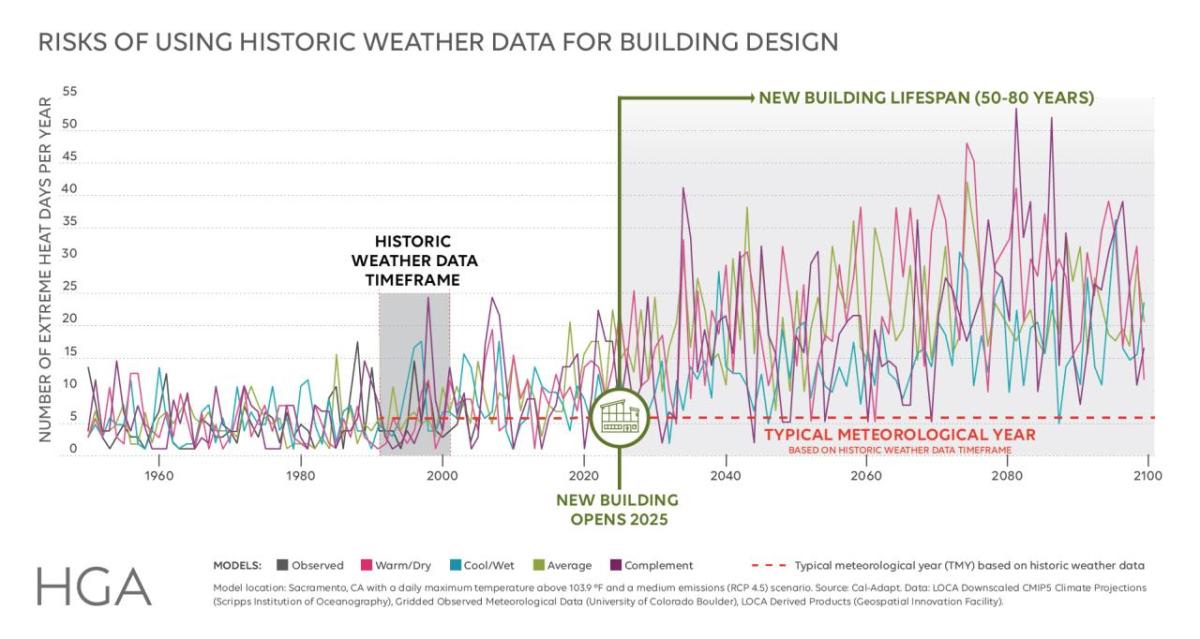







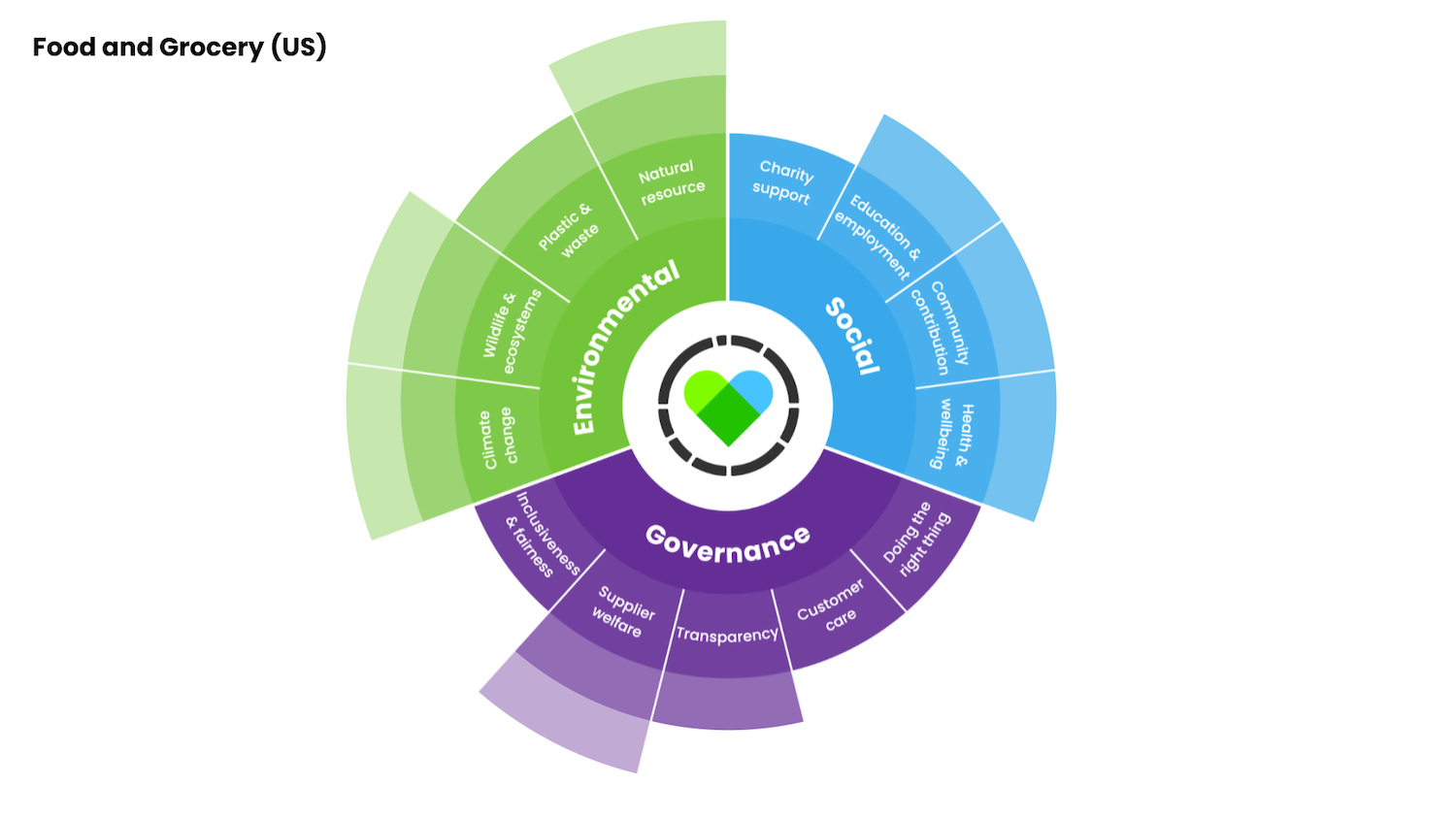
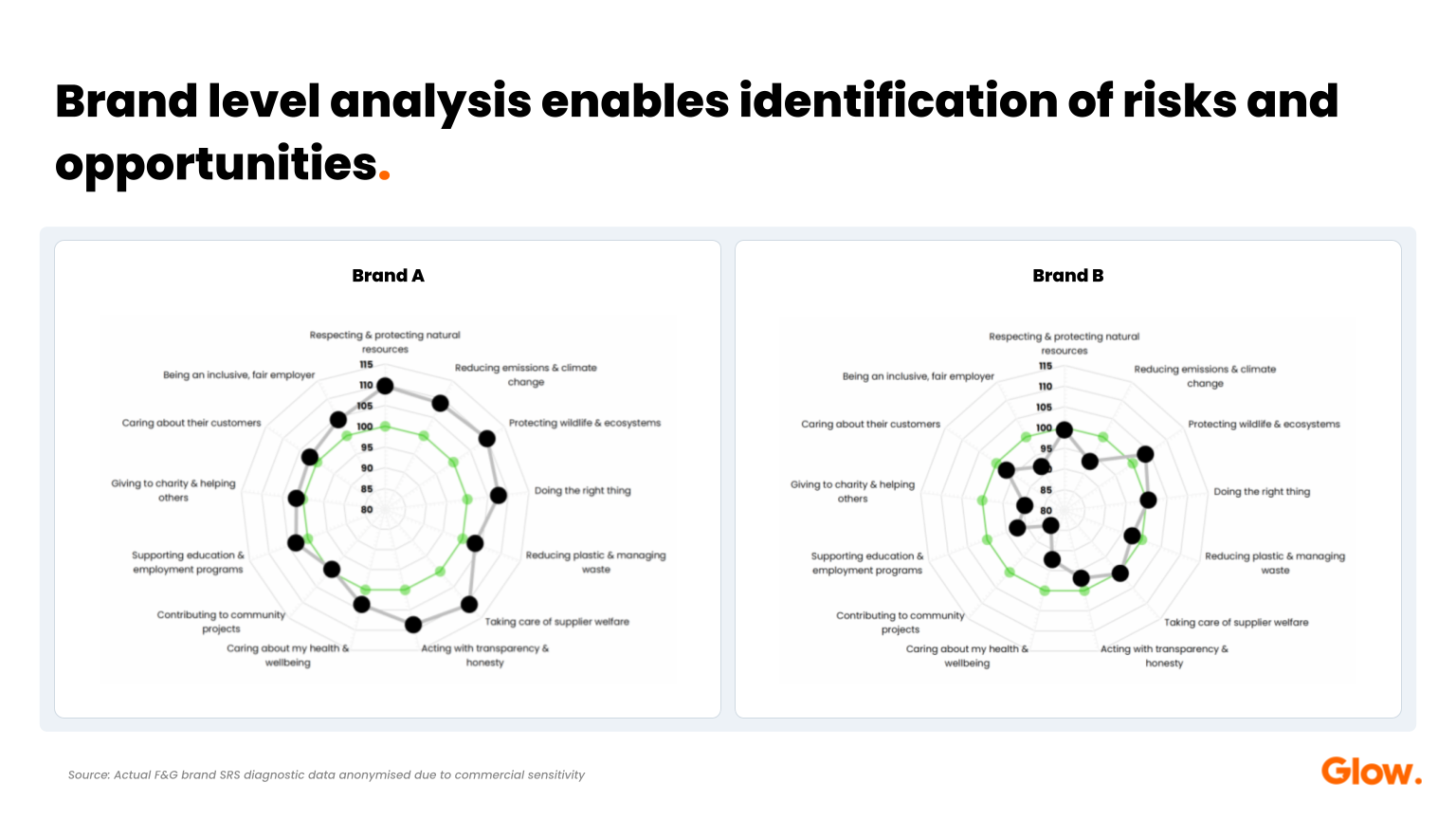
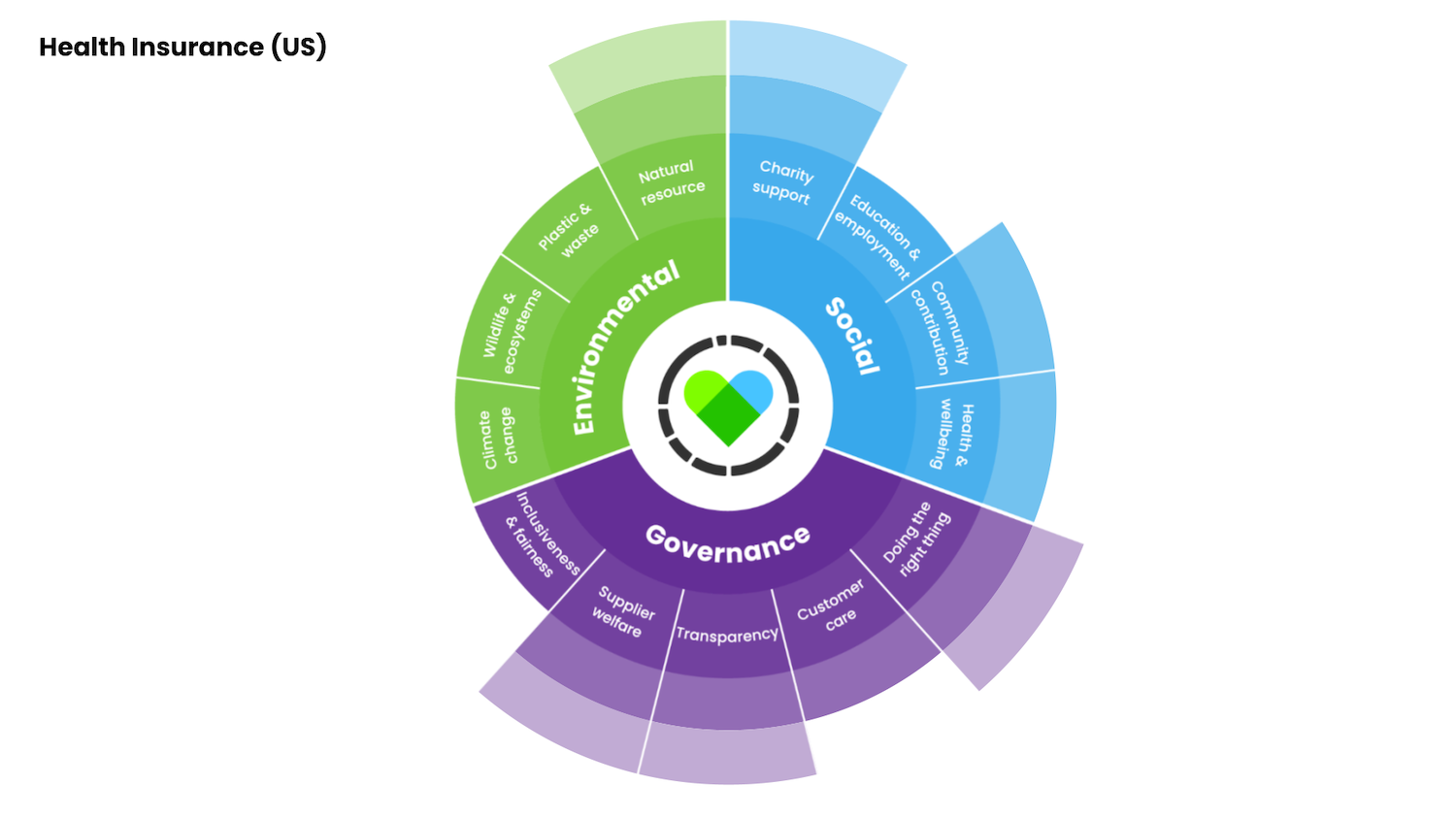
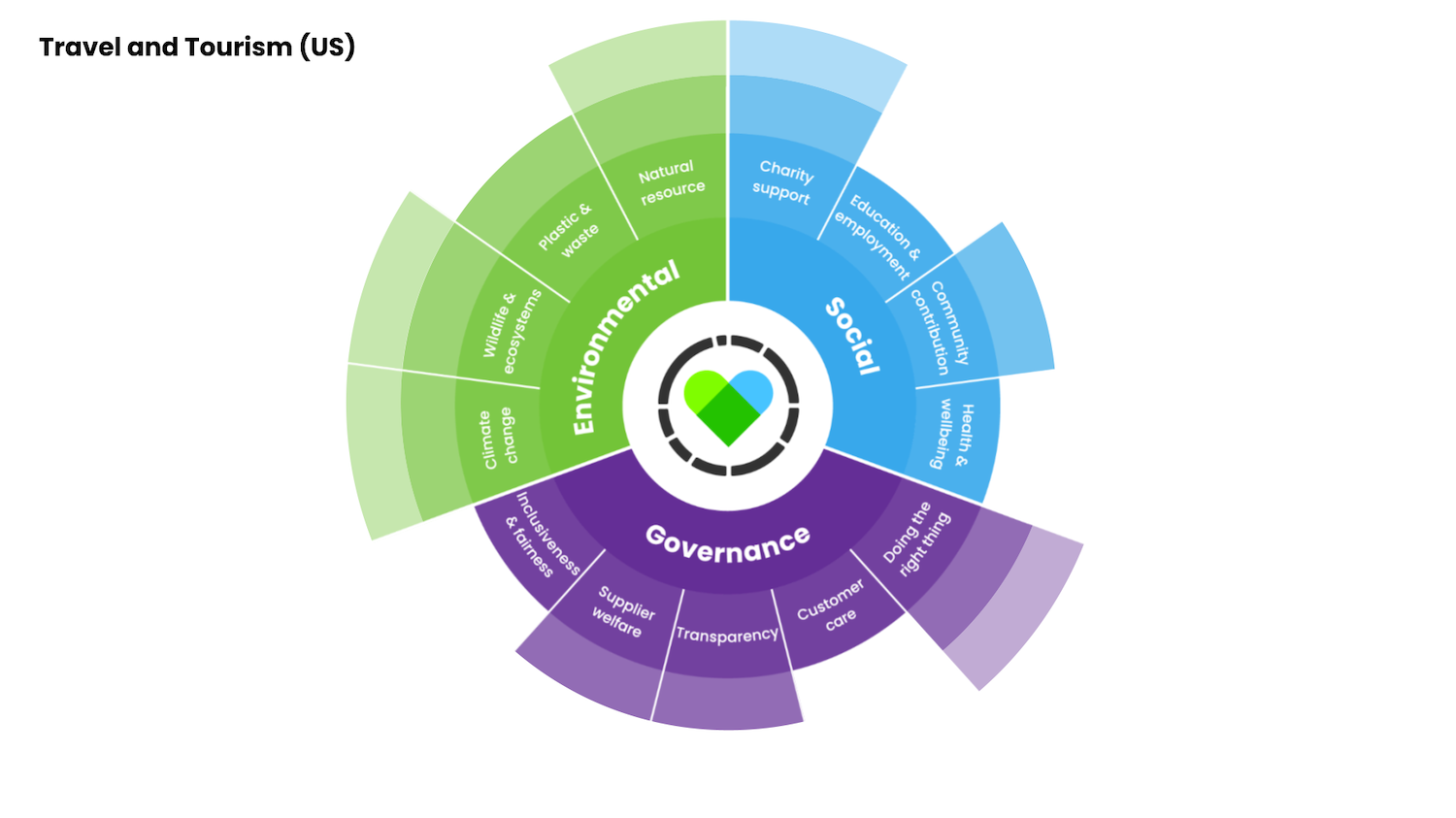
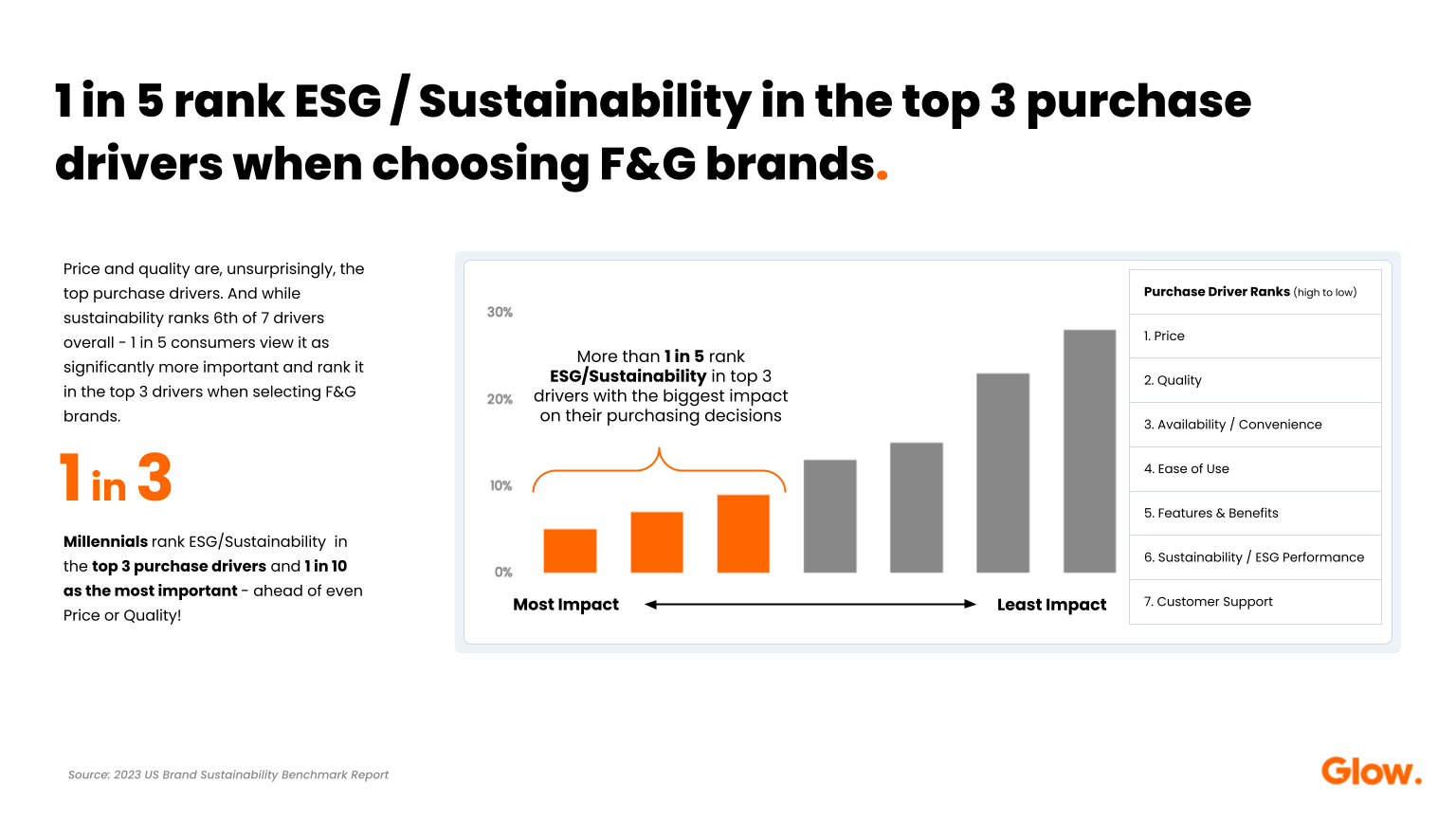



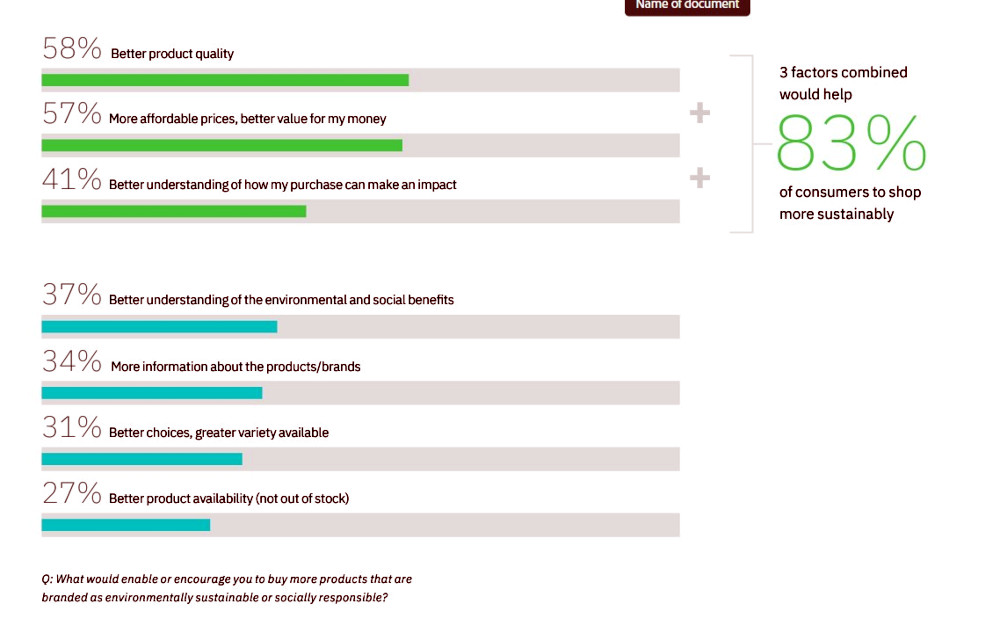 Image credit:












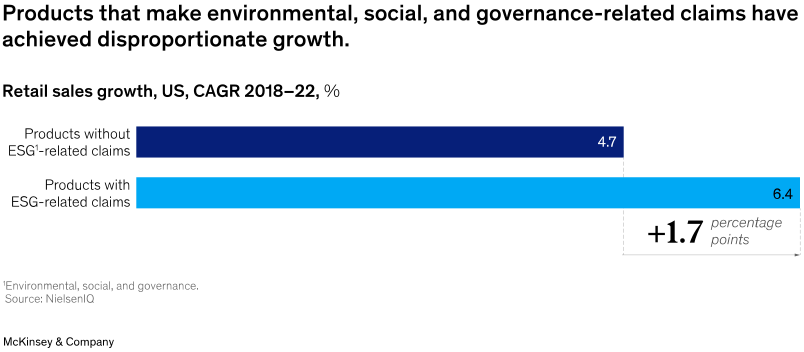
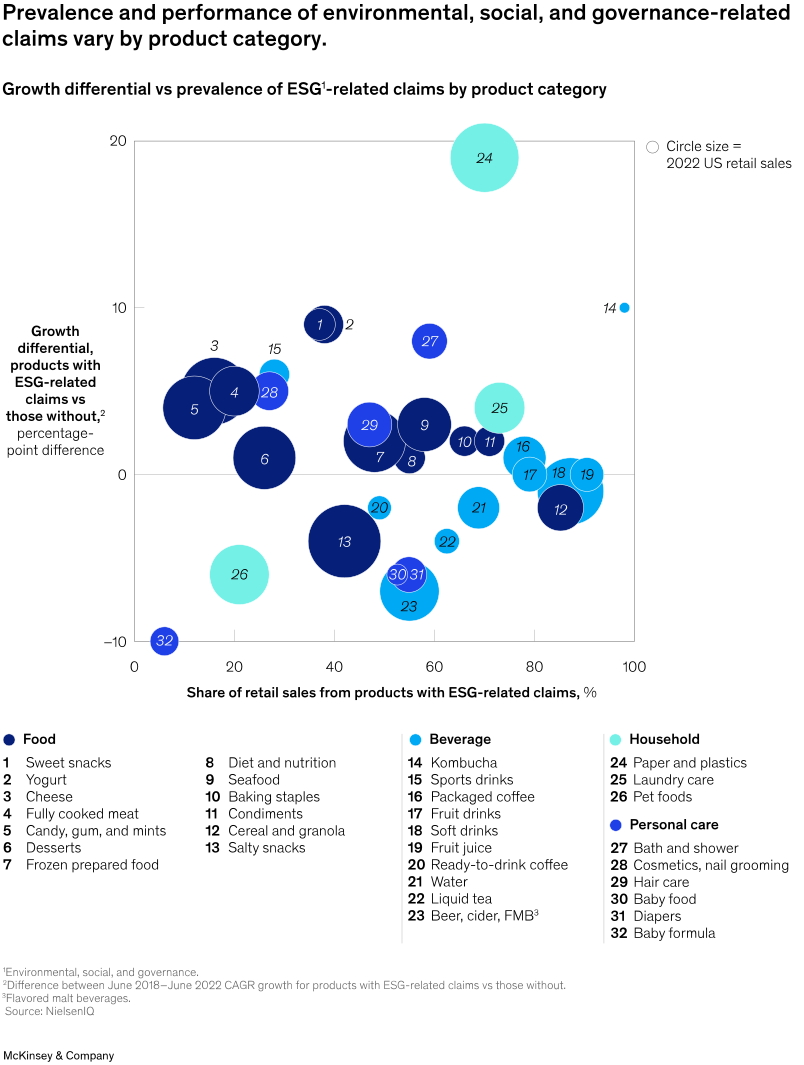
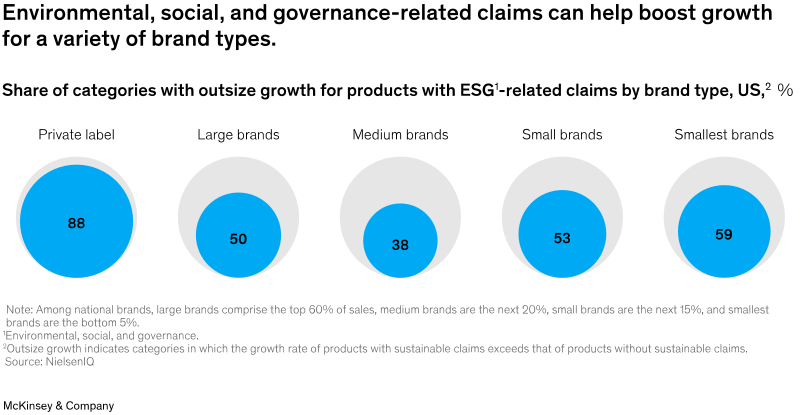
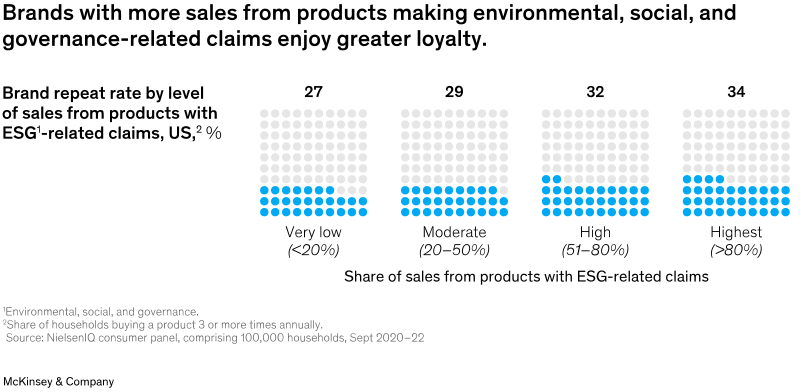
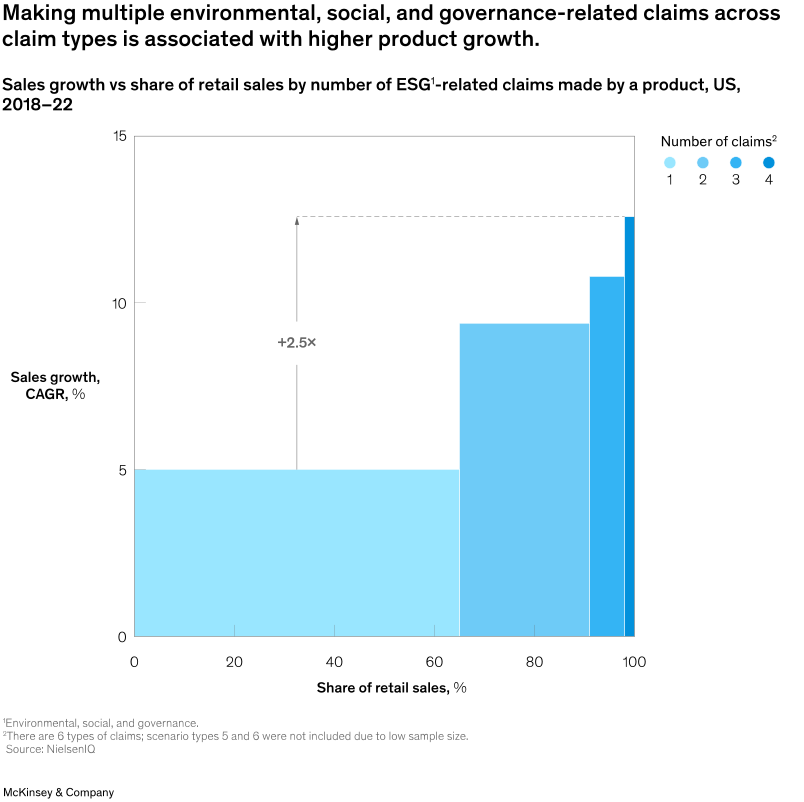




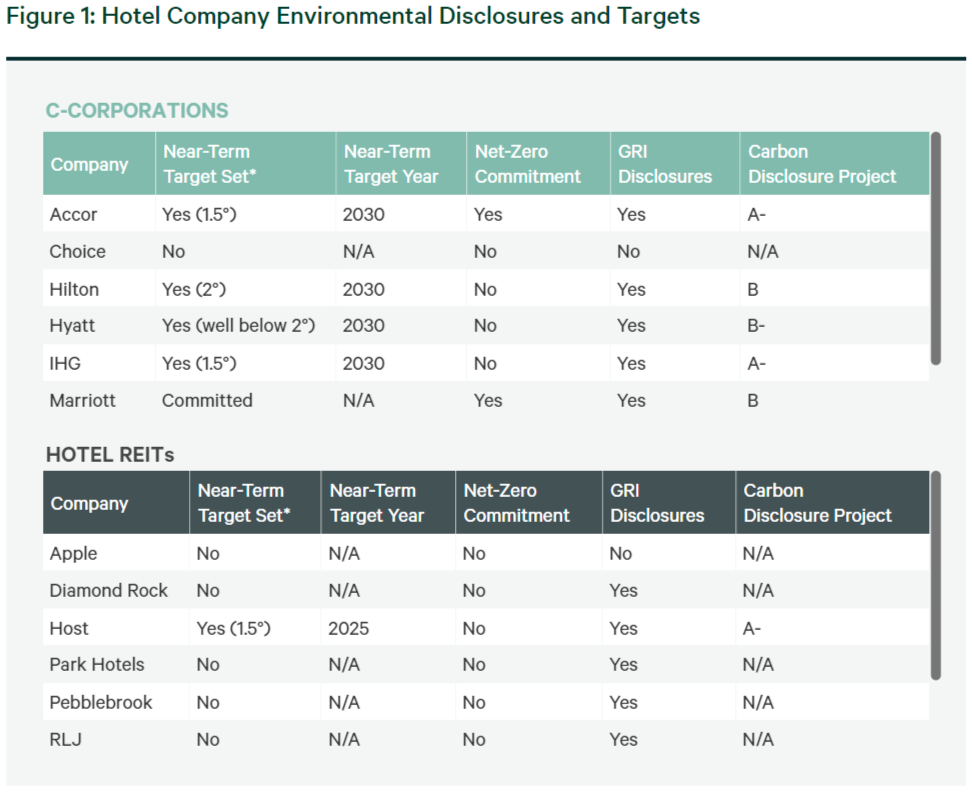

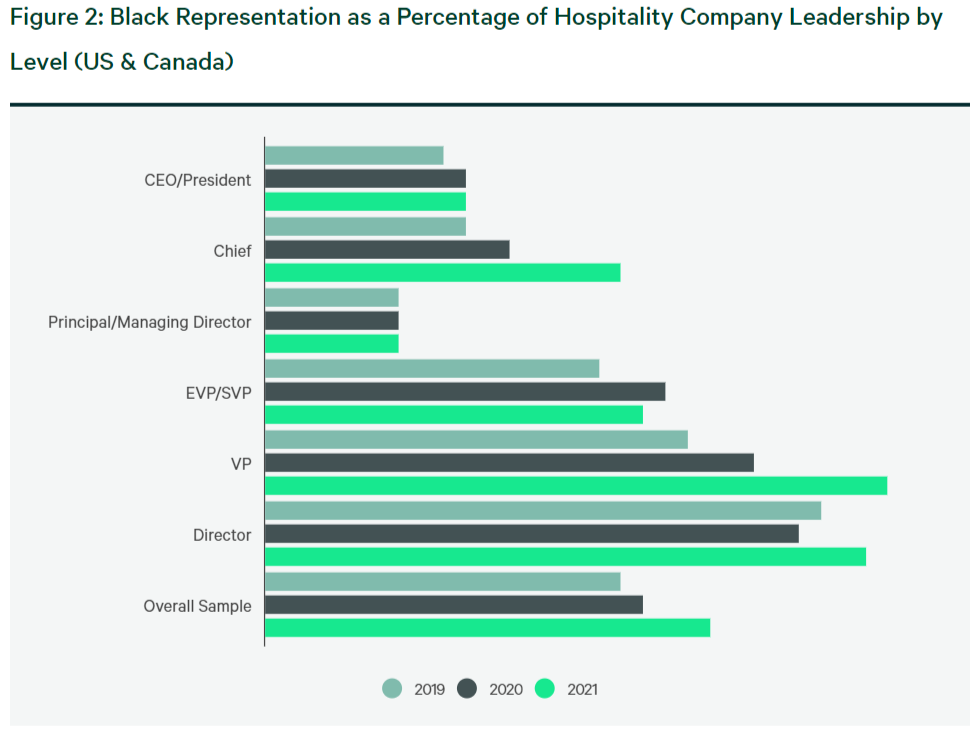
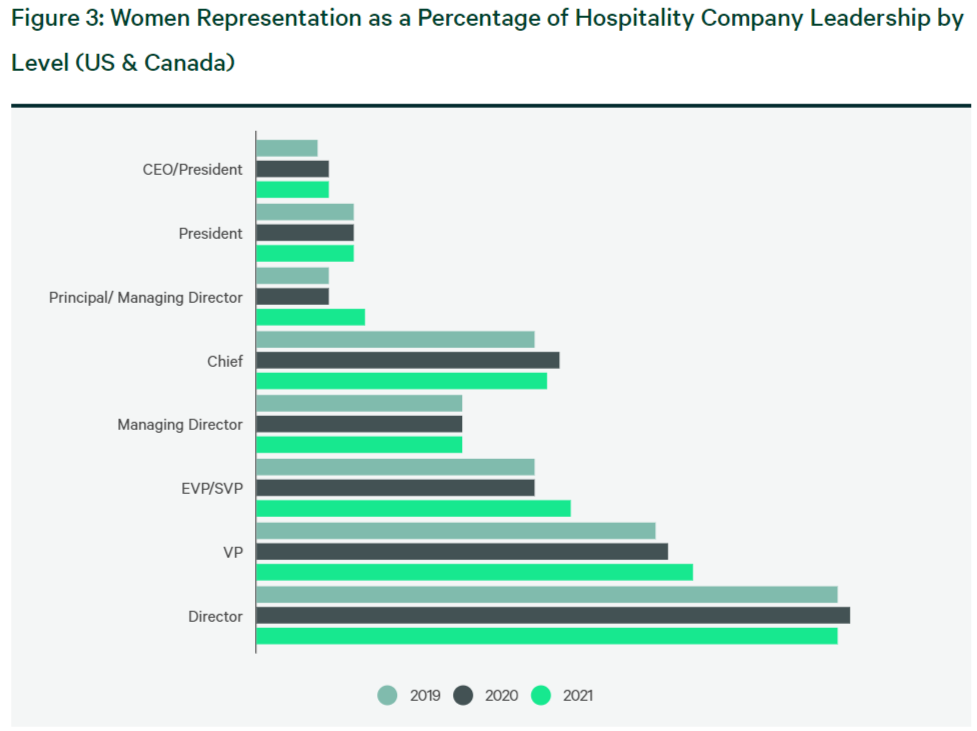

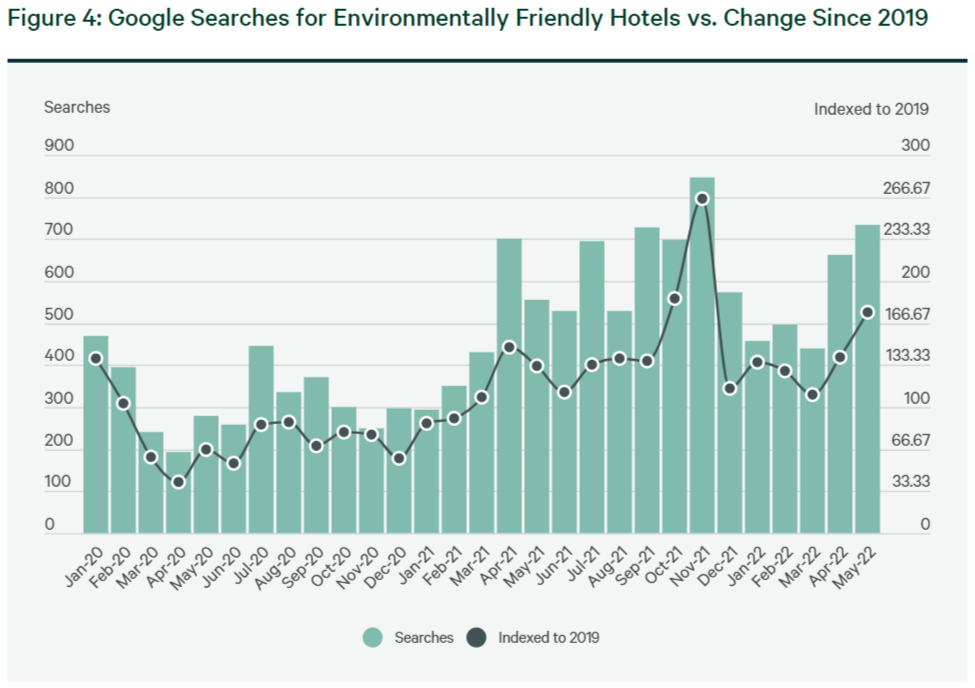
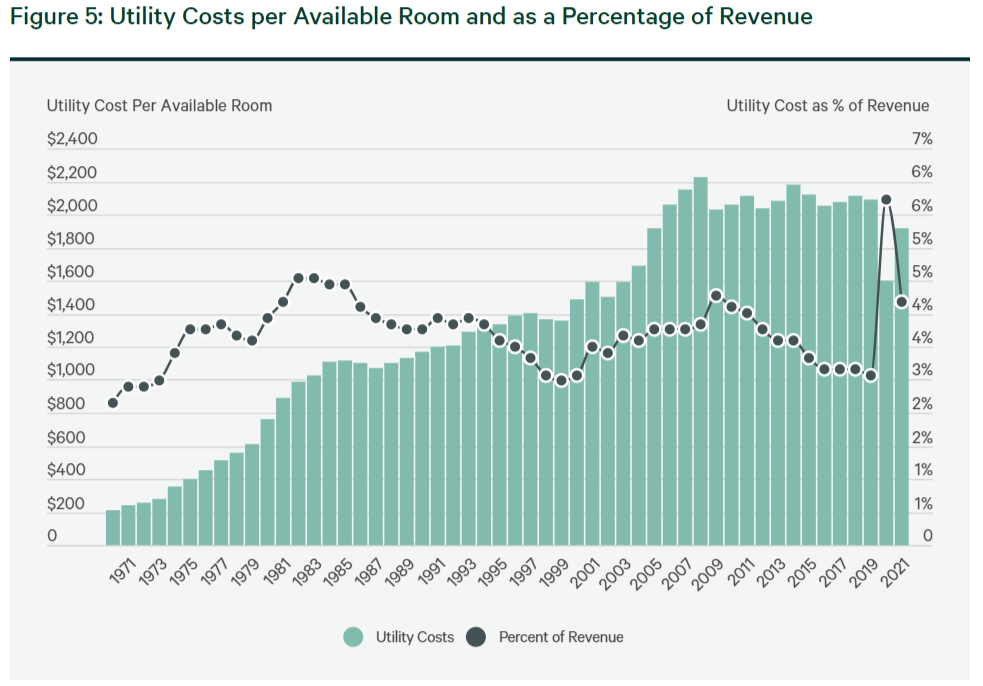
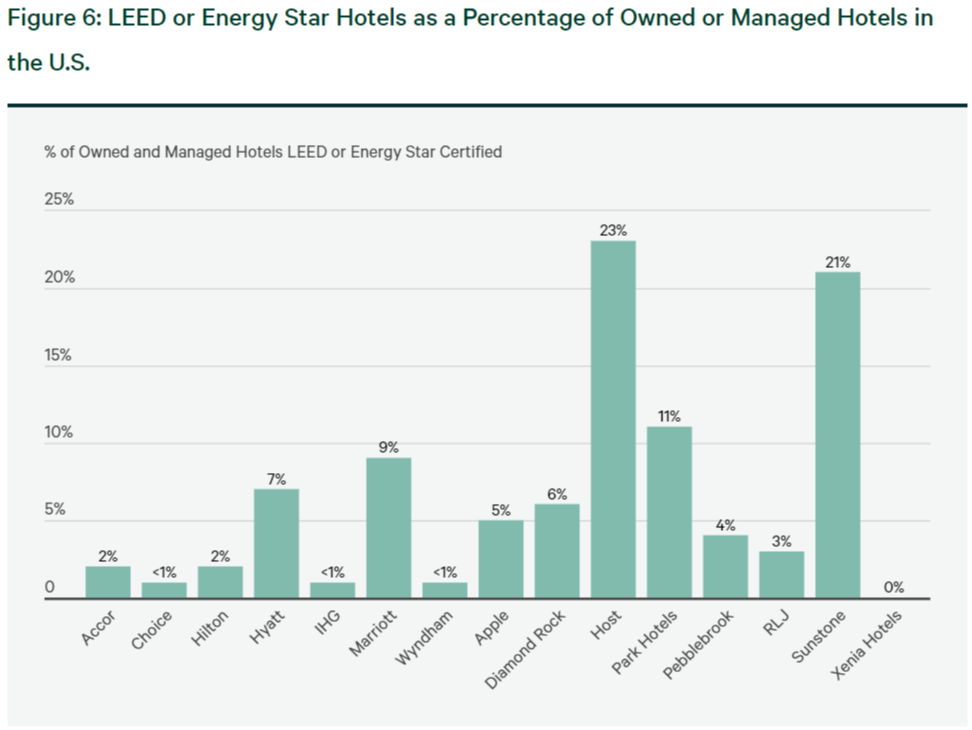
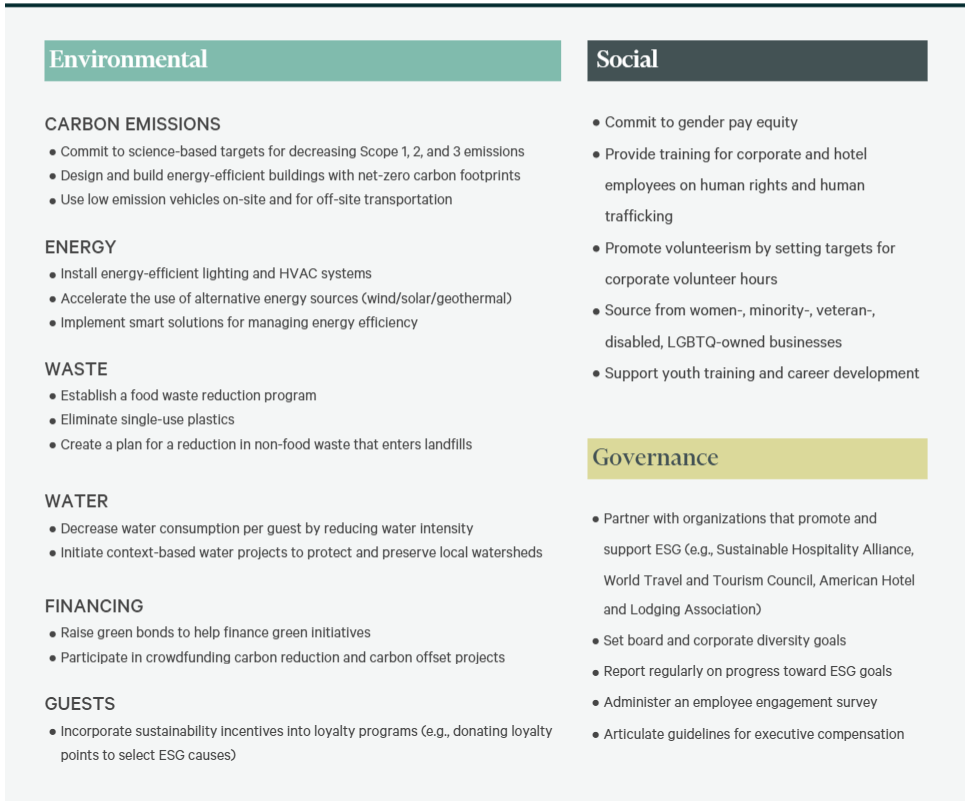





 Eric Block On Responsible Branding
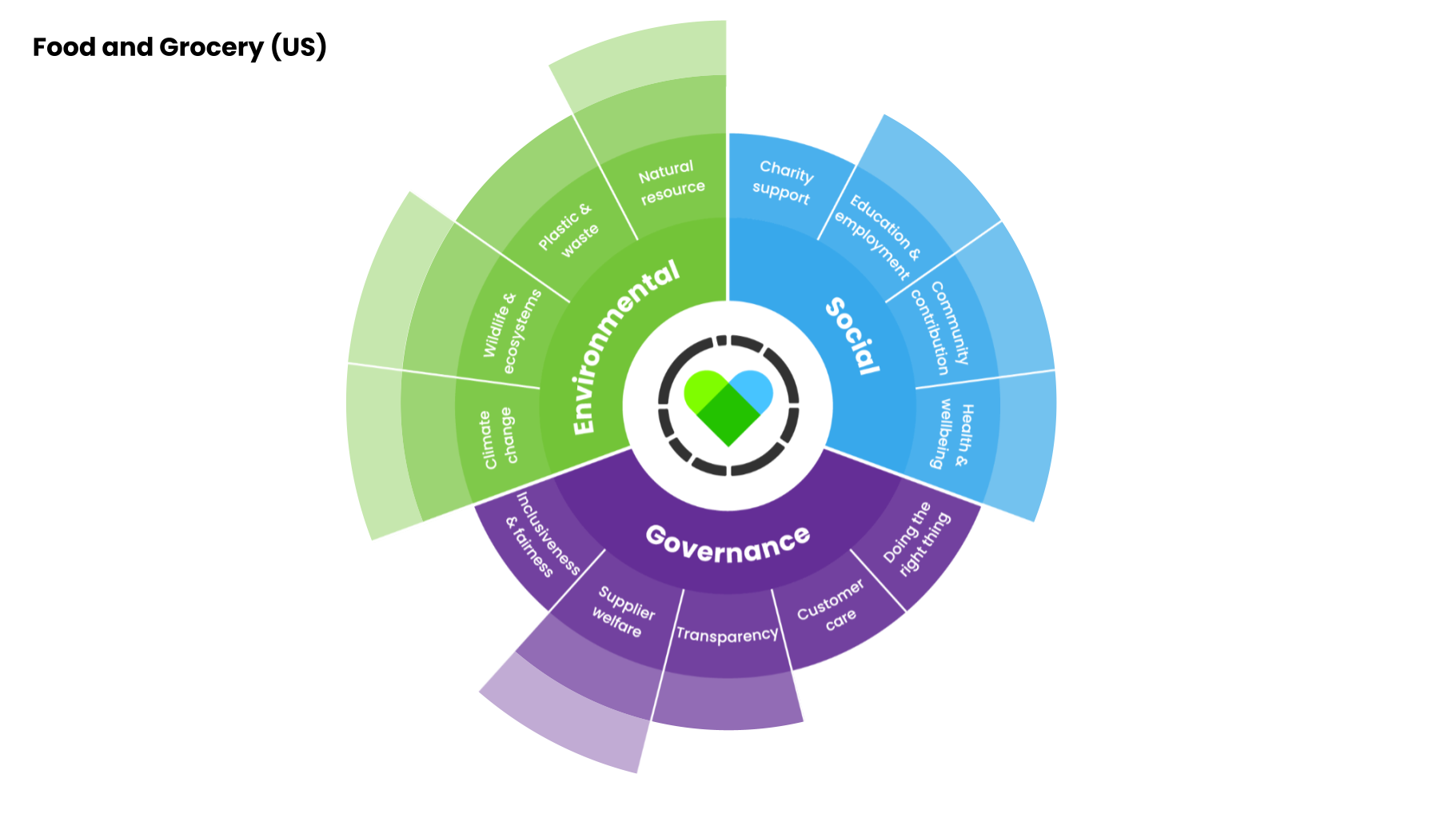
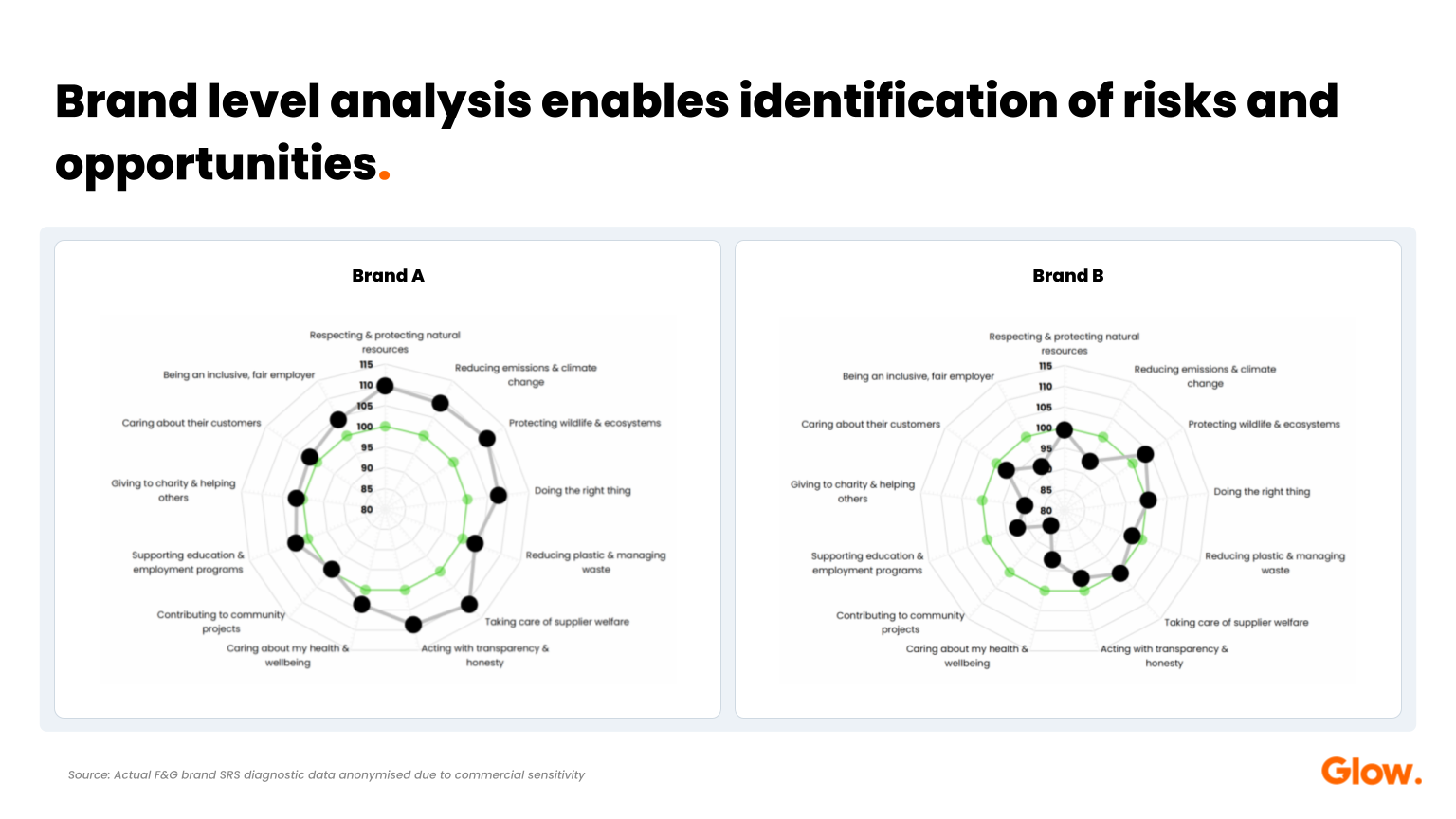
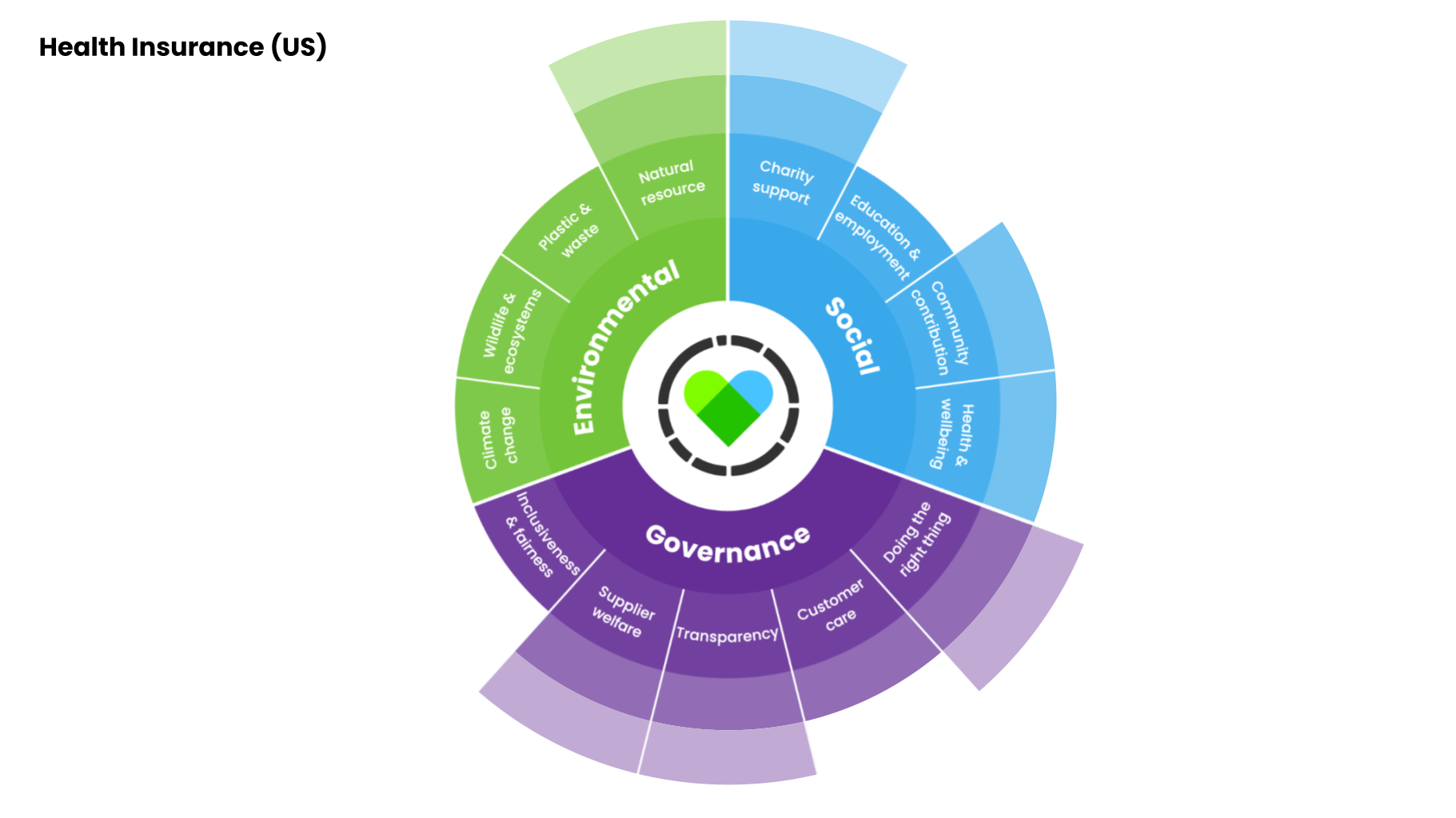

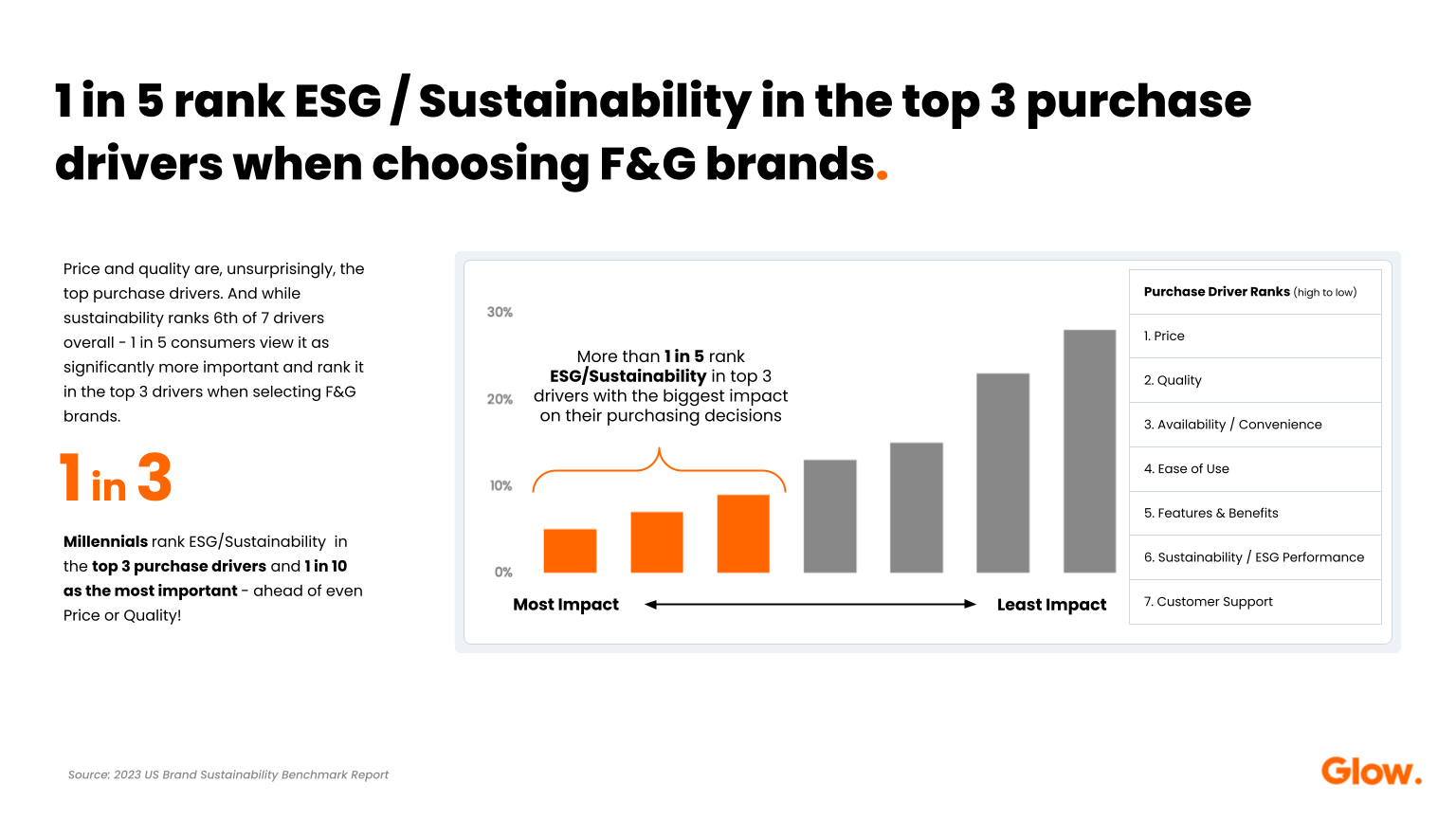
You must be logged in to post a comment.